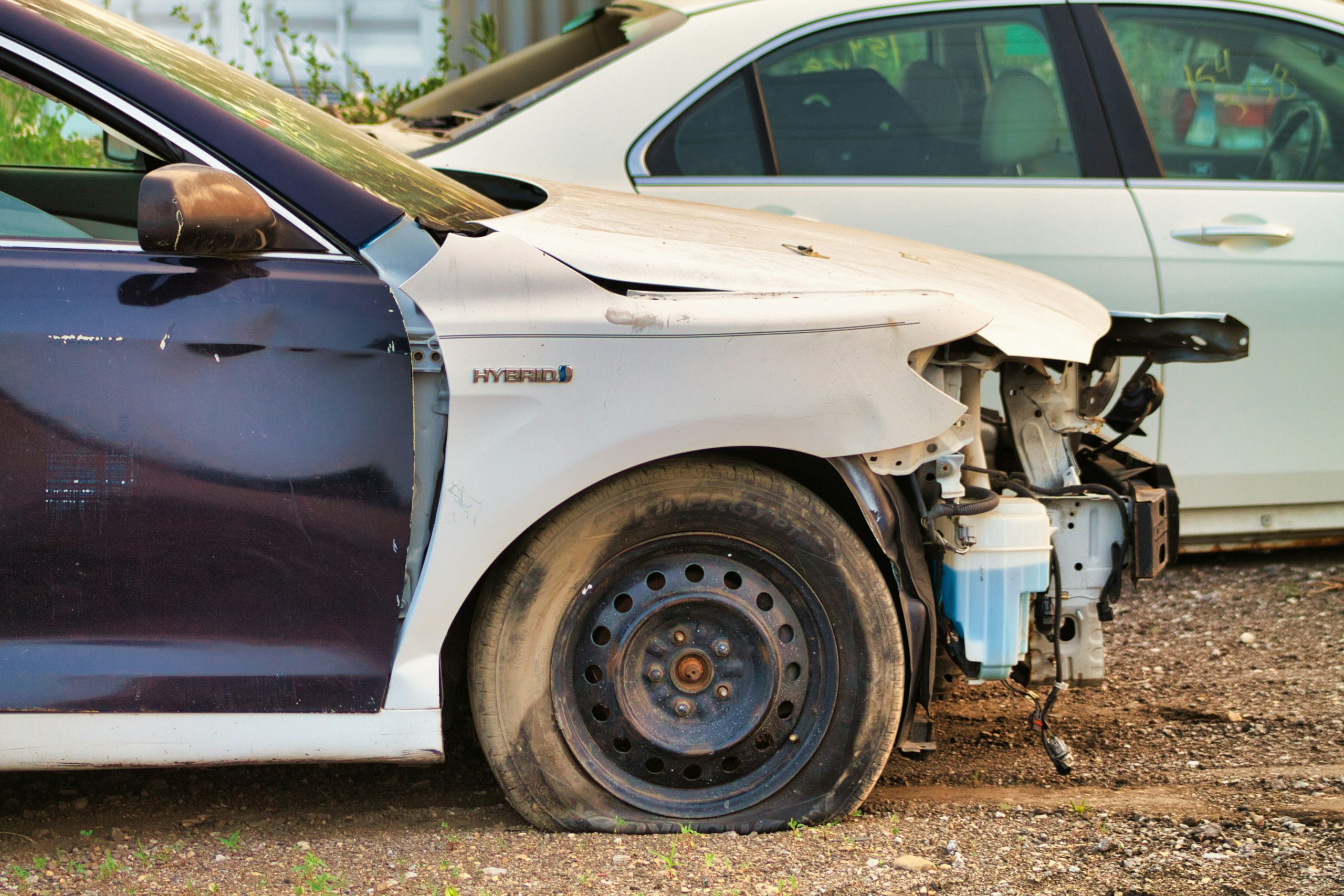
Driving with bad struts for a year can affect your vehicle’s safety, handling, tire life, and repair costs. Struts play an important role in keeping your tires in contact with the road while helping your car remain stable during braking, cornering, and driving over uneven surfaces.
When these components wear out, you may notice excessive bouncing, unusual noises, uneven tire wear, or difficulty controlling the vehicle. Ignoring these warning signs for months can turn a relatively straightforward repair into a more expensive problem. Understanding the risks helps you recognize when your suspension needs attention.
Your Car’s Handling and Stability Will Get Worse
Bad struts gradually reduce your car’s ability to maintain stable contact with the road. You might initially notice a softer ride or extra movement when driving over bumps. As wear progresses, the suspension may struggle to control the vehicle’s weight, making the car feel less predictable during everyday driving.
After months of driving with worn struts, cornering can become more difficult. Your vehicle may lean excessively when turning, particularly on winding roads or during sudden steering movements. This does not mean the car will automatically lose control, but it can become harder to maintain a stable path when conditions demand quick reactions.
Braking performance can also suffer. Worn struts allow more uncontrolled suspension movement, which may cause the vehicle’s weight to shift excessively during hard braking. Tire contact with the road can become less consistent, particularly on uneven surfaces. This can affect stopping performance, especially when combined with worn tires or poor road conditions.
Highway driving may feel less comfortable and less secure. Strong crosswinds, uneven pavement, and sudden lane changes can expose suspension weaknesses that are less noticeable at lower speeds. You may find yourself making more steering corrections to keep the vehicle steady, particularly when traveling at higher speeds.
After a year, the extent of these problems depends on how badly the struts have deteriorated, your driving habits, and the roads you use. A slightly worn strut may cause limited symptoms, while a severely damaged unit can create significant handling problems. Either way, postponing inspection increases the risk of driving with compromised suspension performance.

Your Tires May Wear Out Much Faster
One of the most noticeable consequences of bad struts is uneven tire wear. Healthy suspension components help keep the tires stable as they roll across the road. When struts cannot control wheel movement properly, the tires may bounce or lose consistent contact with the pavement, increasing the likelihood of irregular tread wear.
You might notice scalloped or cupped patches around the tire tread. These areas appear as alternating high and low spots, often creating a rough surface. Worn shocks or struts can contribute to this pattern, though wheel imbalance, alignment problems, and other suspension faults can also cause similar damage.
Driving for a year without addressing the problem can shorten tire life considerably. The exact reduction varies with the severity of the wear, vehicle weight, tire condition, and road quality. If the tread becomes uneven enough, replacing the tires may become necessary even when some sections still appear to have usable tread.
Uneven tires can also make your car noisier. You may hear a humming or droning sound that changes with road speed. Vibration through the steering wheel or vehicle body can develop as tire wear progresses. These symptoms should not automatically be blamed on struts, since wheel bearings, tire defects, and alignment issues can produce similar signs.
Replacing worn tires without repairing the underlying suspension problem can waste money. New tires may begin wearing unevenly again if damaged struts continue allowing excessive wheel movement. A proper inspection should therefore include the tires, suspension components, wheel alignment, and tire balance when appropriate.

Other Suspension Parts May Suffer Damage
Struts work alongside several suspension components, including springs, mounts, bushings, and steering parts. When a strut becomes severely worn or damaged, the suspension may experience excessive movement and repeated impacts. These forces can place additional stress on surrounding components, particularly when the vehicle regularly travels over potholes and rough roads.
Strut mounts may also develop problems. These mounts connect the strut assembly to the vehicle body and help absorb movement and vibration. Worn mounts can produce knocking sounds, creaking, or clunking when turning or driving over bumps. However, those noises can also come from loose links, damaged bushings, or other suspension parts.
The springs in your suspension system deserve attention as well. A worn strut does not automatically damage a spring, but a broken spring or weakened suspension assembly can create additional problems. If a spring breaks, the vehicle may sit unevenly, and the broken section could interfere with nearby components.
Steering components may also show symptoms that resemble strut failure. Excessive play, unusual noises, and poor directional stability can involve tie rods, ball joints, or control arm bushings. Driving for months without identifying the actual source of these symptoms can allow a separate mechanical fault to worsen.
By the end of a year, you could face a larger repair bill if several worn components need replacement together. That outcome is not guaranteed, and replacing struts alone may be sufficient in some cases. A qualified mechanic can inspect the complete suspension system and identify which parts are damaged rather than recommending unnecessary replacements.
Your Repair Costs Could Increase
The cost of repairing bad struts depends on your vehicle, the parts required, and local labor rates. Replacing worn struts before they cause additional problems is generally more economical than waiting until tire damage or related suspension faults require attention.
The longer you postpone repairs, the more opportunities there are for existing problems to affect other components.
Tires can become a major additional expense. If suspension problems cause premature or uneven tread wear, you may need replacement tires earlier than expected. Depending on the vehicle and tire specifications, replacing a complete set can cost considerably more than addressing the original suspension problem.
Wheel alignment may also be necessary after strut replacement, depending on the vehicle’s suspension design and the work performed. If the alignment is incorrect, tires may wear unevenly even after new struts are installed. Having the alignment checked helps ensure the repaired suspension performs as intended.
Labor costs vary because some vehicles have straightforward strut assemblies, while others require more extensive disassembly.
Certain vehicles use strut assemblies that incorporate a coil spring, which requires appropriate equipment and training to service safely. Incorrect handling of a compressed spring can cause serious injury, so this work should be left to a properly equipped professional.
There is no single price that applies to every car. Ask the repair shop for an itemized estimate covering parts, labor, any necessary alignment, and related damage. Comparing estimates can help you make an informed decision, but prioritize the quality of the repair and the safety of the vehicle rather than choosing solely by price.

Warning Signs You Should Never Ignore
Excessive bouncing after driving over a bump is a common warning sign of weakened damping. Your car may continue moving up and down rather than settling quickly. Although this symptom can indicate worn struts, other suspension faults may produce similar behavior, so a professional inspection is the best way to confirm the cause.
Look for oil-like fluid around the strut body. Some struts develop leaks as their internal seals deteriorate. A light film does not always mean immediate failure, but noticeable leakage combined with poor handling or excessive bouncing deserves prompt attention.
Listen for repeated clunking, knocking, or rattling over uneven roads. These sounds may indicate damaged strut mounts, loose suspension hardware, or other worn components. If the noise becomes suddenly louder or is accompanied by a change in steering behavior, have the vehicle inspected as soon as possible.
Pay attention to the way your car behaves during braking and turns. Excessive nose-diving, unusual body roll, or a tendency to wander may signal a suspension problem. These symptoms can also have other causes, including tire pressure issues, alignment faults, or worn steering components, so avoid assuming that the struts are responsible without an inspection.
If the vehicle becomes difficult to control, a tire loses contact with the road repeatedly, or a suspension component appears broken, stop driving when it is safe to do so and arrange professional assistance. Do not wait until the end of the year to address serious symptoms. Prompt action can help prevent further damage and reduce the risk of an accident.