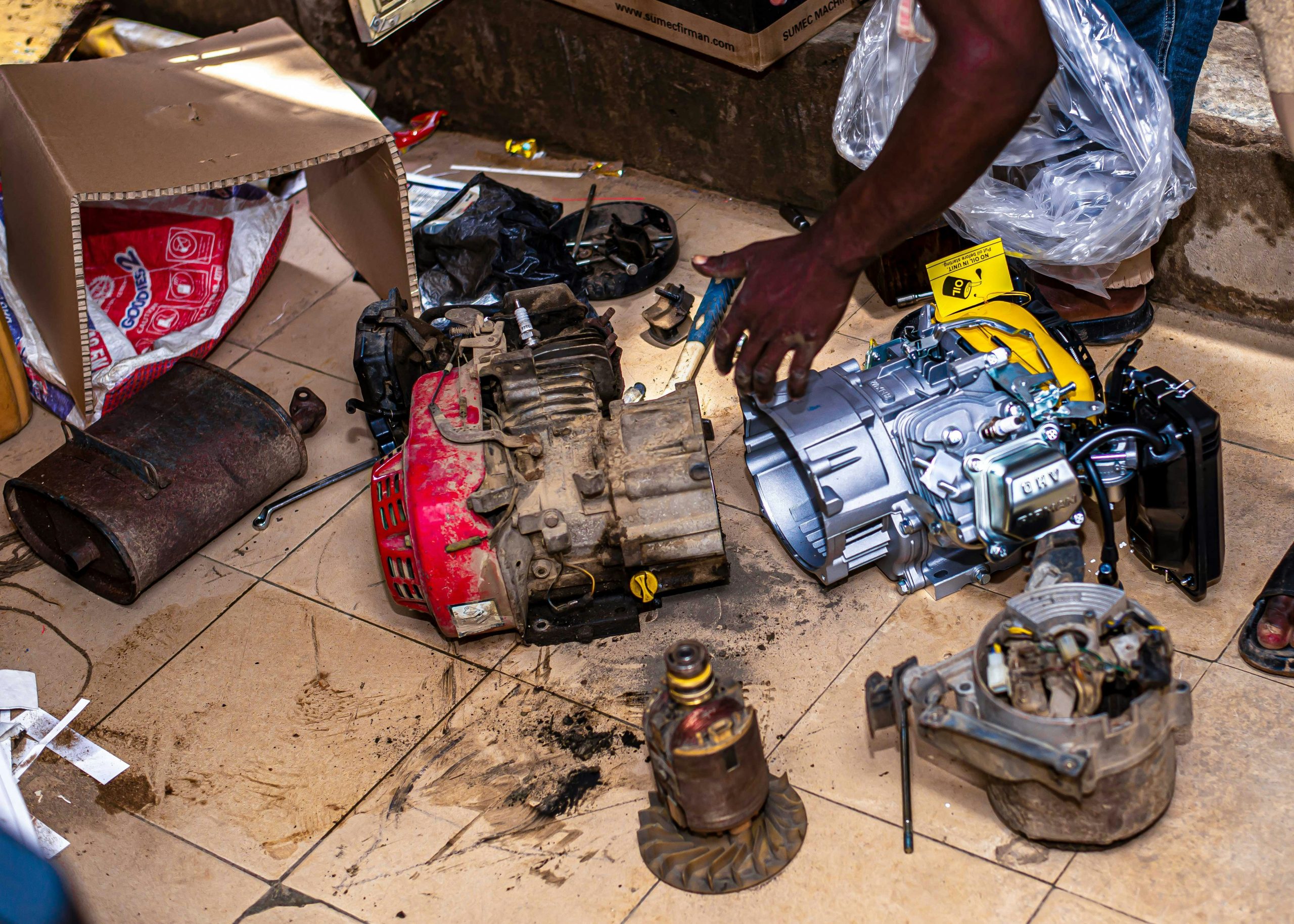
Replacing a transmission at 180,000 miles can be a difficult decision for any vehicle owner. A transmission repair may cost thousands of dollars, raising questions about whether the investment makes financial sense for an older car. The right choice depends on the vehicle’s condition, maintenance history, current market value, and expected lifespan.
Some high-mileage vehicles can continue running reliably for years with a replacement transmission, while others may develop additional expensive problems soon afterward. Before making a decision, it is important to compare repair costs, evaluate alternative options, and understand whether keeping your existing vehicle offers better long-term value.
How Long Can a Transmission Last at 180,000 Miles?
A vehicle reaching 180,000 miles has already covered considerable ground, but its mileage alone does not determine whether the transmission is near the end of its useful life. Many automatic and manual transmissions can last beyond 200,000 miles when properly maintained and driven under suitable conditions.
Their durability depends on design, manufacturing quality, driving habits, fluid condition, and the frequency of maintenance. Vehicles used primarily for highway travel often experience less demanding driving conditions than those used for frequent stop-and-go traffic, heavy towing, or commercial work. Therefore, 180,000 miles should be treated as an important evaluation point rather than an automatic reason to replace the vehicle.
Transmission maintenance plays a major role in determining longevity. Automatic transmissions rely on specialized fluid to lubricate moving parts, manage heat, and support hydraulic operation. Manual transmissions also require suitable lubrication to protect their gears and bearings.
Over time, fluid can deteriorate, become contaminated, or lose some of its protective properties. Following the manufacturer’s recommended service schedule can reduce unnecessary wear, though maintenance cannot eliminate every mechanical failure. If the transmission has received appropriate care throughout the vehicle’s life, its replacement may be a worthwhile investment when the rest of the car remains in good condition.
Driving conditions can also influence transmission life. Repeatedly towing heavy loads, driving in mountainous terrain, carrying excessive weight, and operating in extreme heat can increase transmission temperatures and mechanical stress. Frequent acceleration and abrupt gear changes may add further strain.
A vehicle driven gently on highways may have a more favorable mechanical history than a similar model used for demanding daily work. However, highway mileage is not automatically harmless, and previous neglect can shorten transmission life under any conditions. Understanding how the vehicle was used provides valuable context when evaluating a major repair.
How Much Does It Cost to Replace a Transmission?
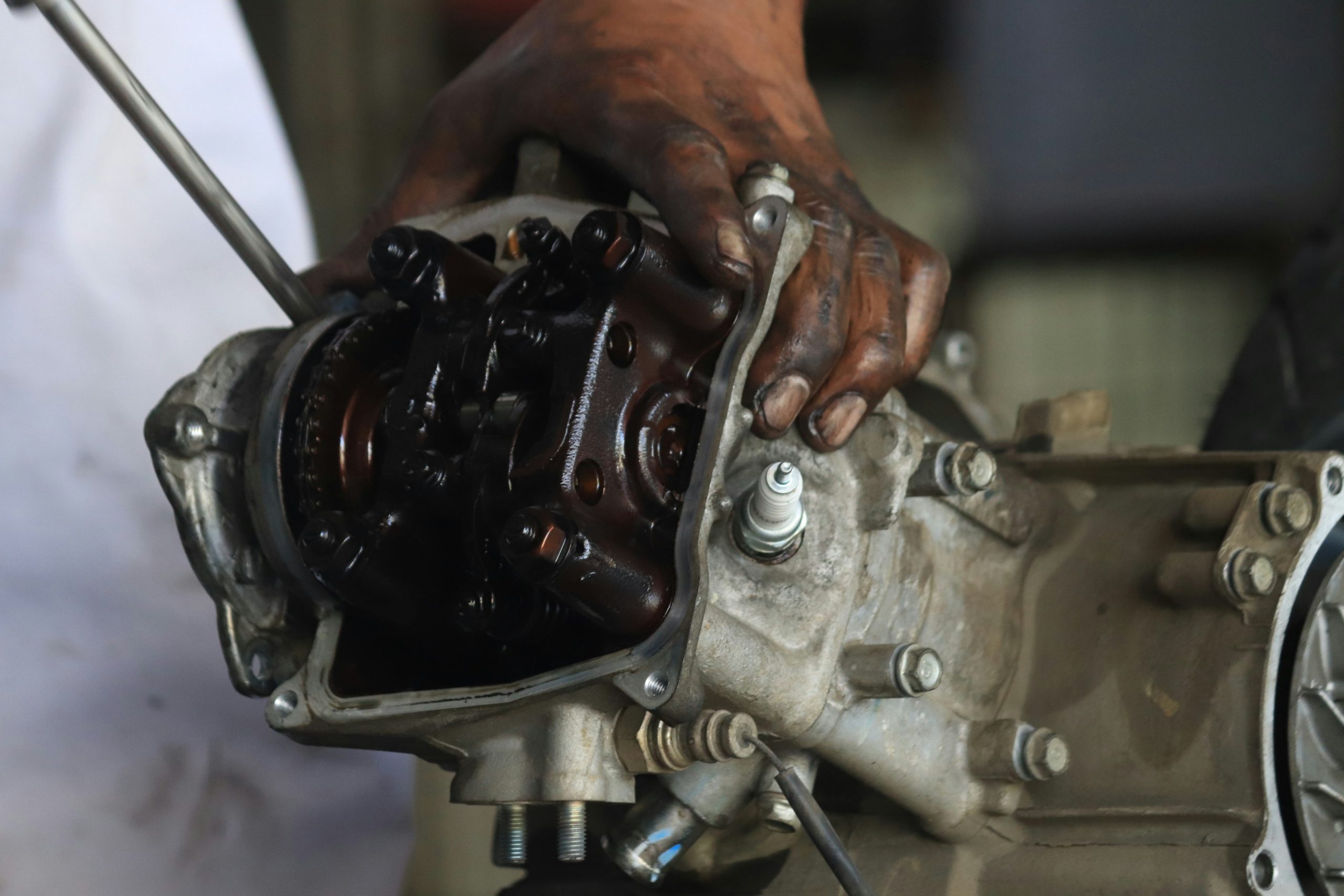
Transmission replacement costs vary significantly depending on the vehicle, transmission type, parts availability, labor rates, and repair facility. For many common passenger vehicles in the United States, a replacement can cost approximately $2,500 to $6,000, while some luxury vehicles, trucks, and models with complex transmissions may cost considerably more.
These figures are general estimates rather than guaranteed quotes. The only reliable way to determine the actual expense is to obtain an itemized estimate based on the specific vehicle and its mechanical condition.
The type of replacement transmission has a substantial effect on the final bill. A new transmission from the manufacturer may provide strong parts support and a warranty, but it can be prohibitively expensive for an older vehicle.
A remanufactured transmission has generally been rebuilt to specified standards, with worn components replaced and the unit tested before installation. A used transmission from a salvage vehicle usually costs less, but its service history and remaining lifespan may be uncertain. Comparing these choices helps owners balance upfront savings, reliability, and warranty protection.
Labor costs also deserve attention. Removing the old transmission, installing the replacement, checking related components, and completing required programming or calibration can involve several hours of specialized work.
Some vehicles require additional procedures, replacement fluids, new seals, cooling system service, or repairs to damaged mounts and related parts. Modern transmissions may also need electronic adaptation or software updates.
Before approving the job, ask the repair shop to explain which services are included, whether taxes and shop fees are covered, and what additional costs might arise during installation.
When Is Replacing the Transmission Worth It?
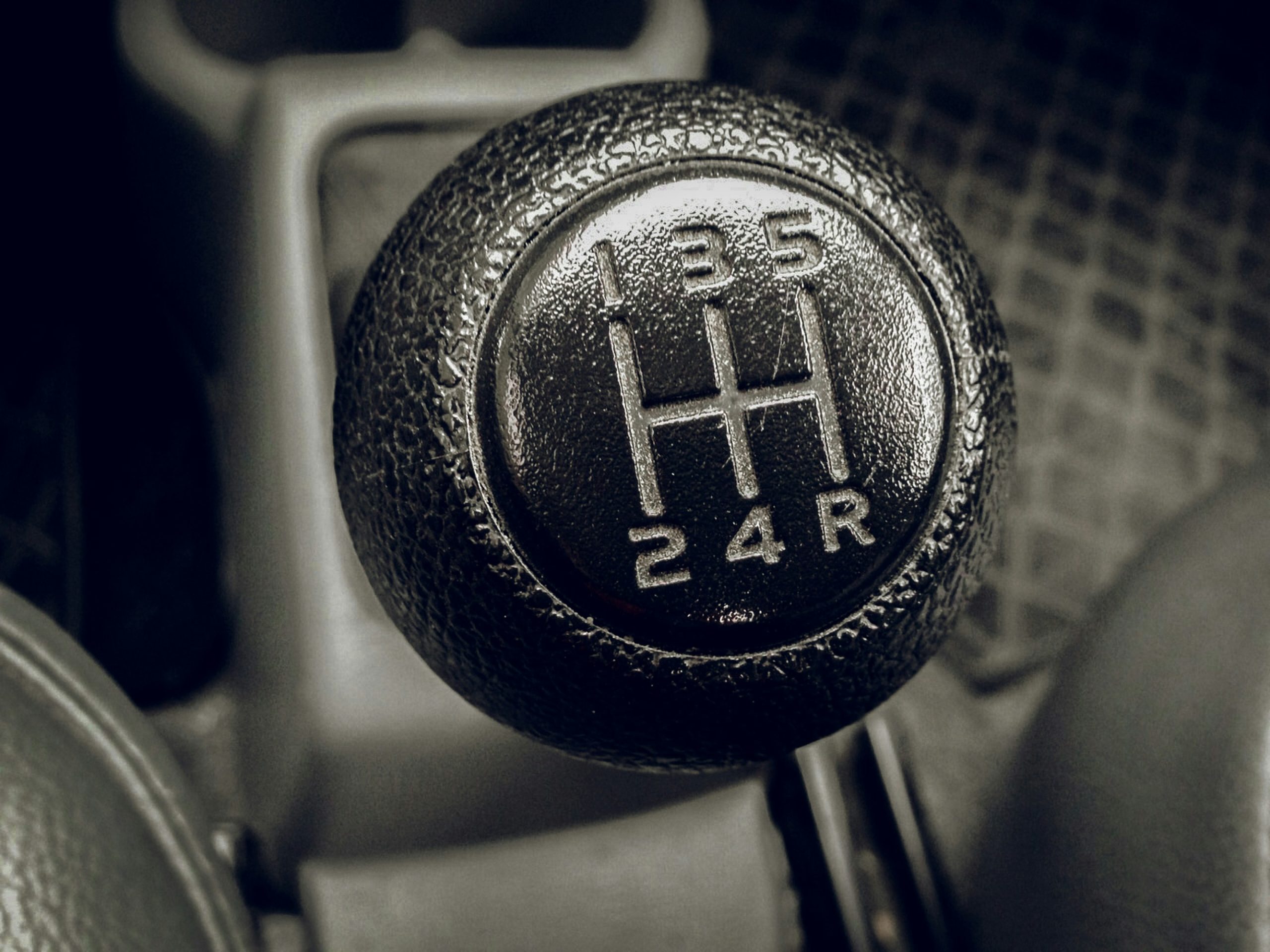
Replacing a transmission can make financial sense when the vehicle remains dependable in every other important area. A well-maintained sedan with 180,000 miles, a healthy engine, minimal rust, and a clean maintenance record may still have years of useful service ahead.
If its transmission is the primary mechanical problem, spending several thousand dollars on a replacement could be cheaper than purchasing another vehicle. The decision becomes particularly attractive when the owner knows the car’s history and has already completed important maintenance. A major repair can preserve the value of previous investments and postpone the expense of buying another vehicle.
The vehicle’s market value is another useful consideration, but it should not be the only factor. Suppose a car is worth $4,000 in its current condition and needs a $3,000 transmission replacement. At first glance, the repair may seem difficult to justify.
However, a comparable dependable replacement vehicle might cost substantially more than $4,000. If the repaired car is expected to provide several additional years of transportation, the repair could still offer better value. Compare the repair cost with the cost of obtaining an equally dependable alternative, not simply with the vehicle’s present resale price.
Your expected ownership period also matters. If you intend to keep the vehicle for another three to five years, a quality transmission replacement may be worthwhile when other systems are in good condition. If you plan to sell the car within a few months, spending thousands of dollars on the repair may be harder to recover through resale.
Nevertheless, an operable vehicle may be easier to sell and more attractive to buyers than one with a failed transmission. Consider your plans carefully and avoid assuming that every dollar spent on repairs will increase the vehicle’s resale value by the same amount.
When Should You Avoid Replacing the Transmission?
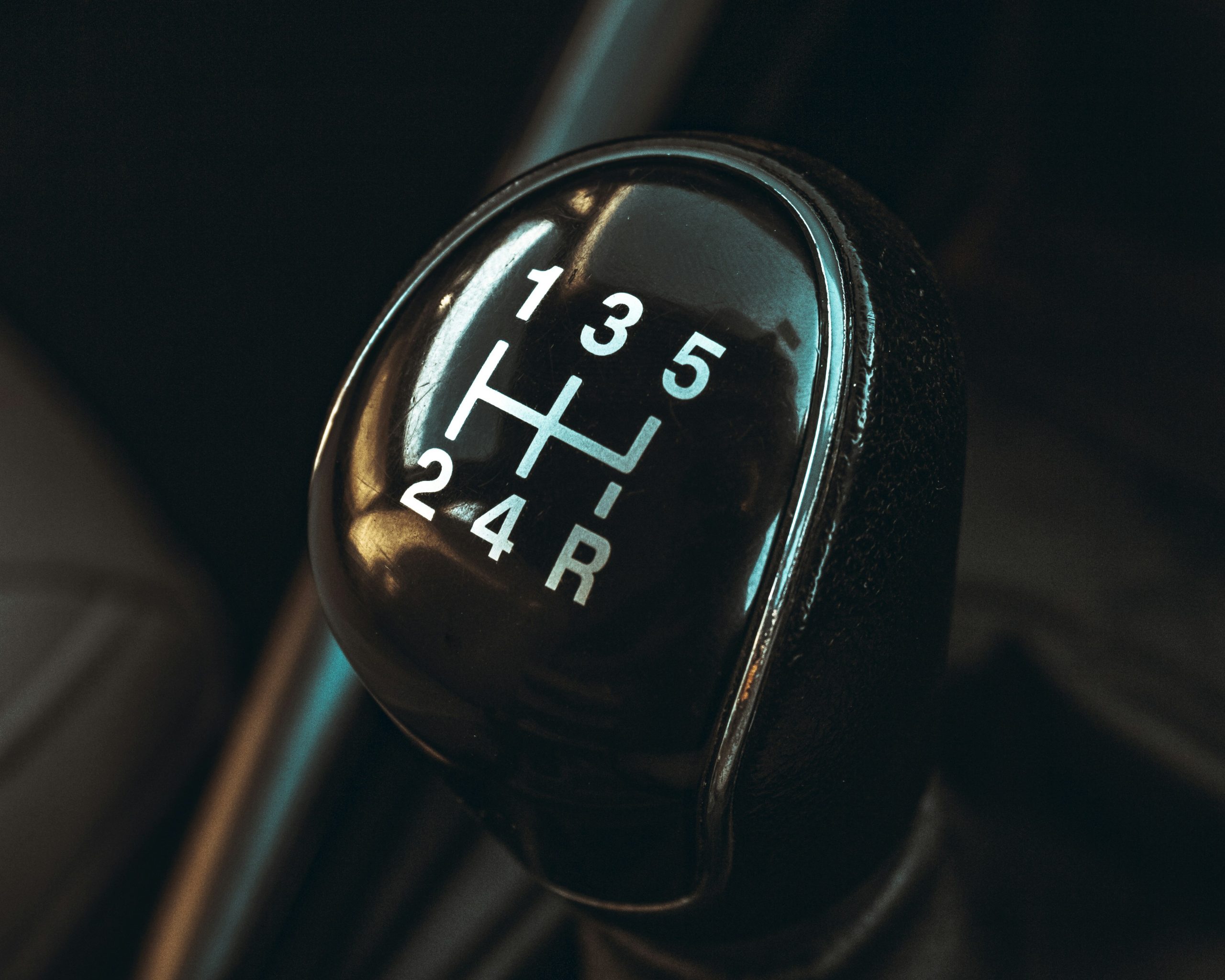
Replacing the transmission may not be worthwhile when the vehicle has several other serious mechanical problems. For example, a car with transmission failure, significant engine oil consumption, overheating, severe rust, and worn suspension components could require thousands of dollars in additional work.
Fixing the transmission would restore only one part of a vehicle that may continue to demand expensive repairs. In such cases, the combined cost could exceed the amount you would reasonably spend to obtain a dependable alternative. A full inspection is essential before committing to a major repair on a high-mileage vehicle.
Structural rust is particularly important because it can affect safety and repair feasibility. Rust on cosmetic body panels may be manageable, but corrosion affecting the frame, subframe, suspension mounting points, or other structural areas can create serious concerns.
If a vehicle has extensive structural damage, investing in a transmission may not be sensible even if the engine remains strong. Ask a qualified technician to assess the underbody and identify any safety-related problems. A vehicle that cannot be repaired economically or safely should not be kept on the road simply because money has already been spent on it.
Another concern is a transmission that has suffered extensive internal damage alongside other mechanical failures. Metal debris circulating through the transmission system, severe overheating, or repeated failures following previous repairs can complicate the job.
Depending on the design, related components such as the torque converter, cooler, or cooling lines may need attention. Installing a replacement without addressing the underlying cause of the original failure could lead to further trouble.
The repair shop should explain the failure, describe the work needed to prevent recurrence, and provide a realistic estimate of the complete repair.
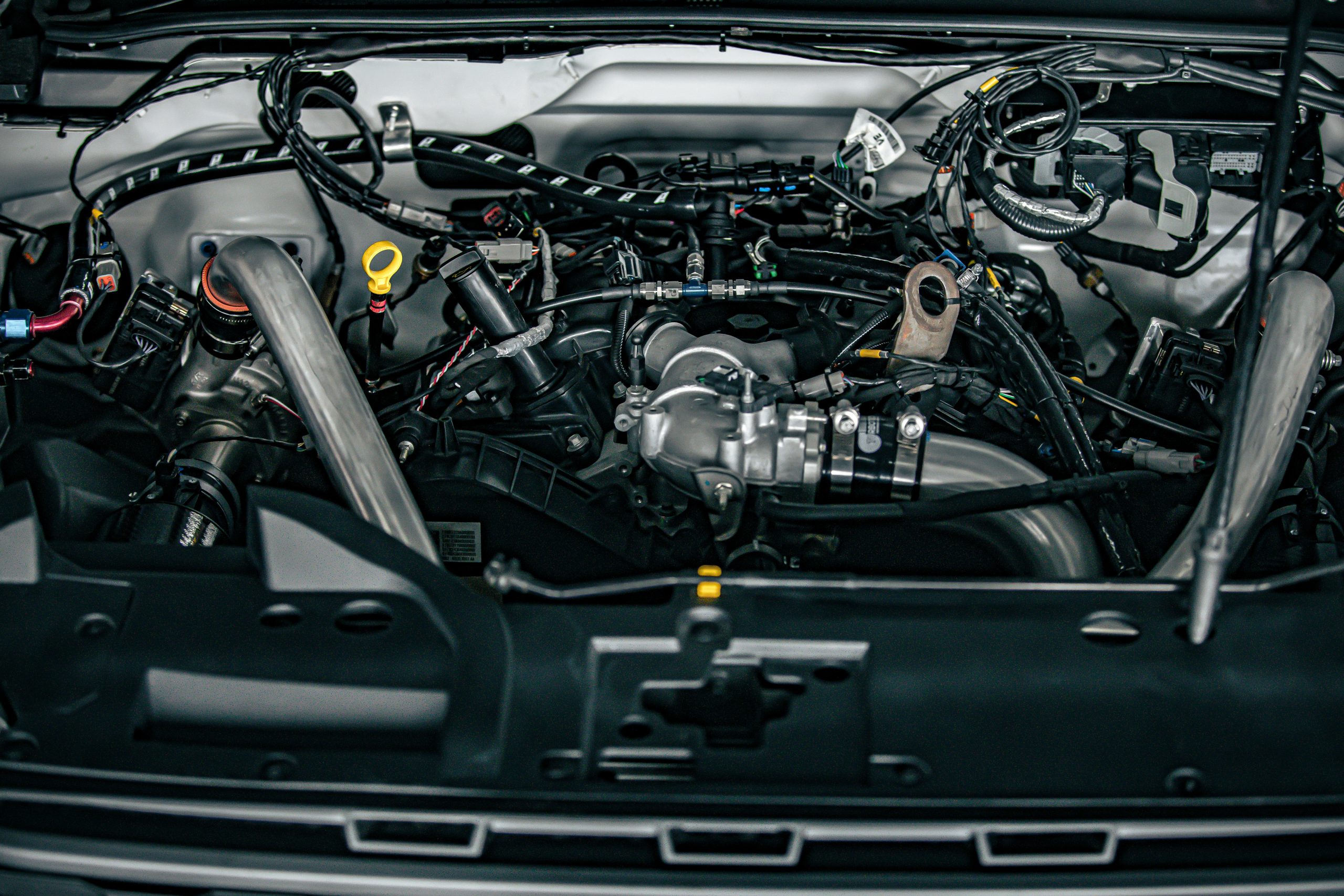
Alternatives to a Full Transmission Replacement
A transmission rebuild may be an option when the existing unit can be repaired economically. During a rebuild, a technician disassembles the transmission, inspects its components, and replaces worn or damaged parts as needed. The final cost depends on the extent of internal damage, parts availability, and the transmission’s design.
A rebuild may cost less than installing a new manufacturer-supplied unit, but results depend heavily on the quality of the work and the parts used. Ask the shop which components will be replaced, what testing will be performed, and what warranty accompanies the rebuild.
A used transmission can be another cost-effective alternative. Salvage yards and specialized suppliers sometimes have compatible units from vehicles that were damaged in collisions or retired for unrelated reasons.
A used transmission may reduce the upfront expense substantially, especially for older cars where a new unit is difficult to justify. However, its previous maintenance history may be incomplete, and its actual condition may be uncertain.
Check the donor vehicle’s mileage when available, request warranty details, and confirm compatibility using the vehicle identification number and transmission specifications before purchasing.
In some cases, the transmission may not require replacement at all. Low fluid levels, leaks, damaged wiring, faulty sensors, defective solenoids, or control module problems can produce shifting difficulties. Depending on the vehicle, a relatively small repair may resolve the issue.
Fluid changes or other maintenance can help when appropriate, but they cannot reverse severe internal damage. Avoid adding transmission additives or performing an aggressive fluid flush as a substitute for diagnosis. The correct next step is to identify the actual fault and follow the manufacturer’s recommended service procedures.