
Vehicle fires are among the most serious safety concerns for American motorists, particularly when they occur without a collision or warning.
The National Highway Traffic Safety Administration (NHTSA) collects owner complaints involving vehicle fires, providing valuable information about potential safety problems across different makes and models.
Some vehicles have accumulated considerably more fire-related reports than others, raising questions about their engines, electrical systems, fuel components, and previous recalls.
This article examines six models with the highest numbers of fire-flagged complaints in a 2015–2025 model-year dataset, while distinguishing reported incidents from officially confirmed defects.
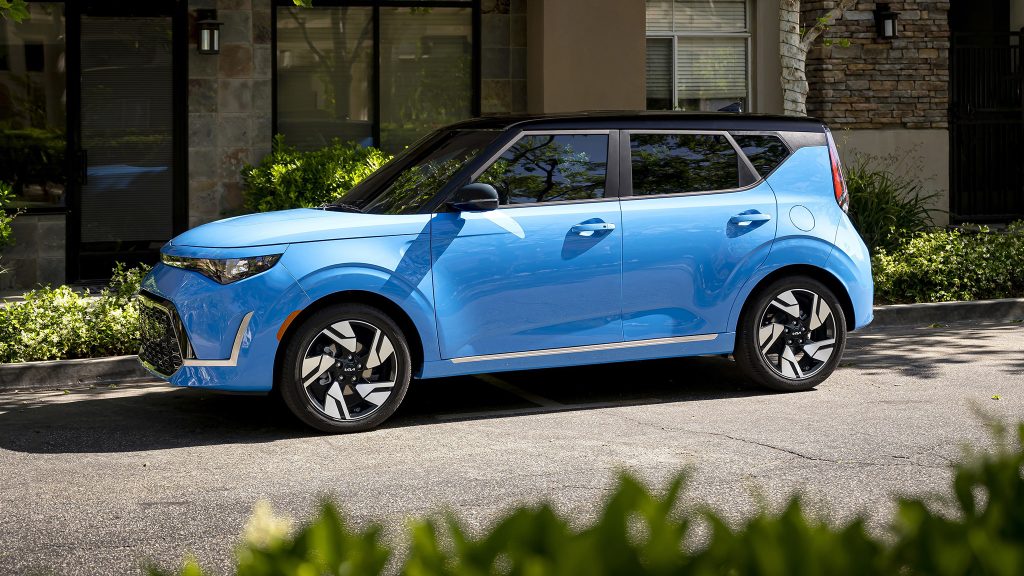
1. Kia Soul
Fire complaints: 166 | Total complaints: 3,124 | Fire complaints per 1,000 complaints: 53
The Kia Soul leads this comparison with 166 fire-related complaints recorded in the NHTSA dataset covering 2015–2025 model-year vehicles. It accumulated 3,124 complaints of all types, meaning approximately 53 out of every 1,000 complaints involving this model were flagged as involving a fire.
That proportion is considerably higher than the figures recorded for several other high-volume vehicles in the same comparison. The numbers make the Soul an important model to examine, although they do not establish that every reported incident resulted from a manufacturing defect.
There is also a documented history of fire-related safety action involving certain older Soul models. Kia issued recall 20V750, covering certain 2014–2015 model-year vehicles. The manufacturer identified a potential engine-compartment fire risk associated with possible fuel or oil leakage and engine damage.
The remedy included an engine inspection, necessary repairs or replacement, and a knock sensor detection system software update.
This recall is particularly relevant when examining the Soul’s history because it demonstrates that fire concerns involving the nameplate were not limited to isolated owner discussions. However, the recall applied to specific vehicles and production years, not every Soul included in the complaint dataset.
For used-car shoppers, checking the vehicle identification number is essential. A completed recall repair can make a significant difference when assessing an older example. Buyers should also pay attention to unusual engine noises, warning lights, burning smells, and signs of fluid leakage.
The Soul’s first-place position is based on reported complaint volume, not a finding that it has the highest fire risk per vehicle sold. Nevertheless, its 166 reports make it an important vehicle for buyers to research carefully.
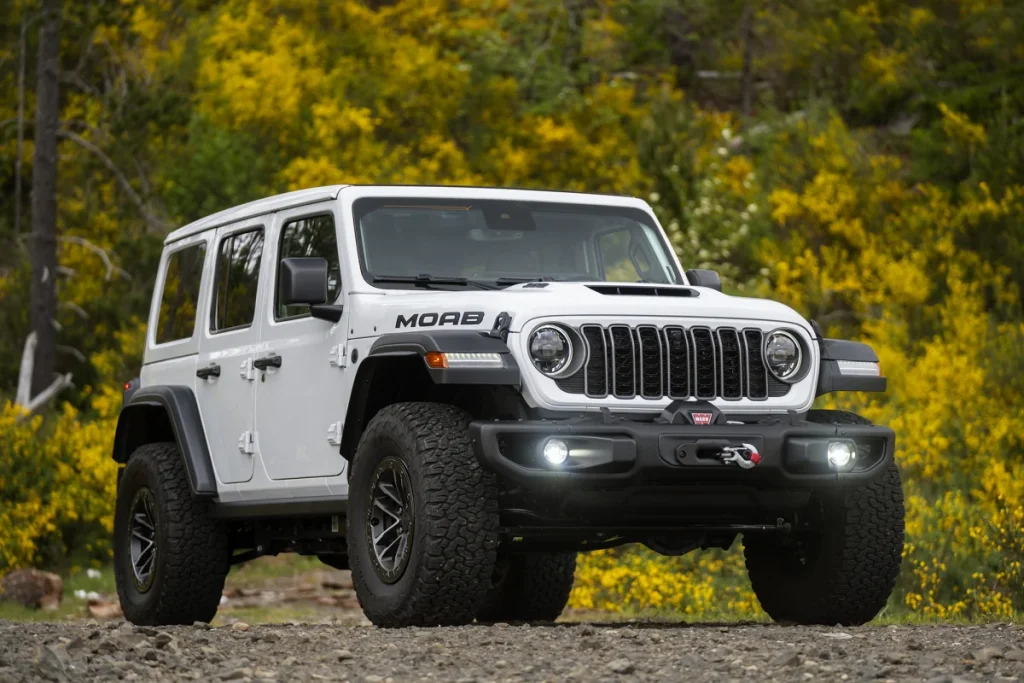
2. Jeep Wrangler
Fire complaints: 163 | Total complaints: 6,869 | Fire complaints per 1,000 complaints: 24
The Jeep Wrangler ranks second, with 163 fire-flagged complaints in the 2015–2025 model-year dataset. NHTSA’s records included 6,869 complaints involving this SUV, producing a fire-complaint proportion of approximately 24 per 1,000 reports.
Although that proportion is lower than the Kia Soul’s, the Wrangler’s position is notable because its fire complaints have coincided with documented investigations and safety actions involving particular model years.
One particularly important development concerned 2021–2023 Wrangler and Gladiator vehicles. In March 2025, NHTSA opened preliminary evaluation PE24024 after receiving reports of engine-compartment fires.
The agency had received 15 reports involving the subject vehicles and identified potential thermal events originating at or near the electric power steering pump connector. This component is located in the engine compartment, making electrical overheating a serious safety concern.
The issue later led to a much broader safety action. Stellantis recalled certain 2021–2025 Wrangler and Gladiator vehicles because an electrical connection involving the electric hydraulic power steering pump could overheat combustible materials and potentially cause a fire.
The recall covered gasoline, diesel, and plug-in hybrid configurations. Owners were advised to follow the parking precautions in their recall notices until the required repair was completed.
These developments make it especially important to distinguish the Wrangler’s general complaint count from the specific defect investigated by NHTSA. The 163 reports cover multiple model years and cannot all be attributed to the power steering connection.
Anyone purchasing a used Wrangler should check its VIN for outstanding recalls and confirm that completed repairs are documented. The model’s second-place position is a reason for closer research, not proof that every Wrangler is affected by a fire-related defect.
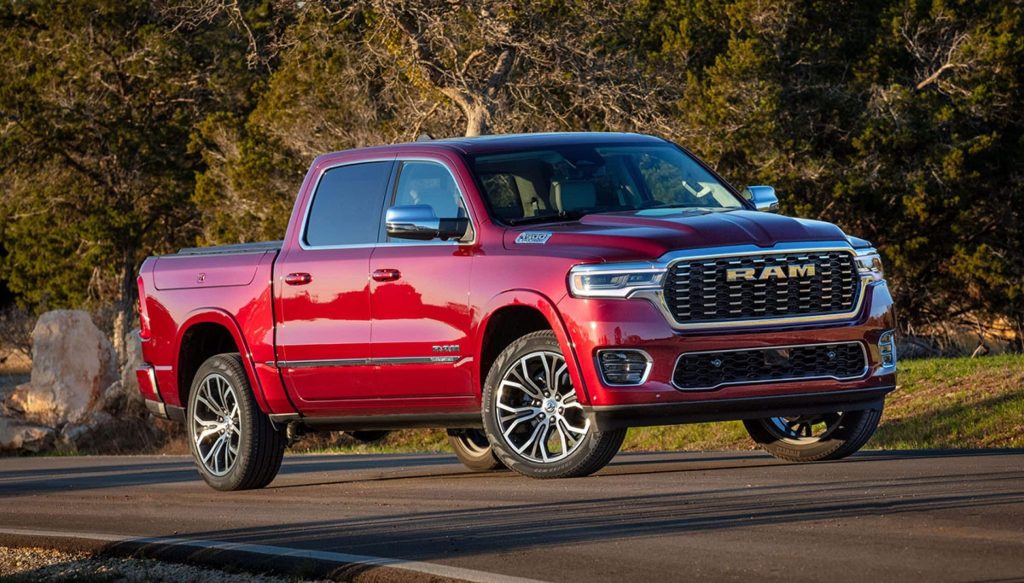
3. Ram 1500
Fire complaints: 151 | Total complaints: 8,527 | Fire complaints per 1,000 complaints: 18
The Ram 1500 takes third place with 151 fire-related complaints in the NHTSA-based 2015–2025 model-year dataset. It accumulated 8,527 total owner complaints, putting its fire-related complaint proportion at approximately 18 per 1,000 reports.
Although its proportion is lower than those of the first two vehicles, the absolute number remains significant because the Ram 1500 is one of America’s most widely used full-size pickups.
The truck’s different powertrain configurations make it important to examine individual model years rather than treat every reported incident as evidence of one common defect. Ram has offered gasoline V6 and V8 engines, as well as diesel options in selected configurations.
Electrical wiring, fuel delivery components, and engine-bay equipment can present different risks depending on the specific version.
There is documented fire-related recall history involving certain older Ram 1500 pickups. For example, recall 15V-517 covered selected 2014 and 2015 Ram 1500 trucks equipped with the 3.0-liter diesel engine and specific drivetrain and production configurations.
Their battery wiring harness could rub against a frame bracket, damaging its insulation and potentially creating an electrical short or an underhood fire.
That recall was limited to particular vehicles and should not be applied to every Ram 1500 represented in the complaint figures. The broader dataset also does not establish that all 151 reports involved the same component or cause.
For used-truck buyers, checking the VIN, reviewing service records, and confirming completed safety campaigns are sensible precautions.
A properly maintained Ram can serve demanding towing and work requirements, but its complaint history makes careful model-year research important. The 151 reports are a reason to investigate, not a measurement of the probability that an individual truck will catch fire.
4. Kia Sorento
Fire complaints: 141 | Total complaints: 4,270 | Fire complaints per 1,000 complaints: 33
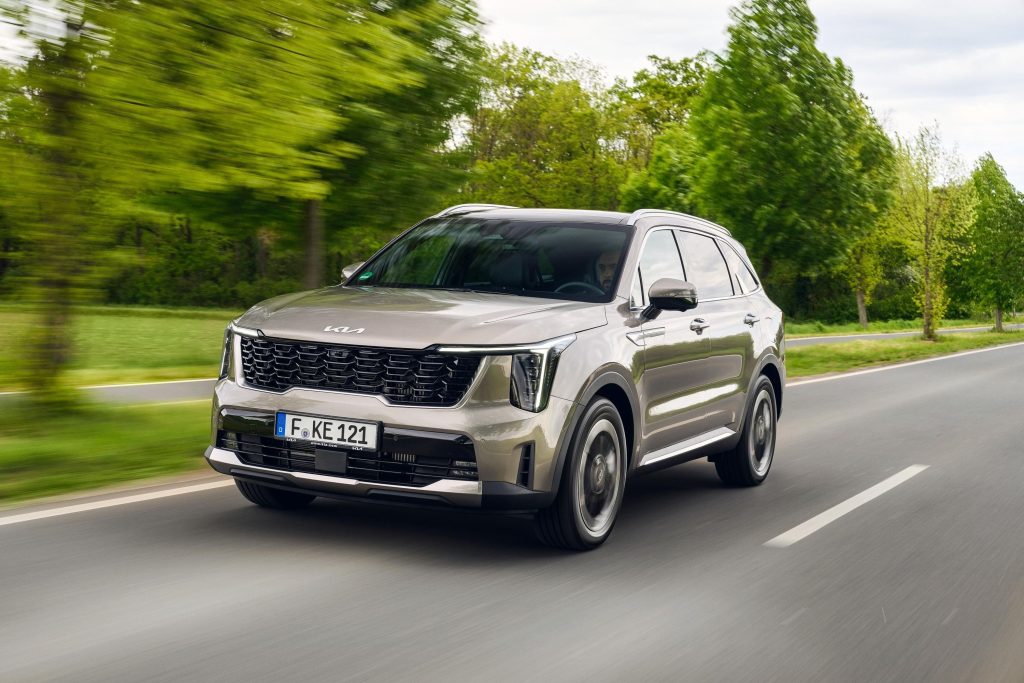
The Kia Sorento ranks fourth with 141 fire-flagged complaints among the 2015–2025 model-year vehicles examined. Its 4,270 total complaints produce a rate of approximately 33 fire reports per 1,000 complaints, placing it relatively high even when its figures are considered against its broader complaint volume.
This result deserves attention because the Sorento has a documented history of fire-related safety recalls involving specific older production years.
One significant example is NHTSA recall 20V-519, which covered certain 2014–2015 Sorento SUVs. Kia identified a potential electrical short involving the Hydraulic Electronic Control Unit, or HECU.
Brake fluid could leak internally into the module, potentially creating an electrical short and increasing the risk of an engine-compartment fire. Owners were advised to park outside and away from buildings until the necessary inspection and repair were completed.
The safety action was subsequently updated under recall 21V-331. Kia instructed dealers to install a new multi-fuse and inspect the HECU, replacing it when necessary. This demonstrates that the concern involved a specific electrical component rather than a general problem affecting every Sorento engine.
The distinction matters because the Sorento has been sold with different engine configurations across several generations. A complaint involving one production year cannot automatically be applied to newer versions with different equipment.
For used-Sorento shoppers, the most important step is checking whether an individual vehicle falls within an affected production group and whether the recall remedy was completed.
The 141 complaints justify closer investigation, but they do not prove that every Sorento has an elevated fire risk. A VIN-based recall check is much more useful than relying on the model name alone.
5. Toyota RAV4
Fire complaints: 124 | Total complaints: 3,633 | Fire complaints per 1,000 complaints: 34
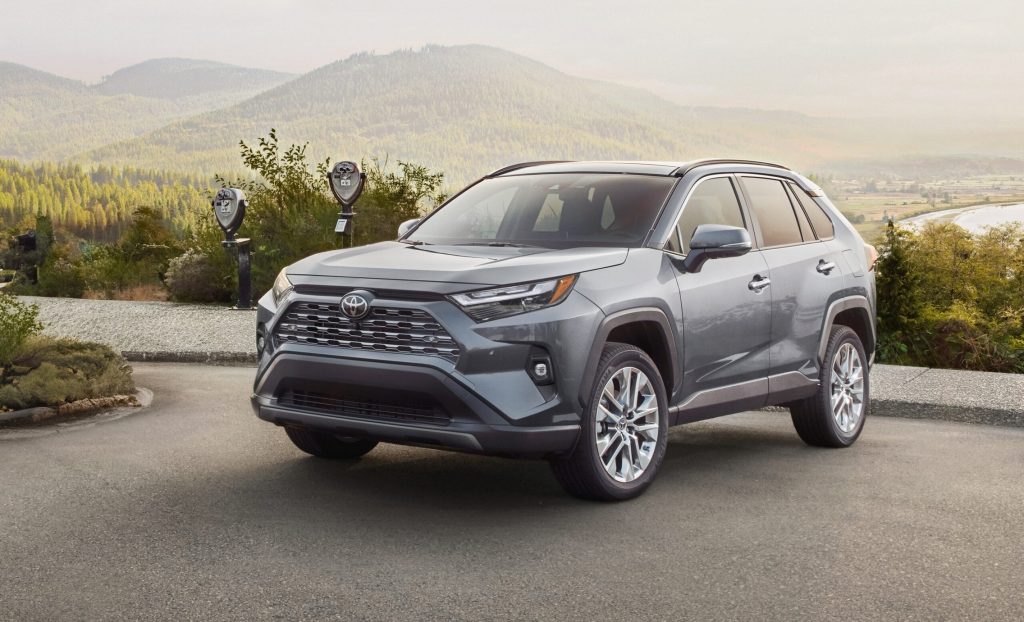
The Toyota RAV4 appears fifth with 124 fire-related complaints in the NHTSA-based dataset covering 2015–2025 model-year vehicles. It accumulated 3,633 total complaints, producing approximately 34 fire reports per 1,000 complaints.
Although its absolute fire-complaint count is lower than those of the preceding vehicles, its proportion is considerably higher than that of several popular pickups.
This makes the RAV4 an interesting case because Toyota has previously investigated and addressed a documented battery-related fire concern involving older gasoline-powered examples.
The issue involved certain 2013–2018 RAV4 models equipped with gasoline engines. Toyota identified a problem involving some replacement 12-volt batteries.
If a smaller-top battery was installed and the hold-down clamp was not properly tightened, the battery could move during forceful turns. Its positive terminal could then contact the metal hold-down bracket, creating an electrical short and increasing the possibility of a fire.
Toyota’s safety recall 23V-734 covered approximately 1.85 million vehicles. The remedy involved replacing the battery hold-down clamp, battery tray, and positive terminal cover with improved components. The recall applied to specified vehicles, not every RAV4 produced during those years.
This history is especially relevant to used-car shoppers considering older RAV4 models. A replacement battery that does not meet the manufacturer’s specifications can create problems even when the vehicle’s original electrical system is functioning correctly.
The 124 complaints should not be interpreted as proof that the entire RAV4 lineup has an inherent fire defect. Instead, the data and recall history demonstrate why battery installation, correct replacement parts and VIN-specific recall checks deserve attention when purchasing a used example.
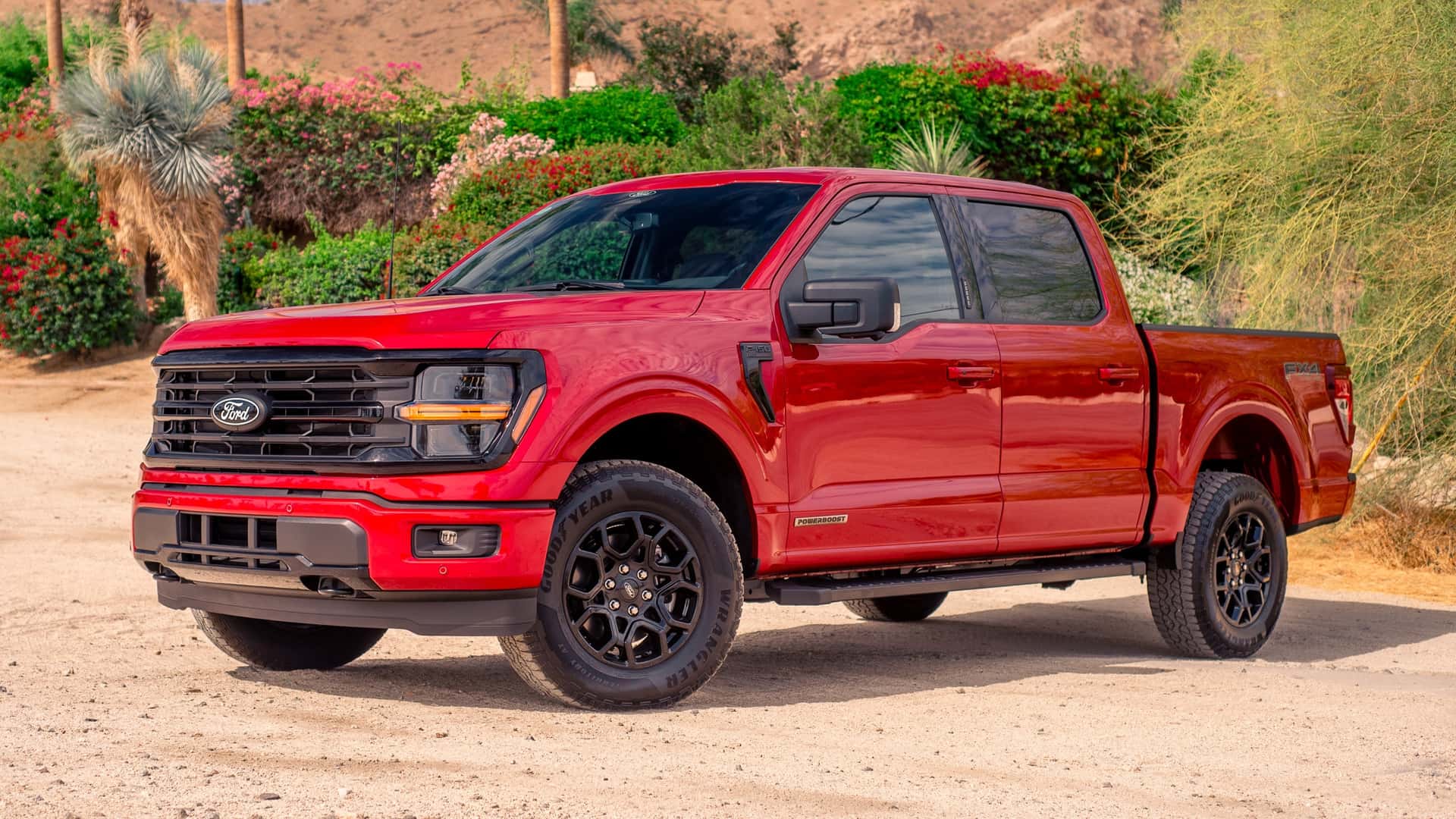
6. Ford F-150
Fire complaints: 123 | Total complaints: 11,842 | Fire complaints per 1,000 complaints: 10
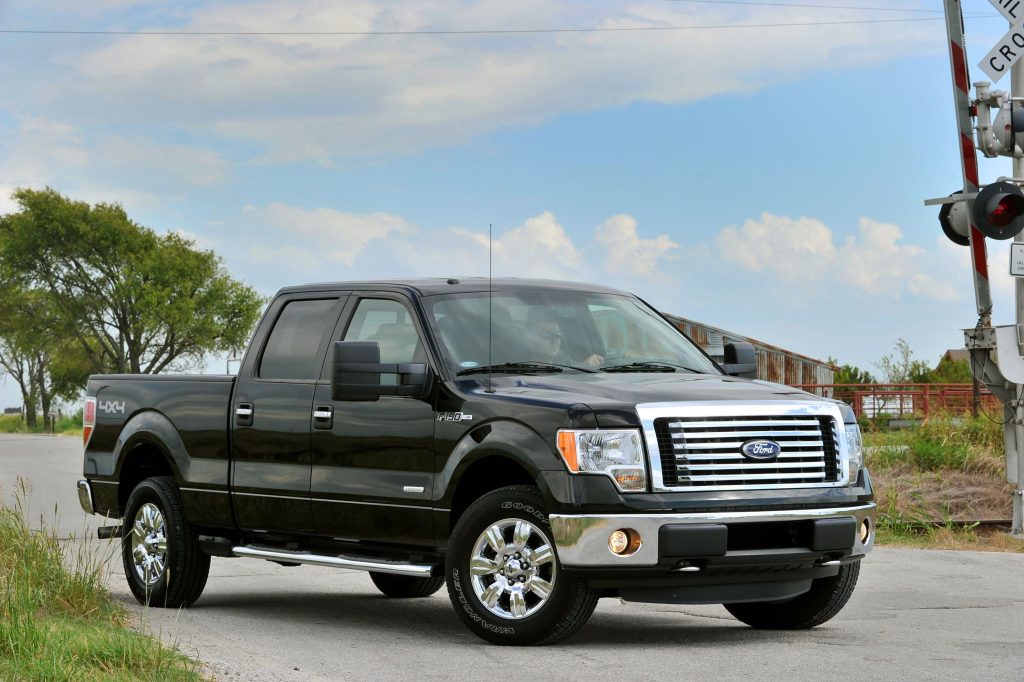
The Ford F-150 completes the list with 123 fire-flagged complaints in the 2015–2025 model-year dataset. It recorded 11,842 total complaints, giving it approximately 10 fire reports per 1,000 complaints.
Its absolute figure is relatively high, but the proportion is the lowest among these six vehicles. That distinction matters because the F-150 has an enormous presence on American roads, with gasoline, diesel and fully electric versions included across its modern product history.
One reason the F-150 deserves closer examination is the introduction of the all-electric F-150 Lightning. Its high-voltage battery system creates a different set of potential fire-related concerns from those associated with conventional gasoline pickups.
In February 2025, Ford documented an investigation involving certain 2022–2024 Lightning vehicles following reports of battery fires. The company identified evidence of misaligned electrodes in high-voltage battery cells and reported five potentially related vehicle fires, including one injury claim, at the time of its filing.
Conventional F-150 models have their own potential fire-related concerns. For example, Ford recalled certain 2024–2025 F-150 pickups equipped with the 3.5-liter GTDI engine because a misaligned engine cup plug could cause a rapid oil leak.
Oil contacting sufficiently hot engine or exhaust components could increase the risk of fire. The campaign covered specific vehicles rather than the entire F-150 range.
The pickup’s 123 complaints therefore should not be treated as evidence of one common defect affecting every engine or powertrain. Different generations and configurations have different mechanical and electrical systems.
For prospective owners, identifying the exact engine, production year, and powertrain is essential. Checking outstanding recalls and reviewing maintenance documentation can help buyers identify issues before purchasing a used truck.
