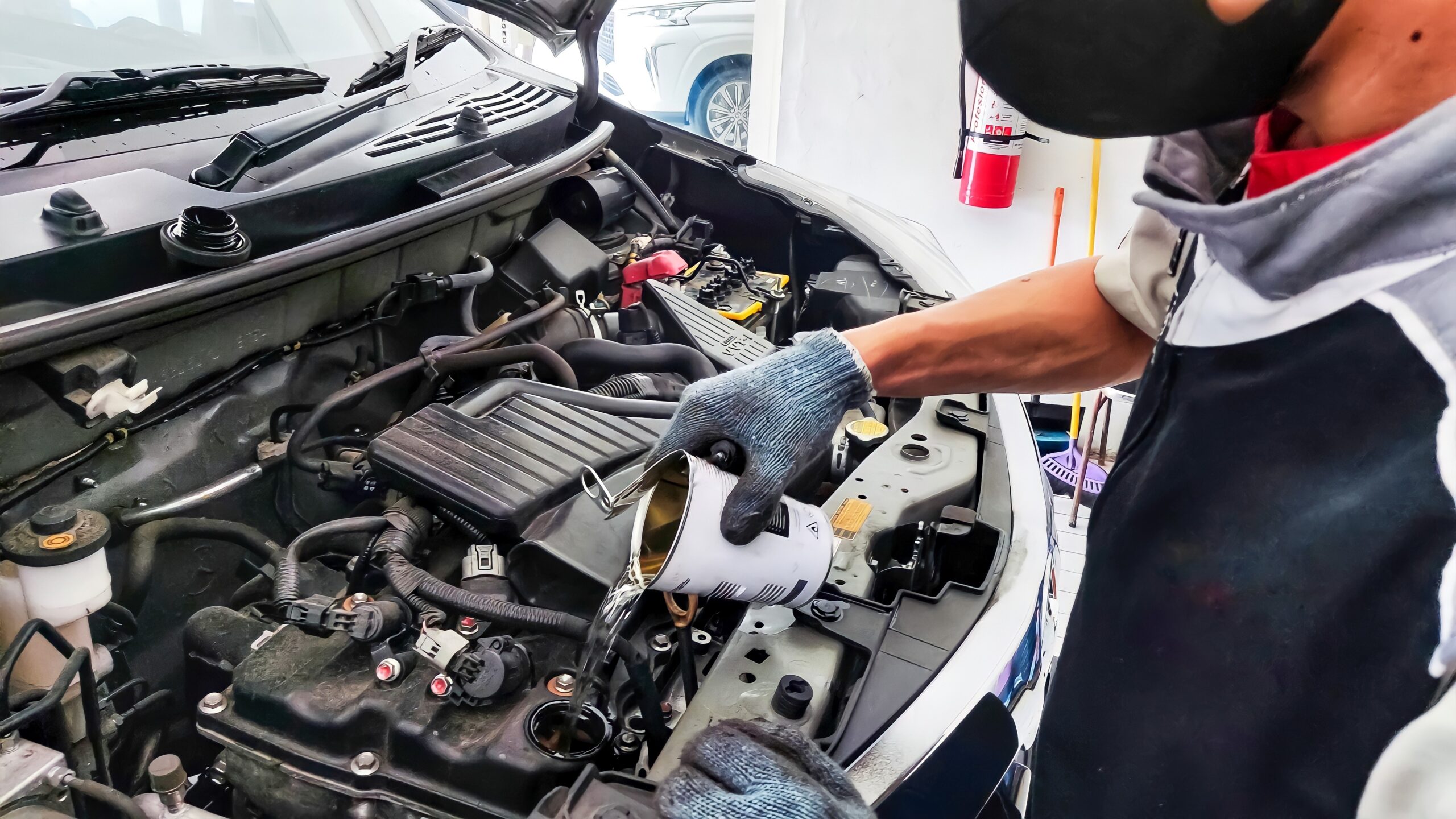
Car maintenance can become expensive when owners struggle to distinguish essential repairs from optional workshop recommendations. Some services protect critical components, improve road safety, and prevent expensive mechanical failures, making them worthwhile investments.
Others are frequently presented as necessary despite offering limited benefits when a vehicle is already operating correctly. Knowing the difference helps drivers spend their maintenance budgets more intelligently.
From brake inspections and fluid replacements to engine flushes and unnecessary add-ons, understanding what your vehicle actually needs can prevent wasted money while keeping it dependable for years.
5 Services Worth Paying For
1. Brake System Inspection and Maintenance
Brakes are among the few vehicle systems where delaying maintenance can have immediate consequences. Every time a driver slows down, brake pads press against rotating discs or drums to convert the vehicle’s movement into heat.
This repeated friction gradually wears down the braking components, making periodic inspection an important investment rather than an optional workshop recommendation.
A proper brake service should examine pad thickness, rotor condition, brake lines, calipers, hoses, and the condition of the brake fluid. Technicians should also look for uneven pad wear, damaged components, fluid leaks, and unusual rotor surfaces. These checks can reveal problems before they become severe enough to affect braking performance.
The condition of the brake fluid deserves particular attention. Many vehicles use hydraulic braking systems that depend on fluid to transfer pressure from the pedal to the brakes. Brake fluid can absorb moisture over time, potentially lowering its boiling point and contributing to corrosion inside the hydraulic system.
However, replacement intervals vary, so owners should follow their vehicle manufacturer’s instructions rather than accept an arbitrary schedule.
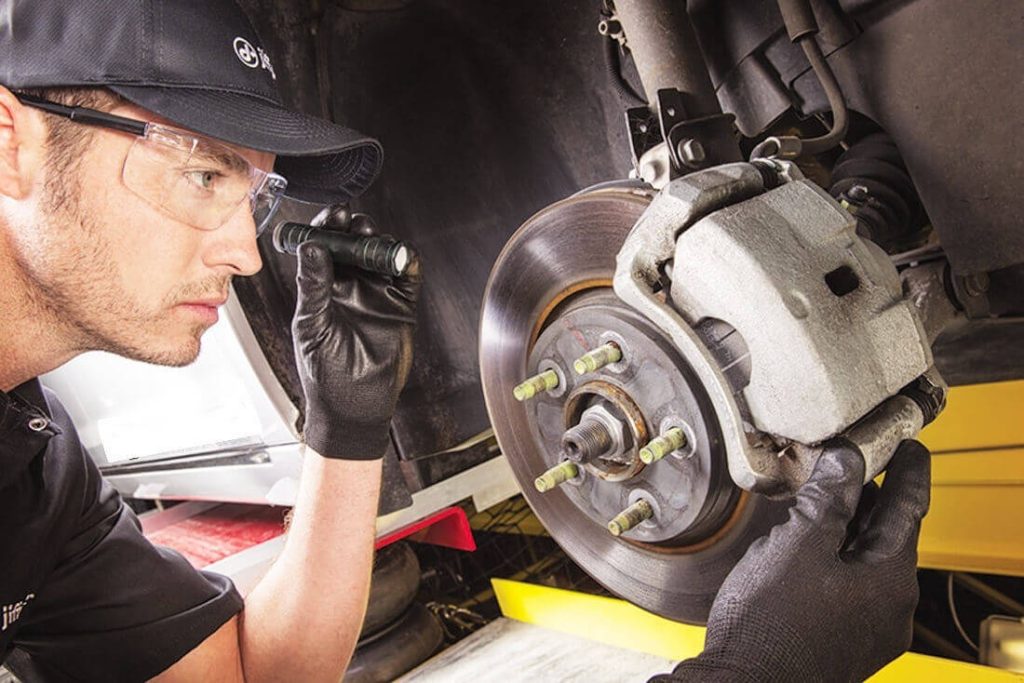
There are also warning signs drivers should never ignore. Grinding noises, a soft or unusually firm pedal, steering-wheel vibration during braking, and a vehicle pulling to one side all deserve professional attention. A brake warning light should also be investigated promptly.
Paying for an inspection and necessary brake repairs is worthwhile because the system directly determines stopping ability. Replacing worn pads before they damage other components can also prevent a relatively straightforward repair from becoming a more expensive rotor or caliper job.
2. Engine Oil and Oil Filter Replacement
Engine oil performs several jobs simultaneously, making regular oil and filter replacement one of the most important maintenance expenses for vehicle owners. It lubricates moving components, reduces friction, helps manage operating temperatures, and carries contaminants toward the oil filter.
As the engine operates, the oil gradually becomes contaminated, and its protective properties deteriorate.
An oil change is therefore not simply a routine workshop ritual. It is an important part of protecting expensive internal engine components. Without adequate lubrication, metal surfaces can experience increased friction and wear. Severe lubrication problems can eventually contribute to bearing damage, overheating, and engine failure.
However, paying for an oil change does not mean accepting whichever product a service advisor recommends. Viscosity and performance specifications matter.
Owners should check the maintenance section of their owner’s manual and select oil that meets the manufacturer’s requirements. A shop recommending a significantly more expensive lubricant should explain why that particular specification is necessary.
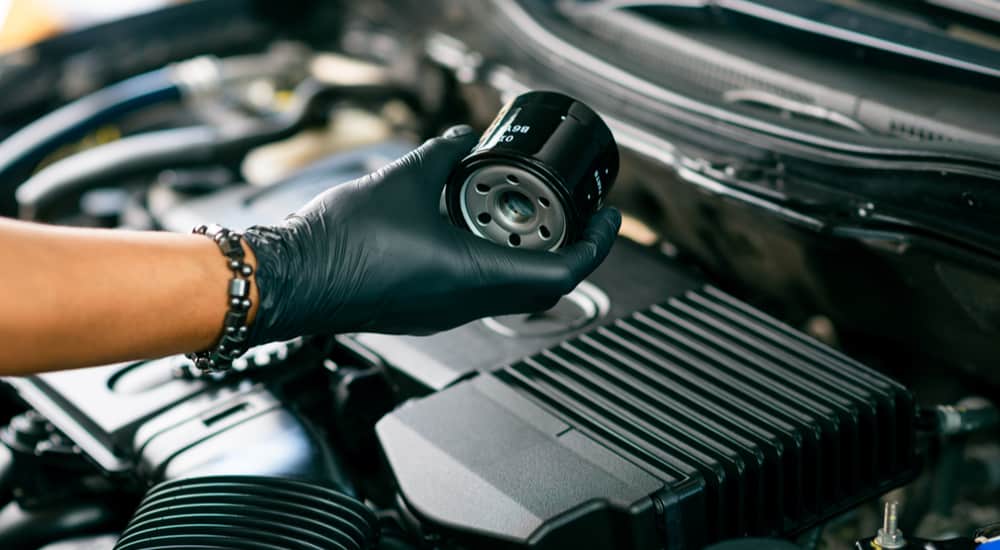
The oil filter deserves equal attention. Its purpose is to capture contaminants circulating through the lubrication system. Installing fresh oil while leaving an unsuitable or excessively worn filter in place defeats part of the purpose of the service.
Replacement intervals also vary considerably. Modern engines can have different recommended intervals depending on oil formulation, engine design, driving conditions, and monitoring systems. Frequent short journeys, extreme temperatures, heavy towing, and prolonged idling may place a vehicle under severe-service conditions.
This is why owners should avoid relying on an outdated universal rule that every vehicle needs an oil change at the same mileage. Following the manufacturer’s schedule is a more reliable approach.
Among routine maintenance expenses, oil and filter replacement offers clear mechanical value. It is a relatively straightforward service that helps protect one of the most expensive components in the vehicle.
3. Tire Rotation, Balancing, and Condition Checks
Tires are easy to overlook because they rarely demand attention until a puncture, vibration, or visible wear problem appears. However, they influence braking, steering response, traction, ride comfort, and fuel efficiency.
Spending money on appropriate tire maintenance is worthwhile because it helps owners get more useful service life from an expensive set of tires while maintaining predictable handling.
Tire rotation involves moving tires between designated positions to encourage more even tread wear. Front tires can wear differently from rear tires because of steering forces, vehicle weight distribution, and whether the vehicle uses front-wheel, rear-wheel, or all-wheel drive.
Following the manufacturer’s rotation pattern helps prevent one pair from becoming excessively worn while the other still has considerable tread remaining.
Wheel balancing is another useful service, particularly when a vehicle develops vibrations at highway speeds or after installing new tires. Small weight differences around a wheel and tire assembly can create vibrations as the wheel rotates. A technician corrects this imbalance using appropriately positioned balancing weights.
Tire inspections are equally important. Professionals can identify sidewall damage, uneven tread wear, embedded objects, and problems that might indicate incorrect inflation or suspension wear. Maintaining the correct tire pressure also helps preserve handling and prevent unnecessary tire deterioration.
Wheel alignment should be considered when there are signs of incorrect geometry, such as uneven tire wear, an off-centre steering wheel, or the vehicle pulling to one side. It is also worth checking after certain suspension repairs or significant impacts with potholes.
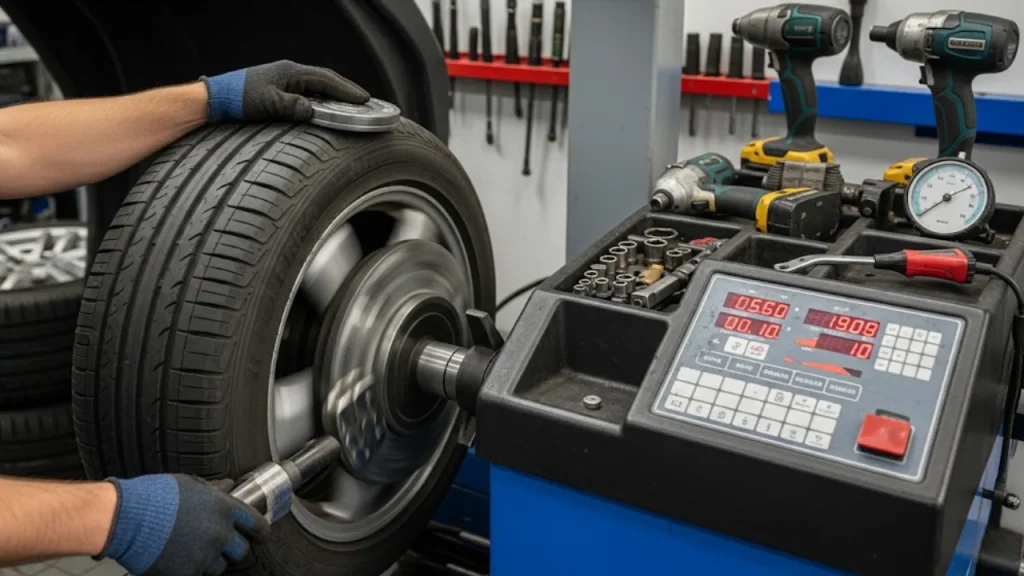
AAA identifies tire pressure, tread depth, balancing, and alignment as important elements of tire care. Its maintenance guidance also recommends regular inspections, particularly before longer journeys.
This service deserves a place on the maintenance budget because tires are the vehicle’s only direct contact with the road. However, owners should distinguish between necessary balancing or alignment work and unnecessary procedures recommended without evidence of a problem.
4. Coolant Replacement and Cooling System Inspection
A vehicle’s cooling system operates continuously to prevent excessive engine temperatures. Although many drivers pay attention to engine oil, coolant often receives less consideration until the temperature gauge rises or a warning appears on the dashboard.
That can be an expensive mistake because the cooling system protects components that are essential to engine operation.
Coolant circulates through passages in the engine and radiator, carrying away heat generated during combustion. It also contains additives that help protect internal cooling-system surfaces against corrosion.
Over time, those protective properties can deteriorate, making replacement necessary according to the vehicle manufacturer’s maintenance schedule.
A proper cooling system service should involve more than simply draining old fluid and pouring in something new. The technician should inspect hoses, clamps, radiator connections, the coolant reservoir, and the water pump for leaks or deterioration. A pressure test may also help identify leaks that are difficult to spot during a visual inspection.
Choosing the correct coolant is particularly important. Different manufacturers specify different coolant formulations, and products that appear similar may not be chemically compatible. Mixing unsuitable fluids can compromise corrosion protection and potentially create cooling-system problems.
Another important consideration is the thermostat. This component regulates coolant circulation according to engine temperature. If it becomes stuck, the engine may run too hot or take an unusually long time to reach its normal operating temperature.
The radiator cap also deserves attention because it helps maintain the pressure required for the cooling system to function correctly.
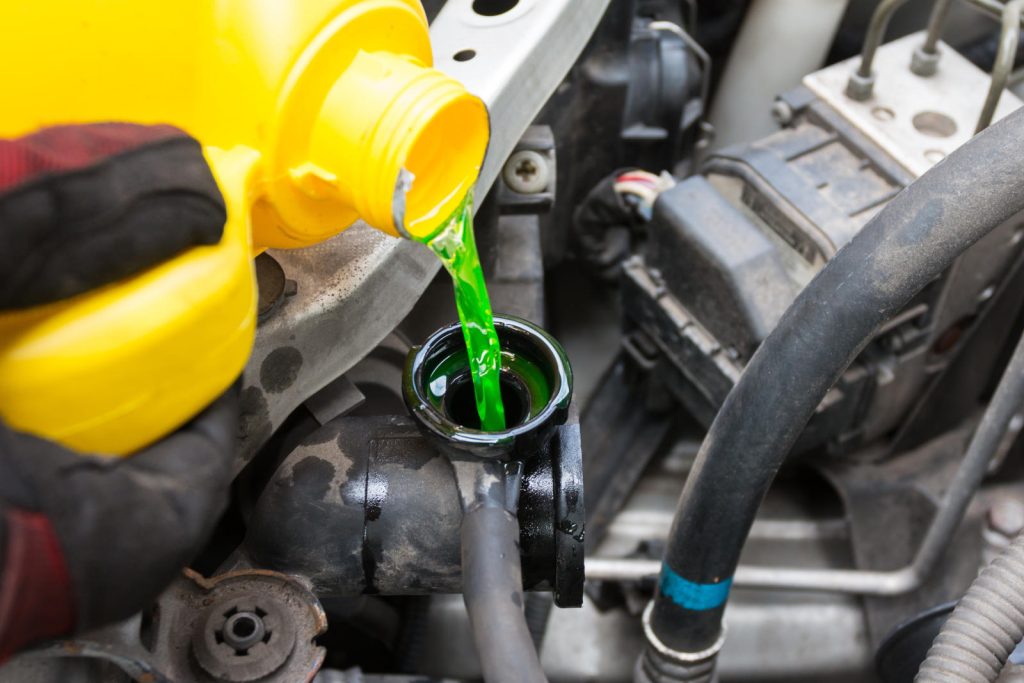
Paying for scheduled coolant replacement and a proper inspection is sensible because overheating can cause substantial engine damage. A relatively inexpensive hose or coolant leak can become a major repair if ignored.
However, owners should not automatically purchase a coolant flush every time they visit a workshop. The correct replacement interval and procedure depend on the vehicle’s specifications and the condition of its cooling system.
5. Battery and Charging System Testing
A vehicle battery can fail without providing much warning, leaving the driver unable to start the engine. Battery and charging-system testing is therefore a worthwhile service, particularly for owners whose vehicles experience extreme temperatures, frequent short journeys, or extended periods of inactivity.
A professional battery test examines its ability to deliver electrical power under load. A battery may show an apparently acceptable voltage while still struggling to provide enough current to start the engine. Testing provides a clearer picture of its condition than relying entirely on dashboard warnings or the driver’s impression.
The alternator is another important component. In conventional combustion-engine vehicles, it supplies electrical power while the engine operates and helps recharge the battery. If its output is insufficient, the battery may gradually lose charge even when the vehicle is being driven regularly.
Technicians should also inspect battery terminals, electrical connections, and relevant cables. Corrosion or loose connections can interrupt electrical flow and create starting problems. In some cases, cleaning and tightening a connection may solve an issue without requiring an expensive replacement.
Modern vehicles make electrical diagnosis increasingly important. They rely on numerous electronic systems, including engine management, safety equipment, infotainment, lighting, and driver assistance features. A weak battery can sometimes produce confusing warning messages or unexpected electronic behaviour.
For vehicles equipped with start-stop technology, the correct battery type matters. Some applications require enhanced batteries such as AGM or EFB units. Installing an unsuitable replacement can result in poor performance and a shorter service life.
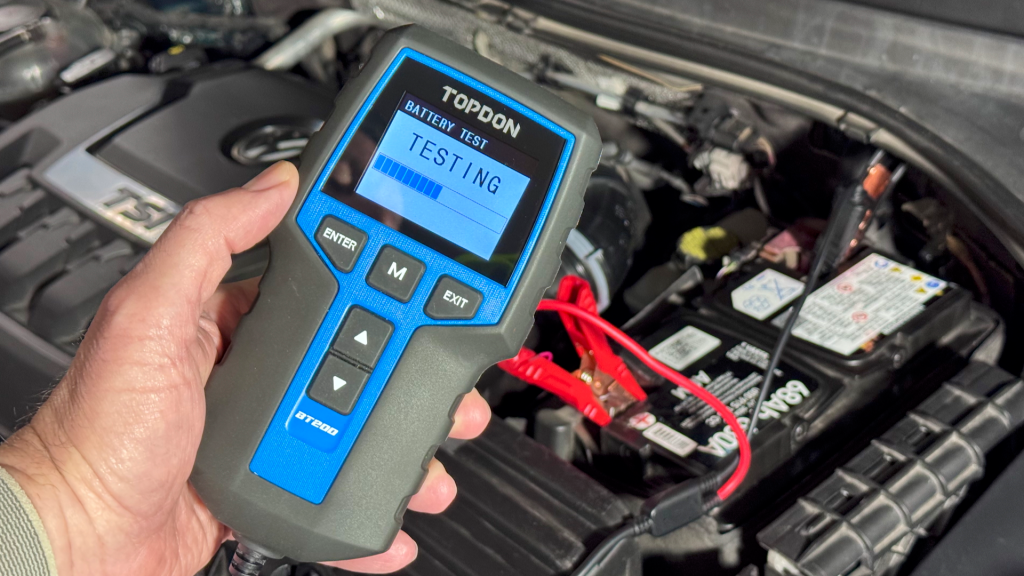
Hybrid and electric vehicles require additional care because their high-voltage systems are different from conventional 12-volt starting and charging arrangements. Owners should use technicians qualified to work on the relevant system.
Paying for a battery and charging-system test is sensible because it can identify developing electrical problems before a vehicle refuses to start. It also prevents owners from replacing a perfectly functional battery when the actual problem lies with the alternator or an electrical connection.
5 Car Services You Can Skip
1. Routine Engine Flushes Without a Diagnosed Problem
An engine flush is frequently marketed as a treatment that removes accumulated sludge, dirt, and deposits from inside an engine. Workshops may recommend adding a cleaning chemical before an oil change, allowing it to circulate, and then draining it with the old lubricant. The procedure sounds attractive, particularly to drivers who want to keep their engines clean.
However, a flush is not automatically necessary for a properly maintained engine. Modern engine oils already contain detergent and dispersant additives designed to help manage contaminants during normal operation. Regular oil and filter changes using the correct specification are generally the more important maintenance priorities.
An engine that has received appropriate servicing throughout its life does not necessarily benefit from an additional chemical cleaning procedure. Paying for a flush simply because a service advisor describes the oil as dirty is not sufficient justification.
There are also situations where aggressive cleaning treatments deserve caution. An engine with substantial sludge accumulation may have underlying maintenance problems. Loosened deposits could potentially create complications if they interfere with oil passages or other components.
The appropriate response depends on the engine’s actual condition, not a generic workshop package.
A technician should investigate the source of excessive sludge rather than assume that pouring a cleaning product into the engine will solve everything. Serious contamination may require a more careful inspection and a manufacturer-approved repair procedure.
This is particularly relevant for older vehicles with uncertain service histories. Their condition cannot be judged accurately from mileage alone. A neglected engine may require professional attention, but that does not make every commercial flush product appropriate.
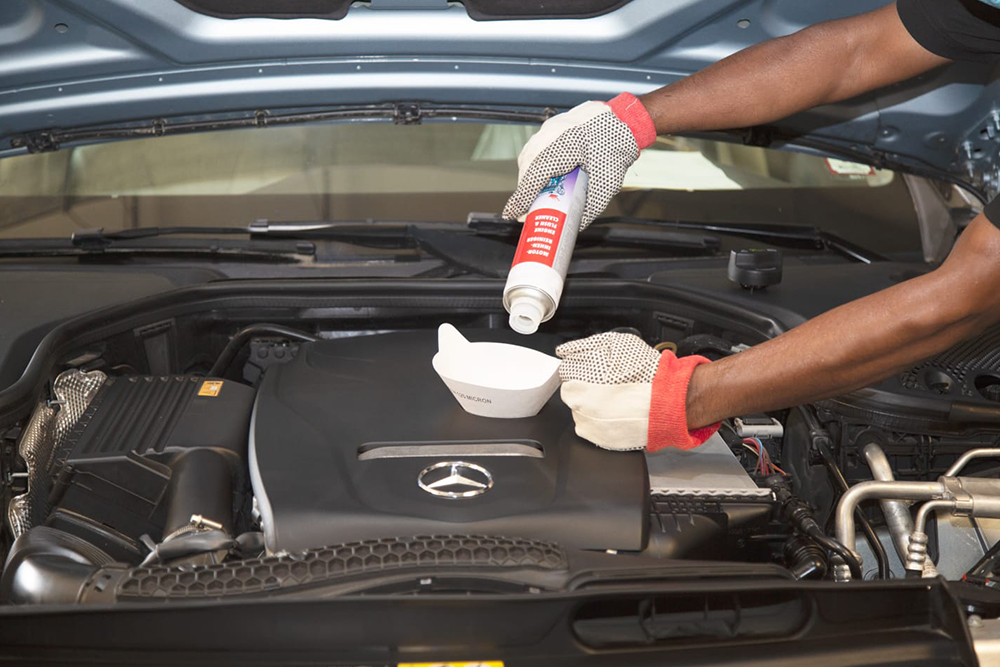
For most regularly maintained vehicles, the better investment is using the correct engine oil, replacing the filter, and following the recommended service interval. Owners should ask what specific problem the flush is supposed to correct and whether the manufacturer recommends the procedure.
Consumer Reports includes unnecessary flushes among the maintenance expenses motorists should question. Its advice reinforces the importance of following manufacturer recommendations rather than automatically accepting additional treatments.
2. Fuel Injector and Fuel-System Cleaning Without Evidence of Deposits
Fuel-system cleaning is another service that frequently appears on dealership and independent repair-shop maintenance menus. It is usually promoted as a way to remove deposits, restore engine performance, improve fuel economy, and make acceleration smoother.
Although fuel injectors can develop deposits, that does not mean every vehicle needs professional cleaning at regular intervals. Modern fuel systems are designed to operate with specific fuel requirements, and many vehicles can run for extended periods without needing an additional cleaning treatment.
A driver should be particularly cautious when a technician recommends this service without identifying a problem. A general statement that the engine would benefit from cleaner injectors is not the same as a diagnosis supported by testing.
Symptoms that may justify investigation include rough idling, hesitation during acceleration, misfires, reduced performance, or difficulty starting. Even then, these problems do not automatically indicate dirty injectors. Faulty ignition components, vacuum leaks, sensors, fuel-pressure problems, and other mechanical issues can produce similar symptoms.
A proper diagnostic procedure should identify the underlying cause before any cleaning work is approved. Depending on the vehicle, technicians may examine fault codes, fuel-pressure readings, injector operation, and other relevant information.
The distinction between direct-injection and port-injection engines also matters. Their fuel delivery arrangements differ, and cleaning procedures suitable for one system may not address deposits affecting another.
Some direct-injection engines can develop carbon deposits on intake valves that ordinary fuel-tank additives cannot remove because fuel does not wash those surfaces in the same way.
This is why paying for a generic fuel-system cleaning package without a specific reason is difficult to justify. The service might be appropriate when a genuine deposit-related problem is identified, but routine cleaning should not be treated as compulsory maintenance for every car.
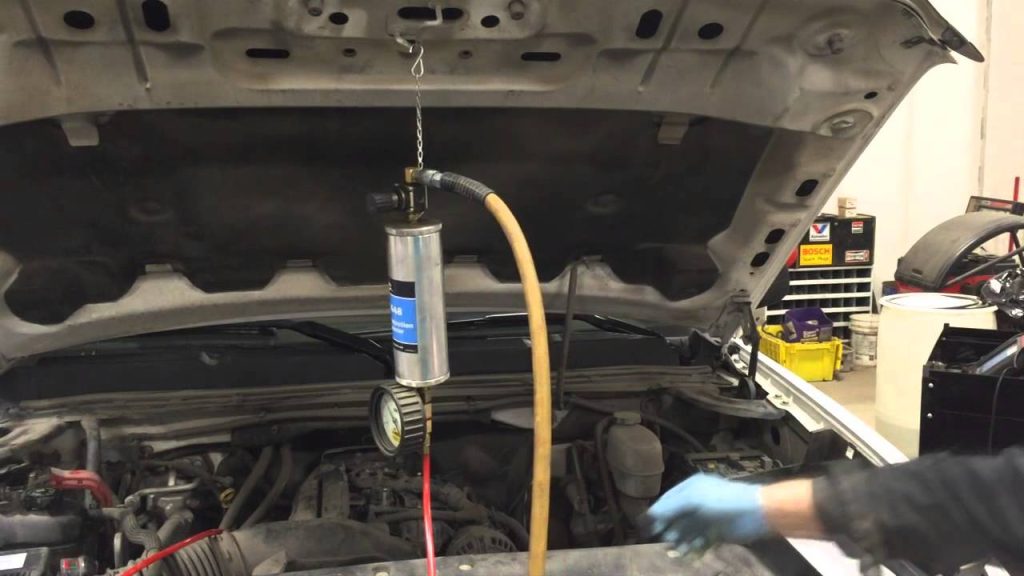
Owners should also avoid assuming that every bottle of fuel additive promises measurable improvements. Use only products and procedures compatible with the manufacturer’s recommendations.
The money saved by declining an unnecessary cleaning package can be put toward scheduled maintenance, diagnostic testing, or repairs that address an actual mechanical issue.
3. Nitrogen Tire Inflation Instead of Regular Compressed Air
Nitrogen tire inflation is often promoted as a premium service that helps maintain tire pressure for longer, reduces oxidation, and potentially improves tire life.
Some dealerships and tire shops charge additional money to replace ordinary compressed air with nitrogen. Although nitrogen has certain technical advantages, most everyday drivers are unlikely to notice enough practical difference to justify paying extra.
Ordinary compressed air already consists of approximately 78% nitrogen, alongside oxygen and smaller quantities of other gases. Dedicated nitrogen inflation increases the nitrogen concentration, but the difference does not automatically translate into a meaningful improvement in everyday driving.
One argument supporting nitrogen is that its molecules diffuse through tire materials more slowly than oxygen under certain conditions. Nitrogen also contains less moisture when supplied through appropriate equipment. These characteristics can help maintain more consistent pressure in particular applications.
However, maintaining correct tire pressure remains far more important than the gas used to inflate the tires. A vehicle driven with underinflated tires can experience increased rolling resistance, uneven tread wear, reduced handling performance, and additional heat buildup.
Drivers should also remember that nitrogen-filled tires still require regular pressure checks. Nitrogen does not eliminate natural pressure loss, temperature-related pressure changes, or the possibility of punctures.
For everyday passenger vehicles, properly inflated tires using ordinary compressed air are generally sufficient. Owners should follow the pressure figures specified by the manufacturer, usually displayed on the driver’s door-jamb label or in the owner’s manual. The maximum pressure printed on the tire sidewall is not the recommended everyday inflation target.
If a nitrogen-filled tire becomes underinflated, adding ordinary compressed air is generally preferable to continuing to drive with insufficient pressure simply to preserve the nitrogen concentration.
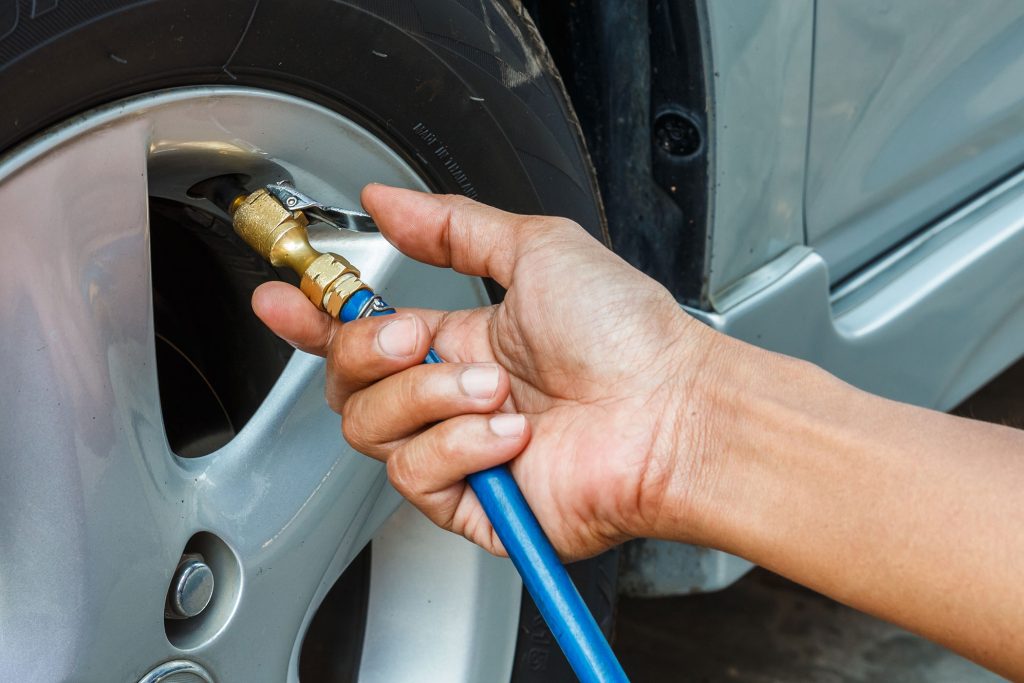
Nitrogen inflation makes more sense in specialised applications where pressure stability is particularly important. For ordinary commuting, family transportation, and highway driving, however, it is difficult to justify a substantial additional charge.
Spending that money on a reliable tire-pressure gauge or regular tire inspections is likely to provide more practical value to most vehicle owners.
4. Frequent Air Conditioning Refrigerant Top-Ups Without Leak Diagnosis
Automotive air conditioning systems should not require routine refrigerant top-ups. If cooling performance declines, repeatedly paying for recharges without identifying the underlying problem is an unnecessary expense.
Low refrigerant levels often indicate a leak involving hoses, seals, connections, the condenser, or evaporator. Adding refrigerant may temporarily restore cooling, but it does not fix the leak, meaning the same problem can return and require another payment.
A proper diagnosis should include checking system pressures, inspecting components, and using approved leak-detection equipment when necessary. The US Environmental Protection Agency also explains that recharging an air conditioning system does not permanently repair refrigerant leaks. Faulty components should be repaired or replaced before recharging.
Using the correct refrigerant is equally important because vehicles require specific types and quantities. Incorrect charging or mixing incompatible refrigerants can damage the system.
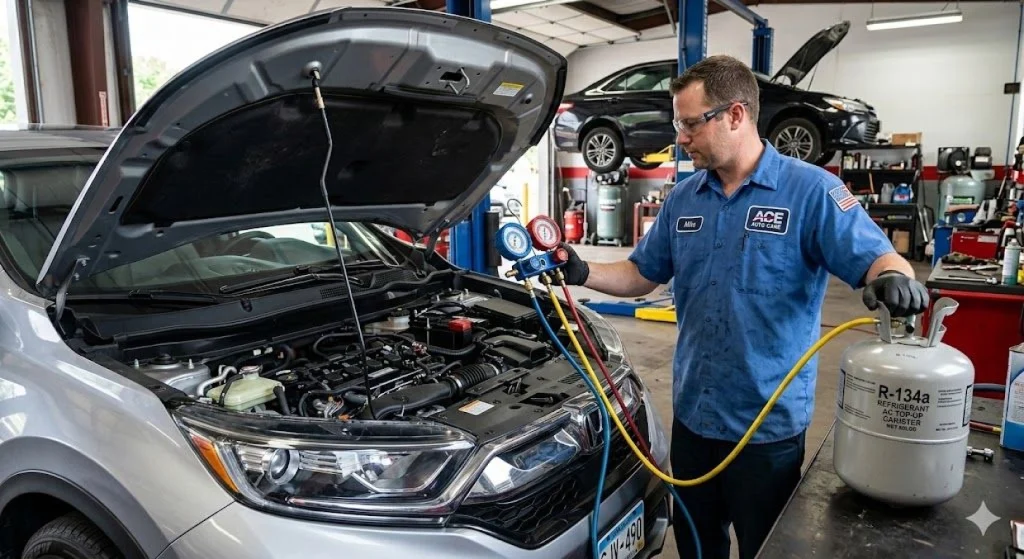
Drivers should also avoid purchasing unnecessary recharges during unrelated maintenance appointments when their air conditioning works properly.
Paying for an accurate diagnosis and repairing the actual leak is more cost-effective than repeatedly purchasing temporary refrigerant top-ups.
5. Expensive Paint Protection and Interior Protection Add-On Packages
Dealerships often offer paint and interior protection packages as ways to preserve a vehicle’s appearance and resale value. While some treatments provide genuine benefits, expensive dealership packages are not essential for every owner.
Paint protection varies by product. Wax offers temporary protection, while synthetic sealants and ceramic coatings last longer and make cleaning easier. However, ceramic coatings cannot prevent stone chips, deep scratches, dents, or damage caused by careless washing. Owners should understand these limitations before paying a premium.
Interior treatments can help fabric resist liquid stains, while appropriate leather conditioners support upholstery maintenance. However, regular cleaning, quickly removing spills, and using floor mats or seat covers can provide practical protection at a lower cost.

Before purchasing a dealership package, ask which products are used, how long protection lasts, what preparation is included, and whether a written warranty covers specific problems. Comparing dealership prices with independent detailing businesses is also worthwhile.
For most drivers, regular washing, careful drying, occasional waxing, and routine interior cleaning are sufficient. Advanced treatments can be worthwhile for owners who want additional cosmetic protection, but they should be treated as optional purchases rather than necessary vehicle maintenance.