Choosing a safe vehicle becomes especially important as drivers get older. Changes in flexibility, reaction time, vision, and physical strength can make certain driving situations more demanding, increasing the value of strong crash protection and effective driver-assistance technology.
The Insurance Institute for Highway Safety (IIHS) and the National Highway Traffic Safety Administration (NHTSA) provide independent evidence that helps buyers compare vehicles beyond marketing claims.
This list focuses on 2025 models with strong crash-test results, useful safety technology, and practical body styles. Seating comfort and ease of entry should still be checked during a personal test drive.
1. Subaru Forester
2025 model | IIHS Top Safety Pick | NHTSA: five-star overall rating
The Subaru Forester makes a strong case for older drivers who prefer an SUV with an upright seating position and a practical cabin. Its elevated body can make getting in and out more convenient than climbing down into a low sedan, although individual comfort depends on mobility, seat adjustment, and body proportions.
The large windows and relatively upright design can also help drivers establish a clear view of the road. These practical qualities matter because a vehicle should be manageable in everyday situations, not merely impressive in a laboratory crash test.
The 2025 Forester earned the IIHS Top Safety Pick award, with good ratings in the small overlap front and updated side tests. Its updated moderate overlap front rating was Acceptable, rather than Good, so it does not qualify for the higher Top Safety Pick+ designation.
IIHS also rated its headlights, vehicle-to-vehicle front crash prevention, and pedestrian front crash prevention as good. The standard EyeSight system includes lane departure warning and prevention, while blind-spot detection and rear automatic braking are optional.
NHTSA’s 2025 assessment gives the Forester a five-star overall rating, with five stars in frontal and side crash categories and four stars for rollover resistance. These federal ratings complement the IIHS results, although the two organizations use different testing methods and their scores should not be treated as interchangeable.
There is one important qualification to keep in mind. According to IIHS, the 2025 award does not apply to the Wilderness trim. Buyers should check the specific model and trim level to confirm its safety recognition rather than assuming the entire Forester lineup carries the same distinction.
For an older driver, the Forester’s combination of strong crash protection, standard driver assistance, and SUV-style access makes it a compelling candidate, provided the seat height and door opening feel comfortable in person.
2. Honda HR-V
2025 model | IIHS Top Safety Pick+ | NHTSA: five-star overall rating
A smaller vehicle can be a sensible choice for an older driver who wants an easier-to-manage footprint without giving up modern crash protection. The Honda HR-V fits that role. Its compact dimensions can make parking and maneuvering in crowded shopping areas less stressful than handling a larger SUV.
The raised seating position also gives it a different feel from a traditional compact sedan, though drivers should check whether the seat and door opening allow comfortable entry and exit.
The 2025 HR-V earned the IIHS Top Safety Pick+ award. It received good ratings in the small overlap front, updated moderate overlap front, and updated side crash tests.
This distinction matters because the HR-V earned good ratings in all three major crashworthiness tests, rather than receiving only an acceptable rating in the updated moderate overlap front evaluation, as some competing vehicles have.
IIHS also rated its standard pedestrian front crash prevention system Good, while its headlights and standard vehicle-to-vehicle front crash prevention system received Acceptable ratings.
NHTSA’s five-star overall rating provides another useful point of comparison. The 2025 HR-V received five stars for its overall frontal and side crash ratings, while rollover resistance received four stars.
These results suggest strong performance in the federal agency’s evaluated crash categories, but the four-star rollover result should remain part of the buying decision rather than being overlooked.
There are equipment differences to consider. IIHS lists lane departure warning and prevention as standard, while blind-spot detection and rear automatic braking are optional. The HR-V’s LATCH ease-of-use rating is acceptable.
Older buyers who frequently carry grandchildren may want to check child-seat installation and rear-seat access before purchasing.
The HR-V stands out because it combines a Top Safety Pick+ award with a five-star NHTSA rating in a relatively compact SUV. Its smaller size may suit drivers who value maneuverability, while its crash-test record provides meaningful reassurance.
3. Toyota Camry
2025 model | IIHS Top Safety Pick+
For older drivers who prefer a conventional sedan over an SUV, the Toyota Camry deserves serious consideration. Its lower seating position may not suit everyone, particularly people who find it difficult to bend or rise from a seat, so an in-person entry and exit test is essential.
However, its familiar controls, four-door layout, and strong independent crash-test results make it a notable option for drivers who value a traditional car.
The 2025 Camry earned the IIHS Top Safety Pick+ award. It received good ratings in the small overlap front, updated moderate overlap front, and updated side crash tests. Importantly, the updated moderate overlap evaluation examines rear-passenger protection as well as the driver.
The Camry achieved good ratings for the rear passenger’s head, chest, and thigh injury measures, although the rear-passenger restraints and dummy movement were rated acceptable. Its updated side test was also Good, with an Acceptable rating for the rear passenger’s pelvis.
Toyota Safety Sense 3.0 is standard. IIHS rated the Camry’s vehicle-to-vehicle front crash prevention and pedestrian front crash prevention systems as good. Blind-spot detection and lane departure warning and prevention are also standard, while rear automatic braking is optional.
One drawback is its headlight performance, as both available headlight options earned only Acceptable ratings rather than Good.
The Camry is now offered only as a hybrid, following its redesign for 2025. That powertrain change does not diminish its IIHS recognition, but buyers should confirm that the specific trim they are considering has the features they want.
For older motorists, the Camry’s strongest argument is the combination of excellent crashworthiness and standard collision-avoidance technology. Its sedan seating position is a personal-fit question, but its safety evidence makes it one of the strongest candidates in this group.
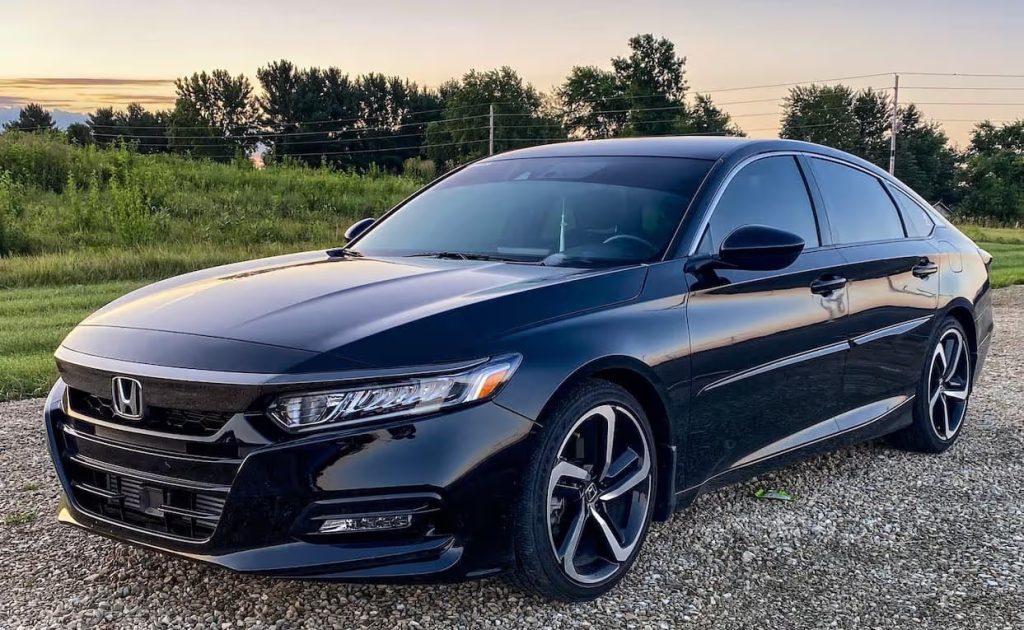
4. Honda Accord
2025 model | IIHS Top Safety Pick+
The Honda Accord approaches safety from the perspective of a spacious midsize sedan. Its cabin offers a traditional four-door layout, and the relatively long body provides useful room for passengers.
For older drivers, the important question is whether its seating height and door opening feel comfortable. A test drive should include getting in and out several times, adjusting the seat, and checking whether the steering wheel and controls can be reached without awkward stretching.
Its crash-test record is particularly strong. The 2025 Accord earned the IIHS Top Safety Pick+ award, with good ratings in the small overlap front, an updated moderate overlap front, and updated side tests.
The updated moderate overlap test is especially relevant to families because it assesses how well the vehicle protects a rear-seat passenger as well as the driver. The Accord received good ratings for rear-passenger head, chest, and thigh injury measures and good ratings for rear-passenger restraints and dummy movement.
The Accord also performed well in lighting and crash avoidance. IIHS rated its headlights. Good, and its standard vehicle-to-vehicle front crash prevention system is good. Its pedestrian front crash prevention system received an acceptable rating.
Lane departure warning and prevention are standard, while blind-spot detection is optional. The model also earned a Good rating for seatbelt reminders and a Good+ rating for LATCH ease of use.
One important distinction is that the Accord’s IIHS award does not guarantee that all safety features come standard across every trim. Buyers should review the equipment list for their chosen configuration, especially if blind-spot monitoring is a key consideration.
The Accord stands out for its strong performance across the major crash tests, including the updated assessment of rear-seat protection. For older drivers who are comfortable with sedan seating, it offers a convincing combination of crashworthiness, good headlights, and useful standard assistance technology.
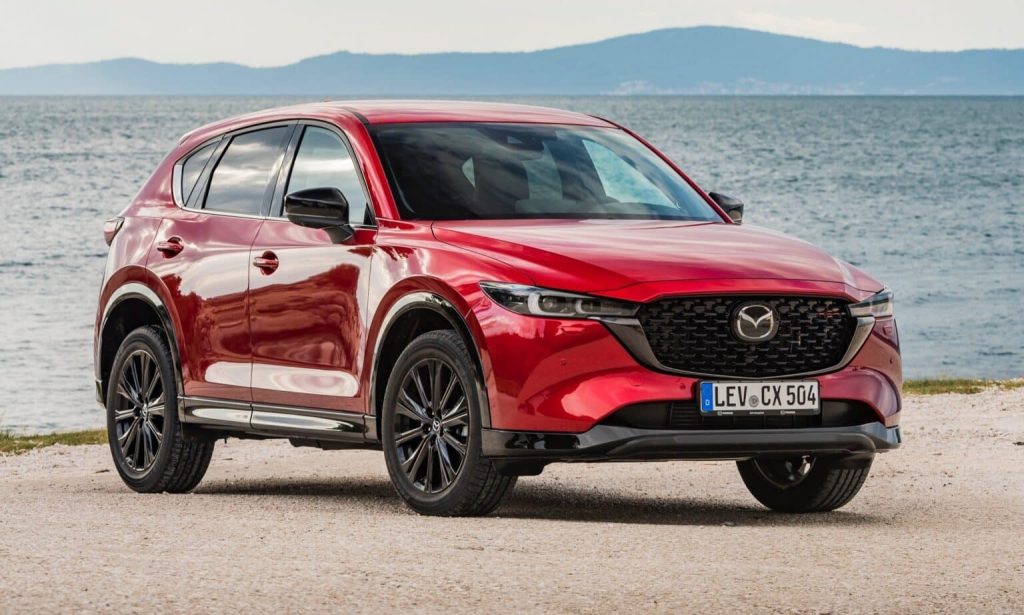
5. Mazda CX-5
2025 model | Strong crashworthiness results in IIHS testing
The Mazda CX-5 is worth considering for older drivers who want a compact SUV with a more car-like driving experience. Its manageable exterior dimensions can make parking and maneuvering easier than with a full-size SUV, while its elevated seating position may be more convenient than getting into a low sedan.
The actual ease of entry depends on the driver’s mobility, so checking the seat height, door opening, and steering-wheel adjustment is important before making a decision.
In IIHS testing, the 2025 CX-5 received good ratings in the small overlap front, updated moderate overlap front, and updated side crash tests. The updated moderate overlap result is particularly useful because it includes an assessment of rear-passenger protection.
The CX-5 received good ratings for the rear passenger’s head, chest, and thigh injury measures, although rear-passenger restraints and dummy movement were rated acceptable. Its side test also earned a Good rating, with an Acceptable grade for the driver’s torso injury measure.
There are weaknesses in its crash-avoidance results. The standard vehicle-to-vehicle front crash prevention system received a Poor rating under IIHS’s newer evaluation, despite the pedestrian detection system earning an Advanced rating.
Headlight grades also vary by trim, ranging from Good to Acceptable. Blind-spot detection and lane departure warning and prevention are standard, while rear automatic braking is optional.
NHTSA’s 2025 assessment gives the CX-5 five stars for its overall frontal and side crash ratings, with four stars for rollover resistance. That provides another useful safety reference, but it does not cancel out the weaker IIHS vehicle-to-vehicle prevention result.
The CX-5 has strong structural crash-test performance, but buyers should compare its driver-assistance limitations with those of higher-rated alternatives.
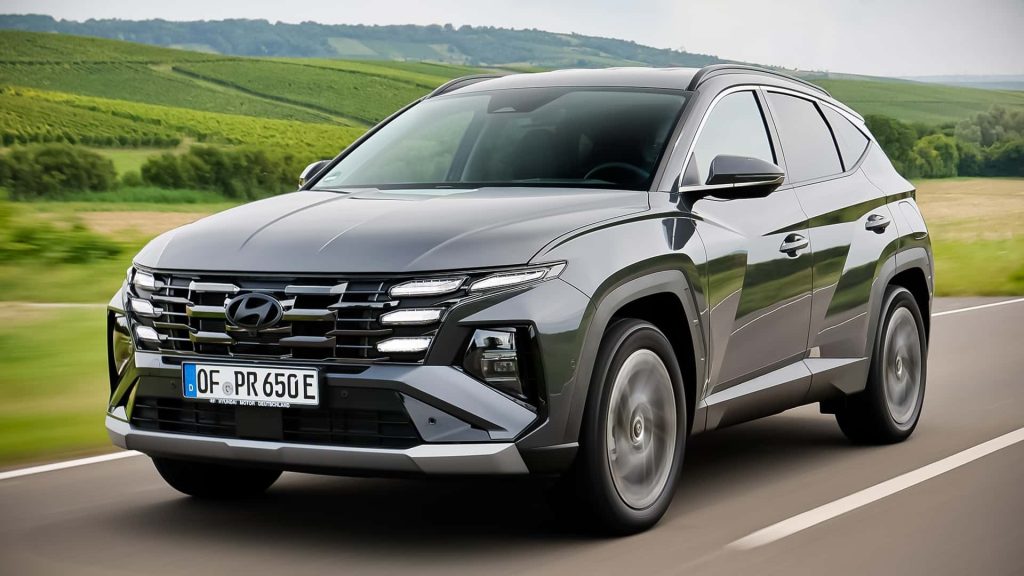
6. Hyundai Tucson
2025 model | IIHS Top Safety Pick+
The Hyundai Tucson offers a useful combination of cabin space, an elevated driving position and a strong crashworthiness record. For older motorists, its SUV layout may make entering and leaving the cabin more comfortable than using a low-slung sedan.
Its wide-opening doors and adjustable driving position are also worth evaluating during a test drive. Comfort and accessibility vary from person to person, as a seat height that feels ideal for one driver may be difficult to manage for someone with limited hip or knee mobility.
The 2025 Tucson earned the IIHS Top Safety Pick+ award. Its small overlap front, updated moderate overlap front, and updated side crashworthiness ratings were all Good.
In the updated moderate overlap test, the rear passenger’s chest and thigh injury measures were Good, while head and neck protection and restraint performance received Acceptable ratings. This is a useful reminder that even a highly rated vehicle can have differences between individual occupant-protection measurements.
The Tucson’s crash-avoidance results are more varied. Its standard pedestrian front crash prevention system received a Good rating, but its standard vehicle-to-vehicle front crash prevention system was rated Marginal.
Headlight ratings vary by trim, with the Limited earning a Good rating, while the SE, SEL, and XRT received Acceptable ratings. Blind-spot detection, lane departure warning and prevention, and rear automatic braking come standard across the lineup.
One less favorable result concerns whiplash prevention. IIHS rated the tested power synthetic-leather seat Poor. This is a separate evaluation from the major crashworthiness tests, but it matters because rear-end collisions can cause neck injuries even when the main passenger compartment remains intact.
The Tucson’s Top Safety Pick+ award reflects its strong performance under IIHS’s award criteria, but the detailed grades deserve attention. Older buyers should compare the trim’s headlights and safety equipment, and should personally assess the seat comfort before choosing it.
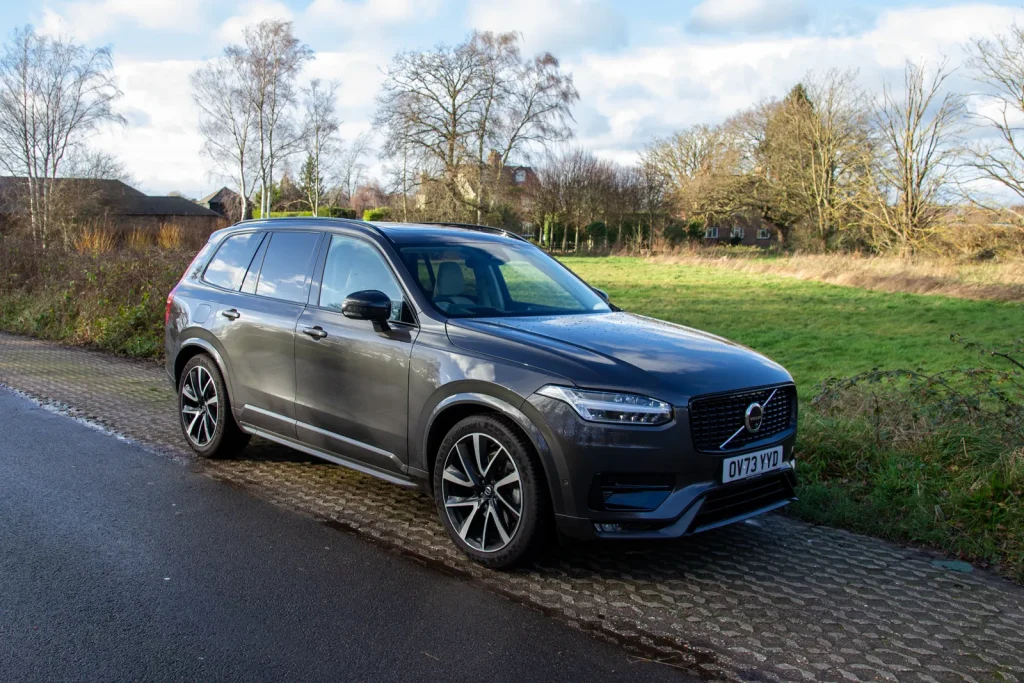
7. Volvo XC90
2025 model | IIHS Top Safety Pick+
The Volvo XC90 is a strong option for older drivers who want a larger SUV with three-row seating and a high level of crash protection. Its elevated driving position can make road visibility feel more natural than in a low sedan, while the wide cabin and adjustable seating offer room to find a comfortable driving posture.
However, its size may make tight parking spaces and narrow streets more challenging, so buyers should test its visibility and maneuverability in the conditions they regularly encounter.
The 2025 XC90 earned the IIHS Top Safety Pick+ award. It received Good ratings in the small overlap front, updated moderate overlap front and updated side crash tests.
Its updated moderate overlap rating is especially relevant for older drivers who often travel with family members. Rear-passenger injury measurements for the head, chest, and thighs were all rated Good, while the rear-seat restraints and dummy movement received Acceptable ratings.
Lighting performance depends on the vehicle’s build date. XC90 models built after December 2024 have headlights rated Good, while earlier examples have an Acceptable rating.
Its standard vehicle-to-vehicle and pedestrian front crash prevention systems both received Acceptable ratings. Blind-spot detection, lane departure warning and prevention, and rear automatic braking are standard.
The XC90’s safety equipment is useful, but its size and luxury-SUV proportions are not automatically advantages for every older motorist.
A driver with limited neck movement should check the sightlines when reversing and changing lanes, while anyone with mobility concerns should try the seat and door opening before committing.
The XC90 earns its place through strong crashworthiness, a Top Safety Pick+ award and a substantial set of standard assistance features. Its detailed ratings are not perfect, but the results provide meaningful evidence of protection in several important crash scenarios.