A modern vehicle’s infotainment system can make everyday driving considerably more convenient, but a large touchscreen alone does not guarantee a satisfying experience. Drivers expect responsive displays, dependable smartphone connections, accurate navigation, and clear audio and controls that are easy to understand.
J.D. Power measures these experiences through its U.S. Multimedia Quality and Satisfaction Study, which evaluates feedback from actual vehicle owners. The 2026 results reveal some interesting differences between premium and mainstream vehicles, with several unexpected models earning impressive scores.
These eight vehicles stand out for delivering particularly satisfying multimedia experiences to American buyers.
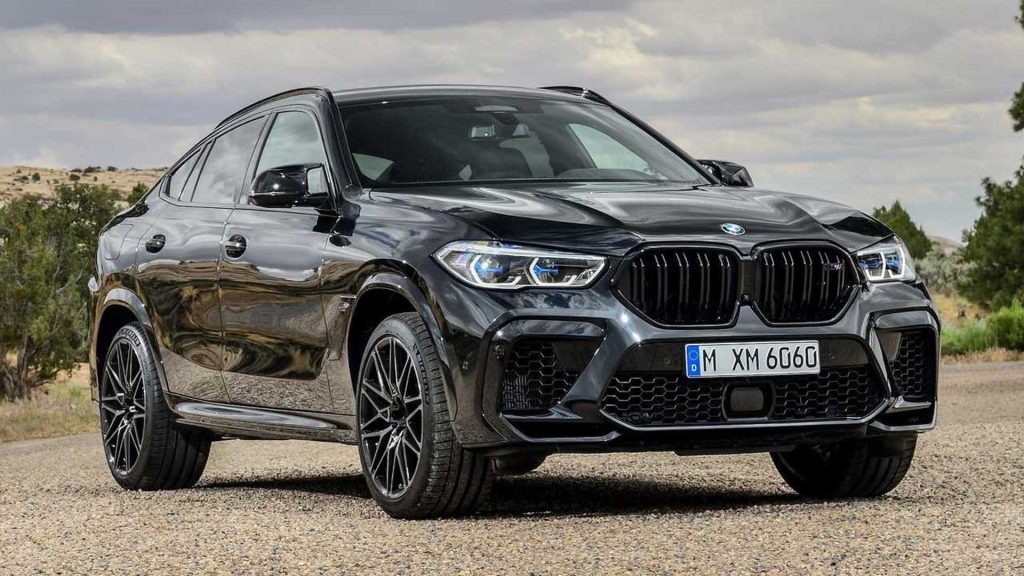
1. BMW X6: 931 points out of 1,000
The BMW X6 takes the top position among the vehicles examined in J.D. Power’s 2026 U.S. Multimedia Quality and Satisfaction Study, earning 931 points out of 1,000. Its result places it ahead of the BMW 7 Series and Chevrolet Corvette, demonstrating that a luxury performance SUV can deliver an exceptionally satisfying digital experience.
The study surveyed 78,514 purchasers and lessees of new 2026 model-year vehicles after 90 days of ownership.
A major part of the X6’s appeal is its BMW Curved Display, which combines a 12.3-inch instrument display with a 14.9-inch central information display. The system operates through BMW Operating System 8.5 in the relevant 2026 configuration, providing access to navigation, entertainment, vehicle settings, and connected services.
Its touchscreen interface works alongside the BMW iDrive controller, giving drivers an alternative to reaching across the dashboard for every command.
Smartphone integration is another important advantage. Wireless Apple CarPlay and Android Auto allow compatible phones to connect without requiring a cable, while Bluetooth provides additional connectivity for calls and audio streaming. The available Harman Kardon surround sound system adds another dimension for buyers who prioritize audio quality.
What makes the X6 particularly interesting is the combination of a large digital interface and physical interaction options. Drivers can use touch controls, voice commands, or the iDrive controller depending on the situation.
This flexibility matters because complicated menus can become frustrating when a driver simply wants to change a song or adjust navigation.
Its 931-point result is the strongest individual multimedia score reported in the 2026 study, making the X6 a particularly convincing choice for buyers who place considerable importance on in-car technology.
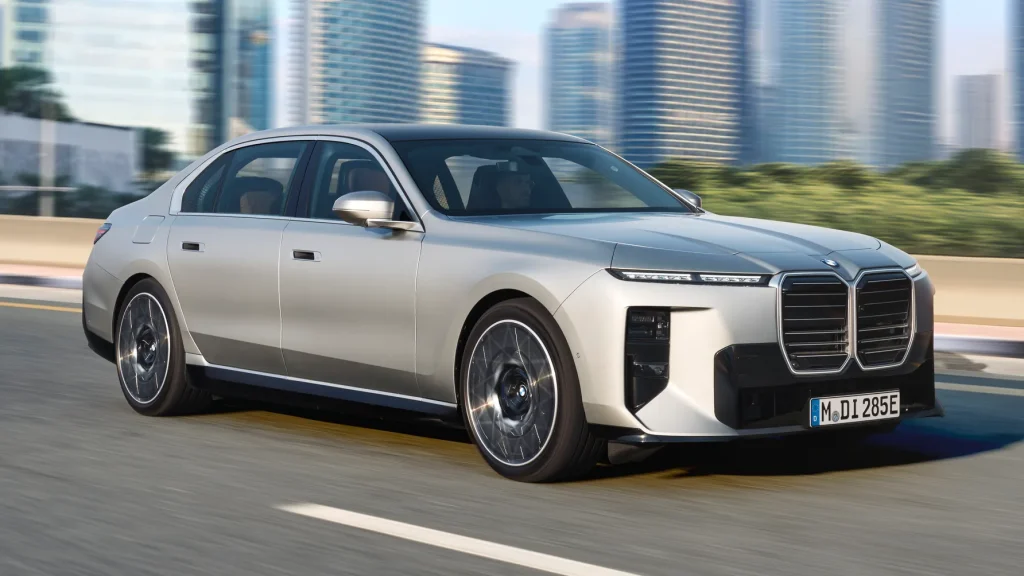
2. BMW 7 Series: 929 points out of 1,000
A luxury sedan costing six figures should deliver more than comfortable seats and a powerful engine. Its technology needs to feel equally sophisticated, and the BMW 7 Series makes a strong impression in this area.
It secured 929 points in the 2026 J.D. Power U.S. Multimedia Quality and Satisfaction Study, finishing just two points behind the BMW X6. Its second-place result also confirms that BMW’s digital technology performs particularly well across different vehicle categories.
The centerpiece is BMW’s Curved Display, featuring a 12.3-inch instrument cluster and a 14.9-inch central touchscreen. The interface brings together navigation, entertainment, vehicle information, and personalized settings.
BMW’s iDrive system also supports voice interaction, allowing drivers to perform selected functions without relying entirely on touchscreen menus.
Rear passengers receive considerable attention, too. The available 31.3-inch BMW Theatre Screen transforms the rear cabin into an entertainment space, supporting streaming and other multimedia functions when appropriately connected. This is particularly attractive for owners who regularly travel with passengers.
Audio quality adds another dimension. The available Bowers & Wilkins Diamond Surround Sound System provides a premium listening experience, with BMW offering a 36-speaker configuration in applicable versions.
The 7 Series illustrates why infotainment satisfaction involves much more than display size. Its combination of front-seat controls, connected services, rear entertainment, and premium audio creates a technology environment designed around different occupants.
Scoring 929 points, it demonstrates that sophisticated multimedia equipment can be a major part of a vehicle’s appeal when the experience is integrated into everyday use.
3. Chevrolet Corvette: 927 points out of 1,000
A sports car is usually judged by its engine, handling, and acceleration, but the Chevrolet Corvette has another area in which it performs impressively. It secured 927 points in the 2026 J.D. Power U.S. Multimedia Quality and Satisfaction Study, placing third among the highest-scoring individual vehicles.
The result is particularly noteworthy because the Corvette is designed primarily around performance, yet its multimedia experience also received strong feedback from American owners.
The 2026 Corvette features a driver-focused cockpit with a digital instrument display and a central infotainment touchscreen. Chevrolet’s infotainment interface provides access to entertainment, vehicle information, connected services, and smartphone integration.
Wireless Apple CarPlay and Android Auto compatibility allow drivers to connect supported smartphones without keeping them physically plugged into the dashboard.
Screen placement is especially important in a vehicle with the Corvette’s driving position. The central display is positioned to remain accessible without requiring the driver to reach excessively across the cabin.
Its interface also provides access to commonly used functions, helping occupants manage entertainment and navigation while keeping the driving environment focused.
Audio equipment further strengthens the package. Available premium Bose audio systems provide a more immersive listening experience, which is particularly useful when drivers want entertainment without relying entirely on smartphone speakers or basic cabin audio equipment.
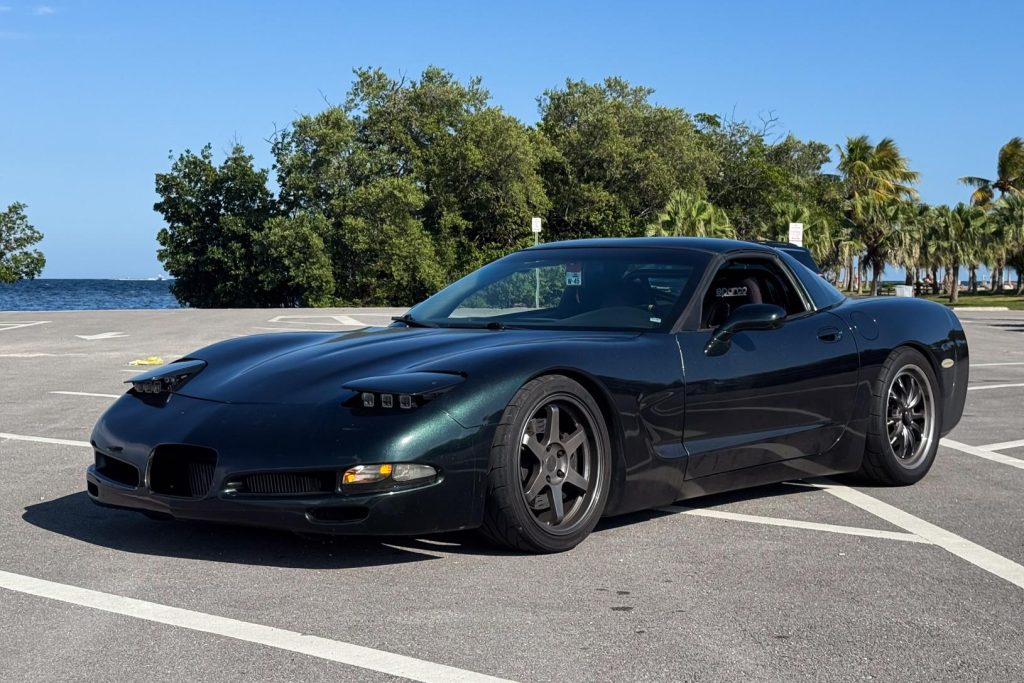
The Corvette’s 927-point score places it only two points behind the BMW 7 Series. That narrow difference makes its achievement even more interesting. It suggests that buyers do not necessarily need a traditional luxury sedan to receive a highly satisfying multimedia experience.
For American performance-car enthusiasts, the Corvette demonstrates that modern sports-car engineering increasingly involves more than mechanical performance. Digital displays, smartphone connectivity, and entertainment systems have become important parts of the ownership experience.
4. Hyundai Palisade: 922 points out of 1,000
The Hyundai Palisade makes an impressive appearance on this list by showing that an excellent infotainment experience is not exclusive to expensive luxury vehicles. It earned 922 points in the 2026 J.D. Power U.S. Multimedia Quality and Satisfaction Study, making it the highest-scoring non-premium midsize and large vehicle.
Its result puts it ahead of several considerably more expensive models and highlights Hyundai’s progress in delivering technology that appeals to everyday American buyers.
For the 2026 American model, Hyundai has introduced a more sophisticated dashboard layout featuring a panoramic display arrangement.
The central infotainment touchscreen measures 12.3 inches, while an available 12.3-inch digital instrument cluster places important driving information directly in front of the driver. The interface provides access to navigation, entertainment, vehicle settings, and connected services.
Smartphone connectivity is another strong point. Wireless Apple CarPlay and Android Auto come standard across the U.S. lineup, allowing compatible devices to connect without a USB cable.
This is a particularly useful improvement for drivers who frequently switch between navigation applications, music streaming, and phone calls. Hyundai also includes Bluetooth connectivity, SiriusXM satellite radio, and Bluelink-connected services.
Families receive additional multimedia conveniences that make the Palisade stand out. Passenger Talk provides an in-car communication system, allowing the driver to communicate with occupants in the rear rows without raising their voice.
Rear Seat Quiet Mode can also limit audio output from the rear speakers, helping passengers listen through their own headphones or enjoy a quieter environment.
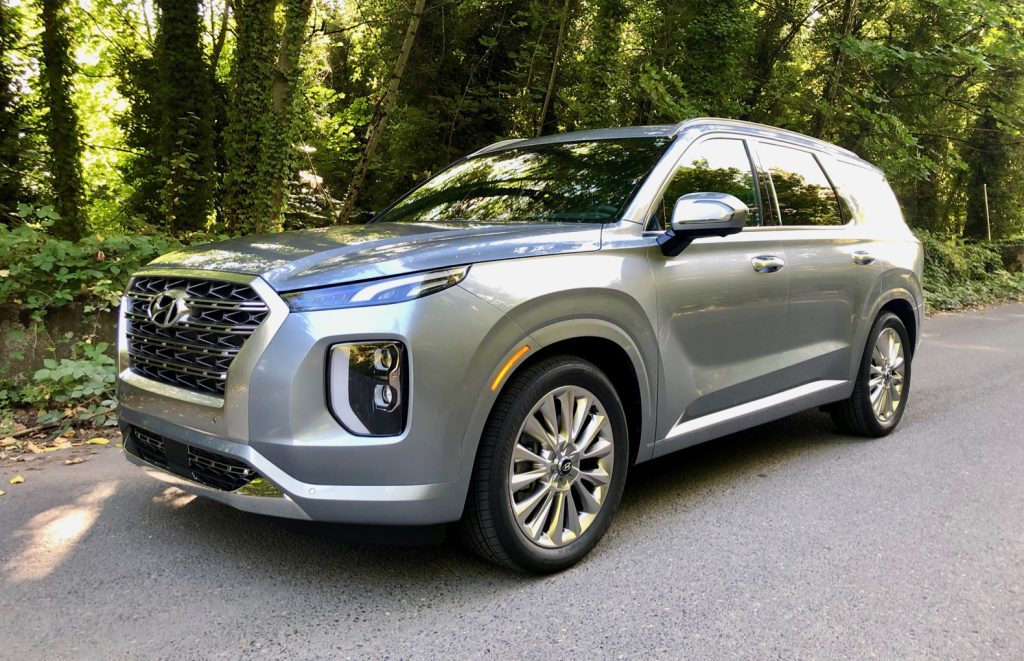
Higher trims offer a Bose 14-speaker premium audio system with Centerpoint and SoundTrue Enhanced Technology. This provides a more immersive listening experience across the three-row cabin.
The Palisade’s 922-point achievement demonstrates that thoughtful interface design, wireless connectivity, and useful family-oriented technology can create a highly satisfying infotainment package without requiring a luxury-car budget.
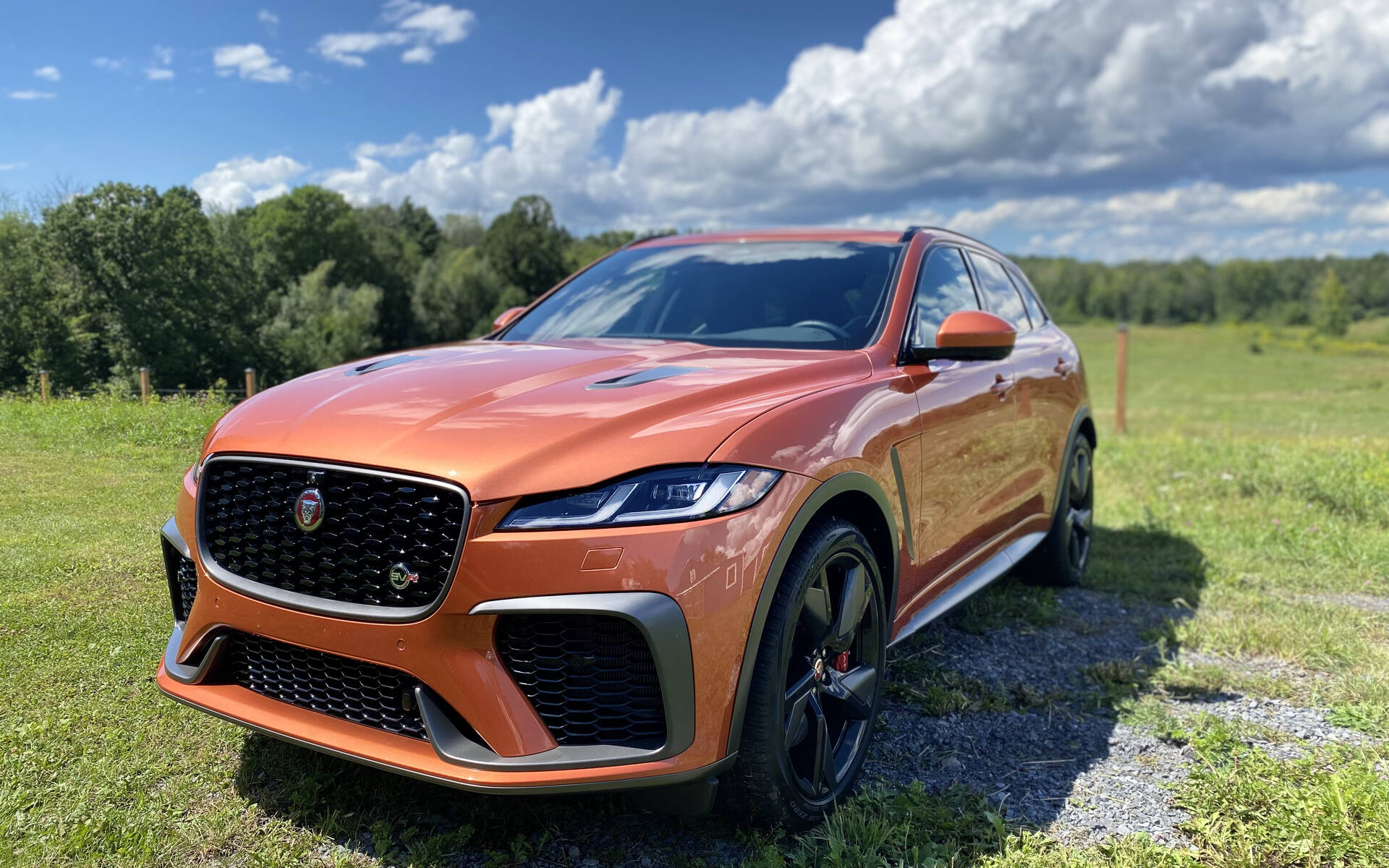
5. Jaguar F-Pace: 921 points out of 1,000
The Jaguar F-Pace earns its place among the strongest infotainment performers by combining a premium cabin with a technology package designed to make everyday interactions straightforward.
It scored 921 points in the 2026 J.D. Power U.S. Multimedia Quality and Satisfaction Study, making it the highest-ranked vehicle in the Small/Compact Premium category. Its result is particularly interesting because it finished ahead of several established German luxury competitors in the same segment.
Jaguar’s Pivi Pro infotainment platform is central to the F-Pace’s multimedia experience. The system is built around an 11.4-inch curved touchscreen, which provides access to navigation, entertainment, vehicle settings, and connected functions.
Its curved design follows the shape of the dashboard, helping integrate the display into the cabin rather than making it appear like an independently mounted tablet.
The interface also supports smartphone integration through Apple CarPlay and Android Auto, allowing compatible devices to connect with the vehicle’s entertainment and navigation environment.
This is useful for drivers who prefer familiar smartphone applications rather than learning an entirely different navigation interface. Available connected services provide additional access to vehicle information and selected remote functions.
Audio quality is another consideration for luxury SUV buyers. Depending on the configuration, the F-Pace offers Meridian sound systems, including an available Meridian 3D Surround Sound setup. These systems are designed to provide a more detailed listening experience throughout the cabin.
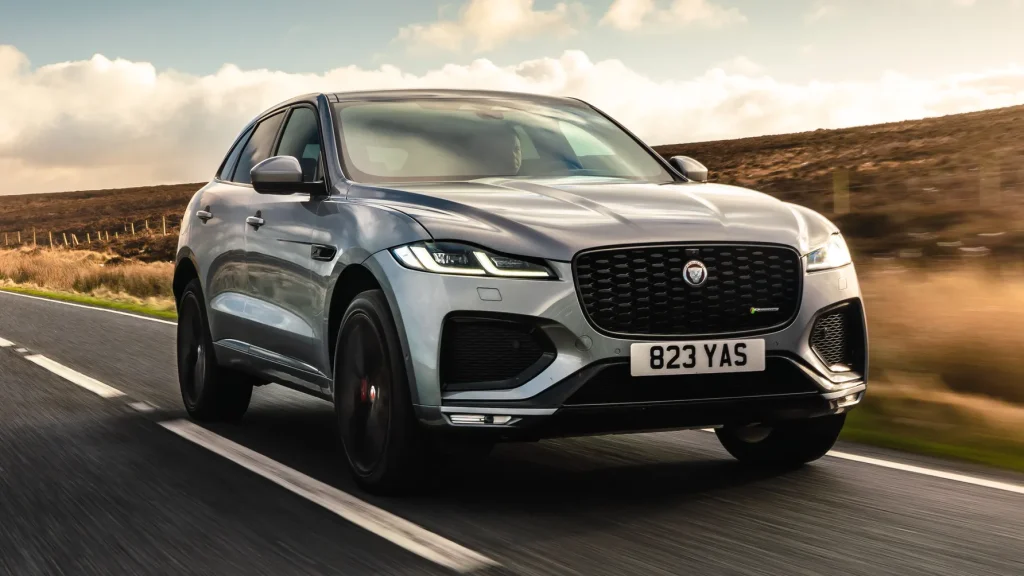
The F-Pace’s 921-point result is significant because infotainment satisfaction depends on how well technology works during ordinary journeys.
A responsive display, accessible menus, and dependable connectivity can make a noticeable difference when drivers repeatedly use navigation, music, and communication features. Its segment-leading result shows that Jaguar’s multimedia package connected particularly well with surveyed American owners.
6. Dodge Durango: 918 points out of 1,000
The Dodge Durango brings a more muscular personality to this infotainment-focused selection. Known for its powerful engine options and substantial three-row design, the SUV might not be the first vehicle that comes to mind when discussing multimedia technology.
However, its 918-point result in the 2026 J.D. Power U.S. Multimedia Quality and Satisfaction Study shows that its digital experience deserves attention. It tied for second place in the Midsize/Large category, behind the Hyundai Palisade.
The Durango’s Uconnect infotainment platform provides the foundation for its multimedia functions. Depending on the model year and trim, buyers receive an available 10.1-inch touchscreen with access to audio, navigation, smartphone integration and vehicle settings.
The layout is designed to keep frequently used functions accessible through the central display.
Apple CarPlay and Android Auto compatibility are particularly useful for owners who rely on their smartphones for navigation and entertainment. Instead of depending exclusively on the vehicle’s built-in applications, drivers can access familiar services through compatible devices.
Available connected services add further convenience by providing selected remote vehicle functions.
The Durango also offers entertainment features that make sense for its family-oriented configuration. Its three-row cabin can accommodate up to seven occupants, depending on seating configuration, and available rear-seat entertainment equipment helps passengers stay occupied during longer journeys.
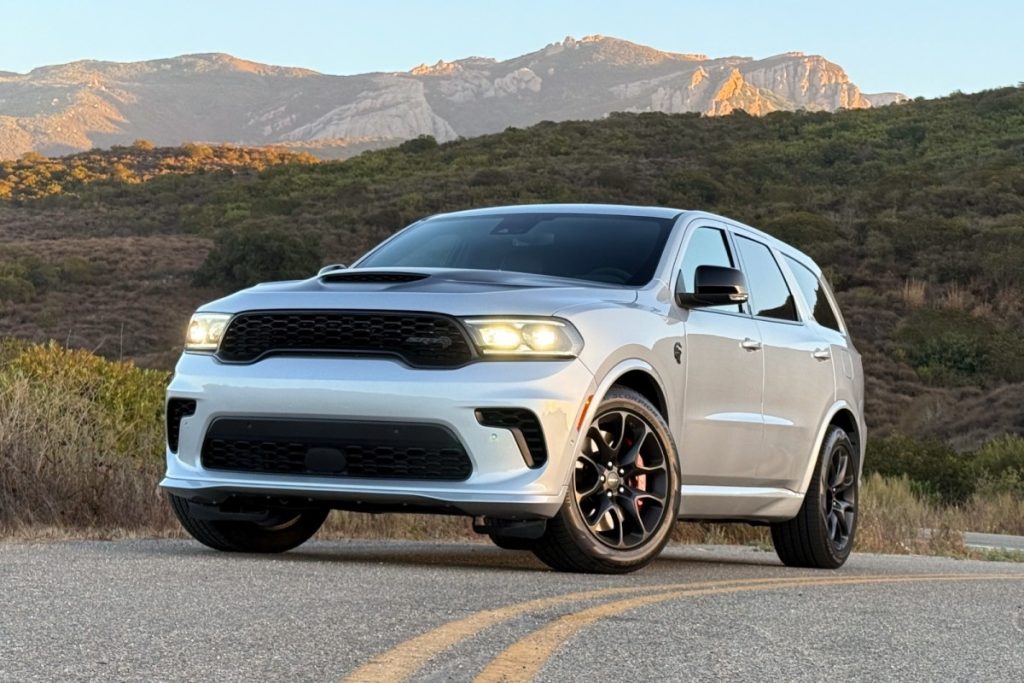
Audio options vary by trim, giving buyers opportunities to select equipment suited to their preferences.
An important consideration is that the 918-point score measures owner satisfaction with the multimedia experience, not engine performance or general reliability.
The Durango’s result therefore provides a useful reminder that infotainment quality can be a competitive strength even in a vehicle primarily associated with towing capability, passenger space and strong acceleration. Its performance makes it one of the more surprising entries in this selection.
7. Kia K5: 918 points out of 1,000
The Kia K5 shares the Durango’s 918-point result, although the two vehicles appeal to very different buyers. The K5 is a mainstream midsize sedan that places considerable emphasis on accessible technology, contemporary styling and everyday usability.
Its second-place finish in the Midsize/Large category of the 2026 J.D. Power U.S. Multimedia Quality and Satisfaction Study is an impressive achievement for a vehicle competing against larger and more expensive SUVs.
One of the K5’s advantages is its straightforward dashboard arrangement. The U.S. model offers an available dual-display layout that combines a digital instrument cluster with a central infotainment screen.
Depending on trim and equipment, the central display measures up to 12.3 inches. This arrangement gives drivers convenient access to entertainment, navigation and vehicle information without making the dashboard feel unnecessarily complicated.
Smartphone integration is particularly important in this segment. Apple CarPlay and Android Auto allow owners to bring their preferred navigation and music applications into the vehicle. Bluetooth connectivity also supports hands-free calls and wireless audio streaming.
These features are useful because many drivers already depend on their smartphones for daily travel and communication.
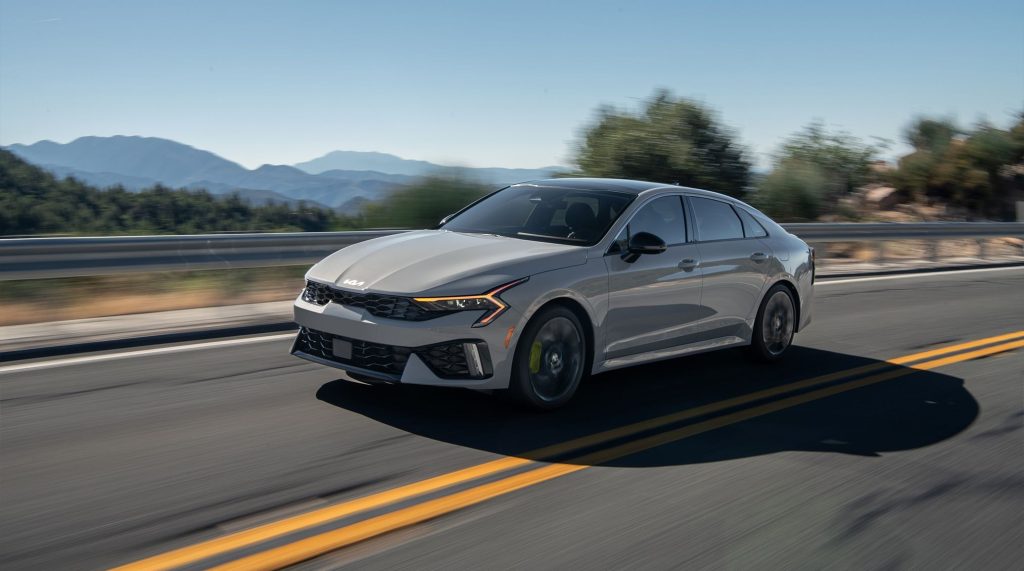
Kia’s infotainment experience also benefits from the vehicle’s practical interior design. The central touchscreen is positioned within convenient reach, while commonly used physical controls provide an alternative to navigating every function through digital menus.
That balance can make routine interactions easier, particularly when adjusting climate settings or changing audio sources.
The K5’s 918-point result is noteworthy because it demonstrates that a mainstream sedan can compete successfully in multimedia satisfaction without adopting the technology package of a luxury vehicle. Its performance highlights the importance of intuitive controls, useful connectivity and a well-integrated interface rather than simply increasing screen size.
8. Kia K4: 915 points out of 1,000
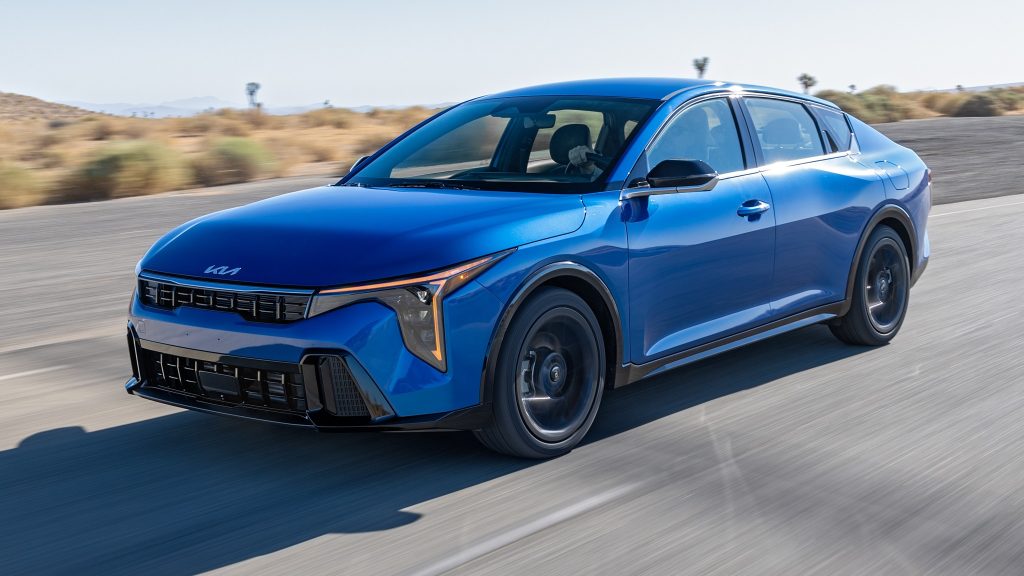
The Kia K4 completes this selection with a particularly impressive achievement for an affordable compact sedan. It scored 915 points in the 2026 J.D. Power U.S. Multimedia Quality and Satisfaction Study, earning first place in the Small/Compact category.
Its result is notable because the K4 competes in a segment where buyers generally prioritize affordability, fuel economy and practicality rather than premium entertainment equipment. Nevertheless, Kia has equipped the sedan with technology that makes it competitive in an increasingly digital automotive market.
A 12.3-inch touchscreen infotainment display comes standard in the 2026 U.S. K4 lineup. Higher trims can add a panoramic arrangement featuring a second 12.3-inch instrument display and additional navigation functionality.
Wireless Apple CarPlay and Android Auto are also standard, allowing compatible smartphones to connect without cables. This is particularly convenient for drivers who regularly use Google Maps, music applications and voice-controlled communication.
Kia also offers an available eight-speaker Harman Kardon premium audio system, providing an upgrade over the standard audio equipment. The available Kia AI Assistant and connected services introduce additional voice-controlled functions, although availability depends on trim and subscription requirements.
Over-the-air software updates provide another useful feature by allowing supported vehicle software improvements without requiring a traditional dealership visit.
What makes the K4’s achievement interesting is its accessibility. Buyers do not need to purchase a large luxury SUV to receive a modern touchscreen, wireless smartphone integration and useful connected features.
Its 915-point result places it ahead of several more expensive compact vehicles, demonstrating that thoughtful technology integration can be a significant competitive advantage.