
A vehicle can have impressive horsepower, advanced technology, and an expensive badge, but none of those guarantees an enjoyable driving experience.
What matters just as much is how naturally a car responds to steering inputs, how confidently it handles corners, and how satisfying its power delivery feels. J.D. Power’s U.S. Automotive Performance, Execution, and Layout (APEAL) study examines these experiences through feedback from new-vehicle owners.
Its Driving Feel category offers an especially interesting perspective because it focuses on the sensations drivers experience behind the wheel. Here are ten APEAL-recognized vehicles worth examining for their driving characteristics.
1. Genesis GV60
The Genesis GV60 deserves an early place in this discussion because it has one of the clearest documented connections to J.D. Power’s Driving Feel category. In the 2024 U.S. APEAL Study, the GV60 ranked highest in the Small Premium SUV segment for the second consecutive year.
More importantly, Genesis confirmed that the electric SUV topped six individual study factors, including driving feel, powertrain, driving comfort, interior, getting in and out, and setting up and starting. That recognition makes it particularly relevant to an article focused on what owners appreciate when driving.
The GV60 also brings a distinctive electric driving experience. Its instant torque delivery gives acceleration a smooth, immediate character, while its low-mounted battery pack helps keep the center of gravity down.
This layout benefits stability and gives the vehicle a planted feeling through sweeping corners. Depending on the configuration, American buyers can choose rear-wheel drive or all-wheel drive, with the latter offering stronger acceleration and additional traction.
The 2024 U.S. GV60 Performance AWD produces 429 horsepower in normal operation, with a temporary Boost Mode increasing output to 483 horsepower for up to 10 seconds. That is substantial performance for a compact luxury SUV, although its appeal is not limited to straight-line acceleration.
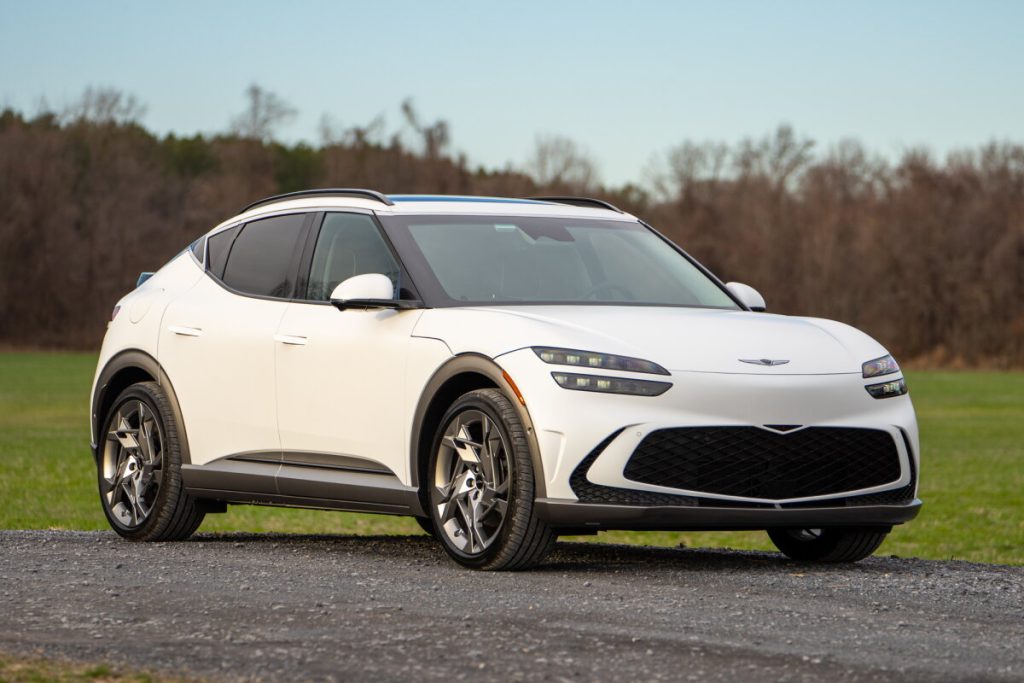
The quiet cabin, responsive electric motors, and composed road manners make everyday journeys feel refined without removing the sense of engagement.
What makes this recognition especially meaningful is that owners evaluated the vehicle after real-world use rather than judging it solely through a manufacturer performance specification sheet. The GV60 demonstrates that an electric SUV can deliver an engaging driving experience while maintaining the comfort and refinement expected in the luxury segment.
2. Porsche 911
The Porsche 911 has built its reputation around a driving experience that prioritizes precision, balance, and driver involvement. Its achievements in the J.D. Power APEAL Study provide additional evidence of its appeal among American owners.
The 911 ranked highest in the Premium Sporty Car segment in both the 2025 and 2026 U.S. APEAL studies. Porsche also ranked as the highest-performing premium brand in the 2026 study, earning 896 points out of 1,000. These results reflect owner satisfaction across the complete vehicle experience rather than a separately published Driving Feel score.
What separates this sports car from many conventional performance vehicles is its rear-engine configuration. Placing the engine behind the rear axle gives the 911 distinctive weight distribution characteristics, helping deliver strong traction when accelerating out of corners.
Its steering response, carefully developed suspension, and low seating position contribute to a connected driving experience.
The 2025 Carrera features a twin-turbocharged 3.0-liter flat-six engine producing 388 horsepower and 331 lb-ft of torque. Buyers can pair it with an eight-speed PDK dual-clutch transmission or, in the Carrera T, a six-speed manual gearbox.
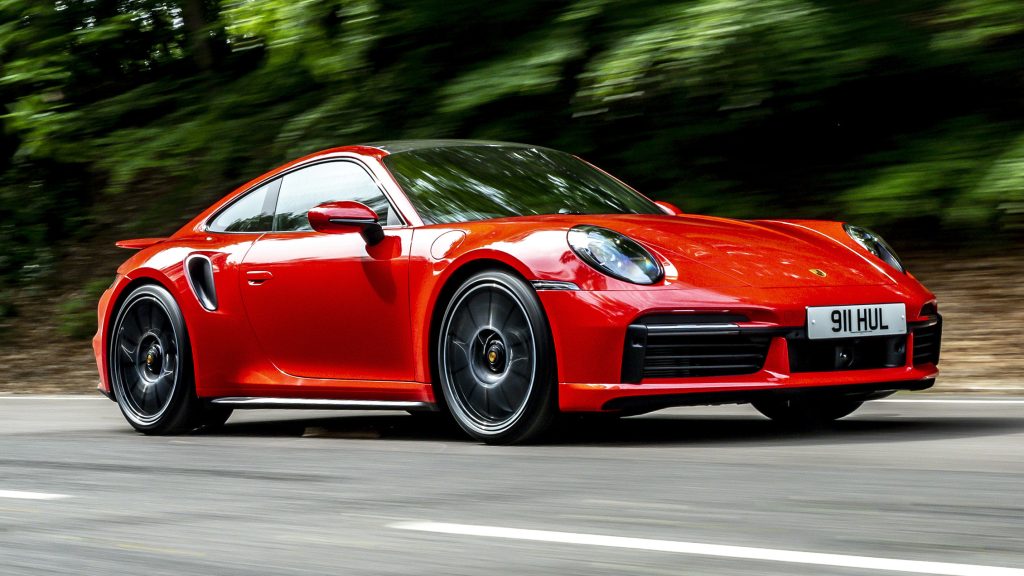
There is also a reason enthusiasts continue to value this model beyond its acceleration figures. The 911 combines everyday usability with genuine sports-car responses, making it suitable for highway journeys and demanding back roads alike.
Its repeated APEAL segment victories demonstrate that owners continue to appreciate that combination of engineering and everyday excitement.
3. BMW X6
The BMW X6 approaches driving enjoyment from a different direction. Rather than trying to behave like a traditional sports car, it combines the elevated driving position of an SUV with the road-focused character of a performance-oriented luxury vehicle.
Its presence in the APEAL discussion is particularly relevant because BMW has repeatedly demonstrated strong performance in J.D. Power’s U.S. vehicle satisfaction research. However, the X6 should not be described as an individual Driving Feel category winner without a published model-level result supporting that claim.
One of the X6’s defining characteristics is its rear-biased driving personality. BMW’s xDrive all-wheel-drive system can distribute power between the front and rear wheels according to available traction and driving conditions.
This helps the vehicle maintain composure when accelerating out of corners or travelling across wet pavement. The steering is also designed to provide predictable responses, which is important in a vehicle that carries considerably more weight than a conventional sports sedan.
For the 2025 American market, the X6 xDrive40i uses a 3.0-liter turbocharged inline-six engine with a 48-volt mild-hybrid system. It produces 375 horsepower and 398 lb-ft of torque, working with an eight-speed automatic transmission.
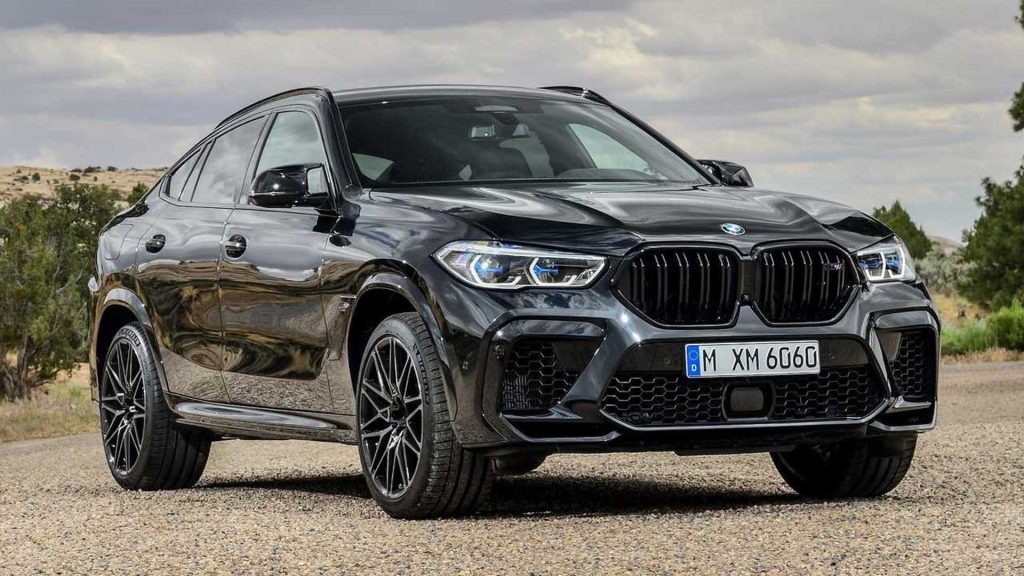
Buyers seeking considerably stronger performance can choose the X6 M60i, which uses a 4.4-liter twin-turbocharged V8 producing 523 horsepower and 553 lb-ft of torque.
What makes the X6 interesting is how it manages its size. The vehicle feels substantial, yet its powertrain and chassis engineering help it respond confidently to driver inputs. It is not as light or delicate as a dedicated sports car, but that is not its purpose.
Instead, it delivers a combination of strong acceleration, high-speed stability, and everyday comfort that appeals to drivers who want performance without sacrificing SUV practicality.
4. BMW 7 Series
Few luxury sedans manage to make driving feel as effortless as the BMW 7 Series. Its appeal comes from combining powerful engine options with sophisticated suspension engineering and a cabin designed to isolate occupants from unwanted road disturbances.
The model received particularly significant recognition in the 2026 J.D. Power U.S. APEAL Study, where it tied with the BMW X6 for the highest individual model ranking across the study. This is an important achievement because the results were based on feedback from actual new-vehicle owners surveyed after 90 days of ownership.
The 7 Series offers a different interpretation of driving enjoyment compared with a conventional sports sedan. Instead of communicating every road imperfection, it aims to deliver controlled responses, predictable steering, and impressive stability.
Its available Integral Active Steering system can turn the rear wheels to improve manoeuvrability at lower speeds and help the vehicle feel more composed during faster lane changes.
American buyers can choose the 740i, which uses a 3.0-liter turbocharged inline-six engine paired with a 48-volt mild-hybrid system. This powertrain produces 375 horsepower and 398 lb-ft of torque. Those wanting substantially more performance can consider the 760i xDrive, featuring a 4.4-liter twin-turbocharged V8 producing 536 horsepower and 553 lb-ft of torque.
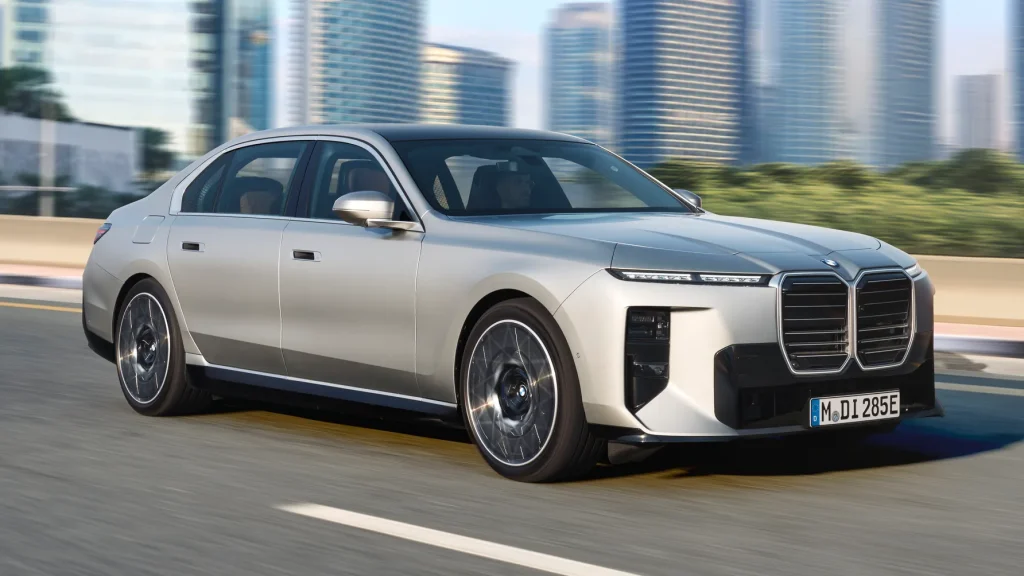
The car’s adaptive suspension also plays an important role. It continuously responds to changing road conditions, helping maintain body control without making the ride unnecessarily harsh. Drivers can select different driving modes to adjust the vehicle’s responses according to their preferences.
The 7 Series is particularly interesting because its driving appeal does not depend on aggressive acceleration alone.
It delivers a relaxed yet capable experience, demonstrating that owner satisfaction can come from refinement, predictable handling, and the confidence of knowing the vehicle responds appropriately when the driver demands more.
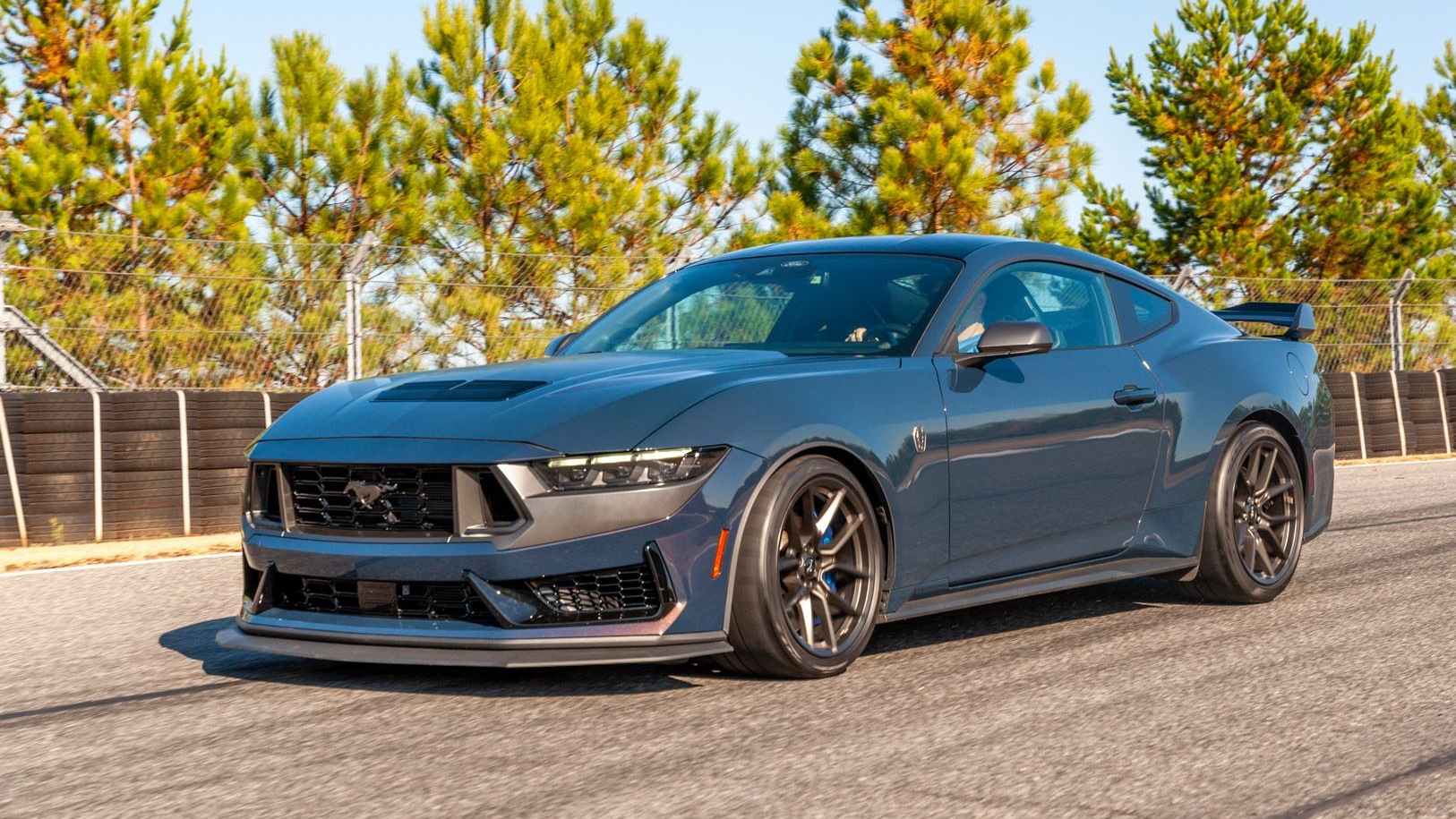
5. Ford Mustang
The Ford Mustang has a very different personality from the luxury vehicles featured earlier. Its driving appeal is rooted in traditional American muscle-car engineering, rear-wheel-drive performance, and the involvement that comes from controlling a powerful engine.
The Mustang earned the highest ranking in J.D. Power’s Sporty Car segment in the 2025 and 2026 U.S. APEAL studies, making it one of the strongest examples of sustained owner enthusiasm in this category.
The available 5.0-liter Coyote V8 is central to the Mustang GT’s character. For the 2025 American model, Ford lists 480 horsepower and 415 lb-ft of torque in standard configuration when running on 93-octane fuel.
Selecting the available active-valve exhaust increases those figures to 486 horsepower and 418 lb-ft. Buyers can pair the engine with a six-speed manual transmission featuring rev matching or an available 10-speed automatic.
What makes the manual version particularly appealing is the additional involvement it demands. Drivers control gear changes themselves, making acceleration and corner exits feel more interactive. Ford also offers a limited-slip rear differential, which helps distribute power between the rear wheels when traction conditions differ.
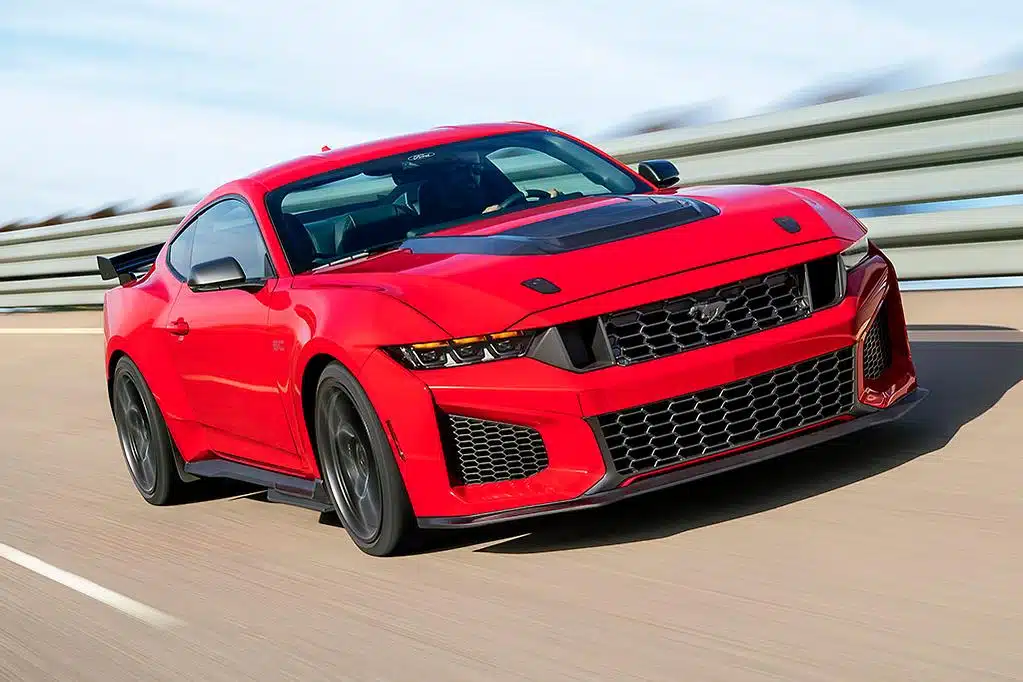
The more track-focused Dark Horse takes things further with a modified 5.0-liter V8 producing 500 horsepower and 418 lb-ft of torque. Its available MagneRide suspension helps manage body movements, while its TREMEC six-speed manual transmission adds another performance-oriented option.
The Mustang’s appeal is not simply about producing impressive numbers. Its front-engine, rear-wheel-drive layout gives it a familiar sports-car balance, while its engine character and transmission choices allow drivers to influence how the car behaves.
Its repeated APEAL segment victories show that this traditional performance formula continues to resonate with American owners.
6. BMW 5 Series
The BMW 5 Series occupies an interesting position between everyday practicality and genuine driving engagement. It is designed for people who spend considerable time behind the wheel but do not necessarily want the firm ride or compromises associated with a dedicated sports car.
Its recognition in the 2026 J.D. Power APEAL Study, where it ranked highest in its segment, reinforces its appeal among American owners. BMW AG also collected six model-level segment awards in that study, more than any other automotive manufacturer.
Rather than relying on one impressive performance feature, the 5 Series builds its character through a combination of chassis engineering, power delivery and cabin refinement. Its rear-wheel-drive foundation provides a familiar executive-sedan driving character, while available xDrive all-wheel drive improves traction in challenging conditions.
The 2025 530i is powered by a 2.0-liter turbocharged four-cylinder engine with 48-volt mild-hybrid assistance. It generates 255 horsepower and 295 lb-ft of torque, paired with an eight-speed automatic transmission.
Drivers seeking stronger performance can consider the 540i xDrive, which uses a 3.0-liter turbocharged inline-six producing 375 horsepower and 398 lb-ft of torque.
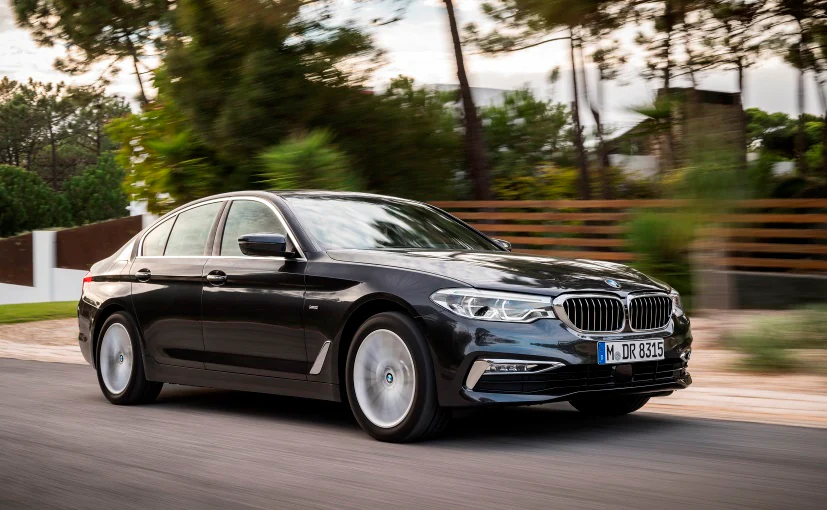
BMW’s adaptive suspension technology also contributes to the experience by adjusting damping characteristics according to road conditions and driving demands. This allows the sedan to remain comfortable during highway journeys while providing better body control when the road becomes more demanding.
An important part of the 5 Series experience is how accessible its performance feels. It does not require the driver to constantly work around an aggressive setup.
Instead, acceleration is smooth, steering responses are predictable and the car maintains composure during everyday manoeuvres. That combination makes it an appealing choice for owners who appreciate an engaging sedan that remains comfortable enough for daily commuting.
7. MINI Countryman
The MINI Countryman proves that enjoyable driving does not have to come from a low-slung sports car or a powerful V8 engine. Its personality is built around compact proportions, quick responses and a driving position that provides a useful view of the road.
The Countryman received the highest ranking in its segment in the 2026 U.S. APEAL Study, marking its fourth consecutive model-level segment award. That repeated recognition is particularly notable in a market where buyers have an enormous number of crossover options.
MINI has traditionally associated its vehicles with agile handling and distinctive steering characteristics. The Countryman carries some of that philosophy into a more practical body style.
Its relatively compact footprint makes it easier to manoeuvre through crowded urban streets, while its suspension is designed to balance cornering control with the comfort expected from a family-oriented crossover.
For the American 2025 model year, the Countryman S ALL4 features a turbocharged 2.0-liter four-cylinder engine producing 241 horsepower and 295 lb-ft of torque.
Its seven-speed dual-clutch transmission handles gear changes, while ALL4 provides power to all four wheels when additional traction is needed. The more performance-focused John Cooper Works Countryman produces 312 horsepower and 295 lb-ft of torque.
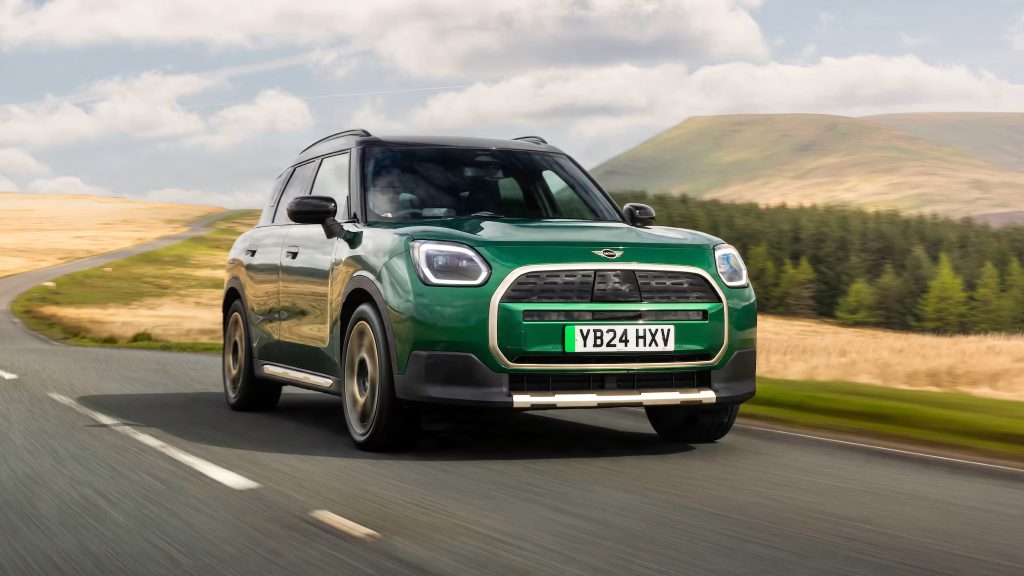
What gives the Countryman a distinctive character is the way it blends practical transportation with a more playful approach to driving. Its steering and compact dimensions make it feel less cumbersome than many larger SUVs, while the available performance variant provides substantially stronger acceleration.
The APEAL recognition does not establish that the Countryman has the highest individual Driving Feel score. Nevertheless, its repeated segment victories show that owners appreciate the complete experience it delivers.
For drivers who want a vehicle that handles daily responsibilities without feeling unnecessarily ordinary, the Countryman makes a compelling case.
8. Kia K5
The Kia K5 is an interesting addition because it demonstrates that an enjoyable driving experience does not have to come with a premium European price tag. Kia has developed this midsize sedan with a distinctly sporty appearance, practical everyday equipment and an available turbocharged engine that gives the range a more energetic personality.
The Kia K5 has also maintained a strong record in J.D. Power’s APEAL study, earning its sixth consecutive model-level segment award in the 2026 results. This repeated recognition highlights the model’s consistent performance across multiple study years and places it among the most frequent repeat award recipients in the model-level rankings.
The 2025 American K5 lineup offers two different engine personalities. Most versions use a naturally aspirated 2.5-liter four-cylinder engine producing 191 horsepower and 181 lb-ft of torque. The GT takes a considerably more aggressive approach, featuring a turbocharged 2.5-liter four-cylinder producing 290 horsepower and 311 lb-ft of torque.
The GT’s power reaches the front wheels through an eight-speed wet dual-clutch transmission. This arrangement gives the sedan quicker, more performance-oriented gear changes than the conventional eight-speed automatic fitted to the other versions.
Kia also equips the GT with sport-tuned suspension, larger brakes and 19-inch alloy wheels, giving it hardware that supports its stronger performance.
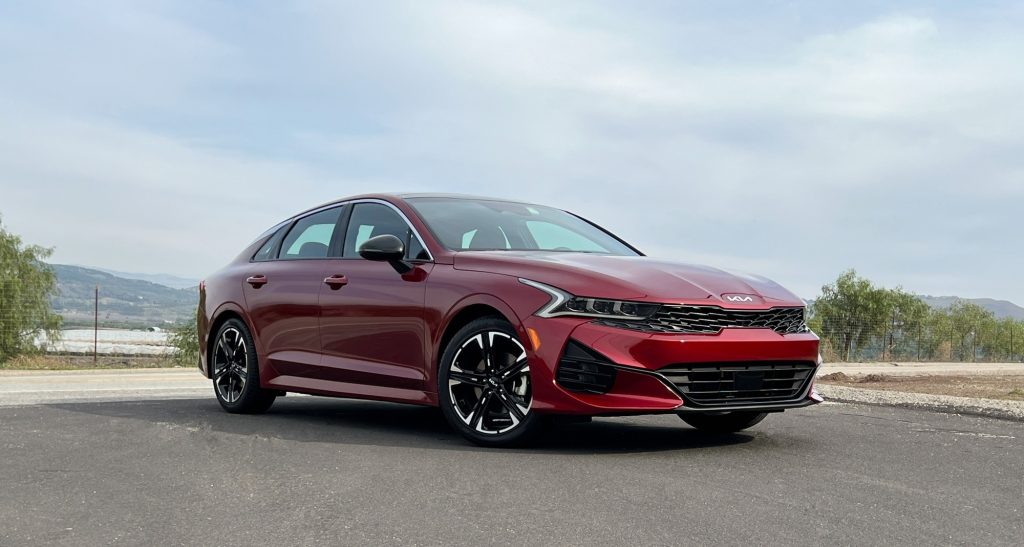
Steering response is another important part of the experience. The GT uses a rack-mounted electric power steering system rather than the column-mounted arrangement found in the regular trims. This distinction, alongside its revised suspension, helps establish a more focused driving character.
There is a practical side to the K5’s appeal, too. It retains a comfortable five-passenger cabin and a 15.6-cubic-foot trunk, making it suitable for daily transportation rather than restricting its usefulness to weekend driving.
Its repeated APEAL recognition shows that a mainstream sedan can continue satisfying owners when it successfully balances appearance, performance and everyday usability.
9. Land Rover Defender
The Land Rover Defender brings a completely different definition of driving enjoyment to this selection. While sports cars concentrate on cornering precision and acceleration, the Defender is engineered to provide confidence across challenging surfaces.
It earned a model-level award in the 2026 J.D. Power U.S. APEAL Study, ranking highest in its respective segment. Its recognition is particularly interesting because its capabilities extend far beyond ordinary paved-road driving.
The Defender’s character begins with its body structure and suspension arrangement. Its aluminum-intensive monocoque architecture provides a rigid foundation, while independent suspension at both axles helps maintain control over uneven terrain.
Available air suspension can adjust ride height according to driving conditions, providing additional ground clearance when travelling off-road and a lower setting when returning to normal road use.
For the 2025 American market, the Defender 110 P300 uses a turbocharged 2.0-liter four-cylinder engine producing 296 horsepower and 295 lb-ft of torque. Buyers wanting more performance can select the P400, which features a 3.0-liter turbocharged inline-six with a 48-volt mild-hybrid system. That engine generates 395 horsepower and 406 lb-ft of torque.
Its eight-speed automatic transmission works with Land Rover’s all-wheel-drive system to manage power across different surfaces.

The available Terrain Response system allows drivers to select settings suited to conditions such as mud, sand, grass and rocks. Rather than requiring constant corrections from the driver, these systems help maintain forward progress when grip becomes unpredictable.
On ordinary roads, the Defender’s elevated seating position provides excellent visibility, while its suspension helps absorb rough surfaces. It does not have the delicate steering feel of a lightweight sports coupe, and its size is noticeable in tight urban spaces.
However, its ability to transition between highway travel and demanding terrain gives it a distinctive driving personality. Its APEAL recognition demonstrates that owners can appreciate driving confidence and versatility just as much as outright speed.
10. Nissan Murano
The Nissan Murano offers a useful reminder that driving satisfaction is not reserved for sports cars and expensive performance vehicles. Its appeal comes from providing a comfortable, confident and relatively relaxed driving experience in a midsize SUV package.
In the 2026 J.D. Power U.S. APEAL Study, the Murano tied for first place in the Midsize SUV segment, giving Nissan another model-level achievement. This recognition is based on owner evaluations across the complete vehicle experience, rather than an independently published Driving Feel score.
For the redesigned 2025 model, Nissan replaced the previous generation’s naturally aspirated V6 with a turbocharged 2.0-liter variable-compression four-cylinder engine. The new powertrain produces 241 horsepower and 260 lb-ft of torque, paired with a nine-speed automatic transmission.
Front-wheel drive is standard, while Intelligent All-Wheel Drive is available. This change gives the Murano a different character, with turbocharged torque arriving at relatively low engine speeds to support everyday acceleration.
The chassis is tuned primarily for comfort rather than aggressive cornering. Its suspension helps absorb road imperfections, while the steering system is designed to provide predictable responses during highway travel and urban manoeuvres. The available all-wheel-drive system also offers additional traction when road conditions become slippery.
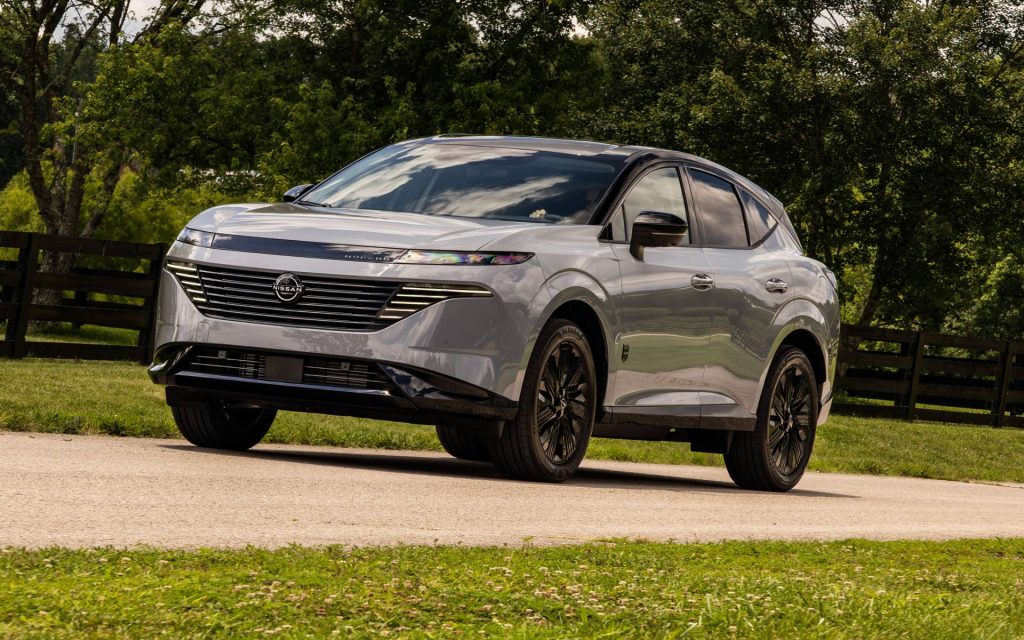
Inside, the Murano places considerable emphasis on driver comfort. Its redesigned dashboard, available massaging front seats and dual 12.3-inch displays create an environment that feels more premium than the traditional mainstream SUV formula.
These features matter because driving enjoyment is influenced by more than steering and acceleration. Seating comfort, visibility, controls and the quality of the driving environment all affect how owners feel about spending time behind the wheel.
The Murano is not intended to compete with high-performance SUVs on a winding circuit. Instead, its strength lies in making routine journeys more pleasant. Its 2026 APEAL segment recognition suggests that this approach has connected with American buyers who value refinement, useful technology and accessible everyday performance.
