Getting into a vehicle and preparing it for a journey should feel effortless. Drivers appreciate systems that recognize their keys, adjust their preferred seating positions, start without unnecessary steps, and make essential controls easy to understand.
J.D. Power examines these experiences through its U.S. Automotive Performance, Execution, and Layout (APEAL) Study, which includes a dedicated Setting Up and Starting category. The category considers how owners feel about these initial interactions.
The following vehicles are selected from recent APEAL model-level award recipients, with attention to their documented entry, startup, and personalization features.
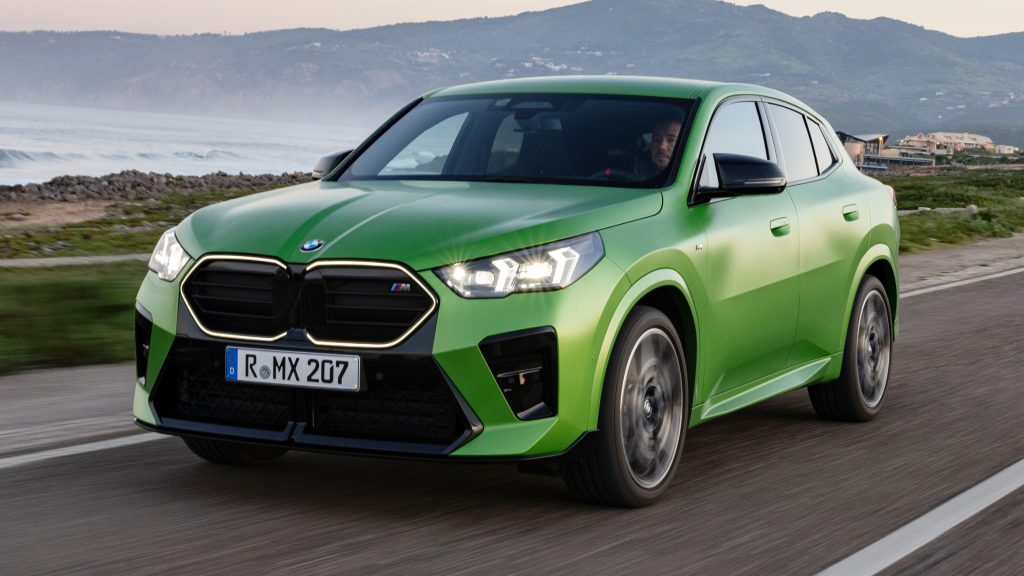
1. BMW X2
The BMW X2 offers a useful example of how a modern luxury vehicle can simplify the process of getting ready to drive. It received a model-level segment award in the 2026 J.D. Power U.S. APEAL Study, placing it among the vehicles recognized for their owner appeal.
Although BMW does not publish a separate X2 score for setting up and starting, its equipment provides several conveniences relevant to this experience.
One of the most useful features is BMW’s Comfort Access system, which allows drivers to unlock the vehicle without physically taking the key out of their pocket or bag when appropriately equipped.
Once inside, the driver can use the start button to activate the vehicle rather than inserting and turning a conventional ignition key. This arrangement reduces the number of physical steps required before departure.
The X2 also offers power-adjustable front seats with available memory functionality, depending on trim and equipment. Memory settings help drivers return to preferred seating positions instead of manually adjusting the seat every time another person uses the vehicle. This becomes especially useful in households where multiple people share the same car.
BMW’s digital cockpit also contributes to the preparation process. The instrument display presents important driving information, while the central infotainment screen provides access to vehicle settings and connected features.
For buyers who value convenience, the X2’s appeal lies in the way keyless access, push-button starting, and personalization work together. Its APEAL recognition establishes its strong model-level owner appeal, while these features explain why it is relevant to a discussion about easier vehicle setup.
2. BMW X6
The BMW X6 makes a strong case for convenience through its combination of proximity-based access, digital key technology, and personalized driver settings. It received a model-level award in the 2026 J.D. Power U.S. APEAL Study for the second consecutive year.
While this recognition does not establish a separate Setting Up and Starting category victory, the X6 has several features that directly address the convenience of preparing a vehicle for a journey.
BMW’s available Comfort Access system allows the vehicle to recognize an authorized key or compatible digital key, making it possible to unlock the doors without manually operating the remote. BMW Digital Key Plus can also use a compatible smartphone or smartwatch for vehicle access and starting, subject to equipment and device compatibility.
Once inside, the driver can use the push-button start system instead of dealing with a conventional ignition key. This is particularly convenient when carrying shopping bags, luggage, or other items.
The vehicle also offers memory functions for the driver’s seat and steering wheel, depending on configuration, helping restore preferred settings when different household members share the SUV.

Another useful detail is the ability to share digital access with other authorized users. BMW’s digital key technology supports key sharing, although the number of users depends on the compatible device and system version.
The X6 demonstrates how modern access technology can reduce small inconveniences that drivers encounter every day. Its APEAL segment recognition provides evidence of strong owner appeal, while its keyless entry, push-button starting, and personalization options make it a relevant example for this discussion.
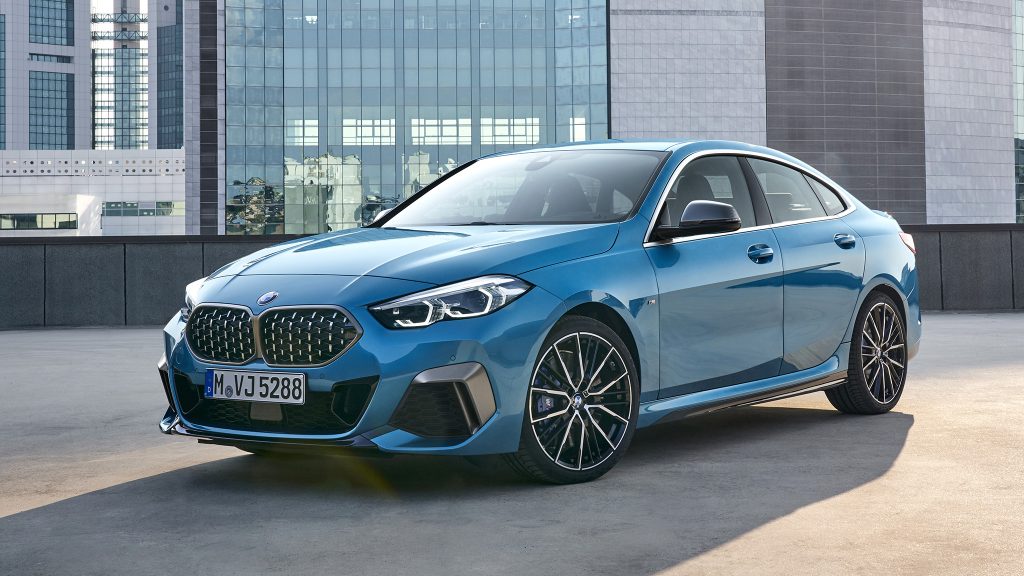
3. BMW 2 Series
The BMW 2 Series demonstrates how a relatively compact vehicle can make everyday driving preparations feel straightforward. It received a model-level segment award in the 2026 J.D. Power U.S. APEAL Study, placing it among the recognized BMW models.
Its relevance to the Setting Up and Starting category comes from its combination of keyless access, driver-focused controls, and available personalization features. However, J.D. Power has not published a separate individual score confirming the 2 Series as a category winner.
Depending on the body style and equipment, the 2 Series offers Comfort Access, which allows the driver to unlock the vehicle while keeping the compatible key nearby. Push-button starting removes the need to insert a traditional ignition key.
These features are particularly useful during short trips when drivers want to enter and leave without repeatedly handling their keys.
The available power-adjustable front seats also contribute to convenience. On appropriately equipped versions, memory functionality allows preferred seating positions to be stored and recalled. This is valuable for households where two drivers regularly share one vehicle and have different seating preferences.
BMW’s digital instrument cluster and central infotainment display provide access to vehicle information and settings. Drivers can configure selected preferences through the available iDrive interface rather than relying entirely on separate physical switches.
The 2 Series is available in different configurations, including the 230i and M240i, with rear-wheel-drive and all-wheel-drive options depending on the version. Its appeal here is not simply its performance potential. It is the way its access, starting, and personalization systems reduce routine preparation steps before a journey.
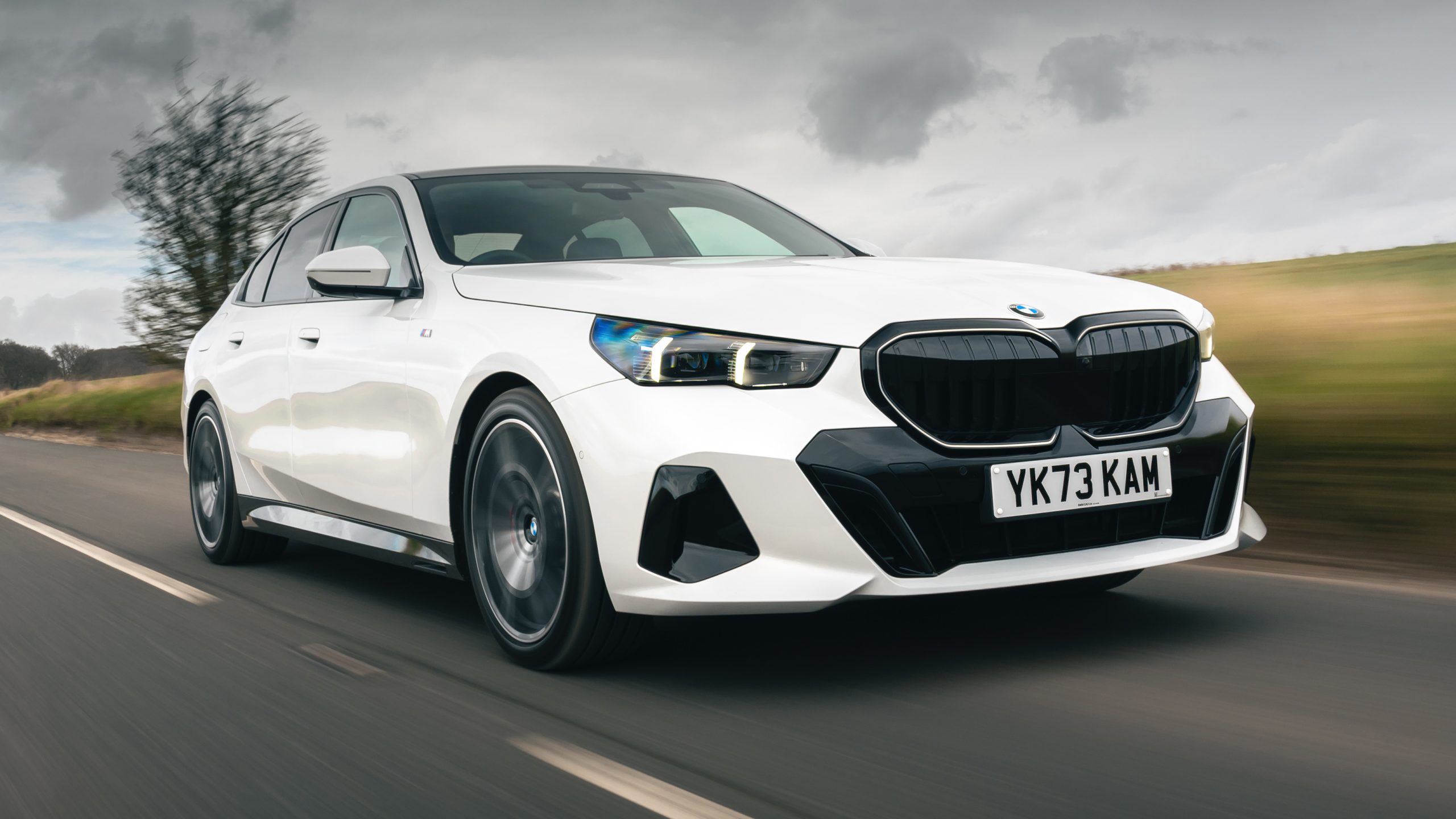
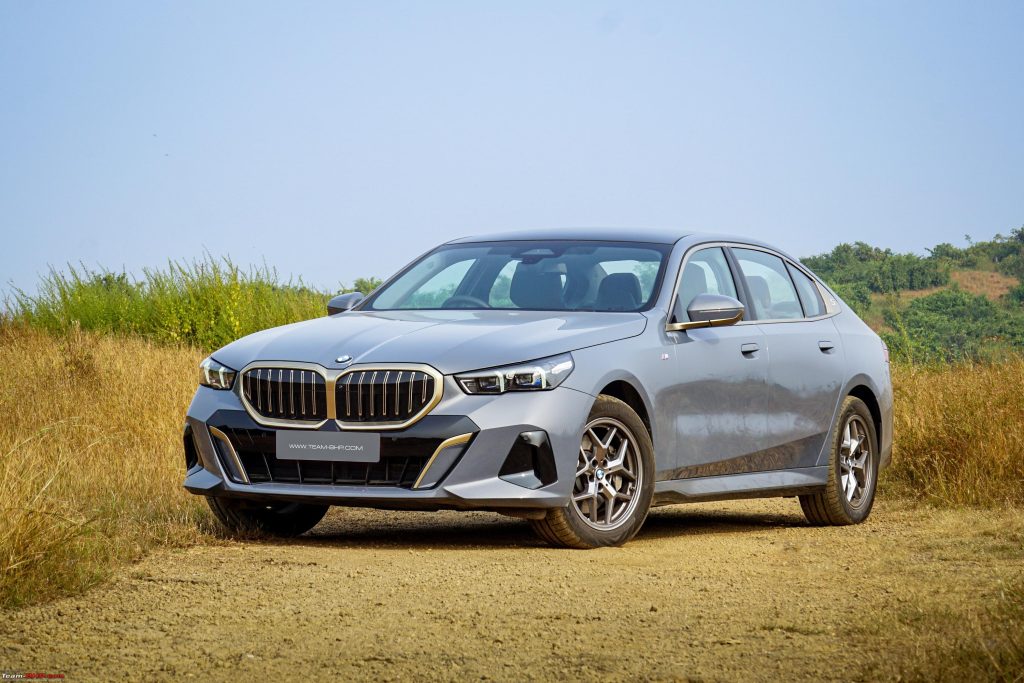
4. BMW 5 Series
The BMW 5 Series approaches vehicle setup through a combination of digital personalization and traditional convenience features.
It received a model-level segment award in the 2026 J.D. Power U.S. APEAL Study, adding another recognition to BMW’s strong performance in the research. Its relevance to this category comes from how the sedan can prepare its cabin and connected features around an individual driver’s preferences.
One particularly useful feature is BMW’s driver-profile system. When an authorized driver enters using a recognized digital key, compatible 5 Series configurations can load the associated BMW ID settings.
These may include personalized vehicle preferences and connected services. BMW’s Comfort Access also supports keyless entry, reducing the need to take a physical key out of a pocket or bag.
The starting process is equally straightforward. A push-button ignition allows the driver to start the vehicle after entering, while available remote engine start can help prepare the cabin before departure. The latter depends on the selected equipment package.
Inside, the BMW Curved Display combines a 12.3-inch instrument display with a 14.9-inch control display. Its QuickSelect interface provides more direct access to frequently used functions, reducing the need to navigate through several submenu layers. The system also supports natural-language voice interaction.
For households with multiple drivers, the ability to retrieve saved preferences makes the 5 Series particularly convenient. Its digital access, personalized profiles, and simplified controls illustrate how manufacturers are reducing the small preparation tasks that can make vehicle ownership unnecessarily complicated.
5. Mercedes-Benz E-Class
The Mercedes-Benz E-Class has long placed considerable emphasis on making the driving environment feel personalized, and its latest generation takes that approach further through digital access and configurable cabin settings.
The model received recognition in the 2026 J.D. Power U.S. APEAL Study, making it relevant to a discussion about vehicles that prioritize the ownership experience. Although J.D. Power has not published a separate E-Class score for Setting Up and Starting, its equipment provides several practical examples of simplified vehicle preparation.
Mercedes-Benz offers KEYLESS-GO on appropriately equipped E-Class models. This system allows drivers to unlock the vehicle and start it without manually handling the key.
The process is particularly useful when arriving with shopping bags or luggage, as the driver can keep the authorized key nearby and use the vehicle’s exterior door handles to gain access.
Once inside, the E-Class offers electrically adjustable front seats with memory functionality. Drivers can save preferred seating positions and retrieve them later, reducing the need to repeatedly adjust the seat. Depending on configuration, the memory system can also coordinate selected mirror and steering-column positions.
The MBUX infotainment system adds another layer of personalization. Its user profiles can store selected preferences, while voice recognition allows drivers to operate compatible functions through natural-language commands. The available fingerprint scanner also provides a convenient way to authenticate a saved user profile.
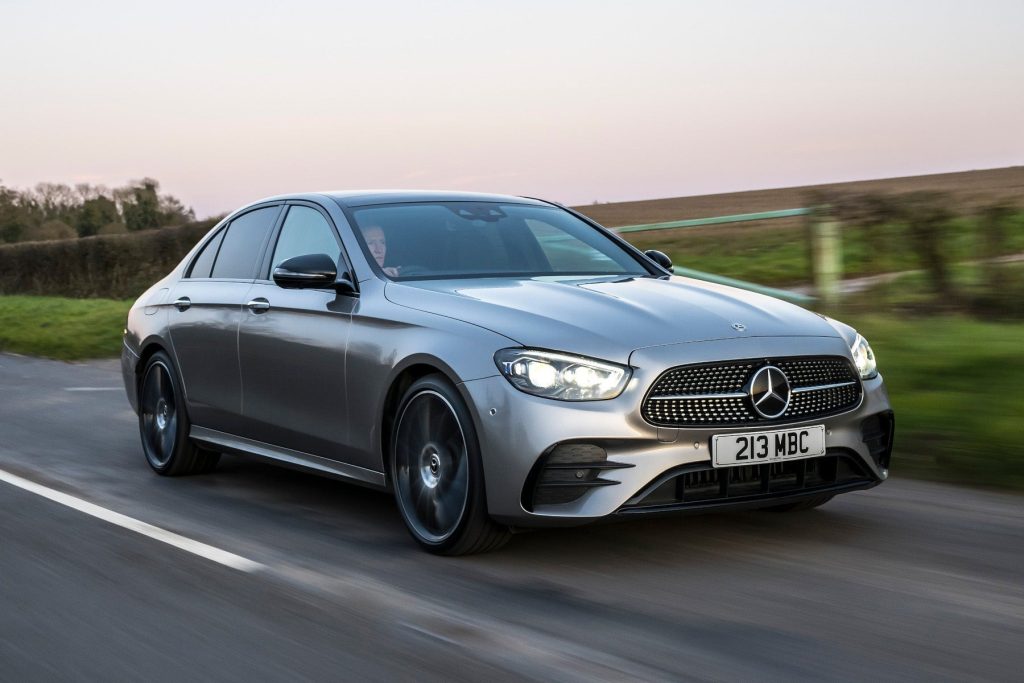
The E-Class demonstrates that an easy starting experience is not limited to push-button ignition. Recognizing the driver, retrieving preferred settings, and reducing manual adjustments all contribute to a more convenient departure.
Its combination of access technology and personalized cabin functions makes it a strong example of modern luxury-car convenience.
6. Audi Q5
The Audi Q5 takes a technology-focused approach to simplifying the beginning of a journey. Rather than relying on a single convenience feature, it combines keyless access, configurable driver settings, and a digital cockpit to make the vehicle easier to prepare.
The Q5 received model-level recognition in the 2026 J.D. Power U.S. APEAL Study, although no publicly available individual Setting Up and Starting score establishes it as a category winner.
Audi’s available advanced key system allows drivers to unlock the vehicle without removing the compatible key from their pocket. Once seated, a start-stop button provides a straightforward way to activate the powertrain. This arrangement removes the traditional process of inserting a key into an ignition slot and turning it.
Seat memory is another useful feature, depending on trim and equipment. It allows preferred seating positions to be stored and recalled, which is especially helpful when the Q5 is shared between family members. Available power-adjustable seating also makes it easier to find a comfortable driving position before setting off.
The digital cockpit and central MMI display provide access to vehicle information, navigation and personalization settings. Audi’s interface allows drivers to configure selected preferences, while smartphone integration helps maintain access to familiar applications and contacts.
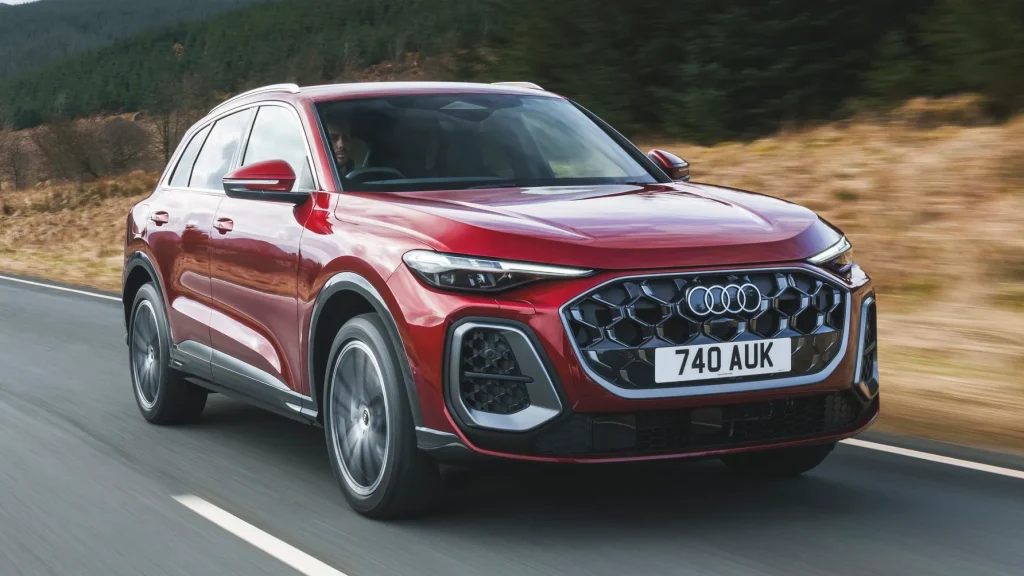
What distinguishes the Q5 is the way its technology supports an organized driving environment. The driver can enter, retrieve preferred settings and prepare the infotainment system without handling several separate controls.
These details may seem small individually, but they become valuable when repeated every day. For buyers who want a premium SUV with straightforward access and personalization, the Q5 offers a practical combination of convenience features.
7. Genesis GV70
The Genesis GV70 deserves attention for its approach to personalized vehicle access. Instead of making convenience dependent entirely on a traditional remote key, Genesis provides available digital key functionality that can allow compatible smartphones to unlock and start the vehicle.
This is particularly useful for drivers who prefer keeping their everyday essentials together rather than carrying a separate key fob.
Genesis has also received strong recognition in the J.D. Power APEAL research. Its GV70 has achieved model-level segment recognition in recent U.S. studies, although those awards should not be confused with an individual Setting Up and Starting category ranking.
The GV70’s available Genesis Digital Key system supports compatible smartphones, with functionality depending on the device and vehicle equipment. Authorized users can gain access and start the vehicle using the supported digital-key arrangement. This can also make sharing vehicle access with another authorized driver more convenient.
Inside the cabin, available power-adjustable seats with memory settings allow drivers to save their preferred seating positions. This becomes particularly useful when two people of different heights regularly use the same SUV. Rather than spending time readjusting the seat, the driver can recall the saved configuration.
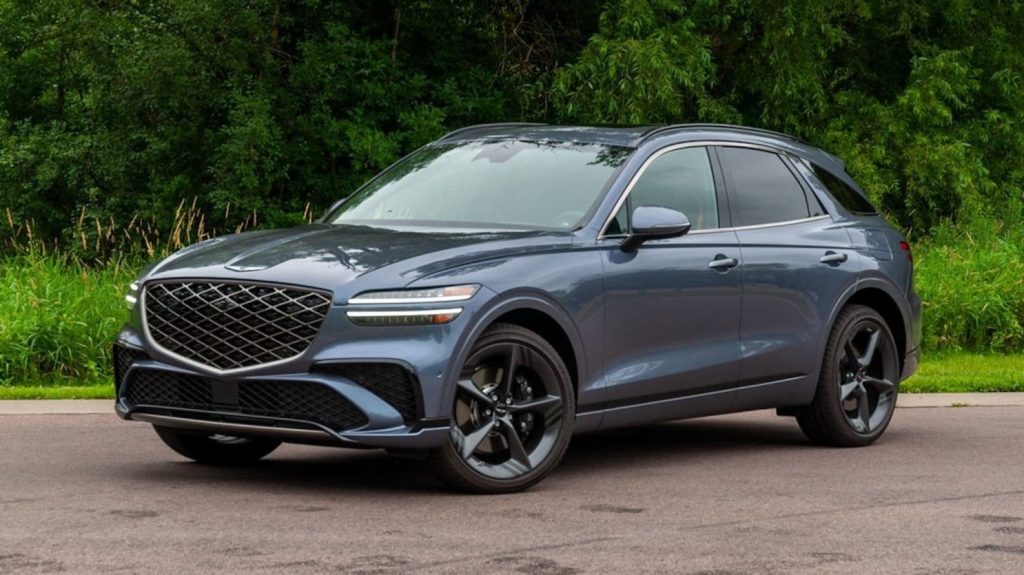
Genesis also integrates its infotainment and vehicle settings through a central display and physical controls. This provides access to personalization features without requiring the driver to search through numerous separate interfaces.
The GV70’s strongest argument is convenience through integration. Digital access, memory seating and connected vehicle functions reduce several small tasks involved in preparing to drive. These features make it a relevant example of how luxury manufacturers are turning vehicle entry and setup into a more personalized process.
8. Hyundai Palisade
The Hyundai Palisade approaches vehicle setup with the needs of families and multiple drivers in mind. Its spacious cabin is only part of the appeal. Hyundai has also incorporated convenience features that make entering, personalizing and preparing the SUV for a journey less complicated.
The Palisade received a model-level segment award in the 2026 J.D. Power U.S. APEAL Study, although its individual Setting Up and Starting score has not been publicly disclosed.
The available Digital Key 2 system is one of its most useful convenience features. Compatible smartphones can function as vehicle keys, allowing authorized users to unlock and start the SUV without carrying the traditional key fob.
This is particularly helpful for households where several people regularly use the same vehicle. Digital access can also be shared with other authorized users, subject to device compatibility.
Inside, the Palisade offers available memory settings for the driver’s seat and outside mirrors. These allow different drivers to retrieve preferred positions rather than manually adjusting everything before departure.
The available head-up display also presents selected driving information in the driver’s line of sight, helping make the transition from entering the vehicle to setting off more convenient.
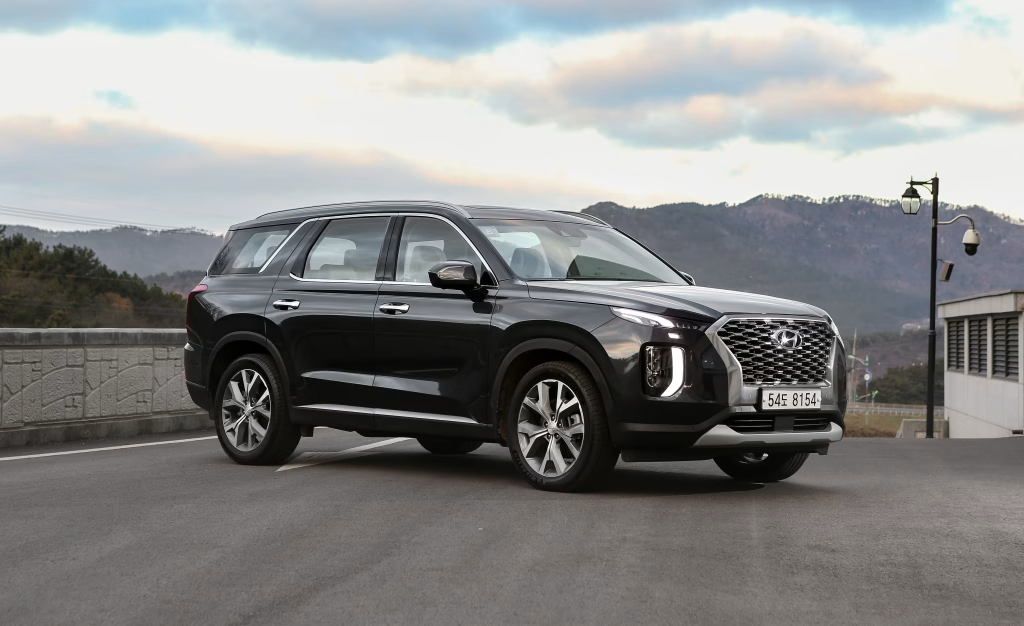
Hyundai’s infotainment interface provides access to vehicle settings, navigation and connected services. Depending on configuration, drivers can also use fingerprint authentication for selected personalized functions.
The Palisade is particularly relevant because it combines family-oriented practicality with technology designed around individual users. Its APEAL recognition confirms strong model-level owner appeal, while its digital access and memory features illustrate how manufacturers can simplify the small tasks involved in starting a journey.
9. Ford Mustang
The Ford Mustang may be best known for its performance credentials, but its modern interior also includes technology designed to make vehicle preparation more convenient. The Mustang received a model-level award in the 2026 J.D. Power U.S. APEAL Study, marking its second consecutive year of recognition.
Although the study does not publish a separate Setting Up and Starting score for the Mustang, its digital cockpit and driver-personalization options make it a relevant vehicle for this discussion.
One of the most distinctive features is its available 12.4-inch digital instrument cluster. The display can present different visual themes according to the selected driving mode, allowing drivers to personalize how information appears behind the steering wheel.
A central 13.2-inch touchscreen provides access to the SYNC 4 infotainment system, vehicle settings and connected functions.
The Mustang also supports Ford’s Phone As A Key technology on appropriately equipped versions. Compatible smartphones can be used for selected access and vehicle functions, reducing dependence on the conventional key fob. Availability and functionality depend on the vehicle’s equipment and compatible mobile device.
For drivers who prefer a traditional approach, the Mustang retains familiar physical controls and a conventional push-button starting arrangement. This balance is important because some owners prefer direct buttons rather than navigating a digital menu before every journey.
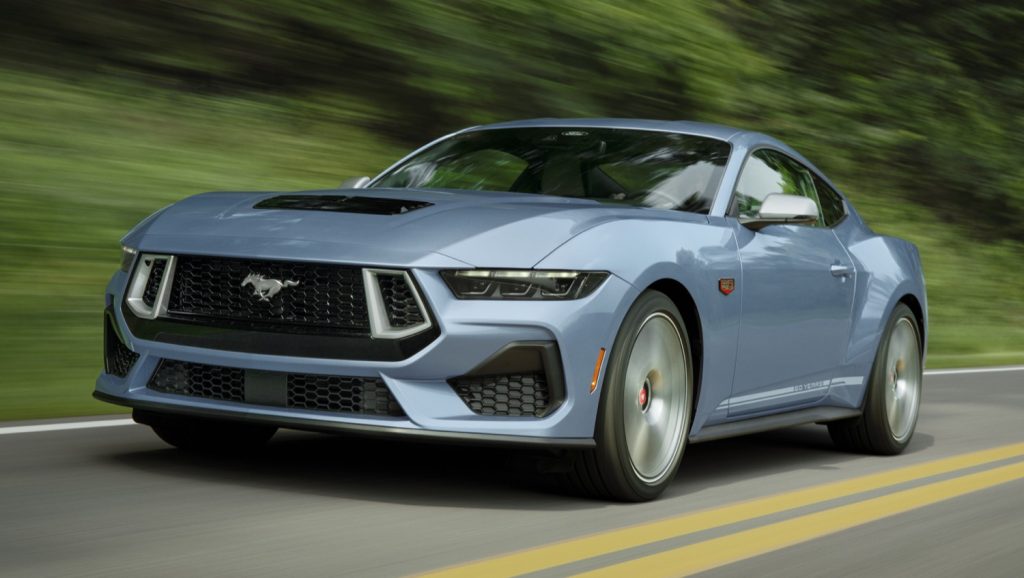
The vehicle’s selectable driving modes provide another layer of personalization. Drivers can adjust the car’s behaviour according to their preferences and road conditions. These settings make the cockpit feel more adaptable without requiring complicated preparation.
The Mustang demonstrates that vehicle setup is not exclusively about luxury features. A configurable display, accessible controls and convenient smartphone functions can make even a performance-focused sports car easier to prepare for everyday driving.
10. Kia K4
The Kia K4 completes this selection by demonstrating how mainstream manufacturers are bringing sophisticated convenience features into more affordable vehicles.
The compact sedan received a model-level award in the 2026 J.D. Power U.S. APEAL Study, and its second consecutive recognition reflects its strong appeal among American owners. Although there is no publicly available individual Setting Up and Starting score for the K4, its digital interface and available convenience equipment are relevant to the category.
One of the K4’s most practical features is its available Digital Key 2.0 functionality. On appropriately equipped versions, compatible smartphones can be used for vehicle access and starting.
This offers an alternative to carrying a separate key fob and can be particularly useful when the driver is already carrying a phone for navigation, communication and entertainment.
The K4 also provides a modern dashboard layout with an available panoramic display arrangement. Its 12.3-inch infotainment touchscreen gives access to vehicle settings, entertainment and connected functions. The available digital instrument display presents important information directly ahead of the driver.
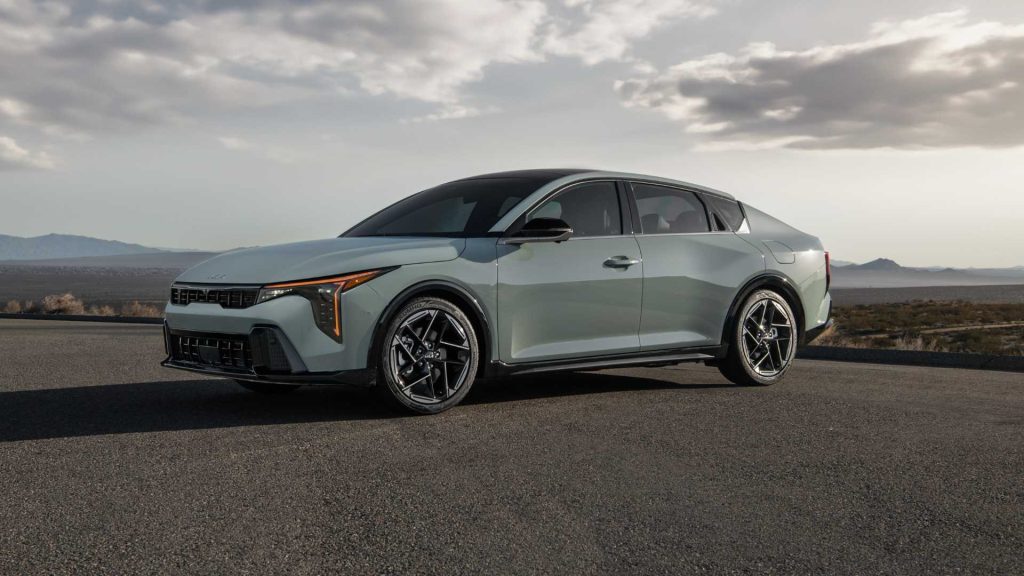
Memory seating is another consideration, although availability depends on trim and equipment. Where offered, it helps drivers retrieve preferred seating positions instead of manually adjusting the seat every time they enter.
Kia’s connected services also provide selected remote functions through a compatible smartphone application. These capabilities can make it easier to check vehicle information and perform certain operations without sitting inside the car.
What makes the K4 interesting is its approach to accessibility. Drivers can benefit from modern digital access, connected services and a well-organized interface without purchasing an expensive luxury vehicle. Its APEAL recognition reinforces its strong model-level appeal, while its available convenience technology makes it a fitting final example.