
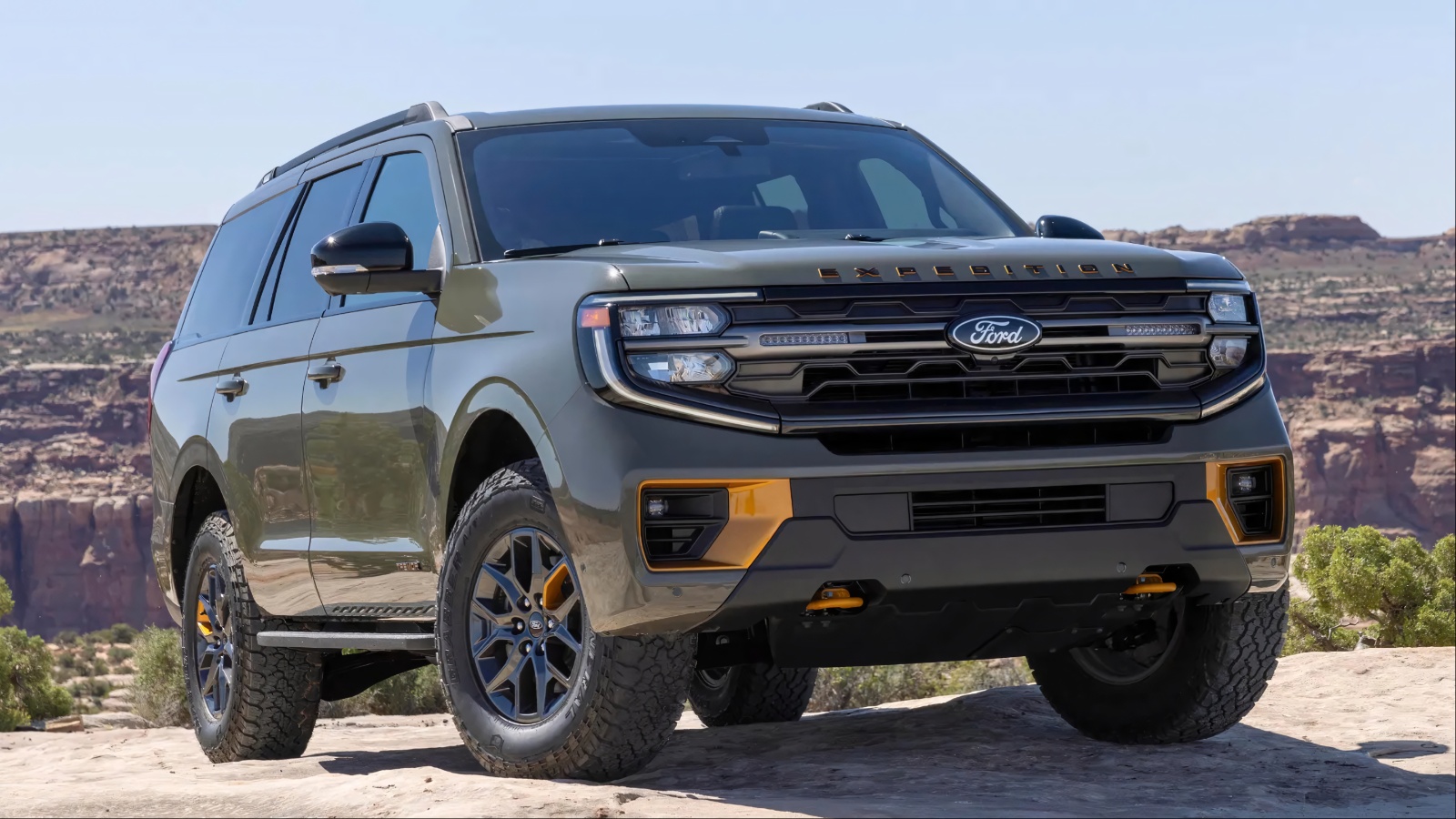
Rising fuel prices are reshaping vehicle ownership costs and influencing resale values across the United States. According to Cox Automotive’s October 2026 report, wholesale values for vehicles rated below 15 mpg fell 15% since the start of the year, while those achieving 15 to 19 mpg declined nearly 9%.
In contrast, vehicles delivering at least 40 mpg gained almost 10%. These trends suggest that buyers are increasingly considering fuel efficiency when choosing their next vehicle, putting less-efficient SUVs and pickups under pressure.
However, fuel economy alone does not determine depreciation. Interest rates, vehicle supply, condition, and consumer preferences also affect resale prices. Manheim’s wholesale auction data reflects broader market trends rather than guaranteed reductions in dealership asking prices.
The ten vehicles examined are particularly exposed to rising fuel costs because of their size, power, or typical fuel consumption. Their inclusion highlights potential resale risks, but does not prove that each model has experienced a specific depreciation rate caused solely by higher fuel prices.
1. Jeep Grand Wagoneer
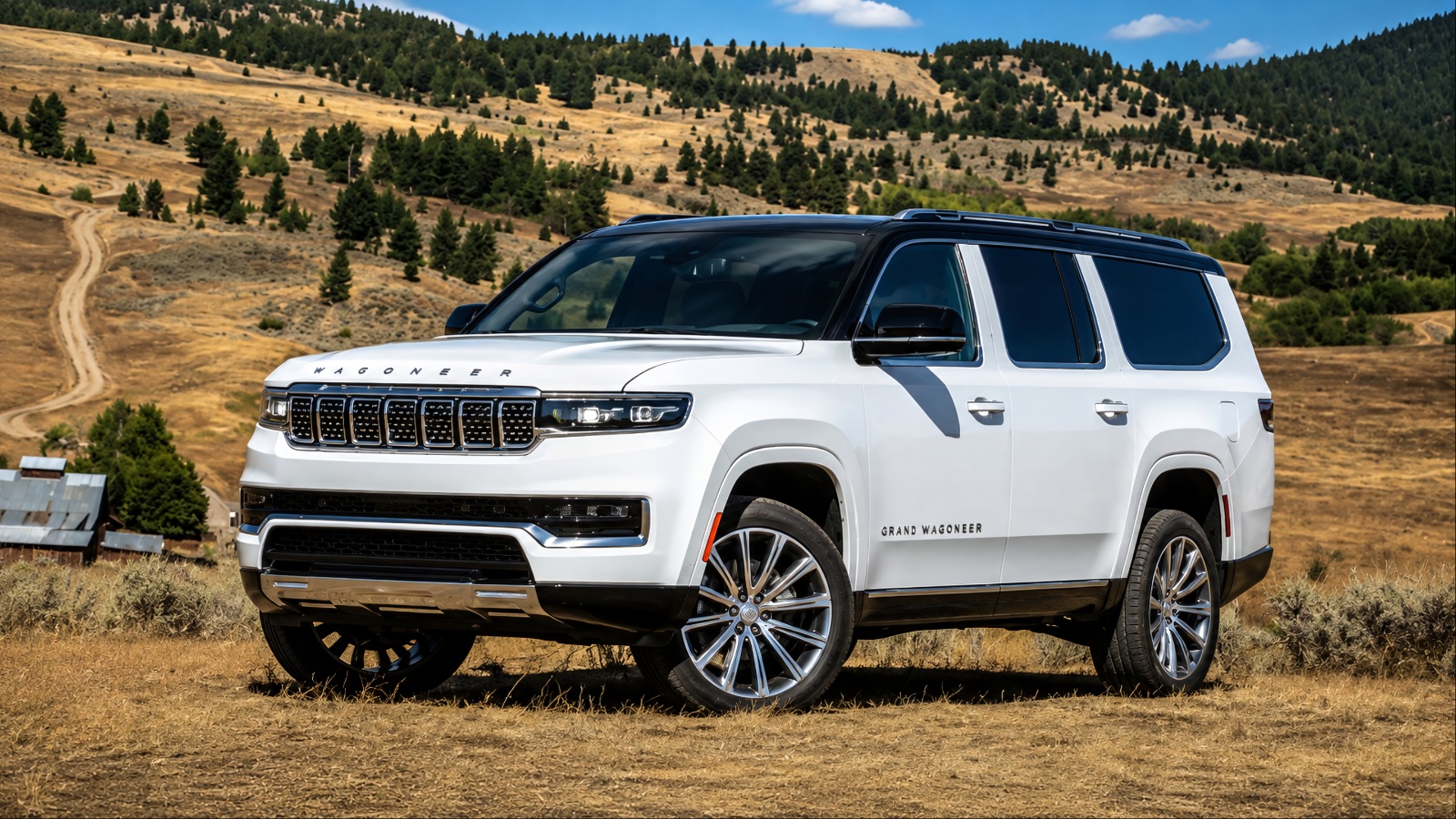
The Jeep Grand Wagoneer combines a large three-row cabin with substantial towing capability and luxury-oriented equipment. Its size and powerful engine options make it appealing to families who need space and drivers who regularly tow, but those same characteristics can make it expensive to operate when gasoline prices rise.
The 2026 Grand Wagoneer has a combined fuel economy rating of approximately 19 mpg in its base configuration. Actual consumption varies with drivetrain, driving conditions, passenger loads, and towing. Drivers who regularly travel through congested areas or carry heavy loads may achieve considerably less than the official rating.
When fuel becomes a larger part of a household budget, buyers may start comparing a large luxury SUV with smaller crossovers or hybrid alternatives. That can reduce the number of shoppers willing to pay a premium for a used example, particularly when monthly financing and insurance costs are also high.
The Grand Wagoneer is not proven to have lost a specific percentage of its value because of gasoline prices. However, market data showing that vehicles rated between 15 and 19 mpg lost nearly 9% of their wholesale value during the first part of 2026 makes its fuel consumption relevant to the discussion.
For used buyers, a lower asking price could help offset fuel costs, but it should not be the only consideration. Maintenance history, warranty coverage, tire replacement, and potential repair expenses all affect the ownership equation. A vehicle that appears inexpensive upfront may still be costly to keep on the road.
2. Nissan Armada
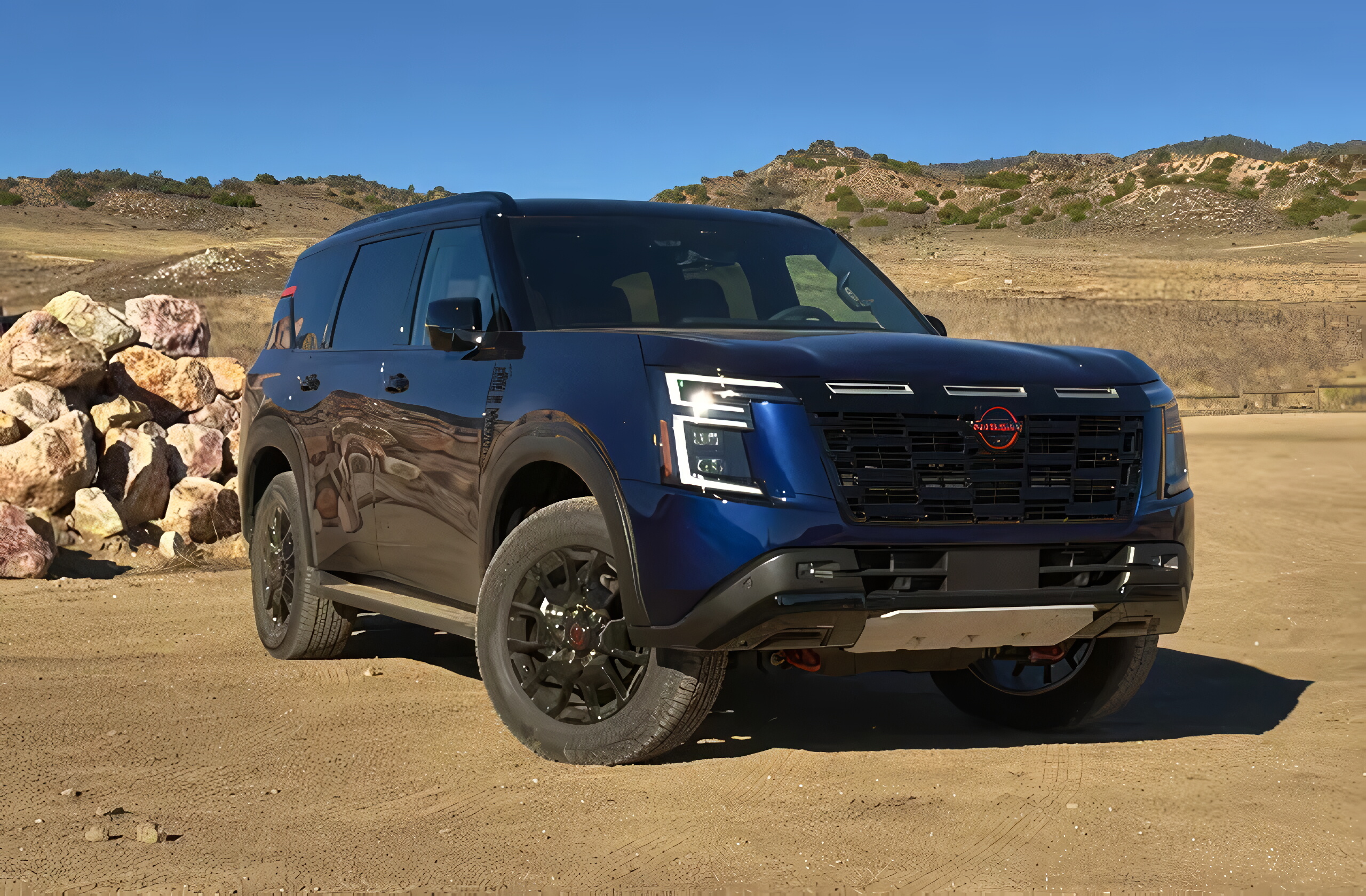
The Nissan Armada is built for drivers who want a spacious SUV with a strong engine and substantial towing capability. Its size makes it useful for large families and long trips, but it also places the vehicle in a category where fuel prices can quickly affect the total cost of ownership.
The 2026 Armada delivers approximately 18 mpg combined in its base configuration. That figure is not especially competitive with smaller SUVs or efficient hybrids, and real-world consumption can fall further when the vehicle is heavily loaded or used for towing.
A rise in gasoline prices can change how buyers evaluate a used Armada. Someone who previously accepted frequent fill-ups may begin considering a smaller three-row SUV, while a buyer who genuinely needs the Armada’s capacity may continue to see its capabilities as worth the expense.
This difference in buyer priorities is important. Resale values depend on the number of shoppers prepared to pay a given price, not simply on how much fuel a vehicle consumes. If fewer buyers are willing to absorb the Armada’s running costs, sellers may need to be more flexible on price.
Market reports identified large SUVs as a group experiencing weaker demand and declining wholesale values during the third quarter of 2026. However, that broader finding does not establish a verified Armada-specific depreciation percentage attributable to fuel prices.
Used buyers should compare the Armada’s purchase price with expected fuel expenditure over several years. A discount that looks attractive initially can become less appealing if annual driving distances are high. The vehicle makes the most financial sense for households that genuinely need its space and towing ability.
3. Ford Expedition
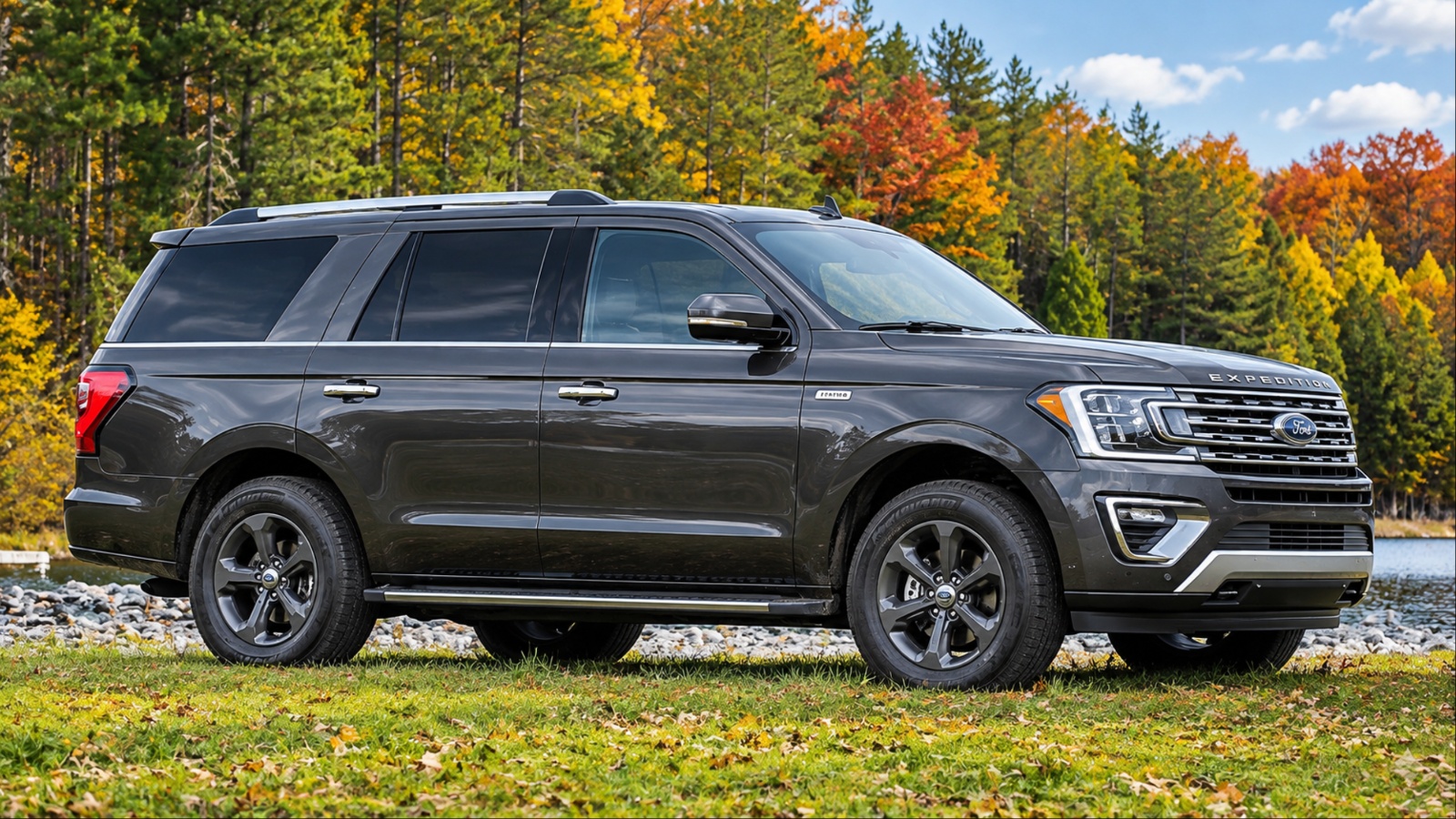
The Ford Expedition competes directly with other large family SUVs, offering three-row seating, substantial cargo capacity, and towing capability. These features are valuable to buyers who regularly carry passengers or equipment, but they also require a vehicle with a relatively large footprint and a powerful engine.
The 2027 Ford Expedition Active with rear-wheel drive is rated at approximately 18 mpg combined. That figure offers a useful indication of the model’s operating requirements, although fuel economy varies across the Expedition lineup and depends on the specific configuration.
Fuel prices can affect the Expedition in two ways. First, they increase the cost of driving an individual vehicle. Second, they can influence what shoppers are willing to pay for a used example. A family that previously wanted a large SUV may decide that a smaller crossover offers enough room for considerably less money at the pump.
The effect on resale value is not automatic. Buyers who need towing capacity or regular three-row seating may continue to favor the Expedition, particularly if smaller vehicles cannot meet their requirements. Nevertheless, a narrower pool of interested shoppers can make it harder for sellers to maintain ambitious asking prices.
Large SUVs experienced declining demand and values during the third quarter of 2026, with higher fuel prices among the contributing pressures. The available market data does not isolate the Expedition’s individual price decline.
Used buyers should compare the Expedition with similar full-size SUVs and calculate fuel expenses using their own driving habits. A lightly driven vehicle may make financial sense for a household that needs its capacity, even if its fuel economy is less attractive than that of smaller alternatives.
4. Chevrolet Tahoe
The Chevrolet Tahoe is a familiar choice for households that want a roomy three-row SUV, as well as buyers who value towing capability and a commanding driving position. Its broad appeal has helped make it a major player in the full-size SUV market, but it is not insulated from changes in fuel prices.
The 2026 Tahoe is rated at approximately 16 to 17 mpg combined, depending on configuration. That places many versions in a range where fuel costs can become a more significant concern when gasoline prices climb. Different engine and drivetrain combinations have different ratings, so buyers should check the specific vehicle rather than relying on a single model-wide figure.
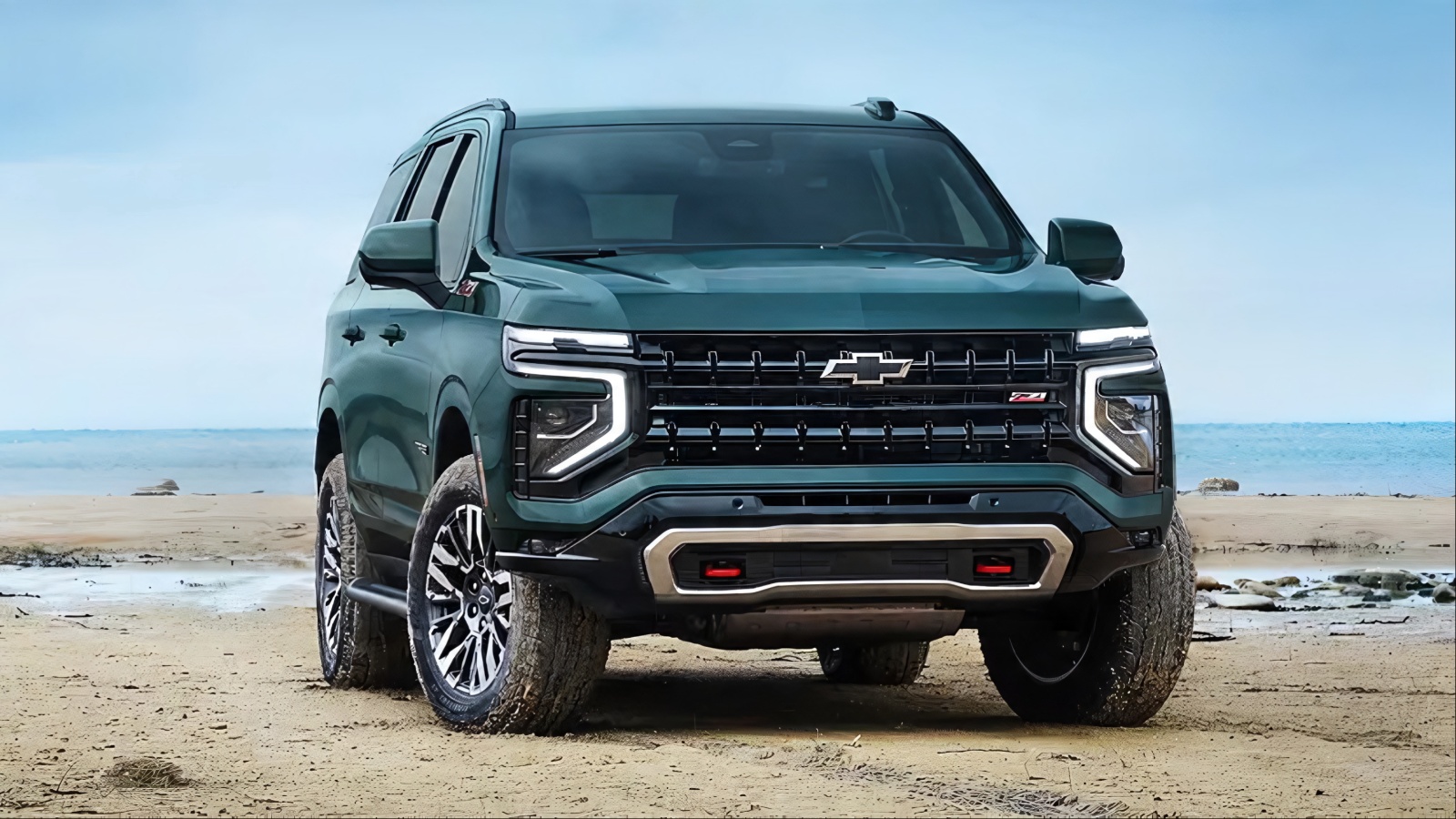
A Tahoe owner who drives long distances every week may feel the effect of higher fuel prices much more than someone who uses the SUV primarily for occasional family trips. Prospective used buyers make similar calculations when comparing vehicles, especially if they are also facing higher loan payments and insurance premiums.
That changing calculation can affect resale demand. If more shoppers turn toward smaller SUVs, hybrids, or vehicles with better fuel economy, Tahoe sellers may have to compete more aggressively on price. Still, the Tahoe’s passenger capacity and towing ability remain important advantages for buyers who need them.
Market data indicated that large SUVs absorbed some of the pressure from rising fuel costs during the third quarter of 2026. The available evidence supports a broader segment-level concern, not a claim that every Tahoe has depreciated by a particular percentage.
When shopping used, buyers should compare engine options, service records, and prices for equivalent trims. A lower purchase price may be attractive, but the expected fuel bill should be included in any serious comparison.
5. Chevrolet Suburban
The Chevrolet Suburban takes the Tahoe formula and adds extra length, making it especially useful for families who need generous passenger and cargo space. It can also appeal to drivers who regularly travel with several people and substantial luggage. However, its size and weight make fuel economy an important consideration.
The 2026 Suburban is rated at approximately 16 to 17 mpg combined, depending on configuration. Its large body and range of powerful engine choices make it less efficient than many smaller family vehicles, although specific ratings vary by engine and drivetrain.
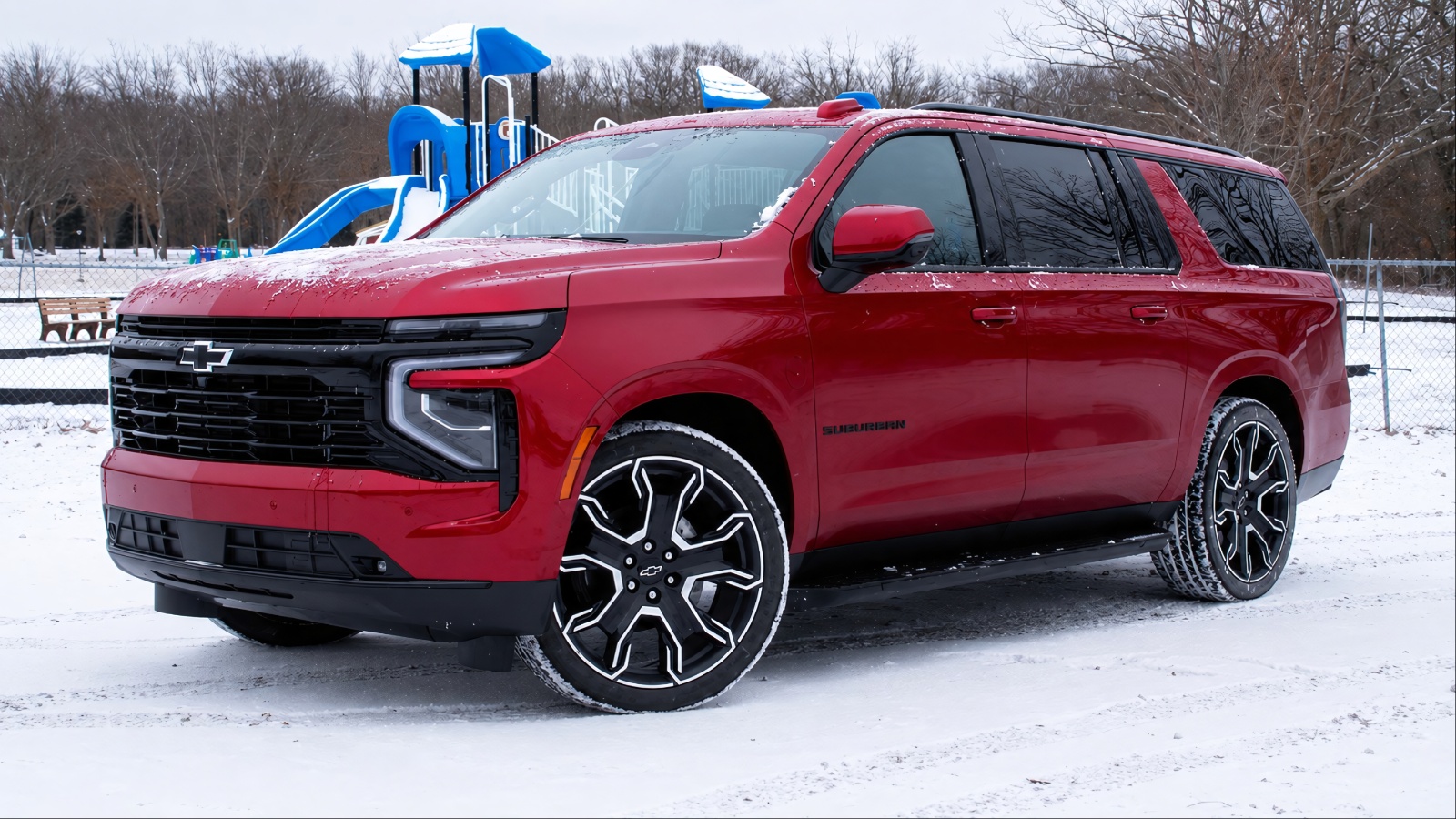
The Suburban’s appeal is highly practical, so fuel prices will not affect every buyer equally. A family that regularly needs the space may see few realistic substitutes. For that household, paying more for fuel could still be preferable to owning two vehicles or choosing a smaller model that cannot accommodate everyone comfortably.
The pressure is more likely to be felt among buyers who are flexible about vehicle size. If a three-row midsize SUV can meet their needs, the lower operating cost may justify choosing it over a Suburban. That change in shopping behavior can put pressure on used prices even when the Suburban remains mechanically sound and desirable.
Market reports identified large SUVs as a segment experiencing declining demand and values during the third quarter of 2026. They do not provide a separate fuel-cost depreciation percentage for the Suburban.
Buyers should weigh the Suburban’s extra room against its purchase price, fuel consumption, maintenance, and parking requirements. The model makes the most financial sense when its additional capacity is genuinely useful. For households that rarely fill all three rows or carry substantial cargo, a smaller SUV may provide the necessary practicality at a lower running cost.
6. GMC Yukon
The GMC Yukon occupies much the same territory as the Chevrolet Tahoe, combining three-row seating with a premium-oriented cabin and the ability to tow substantial loads. It appeals to buyers who want a large SUV with more upscale styling and equipment, but its fuel consumption can become harder to overlook when gasoline prices rise.
The 2026 Yukon is rated at approximately 16 to 17 mpg combined, depending on configuration. Buyers should verify the exact rating for the engine and drivetrain they are considering rather than assuming all versions consume fuel at the same rate.
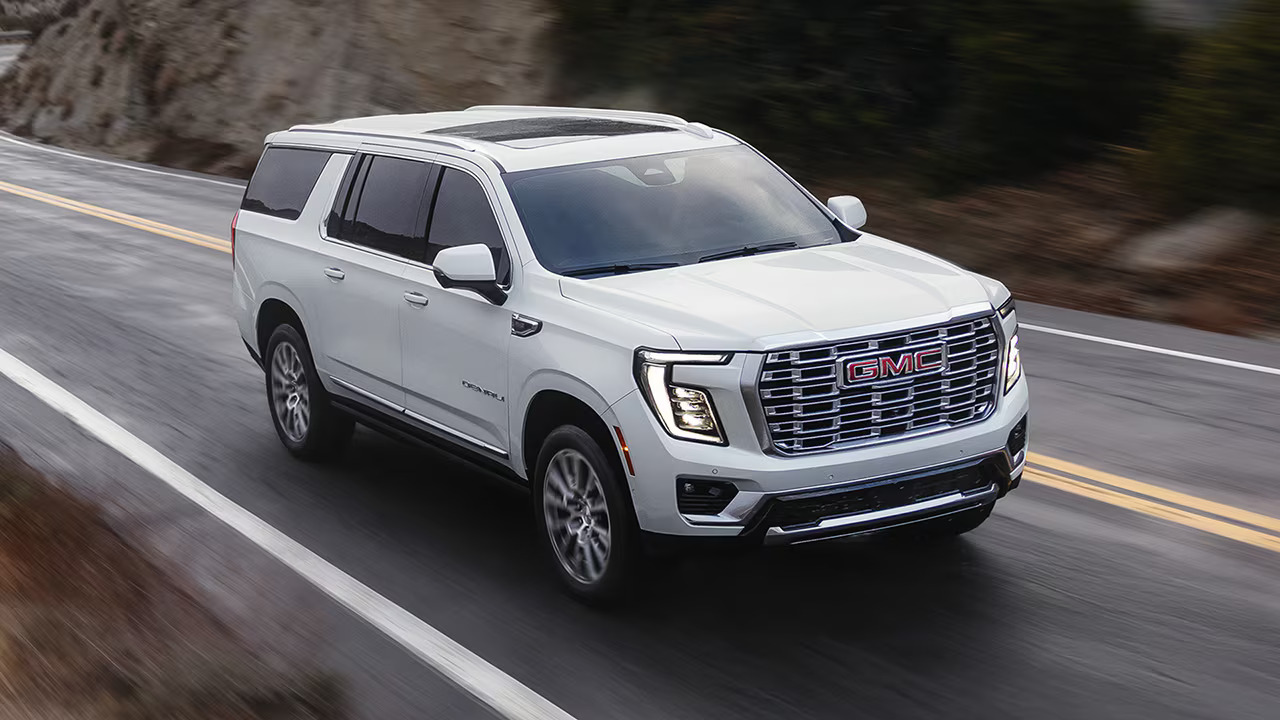
The Yukon’s resale exposure comes partly from its running costs. A vehicle that consumes a lot of fuel becomes less attractive to some used buyers when gasoline prices rise, especially if they use it for commuting rather than occasional family travel. That can shift demand toward smaller SUVs and hybrid alternatives.
However, fuel economy alone does not determine resale value. The Yukon offers space, towing capability, and comfort that smaller vehicles may not match. Buyers who need those features may be willing to accept the higher fuel bill, limiting the effect on demand for certain trims.
Market reports identified large SUVs as a segment facing declining demand and values during the third quarter of 2026, amid higher fuel costs and broader economic pressure. The available evidence does not provide a Yukon-specific depreciation percentage caused by fuel prices.
Used-car shoppers should compare the Yukon with equivalent Tahoe and Suburban models, paying attention to trim, mileage, service history, and price. The most expensive version is not necessarily the best value, particularly if its additional features do little to meet the buyer’s actual needs.
7. Cadillac Escalade
The Cadillac Escalade represents the luxury end of the full-size SUV market. Its large cabin, premium equipment, and powerful engines attract buyers who want space and prestige in the same vehicle. Yet a luxury SUV’s high purchase price and fuel consumption can both become obstacles when household budgets tighten.
The Escalade’s exact fuel economy depends on the engine, drivetrain, and model configuration. Buyers should consult the official rating for the specific version, especially when comparing gasoline-powered variants with diesel versions where available.
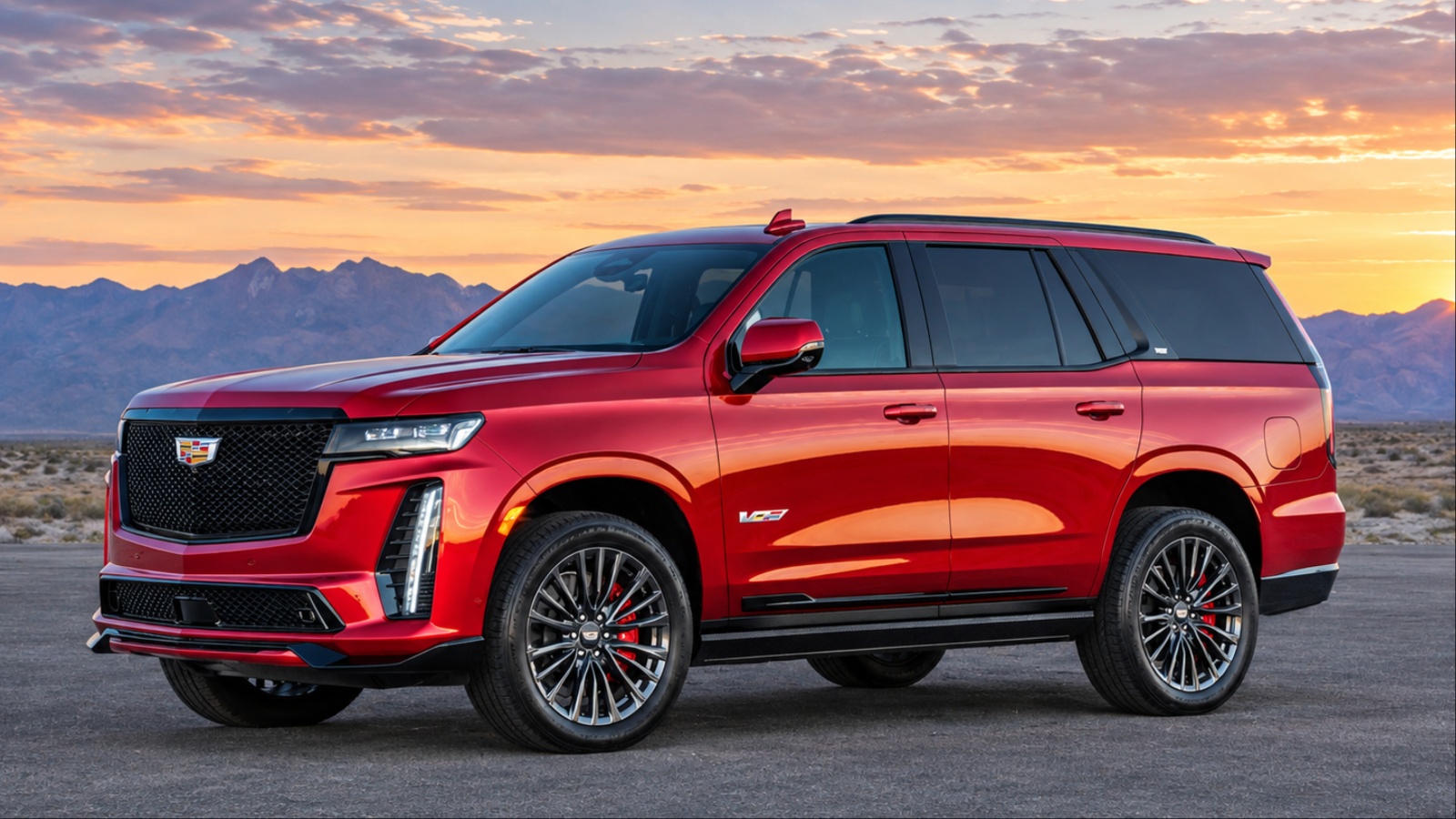
Fuel costs can influence the Escalade’s resale prospects without eliminating its appeal. Some shoppers are willing to pay more for the vehicle’s size, comfort, and features, while others may decide that a smaller luxury SUV offers a more manageable combination of fuel economy, insurance, and maintenance expenses.
That split matters in the used market. When gasoline prices rise, the pool of buyers willing to accept a large SUV’s operating costs may narrow. Sellers can then face more competition from comparable vehicles, particularly if several similar examples are available locally.
Market reports found that large SUVs were among the categories experiencing weaker demand and declining wholesale values during the third quarter of 2026. The available data does not establish that the Escalade itself suffered a specific percentage decline due to fuel costs.
For buyers, a used Escalade may be appealing if its price has become more competitive. Still, a purchase should account for fuel, premium features that may require expensive repairs, tires, and insurance. A lower asking price does not necessarily translate into lower long-term ownership costs.
8. Ford F-150 Raptor
The Ford F-150 Raptor is designed for high-speed off-road driving, with powerful engine options, specialized suspension hardware, and tires intended for demanding terrain. Those features distinguish it from a conventional work truck, but they can also make fuel economy a more serious concern.
The 2026 F-150 Raptor is rated at approximately 16 mpg combined. The rating reflects a performance-oriented pickup rather than the more efficient configurations available elsewhere in the F-150 lineup.
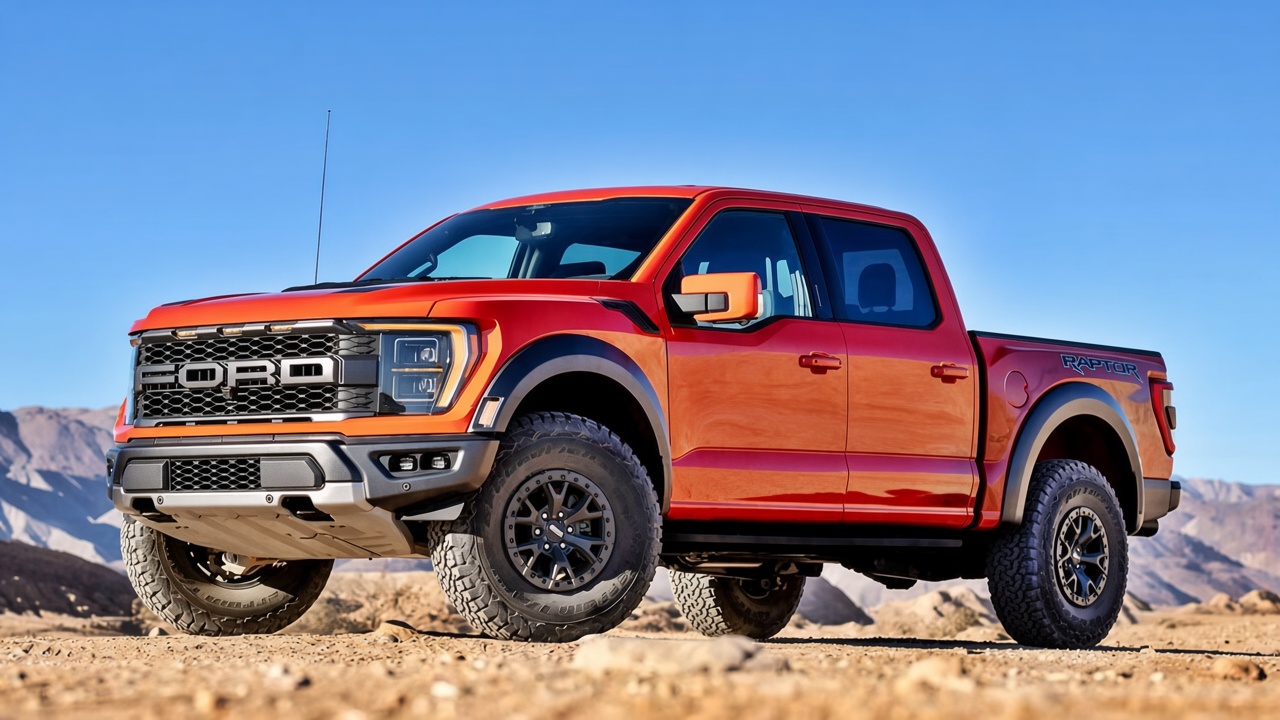
When fuel prices rise, some buyers may reconsider whether they need the Raptor’s specialized hardware and performance. A standard F-150, a more efficient pickup, or a smaller off-road vehicle might provide enough capability for their needs at a lower operating cost.
That does not mean the Raptor automatically loses value faster than every other pickup. Its performance reputation and distinct equipment can sustain demand among enthusiasts, and used prices also depend on mileage, condition, modifications, and availability. A well-maintained example may continue to command a premium even in a softer market.
The broader pickup segment experienced declining demand and values during the third quarter of 2026, according to automotive market reports, as higher fuel costs and other economic pressures affected wholesale pricing. The data does not provide a verified Raptor-specific depreciation figure attributable to fuel prices.
For used buyers, the key is to determine whether the Raptor’s performance features justify its purchase and running costs. Someone who regularly uses its off-road capability may find the expense worthwhile. A driver who mainly commutes on paved roads may be better served by a less specialized truck.
9. Ram 1500
The Ram 1500 offers a wide range of configurations, from practical work trucks to upscale pickups with powerful engines and premium interiors. That variety makes it difficult to assign one fuel-economy figure to the entire model range, but it also means buyers have different ways to manage operating costs.
For example, the gasoline-powered Ram 1500 with a 3.6-liter V6 is rated at approximately 22 mpg combined in rear-wheel-drive form. Other engine and drivetrain combinations can consume considerably more fuel, particularly when used for towing or heavy work.
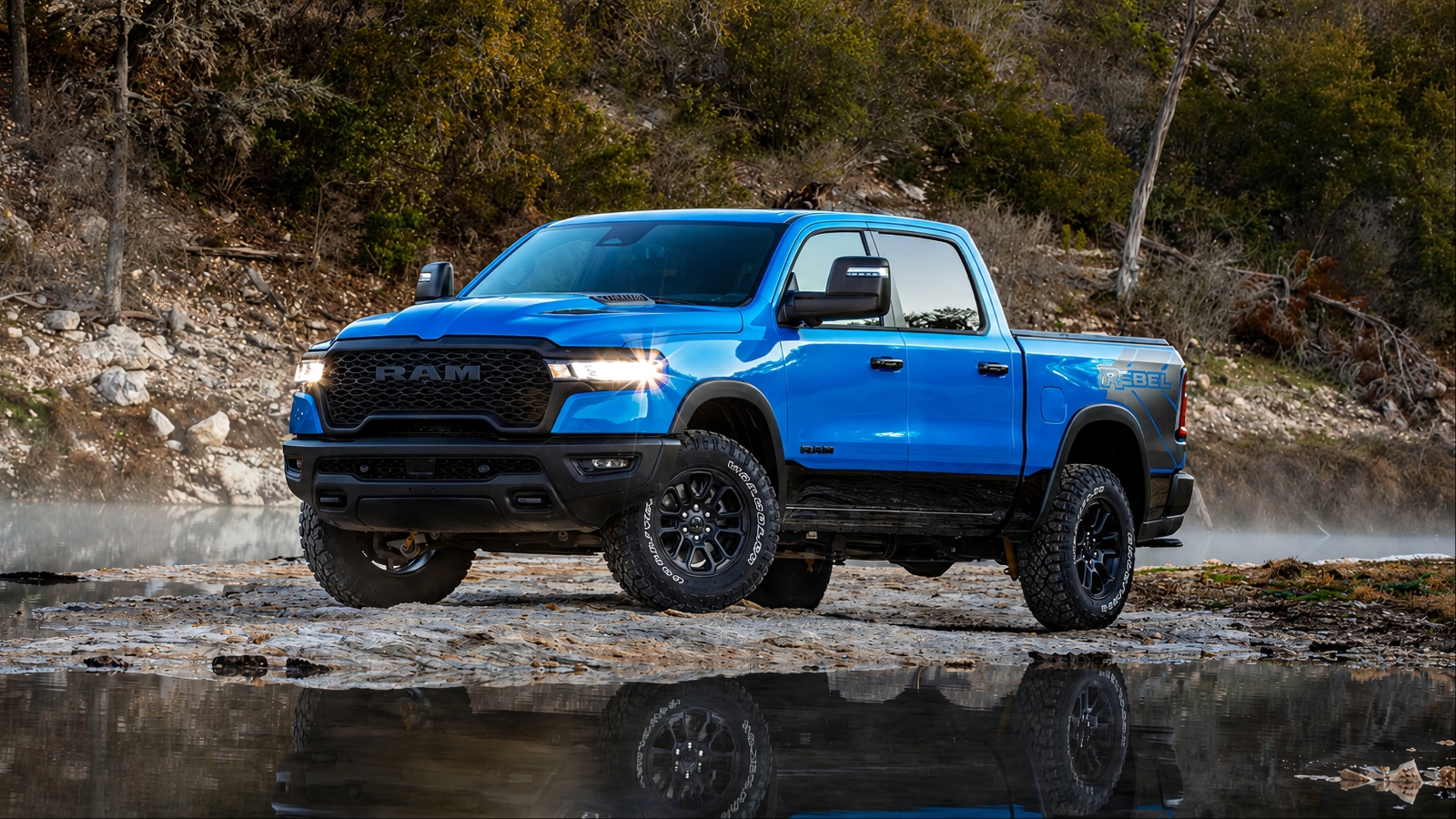
The Ram’s exposure to rising fuel prices therefore depends on configuration. A buyer choosing a less-efficient engine for towing or performance may face a different ownership calculation from someone who selects a more economical setup for everyday use.
Fuel prices can influence resale demand when buyers start prioritizing running costs. If shoppers increasingly favor more efficient engines or smaller trucks, versions with higher fuel consumption may require sharper pricing to remain competitive. Yet the Ram’s comfort, cabin quality, and towing ability can still appeal to buyers who need those attributes.
Market reports found that wholesale values for pickups and other large vehicles were under pressure amid higher fuel prices and broader economic headwinds. That evidence supports a segment-level risk, not a claim that every Ram 1500 has lost a specific percentage of its value because of gasoline costs.
A used Ram should be assessed according to its exact engine, drivetrain, equipment, and intended workload. Buyers who tow frequently should also calculate fuel consumption under load, since published ratings do not represent every real-world driving condition.
10. Toyota Tundra
The Toyota Tundra completes the list because it remains a full-size pickup with meaningful fuel costs, even though some versions offer hybrid assistance. Its appeal includes towing capability, a spacious cabin, and a reputation that attracts buyers looking for a truck they can keep for years.
The 2026 gasoline-powered Tundra is rated at approximately 19 to 20 mpg combined, while the Tundra Hybrid is rated at around 20 to 22 mpg combined, depending on configuration. These figures put the truck above the most fuel-hungry category in some versions, but below the efficiency of many smaller vehicles.
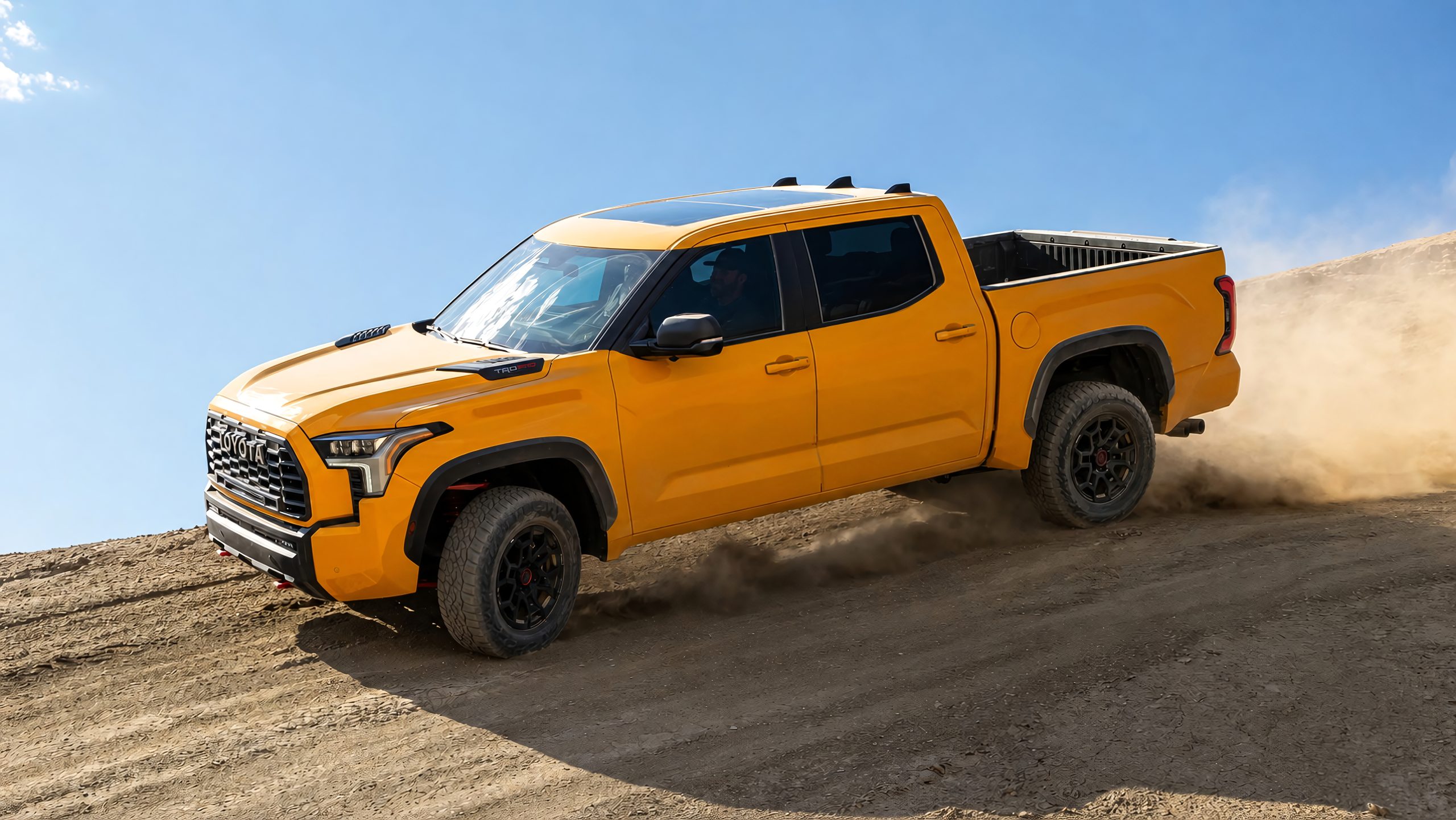
The Tundra illustrates why fuel-cost pressure should not be confused with a guaranteed loss in resale value. Hybrid assistance can make the truck more attractive when fuel prices climb, while buyers who need towing capacity may continue to prefer it over smaller alternatives. Its exact market performance will depend on trim, powertrain, supply, and competing models.
Market reports found that pickup values declined during the third quarter of 2026 and that fuel costs were one factor influencing demand. However, the available data does not isolate the Tundra’s depreciation from the broader pickup market or establish that its value fell by a particular percentage because of fuel prices.
For buyers, the Tundra Hybrid may be worth comparing with conventional gasoline versions, but the purchase-price premium must be weighed against expected fuel savings. Annual mileage, local fuel prices, towing frequency, and how long the truck will be kept all affect the calculation.
A used Tundra is most attractive when its price, condition, and capabilities match the buyer’s needs, not simply because fuel prices have risen.
