
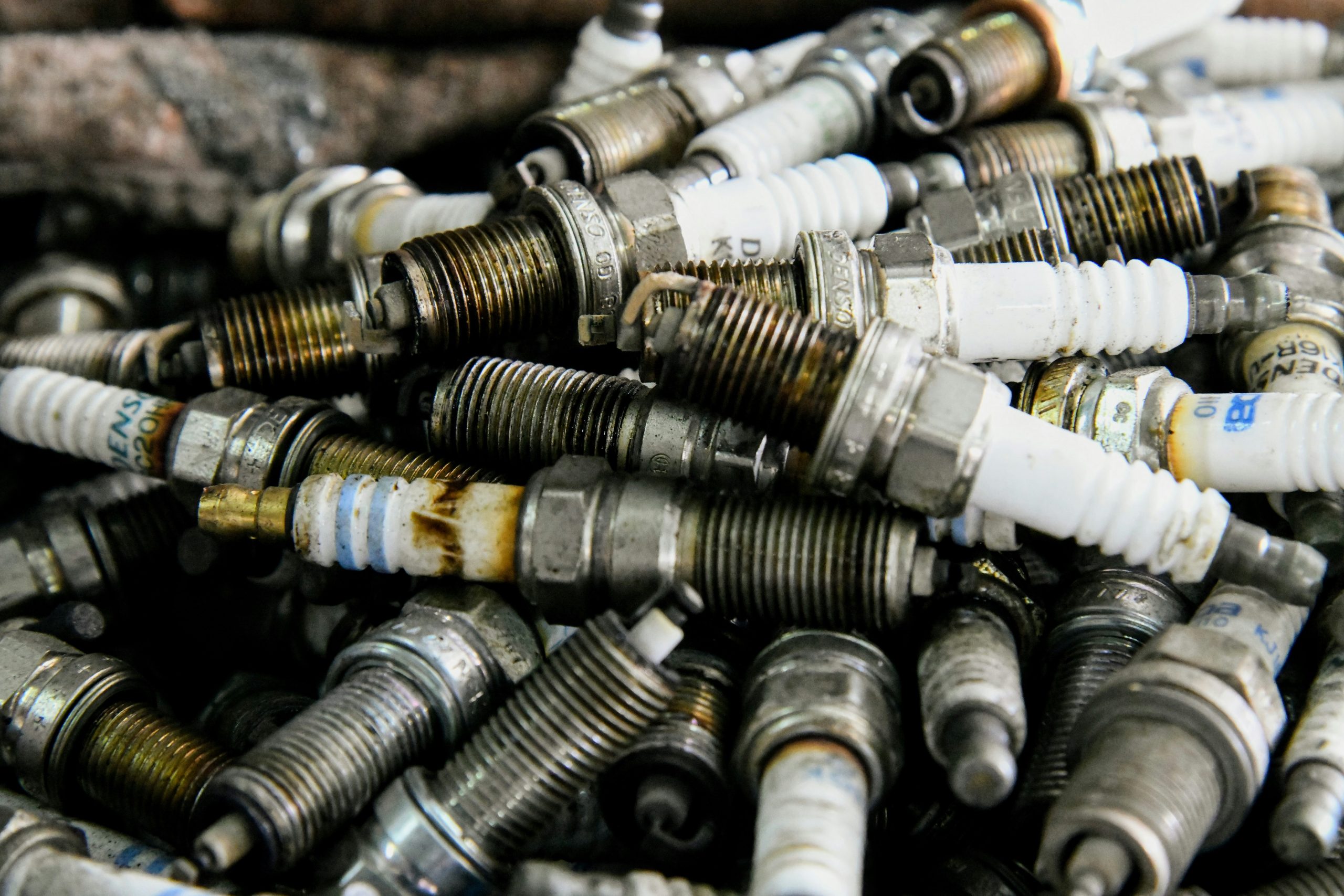
Spark plugs play a vital role in keeping a petrol engine running smoothly, efficiently, and reliably. These small components ignite the air and fuel mixture inside the engine cylinders, producing the power needed to move your vehicle. Over time, spark plugs wear out, collect deposits, and lose their ability to generate a strong, consistent spark.
Ignoring replacement for too long can lead to poor fuel economy, rough idling, difficult starting, reduced acceleration, and potentially expensive engine problems. Understanding what happens when spark plugs are never changed helps drivers maintain performance, avoid unnecessary repairs, and protect their vehicles.
Reduced Engine Performance
Spark plugs must produce a reliable electrical spark at precisely the right moment for an engine to operate properly. With continued use, the electrodes gradually wear down, increasing the gap the spark must cross. Deposits from fuel combustion can also accumulate around the electrodes, making ignition less consistent.
When these problems develop, the engine may struggle to burn its air and fuel mixture efficiently. Drivers might notice that their vehicle feels less responsive, especially when accelerating from a stop or climbing a steep hill.
Worn spark plugs can also cause an engine to misfire. A misfire occurs when a cylinder fails to burn its air and fuel mixture properly during a combustion cycle. Depending on the engine design and severity of the problem, the vehicle may shake, hesitate, or produce less power than usual.
Some misfires happen only under heavy acceleration, while others occur even when the engine is idling. These symptoms can become more noticeable as the plugs continue to deteriorate.
Poor combustion affects the way an engine delivers power. Instead of producing smooth, consistent acceleration, the vehicle may respond unevenly when the driver presses the accelerator pedal.
Overtaking slower traffic can become more difficult because the engine may not provide its usual power. In severe cases, the vehicle may struggle to maintain speed on inclines. These changes can make everyday driving less comfortable and may create safety concerns when dependable acceleration is necessary.
An engine that runs poorly may also place additional demands on other ignition and engine management components. Modern vehicles use sensors and electronic control systems to monitor combustion and adjust engine operation.
When a spark plug repeatedly fails to ignite the mixture, the engine control unit may detect abnormal combustion and store a diagnostic trouble code. A warning light may appear on the dashboard, indicating that the vehicle requires inspection.
Higher Fuel Consumption
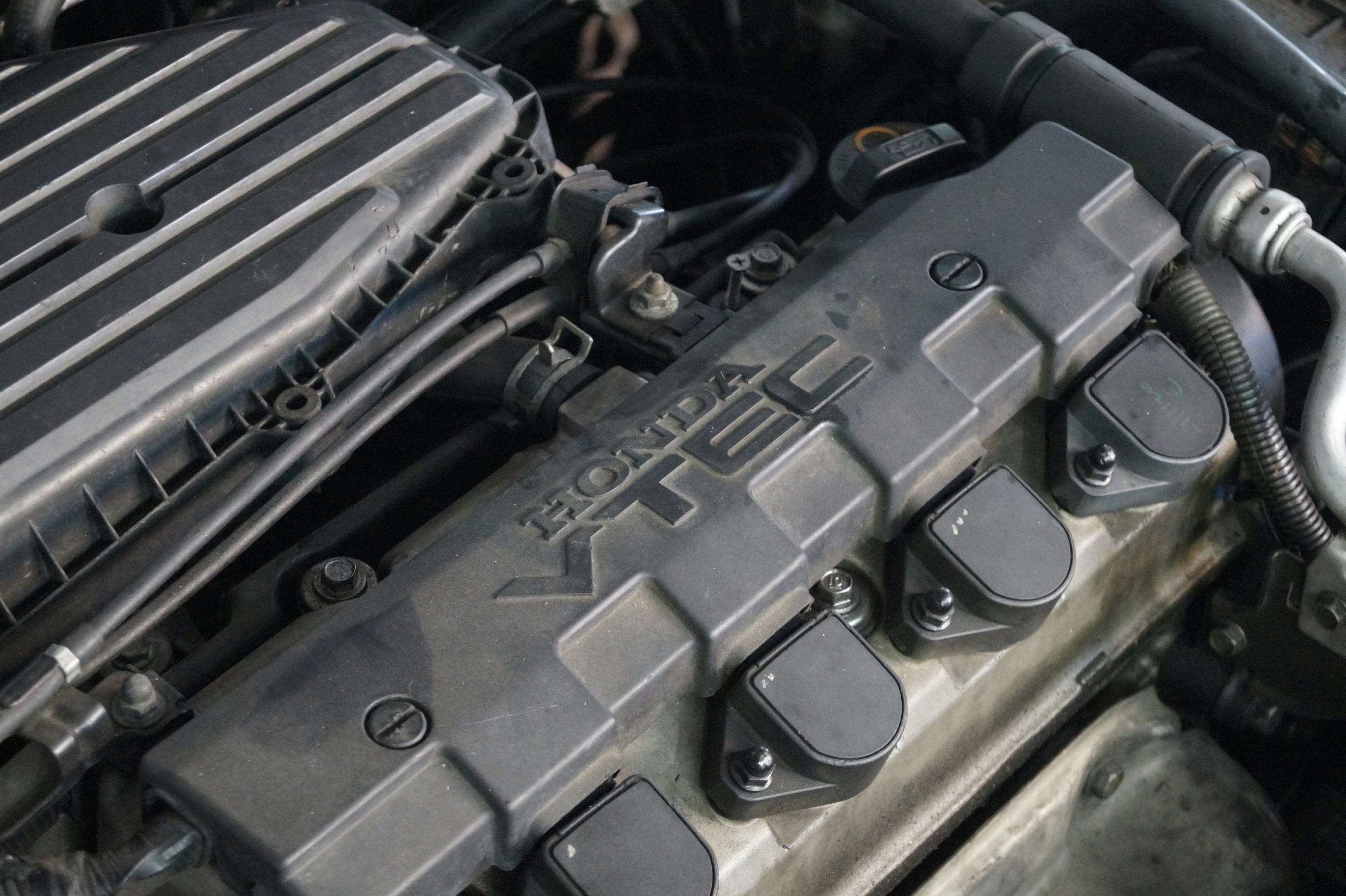
When spark plugs wear out, they may struggle to ignite the air and fuel mixture consistently. Incomplete or irregular combustion can reduce the amount of useful energy produced during each engine cycle.
Depending on the severity of the problem, the vehicle may consume more petrol while delivering less power. Drivers might find themselves visiting the fuel station more frequently, even when their usual routes and driving habits have not changed significantly.
A struggling engine may also encourage drivers to press the accelerator harder to achieve the same level of performance. This increases the engine’s workload and can raise fuel consumption further.
For example, a car that previously accelerated comfortably with light throttle input might require more acceleration to maintain its usual response. The resulting increase in fuel use can become noticeable over weeks or months, particularly for people who drive long distances regularly.
It is important to understand that spark plug wear does not automatically cause a dramatic drop in mileage. The effect depends on the engine, the condition of the plugs, the driving environment, and the extent of the ignition problem.
Modern engine management systems can compensate for certain operating conditions, so some vehicles may show only minor changes at first. However, severe misfires or persistent ignition problems can make combustion less efficient.
Fuel economy can also decline because of unrelated maintenance issues, including underinflated tyres, dirty air filters, faulty oxygen sensors, and problems with fuel delivery.
Short trips, heavy traffic, excessive idling, and aggressive acceleration may also increase petrol consumption. If mileage suddenly drops, checking the spark plugs is sensible, but a complete assessment may be needed to identify the actual cause.
Difficult Engine Starting
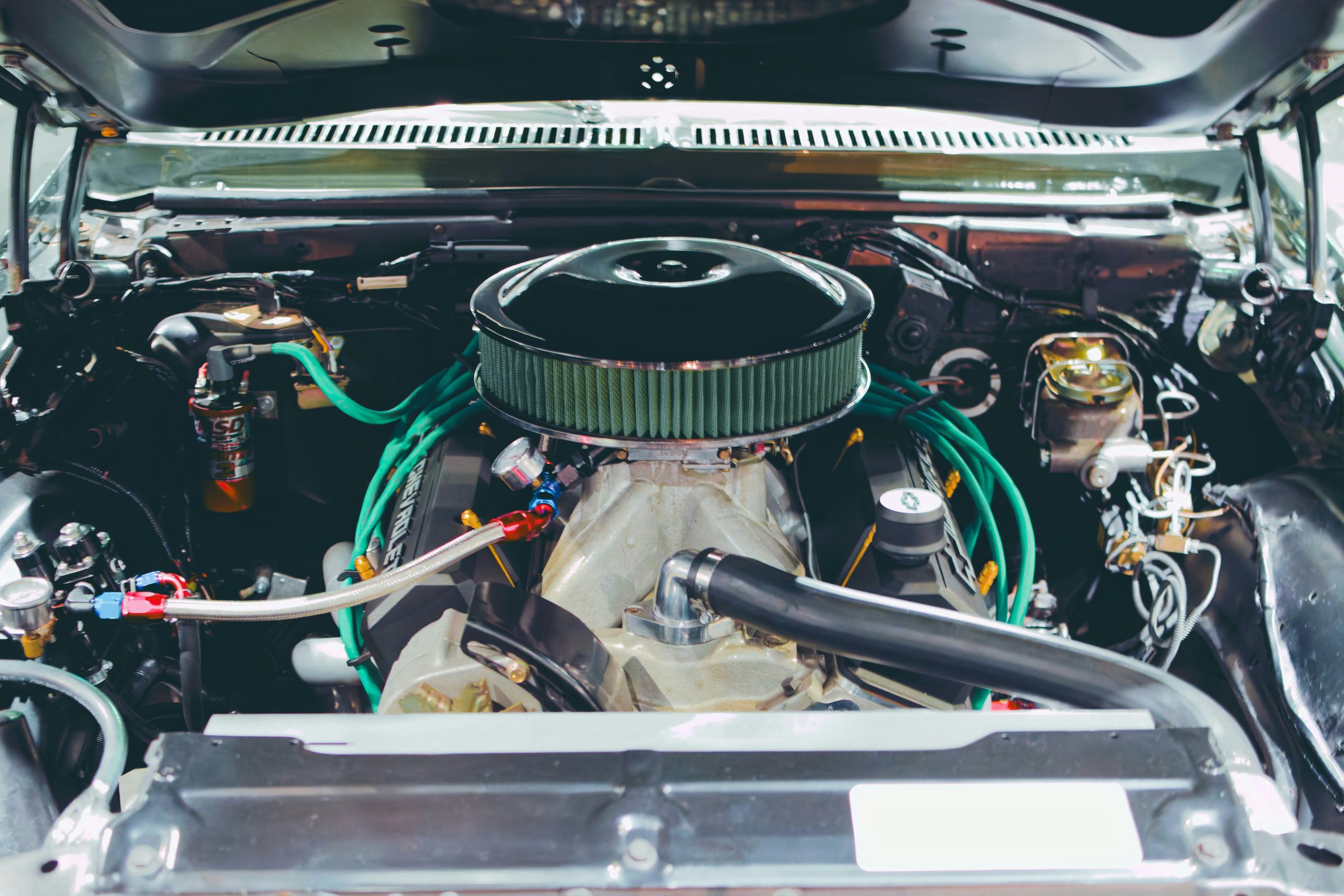
Spark plugs are essential for starting a petrol engine because they ignite the compressed air and fuel mixture when the engine turns over. When the plugs become badly worn or covered in deposits, producing a reliable spark can become more difficult.
The engine may take longer to start, particularly in cold weather or after the vehicle has been parked for several hours. In some cases, the engine may crank repeatedly before finally starting.
Repeated starting attempts can put extra demand on the battery and starter motor. These components are designed to turn the engine during startup, not to compensate indefinitely for ignition problems.
If the engine takes several attempts to start each morning, the battery may become discharged more quickly, especially if it is already old or weak. A worn starter motor can also develop problems over time, so persistent starting difficulties should be investigated rather than ignored.
Drivers may notice that the engine starts normally on some occasions but struggles on others. This inconsistency can make the problem difficult to identify. Temperature, moisture, deposits on the plugs, and the condition of the ignition system can all influence starting performance.
Modern engines may also display warning lights or store fault codes when ignition problems become severe enough for the onboard diagnostic system to detect them.
Continuing to use badly worn spark plugs can turn a minor maintenance issue into an inconvenient breakdown. A vehicle that starts unreliably may leave its driver stranded at home, at work, or in a parking area.
Replacing the plugs at the appropriate interval is generally much simpler than dealing with an unexpected starting failure. Still, a healthy battery and functioning ignition coils are equally important for reliable starting.
Potential Damage to the Catalytic Converter
One of the more serious consequences of prolonged spark plug neglect is potential damage to the catalytic converter. This component forms part of the exhaust system and helps reduce harmful pollutants produced by the engine.
When a spark plug misfires, some unburned fuel may pass from the cylinder into the exhaust. If this fuel reaches the hot catalytic converter and burns there, it can generate excessive heat that damages the converter’s internal structure.
Catalytic converters are designed to operate at high temperatures, but repeated overheating can cause their internal materials to deteriorate or melt. Once damaged, the converter may become less effective at controlling emissions.
Severe internal damage can also restrict exhaust flow, reducing engine performance. Replacing a catalytic converter can be considerably more expensive than replacing a set of spark plugs, making early attention to ignition problems worthwhile.
A flashing check engine light can indicate an active misfire that may damage the catalytic converter. If this warning appears while driving, reduce engine load and stop somewhere safe as soon as possible.
Consult the vehicle owner’s manual and arrange prompt professional assistance. Continuing to drive with a severe misfire can increase the risk of expensive exhaust system damage.
Not every worn spark plug will destroy a catalytic converter. The risk depends on the severity and duration of the misfire, the engine’s operating conditions, and how its control system responds. Some vehicles can detect misfires and adjust engine operation to reduce further damage, but these protective measures should not be treated as a substitute for repairs.
Rough Idling and Increased Engine Vibration
A healthy petrol engine should generally idle smoothly when the vehicle is stationary. When spark plugs become worn or fouled, combustion may become uneven, causing the engine to vibrate more than usual.
Drivers might feel shaking through the steering wheel, seats, or dashboard, particularly when waiting at traffic lights. These symptoms can become more noticeable when the air conditioning is running or the engine is under additional load.
Rough idling often occurs because one or more cylinders are not producing power consistently. The engine may sound uneven, and its revolutions per minute may fluctuate unexpectedly.
In severe cases, the engine may stall when the vehicle is stopped. These warning signs should not be ignored, especially if they appear alongside reduced acceleration or a check engine light.
Persistent vibration can make driving uncomfortable and may indicate that the engine is operating outside its normal conditions. Worn engine mounts can also cause excessive vibration, so it is important to distinguish ignition problems from mechanical issues. A diagnostic inspection can help identify the source instead of relying on symptoms alone.
How Often Should You Change Spark Plugs?
Spark plug replacement intervals vary according to the vehicle, engine design, and type of plug installed. Some conventional copper spark plugs may need replacement after approximately 20,000 to 30,000 kilometres, while certain platinum or iridium spark plugs can last 60,000 to 160,000 kilometres or more.
These are general examples, not universal recommendations, so consult your owner’s manual for the correct interval.
Driving conditions can also influence spark plug condition. Frequent short journeys, heavy traffic, repeated cold starts, and prolonged idling may contribute to deposits or operating problems. Vehicles used in demanding conditions may require more frequent inspections, depending on the manufacturer’s maintenance guidance.
During servicing, a mechanic can inspect accessible spark plugs for electrode wear, deposits, overheating, or signs of oil contamination.
Such findings may reveal problems beyond ordinary wear, including incorrect fuel mixture, oil entering the combustion chamber, or other engine faults. Replacing the plugs without investigating unusual damage may allow the underlying problem to continue.
Never change spark plugs solely because the engine has reached a particular mileage without considering the manufacturer’s instructions and the condition of the ignition system. Equally, do not postpone replacement beyond the specified interval simply because the engine still appears to run normally. Preventive maintenance can help avoid unexpected failures.
