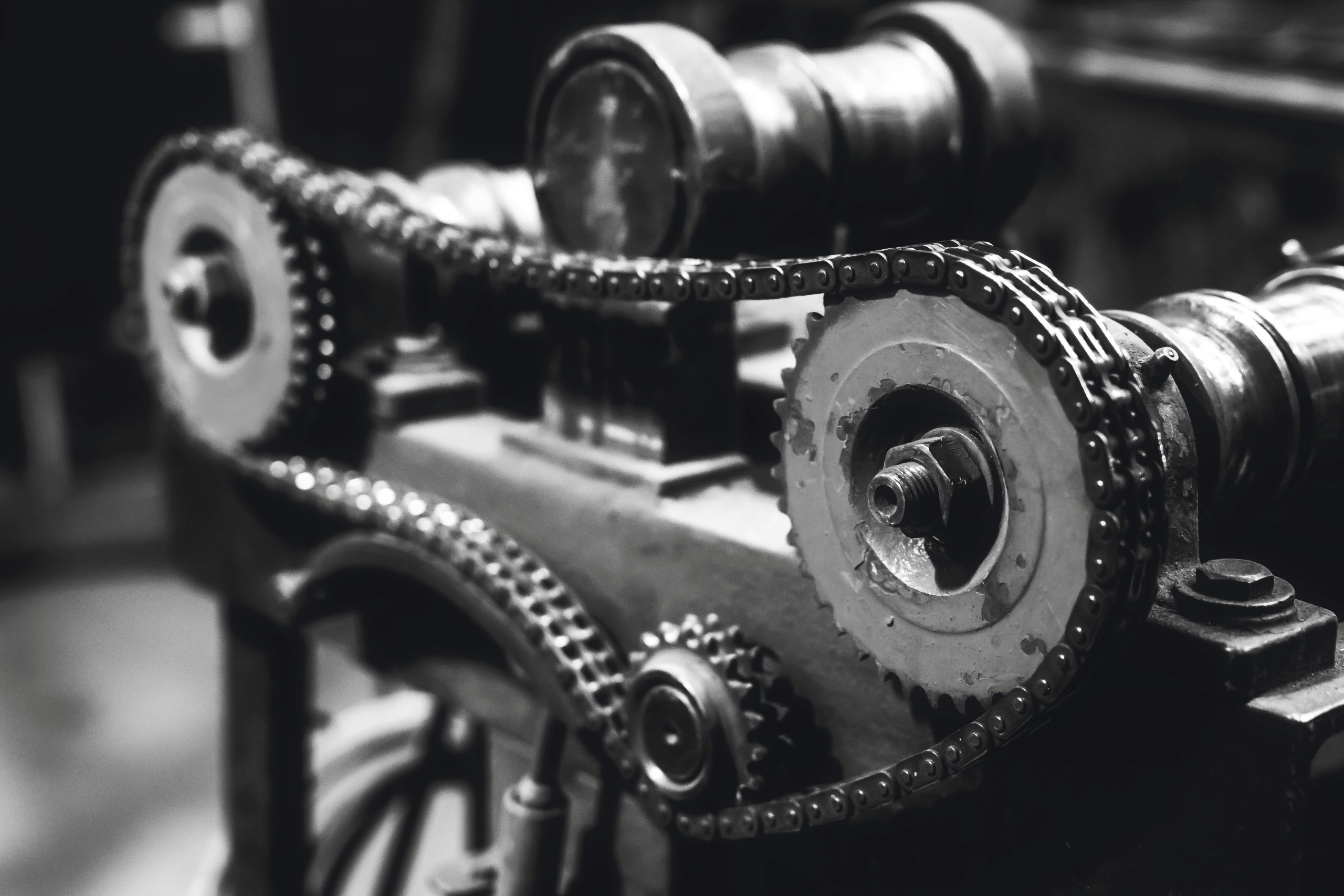
A timing belt plays a vital role in keeping your car engine running smoothly and efficiently. It synchronizes the movement of the crankshaft and camshaft, allowing engine valves to open and close at the correct time.
However, this component gradually wears out through heat, friction, and regular use. Ignoring its replacement schedule can lead to serious engine problems, expensive repairs, and unexpected vehicle breakdowns. Many drivers postpone this maintenance because their cars appear to run normally.
Understanding what happens if you never replace the timing belt can help you protect your engine, avoid unnecessary expenses, and maintain your vehicle’s reliability.
The Timing Belt Gradually Wears Out
A timing belt is generally made from reinforced rubber compounds designed to withstand repeated movement, heat, and tension inside the engine. Over time, these materials lose flexibility and strength. Even when the vehicle receives regular servicing, the belt continues to age.
Small cracks may develop along its surface, the teeth can wear down, and the internal reinforcing cords may weaken. Since much of this deterioration occurs behind protective engine covers, drivers cannot always identify the problem during a routine visual inspection.
Mileage is an important factor in determining when a timing belt needs replacement. Many vehicles require replacement somewhere between 60,000 and 100,000 miles, or approximately 96,000 to 161,000 kilometres.
However, this range is only a general guide. Some manufacturers specify different intervals, and certain engines use timing chains instead of belts. Your owner’s manual or manufacturer’s maintenance schedule provides the correct information for your particular model.
Age also affects timing belt condition. Rubber deteriorates over time, even when a car is driven infrequently. A vehicle with relatively low mileage may still require a new belt if it has reached the manufacturer’s recommended age limit.
Heat, oil contamination, coolant leaks, and improper tension can accelerate deterioration. For this reason, checking mileage alone is not enough to determine whether the original belt remains safe to use.
One of the biggest concerns is that a timing belt may look acceptable shortly before it fails. Internal damage and weakened reinforcing fibres are not always visible from the outside. A belt can also suffer tooth damage that prevents it from maintaining accurate timing.
Drivers should therefore avoid relying entirely on appearance, engine sound, or the absence of dashboard warnings when deciding whether replacement is necessary.
Your Engine May Suddenly Stop Running
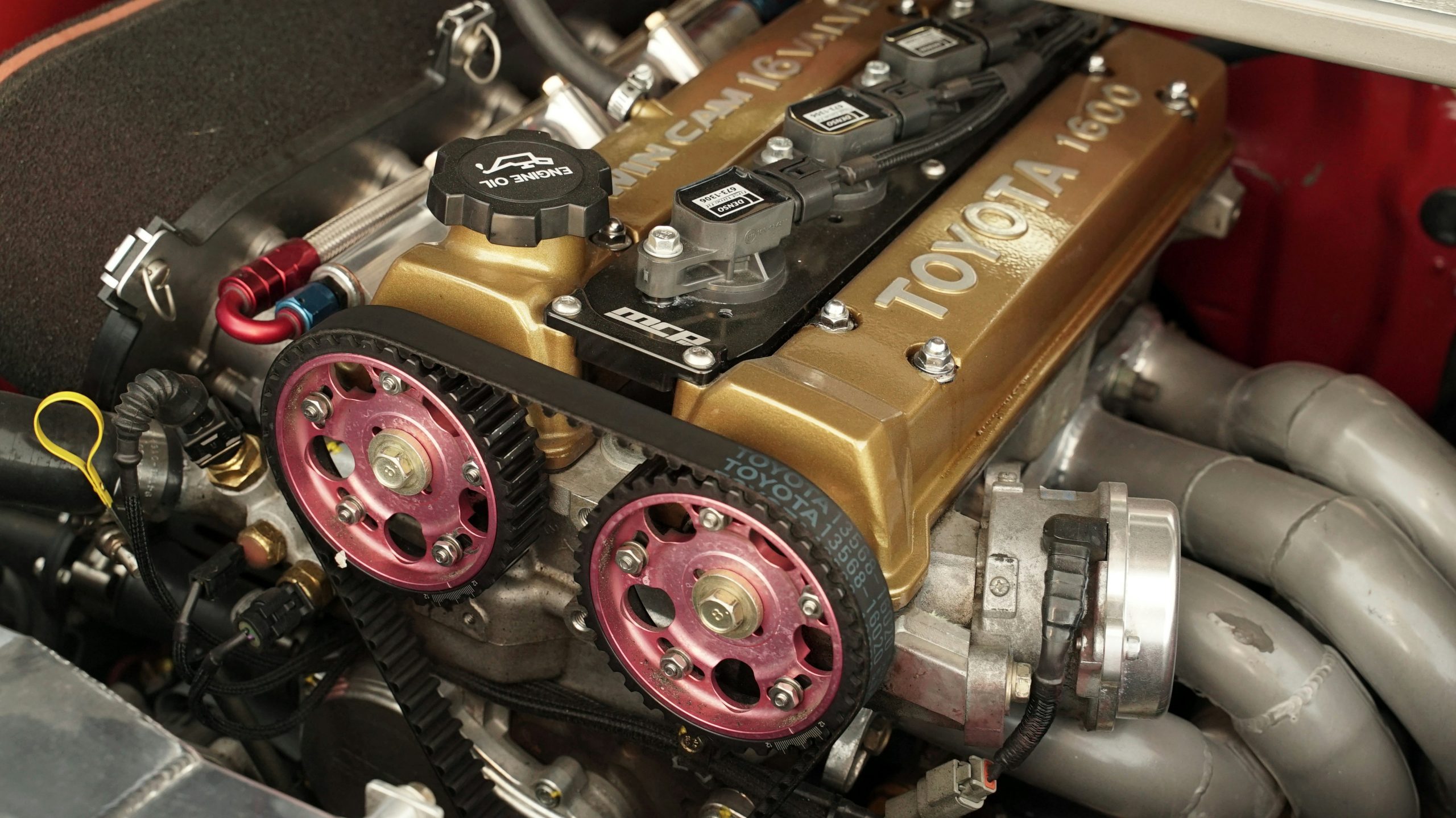
When a timing belt breaks, the crankshaft and camshaft can no longer maintain their required relationship. The crankshaft moves the pistons, while the camshaft controls the opening and closing of the engine valves. These parts must operate in synchronization for combustion to occur correctly. If the belt snaps, the engine usually stops running because the valve timing is lost.
A timing belt failure can happen without much warning. The car might start normally in the morning, accelerate smoothly on the highway, and then suddenly lose engine power. In other cases, the belt may slip several teeth before breaking completely, causing rough running or starting difficulties. However, many timing belt failures occur unexpectedly, particularly when the belt has exceeded its recommended service life.
If the belt breaks while driving, you may notice an immediate loss of power. The engine may stall, and restarting it might become impossible.
Depending on the vehicle, steering assistance and brake assistance may also be reduced after the engine stops. The vehicle may still have mechanical steering and braking connections, but greater physical effort can be required. Move to a safe location if possible and arrange roadside assistance.
Continuing to crank the engine after a suspected timing belt failure is not advisable. On some engines, the pistons can collide with open valves when synchronization is lost.
Repeated starting attempts may increase the risk of further damage. If the engine suddenly stops and you suspect a broken belt, switch off the ignition when safe and have the vehicle inspected by a qualified mechanic.
Serious Internal Engine Damage Can Occur
One of the most expensive consequences of neglecting timing belt replacement is internal engine damage. Many modern engines are classified as interference engines.
In these designs, the pistons and valves occupy overlapping space within the cylinder at different points in the combustion cycle. Correct timing prevents them from occupying that space simultaneously. If the timing belt breaks, the pistons may strike valves that remain open.
A collision between pistons and valves can bend the valves, damage their guides, or mark the piston surfaces. In severe cases, valve heads or other internal components may break.
The cylinder head may need extensive repairs, and the engine could require partial or complete rebuilding. The final repair cost depends on the extent of the damage, the vehicle model, labour rates, and the availability of replacement parts.
Not every engine experiences this type of damage. Non-interference engines generally provide more clearance between pistons and valves, reducing the chance of contact when timing is lost.
However, a broken belt can still leave the vehicle unable to run. Other mechanical problems may also occur, so an engine’s design should never be treated as a reason to ignore its maintenance schedule.
Internal damage may not be immediately obvious to someone looking under the bonnet. A broken timing belt can leave the engine externally intact while causing significant problems inside the cylinder head. A mechanic may need to perform compression testing, leak-down testing, a borescope inspection, or further disassembly to establish the extent of the damage.
Repair Costs Can Increase Significantly
Replacing a timing belt before it fails usually involves a planned maintenance expense. The total price varies according to the vehicle’s design, the accessibility of the belt, local labour charges, and the parts required. Some engines provide relatively straightforward access, while others require substantial disassembly. Even so, scheduled replacement generally gives the owner more control over the timing and cost of the work.
If the belt breaks, the repair can become far more expensive. A mechanic may need to replace damaged valves, inspect pistons, repair the cylinder head, replace seals, and check related components. Labour costs can rise because the engine must be dismantled and reassembled. In severe cases, installing a replacement engine may be more economical than rebuilding the original one.
The financial impact extends beyond the workshop invoice. A vehicle that stops running unexpectedly may require towing, alternative transport, missed work, or additional logistical arrangements. If the repair takes several days, these indirect expenses can add up. A planned service appointment is generally easier to manage than a breakdown that occurs during a journey.
It is also important to consider related components during timing belt replacement. Depending on the engine, the job may involve replacing tensioners, idler pulleys, and the water pump.
These parts may be driven by the same belt or located in areas that are difficult to access separately. Replacing appropriate components together can reduce the likelihood of paying for similar labour again soon afterward.
Warning Signs You Should Never Ignore
Timing belts do not always produce obvious warning signs before failure. In many cases, the belt operates quietly until it slips or breaks. This makes preventive maintenance essential.
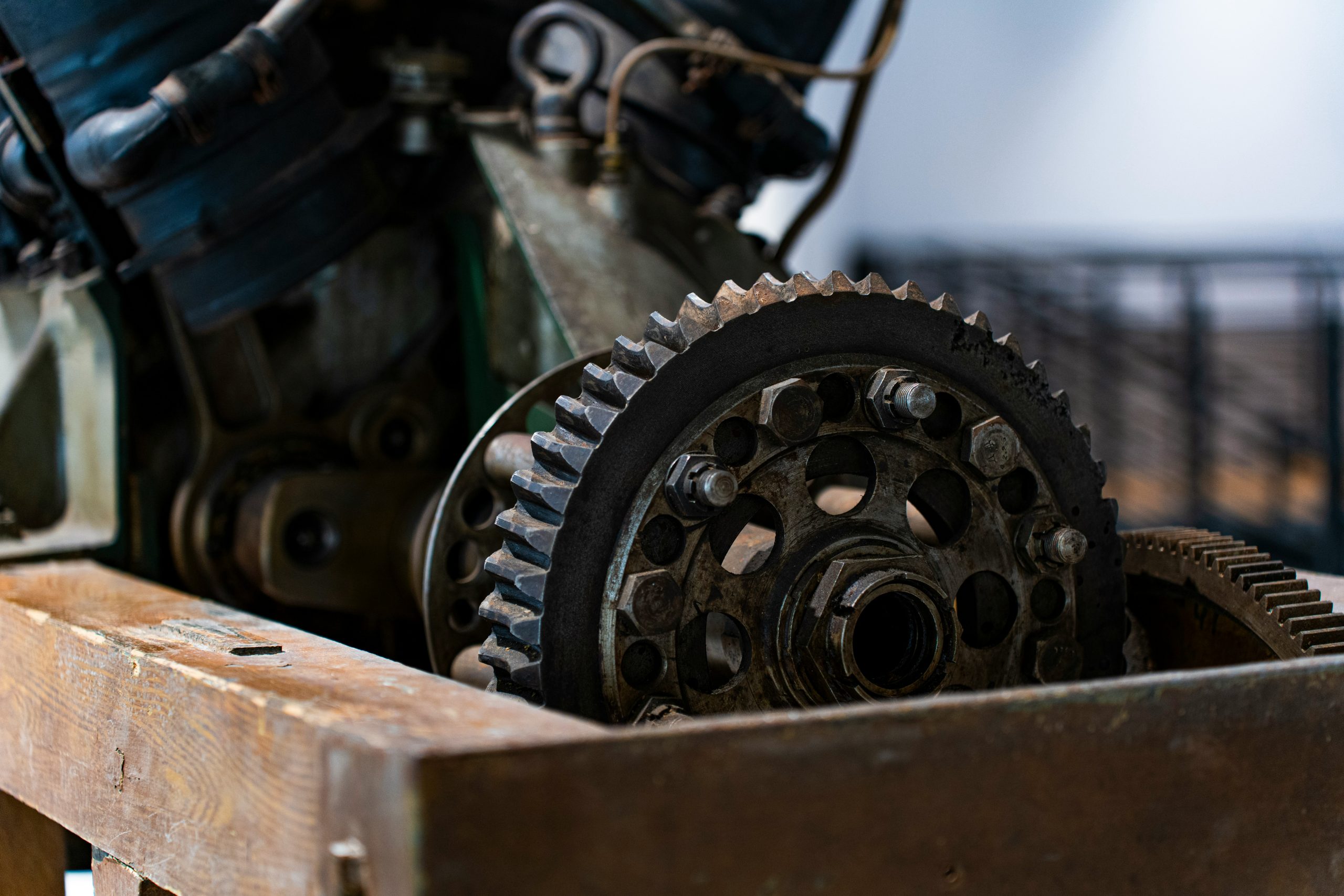
However, certain symptoms may indicate a problem with the timing system or related components. Unusual ticking, rattling, or slapping sounds near the timing cover deserve professional attention, especially if they appear alongside other engine symptoms.
Difficulty starting the engine can also indicate a timing-related problem. If the belt has slipped, valve timing may no longer match the crankshaft’s position, affecting combustion.
The engine may crank without starting, idle roughly, or lose power. These symptoms can also result from fuel, ignition, battery, or sensor problems, so a proper diagnosis is necessary before identifying the timing belt as the cause.
Oil leaks around the timing belt cover should not be ignored. Engine oil can damage some timing belt materials and contribute to premature deterioration.
Coolant leaks may also affect nearby components, depending on the engine layout. If you notice fluid around the front of the engine, have the source identified and repaired rather than simply cleaning the area or topping up the fluid.
How to Prevent Timing Belt Failure
The most effective way to prevent timing belt failure is to follow the vehicle manufacturer’s maintenance schedule. Check the owner’s manual for the specified mileage and age limits, and confirm whether your engine uses a timing belt or a timing chain.
If the vehicle has already exceeded the recommended interval, arrange a service appointment as soon as practical. Do not wait for unusual noises or visible damage.
Keep accurate records of timing belt replacement. Documentation should include the date, vehicle mileage, parts installed, and any related components replaced during the service. These details are especially useful when selling the vehicle or purchasing a used car. Clear records help establish when the next replacement is due and reduce the risk of unnecessary uncertainty.
Address oil and coolant leaks promptly. Contamination can weaken the belt or damage components that guide and tension it. A mechanic should investigate any leak near the timing system and replace affected parts when necessary.
Correct tension is equally important because a belt that is too loose or too tight can place excessive stress on the belt, bearings, and pulleys.