
Choosing a vehicle involves more than comparing purchase prices, fuel economy, and interior features. Long-term maintenance expenses can influence the true cost of ownership for years.
Interestingly, RepairPal’s brand averages show that Lexus vehicles cost less to maintain and repair annually than Chevrolet vehicles, challenging the assumption that luxury cars always demand larger budgets. Lexus averages $551 per year, while Chevrolet averages $649, according to RepairPal’s published brand data.
This comparison highlights the importance of reliability, repair frequency, and major repair risks when evaluating automotive expenses. Understanding these figures helps buyers make informed decisions about long-term vehicle ownership.
Lexus vs. Chevrolet: What RepairPal’s Annual Cost Figures Reveal
RepairPal’s published reliability data puts the average annual repair and maintenance cost for Lexus at $551, compared with $649 for Chevrolet. These figures cover a broad range of models and model years rather than a single vehicle.
The difference is $98 per year, meaning the Lexus brand average is approximately 15% lower than Chevrolet’s. For drivers comparing long-term ownership expenses, this provides a useful starting point. The figures also challenge the assumption that choosing a luxury manufacturer automatically results in higher annual repair bills.
The distinction becomes more meaningful when owners consider several years of driving. If the annual difference remained unchanged for five years, Lexus would have a theoretical cost advantage of $490.
Over ten years, that difference would reach $980. These calculations are illustrations based on the current brand averages, not guaranteed savings or forecasts for a particular vehicle. Actual expenses can vary considerably with mileage, vehicle age, driving conditions, local labor rates, and the condition of individual components. A well-maintained Chevrolet could cost less to run than a neglected Lexus.
The figures also put luxury ownership into perspective. Lexus operates as Toyota’s luxury division and offers vehicles with premium interiors, refined driving characteristics, and advanced convenience features. Buyers may expect those features to bring higher service expenses, particularly when specialized components or dealership labor are involved.
However, RepairPal’s averages suggest that Lexus owners do not necessarily face higher annual maintenance and repair expenses than mainstream Chevrolet owners. Brand reputation and vehicle class alone cannot reliably predict the amount a driver will spend at a repair shop.
Chevrolet serves a broad market, with vehicles ranging from compact crossovers and family sedans to full-size pickup trucks and large SUVs. Each category has different maintenance requirements.
A small Chevrolet crossover may need less expensive routine service than a heavy-duty truck used for towing, while a performance model can have higher tire, brake, and component costs.
Because the brand average combines different vehicles, it should not be interpreted as the expected bill for every Chevrolet owner. The same principle applies to Lexus sedans, SUVs, hybrids, and performance cars.
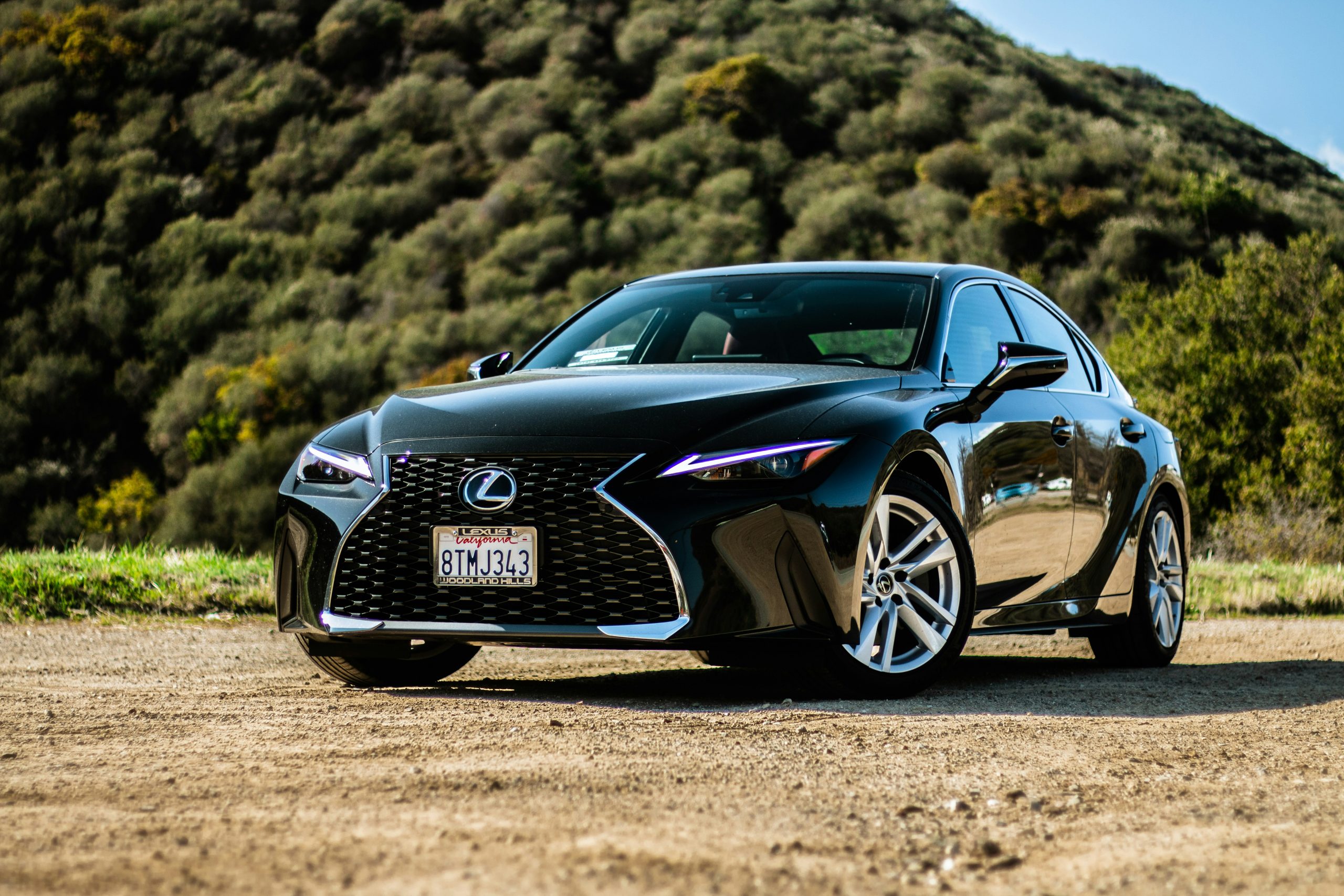
Why Lexus Can Have Lower Repair and Maintenance Costs
Vehicle reliability plays a major role in long-term ownership expenses. A car that experiences fewer costly failures can help its owner avoid unexpected bills, missed work, and repeated visits to a repair shop. Lexus has a reputation for dependable engineering, and RepairPal assigns the brand a reliability rating of 4.0 out of 5.0.
Its published data also reports an average of approximately 0.5 unscheduled repair visits annually and an 8% probability that a repair will be classified as severe. These measures help explain why annual costs can remain competitive for a luxury brand.
Engineering and component design can affect the frequency of repairs. Lexus vehicles share engineering foundations and manufacturing experience with Toyota, which can support durability across suitable powertrain and platform families. Shared components may also benefit from established parts supply chains and extensive service knowledge.
This does not mean every Lexus component is inexpensive or interchangeable with a Toyota part. Luxury-specific suspension systems, electronic equipment, interior features, and hybrid components can still require specialized diagnosis or costly replacements. The advantage depends on the vehicle’s design, age, and service history.
Routine maintenance remains essential for keeping repair expenses manageable. Regular oil changes, fluid inspections, brake checks, tire rotations, and cooling-system maintenance help identify developing issues before they cause additional damage.
Owners who follow the maintenance schedule appropriate to their model can reduce avoidable wear and support long-term reliability. Skipping service to save money in the short term may create larger expenses later, especially when neglected fluids, worn belts, or cooling-system problems affect other components. Preventive care matters regardless of the badge on the vehicle.
Parts availability and workshop expertise can influence the final invoice as well. Lexus owners may use independent repair shops, specialist garages, or authorized dealerships, depending on the vehicle and the work required. Labor rates, diagnostic equipment, and parts sourcing differ between providers.
An independent shop experienced with Lexus models may offer competitive pricing, while dealership service can provide access to manufacturer-specific procedures and equipment. Comparing itemized estimates and checking warranty requirements can help owners choose suitable service without paying for unnecessary work.
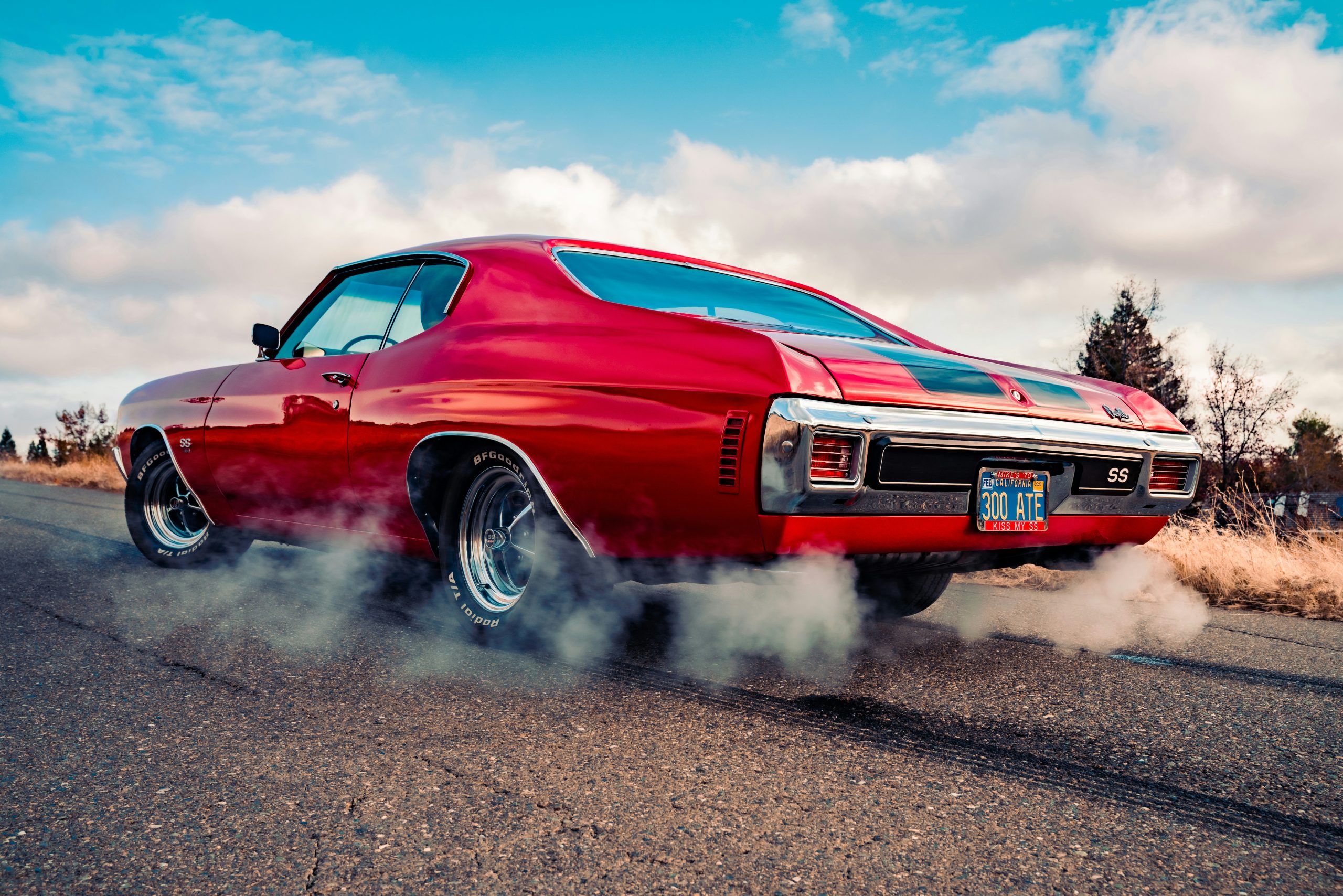
Chevrolet Maintenance Costs: What Owners Should Understand
Chevrolet’s average annual repair and maintenance cost of $649 is higher than Lexus’s $551 figure. RepairPal gives Chevrolet a reliability rating of 3.5 out of 5.0, with an average of approximately 0.3 unscheduled repair visits per year and a 15% probability of a repair being classified as severe.
These statistics suggest that the typical Chevrolet repair visit may occur less frequently, yet the likelihood of a severe repair is higher in the dataset. This distinction shows why repair frequency alone does not provide a complete picture of ownership costs.
Chevrolet’s broad lineup makes its brand average particularly important to interpret carefully. The company sells practical commuter vehicles, family SUVs, sports cars, and trucks designed for demanding workloads. A vehicle used for frequent towing, construction work, or heavy hauling may experience more wear than a commuter car driven mostly on smooth roads.
Larger vehicles may also need more expensive tires and certain replacement components. Consequently, two Chevrolet owners can face very different annual expenses even when their vehicles have similar ages and mileage.
Parts and labor contribute to repair bills in different ways. Some Chevrolet models benefit from widespread parts availability and a large independent repair network. These factors can give owners more choices when comparing service prices.
However, a readily available part does not guarantee a low total bill if the repair requires extensive labor, complicated diagnostics, or replacement of related components. Modern vehicles from both brands rely on electronic controls, sensors, and integrated systems that can increase the time needed to identify and resolve certain faults.
The type of repair matters more than the brand name when an individual vehicle develops a problem. Routine brake-pad replacement, battery service, and fluid changes are different financial commitments from transmission repairs, engine work, or complex electrical faults.
A Chevrolet with a documented maintenance history and a clean inspection may prove less expensive to own than an older Lexus with unresolved mechanical issues. Buyers should request maintenance records, investigate known problems for the precise model year, and arrange a professional pre-purchase inspection when buying used.
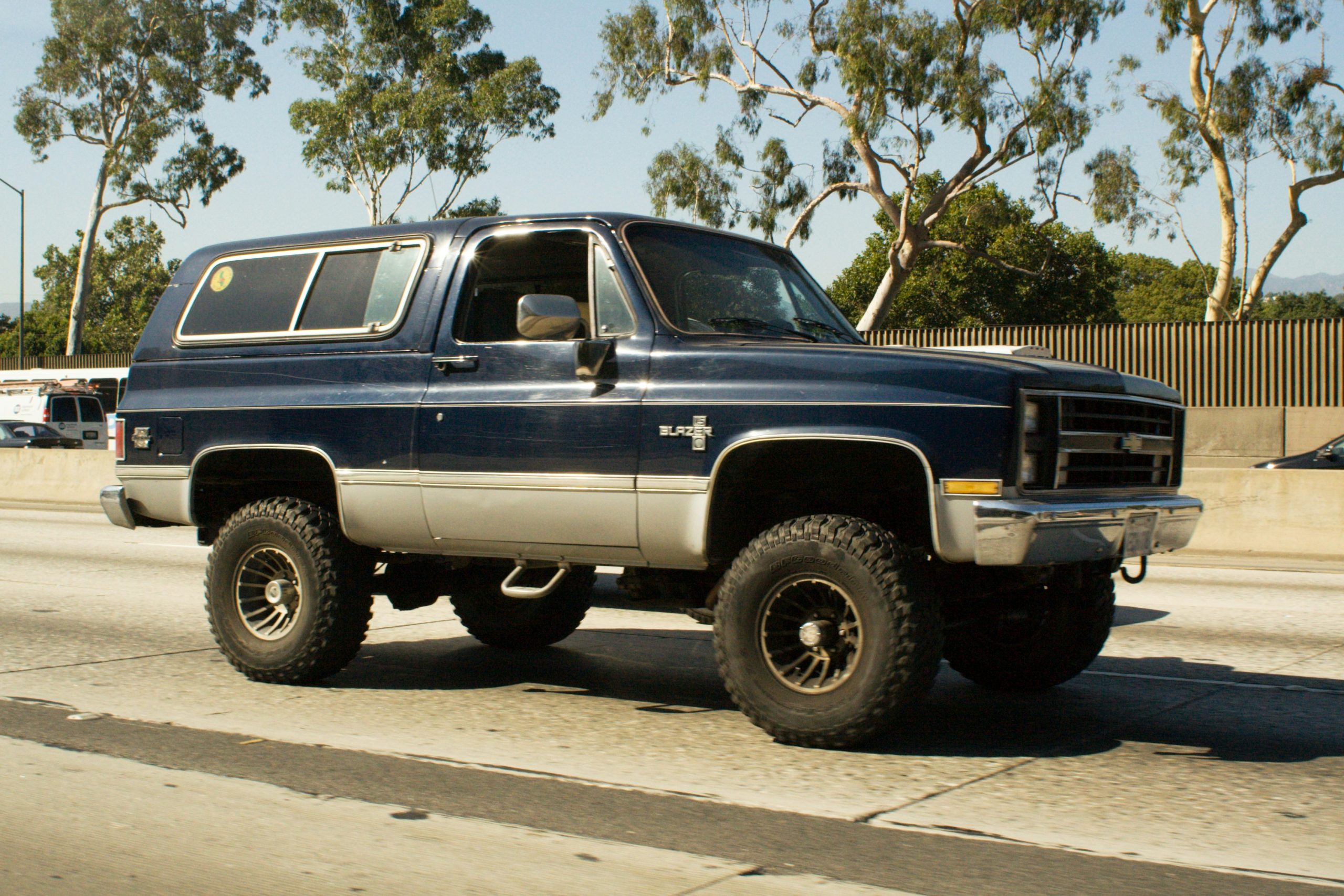
How to Use RepairPal’s Brand Averages When Buying a Car
RepairPal’s annual averages are most useful during the early stages of vehicle research. They allow buyers to compare manufacturers using a consistent cost measure before narrowing their options to specific models. In this comparison, the $98 annual difference favors Lexus.
The next step is to check the repair estimates for the vehicles under consideration, since a particular engine, transmission, hybrid system, or model year can differ significantly from its brand’s average. This approach turns a general statistic into a more practical ownership-cost assessment.
Buyers should also separate routine maintenance from unexpected repairs when planning a budget. Routine work includes scheduled oil and filter changes, inspections, tire rotations, and other services specified by the manufacturer.
Unexpected repairs include failures that arise through wear, age, defects, or unusual operating conditions. RepairPal’s published brand figures include scheduled maintenance and unscheduled repairs, so they should not be treated as a prediction of an individual vehicle’s emergency repair bill. Keeping a separate emergency fund remains sensible for any owner.
Vehicle age and mileage deserve close attention when evaluating used cars. A relatively new vehicle with consistent service records may require little beyond scheduled maintenance, while a high-mileage example could need suspension work, cooling-system repairs, or replacement of worn components.
Service history is especially valuable when assessing a used luxury vehicle because missing maintenance can undermine the benefits of an otherwise dependable design. An inspection can reveal leaks, uneven tire wear, warning lights, and other concerns that a brand-wide statistic cannot identify.
The choice of repair shop can make a measurable difference to expenses. Owners should compare written estimates from reputable providers, confirm whether quoted parts are original equipment or aftermarket alternatives, and ask about labor warranties.
For vehicles still covered by a manufacturer’s warranty, the terms and conditions should be checked before authorizing work. Buyers can also investigate common model-specific problems and request estimates for major scheduled services. These steps help establish a realistic ownership budget rather than relying entirely on a single annual figure.