
Buying a new car has become increasingly challenging for American households, with average transaction prices hovering around $50,000. As living expenses rise, many shoppers are moving away from expensive SUVs and trucks and looking for smaller, more affordable vehicles.
Even budget-friendly models can become costly once destination charges, taxes, dealer fees, and financing expenses are added. Buyers increasingly want transportation that fits their budgets without sacrificing essential safety and convenience features.
Automakers are responding with compact sedans, small crossovers, hybrids, and electric vehicles designed to appeal to cost-conscious shoppers. Some models are already available, while others are still upcoming and may see changes to their pricing and specifications.
The 12 vehicles highlighted offer potential alternatives for buyers seeking traditional gasoline power, better fuel efficiency, or electric driving. However, affordability depends on more than the advertised price. Final costs will vary based on equipment, financing terms, taxes, and long-term ownership expenses, including fuel, maintenance, and insurance.
1. 2027 Chevrolet Bolt
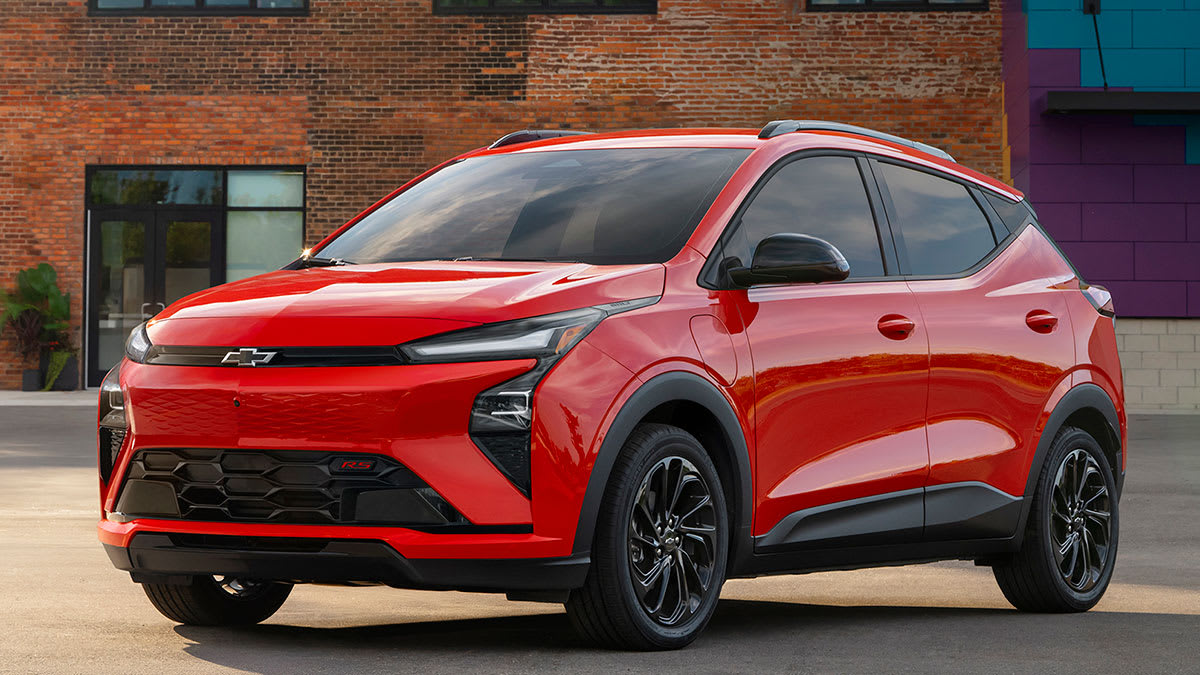
The Chevrolet Bolt is returning as one of the most important options for buyers seeking an affordable electric vehicle. With a starting price announced at approximately $28,995, including destination charges, the 2027 Bolt offers an alternative to electric SUVs that frequently cost considerably more. Its return also demonstrates that manufacturers can still target customers who want electric transportation without paying luxury-car prices.
The Bolt is designed for everyday driving rather than heavy-duty work or long-distance touring. Its estimated driving range of approximately 262 miles should cover most commutes and routine errands, although actual range depends on weather, speed, terrain, and climate-control use. For drivers who primarily travel around town, that range could make the vehicle practical as a daily commuter.
Charging access will play a major role in determining whether the Bolt saves money. Owners who can charge at home may benefit from lower energy expenses compared with gasoline, depending on local electricity rates. Those who rely entirely on public charging should compare local prices and station availability before purchasing.
The Bolt’s relatively low starting price is attractive, but buyers should still consider insurance, financing, charging equipment, and depreciation. The base trim may also differ from more expensive versions in comfort and convenience features.
Even with those considerations, the Bolt could appeal to shoppers who want to stop buying gasoline without spending more than $40,000 on a new vehicle. It combines useful range with a comparatively accessible entry price, making it a significant model in the effort to bring electric vehicles within reach of ordinary buyers.
2. 2027 Kia EV3
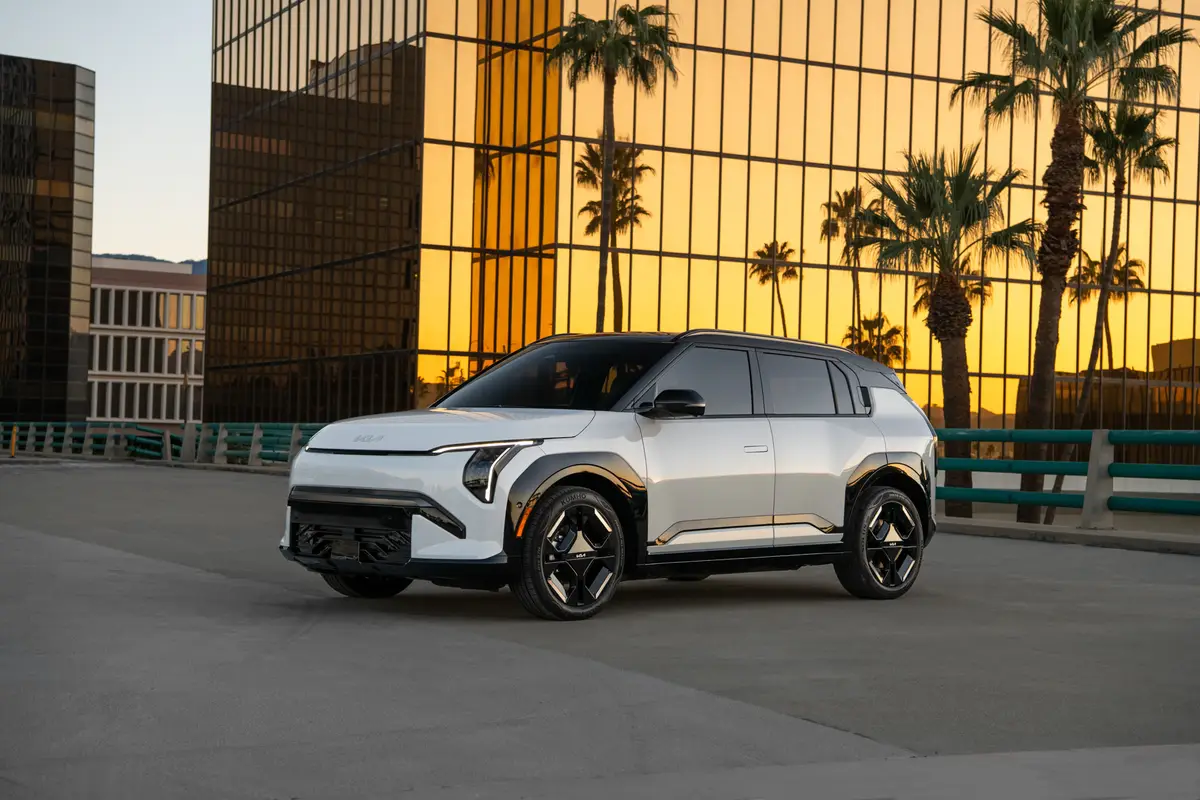
The Kia EV3 is designed for buyers who want an electric crossover with more flexibility than a conventional hatchback. Its entry-level Light version has been listed at approximately $31,385, including destination charges, with a stated range of around 221 miles. That puts it within reach of some shoppers who might otherwise consider a gasoline-powered compact SUV.
The crossover layout provides useful cargo flexibility and a higher seating position, making the EV3 suitable for commuters, couples, and small families. Its compact dimensions should also make parking easier than with a large electric SUV. For drivers who have convenient charging access, it could provide a straightforward alternative to gasoline-powered transportation.
However, the EV3’s range deserves careful consideration. The advertised figure is an estimate rather than a guarantee, and cold weather, highway speeds, steep roads, and heavy climate-control use can reduce driving distance. Buyers who frequently travel long distances should examine their routes and available charging stations before committing.
The initial purchase price also matters. A gasoline crossover may cost less upfront, particularly when dealers offer discounts or financing incentives. Someone who drives relatively few miles may not recover the EV3’s price premium through electricity savings alone.
Choosing the entry-level trim can help keep costs under control, provided its range and equipment satisfy the buyer’s needs. More expensive versions may offer additional features but can undermine the affordability advantage.
For shoppers who want an electric vehicle with everyday crossover practicality, the EV3 deserves attention. Its strongest appeal will be to buyers who can charge conveniently and want to avoid the higher prices associated with larger electric SUVs.
3. 2026 Nissan Leaf
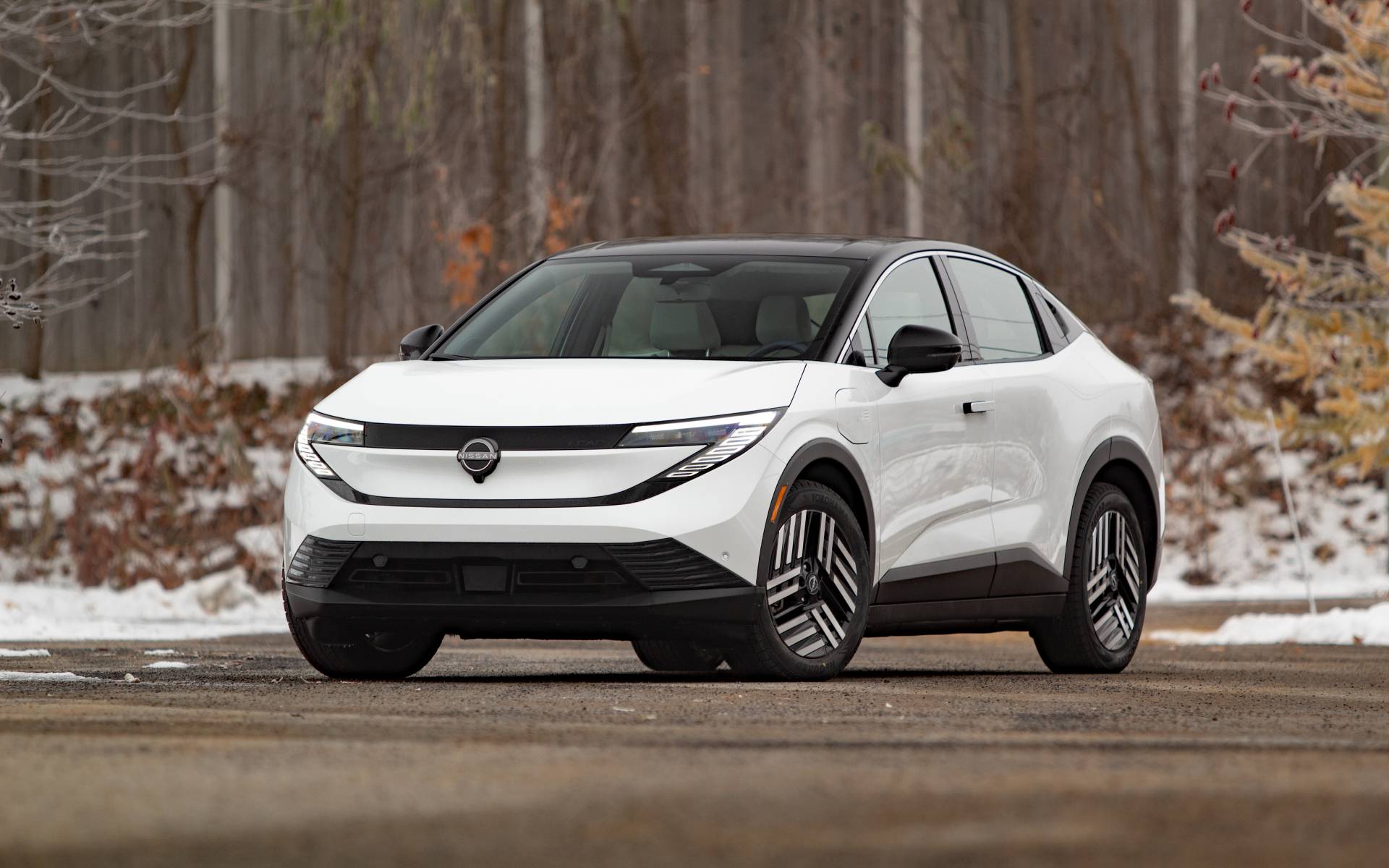
The Nissan Leaf remains an important name in affordable electric transportation. The 2026 Leaf S+ has been listed at approximately $31,565, including destination charges, with a stated driving range of around 303 miles. That combination makes it an appealing choice for drivers who want an electric car capable of handling more than short trips around town.
A longer driving range can make daily ownership easier. Commuters may be able to complete several days of routine travel before charging, depending on their mileage and driving conditions. The Leaf could also serve as a household’s primary vehicle if the owner’s charging arrangements and travel habits suit an electric powertrain.
Electric vehicles generally require fewer routine powertrain services than gasoline cars because they do not need oil changes and have fewer conventional engine components. However, owners must still budget for tires, brakes, suspension components, and other maintenance. Battery warranty coverage and access to charging equipment are also important considerations.
The Leaf must compete with conventional compact cars and hybrids that can cost less upfront. Gasoline vehicles offer quick refueling and may be more convenient in areas with limited charging infrastructure. Buyers should compare expected electricity expenses, insurance, financing, and maintenance rather than assuming an EV will automatically be cheaper.
Real-world range will vary with temperature, highway speed, terrain, and accessory use. Drivers who regularly take long highway trips should consider charging stops as part of their purchasing decision.
For buyers who can charge at home or work, the Leaf offers a practical way to reduce gasoline consumption. Its combination of range and a price below many electric SUVs makes it one of the more relevant choices for budget-conscious EV shoppers.
4. Slate Truck
The Slate Truck takes a different approach to affordable transportation by emphasizing simplicity and customization. Its projected starting price has been discussed at approximately $26,400, although buyers should treat that figure as provisional until final production pricing and specifications are confirmed.
Modern pickups have become increasingly expensive as manufacturers add larger screens, premium interiors, powerful engines, advanced driver-assistance systems, and luxury trim packages. Those features appeal to some customers, but they can make new trucks unaffordable for people who primarily need basic transportation and light-duty hauling.
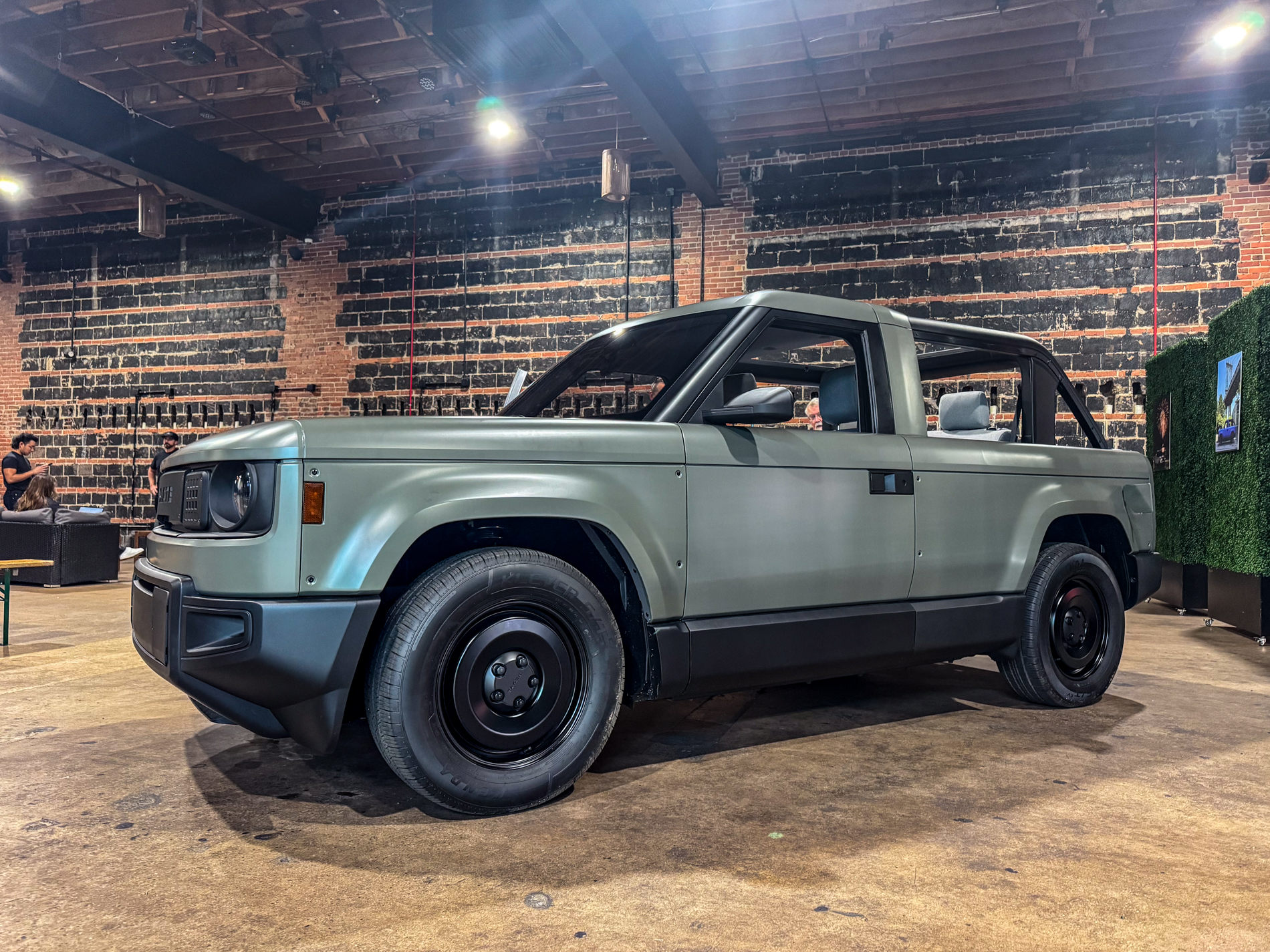
A simpler electric truck could attract small-business owners, tradespeople, and drivers who want a practical vehicle without paying for equipment they rarely use. A customization-focused design may also appeal to buyers who prefer to personalize their vehicle after purchase rather than choose an expensive factory trim.
However, a projected low price does not guarantee that the Slate will become a bargain. Buyers will need confirmed information about battery capacity, driving range, payload, towing capability, warranty coverage, service availability, and replacement parts. These details are particularly important for people planning to use the truck for work.
Electric pickups also require realistic expectations about towing and hauling. Carrying heavy loads can reduce driving range, while charging infrastructure may be less convenient along certain work routes.
If the Slate Truck reaches production close to its projected price, it could provide an alternative to traditional pickups that have grown substantially more expensive. Until final pricing and delivery details are established, however, shoppers should view it as a potential future option rather than a guaranteed affordable purchase.
5. 2027 Nissan Rogue Hybrid
The expected Nissan Rogue Hybrid could give buyers another option in the popular compact-SUV segment. Reports have placed its anticipated starting price at approximately $37,065, with estimated combined fuel economy of around 38 mpg. These figures should be treated as preliminary until final pricing and specifications are confirmed.
Compact SUVs appeal to families because they provide useful passenger space, flexible cargo capacity, and a manageable footprint. A hybrid powertrain could make the Rogue more attractive to drivers who spend substantial time commuting or traveling through congested areas.
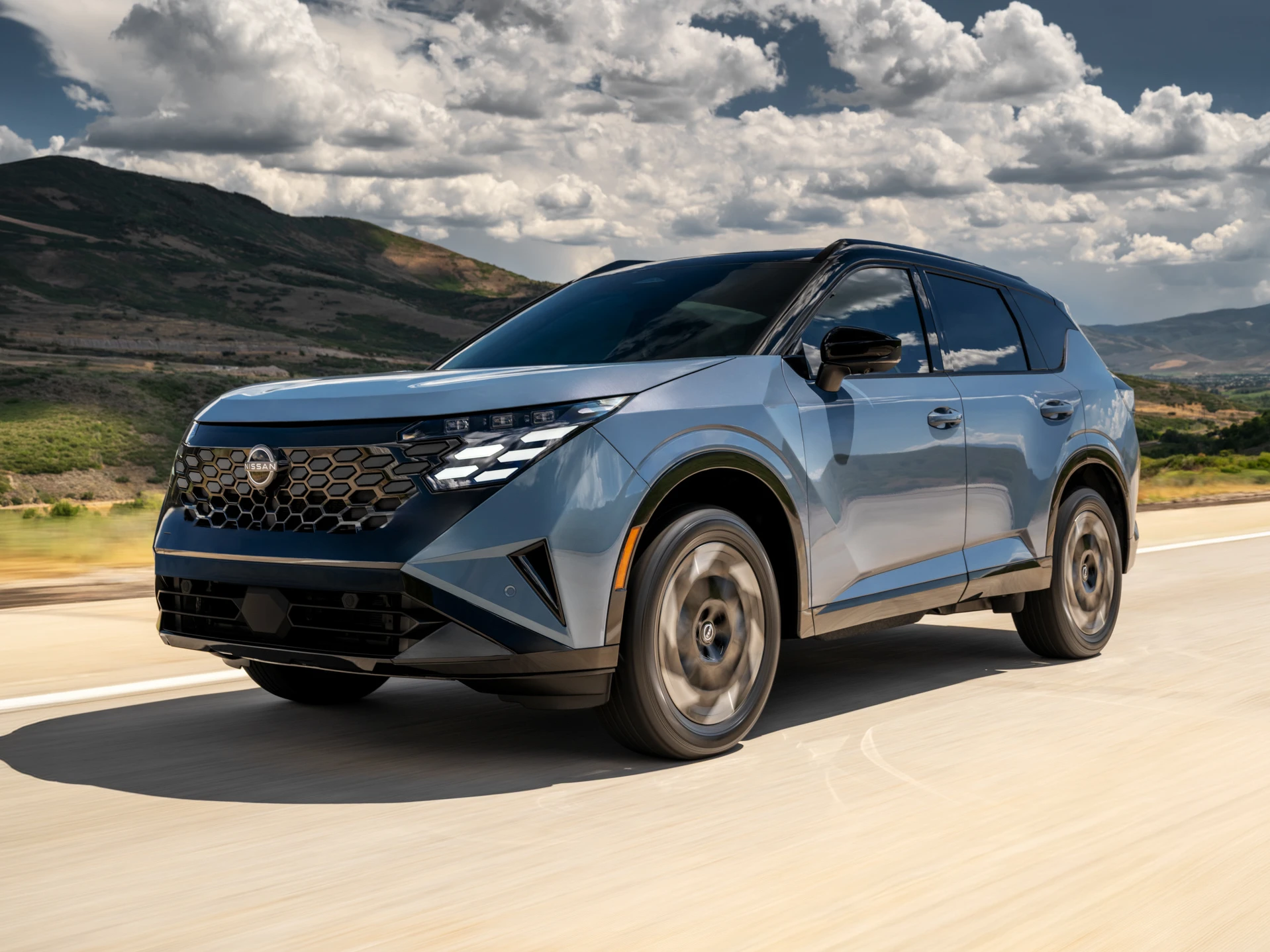
Unlike a fully electric vehicle, a conventional hybrid does not require external charging. Its gasoline engine and electric motor work together to improve efficiency, with recovered braking energy helping power the system. This can be particularly useful in stop-and-go traffic, where conventional gasoline vehicles may consume more fuel.
The financial question is whether the hybrid’s additional purchase cost will be offset by fuel savings. Drivers who travel many miles each year may benefit more than those who drive occasionally. Local gasoline prices, annual mileage, and the difference between hybrid and gasoline versions will determine the potential savings.
Buyers should also compare the Rogue with competing hybrid SUVs and conventional crossovers. A lower-priced gasoline model may be cheaper to own for some drivers, while a hybrid could become more economical for someone who commutes regularly.
The Rogue Hybrid will not necessarily be the cheapest vehicle on this list, but affordability includes running expenses as well as the initial price. For shoppers who need an SUV and want to reduce fuel consumption without changing their driving routine, it could be a worthwhile option.
6. Kia Seltos Hybrid
A hybrid version of the Kia Seltos could bring improved fuel economy to the small-SUV market. The Seltos occupies a useful position between a passenger car and a larger family crossover, offering a raised seating position and flexible cargo space without the bulk of a midsize SUV.
The Seltos range has been estimated at approximately $24,990 to $32,790, depending on trim and equipment. Those figures should not be mistaken for confirmed hybrid pricing. The hybrid’s final price, equipment, and availability need to be verified when Kia releases official specifications.
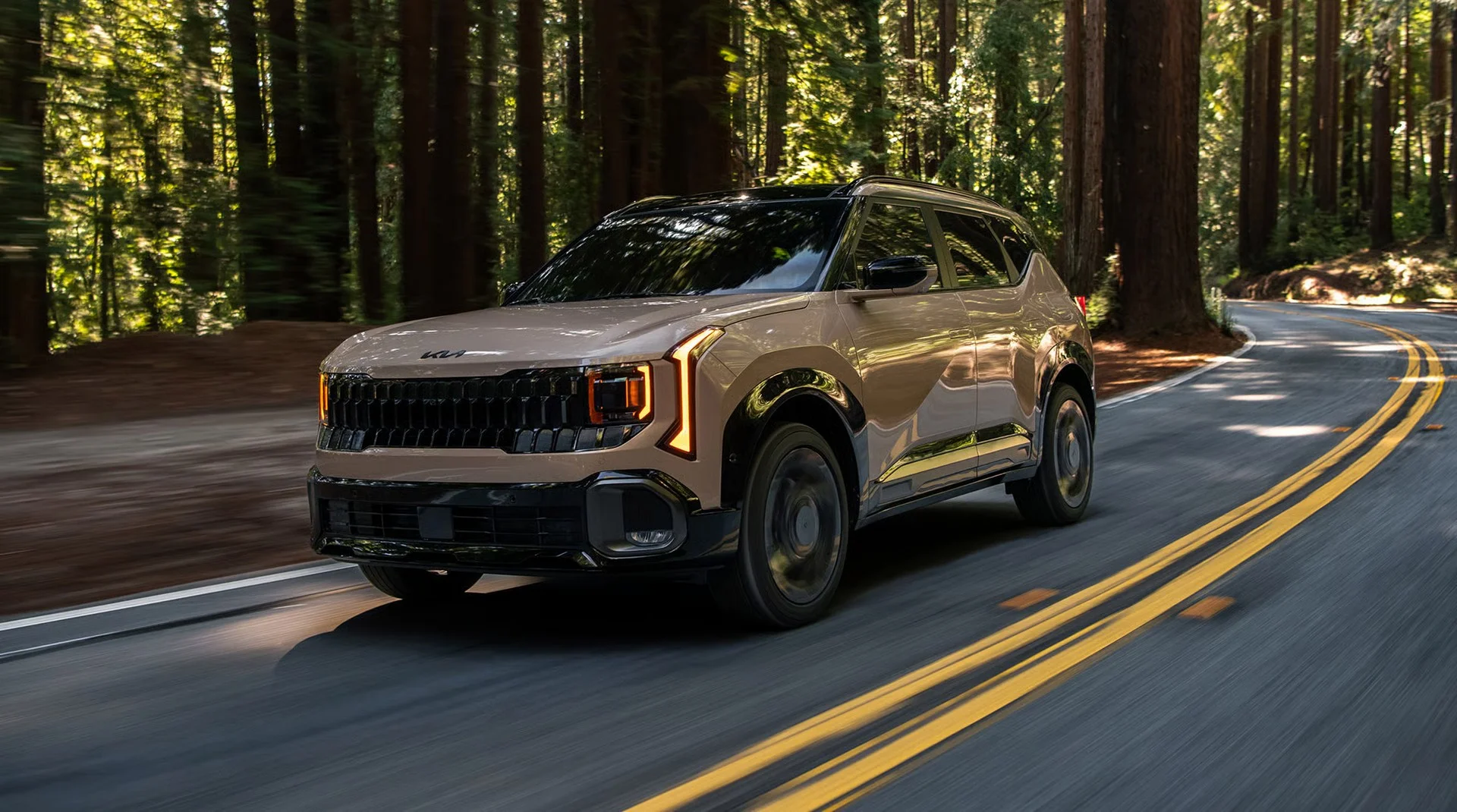
If Kia keeps the hybrid competitively priced, it could attract drivers who want better fuel economy without switching to a fully electric vehicle. A conventional hybrid does not require a charging cable, which makes it convenient for apartment residents and people who park on the street. It also retains the flexibility of gasoline refueling for long trips.
Small crossovers are popular because they can handle commuting, shopping, and weekend activities without requiring a large vehicle. The Seltos may suit couples and small families who need passenger and cargo space but want to avoid a larger monthly payment.
The financial benefit will depend on the price difference between hybrid and gasoline versions. Buyers should estimate how much they could save on fuel and how long it would take to recover any additional upfront cost. Insurance, maintenance, and warranty coverage should also be included.
A more efficient Seltos could appeal to shoppers who want crossover practicality and lower running expenses. Until the hybrid’s final price is confirmed, however, buyers should avoid assuming it will cost the same as the entry-level gasoline model.
7. 2026 Hyundai Venue
The Hyundai Venue is one of the more accessible new crossovers available to American buyers. Its starting manufacturer’s suggested retail price has been listed at approximately $20,550 before freight and other charges, although the final transaction price can be higher. That makes it relevant to shoppers who want a new vehicle without taking on a large loan.
The Venue is designed primarily for city driving and everyday transportation. Its compact size makes parking and maneuvering easier than with a larger SUV, while the raised seating position provides the crossover experience many buyers prefer. For commuters and small households, it can handle daily errands without paying for unnecessary size.
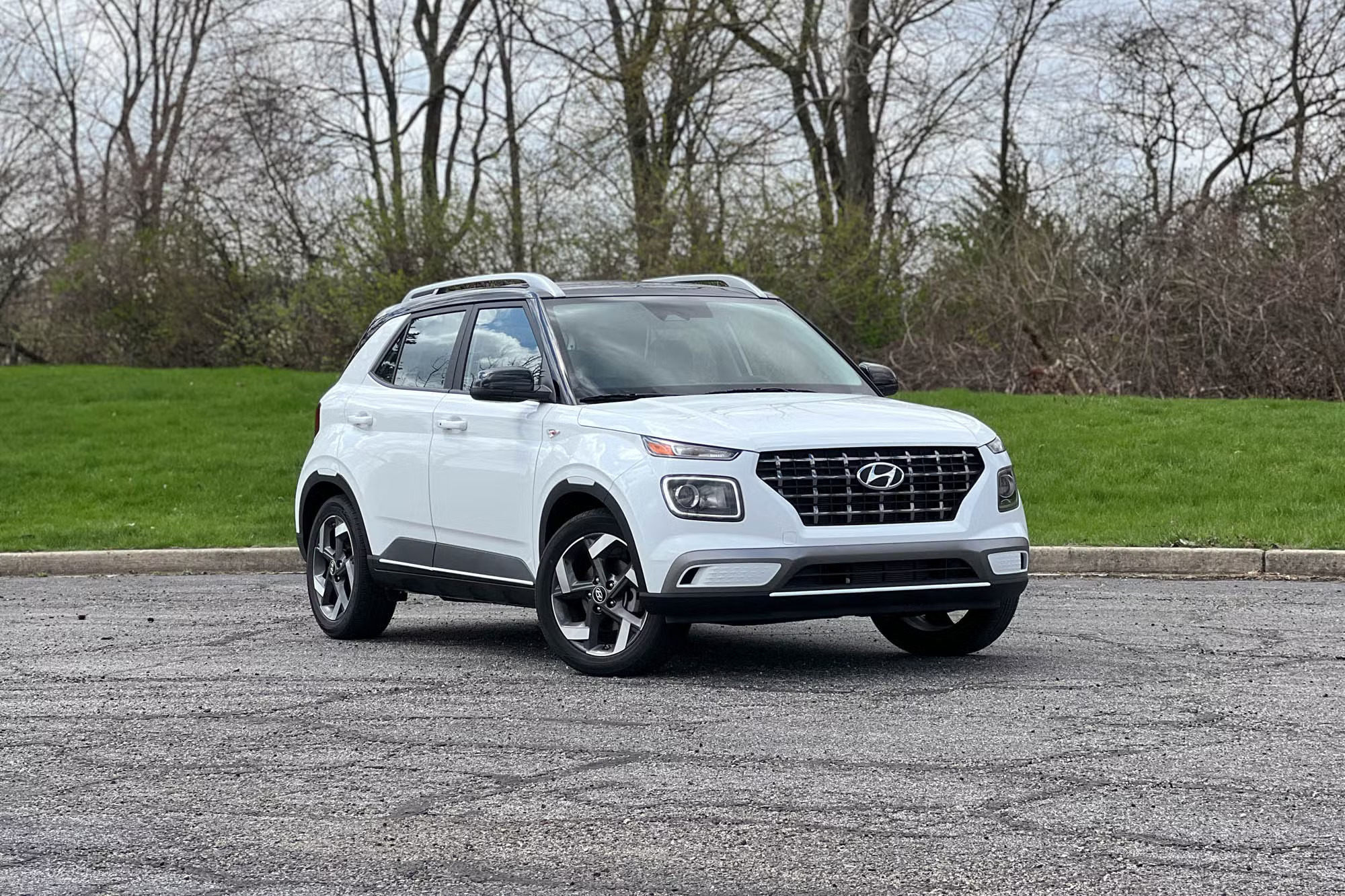
Hyundai has an estimated highway fuel economy of up to 33 mpg, although actual results depend on traffic, speed, weather, and driving habits. Its conventional gasoline powertrain also means owners do not need a home charger or access to public charging stations.
There are compromises. The Venue has less cargo and passenger space than larger SUVs, and its modest performance may be less appealing to drivers who regularly travel on highways with several passengers. Buyers should test-drive it under the conditions they encounter most often.
The advertised starting price excludes several expenses that can increase the final bill. Freight charges, taxes, registration, dealer fees, and optional equipment should all be considered. The base trim may also lack some features included in more expensive versions.
Nevertheless, the Venue illustrates why small gasoline crossovers remain important as new-car prices rise. It offers a manageable entry price, useful fuel economy, and straightforward everyday transportation. For shoppers who prioritize affordability over size and luxury, it is worth considering.
8. 2027 Kia K4
The Kia K4 is a compact sedan aimed at buyers who want contemporary styling and everyday technology without paying midsize-car prices. The entry-level K4 has been listed at approximately $22,390 before destination charges, although the final amount will be higher once applicable fees and taxes are included.
Sedans remain practical for many households. They generally have a lower profile than SUVs, can be easier to park, and often deliver useful fuel economy. Drivers who do not need extra ground clearance or a tall cargo area may find that a compact sedan offers better value than a similarly priced crossover.
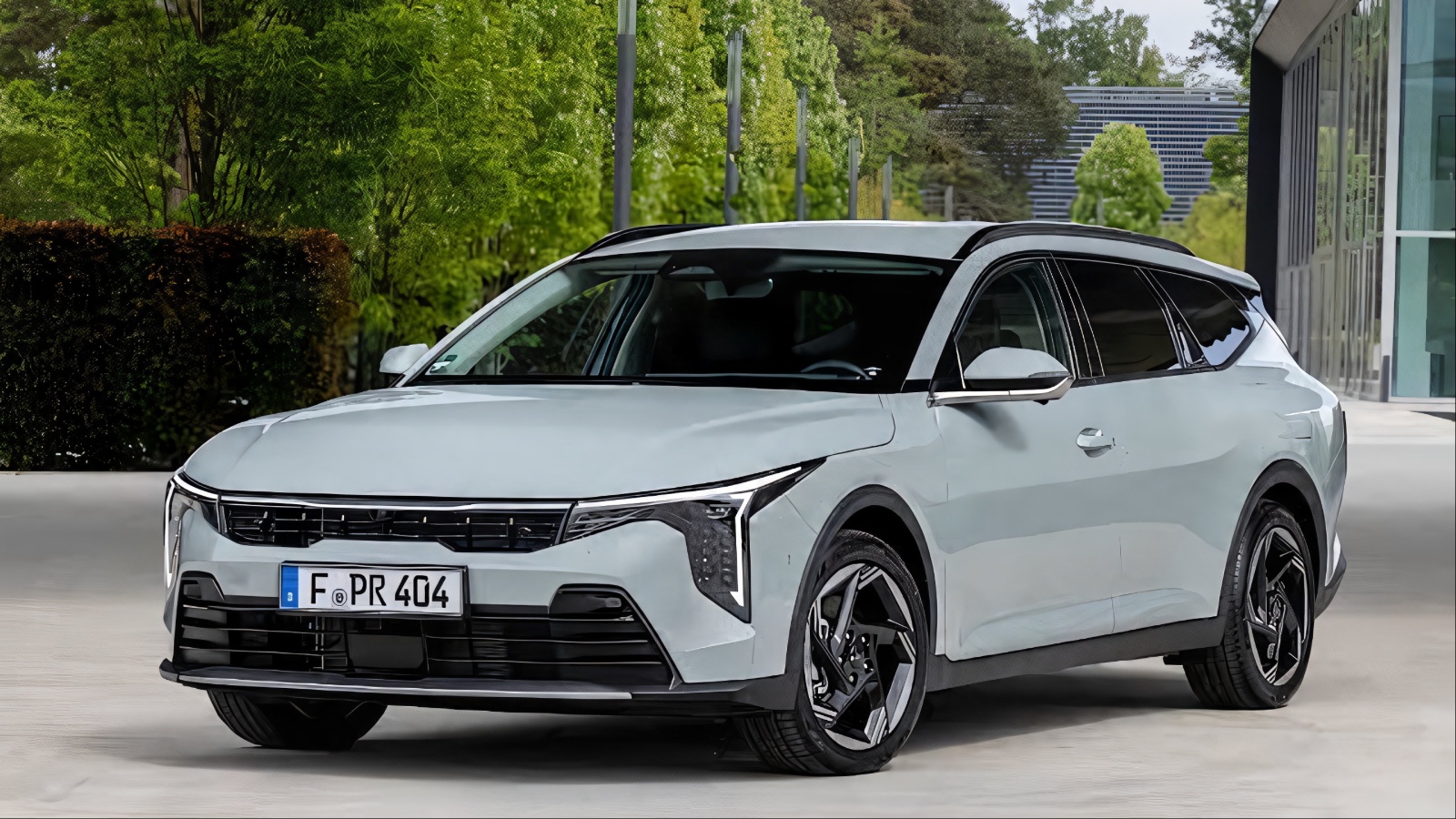
The K4 combines an accessible starting price with a modern design and a range of convenience features. However, buyers should check the equipment included in the base trim. Safety technology, infotainment features, and comfort items can vary, and moving to a higher trim can substantially increase the price.
Affordability also depends on financing. A dealership may advertise a low monthly payment by extending the loan term or requiring a larger down payment. Comparing the total amount paid over the full loan period is more useful than focusing exclusively on the monthly figure.
The K4 competes with the Toyota Corolla, Hyundai Elantra, and Nissan Sentra. Each offers a different combination of equipment, fuel economy, warranty coverage, and resale prospects. Buyers should compare equivalent trims rather than choosing based on advertised starting prices alone.
For shoppers who want a new sedan at a manageable price, the K4 deserves attention. Choosing a version with essential safety and convenience features while avoiding unnecessary upgrades can help keep the purchase within budget.
9. 2027 Nissan Sentra
The Nissan Sentra remains an option for buyers who want a practical compact sedan without paying for a larger crossover. The 2026 Sentra S has been listed at approximately $23,845, including destination charges. The final pricing for the 2027 model may differ, so shoppers should confirm the applicable figures before visiting a dealership.
Compact sedans are useful for commuters because they are generally easy to maneuver and park. Their conventional gasoline powertrains also avoid the need for external charging equipment. For drivers who primarily travel on paved roads and do not require a large cargo area, a sedan can provide everyday transportation at a reasonable price.
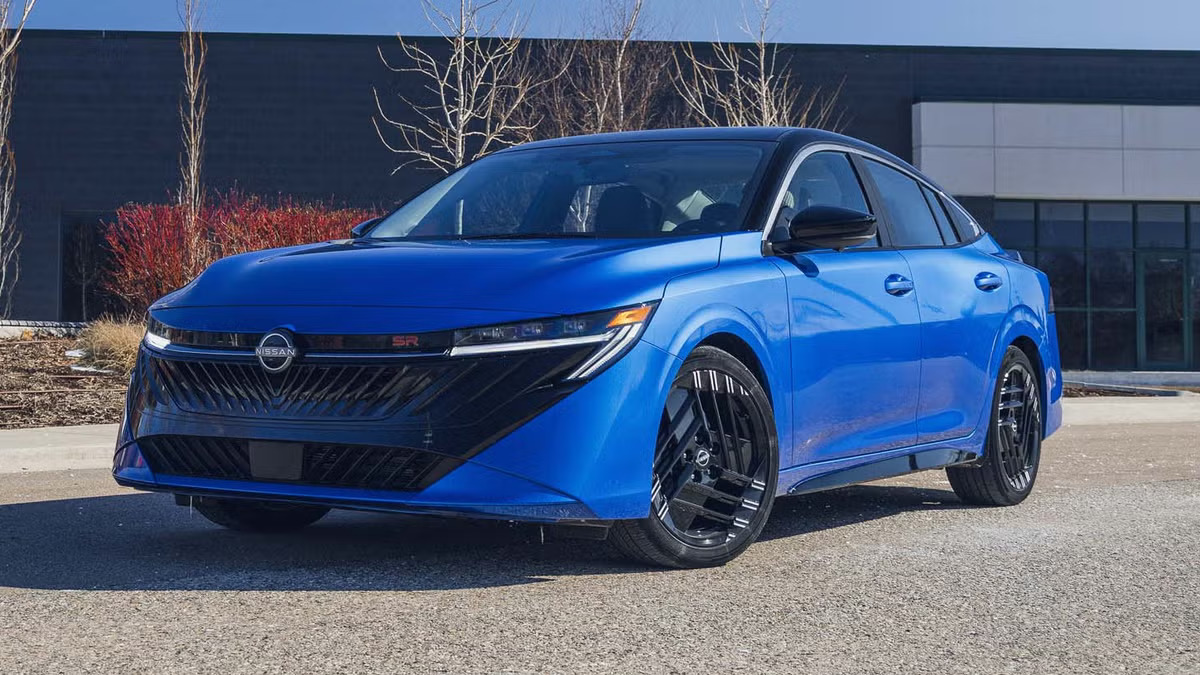
The Sentra competes with the Kia K4, Hyundai Elantra, and Toyota Corolla. Buyers should compare fuel economy, passenger space, standard safety features, warranty coverage, and resale value. These differences can matter more over several years than a small gap in the initial purchase price.
The entry-level trim deserves particular attention. An attractive advertised price may correspond to a vehicle with fewer convenience features than a buyer expects. Before moving up to a more expensive version, shoppers should identify which features are genuinely necessary.
Financing can also change the affordability calculation. A longer loan may lower monthly payments but increase the total interest paid. Buyers should obtain multiple financing offers and compare the full cost rather than stretching their budgets to afford a higher trim.
The Sentra’s appeal is straightforward: it offers familiar transportation in a segment that still prioritizes value. If the next model year remains competitively priced, it could suit households that want a new car while avoiding the cost of a large SUV.
10. 2026 Hyundai Elantra
The Hyundai Elantra is another compact sedan worth considering for buyers who want a new vehicle at a relatively accessible price. The 2026 Elantra SE has been listed at approximately $24,120, including destination charges. Taxes, registration, dealer fees, and optional equipment will raise the final cost, but the starting price remains below that of many new crossovers.
The Elantra provides a practical balance of passenger space, fuel economy, and everyday comfort. It can handle commuting, errands, and longer trips without the additional size and expense of an SUV. For small households, this means paying for the transportation they need instead of purchasing a larger vehicle for occasional use.
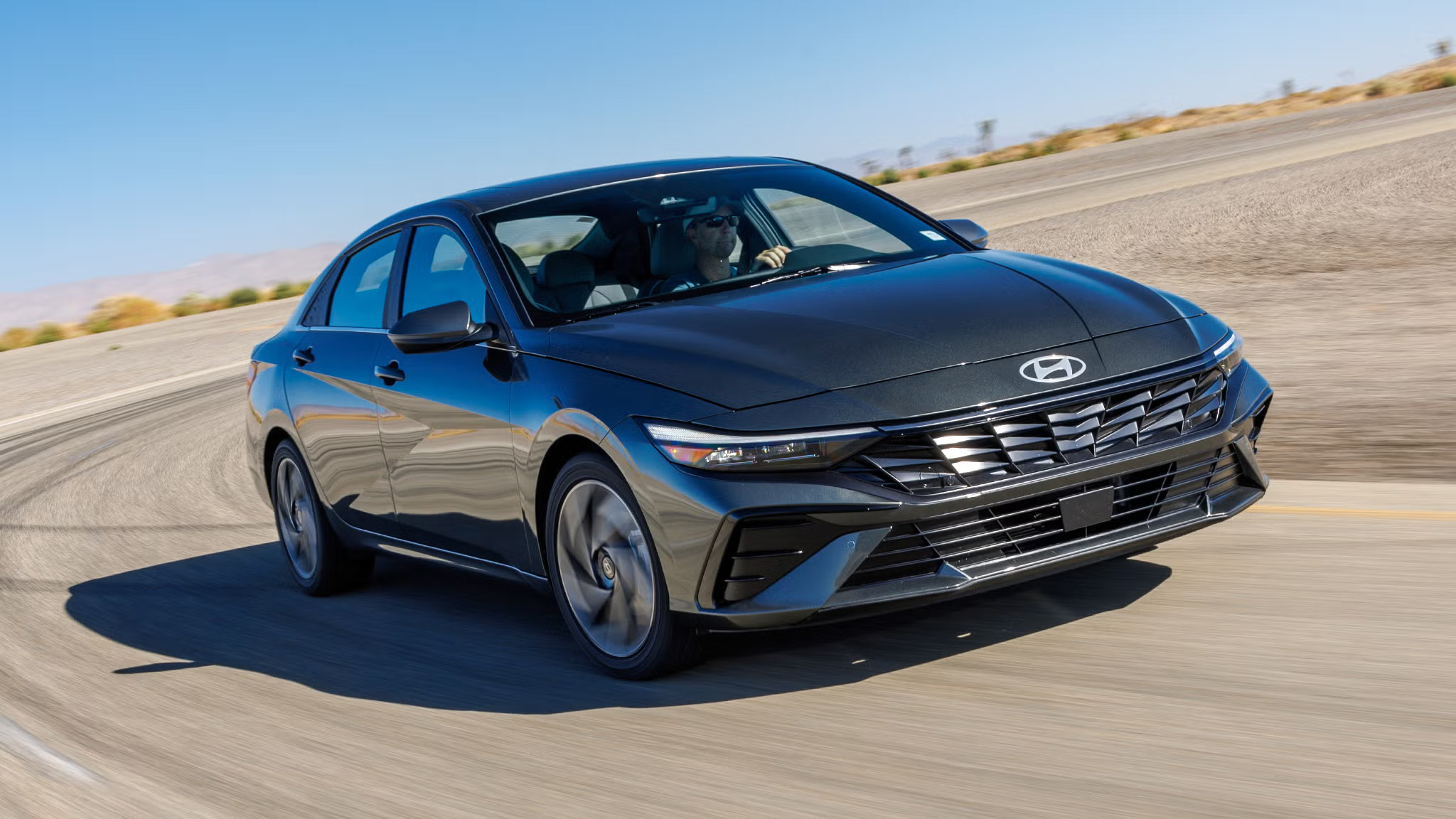
Hyundai’s mainstream lineup offers modern connectivity and safety technology, although equipment depends on the specific trim. Buyers should verify which driver-assistance systems, infotainment features, and convenience items come standard before making a decision.
The Elantra competes directly with the Corolla, K4, and Sentra. A slightly higher purchase price may be justified if a vehicle offers better equipment or lower operating costs, but shoppers should compare actual specifications rather than assume all entry-level models are equivalent.
Insurance premiums and financing rates also affect affordability. Getting insurance quotes before signing a purchase agreement can help prevent unexpected expenses. Buyers should be cautious about extending loan terms simply to make a more expensive trim appear affordable.
For drivers who want a conventional new sedan with modern features, the Elantra remains a strong candidate. Choosing the right trim, negotiating the final price, and avoiding unnecessary add-ons can make ownership more manageable.
11. 2026 Toyota Corolla
The Toyota Corolla remains one of the most recognizable choices in the compact-car segment. The 2026 Corolla has been listed with a starting price of approximately $23,125, while the Corolla Hybrid starts at around $24,975. These are suggested retail prices, and additional charges may increase the final purchase amount.
The Corolla’s appeal comes from its practical size and established position in the market. It can handle daily commuting, errands, and longer trips without the cost or footprint of a large SUV. For buyers who need straightforward transportation rather than extra size and luxury features, a compact sedan can be a sensible choice.
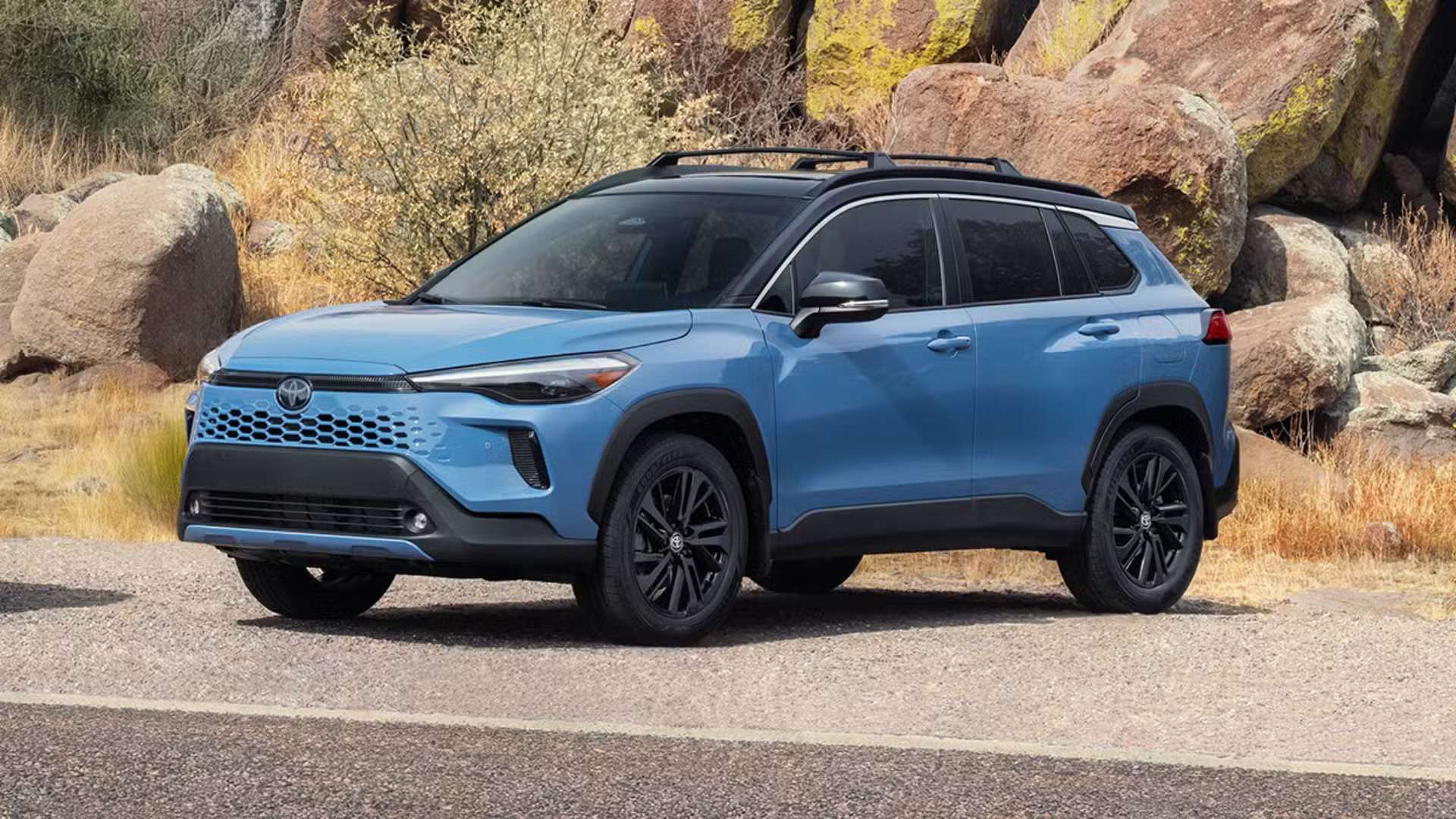
The hybrid version adds an efficiency advantage. Depending on configuration, the Corolla Hybrid has been rated at approximately 53 mpg in the city and 46 mpg on the highway. Those figures can make it appealing to drivers who cover substantial annual mileage, particularly in urban areas.
However, the hybrid’s higher purchase price should be compared with expected fuel savings. Someone who drives only a few thousand miles annually may take longer to recover the difference. A commuter who travels long distances regularly could benefit more, depending on gasoline prices and driving conditions.
The Corolla competes with affordable sedans from Kia, Hyundai, and Nissan. Buyers should compare standard safety equipment, warranty coverage, interior comfort, and final pricing instead of relying entirely on reputation.
Insurance, financing, maintenance, tires, and depreciation all contribute to ownership costs. A vehicle with a slightly higher purchase price may still offer competitive value, but potential savings should be evaluated realistically.
For shoppers who want a compact car with gasoline and hybrid options, the Corolla remains a sensible choice. Matching the powertrain to annual mileage and selecting an appropriate trim can help keep the total cost under control.
12. 2027 Volkswagen Jetta
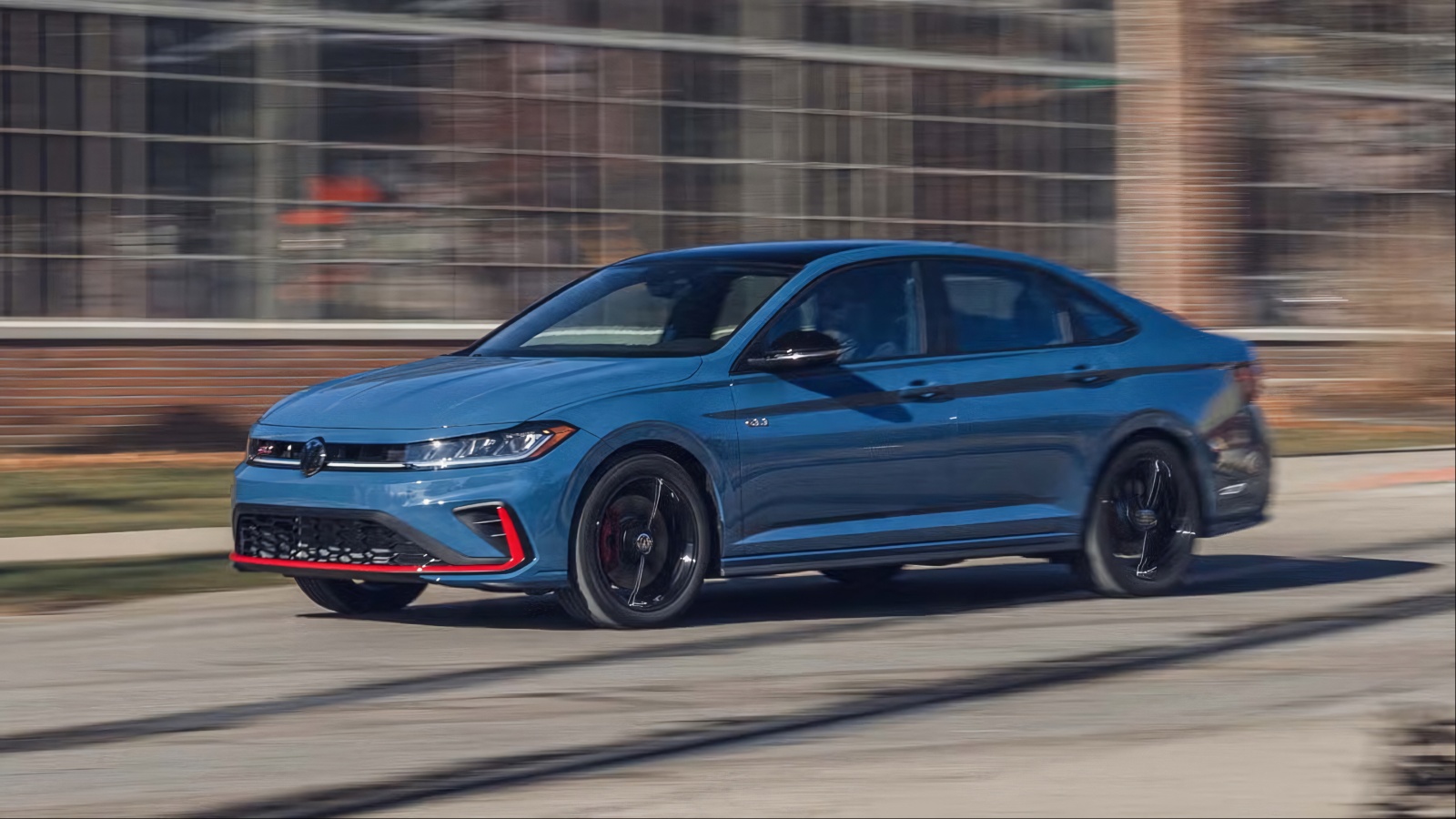
The Volkswagen Jetta offers another option for buyers who prefer a compact sedan to a crossover. The 2026 Jetta 1.5T S has been listed at approximately $25,270, including destination charges. Pricing for the 2027 model may change, so shoppers should verify the final amount for the specific trim they intend to purchase.
The Jetta is designed for everyday transportation, offering a conventional sedan layout suited to commuting and routine family use. Its compact dimensions can make parking easier than with a larger SUV, and buyers avoid paying for cargo space or ground clearance they may rarely need.
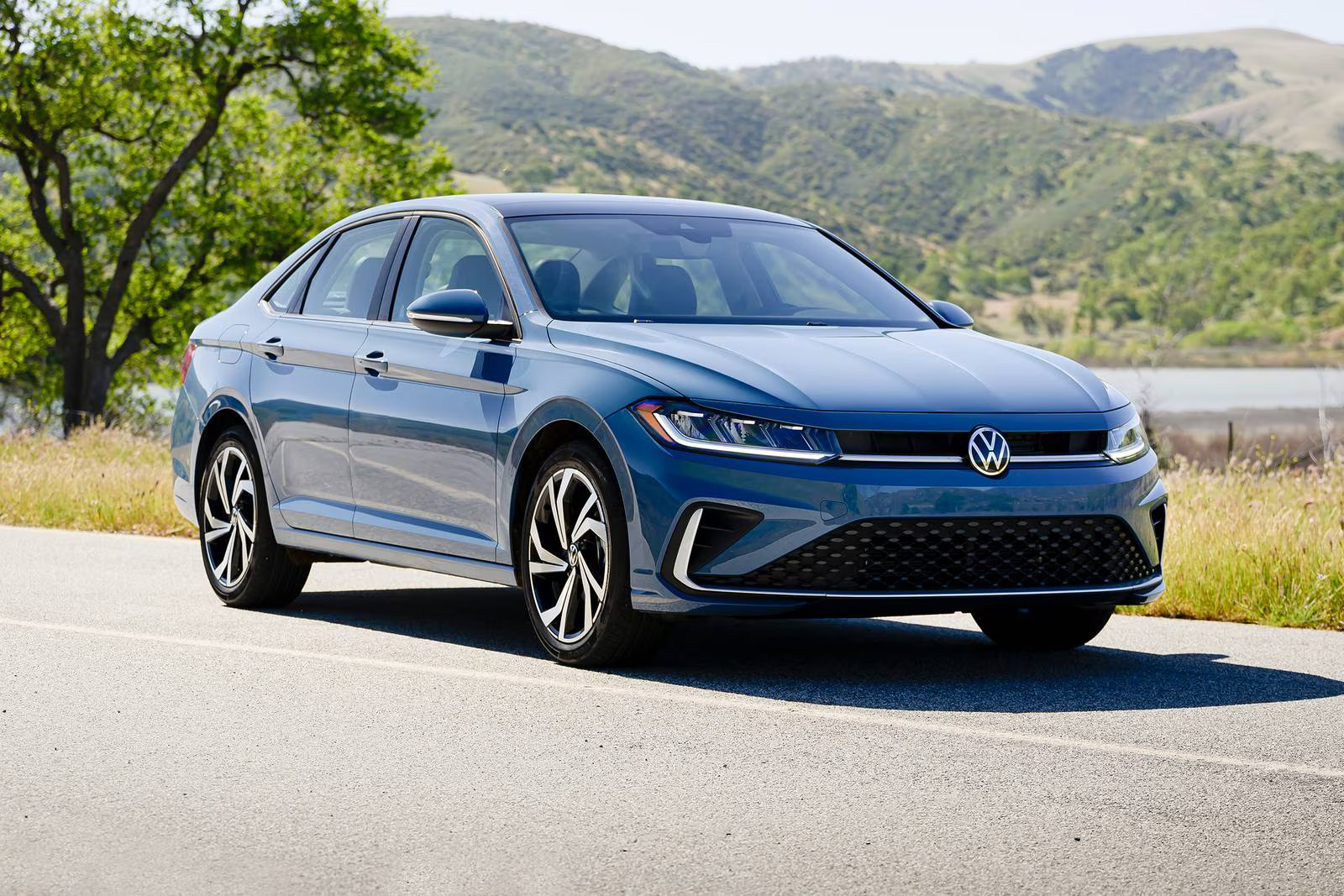
For budget-conscious shoppers, the base trim is the logical starting point. Higher trims may add comfort, technology, and appearance upgrades, but they also increase the purchase price. Buyers should determine which features will improve their daily driving experience before paying for optional equipment.
Fuel economy, insurance, maintenance, and financing should be compared alongside the sticker price. Vehicles with similar starting prices can have different ownership expenses, and those differences accumulate over several years. Obtaining insurance quotes and reviewing maintenance schedules can help buyers make a more informed choice.
The Jetta competes with the Corolla, Elantra, K4, and Sentra. Each model offers its own balance of price, equipment, driving experience, and expected resale value. Test-driving several vehicles can reveal differences in comfort and handling that specifications alone cannot communicate.
The Jetta is not the cheapest vehicle on this list, but it remains an option for buyers who want a new compact sedan without moving into a higher-priced category. Its value depends on the negotiated price, included equipment, and total ownership costs rather than the advertised starting figure alone.
