
Software updates are changing how modern cars work, giving owners access to new features without visiting a dealership or purchasing a different vehicle. Automakers increasingly use over-the-air technology to improve infotainment systems, driver assistance, battery management, navigation, and everyday convenience.
Some updates introduce functions that were not available when a vehicle first reached customers, making software an important part of vehicle ownership. From electric cars to technology-focused SUVs, several manufacturers have demonstrated how updates can improve existing models.
Here are nine cars that received new features through software updates, based on announcements and developments from their manufacturers.
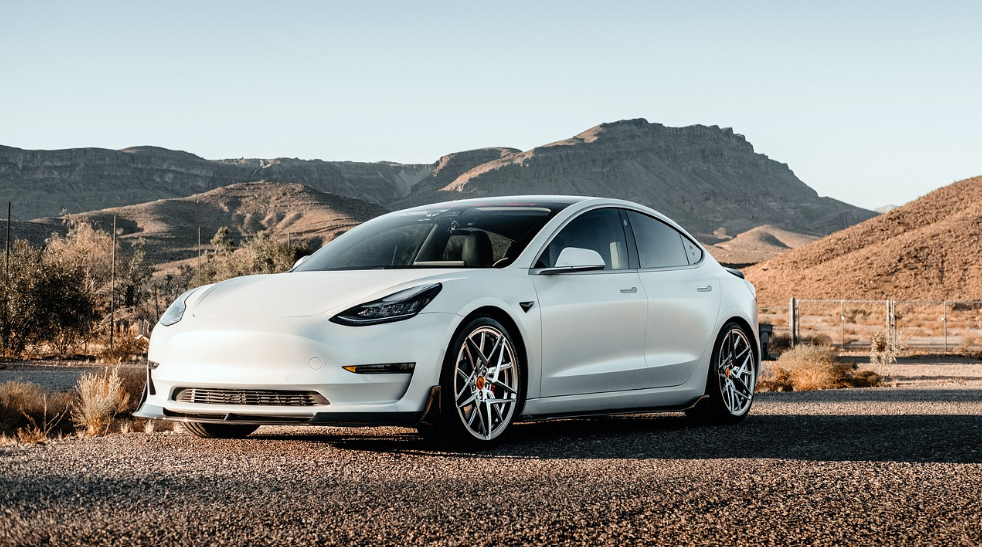
1. Tesla Model 3: New Driving and Entertainment Features Through Software Updates
Tesla has built much of its vehicle ownership experience around software updates. The Model 3 is a prominent example of a car that can receive new functions through over-the-air installations. Rather than requiring owners to visit a service centre for every software improvement, Tesla can distribute compatible updates directly to the vehicle.
These installations can introduce interface changes, driving adjustments, entertainment options and improvements to existing systems. This approach allows the company to continue developing the vehicle after its original purchase.
An example is Track Mode, which Tesla introduced for the Model 3 Performance through a software update in 2018. The feature was designed for drivers who wanted greater control over vehicle behaviour on closed circuits.
It adjusts several vehicle systems, including power distribution and stability control, to provide a more performance-focused driving experience. The update demonstrated that software could influence how a car behaves rather than simply changing the appearance of its touchscreen interface.
Tesla has also introduced entertainment-related features through software updates. Depending on the model, hardware and software version, owners can access features such as video streaming services, music applications, games and additional touchscreen functions.
These additions make the central display more versatile when the vehicle is parked. The availability of individual entertainment services can vary according to regional restrictions, subscriptions and vehicle configurations, but the broader approach remains consistent across Tesla’s software ecosystem.
The company has also used updates to improve convenience and security. Sentry Mode, for example, uses the vehicle’s external cameras and security systems to monitor its surroundings when parked. Tesla introduced this functionality through a software update, giving compatible vehicles an additional security feature.
Subsequent software improvements have expanded the user experience through interface adjustments and additional controls. Such developments show how connected vehicle technology can add practical functions after a car has already been delivered.
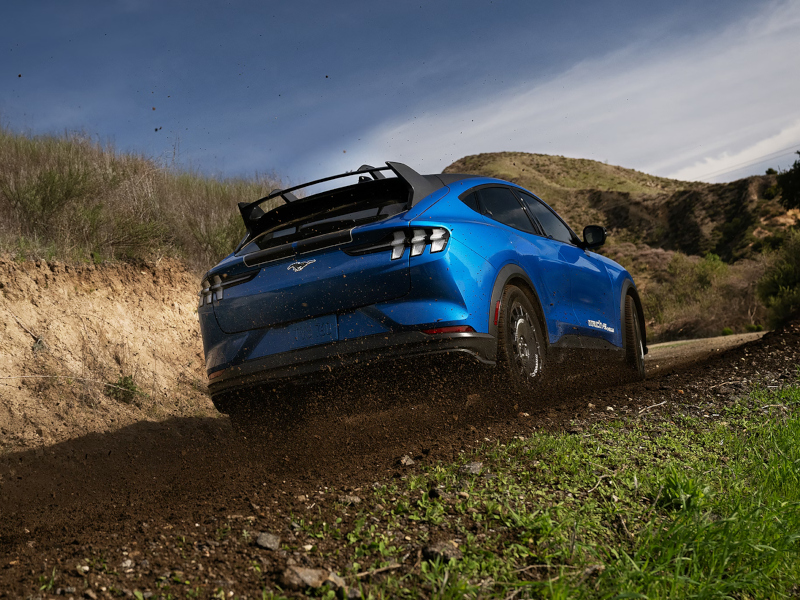
2. Ford Mustang Mach-E: BlueCruise Improvements Through Over-the-Air Updates
The Ford Mustang Mach-E has received several software improvements since its introduction. Ford designed the electric SUV with connected technology that allows compatible vehicles to receive certain updates remotely.
These updates cover different aspects of the driving experience, including infotainment, vehicle controls and advanced driver assistance. The Mustang Mach-E is particularly interesting because Ford has used software updates to improve its BlueCruise hands-free driving assistance technology.
BlueCruise allows drivers to operate their vehicles hands-free on designated sections of compatible highways while continuing to monitor the road. The system uses cameras and sensors to help maintain lane position and manage driving tasks under supported conditions.
Ford has continued developing the technology through different software generations. These improvements have helped make the system more capable and responsive on suitable roads, subject to the applicable safety requirements and driver-monitoring procedures.
Ford announced BlueCruise 1.3 as an important improvement for compatible vehicles, including eligible Mustang Mach-E models. The updated system introduced refinements intended to improve its operation in more driving situations.
Among the improvements were better performance through curves, more consistent operation and enhanced lane-positioning behaviour. The objective was to make highway assistance feel more natural while maintaining the requirement for drivers to remain attentive and ready to take control.
The Mustang Mach-E also benefits from Ford’s wider connected vehicle update programme. Depending on the vehicle’s model year and equipment, software installations can improve the SYNC infotainment experience, navigation functions and other electronic systems.
Ford has gradually expanded its ability to deliver updates remotely, reducing the need for customers to arrange dealership appointments for compatible software changes. Owners can manage available updates through the vehicle’s settings and connected services.
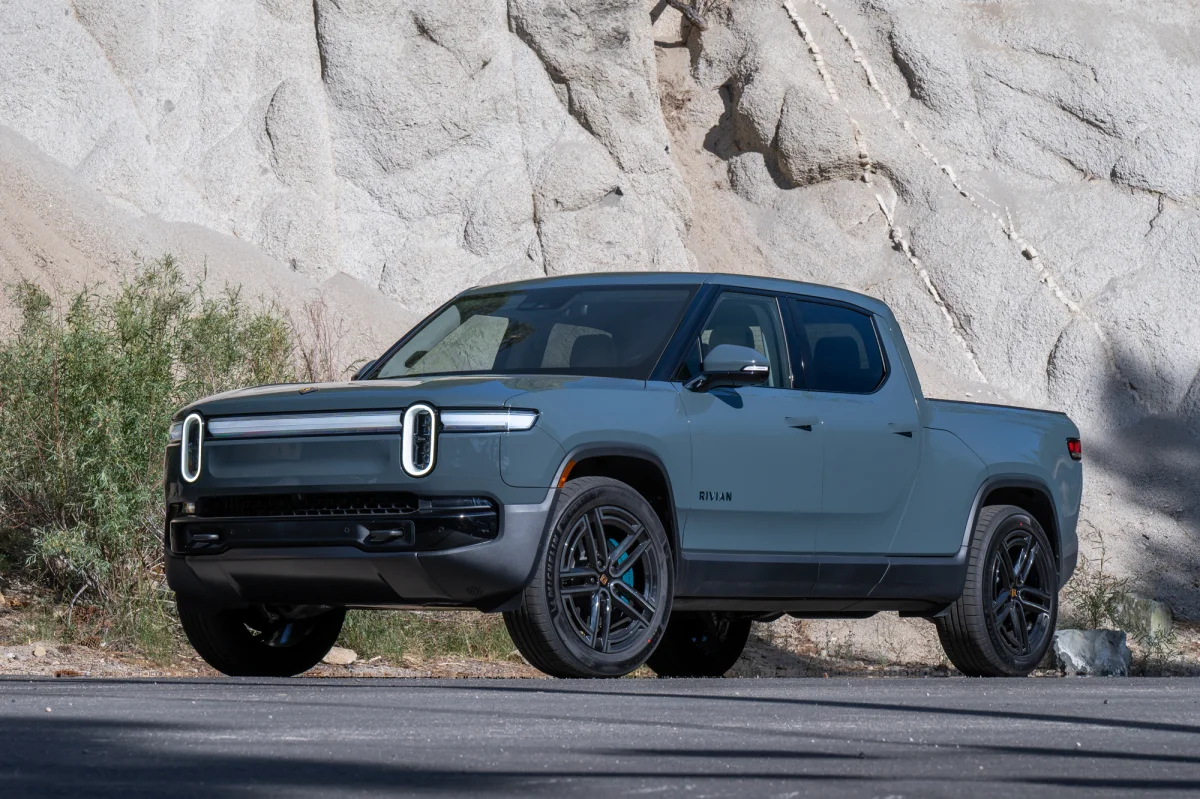
3. Rivian R1T: New Convenience and Vehicle Control Features
The Rivian R1T is another vehicle that demonstrates the benefits of software-based improvements. Rivian designed its electric pickup with a connected software architecture that supports over-the-air updates.
This allows the manufacturer to introduce new vehicle functions, adjust existing settings and improve the user interface after delivery. The company’s update programme has focused on making the R1T more convenient for daily driving, outdoor activities and different road conditions.
A particularly useful addition is Kneel Mode, which lowers the vehicle’s suspension when parked. The feature makes it easier for passengers to enter and exit the pickup, especially when the vehicle is equipped with adjustable air suspension.
It can also make loading and unloading certain items more convenient. Rivian introduced suspension-related improvements through software, demonstrating how electronically controlled vehicle components can gain additional functionality without requiring a complete mechanical redesign.
Rivian has also introduced improvements connected to Camp Mode and vehicle comfort. Camp Mode is designed for owners who use their electric vehicles during outdoor trips and overnight stays.
It provides controls intended to support a more comfortable parked experience, including adjustments to vehicle systems and settings. Software improvements have helped refine this experience and provide owners with greater control over the vehicle when it is being used away from traditional accommodation.
The R1T has also received software improvements for its infotainment system and vehicle management functions. Rivian has updated touchscreen interfaces, controls and connected services to make information easier to access.
These changes matter because electric pickups often serve several purposes, from everyday commuting to recreational activities and demanding outdoor journeys. A well-organised interface can help drivers manage charging, vehicle settings and trip information without unnecessary complexity.
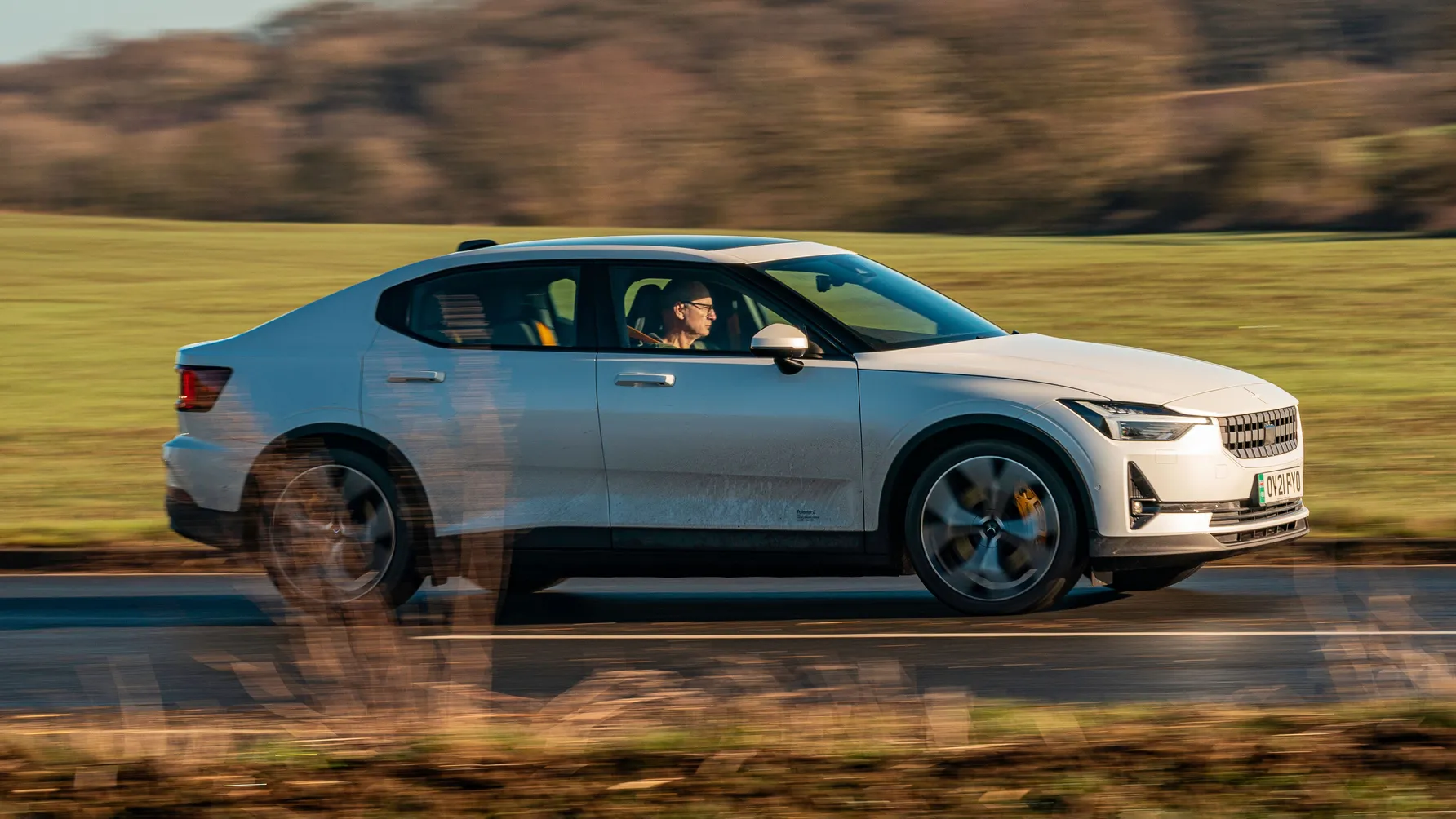
4. Polestar 2: Apple CarPlay and Improved Digital Connectivity
The Polestar 2 has gained several important features through software updates. The electric fastback was developed with a strong emphasis on digital connectivity, using an infotainment platform based on Android Automotive OS.
This operating system allows compatible applications and services to work directly through the vehicle’s touchscreen. Polestar has continued improving the system through over-the-air updates, giving owners access to additional functions without needing to replace the original infotainment hardware.
A significant addition arrived in June 2022, when Polestar announced that Apple CarPlay would become available in the Polestar 2 through an over-the-air software update. Before this addition, owners who preferred Apple’s smartphone ecosystem had fewer options for integrating their devices with the vehicle’s main infotainment experience.
The update addressed that requirement and gave compatible customers access to familiar Apple services through the car’s display.
Apple CarPlay allows users to access supported applications, make calls, send messages and use navigation services through a compatible interface. Drivers can also use Siri for supported voice commands, reducing the need to interact directly with their smartphones while driving.
The integration makes the infotainment system more flexible because customers can choose between the vehicle’s native Android Automotive environment and Apple’s connected smartphone experience.
Polestar has also used software updates to improve other parts of the Polestar 2 ownership experience. These changes have included refinements to the infotainment system, vehicle settings, charging information and connected functions.
The manufacturer has continued developing its digital platform as customer expectations have changed. Software updates are particularly valuable in electric cars because navigation, battery information and charging tools play an important role in planning longer journeys.
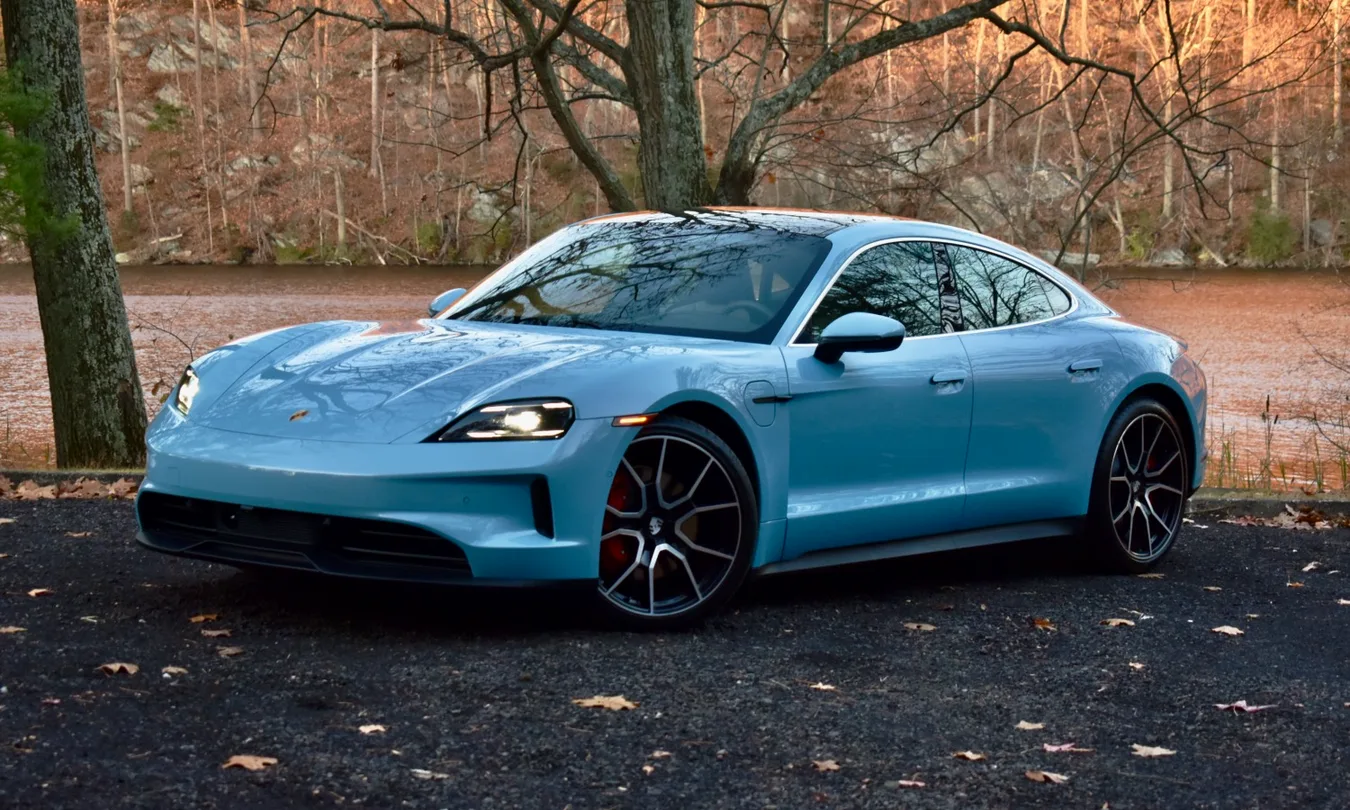
5. Porsche Taycan: Performance and Charging Improvements Through Software
The Porsche Taycan has received software improvements intended to enhance performance, charging and everyday usability. Porsche has treated software development as an important part of the electric sports car’s ownership experience.
This is particularly relevant because electric vehicles rely heavily on electronic control systems to manage power delivery, battery temperature and energy consumption. Improvements to these systems can influence how the vehicle performs under different conditions.
Porsche announced a comprehensive software update for earlier Taycan model years, including compatible 2020 to 2022 vehicles. The update brought improvements to different areas of the car, with changes involving the powertrain, infotainment and charging experience.
The manufacturer aimed to bring several developments associated with newer Taycan production versions to existing customers. This approach allowed eligible owners to benefit from technical refinements without immediately replacing their vehicles.
Powertrain optimisation was an important part of the update programme. Electric motors and battery management systems depend on sophisticated software to deliver power efficiently. Adjustments to these control systems can improve vehicle responsiveness and energy management.
Porsche’s software improvements were intended to refine the driving experience, with specific benefits varying according to the vehicle’s configuration and the update installed. These developments demonstrate the importance of electronic control in modern performance vehicles.
Charging functionality has also been an important area of development for the Taycan. Porsche has worked on improving battery preparation, charging management and the vehicle’s interaction with compatible charging infrastructure.
Features such as Plug & Charge simplify the charging process at supported stations by allowing the vehicle and charging equipment to authenticate automatically. Availability depends on the charging provider, regional infrastructure and vehicle configuration, but the technology can make electric vehicle ownership more convenient.
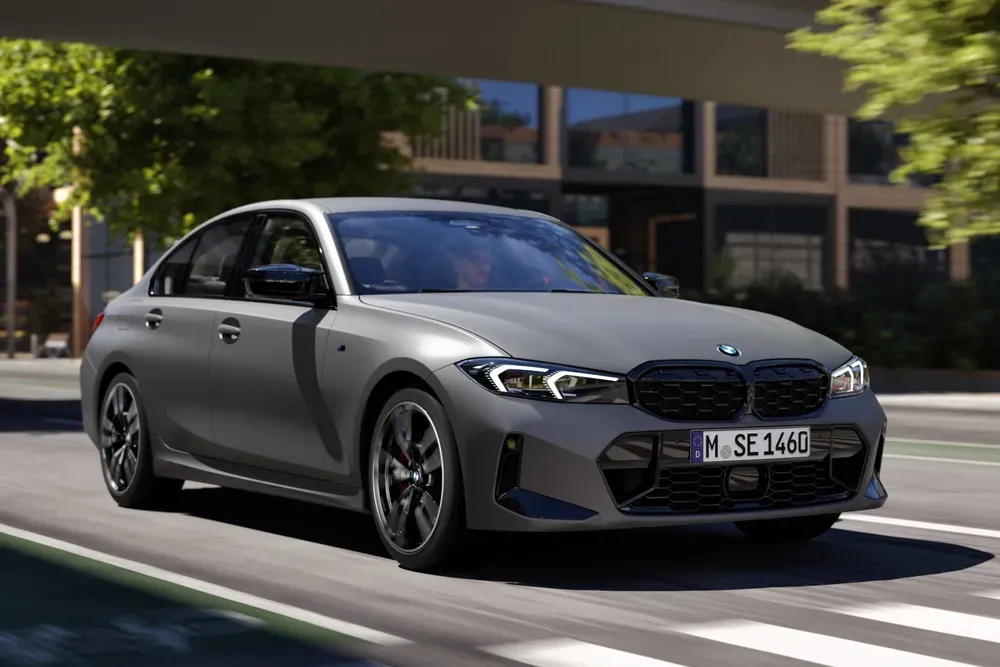
6. BMW 3 Series: Android Auto Added Through a Software Update
The BMW 3 Series has benefited from the manufacturer’s Remote Software Upgrade programme. BMW has increasingly used connected technology to deliver improvements to vehicle functions without requiring customers to visit a dealership.
This approach is particularly useful for infotainment systems because smartphone applications, navigation services and digital connectivity continue to develop. Software updates allow manufacturers to introduce compatible features while maintaining the existing vehicle hardware.
A notable example came in 2020, when BMW announced the introduction of wireless Android Auto for compatible vehicles through a software update. The feature gave eligible BMW owners a new way to connect their Android smartphones to the vehicle’s infotainment system.
Previously, smartphone integration options depended on the available equipment and software configuration. Android Auto expanded the choice for customers who preferred Google’s smartphone platform.
Wireless Android Auto allows compatible smartphones to connect without requiring a physical USB cable for regular use. Once connected, drivers can access supported navigation applications, music services, communication tools and other compatible functions through the vehicle’s display.
Voice commands can also be used for supported tasks. This arrangement helps drivers keep their attention on the road while benefiting from smartphone connectivity.
BMW’s Remote Software Upgrade system also supports improvements beyond smartphone integration. Depending on the model and installed equipment, updates can introduce interface refinements, improve system performance, and adjust vehicle functions.
The company has developed its connected services to make software installations more convenient. Owners can receive notifications about available updates and follow the installation process using the vehicle’s infotainment interface or compatible BMW applications.
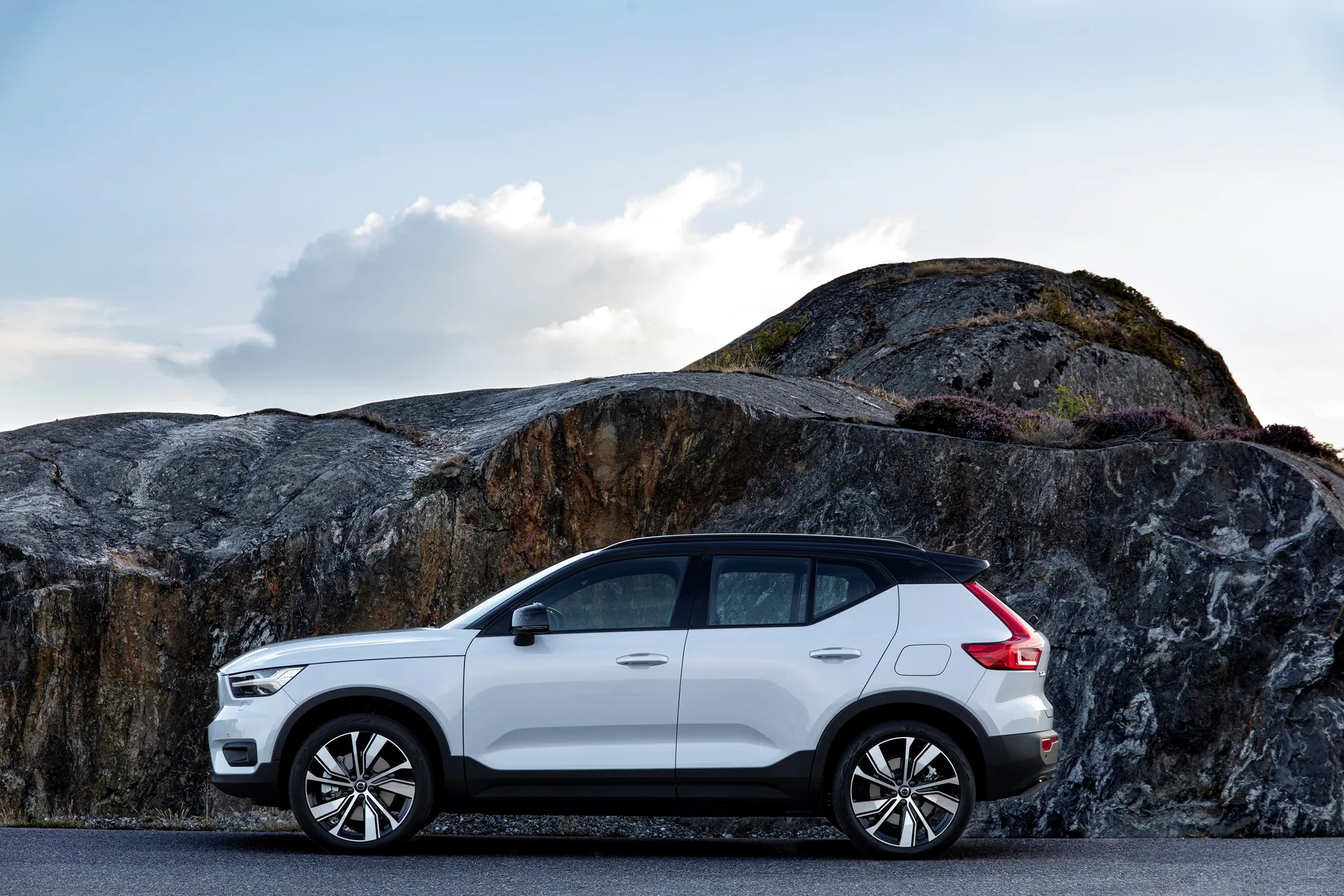
7. Volvo XC40 Recharge: New Electric Vehicle Functions Through OTA Updates
The Volvo XC40 Recharge has been part of Volvo’s transition towards connected electric vehicles. The company introduced the model with an infotainment system based on Android Automotive OS, bringing Google services directly into the vehicle.
This platform made it possible for Volvo to improve the digital experience through software updates. The XC40 Recharge therefore became an example of how manufacturers can use connected technology to introduce additional functionality after a vehicle reaches customers.
Volvo has used over-the-air updates to improve the XC40 Recharge’s infotainment and connected services. These updates have covered system performance, application compatibility and vehicle-related information.
The Android-based platform gives customers access to supported Google services, including Google Maps and Google Assistant, depending on the market. This integration provides a familiar digital environment and helps drivers manage navigation and other functions through the vehicle’s central display.
Range Assistant is another important development associated with Volvo’s electric vehicle software. The application is designed to help drivers understand energy consumption and estimate the distance their vehicle can travel with the remaining battery charge. It can provide information based on driving behaviour and conditions.
Such tools are particularly useful for electric vehicle owners because available range can change according to speed, temperature, road conditions and climate control usage.
Volvo has also worked on improving battery and charging-related functions through software development. Accurate charging information and reliable range estimates can help drivers plan journeys with greater confidence.
Navigation integration is particularly useful because electric vehicle drivers often need to consider charging stops during longer trips. Software refinements can make this information easier to understand and help customers use their vehicles more efficiently.
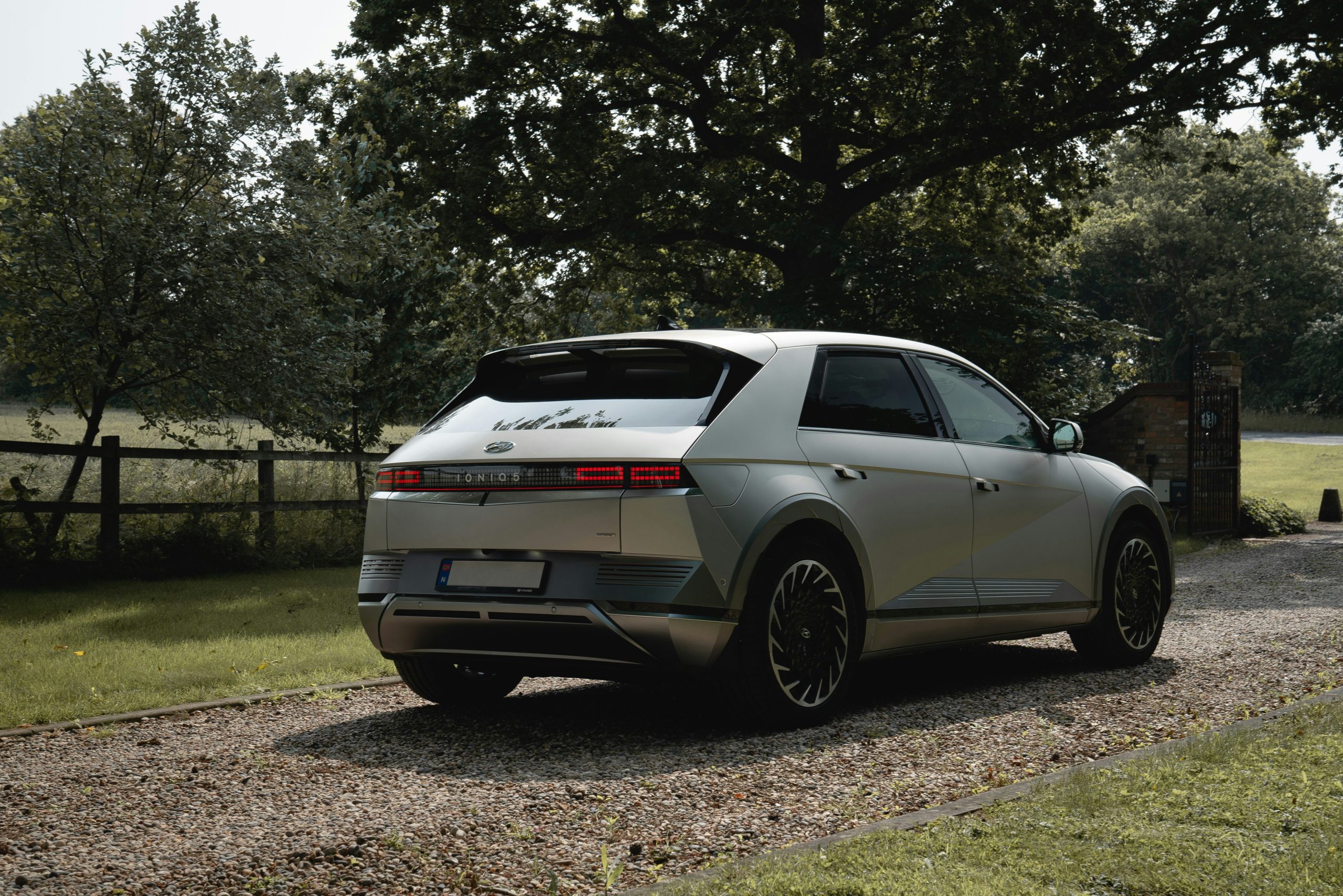
8. Hyundai IONIQ 5: Battery Conditioning and Charging Technology Improvements
The Hyundai IONIQ 5 has received important software improvements since its introduction. As a vehicle built on Hyundai’s dedicated electric platform, it relies on electronic systems to manage battery performance, charging and energy consumption.
Hyundai has continued developing these systems through software improvements and technical updates. Some of the changes have focused on improving charging behaviour, particularly in colder weather when battery temperature can affect fast-charging performance.
Battery preconditioning is an important feature for electric vehicle owners who regularly use high-power charging stations. The function prepares the battery by bringing it closer to a suitable temperature before a planned charging stop. This can help the battery accept charging power more effectively under appropriate conditions.
Hyundai introduced battery conditioning functionality for compatible IONIQ 5 vehicles through a software update programme, addressing a practical requirement identified by electric vehicle customers.
The importance of this feature becomes clearer during winter. Low temperatures can affect battery chemistry and reduce the charging speed available at public fast-charging stations. When the battery is too cold, the vehicle may limit charging power to protect the battery system.
Preconditioning helps manage this issue by preparing the battery before the vehicle reaches the charging location. The actual charging performance still depends on battery temperature, charger capacity and other operating conditions.
Hyundai’s update programme has also covered infotainment and navigation improvements. The IONIQ 5 includes a connected digital system that supports navigation, vehicle information and selected connected services. Software refinements can help improve the way drivers interact with these systems.
Navigation information is especially important in electric vehicles because drivers need reliable route planning and access to charging locations when travelling longer distances.
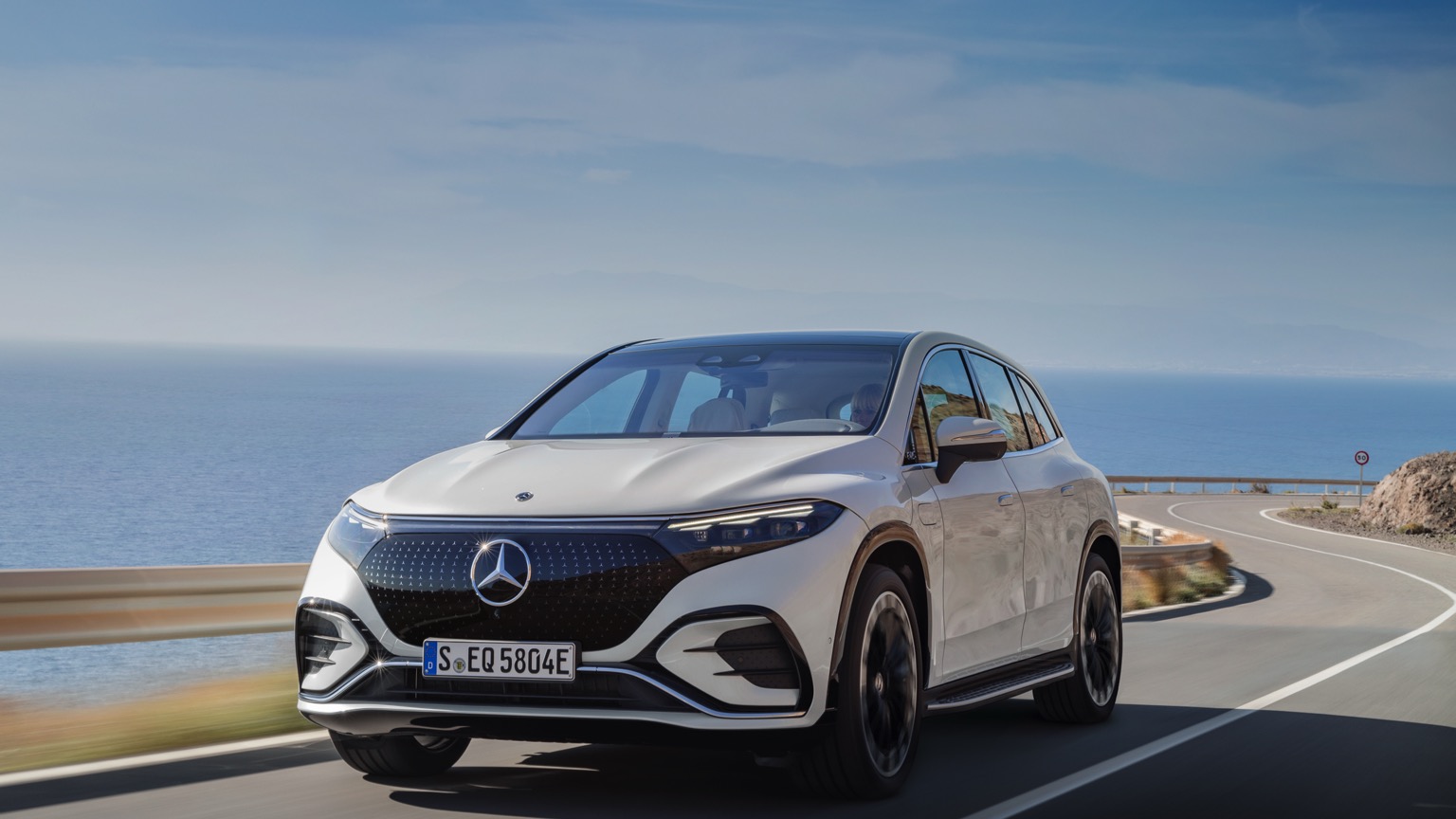
9. Mercedes-Benz EQS: Improved Digital Experience Through Software Updates
The Mercedes-Benz EQS represents the growing role of software in premium electric vehicles. Mercedes-Benz designed the EQS with an advanced digital architecture that supports connected services, touchscreen controls and software-based vehicle functions. Its MBUX infotainment system is a central part of the ownership experience.
Through software development and compatible updates, the manufacturer can improve digital services and introduce additional functions without redesigning the entire dashboard.
The EQS is equipped with the MBUX Hyperscreen on selected configurations, bringing several digital displays together beneath a single glass surface. The system provides access to navigation, entertainment, vehicle settings and communication features.
Mercedes-Benz has continued developing its MBUX software to make information more accessible and improve the interaction between drivers, passengers and the vehicle. Software changes can help refine menus, connected services and the interface.
Mercedes-Benz has also developed digital services and personalisation features that can be delivered or activated through connected vehicle technology. Depending on the model, market and equipment, customers can access additional functions through the Mercedes me ecosystem and compatible digital services.
These offerings can include navigation-related services, entertainment options, and vehicle management tools. The exact availability varies, but the system demonstrates how digital functions have become part of the premium car ownership experience.
Another important aspect of the EQS is its electronically controlled vehicle technology. Systems such as rear-axle steering rely on electronic control units and software to manage vehicle behaviour. The EQS offers rear-axle steering, with the available steering angle depending on the vehicle’s configuration and market.
Mercedes-Benz has also used software-based services and equipment activation to develop the functionality available to customers. Such technology shows how software can influence manoeuvrability and the way a large luxury sedan behaves in different situations.
