Honda is preparing a major expansion of its hybrid lineup, with 15 next-generation hybrid models planned globally by the end of fiscal year 2030. The rollout is expected to begin in 2027, with North America receiving most of the new vehicles.
The automaker is developing a new hybrid system and vehicle platform designed to improve fuel economy, driving performance and manufacturing efficiency. Both Honda and its luxury division, Acura, are expected to benefit from the investment, creating opportunities for more efficient sedans, compact crossovers, family SUVs and larger premium vehicles.
The strategy reflects Honda’s determination to make electrification accessible to more buyers without requiring everyone to switch to a fully electric vehicle.
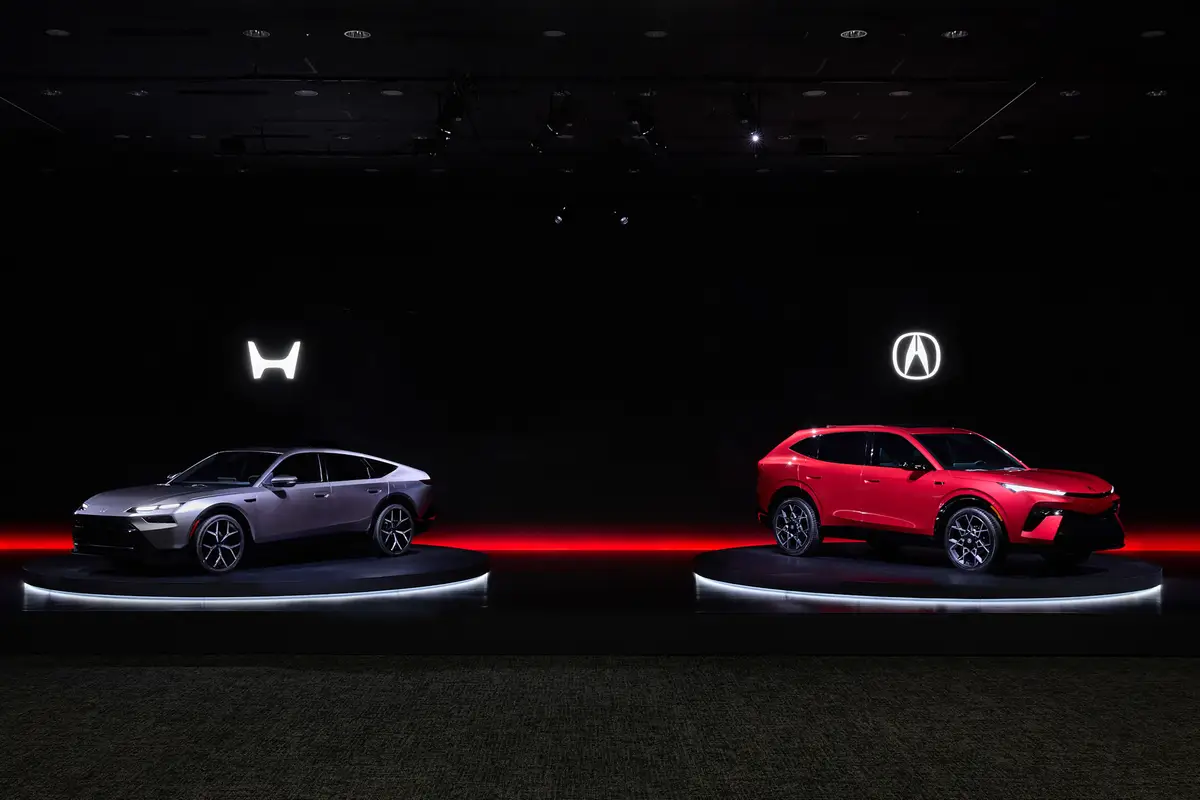
However, Honda has not released an official list identifying all 15 models. The company has revealed a Honda hybrid sedan prototype and an Acura hybrid SUV prototype, providing the clearest evidence of its upcoming plans.
Other vehicles discussed below are potential candidates based on Honda’s existing lineup and its stated priorities, rather than confirmed additions. The distinction matters because a model’s suitability for hybrid technology does not guarantee that Honda will launch it before 2030. Here are 15 vehicles worth watching as the company develops its next generation of hybrids.
1. Honda Hybrid Sedan Prototype
Honda’s new hybrid sedan prototype offers the clearest preview of its next-generation passenger-car strategy. Revealed in May 2026, the vehicle showcases a design that moves beyond the conventional appearance of a traditional family sedan. Its sloping roofline, streamlined body, and contemporary styling suggest that Honda wants its future hybrid cars to look as modern as their underlying technology.
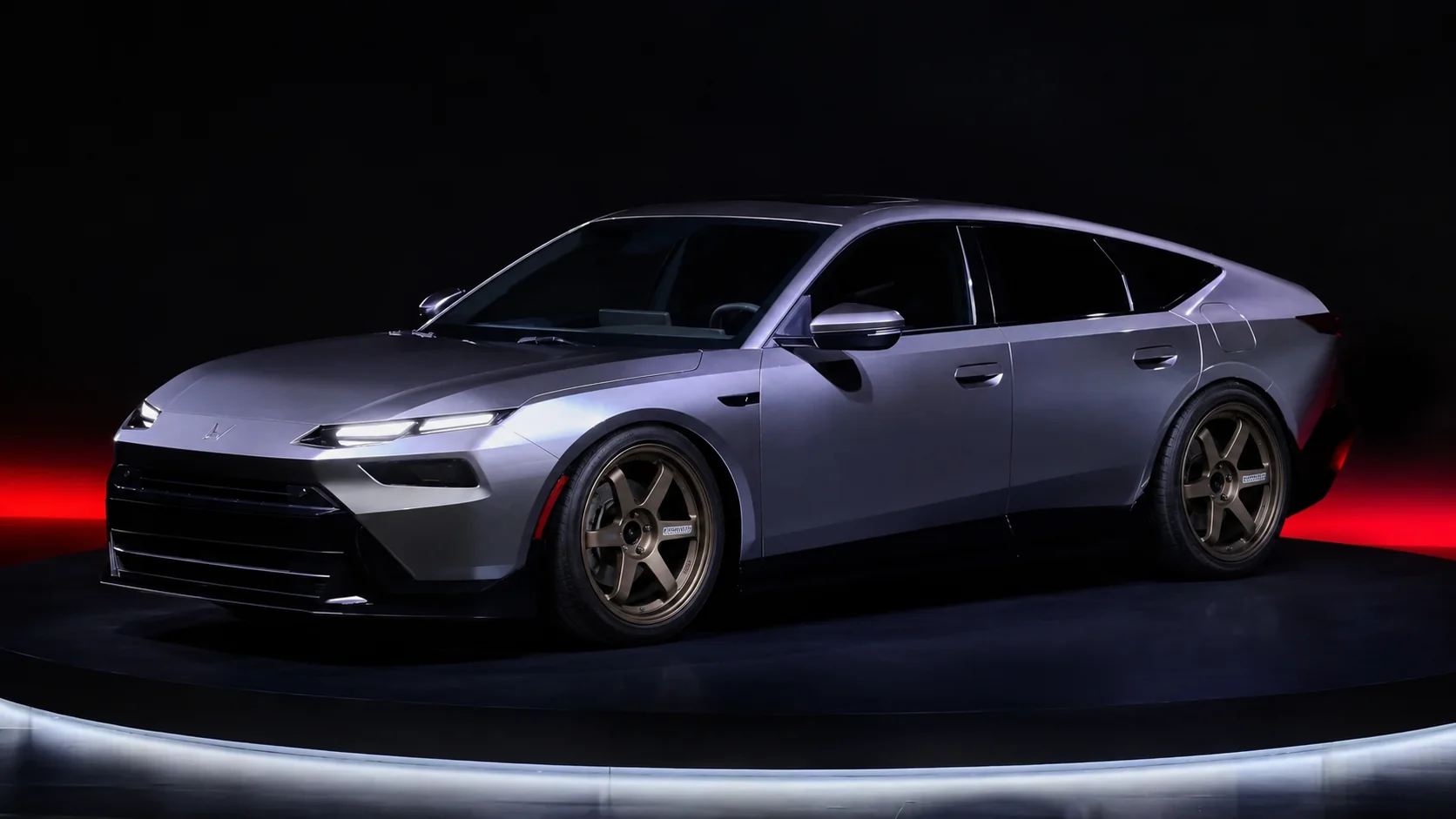
The prototype is particularly important because it is expected to lead to a production vehicle within two years of its unveiling. Honda has not confirmed the production model’s final name, so identifying it as the next Accord would be premature. Nevertheless, the Accord is one possible destination for the technology because of its established position in Honda’s North American lineup.
The new hybrid system is intended to deliver better fuel economy while maintaining responsive acceleration and comfortable road manners. Honda is also developing a platform designed to improve body rigidity and handling without adding unnecessary weight. If those objectives translate into the production sedan, the result could be a more efficient family car that remains comfortable on highways and composed on winding roads.
2. Acura Hybrid SUV Prototype
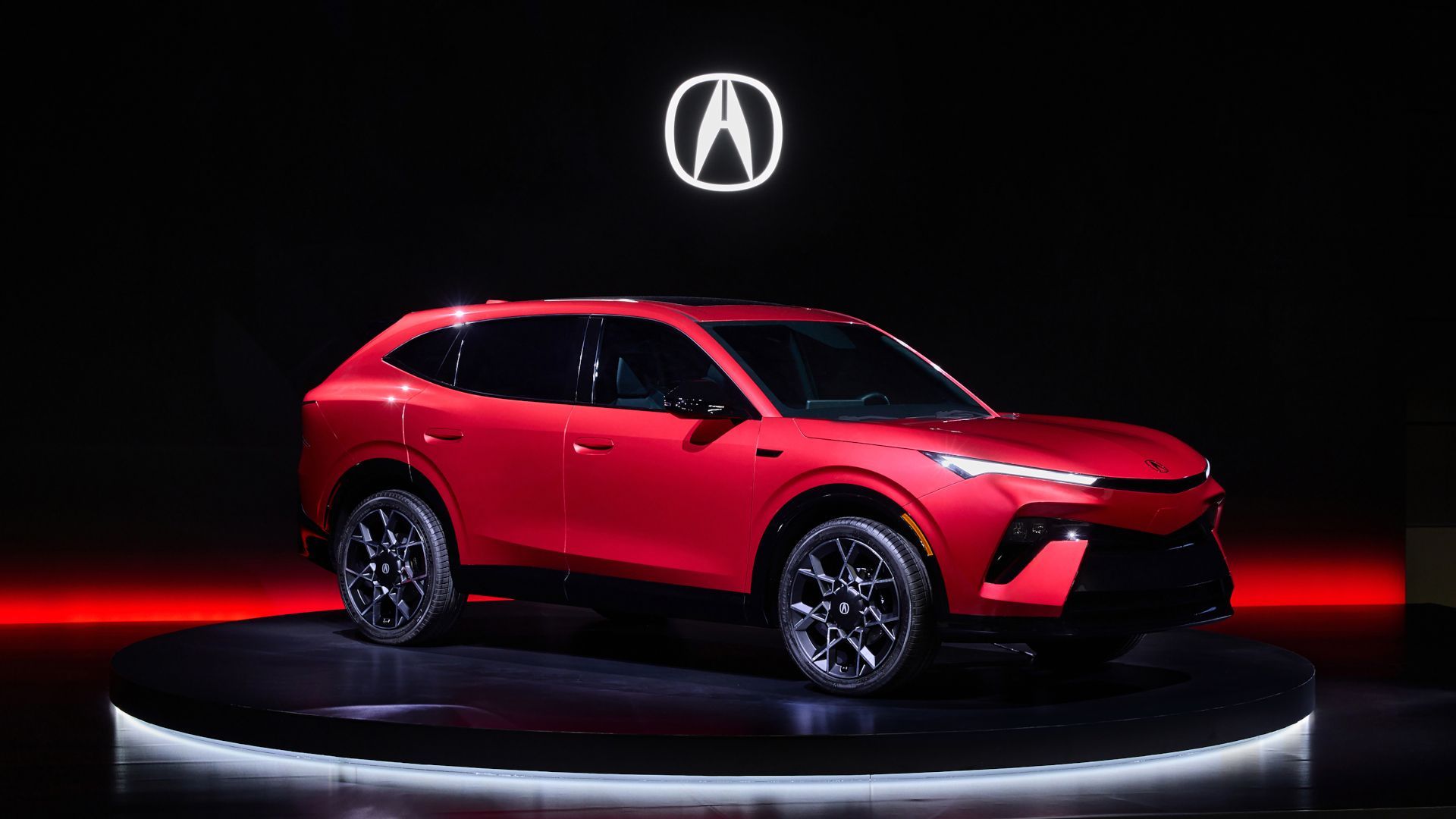
Acura’s hybrid SUV prototype previews how Honda intends to extend its next-generation technology into the premium market. Revealed alongside the Honda sedan prototype, the SUV combines the promise of improved efficiency with the performance, refinement and upscale design expected from Acura.
The production vehicle’s identity remains unconfirmed. The RDX and MDX are potential candidates for future hybrid technology, but Honda has not officially attached either name to the prototype. What the announcement establishes is that Acura will participate in the wider hybrid rollout, giving the luxury brand an opportunity to expand its electrified offerings.
A successful production model would need to deliver more than improved fuel economy. Luxury SUV buyers typically expect strong acceleration, quiet operation, comfortable seating and a refined driving experience. Honda’s next-generation hybrid system could help meet those expectations by combining gasoline power with electric assistance.
The prototype also signals that Acura’s electrification strategy will not depend exclusively on battery-electric vehicles. A conventional hybrid can appeal to customers who want lower fuel consumption but are not ready to rely on public charging infrastructure. That makes the forthcoming SUV an important vehicle to watch as Acura prepares its next product generation.
3. Honda Civic Hybrid
The Honda Civic Hybrid is a strong candidate for the next-generation system because the model already plays an important role in the company’s electrified lineup. Its compact dimensions, practical cabin and relatively accessible positioning make it a suitable vehicle for introducing efficiency improvements to a broad audience.
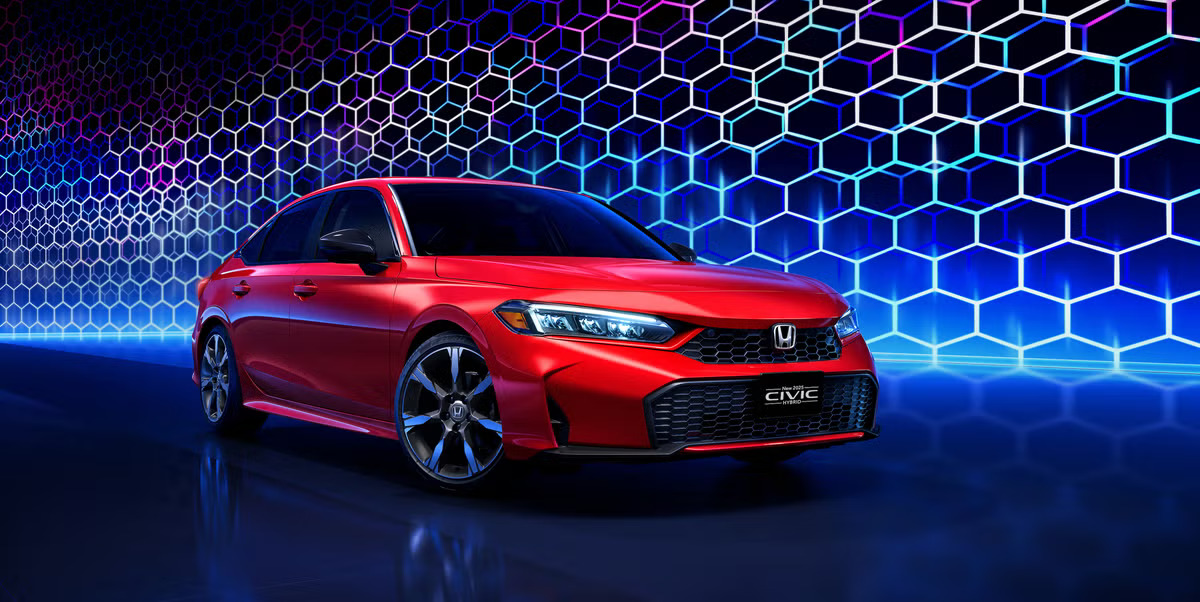
A future Civic Hybrid could benefit from a more efficient drive unit, improved engine operation and refinements to the interaction between gasoline and electric power. These changes could help the car use less fuel in urban traffic while preserving the acceleration needed for highway driving. Honda’s planned improvements to its hybrid technology may also support a more responsive driving experience.
The Civic’s established reputation for everyday usability gives Honda a solid foundation. Buyers in this segment often want a car that is economical to run without sacrificing passenger space, practicality or driving enjoyment. A redesigned platform could further improve stability and ride comfort while helping the vehicle feel more composed through corners.
Honda has not individually confirmed a next-generation Civic Hybrid as one of the 15 models. However, its existing hybrid offering and importance in the compact-car market make it a logical candidate for the company’s expansion before 2030.
4. Honda Accord Hybrid
The Honda Accord Hybrid is another plausible candidate for the new technology, particularly because midsize sedans remain practical choices for commuters and families. Its spacious cabin, comfortable seating and highway-friendly character provide a different appeal from smaller hybrid cars.
A future Accord could use the next-generation system to improve fuel economy while delivering smoother acceleration. Honda is targeting better efficiency without compromising performance, and a midsize sedan would provide a useful opportunity to demonstrate those benefits during daily commuting and longer journeys.
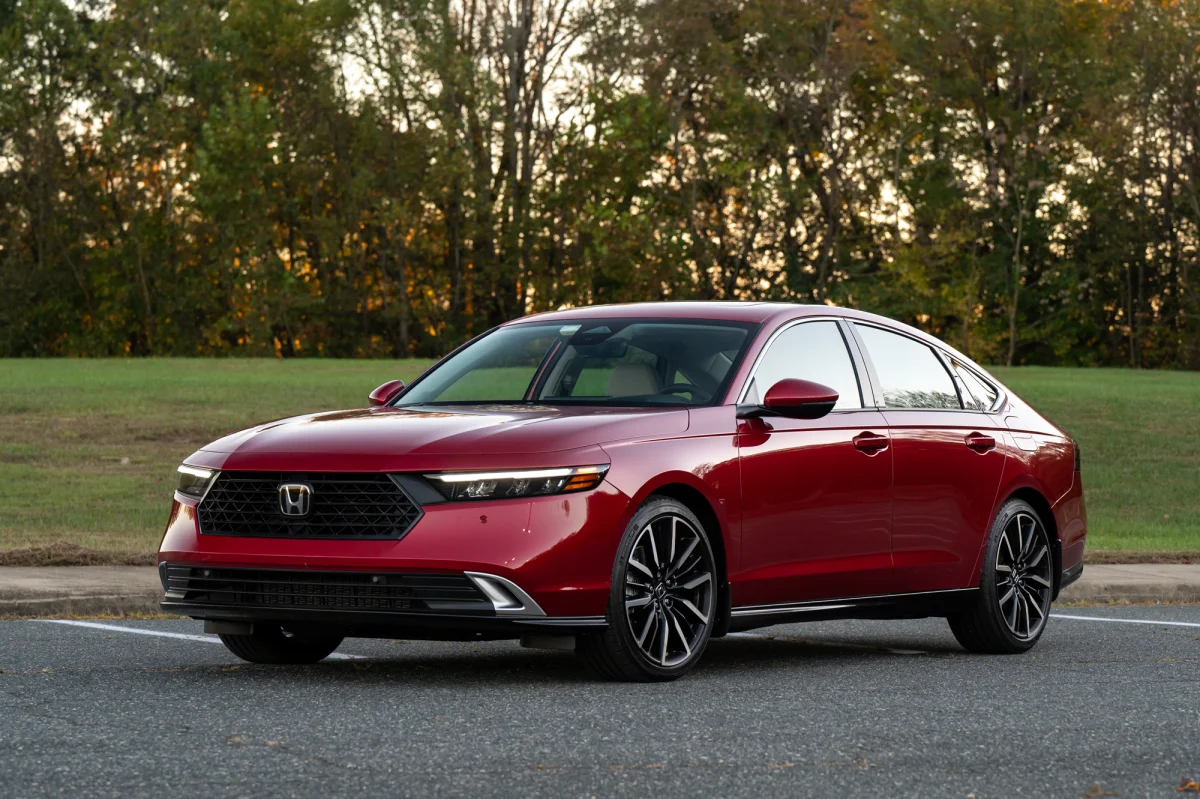
The Accord’s larger body also gives Honda room to refine cabin insulation, seating comfort and driving stability. A new platform could improve structural rigidity while helping the car maintain predictable handling. These changes would be valuable for drivers who regularly travel long distances and want a vehicle that remains comfortable over several hours.
Although Honda has not confirmed a specific next-generation Accord Hybrid for the 15-model program, the existing model is a credible candidate. Its position in the North American market makes it a natural vehicle for the company to consider when introducing more advanced hybrid hardware.
5. Honda CR-V Hybrid
The Honda CR-V Hybrid could become one of the most significant applications of the next-generation system. Compact SUVs remain popular among families who want a higher seating position, flexible cargo space and enough room for passengers without moving to a large three-row vehicle.
The CR-V already offers hybrid power, which gives Honda an established platform for introducing improvements. A future generation could combine a more efficient drive unit with refinements to the gasoline engine and electric motors. The objective would be to reduce fuel consumption while preserving the responsive acceleration and practical character that buyers expect from the CR-V.
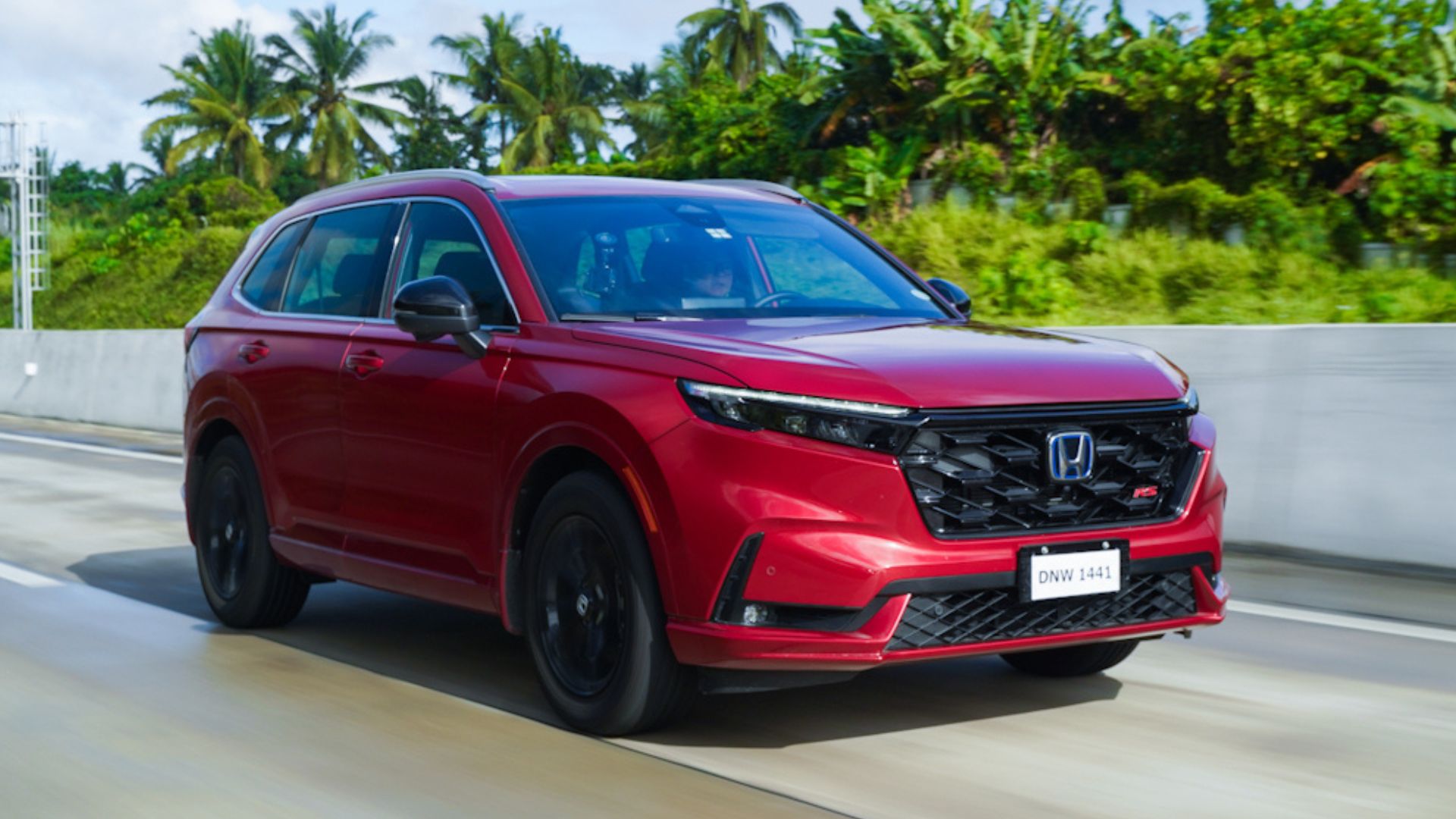
Honda’s planned electric all-wheel-drive technology could also be relevant to future SUV applications, although the company has not disclosed which models will receive it. If incorporated into a redesigned CR-V, the system could improve power distribution and traction in certain driving conditions.
The model’s popularity makes it a sensible candidate for the next phase of Honda’s hybrid development. However, the company has not officially confirmed that the CR-V will be one of the 15 new models. Its inclusion remains a possibility rather than an announced product decision.
6. Honda Pilot Hybrid
The Honda Pilot is a particularly interesting candidate because Honda has identified larger hybrid vehicles as a priority for North America. The company plans to introduce large-size hybrid models in 2029, although it has not confirmed their names.
As a three-row SUV, the Pilot serves families who need generous passenger space, substantial cargo capacity and flexibility for long journeys. A hybrid powertrain could help reduce fuel consumption during daily driving while providing additional low-speed torque from its electric motors.
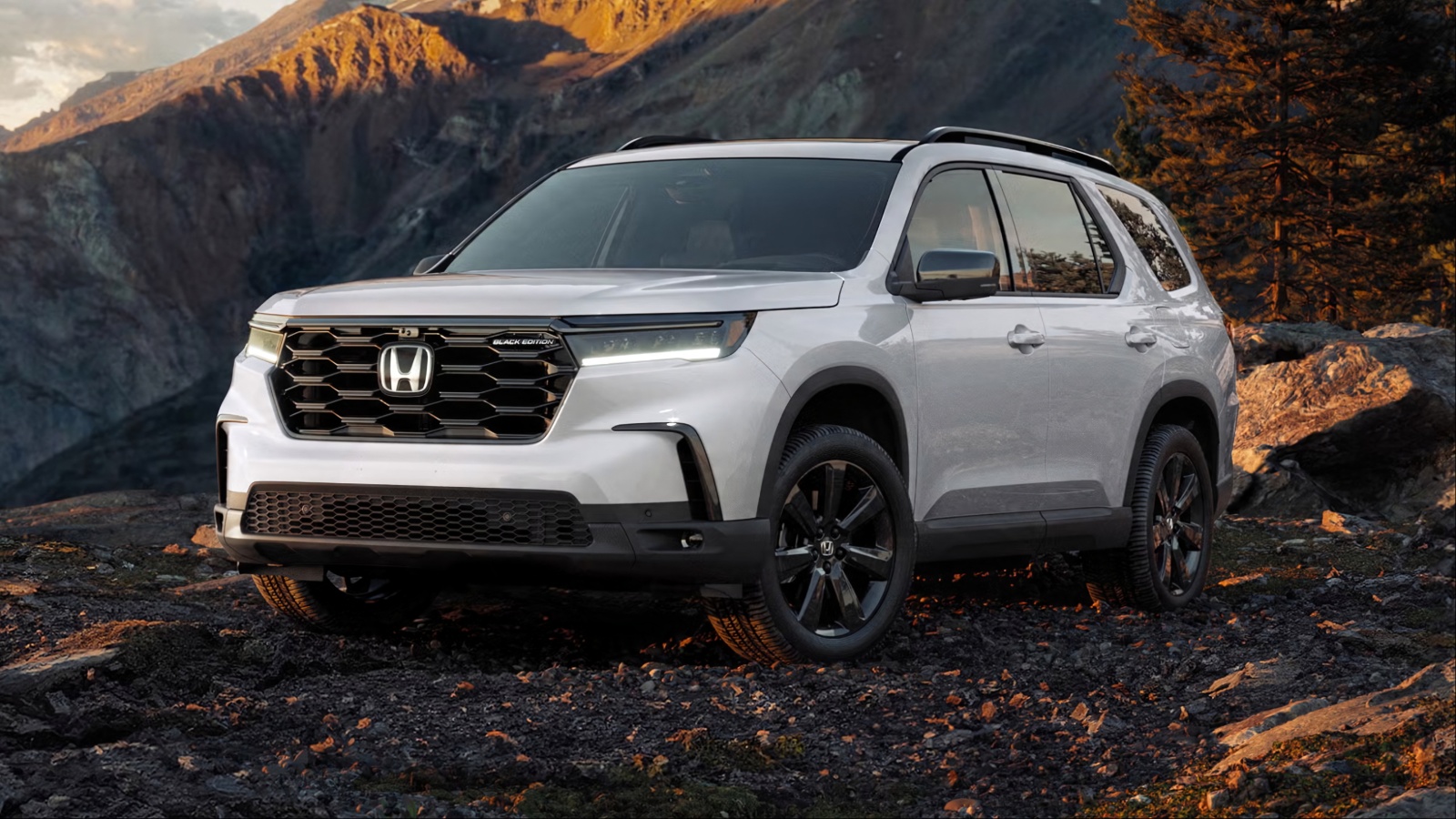
The challenge would be balancing efficiency with the demands of a larger vehicle. The Pilot needs to deliver dependable acceleration when fully occupied and maintain the practical capabilities expected from a family SUV. If Honda develops a hybrid system suitable for those requirements, it could give the Pilot a meaningful advantage over conventional gasoline-powered alternatives.
A future Pilot Hybrid could also benefit from a redesigned platform that improves ride comfort and handling. Nevertheless, Honda has not announced a launch date, powertrain configuration or fuel-economy target for such a vehicle. It remains one of the more plausible possibilities because of the company’s stated interest in larger North American hybrids.
7. Honda Passport Hybrid
The Honda Passport could provide another opportunity to expand the company’s hybrid offerings into the midsize SUV category. It occupies a different position from the three-row Pilot, appealing to drivers who want a spacious, versatile vehicle without necessarily needing seating for seven or eight people.
A hybrid powertrain could make the Passport more responsive at low speeds while reducing fuel consumption during ordinary driving. Electric assistance could be useful when accelerating from intersections or navigating traffic, particularly when the vehicle is carrying passengers and luggage.
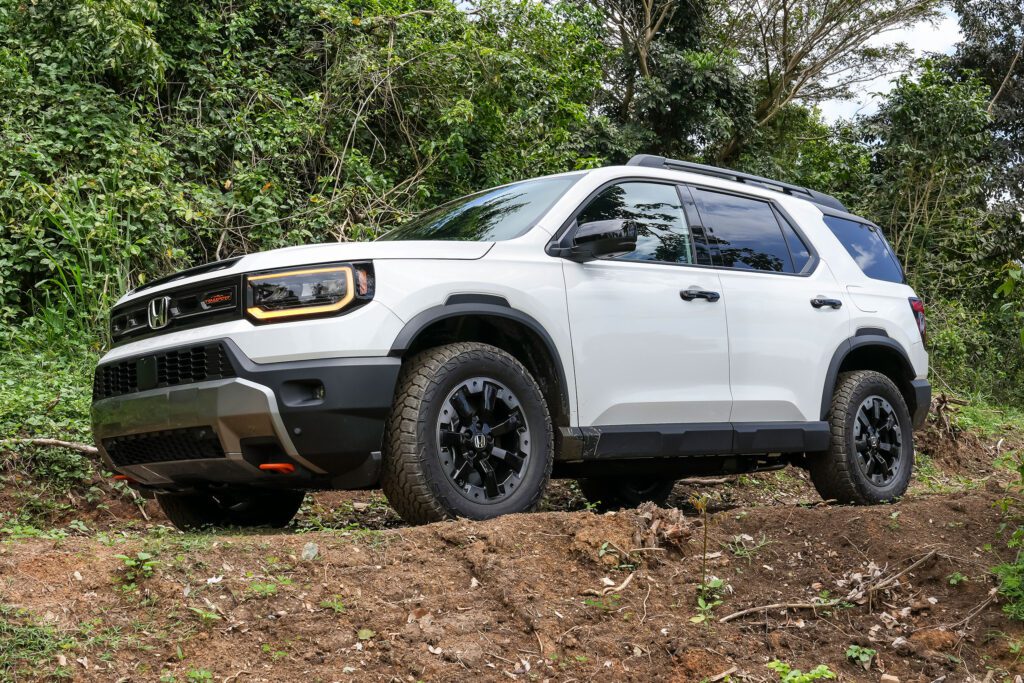
Honda’s development of electric all-wheel-drive technology could also be relevant to a future Passport, depending on the final engineering. Improved control of power delivery might support traction and stability, although the benefits would depend on the system fitted to the production vehicle.
The company has not confirmed a hybrid Passport or provided details about its potential launch. Any future version would need to preserve the model’s practical character while accounting for the additional weight and cost of hybrid hardware. It is a reasonable candidate for Honda’s expansion, but buyers should not interpret its inclusion here as confirmation that a production model is coming.
8. Honda Ridgeline Hybrid
The Honda Ridgeline could take the company’s hybrid strategy into the pickup market. Its construction and road manners distinguish it from traditional body-on-frame trucks, giving it an appeal among buyers who want a practical cargo bed without sacrificing everyday comfort.
A hybrid powertrain could improve the Ridgeline’s response during initial acceleration and potentially reduce fuel consumption in routine driving. These benefits could matter to owners who use their trucks for commuting, family transportation and occasional hauling rather than exclusively for demanding work.
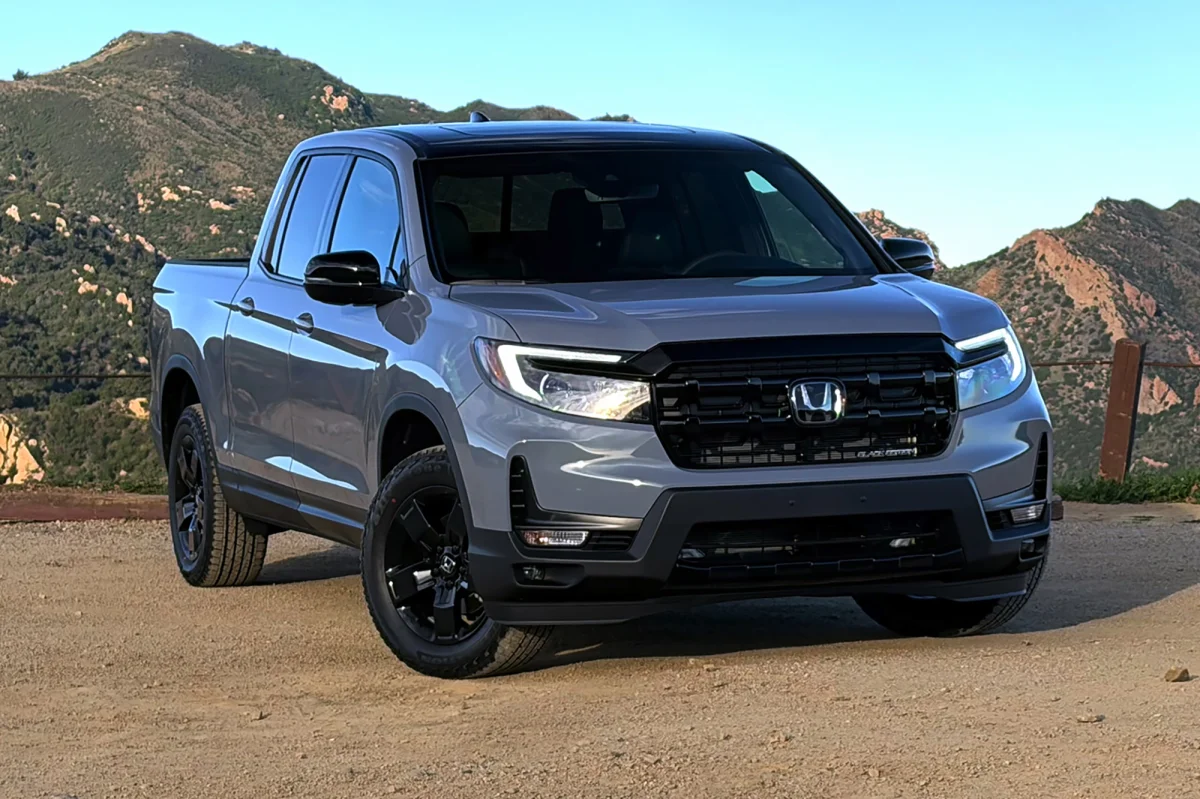
Electrification would nevertheless introduce engineering challenges. Honda would need to maintain the Ridgeline’s payload and towing capabilities while ensuring that the hybrid system could handle sustained loads. The company has not announced specifications for a hybrid pickup or confirmed that the Ridgeline will use the next-generation system.
The model remains a plausible candidate because Honda has identified North America as the primary destination for its new hybrids and has committed to expanding into larger vehicles. A Ridgeline Hybrid could broaden the program’s reach, although its development and launch remain unconfirmed.
9. Acura RDX Hybrid
The Acura RDX is one of the strongest potential candidates for the brand’s upcoming hybrid lineup. It occupies the premium compact SUV segment, where buyers often expect a combination of responsive performance, comfortable interiors and reasonable operating costs.
A hybrid RDX could use electric assistance to deliver immediate acceleration while helping reduce gasoline consumption. That combination would be useful in urban traffic and during everyday commuting, where frequent changes in speed can make hybrid technology particularly beneficial.
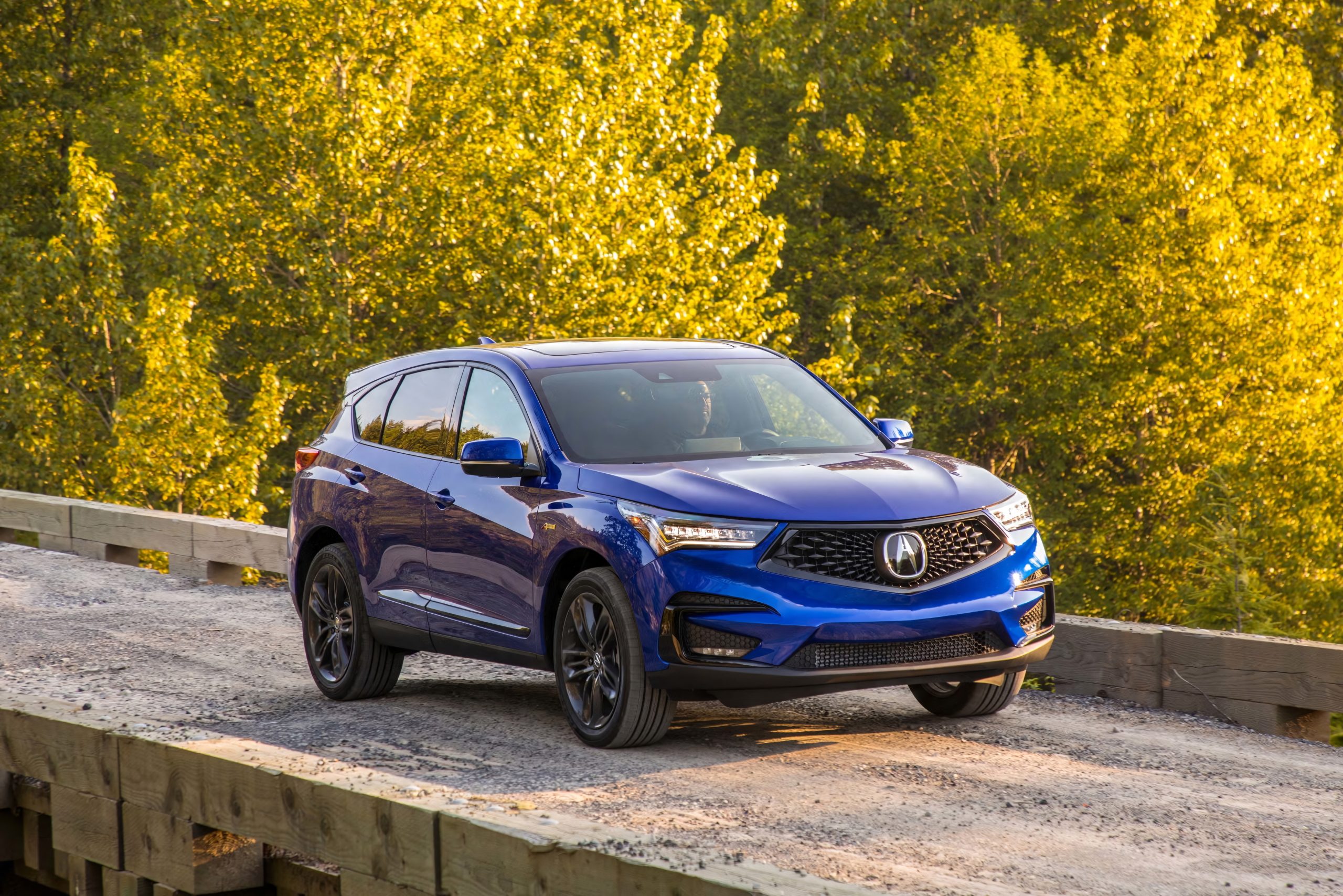
The RDX would also give Acura an opportunity to demonstrate that efficiency improvements do not have to come at the expense of driving refinement. A successful model would need to preserve steering response, ride comfort and the premium character that distinguish the brand from mainstream Honda vehicles.
However, Honda has not confirmed that the revealed Acura Hybrid SUV Prototype will become the RDX. The production vehicle’s name and specifications remain unknown. The RDX is a credible possibility based on its position in Acura’s lineup, but its inclusion in the 15-model program has not been officially established.
10. Acura MDX Hybrid
The Acura MDX could help extend the company’s next-generation hybrid technology into the luxury three-row SUV segment. Its larger cabin and family-oriented design make it suitable for buyers who want premium features and passenger space without moving to a full-size luxury vehicle.
A hybrid powertrain could improve low-speed response while reducing fuel consumption during daily use. Electric assistance may also help the vehicle accelerate smoothly when carrying several passengers, although its actual performance would depend on the final powertrain configuration.
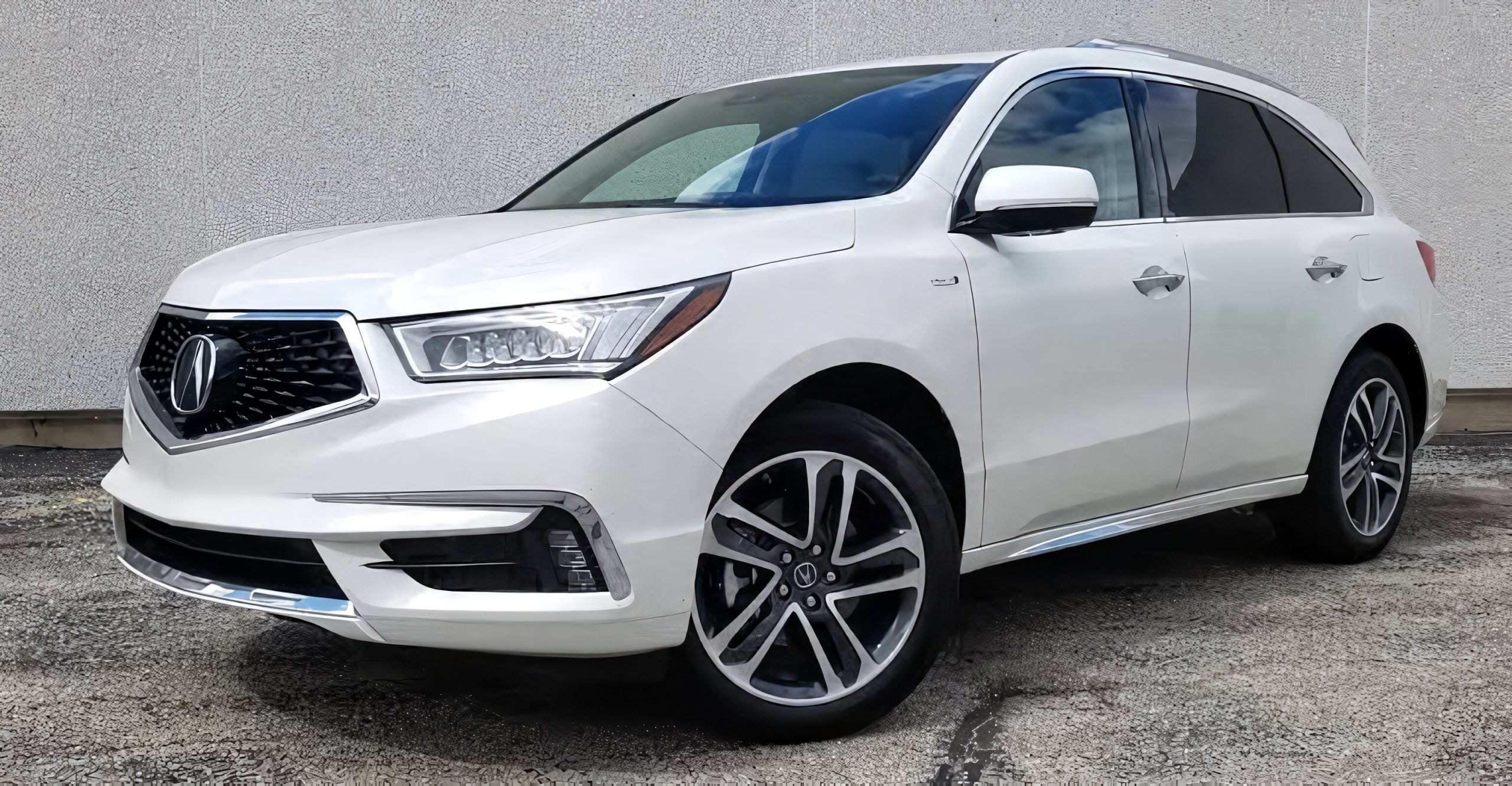
Honda’s plans for larger hybrid vehicles in North America make the MDX worth watching. A future hybrid version could allow Acura to compete more directly with premium SUVs that combine gasoline engines and electric motors. It would also provide another opportunity for the company to apply its new platform and efficiency improvements to a larger vehicle.
Nevertheless, Acura has not announced an MDX Hybrid or confirmed that the next-generation system will be offered across its entire SUV range. The model remains a possible addition, not a confirmed member of the 15-vehicle rollout.
11. Honda Vezel / HR-V Hybrid
Honda’s plans for Japan offer a more specific indication of how its next-generation hybrid technology could spread beyond North America. The company has outlined a rollout of next-generation hybrid vehicles beginning in 2027, with SUVs playing a major role. It has also identified the all-new Vezel as an important vehicle in its plans from 2028 onward.
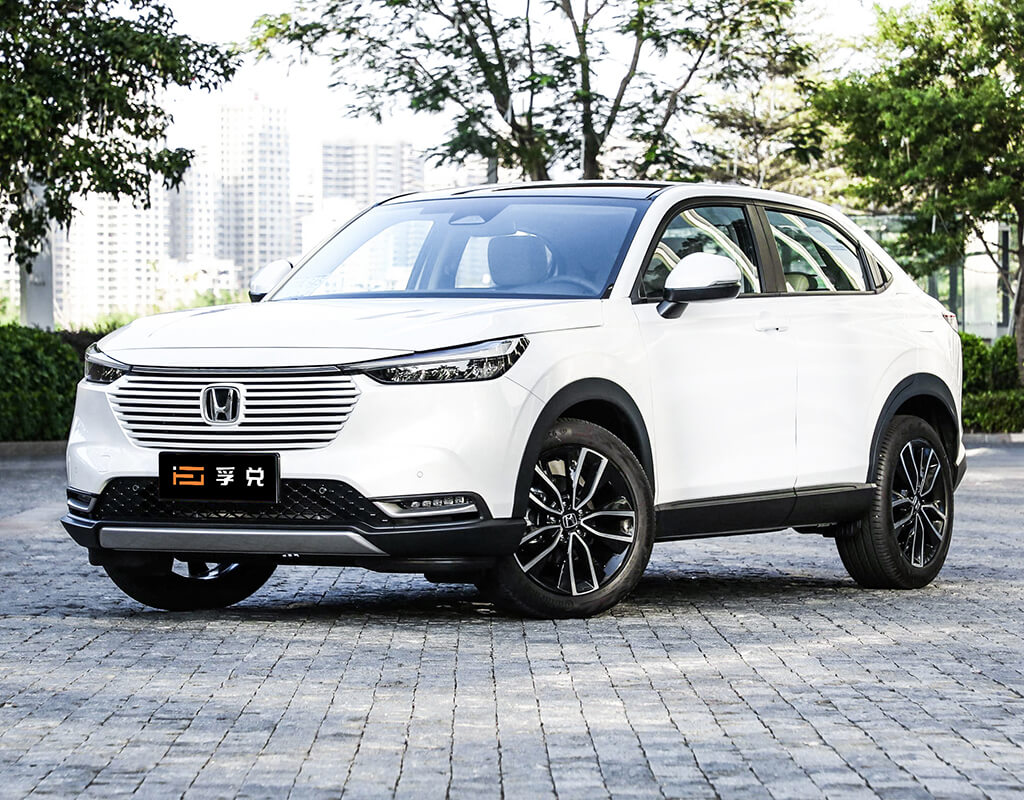
The Vezel is closely related to the HR-V sold in other markets, making a future HR-V application plausible. However, the two names do not guarantee identical specifications or launch schedules in every country. Honda may adjust powertrain availability according to local regulations, customer demand and pricing.
A next-generation hybrid Vezel or HR-V would offer a practical combination of compact dimensions, useful cargo space and improved fuel economy. Such a vehicle could appeal to urban drivers who want the versatility of an SUV without the size and running costs associated with larger models.
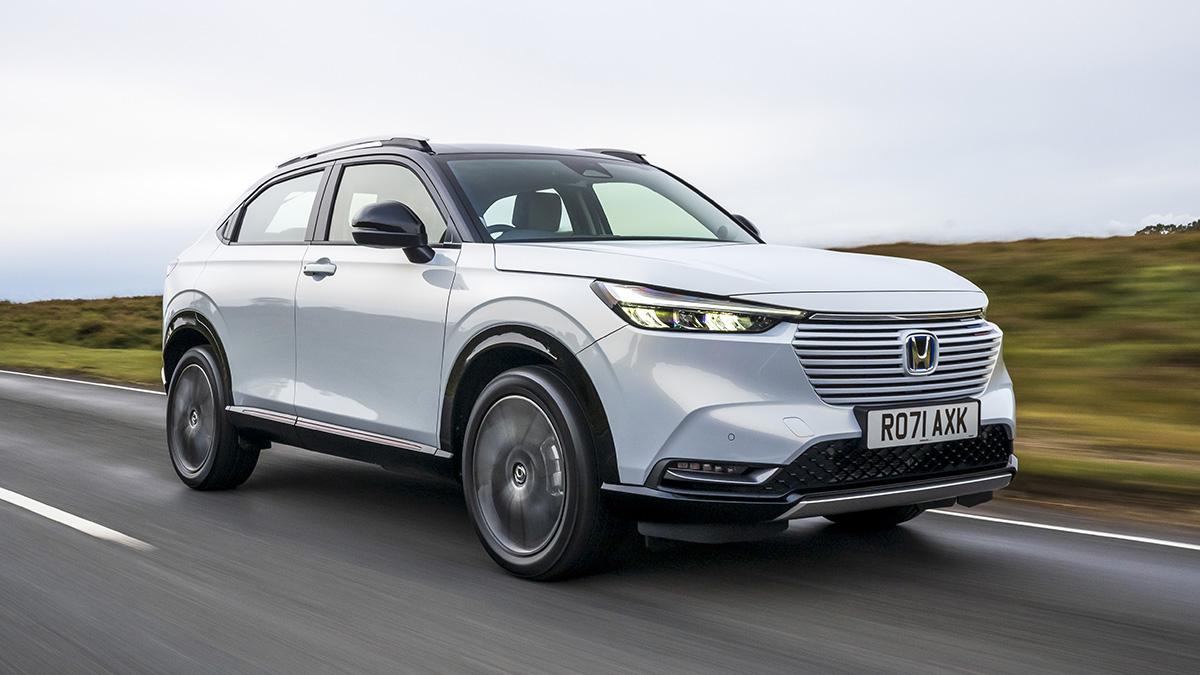
Honda has not confirmed that every regional HR-V will receive the new hybrid system. Nevertheless, the Vezel provides a relevant example of how the company could introduce its technology in markets where compact crossovers remain important.
12. Acura ADX Hybrid
The Acura ADX is a potential candidate for hybrid technology, although the company has not announced an electrified version. As a compact luxury SUV, it could give Acura an opportunity to reach customers who want premium equipment and styling in a smaller vehicle.
A hybrid ADX could offer lower fuel consumption and stronger low-speed response while retaining the convenience of gasoline refueling. These qualities could be attractive to buyers who drive primarily in cities but still need a vehicle suitable for longer journeys.
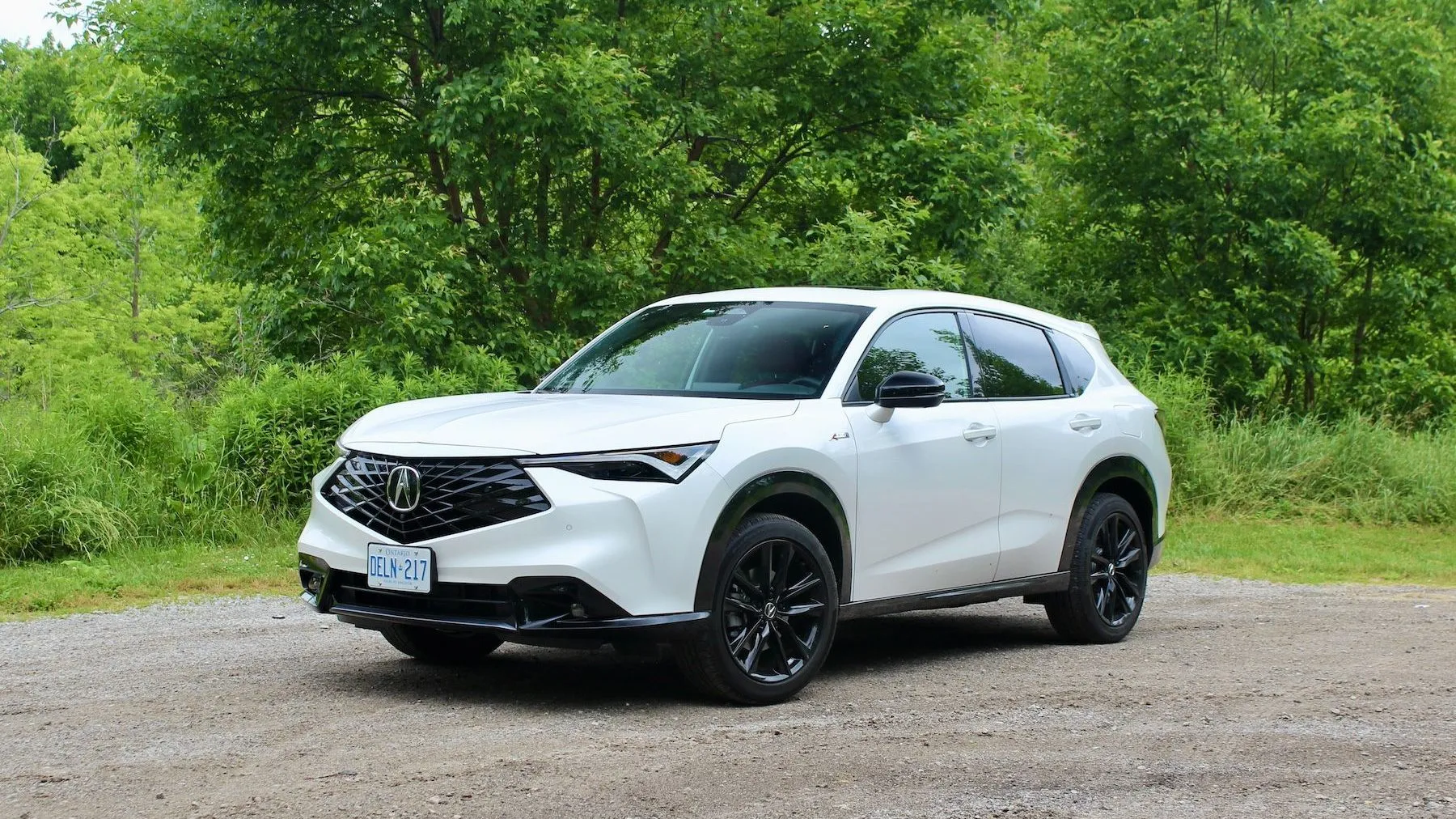
The main challenge would be packaging the battery and hybrid components without compromising passenger space or cargo capacity. Acura would also need to ensure that the price premium made sense compared with a conventional gasoline version. The vehicle’s position in the luxury market could make improved efficiency attractive, but only if the final product delivers clear benefits.
Honda has not confirmed the ADX as one of its 15 new hybrids. Its inclusion is based on the broader potential for Acura to expand electrification across its SUV lineup, not on a specific launch announcement.
13. Acura Integra Hybrid
The Acura Integra could provide a different direction for the company’s hybrid expansion by bringing electrification to a compact premium car. Its liftback design combines a relatively small footprint with practical cargo access, making it an alternative to both conventional sedans and SUVs.
A hybrid powertrain could improve fuel economy and low-speed acceleration, particularly in city driving. Honda’s next-generation system is intended to balance efficiency with responsiveness, which would be important for a vehicle whose appeal includes its driving character.
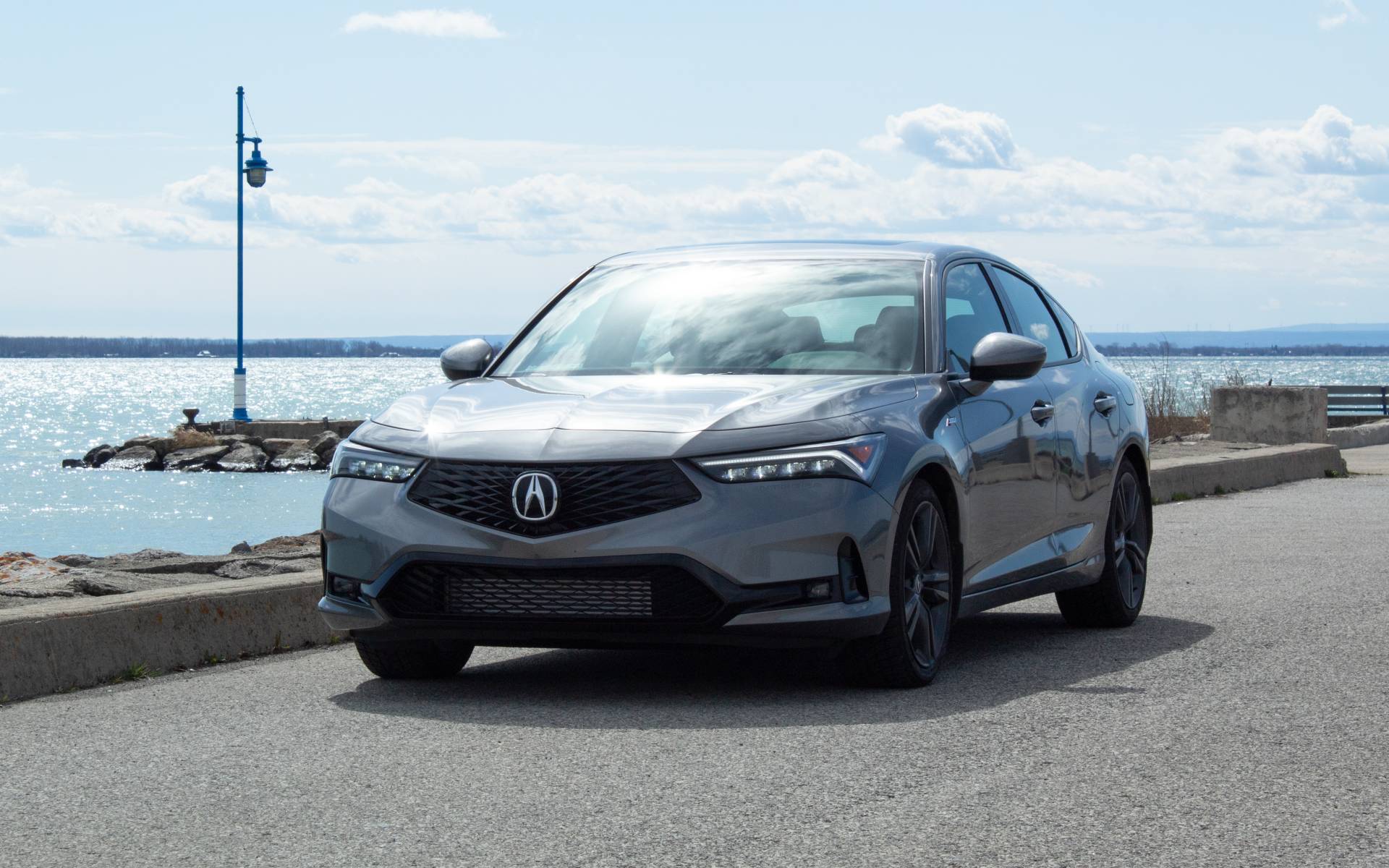
However, the engineering would need to preserve the Integra’s steering feel and performance-oriented identity. Adding a hybrid system would not automatically improve the car if the resulting weight, packaging or calibration compromised the qualities buyers value.
There is no official confirmation of an Integra Hybrid by 2030. Acura may decide to concentrate its new technology on SUVs or other models that offer greater sales potential. The Integra remains a speculative possibility that illustrates how the hybrid system could expand beyond the brand’s crossover range.
14. Honda Odyssey Hybrid
The Honda Odyssey is another possible application because minivans can benefit from improved fuel efficiency. Families frequently use these vehicles for school runs, shopping, commuting and road trips, making fuel consumption an important part of ownership costs.
A hybrid powertrain could reduce gasoline use during stop-and-go driving while providing smooth acceleration when pulling away from intersections. Electric assistance might also help the minivan feel responsive when fully occupied. The challenge would be integrating the battery and drive components without reducing the interior flexibility that makes the Odyssey useful.
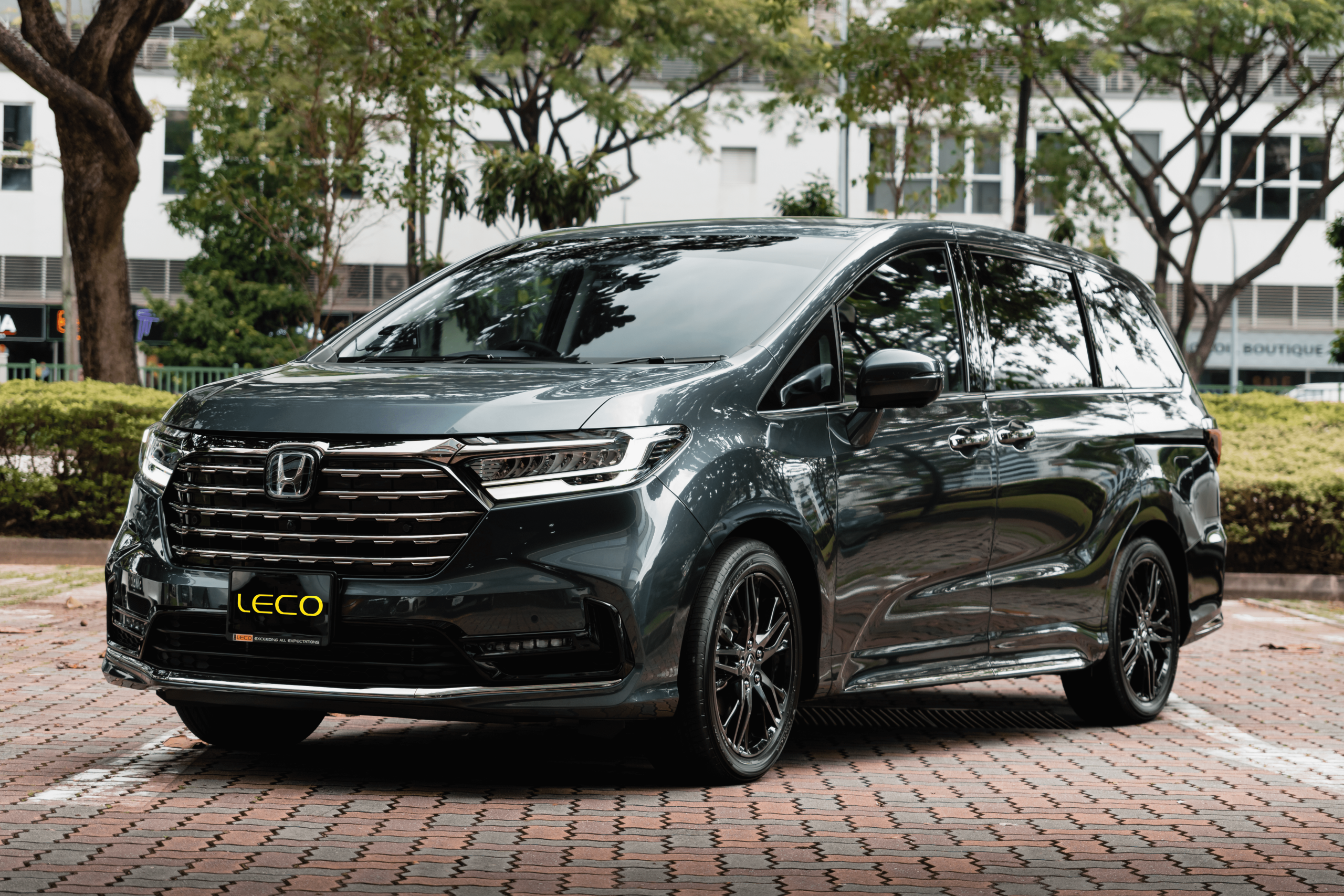
Honda has not confirmed an Odyssey Hybrid, and the minivan has not been identified as a specific member of the 15-model program. Its inclusion is therefore speculative. The company’s priorities may remain concentrated on sedans and SUVs, especially in North America.
Even so, the Odyssey demonstrates the potential breadth of hybrid technology. If Honda decides that customer demand and development costs justify it, a future hybrid minivan could offer families another way to reduce fuel consumption without giving up passenger space or conventional refueling.
15. An Additional Large Honda or Acura Hybrid SUV
Honda has confirmed that larger hybrid vehicles are part of its North American strategy, with introductions planned for 2029. However, the company has not disclosed every model name or specified exactly how many large vehicles will be included. That leaves room for another SUV or a successor to an existing model.
A further Honda or Acura hybrid SUV could target a different price point, seating configuration or performance level from the Pilot and MDX. The company could also use shared hybrid components to reduce development costs while tailoring the final powertrain and driving experience to each brand.
The larger-vehicle initiative matters because SUVs often consume more fuel than smaller cars, making efficiency improvements particularly valuable to owners who drive long distances or carry several passengers. A well-engineered hybrid system could improve everyday economy without requiring customers to accept the compromises sometimes associated with smaller vehicles.
For now, this entry represents a potential product category rather than a named vehicle. Honda has not revealed a production design, official model name, or complete launch schedule for the remaining vehicles in its 15-model plan.