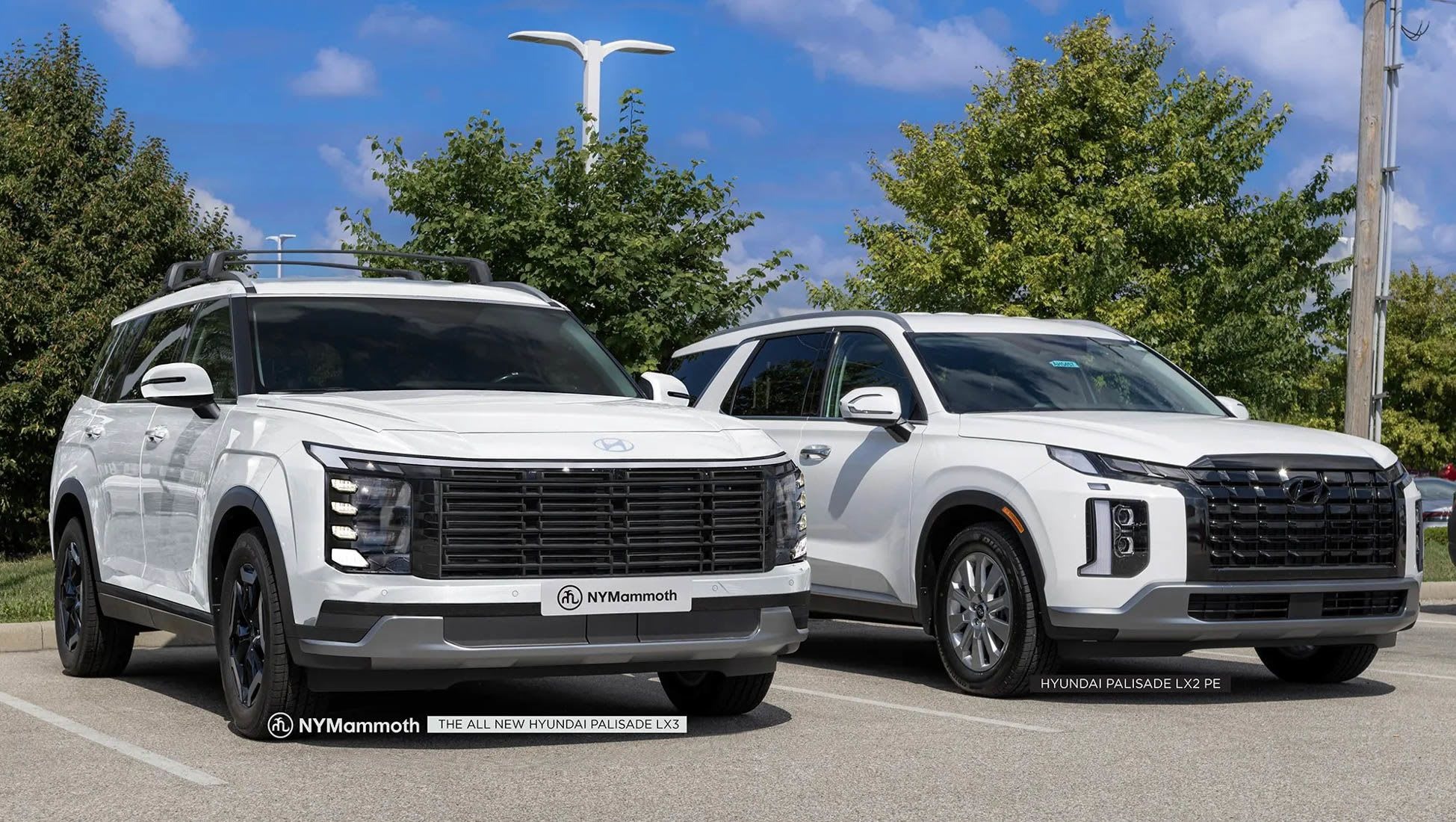
Buying a new car does not always mean paying extra for a higher trim to enjoy the features you want. Some automakers have started giving their entry-level models impressive technology, comfort, safety, and performance equipment right from the factory. That means buyers can enjoy features that other brands reserve for more expensive versions.
From family-friendly SUVs and stylish sedans to powerful sports cars and electric vehicles, several base models deliver an impressive package without requiring a long list of costly upgrades. If you are comparing vehicles using online build-and-price tools, these eight models deserve a closer look. Their standard equipment may surprise you, especially when compared with what competing brands offer on their mid-level trims. Ready? Let’s go.
1. Honda Accord LX
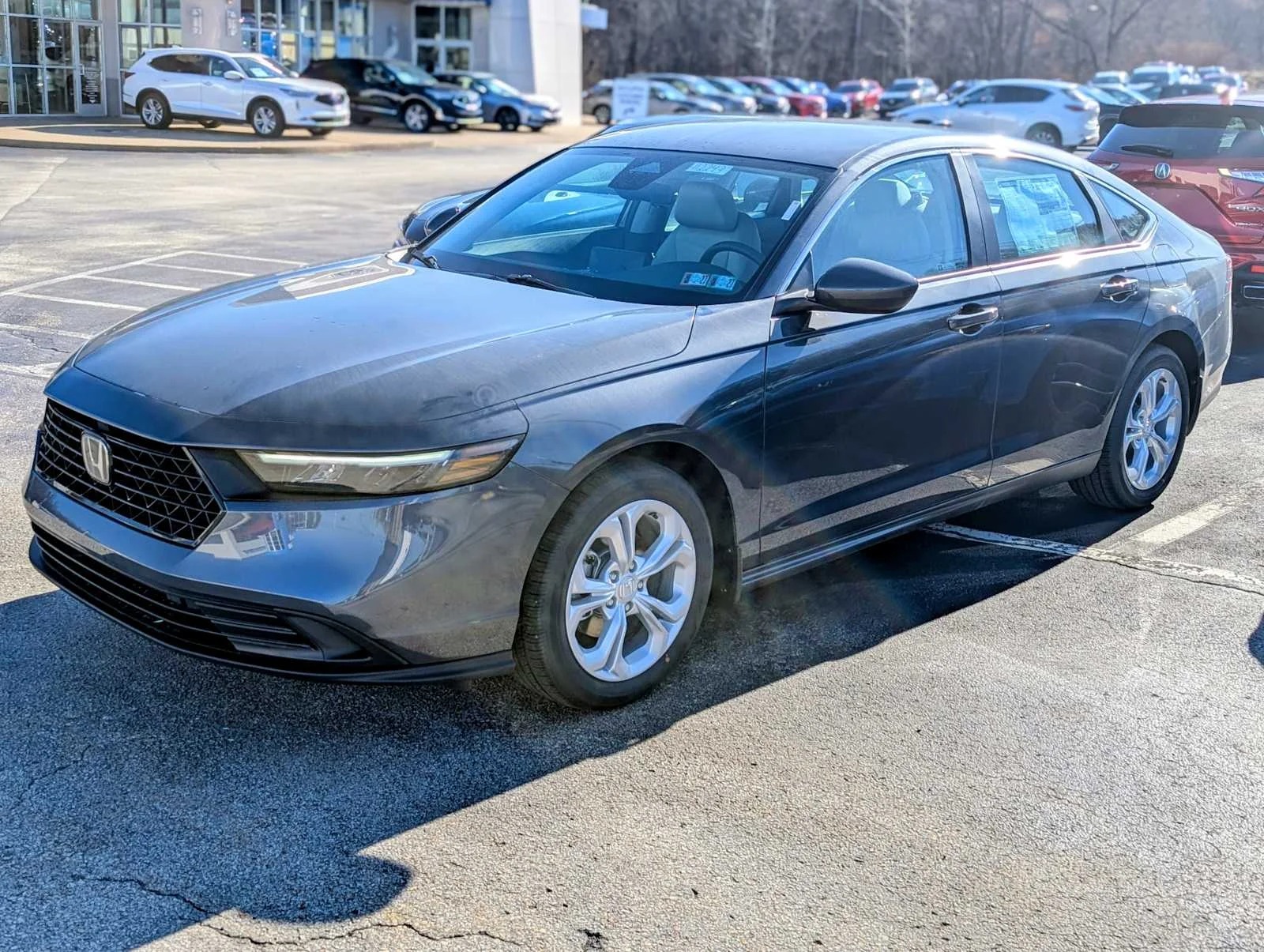
The Honda Accord LX shakes up the midsize sedan class with technology you would not expect on an entry-level car. Every base Accord comes with a big 12.3-inch infotainment touchscreen, and that one detail changes the whole feel of the dashboard.
Now compare it with the rival. The base Toyota Camry LE offers only an 8-inch screen. To match Honda’s screen size, Toyota shoppers have to climb up to the XLE or XSE, which are mid-to-high trims with a noticeably higher price. Same screen, higher bill.
Honda does not stop there. The Accord LX also includes the Honda Sensing safety suite and rear passenger HVAC vents straight from the factory.
Rear vents are the kind of thing you never think about until a back-seat passenger is too warm or too cold on a long drive. Having them standard means everyone rides in comfort.
Picture the build-and-price page. On one side, you start with a large screen, safety tech, and rear vents already included. On the other, you start small and pay to catch up. Which one feels like a smarter start?
Do check the details for the model year you are considering, since trim contents can change. Still, the pattern is clear. If screen size and safety matter to you, the Accord LX deserves a spot on your shortlist before you ever look at a higher trim.
2. Genesis GV70 2.5T Standard
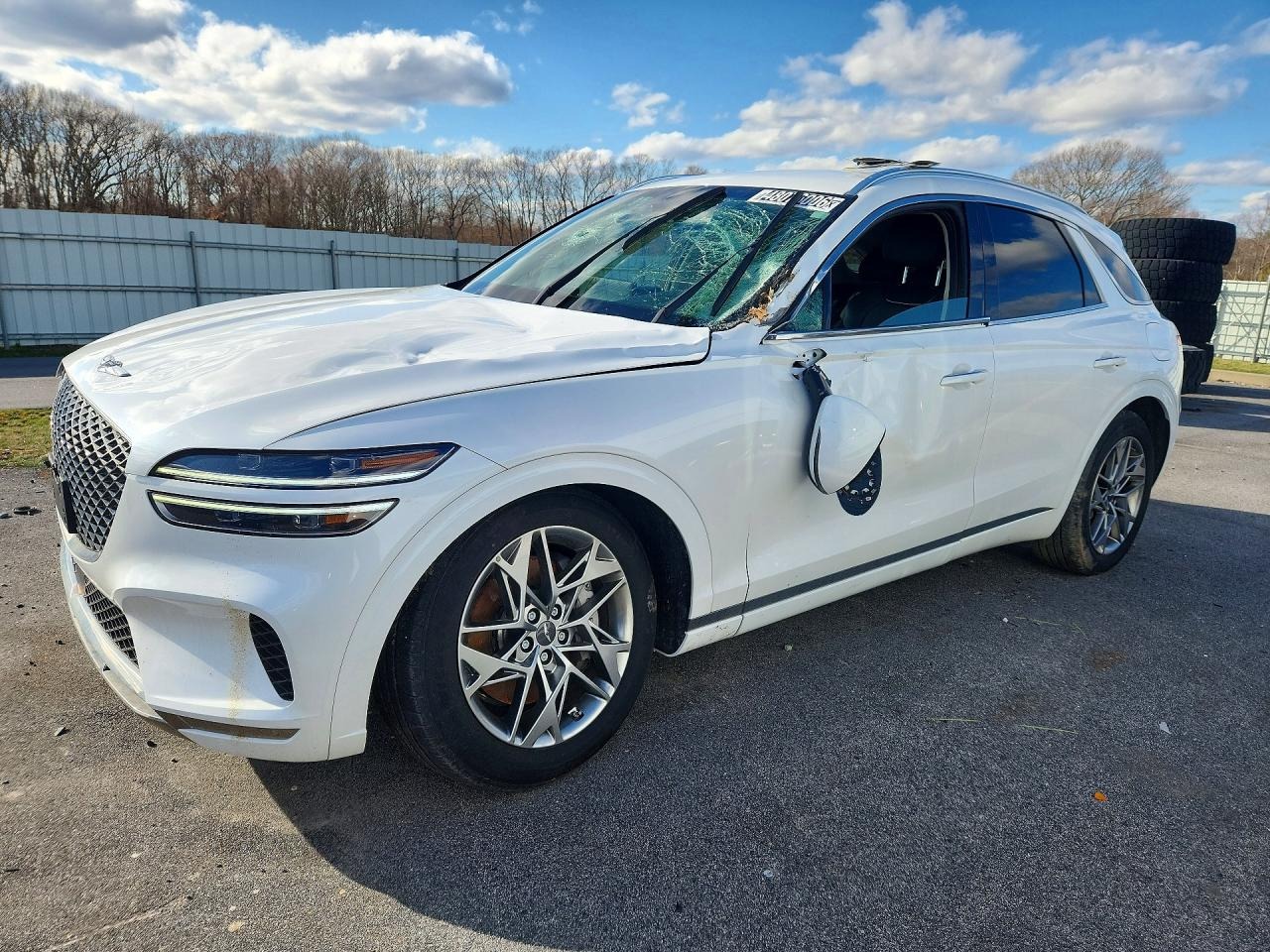
Genesis built its reputation by undercutting European luxury rivals on price while piling on standard gear, and the GV70 2.5T Standard shows exactly how that works.
Start with the dashboard. A breathtaking 27-inch OLED display sits on top of it and merges the gauge cluster and infotainment into one seamless sweep of glass.
Then add standard All-Wheel Drive, a hands-free power liftgate, fingerprint authentication, and Highway Driving Assist. That is a long list for a car wearing the word Standard in its name.
Here is where the rivals come in. To get comparable driver-assist technology, huge screen interfaces, and advanced convenience features from a German competitor like the BMW X3 or Audi Q5, you cannot stop at the mid-tier models. You have to bypass them entirely and look at high-end packages. That is a steep climb.
Think about what this means at the dealership. A luxury badge usually promises a long options list, and the options list usually promises a long invoice. Genesis flips that habit by putting the good stuff in the base price.
Of course, luxury shoppers care about more than features. Drive each one, sit in each one, and compare real price quotes. But on equipment alone, the GV70 Standard makes its European rivals look like they are charging for the pleasure of choosing.
3. Mazda Mazda3 2.5 S
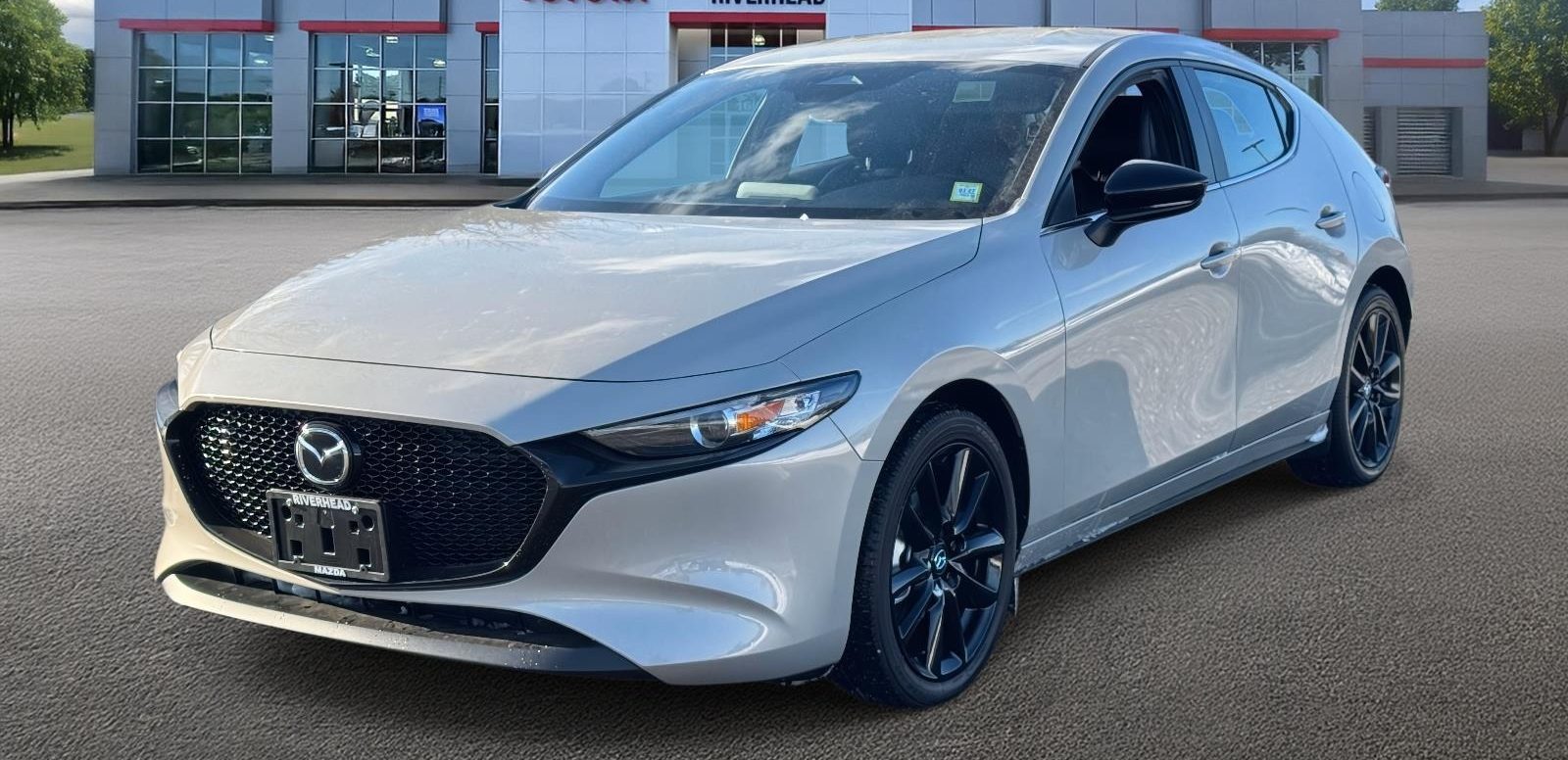
Mazda has pushed hard into near-luxury territory, and its entry-level cars often shame the volume-selling mid trims of competitors. The Mazda3 2.5 S is a perfect example.
Inside, you get premium cabin materials, including high-quality leatherette dashboard accents. That sounds small, but touch matters. A dashboard that feels good under your fingers makes a car feel more expensive every day you drive it.
Safety gets the same attention. The base 2.5 S comes standard with Radar Cruise Control, Blind Spot Monitoring, and Cross-Traffic Alert. These are the features that make traffic less stressful and parking lots less scary.
Now meet the rivals. Cars like the Nissan Sentra and the baseline Hyundai Elantra typically hold advanced radar cruise control and premium soft-touch interior treatment for their mid-to-high tiers, such as the SV Premium or SEL Convenience packages. So the Mazda’s starting point matches what other shoppers get after paying more.
Quick reality check before you rush off. Compare the actual prices of each car with the equipment you want, because a cheaper base price on a rival can narrow the gap.
But if you care about a calm, upscale cabin and a strong safety suite from day one, Mazda has already built the answer, no upgrade required. That is a rare thing in a compact car.
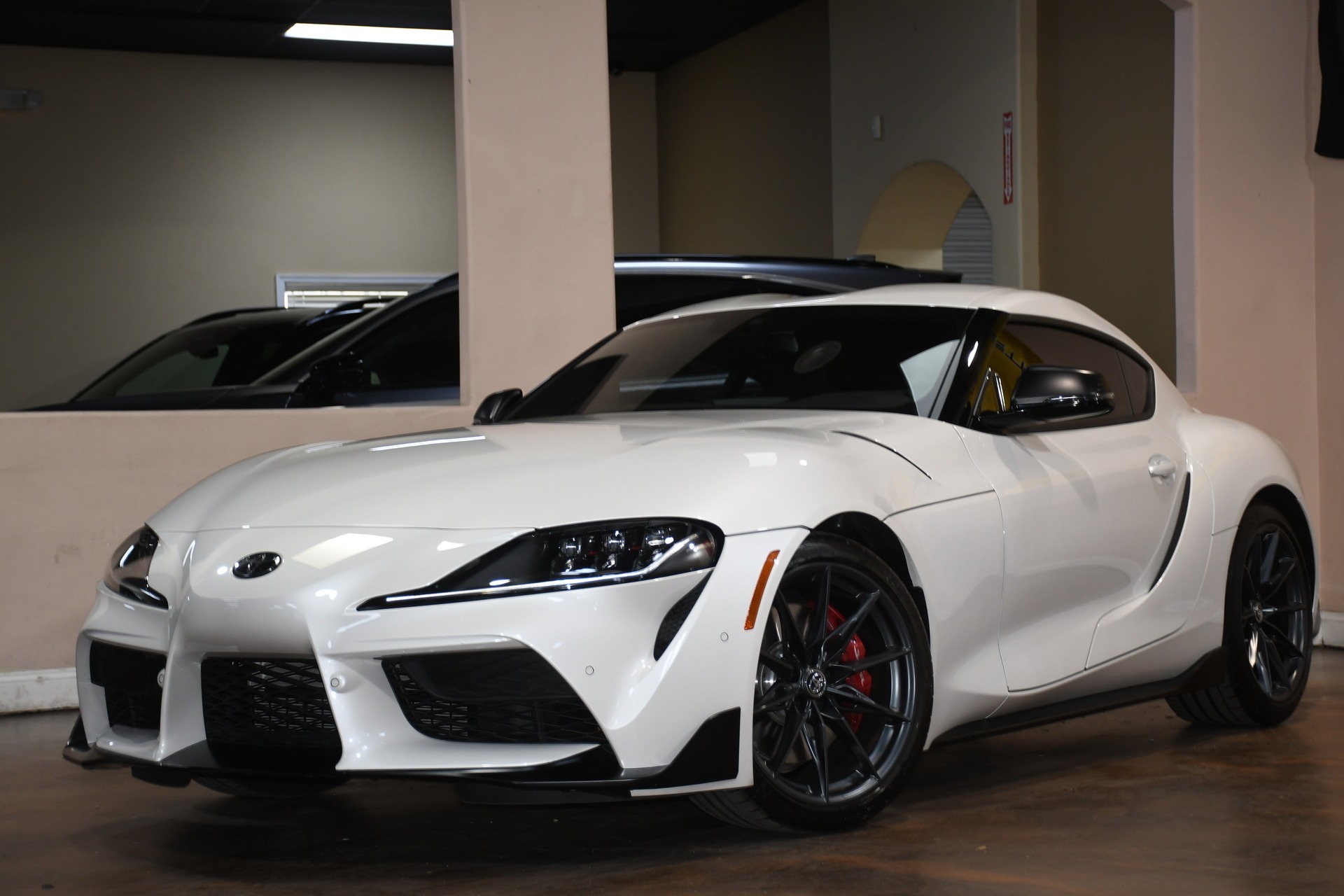
4. Toyota Supra 3.0 Base
Performance lovers usually expect to pay extra for the good stuff. Toyota rewrote that rule for the Supra 3.0.
After dropping the underpowered 4-cylinder engine, Toyota made the entry-level Supra a performance powerhouse straight away. It comes standard with the 382-horsepower B58 twin-scroll inline-six engine and standard adaptive suspension. No upgrade ladder, no waiting.
Think about what that means. The engine most enthusiasts want is the engine everyone gets. The chassis tuning that makes a coupe feel sharp on a winding road is part of the base car.
Now look at the competition. To find similar raw performance and track-ready chassis tuning in sports coupes like the Ford Mustang or the Nissan Z, you must step up to mid-tier performance packages, such as the GT Premium or Z Performance trims. Those upgrades quickly inflate the price.
Is the math always in the Supra’s favor? Not necessarily, since final prices depend on options, dealer markups, and what you value. A Mustang or Z at a lower price may suit some budgets better.
But as a pure comparison of what you get before spending extra, the Supra’s base model plays well above its rank.
Take a test drive, then run your build-and-price numbers side by side. The result may surprise you, in a good way. It is a rare case where entry-level means the full experience.
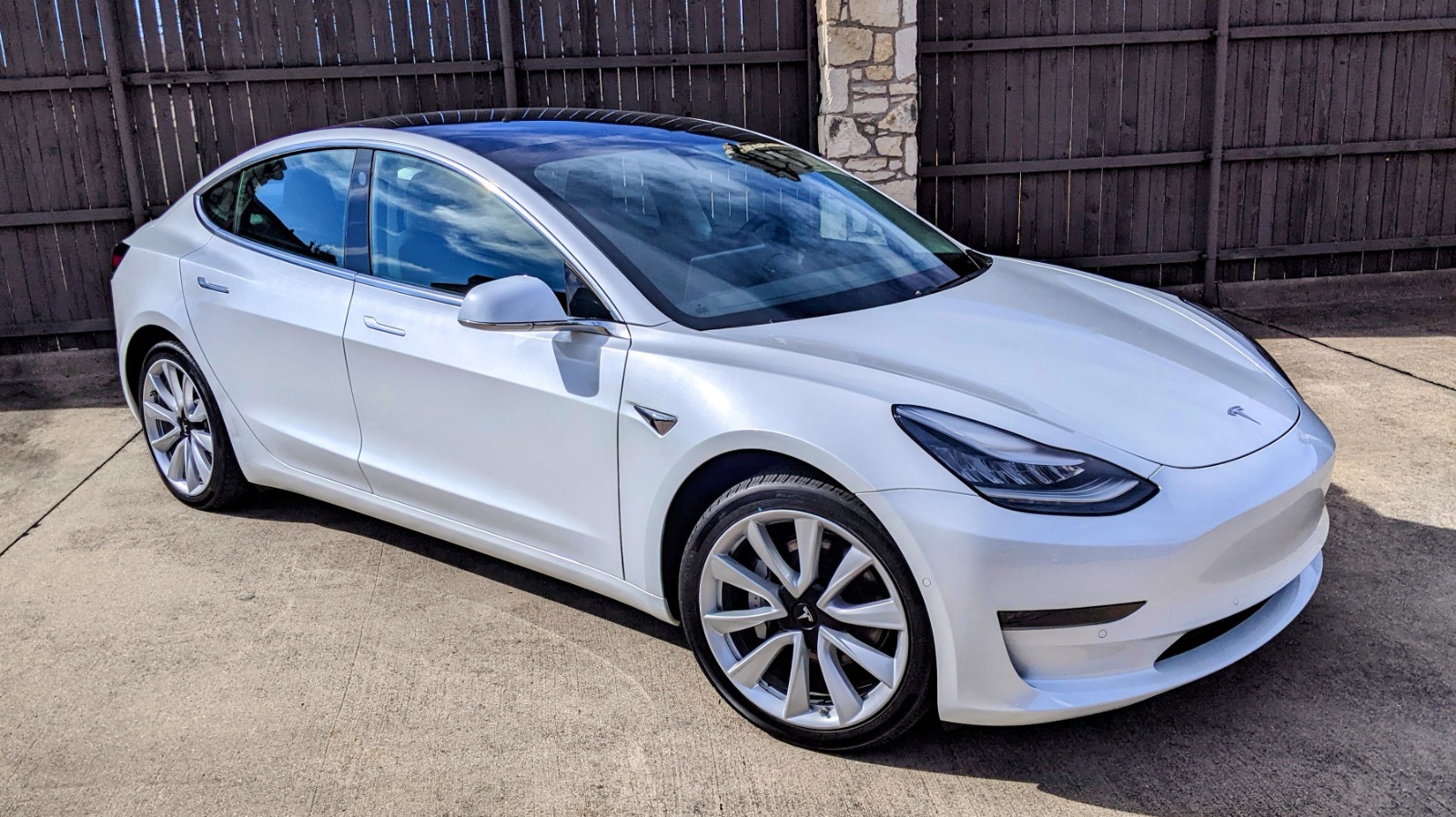
5. Tesla Model 3 RWD (Standard Range)
Legacy automakers love tier configurations. Tesla does not. It builds its cars on a unified hardware architecture, so even the cheapest Model 3 RWD arrives well equipped.
What do you get? A full tinted glass roof, heated seats for every single passenger, an immersive audio system, and a 15.4-inch central hub, all as standard equipment.
Heated seats for everyone, including the back row, are the kind of detail that families notice on the first cold morning.
Rivals handle this differently. Entry luxury EV competitors from BMW or Mercedes-Benz routinely strip these elements out of their base trims.
A panoramic roof, rear heated seats, and advanced driving assistance become expensive mid-trim add-ons, and the build-and-price page grows longer with every click.
Consider the shopping experience. With one approach, you pick a color and go. With the other, you spend an evening deciding which packages are worth the money. Neither is wrong, but one is clearly simpler.
Keep in mind that electric vehicle features and prices can change frequently, so it is important to check the standard equipment included in the specific model and configuration you intend to purchase. You should also consider charging availability, driving range, and service support in your area. After all, the right EV choice involves more than just the features it offers.
Still, if you hate paying extra for comfort, the Model 3’s simple structure makes the comparison easy.
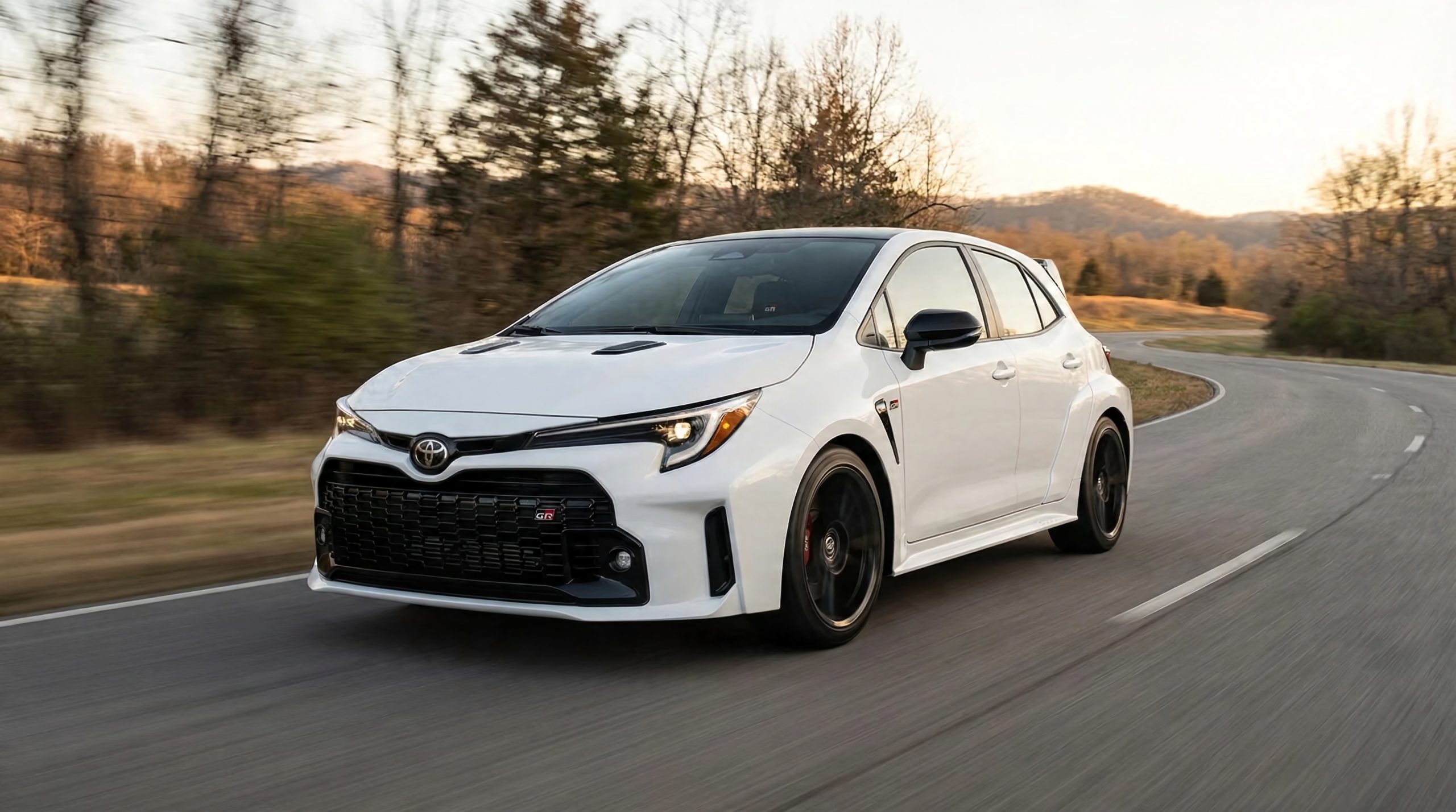
6. Toyota GR Corolla Core
Entry point, yes. Entry-level feel, no. The Toyota GR Corolla Core is the starting trim of Toyota’s rally-bred hot hatch, and its mechanical loadout is highly advanced.
Straight out of the box, you get a 300-horsepower turbocharged 3-cylinder engine and a sophisticated GR-FOUR adjustable All-Wheel Drive system.
Read that again. Three cylinders, 300 horsepower, and an AWD system you can adjust. That is serious hardware for a base model.
Compare that with the rivals. In the sport-compact segment, a Volkswagen Golf GTI asks you to step up to mid-to-high trims, like the SE or Autobahn, to unlock advanced electronic chassis controls or premium performance details. Toyota, meanwhile, makes the core rally-bred mechanical architecture standard.
Why does this matter? Because the hardware is what you cannot add later. Screens and seat materials are easy to change. A drivetrain is not. Starting with the good one means the foundation of the car is already right.
Some shoppers will still prefer the GTI for its own reasons, such as refinement or a different driving character, and that is fair. Test both on a road you know well.
But if your priority is the most advanced mechanical setup at the lowest entry price, the GR Corolla Core makes a very persuasive argument. Bring a friend who loves cars and let the argument begin.
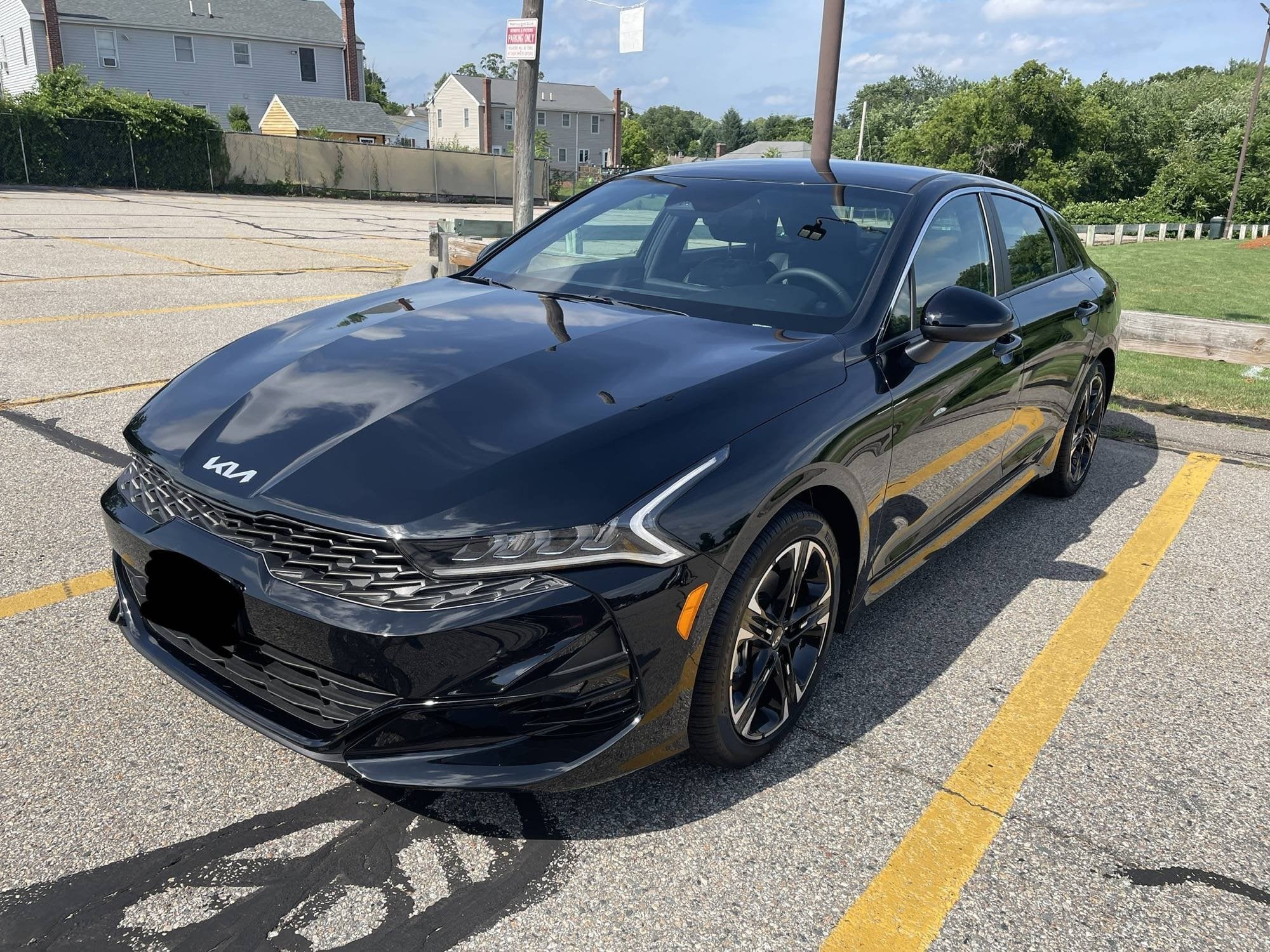
7. Kia K5 LXS
Big-screen technology at an accessible price
A midsize sedan should make daily driving comfortable and convenient, and the Kia K5 LXS takes that responsibility seriously. Its entry-level equipment package includes technology that some competing sedans reserve for more expensive configurations.
The first feature worth mentioning is the standard 12.3-inch infotainment touchscreen. A large display makes it easier to view information, access entertainment, and manage compatible smartphone functions.
Wireless Apple CarPlay and Android Auto also reduce the need to connect a phone with a cable every time someone gets behind the wheel.
Kia adds a useful collection of driver-assistance technologies, including Intersection Assist and Lane-Keep Assist. These systems provide extra support when monitoring surrounding traffic and maintaining the vehicle’s position on the road.
Some competing sedans continue to offer smaller infotainment displays or require buyers to purchase upgraded packages to access certain convenience features. Equipment availability varies by model year, but the K5’s generous starting specification gives it a strong selling point.
For drivers who want a practical sedan with modern connectivity and helpful safety technology, the LXS deserves attention. It delivers the essentials many people use every day without making an expensive trim upgrade feel necessary.
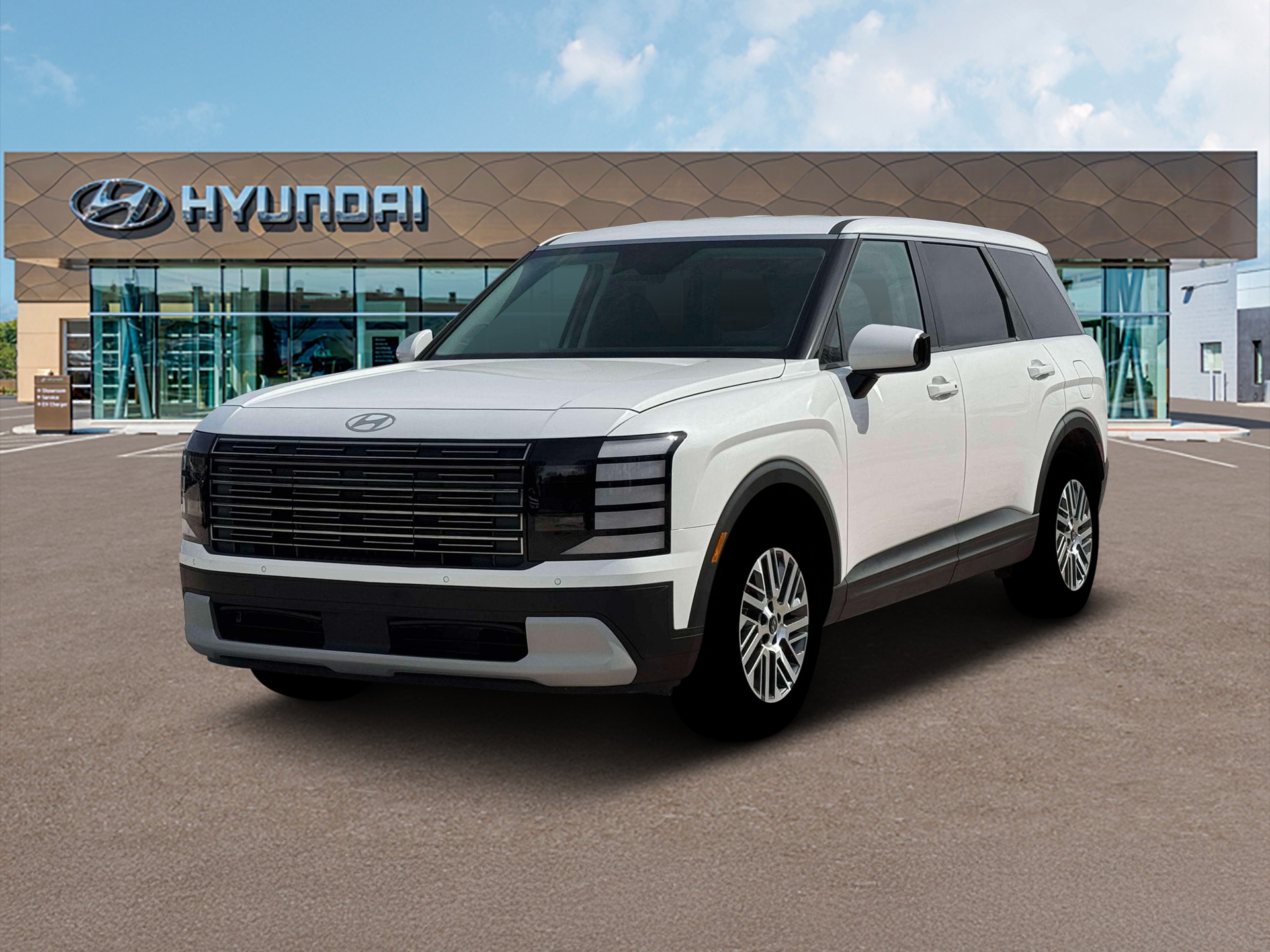
8. Hyundai Palisade SE
Family-friendly equipment from the first trim
Families shopping for a three-row SUV often have a long list of requirements. They want comfortable seating, useful technology, convenient access, and safety features that make everyday journeys easier.
The Hyundai Palisade SE addresses many of these priorities without requiring buyers to move into a more expensive trim.
Its standard 12.3-inch touchscreen navigation system gives the dashboard a modern appearance while providing access to useful driving information.
The proximity key with push-button start adds everyday convenience, allowing drivers to start the vehicle without repeatedly handling a traditional key.
Highway Driving Assist is another valuable inclusion. This driver-assistance technology can help with steering and speed control under supported highway conditions, although drivers must remain attentive and responsible for operating the vehicle.
The equipment package becomes particularly interesting when compared with competitors such as the Honda Pilot and Ford Explorer.
Depending on the model year, shoppers may need to select higher trims to access larger infotainment displays, built-in navigation, or comparable convenience features.
The Palisade SE makes a strong first impression for families who want a spacious SUV with useful technology already included.
Instead of paying extra simply to obtain a well-equipped starting package, buyers get several desirable features right from the entry-level model.