Buying a new vehicle is exciting, especially when the manufacturer’s build-and-price tool lets you compare several trim levels with a few clicks. But before choosing the most expensive version, take a closer look at what the extra money actually buys. Some upgrades bring useful comfort, better safety features, or improved performance.
Others add expensive cosmetic touches and equipment you might barely use. This is where buyers can lose thousands without getting a better driving experience. From compact cars to full-size trucks and family SUVs, these seven trim upgrades deserve a closer look before you spend more than necessary.
1. Toyota RAV4 XLE Premium → Limited
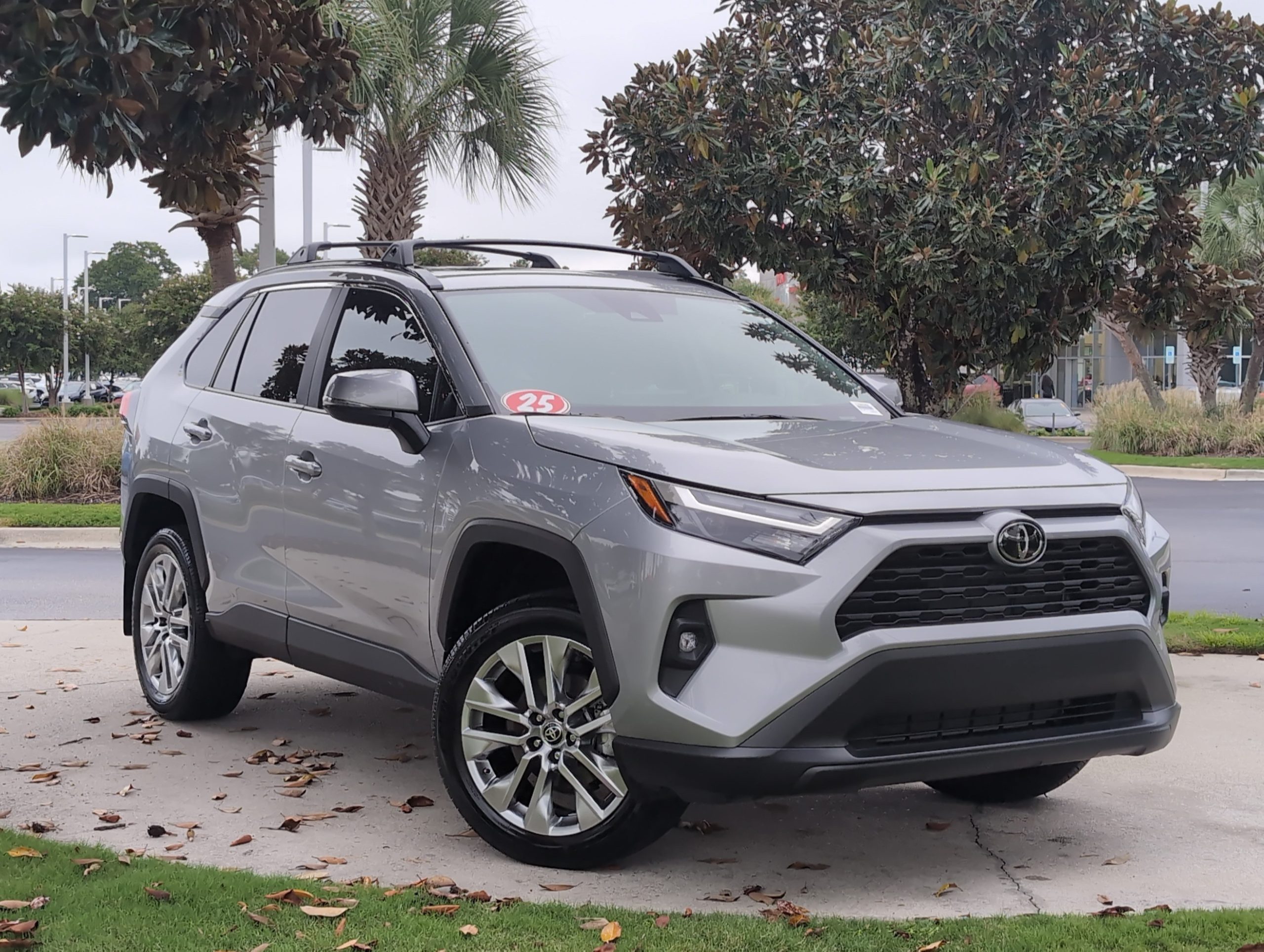
The Toyota RAV4 XLE Premium already gives buyers a comfortable, well-equipped SUV. Moving up to the Limited trim can cost approximately $3,500 to $4,000 more, but the extra equipment may not justify that difference for someone who simply wants dependable daily transportation.
The Limited adds a 12.3-inch digital instrument cluster, premium audio, ambient lighting, and additional exterior chrome accents. These features make the cabin feel more upscale, but they do not transform how the RAV4 performs on the road.
Both trims retain the same basic powertrain, passenger space, and primary safety equipment. Families still get the same practical cabin layout, while drivers experience much the same handling and everyday convenience.
Think about your actual priorities. If a larger digital display and upgraded audio system matter greatly to you, the Limited might deserve consideration.
However, if you mainly need a comfortable SUV for commuting, shopping, and family trips, the XLE Premium already covers much of what matters.
That extra $4,000 could be better spent on insurance, maintenance, fuel, or accessories you will use regularly.
2. Honda Civic Sport → EX / EX-L
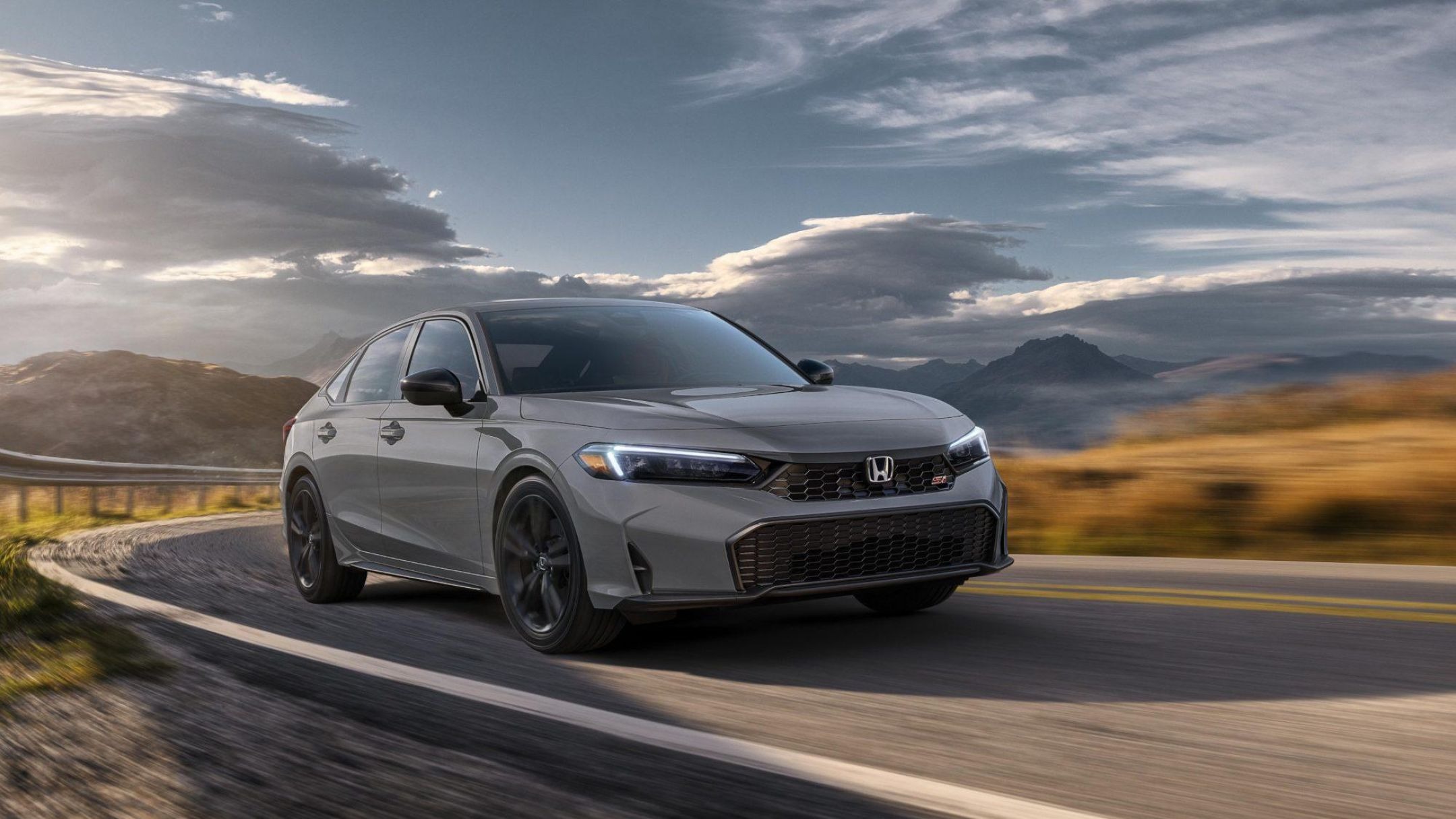
A Honda Civic Sport already makes a convincing case for itself. It offers an attractive exterior, a practical interior, a modern touchscreen, Apple CarPlay, and essential driver-assistance technology. For many buyers, that is a perfectly satisfying combination.
Stepping up to the EX or EX-L can add approximately $2,500 to $3,000 to the purchase price. Depending on the model year and configuration, the additional equipment can include dual-zone climate control, a sunroof, blind-spot monitoring, and leather-wrapped interior details.
Those additions are pleasant, certainly. Yet they do not necessarily make the Civic feel like a different vehicle.
The steering, basic driving character, passenger accommodation, and everyday usability remain familiar. You are paying extra for convenience and cabin touches rather than a major improvement in the driving experience.
There is nothing wrong with wanting a sunroof or a more upscale interior. Just be honest about whether those features deserve several thousand dollars.
For buyers who value practicality and want to keep monthly payments manageable, the Sport deserves serious attention.
It delivers the essentials without making you pay for extras that might fade into background details after the excitement of buying a new car wears off.
3. Subaru Outback Limited → Touring
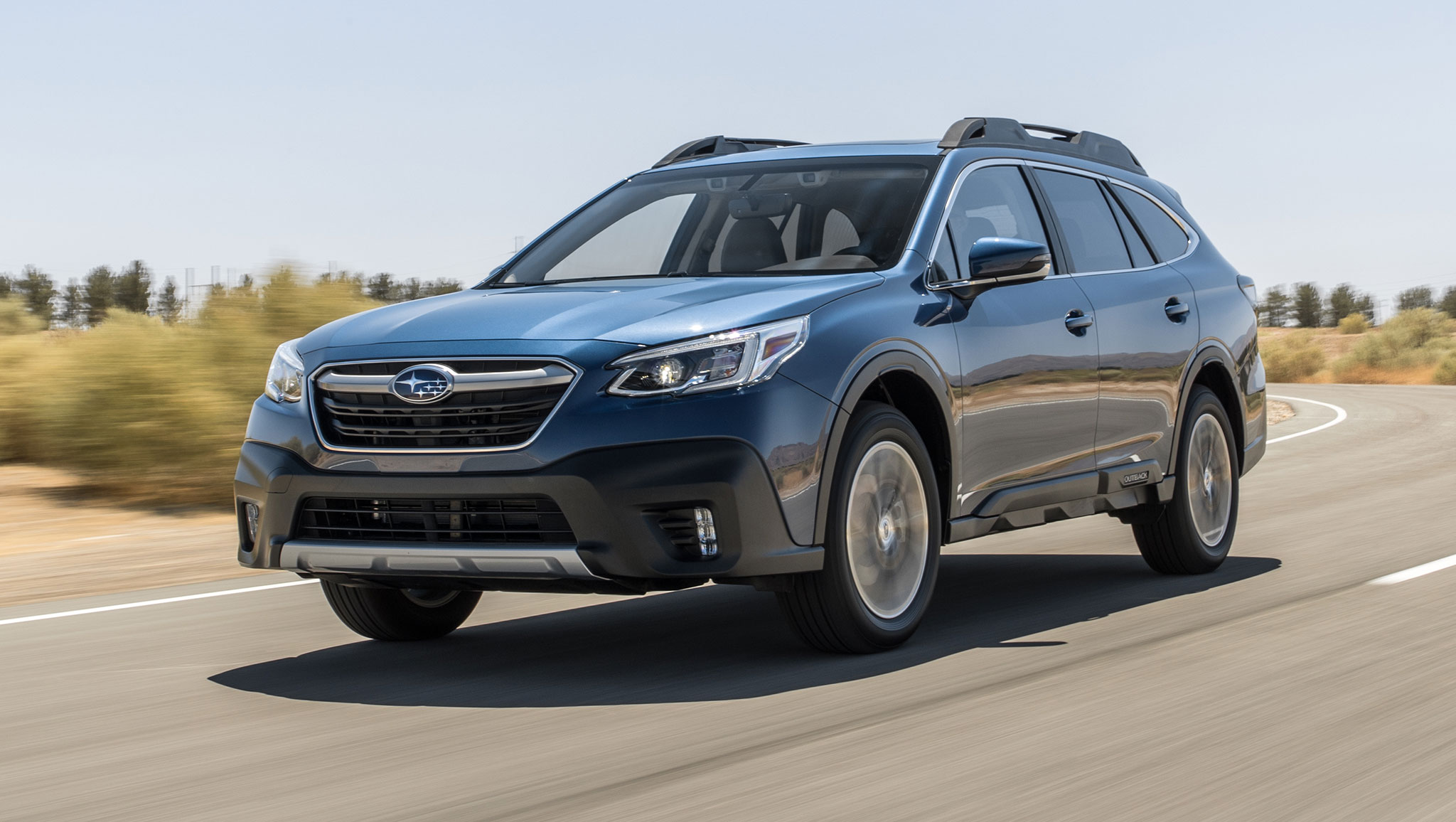
Think of the Outback Touring as a tuxedo for a car that already looks good in a nice jacket. The jump from Limited costs about $3,000 to $3,500, and the extras are mostly about luxury touches and appearance.
The list of desirable features includes Nappa leather seats, ventilated front seats, a digital rearview mirror, and satin chrome-finished side mirrors. The ventilated seats are an especially welcome addition, providing extra comfort during hot summer days.
The leather will feel lovely every day. The mirrors will look lovely to anyone who notices mirrors. Now the part that matters for your wallet. The mechanical architecture is the same as the Limited. So is the ride height.
So is the all-wheel-drive system. So is the core infotainment display. Nothing about how the car moves, grips, or climbs a snowy hill gets better.
Who should still consider the Touring? Anyone who spends hours in the driver’s seat and values cooling on hot days. Ventilated seats are a real comfort, and some people simply love premium leather.
If that is you, buy it with open eyes. If you just want an Outback that goes everywhere, the Limited already does the job.
Think of it as a nicer seat, not a better Outback. Three thousand dollars buys a lot of snow tires and ski lift tickets.
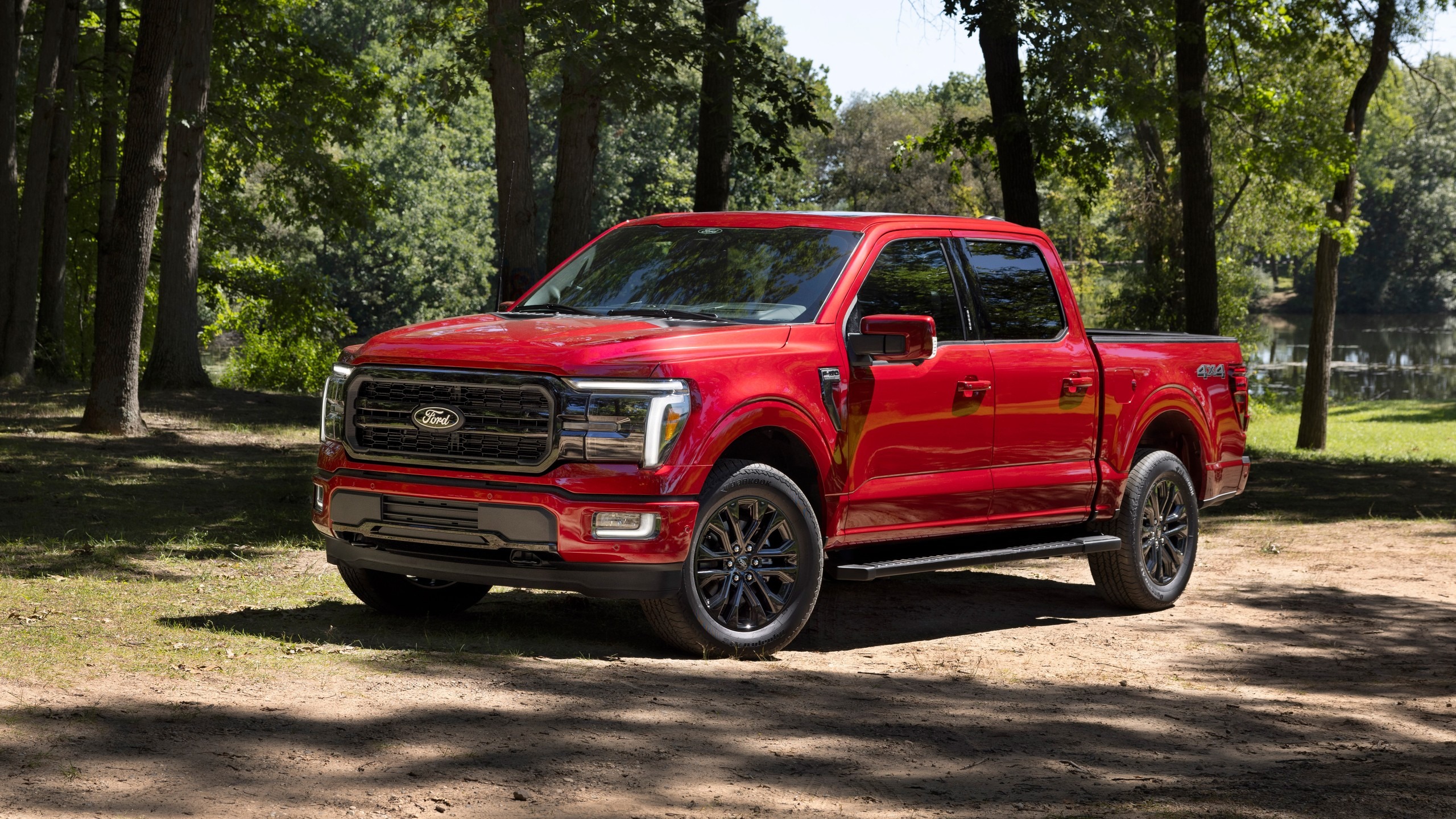
4. Ford F-150 Lariat → King Ranch / Platinum
Brace yourself. This is the biggest price jump on the list, at roughly $8,000 to $12,000 for stepping from the Lariat to the King Ranch or Platinum.
What lands in the truck? Unique leather branding, specific wood accents, distinctive grille patterns, and power-deployable running boards. It is a lot of style, and the boards are a handy touch when you climb in with a coffee.
Yet a truck is a tool, and the tool does not change. Towing capacities stay the same. Engine configurations stay the same. Bed utility stays the same.
The build-and-price comparison points to a significant price difference, with buyers potentially spending five figures more for what is largely a luxury-branded appearance and image rather than substantial functional upgrades.
Ask yourself an honest question. Will the wood accents help you haul a load of lumber? Will the leather branding pull a trailer up a ramp? If you answered no, you already know where the extra thousands are going.
Some owners buy a truck as a statement piece, and that is a fair choice. Just make it on purpose. Put $8,000 or more into tools, a trailer, or a fund for future repairs, and the Lariat starts to look like very good value indeed.
Add the extra money to a down payment and watch your monthly cost shrink.
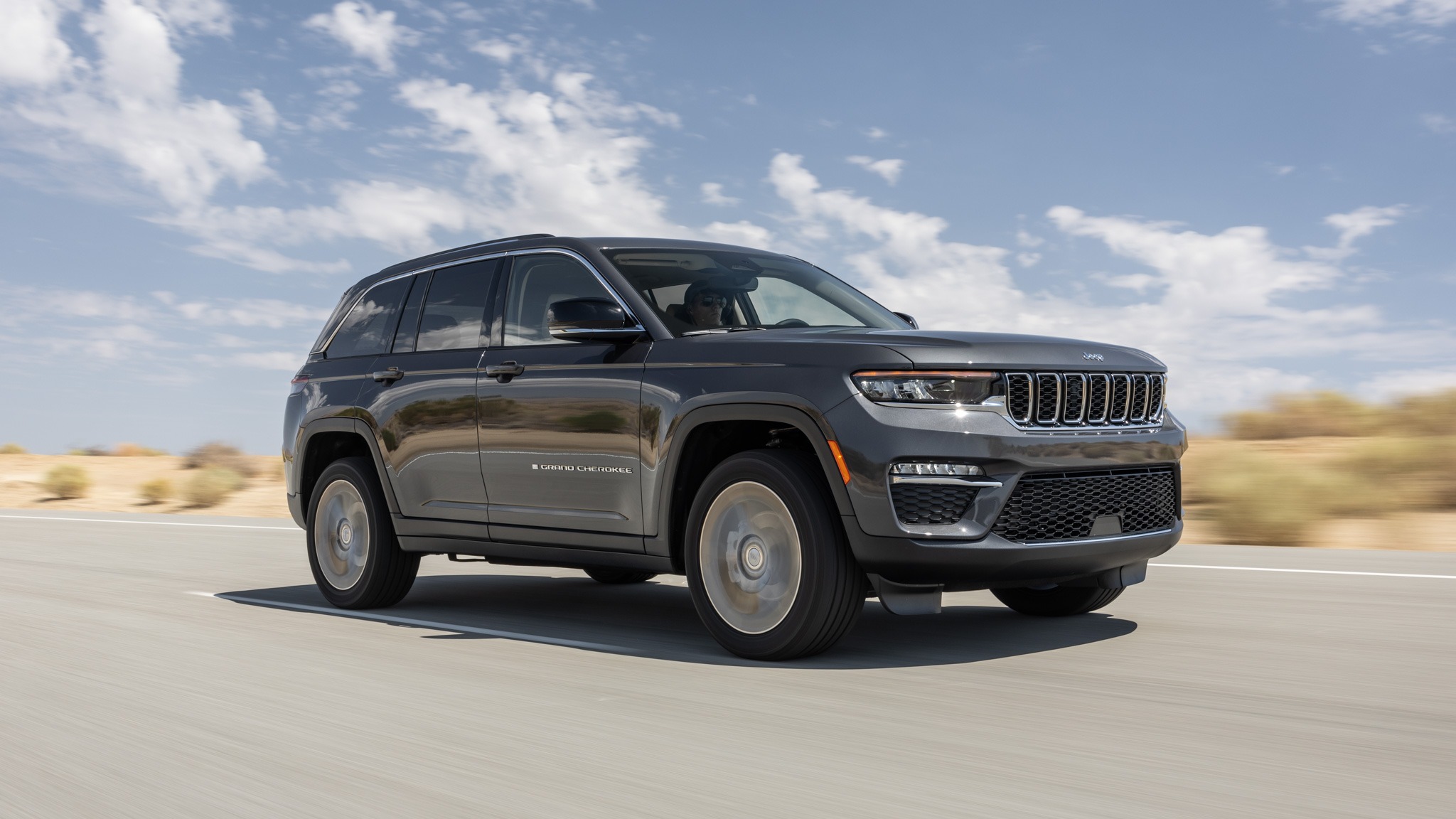
5. Jeep Grand Cherokee Limited → Overland
Air suspension sounds fancy, and it is. It is also the headline of the Overland, which costs roughly $4,500 to $5,500 more than the Limited.
Additional features include air suspension, a panoramic sunroof, a hands-free power liftgate, and subtle changes to the front fascia. The hands-free liftgate makes loading groceries much easier when your hands are occupied, while the panoramic sunroof adds an open, airy feel to the cabin.
Here is the catch. The comparison points out that air suspension adds long-term reliability headaches. More parts can mean more things that eventually wear out, and repairs on systems like this can run pricey.
It is smart to think about the cost of ownership, not just the cost of purchase.
Meanwhile, the Limited is no bare-bones rig. It already comes heavily equipped, with leather seats and premium screens. You are not sacrificing comfort by staying put.
Is the Overland pleasant? Sure. Is it worth a mid-sized vacation budget? Many shoppers may decide it is not, especially with a possible repair risk attached.
Before you tick the box, ask the dealer what the warranty covers on the air suspension, and how much a replacement part would cost out of pocket.
A clear answer helps you decide with facts instead of hype. If the dealer cannot give one, that tells you something too. Fancy is fun until it needs fixing.
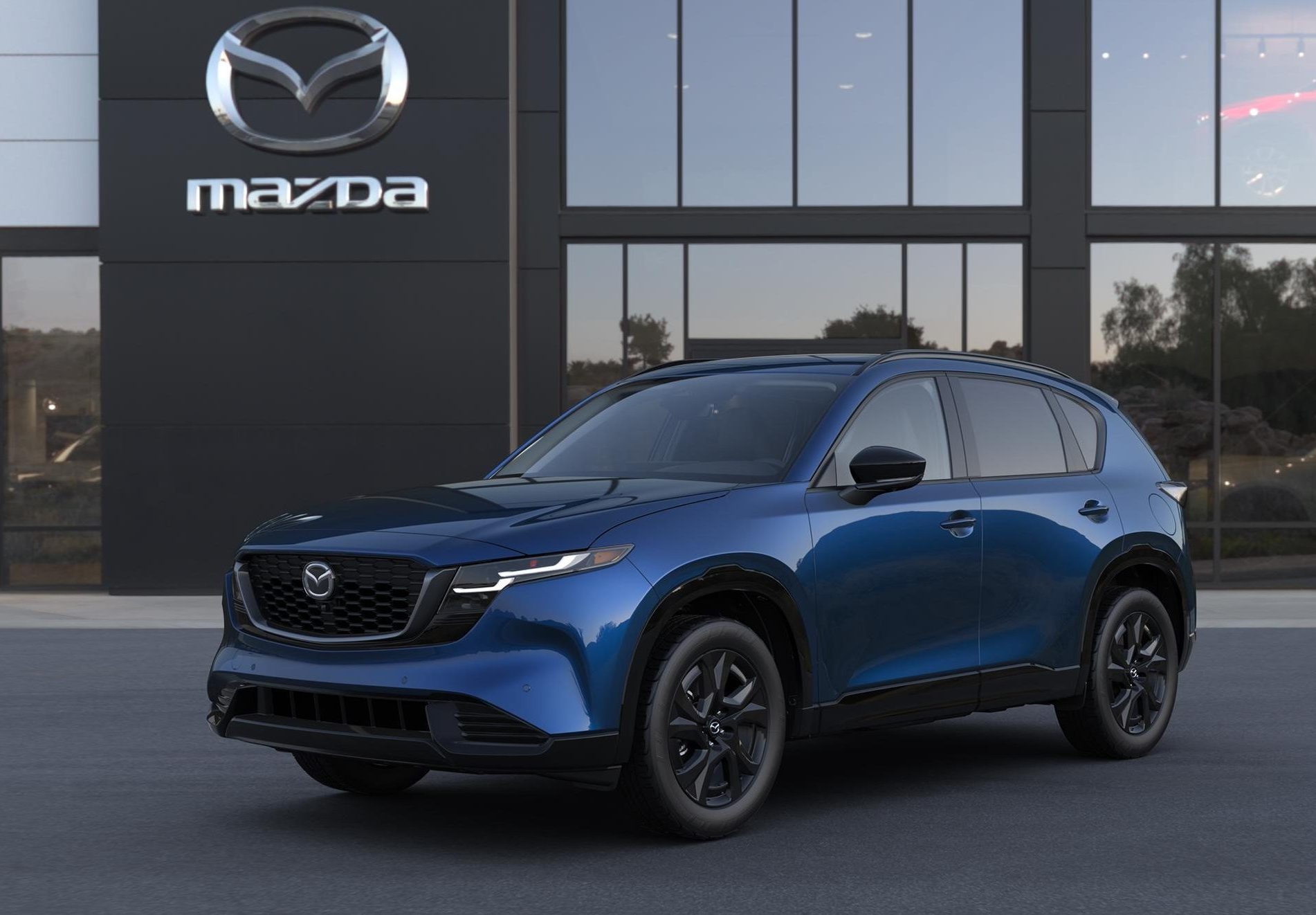
6. Mazda CX-5 2.5 S Premium → Premium Plus
Mazda has built a reputation for giving its vehicles an interior feel that punches above their price category.
The CX-5 is a good example, particularly in the 2.5 S Premium trim. Its cabin already offers an attractive design, comfortable materials, and a refined atmosphere.
Moving to the Premium Plus costs approximately $2,500 more. Buyers receive additional amenities such as ventilated front seats, heated rear seats, a head-up display, and power-folding mirrors.
There is a lot to like here, especially if you regularly carry passengers who appreciate extra comfort.
Heated rear seats can make winter journeys more pleasant, while the head-up display helps drivers view useful information without looking down at the instrument panel.
However, one important point remains unchanged. The naturally aspirated 2.5-liter engine still produces 187 horsepower in the configurations discussed. In other words, the upgrade does not include a turbocharged powertrain or deliver a significant boost in performance.
So, what are you really buying? More convenience, additional comfort, and a few premium touches.
For buyers who spend much of their time driving alone or with one passenger, several of these additions may see little use. The 2.5 S Premium already provides an appealing combination of comfort and everyday practicality.
Save the extra money unless the Premium Plus features match your regular needs.
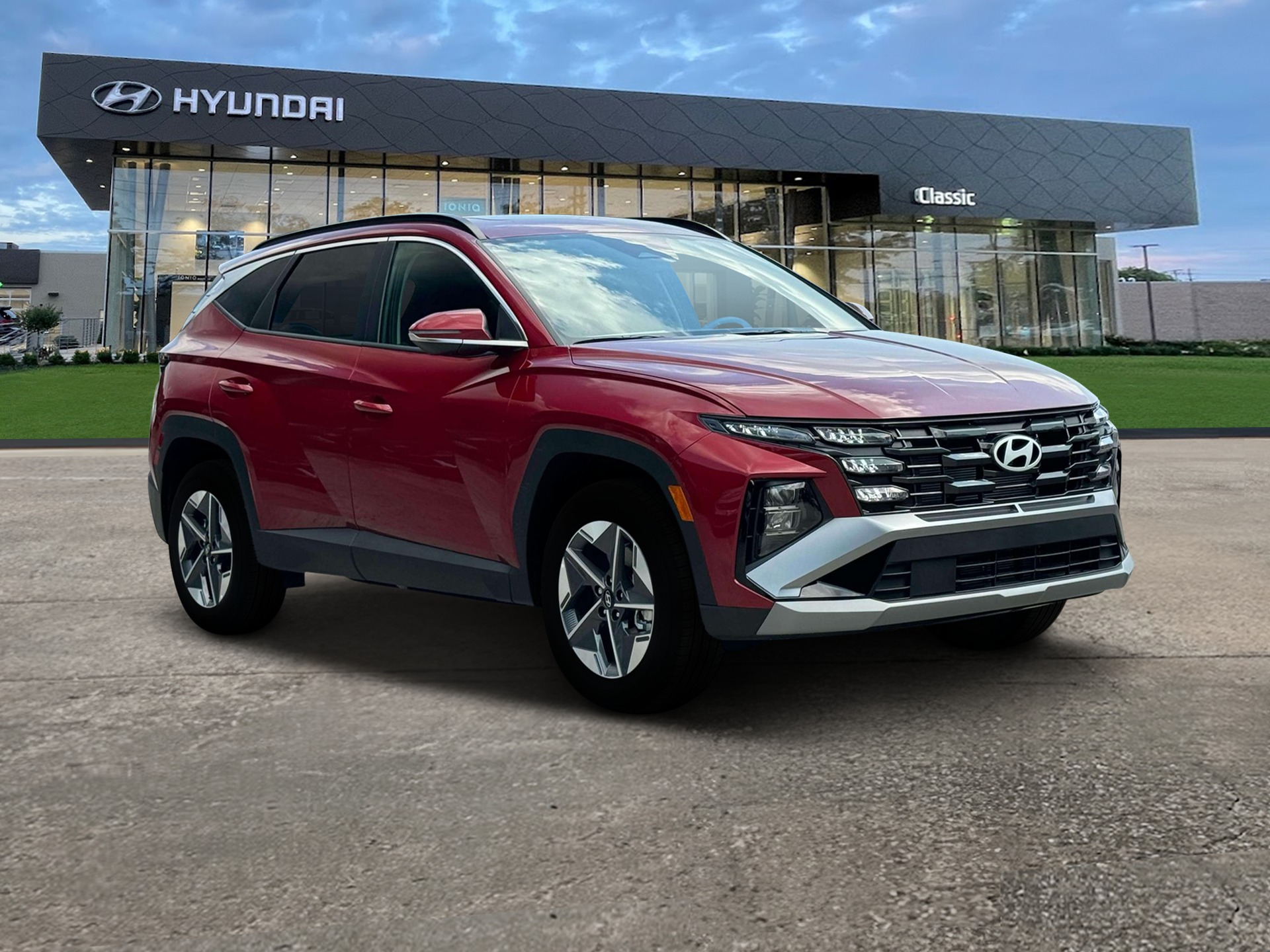
7. Hyundai Tucson SEL (with Convenience) → Limited
Some buyers may be surprised to discover that the Hyundai Tucson SEL equipped with the Convenience package already comes with several features typically found in more expensive vehicles. This makes it worth taking a closer look at what the package offers before spending extra on a higher trim level.
Depending on the model year and configuration, this version can provide large digital displays, wireless charging, and a useful collection of everyday technology. It is a well-equipped starting point for anyone seeking a modern family SUV.
Moving to the Limited can add approximately $3,500 to $4,000. The extra equipment includes a 360-degree camera system, blind-spot view monitor, panoramic sunroof, and heated steering wheel.
Some of these features are genuinely useful. A 360-degree camera can make parking easier, particularly in tight spaces, while a heated steering wheel is a welcome addition during cold mornings.
The blind-spot view monitor can also provide helpful visual information when changing lanes.
Still, buyers should consider how much of this equipment they will use regularly. The SEL with Convenience already covers many common technology and comfort needs.
If you rarely park in confined spaces, do not live in a cold climate, or simply prefer a straightforward driving experience, the Limited may offer less practical value than its price suggests.
There is no reason to dismiss the top trim entirely. It simply makes more sense when its extra features solve problems you actually encounter.
A well-equipped SEL with Convenience may be the smarter purchase for someone who wants a modern Tucson without paying thousands more for additional equipment.