Purchasing a new vehicle is exciting, but the price you pay today can influence how much money you recover when it is time to sell. While attractive paint colors and stylish accessories may make a car more appealing, certain factory options offer a better financial return. Some upgrades attract used-car shoppers, improve everyday convenience, and make a vehicle easier to sell at a competitive price.
Others cost thousands of dollars upfront but return very little when the vehicle changes hands. Knowing which features deserve your money can help you make a smarter purchase. Based on Kelley Blue Book (KBB) historical valuation principles and option-adjusted residual considerations, here are 12 factory options worth paying for when resale value matters.
1. Advanced Powertrain Options (Diesel & Hybrid)
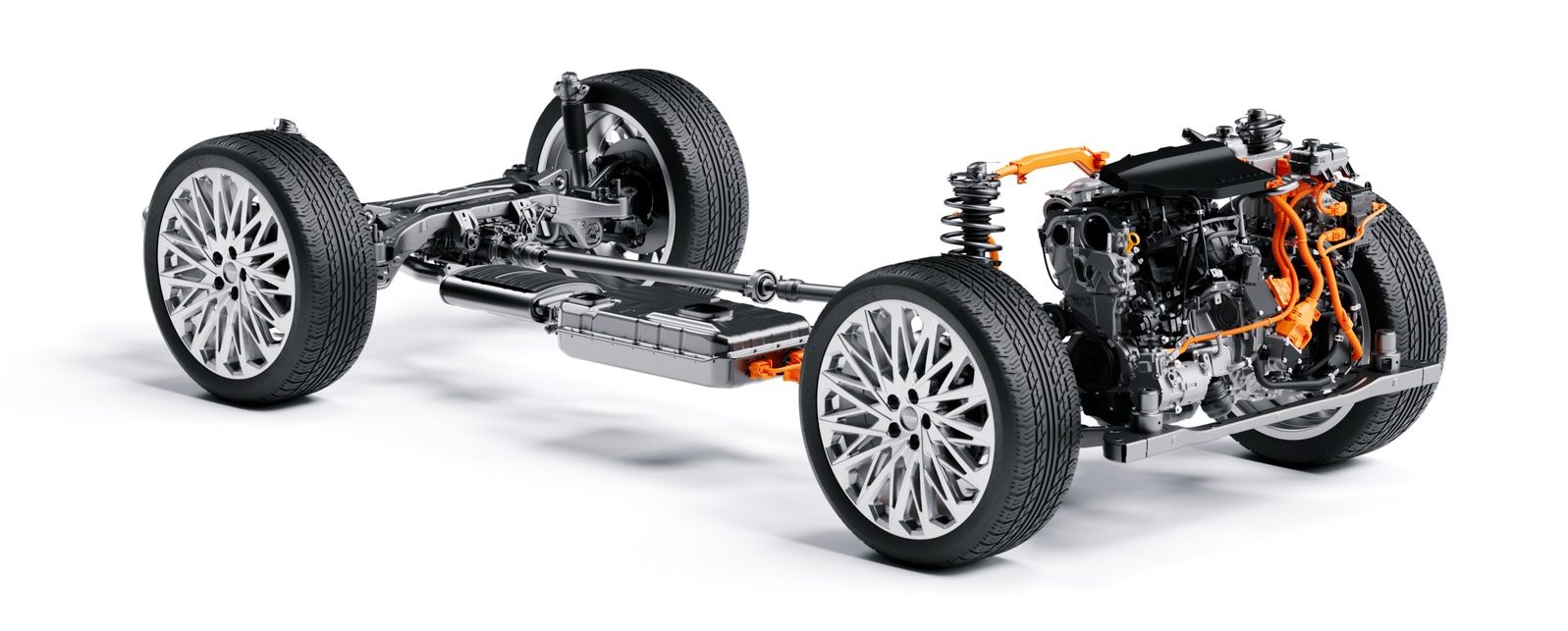
A vehicle’s engine can have a powerful influence on its resale price, especially when buyers are looking for dependable performance, useful capability, and reasonable operating costs.
Diesel and hybrid powertrains attract different groups of shoppers, but both can command strong interest in the used-car market.
For pickup trucks and larger SUVs, diesel engines are particularly attractive because of their towing strength, torque delivery, and suitability for demanding workloads.
Buyers who regularly haul equipment, tow trailers, or cover long distances may willingly pay extra for a properly maintained diesel model.
Hybrid powertrains appeal to shoppers interested in fuel efficiency and reduced fuel consumption. Their appeal can be particularly strong in vehicles with established reliability records and competitive running costs.
Depending on the vehicle, market conditions, mileage, and condition, these powertrain upgrades may recover approximately 60% to 80% of their original package cost. Buyers should still consider maintenance expenses and battery warranties before purchasing.
2. Four-Wheel Drive (4WD) / All-Wheel Drive (AWD)
Imagine two otherwise identical SUVs parked side by side. One has front-wheel drive, while the other features an advanced all-wheel-drive system.
For shoppers who regularly encounter snow, rain, muddy roads, or slippery surfaces, the second vehicle may receive attention first.
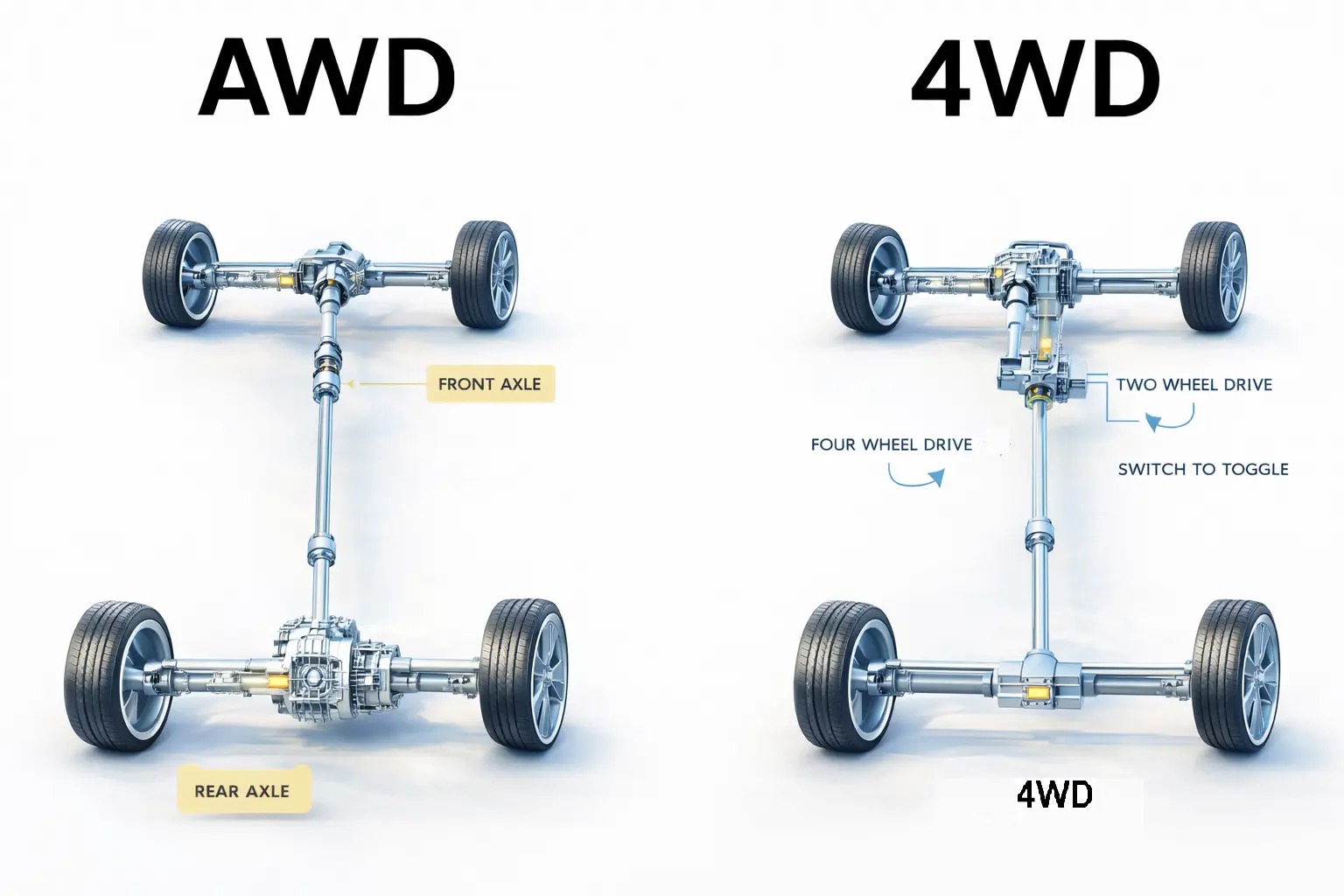
That preference helps explain why four-wheel drive and all-wheel drive can protect resale value. These systems provide additional traction and can make a vehicle more suitable for challenging driving conditions.
Four-wheel drive is particularly desirable in many pickup trucks and off-road SUVs, while all-wheel drive attracts buyers looking for added traction in everyday driving.
In colder regions, an appropriately equipped vehicle may appeal to a much larger group of used-car shoppers. Some models can even recover nearly the entire original cost of the drivetrain upgrade, although this depends heavily on local demand.
Before paying for this option, consider where you drive and whether the extra capability is useful. Both systems can add weight and maintenance requirements, so the purchase should make practical sense.
3. Factory Off-Road & Performance Packages
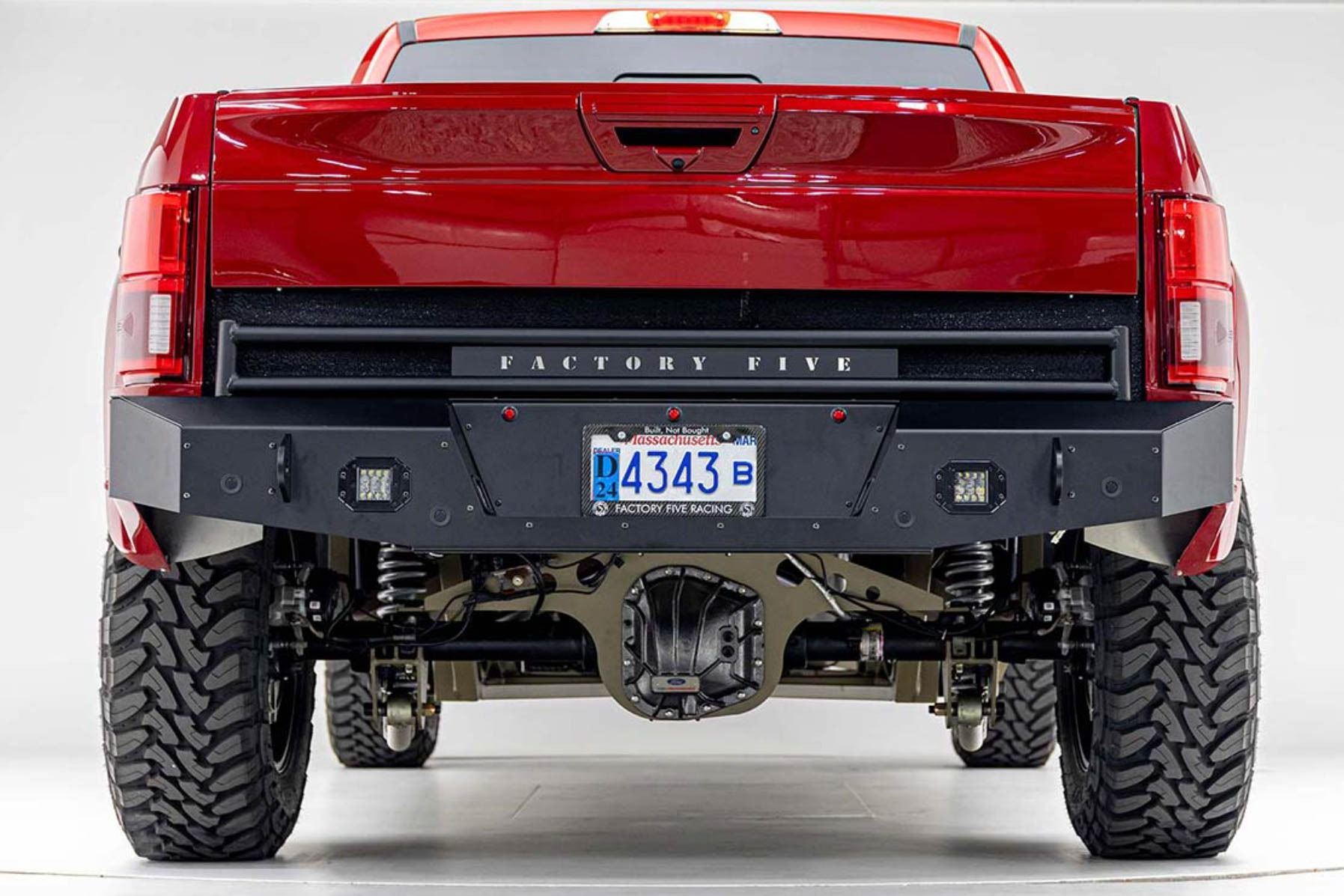
Some vehicles have a personality that goes beyond their standard equipment. Factory off-road and performance packages give buyers access to specialized hardware, distinctive styling, and capabilities that are difficult or expensive to reproduce with ordinary accessories.
Consider popular packages such as Toyota TRD Pro, Ford Raptor, and Chevrolet Z71. These names attract shoppers who want more than basic transportation.
Depending on the model, the packages may include upgraded suspension systems, protective underbody equipment, specialized tires, stronger components, and performance-oriented features.
Scarcity also plays an important role. A well-equipped factory performance model may attract more attention than a standard version with aftermarket modifications. Buyers often prefer original factory equipment because its specifications are easier to verify.
The resale advantage depends on the vehicle, package, mileage, and enthusiast demand in your area. A desirable factory configuration can command a healthy premium, particularly when production numbers are limited.
Choose a package that matches the vehicle’s intended purpose rather than paying extra for a badge alone. Genuine mechanical upgrades generally provide a stronger selling argument than decorative additions.
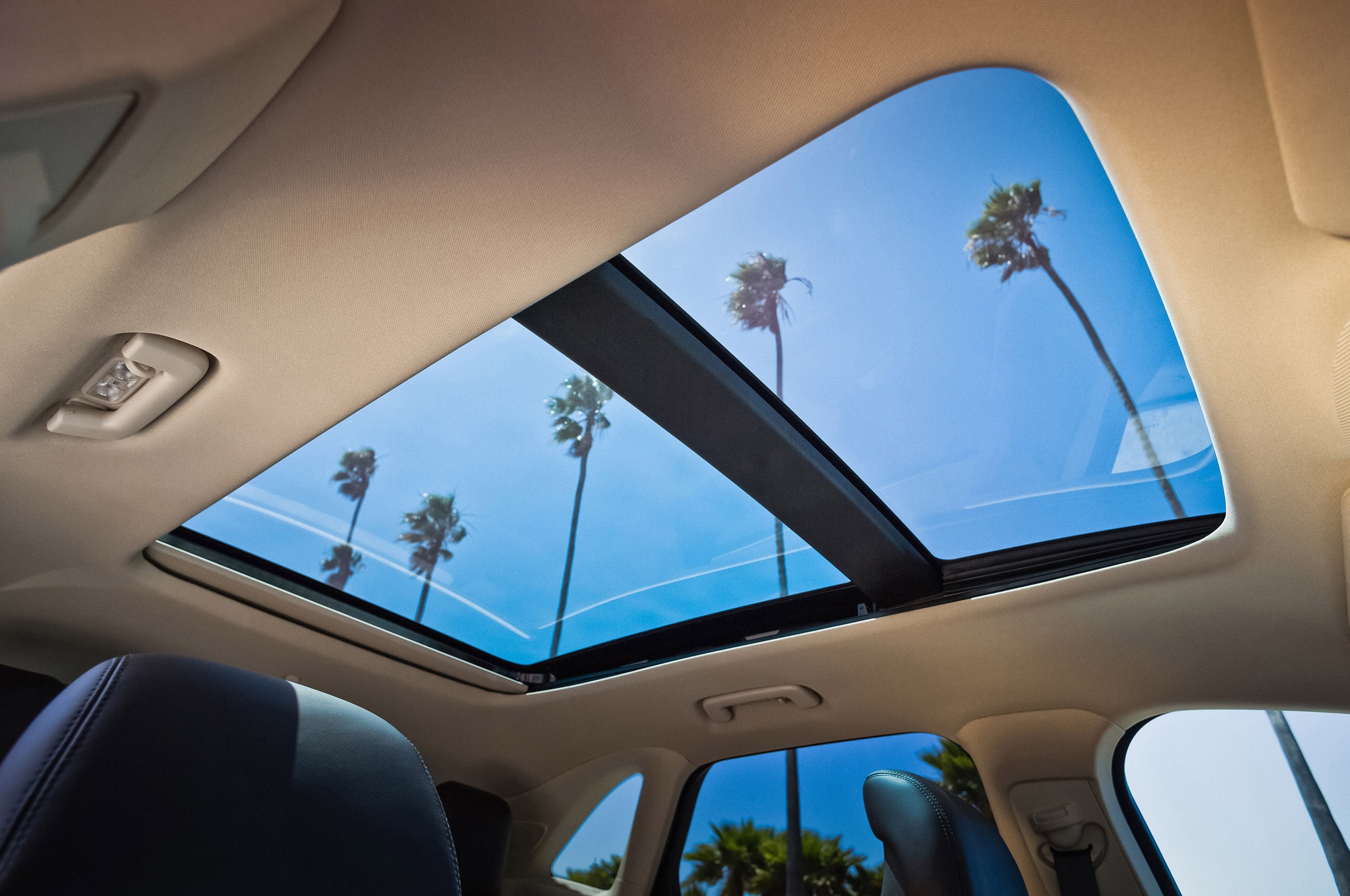
4. Panoramic Sunroof / Moonroof
Imagine a used-car shopper walking a lot on a sunny Saturday. They want an open-air roof, and they see two similar cars. One has it, and one does not. Which one gets the test drive?
Used-car shoppers view an open-air roof as a standard luxury benchmark rather than an optional add-on. Its absence can actively turn away buyers or trigger immediate low-ball offers. In other words, not having one can cost you.
The payoff is more modest than some options on this list, but still solid. A panoramic sunroof recovers roughly 40% to 50% of the initial retail cost.
If you paid $2,000 for it, you might see $800 to $1,000 back at resale. Not the full amount, but a decent return for an option that also fills the cabin with light every day you own the car.
Sunroofs require regular maintenance to remain an asset. Make sure the drainage channels stay free of debris and periodically check that the mechanism operates smoothly. A leak or malfunction can quickly become a drawback during resale, giving potential buyers a reason to negotiate a lower price. Repairs can also be expensive.
If you love the feeling of an open sky, this is an easy option to enjoy and an easy one to defend at resale.
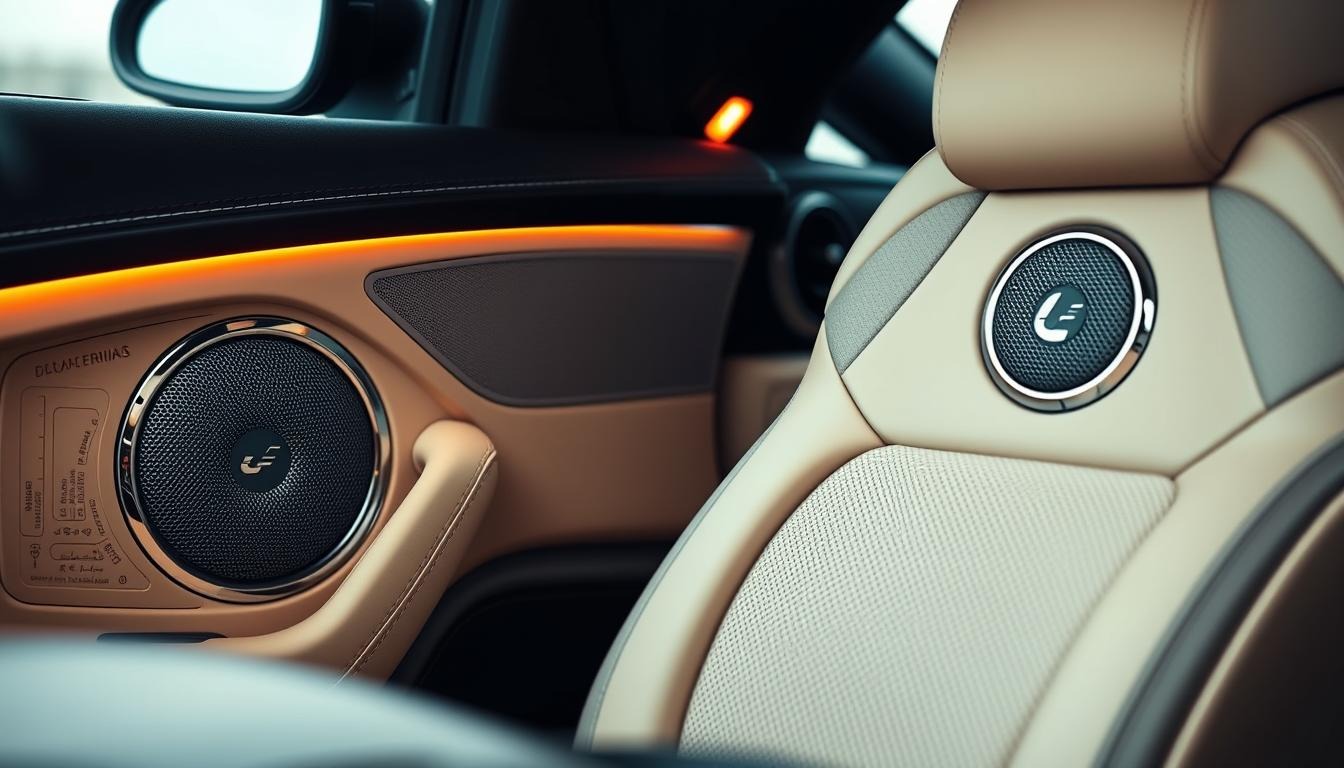
5. Premium Sound Systems
Music lovers, this one is for you. Upgraded audio systems from brands like Harman Kardon, Bose, or Bang & Olufsen are highly sought after by secondhand premium vehicle buyers who refuse to settle for base audio quality.
Notice the word refuse. These shoppers do not simply prefer a better system. They skip cars without one, which means a base-audio vehicle can lose a whole group of interested buyers before the first phone call.
The source notes strong percentage retention, specifically because aftermarket stereo installations often harm a car’s clean resale profile. Cut wiring, odd trim panels, and mismatched speakers tell a buyer the car has been modified, and many walk away from that.
So the factory system does double duty. You enjoy it every day on the drive to work, and you avoid the messy aftermarket route that can hurt your sale. It is a rare case where doing the convenient thing is also the smart financial thing.
If sound matters to you, order the upgrade and leave the original equipment untouched. When you sell, the car presents as clean, original, and ready for its next owner.
And during a test drive, a great stereo is easy to demonstrate. Just turn it up a little and let the music make the pitch.
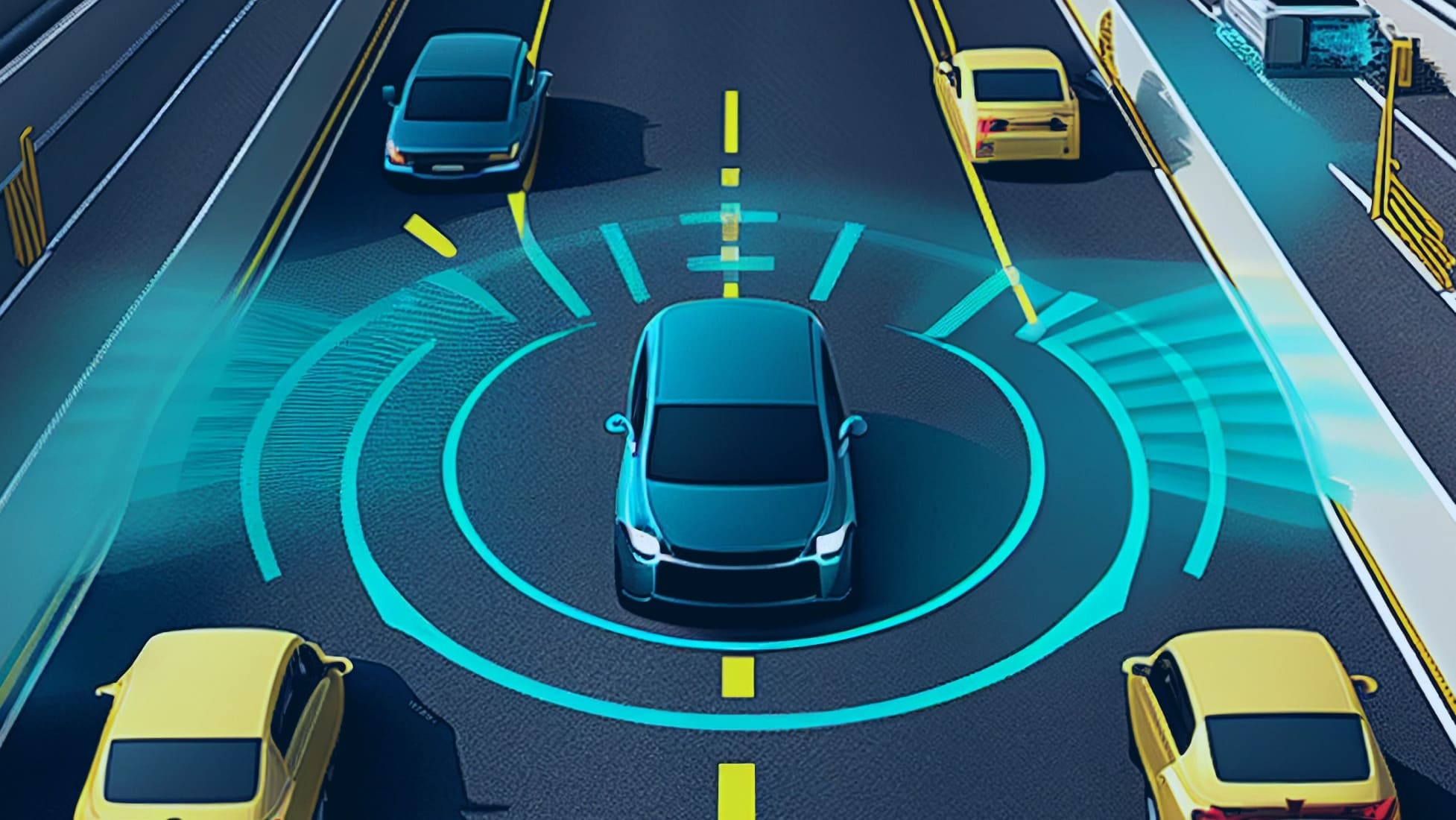
6. Driver-Assistance & Safety Packages
Modern drivers increasingly expect vehicles to offer assistance with common road situations. Features that once appeared mainly on expensive luxury models are now available across many vehicle categories, making safety packages worth considering when ordering a new car.
Adaptive cruise control helps maintain a selected following distance from the vehicle ahead. Blind-spot monitoring alerts drivers to vehicles that may be difficult to see in adjacent lanes.
Surround-view cameras provide a broader view around the vehicle, which can make parking and maneuvering easier.
Other available technologies include lane-keeping assistance, forward collision warnings, automatic emergency braking, and rear cross-traffic alerts. Together, these systems can make everyday driving less demanding when used properly.
Their resale appeal comes from changing shopper expectations. A used vehicle without commonly requested driver-assistance features may appear outdated when compared with a similarly priced competitor that includes them.
These packages can preserve technology-related value, especially on premium vehicles and newer family SUVs. However, not every system is equally useful, and some require costly sensor calibration after repairs.
Pay attention to which features are included in the package rather than relying on marketing names. Practical safety equipment is generally a better purchase than a long list of electronic features you may rarely use.
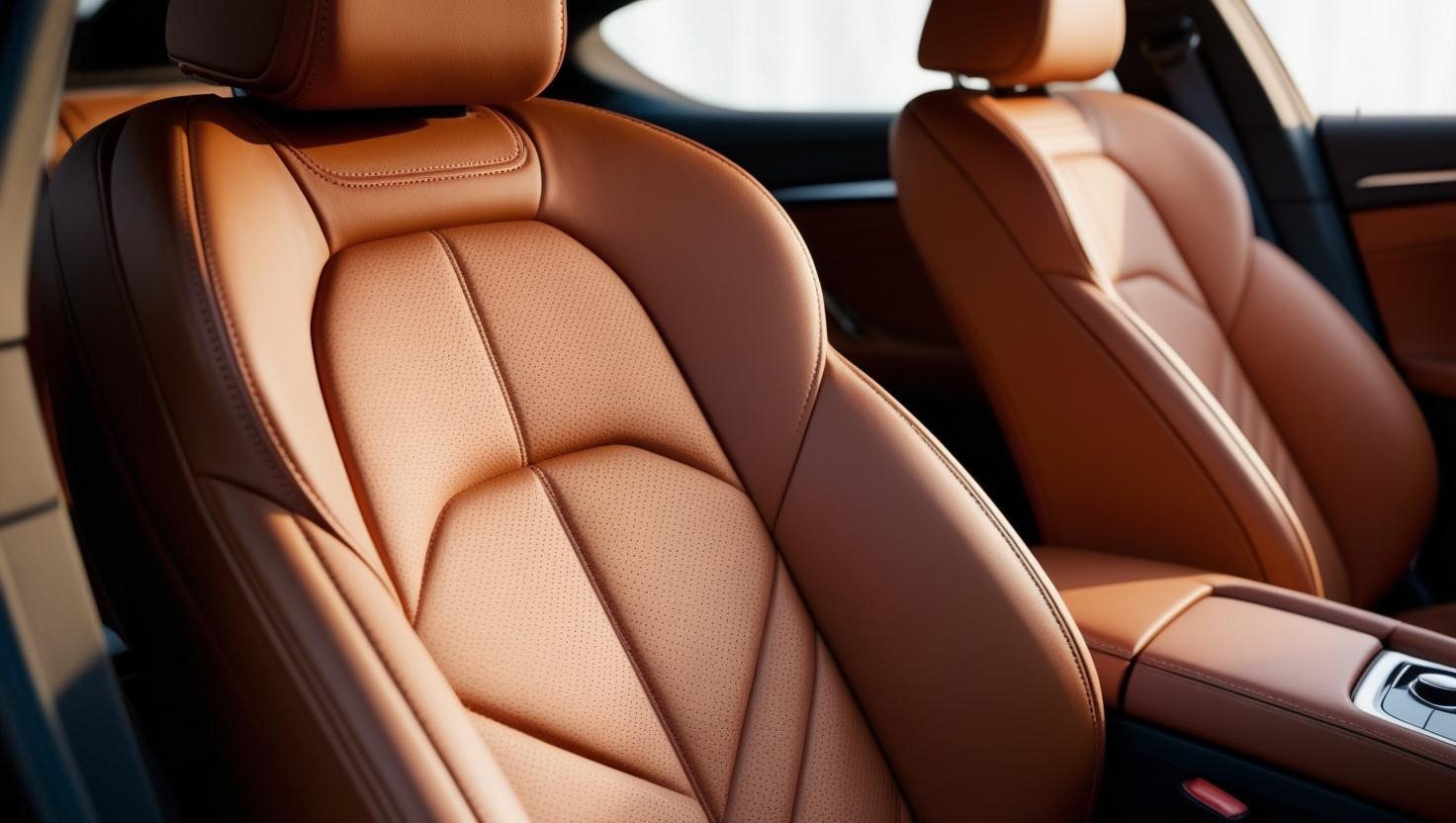
7. Leather Seating & Premium Upholstery
Walk into a vehicle with clean, well-maintained leather seats, and the cabin may immediately feel more expensive.
Upholstery influences a buyer’s first impression because seats occupy a large portion of the interior and receive constant attention during inspections.
Leather is popular because it is relatively easy to wipe clean and does not absorb spills in the same way as many cloth materials.
Quality leather can also develop an attractive appearance when properly maintained. Premium synthetic leather and other upgraded upholstery materials can provide similar visual appeal, depending on their construction.
For resale, condition matters more than the material alone. Cracked leather, deep scratches, faded surfaces, and damaged stitching can make an expensive interior look neglected. Clean seats with minimal wear help reinforce the impression that the previous owner cared for the vehicle.
Premium upholstery may also make it easier to market a vehicle to shoppers who prefer an upscale cabin. In some vehicle categories, leather seating is closely associated with higher trim levels and better equipment.
Keep in mind that leather is not automatically more durable than every cloth alternative. Regular cleaning and appropriate conditioning are important. Heated or ventilated seating can add further appeal when included in a desirable factory package.
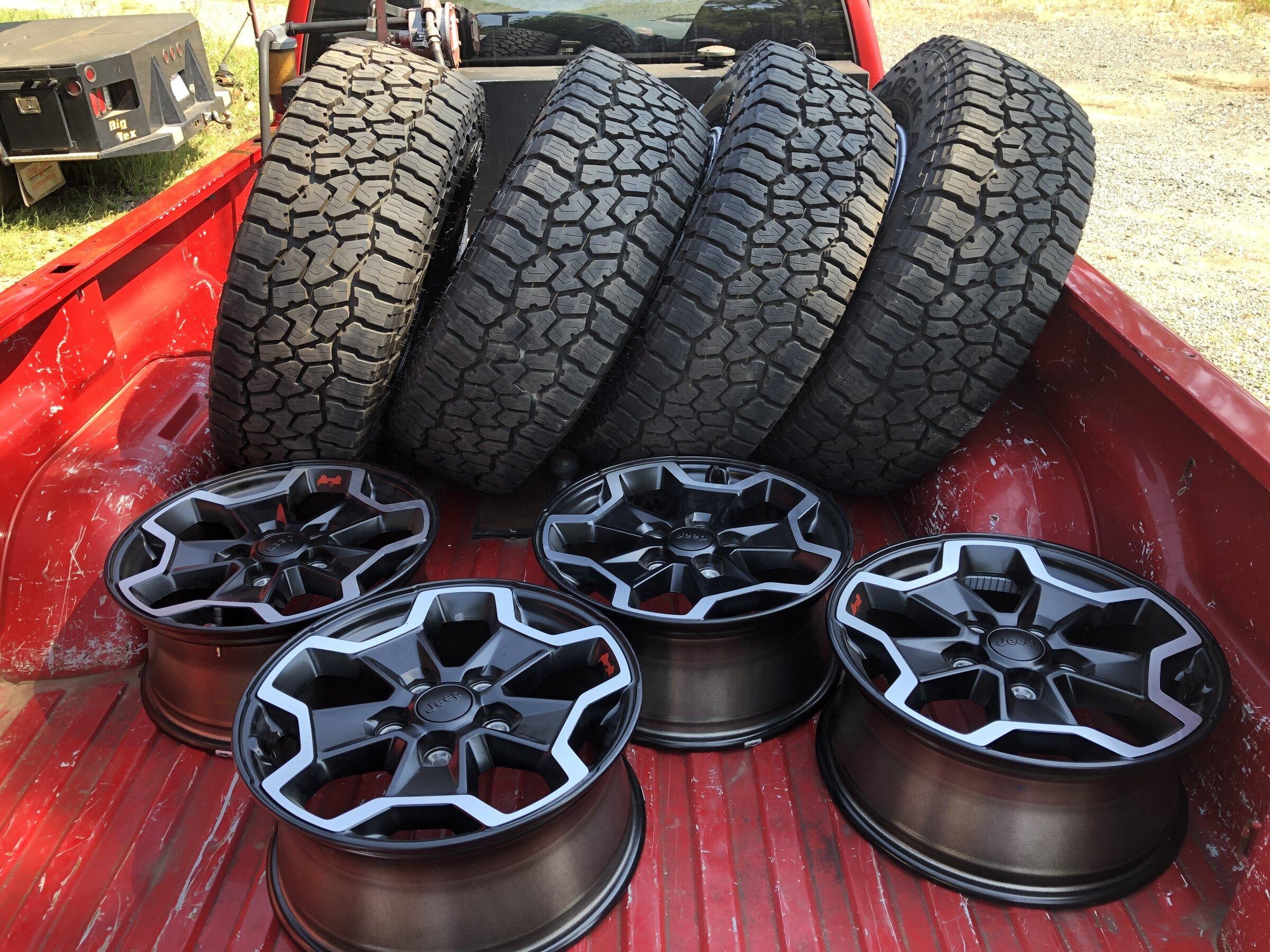
8. Upgraded Factory Wheels
Curb appeal sells cars. Private party and dealership interest both follow what the eye sees first, and wheels are impossible to miss.
Larger or black-finish factory alloy options look premium and avoid the rental car fleet aesthetic that hurts values. Nobody wants a car that looks like it just rolled off a fleet lot, even if the car underneath is excellent.
The source calls wheels a highly visible asset that returns high subjective value at the point of sale. Subjective is the right word. You cannot measure it on a spec sheet, but you can watch a buyer react within ten seconds of walking up to the car.
Think about listing photos. Wheels show up in nearly every angle, and a good set makes the whole car look more expensive. Photos are the first test your car has to pass before anyone calls.
A few practical points. Protect your wheels from curb rash, since scuffed alloys look worn. Larger wheels can mean pricier tires, so think about replacement costs when you order.
And pick a style that most people like, because a polarizing design can shrink your audience. Simple, clean, and factory-correct usually wins at resale.
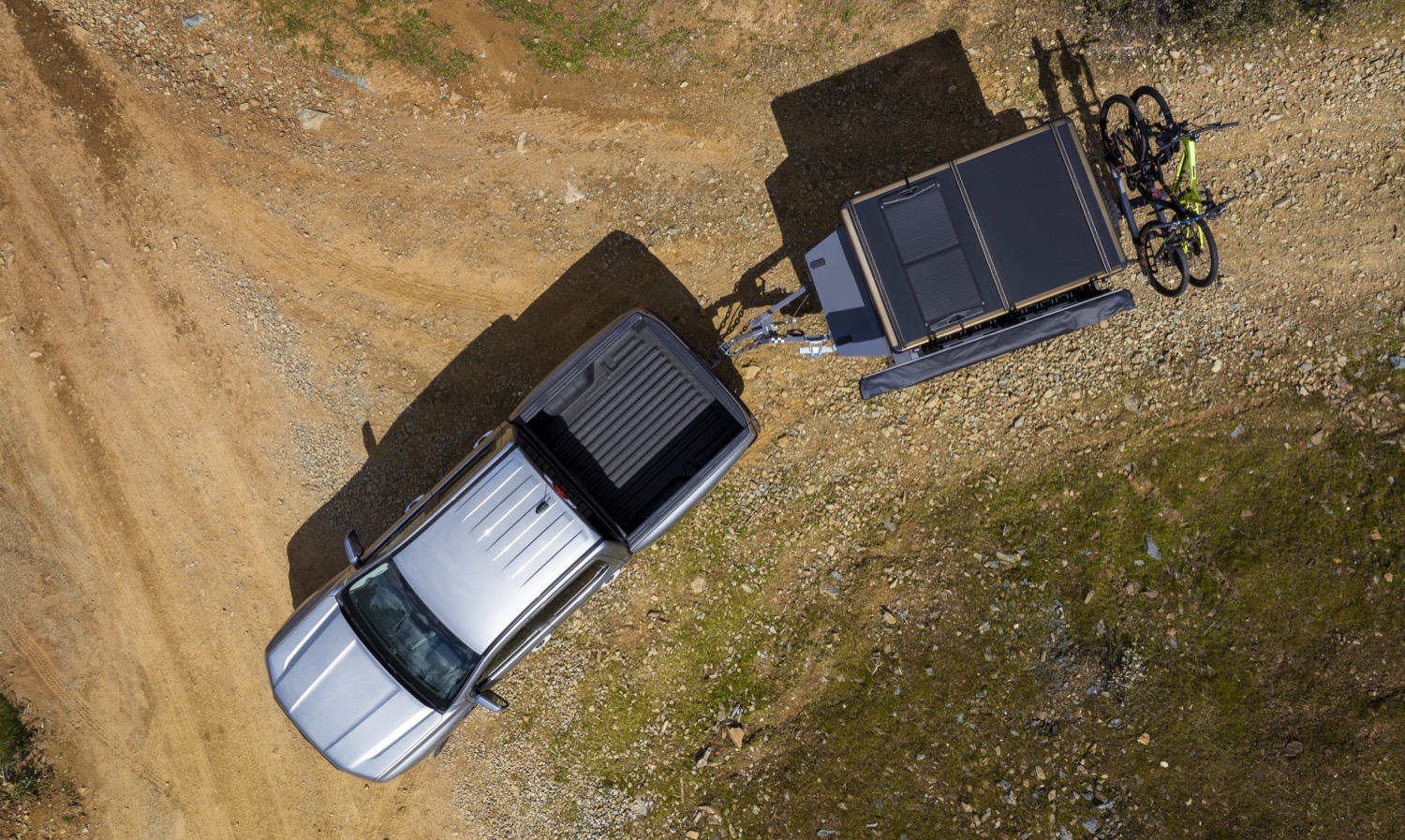
9. Towing & Trailering Packages
For anyone who owns a trailer, boat, camper, or recreational equipment, factory towing equipment can make a vehicle considerably more useful.
It can also make the vehicle easier to sell to buyers who need dependable hauling capability. A factory towing package is often more than a trailer hitch attached to the rear bumper.
Depending on the manufacturer and model, it may include upgraded cooling equipment, additional transmission protection, specific axle ratios, reinforced suspension components, trailer wiring, and integrated electronic controls.
These components are important because towing places extra demands on a vehicle’s mechanical systems. A properly equipped factory configuration gives buyers more confidence that the vehicle was designed to handle its advertised towing capacity.
An aftermarket hitch may provide basic towing functionality, but it does not necessarily include the supporting equipment found in a factory package. Installation quality and electrical compatibility can also become concerns during a used-car inspection.
For pickup trucks, large SUVs, and certain crossovers, towing equipment can make a listing more attractive to a specific group of buyers. It gives sellers a clear capability to advertise rather than relying on appearance alone.
Check the manufacturer’s towing specifications before purchasing. A package does not make every vehicle suitable for every trailer, and towing limits must always be respected.
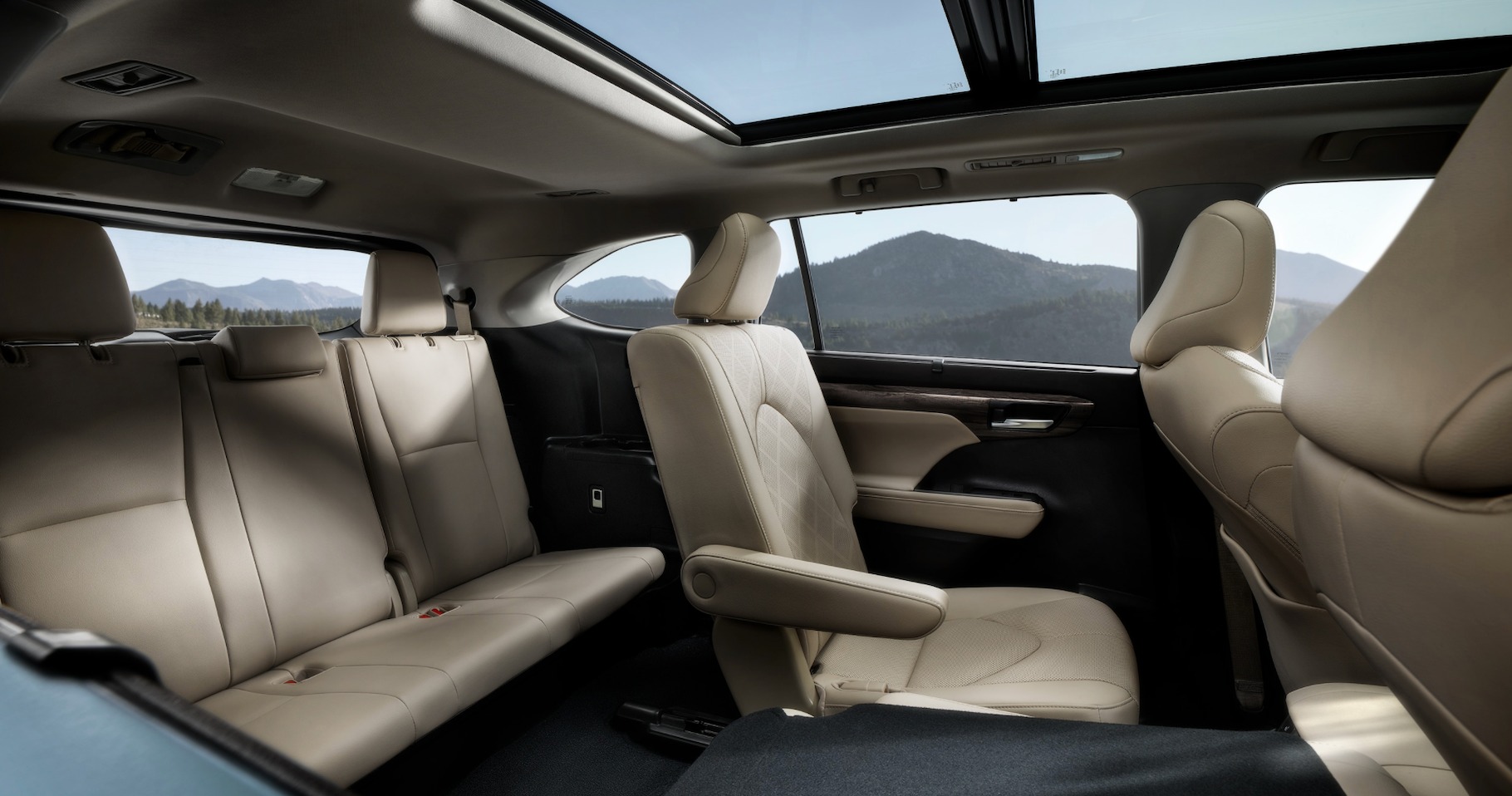
10. Third-Row Seating
For many families, the SUV search starts with a basic but essential consideration. How many passengers can the vehicle accommodate comfortably? Seating capacity can quickly narrow the choices, determining whether a two-row crossover meets their needs or gets eliminated from consideration.
Third-row seating expands a vehicle’s passenger capacity and gives it a practical advantage for larger households, carpools, and occasional group travel.
Parents may appreciate the extra seats when transporting children and their friends, while other buyers may want the flexibility to accommodate visiting relatives.
This option can also place a vehicle in a different shopping category. A midsize SUV equipped with three rows competes for attention among family-oriented vehicles that a two-row version may not attract.
Its resale benefit is closely connected to buyer demand. A shopper who needs seven seats is unlikely to consider a vehicle that accommodates only five, regardless of its other equipment.
However, the third row should be genuinely usable. Some compact SUVs provide limited legroom that works better for children than adults. Cargo space may also become restricted when every seat is occupied.
If you regularly carry additional passengers, paying for this option can make excellent sense. When resale time arrives, clean upholstery, working seat-folding mechanisms, and intact safety belts will help preserve its appeal.
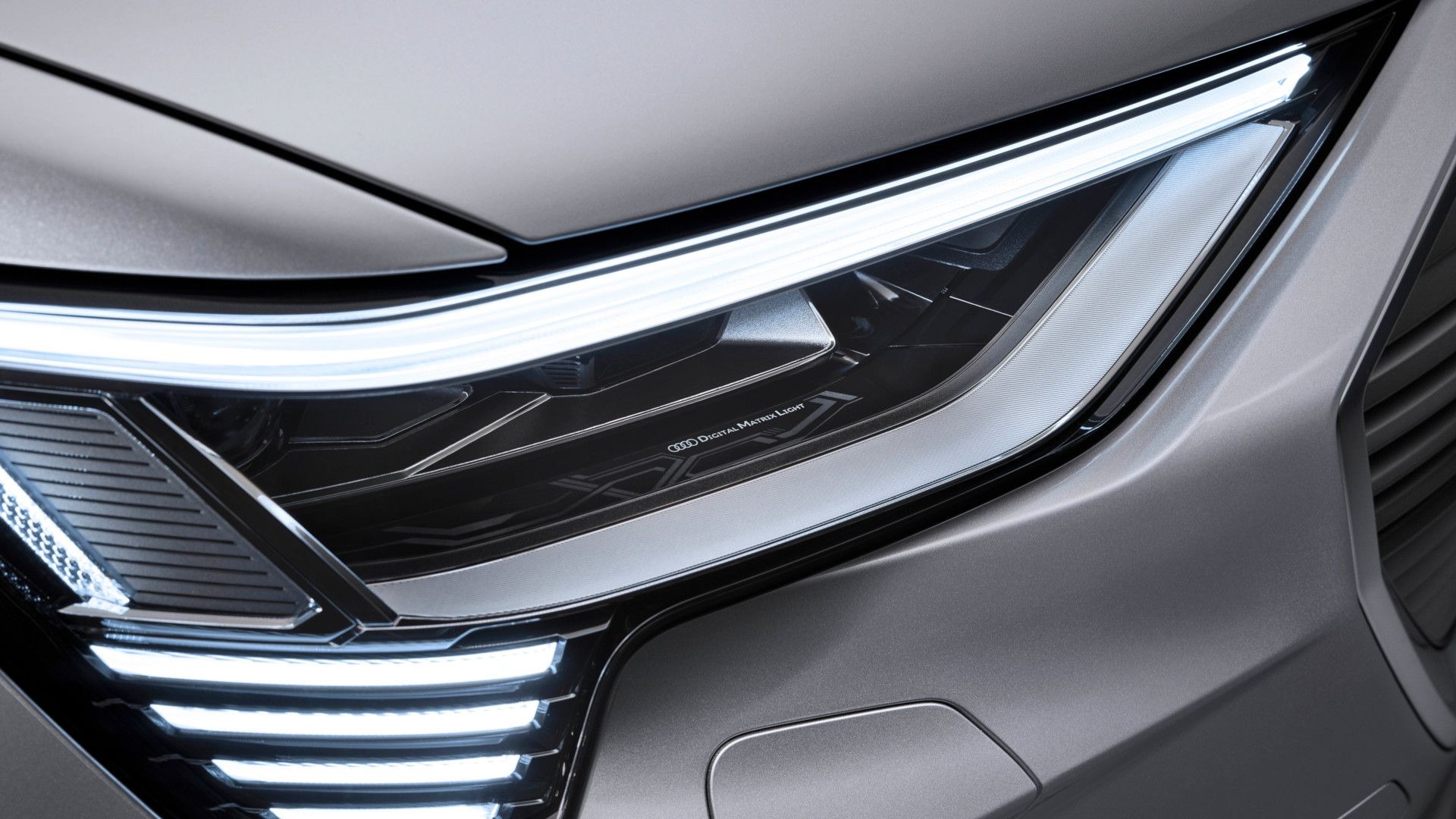
11. LED Lighting & Adaptive Headlights
Faces matter. Upgraded LED headlight packages alter the physical look of the vehicle’s face, making older cars look noticeably newer and more modern.
Think about older halogen headlights. Over the years, the lenses can yellow and fade, and the light turns dull. Yellowing assemblies say old car before anyone checks the odometer.
That is the real point of this option. LED lighting helps avoid the aggressive depreciation hit that older, yellowing halogen assemblies face on the used market. The car keeps a fresh look while its neighbors on the lot start to show their age.
Adaptive headlights add a practical bonus. Better lighting on dark roads helps you see farther and more clearly, and that benefit is real every evening, not only on the day you sell.
Buyers notice lighting in photos and on test drives. A crisp, bright headlight signature photographs well, and a night test drive makes the difference obvious. It is an easy detail to point out when you show the car.
Keep the lenses clean and polished, and the look lasts. A little maintenance protects an option that quietly works in your favor every time someone glances at the front of the car.
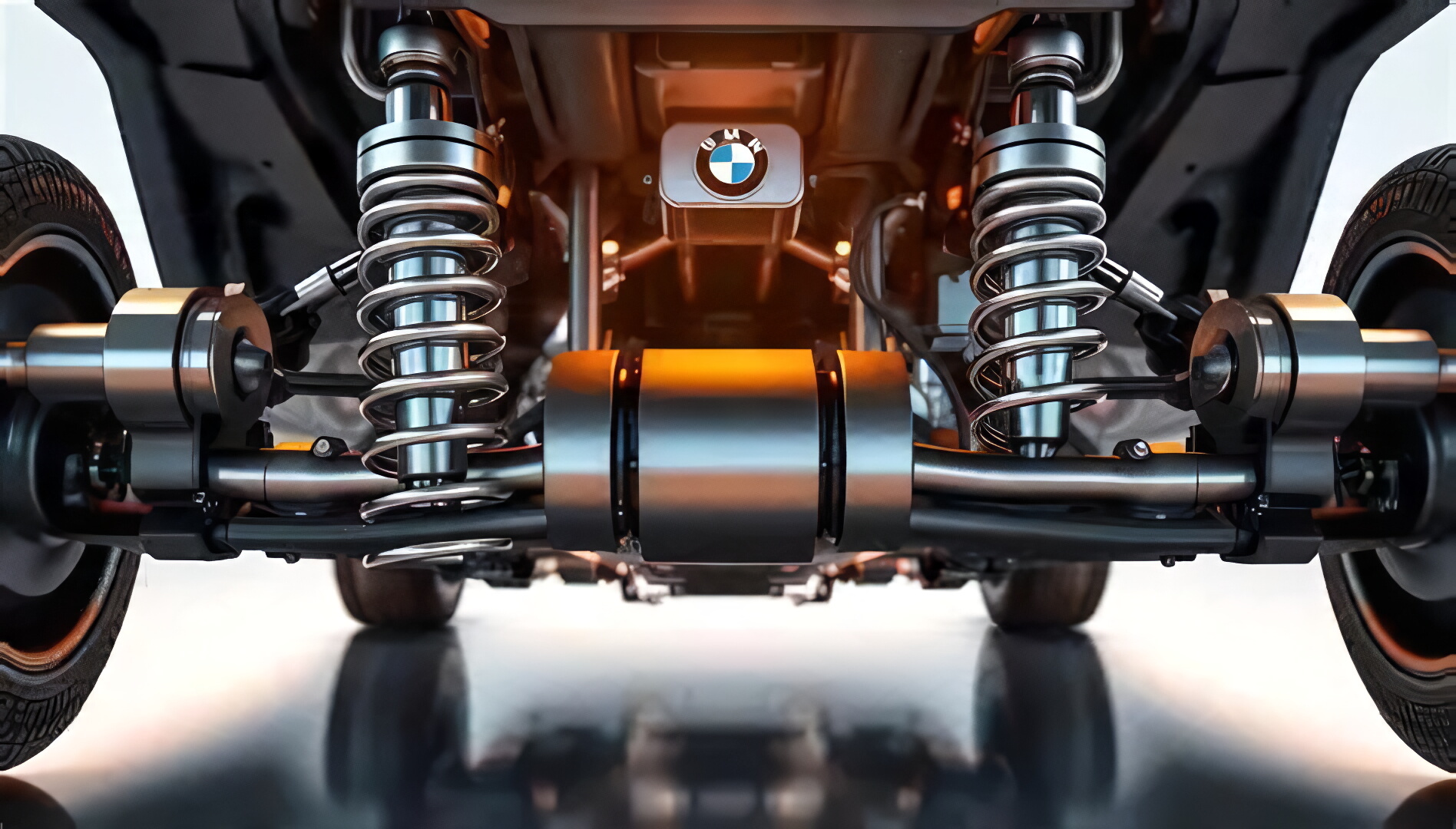
12. Performance Brakes & Adaptive Suspension
Sports cars play a different game. On cars like the Corvette or a Porsche sports car, items like magnetic ride control and upgraded Brembo brake packages are heavily prioritized by enthusiast buyers.
These buyers are picky, and they know exactly what they want. Enthusiasts filter listings, and they specifically screen out cars without these precise options. If your car lacks them, it may never reach the people most willing to pay.
So the option recovers a high residual percentage. If you buy a performance car and skip these upgrades, you may shrink your future buyer pool to the people who do not care about them. That is usually not the group with the biggest budget.
Match the option to the car, though. On a family sedan, these upgrades may not pay back. On a true performance model, they are part of what the car is, not an extra bolted on afterward. The market understands the difference.
Think of it as speaking the buyer’s language. When a listing names the right brakes and suspension, an enthusiast reads it as a sign of a car built properly and cared for. Pick these options when the car’s purpose calls for them, and leave them off when it does not.
Viewed as a group, these twelve options reveal a clear trend. Features that enhance a vehicle’s practical capabilities tend to retain their value. Examples include diesel and hybrid engines, four-wheel and all-wheel drive systems, towing packages, and third-row seating.
Some hold value because buyers treat them as expected, like safety tech, a sunroof, leather, and LED lighting. And some hold value because they appeal to passionate shoppers who filter their searches, like off-road packages, premium sound, and performance brakes.
In each case, a future buyer is either looking for the option or reluctant to live without it. That is what makes an extra worth paying for: it widens your pool of buyers, speeds up the sale, or protects your price.