Before committing to a new pickup, it is worth considering how much of its original value it will retain after five years. Depreciation is an unavoidable ownership expense, regardless of how often you drive.
However, some trucks hold their value considerably better than others. According to iSeeCars data, the strongest performers lose only around 25 percent of their value over five years, while the poorest performers on the list depreciate by more than 42 percent.
That gap can add up to thousands of dollars. Ten trucks made the cut, ranked from the strongest retained value to the weakest. Whether you are shopping new, hunting used, or just curious, the numbers might surprise you. Ready to see who wins?
1. Toyota Tacoma
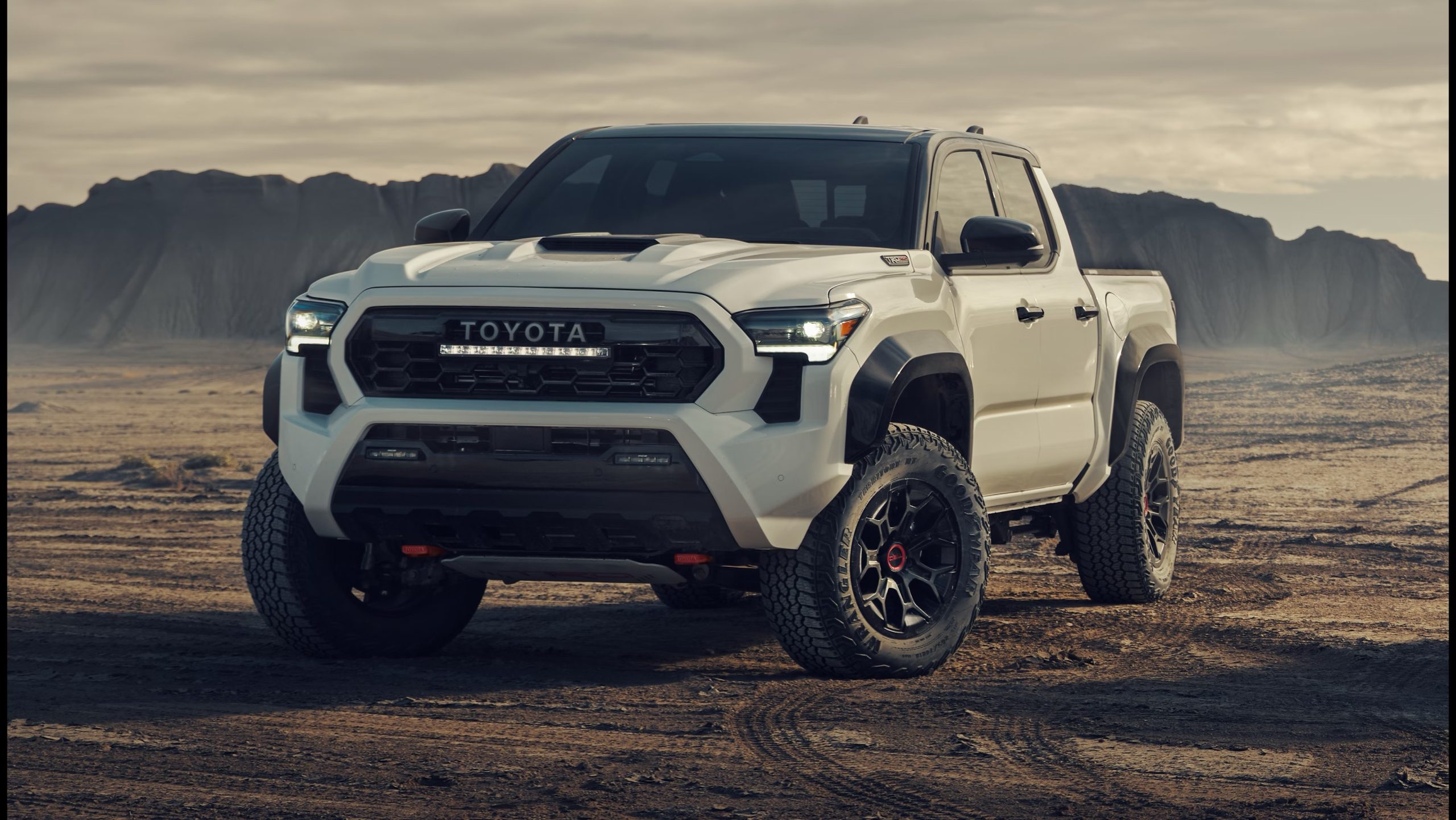
The Toyota Tacoma takes the top position among these ten trucks, and its impressive resale performance gives buyers a good reason to consider it.
According to the supplied iSeeCars data, this midsize pickup loses approximately 26% of its original value after five years.
That means it retains about 74% of its initial purchase price, making it one of the strongest choices for buyers concerned about depreciation.
Consider a Tacoma purchased for $40,000. Based on the estimated depreciation rate, its value after five years would be approximately $29,600.
Actual resale prices will depend on mileage, condition, equipment, and local market demand, but that is an encouraging starting point.
What makes the Tacoma so appealing? Its reputation for durability, manageable dimensions, and everyday practicality helps it attract a broad range of buyers.
It can handle commuting, weekend camping trips, recreational activities, and many ordinary hauling duties without requiring the larger footprint of a full-size pickup.
Its available four-wheel-drive configurations and off-road-oriented trims provide additional appeal. Buyers interested in outdoor adventures can choose versions with specialized equipment suited to more demanding driving conditions.
Of course, even a highly regarded truck needs proper care. Regular servicing, clean maintenance records, sensible driving habits, and a well-preserved interior can help protect its resale appeal.
For anyone seeking a midsize pickup that combines everyday usefulness with excellent value retention, the Toyota Tacoma deserves serious consideration.
2. Toyota Tundra
Want the extra room and capability of a full-size pickup without watching a large portion of your purchase price disappear within a few years?
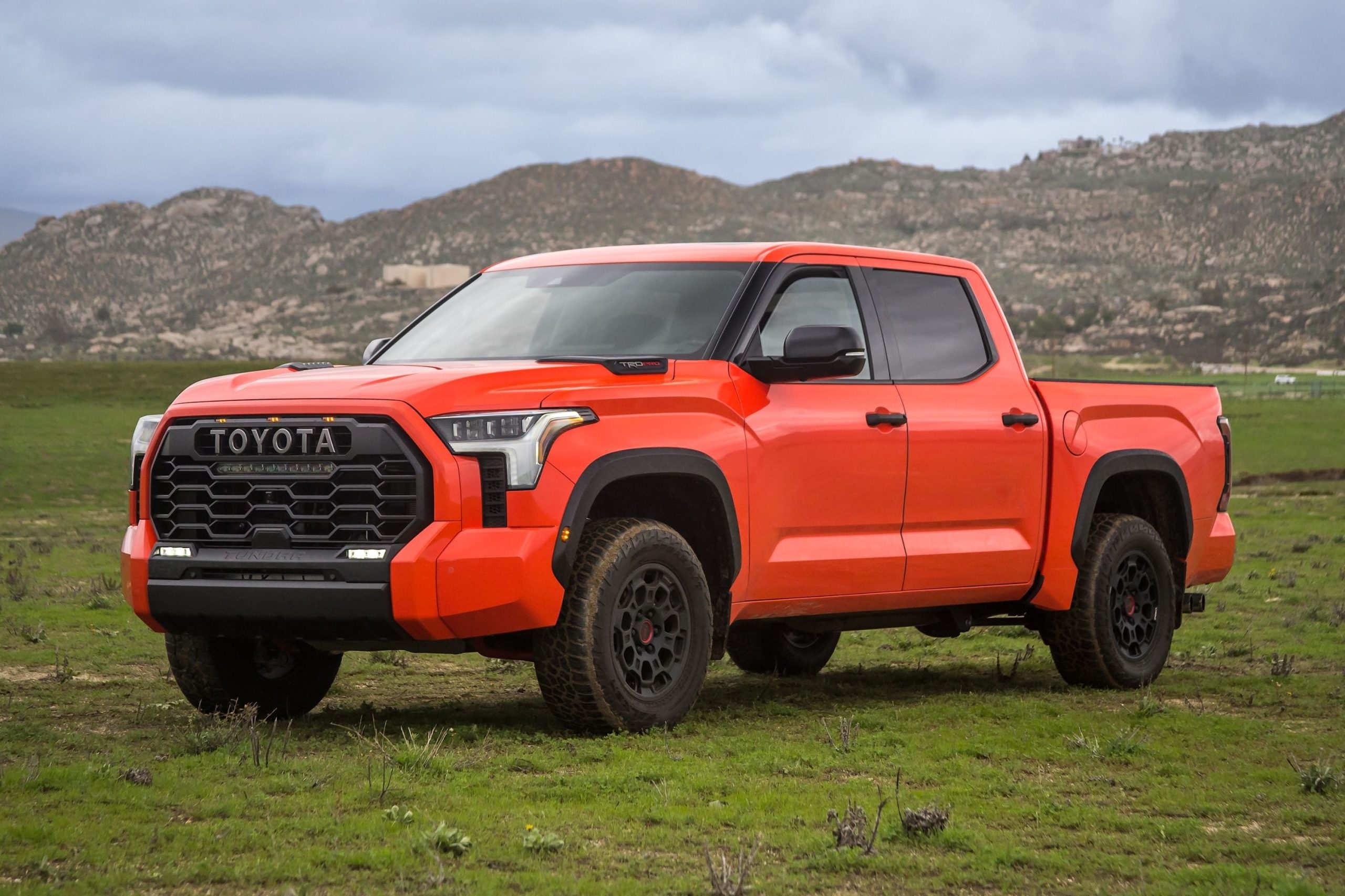
The Toyota Tundra makes a convincing argument. With an estimated five-year depreciation rate of just 29.1%, it ranks second among the ten trucks in this comparison, retaining approximately 70.9% of its original value.
For example, someone purchasing a Tundra for $60,000 could expect an estimated resale value of $42,540 after five years, using the supplied depreciation percentage.
That represents a potential loss of $17,460, before accounting for market conditions, mileage, and vehicle condition. The Tundra’s appeal goes beyond its resale figures.
It provides the larger cabin, substantial cargo bed, and available towing equipment that many full-size truck buyers require.
Whether you need a vehicle for work, family transportation, road trips, or recreational towing, its different configurations offer useful flexibility.
Toyota’s reputation for durability also helps the Tundra attract attention in the used market. Buyers searching for pre-owned pickups often place considerable importance on maintenance records, mechanical condition, and a history of responsible ownership.
There are still expenses worth considering. Fuel consumption, insurance, replacement tires, and routine servicing can add up, particularly if you regularly use the truck for demanding jobs.
Nevertheless, the Tundra offers an appealing combination of full-size capability and strong value retention. If you need a larger pickup and want to protect more of your original investment, it deserves a place near the top of your shopping list.
3. Ford Ranger
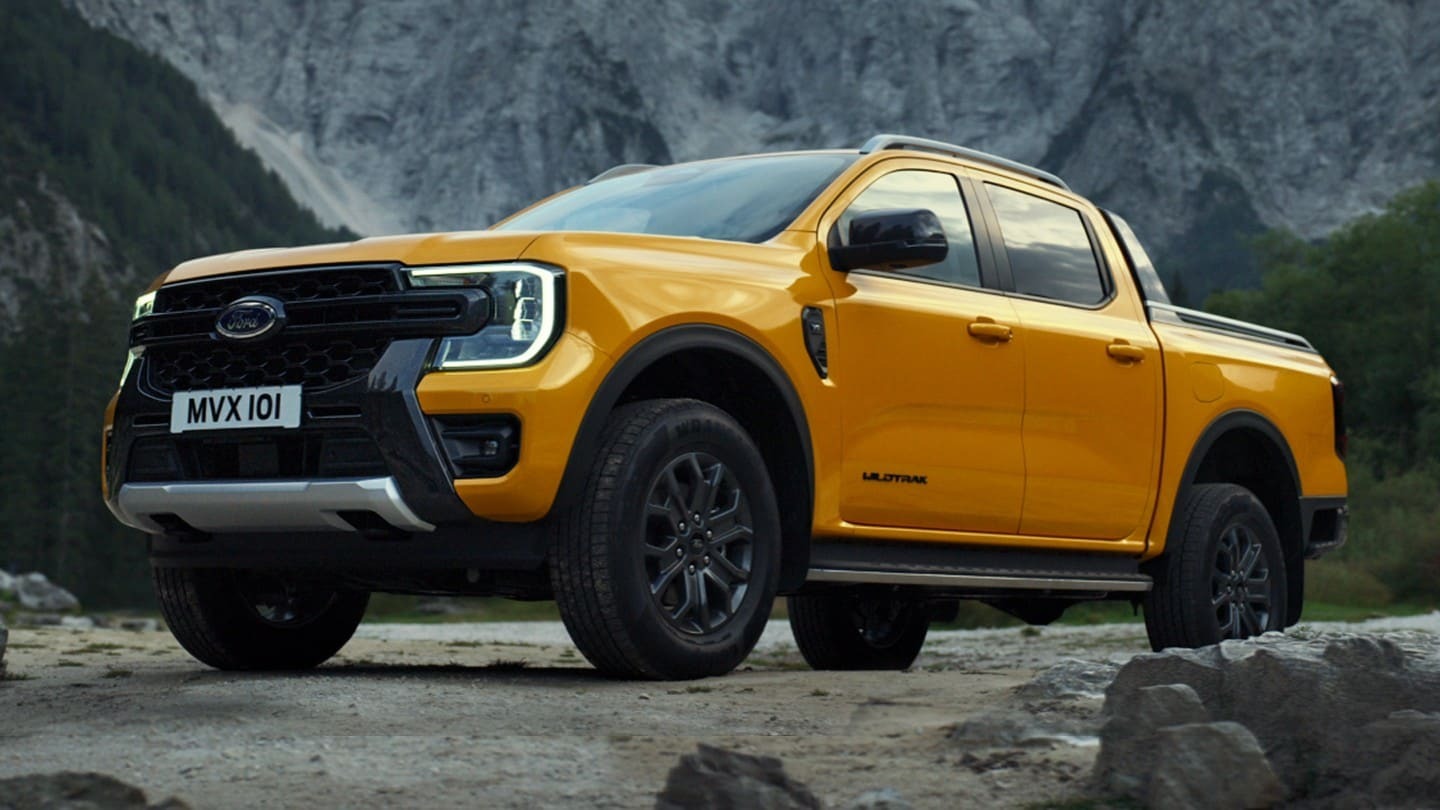
The Ford Ranger takes third place with an estimated five-year depreciation rate of 34.7%, making it the first non-Toyota truck to appear on this list.
Although it does not retain as much value as the Tacoma or Tundra, its performance is still impressive compared with many competing pickups. It retains approximately 65.3% of its original purchase price after five years.
To put that figure into perspective, imagine purchasing a Ranger for $40,000. Based on the estimated depreciation rate, its value would decrease by approximately $13,880, leaving an estimated resale value of $26,120.
That is $3,480 more depreciation than the Tacoma would experience at the same starting price, but it is hardly a reason to dismiss the Ford.
The Ranger has plenty to offer beyond its resale figures. Its midsize dimensions make everyday driving and parking more manageable than operating a full-size pickup.
It also provides useful cargo capacity, available four-wheel drive, and configurations suited to commuting, work duties, and outdoor activities.
Buyers may also appreciate its different trim choices, which allow them to select equipment that matches their budget and intended use.
The initial purchase price also plays an important role in the equation. Negotiating a better deal can help limit depreciation losses because you are starting with a smaller investment. The less you pay upfront, the less money you stand to lose as the truck’s value declines over time.
Seven other trucks in this ranking depreciate faster than the Ranger. That makes its third-place position a respectable achievement.
If you want a capable midsize pickup with competitive resale performance, the Ford Ranger deserves serious consideration.
4. Jeep Gladiator
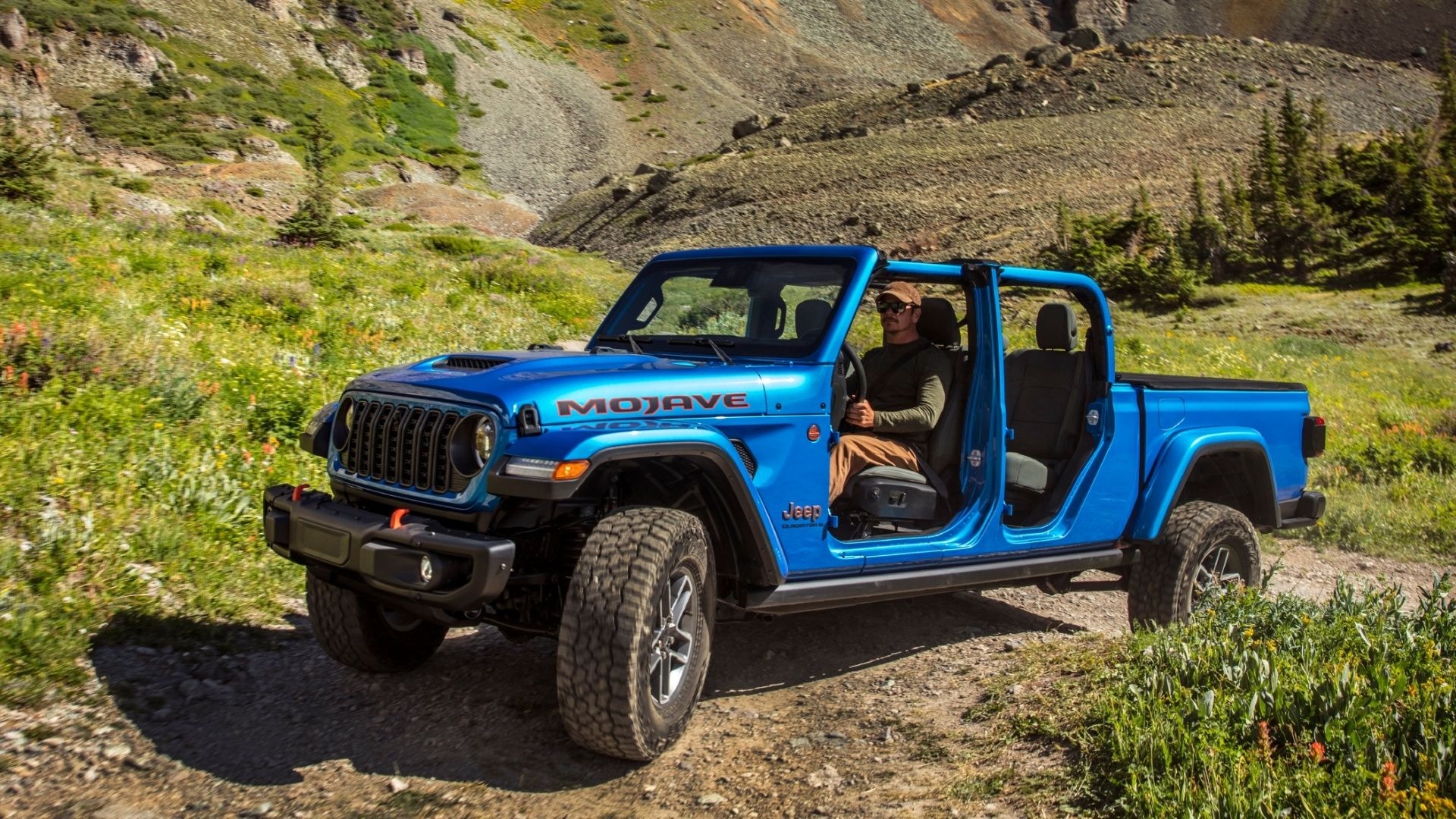
Photo finish number one. The Jeep Gladiator lands fourth at about 35.6% depreciation, just 0.9 points behind the Ranger. It is the only Jeep on the list, a midsize truck that keeps roughly 64.4% of its value.
How close is 0.9 points? On a $40,000 truck, it is about $360 across five years, or roughly $72 a year. That is not nothing, but it will not wreck anybody’s budget.
Translate that into a decision. If you are choosing between the Ranger and the Gladiator, resale should barely tip the scale.
Choose based on how each one drives, what it can carry, and which price you can negotiate. A tiny gap on a chart should not overrule a big gap in how much you enjoy the truck.
On the full table, the Gladiator loses about $14,240 on a $40,000 purchase, compared with $16,960 for the last-place Ridgeline. That is a difference of $2,720.
Keep in mind that pickup trucks with similar depreciation rates can easily change positions in the rankings. The results may vary depending on the sample size, location, and time period used. Rather than treating the exact order as definitive, use the list to identify promising options. Then compare actual prices, take a few test drives, and consider which truck best suits your needs and budget.
5. GMC Canyon
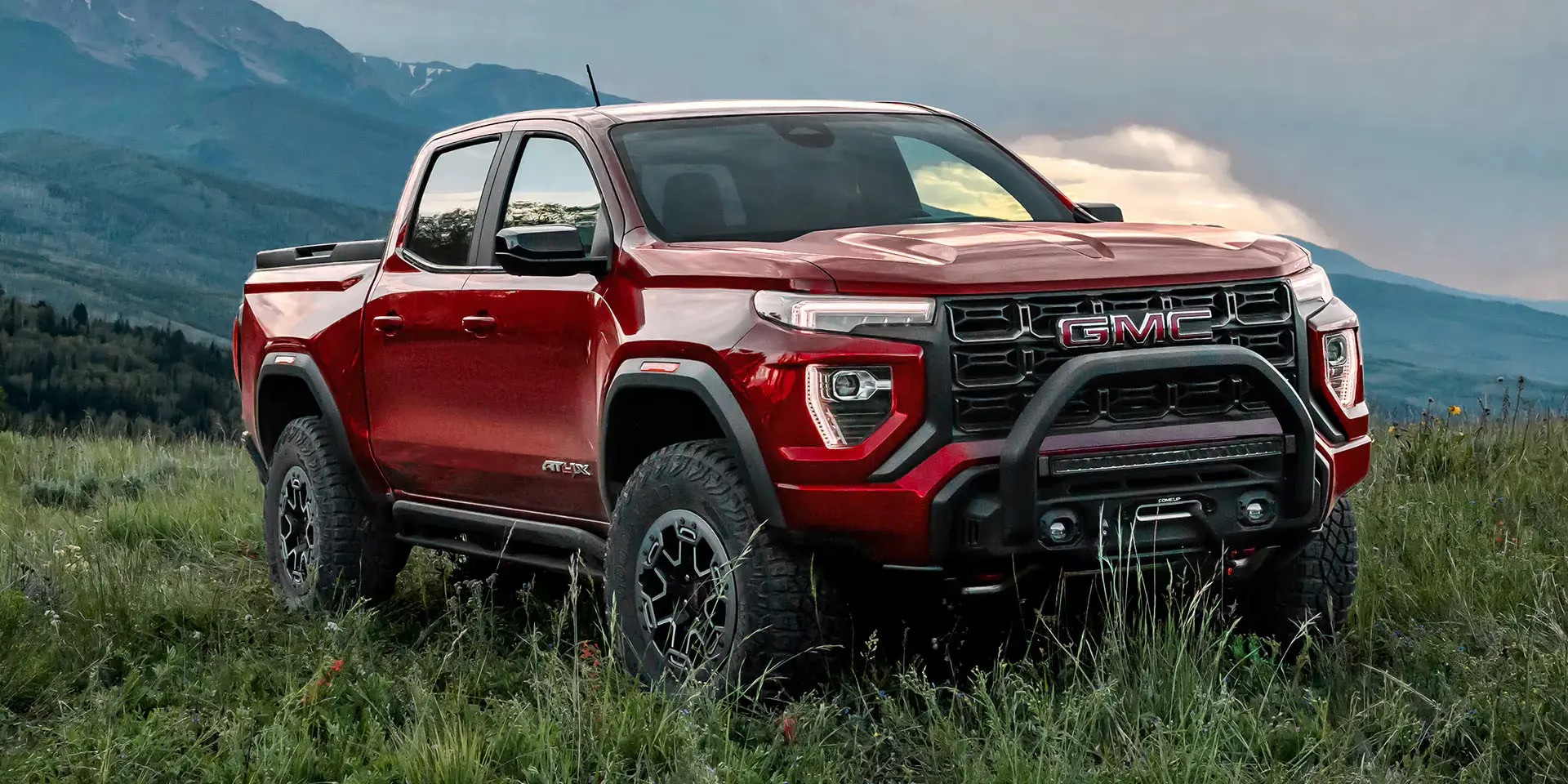
Siblings, but not twins. The GMC Canyon ranks fifth with about 38.1% depreciation, which means it keeps roughly 61.9% of its value. It sits 2.5 points behind the Gladiator and, more interestingly, 2.8 points ahead of its corporate cousin, the Chevrolet Colorado.
Those two midsize trucks share a lot of family DNA, so the gap invites a question. Why would one hold value better than the other? The source does not explain, and I would rather admit that than invent a story.
What the numbers do say is clear. On a $40,000 truck, the Canyon loses about $15,240 across five years while the Colorado loses about $16,360. That is a difference of $1,120, enough to matter when you set a budget.
If you are cross-shopping the pair, ask both dealers for out-the-door quotes and compare them side by side.
A better deal on the Colorado can easily erase a 2.8-point resale gap, because a lower purchase price also lowers the dollars you can lose. Do the math before you fall for either badge.
Also look at trim levels, since two trucks with different equipment are not an even comparison. Match them feature for feature first, then look at price and depreciation. That small step keeps the comparison fair and the decision honest.
6. Nissan Frontier
The Nissan Frontier may not attract as much attention as the Toyota Tacoma or Ford Ranger, but its resale performance gives buyers a good reason to take a closer look.
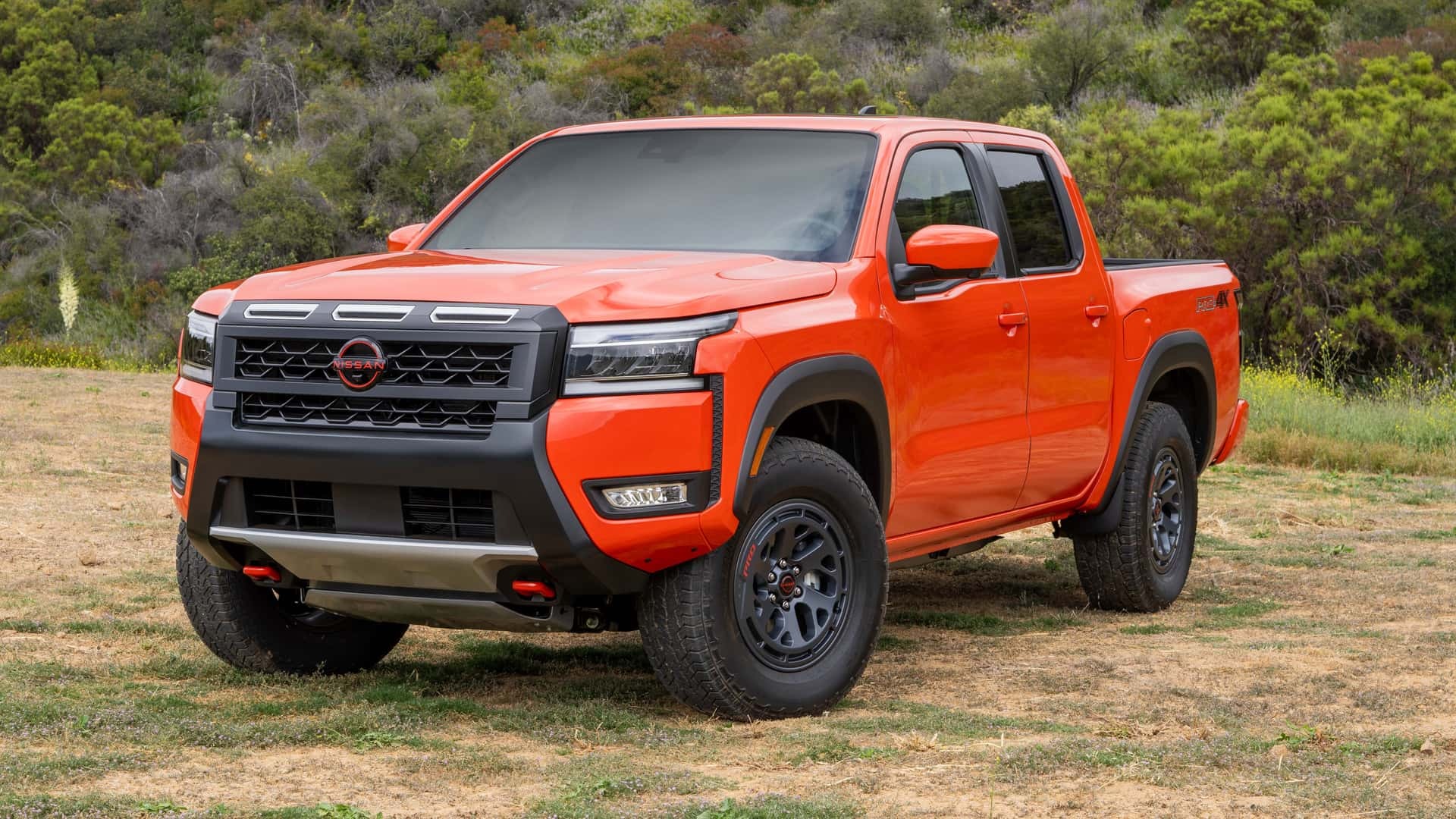
According to the supplied iSeeCars data, the Frontier loses approximately 38.3% of its original value during its first five years. That leaves it retaining about 61.7% of its purchase price, placing it sixth among the ten trucks on this list.
One of the Frontier’s strongest selling points is its straightforward approach to pickup ownership. It offers a practical cargo bed, comfortable passenger accommodation, and available four-wheel drive for drivers who need additional traction.
Its midsize dimensions also make it easier to manage in parking lots, residential areas, and busy streets than many full-size alternatives.
The PRO-4X deserves particular attention from buyers who enjoy outdoor activities. This version brings a more rugged appearance and factory off-road equipment designed for drivers who occasionally venture beyond paved roads.
It can be an appealing choice for camping trips, recreational driving, and everyday transportation.
The Frontier also makes sense for shoppers who want useful truck capability without paying for a larger vehicle they may not need. Its combination of practicality and manageable proportions gives it a place in the competitive used-pickup market.
To protect its resale value, owners should follow scheduled maintenance, monitor tire and brake condition, and keep service records. Avoiding unnecessary modifications and excessive wear can also help.
Although it does not match the Tacoma’s impressive depreciation figures, the Nissan Frontier remains a worthwhile option for buyers seeking a capable midsize pickup with respectable value retention.
7. Chevrolet Colorado
The Chevrolet Colorado is a practical choice for drivers who want the usefulness of a pickup without dealing with the larger dimensions of a full-size truck.
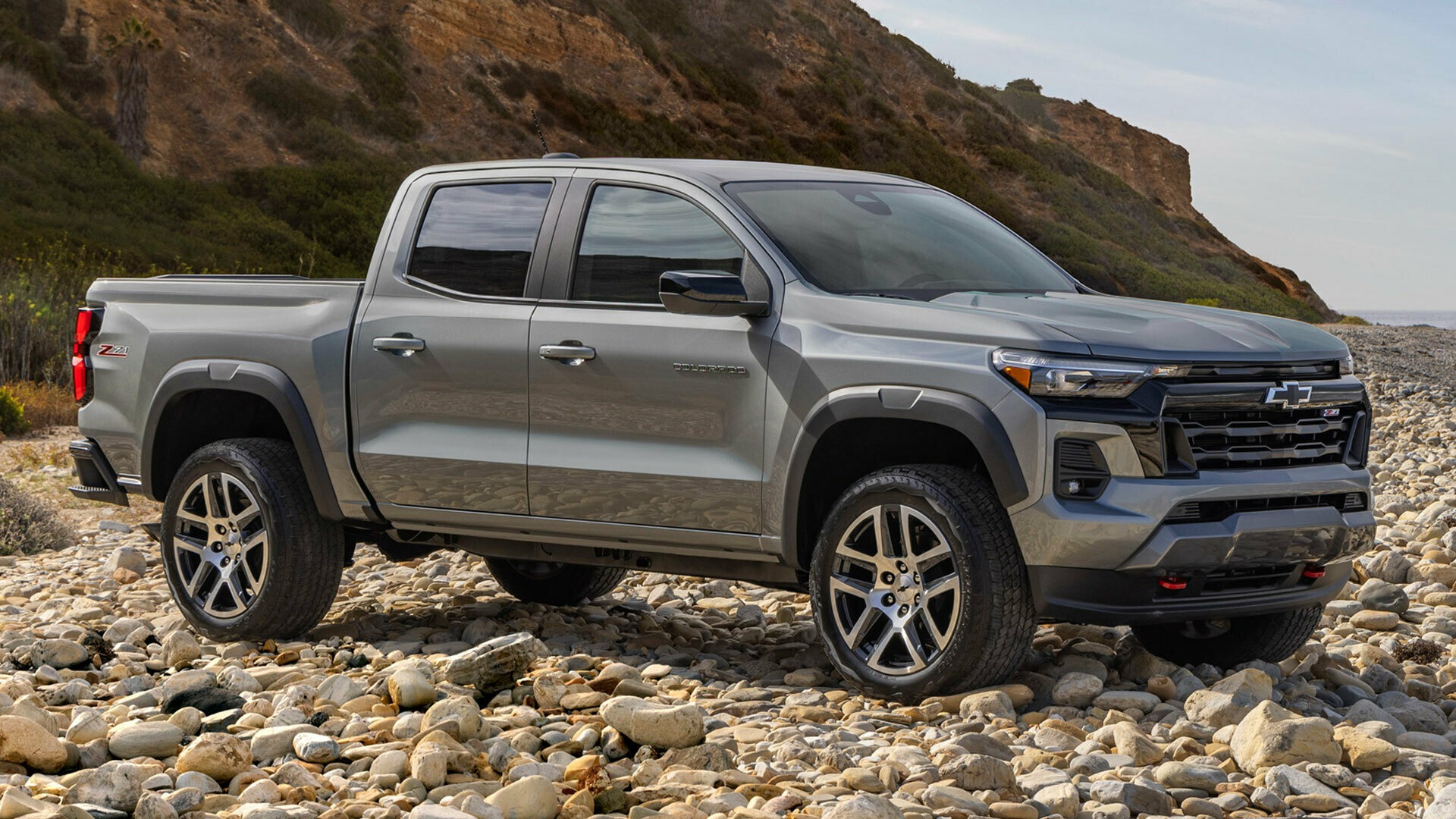
Its estimated five-year depreciation is 40.9%, according to the iSeeCars data, placing it seventh among the ten trucks in this ranking.
What makes the Colorado appealing is its ability to serve different types of owners. Someone who mainly commutes, runs errands, and occasionally carries cargo may prefer a comfort-focused trim.
Buyers who enjoy outdoor activities or regularly travel across rough roads might find the Z71 or ZR2 more suitable. These versions offer specialized equipment designed to improve performance away from paved roads.
Its midsize dimensions are another advantage. Parking in residential garages, maneuvering through crowded streets, and finding suitable spaces can be easier than with a Chevrolet Silverado 1500.
Yet owners still get a dedicated cargo bed for transporting tools, equipment, and recreational gear.
When shopping for a Colorado, pay attention to the engine, drivetrain, factory options, and towing capacity. These details can affect both its usefulness and appeal to future buyers.
A well-maintained Colorado with desirable equipment, reasonable mileage, and a clean service history can remain an attractive used pickup.
Although it does not retain value as strongly as the Tacoma or Ranger, it deserves consideration from anyone seeking a capable midsize truck.
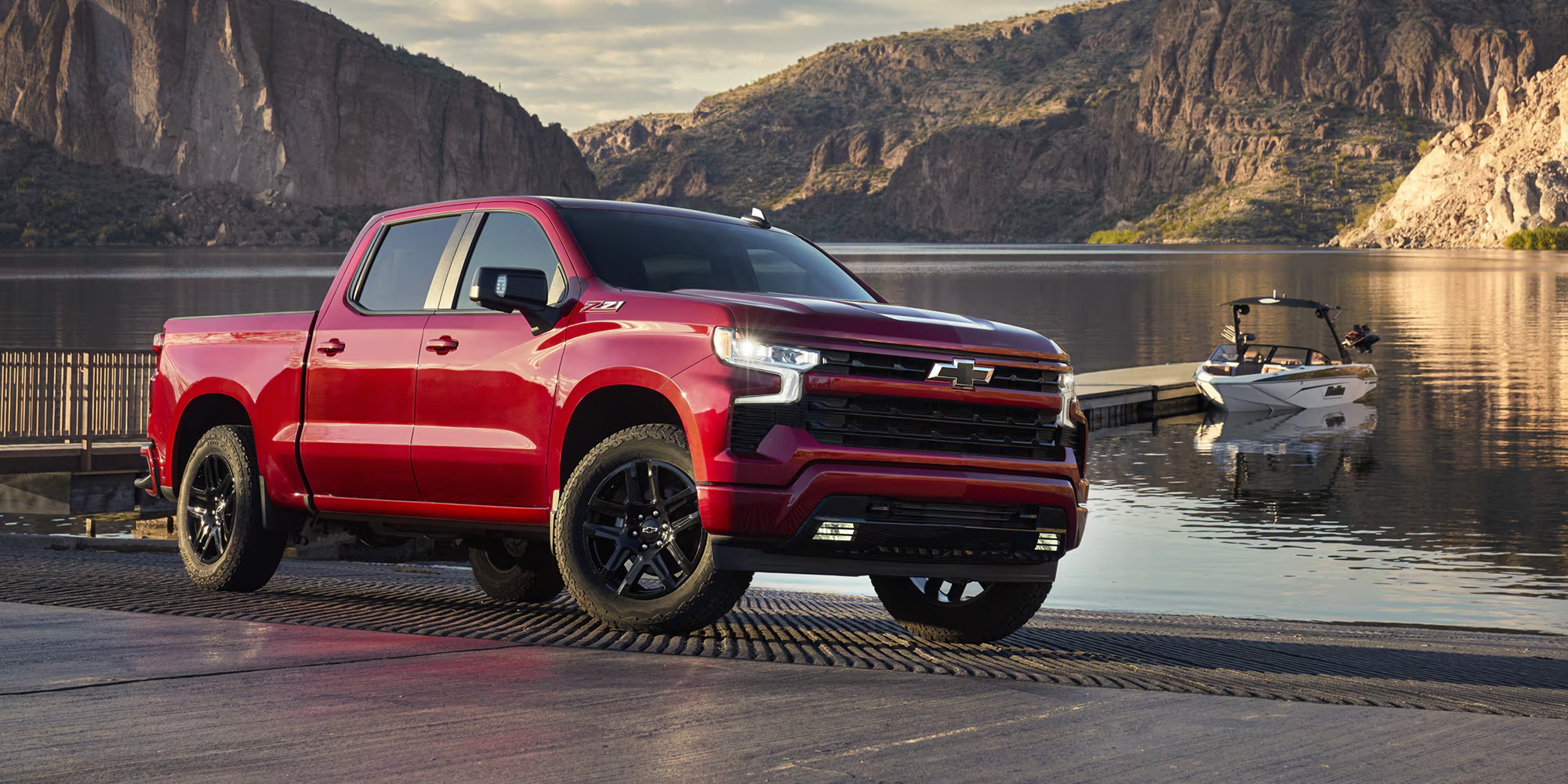
8. Chevrolet Silverado 1500
The Chevrolet Silverado 1500 brings full-size capability, multiple engine choices, and plenty of configuration options, but its resale figures tell a less encouraging story than those of the Toyota Tundra.
According to iSeeCars, the Silverado loses approximately 41.5% of its value within five years, leaving an estimated 58.5% of its original value.
Consider what that means financially. On a hypothetical $60,000 purchase, a 41.5% loss represents approximately $24,900 in depreciation.
A Tundra purchased at the same price and depreciating by 29.1% would lose about $17,460. That creates a $7,440 difference between the two estimates.
Here is a simple way to put the numbers to work. Ask for the out-the-door price, then divide the expected five-year loss by 60 months. At $24,900, that comes to about $415 a month in lost value, a figure worth weighing next to your payment.
Still, the Silverado should not be dismissed. It offers plenty of versatility for people who need a truck for towing, hauling, job-related duties, and family transportation.
Its available cab sizes, engines, and equipment packages make it possible to find a configuration that suits different budgets and workloads.
Buyers should pay attention to depreciation alongside fuel, insurance, maintenance, and financing costs. A truck that loses more value may still be a sensible purchase if it provides the capability you need.
A well-maintained Silverado with desirable factory equipment can remain appealing to used buyers. The smartest purchase is one that balances the initial price, everyday usefulness, and expected resale value.
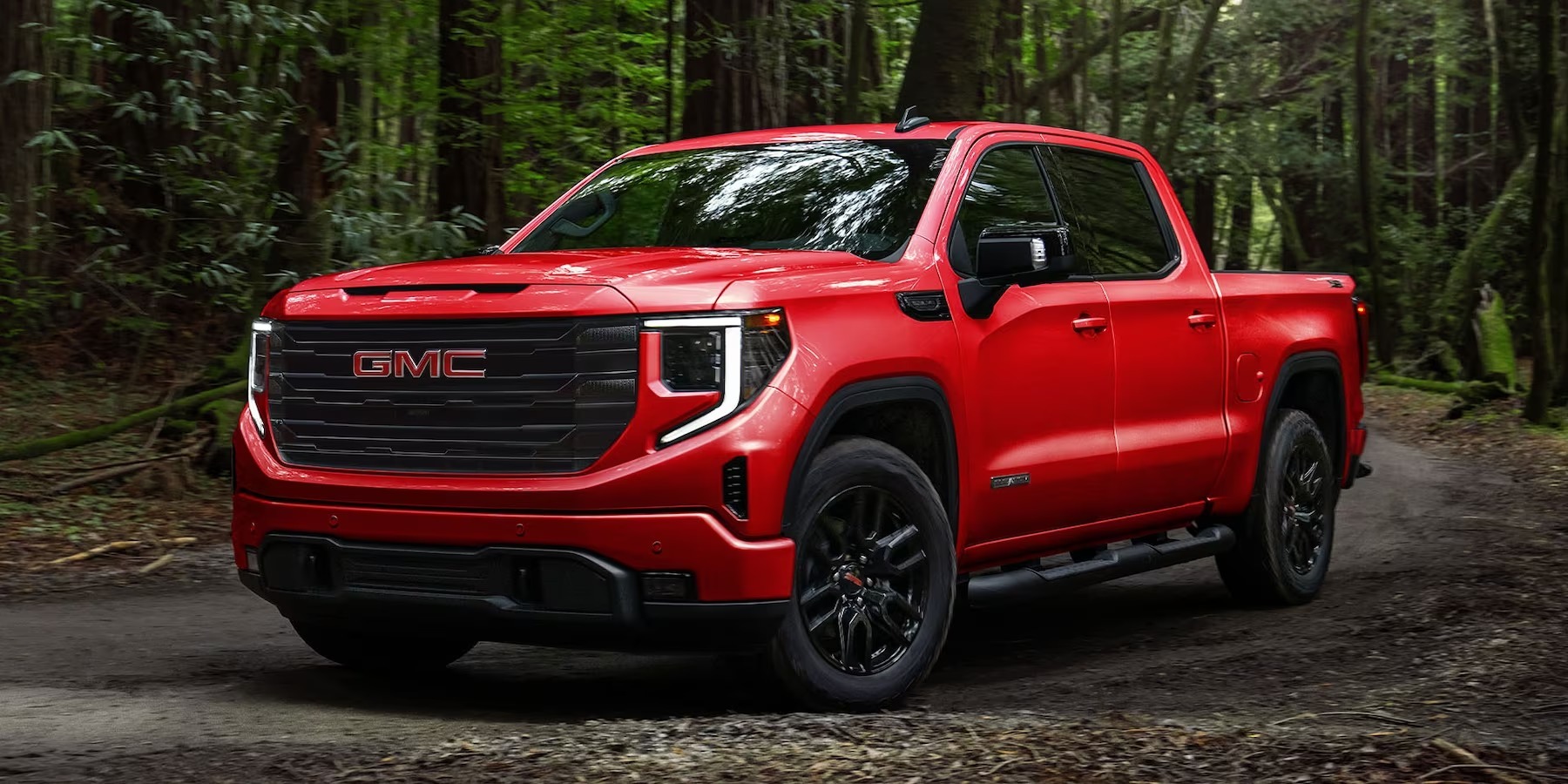
9. GMC Sierra 1500
Separated at birth. The GMC Sierra 1500 shows about 41.6% depreciation, a mere 0.1 points behind the Chevrolet Silverado 1500. It keeps roughly 58.4% of its value.
That is the smallest gap on the entire list. On a $60,000 truck, 0.1 point is about $60 across five years. Call it a rounding error and you will not be far off.
In dollar terms, the Sierra loses about $24,960 on that same $60,000 purchase, against $24,900 for the Silverado. Both lose more than $7,000 beyond the Tundra’s $17,460, so the bigger story is the distance from Toyota, not the distance between these two.
Now zoom out. Look at the list as sibling pairs, and a pattern appears. The Canyon and Colorado sit 2.8 points apart, while the Sierra and Silverado sit just 0.1 points apart. Two pairs, two different stories.
Why the difference? The data cannot say, so I will not pretend to know. What I can say is that shoppers considering a full-size GM truck should not let resale decide between these two. Compare trim levels, option packages, and the best price either dealer will offer.
Quick tip: if you plan to trade in after five years, take notes on the exact configuration you buy and keep service records.
Two trucks with the same percentage on paper can sell very differently if one has clean paperwork and the other has none. Documentation is free, and it can help your sale. Strong photos and honest descriptions help too.
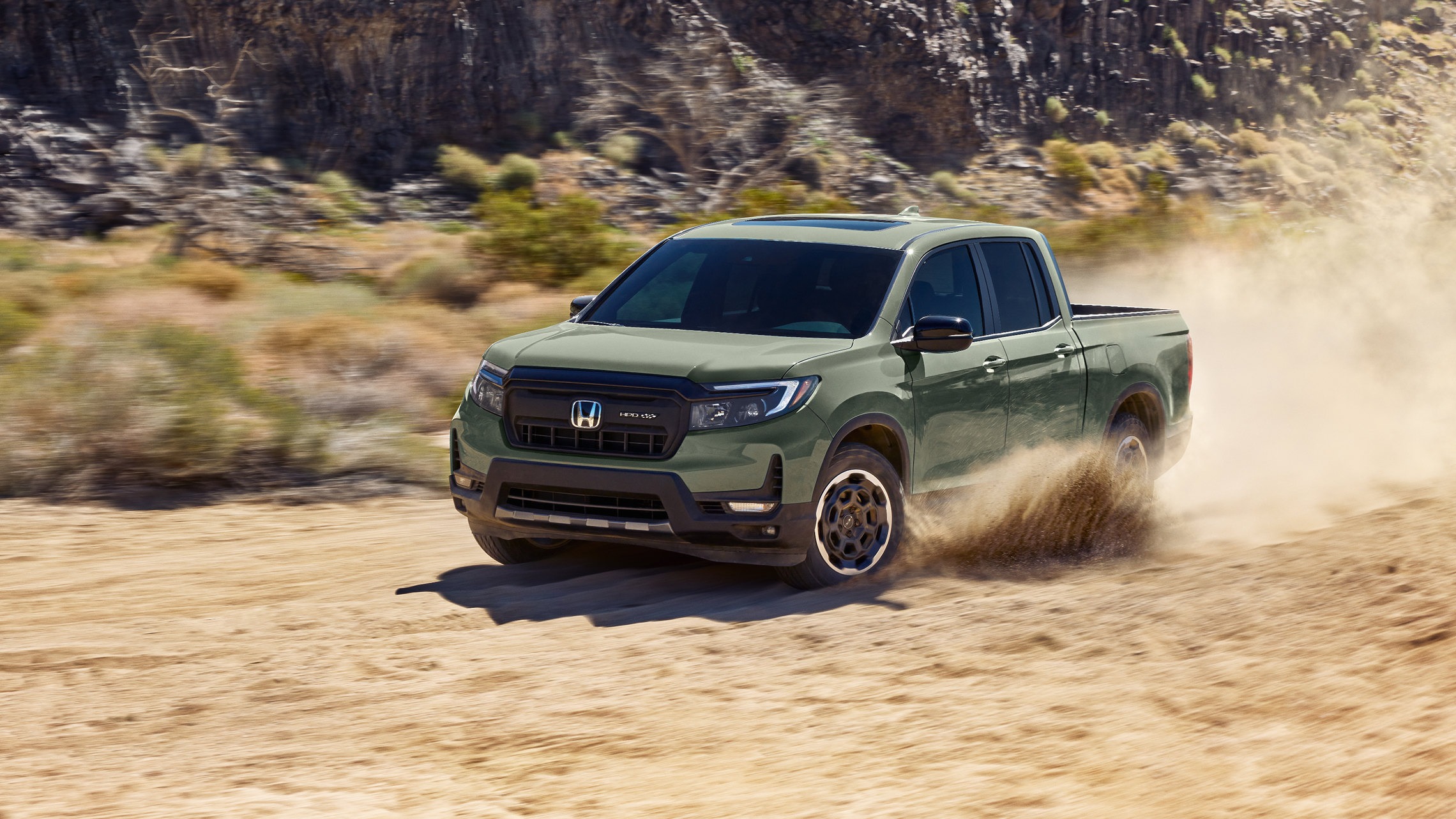
10. Honda Ridgeline
The Honda Ridgeline takes tenth place, but its position should not distract from what makes this pickup appealing. It approaches truck ownership with a different emphasis, prioritizing comfortable everyday driving and useful family-friendly features.
Its estimated five-year depreciation is 42.4%, according to the supplied iSeeCars data. Unlike traditional body-on-frame pickups, the Ridgeline uses a unibody construction.
This contributes to its carlike driving character and makes it an interesting choice for people who want an open cargo bed without the feel of a conventional heavy-duty truck.
It also offers practical features such as an in-bed trunk and a dual-action tailgate, depending on model year and configuration. These features can make loading, storage, and everyday errands easier.
The Ridgeline appeals particularly to buyers who spend more time commuting, traveling with family, and carrying recreational equipment than performing demanding towing or hauling jobs.
Its comfortable ride and useful cabin layout can help it attract used buyers looking for a practical alternative to larger pickups.
However, its towing and payload limits should be checked carefully against your requirements.
Although its depreciation rate is the highest among these ten trucks, the Ridgeline still earns a place on the list. It offers a different type of pickup ownership, with a resale record that remains competitive enough to merit consideration.