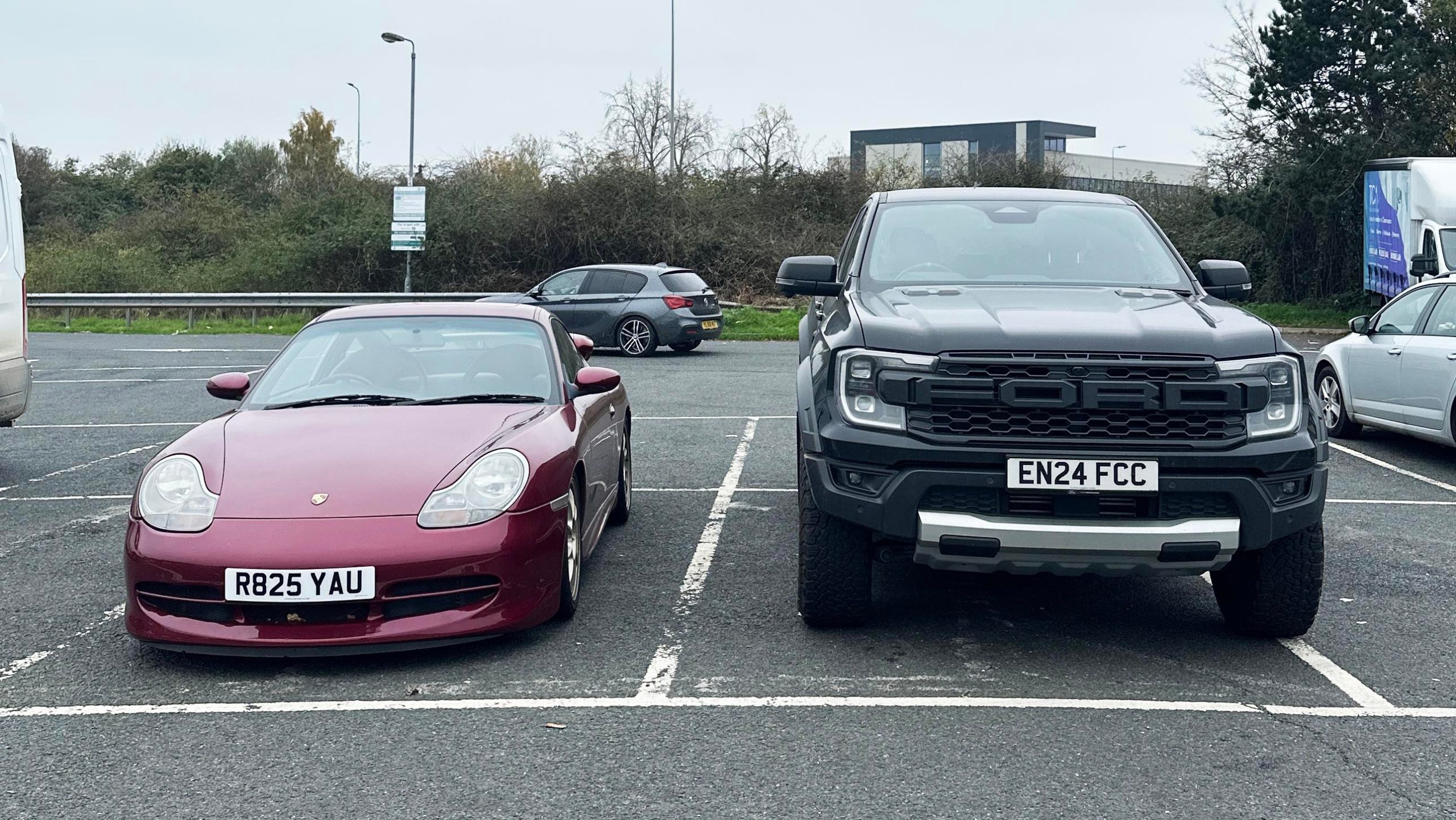
A vehicle’s price tag tells you what it costs today, but its resale value reveals how much of your money you can recover years later. Some models lose a large portion of their original value within five years, while others remain highly desirable among used-car shoppers. According to Kelley Blue Book’s Best Resale Value Awards, the average vehicle retains approximately 45% of its original MSRP after five years.
However, the ten vehicles featured here perform much better, with estimated retention rates ranging from 53.4% to 63%. From rugged Toyota pickups and practical family vehicles to exciting sports cars and premium SUVs, these models prove that smart vehicle choices can make a real difference to your finances.
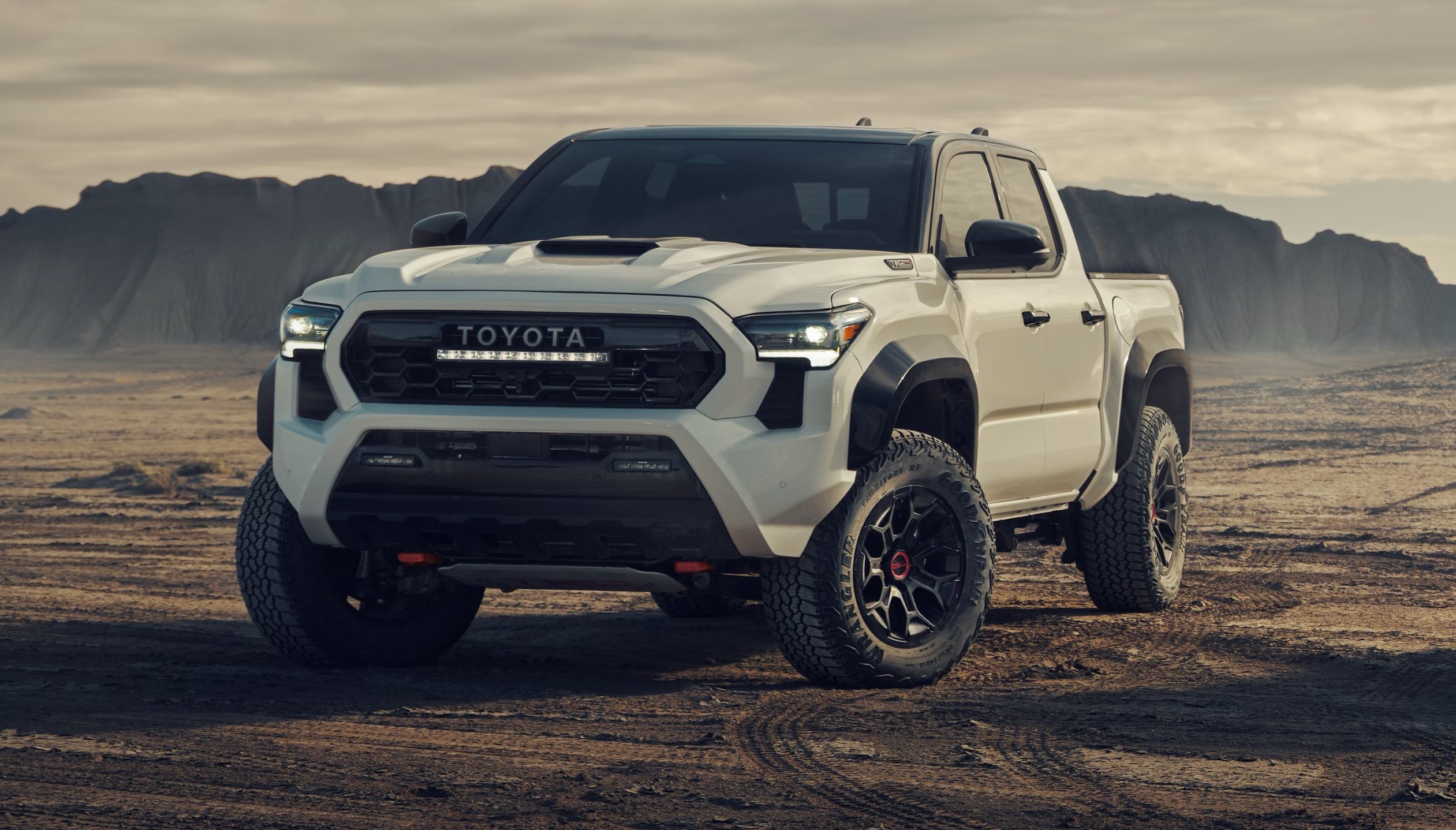
1. Toyota Tacoma
And the winner is the Toyota Tacoma, which keeps an estimated 63.0% of its value after five years. That is the best score on the list, and it sits 18 points above the 45% market average. Not bad for a midsize pickup.
Try it with real money. On a $40,000 truck, 63.0% leaves you with about $25,200 after five years. An average vehicle at 45% leaves about $18,000.
The gap is $7,200, enough to cover a year of insurance, a fresh set of tires, and a nice dinner out. Spread across 60 months, that works out to about $120 a month of value you keep.
Here is what to remember if you shop for one. Demand tends to be strong for the leader, so expect firm pricing and little room for haggling.
Compare several listings in your area before you visit a dealer, and watch out for add-ons that raise the price without raising the appeal. A pricey accessory package can eat into the advantage that the Tacoma’s retention gives you.
Timing matters too. Ask the dealer for the full out-the-door price, including fees and taxes, so you compare real totals and not just the sticker. A lower purchase price means fewer dollars exposed to depreciation.
Keep service records. Keep the truck clean. When the five years are up, those habits can help you collect on the number above.
A strong start is no accident, but it is not a guarantee either. Condition, mileage, and local demand still decide the final offer.
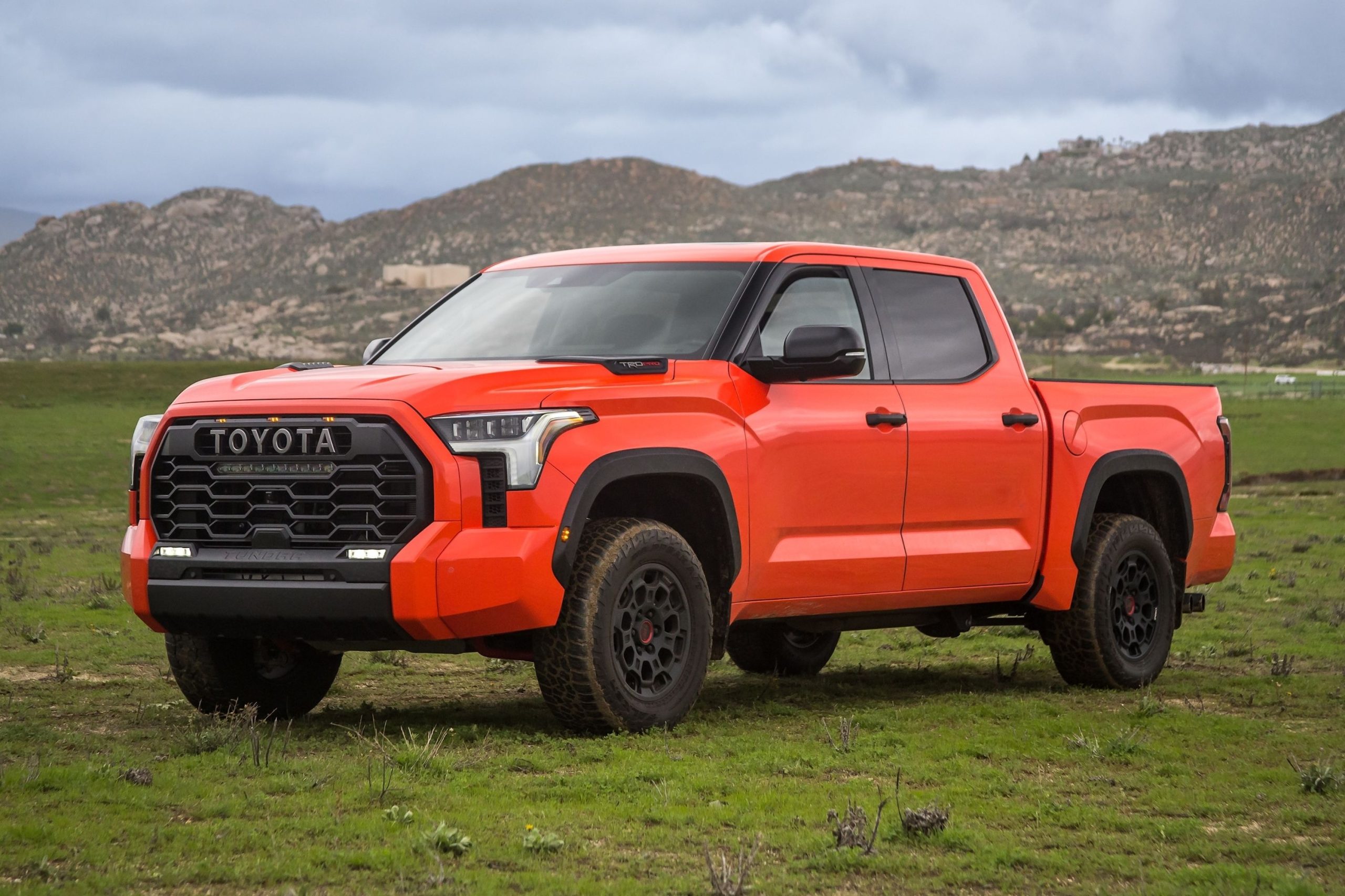
2. Toyota Tundra
Second place goes to the Toyota Tundra at 59.9%, and it is the only full-size pickup in the top ten. Toyota now owns the first two spots, a pair that makes the competition look a little nervous.
Big trucks mean big numbers, so run the math with a $60,000 sticker. At 59.9%, the Tundra holds about $35,940 after five years.
The average vehicle would hold about $27,000. That is an $8,940 edge, the kind of gap that changes what you can afford next time. Per month, that edge equals about $149 of value you keep.
Think of the Tundra as the heavyweight of this list. It sits 3.1 points behind the Tacoma, yet 14.9 points above the market average. Both facts are true at once, and both are worth knowing.
Who should look at one? Anyone who tows, hauls, or simply wants a full-size cab and bed without a nasty depreciation bill.
Ask about the towing rating for the exact configuration you want, then compare it with what you really pull. Paying for capacity you will never use is a quiet way to waste money.
Test drive it and sit in the back seat, since family buyers notice rear room right away. Those small checks show whether the truck fits your week, not just your wish list.
Keep in mind that these percentages are based on estimates and historical averages, not guaranteed outcomes. Your Tundra’s trim level, mileage, and condition will all affect its actual resale value. Treat the 59.9% figure as a useful reference point rather than a guaranteed return.
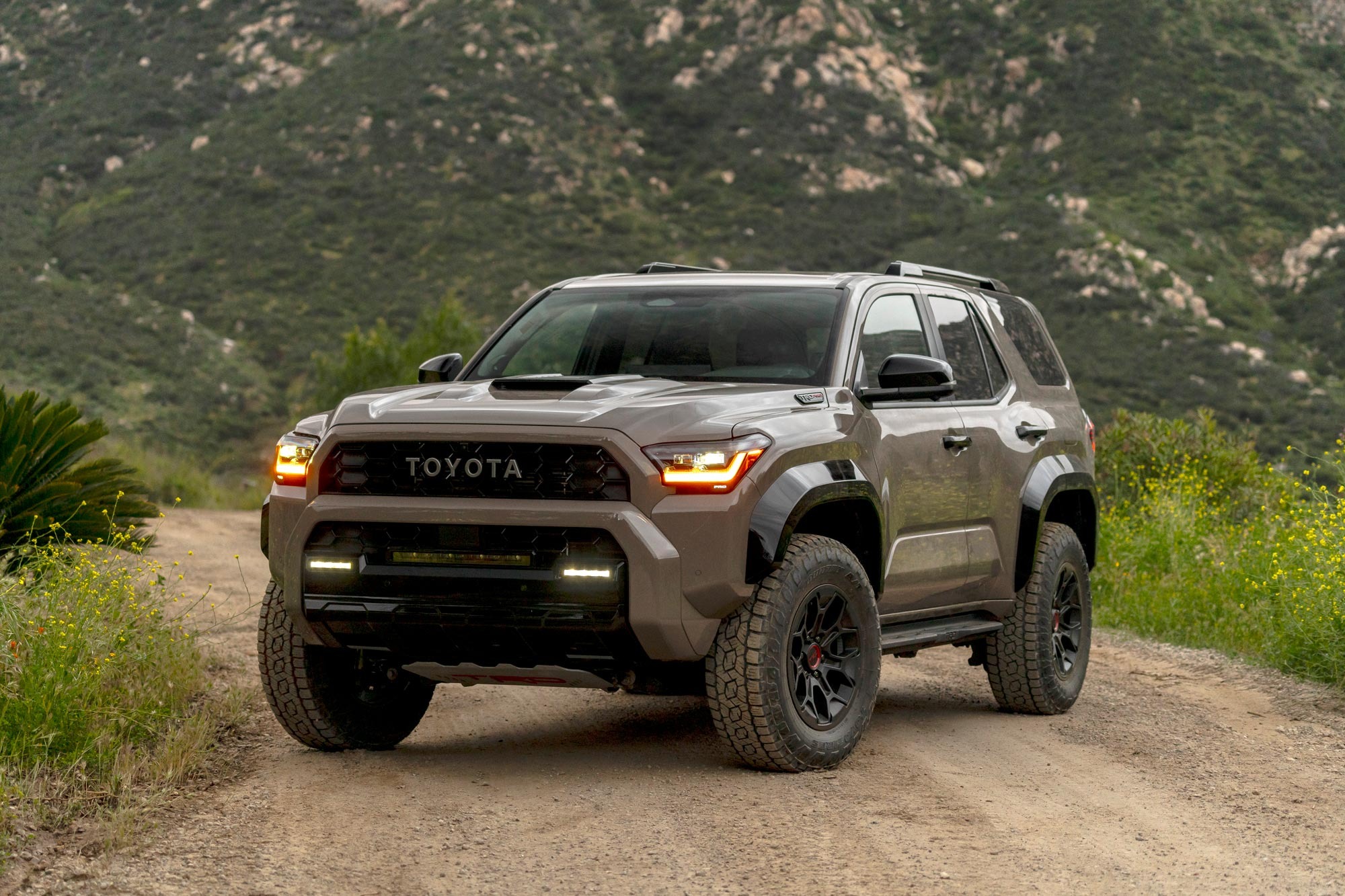
3. Toyota 4Runner
Picture a weekend trip with a dirt road at the end of it. That is the world of the Toyota 4Runner, which ranks third at 58.0%. It is the first SUV on this list, and it lands 13 points above the market average.
On a $45,000 purchase, 58.0% means about $26,100 left after five years. An average vehicle at 45% would hold about $20,250. That is a difference of $5,850 in your favor, or close to $98 a month over five years.
The top three models have two things in common. They are all Toyotas built with utility in mind. This highlights the strong demand for practical, capable vehicles. Buyers looking for rugged trucks and SUVs often have high expectations and tend to stay loyal to brands that deliver on them. This combination of selective demand and brand loyalty helps keep resale values high.
If you are considering one, check how it has been used. Off-road driving is fun, yet scrapes, dents, and worn suspension parts can chip away at a vehicle’s value.
A well-kept 4Runner with clean underbody photos and service records will always look better to the next buyer than one with a rough past.
Ask about towing, trail use, and any changes to the suspension or tires. A seller who shares records freely is usually a good sign.
Quick question before you buy: do you need the rugged hardware, or do you just like the look? Either answer is fair, but only one of them justifies paying extra.
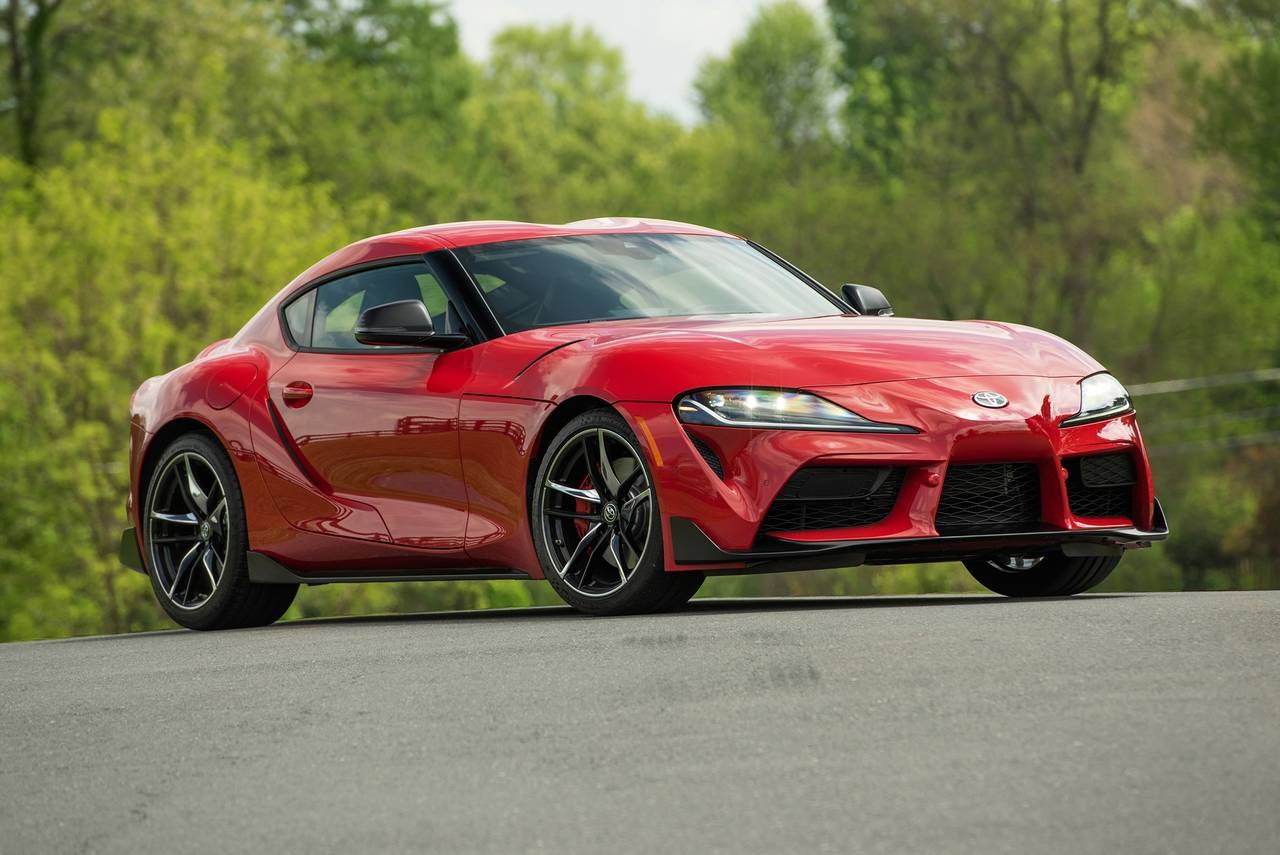
4. Toyota GR Supra
A sports car in the top four. Yes, really. The Toyota GR Supra keeps an estimated 56.0% of its value after five years, which is 11 points above the market average.
Sports cars usually lose money fast. Luxury performance models often follow a steep depreciation curve, and that is exactly what makes this result interesting.
The source credits the enthusiast buyer base, whose steady demand helps flatten the curve for performance icons like the Supra.
Let’s do the numbers on a $60,000 car. At 56.0%, you keep about $33,600. An average vehicle would keep about $27,000, which is $6,600 less. Fun and sensible, at the same time.
Why does enthusiast demand matter? People who love a car tend to search for it by name, and they will pay more to get the right one. That keeps used prices healthy.
If you are shopping for a Supra, condition and history matter more than usual. Enthusiast buyers care about stock parts, clean records, and careful ownership, and they notice heavy modifications right away.
Leave the car close to factory form, and you keep the widest pool of buyers. Sports cars are not always cheap to run, so budget for tires, insurance, and maintenance. Low depreciation helps, but it does not pay the other bills.
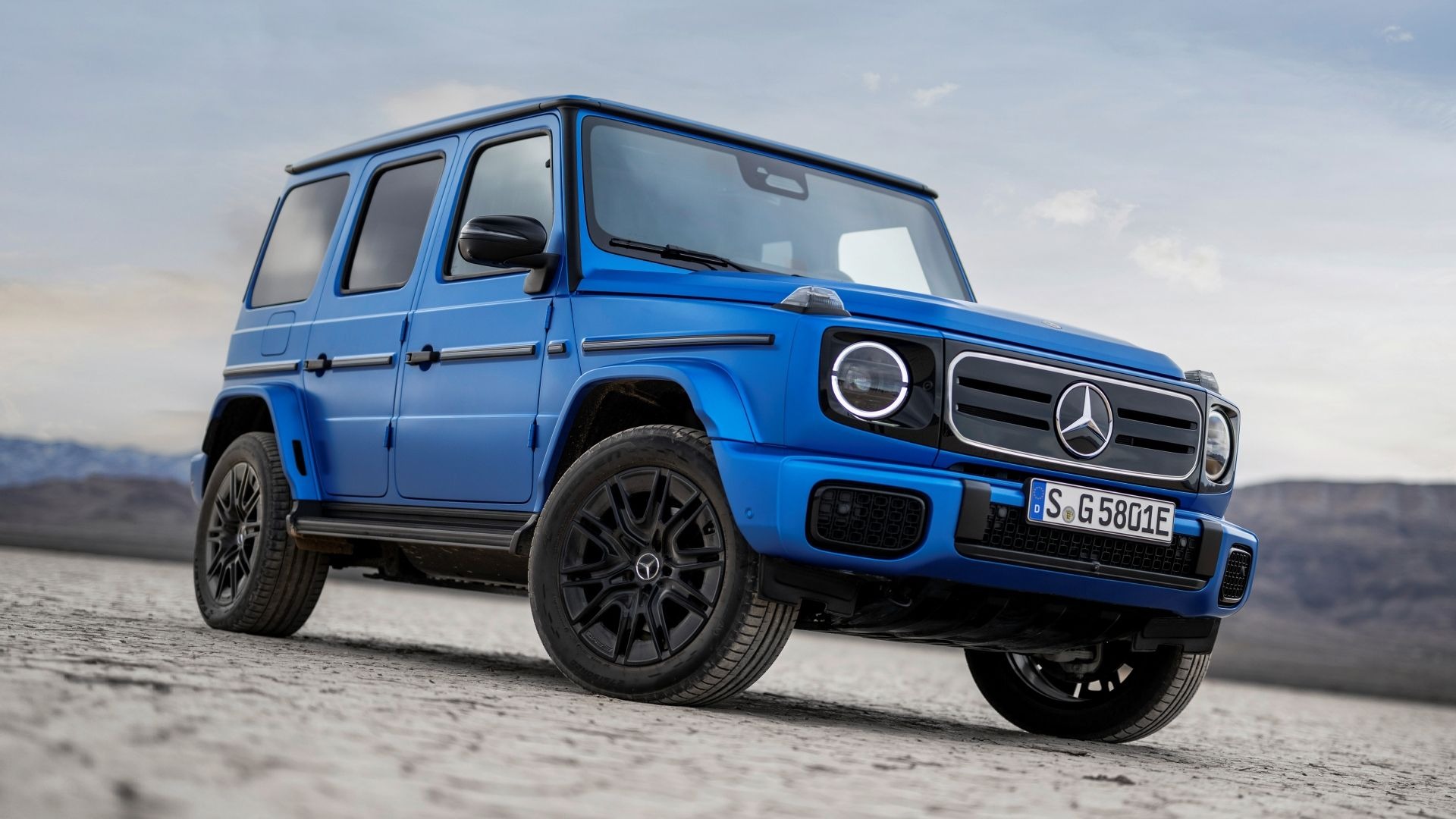
5. Mercedes-Benz G-Class
Boxy, loud, and wildly expensive. The Mercedes-Benz G-Class keeps an estimated 55.0% of its value after five years, right on the line that gives this list its name. It beats the market average by 10 points.
That is surprising for a luxury vehicle. Luxury badges usually come with steep depreciation, because the first owner pays for newness and the second owner wants a discount. The G-Class seems to break that habit.
Try an example with a $150,000 purchase. At 55.0%, you hold about $82,500 after five years. The average vehicle would hold $67,500. The $15,000 difference is larger than the full price of many new cars.
Is it worth the sticker? That depends on your budget and priorities, and nothing in the data says a high retention rate makes a high price wise.
A vehicle can keep 55% of a very large number and still cost a great deal to own. Insurance, fuel, tires, and repairs on a luxury SUV can be substantial.
So treat the G-Class as an interesting case rather than a bargain. It shows that scarcity, style, and strong demand can protect value even at a lofty price.
If you buy one, do it with eyes open and a service history in hand.
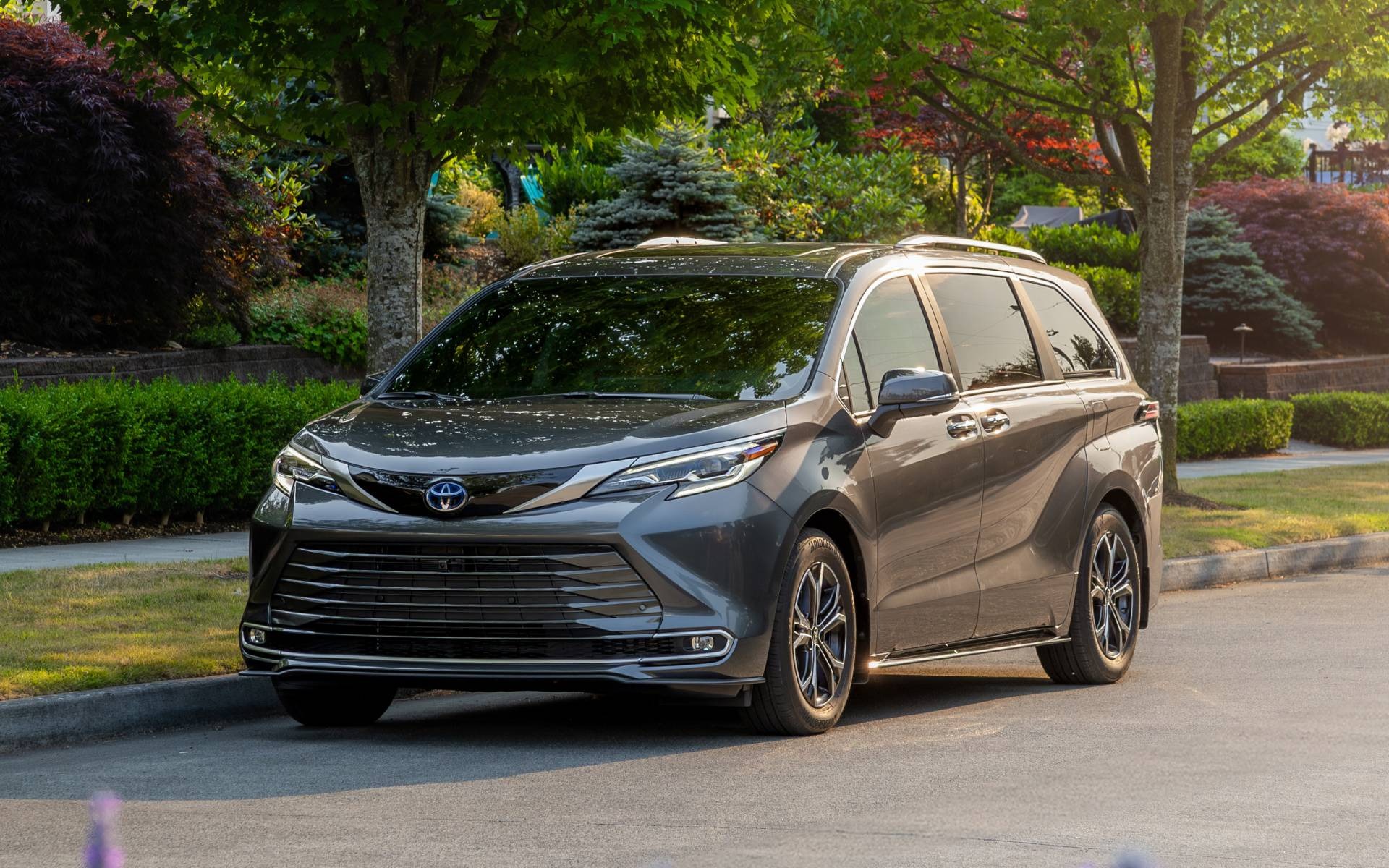
6. Toyota Sienna
Here is some good news for families who need space, comfort, and practicality without spending a fortune on a large SUV. The Toyota Sienna retains an estimated 54.3% of its original value after five years, placing it among the stronger performers in the Kelley Blue Book ranking.
Although it falls just short of the 55% mark, it still beats the average vehicle’s estimated 45% retention by 9.3 percentage points. Consider a Sienna purchased for $45,000.
Based on the estimated retention rate, it would be worth approximately $24,435 after five years.
A vehicle retaining the market average would be worth about $20,250. That creates a $4,185 difference, which could help cover a family vacation or another major household expense.
The Sienna earns its appeal through everyday usefulness. Its spacious cabin, sliding doors, flexible seating arrangements, and generous storage make school runs, grocery shopping, and long road trips easier. Its hybrid powertrain also appeals to households looking to reduce fuel expenses.
Toyota’s presence on this list deserves attention, too. Five of the ten vehicles are Toyota models, including the Tacoma, Tundra, 4Runner, GR Supra, and Sienna. That is an impressive showing across several vehicle categories.
If you are considering a used Sienna, inspect the sliding doors, seat upholstery, interior surfaces, and cargo area. Family vehicles can experience considerable daily wear, and a clean cabin can make a difference when it is time to sell.
The Sienna proves that a practical family minivan can also be a sensible financial choice.
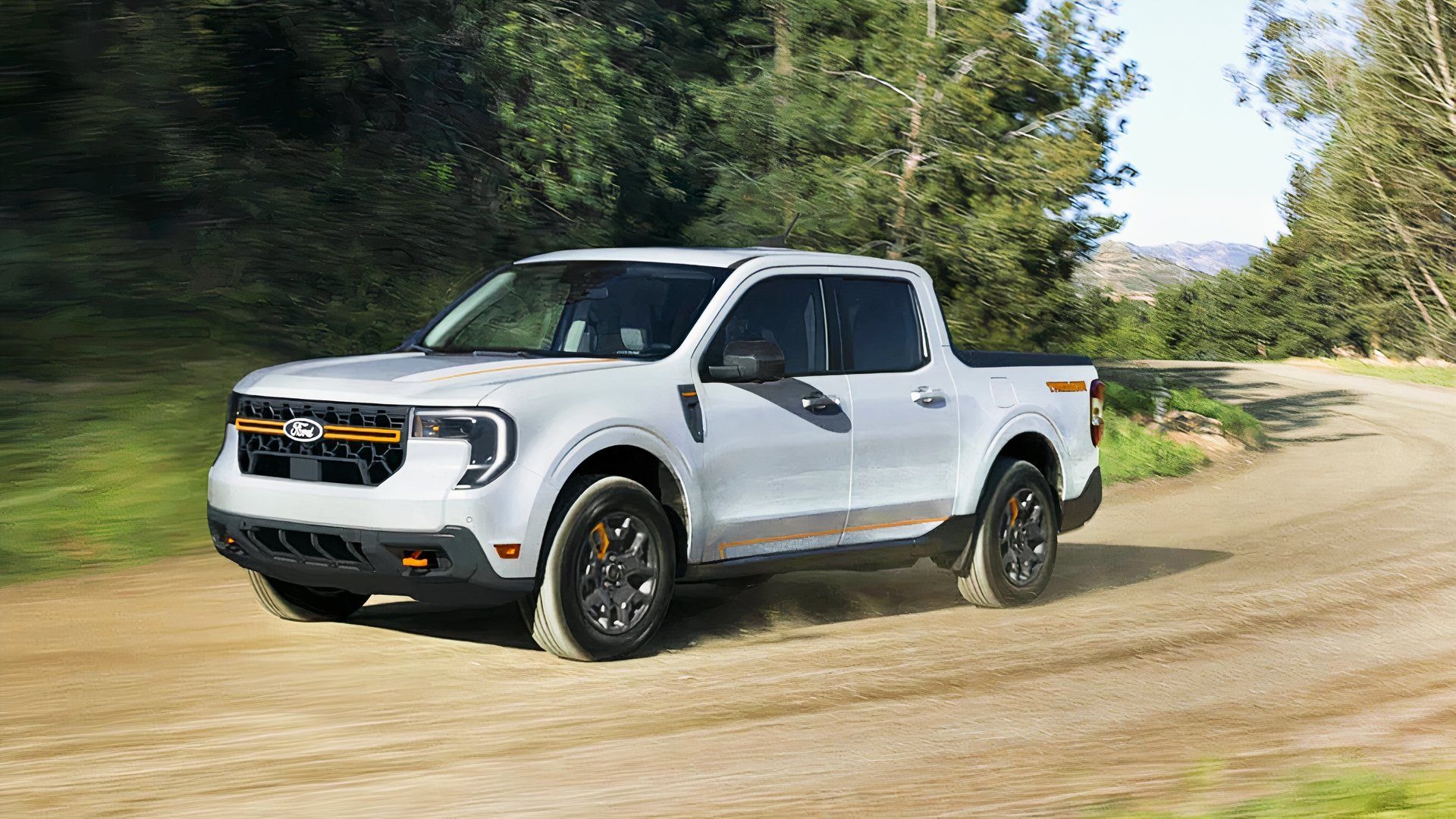
7. Ford Maverick
Small, affordable, and genuinely useful, the Ford Maverick makes a strong case for drivers who want pickup functionality without the expense and bulk of a full-size truck.
According to the supplied Kelley Blue Book figures, it retains approximately 54.1% of its original value after five years. That puts it just 0.2 percentage points behind the Toyota Sienna and 9.1 points above the average vehicle.
The financial difference is worth examining. Imagine purchasing a Maverick for $30,000. At a 54.1% retention rate, its estimated value after five years would be $16,230.
A vehicle retaining the market average of 45% would be worth approximately $13,500. That leaves a $2,730 advantage for the Maverick. Its popularity makes sense when you consider how people use compact pickups.
The Maverick offers an open cargo bed for household projects, gardening supplies, camping equipment, and everyday hauling. Its smaller dimensions also make parking and maneuvering easier than with larger trucks.
Another notable finding is that pickups make up four of the ten vehicles in the ranking. The Tacoma, Tundra, Maverick, and Ranger illustrate how strong demand for versatile, practical trucks can help maintain higher resale values.
Buyers should pay attention to trim levels and optional equipment before placing an order. The Maverick’s accessible starting price can become less attractive when unnecessary extras push the purchase cost higher.
A sensible configuration, careful maintenance, and a clean ownership history can help protect its resale appeal. For drivers who want an affordable truck that fits everyday life, the Maverick deserves serious consideration.
8. Chevrolet Corvette
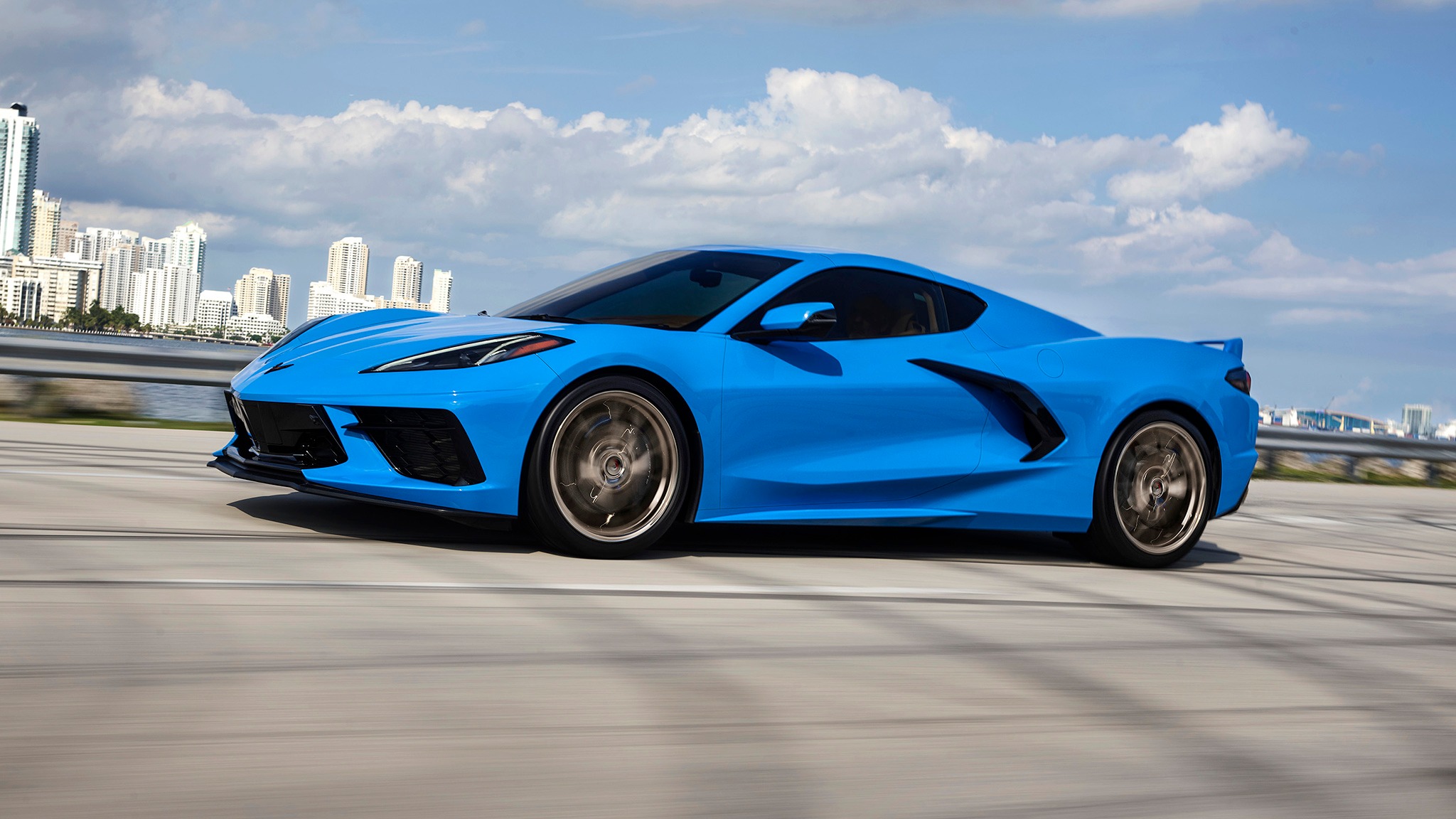
Fast, distinctive, and admired by performance enthusiasts, the Chevrolet Corvette proves that a sports car can deliver driving excitement without losing its entire purchase price within a few years.
Its estimated five-year value retention stands at 54%, which is nine percentage points above the average vehicle’s 45% retention rate.
Let’s put some actual money behind that percentage. A Corvette purchased for $80,000 would retain approximately $43,200 after five years.
At the market average, the same vehicle would be worth around $36,000. That creates a $7,200 difference, making the Corvette an interesting option for buyers who care about both performance and resale value.
Its appeal goes beyond horsepower. The Corvette has an established identity among sports car enthusiasts, and its recognizable styling helps it stand apart from ordinary passenger vehicles.
The C8 generation introduced a mid-engine layout, giving the model a fresh design and a different driving character from earlier versions.
The Corvette also benefits from a dedicated used-car audience. Enthusiasts often search for specific colors, equipment packages, engine configurations, and carefully maintained examples. This interest can help support demand for desirable vehicles.
However, owners should think carefully before making extensive aftermarket modifications. Changes to the exhaust, suspension, engine, or exterior may appeal to one buyer but discourage another.
Original equipment, complete service records, and a clean accident history can make a vehicle easier to sell.
Mileage and usage also matter. Regular driving is perfectly reasonable, but responsible maintenance is essential, particularly for a performance car.
For enthusiasts who want an exciting vehicle with respectable value retention, the Chevrolet Corvette offers an appealing combination.
9. Porsche
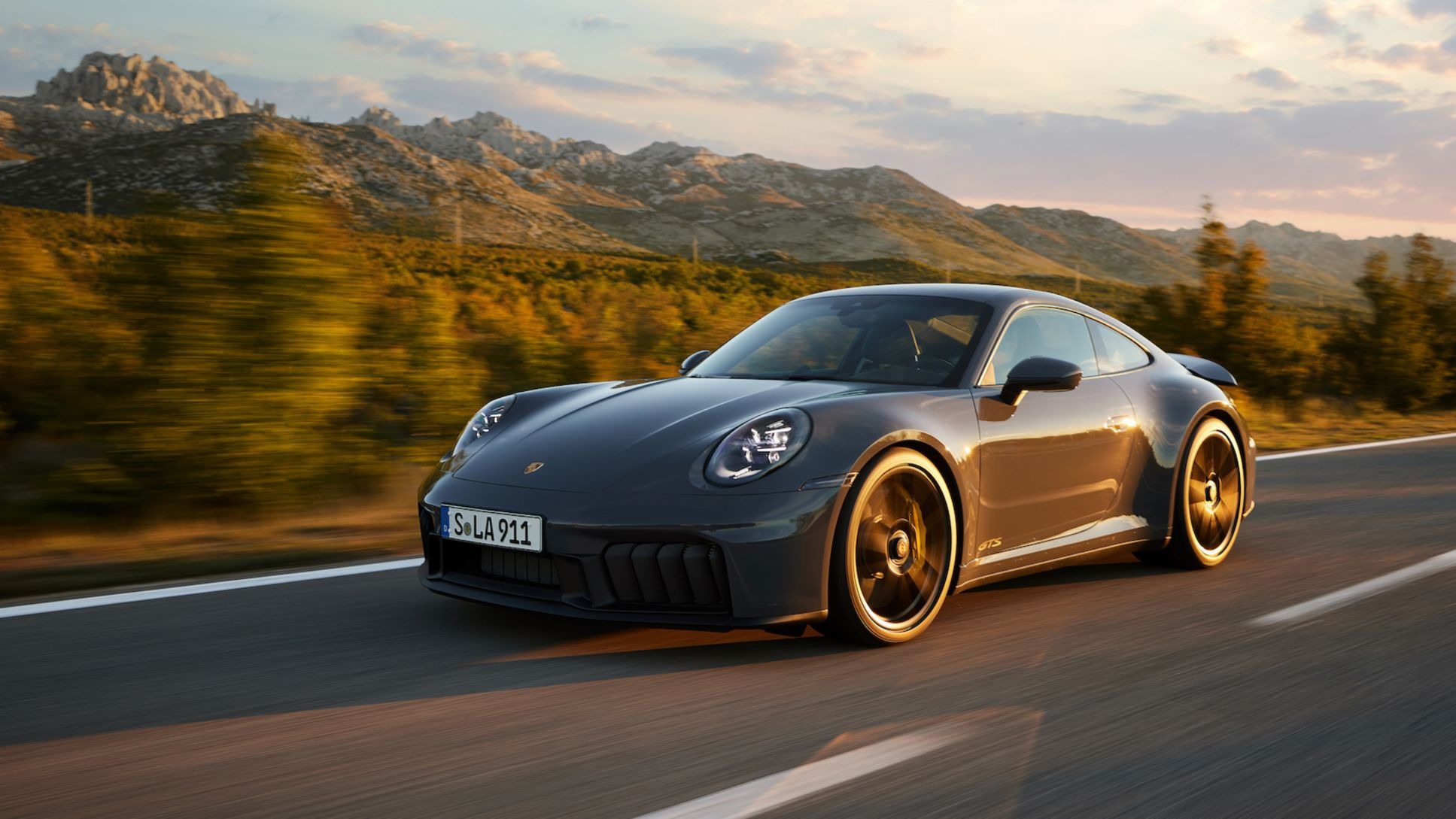
Ninth place goes to Porsche, with an estimated 53.9% of value kept after five years. The source lists the brand without naming a specific model, so this figure speaks to Porsche as a whole, not a single car.
That matters when you read it. A brand-level number blends different vehicles, and your result will depend on which one you buy, how you maintain it, and what the market wants when you sell.
Still, the headline is strong. Luxury brands often face steep depreciation, yet Porsche lands 8.9 points above the 45% average. The source credits enthusiast demand for helping performance icons flatten that curve.
An example helps. On a $100,000 purchase, 53.9% leaves about $53,900 after five years. The average vehicle would leave $45,000, so you would hold $8,900 more.
If you are tempted, treat the specific car as the real decision. Look at options, color, mileage, and service history, and compare similar listings before you commit. A strong brand average does not rescue a neglected example, and a well-kept one may beat it.
Remember that premium cars also bring premium running costs. Tires, brakes, insurance, and maintenance can add up quickly, so weigh the full cost of ownership, not just the part that depreciation covers.
A nice number, with a few fair questions attached.
10. Ford Ranger
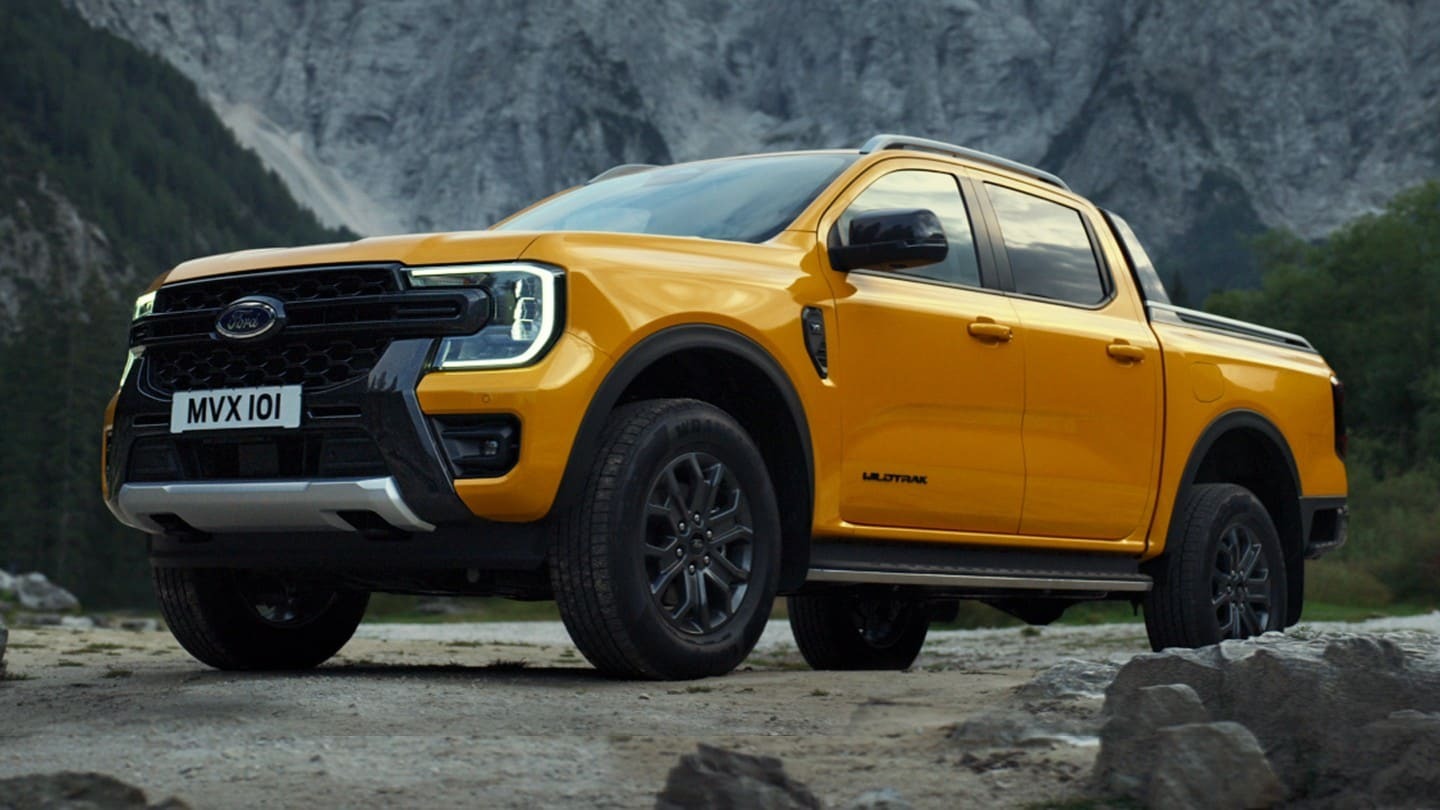
Last, but still ahead of the pack. The Ford Ranger keeps an estimated 53.4% of its value after five years. That is 8.4 points above the market average, and it completes the list of four pickups.
Tenth place sounds like an afterthought, yet the gap is tiny. The Ranger sits only 0.5 points behind the Porsche and 0.6 points behind the Corvette.
In this part of the ranking, small changes in the data could easily reorder things, so do not read too much into the exact position.
Try one more example on a $40,000 truck. At 53.4%, you keep about $21,360 after five years. The average vehicle would keep $18,000, leaving the Ranger owner $3,360 better off. Compare that with the Tacoma’s 63.0%, and the spread between first and tenth is 9.6 points.
What does that tell us? That even the lowest score here beats the average by a good margin. Making the top ten means something.
Ford appears twice, with the Maverick and the Ranger, giving the company two of the four pickups. Shoppers who like Ford trucks have two choices that both hold value better than most vehicles on the road.
Before you buy, compare prices on both and decide which size fits your life. The best resale number is the one that comes with a truck you will enjoy owning.