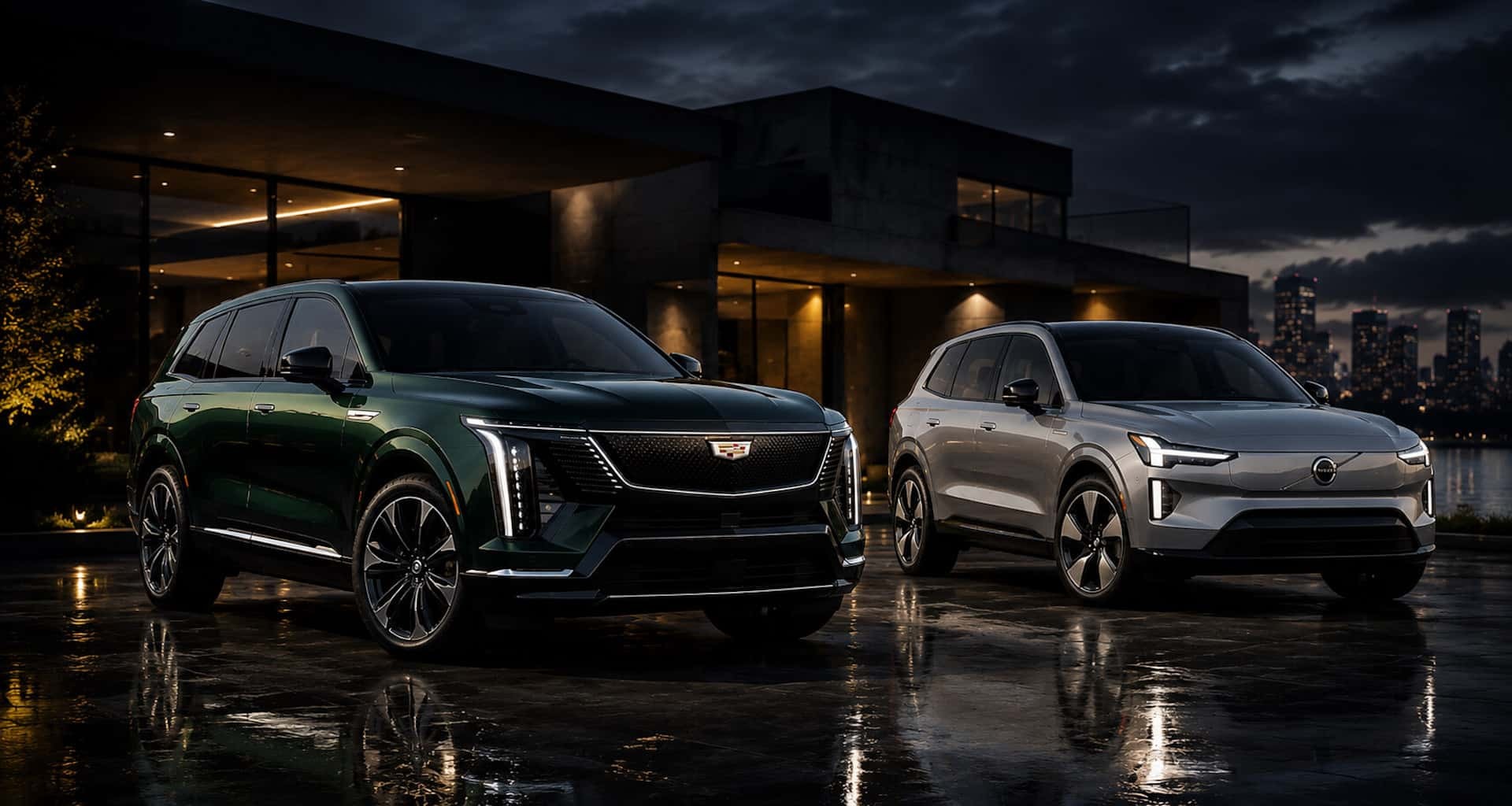
Car shoppers love to talk about horsepower and fuel economy, but the place you spend your whole commute is the cabin. And cabins are having a moment. J.D. Power’s APEAL Study measures how owners feel about the way their vehicles look, feel, and work, and the interior category posted an 11-point year-over-year gain, the biggest improvement across the entire industry.
Redesigned center consoles, smarter cupholders, and better phone placement helped drive it. Twelve vehicles stand out for freshly redesigned or heavily refreshed cabins. One honest note first. J.D. Power does not publish model-level score sheets, so this list draws on this year’s APEAL findings alongside related interior awards. Curious which cabins got the biggest glow-up? Let’s climb inside, one seat at a time.
1. Buick Enclave
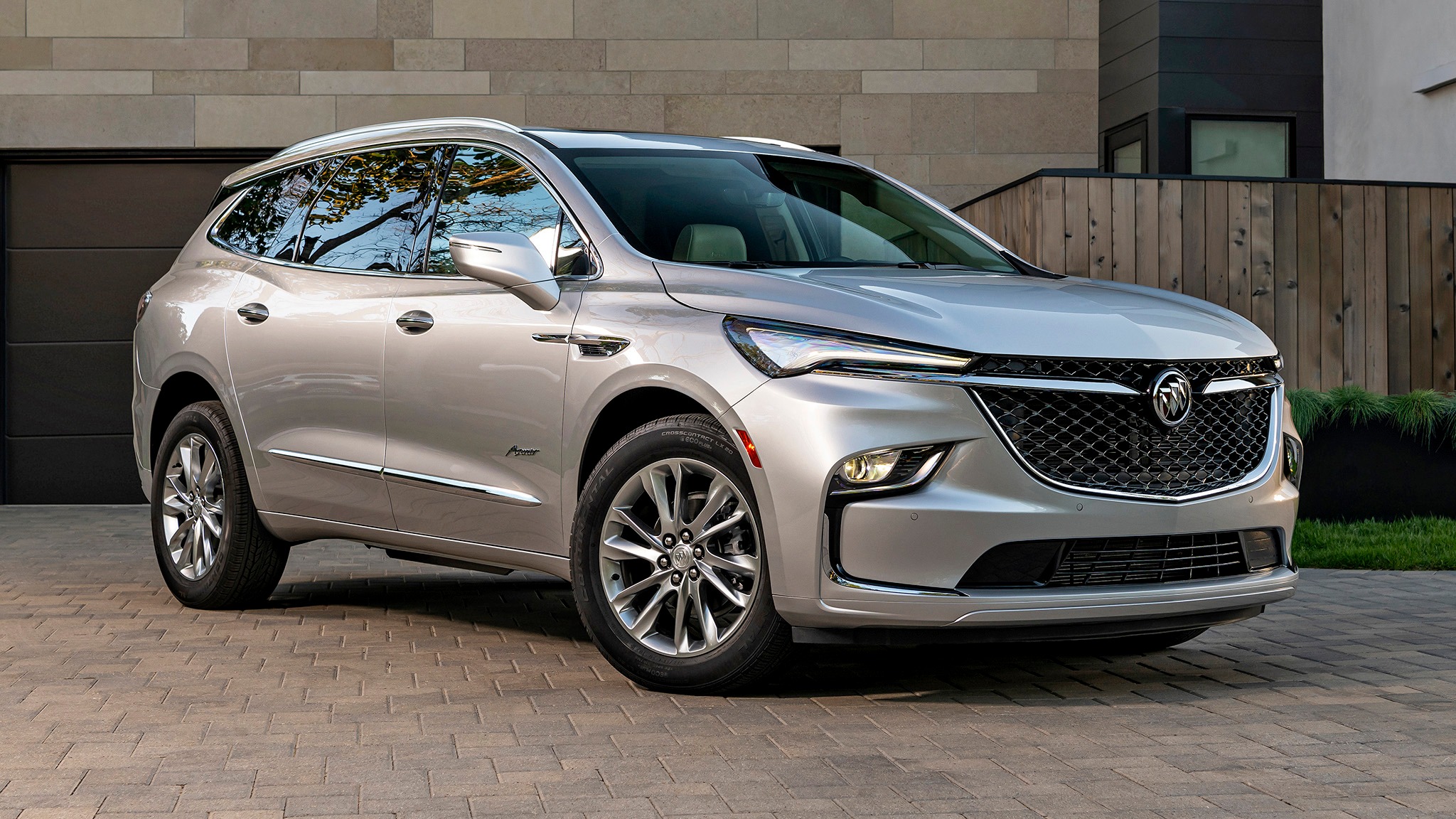
The latest Buick Enclave makes a strong impression with an interior that feels considerably more modern than previous generations.
Its redesigned cabin focuses on technology, passenger comfort, and a cleaner dashboard arrangement, giving the three-row SUV a more premium character.
The centerpiece is an expansive 30-inch diagonal ultra-wide display that combines important vehicle information and infotainment functions into one impressive digital interface.
This screen changes the appearance of the dashboard while reducing the need for multiple separate displays. Drivers can access navigation, entertainment, and vehicle settings through a more integrated arrangement.
The design also creates a cleaner visual appearance, which helps the cabin feel less cluttered. Passenger comfort receives attention through spacious seating, carefully selected materials, and convenient storage areas.
Families can appreciate the practical layout, especially during longer journeys when access to charging points, cupholders, and personal storage becomes important.
Buick’s redesign also demonstrates how technology can improve the perceived quality of a vehicle without relying entirely on expensive decorative materials.
A well-organized dashboard, attractive lighting, and thoughtfully positioned controls can make daily driving more pleasant.
For shoppers comparing three-row SUVs, the Enclave deserves consideration because its updated cabin combines modern digital technology with traditional family-friendly comfort.
Its interior changes reflect the direction many manufacturers are taking as customer expectations continue to rise.
2. Nissan Kicks
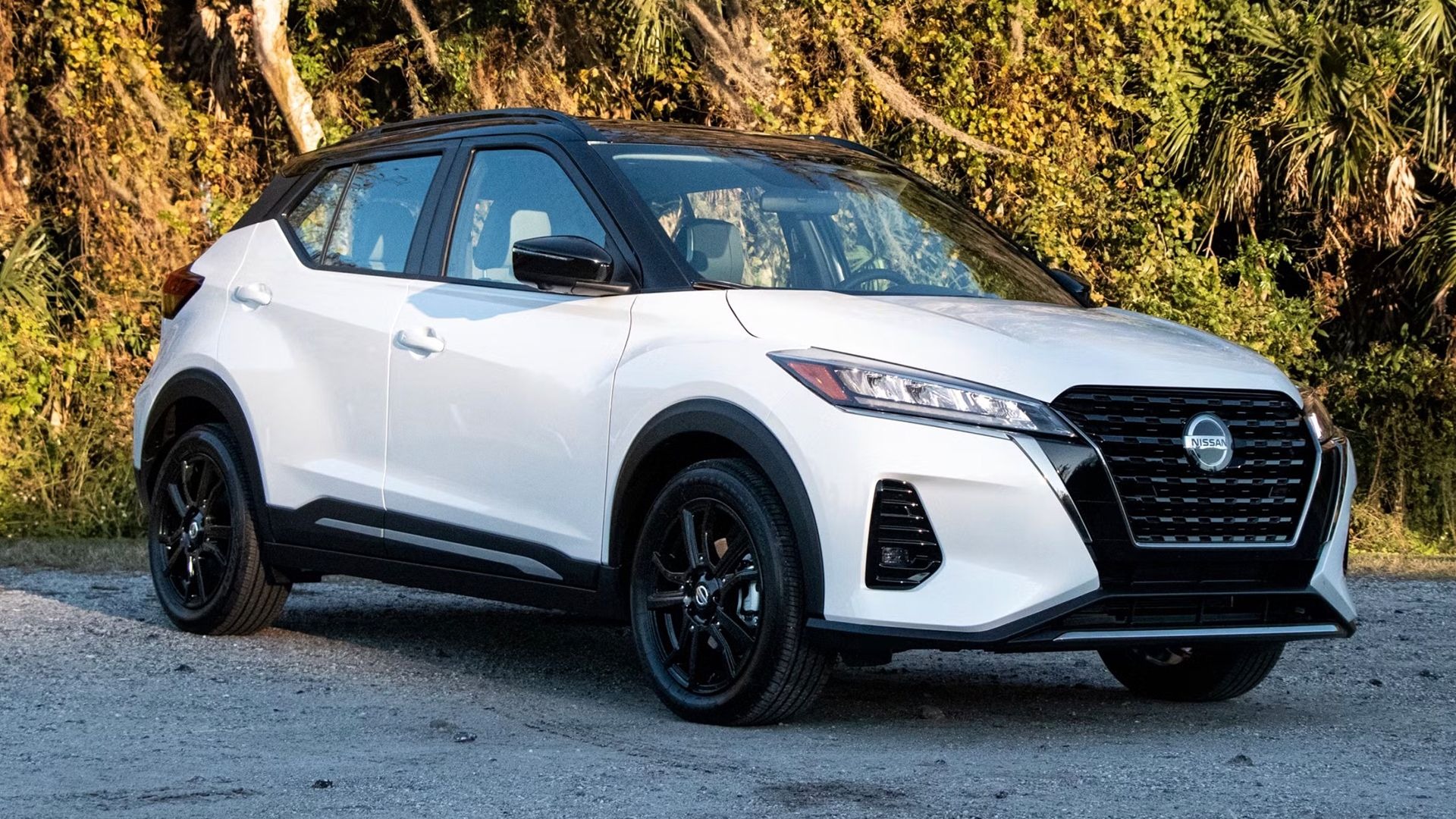
The Nissan Kicks has traditionally attracted shoppers looking for affordable transportation, but its redesigned interior gives the small crossover a more sophisticated personality.
Rather than treating the cabin as an area where manufacturers must cut costs, Nissan has introduced features that make the vehicle feel more contemporary and convenient. One of the biggest improvements is the availability of dual 12.3-inch displays on equipped versions.
These screens provide a modern interface for vehicle information and entertainment, creating a dashboard appearance that would have seemed unusual in an entry-level crossover just a few years ago.
The wider digital arrangement also makes important information easier to access. Nissan has paid attention to practical details, too.
The center console offers improved organization, while revised storage spaces provide convenient places for everyday belongings.
These changes matter because drivers regularly interact with cupholders, charging connections, and storage compartments during routine journeys.
Interior appearance also benefits from attractive accent stitching and updated decorative details. Such additions give the cabin more personality without making it feel unnecessarily complicated.
Comfortable seating and a straightforward control arrangement help preserve the Kicks’ appeal as an everyday vehicle. Its interior improvements are particularly relevant to shoppers who want modern technology without moving into a more expensive vehicle category.
The redesigned Kicks shows that affordable crossovers can offer attractive digital equipment, thoughtful storage, and a cabin that feels carefully considered.
That combination helps explain why interior design has become such an important part of the competition among smaller SUVs.
3. Ford Expedition
Large family SUVs have demanding interior requirements. They must accommodate passengers, carry luggage, provide convenient entertainment, and remain comfortable during extended journeys.
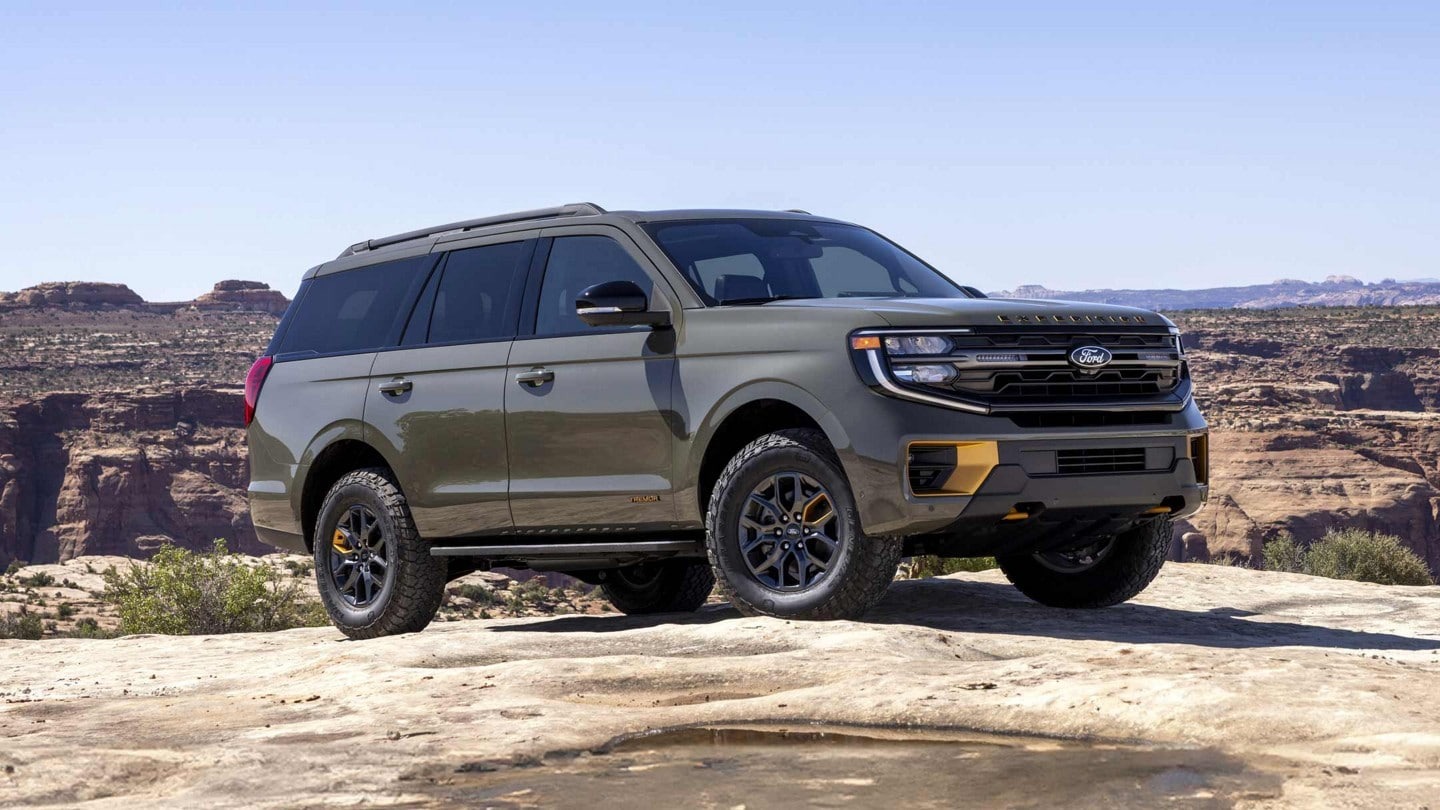
The Ford Expedition addresses these expectations with a redesigned dashboard and improvements intended to make its spacious cabin easier to use. The dashboard features a modern digital presentation that gives the driver’s area a cleaner appearance.
A panoramic screen arrangement brings important information into view, reducing the visual separation between traditional instrument displays and infotainment technology.
This approach creates a more contemporary atmosphere while giving drivers convenient access to vehicle information. Ford has also paid attention to everyday usability.
Cupholders, charging areas, and storage compartments may seem like minor details, but they influence how comfortably people interact with a vehicle.
Properly positioned charging pads can reduce cable clutter, while useful storage spaces help keep personal belongings organized.
The Expedition’s size provides another advantage. Its three-row configuration offers room for families, friends, and additional passengers, while its cargo area supports luggage and larger household items.
Comfort features and available equipment also help make longer trips more enjoyable.
For shoppers considering large SUVs, the Expedition’s cabin improvements deserve attention because they address both appearance and practical use.
A sophisticated display is attractive, but it becomes more valuable when combined with conveniently placed controls and useful storage.
Ford’s approach reflects a growing expectation that large family vehicles should deliver technology and comfort without sacrificing functionality.
4. Kia K4
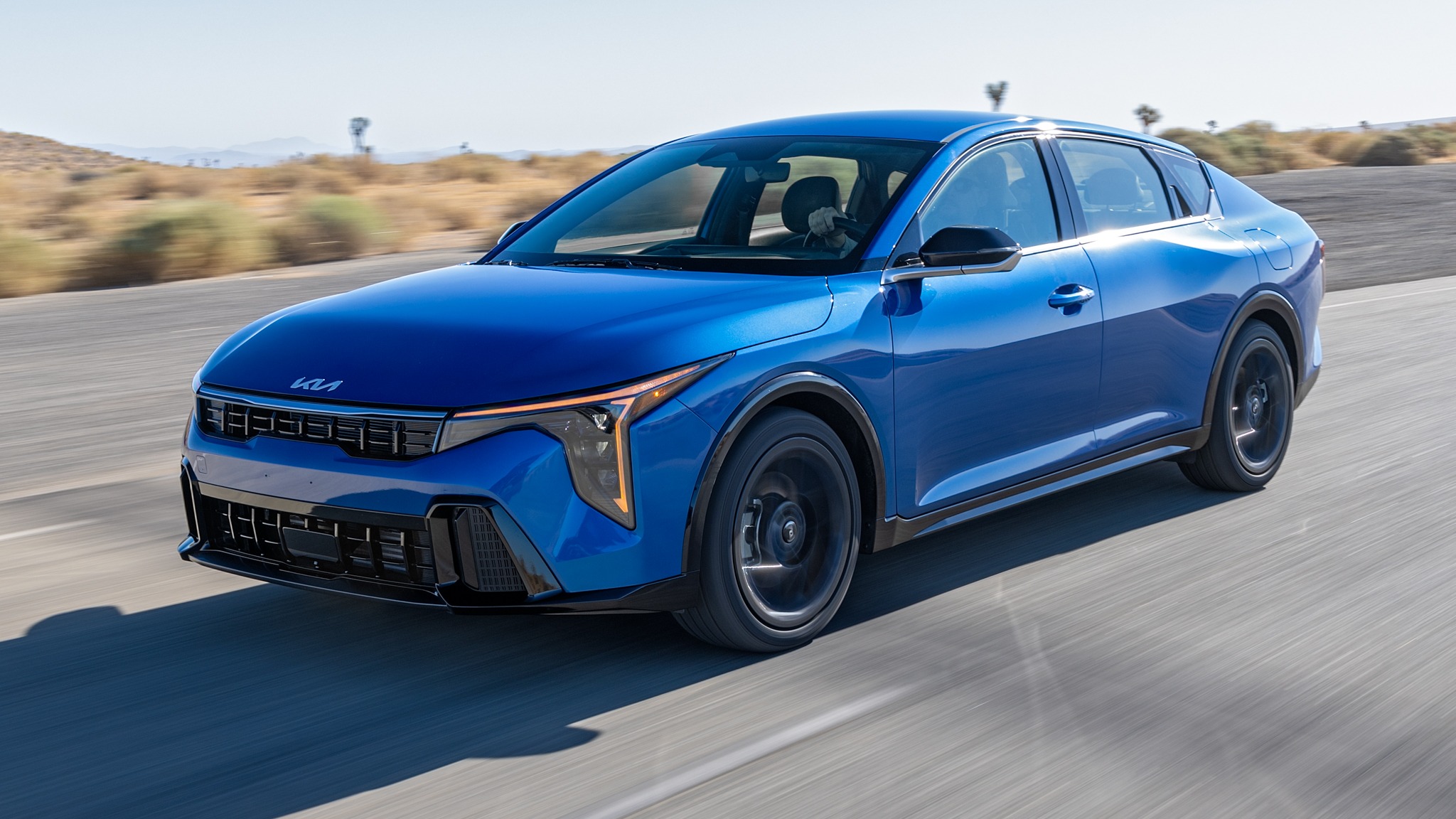
Replacing the Forte gave Kia an opportunity to introduce a compact sedan with a fresh identity, and the K4 takes full advantage of that opportunity.
Its cabin departs from the familiar appearance of many affordable compact cars, introducing a more adventurous dashboard design and a cleaner arrangement of digital equipment.
The instrument panel features an asymmetrical design that gives the front cabin a distinctive appearance.
Rather than relying on a traditional layout filled with separate controls and decorative sections, Kia uses a more integrated arrangement that creates a modern visual impression.
Its digital displays contribute to this updated atmosphere by placing important driving information and entertainment functions within easy reach.
The center console also benefits from a geometric design that provides a more structured appearance while supporting everyday convenience.
Comfort remains important in a compact sedan, particularly for drivers who spend considerable time commuting. Supportive seating, accessible controls, and useful storage areas help make the cabin suitable for regular use.
The K4 also provides a practical passenger environment, allowing it to serve as family transportation rather than simply an inexpensive commuter car.
Kia’s approach demonstrates that affordable vehicles do not need to look basic inside. A carefully designed dashboard, attractive digital interfaces, and thoughtful material choices can improve the ownership experience without requiring a luxury-car budget.
For shoppers comparing compact sedans, the K4 presents an interesting alternative to established competitors.
Its redesigned interior brings a fresh appearance to the segment and reflects the growing importance of cabin presentation in purchasing decisions.
5. Dodge Charger Daytona
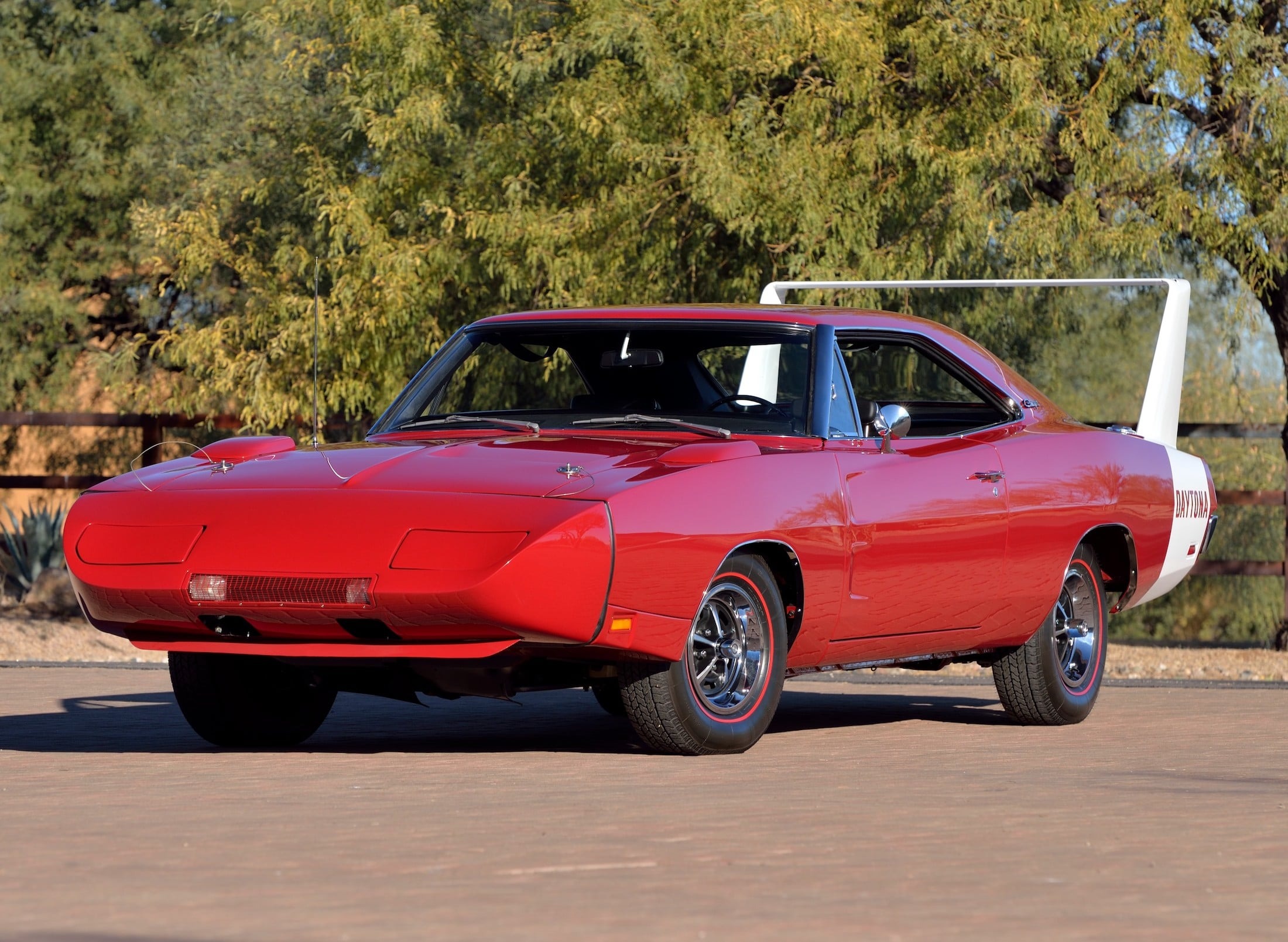
The Dodge Charger Daytona introduces a different interpretation of the traditional muscle car interior. Rather than simply carrying familiar design elements into an electric vehicle, Dodge has created a cabin that combines performance-inspired styling with contemporary digital technology.
The dashboard uses a modern display arrangement that places important driving information and infotainment functions within convenient reach.
Its design gives the cabin a more advanced appearance while preserving the sporty atmosphere expected from a Charger. Ambient lighting plays an important role in establishing the interior’s personality.
Carefully positioned illumination adds visual interest, particularly during nighttime driving, while the wraparound console surfaces create a more connected appearance between the dashboard and center storage area.
Material selection also contributes to the redesigned environment. Dodge has moved toward a cleaner presentation that reduces the appearance of older, heavily plastic-focused cabin designs.
The result is a more contemporary setting that better matches the vehicle’s electric powertrain and modern exterior styling.
The driver-focused layout remains an important part of the experience. A performance-oriented vehicle should allow drivers to access frequently used controls without unnecessary distraction.
The Charger Daytona’s arrangement aims to balance this requirement with the technology expected from a modern electric performance car.
Its interior is particularly interesting because it demonstrates how traditional performance brands are adapting their cabin designs to changing vehicle technology.
Buyers considering an electric sports sedan can appreciate the combination of digital features, ambient lighting, and distinctive styling. The Charger Daytona gives the muscle car concept a fresh interior identity.

6. Chevrolet Corvette ZR1
Extreme performance usually comes with the expectation of a rough or uncomfortable cabin. The Chevrolet Corvette ZR1 challenges that idea by combining impressive speed with carefully selected interior materials, high-grade carbon fiber trim, stitched upholstery, and driver-focused screen placement.
Its cabin demonstrates that a high-performance sports car can deliver comfort and craftsmanship alongside exceptional driving ability.
The driver-focused design deserves particular attention. Rather than placing screens and controls randomly across the dashboard, Chevrolet arranges important information around the person behind the steering wheel.
This makes essential functions easier to access and allows drivers to check vehicle information without unnecessary distractions. In a car built for high-speed driving, convenient control placement can make a real difference.
Carbon fiber trim adds a racing-inspired appearance, giving the interior a sporty character without sacrificing its premium feel.
Stitched upholstery introduces warmth and texture, balancing the technical appearance of the dashboard and decorative surfaces. Together, these materials create a cabin that feels carefully designed rather than simply assembled around the engine.
Anyone considering the Corvette ZR1 should spend at least fifteen minutes sitting inside before making a decision. Check the seat bolsters, steering wheel position, visibility, and general seating comfort. Pay attention to how the controls feel during regular use.
Interior satisfaction matters just as much as performance. The ZR1 shows that thrilling acceleration and thoughtful cabin craftsmanship can exist in the same vehicle, giving drivers excitement behind the wheel and comfort during everyday journeys.
7. GMC Yukon (Denali Ultimate)
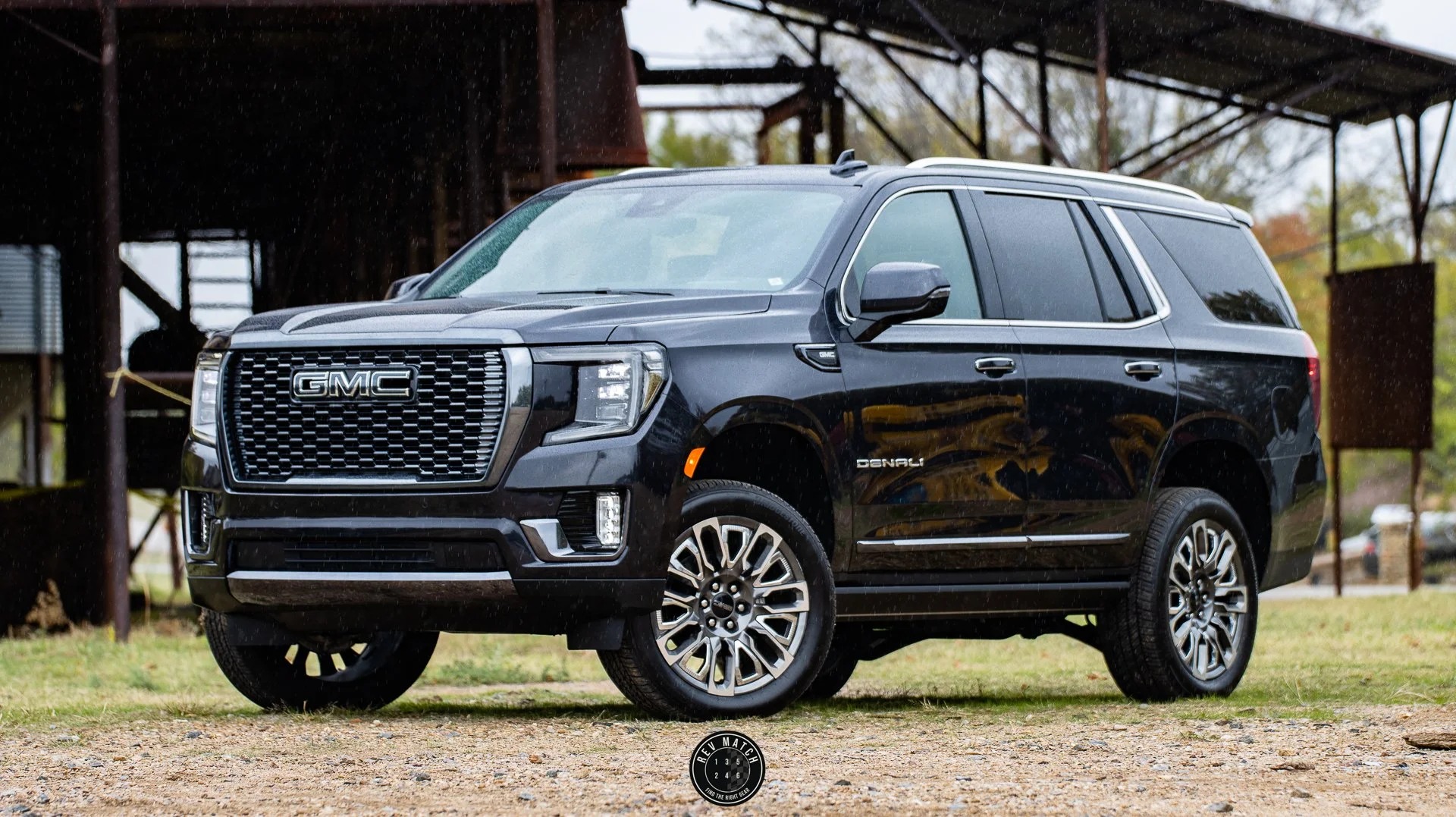
Think of it as a lounge on wheels. The GMC Yukon Denali Ultimate upgraded to executive-class second-row seating and added vast wood and leather surface finishes, and the source says those changes pushed this large SUV’s premium tier score much higher.
Second-row seats are where passengers spend their time, so improving them lifts the whole experience. A comfortable captain’s seat turns a long drive into a relaxed ride, and the person behind the driver gets to feel like the guest of honor.
Wood and leather bring warmth. Cold glossy plastic can make an expensive vehicle feel sterile, while natural-looking finishes make it feel crafted. Large surfaces matter most here, because a big SUV has a lot of dashboard and door panel to cover.
If you carry passengers often, sit in the second row yourself before you commit. Check legroom, seat adjustments, and the quality of the armrests. Then ask your regular passengers what they think. People in the back seat notice things the driver never does.
Keep in mind that this is the top Denali Ultimate treatment, so it comes with a premium price. Compare it with lower trims and decide whether the upgrades fit your budget and habits.
When a family hauler treats rear passengers like first-class travelers, owners tend to smile about it.
8. Genesis GV70 (Sport Prestige)
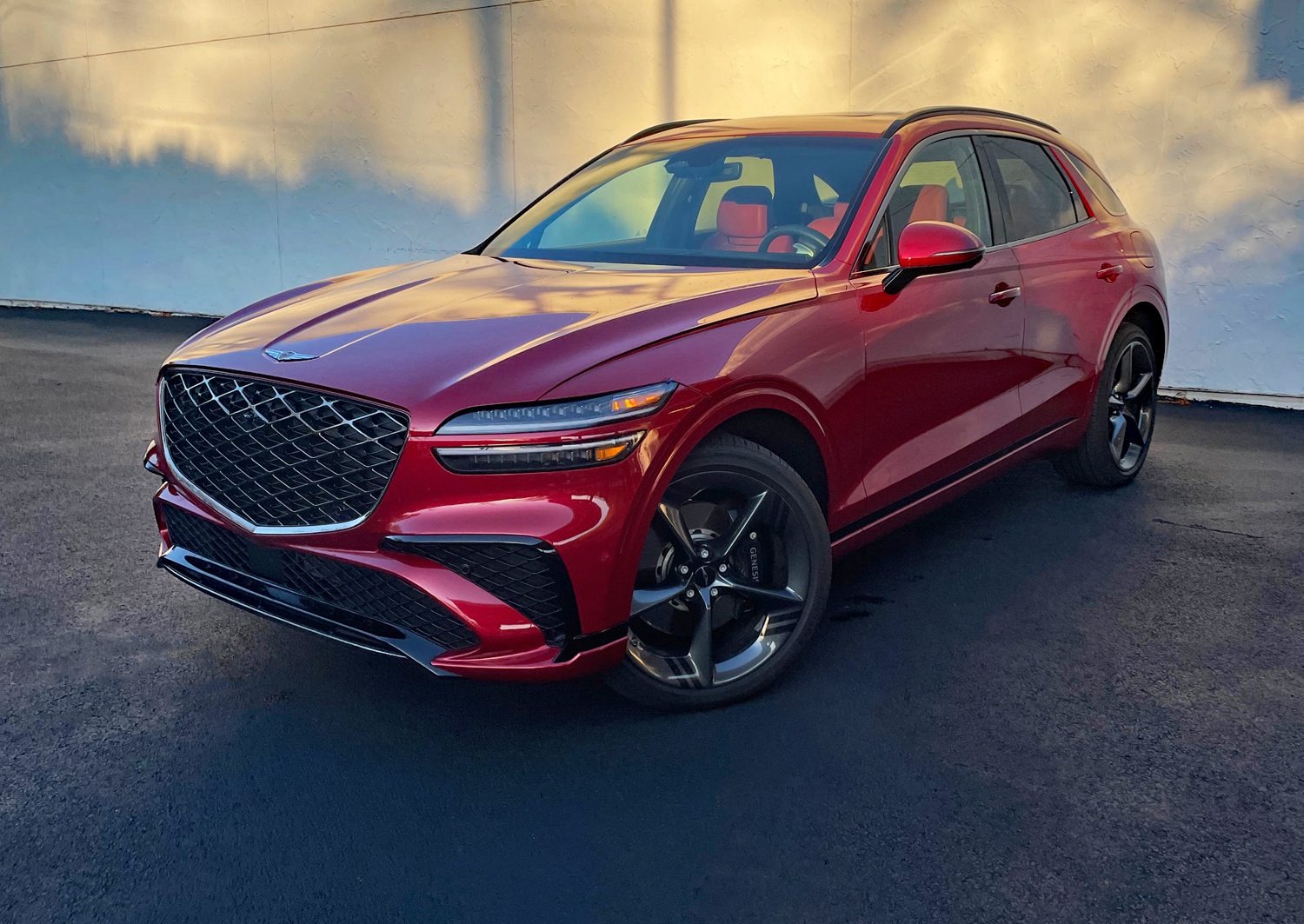
Not every winner starts from behind. The Genesis GV70 Sport Prestige already had a strong position and refined it further by streamlining tactile controls into smooth glass interfaces and updating device placement.
The source says this maps directly to the cabin-convenience upgrades J.D. Power noted. Here is the debate worth having. Some drivers love clean glass surfaces because the cabin looks calm and modern.
Others miss physical buttons, since you can find them without looking. Both views are fair, and the right answer depends on how well the interface responds.
Device placement is easier to praise. A phone that sits in a smart spot, within reach and ready to charge, solves a problem nearly every driver has. It is a small win that shows up daily.
Test the GV70 the way you would use it. Adjust the climate, change the volume, and use the touch controls while keeping your eyes ahead. If you can do those things smoothly, the glass interface earns its place. If you keep glancing down, think twice.
Also bring your own phone and cable to see whether the placement works with your case.
Strong cars improve through careful editing, not wild reinvention. A tidier cabin with smarter placement can lift owner satisfaction, even when the starting point was already good.
9. GMC Acadia
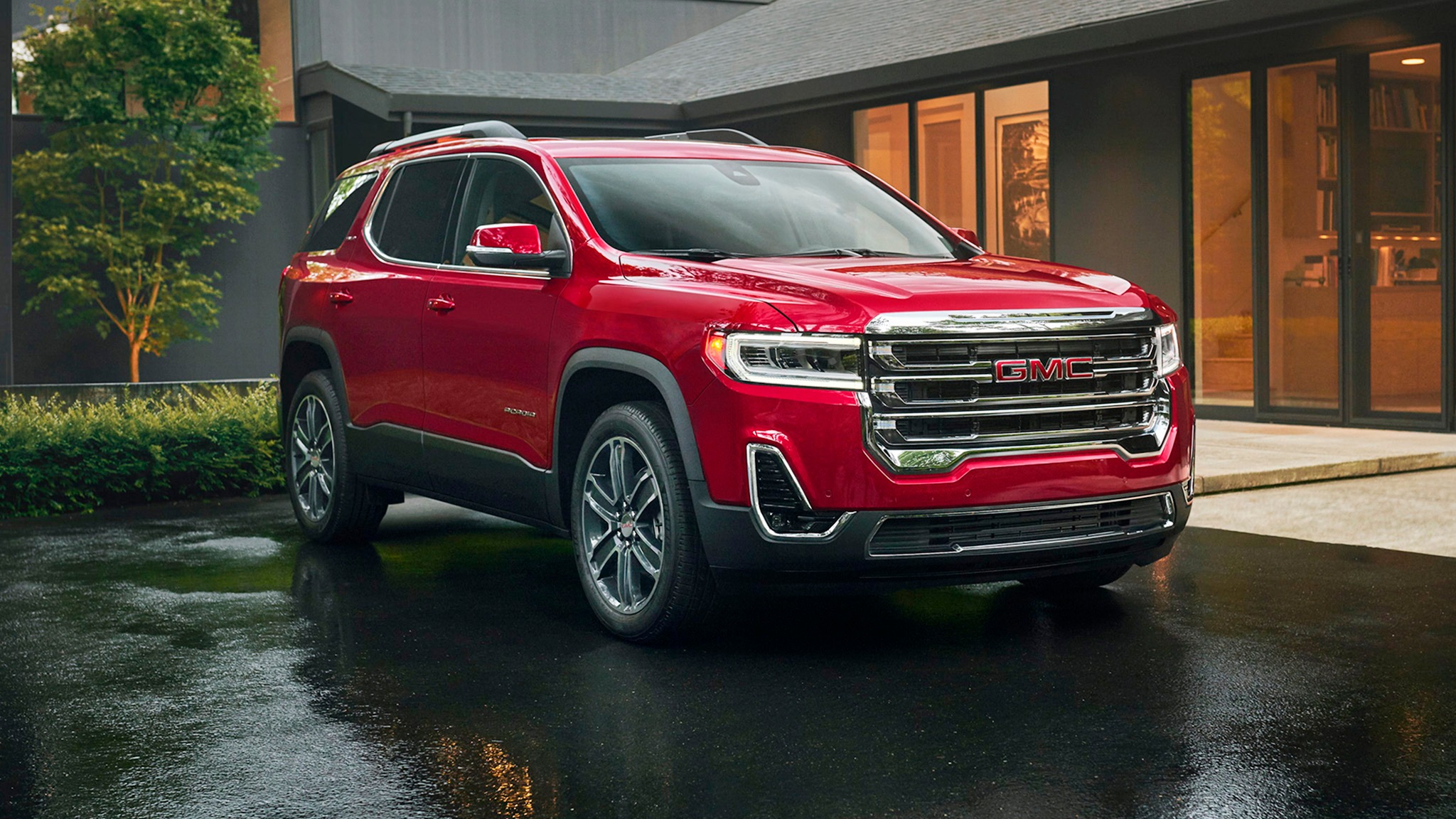
The GMC Acadia has received interior attention through a redesigned dashboard arrangement that places greater emphasis on digital technology and practical storage.
As a family-oriented SUV, its cabin needs to support several different activities, from daily commuting to school transportation and extended family vacations.
A major part of its updated appearance is the expansive vertical infotainment display. Its positioning gives the dashboard a more modern character and provides a central location for accessing entertainment, navigation, and vehicle settings.
The larger screen also creates a more integrated appearance than older dashboard arrangements built around smaller displays.
Storage improvements are equally important. Families often carry water bottles, phones, snacks, charging cables, and other everyday belongings.
Convenient storage cubbies make it easier to keep these items organized and accessible. Such practical details may not attract as much attention as a large touchscreen, but they influence how comfortable the vehicle feels during regular use.
The Acadia also offers a spacious passenger environment, with seating arrangements designed to accommodate family transportation needs.
Available comfort and technology features help make longer journeys more pleasant for both front and rear occupants.
GMC’s interior approach recognizes that a family SUV must deliver more than attractive styling. Its cabin needs to support real activities while remaining comfortable and easy to operate.
For shoppers comparing three-row SUVs, the Acadia deserves attention for its combination of modern digital equipment, practical storage, and passenger-friendly design. Its cabin updates reflect the importance of balancing technology with everyday functionality.
10. Cadillac Optiq
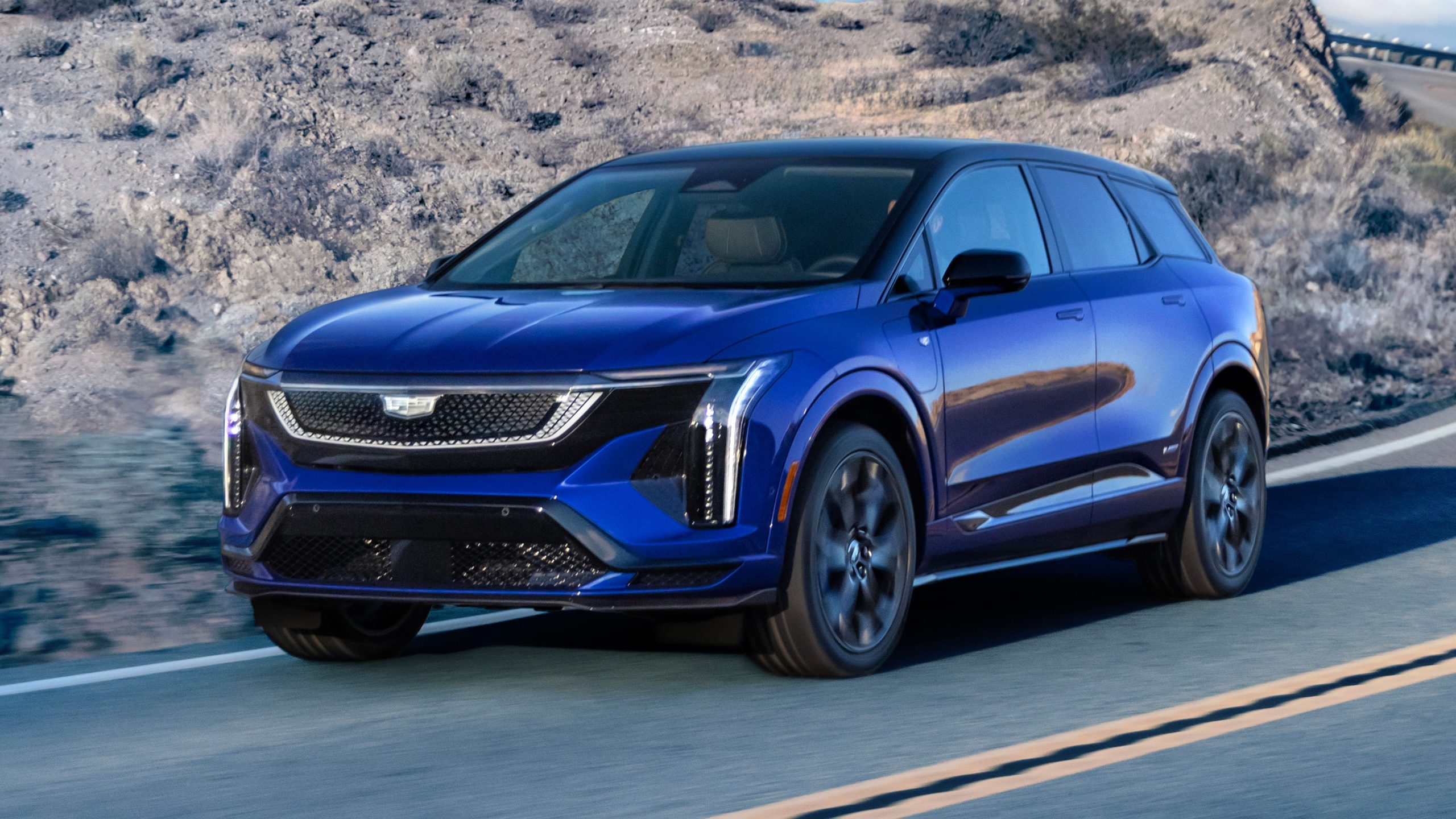
The Cadillac Optiq introduces a fresh interior design that reflects the brand’s modern electric vehicle direction. Rather than relying entirely on traditional luxury materials, Cadillac combines digital technology, distinctive fabrics, and carefully arranged lighting to create a cabin with its own personality.
One of the most interesting design features is the use of acoustic fabrics. These materials contribute to the interior’s visual character while supporting the quiet environment expected from an electric luxury SUV.
The choice of surfaces helps distinguish the Optiq from vehicles that rely heavily on conventional leather and glossy decorative finishes.
Dashboard illumination also plays an important role. Its layered lighting arrangement gives the cabin a distinctive appearance, particularly during evening journeys.
The lighting helps define different interior sections while adding to the vehicle’s modern atmosphere. Digital displays provide access to driving information and infotainment functions.
Their integration into the dashboard creates a technology-focused environment that matches the Optiq’s electric identity. Comfortable seating, useful storage, and connectivity features also support everyday convenience.
The Optiq’s electric powertrain makes cabin refinement especially relevant. Without the familiar engine noise of a gasoline vehicle, occupants may become more aware of road sounds, material quality, and small interior details.
A carefully designed cabin can therefore make a meaningful difference to the driving experience. For shoppers considering an electric luxury SUV, the Cadillac Optiq offers a fresh interpretation of premium interior design.
Its combination of acoustic materials, layered illumination, and digital technology gives it an identity that extends beyond its electric powertrain.
11. Subaru Outback (Touring XT)
Owners complained, and Subaru listened. The Outback Touring XT addressed persistent touch-response complaints by optimizing screen layouts and softening dashboard materials, and the source says those changes improved everyday usability scores.
A laggy touchscreen can sour an otherwise great car. You tap, wait, tap again, and the frustration grows. Better layouts reduce the number of taps, and a more responsive screen builds trust.
Softer dashboard materials are the quiet half of the story. Soft surfaces look and feel nicer, and they signal care in a vehicle many people use for long trips and outdoor adventures.
Usability is the right word here. The Outback is bought for real life, with luggage, pets, and weekend gear. A cabin that responds smoothly and feels pleasant adds up to a better ownership experience.
Do a patience test on your drive. Use the touchscreen for five minutes straight. Open menus, switch between apps, and adjust settings. Notice any delay or confusing steps, and ask yourself whether you would tolerate them every day.
Run your hand over the dash and door tops as well. Soft touch should feel consistent in the places you actually touch.
Listening to owners is often the quickest route to a better interior. When a brand fixes what people complain about most, satisfaction tends to follow.
12. Volvo EX90
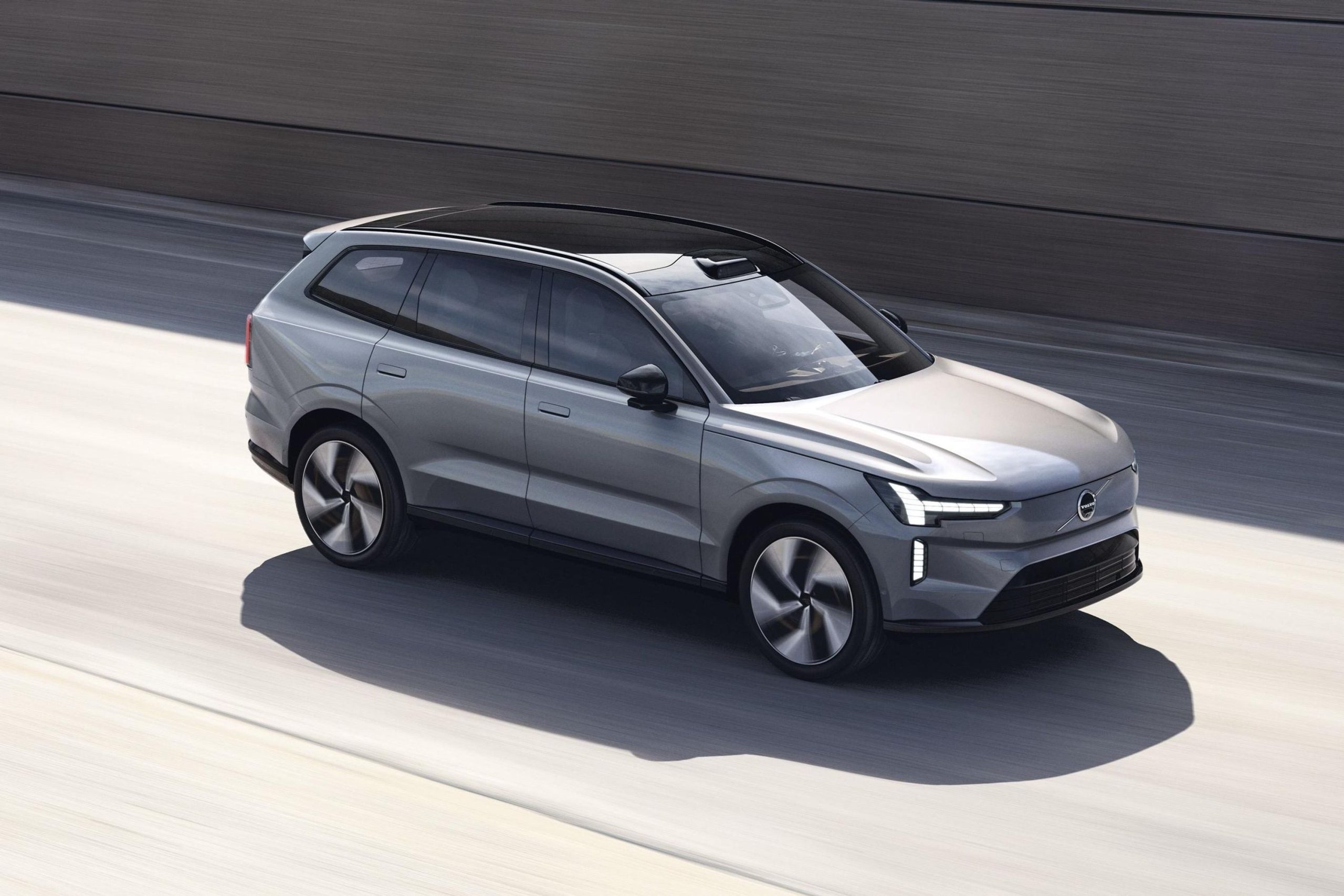
Last, a cabin that feels like a deep breath. The Volvo EX90 is a textbook example of the high-scoring serene cabin trend, using ultra-clean Scandinavian textiles and light birch woods to boost the brand’s premium appeal baseline.
Serene is a smart goal. After a day of noise and screens, many people want a car that feels calm. Light wood and clean fabrics make a space feel open and uncluttered, almost like a well-designed living room.
Notice what is missing. No heavy chrome, no busy patterns, no shouting. The design relies on simple materials and careful restraint, and owners seem to reward that quiet confidence.
If this style appeals to you, spend time in the cabin without the radio on. See how it feels after twenty minutes. Check how light colors handle everyday wear, since pale surfaces can show marks.
Ask the dealer about cleaning recommendations for the textiles and wood. Also compare it with louder, more dramatic interiors.
Neither style is better, but one will suit your personality more. Bring someone honest about what they see and feel.
Calm sells. With so many screens and alerts competing for attention, a peaceful cabin can feel like the most luxurious feature of all.