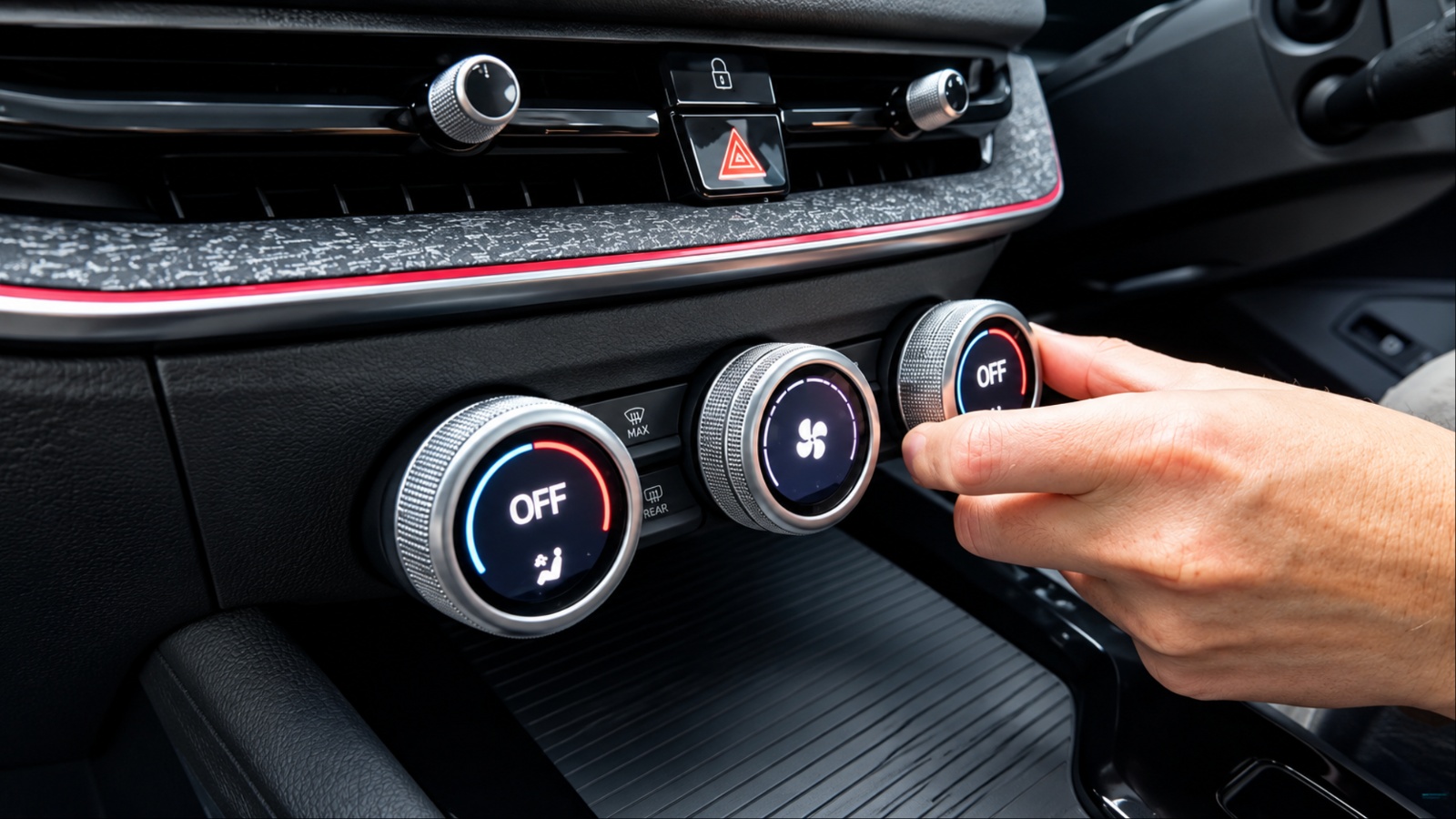
Some modern cars went so far in the direction of touchscreen controls that drivers lost physical switches for functions they used every day. Climate settings, audio adjustments and steering-wheel commands became touch-sensitive surfaces or on-screen menus.
Now, several manufacturers are changing course. They are not simply promising better interfaces; they are adding conventional controls to specific models that previously relied more heavily on touchscreens or haptic panels.
The important distinction is that these cars are not necessarily returning to old-fashioned dashboards covered in buttons. Instead, manufacturers are restoring physical controls where drivers need quick, predictable access.
Volkswagen, Hyundai, MG, Tesla, Polestar and Mercedes-Benz have each made changes or announced model-specific plans. Their examples show how the industry is correcting some of the usability problems created by its rush toward screen-dominated interiors.
1. Volkswagen: ID. Polo Brings Back Dashboard Buttons and a Volume Dial
Volkswagen is making one of the most visible changes with the new ID. Polo. Earlier ID models became known for their reliance on touch-sensitive controls, including steering-wheel surfaces and dashboard sliders.
Drivers could adjust many functions through the infotainment system, but simple tasks were not always straightforward. The new ID. Polo takes a different approach, restoring physical controls in places where drivers expect to find them.
The redesigned cockpit has separate buttons for climate functions and the hazard warning lights below the central touchscreen. Its steering wheel also uses clearly defined physical button clusters rather than the touch-sensitive arrangement found in some earlier Volkswagen electric vehicles. There is even a rotary controller between the smartphone tray and cup holders for adjusting audio volume and selecting tracks or radio stations.
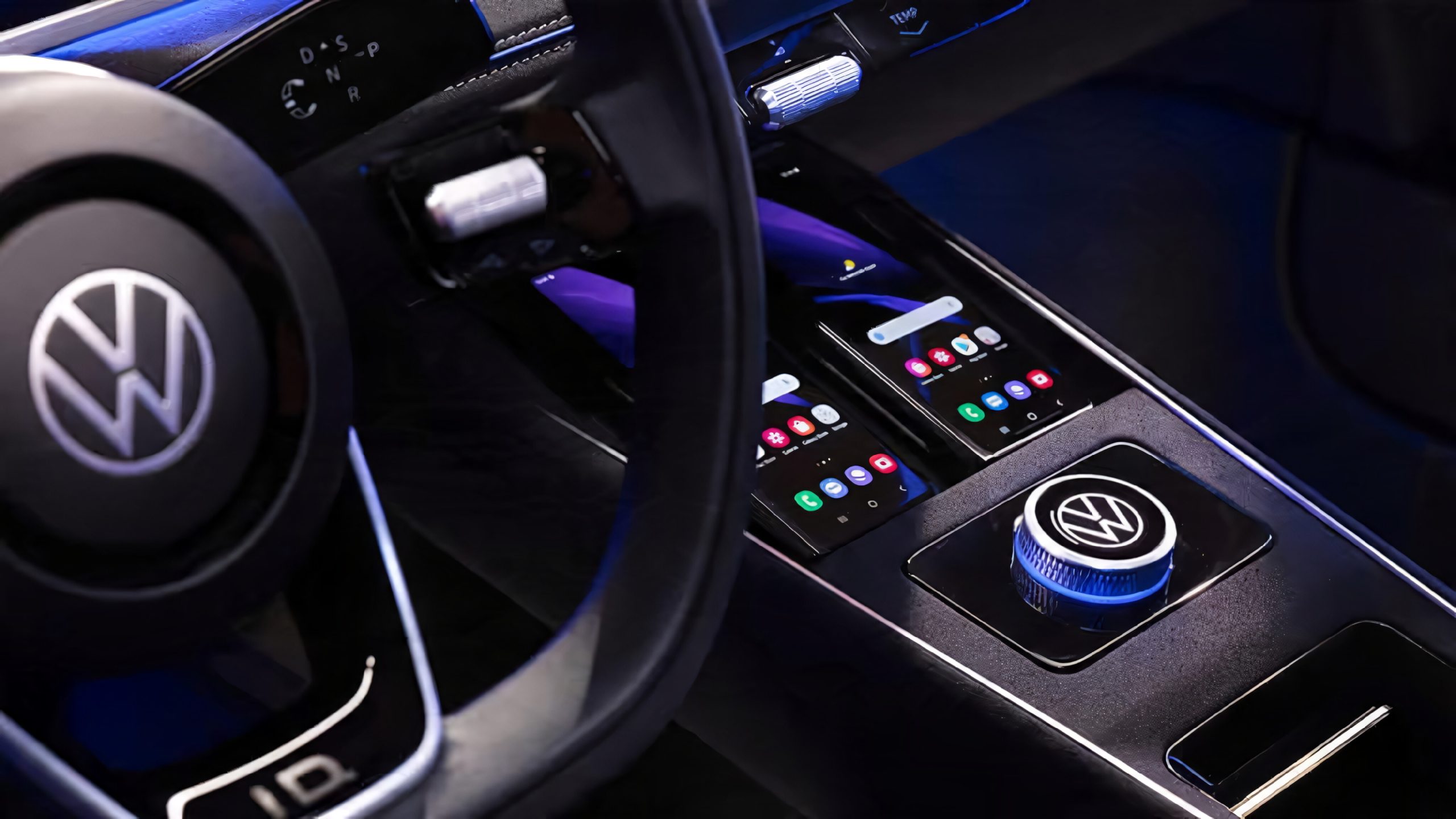
The return of the volume dial is particularly notable. A driver can turn it without looking for a small on-screen control, and its physical movement makes the adjustment easier to judge. Volkswagen has not removed the touchscreen; the ID. Polo still has a large infotainment display for navigation, media, and other digital features.
The company describes the new cockpit as a customer-focused redesign shaped by feedback. It also says the interior architecture will influence future ID models. That makes the ID. Polo more than a one-off design experiment: it is the first clear production preview of Volkswagen’s revised approach to cabin controls.
2. Hyundai: Santa Cruz Restores Physical Climate and Audio Controls
Hyundai’s refreshed Santa Cruz is a clear example of a manufacturer adding conventional controls after an earlier model leaned heavily on touchscreen operation. The previous interior made basic climate adjustments less direct than many drivers wanted. Changing temperature or fan settings could involve interacting with the central display, rather than simply turning a dedicated knob.
The updated Santa Cruz addresses that complaint with physical knobs and buttons for climate and audio functions. The change gives drivers a more direct way to adjust frequently used settings without having to navigate the infotainment interface. It is a relatively small design revision, but it changes how people interact with the cabin every time they drive.
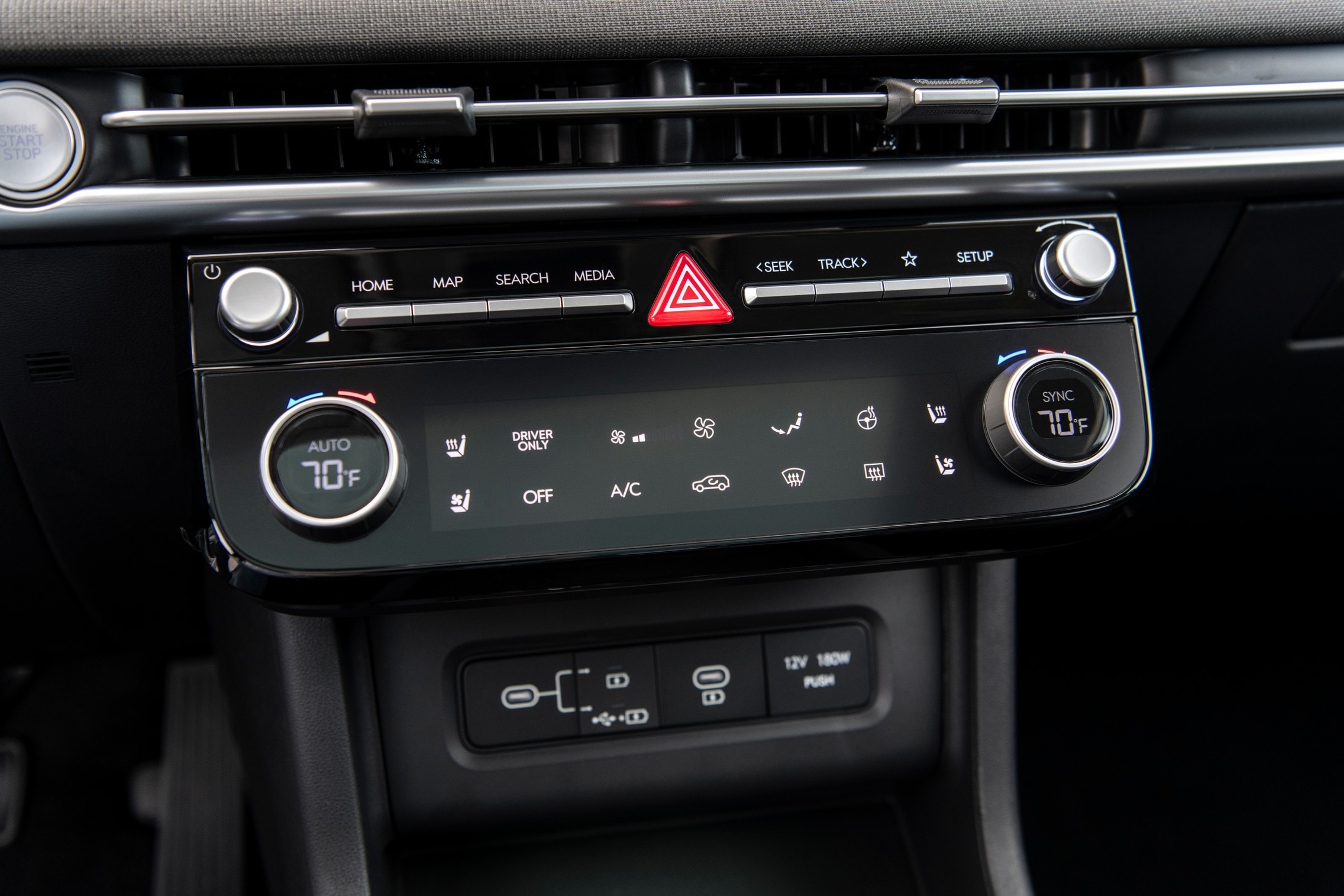
This is not a rejection of digital technology. Hyundai retains its infotainment screen for navigation, media and vehicle information. The difference is that functions used regularly are no longer dependent on touchscreen menus alone. Physical knobs are especially useful for climate adjustments because drivers can make changes by feel and keep their attention on the road.
The Santa Cruz is relevant because the change is tied to an identifiable model update, rather than a general statement about what Hyundai might do someday. It also reflects a broader shift in the company’s design thinking: screens can provide flexibility, but they do not need to replace every switch. For buyers who found the earlier interface frustrating, the revised controls are a practical improvement rather than a cosmetic styling detail.
3. MG: The Updated MG4 Adds Proper Climate Knobs
The original MG4 helped make electric motoring more accessible, but its cabin drew criticism for making some basic adjustments unnecessarily complicated. Although it had a row of shortcut buttons beneath the infotainment display, drivers still had to use the screen to change temperature and fan speed. That arrangement could mean extra taps for a task that traditionally required little more than turning a dial.
The updated MG4 changes that setup. MG has redesigned the interior and added conventional physical knobs beneath the larger central touchscreen. The controls provide direct adjustment for climate settings and volume, reducing the need to use the display for everyday functions. The revised cabin therefore addresses one of the more common complaints about the original car.
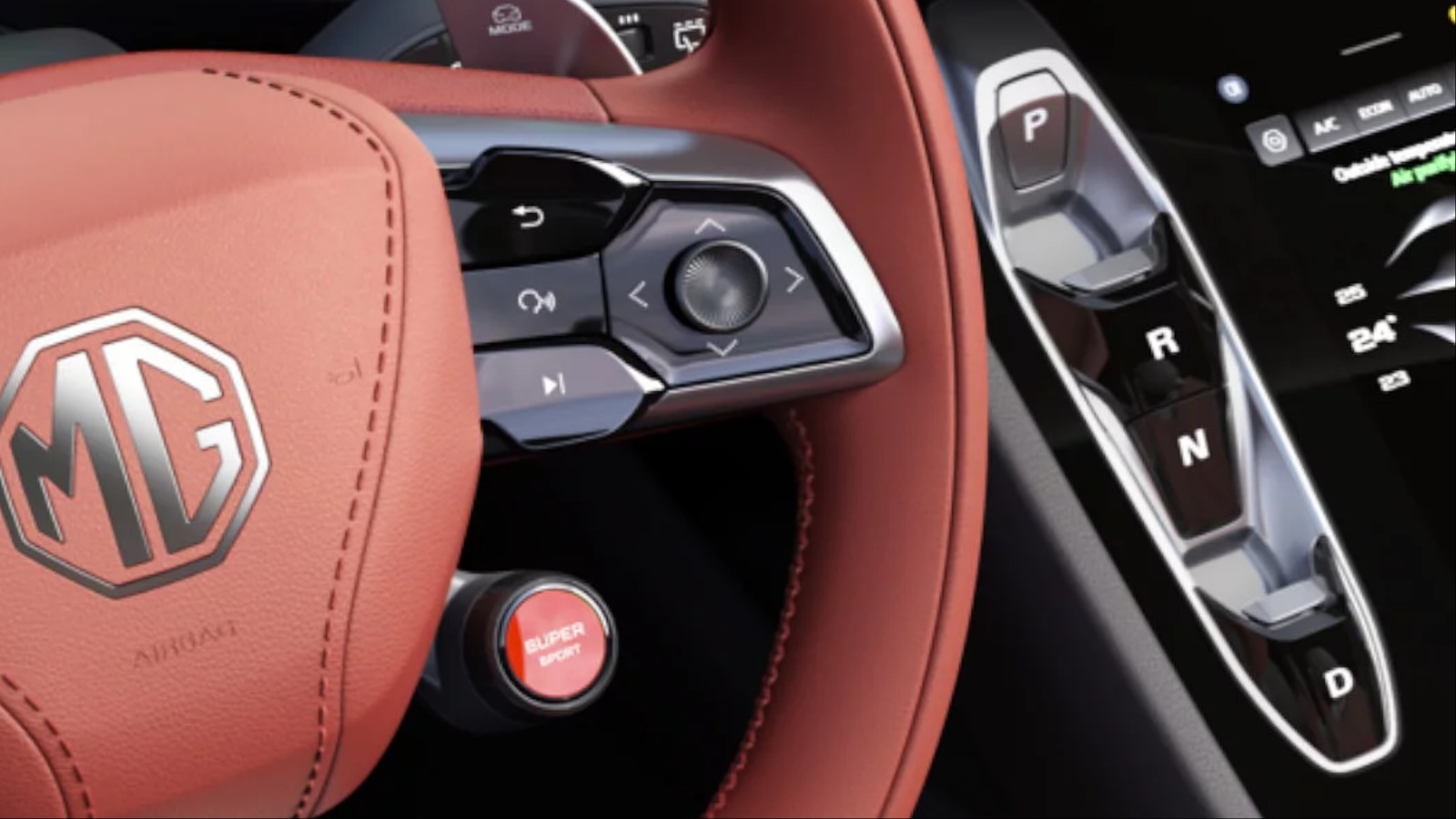
This is a meaningful change because climate controls are among the functions drivers use most often. A touchscreen can be useful for setting a destination or browsing music, but it is less convenient when someone wants to turn down the fan or change the temperature quickly. A physical knob is easy to locate and gives immediate feedback as it turns.
MG has retained the digital layout, with the updated model continuing to use a central display for many infotainment and vehicle settings. The cabin still feels modern, but the key change is the return of physical controls for functions that are better accessed without navigating menus. The revised MG4 shows how manufacturers can respond to customer feedback through meaningful hardware changes rather than software adjustments alone.
4. Tesla: Model 3 Gets Its Indicator Stalk Back
Tesla’s minimalist interiors have often removed controls that drivers expect to find in conventional cars. The updated Model 3, introduced in 2023, took that approach further by deleting the traditional indicator stalk. Instead, turn signals were operated through buttons on the steering wheel. The change attracted criticism because drivers had to adjust to a different way of signalling, particularly when turning the wheel or negotiating roundabouts.
Tesla subsequently brought the indicator stalk back to the Model 3. Its return is a notable reversal for a company whose cabin design helped popularize the idea that physical controls could be removed in favor of a touchscreen and a few steering-wheel inputs. The stalk restores a familiar control in a location drivers can find without looking down.
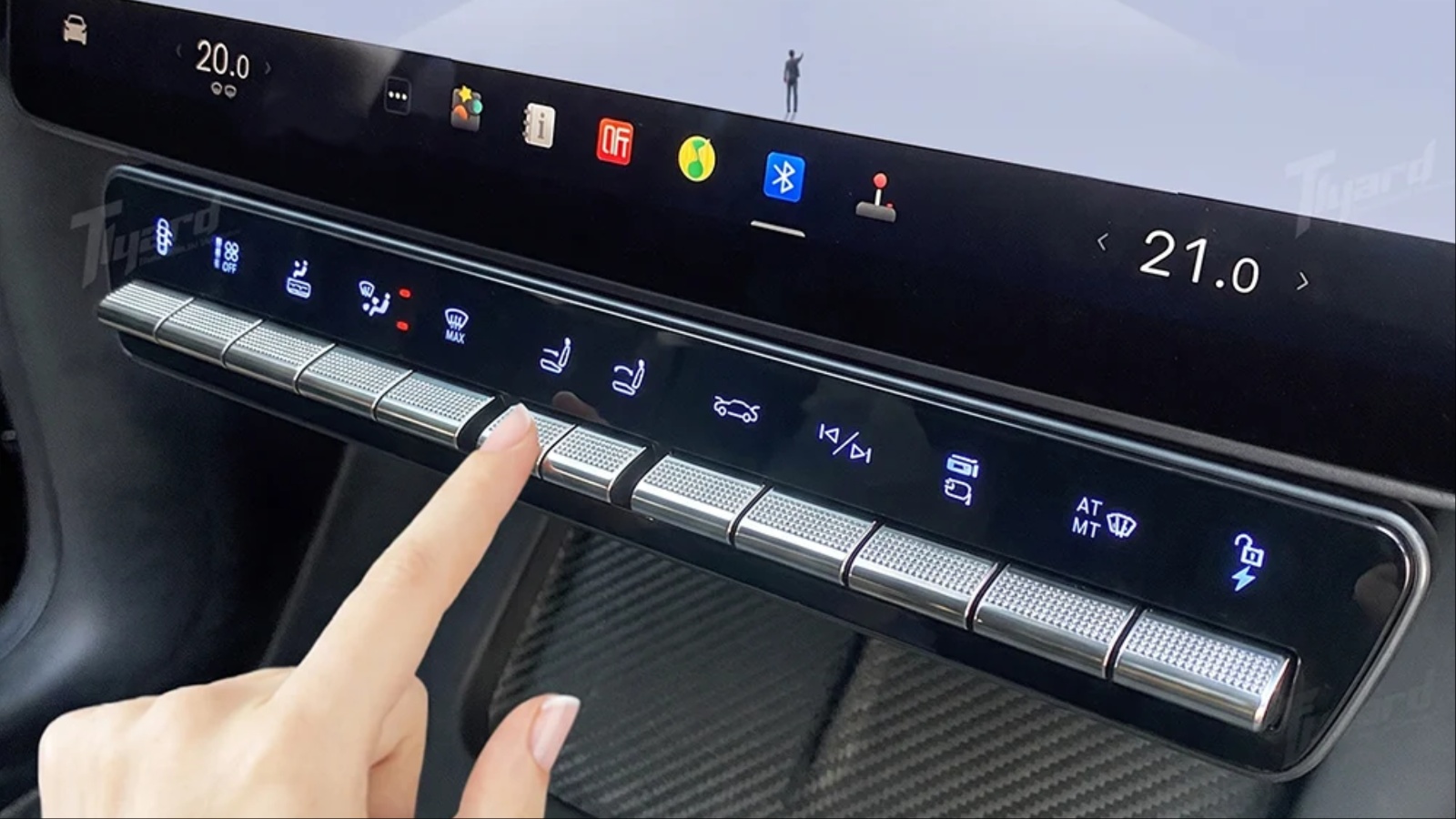
This is not quite the same as adding a row of climate buttons or a conventional dashboard switch panel. It is the return of a physical control that had been removed from the redesigned car. But it fits the same pattern: a manufacturer reconsidering whether a minimalist interface is always the most practical solution.
The Model 3 still has a screen-centered cabin, and many vehicle functions remain controlled digitally. Tesla has not announced a wholesale return to traditional switchgear. The indicator stalk is a targeted correction to a change that proved unpopular with some drivers. It also illustrates an important point in the wider debate: a car can look clean and modern without requiring familiar controls to disappear.
5. Polestar: Polestar 3 Is Getting Conventional Steering-Wheel Buttons
Polestar built its identity around minimalist interiors, with large touchscreens and relatively few conventional controls. That design approach helped give models such as the Polestar 2 and Polestar 3 a clean, uncluttered appearance. However, the company has now acknowledged that customers want more physical controls, particularly on the steering wheel.
In May 2026, CEO Michael Lohscheller confirmed that Polestar would introduce more buttons in response to customer feedback. He said drivers had been outspoken about wanting tactile controls and that the company intended to deliver them. The Polestar 3 is expected to be among the first models to show the change, with more traditional steering-wheel buttons replacing some of the touch-sensitive pads used in the existing arrangement.
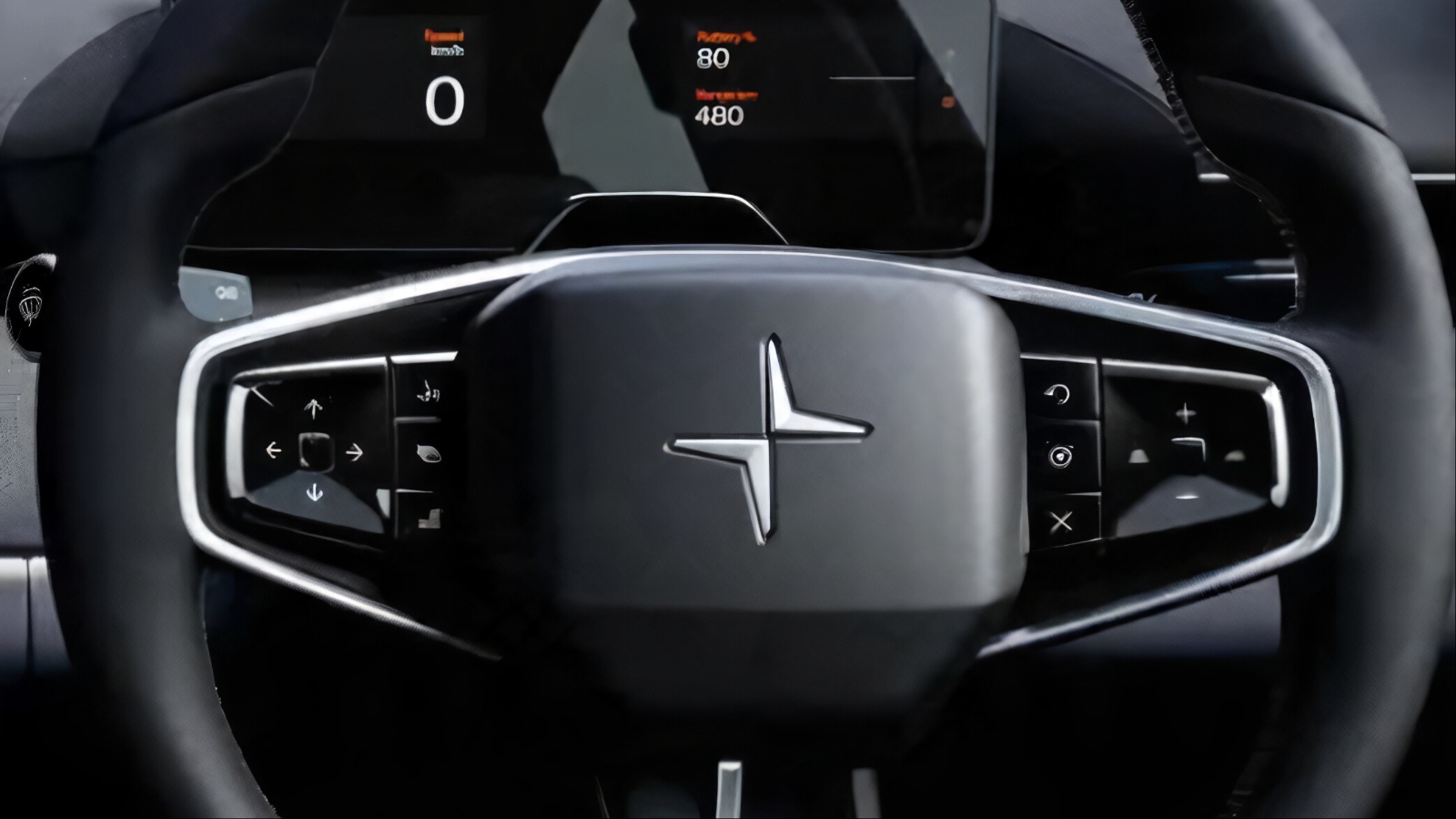
The difference is important because steering-wheel controls are meant to be operated without requiring drivers to reach toward the central display. Touch-sensitive pads can look sleek, but they may be harder to operate accurately by feel. Physical buttons provide a clearer point of contact and make it easier to identify an individual command.
Polestar has not announced that every function in the Polestar 3 will receive a physical switch, nor has it confirmed a complete dashboard redesign. The stated change is focused on bringing more conventional controls into the cabin, starting with the steering wheel. That makes this a specific response to an existing model’s touch-heavy interface rather than a vague promise to make future interiors more traditional.
6. Mercedes-Benz: New GLC Replaces Touch-Sensitive Steering-Wheel Controls
Mercedes-Benz has also begun reversing some of its decisions about touch-sensitive controls. Several recent models used smooth touch surfaces on the steering wheel, allowing drivers to swipe or press panels to operate audio, cruise control and other functions. The design looked modern, but it was not always easy to use accurately without looking down.
The new electric GLC introduces a different arrangement. Its steering wheel brings back conventional physical controls, including buttons, rockers and rollers. These replace the touch-sensitive approach used on earlier Mercedes steering wheels, giving drivers a more familiar way to adjust settings. The rollers are particularly useful for functions such as volume because they can be operated through a simple physical movement.
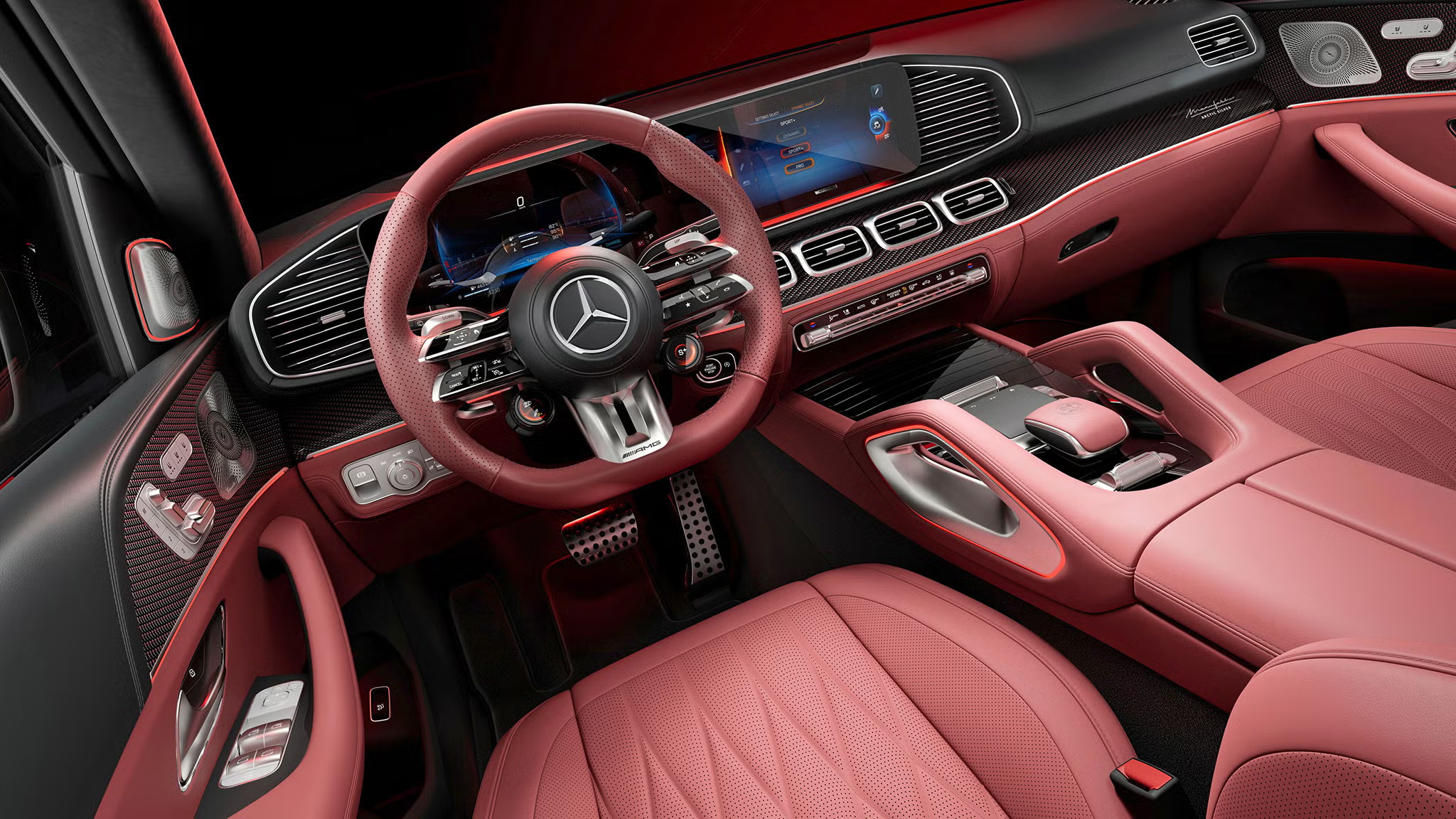
Mercedes software chief Magnus Östberg acknowledged in 2025 that customer feedback and usage data supported the return of tactile controls. The company has also indicated that the revised steering-wheel design will spread across its model range as vehicles receive updates. The new GLC is therefore an important example of the change reaching a production vehicle, rather than remaining a design proposal.
The rest of the cabin is still heavily digital. Mercedes continues to use large infotainment displays and software-based functions, so this is not a return to the button-filled interiors of older models. Instead, the company is restoring physical operation in an area where it had previously relied on touch-sensitive panels. For drivers who found those controls frustrating, the new steering wheel represents a meaningful improvement in everyday usability.