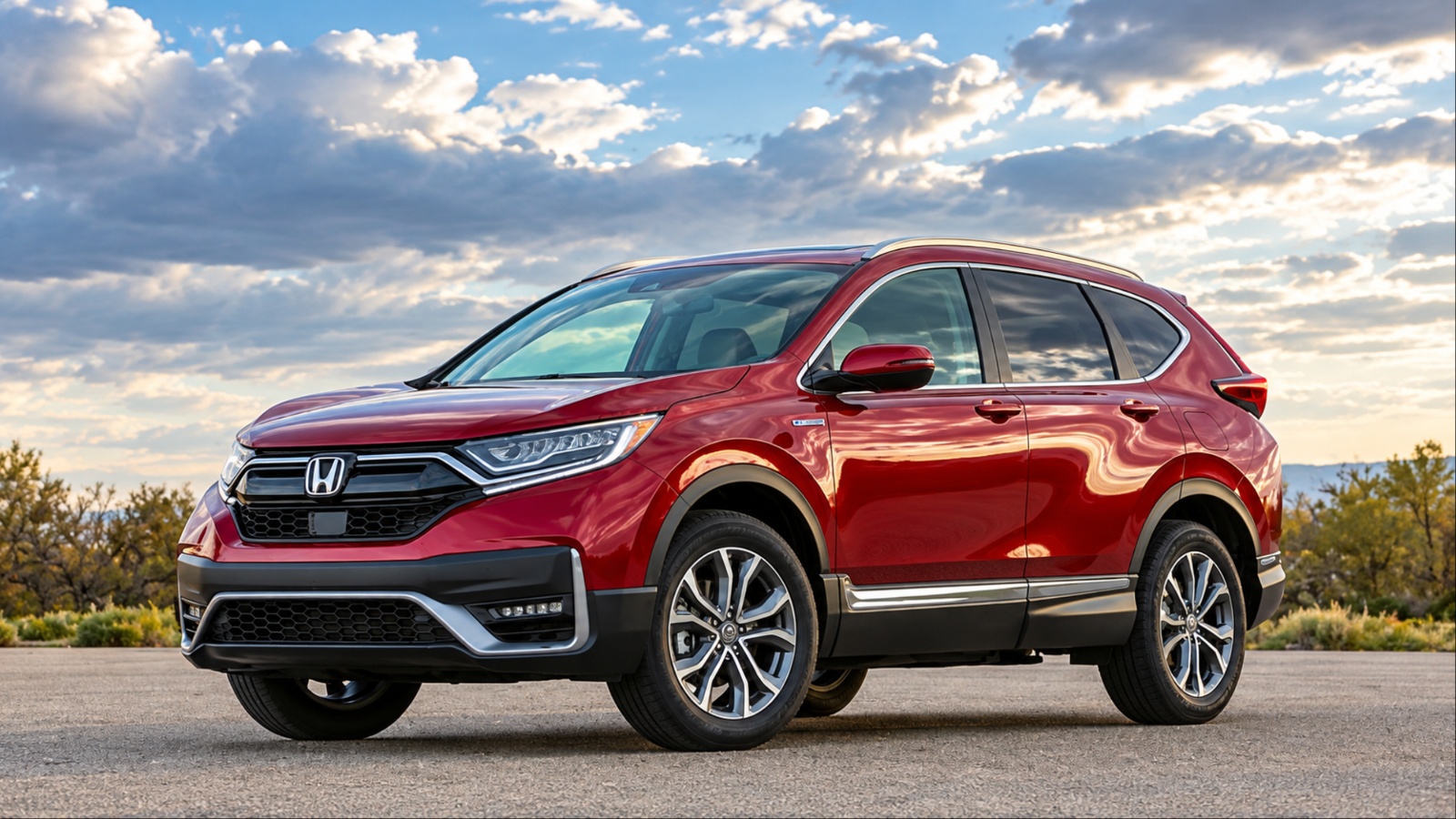
Getting into a vehicle should not feel like a workout. Seat height, door openings, roof clearance, and the distance between the ground and cabin floor all influence how comfortably drivers and passengers climb aboard.
These details matter to everyone, but they become particularly important for older drivers, families with young children and people who simply prefer a more comfortable seating position. A vehicle can have excellent driving manners and plenty of features, yet still become frustrating if entering and exiting requires too much bending, stretching or climbing.
J.D. Power recognizes this everyday experience through its Automotive Performance, Execution and Layout (APEAL) Study, which measures how owners feel about different aspects of their vehicles.
Its getting-in-and-out category evaluates an important part of everyday usability. The following list focuses on vehicles with practical cabin access, convenient seating positions and door designs that make regular trips easier, rather than simply choosing the tallest or most expensive models.
1. Honda CR-V
The Honda CR-V makes a strong case for being one of the easiest vehicles to enter and exit because it gets the fundamentals right. Its seating position is higher than that of a conventional sedan without requiring occupants to climb into the cabin as they would with a large pickup or full-size SUV.
For drivers who find low seating uncomfortable, that difference can make an ordinary trip noticeably more pleasant. The CR-V also avoids the exaggerated proportions that sometimes make larger SUVs difficult to use in everyday parking situations.
Its four-door layout provides convenient access to both rows, while the relatively upright cabin gives passengers a comfortable amount of headroom. Getting into the driver’s seat does not require an exaggerated upward movement, and stepping out is similarly straightforward.
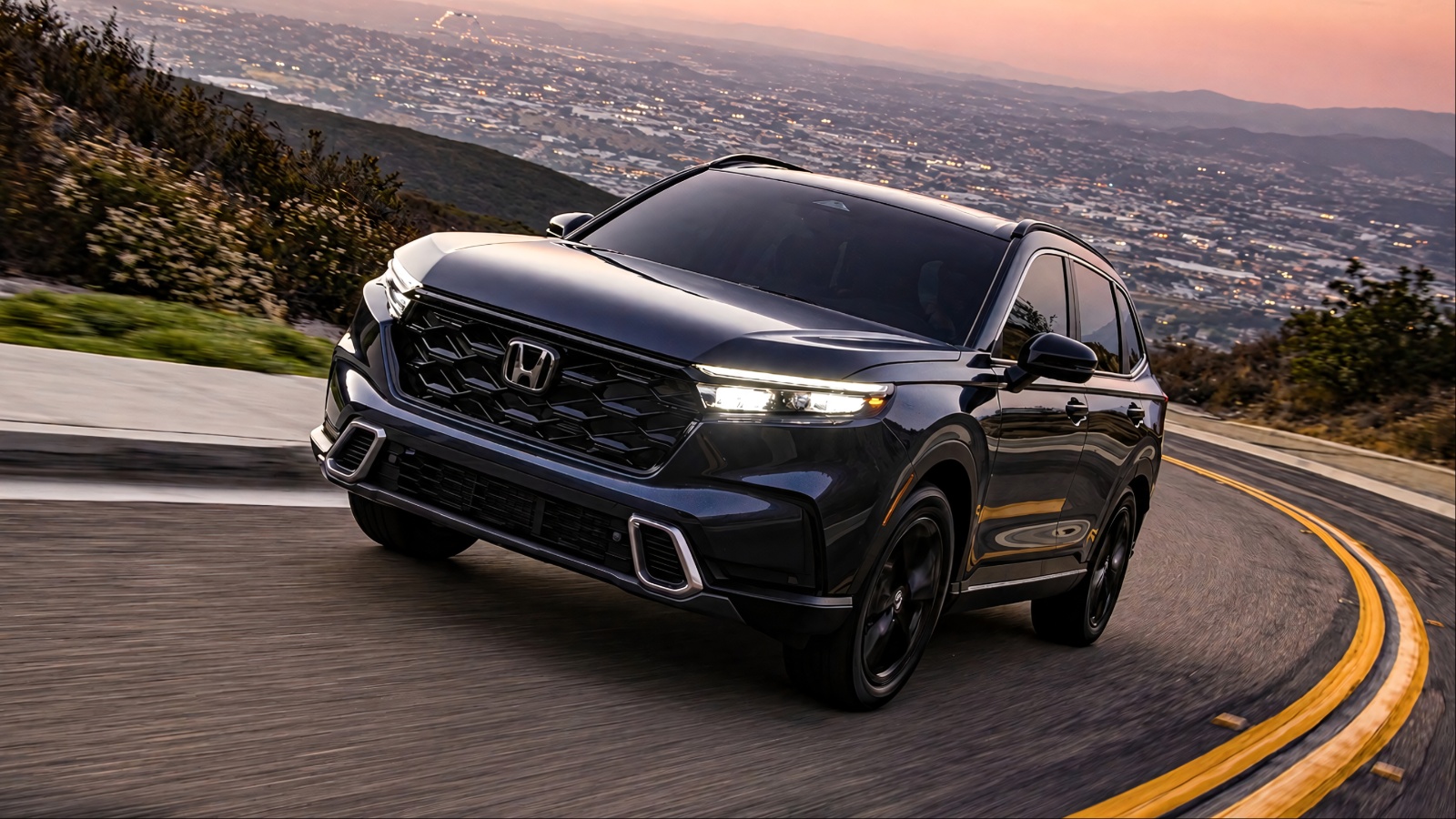
Instead of dropping down into a low passenger compartment, occupants can move naturally between standing and sitting positions. This is particularly useful for people who experience discomfort when bending their knees or lowering themselves into a vehicle.
Another advantage is the CR-V’s practical interior arrangement. The seats are positioned to provide a comfortable driving posture, and the cabin offers enough room to move without constantly adjusting your body around tight spaces. Rear passengers also benefit from the crossover’s generous passenger compartment, making it easier for families to transport adults and children.
The CR-V is not simply an accessibility-focused vehicle. It remains a practical everyday SUV with useful cargo capacity, comfortable road manners and available hybrid power. Its balanced dimensions make it an especially sensible starting point for shoppers who want comfortable access without moving into a much larger vehicle.
2. Subaru Forester
The Subaru Forester takes a particularly practical approach to cabin design. Rather than relying on a sharply sloping roofline or a low, sporty seating position, it uses an upright shape that prioritizes usable interior space.
That decision benefits passengers before they even start the engine. The relatively tall greenhouse creates a more open feeling, while the seating arrangement makes it easier to settle into the cabin without excessive bending or ducking.
One of the most important considerations when entering a vehicle is the relationship between the seat and the occupant’s natural standing position. A seat that sits too low forces someone to lower their body considerably before getting comfortable. A seat that is too high creates the opposite problem, requiring a substantial step upward. The Forester’s crossover proportions offer a useful middle ground for many drivers.
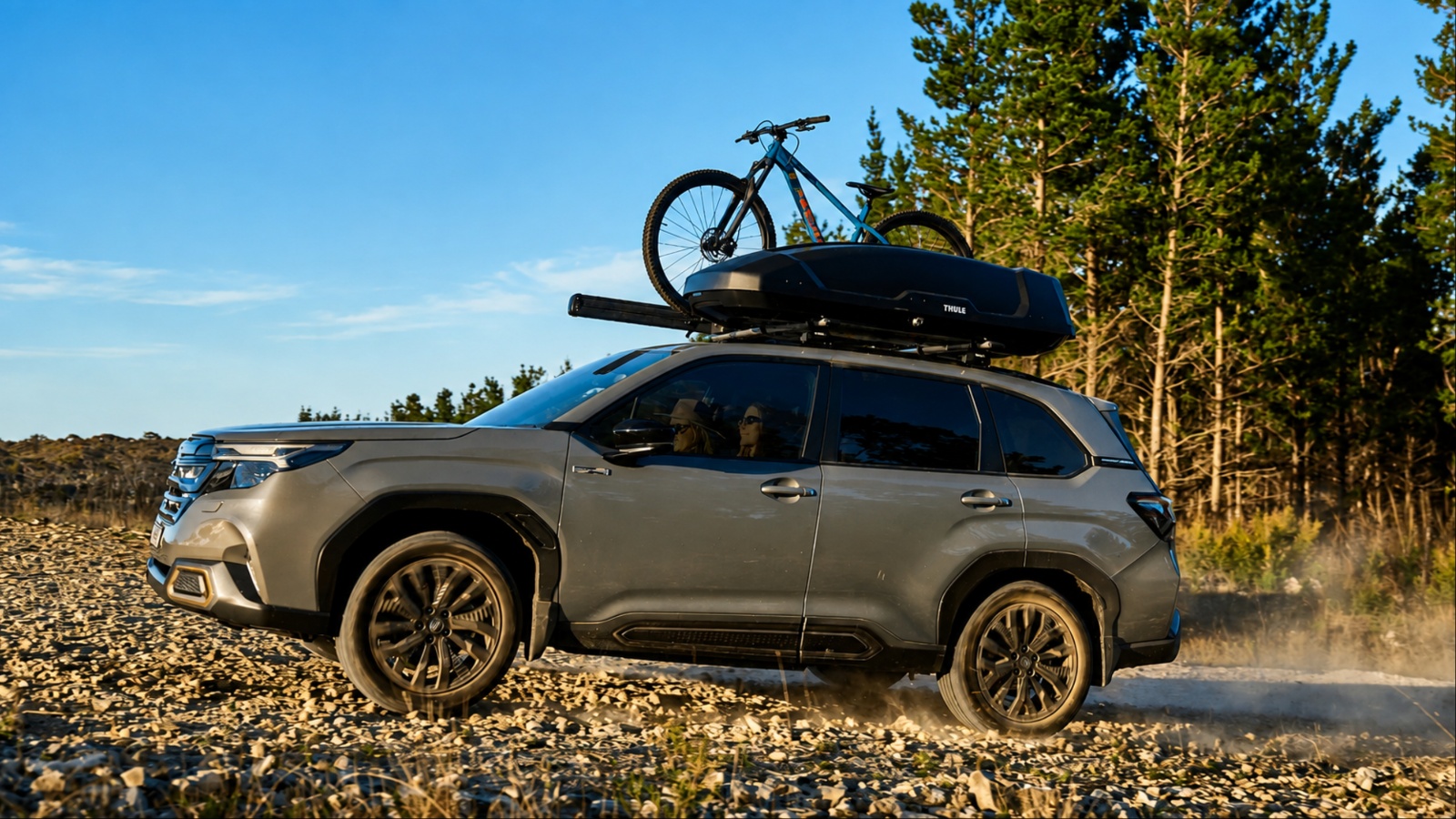
Its large windows also contribute to the vehicle’s practical character. Although visibility is not the same thing as physical accessibility, a cabin that feels open can make the process of positioning yourself and moving around inside less awkward. The upright roofline provides additional headroom, which is helpful for taller passengers who dislike ducking beneath sharply angled door openings.
The Forester also has four conventional passenger doors, making it more convenient than a two-door vehicle when someone needs to enter the back seat. Families can load children, assist older passengers and retrieve belongings without dealing with an unusually restrictive opening.
Its combination of sensible height, upright proportions and passenger space makes the Forester a convincing accessibility-friendly option.
3. Honda Pilot
The Honda Pilot demonstrates that a three-row SUV can offer convenient entry without becoming unnecessarily difficult to climb into. Its larger body provides a spacious passenger compartment, but Honda has designed it as a family-oriented crossover rather than an extreme off-road machine with a particularly high step-in point.
That distinction matters because excessive ground clearance can make an otherwise comfortable SUV challenging for people with limited mobility.
The Pilot’s seating position provides a useful balance between sitting too close to the road and climbing into a tall vehicle. Drivers can enter the front cabin without having to lower themselves as dramatically as they would in a traditional sedan. At the same time, passengers generally do not need to make the substantial upward movement associated with some truck-based SUVs.
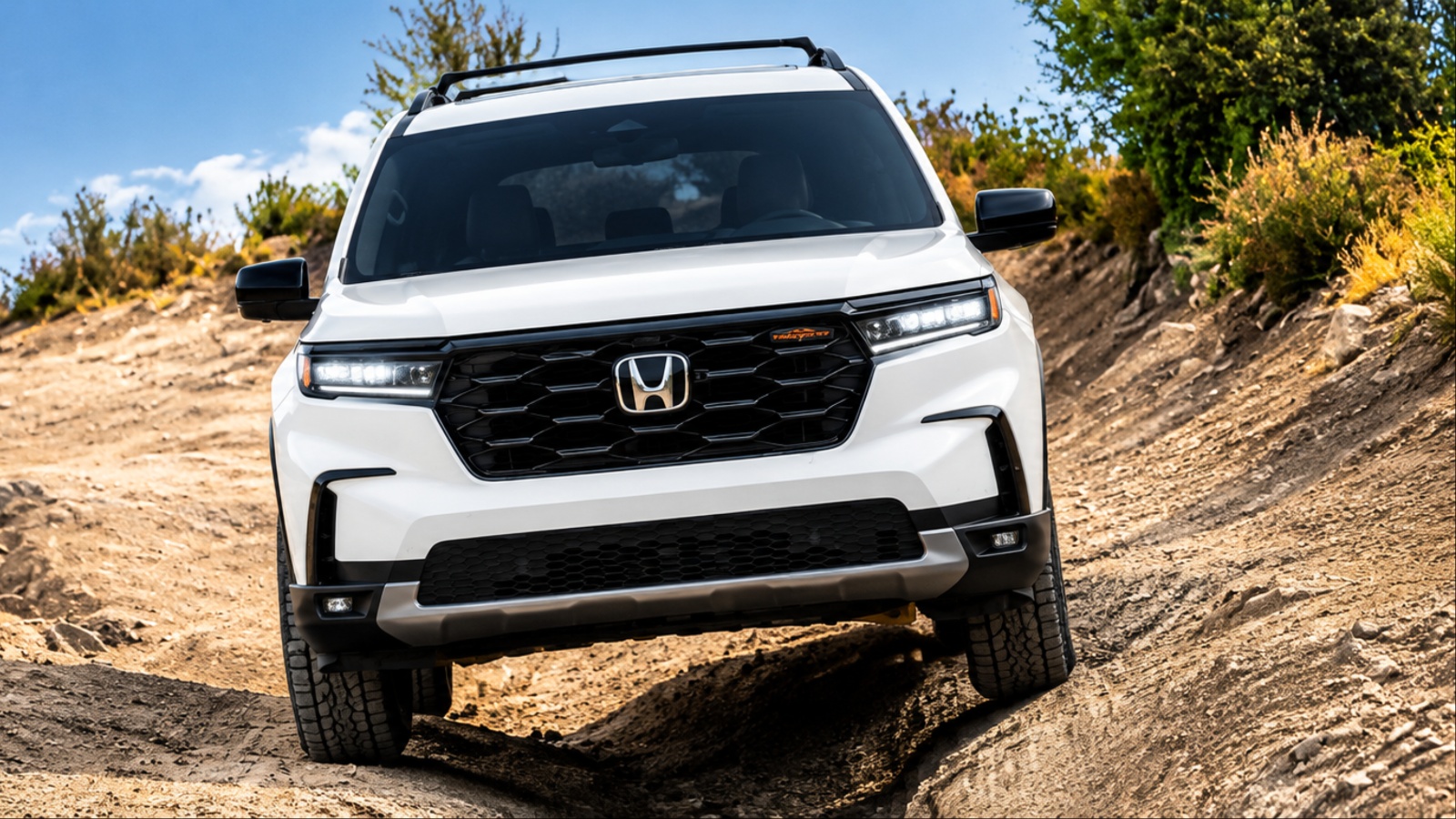
Its four passenger doors also help make the vehicle more approachable. The second row is particularly important because passengers can access the third row without dealing with the limited space of a smaller vehicle. Families carrying grandparents, children or several adult passengers benefit from having a cabin that accommodates different physical needs.
The Pilot’s interior space also makes it easier to adjust seating positions. Front occupants have room to settle into their seats, while the second row offers a more generous environment than many compact crossovers. The available one-touch second-row access function further helps passengers reach the rear seating area, depending on configuration.
For buyers who need three rows but do not want to move into an oversized SUV, the Pilot deserves serious consideration. Its proportions make it a useful family vehicle without sacrificing the everyday convenience that makes getting in and out less tiring.
4. Honda Odyssey
The Honda Odyssey is a strong choice for buyers who prioritize passenger accessibility over aggressive styling. Minivans offer several practical advantages that many SUVs struggle to match, including a low floor, generous cabin space, and wide sliding doors. These features make getting in and out easier, without requiring passengers to squeeze through narrow openings or step over high door sills.
The Odyssey’s sliding rear doors are especially useful in crowded parking spaces. Conventional doors need room to swing outward, which can make getting into a vehicle awkward when another car is parked nearby. Sliding doors eliminate much of that problem. Passengers can use the available opening without worrying as much about hitting another vehicle or struggling to open a heavy door in a tight space.
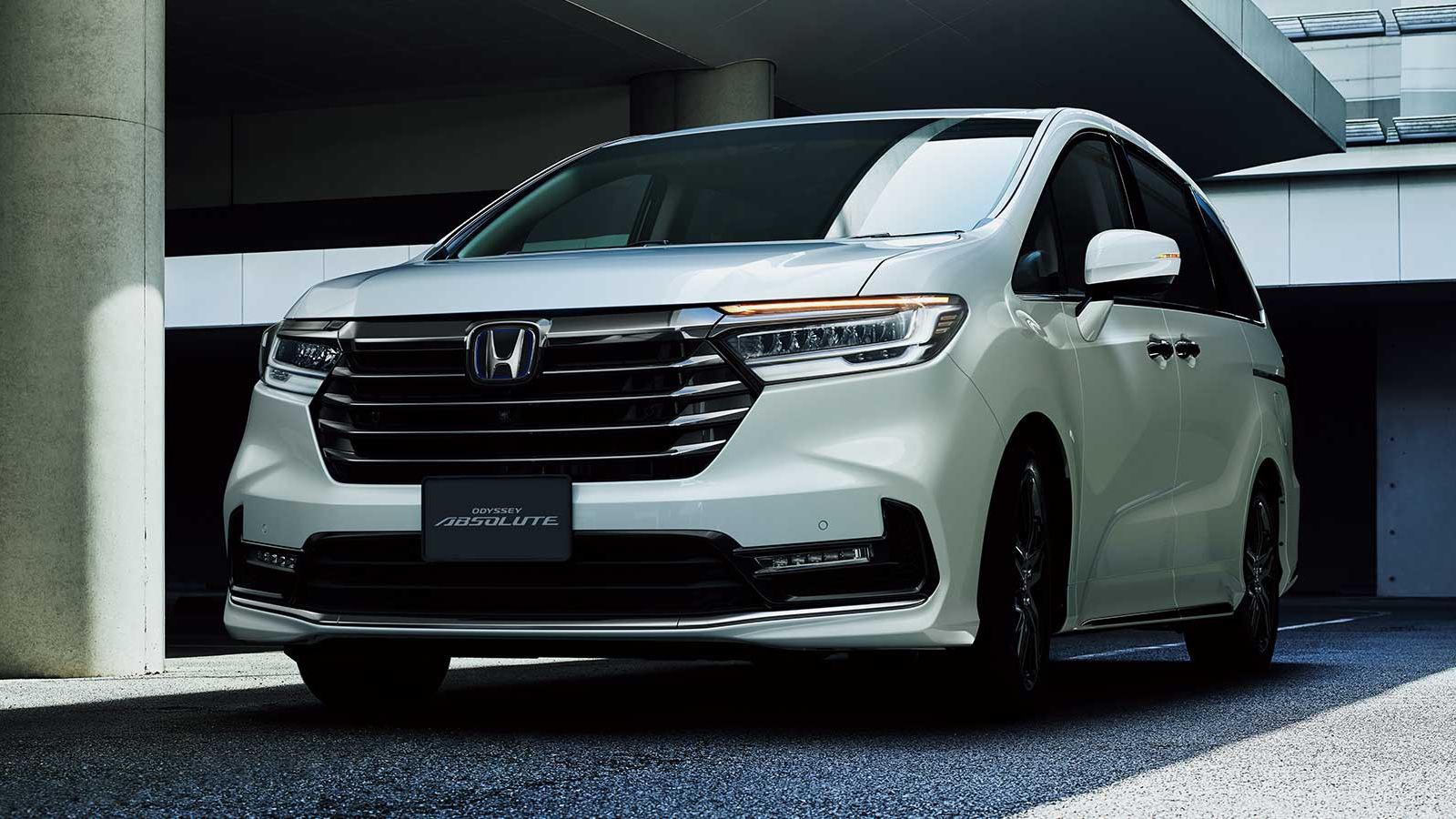
Its relatively low floor also reduces the amount of upward movement required when entering the cabin. That makes a difference for older passengers and anyone who finds climbing into a tall SUV uncomfortable. Once inside, the spacious passenger compartment provides room to adjust seating positions and move between rows.
The Odyssey is also designed around family transportation. Its second-row seats can be configured to improve access, while the third row provides additional passenger capacity. Parents can help children get settled without leaning awkwardly through a small opening, and adults have more room to maneuver than they would in many compact vehicles.
The Odyssey offers a more natural step into the cabin, generous passenger space and convenient access through its sliding doors. For people who frequently carry passengers, these qualities can be more valuable than additional ground clearance.
5. Hyundai Santa Fe
The Hyundai Santa Fe has a boxier shape than many midsize SUVs, and that design brings practical benefits beyond its distinctive appearance. Its upright roofline creates a more accommodating doorway, while the taller cabin helps passengers avoid the excessive ducking associated with vehicles with heavily sloped roofs. This is particularly helpful for taller adults who find low roof openings uncomfortable.
Its seating position is another reason the Santa Fe deserves attention. The vehicle provides the elevated view associated with an SUV without requiring occupants to climb as high as they might in a large truck-based model. This makes the transition from standing to sitting relatively natural for many drivers. The driver’s seat also offers adjustment options that help occupants find a comfortable position once inside.
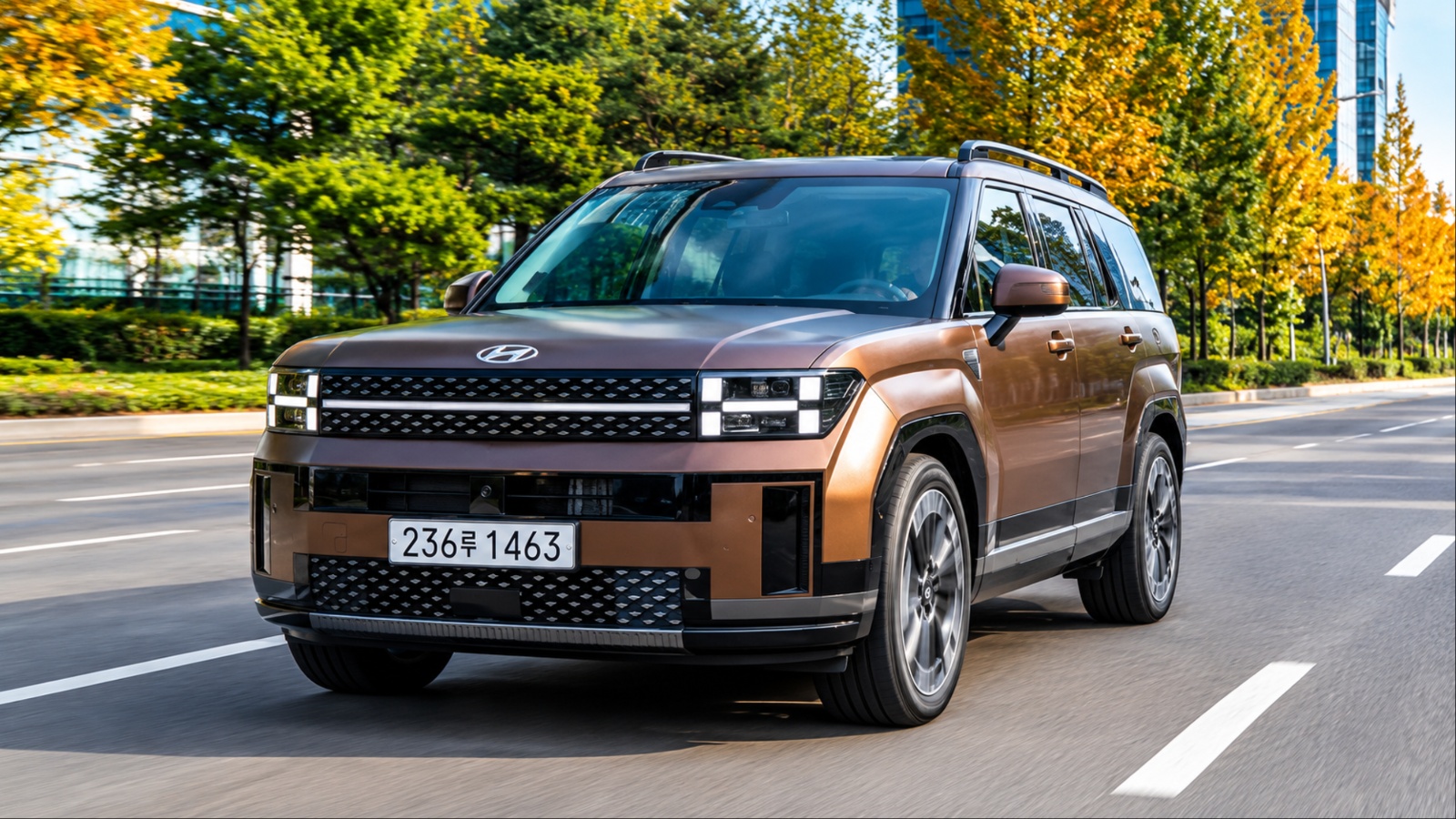
The Santa Fe’s four-door configuration provides practical access to both seating rows. Its rear doors are particularly useful when carrying passengers because they provide an opening that is easier to approach than the narrow rear access found in some coupe-style SUVs. The available three-row configuration adds flexibility for families, although shoppers should physically test the third row because access requirements differ from those of the front and middle seats.
Another useful detail is the vehicle’s spacious interior. A cabin with sufficient headroom and legroom allows passengers to adjust their bodies without feeling trapped between the seat and surrounding trim. That can make a difference when someone needs additional time to get comfortable.
The Santa Fe is not automatically suitable for every person with mobility limitations. Its exact seat height and door opening should still be checked in person. However, its upright design, roomy cabin and convenient passenger doors make it a compelling option for drivers who want an accessible midsize SUV.
6. Buick Enclave
The Buick Enclave appeals to drivers who want a larger, comfortable SUV without giving up the convenience of a passenger-focused interior. Its three-row layout provides plenty of room for families, but its appeal goes beyond the number of people it can carry. The vehicle’s cabin proportions, seating arrangement and relatively upright design help make everyday entry and exit more manageable.
One important advantage is the Enclave’s elevated seating position. Drivers do not have to lower themselves into a low-slung cabin, and the vehicle provides the kind of upright driving posture many people prefer. This can be particularly useful for passengers who find repeatedly bending their knees or lowering their bodies uncomfortable. The higher roofline also gives occupants more room to move their heads while getting into the vehicle.4
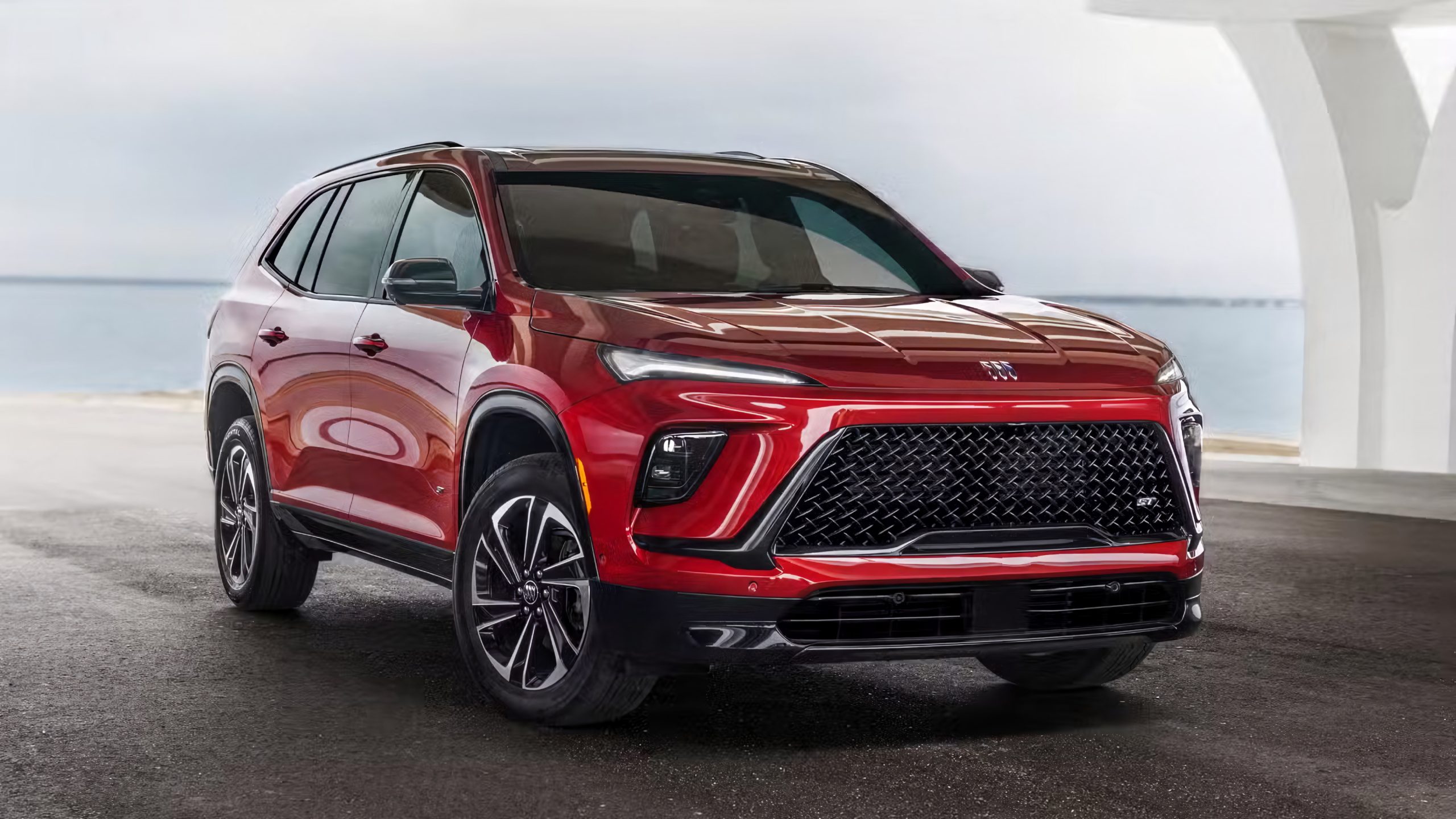
The Enclave’s rear passenger doors provide access to a spacious second row, where adults have room to position themselves comfortably. This is important because accessibility should not stop at the driver’s seat. A vehicle that is easy to enter in the front but difficult to navigate in the back does not offer the same convenience to families carrying multiple passengers.
Its three-row layout also makes the Sienna practical for families and anyone who regularly travels with relatives or friends. However, buyers should check how easily passengers can reach the third row, as getting to the rearmost seats still requires extra movement regardless of the vehicle’s size.
The Enclave offers a comfortable alternative to low passenger cars and more restrictive crossovers. For shoppers who need additional space but still want a cabin designed around everyday comfort, the Enclave is worth considering.
7. Kia Carnival
The Kia Carnival combines the practical advantages of a minivan with styling that resembles a modern SUV. However, its most important characteristic for accessibility is not its appearance. The Carnival retains the low floor, sliding rear doors and spacious passenger compartment that make minivans particularly convenient for getting people in and out.
Its sliding doors are a major advantage in everyday situations. Traditional passenger doors require enough space to swing outward, which can become inconvenient in crowded parking lots. The Carnival avoids much of that difficulty by allowing its rear doors to slide alongside the vehicle. Passengers can enter through a wide opening without requiring as much clearance from neighboring vehicles.
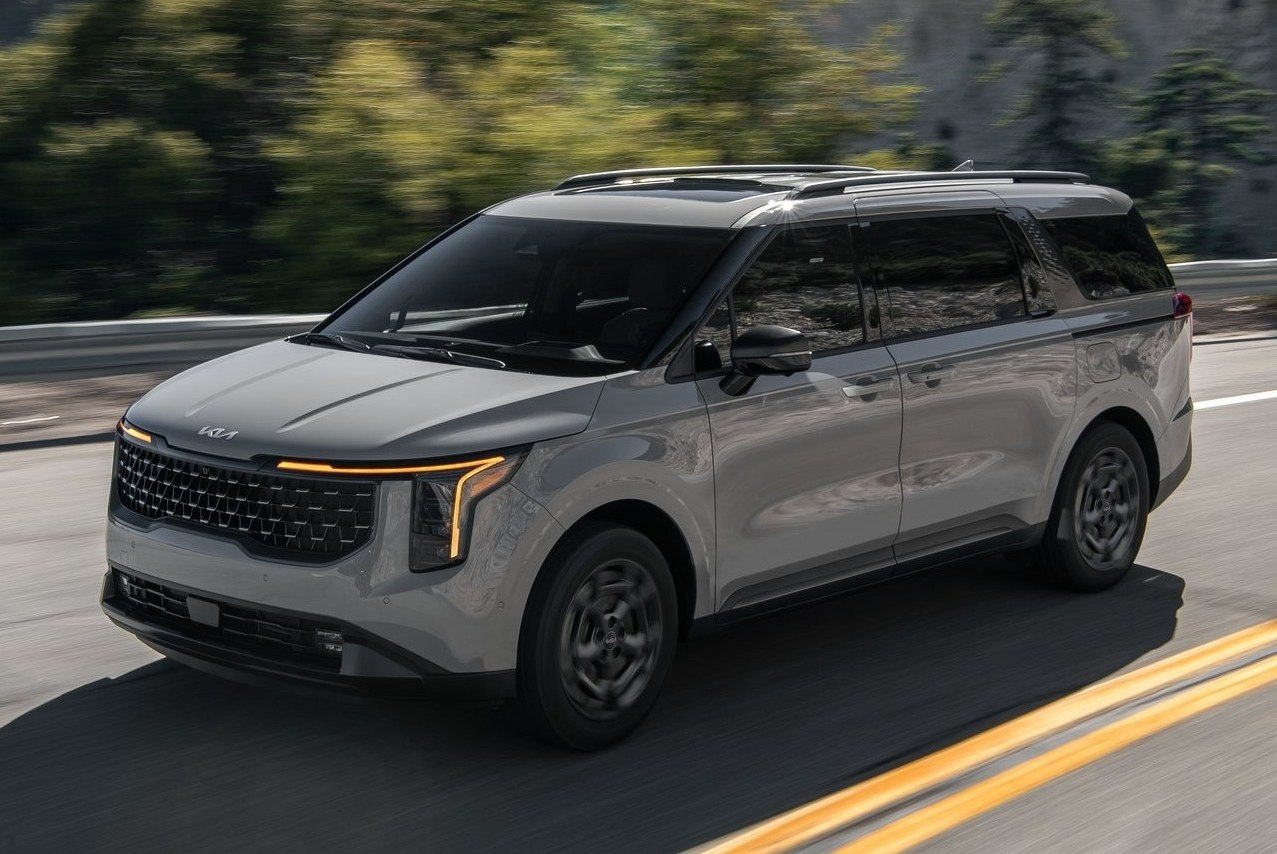
The cabin also provides a relatively low step-in point compared with many large SUVs. This reduces the amount of climbing required and makes it easier for passengers to move from standing to sitting. Instead of lifting themselves into a high cabin, occupants can take a more natural step inside.
The Carnival’s spacious second row is another important consideration. Adults can move into their seats without feeling restricted by a narrow doorway, while parents have room to assist children. Its three-row layout also accommodates larger families, making it a useful alternative to vehicles that prioritize appearance over passenger convenience.
There is also a practical advantage to the Carnival’s interior flexibility. Different seating configurations allow owners to adapt the cabin to passengers and cargo, which is useful when transporting people who need additional room.
For drivers who regularly carry older relatives, children or passengers who need extra assistance, its sliding doors and accessible cabin make a persuasive combination.
8. Toyota Sienna
The Toyota Sienna demonstrates why minivans remain relevant even as SUVs dominate the American market. Its exterior styling may be more contemporary than traditional family vans, but the basic design priorities remain focused on passenger comfort and convenient access. For people who frequently get in and out of a vehicle throughout the day, that approach can make a noticeable difference.
The Sienna’s sliding rear doors are among its most useful features. They provide a large opening without requiring passengers to swing a conventional door into nearby vehicles. This is especially helpful in tight parking spaces, where getting into a second-row seat can otherwise become an awkward exercise. Families can also load children more conveniently without constantly worrying about door clearance.
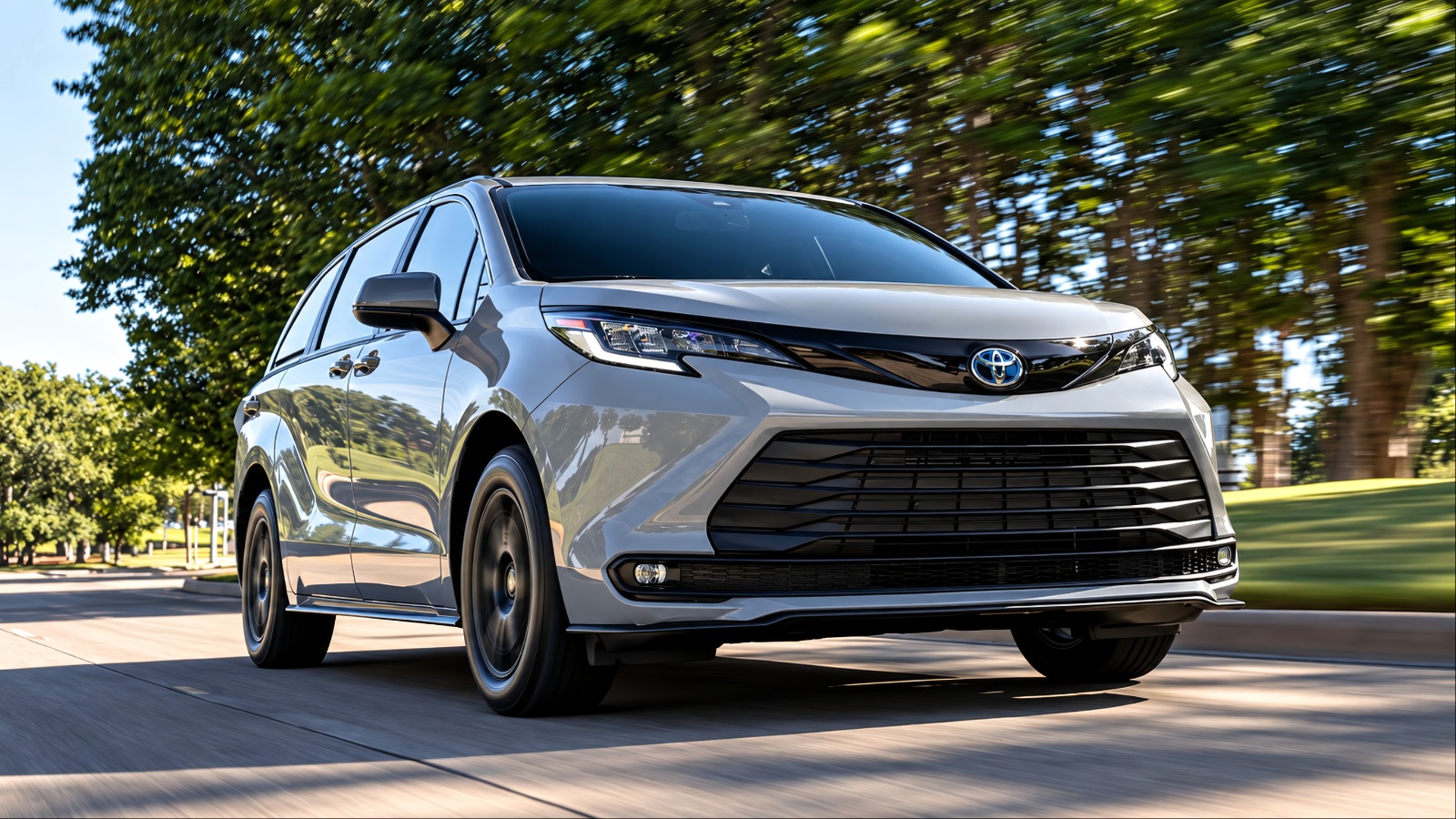
Its floor height is another important consideration. Unlike many full-size SUVs, the Sienna does not require occupants to make a substantial upward climb before reaching their seats. The lower entry point makes it easier for passengers to move into the cabin while maintaining a natural body position. This is particularly useful for people who have difficulty lifting their legs or stepping onto high running boards.
Inside, the Sienna provides three rows of seating and a generous amount of passenger space. The second row is particularly important for families because it offers room for adults and children to settle in without immediately feeling cramped. Passengers can also benefit from the vehicle’s flexible seating arrangements.
Toyota’s hybrid powertrain adds another practical advantage by helping reduce fuel consumption during regular driving. While fuel economy does not directly determine how easy a vehicle is to enter, it makes the Sienna an appealing everyday transportation choice.
For buyers who value easy passenger access, the Sienna offers an advantage that many taller vehicles cannot match. Its spacious cabin is easy to enter and exit without requiring occupants to climb up into the vehicle.
9. Nissan Rogue
The Nissan Rogue is another compact SUV that gets several important accessibility details right. Its seating position offers a useful alternative to the low driving position of a sedan, while its relatively manageable exterior dimensions make it less intimidating than a much larger SUV. That combination is particularly useful for drivers who want easier entry without dealing with a vehicle that feels oversized in everyday traffic.
One of the Rogue’s most notable practical features is its rear-door opening. Its rear doors open to approximately 90 degrees, creating a particularly wide entryway and giving passengers more room to move into the back seat. A wider opening can be helpful when installing child seats, assisting older passengers or carrying bulky belongings.
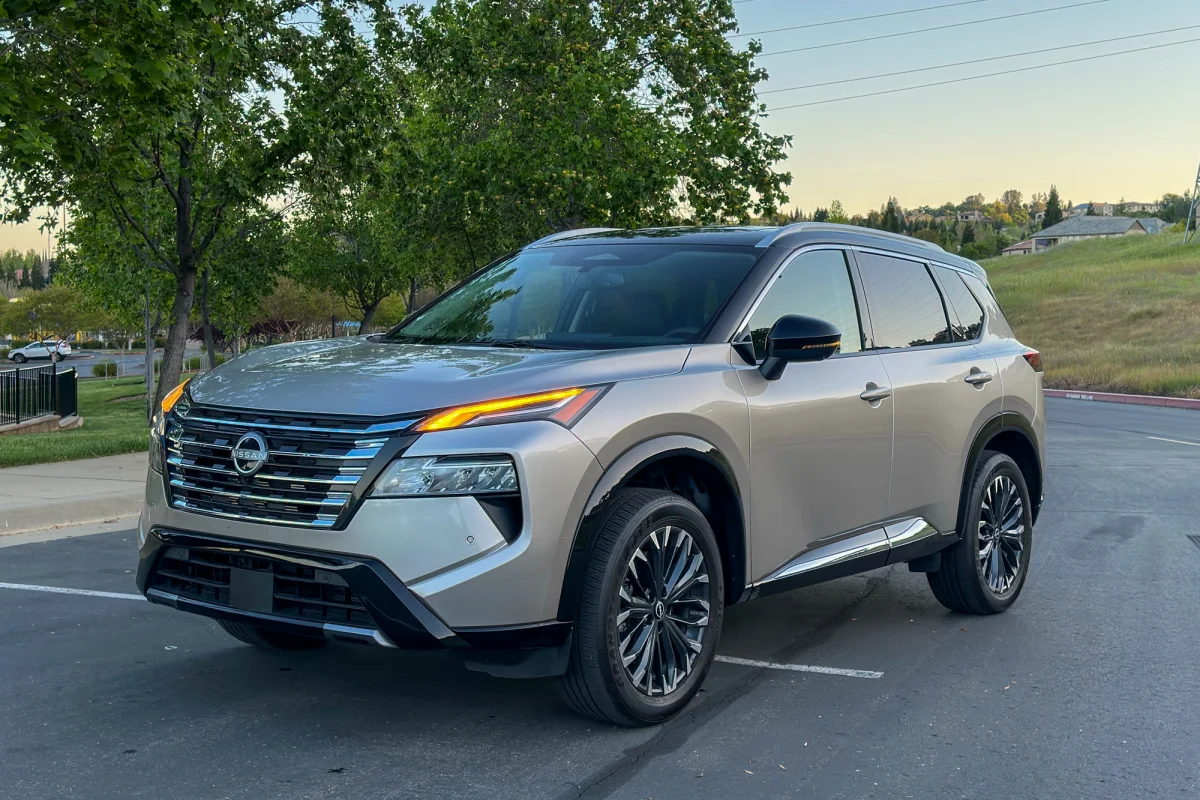
The vehicle’s elevated seating position also reduces the need to crouch deeply before sitting down. Although its exact comfort will depend on an individual’s height and preferred seat adjustment, the Rogue generally offers a more upright seating arrangement than low passenger cars.
Its four-door layout makes regular passenger access more straightforward. Both front and rear occupants have dedicated doors, avoiding the inconvenience of climbing around a folded front seat. The cabin also provides useful headroom, making it easier for passengers to position themselves without constantly worrying about the roofline.
The Rogue’s wide-opening rear doors address one of the most important requirements for convenient vehicle access. AARP also identifies the Rogue as an example of a popular small SUV worth considering for drivers who want a more comfortable entry height.
The Rogue’s biggest strength is its balance. It provides the elevated seating position people want from a crossover while offering a passenger-friendly doorway that makes everyday access less complicated.
10. Honda Accord
The Honda Accord deserves a place on this list because not every driver finds an SUV easier to enter. Although crossovers have become popular for their elevated seating positions, a vehicle that sits too high can create an entirely different accessibility problem. Some people find it easier to sit down into a conventional sedan than to lift themselves into a taller SUV. The Accord provides an alternative for those drivers.
Its four-door layout makes passenger access more convenient than a two-door coupe. Each occupant has a dedicated door, reducing the need to move seats or maneuver around another passenger. The rear doors also provide practical access to the second row, making the Accord a reasonable option for families who do not need the additional height of an SUV.
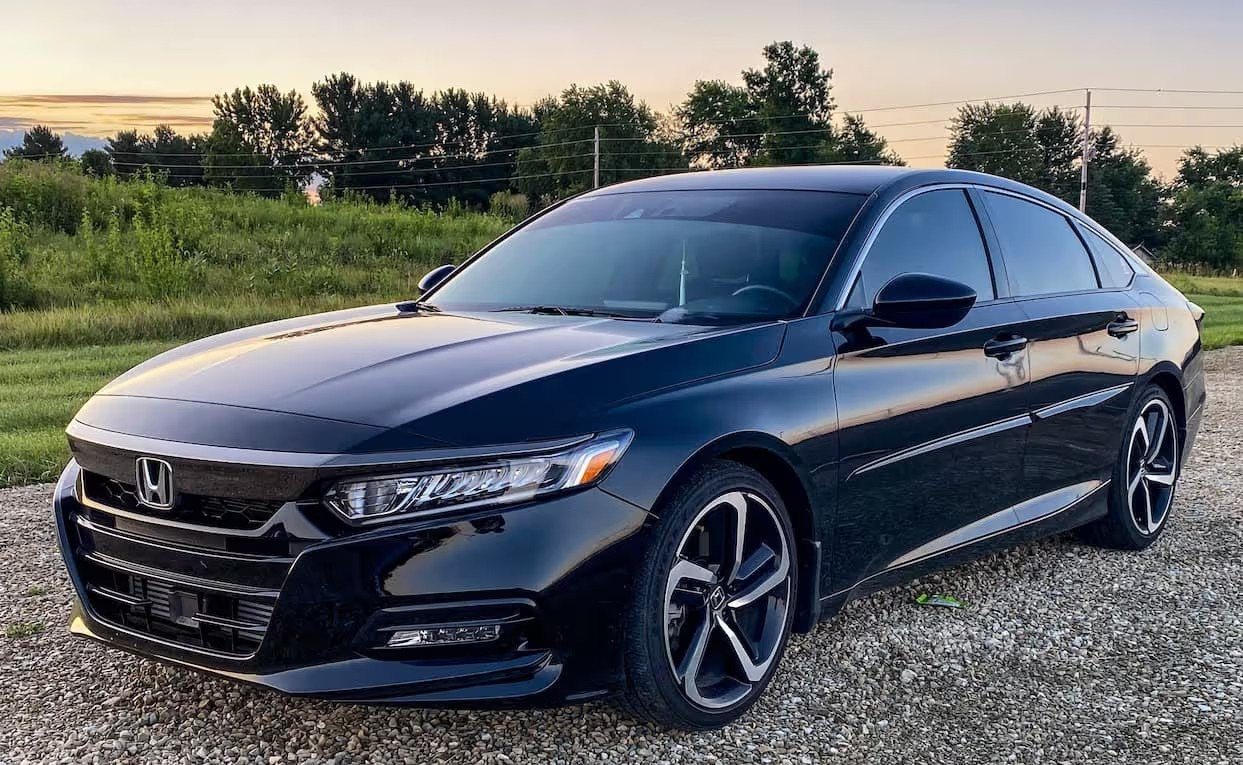
The sedan’s relatively low seating position does require more bending than a crossover. However, that is not necessarily a disadvantage for everyone. Drivers who have difficulty stepping upward may prefer a vehicle that allows them to lower themselves into a seat rather than climb into it. The important consideration is whether the seat height matches the person’s natural sitting and standing movement.
The Accord also offers a roomy interior for its class. Front passengers have plenty of space to find a comfortable seating position, while those in the rear benefit from generous legroom and a relaxed cabin layout. Rather than prioritizing the tight proportions of a sports sedan, the Accord is designed to handle daily commutes and longer journeys with ease.
The Accord offers a different kind of convenience. Its moderate body height, four conventional doors, and comfortable interior make it a worthwhile choice for people who prefer a lower vehicle and do not want to make the upward step required by many SUVs.