Buying a hybrid vehicle can help drivers save money at the gas station, but fuel efficiency is only one part of the ownership equation. Depreciation also plays a major role in determining how much money an owner loses when selling or trading in a vehicle after several years.
According to the 2026 iSeeCars study, hybrids lose an average of 35.4% of their value over five years, outperforming the broader vehicle market. However, some models retain considerably more value than others. Here are 10 hybrids ranked by their five-year depreciation, based on U.S. used-car market data.
1. Toyota RAV4 Hybrid: 25.3% Five-Year Depreciation
The Toyota RAV4 Hybrid takes the top position in this ranking, losing just 25.3% of its value over five years. According to iSeeCars, that translates into an average depreciation of $8,319, making it one of the strongest choices for buyers who want the benefits of an SUV without taking a particularly heavy financial hit when selling it later.
Its performance is especially impressive when compared with the 35.4% average depreciation recorded for the hybrid segment.
A major reason behind the RAV4 Hybrid’s appeal is its ability to satisfy several different types of American buyers.
It offers the elevated seating position, practical cargo space, and everyday versatility expected from a compact SUV, while its hybrid powertrain helps reduce fuel consumption compared with conventional gasoline-powered alternatives. This combination gives it a broad audience in the new and used markets.
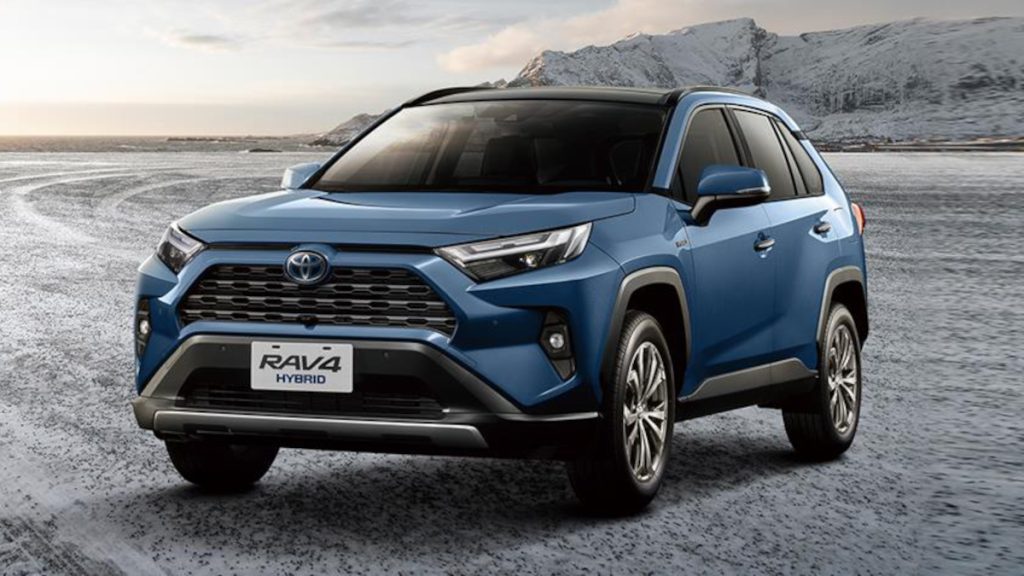
The RAV4 Hybrid also benefits from Toyota’s established reputation for producing practical hybrid vehicles. Buyers shopping for used SUVs often prioritize predictable ownership costs, fuel economy, and everyday dependability rather than expensive luxury features. Those considerations can support demand when a vehicle returns to the secondhand market.
Its depreciation figure does not mean every five-year-old example will lose exactly $8,319. Mileage, accident history, trim level, maintenance records, and regional demand all influence individual resale prices. Nevertheless, the iSeeCars results establish the RAV4 Hybrid as the strongest value-retention performer among the hybrids in this ranking.
2. Toyota Sienna: 28.5% Five-Year Depreciation
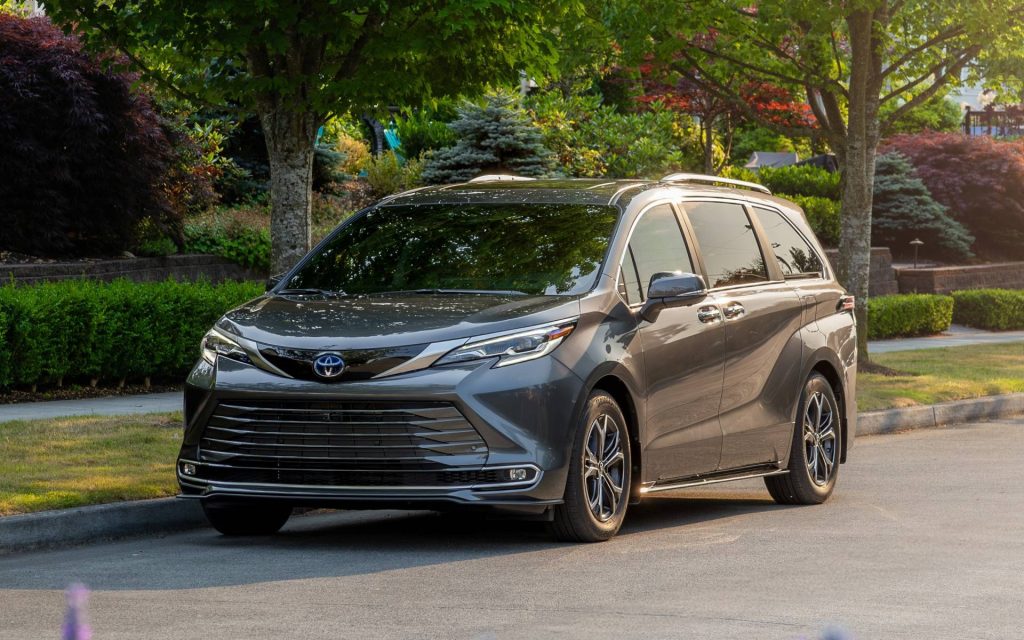
The Toyota Sienna demonstrates that strong resale value is not limited to compact SUVs and fuel-efficient sedans. As the second-ranked vehicle, it records five-year depreciation of 28.5%, representing an average loss of $11,530 from its original manufacturer’s suggested retail price. That places it comfortably ahead of the hybrid category’s 35.4% depreciation average.
What makes this result interesting is the Sienna’s position in a segment with a very specific customer base. Families needing three rows of seating, sliding doors, and substantial passenger accommodation have relatively few direct alternatives to choose from.
The Sienna addresses those requirements while offering a standard hybrid powertrain, giving buyers another reason to consider it over conventional minivans.
Toyota introduced the fourth-generation Sienna for the 2021 model year with a hybrid-only powertrain. Its 2.5-liter four-cylinder hybrid system was designed around efficiency and family transportation rather than outright performance.
Depending on configuration, the EPA-rated fuel economy reaches up to 36 mpg combined, although all-wheel-drive versions have different ratings.
That combination of passenger capacity and improved fuel efficiency helps explain why the Sienna remains attractive to families searching for used transportation. A five-year-old minivan can still provide the space required for school runs, road trips, and everyday errands without requiring the purchase of a brand-new vehicle.
The $11,530 depreciation figure is higher than the RAV4 Hybrid’s dollar loss, but the percentage tells a more useful story about how much of its original value the Sienna retains. Its second-place ranking makes it a particularly compelling option for practical family buyers.
3. Toyota Corolla Hybrid: 30.1% Five-Year Depreciation
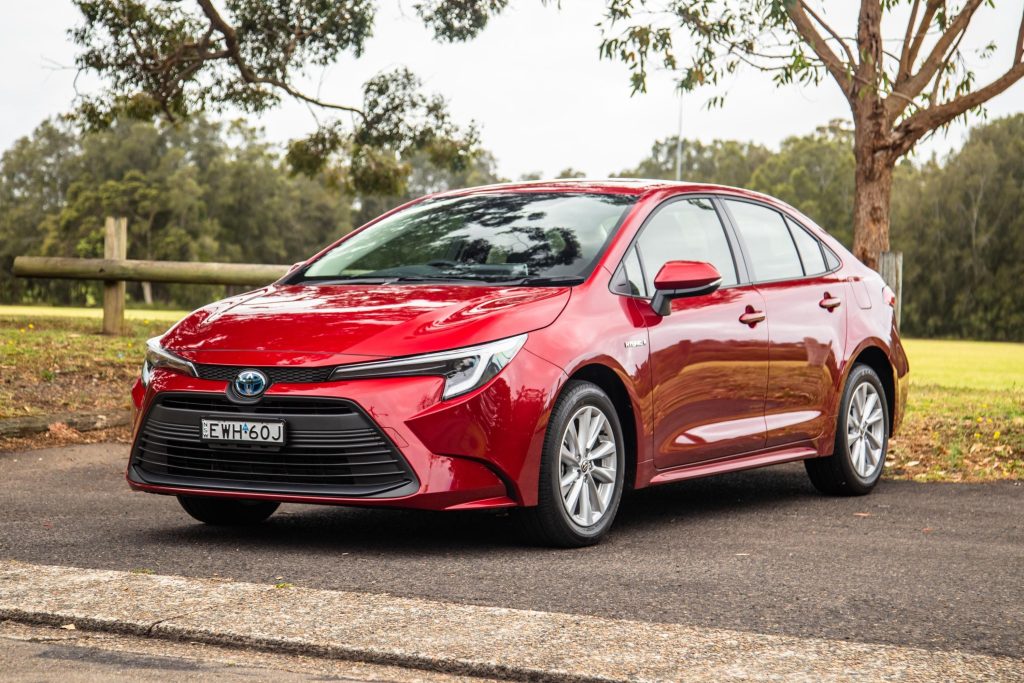
For drivers who would rather own an economical sedan than a larger SUV or minivan, the Toyota Corolla Hybrid delivers an impressive result. It ranks third in the iSeeCars hybrid depreciation study, losing 30.1% of its value over five years. Its average depreciation in dollar terms is $7,464, the smallest financial loss among the first three vehicles on this list.
That figure deserves attention because the Corolla Hybrid occupies a relatively affordable part of the American new-car market. A smaller original purchase price generally means the actual dollars lost through depreciation can remain comparatively modest, even when the percentage difference between models is not particularly large.
Fuel efficiency is another important part of its appeal. The 2025 Corolla Hybrid, for example, offers an EPA-estimated fuel economy of up to 50 mpg combined in certain front-wheel-drive configurations. All-wheel drive is also available, although its fuel economy figures differ.
For commuters covering substantial distances every week, this efficiency can make the sedan an attractive long-term ownership proposition.
The Corolla name also carries decades of recognition among American consumers. Its compact dimensions make it suitable for city driving, while its conventional sedan layout provides a straightforward alternative to larger and more expensive vehicles.
Used-car shoppers looking for affordable transportation may find that combination particularly appealing.
There are practical compromises, of course. Buyers needing extensive rear passenger space or a large cargo area may prefer an SUV. However, someone prioritizing manageable ownership expenses, fuel savings, and resale performance has several reasons to consider this model.
With only $7,464 in average five-year depreciation, the Corolla Hybrid makes a strong financial case and secures its position among the best-performing hybrids in the study.
4. Toyota Prius: 32.1% Five-Year Depreciation
Few vehicles have influenced the hybrid market as significantly as the Toyota Prius, and its fourth-place position in the iSeeCars study reinforces its continued appeal among used-car shoppers.
The model records five-year depreciation of 32.1%, with an average financial loss of $9,179. Although it does not match the value retention of its Corolla and RAV4 siblings, it still performs better than the hybrid segment average of 35.4%.
The Prius has built its identity around efficiency rather than conventional performance. Its aerodynamic hatchback design, hybrid powertrain, and practical passenger compartment have made it a recognizable option for commuters who spend considerable time behind the wheel.
For American drivers covering thousands of miles annually, fuel economy can be an important factor when comparing used vehicles.
The previous-generation Prius illustrates this strength particularly well. The 2021 model offered EPA-estimated combined fuel economy ranging from 49 to 56 mpg, depending on configuration.
The available Eco version achieved the higher figure, while all-wheel-drive variants had different ratings. These numbers helped establish the Prius as an attractive choice for people seeking to reduce gasoline expenses.
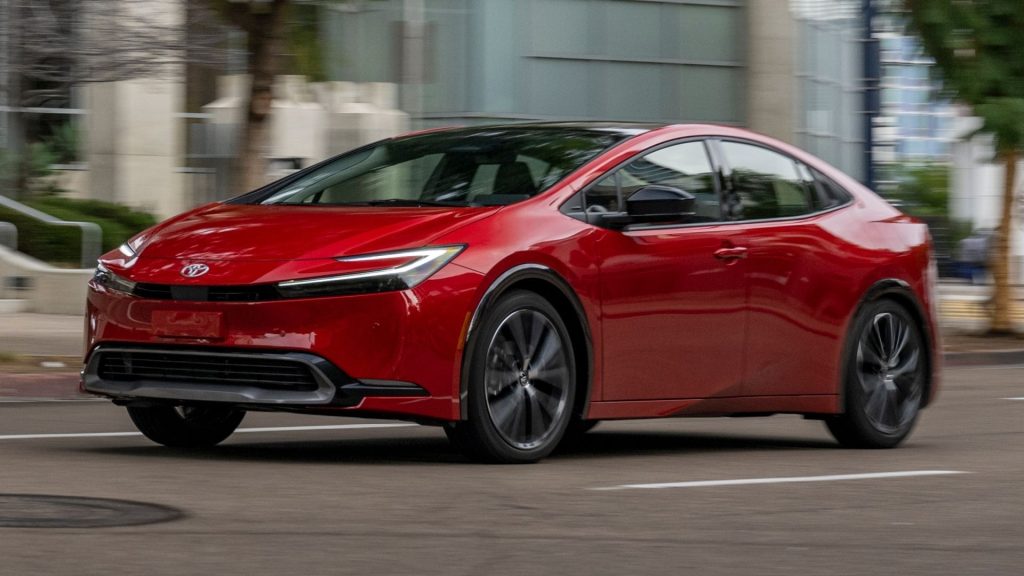
Its hatchback configuration also gives it an advantage over traditional compact sedans when carrying groceries, luggage, and other everyday belongings. However, buyers should remember that resale performance depends on the condition of the hybrid battery, service history, mileage, and the vehicle’s individual specifications.
With $9,179 in average depreciation, the Prius demonstrates that a dedicated efficiency-focused vehicle can remain financially competitive years after leaving the dealership. Its position is a reminder that buyers do not necessarily need an SUV to obtain strong hybrid resale performance.
5. Subaru Crosstrek Hybrid: 33.1% Five-Year Depreciation
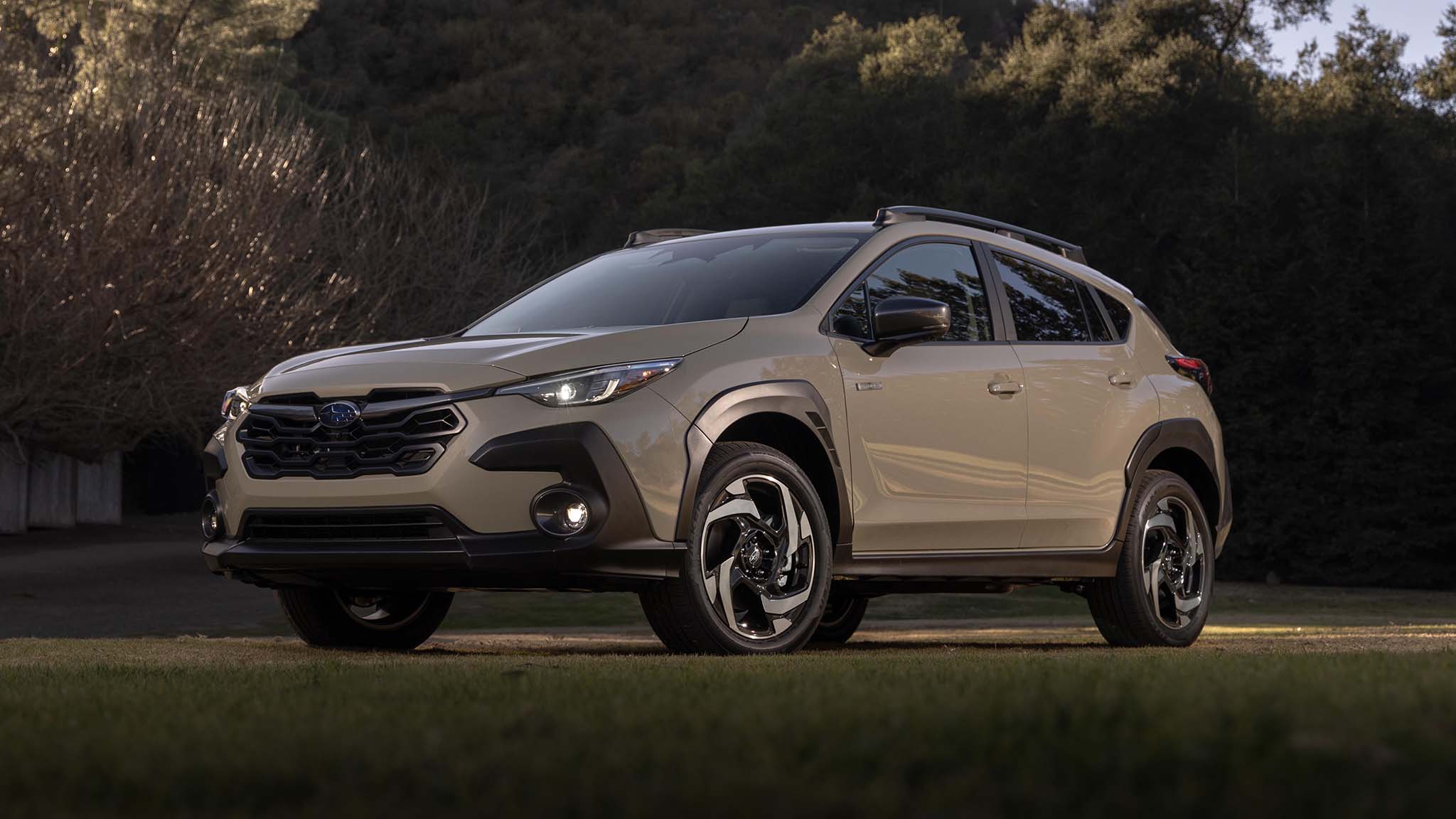
The Subaru Crosstrek Hybrid occupies an interesting position because it combines the practical shape of a compact SUV with plug-in hybrid technology.
According to the iSeeCars ranking, it loses 33.1% of its value over five years, corresponding to an average depreciation of $11,243. That places it fifth among the ten hybrids considered and slightly ahead of the category’s 35.4% average.
Unlike conventional hybrids that recharge their batteries through the gasoline engine and regenerative braking, the Crosstrek Hybrid also allows owners to recharge its battery externally. The U.S. version was equipped with Subaru’s StarDrive plug-in hybrid system and standard all-wheel drive, making it particularly distinctive among compact electrified SUVs.
The 2021 model provides a useful example of its capabilities. Subaru advertised an EPA-estimated 35 mpg combined when operating on gasoline and 90 MPGe when accounting for electric operation. Its electric-only driving range was approximately 17 miles according to the manufacturer’s specifications.
This arrangement allows short journeys to be completed using electricity when the battery is adequately charged, while the gasoline engine provides additional driving range.
However, potential secondhand buyers should understand that the Crosstrek Hybrid is not a current mainstream offering in Subaru’s American lineup. The limited number of model years sold in the United States makes its used-market situation different from that of more widely available Toyota hybrids.
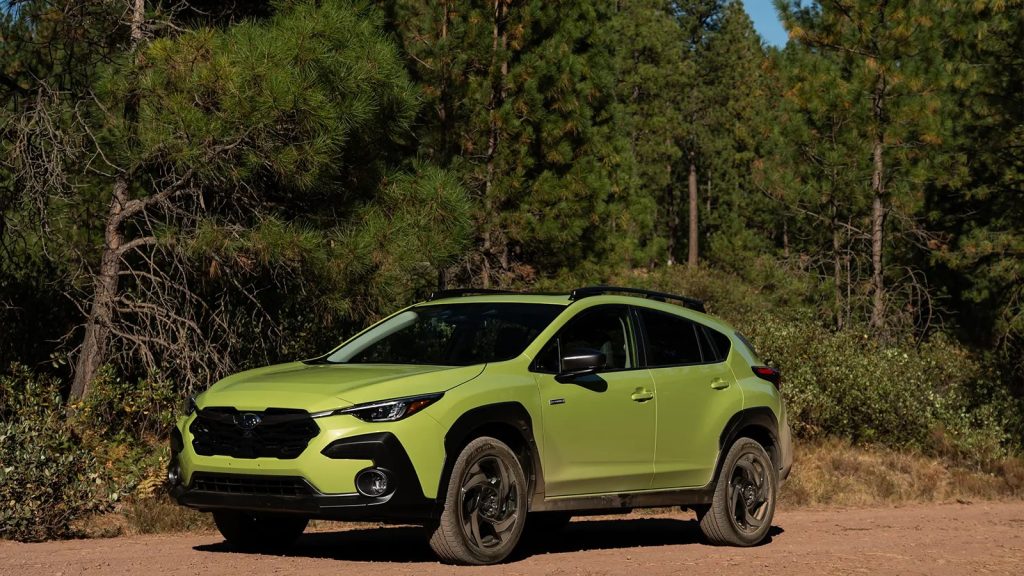
Battery condition, charging equipment, maintenance records, and availability of replacement components deserve attention before purchasing one. Nevertheless, its 33.1% depreciation result is respectable, showing that this relatively specialized plug-in hybrid has retained more value than many alternatives.
6. Honda CR-V Hybrid: 34.1% Five-Year Depreciation
The Honda CR-V Hybrid secures sixth place with five-year depreciation of 34.1%, translating into an average dollar loss of $12,165.
Although it sits just ahead of the hybrid segment’s 35.4% depreciation average, its performance is particularly noteworthy because the CR-V competes in one of America’s most crowded vehicle categories.
Compact SUVs attract buyers looking for a balance of passenger comfort, cargo capacity, fuel efficiency and everyday usability.
Honda has positioned the hybrid version as a more fuel-efficient alternative to its conventional gasoline-powered CR-V. The 2025 CR-V Hybrid, for example, uses a 2.0-liter four-cylinder engine paired with two electric motors.
Front-wheel-drive configurations achieve an EPA-estimated 40 mpg combined, while all-wheel-drive versions are rated at 37 mpg combined. These figures make it appealing to commuters who want SUV practicality without accepting the fuel consumption associated with some larger vehicles.
Another advantage is its familiar interior layout. The CR-V offers a comfortable cabin, useful storage areas and flexible cargo arrangements, making it suitable for families and individuals who regularly carry passengers or luggage. Its reputation for everyday practicality also gives used buyers a clear reason to consider it.
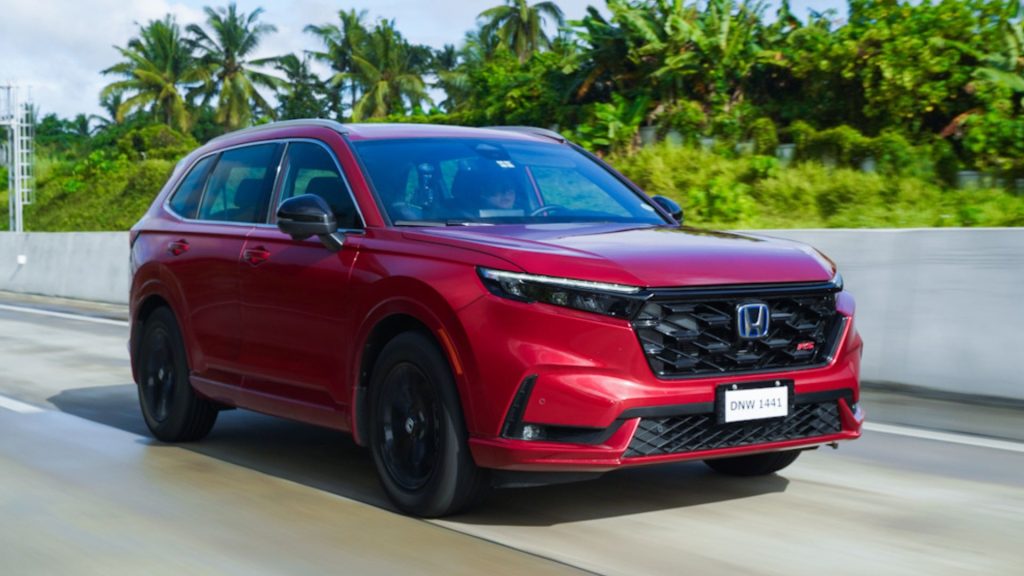
There is an important financial distinction between the percentage and dollar figures. Losing 34.1% of its value represents $12,165 on average, but individual examples can perform differently depending on trim, mileage, service records and condition.
For buyers planning to keep their next vehicle for several years, the CR-V Hybrid presents a sensible combination of efficiency and resale strength. Its sixth-place finish confirms that a mainstream family SUV can remain competitive in the used market.
7. Toyota Highlander Hybrid: 34.3% Five-Year Depreciation
A three-row SUV usually comes with a higher purchase price than a compact hybrid sedan, which makes the Toyota Highlander Hybrid’s depreciation figures particularly interesting. It ranks seventh in the iSeeCars study, recording a five-year value loss of 34.3%.
The average financial depreciation is $16,223, considerably more in dollar terms than several smaller vehicles in this ranking.
The Highlander Hybrid is designed for households that need additional passenger capacity without moving into a full-size SUV. Its three-row layout provides seating for up to seven or eight occupants, depending on configuration, while its hybrid powertrain helps reduce gasoline consumption during daily driving.
The 2025 model combines a 2.5-liter four-cylinder gasoline engine with electric motors and an electronically controlled continuously variable transmission.
According to EPA estimates, front-wheel-drive versions achieve up to 36 mpg combined, while all-wheel-drive configurations are rated at up to 35 mpg combined. These numbers are significant for a vehicle offering three rows of seating.
However, prospective owners should consider how frequently they actually need the third row. Families regularly transporting children, relatives or additional passengers may appreciate the extra flexibility. Buyers who rarely use those seats might find a smaller hybrid SUV more economical to purchase and operate.
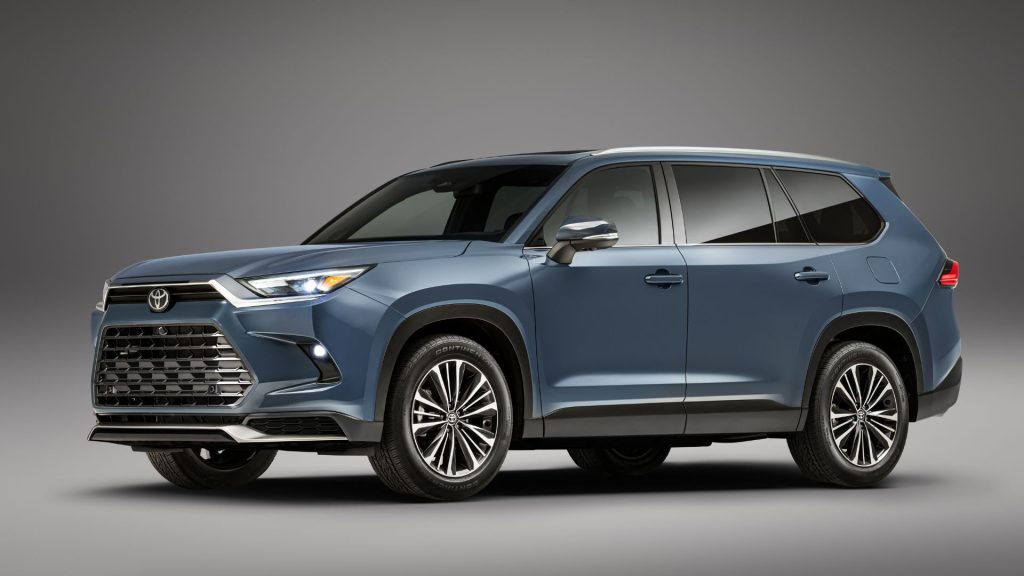
The Highlander’s resale performance also benefits from its position in a popular American vehicle category. Families often search for dependable used SUVs with generous seating and practical features, giving this model a clear audience beyond its original owner.
Its 34.3% depreciation is only slightly better than the hybrid average, but the result remains respectable for a midsize three-row vehicle. The $16,223 loss also illustrates why buyers should consider purchase price alongside depreciation percentage when evaluating long-term ownership costs.
8. Honda Accord Hybrid: 36.8% Five-Year Depreciation
Not every hybrid needs an SUV body, elevated driving position or three rows of seats to make a convincing case in the American market. The Honda Accord Hybrid takes eighth place with five-year depreciation of 36.8% and an average dollar loss of $12,449.
This places it slightly behind the hybrid segment’s 35.4% average, although it remains ahead of the broader vehicle market’s 41.8% depreciation figure.
The Accord Hybrid appeals to buyers who want a spacious midsize sedan with a more efficiency-focused powertrain. Honda’s two-motor hybrid system combines a gasoline engine with electric propulsion to deliver smooth acceleration and competitive fuel economy.
The 2025 Accord Hybrid achieves an EPA-estimated 48 mpg combined in certain configurations, making it an appealing choice for commuters and families who prefer traditional sedan proportions.
Cabin space is another reason the model remains relevant. The Accord provides generous rear-seat accommodation and a useful trunk, allowing it to serve as everyday family transportation without the additional size of an SUV. Its comfortable driving character also makes it suitable for longer highway journeys.
The depreciation figure deserves some perspective. At 36.8%, the Accord Hybrid loses a slightly larger share of its original value than the average hybrid. Nevertheless, its $12,449 average loss is below the hybrid category’s $13,010 average dollar depreciation.
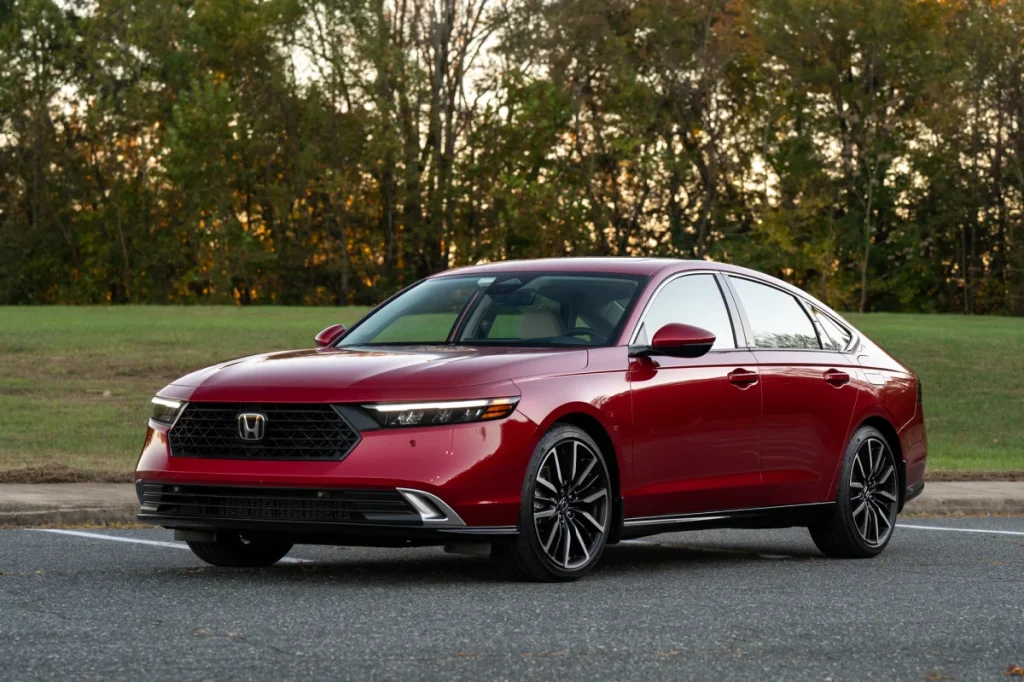
One consideration for used buyers is the distinction between model years and powertrain generations. Honda has updated the Accord over time, so equipment, fuel economy and interior technology can differ considerably between examples.
For drivers who prefer a sedan and want to avoid the higher purchase price of many hybrid SUVs, the Accord remains a worthwhile consideration. Its ranking shows that excellent fuel economy alone does not guarantee the strongest resale performance, but the model still offers a competitive ownership proposition.
9. Lexus ES 300h: 39.9% Five-Year Depreciation
The Lexus ES 300h brings a different ownership proposition to this ranking. Rather than competing primarily on affordability or maximum passenger capacity, this luxury hybrid sedan focuses on refinement, comfort and a more premium cabin experience. It occupies ninth place, with five-year depreciation of 39.9% and an average dollar loss of $17,365.
The depreciation result is notably higher than the hybrid category’s 35.4% average. This illustrates an important difference between mainstream and luxury vehicles. A premium badge, higher original purchase price and expensive equipment do not necessarily translate into stronger resale value.
Used buyers may be more cautious about paying premium prices for an older luxury sedan, particularly when comparable mainstream hybrids offer lower ownership expenses.
The ES 300h uses a 2.5-liter four-cylinder gasoline engine paired with an electric motor and a hybrid battery system. The 2025 model achieves an EPA-estimated 44 mpg combined, making it an efficient alternative to many conventional luxury sedans.
Its suspension and cabin are also designed to prioritize a comfortable driving experience rather than aggressive handling.
For secondhand buyers, this combination can be attractive. A five-year-old luxury sedan may provide features, materials and passenger comfort that would otherwise require a considerably larger budget when purchasing new.
However, maintenance history should receive particular attention. Premium components, tires and certain repairs can cost more than comparable items on a mainstream sedan.
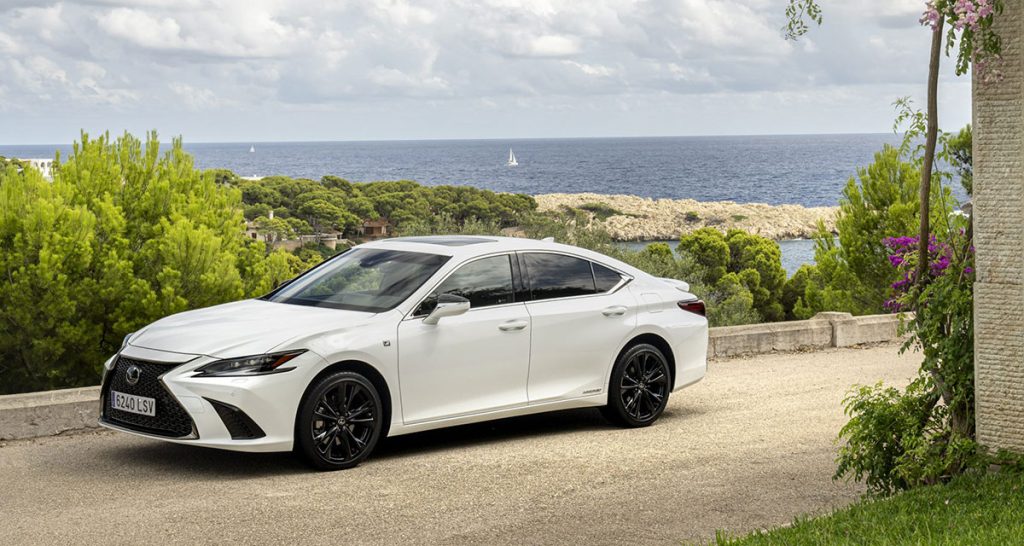
The $17,365 average depreciation is the second-highest dollar loss among the ten vehicles featured here. Consequently, buyers should compare the used purchase price with the cost of maintaining the car rather than concentrating exclusively on its fuel economy.
The ES 300h remains an appealing option for someone seeking a refined hybrid, but its resale figures show that luxury ownership comes with a different financial calculation.
10. Kia Niro: 44.4% Five-Year Depreciation
The Kia Niro completes the ranking in tenth place, recording five-year depreciation of 44.4% and an average financial loss of $12,160. Unlike the nine vehicles above it, the Niro depreciates faster than the wider vehicle market average of 41.8%, as well as the hybrid category average of 35.4%.
Its position highlights how dramatically resale performance can differ between vehicles that share similar electrified technology.
The Niro’s appeal comes from its compact crossover format. It provides a higher seating position than a conventional hatchback while maintaining relatively manageable exterior dimensions.
For urban drivers, that can make parking and navigating busy streets easier than with a larger family SUV. Its cabin also provides practical passenger accommodation and flexible cargo space for everyday shopping and commuting.
The 2025 Niro Hybrid uses a 1.6-liter four-cylinder gasoline engine paired with an electric motor and a six-speed dual-clutch automatic transmission. Its EPA-estimated fuel economy reaches 53 mpg combined in certain configurations, making it one of the most efficient non-plug-in hybrid crossovers available in the American market.
So why does it finish last despite such competitive fuel economy? Depreciation is influenced by much more than gasoline consumption.
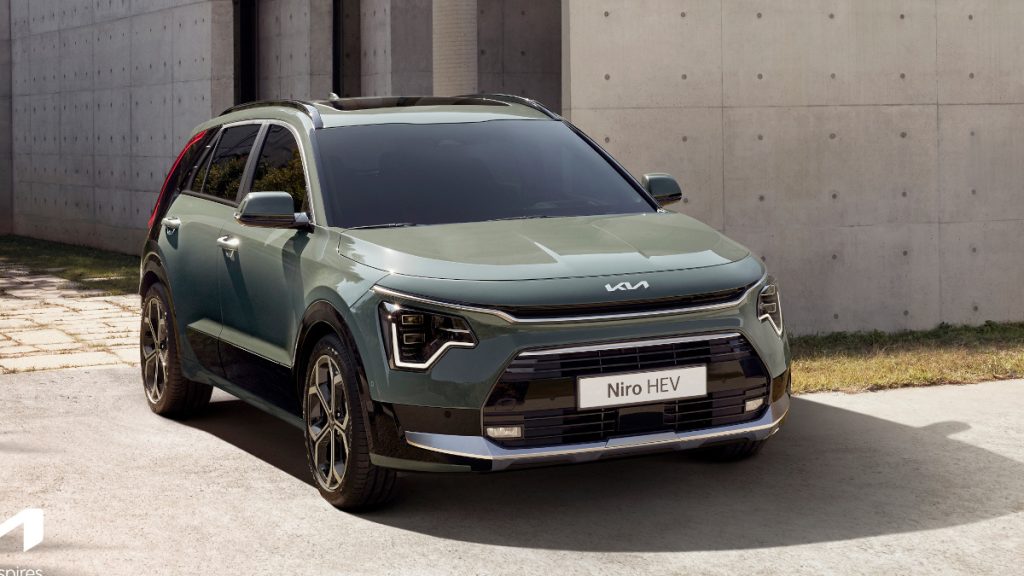
Brand perception, new-vehicle pricing, incentives, used-car demand and competition from established alternatives can all influence what buyers are prepared to pay. The Niro also competes against popular hybrid offerings from Toyota and Honda.
Its $12,160 average loss is not the highest dollar amount in this ranking, but its 44.4% depreciation represents the greatest proportional decline among the ten selected vehicles.
For a used-car shopper, this could create an opportunity to purchase an efficient crossover at a more accessible price. However, anyone buying one should compare its condition, equipment and maintenance history carefully before making a decision.