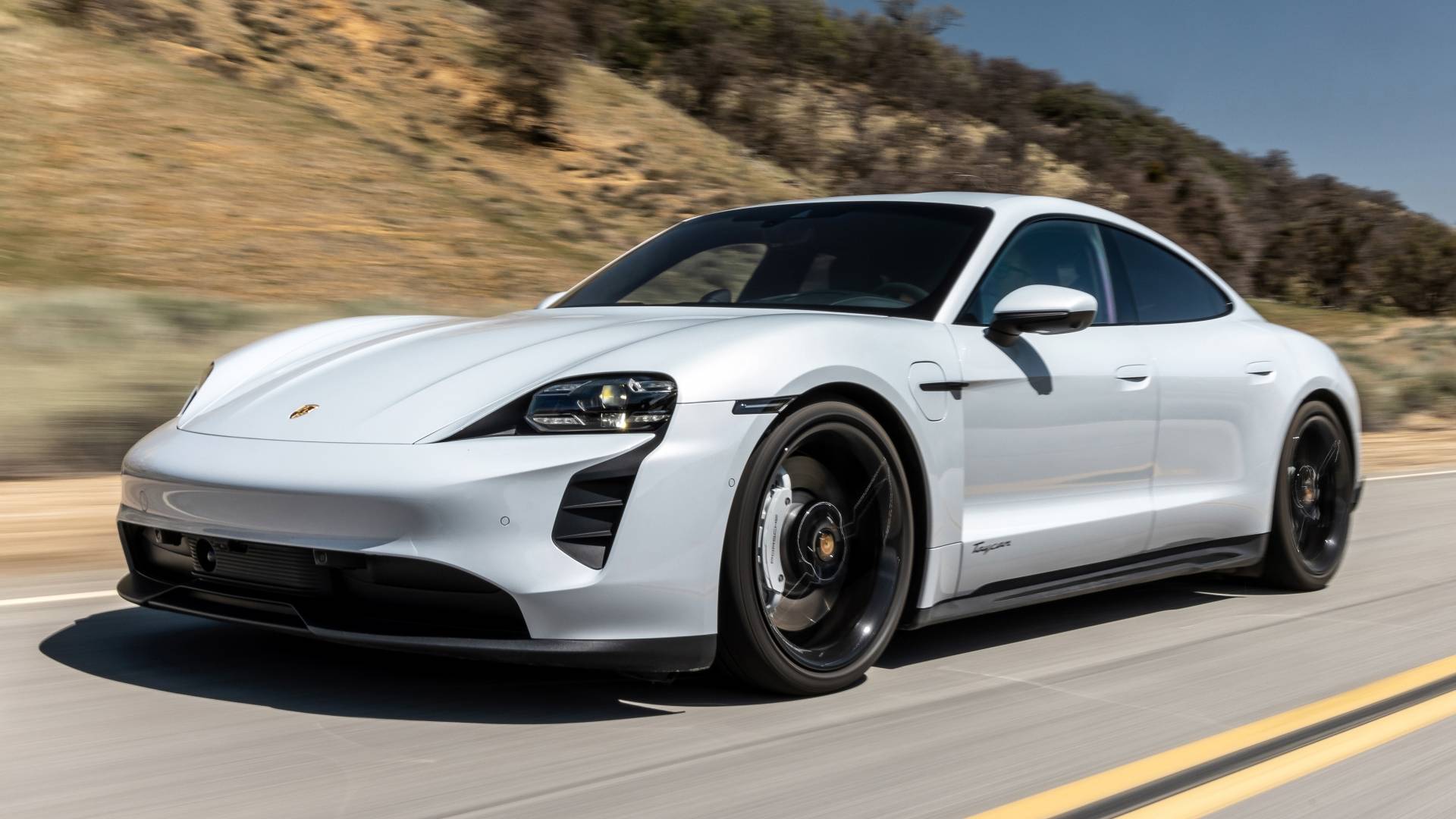
Electric vehicles offer lower routine maintenance requirements, instant acceleration, and the convenience of home charging, but their resale values can tell a very different story.
According to the 2026 iSeeCars depreciation study, electric vehicles lose an average of 57.2% of their original value over five years, significantly more than the wider vehicle market. However, depreciation varies considerably between individual models.
Some electric cars retain more than 45% of their original value, while others lose well over 60%. Here are 10 EVs ranked by five-year depreciation using U.S. market data.
1. Tesla Model 3: 54.6% Five-Year Depreciation
The Tesla Model 3 takes first place among the ten electric vehicles in this ranking, although retaining just 45.4% of its original value after five years is hardly an outstanding result compared with conventional vehicles.
According to iSeeCars, the sedan records 54.6% depreciation, representing an average financial loss of $20,213. Despite that substantial decline, it performs better than every other EV included in this comparison.
One reason the Model 3 remains competitive is its position in the electric sedan market. It combines a relatively accessible purchase price compared with premium electric alternatives, strong acceleration, and access to Tesla’s Supercharger network. These characteristics have helped it attract commuters and technology-focused buyers across the United States.
The 2021 Model 3 also offered different configurations, including Standard Range Plus, Long Range, and Performance versions. Their driving ranges, acceleration figures, and original prices varied, meaning buyers should not assume every used example has identical specifications.
Battery condition, mileage, and equipment can make a considerable difference when comparing individual cars.
Tesla’s changing new-vehicle prices are another factor worth considering. When manufacturers reduce prices on newer models, used examples can become less attractive unless their asking prices adjust accordingly. This creates additional pressure on resale values, even when the vehicle itself remains capable.
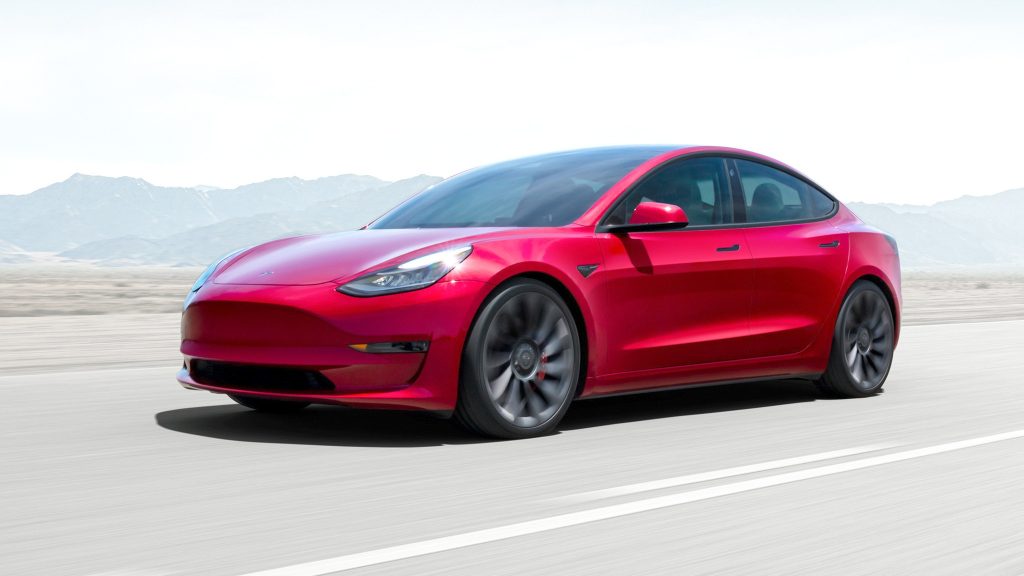
For secondhand shoppers, the Model 3’s first-place ranking presents an interesting opportunity. It has the lowest depreciation percentage in this EV group, but buyers should still compare its purchase price against newer alternatives before deciding whether a five-year-old example offers genuine savings.
2. Porsche Taycan: 54.7% Five-Year Depreciation
The Porsche Taycan finishes remarkably close to the Tesla Model 3, recording 54.7% depreciation over five years. However, the percentage comparison hides a much bigger financial difference.
Its average depreciation reaches $54,403, more than twice the Model 3’s $20,213 loss. This makes the Taycan an excellent example of why buyers should examine both depreciation percentages and actual dollar amounts before purchasing an expensive electric vehicle.
Porsche developed the Taycan to deliver the driving character expected from a performance-oriented luxury car while replacing its traditional combustion engine with electric propulsion. Its low center of gravity, rapid acceleration, and sophisticated chassis give it a distinctly different personality from mainstream electric sedans.
Depending on the original configuration, buyers could choose between different power outputs, battery arrangements, and performance packages.
The 2021 Taycan lineup included several versions, with the Turbo and Turbo S positioned above the standard rear-wheel-drive model. The more powerful variants offered extraordinary acceleration, but their original purchase prices also made depreciation considerably more expensive in dollar terms.
Owning a luxury EV also comes with added financial risks. Advanced features and equipment can lose value as newer technology becomes available. Used-car buyers should also check warranty coverage and battery condition while considering the potentially high cost of repairing complex electrical and suspension systems.
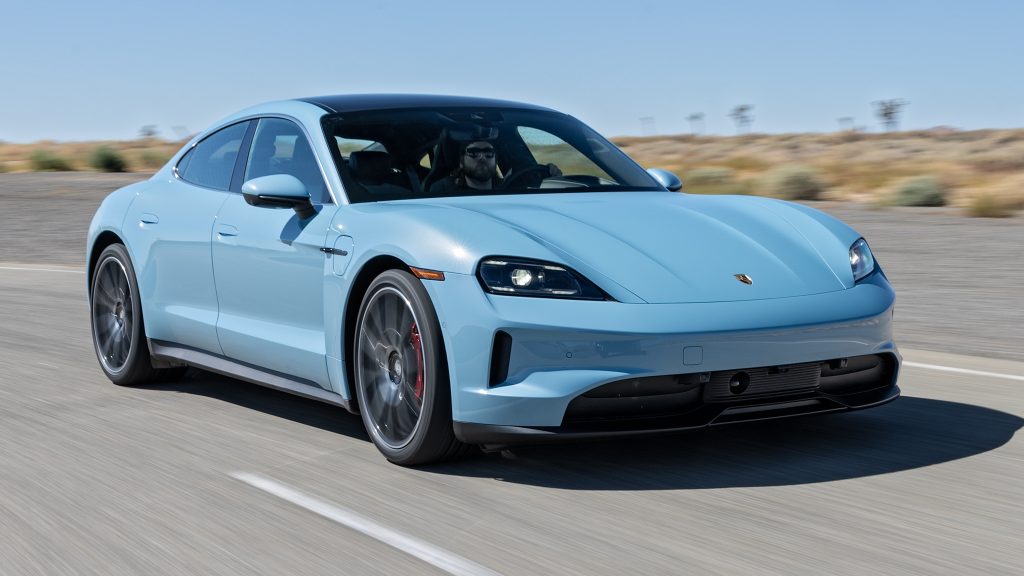
Nevertheless, the Taycan’s depreciation creates an interesting opportunity in the used market. Someone who wanted its performance and premium cabin but disliked its original price may find a five-year-old example substantially more accessible.
Its second-place finish shows that expensive electric performance cars can lose significant money without necessarily becoming unattractive used purchases.
3. Hyundai Kona Electric: 56.5% Five-Year Depreciation
The Hyundai Kona Electric earns third place among these ten EVs, with a five-year depreciation rate of 56.5% and an average dollar loss of $18,581.
While that means owners surrender more than half of the vehicle’s original value over five years, the Kona Electric still performs better than the 57.2% average depreciation recorded for electric vehicles in the iSeeCars study.
Its appeal comes from offering electric transportation in a compact SUV package without entering the price territory of larger premium EVs.
The Kona Electric is designed for drivers who want a practical vehicle for commuting, shopping, and regular city journeys. Its smaller dimensions also make it easier to maneuver through crowded streets and fit into tighter parking spaces than many midsize electric SUVs.
The 2025 U.S. model was offered with two battery configurations. The standard-range version provided an EPA-estimated driving range of 200 miles, while the larger battery increased that figure to as much as 261 miles, depending on trim and equipment.
This distinction is important when comparing used examples because battery configuration directly affects the vehicle’s usefulness for longer journeys.
Hyundai also equipped the newer generation with a modern cabin, large digital displays, and driver-assistance technology. These features help the Kona remain competitive against newer electric crossovers, although technological improvements across the EV market can put pressure on older models’ resale prices.
For used buyers, the Kona Electric could be an interesting entry point into electric ownership. Its depreciation has already absorbed a substantial portion of its original purchase price, potentially making it more accessible than a newer equivalent.
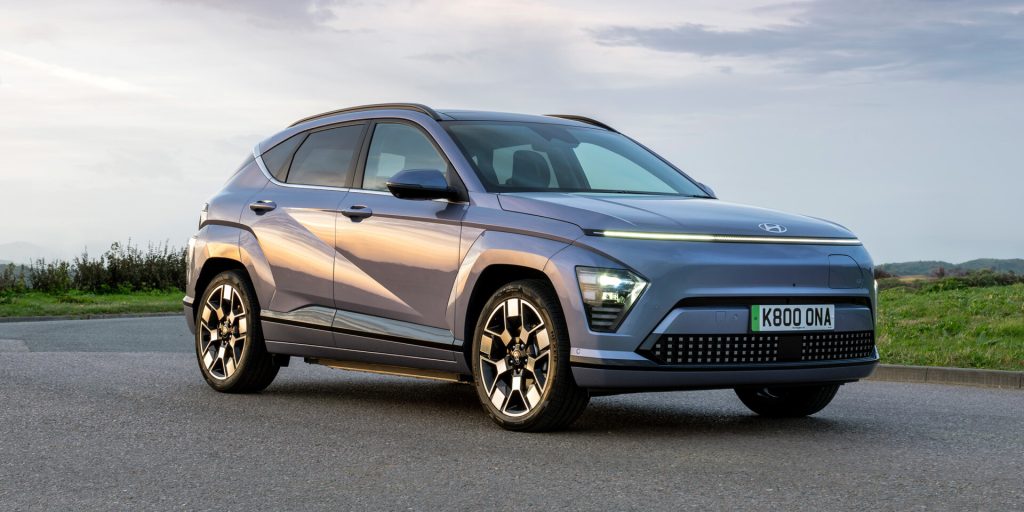
Before purchasing, however, check battery health, charging performance, warranty coverage, and the vehicle’s service history.
Its third-place position demonstrates that a relatively affordable electric crossover can retain more value than several considerably more expensive EVs.
4. Kia Niro EV: 57.3% Five-Year Depreciation
The Kia Niro EV narrowly crosses the electric-vehicle depreciation average, recording a five-year value loss of 57.3%. Its average depreciation amounts to $22,742, placing it fourth in this ranking.
Although the difference between its depreciation percentage and the 57.2% EV average is minimal, the result highlights the financial pressure facing electric crossovers in the used-car market.
Unlike some electric vehicles that prioritize dramatic acceleration or premium performance, the Niro EV focuses on everyday usability. Its compact crossover body provides a practical alternative to a traditional hatchback, with a raised driving position, useful passenger space, and a cargo area suited to routine family requirements.
That makes it particularly relevant to buyers who want an electric vehicle without moving into a much larger SUV.
The 2023 U.S.-market Niro EV is a useful reference point. It uses a 64.8-kWh battery and a front-mounted electric motor producing 201 horsepower and 188 lb-ft of torque. EPA-estimated driving range reaches 253 miles on a full charge.
These specifications give the vehicle sufficient capability for daily commuting and many regional journeys, although longer trips still require charging stops.
Charging speed is an important consideration when buying a used Niro EV. Its DC fast-charging capability is more modest than that of several newer electric vehicles, so buyers who regularly travel long distances should consider whether its charging performance suits their requirements.
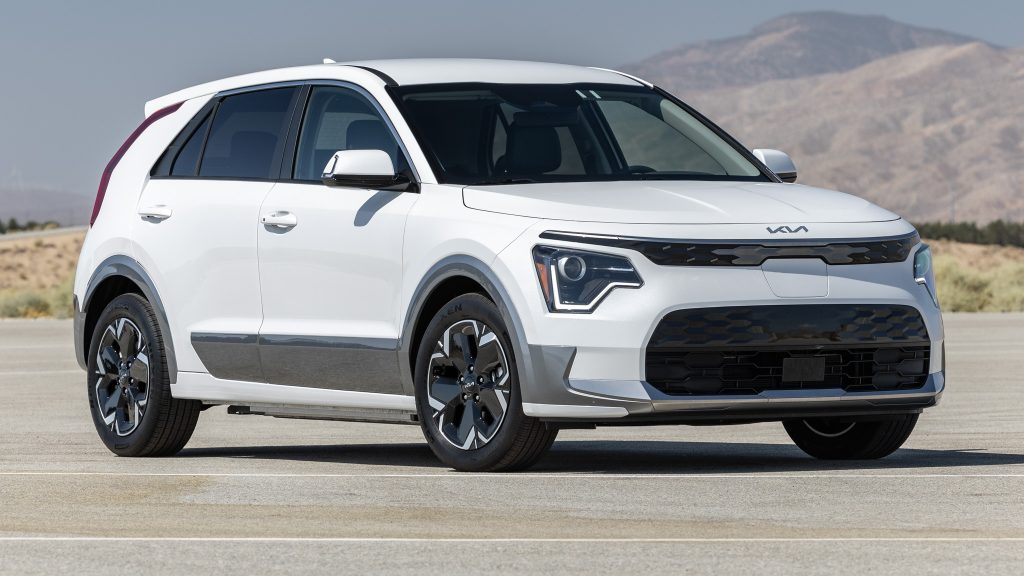
The depreciation figure can also be interpreted as an opportunity. A five-year-old electric crossover that has already experienced a substantial value decline may offer considerable savings compared with its original sticker price. However, the condition of the battery, remaining warranty, and charging equipment should all be checked.
The Niro EV’s fourth-place finish shows that practical packaging and respectable range do not automatically guarantee strong resale values in a rapidly developing electric-car market.
5. Tesla Model Y: 57.8% Five-Year Depreciation
The Tesla Model Y ranks fifth in this comparison, with 57.8% depreciation over five years and an average dollar loss of $26,020. Its result is slightly worse than the 57.2% average for electric vehicles, despite being one of the most recognizable electric SUVs in the American market.
This is particularly interesting because the Model Y has enjoyed strong demand among families, commuters, and technology-focused buyers.
Its appeal comes from combining the driving characteristics of an electric sedan with the practicality of an SUV. The Model Y offers generous cargo capacity, a spacious passenger compartment, and access to Tesla’s Supercharger network.
For households making the switch from gasoline-powered vehicles, these features can make everyday electric ownership considerably easier.
The 2021 Long Range AWD version had an EPA-estimated range of approximately 326 miles when originally rated. Performance versions offered quicker acceleration, although their range and original pricing differed. Buyers should therefore compare specific trims rather than treating every five-year-old Model Y as identical.
One factor that deserves attention is Tesla’s pricing strategy. Changes to new-car prices can quickly influence the value of used examples. When a new Model Y becomes cheaper or receives upgraded equipment, previous versions may need substantial price adjustments to remain competitive.
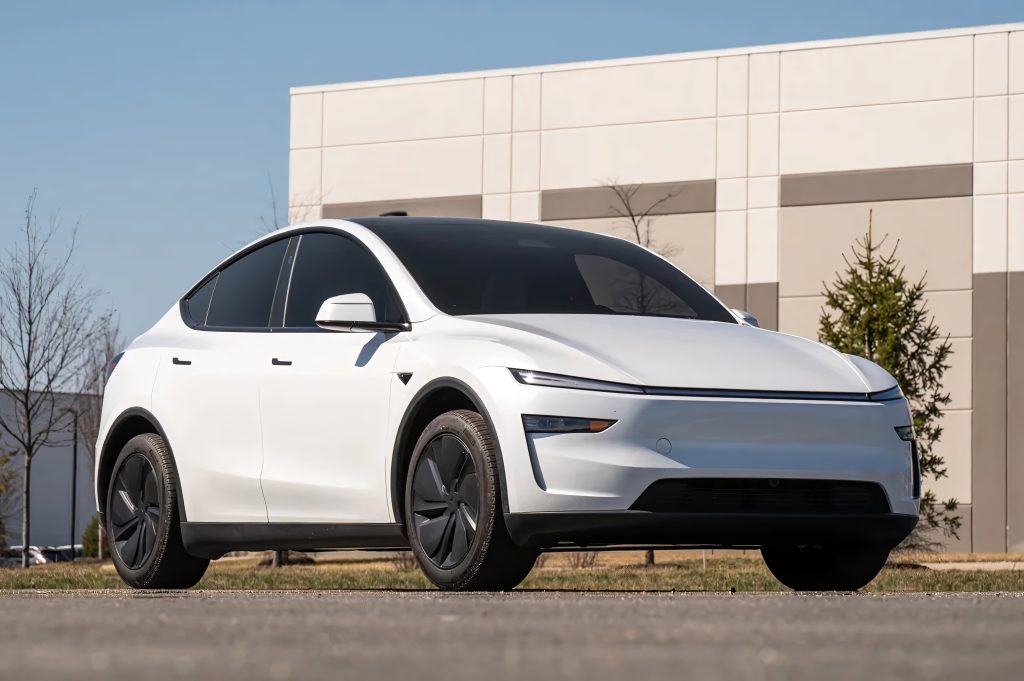
Despite its depreciation, the Model Y remains an appealing used EV because it combines space, performance and charging access. However, battery condition, tire wear, software features and remaining warranty coverage should be checked before purchasing.
Its fifth-place position demonstrates that even a popular electric SUV can experience considerable depreciation when technology and new-vehicle pricing change rapidly.
6. Ford Mustang Mach-E: 60.8% Five-Year Depreciation
The Ford Mustang Mach-E occupies sixth place, losing 60.8% of its original value over five years. Its average depreciation amounts to $22,976, placing it among the more heavily depreciating electric vehicles in the iSeeCars comparison.
This result is especially interesting because Ford entered the electric SUV market with a model carrying one of America’s most recognizable performance-car names.
Unlike traditional Mustangs, the Mach-E is a five-passenger electric crossover with a practical cabin and available all-wheel drive. Ford offered several configurations, including Select, Premium, California Route 1 and GT models.
Their differences in battery capacity, performance and driving range gave buyers several ways to configure the vehicle.
The 2021 model illustrates that variety. Depending on battery and drivetrain, its original EPA-estimated range varied from approximately 211 miles to 305 miles. The GT version emphasized performance, while the California Route 1 configuration prioritized longer driving range.
However, the electric crossover market has become increasingly competitive. Newer EVs offer improvements in charging speeds, software, range and interior technology. As these alternatives become available, older vehicles can face additional pressure in the used market.
The Mustang name also creates an interesting distinction. Although the Mach-E carries familiar styling cues and performance branding, its buyers are shopping for an electric family vehicle rather than a traditional gasoline-powered sports car.
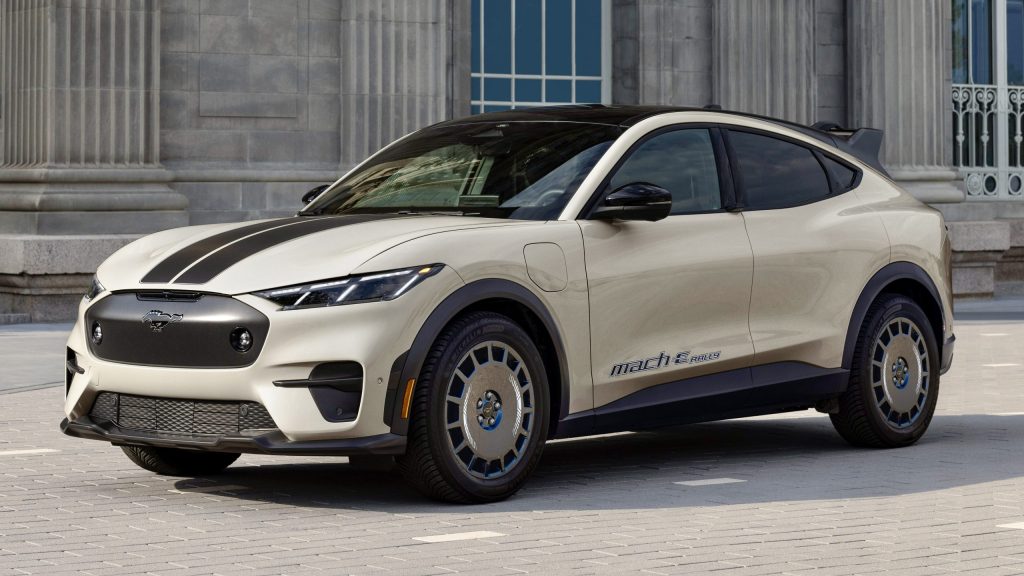
For used shoppers, a 60.8% depreciation rate could make the Mach-E substantially more affordable than it was when new. Checking battery warranty coverage, charging performance and the condition of the suspension and tires remains important.
Its sixth-place ranking shows that strong branding and recognizable styling cannot completely protect an EV from rapid changes in market demand.
7. Tesla Model X: 61.2% Five-Year Depreciation
The Tesla Model X records 61.2% depreciation over five years, resulting in an average dollar loss of $61,216. It takes seventh place in this ranking, but its financial decline is particularly striking because it represents the second-largest dollar loss among the ten vehicles.
Its original positioning as a premium electric SUV means that even a relatively small percentage difference can translate into tens of thousands of dollars.
The Model X distinguishes itself through its spacious cabin, three-row seating availability and distinctive Falcon Wing rear doors. These features helped it stand apart from conventional electric crossovers when it entered the market.
Its dual-motor all-wheel-drive system also provides strong acceleration and confident performance in different driving conditions.
The 2021 Long Range version had an EPA-estimated driving range of approximately 360 miles, while the Model X Plaid offered up to 340 miles depending on wheel configuration. The Plaid’s three-motor powertrain focused heavily on acceleration, producing performance figures that rivaled many dedicated sports cars.
However, the Model X has a more complicated ownership proposition than smaller electric vehicles. Its sophisticated door mechanisms, large body, premium components and advanced electronics make a thorough pre-purchase inspection especially important.
Buyers should also examine tire condition and battery performance because replacement expenses can be substantial.
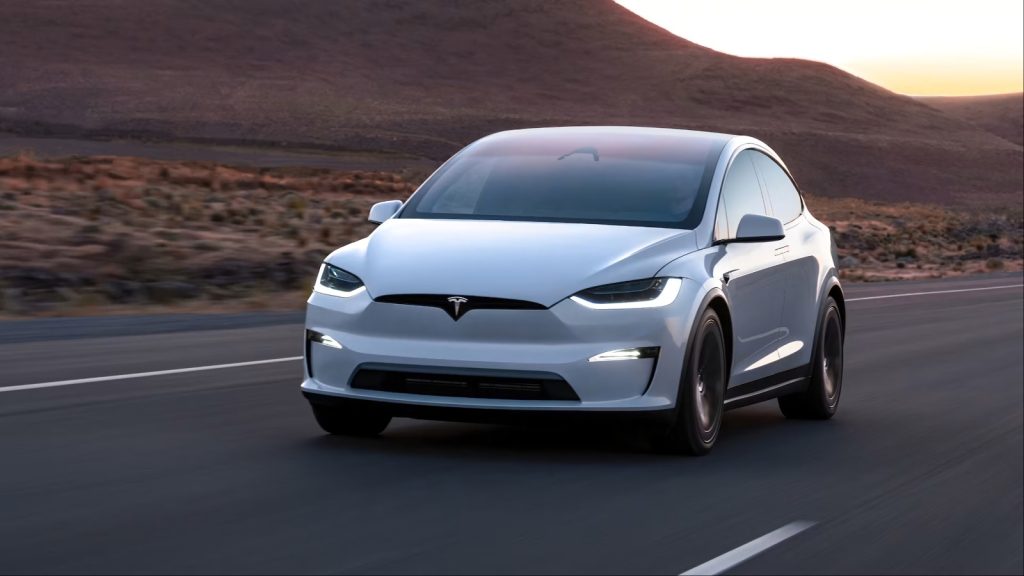
Depreciation creates an interesting secondhand opportunity for someone who wants a large electric SUV without paying its original luxury-car price. Nevertheless, the $61,216 average loss highlights how expensive it can be to own a premium EV through its first five years.
The Model X proves that impressive range, unusual design and high performance do not automatically protect an electric vehicle’s resale value.
8. Tesla Model S: 62.0% Five-Year Depreciation
Once regarded as one of the defining electric luxury sedans, the Tesla Model S occupies eighth place with 62.0% five-year depreciation. Its average financial loss reaches $58,907, demonstrating how expensive it can be to purchase a high-end EV when newer technology and changing market prices influence secondhand demand.
The Model S built its reputation around long-distance electric driving, impressive acceleration and a technology-focused cabin.
It also helped establish the idea that an electric vehicle could compete with established luxury sedans on performance rather than simply efficiency. Different model years and configurations offered substantially different power outputs and driving ranges.
The 2021 Long Range version is a useful example. It delivered an EPA-estimated range of approximately 405 miles, while its dual-motor all-wheel-drive system produced 670 horsepower. The Plaid variant took performance considerably further with three electric motors and acceleration that placed it among the quickest production sedans of its period.
Yet the used market does not value vehicles purely on their original engineering achievements. Changes in new-car pricing, newer battery technology, updated infotainment systems and competition from other luxury EVs can make earlier examples less desirable.
There is also a financial distinction between depreciation percentage and actual money lost. The Model S loses $58,907 on average, making it a much more expensive depreciation proposition than mainstream electric sedans.
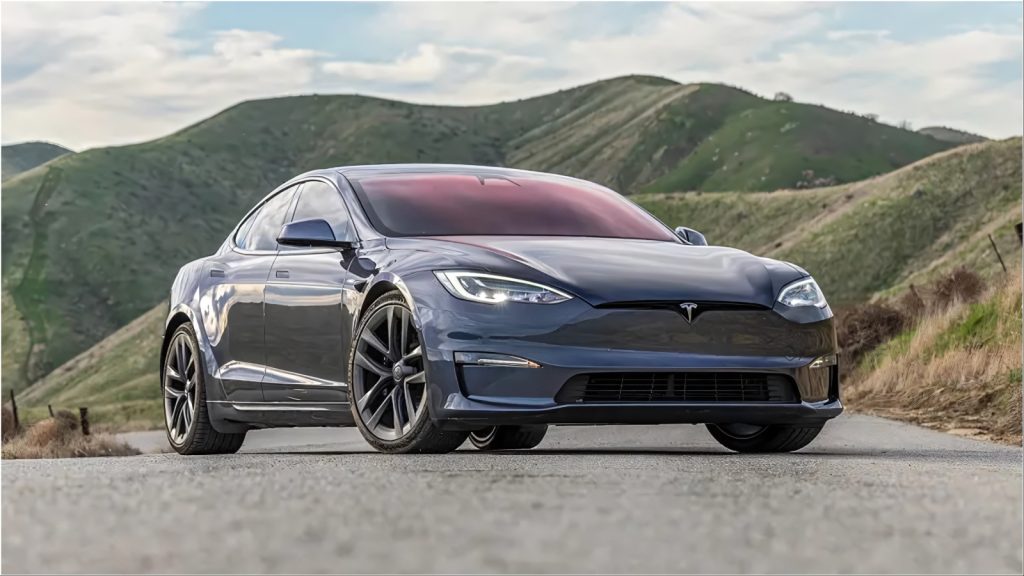
For secondhand shoppers, however, that decline may create an opportunity to access luxury-level performance for considerably less than the original purchase price. A careful inspection of battery health, suspension components, electronics and remaining warranty coverage is essential.
Its eighth-place finish demonstrates that even a pioneering electric luxury sedan cannot escape the financial impact of rapid technological change.
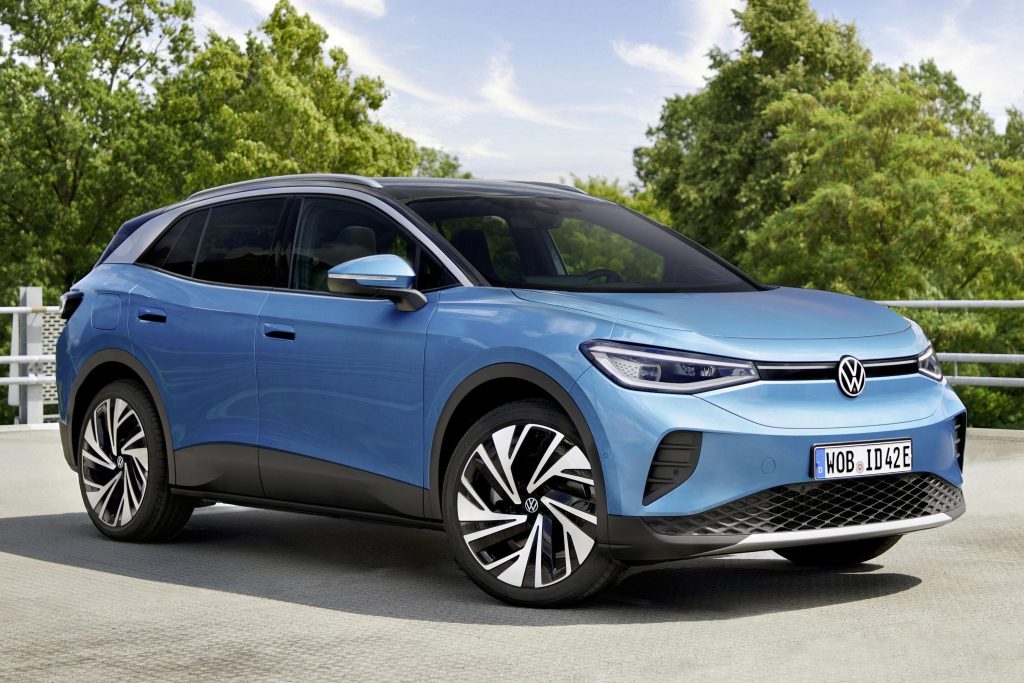
9. Volkswagen ID.4: 62.1% Five-Year Depreciation
The Volkswagen ID.4 ranks ninth, recording 62.1% depreciation over five years and an average financial loss of $28,010. Its position reflects the challenges facing electric SUVs from established automakers as competition, changing technology and new-vehicle pricing influence the secondhand market.
Volkswagen designed the ID.4 as a practical electric alternative to conventional family SUVs. Rather than concentrating exclusively on performance, it emphasizes passenger comfort, everyday usability and a spacious cabin. Its relatively conventional exterior design also makes it approachable for drivers transitioning from gasoline-powered vehicles.
The original U.S. model provides useful context. The 2021 ID.4 featured an 82-kWh gross battery pack, with approximately 77 kWh of usable capacity. Rear-wheel-drive versions offered EPA-estimated ranges of up to 260 miles, while certain all-wheel-drive configurations achieved up to 249 miles.
The rear-mounted motor in early rear-wheel-drive versions produced 201 horsepower and 228 lb-ft of torque.
Inside, the ID.4 offers seating for five and approximately 30 cubic feet of cargo capacity behind the rear seats. This makes it suitable for grocery shopping, commuting and family travel. However, its infotainment controls and software interface have received criticism, which can influence the experience of used buyers.
Another consideration is charging compatibility. Early American ID.4 models used the CCS charging standard, so shoppers should check charging-network access and any applicable adapter arrangements before purchasing.
Despite its 62.1% depreciation, the ID.4 could be an attractive used purchase for someone prioritizing comfort and practicality over sporty performance. Its substantial value decline also means buyers should carefully compare asking prices, battery condition and remaining warranty protection.
10. Nissan LEAF: 63.1% Five-Year Depreciation
The Nissan LEAF finishes this ranking with the highest five-year depreciation, losing 63.1% of its original value. Its average dollar depreciation is $17,743, which is lower than several premium EVs in this comparison. Nevertheless, the percentage makes it the weakest value-retention performer among the ten selected models.
The LEAF deserves recognition for its importance in bringing electric transportation to mainstream American buyers. It arrived with a relatively accessible purchase price and a straightforward hatchback design, helping introduce many households to battery-powered driving before electric SUVs became widely available.
The 2021 U.S. model was offered in two main battery configurations. Standard versions used a 40-kWh battery and delivered an EPA-estimated range of up to 149 miles. The LEAF PLUS featured a larger 62-kWh battery, increasing its maximum EPA-estimated range to 226 miles in the S PLUS trim. Its motor produced 214 horsepower and 250 lb-ft of torque.
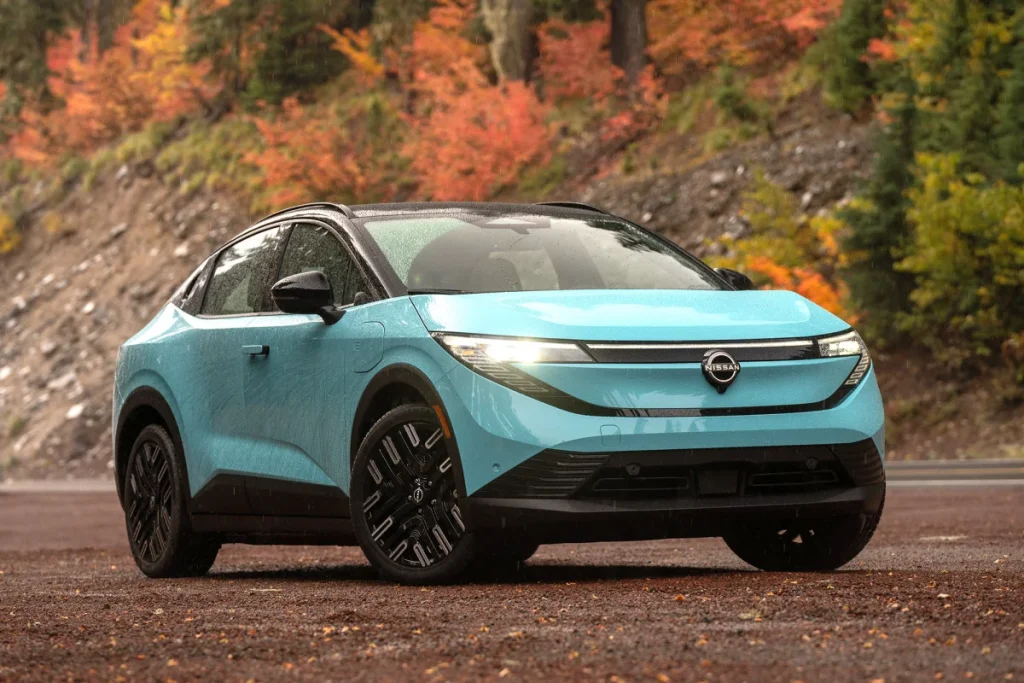
However, the LEAF’s charging technology is an important consideration. It uses the CHAdeMO quick-charging connector rather than the CCS connector found on many competing EVs. As charging infrastructure evolves, this can affect convenience for owners who frequently travel beyond their local area.
Its battery thermal-management approach also deserves attention. Unlike many competing models with liquid-cooled battery systems, the LEAF uses passive air cooling, making battery condition and degradation history particularly important inspection points.
For used buyers, the LEAF’s substantial depreciation could create an affordable entry into electric ownership. However, its limited range in standard versions and charging-standard differences make it better suited to predictable daily journeys than frequent long-distance travel.
Its final position demonstrates that an affordable original purchase price and pioneering reputation cannot guarantee strong resale value in an increasingly competitive EV market.