
BMW has a reputation for expensive maintenance, but it is not necessarily the most costly vehicle to keep on the road. RepairPal estimates that BMW owners spend an average of $968 annually on repairs and maintenance, compared with $652 across all vehicle brands.
Several popular models from other manufacturers can exceed that figure, particularly performance-oriented vehicles and premium SUVs. The difference becomes even more interesting when comparing individual models rather than entire brands.
This article examines vehicles with higher estimated annual repair expenses, using U.S. RepairPal data and the BMW brand average as the benchmark.
1. Porsche Macan: $1,265 Average Annual Repair Cost
The Porsche Macan may be one of the more accessible ways to enter Porsche ownership, but its repair expenses tell a less affordable story. RepairPal estimates its average annual repair and maintenance cost at $1,265, which is $297 more than BMW’s brand-wide average of $968.
That represents approximately 31% higher annual spending, making the Macan an interesting example of how a smaller luxury SUV can carry substantial ownership expenses.
Its reliability rating is 1.5 out of 5.0, placing it last among 11 luxury compact SUVs in RepairPal’s comparison. Macan owners average approximately 1.3 unscheduled repair visits per year, more than twice the 0.6 visits recorded for the segment. RepairPal also estimates that 20% of repairs are severe, compared with 10% for luxury compact SUVs.
The Macan’s engineering helps explain why repair work can become expensive. Its turbocharged engines, sophisticated all-wheel-drive system, and performance-focused suspension require specialized components and labor.
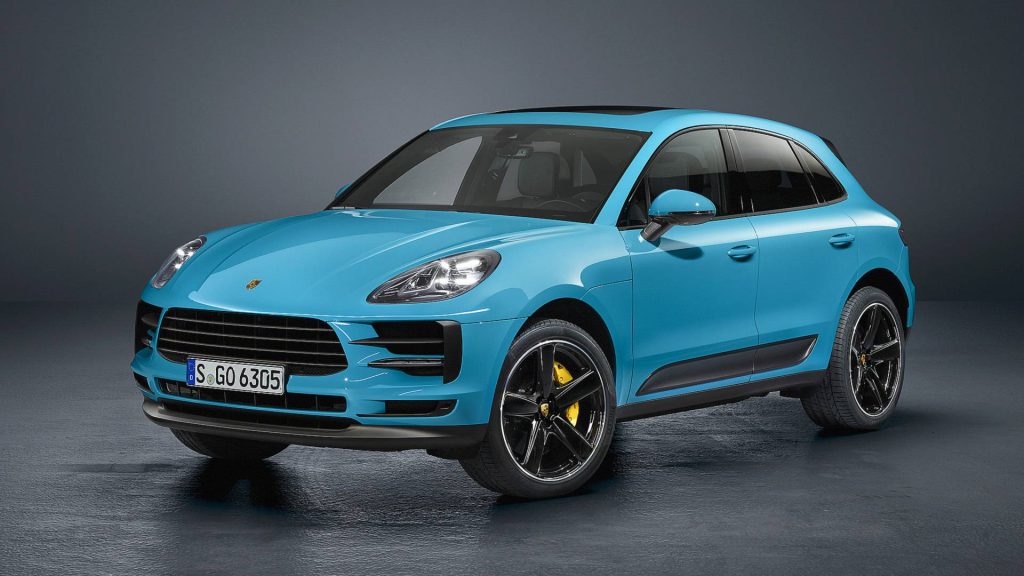
Depending on the model year, buyers will encounter different four-cylinder and V6 powertrains, so maintenance requirements are not identical across the lineup.
RepairPal’s figures do not mean every Macan owner will spend $1,265 annually. However, the combination of higher repair frequency and severe-repair probability makes a thorough inspection particularly important when purchasing a used example.
2. Land Rover Range Rover: $1,258 Average Annual Repair Cost
The Range Rover delivers the kind of luxury, passenger comfort, and off-road capability that few full-size SUVs can match. However, its ownership expenses can be considerably higher than those of mainstream vehicles.
RepairPal estimates average annual repair and maintenance costs at $1,258, exceeding BMW’s $968 benchmark by $290, or approximately 30%.
The model receives a reliability rating of 2.0 out of 5.0, placing it 15th among 19 luxury full-size SUVs. Owners average approximately 0.6 unscheduled repair visits annually, while the probability of a severe repair is estimated at 19%. That compares with 0.7 visits and a 19% severe-repair probability for the luxury full-size SUV category.
Part of the ownership equation comes from the Range Rover’s sophisticated equipment. Depending on generation and specification, it can feature electronically controlled air suspension, advanced four-wheel-drive hardware, complex infotainment systems, and powerful engines.
These systems improve comfort and capability, but diagnosing and replacing specialized components can require expensive labor.

Air-suspension problems deserve particular attention when inspecting an older example. RepairPal also lists suspension-related faults among reported Land Rover problems, including vehicle-height sensor failures that can deactivate the air-suspension system.
For used buyers, a detailed service history and professional pre-purchase inspection are essential. The Range Rover’s $1,258 estimate is already higher than BMW’s brand average, and neglected examples can bring considerably larger repair bills.
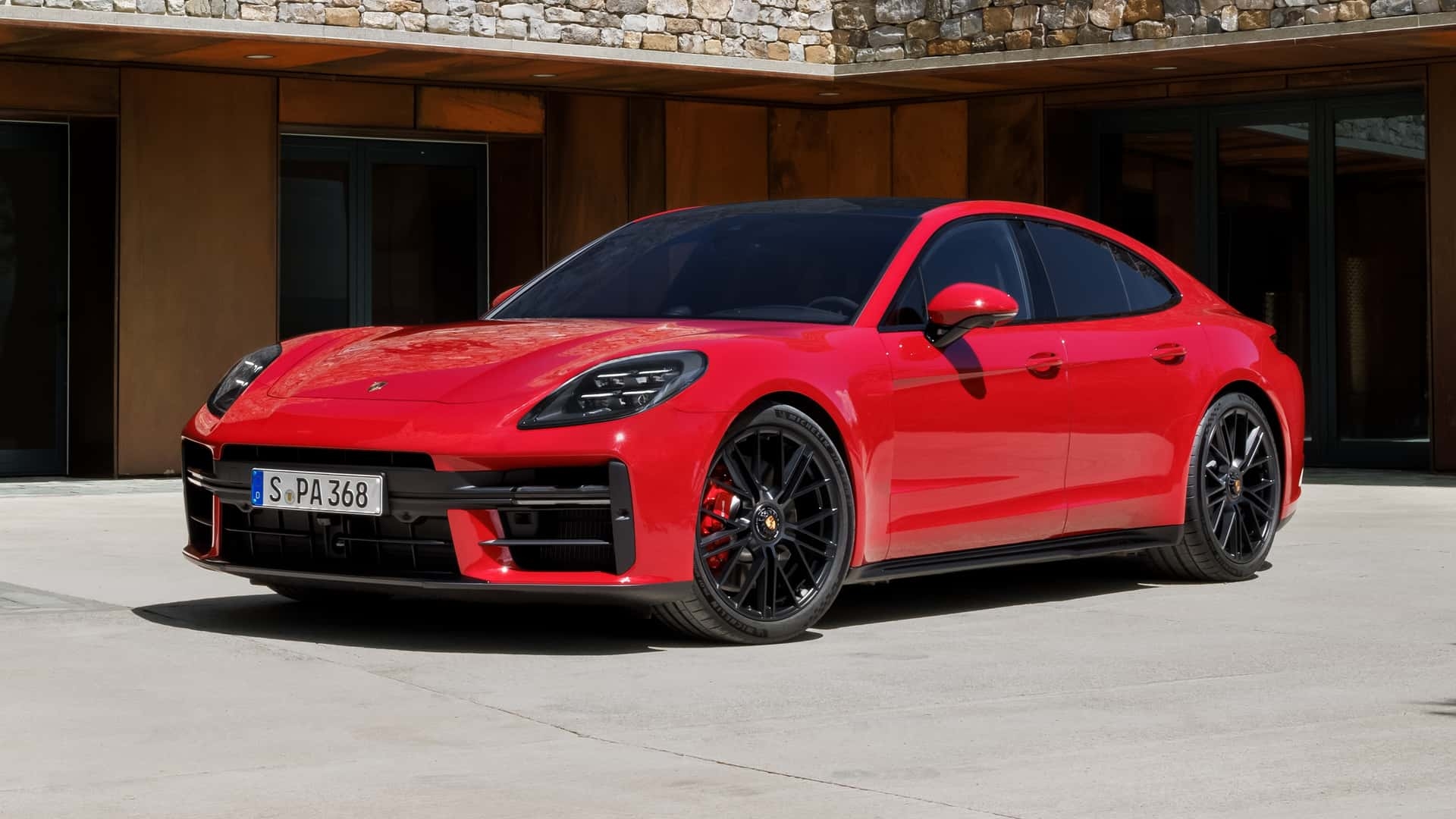
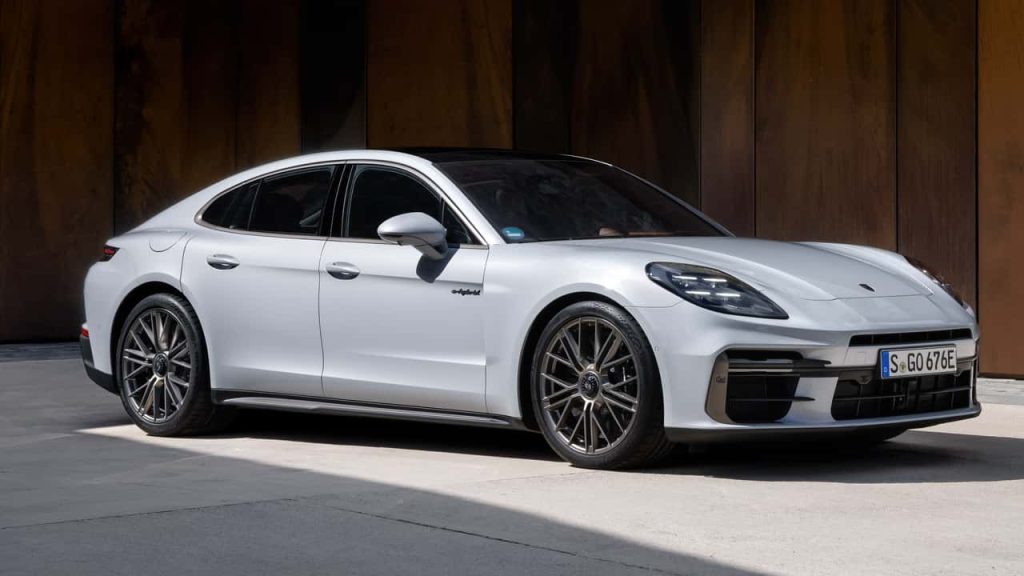
3. Porsche Panamera: $1,252 Average Annual Repair Cost
The Porsche Panamera combines sports-car performance with the passenger comfort of a luxury sedan, but its maintenance expenses can challenge owners who purchase one without accounting for long-term costs.
RepairPal estimates its average annual repair and maintenance spending at $1,252, which is $284 more than the $968 BMW brand average. That places it approximately 29% above the benchmark.
Its reliability rating is particularly concerning. RepairPal assigns the Panamera just 0.5 out of 5.0, placing it 30th among 30 luxury full-size cars. Owners average approximately 2.2 unscheduled repair visits annually, compared with 0.8 for the segment.
This means the Panamera’s higher ownership expenses are not simply the result of expensive individual parts. Repair frequency also contributes significantly.
The Panamera’s mechanical complexity helps explain why repairs can become costly. Depending on model year, buyers may encounter turbocharged V6 or V8 engines, sophisticated transmissions, adaptive suspension systems, and extensive electronic equipment.
Hybrid versions introduce additional high-voltage components that require specialist knowledge.
A used Panamera can provide exceptional performance and refinement at a considerably lower purchase price than a new example. However, a cheaper used-car listing does not necessarily translate into affordable ownership.
Buyers should examine service documentation, inspect suspension components, and investigate previous engine or transmission repairs.
At $1,252 annually, the Panamera exceeds BMW’s average by a substantial margin, making it important to budget for unexpected repairs rather than focusing exclusively on its purchase price.
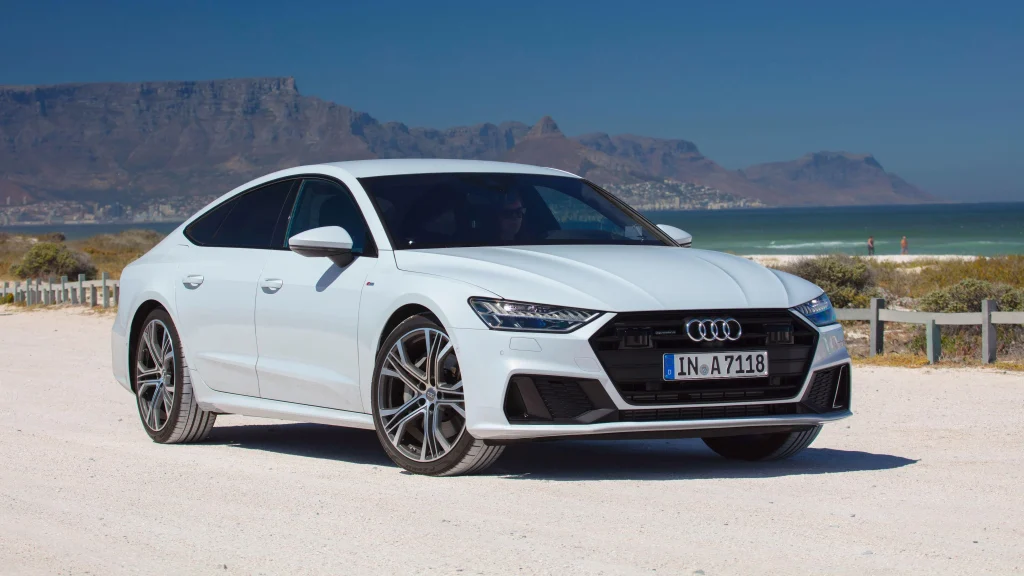
4. Audi A7 Quattro: $1,251 Average Annual Repair Cost
The Audi A7 Quattro offers a combination of executive-car comfort and distinctive sportback styling, but its repair expenses place it among the more expensive models in this comparison.
RepairPal estimates its annual repair and maintenance cost at $1,251, exceeding BMW’s $968 average by $283. That is approximately 29% higher, despite the A7 occupying a different part of the luxury-car market.
RepairPal gives the A7 Quattro a reliability rating of 2.0 out of 5.0, ranking it 27th among 30 luxury full-size cars. Its average annual repair cost also exceeds the category’s $976 benchmark. These figures suggest that the A7’s ownership expenses are not simply a consequence of being a premium vehicle.
The Quattro all-wheel-drive system is one of its defining features. Combined with turbocharged engines, advanced electronics, and sophisticated suspension equipment, it gives the A7 strong performance and confident road manners. However, these systems require appropriate servicing and can involve expensive repairs when components develop faults.
RepairPal’s model information also identifies a number of potentially costly repair jobs. For example, an A7’s air-conditioning evaporator replacement is estimated at $1,959 to $2,509, while certain electrical and sensor-related repairs can add further expenses.
For used buyers, checking the air-conditioning system, transmission behavior, electronic equipment, and maintenance history is particularly important. The A7 is an attractive luxury car, but its $1,251 annual estimate demonstrates that its ownership budget can exceed even BMW’s already expensive brand average.
5. Mercedes-Benz S550: $1,249 Average Annual Repair Cost
The Mercedes-Benz S550 represents the premium end of the full-size luxury sedan market, offering advanced technology, powerful engines, and an exceptionally comfortable cabin. However, keeping one in good condition can demand a substantial budget.
RepairPal estimates its average annual repair and maintenance expense at $1,249, which is $281 more than BMW’s $968 brand average.
Its reliability rating stands at 2.0 out of 5.0, placing it 25th among 30 luxury full-size cars. Owners average approximately 1.0 unscheduled repair visit per year, compared with 0.8 for the segment. More concerning is its estimated 20% probability of a severe repair, significantly above the category’s 14% average.
The S550’s equipment explains why repairs can become expensive. Depending on the generation, it features a twin-turbocharged V8 engine, sophisticated automatic transmission, electronically controlled suspension, and extensive comfort technology.
These systems provide an impressive driving experience, but they can require specialist diagnostic equipment and expensive replacement components.
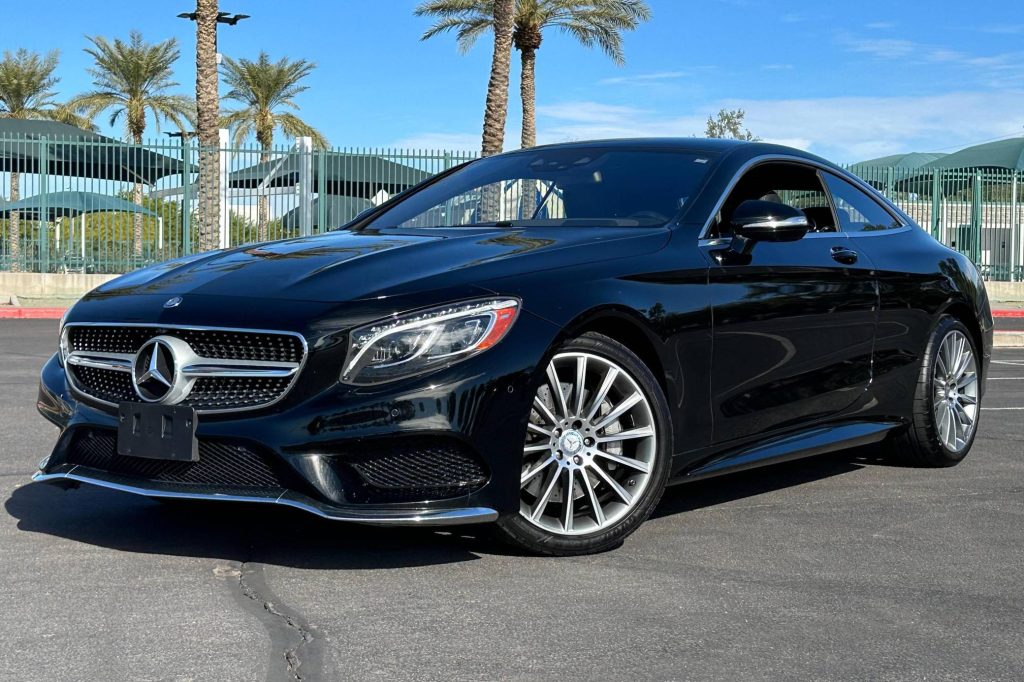
RepairPal identifies several examples of potentially costly work. An oil-pump replacement is estimated at $2,571 to $3,531, while timing-chain tensioner replacement can cost approximately $1,931 to $2,740. These are individual repair estimates, not expenses every owner will encounter.
Anyone purchasing a used S550 should pay particular attention to engine maintenance, cooling-system condition, suspension operation, and electronic features. Its luxury credentials remain impressive, but the $1,249 annual estimate shows why the original purchase price should never be the only financial consideration.
6. Land Rover LR4: $1,241 Average Annual Repair Cost
The Land Rover LR4 was designed for drivers who wanted traditional off-road capability without giving up the comfort of a premium SUV. Its body-on-frame-style rugged construction, sophisticated four-wheel-drive equipment, and spacious interior helped distinguish it from conventional crossovers.
Unfortunately, its repair costs are considerably higher than those of many mainstream vehicles.
RepairPal estimates the LR4’s average annual repair and maintenance expenses at $1,241. That is $273 above BMW’s brand-wide average of $968, representing a difference of approximately 28%. Its reliability rating is 2.0 out of 5.0, placing it 13th among 14 luxury midsize SUVs.
Repair frequency is another concern. LR4 owners average approximately 0.9 unscheduled repair visits annually, compared with 0.6 for the luxury midsize SUV category. RepairPal also estimates that 15% of repairs are severe, higher than the segment’s 11% average.
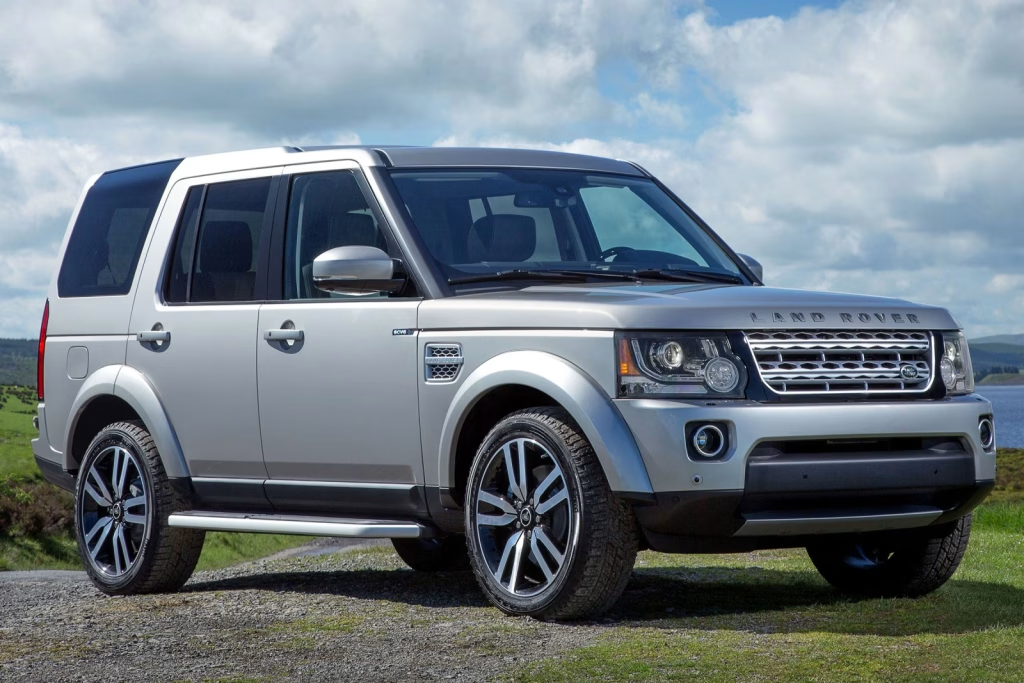
The LR4’s 5.0-liter V8 engine in later U.S. models produces 375 horsepower and 375 lb-ft of torque. Its Terrain Response system, available electronic air suspension and advanced four-wheel-drive hardware contribute to its impressive off-road ability. However, these features introduce additional components that may require expensive attention as the vehicle ages.
RepairPal lists several costly potential jobs. A water-pump replacement is estimated at $1,268 to $1,571, while an exhaust-manifold replacement can reach $1,901 to $2,386.
For used buyers, checking cooling-system condition, suspension operation and drivetrain servicing is essential.
7. Jaguar XJ: $1,232 Average Annual Repair Cost
The Jaguar XJ is known for its elegant styling, comfortable interior and strong engine options, but its ownership expenses can be considerably higher than buyers initially expect. RepairPal estimates its average annual repair and maintenance cost at $1,232, which is $264 more than BMW’s $968 benchmark. That represents approximately 27% higher annual spending.
The XJ receives a reliability rating of 2.5 out of 5.0, placing it 19th among 30 luxury full-size cars. Owners average approximately 0.5 unscheduled repair visits per year, lower than the segment average of 0.8. However, the probability of a severe repair is estimated at 16%, compared with 14% for its category.
Depending on the generation, the American-market XJ was available with supercharged V6 and V8 engines, along with naturally aspirated V8 options. Its lightweight aluminum-intensive construction helped distinguish it from several traditional luxury sedans, while its suspension and cabin technology delivered a refined driving experience.
The downside is that specialized components can become expensive as these vehicles age. RepairPal lists several examples, including active-suspension air-compressor replacement estimated at $2,522 to $2,637 and seat-heater replacement estimated at $1,657 to $1,895.
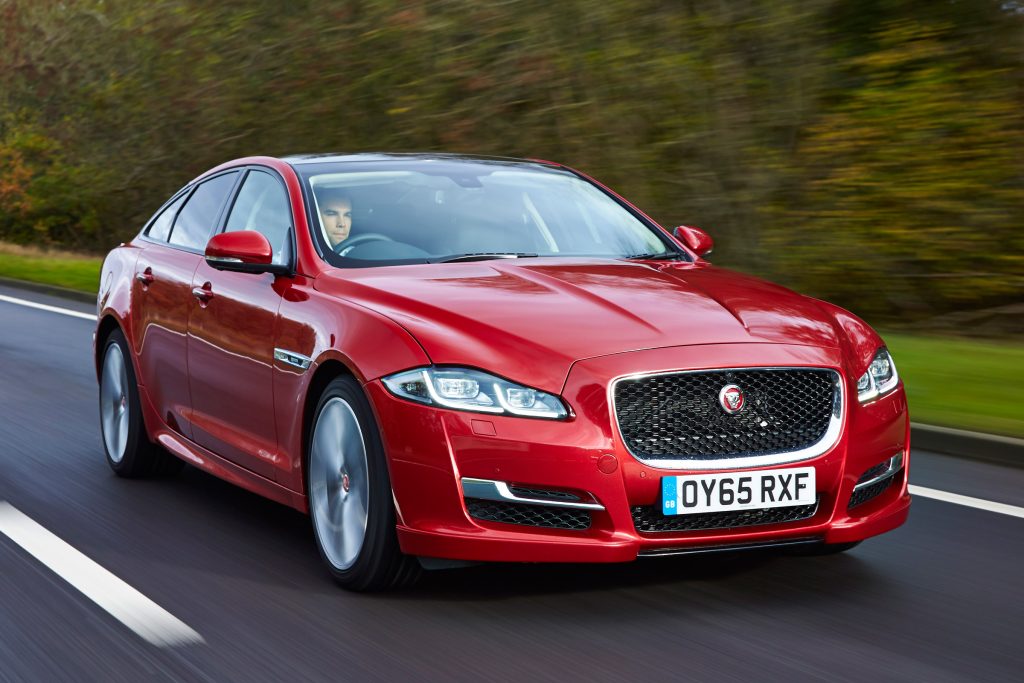
These individual repair estimates demonstrate why purchasing an older luxury sedan requires more than checking its mileage and exterior condition. Buyers should examine the cooling system, suspension, electrical equipment and maintenance records before committing.
At $1,232 annually, the XJ sits considerably above BMW’s repair-cost average, making a financial reserve particularly important for long-term ownership.
8. Porsche Cayenne: $1,231 Average Annual Repair Cost
The Porsche Cayenne helped establish that a luxury SUV could deliver sports-car-inspired performance without sacrificing everyday practicality. It remains an attractive option for buyers seeking a premium cabin, powerful engines and engaging handling.
However, its RepairPal figures reveal that maintaining one can be considerably more expensive than maintaining an average BMW.
RepairPal estimates the Cayenne’s annual repair and maintenance expenses at $1,231, exceeding BMW’s $968 brand average by $263. Its reliability rating is 1.5 out of 5.0, placing it last among 14 luxury midsize SUVs.
The frequency of repair visits is especially notable. Cayenne owners average approximately 1.1 unscheduled repair visits annually, compared with 0.6 for the luxury midsize SUV category. Its estimated probability of a severe repair is also higher than the average for its segment.
The Cayenne’s mechanical complexity varies considerably across generations. U.S. models have included turbocharged V6 engines, V8 powertrains, hybrid systems and sophisticated all-wheel-drive hardware. Performance versions add further mechanical and electronic equipment, which can influence repair expenses.

RepairPal lists several individual repair estimates that illustrate the potential financial commitment. A tie-rod replacement is estimated at $875 to $928, while a headlamp control module replacement can cost approximately $919 to $985.
A used Cayenne should therefore be inspected carefully, particularly for suspension wear, transmission behavior, cooling-system problems and electronic faults. Its performance and luxury features are appealing, but the $1,231 annual estimate demonstrates why ownership costs deserve serious attention before buying one.
9. Audi Q7: $1,185 Average Annual Repair Cost
For families wanting three rows of seating in a premium SUV, the Audi Q7 offers a combination of passenger comfort, technology and available all-wheel drive. Its appeal is understandable, but RepairPal’s figures show that maintaining one can be more expensive than owning a BMW on average.
The Q7 has an estimated annual repair and maintenance cost of $1,185, which is $217 higher than BMW’s $968 brand-wide average. RepairPal gives it a reliability rating of 2.5 out of 5.0, ranking it eighth among 19 luxury full-size SUVs. Its repair expenses also exceed the category average of $1,127.
Repair frequency contributes to this result. Q7 owners average approximately 0.9 unscheduled repair visits annually, compared with 0.7 for the luxury full-size SUV category. The estimated probability of a severe repair is 13%, below the segment’s 19% average.
Depending on model year, U.S. buyers can find the Q7 with turbocharged four-cylinder or V6 engines. Newer versions also offer advanced driver-assistance equipment, digital displays and sophisticated suspension technology. These features improve comfort and convenience, but they can increase diagnostic complexity when problems occur.
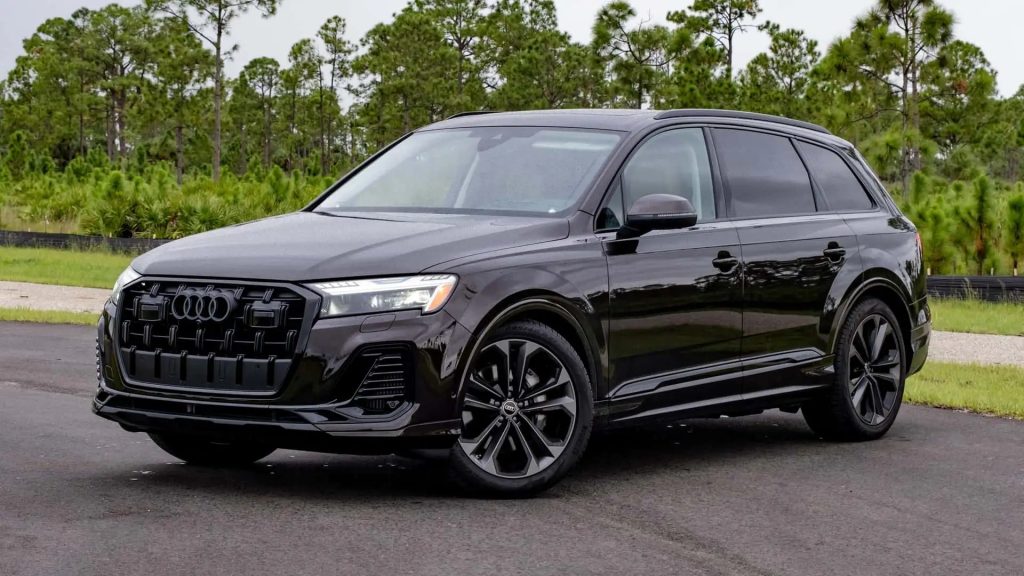
One important consideration is the vehicle’s cooling system, electronics and transmission operation. Buyers should also check the condition of the suspension and confirm that scheduled servicing has been completed.
The Q7’s $1,185 estimate makes it approximately 22% more expensive to repair than the average BMW. For families considering a used example, a professional inspection is a sensible step before purchase.
10. Land Rover Range Rover Sport: $1,179 Average Annual Repair Cost
The Range Rover Sport combines luxury-SUV comfort with a more performance-focused driving character. Its powerful engines, sophisticated suspension and four-wheel-drive capability make it appealing to buyers who want more than ordinary family transportation.
However, these features also contribute to repair expenses that exceed BMW’s brand-wide average.
RepairPal estimates the Range Rover Sport’s average annual repair and maintenance cost at $1,179. That is $211 more than BMW’s $968 benchmark, representing approximately 22% higher annual expenses. Its reliability rating is 2.5 out of 5.0, placing it tenth among 19 luxury full-size SUVs.
Owners average approximately 0.7 unscheduled repair visits annually, matching the category average. However, the probability of a severe repair is estimated at 16%, compared with 19% for the luxury full-size SUV segment.
The Range Rover Sport has been offered with several U.S.-market powertrains over its generations, including supercharged V6 and V8 engines, turbocharged engines and hybrid-assisted configurations. Its adaptive air suspension and advanced drivetrain systems are central to its driving character.
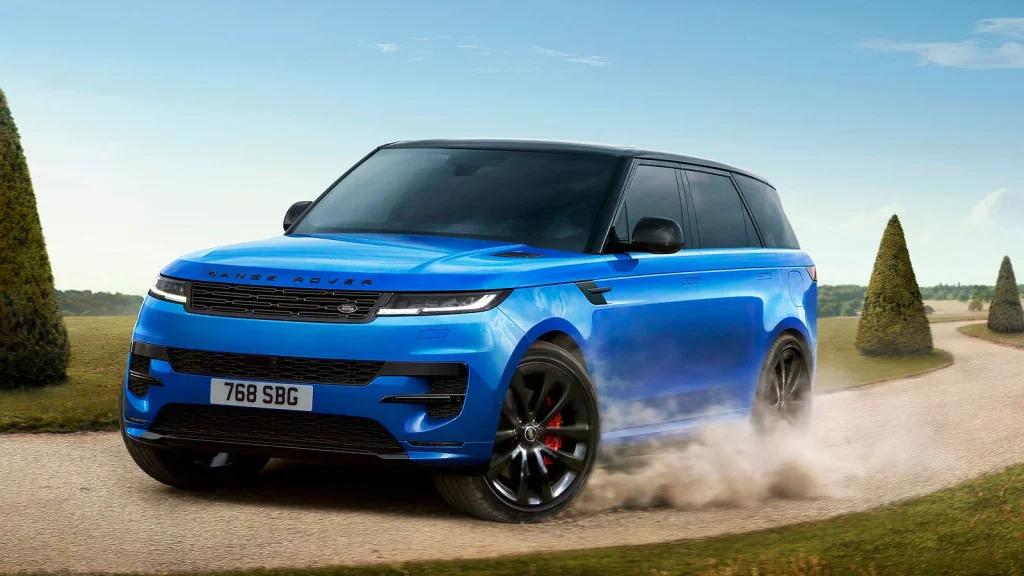
Those systems also deserve close attention during a used-car inspection. RepairPal lists active-suspension air-compressor replacement estimates of approximately $2,253 to $2,378, demonstrating how one specialized repair can exceed the vehicle’s average annual repair budget.
A detailed inspection should cover the suspension, drivetrain, cooling system and electronic equipment. The Range Rover Sport remains a capable premium SUV, but its $1,179 annual estimate shows that its ownership expenses can surpass those of a BMW by a meaningful margin.
