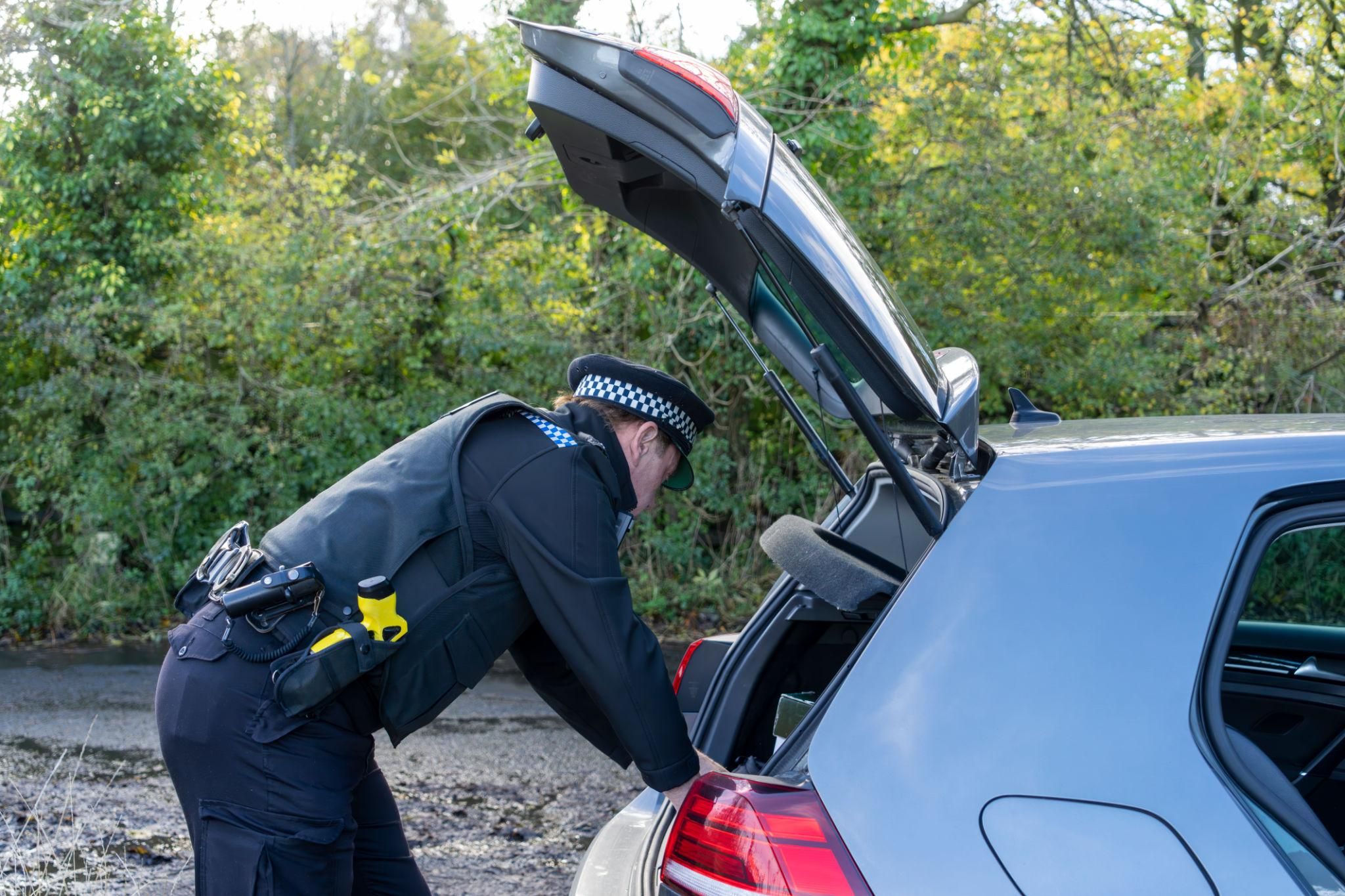
A car trunk feels private. It sits behind a lid, out of sight, and most drivers treat it like a closet on wheels. The law does not see it that way. In most countries, police can search a vehicle when they have reasonable grounds, and the trunk is part of the vehicle.
Many people get into trouble without any criminal plan. A forgotten knife, a leftover box of crackers, or a souvenir from abroad can turn a routine check into a case.
Courts often focus on possession and control. If the item is in your trunk, the burden of explaining it can fall on you. Laws differ widely between countries, states, and even cities. What is fine in one place can mean arrest, a heavy fine, or vehicle seizure in another.
This guide covers eight categories of items that commonly cause legal trouble. The examples draw on rules from India, the United States, and the United Kingdom. Treat it as an awareness guide, not legal advice. When in doubt, check your local rules or ask a qualified lawyer.
1. Unlicensed or Improperly Stored Firearms and Ammunition
Firearms top the list because the penalties are the harshest. The rules turn on licence, storage, and destination. In India, the Arms Act requires a licence for any firearm. The licence is tied to the weapon, the holder, and often the permitted area.
Carrying a licensed gun outside its allowed purpose can still be an offence. Unlicensed possession can bring long prison terms. In the United States, federal law gives travellers a “safe passage” protection.
The gun must be unloaded and locked in a container, with ammunition stored separately and out of reach from the cabin. That protection only covers a trip between two places where you may lawfully own the gun. One stop in a strict state can break it.
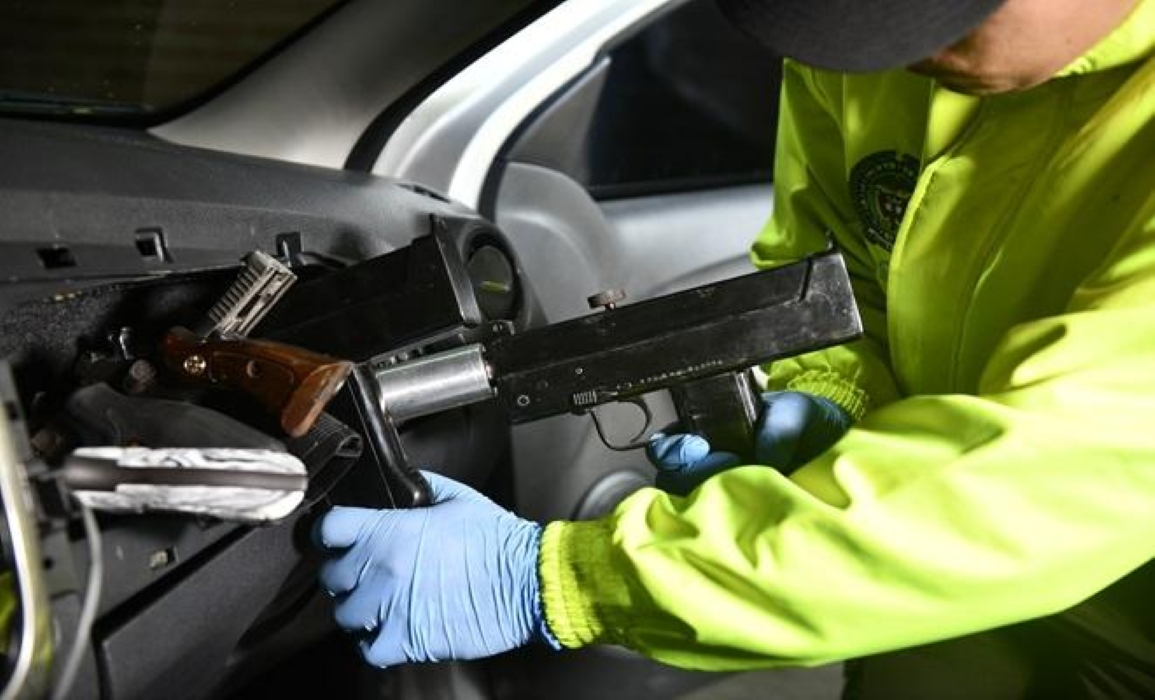
New York, New Jersey, and California have tough transport rules. Large-capacity magazines are banned in several states, even inside a trunk. In the United Kingdom, a firearm certificate is required. The gun must also be kept secure, and leaving it in a parked car can breach the certificate’s conditions.
Ammunition is often regulated on its own. A handful of loose cartridges can lead to a charge even when no gun is present. A common mistake is forgetting a handgun after a range visit. Another is lending your car to someone who leaves a weapon behind.
If police find it, you are the one who must explain it. Keep your paperwork in the cabin and declare the weapon if asked. Never leave a firearm in a parked car overnight. Vehicle break-ins are a major source of stolen guns, and owners can face charges for failing to secure them.
2. Illegal Drugs and Unprescribed Medicines
Illegal drugs are the obvious item here. The less obvious risk is legal medicine carried the wrong way. In India, the Narcotic Drugs and Psychotropic Substances Act is among the strictest drug laws. Penalties rise with quantity, and bail can be hard to get for larger amounts.
The same law allows authorities to confiscate a vehicle used to carry drugs. The owner can lose the car even if a passenger placed the drugs there.
In the United States, cannabis is legal in many states but still illegal under federal law. State rules usually require it to be sealed and stored in the trunk.
Crossing a state line with it can be a federal offence. Driving into a state where it is banned makes things worse. Prescription drugs raise another issue. Painkillers, sedatives, and stimulants can be controlled substances.
Carrying them in an unlabelled bag, or in someone else’s name, can lead to a possession charge. Keep them in the original container with the pharmacy label.
Some medicines legal in one country are banned in another. Certain codeine and tramadol products are examples, and travellers by road across borders get caught by this.
Residue also counts. Traces of a drug in a bag or on a scale can support a charge. A smell of cannabis is often enough for officers to claim grounds for a search. In some places, a trunk search then follows.
Drivers also get blamed for passengers’ items. If you give a lift, check what goes into your trunk. The safest approach is simple. Carry only medicines prescribed to you, keep the paperwork, and refuse to transport sealed packages for others.
3. Explosives and Banned Fireworks
A trunk is a poor place for anything that can explode. It is also a place where the law is very strict. In India, the Explosives Act and its rules govern manufacture, storage, and transport. Moving fireworks or blasting material in bulk needs licences and approved vehicles.
Courts have also banned certain crackers, including those with barium compounds. Several regions restrict sale and use during festival seasons. A private car stuffed with crackers can lead to charges, and a fire would endanger everyone nearby. Shop owners have been prosecuted for storing stock in vehicles.
In the United States, consumer fireworks are legal in some states and banned in others. Federal law bans powerful items like M-80s and cherry bombs.
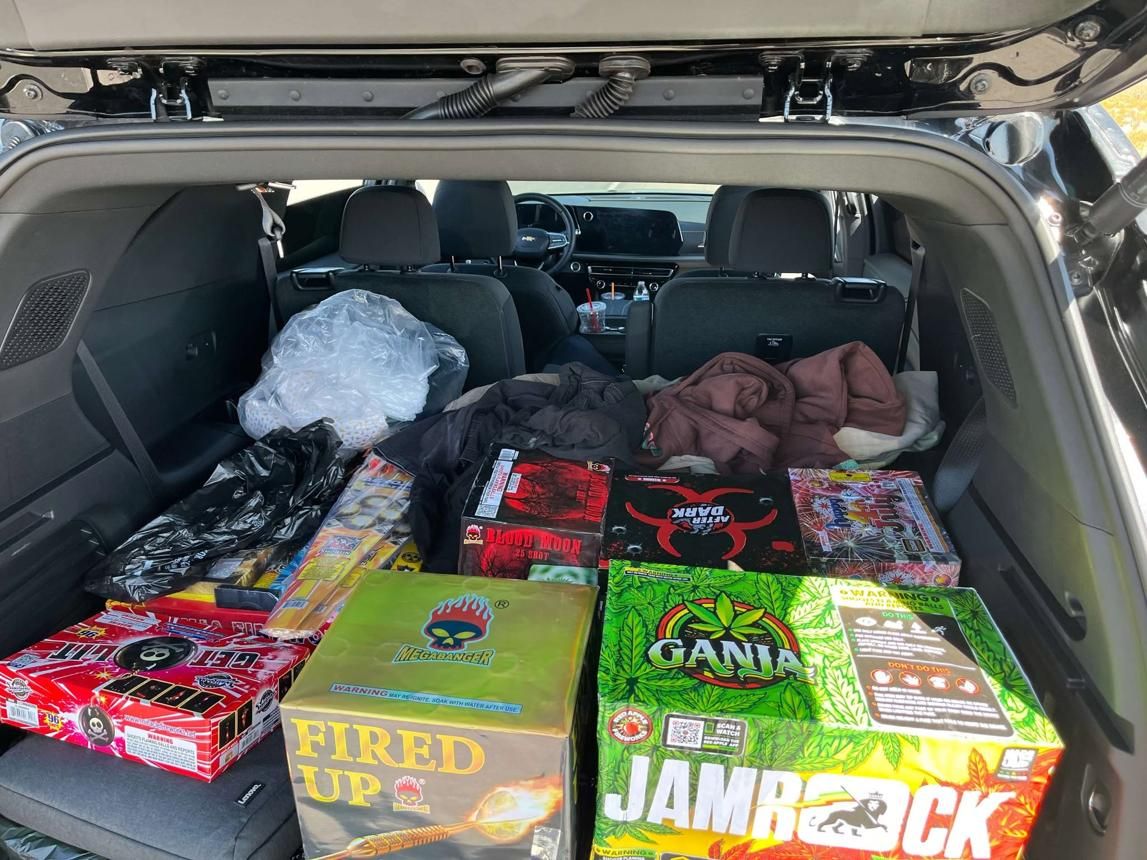
Transporting them across a state line into a ban state can be an offence. Many drivers learn this after buying fireworks at a roadside stand. In the United Kingdom, fireworks are limited by quantity for private carriage. Larger loads need a licence and proper placarding.
Other items fall into this group as well. Detonators, blasting caps, flares, and homemade pyrotechnics are tightly controlled. Even small amounts of some chemicals can raise alarms. Unmarked containers in a trunk attract suspicion fast.
Heat is a hidden danger. A closed trunk can reach very high temperatures in summer, and that can set off unstable products. Fireworks that survive in storage can fail in a hot car.
A single spark from a loose item can start a fire. If you must carry fireworks legally, keep them in original packaging. Buy only from licensed sellers, keep quantities small, and take them straight to the destination.
4. Stolen Goods and Counterfeit Items
Possession of stolen property is a crime in nearly every legal system. A trunk makes no difference. In India, receiving stolen property is a criminal offence under the penal code. The key question is whether you knew, or had reason to believe, that it was stolen.
That mental element protects innocent buyers. Even so, a very cheap price or missing papers can make a court doubt your story. Used electronics, car parts, and jewellery are common examples. A sale with no receipt and a rock-bottom price should worry you.
Vehicle parts are a special case. Police often check engine numbers and chassis numbers on parts in a trunk. Counterfeit goods are a second risk. Fake branded bags, watches, medicines, and software can breach trademark and copyright law.
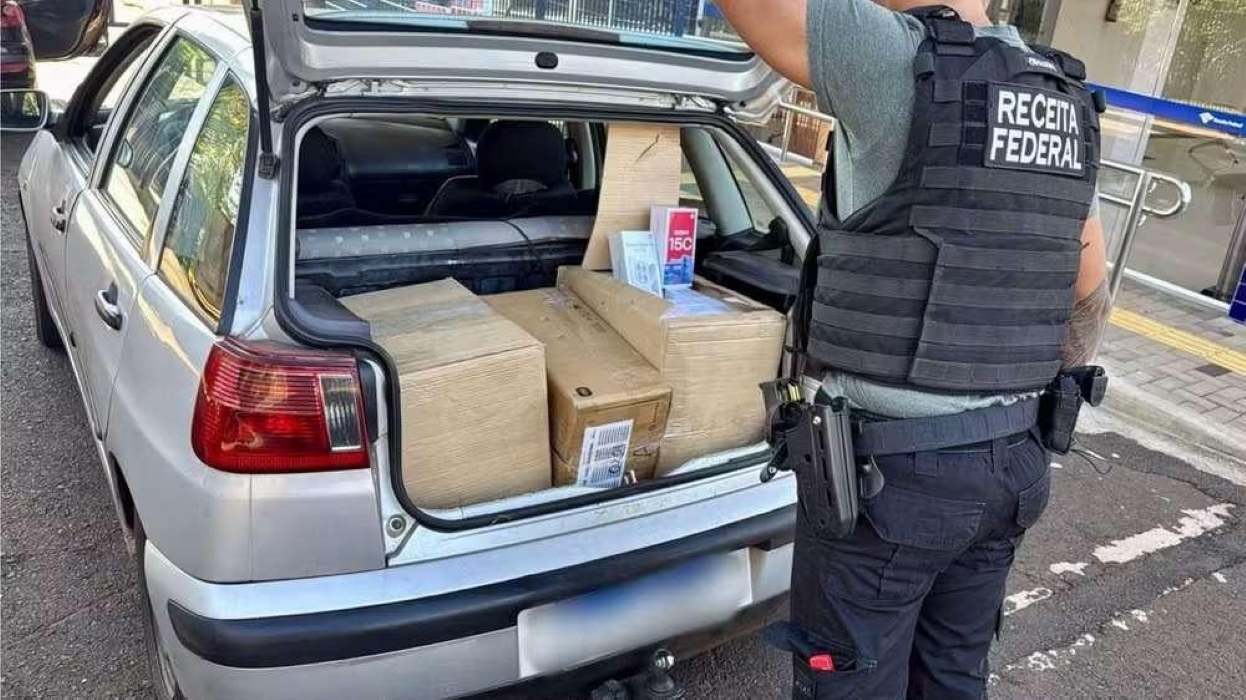
Possessing a single fake item for personal use is treated differently from holding stock for sale. A trunk full of fake shoes looks like trade, and that attracts charges.
Customs law adds another layer. Counterfeits can be seized at borders, and importers can face fines. Counterfeit currency is the most serious case. Possessing fake notes, even knowingly keeping a few, can bring heavy imprisonment.
If you receive a fake note, the safe course is to report it. Keeping it and passing it on is a crime. Cloned or altered number plates are also treated seriously. Spare plates that do not match your vehicle can suggest fraud.
Protect yourself by keeping receipts and invoices for valuable goods. Do not carry items for strangers without checking what they are. A courier favour can become a possession case. If something is not yours and you cannot verify its origin, leave it out of your car.
5. Protected Wildlife Products
Wildlife law is among the most underestimated risks for drivers. A souvenir can become a serious offence. In India, the Wildlife Protection Act of 1972 bans trade and possession of many species and their parts. Schedule I animals, such as tigers, leopards, and elephants, get the strongest protection.
Skins, claws, teeth, ivory, and horns are all covered. Pangolin scales and certain bird feathers are also targets. Shahtoosh shawls, made from the fur of the Tibetan antelope, are illegal to own or trade. Many buyers do not know what they are holding.
Plants are covered too. Red sanders and sandalwood need transport permits, and a load without them can be seized. Even a piece of coral, a shell, or a turtle shell can cause trouble in some places. Local rules vary a lot.

In the United States, the Endangered Species Act and the Lacey Act apply. The Migratory Bird Treaty Act protects feathers, so picking up an eagle feather on a trail can be a violation.
Several states ban ivory sales and possession for trade. Antique claims often need paperwork. International trade is controlled by CITES, a treaty with more than 180 member countries. It covers items such as ivory, certain timber, and exotic leather products.
Many road trips cross borders where these rules apply. A carved item from one country may be confiscated in another. Enforcement officers target vehicles on known smuggling routes. Searches of trunks are common.
If you buy a wildlife-based product, ask for permits and documents. When no papers exist, it is safest not to buy it. Do not carry such items for someone else. The driver is often the first person charged.
6. Signal Jammers and Banned Electronic Devices
Electronic gadgets look harmless, but some are illegal to own or use. The trunk hides them from view, not from the law. Signal jammers are the clearest example. They block mobile, GPS, or Wi-Fi signals and can disrupt emergency calls.
In the United States, the Federal Communications Commission bans the sale and use of jammers. Fines can reach very high amounts, and equipment is seized.
In India, jamming is limited to authorised government agencies. Private use can breach telecom law. In the United Kingdom, jammers are illegal to use, and importing them is also an offence. Many were bought online as “privacy” tools.
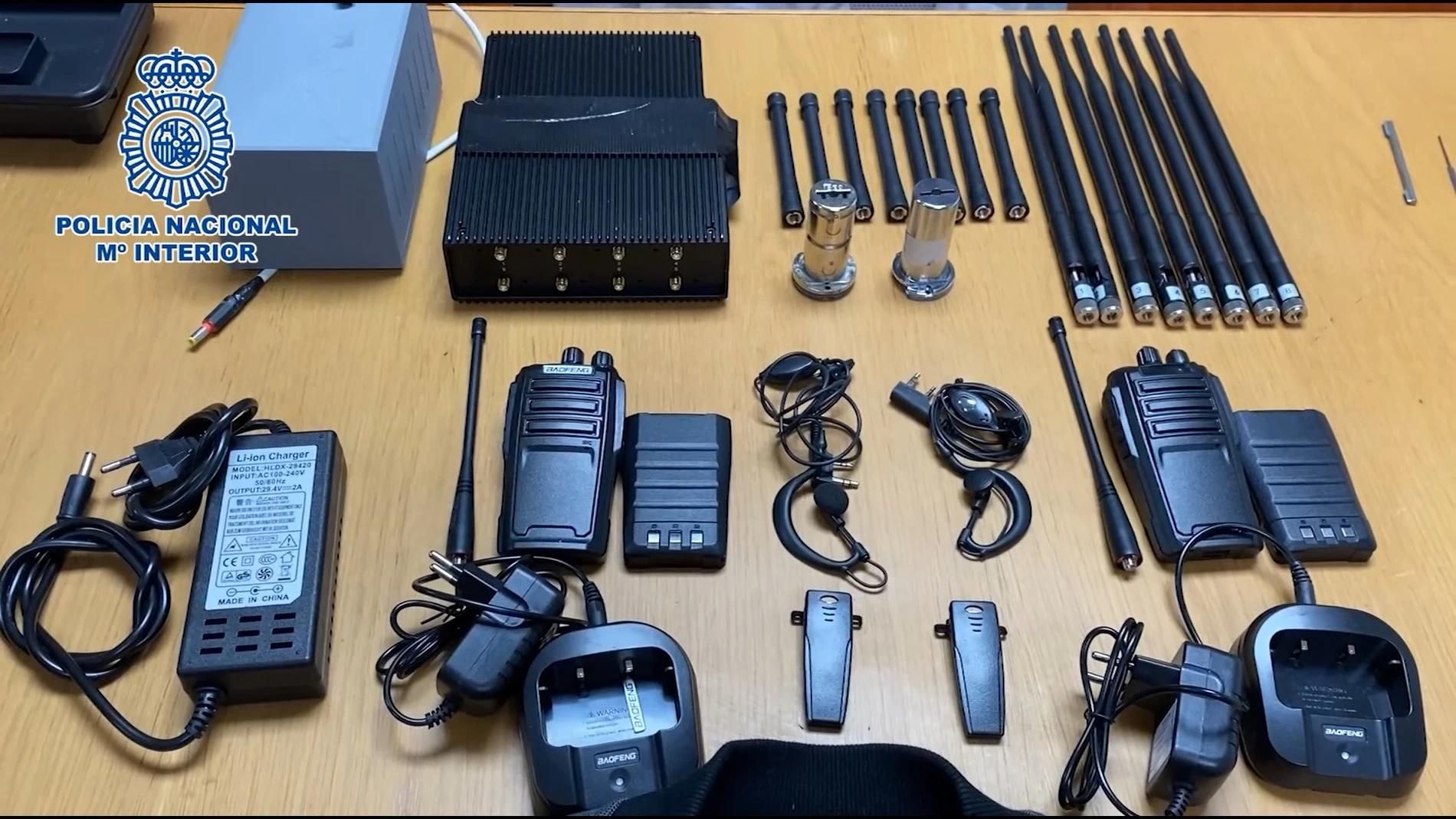
Drivers sometimes use jammers to stop tracking or to avoid calls. Truck drivers who disable fleet trackers are a typical case. Radar detectors are a different matter. They are legal in most US states, but banned in Virginia and the District of Columbia.
Commercial drivers cannot use them under federal rules. Many countries, including Germany and France, ban devices that warn of speed cameras.
Even if the device is in the trunk, it can be seized. Some regions treat possession in a vehicle as enough. Other restricted items include unlicensed wireless transmitters and cloned key programmers. Devices that can copy car keys are often restricted too.
Tools for skimming cards are illegal everywhere. A trunk containing blank cards and a reader looks like fraud equipment. Drones are another area. Some countries require registration and bans apply near sensitive sites. Before buying any gadget, check whether it is legal to own. If it interferes with signals or tracking, assume it is regulated.
7. Prohibited Knives and Self-Defence Weapons
Knives and similar tools sit in a legal grey zone. A kitchen knife in a trunk is fine, but a weapon is not. In India, the Arms Act covers certain bladed weapons. Some city police notifications ban carrying knives above a set blade length.
Daggers, spring-loaded knives, and swords can attract charges. Intent and context matter a great deal. In the United Kingdom, carrying a bladed article in public without good reason is an offence. Courts have treated vehicles as public spaces for this purpose.
Valid reasons include work tools and camping gear. You must be able to show that purpose, and a knife loose in the trunk looks worse than one in a toolbox.
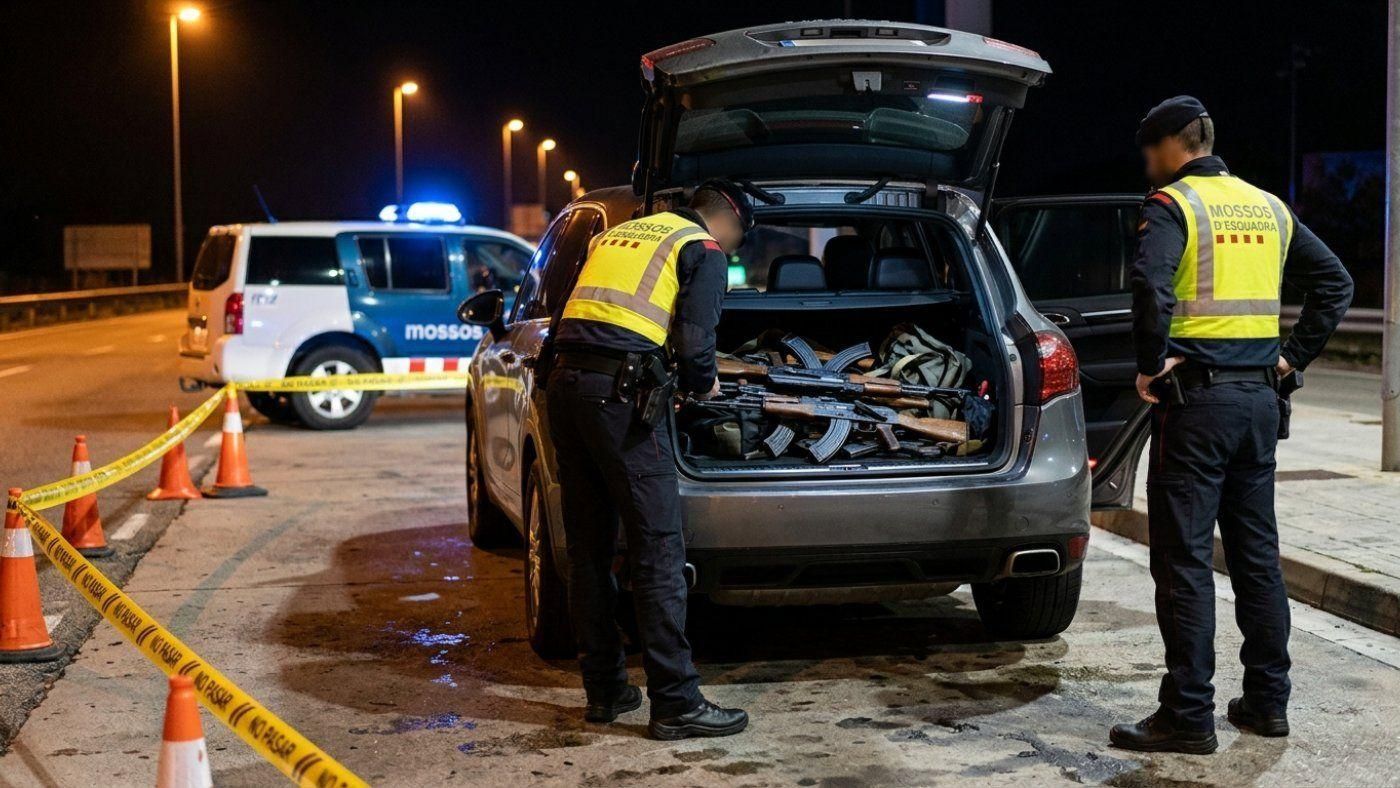
The Prevention of Crime Act also covers offensive weapons. A baseball bat or hammer kept in a car “just in case” can lead to a charge. In the United States, rules vary by state. Switchblades, ballistic knives, and brass knuckles are banned in many places.
Federal law also limits the sale of switchblades across state lines. Some states ban stun guns and pepper spray, or require a licence. Tasers are legal in most states but heavily restricted in a few. Always check local law before you travel.
Martial arts weapons like nunchaku have been banned in several jurisdictions. Collectors face trouble when moving them. The best defence is a clear, lawful reason. Keep tools in a labelled box, and keep blades sheathed and separate.
Do not store self-defence items within easy reach. Police often read this as readiness to use a weapon. If you carry gear for work, keep invoices or work orders. They help show the purpose if you are stopped.
8. Unsafe Fuel and Hazardous Gas Cylinders
Fuel and gas are legal products. The offence comes from carrying them in the wrong container or quantity. In India, the Petroleum Rules set limits for storing petrol and diesel. Many petrol stations also refuse to fill loose bottles and cans.
Some states have banned the sale of fuel in open containers. The aim is to cut arson and illegal resale. Carrying a small amount in an approved can is usually tolerated. Large quantities need licences and proper transport.
Liquefied petroleum gas cylinders are a bigger issue. Domestic cylinders are subsidised for home cooking and cannot be used to fuel vehicles. Using them as car fuel is illegal and extremely dangerous. A leak in a closed trunk can lead to an explosion.
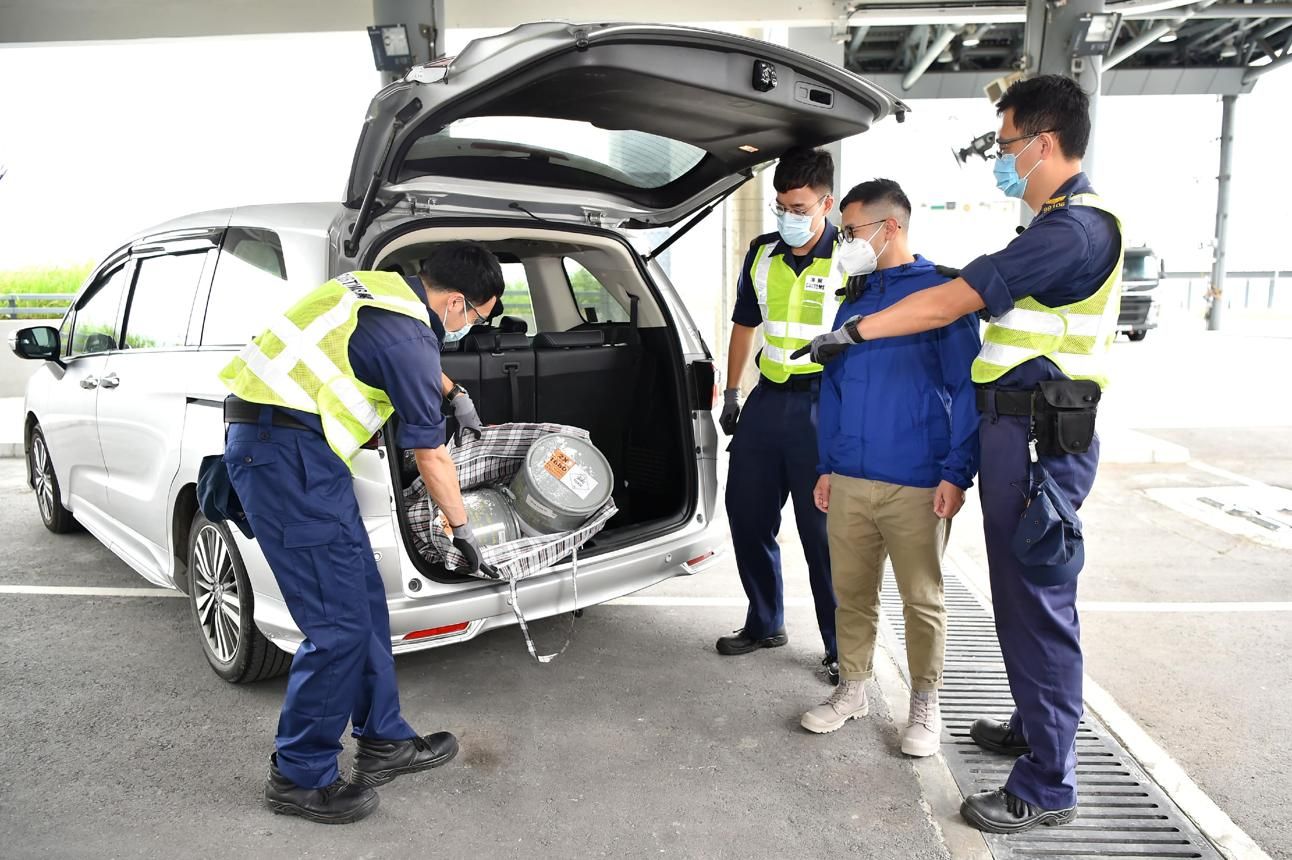
Transporting cylinders also falls under gas cylinder rules. Large loads require approved vehicles and trained staff. In the United States, transport of hazardous materials is regulated by the Department of Transportation. Consumer quantities are allowed, but containers must be approved and secure.
Gasoline should be in a certified can, upright and sealed. Spills and leaks can lead to fines and even fire. Propane cylinders are allowed in limited sizes. Many tunnels and bridges ban them altogether, and some forbid fuel cans too.
The risk grows in summer. Fuel vapour inside a hot, closed trunk can ignite from a small spark. Other hazardous items include car batteries, pesticides, and pool chemicals. Mixing them in one trunk is dangerous.
Always keep containers upright and tightly closed. Use proper restraints, and never smoke near the vehicle. If you need to carry more than a small amount, ask the supplier about legal transport. A licensed hauler is usually cheaper than a fine.