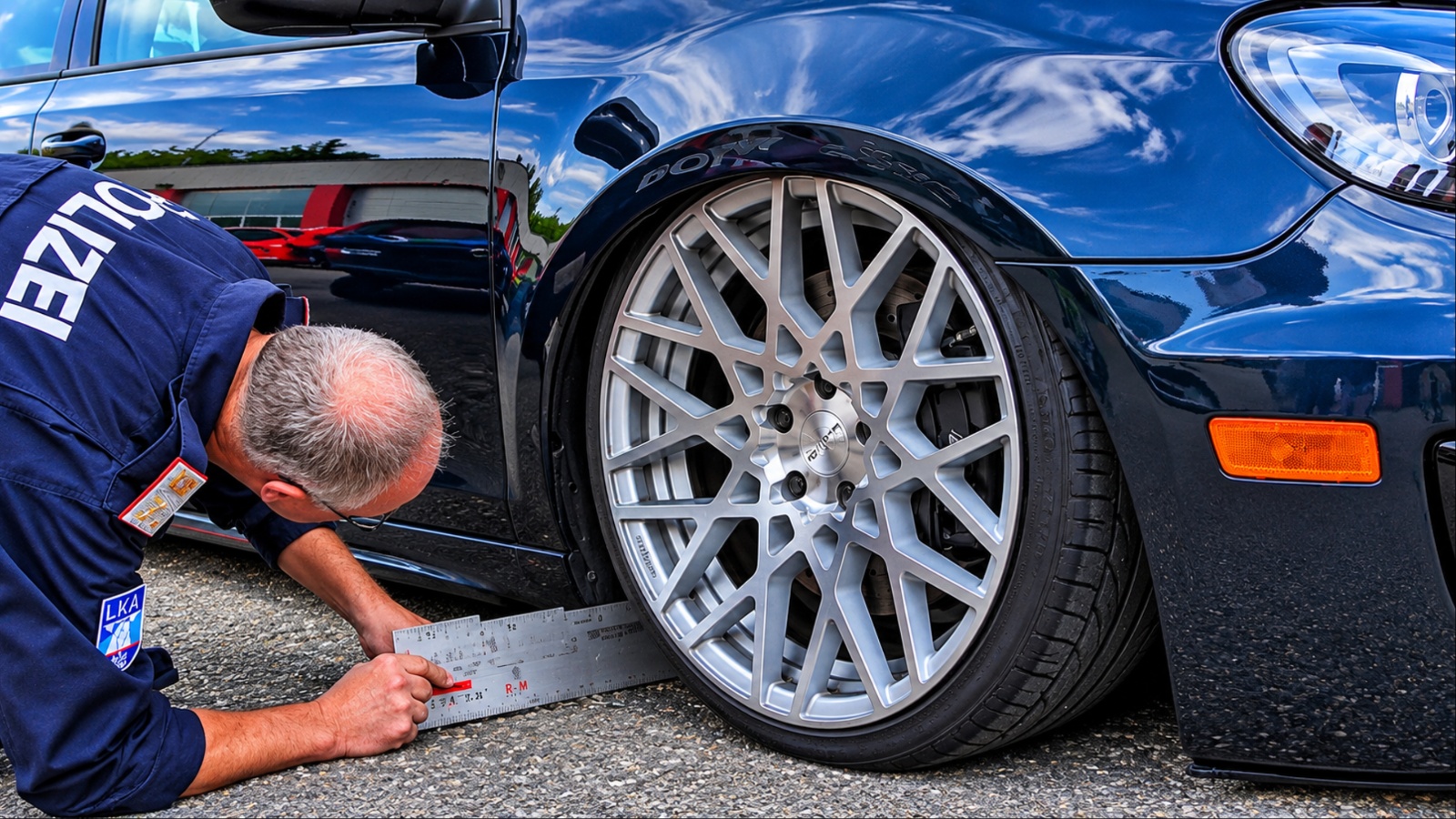
A modified car is a personal statement. To a traffic officer, it can also be a red flag. Impoundment is not the same as a fine. A fine ends at the roadside, but impoundment takes your car away.
Most owners assume a mod is harmless if the car runs well. The law judges it on safety, noise, emissions, and identity. Each of those can create a legal hook for a tow.
In the United States, the rules come from several layers. Federal law covers emissions, VINs, and safety standards. States write the traffic, equipment, and inspection rules. Cities add noise and takeover ordinances on top.
Officers rarely tow a car just for being modified. They tow when a mod adds a second problem. That might be no insurance, an expired registration, or a car that is unsafe to drive.
The costs add up fast. You pay the tow fee, daily storage, and the fine. Many yards charge by the day, so delays hurt. This list covers seven changes that repeatedly lead to seizures.
Each one explains the rule behind it, the real-world risk, and a safer alternative. Rules differ by state, so always verify them locally. Nothing here is legal advice.
1. Loud Exhausts and Removed Silencer Baffles
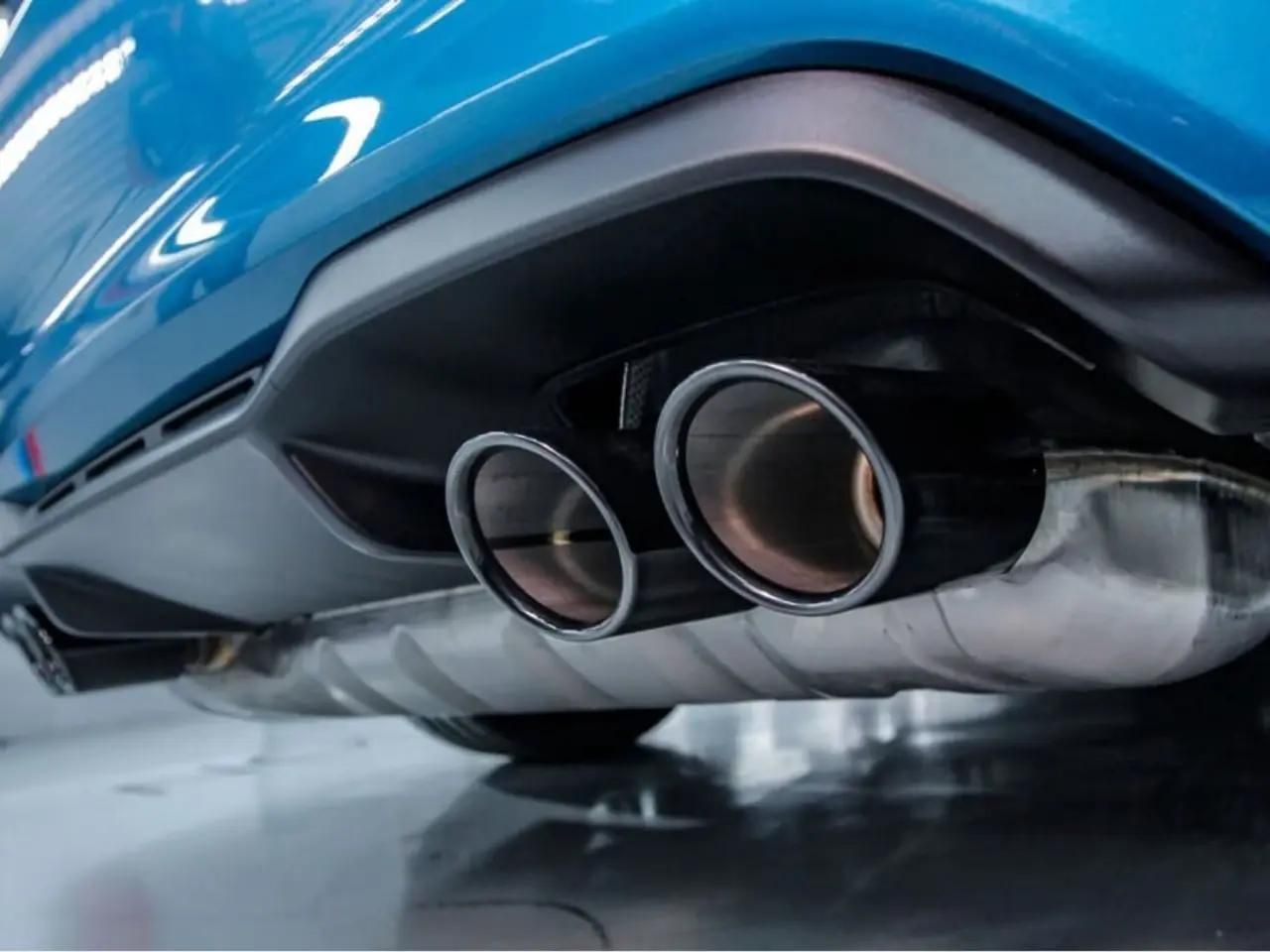
Exhaust changes are the most common way enthusiasts meet the police. The sound travels, so the evidence announces itself. Nearly every state requires a working muffler. Many also forbid “excessive or unusual noise.” Some set a hard decibel limit.
California caps most passenger cars at 95 decibels. Other states use measured limits too. Many rely on an officer’s judgment instead. A straight pipe or gutted silencer usually fails these tests. Removing baffles does the same.
Motorcycle riders know this story well. Loud aftermarket pipes are a top complaint in many cities. Federal rules require legal replacement exhausts to carry a stamp. Missing marks make a stop easy.
Removing the catalytic converter adds a second problem. The Clean Air Act bans tampering with emission parts. Fines can reach thousands of dollars per violation.
In states with emissions tests, a car with a missing converter fails. A failed test blocks registration renewal. Driving on an expired registration can bring a tow.
A noise ticket alone rarely means impoundment. The trouble starts when other factors pile on. Suspended registration, no insurance, or reckless driving can change everything.
Street takeovers have raised the stakes. Cities across the country have cracked down hard. Loud exhaust is often the first sign police spot. California law allows a vehicle to be impounded for up to 30 days for exhibition of speed. Other states have similar laws. A car with open pipes at a takeover is an easy target.
Some cities now use noise cameras. New York City ran a pilot program with them. Repeat offenders can see fines stack up. Some states also issue fix-it tickets. You get a deadline to correct the problem. Miss it, and the penalty grows.
Unpaid tickets can lead to a registration hold. Driving on a hold is a bigger offense. That is a classic path to impoundment. Why tow instead of just fining? Because the defect is mechanical and continuing. Officers may not want the car to keep driving that way.
Release then costs more than the fine itself. You pay storage and often an inspection. A safer route exists. Choose a legal, quieter performance exhaust. Many brands sell cat-back systems that stay under local limits.
Look for a decibel rating from the maker. Keep the spec sheet and receipt in the glove box. That paperwork can settle an argument fast. Keep the original muffler in your garage. Reinstalling it before an inspection is easy.
Also respect quiet zones near schools and hospitals. Revving there brings its own penalties. Local ordinances differ, so check your town’s rules. If your car already has a loud setup, don’t ignore tickets. Fix the issue early. It costs far less than a tow and storage fees.
2. Dark Window Tint and Black Films
Tint looks sleek and keeps the cabin cooler. Police see it as a hiding place. Every state sets its own limit. The limit is measured as visible light transmission, or VLT. A lower number means darker glass.
The numbers vary widely. California requires front side windows to pass about 70 percent of light. Texas allows 25 percent on front side windows. Florida sets its limit near 28 percent.
Windshield rules are tighter still. Most states allow tint only on a top strip. That strip usually sits above the manufacturer’s AS-1 line. Rear windows are often treated differently. Some states allow darker glass on SUVs and vans. Sedans usually face stricter rules.
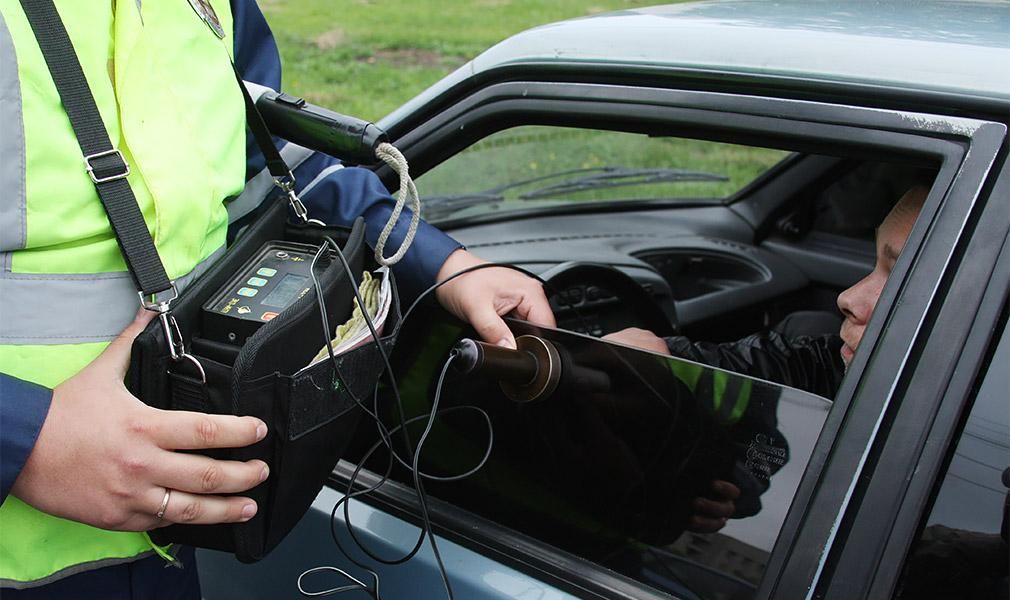
Mirrored and metallic films are banned in many states. Red, amber, and blue films often are too. These draw citations faster than plain dark film. Officers use handheld tint meters at the roadside. A failed reading means a citation. Some states also require a compliance sticker on the film.
Tint is mostly a ticket offense. A tow is not the usual first result. But tint can open the door to bigger problems. Dark glass gives police a reason to look closer. They can’t see inside, which raises safety concerns during a stop. That makes tint a common reason for pulling cars over.
If the officer finds an expired license, no insurance, or a warrant, the car may be towed. The tint was only the reason for the stop. Some states issue fix-it orders. You must remove the film and show proof. Miss the deadline, and fines grow.
Unpaid fines can trigger a registration hold. Driving on a hold can lead to impoundment. That is how a cheap mod becomes an expensive problem.
Road trips are another trap. Tint that is legal at home can be illegal next door. Many drivers get cited while visiting other states. Medical exemptions exist in many states. Conditions like lupus or severe light sensitivity can qualify. You usually need a doctor’s letter and sometimes a state permit.
Carry that paperwork in the car. An exemption you can’t show counts as no exemption. Factory glass already has some built-in tint. Added film lowers the total further. Always measure the combined result, not just the film.
A smarter option is ceramic film. Quality ceramic films reject much of the sun’s heat. They do this while staying within legal light limits. Ask the installer for the film’s VLT rating in writing.
A good shop will give it to you without fuss. Ask which state limits they follow. Keep the receipt in the car. It shows you tried to comply. That can help if an officer questions the work.
3. Fake, Altered or Non-Standard Number Plates
A license plate is your car’s legal identity. Tampering with it is treated as serious. Hiding a plate looks like hiding something. Common tricks include dark plate covers and anti-camera sprays. Some drivers use tilted mounts. Others install flipper devices that hide the plate on command.
Most states require plates to be clearly visible and readable. Many set a distance, often 50 feet. Anything covering the numbers, state name, or tags can be illegal.
Texas bars covers that distort the view of a plate. California bans covers that make a plate hard to read. Florida requires plates to be clean and legible.
Even clear covers can draw a ticket. Tinted ones almost always do. Toll evasion drives much of this enforcement. Many states now run cashless tolls. Cameras read the plate, so a blocked plate looks deliberate.
A cover alone often means a ticket. A fake plate means much more. Displaying a fictitious or counterfeit plate is a crime in most states. Penalties include fines and possible jail time. Some states target plate-hiding devices in their statutes.
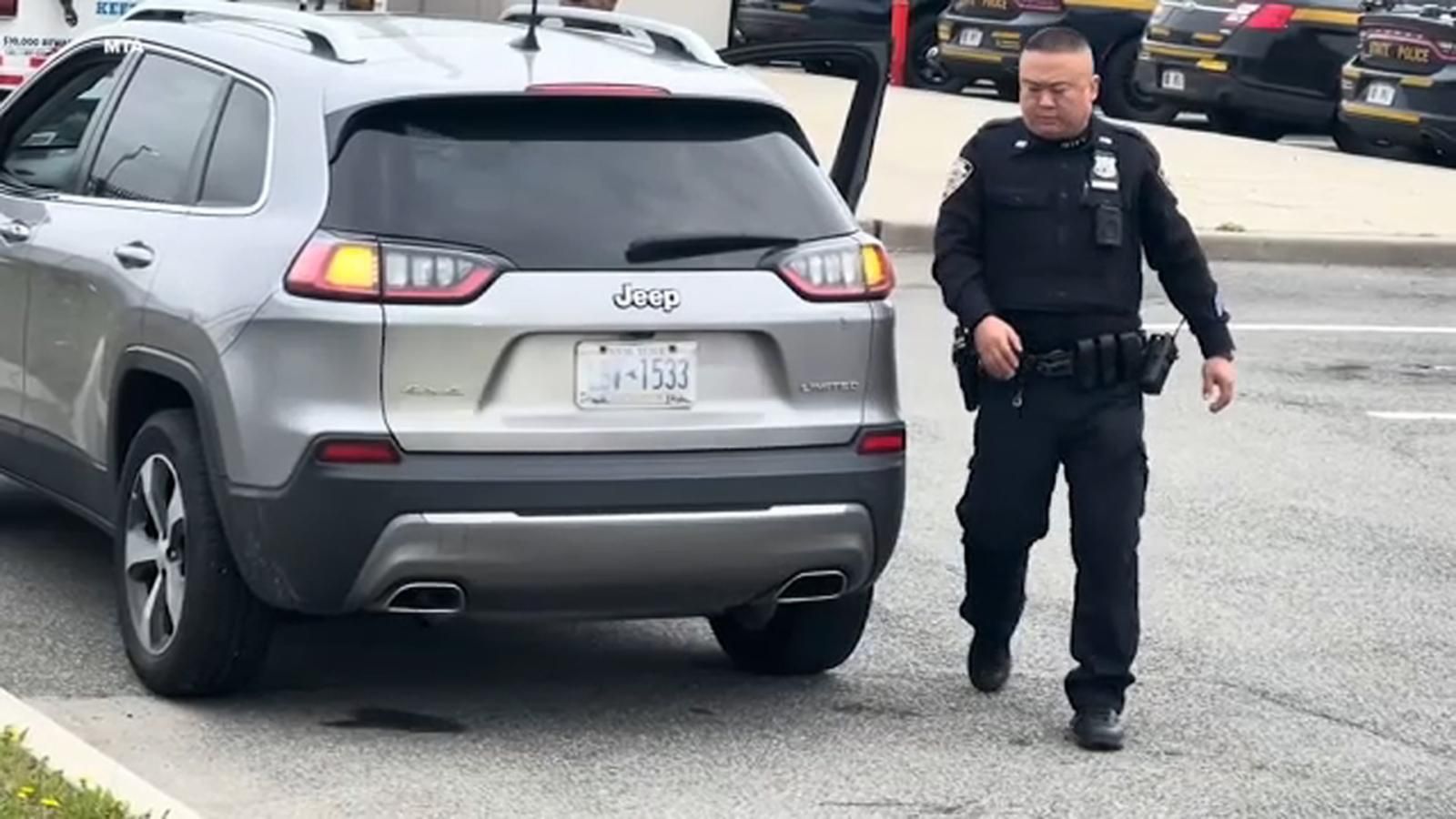
Police can usually tow a car with a fake plate on the spot. Officers can’t confirm ownership without a valid plate. The car may be unregistered or stolen.
Paper plates and expired tags are another trap. Several states have cracked down on forged temporary tags. Some officers now run every paper tag they see.
Removing the front plate is a smaller version of the same issue. In the roughly 30 states that require two plates, it is a standard stop. Many drivers do it for looks.
If a plate is missing entirely, towing is likely in many places. The driver must then prove ownership to get the car back. Swapping plates from another car is far worse. It creates a paper trail and can bring criminal charges. Never use a plate registered to a different vehicle, even a friend’s.
Automated plate readers have changed the game. Police cars scan thousands of plates per shift. A mismatch between plate and vehicle triggers an alert in seconds.
Expired registration is the same story. A car with old tags is easy to spot. Many agencies tow cars that stay expired for long periods. The fix is easy. Use a standard frame that does not cover any text. Skip tint, sprays, and flippers.
Keep your registration current. Mount the plate where your state requires. If the plate is damaged, order a replacement from the DMV. That costs little compared with a tow. It also keeps small stops small.
4. Red and Blue Lights, Sirens and Police-Style Accessories
Flashing lights make a car look important. They also make it a target. States reserve certain lights for emergency vehicles. Blue lights are restricted almost everywhere. Red lights facing forward are banned in most states.
Flashing lights of any kind are usually limited to authorized vehicles. Rules differ on exact colors and patterns. Many drivers install these as fun mods. Others add them to look official. Both can end badly.
Impersonating a police officer is a crime in nearly every state. It can apply even if the driver never claims to be one. In some states, a car that looks like a police cruiser is enough.
Fake lights can trick other drivers into pulling over. That creates real danger, and officers know it. Fake-cop stops have led to robberies and assaults in several cases.
Some states allow amber lights for tow trucks and utility vehicles. Volunteer firefighters may get red or blue with a permit. Everyone else usually needs state approval.
Sirens are even more restricted. Only authorized emergency vehicles can use them. Aftermarket sirens on private cars are illegal in nearly every state.
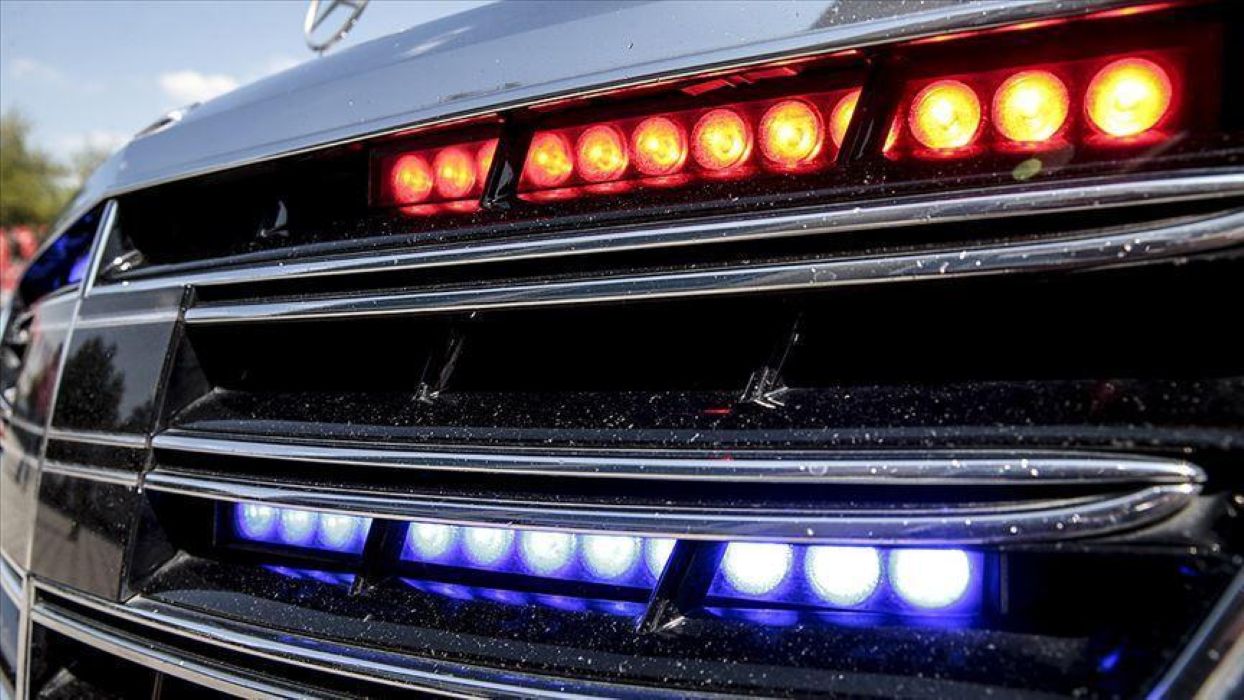
If an officer finds police-style gear, the stop often escalates. The car may be searched. It may be seized as evidence, and the owner may face criminal charges.
Officers also watch for hidden or dash-mounted strobes. Some are tucked behind the grille or inside the windshield. Those still count as unauthorized flashing lights.
Underglow and interior LEDs also cause problems. Red or blue underglow can trigger the same laws. Many states ban flashing or visible neon lighting while driving.
Some states allow underglow only while parked. A few ban any under-vehicle lighting on public roads. Headlight mods matter too. Federal rules call for white headlamps, so blue-tinted bulbs can look like emergency lights. Excessive brightness can also draw a stop.
Light bars are another area to watch. Roof-mounted LED bars are fine off-road. On public streets, they must be covered in many states. Fake badges, placards, and decals can add to the problem.
Words like police, sheriff, or security can bring charges when the driver has no authority. Even novelty items can look serious at night. Security and rideshare drivers are sometimes tempted by these mods. They should be careful. Only licensed agencies can use official-looking gear.
The safest approach is to stick to standard colors. White or amber forward lights are generally safe. Rear lights should stay red. If you want accent lighting, check state law first. Choose static, non-flashing options. Keep them off while driving. When in doubt, call your state highway patrol or DMV. They can confirm the rules in minutes. That call costs far less than a tow.
5. Engine Swaps and Unregistered Engine or Chassis Changes
Swapping an engine is the dream of many builders. It is also a mod that can turn a stop into a long investigation. Engine swaps are legal in most states. The trouble is what comes with them. Emissions rules and paperwork follow the car.
California is the clearest example. A swap generally needs an engine of the same year or newer. All emissions equipment must come along, and a state referee inspection is often required.
Federal rules take a similar view. The Clean Air Act expects the full emission system to travel with the engine. Pulling parts off to save weight counts as tampering.
ECU tuning brings its own risk. Software that disables emission controls is called a defeat device. The EPA has pursued tuners and sellers for years.
Owners can face penalties too. A tuned car that fails an emissions test cannot renew its registration. Driving on expired registration can lead to a tow.
The VIN is the other big issue. It links the car to its owner and history. Federal law makes altering or removing a VIN a crime that can bring up to five years in prison.
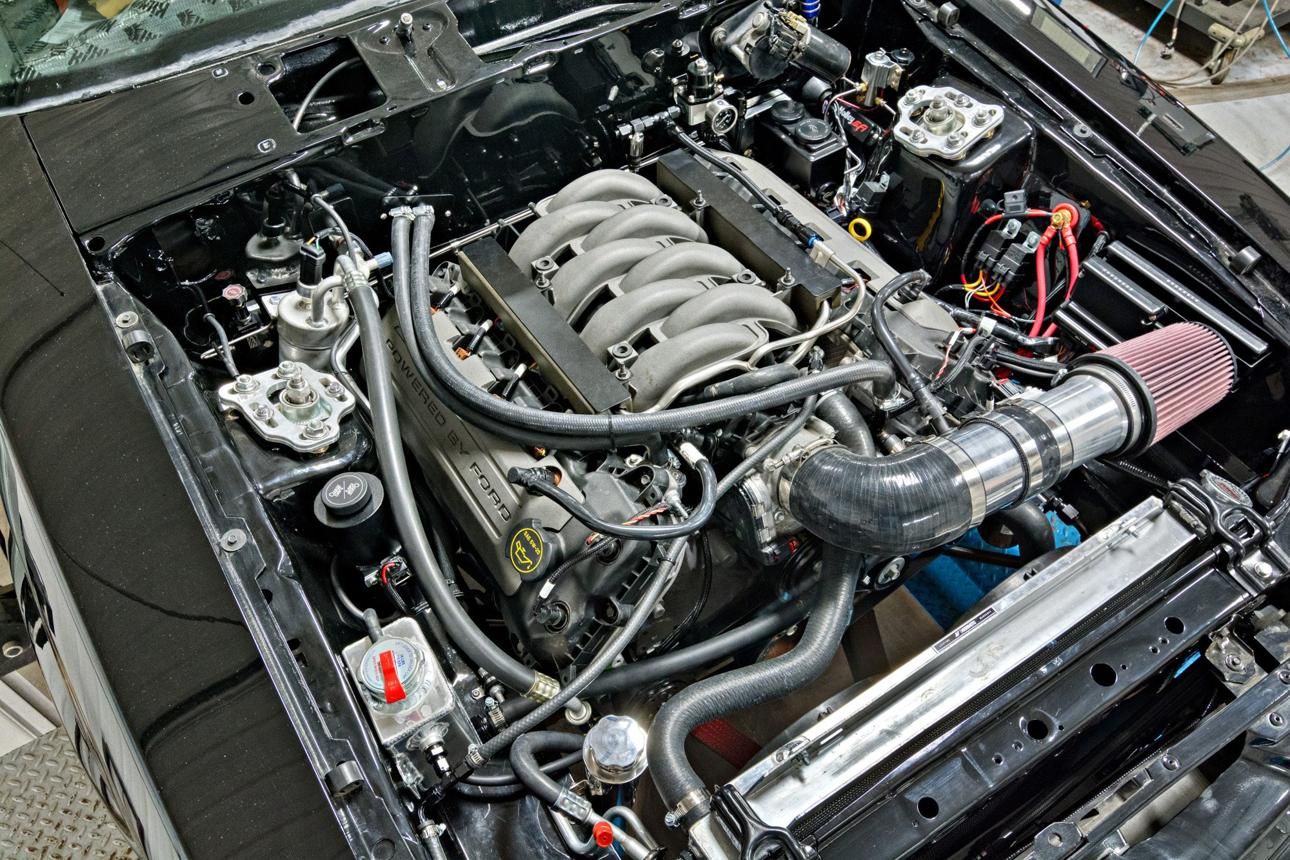
Trafficking in vehicles or parts with altered VINs is a separate federal offense. States add their own penalties on top. Chassis changes are the riskiest. Swapping a frame or cutting a VIN plate from another car looks like theft. Chop shops use these tricks to disguise stolen vehicles.
Honest builders can get caught up too. A body panel can carry its own marking. Federal parts-marking rules apply to certain high-theft models. A mismatch between the dash VIN, door-jamb label, and title raises questions. If an officer can’t match them, the car may be impounded.
It can be held as possibly stolen property. Investigators then verify the history. That can take weeks. Storage fees keep running the whole time, even for innocent owners.
Salvage and rebuilt titles add complexity. A rebuilt car needs the right brand on its title. Skipping that step can lead to fraud charges. Insurance is another casualty. Undeclared engine changes can cause a claim to be reduced or denied.
Custom builds need extra care. Many states offer a special title for assembled or specially constructed cars. These usually require receipts, photos, and an inspection.
Anyone planning a swap should call the state DMV first. Ask about inspections, emission rules, and title changes. Get the answers in writing before buying parts.
Buy major parts with a bill of sale. Keep every receipt and certificate in one folder. In a dispute, paperwork protects you more than explanation does. Take photos of every VIN label before and after the work. Never repair or restamp a VIN yourself. Contact the state motor vehicle agency instead.
6. Unapproved CNG or LPG Conversion Kits
Fuel conversion appeals to drivers who want lower running costs. It is also strictly regulated because the risks are high. A fuel cylinder is a pressure vessel. A poor installation can leak or even explode. That is why rules are tight.
In the United States, natural gas and propane conversions are more common in fleets. Individual owners still do them. The rules apply to everyone.
The EPA requires conversion systems to be certified, with limited exemptions. Using an uncertified kit can count as tampering. California adds its own approval rules through CARB.
Natural gas fuel containers must meet federal and industry standards. Approved cylinders carry labels with an inspection date and an expiry date. Most must be inspected about every three years or 36,000 miles.
An expired or damaged cylinder can make the car unlawful. This is true even if the install was legal at first. Propane systems follow their own rules. Some states license the installers. Texas, for example, regulates LP-gas work through its Railroad Commission.
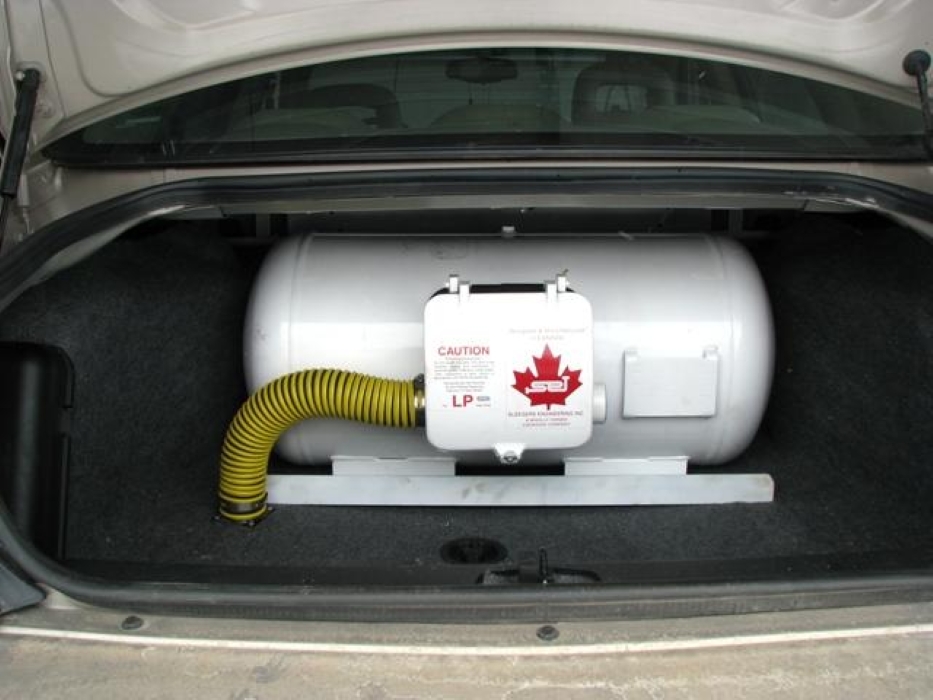
Unapproved kits are common in the gray market. Cheap kits, used cylinders, and roadside fitters create a real hazard. Quality varies wildly. Cost is the temptation. Savings at the pump can vanish after one failed inspection. Fixing a bad install often costs more than a certified one.
Home-built setups are the worst case. Using a barbecue-style tank as vehicle fuel is both illegal and dangerous. Those tanks are not built for engine use.
Check refueling, too. Only fill at approved stations. Never fill a car tank from an uncertified source. Roadside tows for a kit alone are uncommon. The risk comes from what the kit causes. A gas smell, a leak, or a crash can bring fire officials and a tow truck.
Inspections matter too. A mismatch between the engine and the kit can raise emissions. A car that fails its test can’t renew its registration. Insurers may also refuse claims after a fire. If the fitment was unauthorized, you could face the loss alone.
Labels matter. Natural gas vehicles are usually required to carry a visible marking. It tells firefighters about the fuel and the risk. Some parking garages post rules for gas-fueled vehicles. A car with leaking fuel can be removed fast.
Wrong tuning is another problem. A kit not matched to the engine can cause valves to overheat. It can also cause drivability issues and extra emissions. The sensible path is to use a certified conversion. Ask for the EPA or CARB paperwork before you pay. Make sure the installer is licensed.
Then update your insurance and registration if your state requires it. Keep the cylinder inspection records with your car papers. Schedule the retests before they expire.
7. Extreme Suspension, Wide Wheels and Body Alterations
Stance culture rewards cars that sit low or stand tall. Regulators reward cars that stay within safe dimensions. Suspension changes alter how a car steers, brakes, and handles. That is why states regulate them.
Many states cap bumper or frame height by vehicle weight rating. Heavier trucks are allowed higher limits. Others use headlight height rules. Lowered cars face different problems. Many states ban parts hanging below the wheel rim. Some require a minimum ground clearance.
A car that scrapes speed bumps draws attention. Sparks and noise are obvious. Officers see them as safety hazards. Wheel fitment is another trigger. Rubbing tires can be cited. So can wheels that stick out past the fenders.
Protruding tires can throw rocks and debris. That risk is why many states require fender coverage. Extreme negative camber wears tires unevenly. It can also fail an inspection. Some states list it as unsafe equipment.
Lift kits create their own risks. A higher center of gravity raises rollover chances. Headlights may point too high and blind other drivers. Bumper mismatches are another concern. A tall truck can ride over a car’s crash structure. That is a key reason height rules exist.
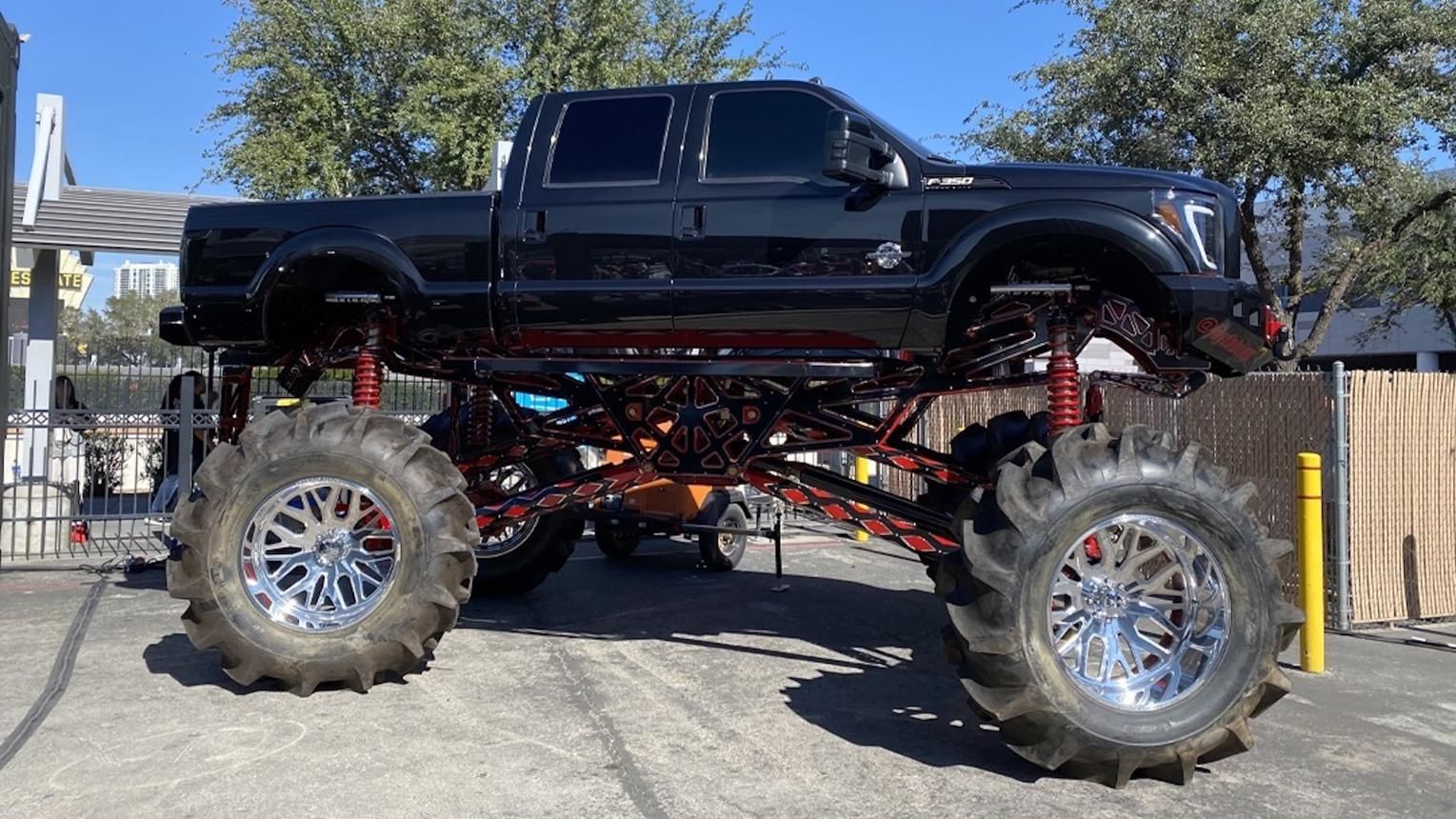
Oversized tires can also throw off the speedometer. They can lengthen stopping distances too. Impoundment happens when officers decide a car is unsafe to drive. They may call a tow rather than let the driver continue. This is common after a crash or a hard stop.
Inspection states add another layer. Pennsylvania and New York run annual safety inspections. Suspension height, brake lines, and steering parts can all be checked.
A car that fails cannot pass until it is fixed. Driving on an expired sticker risks a ticket or a tow. Body and interior changes matter as well. Roll cages, removed seats, and wide-body kits can change a car’s registered configuration. Some states also require you to report a color change.
Insurance is a hidden danger here too. Many policies exclude major modifications. A claim after a crash can be denied. After a serious accident, investigators often examine modifications. If the car was altered illegally, liability can shift to you.
Always check height rules before buying a kit. Measure from the ground to the bumper or frame. Compare it with your state’s chart. Use quality parts and a professional installer. Choose coilovers within permitted ranges instead of cutting springs.
Keep records and photos of every part. Check clearance often. A cracked oil pan can leave you stranded. Balance looks with legality, because a mild change often looks just as good.