
A payment of $823 a month is a serious commitment for any household. Over six years, it adds up to about $59,256. That money can buy very different cars, depending on whether you go new or used. Interest rates, taxes, and your down payment all change the answer.
This guide turns that monthly figure into real car choices. We assume a 72-month loan, which is now a very common term. Rates matter a lot here. Average auto loan rates in 2026 sit near 6.4% for new cars and 11.4% for used cars.
That gap means a used car can cost more to finance than you would expect. It also changes how far your $823 will stretch. Prices are high as well. The average new car now sells for roughly $49,000, while the average used listing is near $27,000.
We will first explain the math behind the budget. Then we will list the new cars that fit, followed by the used cars that fit. All numbers are estimates and exclude insurance, fuel, and maintenance. Think of this as a map, not a price tag.
How Far $823 Really Goes on a 6-Year Loan
Start with the raw total. Seventy-two payments of $823 equal $59,256. Not all of that buys the car. A large slice pays the lender for the loan. Federal Reserve data shows 72-month new-car loans at banks averaged about 6.97% in mid-2026. At 7%, $823 supports a loan near $48,300.
At 6.5%, the loan size rises to about $49,000. Your interest bill would be around $10,300. Buyers with excellent credit can do better. At 5%, the same payment carries a loan near $51,100.
Used cars flip the picture. At 11.4%, $823 supports only about $42,800. Interest on that used loan climbs to roughly $16,500. That is about $6,000 more than the new-car example.
Good credit changes this a lot. At 9%, the used-car loan limit rises to about $45,700. Weaker credit shrinks it fast. At 14%, the limit falls to about $40,000.
Here is a handy shortcut. Every $1,000 financed costs about $16.80 a month at 6.5%. At 11.4%, that same $1,000 costs about $19.20 a month. Use these numbers to test any price you see.
A $30,000 new-car loan at 6.5% costs roughly $504 a month. The average new car, near $49,000 before tax, would cost almost exactly $823. The average used car, near $27,000 before tax, would cost only about $520. That is far below your ceiling.

Now add taxes and fees. Budget roughly 8% to 10% of the price, though states differ. So the sticker price you can afford is lower than the loan. With no down payment, divide the loan by about 1.09.
That gives roughly $45,000 for a new car at 6.5%. It gives roughly $39,000 for a used car at 11.4%. A down payment adds dollar for dollar. Put $5,000 down, and your price ceiling rises by $5,000.
A trade-in works the same way. Positive equity from your old car is as good as cash. Remember the term. A $30,000 loan at 7% costs about $456 a month over 72 months, versus $594 over 48 months.
The lower payment feels easy, but it hides extra interest. You also stay in debt longer. Six years is long for a car. You may owe more than the car is worth for the first few years.
That risk is called negative equity. It hurts most if the car is totaled or you want to sell early. Warranties matter here too. Many basic warranties end at three years, long before the loan does.
Insurance and fuel come on top of $823. Maintenance, registration, and parking add more. Many advisers suggest keeping total car costs near 15% to 20% of take-home pay. That points to take-home pay of roughly $5,000 to $7,000 a month.
Lenders also check your debt-to-income ratio. A big mortgage or student loan can lower your approved amount. Credit score is the biggest lever. A gap of 100 points can swing your rate by several points.
Check your credit report for errors a few weeks before applying. Fixing one mistake can save real money. Finally, shop the loan before the car. Get quotes from a credit union and a bank first. A pre-approval gives you a firm number. It also gives you leverage at the dealership.
What $823 a Month Buys You New
A new-car budget near $45,000 is far above what most buyers need. Entry cars cost much less. One recent roundup found a dozen new cars that cost under $400 a month. That is less than half of your budget.
Tier one: economy sedans from $22,000 to $26,000. These are the cheapest new cars on sale. The 2026 Toyota Corolla starts near $22,925. The Kia K4, Nissan Sentra, and Hyundai Elantra each start between $23,500 and $23,900.
The Honda Civic and Mazda3 both start near $25,800. They feel livelier to drive but cost a little more. Hybrids stay cheap too. The Elantra Hybrid starts near $25,450, and the Corolla Hybrid near $24,775.
Small crossovers fit here as well. The Nissan Kicks starts near $22,430, and the Kia Seltos near $23,790. Payments in this tier run about $420 to $480 with no money down. You would use barely half your budget.
Tier two: midsize sedans and compact SUVs from $28,000 to $35,000. This is the sweet spot for many families. Think Toyota Camry, Honda Accord, Hyundai Sonata, and Kia K5. The Sonata and K5 both start near $28,700.
Compact SUVs fit here as well. The Toyota RAV4, Honda CR-V, Mazda CX-5, Hyundai Tucson, Kia Sportage, and Subaru Forester land between roughly $29,000 and $35,000.
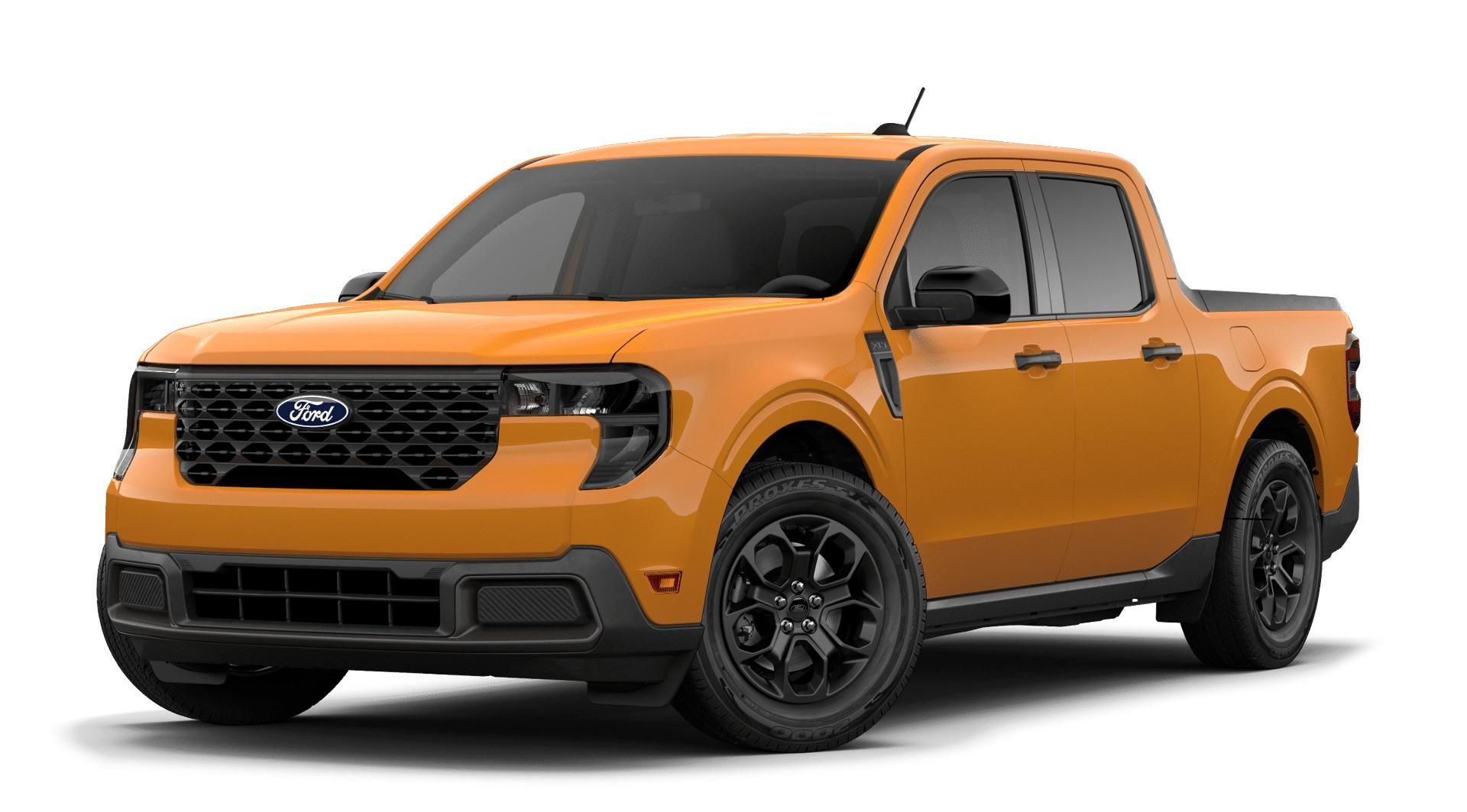
Pickups start lower than many expect. The Ford Maverick starts near $28,145. A well-equipped model at $35,000 costs about $640 a month. That leaves a comfortable cushion for insurance and fuel.
Tier three: three-row SUVs and pickups from $36,000 to $45,000. This is where $823 really starts to work. Examples include the Kia Telluride, Hyundai Palisade, Honda Pilot, Toyota Highlander, and Subaru Ascent. Most mid-level trims fit between $38,000 and $45,000.
Full-size pickups fit here too. The Toyota Tacoma, Ford F-150, Chevrolet Silverado, Ram 1500, and Honda Ridgeline are all possible at mid trims. Electric cars also qualify. The Tesla Model 3, Tesla Model Y, Hyundai Ioniq 5, and Chevrolet Equinox EV land around $35,000 to $45,000.
Federal purchase credits for EVs ended in 2025. Price these cars carefully and ask about dealer incentives. A $45,000 car costs about $824 a month with taxes included. That is right at your limit.
Tier four: entry luxury from $40,000 to $46,000. Here the badge matters as much as the car. The BMW 3 Series, Mercedes CLA, Audi A3, Genesis G70, Lexus ES, and Acura Integra live here. Some sit at the very top of the range.
Luxury also means pricier insurance and service. Plan for those costs before you sign. Tier five: above $46,000 with cash down. Your payment alone will not reach this far.
With $5,000 down, your ceiling rises to about $50,000. With $10,000 down, it reaches about $55,000. That range covers loaded three-row SUVs, heavier-duty trucks, and top-trim hybrids. The Toyota Grand Highlander and a fully loaded Honda Pilot are good examples.
Look for promotional financing. Manufacturers sometimes run 0% APR deals on new cars. At 0% for 72 months, $823 supports $59,256 before taxes. Those deals usually need top credit and apply to select models.
Rebates may disappear if you take the special rate. Always compare both offers in writing. New cars come with full factory warranties. Hyundai and Kia add a 10-year, 100,000-mile powertrain warranty. My practical pick is a car near $35,000 to $40,000. You get a modern, safe vehicle and keep real savings.
What $823 a Month Buys You Used
Used shopping stretches $823 in some ways and shrinks it in others. The rate is higher, but prices are lower. At about 11.4% APR, expect a ceiling near $39,000 after taxes. With good credit near 9%, that rises to about $42,000.
Yet few shoppers need that much. The average used car lists for roughly $27,000. That car costs roughly $520 to $570 a month at average used rates. You could buy it and still keep about $250 a month.
Tier one: under $15,000. Think five- to ten-year-old compacts. The Toyota Corolla, Honda Civic, Mazda3, Hyundai Elantra, and Toyota Prius fit here. Used Corollas often range from $8,000 to $15,000.
Payments run only about $170 to $315. Age and mileage raise repair risk, so get a full inspection. Tier two: $15,000 to $25,000. These cars are usually three to seven years old.
The Toyota Camry, Honda Accord, Honda CR-V, Toyota RAV4, Mazda CX-5, Subaru Outback, and Ford Escape appear here. Many still have years of life left.
Payments run about $315 to $525. You keep hundreds of dollars free every month. Tier three: $25,000 to $35,000. These cars are often one to four years old.
Think RAV4 Hybrid, CR-V Hybrid, Toyota Highlander, Honda Pilot, Kia Telluride, and Hyundai Palisade. Hybrids and three-row SUVs shine at this price.
Trucks fit here too. The Toyota Tacoma, Ford F-150, Chevrolet Silverado, and Jeep Wrangler all show up. Used Tacomas and Wranglers hold their value well. Expect prices to stay higher than you might hope.
The Tesla Model 3 and Model Y also fit. Used EVs often lose value fast, so bargains are common. Payments in this tier run about $525 to $735. That still leaves room under your cap.
Tier four: $35,000 to $39,000. This is late-model luxury and performance. Two- to four-year-old BMW 3 Series and X3, Mercedes C-Class and GLC, Audi Q5, Lexus RX, Genesis GV70, and Porsche Macan appear here. A used Ford Mustang GT fits as well.
An older-generation Chevrolet Corvette Stingray also sits near this range. It is a rare chance to own a true sports car. Luxury cars lose value quickly, so used prices look great. Repair bills get large once the warranty ends.
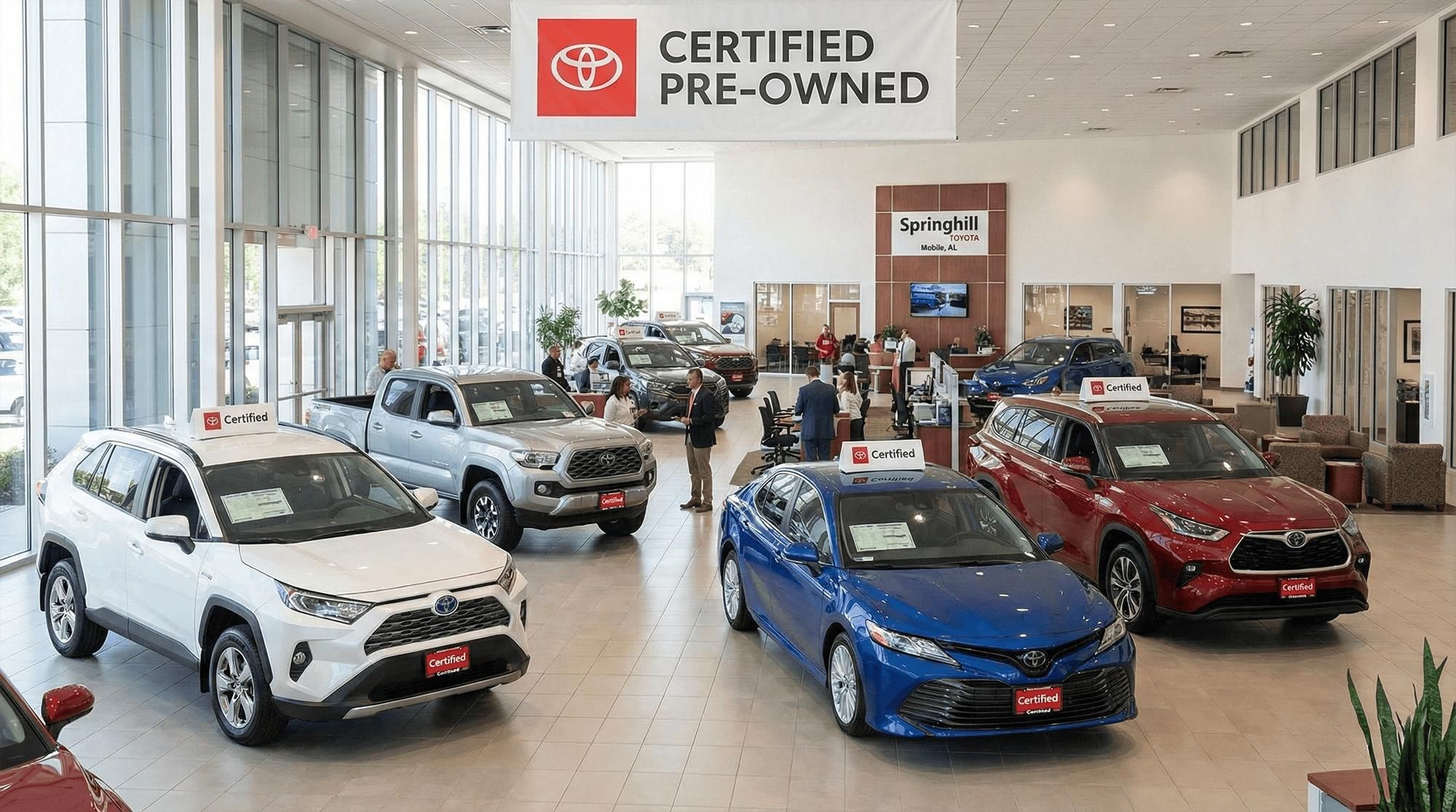
Certified pre-owned is the smart middle path. It usually costs 5% to 10% more than a comparable non-certified car. The warranty often justifies that extra cost. A certified car may also qualify for a rate closer to a new-car rate.
Watch the loan term. Used-car loans typically top out at 72 months. Older cars may only qualify for shorter terms. Ask each lender about age and mileage limits.
A six-year loan on an older car is risky. The loan may outlast the car’s best years. A better idea is to pick a cheaper car and add extra principal each month. Most loans allow early payoff without a penalty.
Compare the two paths side by side. New gives you a ceiling near $45,000, a full warranty, a lower rate, and faster depreciation. Used gives you a ceiling near $39,000, slower depreciation, a higher rate, and more repair risk.
The bottom line is simple. $823 buys a lot of car either way. If you want certainty, buy new or certified at a rate near 6%. If you want value, buy a two- to three-year-old model and keep the difference.
Whatever you choose, treat $823 as a ceiling. Total ownership cost matters more than the payment. Get insurance quotes before you shop. Run the math, and walk away if the numbers feel tight.