
Being labelled a high-risk driver can affect your car insurance premiums, coverage options, and ability to find affordable policies. Insurance companies assess several factors when deciding how much risk a driver represents, and these assessments do not always reflect someone’s actual driving habits.
A clean driving record may help, but previous accidents, traffic violations, insurance gaps, and other personal details can influence the final decision.
Understanding what makes someone a high-risk driver on paper can help you recognise potential problems, make informed decisions, and take practical steps towards improving your driving profile and reducing future insurance costs.

1. A History of Traffic Violations
A history of traffic violations is among the most common factors that can cause insurance companies to classify someone as a high-risk driver. Traffic violations provide insurers with information about a person’s driving behaviour and their willingness to follow road safety regulations.
Speeding tickets, running red lights, ignoring stop signs, and improper lane changes may suggest that a driver has a greater chance of being involved in a future accident. Even when these incidents do not result in injuries or property damage, they can still affect the way insurers evaluate an individual’s driving profile.
Speeding violations receive particular attention because excessive speed reduces the time available to react to unexpected situations. A driver who regularly exceeds speed limits may face greater insurance costs than someone with a consistent record of following traffic laws.
The seriousness of the violation also matters. A minor speeding ticket may have a smaller effect than a citation involving excessive speed or dangerous driving. Insurance providers generally consider the type of violation, the date it occurred, and the driver’s previous record when determining its impact.
Repeated traffic violations can create a more serious problem. A person who receives several tickets within a relatively short period may appear less reliable to insurance companies. Multiple citations can indicate a pattern rather than an isolated mistake, which may increase the perceived likelihood of future claims.
Depending on local regulations and insurer policies, repeated offences may also lead to additional penalties, licence restrictions, or mandatory driving courses. These consequences can make it harder to maintain affordable insurance coverage.
2. Multiple At-Fault Accidents
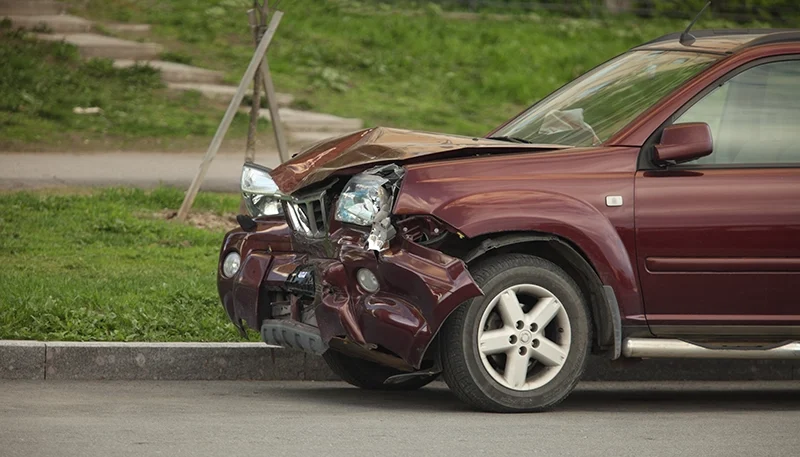
A record of multiple at-fault accidents can significantly influence how insurance companies evaluate a driver. An at-fault accident generally refers to a collision in which the driver is determined to be responsible for all or part of the incident under the applicable insurance rules.
Insurers examine accident history because previous claims may provide useful information when estimating the possibility of future losses. A driver with several at-fault accidents may therefore be considered more likely to generate additional claims.
The financial cost of an accident is another important consideration. Insurance companies do not simply look at how many collisions appear in a person’s record. They may also examine the amount paid for vehicle repairs, medical expenses, property damage, and other covered losses.
A minor collision involving limited damage may be treated differently from a serious accident involving substantial expenses. The circumstances of each incident can influence how much weight it receives during underwriting.
Multiple accidents within a short period can create particular difficulties. For example, a driver involved in two or three collisions over a relatively brief period may attract more attention than someone with a single accident several years earlier.
Insurers may interpret repeated claims as a sign of increased exposure to risk. This does not automatically mean that the driver is careless, since road conditions, other motorists, and unexpected events can contribute to accidents.
It is also important to understand that not every accident automatically makes someone responsible. Insurance companies investigate available evidence, statements, photographs, police reports, and other relevant information before making decisions about liability.
In some situations, responsibility may be shared between drivers. A person who believes an accident was incorrectly recorded should review the claim documentation and contact the relevant insurer to request clarification or correction.

3. Driving Under the Influence
Driving under the influence of alcohol or drugs is considered a serious road safety violation in many countries. Alcohol can affect judgment, coordination, reaction time, and the ability to make appropriate decisions while driving.
Certain drugs, including some prescription and non-prescription medications, may also interfere with alertness and concentration. Because impaired driving creates significant risks for drivers, passengers, pedestrians, and other road users, insurance companies often treat related convictions as major underwriting concerns.
A conviction for driving under the influence can have consequences beyond the immediate legal penalties. Depending on local law, a driver may face fines, licence suspension, mandatory education programmes, or other court-ordered requirements.
Insurance providers may also consider the conviction when calculating premiums or deciding whether to renew an existing policy. Some insurers may decline coverage, while others may offer a policy at a substantially higher price.
The impact can continue for several years because serious driving offences may remain visible on official driving records or other relevant databases. The exact reporting period differs according to the jurisdiction and the nature of the offence.
A driver may also need to meet specific legal requirements before returning to the road. These requirements can include licence reinstatement procedures, proof of financial responsibility, or the installation of an approved monitoring device where required by law.
It is important to recognise that impairment is not limited to alcohol consumption. Some prescription medicines can cause drowsiness, blurred vision, dizziness, or slower reactions. Recreational substances may also affect the ability to control a vehicle safely.
Drivers should read medication warnings and consult a qualified healthcare professional or pharmacist if they are uncertain whether a medicine affects their ability to drive. Feeling normal does not necessarily mean that a person’s driving ability is unimpaired.

4. A Suspended or Revoked Driving Licence
A suspended or revoked driving licence can be a significant warning sign during an insurance assessment. A suspension generally means that driving privileges have been temporarily withdrawn, while revocation usually involves the cancellation of a licence, subject to the applicable legal process for obtaining a new one.
Both situations indicate that a driver has experienced a serious licensing issue, which may influence how insurance providers assess their eligibility and risk level.
Licences can be suspended or revoked for different reasons. Common examples include serious traffic offences, accumulating too many penalty points, driving under the influence, failing to comply with court orders, or certain administrative violations.
The rules differ between jurisdictions, and some suspensions may occur for reasons unrelated to unsafe driving. Insurers may consider the specific circumstances rather than treating every licensing issue in exactly the same way.
A driver whose licence has been suspended may face difficulties obtaining or maintaining insurance. Some companies may refuse to provide standard coverage, while others may require additional documentation or charge higher premiums.
Existing policies can also be affected, depending on their terms and local regulations. It is important to remember that an insurance policy does not permit someone to drive when their licence is legally invalid.
Driving during a suspension can make the situation considerably worse. It may lead to additional legal penalties, longer suspension periods, further restrictions, and more serious insurance consequences.
Drivers should confirm their current licence status with the relevant licensing authority before operating a vehicle. If reinstatement requirements apply, they should complete each step and retain the necessary documentation for future reference.

5. Gaps in Car Insurance Coverage
A gap in car insurance coverage can influence how an insurance company evaluates a driver, particularly in places where continuous insurance is required, or insurers use coverage history when calculating premiums.
An insurance lapse occurs when an existing policy ends and a replacement policy does not begin within the required period. Even a relatively short interruption may raise questions about a person’s insurance history, depending on the provider and applicable regulations.
There are several reasons why coverage gaps occur. A driver may forget to renew a policy, miss a payment, sell a vehicle without arranging replacement coverage, or experience financial difficulties that make premiums difficult to afford.
Sometimes, a person temporarily stops driving and assumes that insurance is no longer necessary. However, requirements vary, and vehicle owners may still have legal or contractual insurance obligations even when a vehicle is not being used regularly.
Insurance companies may view a long coverage gap as an indication of increased uncertainty. A continuous insurance history provides information about how consistently someone maintains financial protection.
When that history contains interruptions, insurers may have less information available for evaluating the driver. Some providers respond by offering higher premiums, while others may require additional documentation or apply different underwriting conditions.
The financial consequences can extend beyond insurance pricing. In areas where continuous vehicle insurance is compulsory, driving without valid coverage can result in fines, registration problems, licence penalties, or personal responsibility for accident-related expenses.
A driver involved in a collision during an uninsured period may have to pay substantial repair and medical costs personally, subject to the applicable legal framework. This can create long-term financial difficulties.

6. Frequent Insurance Claims
Frequent insurance claims can make a driver appear more expensive to insure, even when the claims do not involve major accidents. Insurance companies evaluate claims history because it helps them estimate the likelihood of future payouts.
A person who regularly submits claims may be considered a higher financial risk than someone with a similar driving profile who has made very few claims. The nature and frequency of previous incidents both matter.
Not every insurance claim involves a collision caused by the policyholder. Claims may relate to theft, vandalism, storm damage, falling objects, broken windows, or other covered events.
Comprehensive coverage, for example, may protect against certain losses that occur when the vehicle is parked. Insurers may distinguish between different claim categories when reviewing a person’s history, although their treatment of individual events varies.
Small claims can also become relevant when they occur repeatedly. A driver who files several claims for relatively inexpensive repairs may experience different underwriting outcomes from someone who has only made a single substantial claim.
Some insurers consider claim frequency when determining premiums or renewal eligibility. This is why it can be useful to understand the policy deductible, repair costs, and possible long-term effects before submitting a claim.
Insurance companies may access claims information through authorised reporting systems, depending on the country and applicable privacy rules. This information can help them identify previous losses, verify application details, and assess potential exposure.
Drivers should review their insurance documents carefully to make sure that claim records accurately reflect what happened. Incorrect dates, duplicated entries, or wrongly attributed incidents should be raised with the relevant provider.

7. A Record of Reckless or Aggressive Driving
Reckless driving is a serious traffic offence that can quickly affect a person’s insurance profile. It generally involves operating a vehicle in a manner that creates an unreasonable danger to other people or property.
Examples may include dangerous overtaking, excessive speeding, racing on public roads, ignoring road conditions, and performing unsafe manoeuvres. The precise legal definition varies by jurisdiction, but insurers commonly treat serious reckless-driving violations as indicators of increased risk.
Aggressive driving can also influence insurance decisions, particularly when it results in formal traffic citations or criminal charges. Tailgating, repeatedly changing lanes without signalling, deliberately blocking other motorists, and ignoring traffic signals may contribute to dangerous situations.
While not every aggressive action results in a recorded offence, documented incidents can become part of a driver’s official history and may affect future insurance applications.
Insurance providers generally pay attention to the severity and frequency of reckless-driving incidents. A single serious conviction may have a considerable impact, while repeated violations can create additional concerns. Some insurers may increase premiums, restrict available coverage, or decline to renew a policy.
The consequences depend on the driver’s location, the details of the incident, the insurer’s underwriting guidelines, and the applicable insurance regulations.
A reckless-driving record may also affect more than the cost of car insurance. Certain employers that require driving as part of the job may review an applicant’s driving history.
Commercial driving opportunities, vehicle rental arrangements, and other services may involve additional checks. Serious convictions can therefore create practical difficulties for people who depend on driving for employment or everyday responsibilities.

8. Being a Young or Inexperienced Driver
Age and driving experience can influence how insurance companies calculate premiums. Young drivers are frequently charged higher rates because statistical risk assessments in many insurance markets show greater accident involvement among inexperienced age groups.
Limited experience behind the wheel can make it harder to recognise hazards, judge distances, respond to changing traffic conditions, and make quick decisions in unfamiliar situations.
A newly licensed driver may have a limited driving history for insurers to examine. Without several years of established driving experience, an insurance company has less individual information available when estimating risk.
Providers may therefore rely more heavily on broader statistical information relating to age, location, vehicle type, and other underwriting factors. This can result in higher premiums even when the new driver has never received a traffic ticket.
The vehicle being insured can also make a difference. A young driver who chooses a powerful sports car or an expensive vehicle may face higher insurance costs than someone driving a modest vehicle with strong safety features.
Repair expenses, replacement costs, vehicle performance, theft statistics, and the availability of spare parts can all influence insurance calculations. Choosing a vehicle that is affordable to insure can make a meaningful financial difference.

9. Driving a High-Performance or Expensive Vehicle
The type of vehicle a person drives can influence their insurance risk classification. High-performance cars, luxury vehicles, and certain modified automobiles may cost more to insure because they can involve higher repair expenses, greater replacement values, or specialised components.
Insurance companies evaluate the vehicle alongside the driver’s personal history when determining premiums and deciding which coverage options to offer.
Powerful vehicles may also attract higher premiums because their performance capabilities can increase the financial consequences of certain accidents.
High horsepower, rapid acceleration, and expensive replacement parts can contribute to greater potential losses. This does not mean that every person who owns a sports car is an unsafe driver. Rather, insurers consider the statistical and financial characteristics associated with particular vehicle categories.
Vehicle modifications can introduce additional complications. Changes to the engine, suspension, exhaust system, wheels, or bodywork may affect the vehicle’s value and performance. Some modifications may also change the way a car handles or behaves on public roads.
Insurance companies generally expect policyholders to disclose relevant modifications because failing to provide accurate information can create problems when making a claim.
The location where a vehicle is kept and driven can also affect insurance pricing. Areas with higher vehicle theft rates, heavy traffic, frequent accidents, or expensive repair services may carry different insurance costs.
A luxury vehicle parked outdoors in an area with a high theft rate may present a different financial risk from a similar vehicle kept in a secure garage. These factors are assessed alongside other details.

10. Providing Incorrect Information on an Insurance Application
Incorrect information on an insurance application can create serious problems for a driver. Insurance companies rely on accurate details when assessing risk, calculating premiums, and deciding whether to provide coverage.
Information about previous accidents, traffic violations, driving experience, vehicle ownership, address, and annual mileage may all influence underwriting decisions. When important details are missing or inaccurate, the insurer may reach a decision based on an incomplete picture.
Some drivers make mistakes because they misunderstand application questions. Others may forget an old traffic violation, provide an incorrect address, or fail to mention a previous insurance claim.
In certain situations, applicants may deliberately hide information because they believe it will help them obtain cheaper coverage. Regardless of the reason, inaccurate information can create difficulties if the insurer later discovers a discrepancy.
The consequences depend on the seriousness of the error and the applicable insurance laws. An insurer may request additional documents, correct the premium, change policy terms, or take other action permitted by the policy and local regulations.
In cases involving material misrepresentation or deliberate fraud, coverage may be cancelled or a claim may be disputed. Serious cases can also result in legal consequences.
Accurate information is particularly important when purchasing a new policy or renewing existing coverage. Drivers should read every question carefully and provide complete answers based on the information requested.
If they are uncertain about a particular detail, contacting the insurance provider for clarification is better than making an unsupported assumption. Keeping copies of previous policies, claim records, licence details, and vehicle documents can make the application process easier.