Choosing the right car insurance can make a significant difference to your annual expenses, especially when you own an older vehicle with a lower market value. Full coverage may offer peace of mind, but its cost does not always justify the financial protection it provides.
For certain cars, liability-only insurance can be a practical way to reduce premiums while maintaining essential protection against damage or injuries caused to others.
Understanding vehicle value, repair costs, driving habits, and financial circumstances helps owners make informed decisions. Here are ten cars where liability-only coverage may be the smarter financial choice.
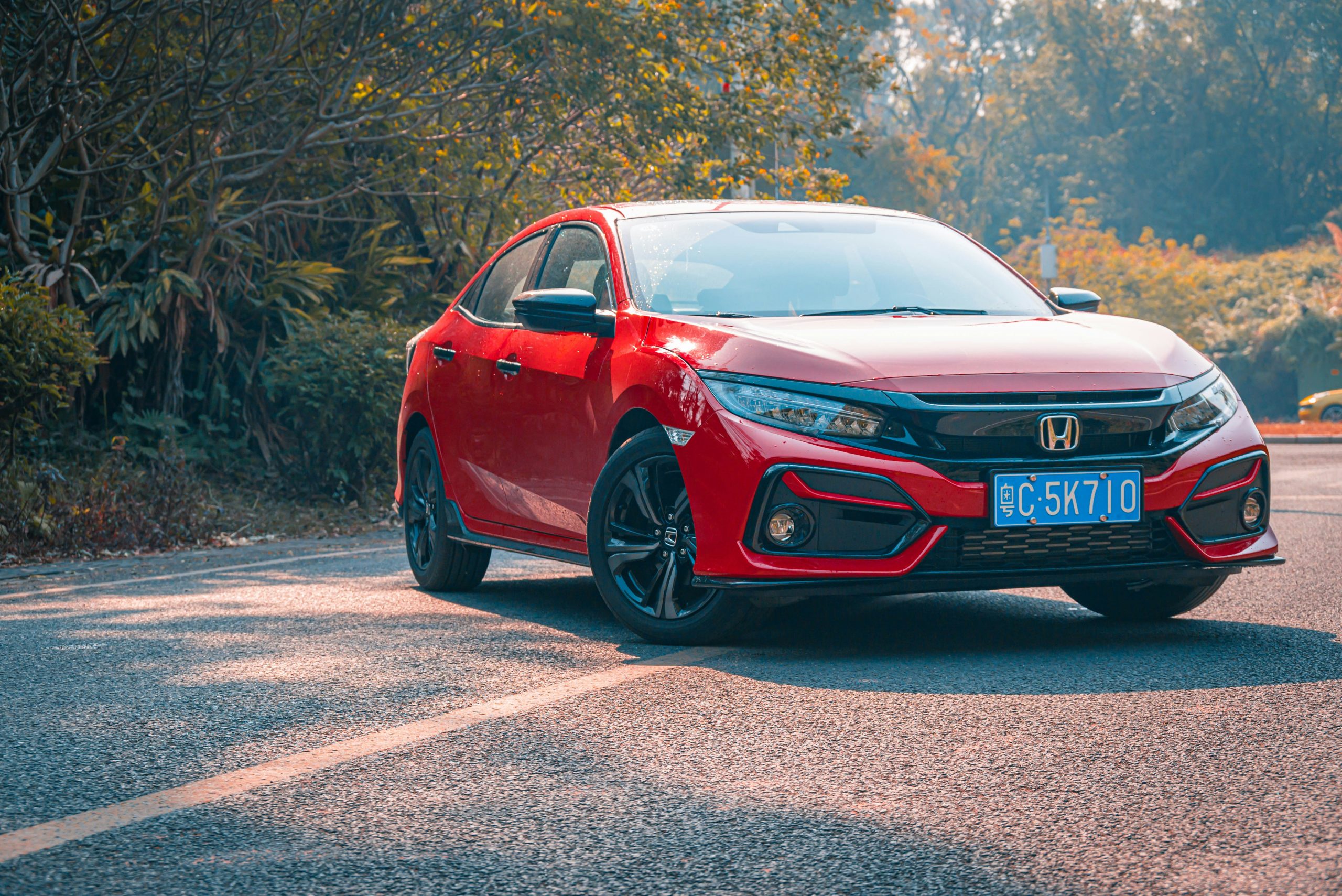
1. Honda Civic
The Honda Civic has earned a strong reputation for reliability, fuel efficiency, and affordable maintenance. Older Civic models, particularly those manufactured between 2006 and 2012, remain popular in the used-car market.
Many owners continue driving these vehicles long after their original financing agreements have ended. As a car ages, its market value gradually decreases, which can make expensive insurance coverage less attractive.
If your Civic has a modest resale value, paying additional premiums for collision and comprehensive protection may not provide enough financial benefit to justify the expense.
Another important consideration is the Civic’s relatively straightforward maintenance requirements. Replacement parts are widely available, and independent repair shops are generally familiar with its mechanical design.
This makes routine maintenance manageable for many owners. However, repair costs can still become significant following a serious accident. Drivers should compare the vehicle’s current value with the cost of full coverage before making a decision.
A well-maintained Civic with several years of service behind it may be suitable for liability-only insurance when the owner can comfortably handle unexpected repair expenses.
Liability-only coverage generally pays for qualifying bodily injury and property damage claims involving other people when the insured driver is legally responsible. It does not normally pay to repair the policyholder’s own vehicle after an at-fault collision.
For an older Honda Civic, this distinction matters because the potential insurance payout may be limited by the vehicle’s actual cash value, minus any applicable deductible. If the annual cost of additional coverage approaches a meaningful percentage of the car’s worth, reducing coverage may deserve consideration.
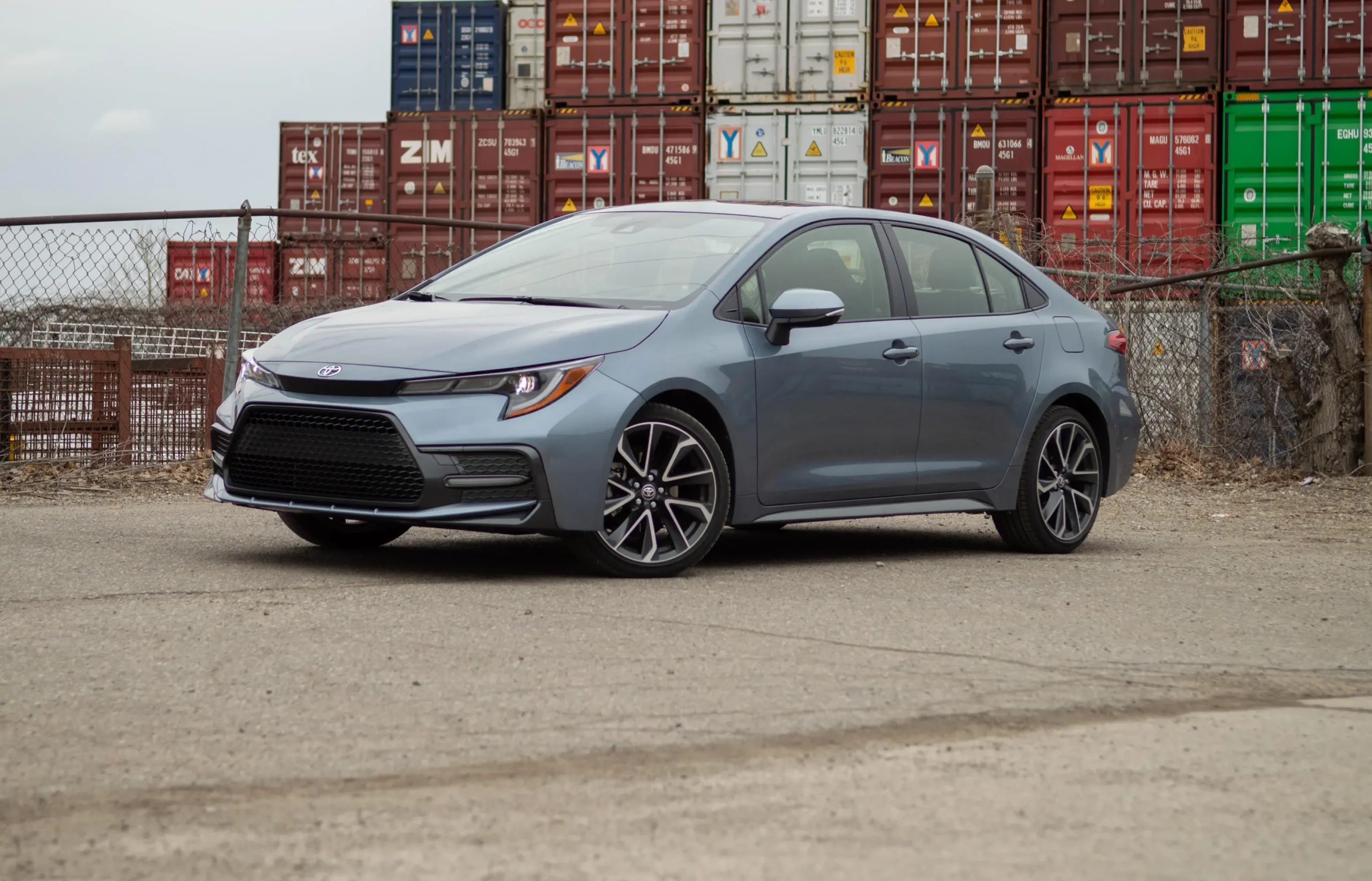
2. Toyota Corolla
The Toyota Corolla is widely recognized for dependable performance, fuel economy, and relatively low ownership expenses. Older Corolla models are common choices among students, commuters, families, and budget-conscious drivers.
Their reputation for longevity means that many examples remain on the road for well over a decade. However, a vehicle’s mechanical reliability does not prevent its resale value from declining. Once an older Corolla has accumulated substantial mileage, paying for extensive insurance protection may become less financially attractive.
One advantage of owning a Corolla is the availability of replacement parts and experienced mechanics. Regular servicing, including oil changes, brake inspections, tire replacements, and scheduled maintenance, can help keep repair expenses predictable.
Owners who maintain their vehicles carefully may prefer to spend money on preventive maintenance rather than expensive insurance additions. Still, this approach works best when the driver has enough savings to manage an unexpected breakdown or accident without depending on an insurance settlement.
The financial case for liability-only insurance becomes stronger when the Corolla has a relatively low market value. Consider a vehicle that is worth considerably less than it was when purchased.
If collision coverage costs several hundred dollars annually and the deductible is also substantial, the potential payout after a major accident may be relatively small. Insurance companies generally calculate covered vehicle losses using actual cash value, rather than the original purchase price. This means owners should evaluate their policy using current market conditions.
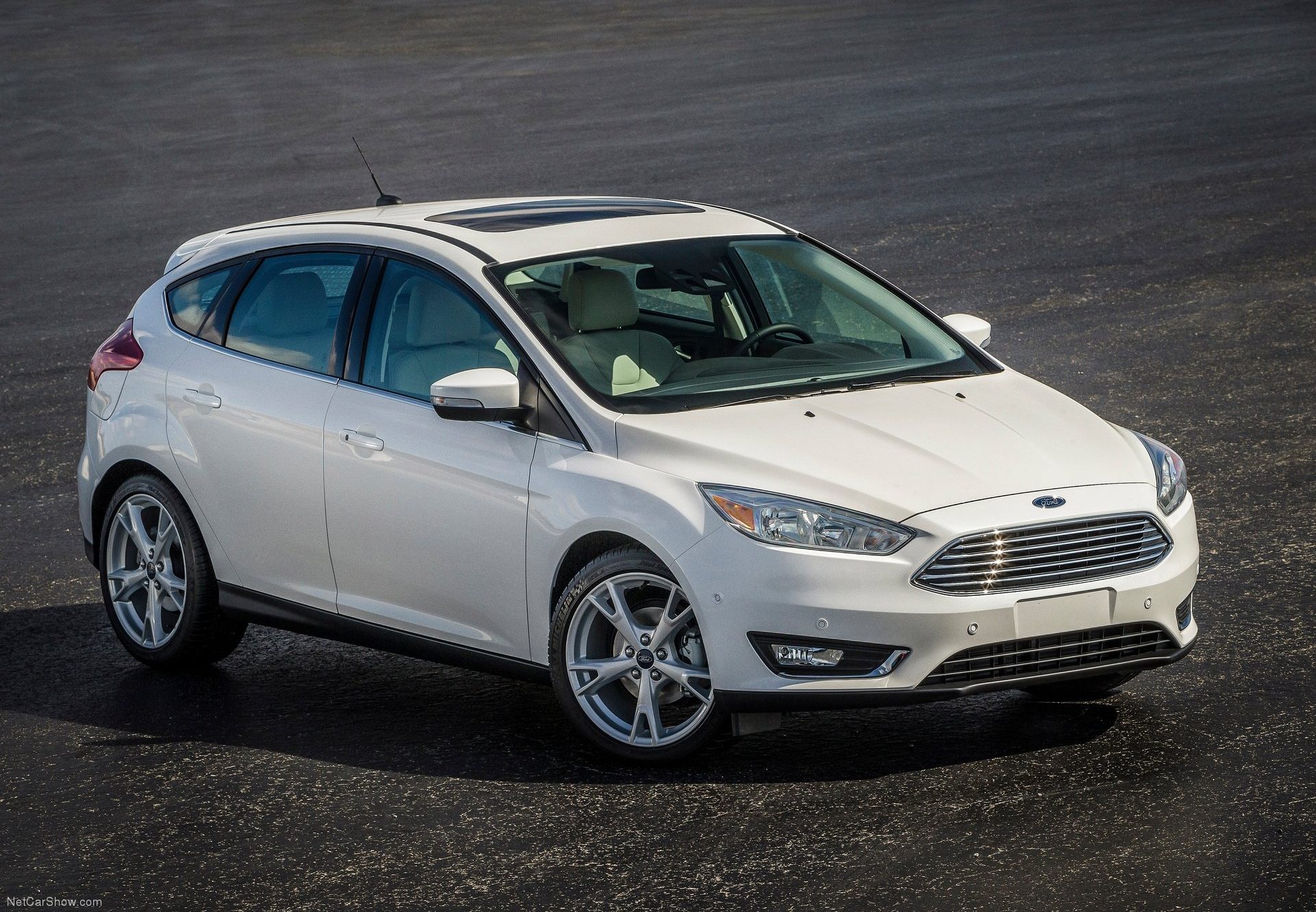
3. Ford Focus
The Ford Focus is a familiar name in the compact-car segment. Older models are often available at relatively affordable prices, making them attractive to people searching for inexpensive transportation.
Depending on the model year, mileage, condition, and local demand, an older Focus may have a fairly modest resale value. When a vehicle is inexpensive to purchase, owners may question whether paying for comprehensive and collision coverage makes financial sense. Liability-only insurance can be worth considering when the potential insurance payout is relatively small.
Maintenance history is particularly important when evaluating an older Ford Focus. Some model years and versions have experienced transmission-related complaints, while other examples have provided satisfactory service.
Buyers and existing owners should review maintenance records, recalls, and known mechanical concerns before estimating future ownership expenses. A vehicle with a history of expensive repairs may require a larger emergency fund. Choosing a lower insurance premium does not eliminate the possibility of mechanical problems, so savings should be allocated carefully.
The main financial consideration is the relationship between the Focus’s current value and the price of additional insurance coverage. If collision and comprehensive premiums are high compared with the amount the insurer might pay after a covered loss, maintaining those options may be less attractive.
However, the calculation should include deductibles, potential replacement expenses, and the likelihood of accidents or theft. Drivers should request separate quotes for liability-only and full coverage instead of relying on general assumptions about older vehicles.
A liability-only policy can be especially practical for a Focus used mainly for short local journeys. Drivers who travel limited distances and park in relatively secure locations may decide that the savings justify accepting greater responsibility for their own vehicle damage.
However, people who regularly drive on busy highways or park outdoors in areas exposed to severe weather should consider whether comprehensive and collision coverage remain valuable. Driving frequency and environmental risks can significantly influence the decision.
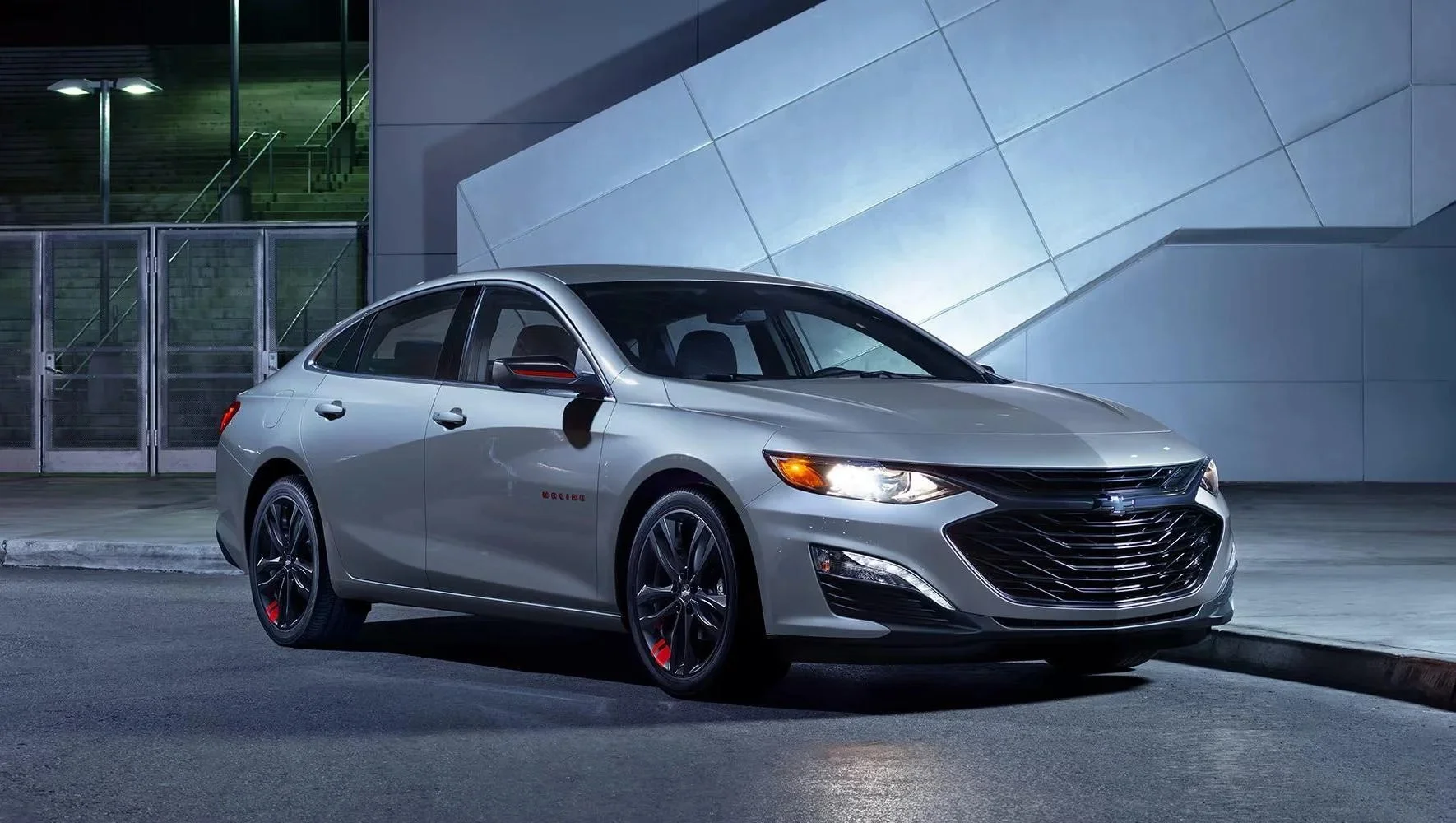
4. Chevrolet Malibu
The Chevrolet Malibu is a midsize sedan that has served many families and commuters over the years. Older models offer comfortable seating, practical cabin space, and a familiar driving experience. As these vehicles age, their market prices generally become more affordable.
Owners who purchased a used Malibu several years ago may now have a car whose replacement value is relatively low. Under these circumstances, liability-only coverage can be worth examining as a way to reduce recurring insurance expenses.
A major factor is the difference between the original purchase price and the vehicle’s present value. A Malibu that once represented a significant investment may now be worth much less because of depreciation and accumulated mileage.
Insurance companies generally consider current market value when calculating covered total-loss settlements. Consequently, maintaining expensive physical damage coverage on an older sedan may not always provide enough additional protection to justify the premiums.
Repair expenses should also influence the decision. Although many Malibu maintenance tasks are familiar to independent mechanics, the cost of repairing major components can vary according to model year and condition.
Owners should examine the vehicle’s service history, engine condition, transmission performance, suspension, and electrical systems. A car with significant mechanical wear may be approaching the point where replacement makes more financial sense than major repairs. Insurance decisions should fit into this wider ownership calculation.
Liability coverage remains important because accidents can involve substantial medical expenses and property damage. A driver who causes an accident may be legally responsible for losses that extend far beyond the value of their own vehicle.
Maintaining appropriate bodily injury and property damage limits helps protect personal finances. Choosing liability-only insurance should therefore involve careful consideration of coverage limits, not simply selecting the cheapest available option.
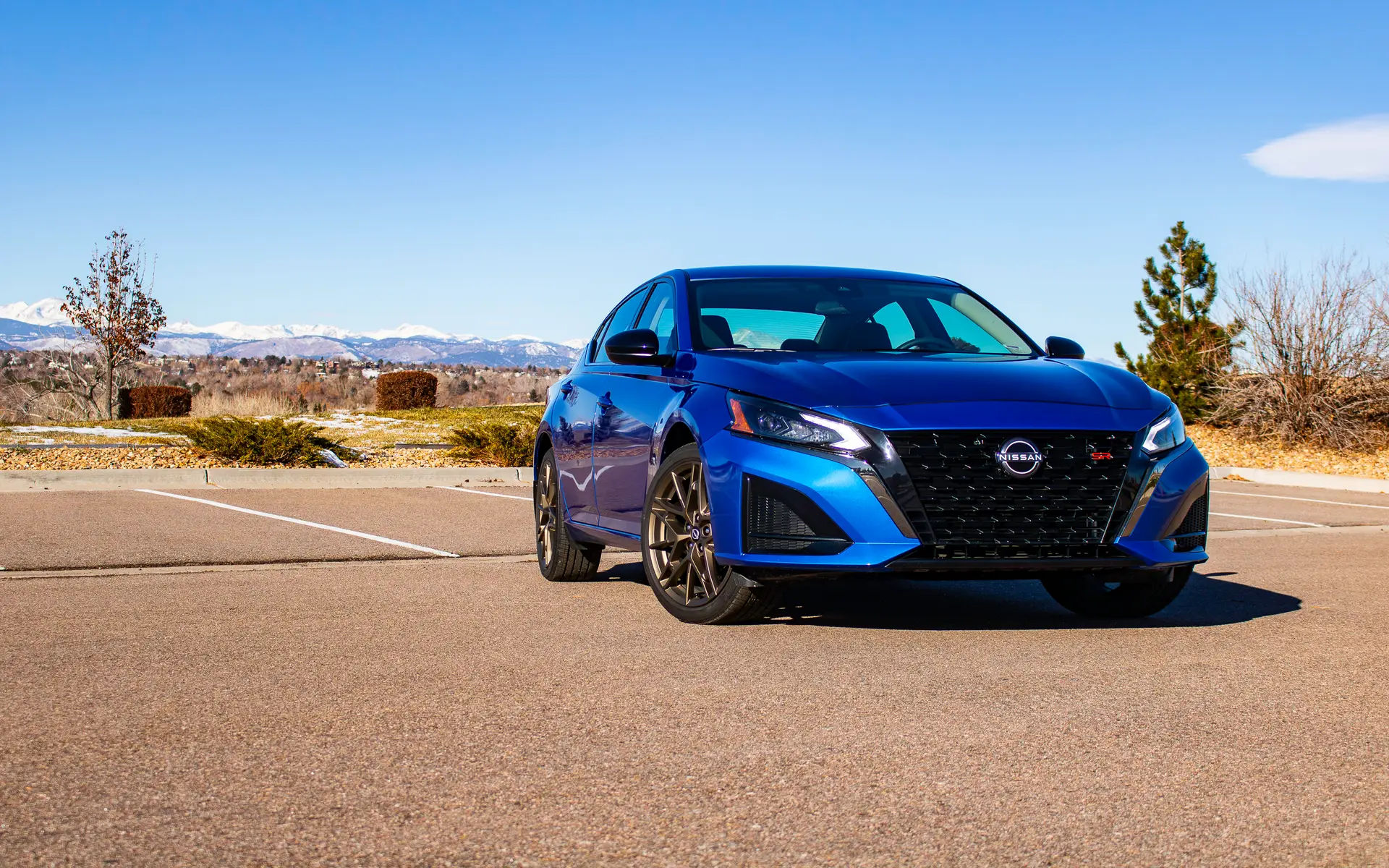
5. Nissan Altima
The Nissan Altima is popular among drivers who want a spacious interior, comfortable ride, and practical everyday transportation. Older Altima models can be found at different price points depending on their mileage, maintenance records, and condition.
Once an Altima reaches an advanced age, its depreciated market value may make expensive insurance additions less appealing. For owners who have paid off their vehicles, liability-only insurance can offer an opportunity to reduce annual expenses.
Model-specific reliability deserves attention when assessing an older Altima. Certain model years have been associated with transmission concerns, particularly involving continuously variable transmissions.
This does not mean every vehicle will experience problems, but owners should check service records and seek a professional inspection when necessary. Mechanical condition influences the car’s realistic replacement value and the amount of money an owner should reserve for future expenses. Insurance savings should never be treated as a substitute for necessary repairs.
The financial calculation is relatively straightforward. Owners can compare the yearly cost of collision and comprehensive insurance with the Altima’s current market value. They should also account for deductibles and the possibility that an insurer may declare the vehicle a total loss following significant damage.
If the total insurance cost is high and the car’s value is low, removing certain coverage options may make sense. However, the owner must be comfortable paying for repairs or replacement independently.
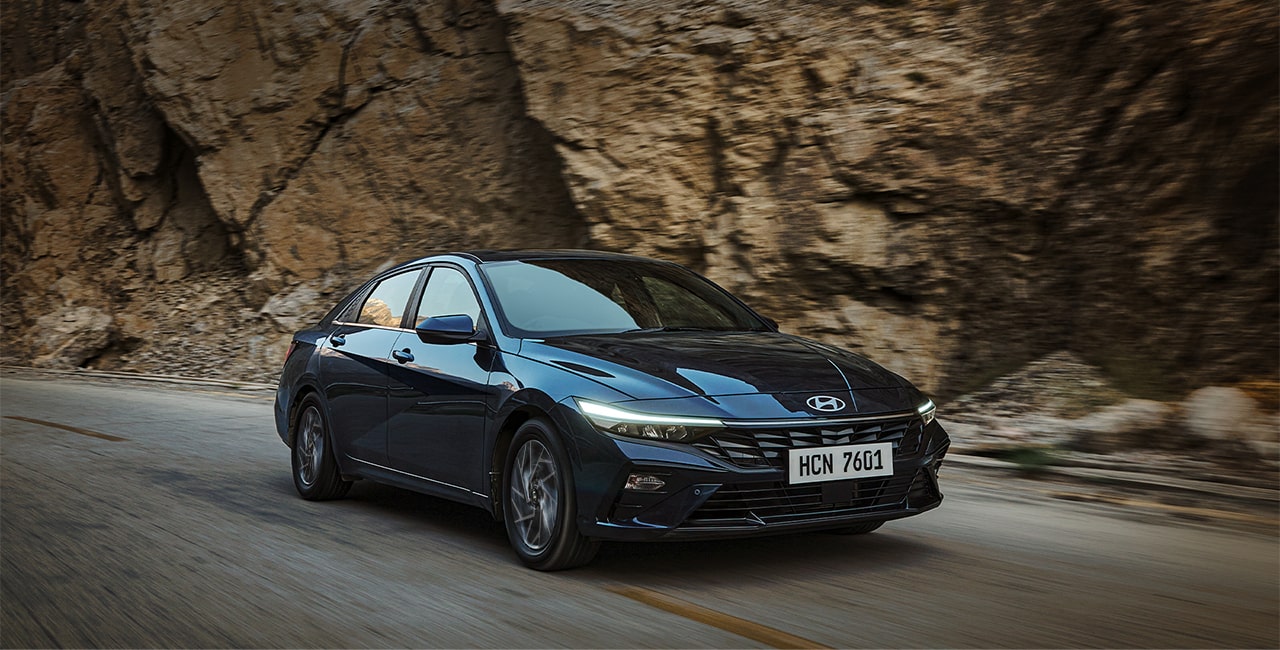
6. Hyundai Elantra
The Hyundai Elantra is a compact car that offers practical transportation, comfortable seating, and reasonable fuel efficiency. Older Elantra models are often considered by drivers looking for affordable used vehicles.
As their market values decline, owners may begin reviewing whether their current insurance policies still provide sufficient financial value. Liability-only coverage may become an attractive option when the cost of collision and comprehensive insurance is high compared with the car’s present worth.
Hyundai Elantra ownership expenses vary according to the model year, engine, mileage, and maintenance history. Routine servicing can help extend vehicle life, but older cars naturally require attention to components such as brakes, tires, suspension parts, batteries, and cooling systems.
Some model years also have specific engine or theft-related concerns that owners should research before making insurance decisions. A well-maintained example may remain dependable, but its insurance needs should still reflect its actual market value.
The primary argument for liability-only insurance is depreciation. When a vehicle loses value, the maximum potential payment for a total loss generally decreases as well. Meanwhile, annual premiums may remain high because insurance pricing considers several factors beyond vehicle value.
These include location, driving history, age, claims experience, and coverage limits. Reviewing the difference between liability-only and full coverage can reveal whether the extra protection is financially worthwhile.
Owners should also examine theft exposure. Some Hyundai model years have received attention because of vehicle theft vulnerabilities, and the risks vary by model and equipment. Comprehensive coverage may be especially useful for drivers whose cars are more vulnerable to theft or who live in areas with higher vehicle crime rates.
Security updates, anti-theft devices, and insurer requirements can influence available protection and premiums. Removing comprehensive coverage without reviewing these factors could leave an owner exposed to a significant loss.
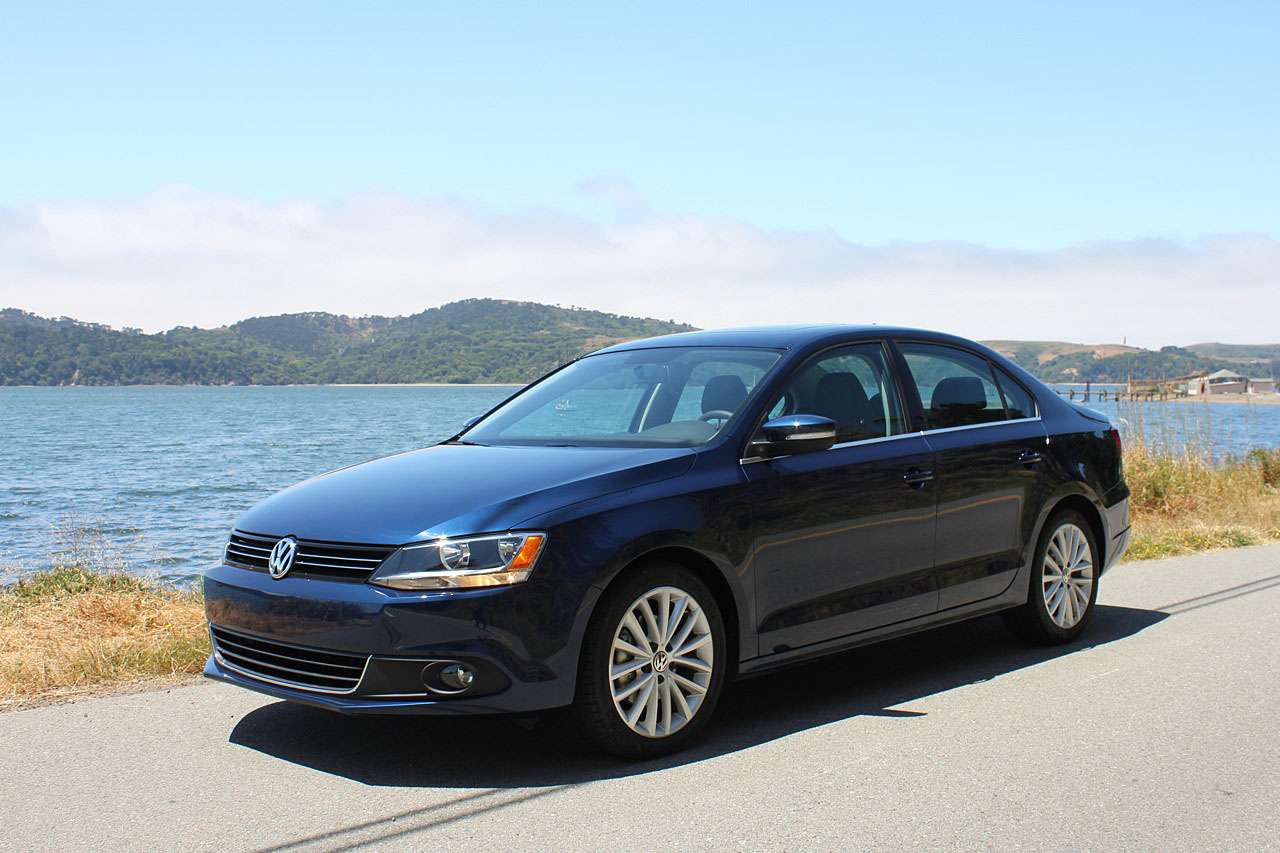
7. Volkswagen Jetta
The Volkswagen Jetta offers a combination of European styling, comfortable driving characteristics, and practical interior space. Older Jetta models are available in the used-car market at a wide range of prices. Their value depends heavily on engine configuration, transmission type, mileage, and maintenance history.
When a Jetta has depreciated considerably, owners may question whether paying for extensive physical damage coverage remains financially sensible. Liability-only insurance can be considered when the vehicle’s current worth is relatively low.
Maintenance costs deserve particular attention with older Volkswagen vehicles. Certain repairs may cost more than comparable work on common domestic or Japanese compact cars, depending on parts availability and the specialist knowledge required.
Regular servicing is essential, particularly for engines and transmissions with specific maintenance schedules. Owners should maintain accurate records and avoid neglecting warning signs. A lower insurance premium can help reduce ownership expenses, but it does not remove the need to budget for mechanical maintenance.
The decision to remove collision coverage should be based on realistic financial calculations. If the Jetta’s market value is modest, the maximum potential insurance payout after a total loss may not justify years of additional premiums.
However, the owner’s deductible also affects the final settlement. Comparing the cost of extra insurance against the vehicle’s current value can help establish whether full coverage still offers meaningful protection.
Comprehensive coverage may remain worthwhile for Jetta owners who park outside, live in areas with higher theft rates, or face regular exposure to storms and falling objects.
Vehicle theft and weather-related damage can create expensive problems even when the driver has not been involved in a collision. The choice between keeping comprehensive insurance and removing all physical damage protection should reflect the vehicle’s risks and the owner’s ability to manage an unexpected loss.
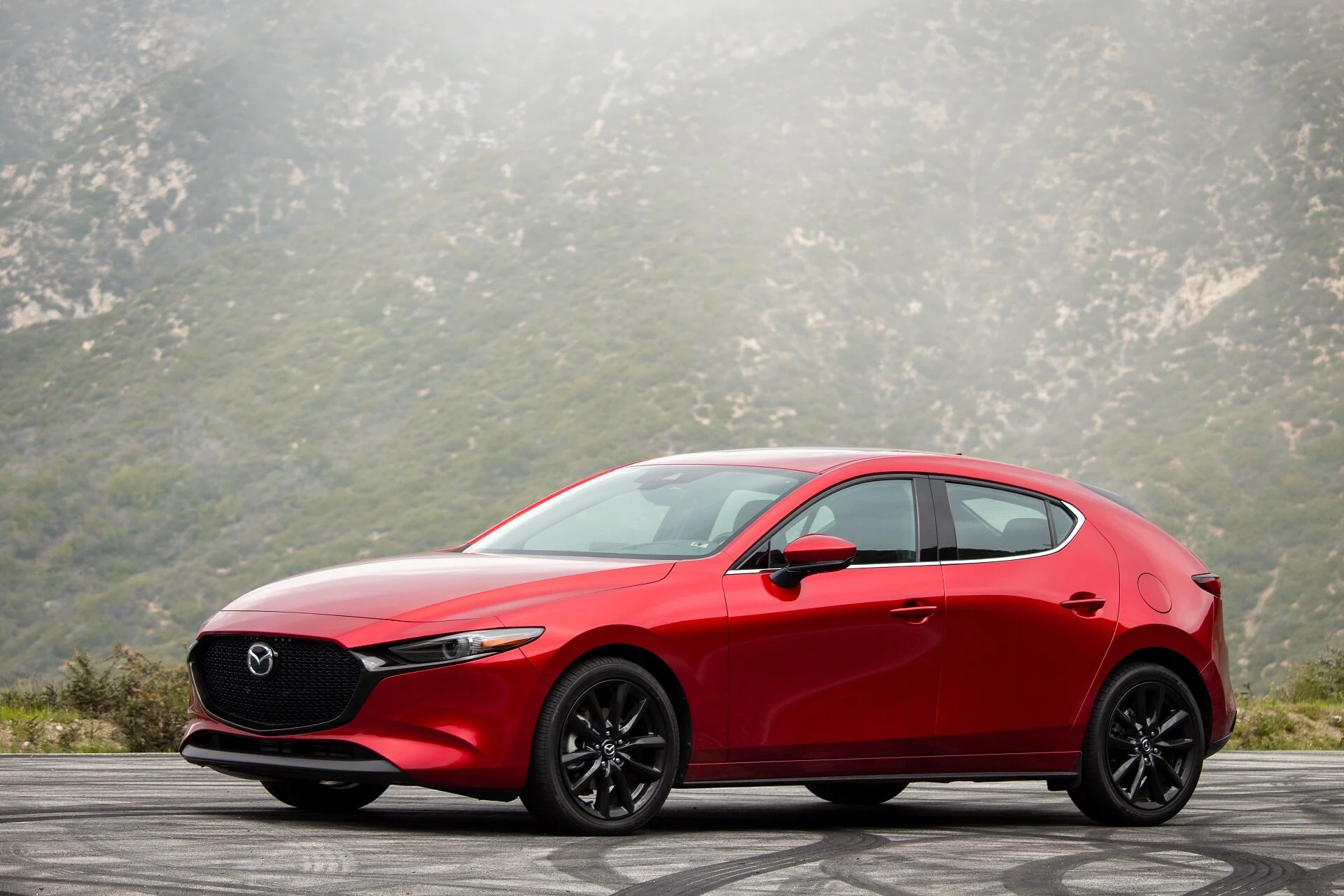
8. Mazda3
The Mazda3 has become a popular choice for drivers who appreciate responsive handling, attractive styling, and everyday practicality. Older models continue to appeal to used-car buyers because they offer a comfortable driving experience without the price of a new vehicle.
As depreciation reduces their resale value, insurance costs deserve closer attention. Owners may find that liability-only coverage provides a more economical option when the additional cost of collision and comprehensive protection no longer matches the car’s financial value.
Mazda3 maintenance requirements vary according to model year and driving conditions. Regular oil changes, brake inspections, tire maintenance, and fluid checks can help preserve reliability.
Owners should also pay attention to rust, suspension wear, and other age-related issues, particularly when purchasing a vehicle that has spent many years in areas with harsh weather or road salt. A carefully maintained Mazda3 can remain useful for years, but its age and condition should influence insurance decisions.
Liability-only coverage can be financially attractive when the Mazda3 has a low replacement value. If the yearly cost of collision and comprehensive protection is substantial, the owner may decide to put that money toward an emergency savings fund instead.
Such savings can help pay for repairs, transportation, or replacement after an accident. This approach is most suitable for people who have the financial flexibility to absorb unexpected vehicle expenses without creating serious financial difficulties.
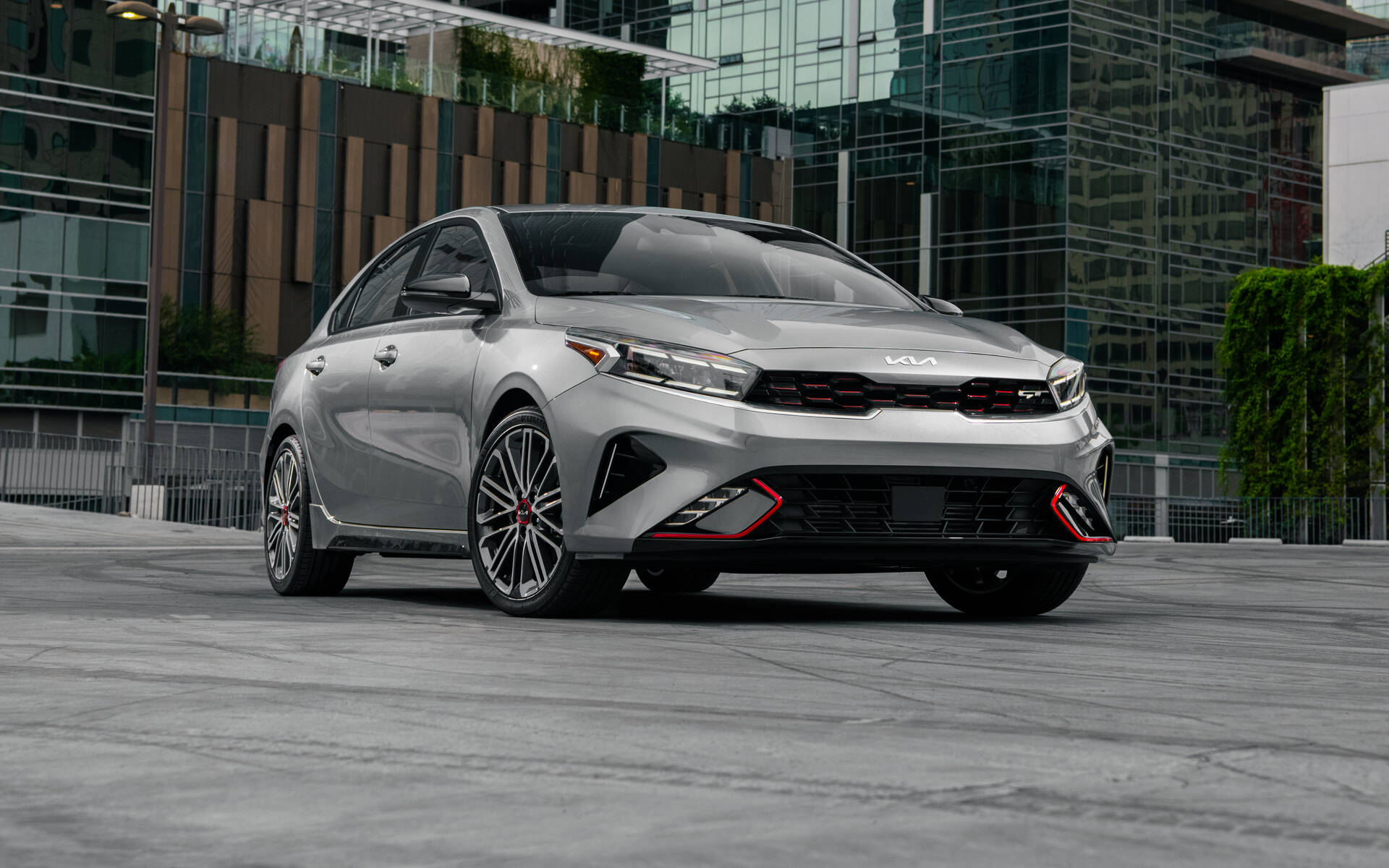
9. Kia Forte
The Kia Forte is another compact car that may appeal to budget-conscious drivers. Older versions provide practical transportation and are often available at affordable used-car prices. For owners who have driven their Forte for several years, depreciation may have significantly reduced its resale value.
As the car becomes less expensive to replace, the financial advantages of maintaining expensive collision and comprehensive coverage may become less obvious.
The Forte’s ownership costs depend on its engine, transmission, maintenance history, and model year. Certain Kia vehicles have faced engine-related concerns and theft vulnerabilities, so checking recalls and model-specific security information is important.
Owners should also maintain appropriate servicing records and address mechanical issues promptly. A vehicle with unresolved problems may have a lower market value than a similar example in good condition, which can influence the financial value of full insurance.
The appeal of liability-only insurance lies in the possibility of reducing annual premiums. When the Forte is worth relatively little, the potential payout from collision coverage may be limited.
If the owner has enough savings to replace the car, paying for additional physical damage protection may not be necessary. However, the driver must understand that liability insurance does not generally cover damage to their own vehicle following an at-fault collision.
Comprehensive protection should receive special attention for certain Kia Forte model years. Depending on the vehicle’s security equipment and location, theft risk may be a meaningful concern.
Owners should check whether their specific model qualifies for security updates, anti-theft devices, or insurance discounts. A lower insurance bill may not be worthwhile if removing comprehensive coverage creates a substantial risk of an unrecoverable theft loss.
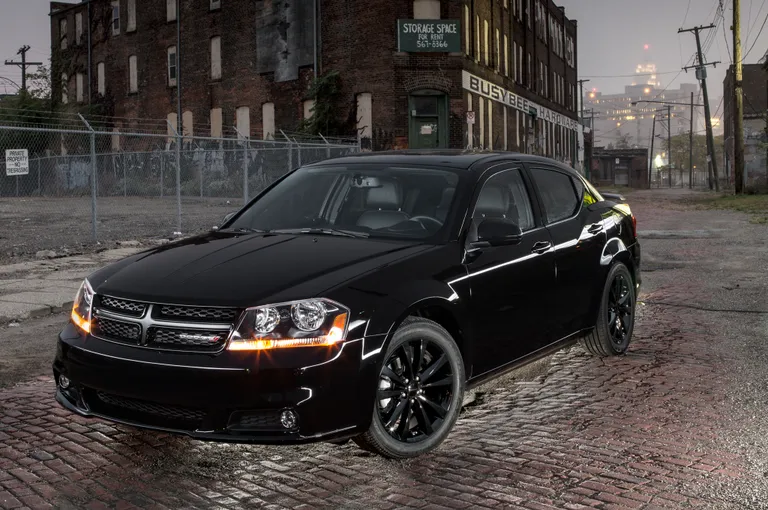
10. Dodge Avenger
The Dodge Avenger is a discontinued midsize sedan that can often be found at relatively modest prices in the used-car market. Its older production history means that many available examples have accumulated considerable mileage.
For owners who purchased an Avenger as inexpensive transportation, maintaining a costly insurance policy may not always make financial sense. When the vehicle’s current market value is low, liability-only coverage deserves consideration.
Because the Avenger is no longer in production, parts availability and repair expenses should be evaluated according to the specific component and local repair market.
Routine maintenance may remain manageable, but age-related problems can arise in the engine, transmission, electrical system, suspension, and cooling components. A professional inspection can help owners estimate how much longer the vehicle is likely to remain practical. Insurance choices should reflect both the vehicle’s current value and its expected remaining service life.
The financial case for liability-only coverage becomes stronger when the Avenger is worth relatively little. Collision and comprehensive premiums can add up over several years, while the amount an insurer might pay after a total loss is tied to the vehicle’s actual cash value.
If the potential settlement is small after deductibles, the owner may prefer to accept more personal financial responsibility in exchange for lower premiums.