
Buying a new car is exciting, but financing a vehicle can create financial risks that many drivers overlook. Cars begin losing value as soon as they leave the dealership, while loan balances often decline much more slowly.
This difference can become expensive if a vehicle is stolen or declared a total loss after an accident. Gap coverage helps protect drivers from paying the remaining loan balance out of pocket when insurance settlements fall short.
Certain vehicles carry a greater risk because of depreciation, financing costs, or market demand, making this protection worth considering.
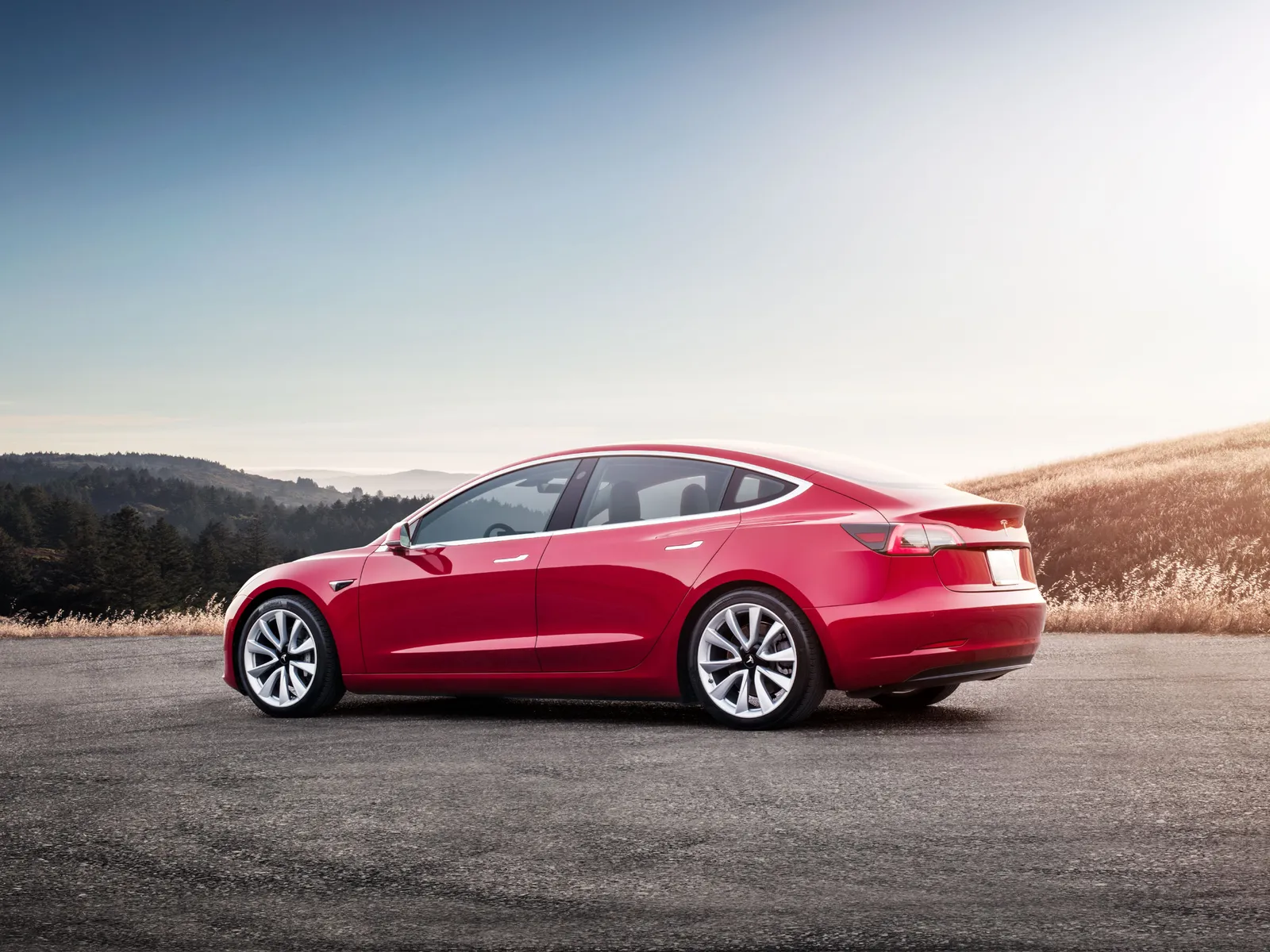
1. Tesla Model 3: When Electric Vehicle Depreciation Creates a Financial Gap
The Tesla Model 3 has become a popular choice among buyers looking for an electric vehicle with modern technology, impressive acceleration, and relatively low operating costs. However, electric vehicles can experience changing resale values as manufacturers introduce newer models, update battery technology, and adjust vehicle prices.
A buyer who finances a Model 3 over several years may discover that the outstanding loan balance remains higher than the car’s current market value. This situation can become particularly concerning during the first few years of ownership, when depreciation and loan repayment schedules may move at different speeds.
Electric vehicle pricing can change more frequently than traditional car buyers expect. Manufacturer price reductions, promotional financing, government incentives, and new model announcements can influence the resale value of an existing vehicle.
When a manufacturer lowers the price of a new model, used examples may become less attractive to prospective buyers. The owner still has to repay the original financed amount, even when the vehicle’s market value has fallen.
If an accident results in a total loss, standard comprehensive or collision insurance generally pays the vehicle’s actual cash value rather than the amount remaining on the loan.
The battery also plays an important role in determining the long-term value of an electric vehicle. Battery condition, warranty coverage, charging performance, and available replacement technology can influence what used-car shoppers are willing to pay.
Buyers may become cautious when comparing an older electric vehicle with a newer model that offers improved range or updated features. These changing preferences can affect resale prices, particularly when the market receives several new electric vehicle options within a short period.
The resulting difference between insurance compensation and outstanding finance can create an unexpected expense.
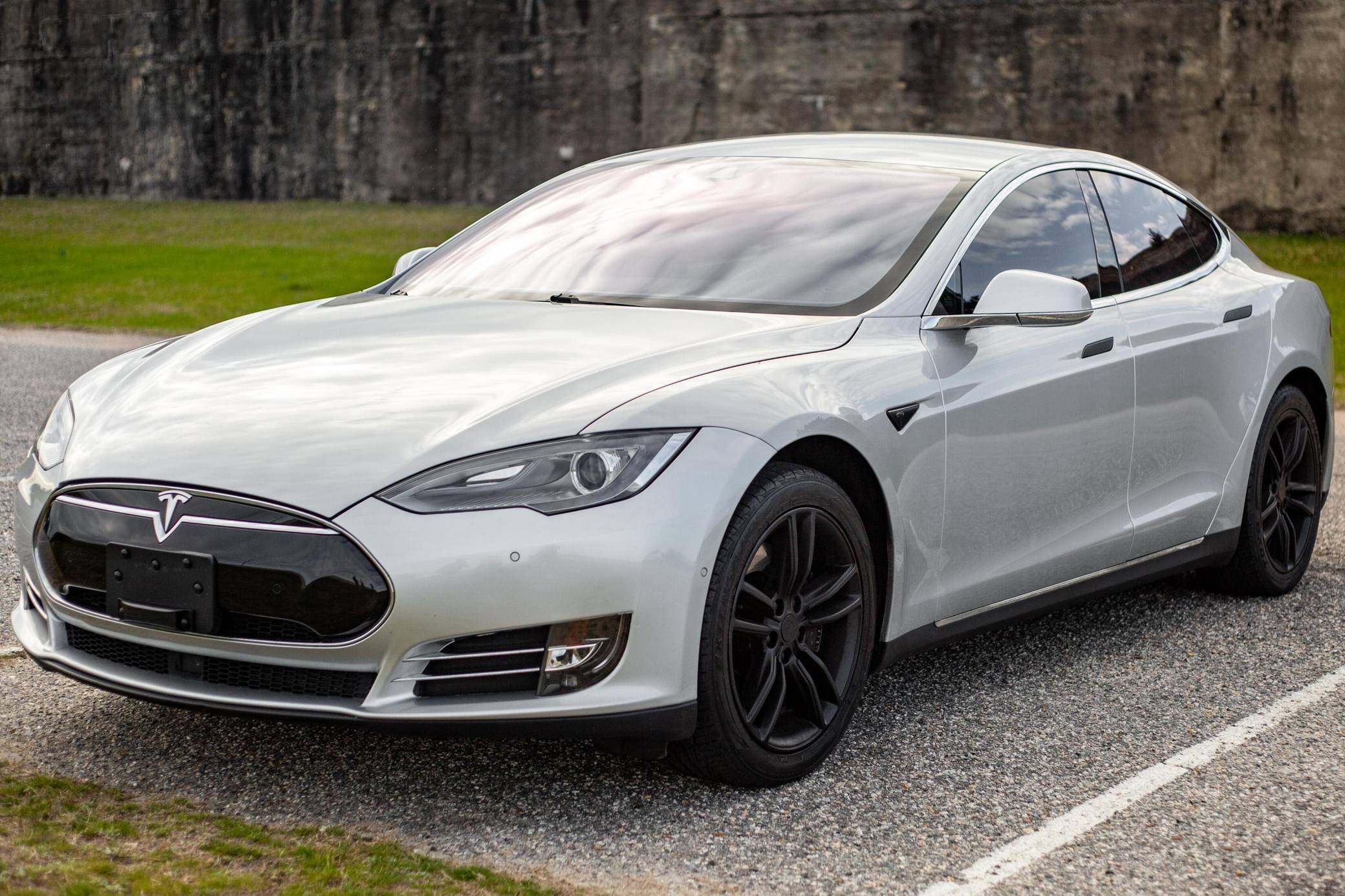
2. Tesla Model S: Expensive Electric Luxury Cars and High Loan Balances
The Tesla Model S belongs to a higher-priced segment of the electric vehicle market, making its financing arrangements particularly important. Buyers often spend considerably more on premium electric vehicles than they would on standard family sedans.
A larger purchase price can mean a larger loan, especially when the buyer chooses a longer repayment period. If the vehicle suffers extensive damage early in the ownership period, the insurance settlement may not cover the full amount still owed to the lender. This financial risk makes gap coverage worth evaluating before signing a financing agreement.
Luxury electric vehicles can also experience substantial changes in market value as technology develops. Buyers comparing used premium EVs frequently consider driving range, charging speed, interior technology, software features, and battery condition.
Newer vehicles may offer improvements that make older models less desirable in the secondhand market. Changes in manufacturer pricing can also influence used-car values.
These factors do not mean every Model S will depreciate rapidly, but they demonstrate why owners should not assume that a premium purchase price guarantees strong resale value throughout the loan term.
Financing costs can increase the potential shortfall. Some buyers choose extended loan periods to make expensive vehicles more affordable through smaller monthly payments. This arrangement can leave the borrower with a substantial outstanding balance for several years.
If the car is declared a total loss during that period, the insurance company generally calculates compensation using the vehicle’s actual cash value. The settlement may be considerably lower than the amount required to close the financing account. The owner could then face a remaining debt without having a usable vehicle.
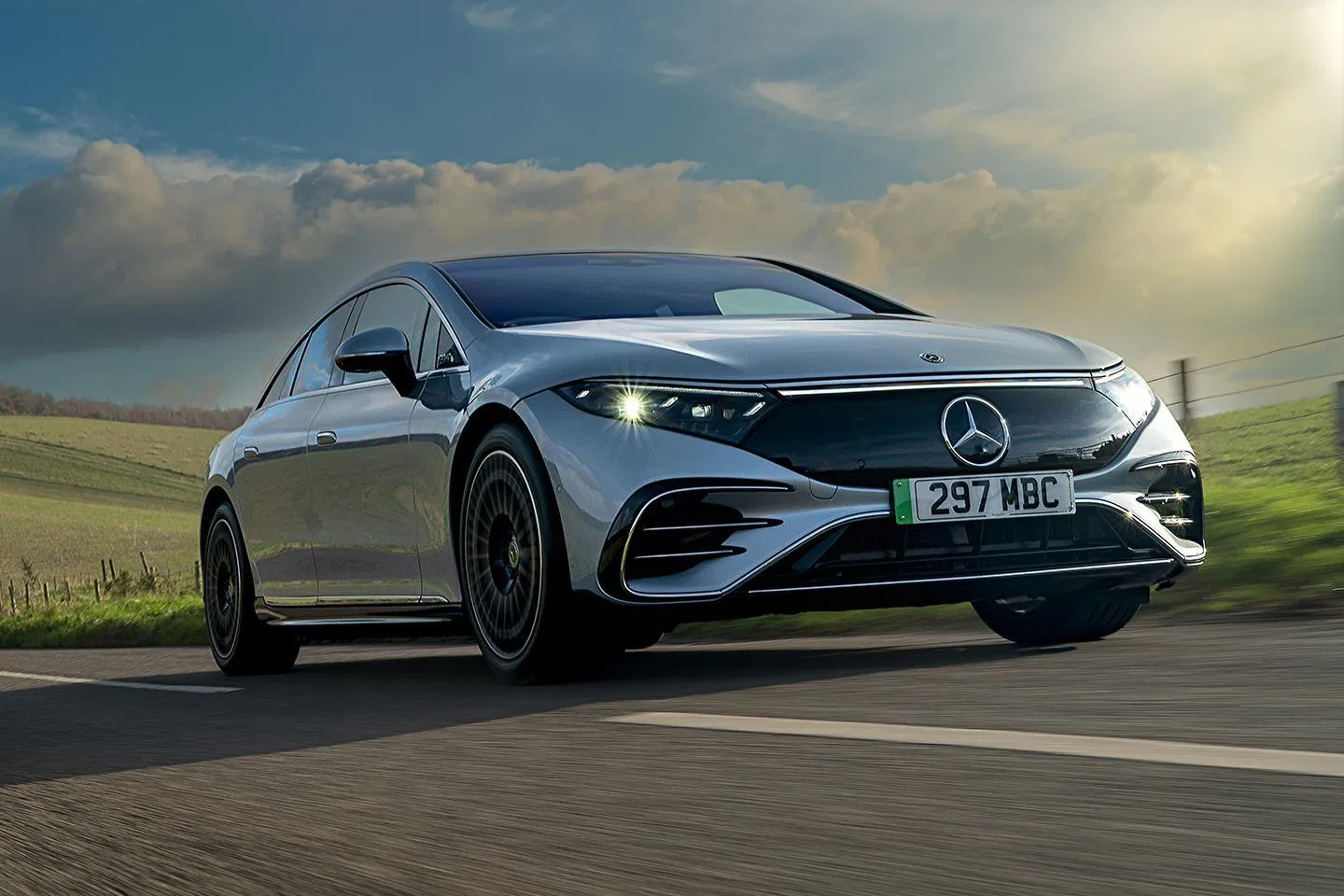
3. BMW 7 Series: Luxury Sedan Depreciation and Expensive Financing
The BMW 7 Series represents the premium executive sedan category, where high purchase prices can create significant financing obligations. Buyers often select these vehicles for their comfort, advanced technology, powerful engines, and prestigious design.
However, luxury vehicles can lose value as newer generations arrive and buyers seek updated features. A person who finances a 7 Series over five or six years may find that the outstanding loan balance declines more slowly than the vehicle’s resale value. This difference can become a serious financial concern following a total-loss accident.
Luxury sedans attract a particular type of secondhand buyer, and demand can change according to fuel costs, maintenance expectations, economic conditions, and changing preferences. Features that command a premium when a vehicle is new may not generate the same additional value in the used market.
Advanced entertainment systems, electronic suspension components, driver assistance technology, and premium interior equipment can become less influential as vehicles age. Used-car shoppers may also compare older luxury sedans with newer mainstream vehicles offering similar comfort and technology at a lower purchase price.
Another financial consideration is the size of the original loan. A fully equipped 7 Series can involve expensive optional features, upgraded packages, and additional dealer charges. When buyers roll these expenses into their financing agreement, the total amount borrowed may exceed the vehicle’s initial advertised price.
A small down payment can increase this exposure further. If the vehicle is stolen or damaged beyond repair, the insurance company normally bases its settlement on the covered vehicle’s market value rather than every expense included in the original financing contract.
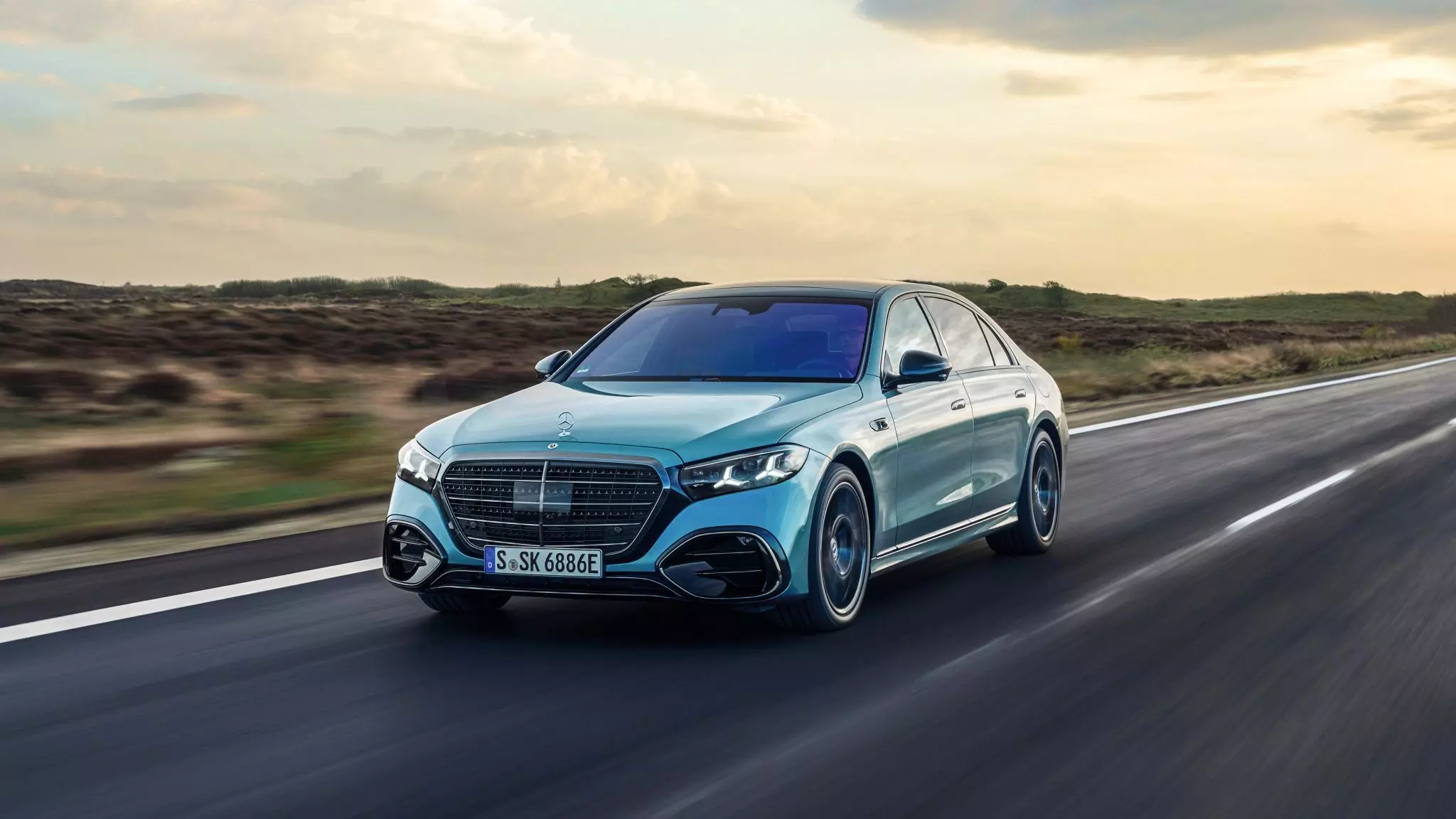
4. Mercedes-Benz S-Class: Premium Purchase Prices and Total-Loss Expenses
The Mercedes-Benz S-Class is widely associated with executive comfort, advanced engineering, and premium automotive technology. Its high purchase price can create substantial loan obligations for buyers who choose financing rather than paying the full amount upfront.
While the vehicle delivers an impressive ownership experience, its financial value can change as newer versions enter the market. Buyers considering this sedan should understand that a high original purchase price does not guarantee that the vehicle will retain the same proportion of its value throughout the financing period.
Large luxury sedans can face depreciation pressures because the used-car market evaluates them differently from the new-car market. A buyer shopping for a used S-Class may focus on maintenance costs, service history, mileage, warranty availability, and the age of its technology.
Expensive replacement parts and complex electronic systems may also influence purchasing decisions. As the vehicle gets older, some shoppers may prefer a less expensive model with lower expected maintenance expenses. These market preferences can affect resale value and increase the possibility of negative equity during a long financing agreement.
The financial risk becomes more noticeable when the borrower makes a small initial payment. For instance, someone purchasing an S-Class with a low down payment may begin ownership with a loan balance that is already close to the vehicle’s full financed cost.
Depreciation can then push the vehicle’s market value below the outstanding balance. If a serious accident occurs during this period, the standard insurance settlement may not provide enough money to repay the lender completely. The driver may have to cover the remaining debt while arranging transportation.
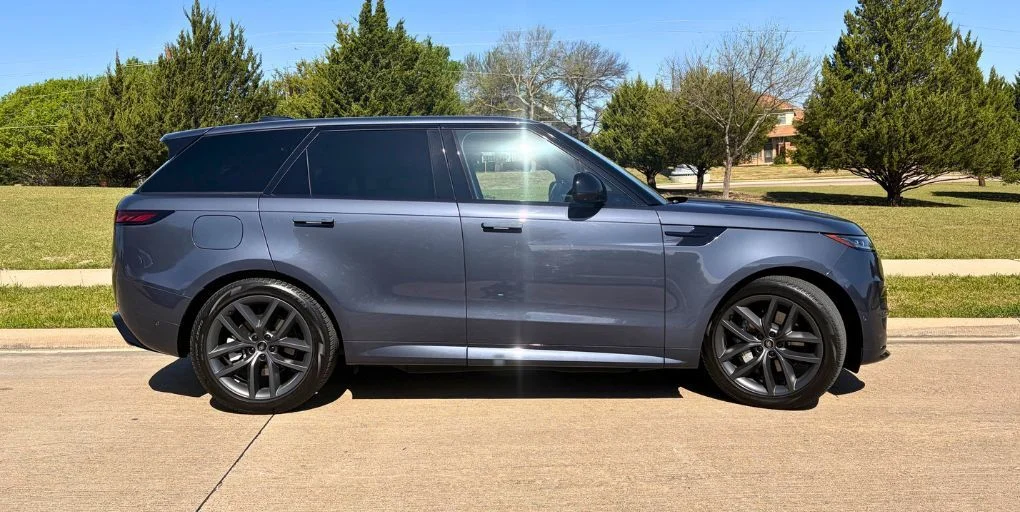
5. Land Rover Range Rover: High-End SUV Financing and Changing Resale Values
The Range Rover is a premium SUV known for its luxurious cabin, distinctive styling, and capability across different driving conditions. Its expensive purchase price can lead to large financing agreements, especially when buyers choose higher specifications and optional equipment.
While the vehicle offers an upscale driving experience, owners should remember that market value and loan balances follow different patterns. The financial gap can become significant if the SUV is written off before the borrower has repaid a substantial portion of the original financing amount.
Luxury SUVs attract buyers who expect a combination of comfort, technology, performance, and practicality. However, used-car shoppers often examine ownership costs before purchasing an older premium vehicle.
Maintenance history, repair expenses, mileage, warranty coverage, and reliability perceptions can influence demand. A vehicle that costs considerably more to maintain than a mainstream SUV may appeal to a smaller group of secondhand buyers.
This does not establish that every Range Rover depreciates at the same rate, but it highlights the importance of monitoring market values throughout ownership.
Financing can increase the potential loss when the original loan includes optional accessories, service packages, extended warranties, or other eligible expenses. Buyers sometimes include these items in the total amount financed to avoid paying for them upfront.
A longer repayment period can also keep the outstanding balance relatively high during the early years. If the vehicle suffers severe accident damage or is stolen, the insurance settlement may be insufficient to clear the remaining loan. The owner could then face financial obligations for an SUV that is no longer available to drive.
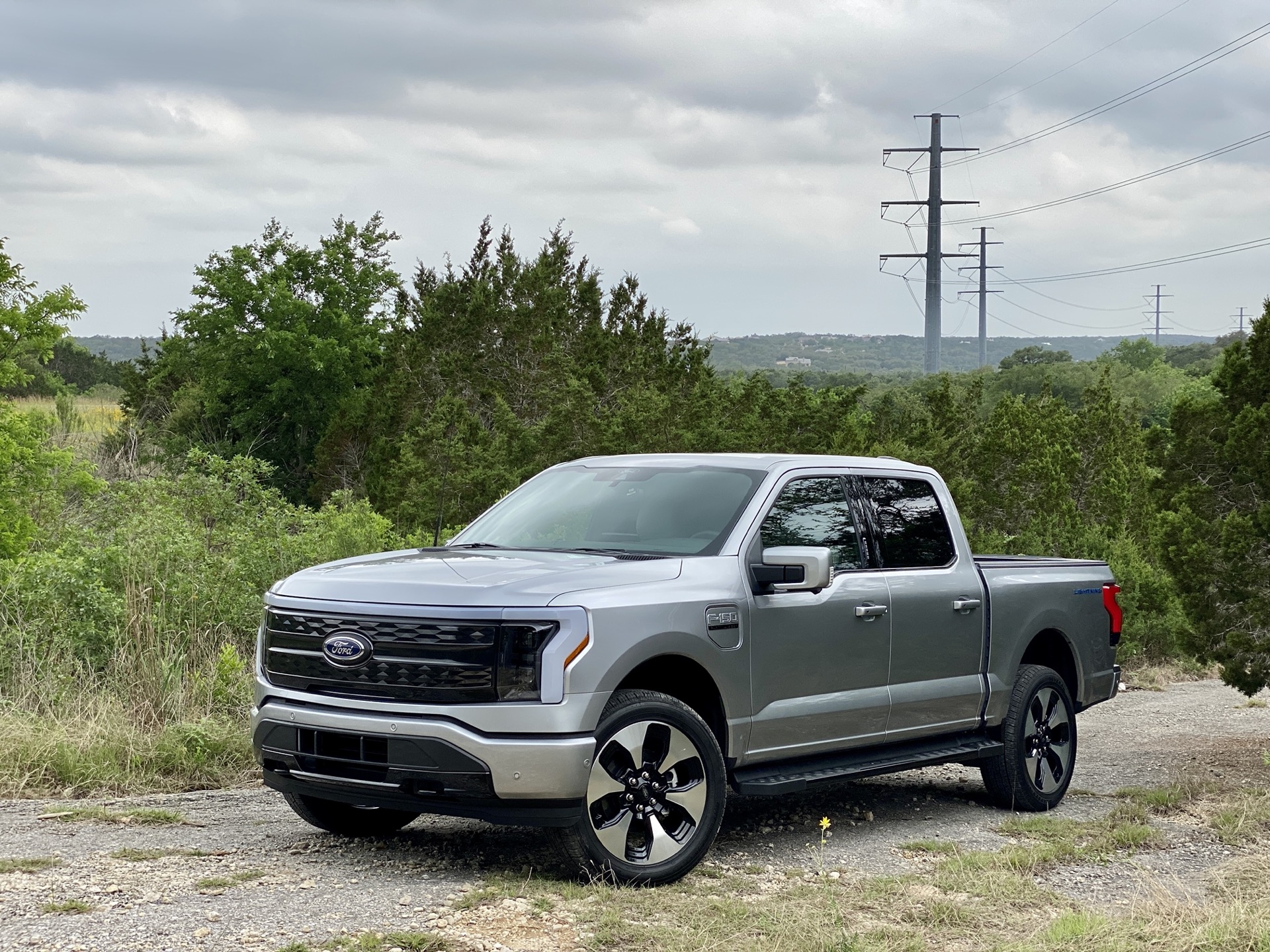
6. Ford F-150 Lightning: Electric Pickup Trucks With Large Financing Commitments
The Ford F-150 Lightning introduced electric power to a pickup segment traditionally associated with gasoline and diesel engines. Its combination of truck practicality, electric performance, and modern technology attracted buyers interested in changing how they use their vehicles.
However, electric pickups can involve substantial purchase prices, particularly when buyers select larger battery configurations and higher equipment levels. These costs can translate into sizeable loans, making the relationship between depreciation and repayment schedules especially important.
Owners who finance most of the purchase price should consider how a total-loss accident could affect their financial position.
Electric pickup trucks operate in a developing automotive market where new products, battery improvements, and manufacturer pricing decisions can influence resale values. Buyers may compare different electric trucks based on towing capability, driving range, charging infrastructure, payload capacity, and battery technology.
When manufacturers introduce improved versions, older models may face additional competition. Incentives and price changes can also influence the value of used vehicles. These market conditions make it difficult to assume that an electric pickup will maintain a particular resale value throughout a lengthy financing agreement.
The F-150 Lightning can also involve additional ownership expenses that buyers should consider when planning their budget. Charging equipment, home electrical upgrades, accessories, insurance, and maintenance requirements may affect the total cost of ownership.
Some buyers include eligible vehicle-related expenses in their financing arrangements, which can increase the outstanding balance. If the truck is involved in a serious accident shortly after purchase, the primary insurance settlement may not be enough to repay the loan completely.
The owner could then face debt associated with a vehicle that has been declared a total loss.
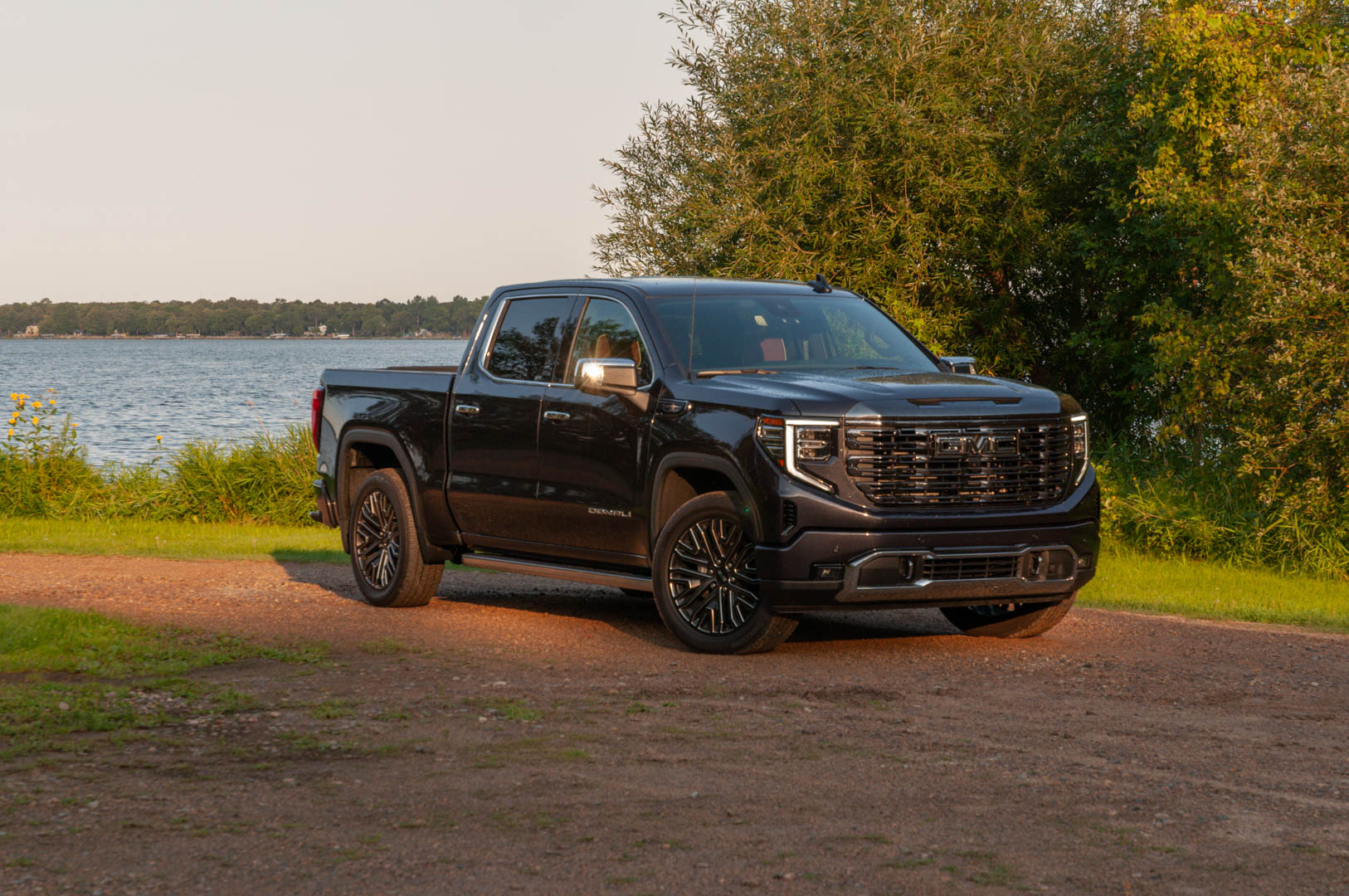
7. GMC Sierra 1500 Denali: Premium Pickup Trucks With Expensive Optional Features
The GMC Sierra 1500 Denali combines pickup-truck functionality with premium equipment, making it an attractive option for buyers who want utility without giving up comfort. Higher trim levels can carry substantial price tags because they include upgraded interiors, advanced technology, enhanced convenience features, and optional equipment.
These additions increase the amount buyers may need to finance. When a vehicle has a large outstanding balance, a difference between its current market value and loan amount can become financially significant following theft or a major accident.
Premium pickup trucks appeal to several types of buyers, including business owners, families, outdoor enthusiasts, and drivers who need towing capability.
Their resale values can depend on engine configuration, mileage, condition, maintenance records, equipment, and regional demand. Certain specifications may attract stronger used-market interest than others.
However, a high original purchase price does not automatically translate into an equally high insurance settlement. Insurance companies generally consider the vehicle’s actual cash value at the time of a covered total loss, rather than the amount the owner originally paid.
Optional equipment can create an additional financing concern. Buyers may select expensive packages, upgraded wheels, premium sound systems, advanced driver assistance features, and other accessories. When these additions are financed over several years, they contribute to the amount owed to the lender.
However, they may not increase the vehicle’s resale value by the same amount. If the vehicle is written off during the early years of ownership, the settlement could fall below the remaining finance balance. The borrower may then need to pay the difference personally.
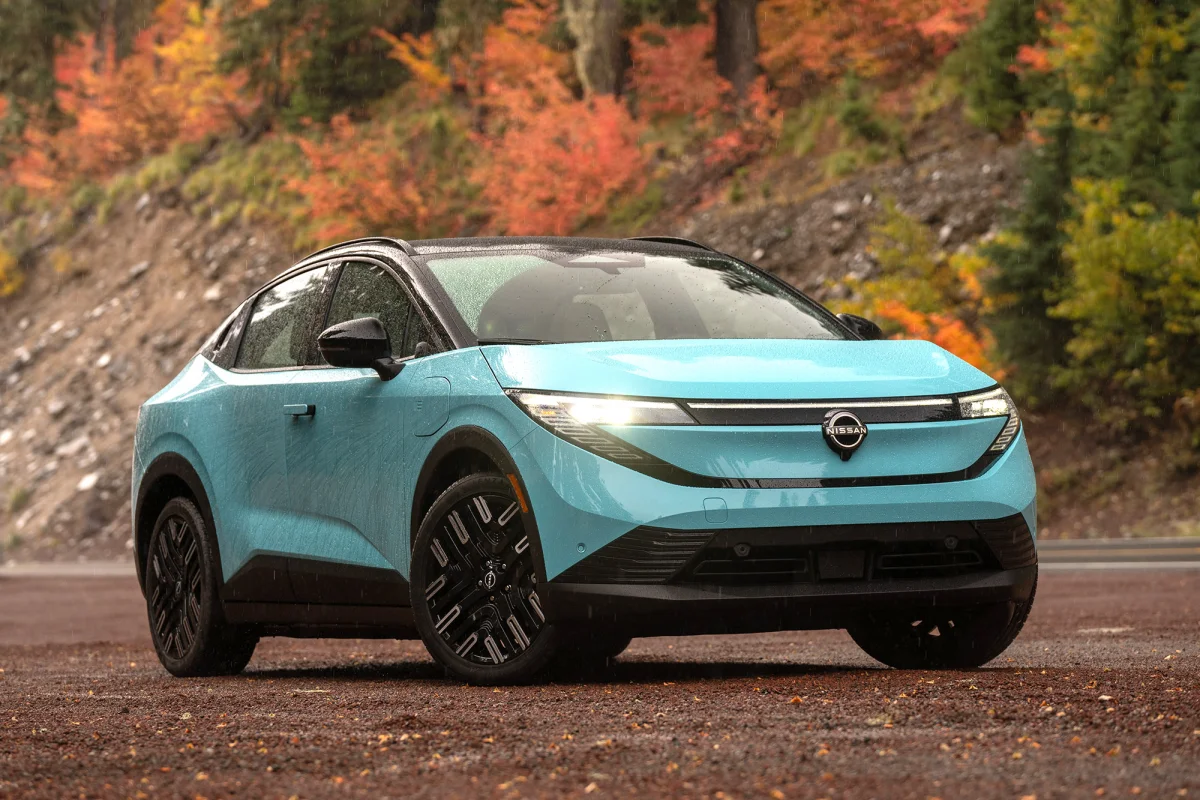
8. Nissan Leaf: Affordable Electric Cars With Depreciation Concerns
The Nissan Leaf has helped make electric vehicle ownership more accessible to drivers who want a practical car for everyday transportation. Its compact design, electric drivetrain, and relatively straightforward operation appeal to commuters and households looking for an alternative to conventional petrol vehicles.
However, an affordable purchase price does not eliminate the risk of negative equity. Buyers who finance the vehicle with a small down payment may still owe more than its market value during the early years of ownership, particularly when depreciation outpaces loan repayment.
Electric vehicle technology has changed significantly over the years, and this development can influence the used market for older models. Newer vehicles may offer improved driving range, charging performance, battery management, and connectivity features.
Buyers comparing used electric cars often consider these differences before making a purchase. An older Leaf may remain suitable for short daily journeys, but its appeal can vary depending on battery condition, mileage, driving requirements, and available charging facilities. Such factors can influence resale prices and affect the potential gap between insurance compensation and outstanding debt.
Battery health deserves particular attention when purchasing or financing a used Nissan Leaf. Battery degradation can influence the amount of energy the vehicle stores and the distance it can travel on a charge.
Actual performance depends on several factors, including battery age, climate, usage patterns, and charging habits. Buyers should examine available battery information and service records rather than assume that every used electric vehicle offers the same range.
If the market places a lower value on a vehicle with reduced battery capacity, the owner may face a greater possibility of negative equity.
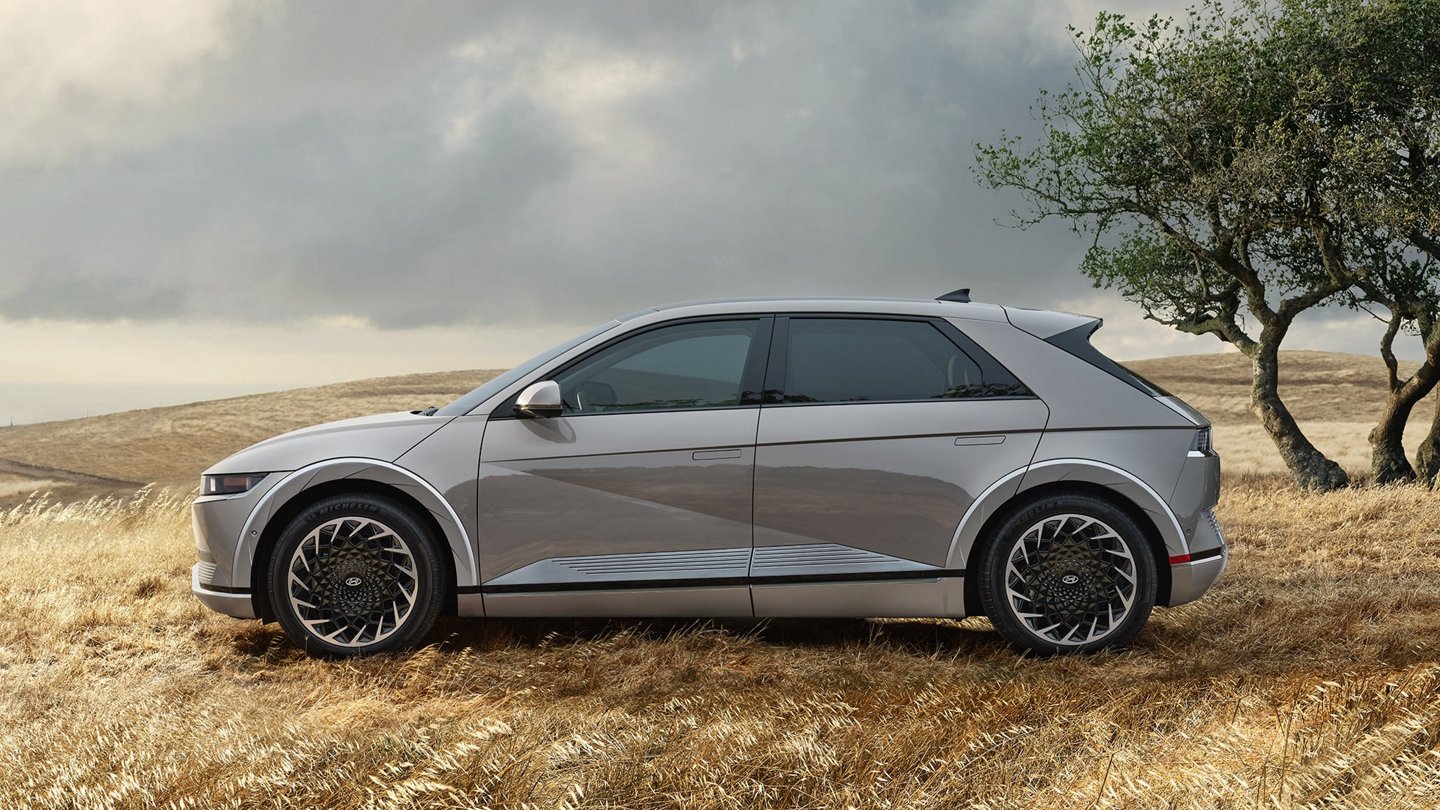
9. Hyundai Ioniq 5: Modern Electric Crossovers and Changing Market Prices
The Hyundai Ioniq 5 has gained attention for its distinctive design, spacious interior, fast-charging capability, and modern electric vehicle platform. It appeals to families and commuters who want the convenience of an SUV-style vehicle combined with electric driving.
However, the electric vehicle market continues to develop, and changes in pricing, incentives, technology, and consumer demand can influence resale values. Buyers who finance the Ioniq 5 should understand that their monthly loan payments do not necessarily reduce the outstanding balance at the same speed that the vehicle loses market value.
Government incentives and manufacturer promotions can influence the relationship between new and used electric vehicle prices. When a new vehicle becomes available with attractive financing or purchase incentives, shoppers may become less interested in paying higher prices for older examples.
Eligibility for incentives also varies by location, income, vehicle specifications, and changing government rules. These factors can influence demand and resale values over time. An owner who purchased a vehicle before a significant pricing change may find that its current market value differs considerably from the original purchase price.
The Ioniq 5 also offers technology and equipment that can influence secondhand demand. Battery size, charging capability, vehicle condition, software features, mileage, and warranty coverage can all affect buyer preferences.
A newer version may provide improvements that encourage shoppers to compare different model years carefully. While a well-maintained Ioniq 5 can remain an attractive used vehicle, owners should not assume that every feature will retain its original financial value.
The possibility of depreciation should be considered when selecting a financing period and deciding how much money to put down.
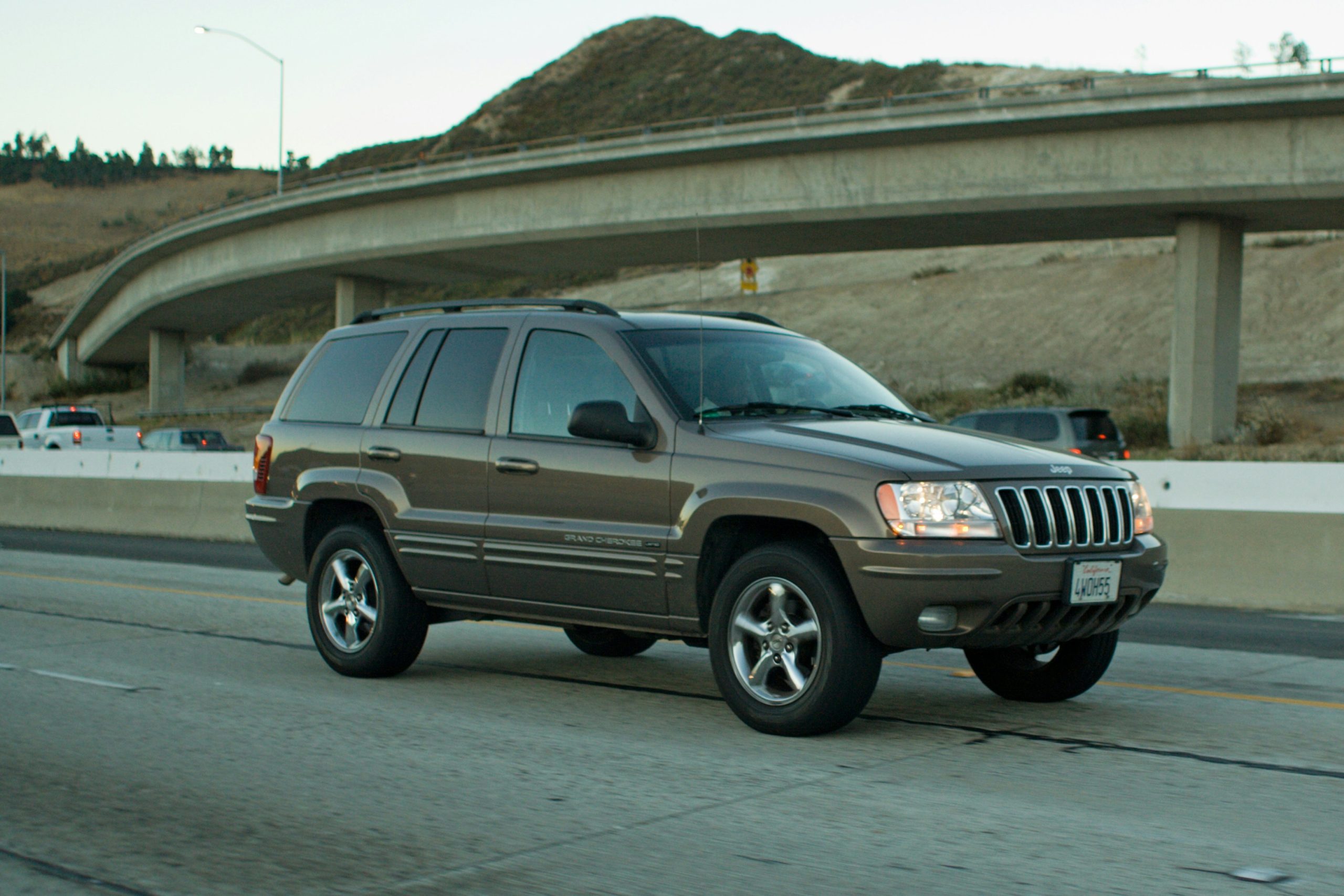
10. Jeep Grand Cherokee: Family SUVs With Long-Term Financing Risks
The Jeep Grand Cherokee is a popular choice among buyers who want a versatile SUV with family-friendly space, available four-wheel drive, and a range of comfort features. Higher trims and optional packages can increase the purchase price considerably, making financing an important part of the buying decision.
Buyers who select a long repayment period may face a situation where the loan balance remains high even as the vehicle’s market value declines. This can become particularly concerning if the SUV is involved in an accident that results in a total loss.
SUV resale values depend on several factors, including mileage, condition, engine configuration, equipment, service history, and market demand. The Grand Cherokee serves different purposes for different households, from everyday commuting to family travel and outdoor activities.
However, secondhand buyers still compare it with competing vehicles based on ownership costs, reliability records, fuel consumption, and available features. A change in consumer preferences or increased competition can influence resale values.
Owners should therefore monitor their vehicle’s market position rather than rely entirely on the original purchase price.
Financing arrangements can increase the financial exposure associated with an SUV purchase. Buyers sometimes include optional protection plans, accessories, dealer-installed equipment, and other costs in their loan.
They may also transfer negative equity from an existing vehicle into the new financing agreement. These decisions can increase the total amount owed and make it harder to build positive equity.
If a covered total-loss event occurs before the loan balance has fallen sufficiently, the standard insurance settlement may not be enough to satisfy the lender’s remaining claim.
