
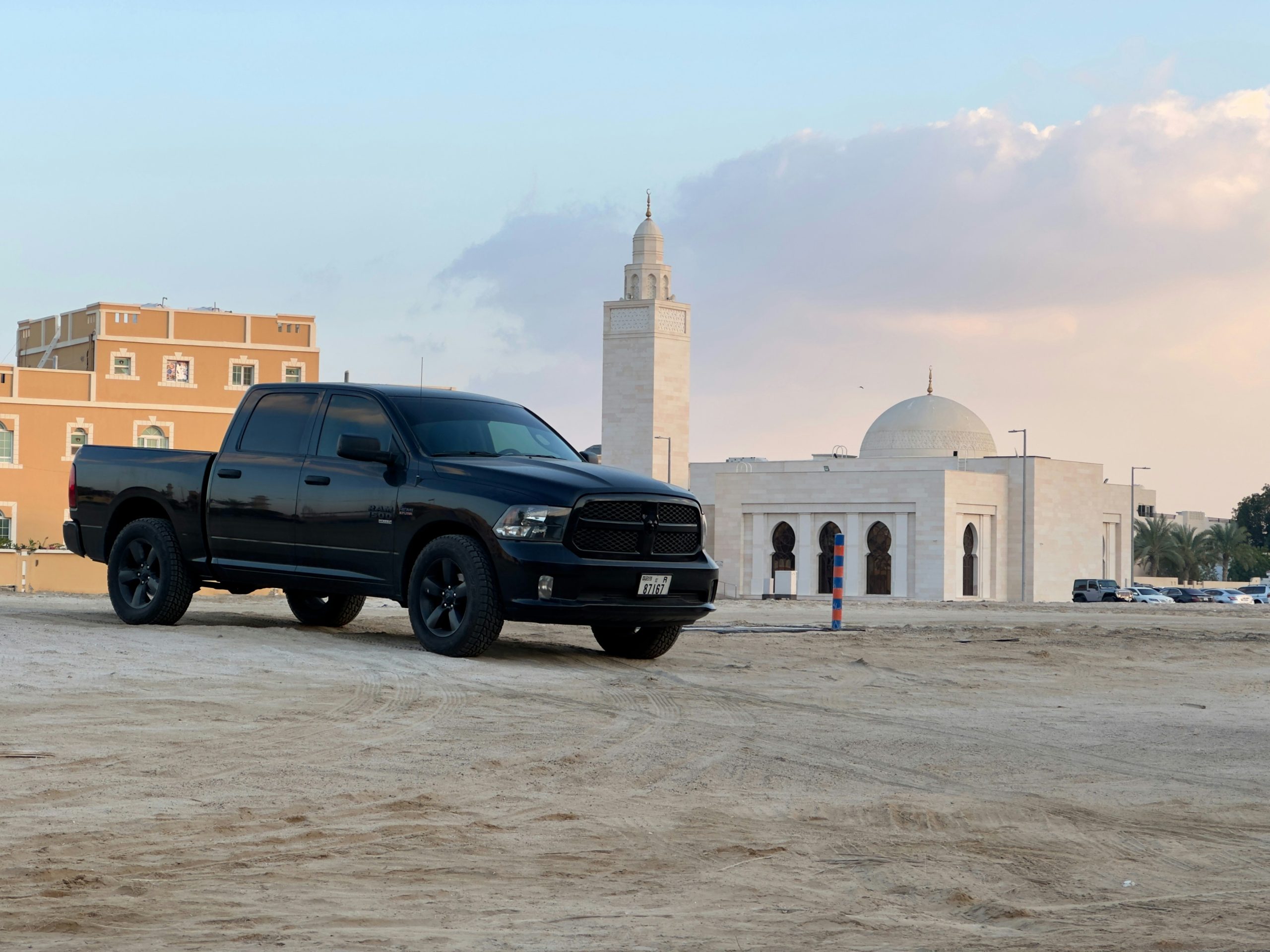
Winter can be particularly hard on vehicles, especially when freezing temperatures affect batteries, fuel systems, engine oil, and electrical components. Many American drivers discover that their cars struggle to start after sitting outside overnight.
Older vehicles and models with known cold-weather weaknesses may require a jump-start, battery replacement, or professional attention before they run reliably again. Understanding which cars deserve extra attention can help owners avoid unexpected breakdowns during the coldest months.
This guide examines ten vehicles that may experience winter starting problems, explains the reasons behind them, and shares practical maintenance advice for drivers across the United States.
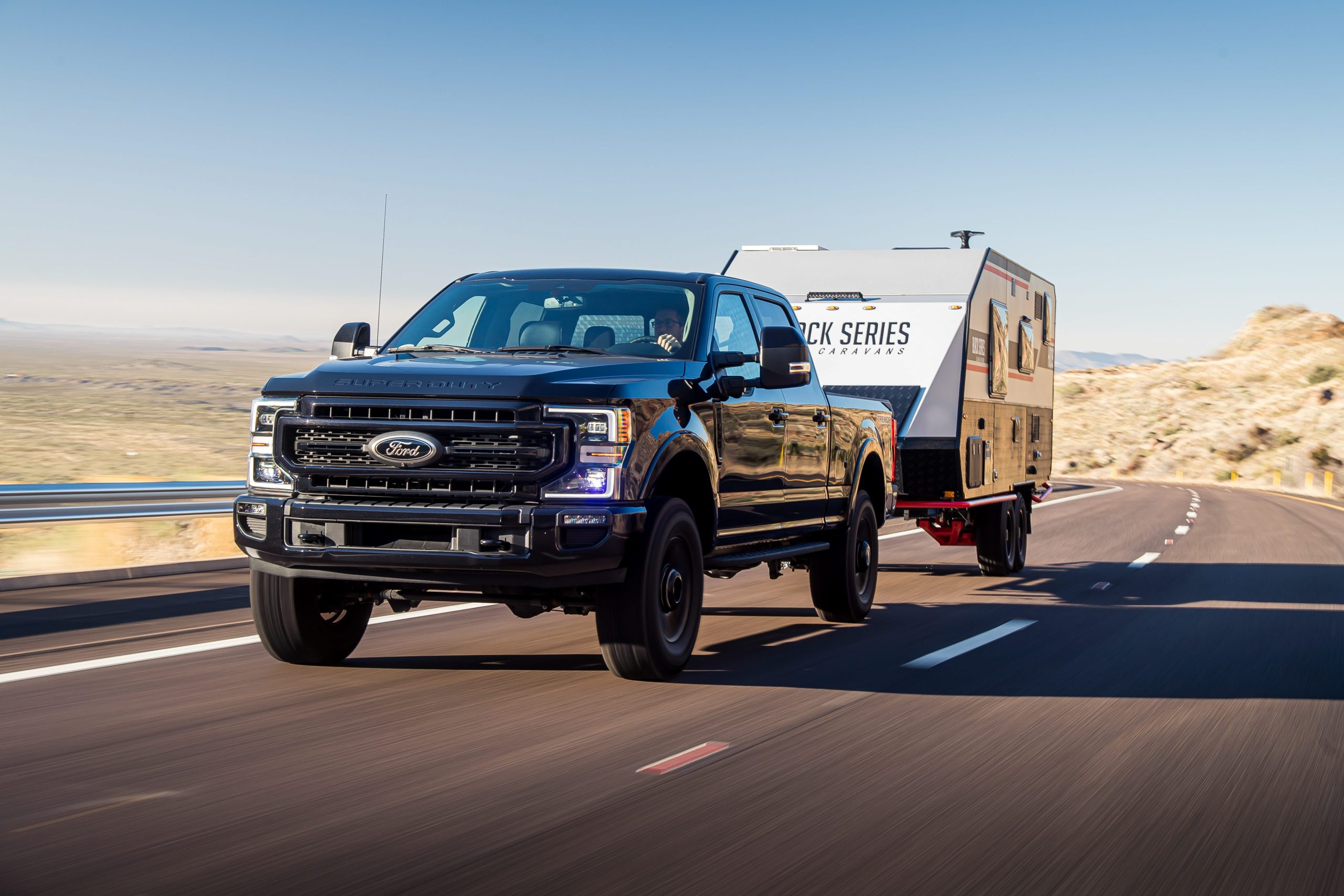
1. Ford F-250 Super Duty with the 6.0L Power Stroke Diesel Engine
The Ford F-250 Super Duty equipped with the 6.0L Power Stroke diesel engine deserves attention when discussing older trucks that can struggle during winter.
Introduced for the 2003 model year, this diesel-powered pickup became popular among American drivers who needed towing capacity, hauling strength, and dependable performance.
However, cold weather can expose weaknesses in its starting system, particularly when maintenance has been neglected. Diesel engines require suitable compression, properly functioning fuel delivery, and adequate electrical power to start successfully. When temperatures fall below freezing, these requirements become even more important.
A major concern involves the glow plug system, which helps warm the combustion chambers before starting. Diesel fuel does not ignite through a traditional spark plug. Instead, the engine relies on compression heat to ignite the fuel.
Glow plugs assist during cold starts by raising combustion chamber temperatures. If the glow plugs, wiring, or glow plug control module develop problems, the engine may crank for an extended period without starting. Drivers might also notice rough running immediately after ignition.
Battery condition is equally important in this truck. Large diesel engines require substantial cranking power, and the F-250 commonly uses two batteries to supply the necessary electrical energy. When both batteries are aging, even a relatively healthy-looking electrical system may struggle during a cold morning.
Low temperatures reduce available battery power, making weak batteries especially problematic. If the truck has been sitting unused for several days, the chances of experiencing starting difficulties may increase.
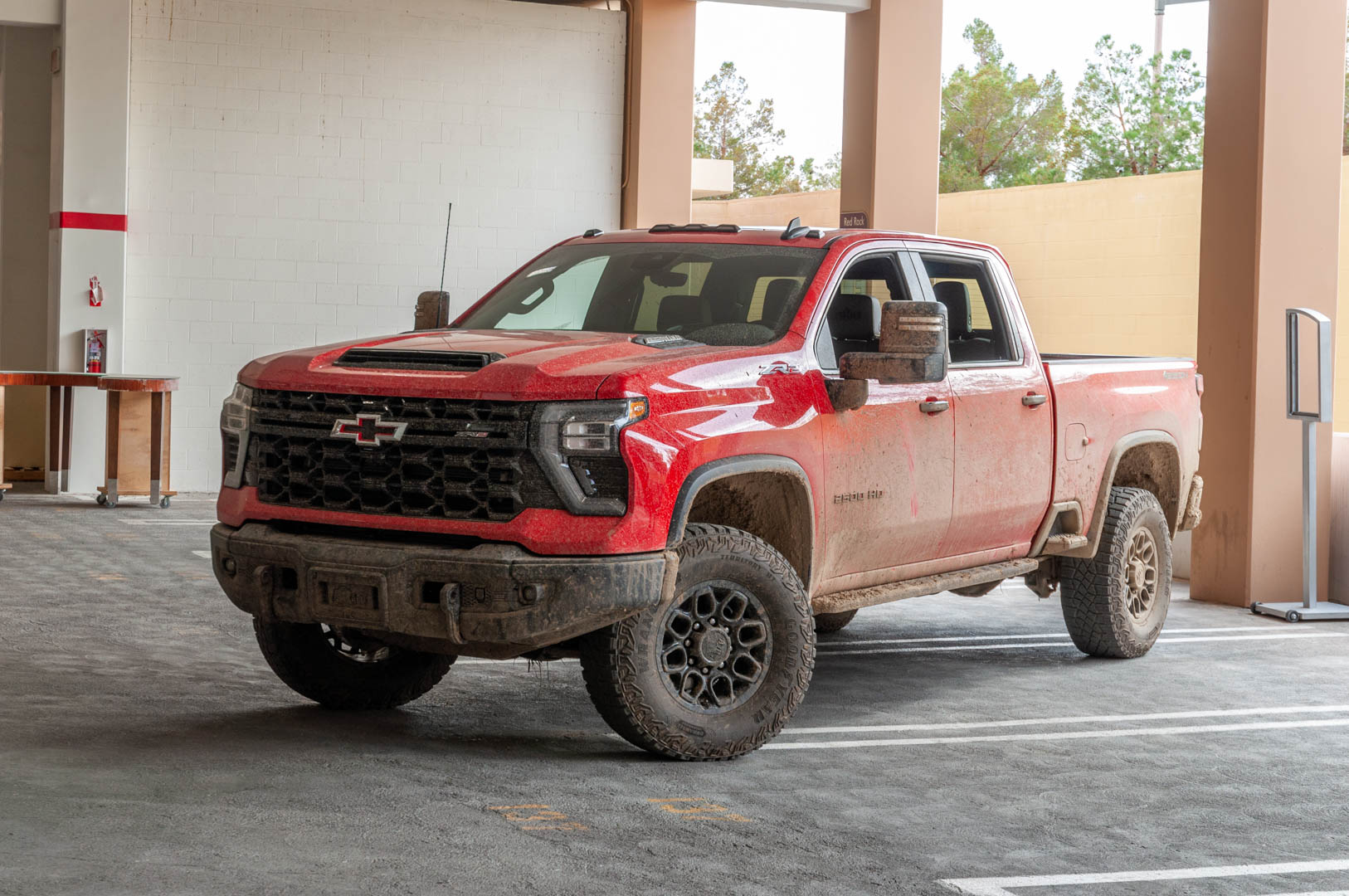
2. Chevrolet Silverado 2500HD with the 6.6L Duramax Diesel Engine
The Chevrolet Silverado 2500HD with the 6.6L Duramax diesel engine is widely recognized for its towing and heavy-duty capabilities. These trucks serve contractors, farmers, recreational vehicle owners, and drivers who regularly transport heavy loads.
However, older Duramax-powered models can experience starting difficulties when temperatures become extremely low. Diesel engines naturally require more attention during winter than many gasoline-powered vehicles. Battery performance, fuel condition, glow plug operation, and engine maintenance all influence whether the truck starts successfully.
The Duramax engine uses glow plugs to assist with cold starting. These components warm the combustion chambers and help the engine achieve the temperatures needed for combustion. If glow plugs become worn or the control system develops electrical faults, starting can become difficult.
Owners may notice longer cranking times, uneven engine operation immediately after starting, or warning lights related to the glow plug system. Problems can become more noticeable when the vehicle remains parked outside overnight.
Battery strength also plays an essential role. Heavy-duty diesel trucks need substantial electrical power to turn their engines over. An aging battery may appear functional during mild weather but fail to provide sufficient current when temperatures drop.
Silverado diesel models equipped with two batteries require attention to both units. If one battery becomes significantly weaker than the other, the electrical system may experience additional strain.
Another concern is diesel fuel quality. During particularly cold weather, diesel fuel can become less fluid because of wax formation. This can restrict fuel movement through the filter and interfere with normal engine operation.
Drivers in northern states such as Minnesota, Wisconsin, Michigan, and North Dakota should pay particular attention to seasonal diesel blends. Keeping the fuel system maintained and replacing filters according to schedule can reduce the likelihood of winter-related problems.
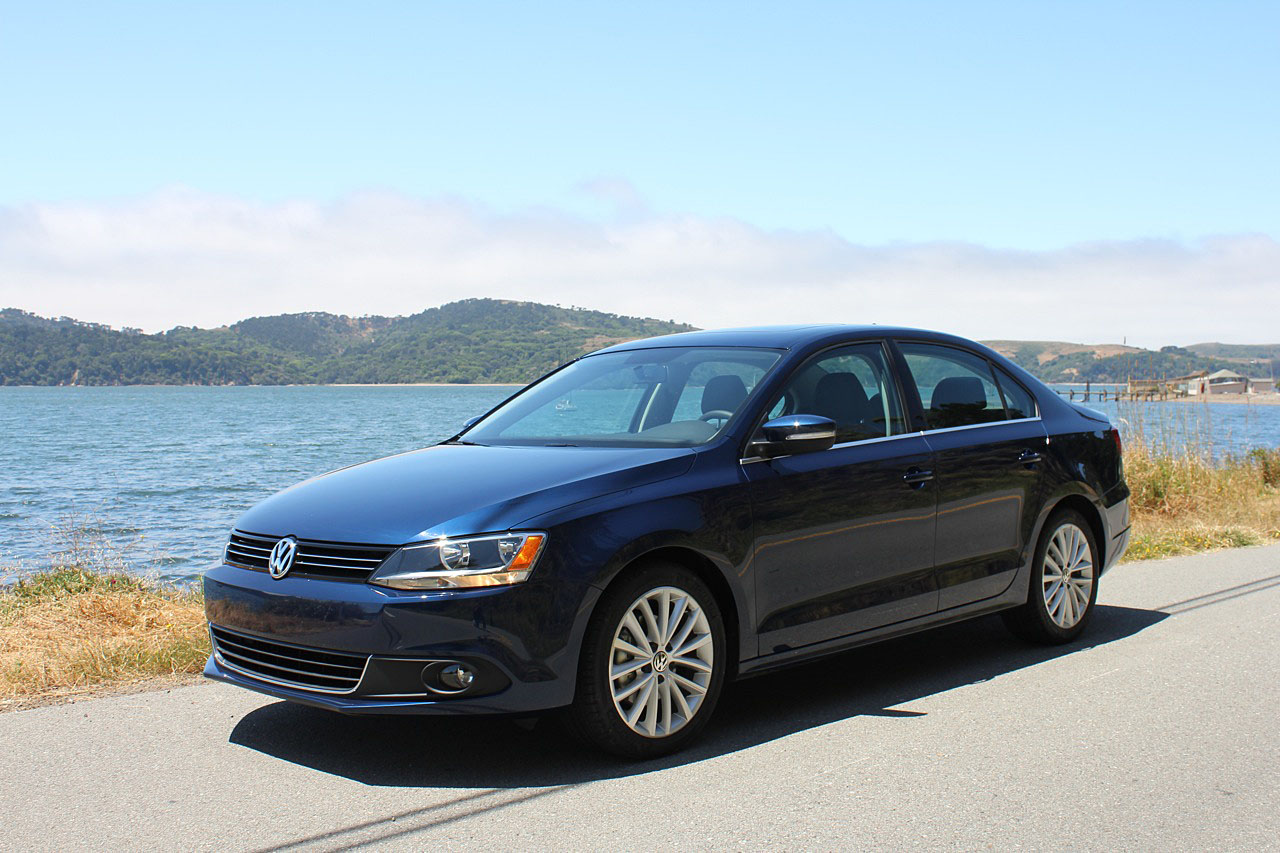
3. Volkswagen Jetta TDI Diesel
The Volkswagen Jetta TDI has earned a following among American drivers who appreciate fuel efficiency and diesel-powered performance. Older examples remain on American roads, particularly in regions where used diesel vehicles have a strong following.
However, winter starting can become challenging when temperatures fall significantly. Diesel engines depend on compression ignition, and their starting systems need sufficient electrical power and appropriate fuel conditions. An older Jetta TDI with neglected maintenance may struggle more than expected during freezing weather.
Glow plugs are particularly important for these vehicles. They help raise the temperature inside the combustion chambers before the engine starts. When a glow plug becomes defective, the engine may crank longer than usual or run unevenly after starting.
A malfunctioning glow plug relay or associated wiring can create similar symptoms. These problems are not exclusive to the Jetta TDI, but aging components can make them more likely in older examples.
Battery condition is another important factor. Many older Jetta models still operate with their original electrical architecture, and years of use can reduce battery capacity.
Cold weather slows the chemical reactions inside conventional lead-acid batteries, reducing their ability to deliver starting power. If the vehicle has an aging battery, short daily trips, or an electrical drain while parked, starting difficulties may appear suddenly when temperatures fall.
4. Jeep Liberty CRD
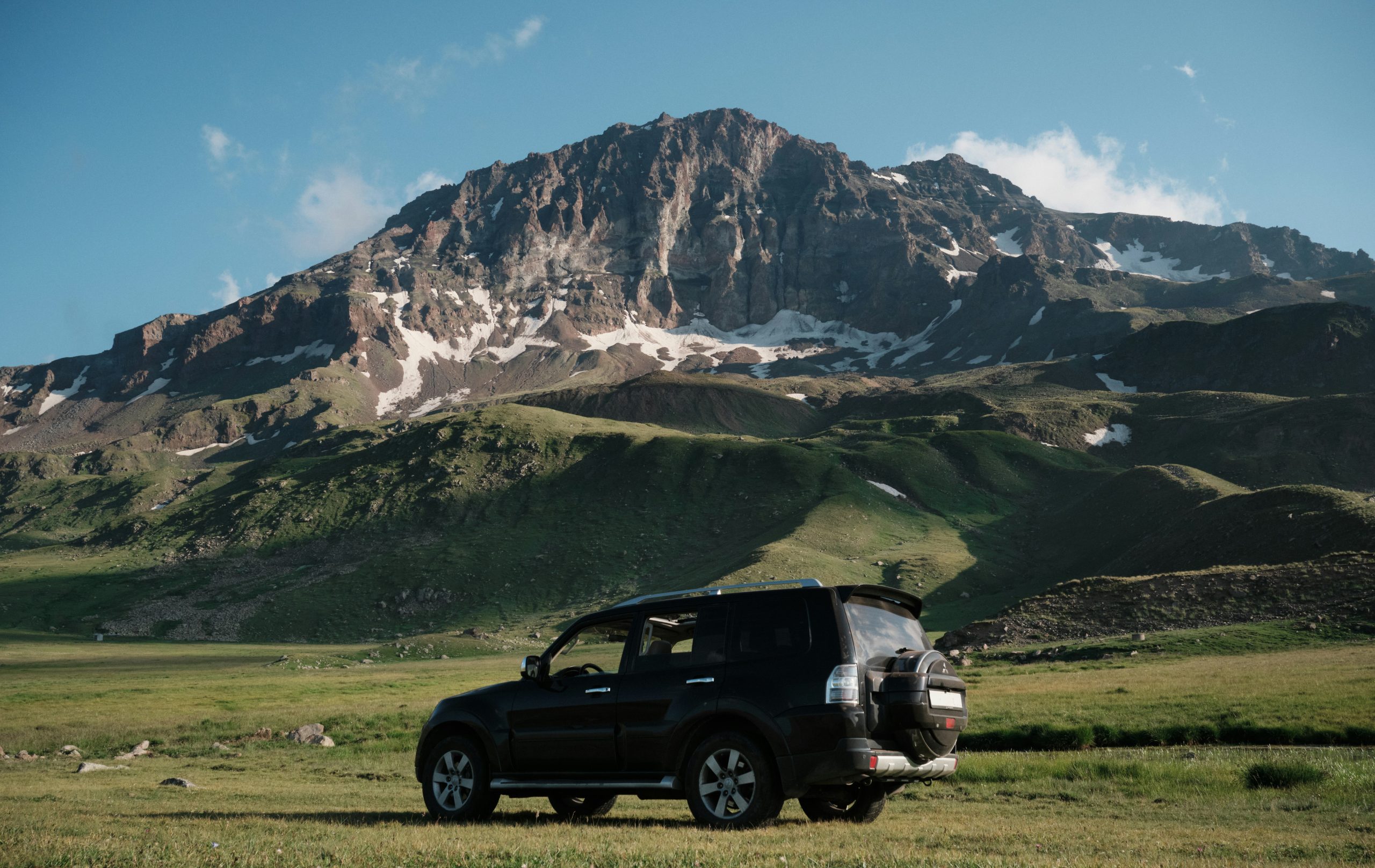
The Jeep Liberty CRD is a relatively uncommon diesel-powered SUV in the American used-car market. Its 2.8L turbocharged diesel engine appealed to buyers who wanted diesel efficiency in a smaller sport utility vehicle.
However, these older vehicles require careful maintenance, particularly when winter temperatures arrive. Their age means that batteries, wiring, fuel components, and engine sensors may have experienced years of wear. Cold weather can expose existing weaknesses that remain unnoticed during warmer months.
The glow plug system plays an important role in starting the Liberty CRD. Diesel engines require suitable combustion temperatures, and glow plugs help provide the necessary heat during cold starts. When these components deteriorate, the engine may take longer to start.
A weak glow plug system can also produce rough running during the first moments after ignition. Owners should investigate repeated cold-start problems rather than assuming they are simply part of normal diesel operation.
Fuel quality can create further challenges. Diesel fuel may develop wax crystals when exposed to very low temperatures, potentially restricting fuel filters and delivery lines. A vehicle with an old fuel filter may be particularly vulnerable.
American drivers living in colder regions should use winter-grade diesel when available. Proper fuel storage and maintenance are also important for vehicles that remain parked for extended periods.
The battery and charging system should receive attention as well. The Liberty CRD is an older SUV, meaning electrical connections may have developed corrosion over time. Battery terminals, grounding points, and charging connections should be inspected.
A battery that performs adequately during summer may struggle to turn the engine over during a freezing morning. Drivers should also investigate any unusual electrical behavior before the winter season begins.

5. Mercedes-Benz Sprinter Diesel
The Mercedes-Benz Sprinter diesel is a familiar sight across the United States, particularly among delivery companies, contractors, tradespeople, and camper van owners. Its diesel engines are designed to handle substantial mileage and demanding workloads.
However, commercial vehicles often spend long hours on the road before remaining parked overnight. During winter, this pattern can expose weaknesses in batteries, fuel systems, and engine starting components. An older Sprinter with inconsistent maintenance may experience starting problems when temperatures fall sharply.
The battery system deserves particular attention. Sprinter vans often support numerous electrical accessories, including interior lighting, communication equipment, refrigeration systems, and additional camper equipment.
These electrical demands can gradually reduce battery charge, especially when the vehicle is parked for extended periods. Cold temperatures further reduce available battery power. If the van already has a weak battery or an underlying charging issue, the engine may struggle to turn over.
Diesel fuel management is equally important. Cold temperatures can encourage wax formation in diesel fuel, restricting the filter and reducing fuel delivery. Sprinter owners who operate in northern American states should make sure their vehicles receive appropriate winter-grade diesel.
Fuel filters should also be replaced according to the maintenance schedule. Commercial vans that accumulate significant mileage may need closer attention because dirty filters can contribute to starting and performance problems.

6. BMW 3 Series Older Models
Older BMW 3 Series vehicles, including certain E46 and E90 examples, can experience starting difficulties during winter. These cars remain popular across the United States because of their driving characteristics, comfortable interiors, and strong enthusiast communities.
However, many older examples have accumulated substantial mileage. Age-related wear, electrical faults, neglected batteries, and oil maintenance issues can become more noticeable when temperatures drop. A vehicle that starts perfectly during summer may behave differently after spending an entire night outdoors in freezing conditions.
The battery is a major consideration. BMW vehicles use sophisticated electrical systems that monitor battery condition and charging behavior. An aging battery may struggle to provide adequate power during cold starts, particularly if the car has been driven only for short distances.
Some models also require battery registration after replacement, depending on their electrical configuration. Installing an unsuitable battery or failing to follow the correct replacement procedure can lead to charging-related complications.
Engine oil viscosity can influence starting performance as well. Cold temperatures make engine oil thicker, increasing the resistance the starter must overcome when turning the engine.
Using oil that does not meet the manufacturer’s specifications can make cold-weather operation more difficult. BMW owners should check their owner’s manuals and use the recommended oil grade and specification for their particular engine and climate.
Electrical problems can create additional complications in aging BMW models. Corroded battery terminals, poor grounding connections, failing alternators, and parasitic battery drains may reduce starting reliability.
Some older vehicles also experience issues involving ignition switches, starter motors, or electronic control systems. These problems should not automatically be blamed on cold weather, but lower temperatures can reveal weaknesses that were already present.
7. Chevrolet Cruze Diesel
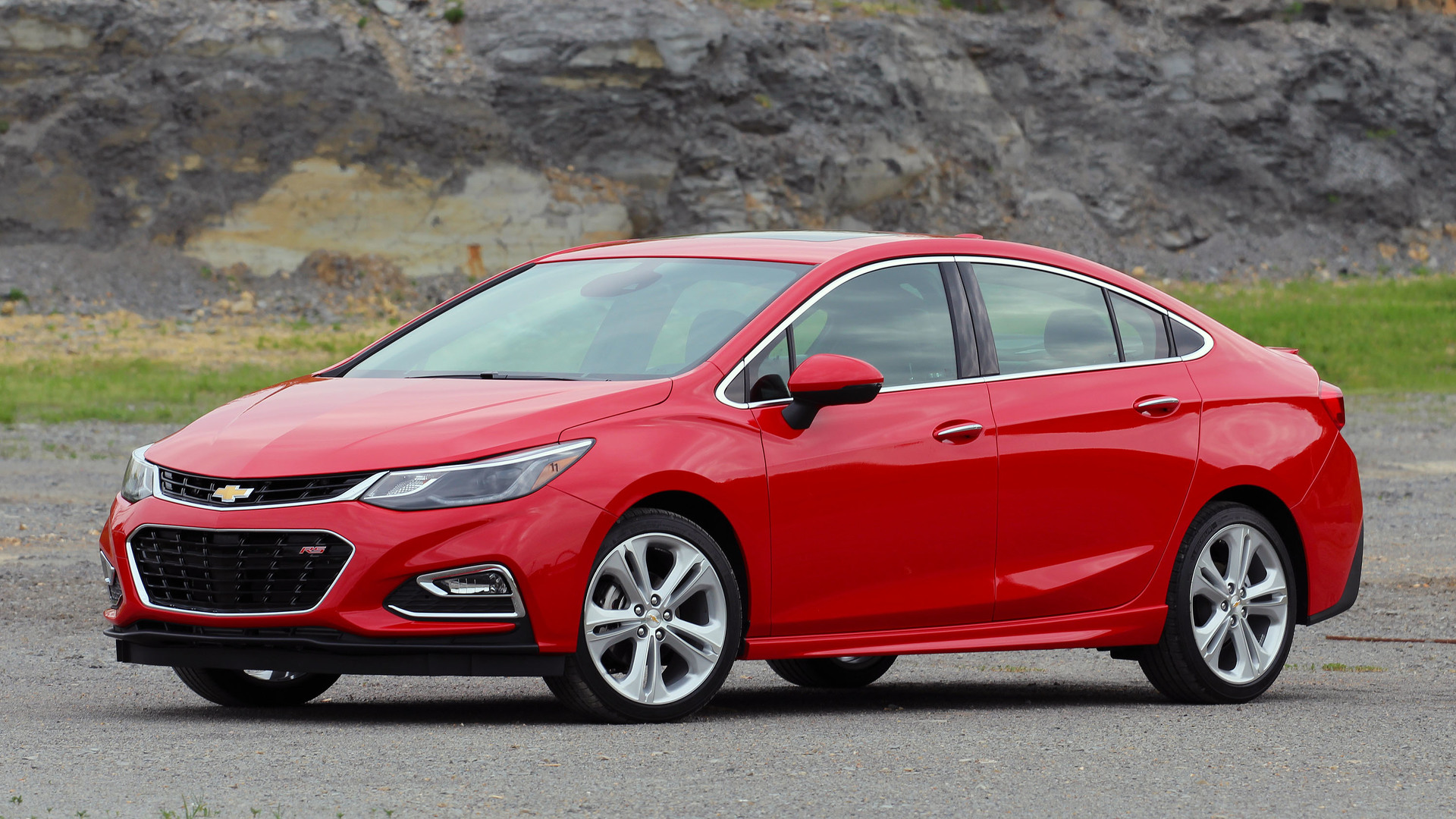
The Chevrolet Cruze Diesel attracted American buyers looking for a compact sedan with strong fuel economy and diesel technology. Certain model years offered an efficient driving experience for commuters who covered long distances.
However, diesel engines require additional attention during winter, particularly when vehicles are exposed to freezing temperatures. An older Cruze Diesel with worn batteries, neglected fuel filters, or malfunctioning glow plugs may experience difficulty starting during particularly cold mornings.
Glow plugs help warm the combustion chambers during startup. When these components fail, the engine may crank longer than expected before starting.
Drivers may notice rough idling immediately after ignition or warning messages related to the diesel engine management system. These symptoms deserve attention because repeated cold-start difficulties can indicate a developing electrical or combustion-related issue.
Battery performance is another important consideration. Compact diesel vehicles still require substantial starting power, and a weak battery may struggle when temperatures fall below freezing. A battery that is several years old should be tested before winter.
Drivers who primarily make short journeys should pay particular attention because frequent short trips may not provide enough time for the charging system to restore the energy used during startup.
Fuel condition can also influence reliability. Diesel fuel may become less suitable for normal operation during severe cold weather if it contains wax that restricts flow.
Fuel filters can become blocked, reducing the amount of fuel reaching the engine. Seasonal diesel blends are particularly useful in regions that experience prolonged freezing temperatures. Keeping the filter in good condition helps support normal fuel delivery.
8. Toyota Prius
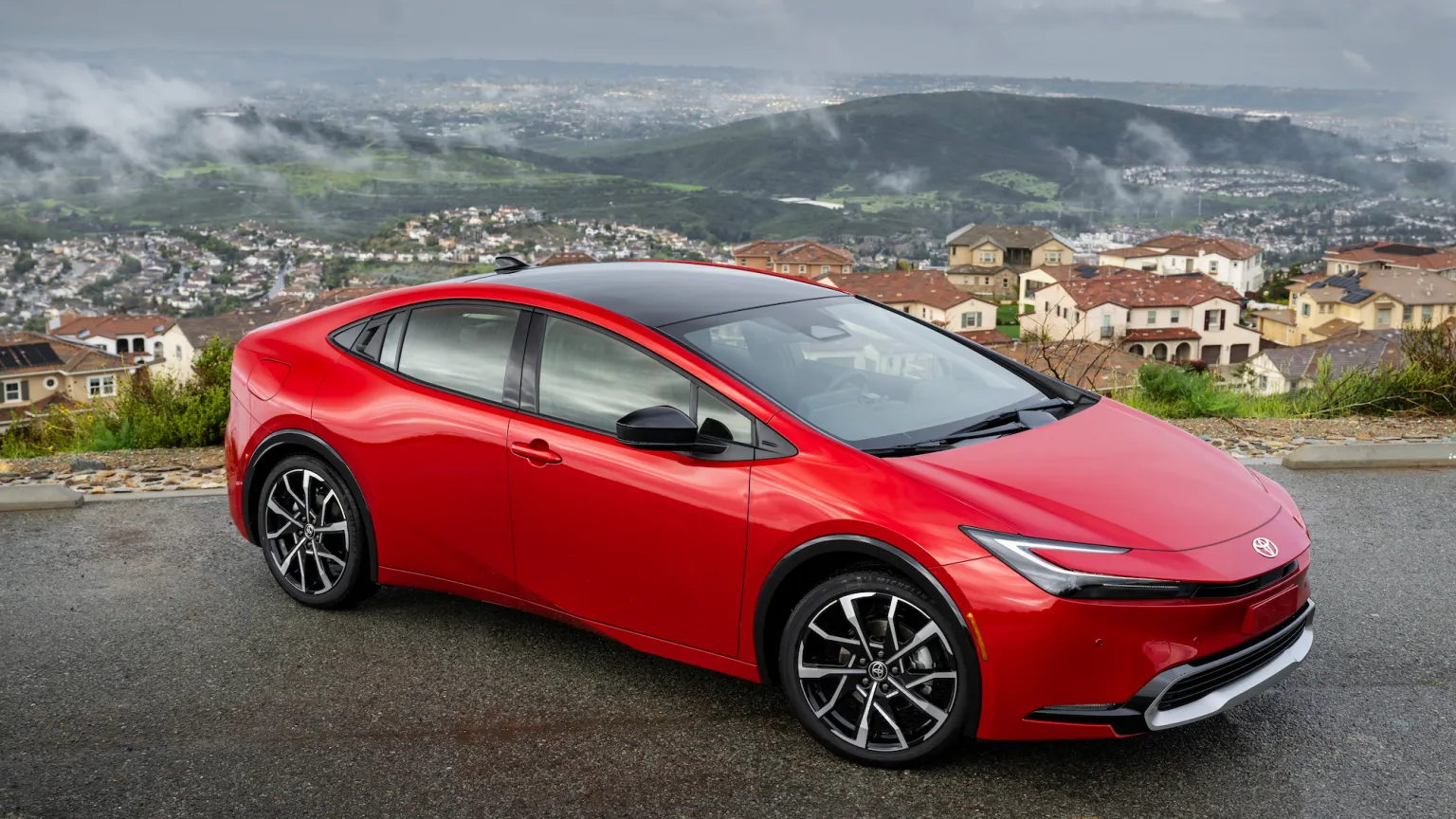
The Toyota Prius is widely recognized across the United States for its hybrid technology and fuel efficiency. Unlike conventional vehicles, the Prius uses a combination of a gasoline engine and an electric motor to operate.
This arrangement changes the way the vehicle starts, but it does not eliminate winter-related problems. A Prius may refuse to enter its ready-to-drive state if its 12-volt auxiliary battery becomes too weak. This issue can surprise owners who assume that hybrid technology makes their vehicles immune to battery problems.
The 12-volt battery is particularly important. It powers electronic systems that allow the vehicle to activate its hybrid control systems. When the battery becomes weak, the dashboard may illuminate warning messages, electronic components may behave unusually, and the vehicle may fail to enter READY mode.
Cold weather can make an aging 12-volt battery even less effective. This is why hybrid owners should not overlook the small auxiliary battery.
The hybrid traction battery has a different purpose. It stores energy used by the electric motor and supports the hybrid system. Extreme temperatures can affect battery performance, efficiency, and charging behavior.
However, a Prius that will not start during winter does not automatically have a failed traction battery. In many cases, the problem involves the 12-volt battery, electrical connections, or another component within the hybrid system.
Another issue involves the gasoline engine. The Prius may operate electrically under certain conditions, but the gasoline engine still needs to start when required.
Cold weather can affect fuel efficiency and engine operation, while old spark plugs, fuel system problems, or maintenance issues may contribute to starting difficulties. Owners should follow the recommended service schedule and avoid ignoring warning lights.
9. Subaru Outback
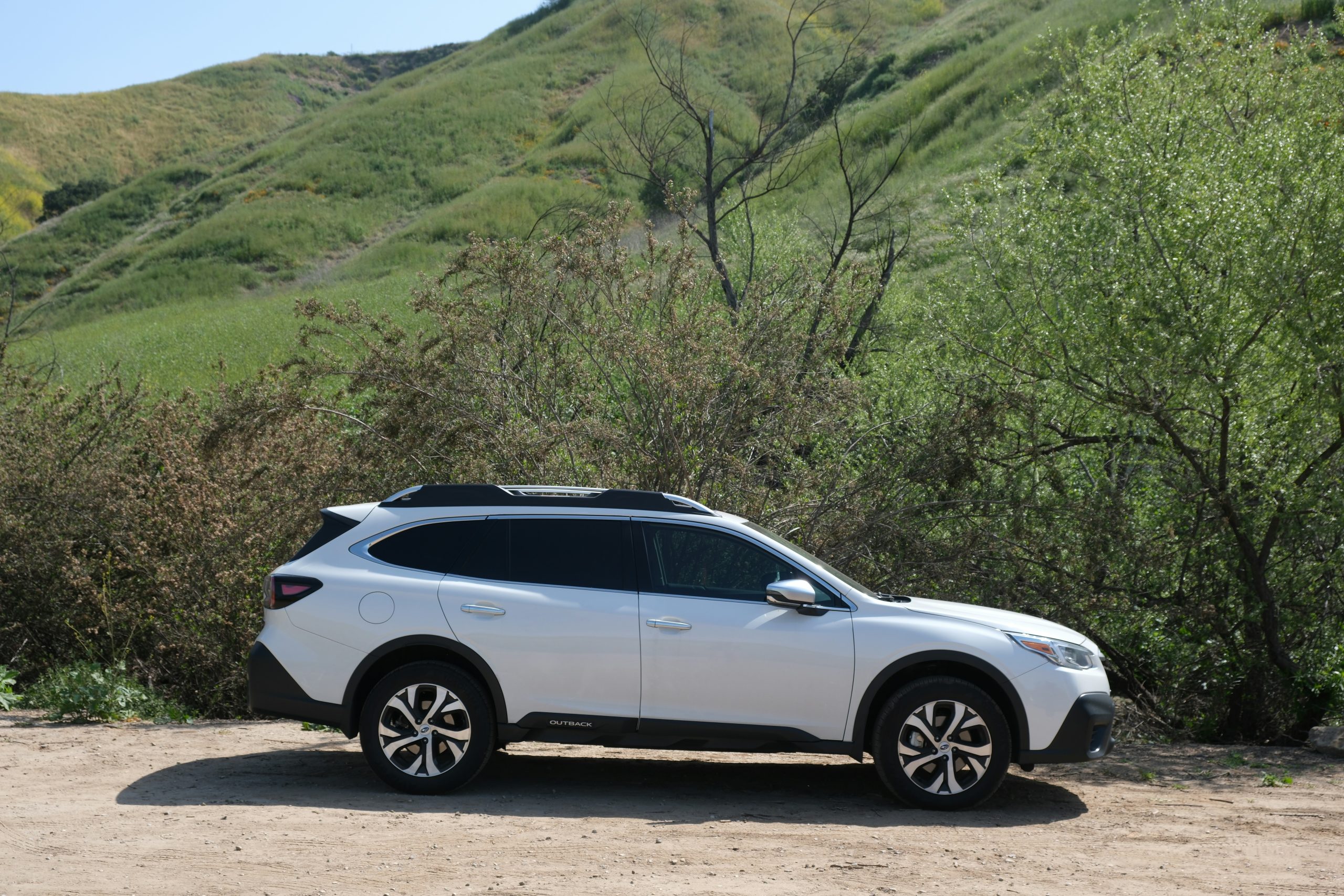
The Subaru Outback is popular among American drivers who appreciate all-wheel drive, practical cargo space, and the ability to travel through snowy conditions. It is particularly common in states such as Colorado, Vermont, Maine, and Washington.
However, all-wheel drive does not guarantee trouble-free winter starting. Older Outback models can experience problems involving batteries, starter motors, ignition components, and engine maintenance. Cold temperatures may make existing weaknesses more noticeable.
Battery health is an important starting point. Many older Outbacks have spent years operating in challenging weather conditions, and their batteries may have lost significant capacity.
A weak battery may struggle to turn the engine over when temperatures drop. Drivers who leave their vehicles parked outside overnight should consider a battery inspection before winter. Clean terminals and healthy electrical connections are equally important.
Engine oil can also influence cold-start performance. Subaru engines require oil that meets the specifications listed in the owner’s manual. Incorrect viscosity or overdue oil changes may affect lubrication and increase resistance during startup.
Drivers should check oil levels regularly and follow the recommended service intervals. These steps are particularly important for older engines with higher mileage.
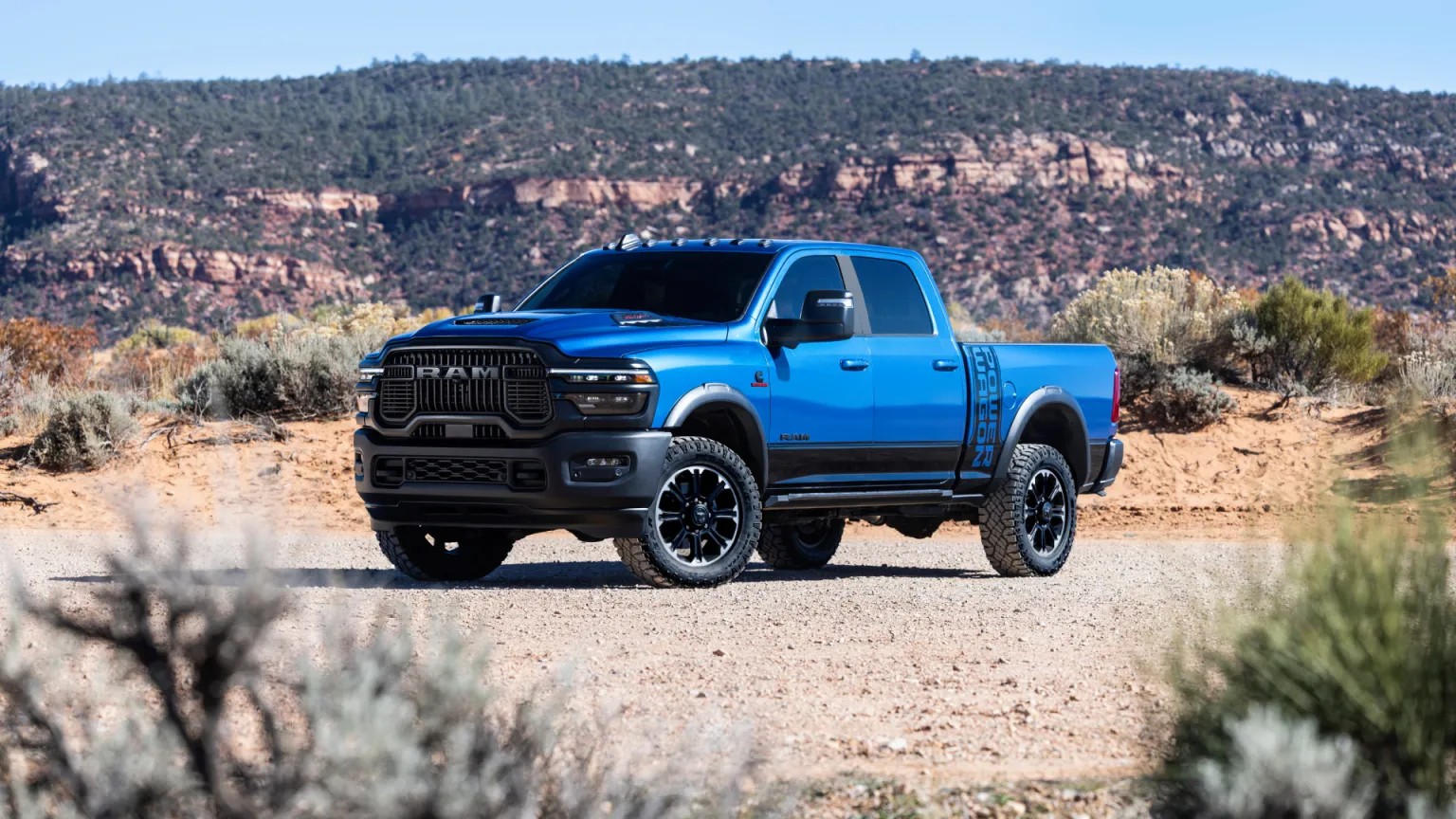
10. Ram 2500 with the 6.7L Cummins Diesel Engine
The Ram 2500 equipped with the 6.7L Cummins diesel engine is a popular choice among American truck owners who need substantial towing and hauling capability. These heavy-duty pickups are frequently used for work, recreational trailers, agricultural activities, and long-distance transportation.
However, diesel engines have particular requirements during cold weather. If the truck has weak batteries, malfunctioning intake heating equipment, fuel restrictions, or poor maintenance, it may struggle to start after spending several hours in freezing temperatures.
The intake air heating system is an important part of cold-weather starting. Depending on the model year and engine configuration, Cummins-powered trucks use an intake grid heater or other cold-start assistance systems.
These components help improve conditions for combustion when the engine is cold. If the heating system develops a fault, starting may become more difficult. Owners should have warning messages and cold-start problems investigated by a diesel specialist.
Battery condition is equally important. Heavy-duty diesel engines require substantial cranking power, and Ram 2500 trucks commonly use two batteries. Both should be tested before winter because a weak battery can affect the entire starting system.
Drivers should also inspect battery cables, grounding points, and alternator performance. Replacing only the visibly weaker battery without checking the complete system may leave an underlying problem unresolved.
Fuel management becomes particularly important during freezing weather. Diesel fuel can develop wax crystals that restrict fuel filters and interfere with fuel delivery.
Trucks operating in colder American states should use appropriate winter-grade diesel. Fuel filters should be replaced according to the maintenance schedule, and drivers should avoid using unapproved additives. Proper fuel preparation can reduce the risk of cold-weather restrictions.
