

Getting a car insurance quote may seem like a simple process, but insurers consider several details before calculating your premium.
From your driving history and vehicle information to your location and previous claims, each piece of information helps them estimate the risk associated with covering your car.
Understanding what car insurance companies look at can help you make informed decisions, avoid unexpected costs, and find suitable coverage. Whether you are buying your first policy or renewing an existing one, knowing these nine important factors can give you a clearer picture of how insurers assess applications.

1. Your Driving History and Previous Traffic Violations
Your driving history is among the first things car insurance companies consider when preparing a quote. Insurers want to understand how you behave behind the wheel and whether your past driving record suggests a higher possibility of future claims.
A driver with a clean record may qualify for more competitive insurance rates than someone with several traffic violations. Speeding tickets, reckless driving offences, dangerous manoeuvres, and other recorded violations can influence how an insurer evaluates an application. These details help companies estimate the financial risk involved in providing coverage.
Traffic violations can affect your insurance premium for different periods, depending on the insurer and the laws governing insurance in your location. A minor speeding offence may have a smaller impact than a serious violation involving dangerous driving.
Some companies consider recent violations more important than older incidents because recent behaviour may provide a clearer indication of current driving habits. Serious offences can also lead to restricted coverage options or difficulty finding an insurer willing to offer favourable terms.
Insurance providers may review information from official driving records, licensing authorities, and other permitted data sources. The exact information available depends on local regulations and the company’s underwriting process.
In markets where driving records are routinely checked, insurers may identify violations that applicants have forgotten about. Providing accurate information during the application process is important because incorrect disclosures can create complications when the company verifies the details.
A clean driving record can work in your favour when comparing car insurance policies. Some insurers offer safe-driver discounts or reward customers who maintain a violation-free history for a specified period. These benefits are not automatic everywhere, and eligibility requirements differ between companies.
Drivers can protect their records by following speed limits, avoiding distracted driving, respecting traffic signals, and maintaining safe distances from other vehicles. Consistent habits can support better insurance opportunities over time.

2. Your Age and Driving Experience
Your age can influence the price of car insurance because insurers use statistical information to assess driving risks across different age groups. Younger drivers, particularly those with limited experience, may face higher premiums in some markets.
Insurance companies often associate limited driving experience with greater uncertainty because new drivers have had fewer opportunities to develop practical road awareness and respond to unexpected situations. These assessments are based on broader risk patterns rather than a guarantee that a particular young driver will make a mistake.
Driving experience can be just as important as age. Someone who recently obtained a driving licence may be assessed differently from a person who has been driving safely for many years.
Insurers may request details about when you received your licence, how long you have owned a vehicle, and whether you have previously held an insurance policy. These details help establish your driving background and provide additional information for calculating the premium.
Older drivers may also experience changes in their insurance rates. Some companies consider age-related factors when assessing risk, while others focus more heavily on driving records, claims, vehicle details, and local insurance rules.
A long history of responsible driving may help an experienced motorist qualify for favourable pricing. However, age alone does not determine the final premium, and different insurers can assess the same applicant in different ways.
Your insurance history may provide additional evidence of driving experience. For example, a motorist who has maintained continuous coverage for several years may have a more established insurance record than someone purchasing a policy for the first time.
Some companies consider previous policy periods when determining eligibility for discounts or preferred pricing. The treatment of insurance history depends on the provider, so it is worth asking how previous coverage affects your quote.

3. Your Residential Address and Parking Location
Your residential address tells an insurer more than where you receive your mail. Location can influence car insurance prices because traffic conditions, theft patterns, accident frequency, weather exposure, and repair costs vary between geographical areas.
A vehicle regularly kept in a busy urban neighbourhood may face different risks from a car parked in a quieter residential area. Insurers use location-related information to estimate the likelihood of certain claims and calculate premiums accordingly.
Traffic density is an important consideration. Areas with crowded roads, frequent congestion, and complicated intersections may experience more opportunities for minor collisions. Vehicles used in such locations may also spend longer periods in slow-moving traffic, increasing exposure to accidental damage.
In contrast, drivers living in less congested areas may encounter different risks, including longer journeys and higher travel speeds. Each location presents its own insurance considerations.
Vehicle theft and vandalism patterns can also affect insurance pricing. Insurance companies may examine available regional claims information to understand where particular types of incidents occur more frequently.
If a neighbourhood has a higher reported rate of vehicle theft, comprehensive coverage may cost more for residents in that area. This does not mean every car owner in the neighbourhood is personally more likely to experience theft. It reflects the way insurers evaluate group-level risk information.
Where you park your vehicle can also matter. A car kept in a secure garage overnight may face different theft and weather-related exposure from a vehicle regularly parked on an open street.
Some insurers ask whether the vehicle is stored in a private garage, covered parking facility, residential compound, or public parking area. Accurate answers are important because parking arrangements can influence both premium calculations and the assessment of certain claims.
4. Your Car’s Make, Model, Age, and Market Value
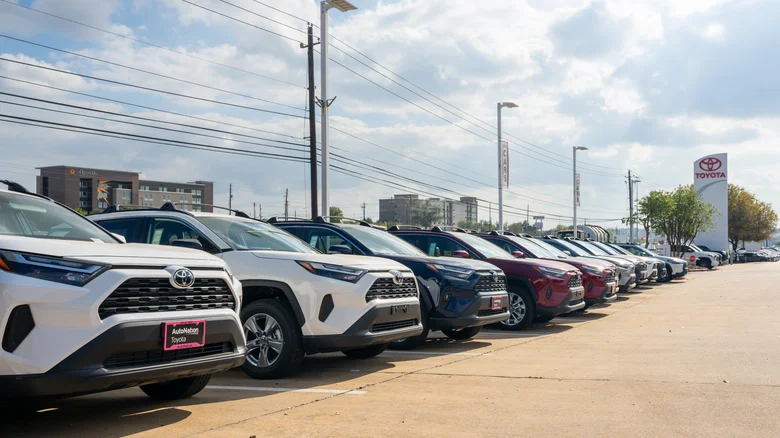
The vehicle you want to insure plays a major role in determining your car insurance quote. Insurers examine information such as the manufacturer, model, manufacturing year, engine capacity, vehicle category, and estimated market value.
These details help them understand how expensive the vehicle may be to repair or replace after an insured incident. A premium vehicle with costly components may require a higher insurance premium than a basic model with more affordable replacement parts.
The make and model can influence repair expenses. Some vehicles use specialised components that are expensive or difficult to source. Others have widely available replacement parts and established repair networks.
Insurance companies consider these differences when estimating the potential cost of future claims. The availability of qualified technicians, authorised service centres, and replacement components may also influence the way certain vehicles are assessed.
A vehicle’s age can affect the type and cost of insurance coverage available. Newer cars may have a higher insured value, making comprehensive protection more expensive in some circumstances.
Older vehicles generally have lower market values, but their condition and repair requirements can still affect the cost of coverage. A car that has been poorly maintained may present different risks from a similar vehicle in excellent mechanical condition.
Engine capacity and vehicle performance may also influence pricing. In some insurance markets, larger engines and high-performance models are associated with higher premiums because their repair costs, replacement values, or risk profiles may differ from ordinary passenger cars.
Sports cars and luxury vehicles can also attract higher premiums because of expensive components and specialised repair requirements. However, insurers do not apply identical rules to every vehicle category.

5. Your Previous Insurance Claims and Claim Frequency
Your previous insurance claims can provide valuable information about how much an insurer might need to pay when covering your vehicle. Companies may review the number of claims you have made, the type of incidents involved, the approximate cost of repairs, and how recently those claims occurred.
A history of frequent claims may lead an insurer to classify an applicant as having a higher risk profile. This assessment can affect the premium and the coverage options available.
The type of claim also matters. A previous accident involving significant vehicle damage may be assessed differently from a small windscreen repair or a minor parking incident. Insurers may distinguish between at-fault and not-at-fault accidents where local regulations and available records permit.
The circumstances surrounding an incident can influence the underwriting decision, meaning the total number of claims is not necessarily the only consideration.
Frequent claims can sometimes affect eligibility for discounts. For example, insurers in certain markets offer no-claims bonuses to policyholders who remain claim-free for a specified period. Making a claim may reduce or remove an accumulated discount, depending on the policy terms.
Some policies provide no-claims protection, which may preserve a discount after certain qualifying claims. However, the protection usually has specific conditions and does not necessarily prevent every premium increase.
Insurance providers may also consider claims made under previous policies. Switching companies does not automatically remove your claims history from consideration.
Depending on local reporting systems and privacy regulations, insurers may obtain information about earlier incidents through permitted databases or documents supplied during the application process. Applicants should disclose relevant information accurately rather than assuming a new provider will have no way to verify it.
6. How Much You Drive and Your Main Vehicle Usage
The distance you drive can influence your insurance quote because greater road exposure may create more opportunities for accidents, breakdowns, and vehicle damage. Insurers may ask how many kilometres or miles you travel annually.
Some companies also request details about your typical weekly driving routine. A person who drives occasionally may have a different risk profile from someone who spends several hours behind the wheel every working day.
Your main reason for using the vehicle is another important consideration. Insurers may distinguish between personal use, daily commuting, business travel, and commercial activities.
A car used primarily for personal errands may require different coverage from a vehicle used regularly for deliveries or professional transportation. The classification depends on the insurer’s policy definitions, so it is important to understand which usage category applies to your circumstances.
Daily commuting can increase the amount of time a vehicle spends on public roads. Travelling during peak traffic hours may involve crowded roads, frequent braking, and unpredictable movements from other motorists.
Long-distance commuters may also encounter different driving conditions, including highways, rural roads, and changing weather. Insurers may consider these patterns when assessing the information provided in an application.
Commercial use deserves particular attention. If you use your personal car for paid deliveries, ride-hailing services, client visits, or other income-generating activities, a standard personal insurance policy may not provide the protection you expect.
Some insurers offer business-use extensions, while others require a separate commercial policy. Failing to disclose the actual purpose of vehicle use can create coverage problems if an incident occurs during an excluded activity.

7. Your Credit-Based Insurance Information, Where Permitted
In certain countries and insurance markets, companies may use credit-based insurance information when assessing applicants. This information is not necessarily the same as a standard lending credit score.
It may involve selected financial and credit-related data that an insurer is legally allowed to consider. Companies use permitted statistical models to examine whether particular information is associated with the likelihood or cost of future insurance claims.
Credit-based insurance information is not used everywhere. Regulations differ considerably between countries, states, and regions. Some jurisdictions restrict or prohibit its use for particular insurance products, while others permit it under specific conditions.
Therefore, it would be inaccurate to assume that every car insurance provider checks an applicant’s credit history before preparing a quote. The rules applicable to your location are particularly important.
Where this information is permitted, insurers may consider factors such as payment history, outstanding financial obligations, and other credit-related indicators.
The exact variables and their importance depend on the provider’s underwriting model and applicable laws. A credit-based insurance assessment should not be confused with a direct judgment about someone’s personal character or ability to drive safely. It is a statistical pricing tool used in certain markets.
If your insurance provider uses credit-based information, you may have the right to request details about the information considered or challenge inaccurate records. These rights depend on local consumer protection and insurance regulations.
Reviewing your credit report through an authorised service can help identify errors, outdated accounts, or incorrect personal information. Correcting mistakes may improve the accuracy of financial records used by organisations.

8. Your Vehicle’s Safety Features and Anti-Theft Equipment
Vehicle safety equipment can influence how insurers evaluate a car because certain technologies are designed to reduce the possibility or severity of accidents. Modern vehicles may include anti-lock braking systems, electronic stability control, airbags, collision warning systems, and automatic emergency braking.
These features can support safer driving when used correctly. Insurers may consider the presence of recognised safety equipment when calculating premiums, depending on their rating methods and local insurance practices.
Anti-theft technology is another important consideration. Security features such as factory-installed immobilisers, approved alarms, steering locks, and tracking systems can help discourage vehicle theft or improve recovery chances.
Some insurance companies offer discounts for qualifying security equipment because it may reduce exposure to particular theft-related losses. The availability and size of these discounts vary between providers and vehicle categories.
Advanced driver assistance systems can also influence repair costs. Cameras, radar sensors, electronic modules, and specialised windscreen components may be expensive to replace or recalibrate following an accident.
Therefore, a vehicle equipped with advanced technology may offer valuable safety benefits while also requiring more costly repairs. Insurers may consider both sides when assessing the vehicle’s risk and expected claim expenses.
The safety rating of a vehicle can provide additional information. Independent vehicle testing organisations assess crash protection and safety performance using established procedures.
Their ratings may help buyers compare vehicles, but insurers do not necessarily use these scores as direct premium calculations. Some companies consider specific safety features, repair statistics, and historical claim information instead of relying on a single rating.

9. Your Coverage Choices, Deductibles, and Policy Preferences
The coverage you select has a direct influence on your car insurance quote. Insurers need to know whether you want basic liability protection, collision coverage, comprehensive insurance, or a combination of available options.
Each type of coverage protects against different financial risks. A policy offering broader protection will generally cost more than a limited policy, though the actual difference depends on the insurer, vehicle, location, and selected limits.
Coverage limits also matter. Liability insurance may pay for certain losses or injuries involving other people when you are legally responsible, subject to the policy and applicable law.
Higher liability limits generally provide greater financial protection but can increase the premium. Comprehensive and collision coverage may also have limits, exclusions, deductibles, or excess amounts that determine how much the insurer pays following an eligible incident.
Your deductible, also called an excess in some markets, is another important pricing factor. It represents the amount you may need to pay towards an eligible claim before the insurer covers the remaining amount under the policy.
Choosing a higher deductible can reduce the premium in many insurance arrangements. However, this approach means you must be prepared to pay more from your own pocket if you make a claim.
Additional coverage options can change the total quotation. Depending on the market and policy, these may include roadside assistance, rental car reimbursement, personal accident protection, legal expense cover, or protection for certain vehicle accessories.
Some insurers offer bundled packages, while others allow customers to select individual benefits. Carefully examine the conditions because optional benefits may contain exclusions, payment limits, and eligibility requirements.
