One lesser-known aspect of the American auto industry is that competing vehicle brands sometimes share the same assembly facilities. Major automakers rely on joint manufacturing ventures, production agreements, and shared factories to reduce expenses and streamline operations.
This means two vehicles competing for the same customers may have more manufacturing connections than buyers realize. From German luxury sports cars to American pickup trucks and Japanese family SUVs, several popular models share assembly plants with their market rivals.
Here are nine fascinating examples, examining their manufacturing connections, features, strengths, weaknesses, and ratings for American car buyers.
1. Toyota GR Supra and BMW Z4: Sports Cars Sharing an Austrian Factory
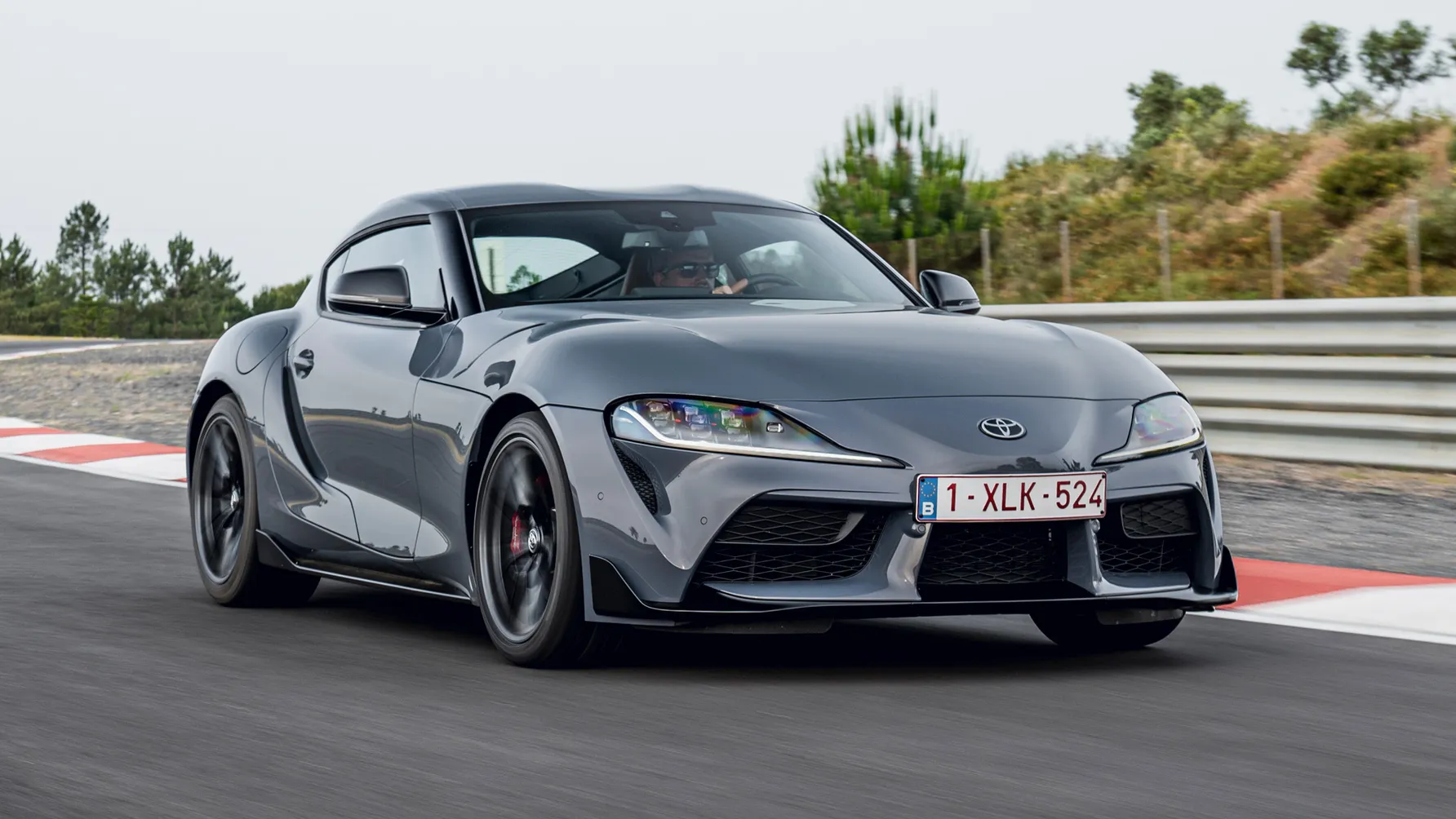
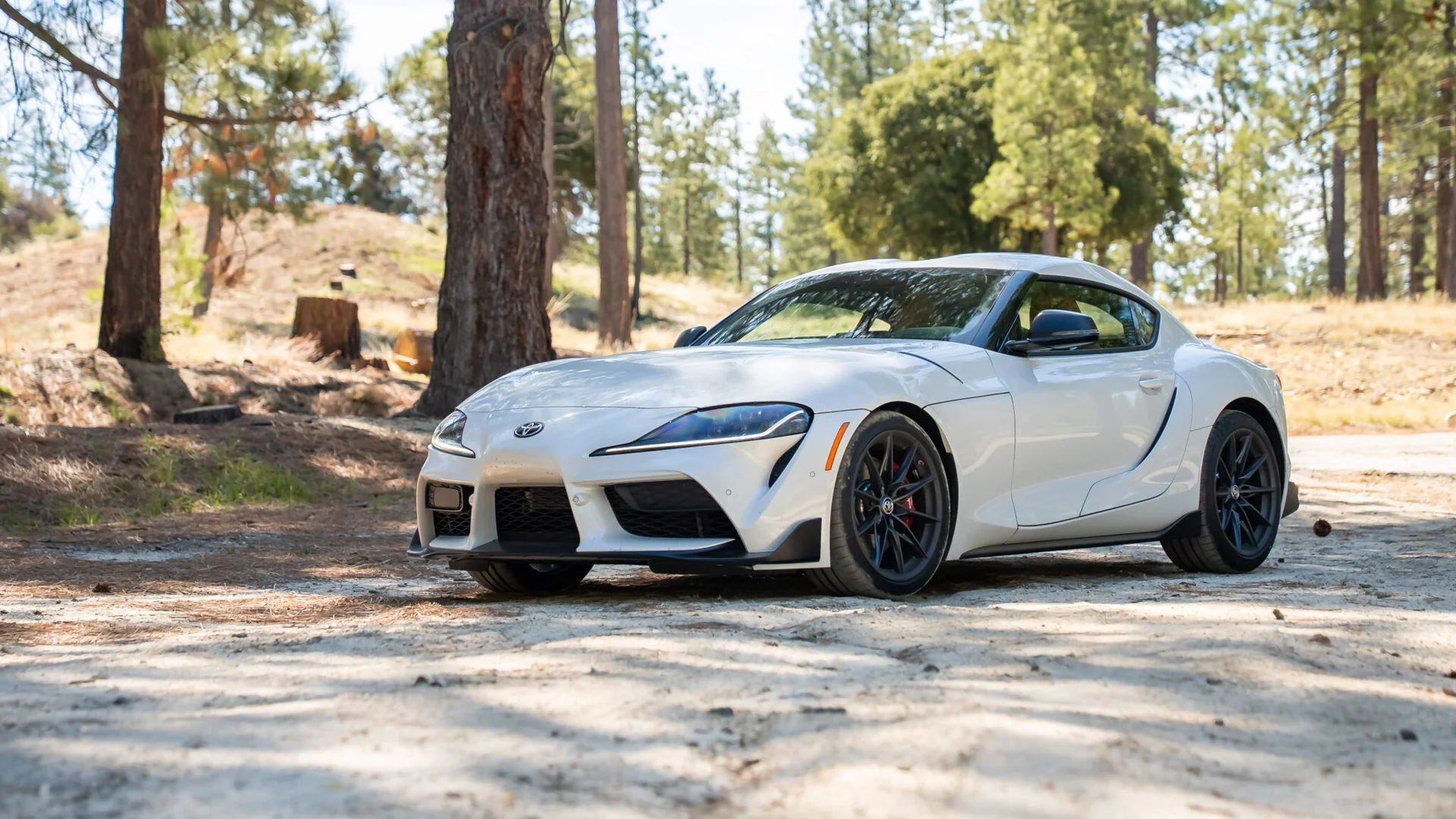
The Toyota GR Supra and BMW Z4 are two recognizable sports cars with an unusual manufacturing connection. Both vehicles are produced at Magna Steyr’s assembly facility in Graz, Austria.
Although Toyota and BMW are separate automotive manufacturers with different customer bases, they collaborated on the development of these sports cars. Their shared production arrangement allows both companies to benefit from specialized manufacturing expertise while maintaining their own branding, styling, and customer experiences.
American buyers can find the Supra and Z4 in a market where performance, handling, and driving enjoyment remain important purchasing considerations.
The mechanical relationship between these vehicles is particularly interesting. Both use BMW-sourced powertrain technology, including turbocharged inline-six engines in their higher-performance configurations.
The Supra also offers a four-cylinder option, while the Z4 lineup has its own engine and transmission configurations depending on model year and trim.
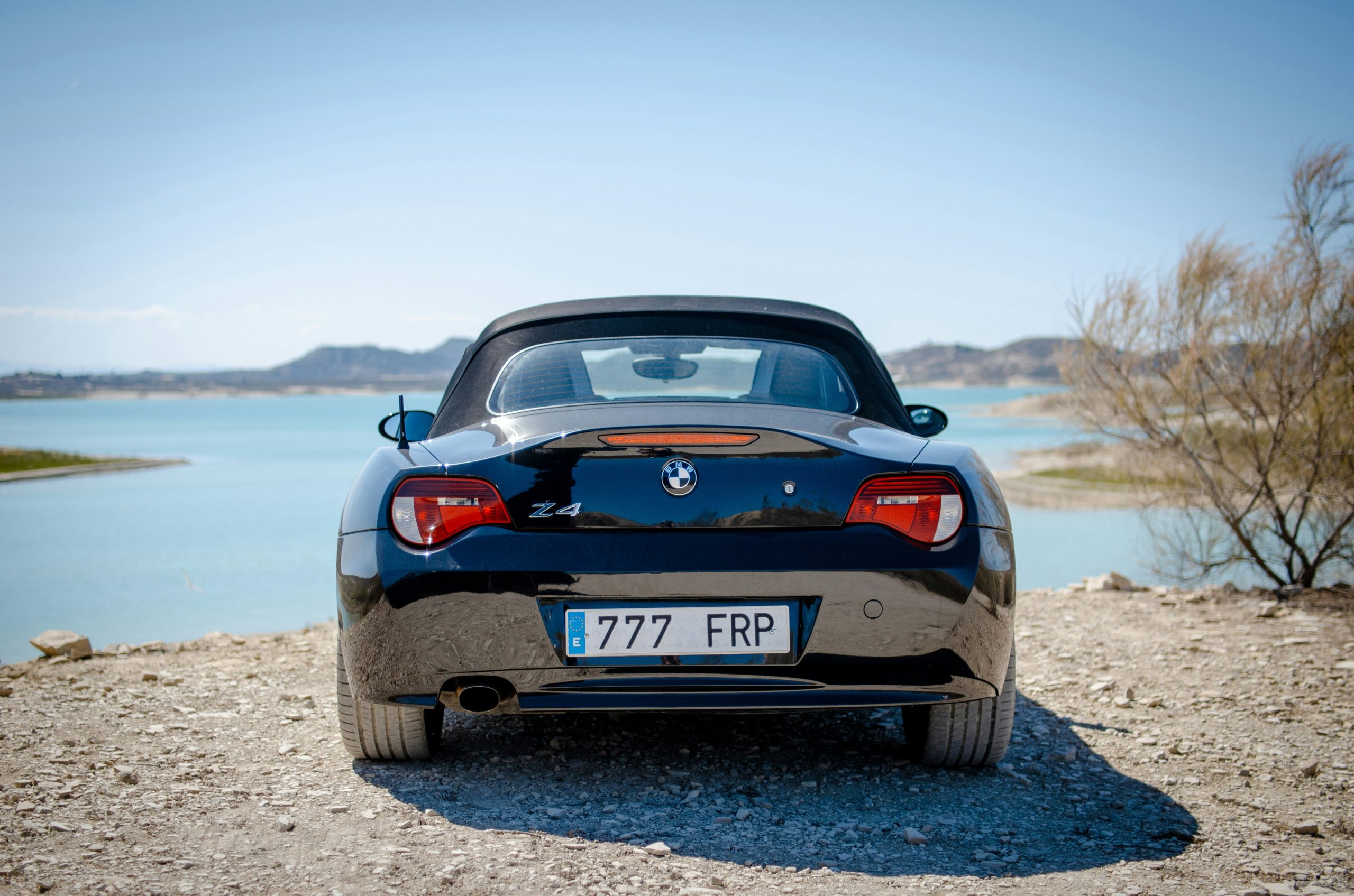
Their shared engineering foundation gives them comparable performance characteristics, but their personalities differ. Toyota emphasizes a compact coupe design with a focused driving experience, while BMW presents the Z4 as a traditional convertible roadster with a retractable soft top.
The Toyota GR Supra appeals to drivers who prefer an aggressive exterior, a fixed roof, and a sporty cabin. Its shorter proportions and coupe construction give it a distinctive appearance among modern performance vehicles.
The BMW Z4 takes a different approach by emphasizing open-air driving and a more traditional luxury roadster experience. Its cabin incorporates BMW infotainment technology and premium interior materials.
Both vehicles offer engaging acceleration and responsive handling, but buyers should consider practical requirements such as passenger space, luggage capacity, weather protection, and everyday comfort before choosing between them.
Comparative editorial ratings:
Toyota GR Supra: 9.0/10 for performance-focused driving.
BMW Z4: 8.8/10 for comfort, luxury, and open-air enjoyment.
2. Ford Bronco and Ford Ranger: Two American Favorites Built in Michigan
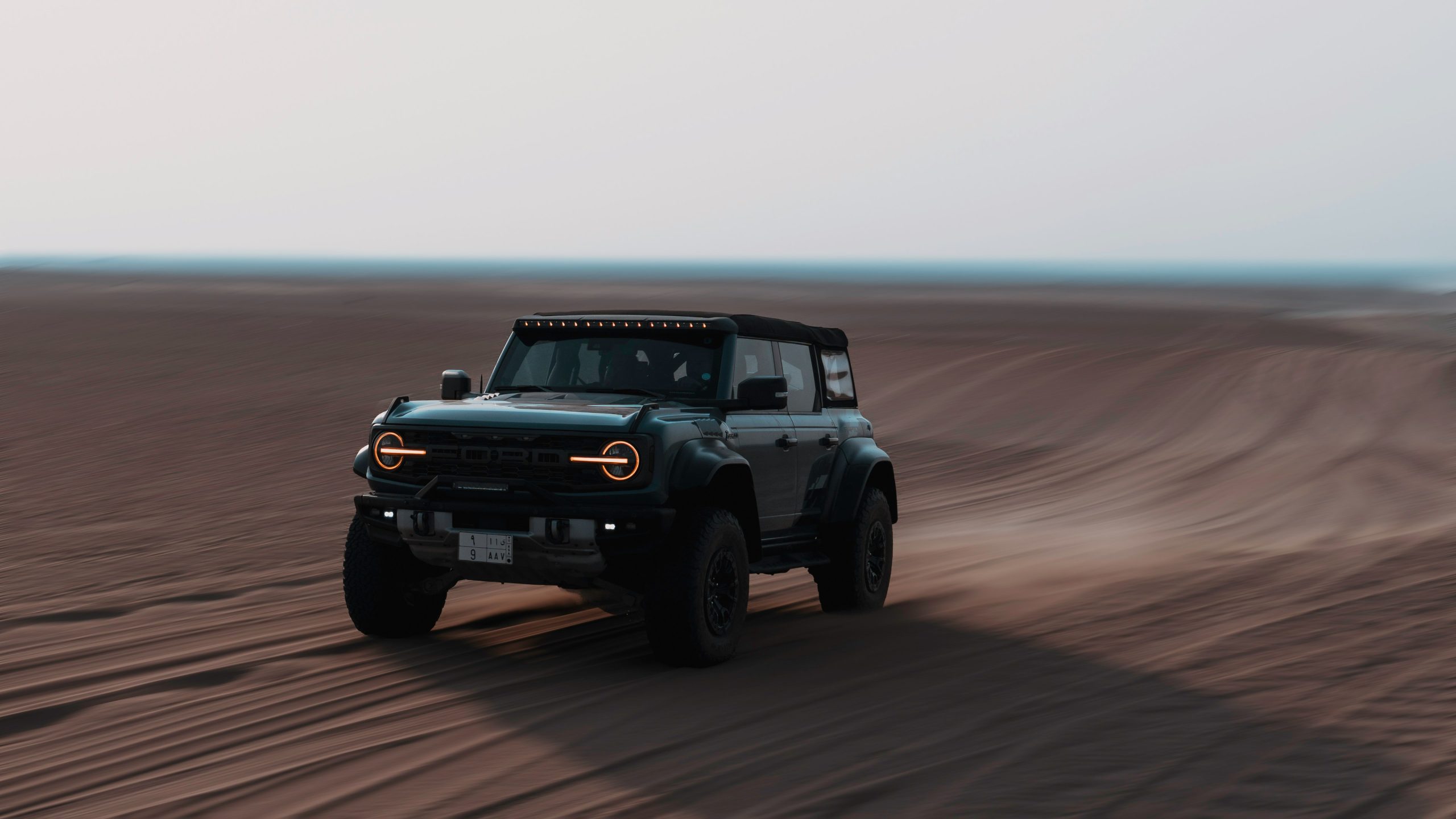
The Ford Bronco and Ford Ranger share an important manufacturing connection through Ford’s Michigan Assembly Plant in Wayne, Michigan. Both vehicles are produced at this facility, making it an important location for Ford’s SUV and pickup truck operations in the United States.
The two models target different customer needs, yet they compete for attention among American buyers interested in versatile vehicles with off-road capability. The Bronco attracts SUV enthusiasts, while the Ranger offers the practicality of a midsize pickup truck.
Their shared manufacturing location demonstrates how an automaker can use a single production facility to support different vehicle categories.
The Ford Bronco has developed a strong identity through its rugged styling, removable roof panels, removable doors, and off-road-focused engineering. It is designed for customers who enjoy outdoor activities, challenging terrain, and recreational driving.
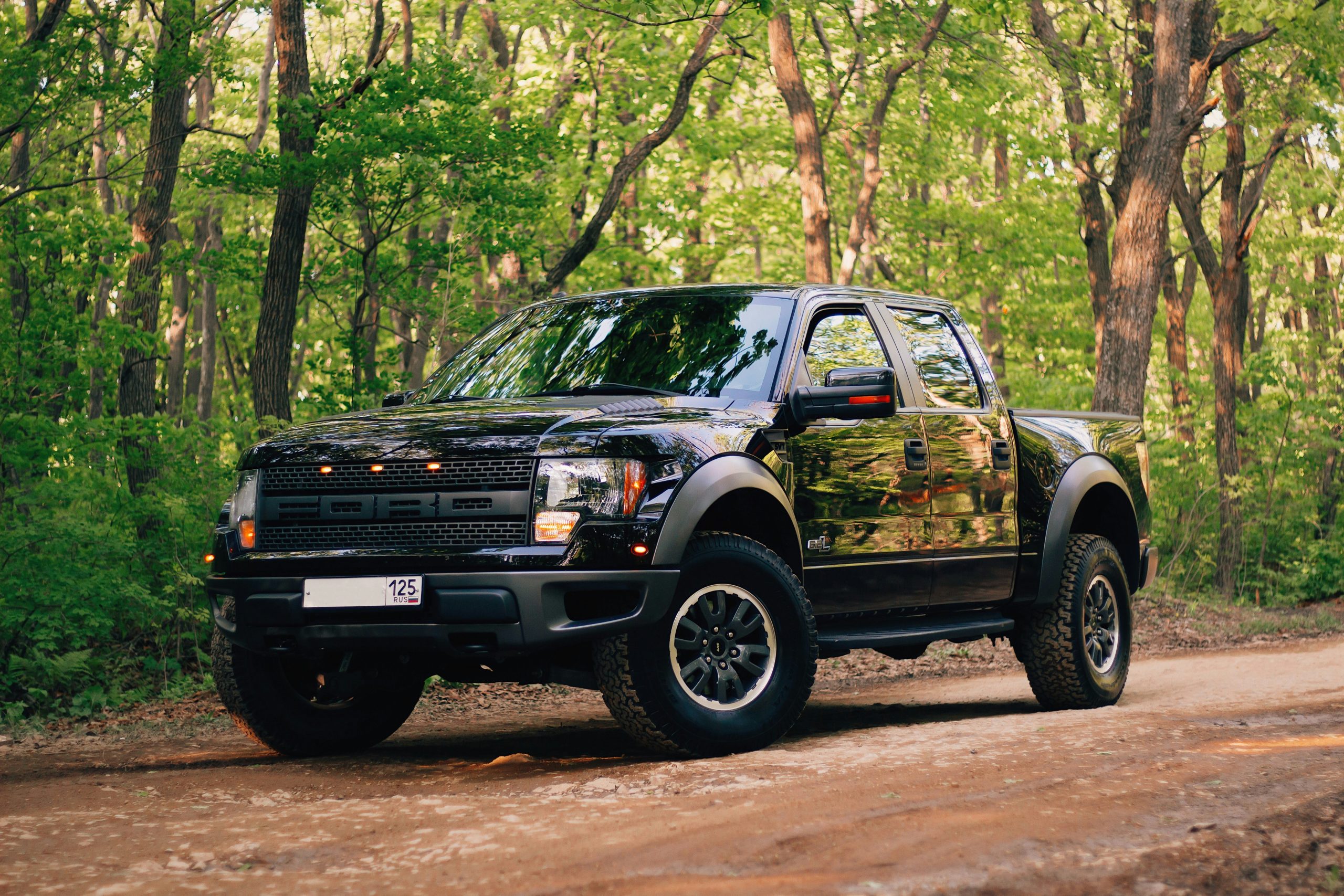
Depending on configuration, the Bronco offers features such as advanced four-wheel-drive systems, specialized suspension components, and terrain management settings. These characteristics make it suitable for buyers who want something more adventurous than a conventional family SUV.
Its design also reflects the appeal of the original Bronco, giving the modern vehicle a recognizable connection to Ford’s history.
The Ford Ranger serves a different purpose. As a midsize pickup, it provides an open cargo bed, towing capability, and a more conventional truck layout. American customers often consider it for household projects, recreational equipment, work-related transportation, and weekend travel.
Its turbocharged engine options provide useful performance for everyday driving and hauling requirements. The Ranger is also available with off-road-oriented equipment in selected versions, giving customers additional flexibility. However, its pickup configuration makes it less convenient than the Bronco for passengers who prefer an enclosed cargo area.
Comparative editorial ratings:
Ford Bronco: 9.1/10 for off-road versatility.
Ford Ranger: 8.8/10 for pickup practicality.
3. BMW X5 and BMW X6: Luxury SUVs From the Same South Carolina Plant
BMW’s manufacturing facility in Spartanburg, South Carolina, is an important production center for the company’s American SUV lineup. Among the vehicles associated with this facility are the BMW X5 and BMW X6.
Both belong to the premium midsize SUV category, but they offer different approaches to styling and everyday usability. Their shared manufacturing location is particularly relevant to American buyers because the Spartanburg plant has become a major part of BMW’s global SUV production network.
The facility produces vehicles for domestic customers as well as international markets, making it an important component of the company’s manufacturing strategy.
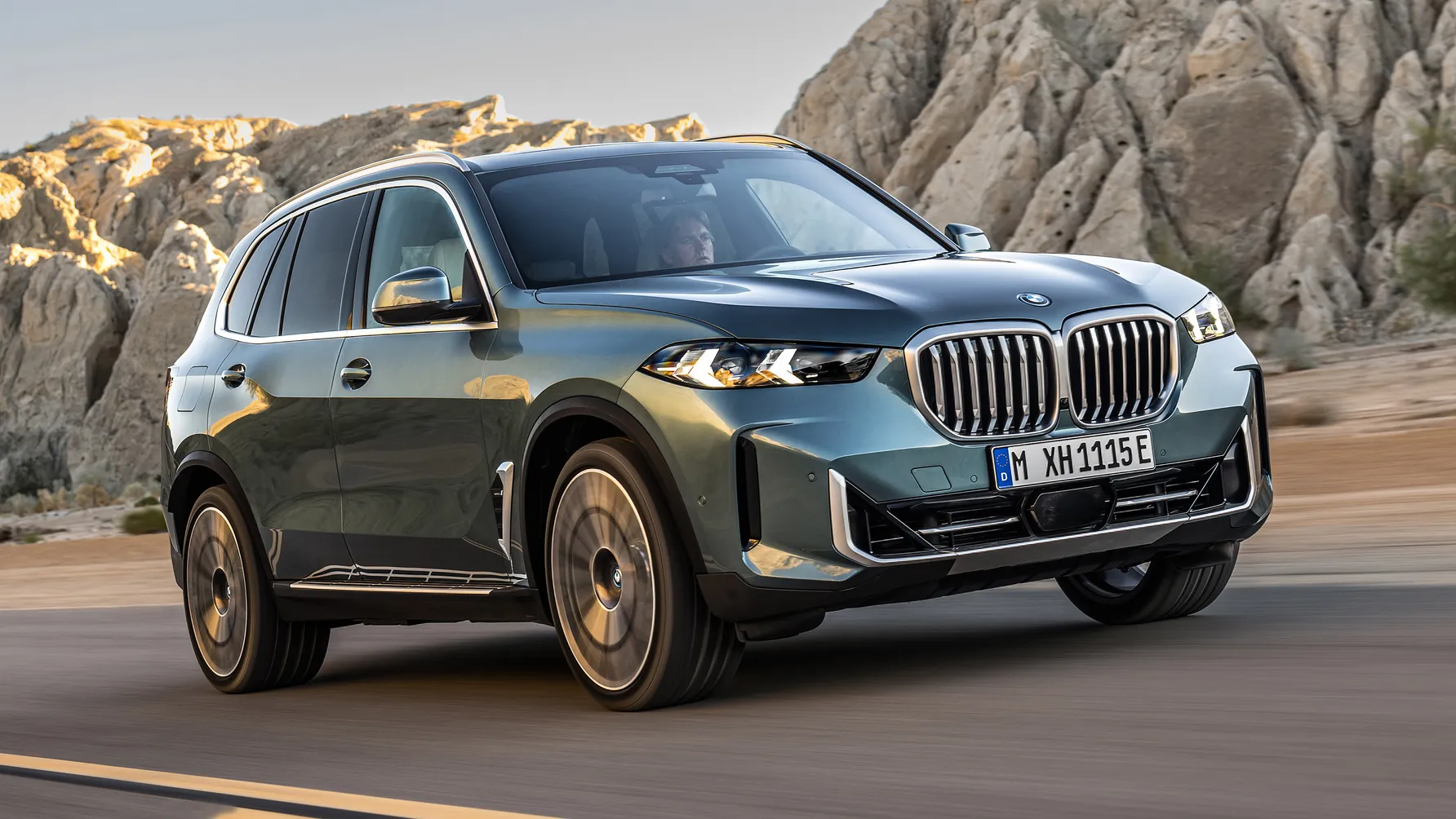
The BMW X5 is a traditional luxury SUV designed to balance comfort, performance, and practicality. Its upright body provides a spacious passenger compartment, while its interior focuses on premium materials and modern technology.
Depending on the version, customers can choose from different powertrain configurations, including conventional gasoline engines and electrified options. The X5 also offers useful cargo space and available features designed to improve long-distance comfort.
This combination makes it suitable for families, professionals, and drivers who want a premium SUV that can handle regular transportation needs.
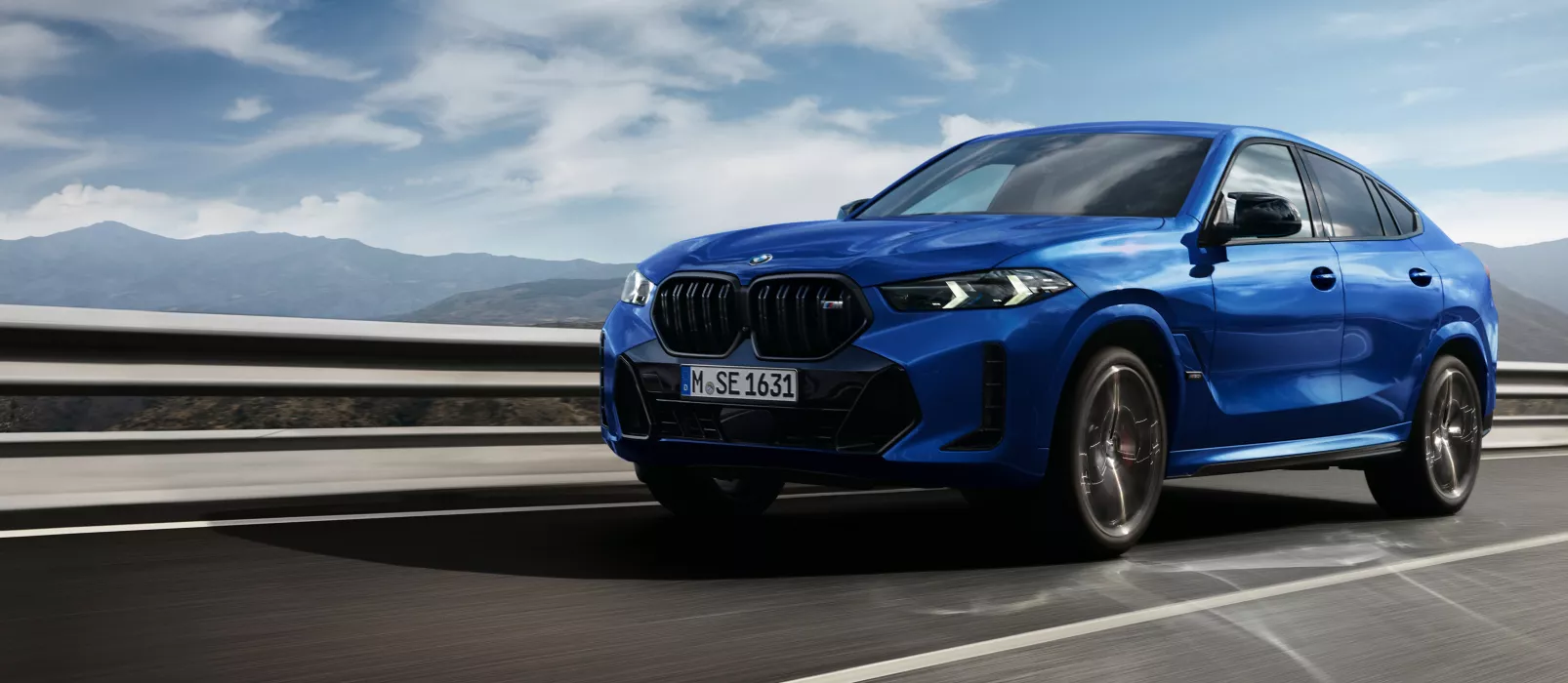
The BMW X6 has a more distinctive design. Its sloping roofline creates a coupe-inspired appearance that separates it from conventional luxury SUVs. This styling gives the vehicle a sportier personality, particularly for customers who prefer a dramatic exterior.
However, the sloping roof can affect rear headroom and cargo practicality compared with the X5. The X6 generally appeals to buyers who place greater importance on appearance and personal style than maximum interior flexibility.
It also offers a premium cabin, powerful engine options, and technology similar to what customers expect from BMW’s larger luxury vehicles.
Comparative editorial ratings:
BMW X5: 9.2/10 for comfort and everyday versatility.
BMW X6: 8.9/10 for styling and premium performance.
4. Hyundai Tucson and Hyundai Santa Cruz: Two Different Vehicles From Alabama
Hyundai operates a major manufacturing facility in Montgomery, Alabama, where several vehicles sold in the United States are assembled. The Hyundai Tucson and Hyundai Santa Cruz are among the models associated with this facility.
These vehicles have different body styles, but both appeal to customers looking for modern transportation with practical features. Their shared manufacturing location is an interesting example of how Hyundai uses its American production facilities to serve multiple market segments.
The Tucson competes in the crowded compact SUV category, while the Santa Cruz offers a distinctive combination of pickup functionality and crossover-inspired comfort.
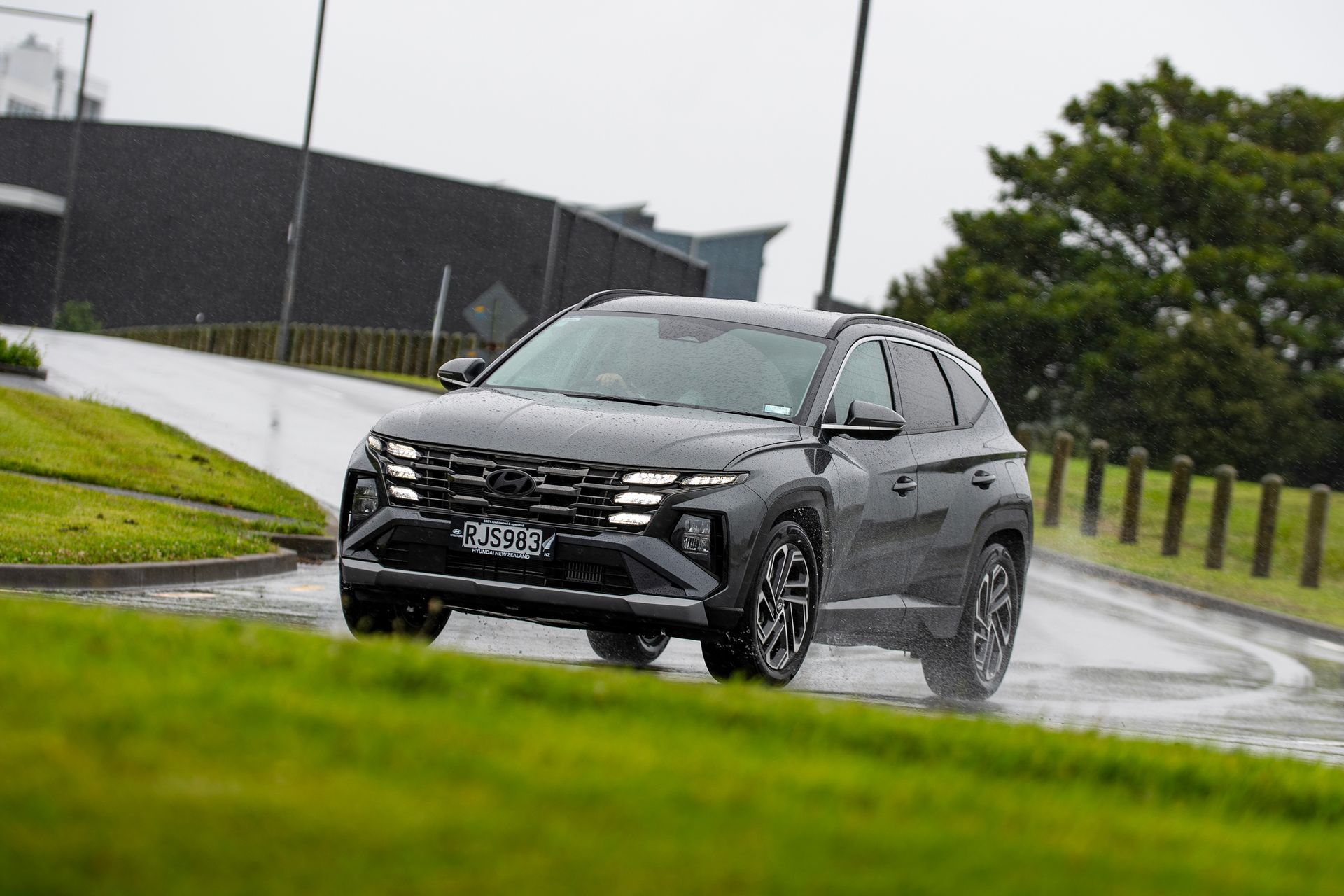
The Hyundai Tucson is designed for drivers who need a comfortable and practical compact SUV. Its modern exterior styling, spacious cabin, and useful cargo area make it suitable for families and daily commuters.
The vehicle is available with different powertrain choices, depending on model year, including gasoline, hybrid, and plug-in hybrid configurations. This variety allows customers to consider fuel efficiency alongside price and performance.
The Tucson also offers contemporary infotainment features, driver assistance technology, and available all-wheel drive, making it a competitive option in the American compact SUV market.
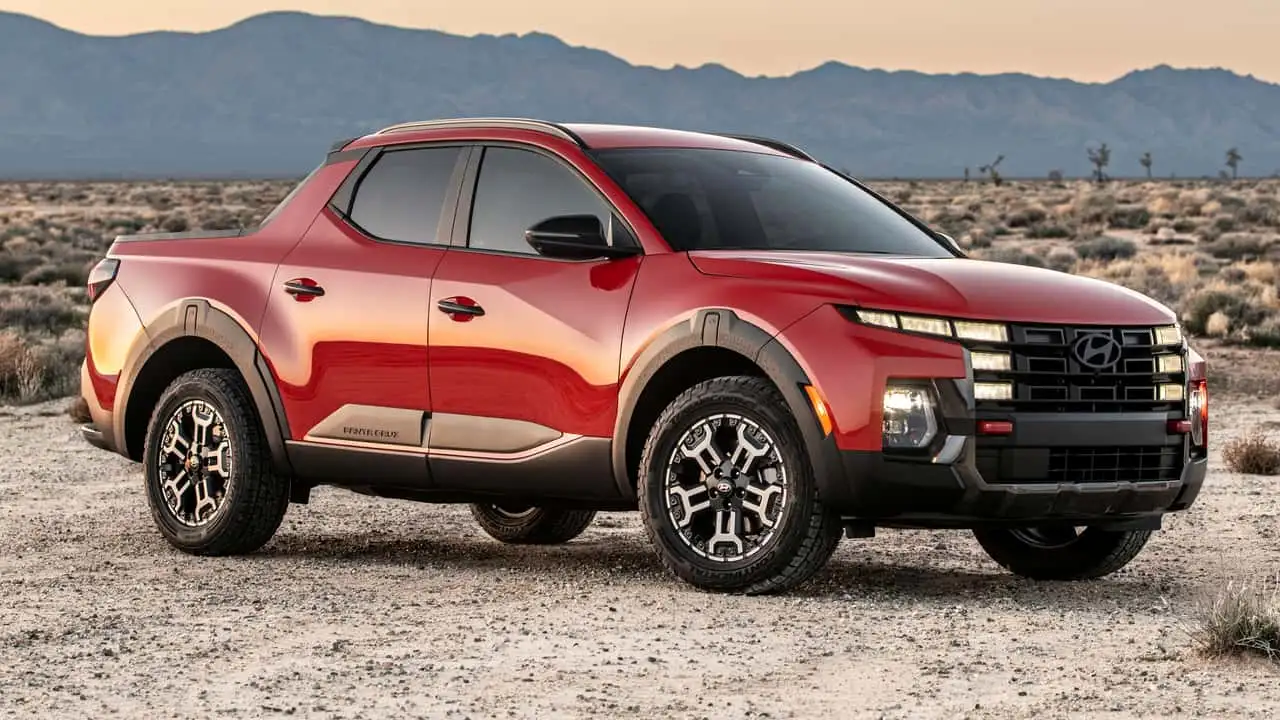
The Hyundai Santa Cruz takes a different approach to vehicle design. Rather than following the traditional midsize pickup formula, it combines SUV-like driving characteristics with an open cargo bed. Its smaller footprint makes it attractive to customers who want some truck functionality without purchasing a larger pickup.
The cargo bed can accommodate recreational equipment, gardening supplies, and other items that benefit from an open loading area.
However, its towing and hauling capabilities are not intended to replace those of larger trucks such as the Ford Ranger or Toyota Tacoma. Its strongest appeal lies in combining everyday comfort with occasional utility.
Comparative editorial ratings:
Hyundai Tucson: 9.0/10 for family practicality and efficiency options.
Hyundai Santa Cruz: 8.7/10 for lifestyle utility and versatility.
5. Honda Pilot and Honda Passport: Family SUVs Built in Alabama
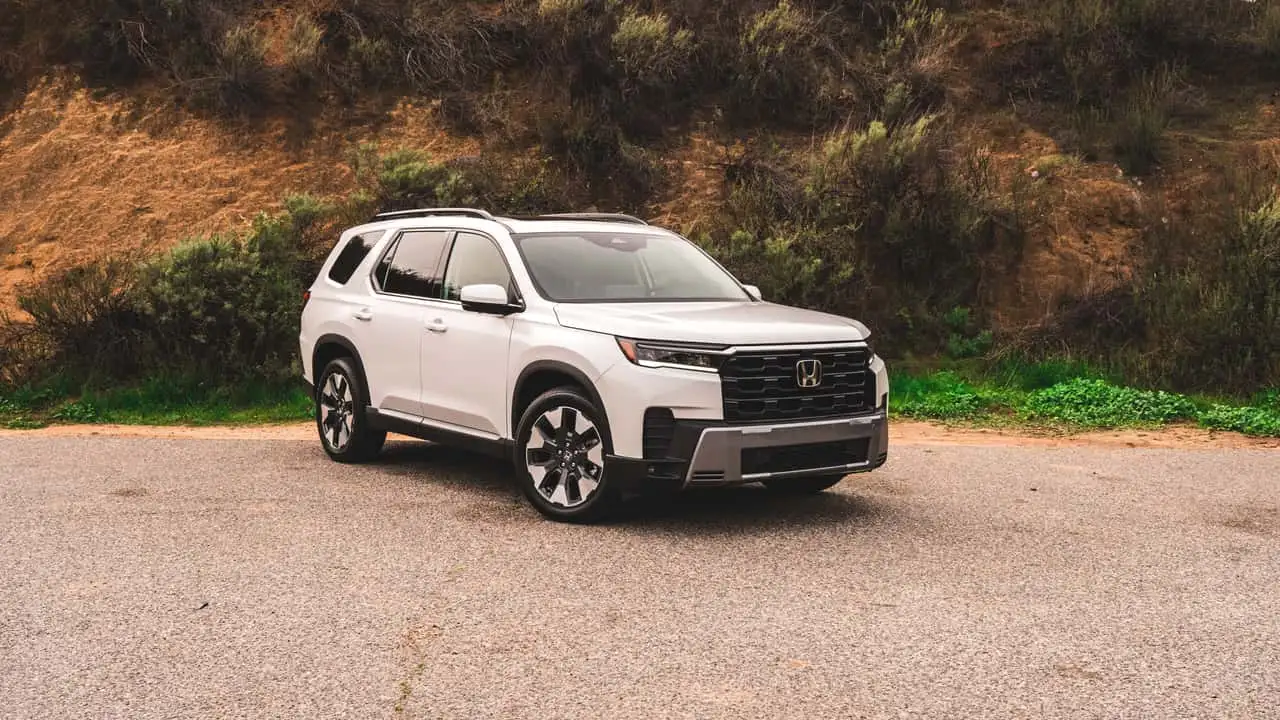
Honda’s automobile manufacturing facility in Lincoln, Alabama, plays an important role in producing several vehicles for the American market. The Honda Pilot and Honda Passport are two SUVs associated with this facility.
Both are designed around the needs of customers who want passenger comfort, useful cargo capacity, and the flexibility of an SUV. Their shared production location makes them an interesting comparison for families deciding between a larger three-row vehicle and a more adventure-oriented two-row model.
While they have related engineering foundations, their designs and intended uses create meaningful differences.
The Honda Pilot is a midsize three-row SUV developed with family transportation in mind. Its cabin can accommodate multiple passengers, and its seating arrangements provide flexibility for different household needs.
Depending on trim, buyers can access additional comfort features, modern infotainment technology, and driver assistance systems. The Pilot is also designed to handle longer journeys, school transportation, shopping trips, and family vacations.
Its available all-wheel-drive system provides additional traction in suitable conditions. For households that regularly travel with several passengers, the third row is an important advantage.
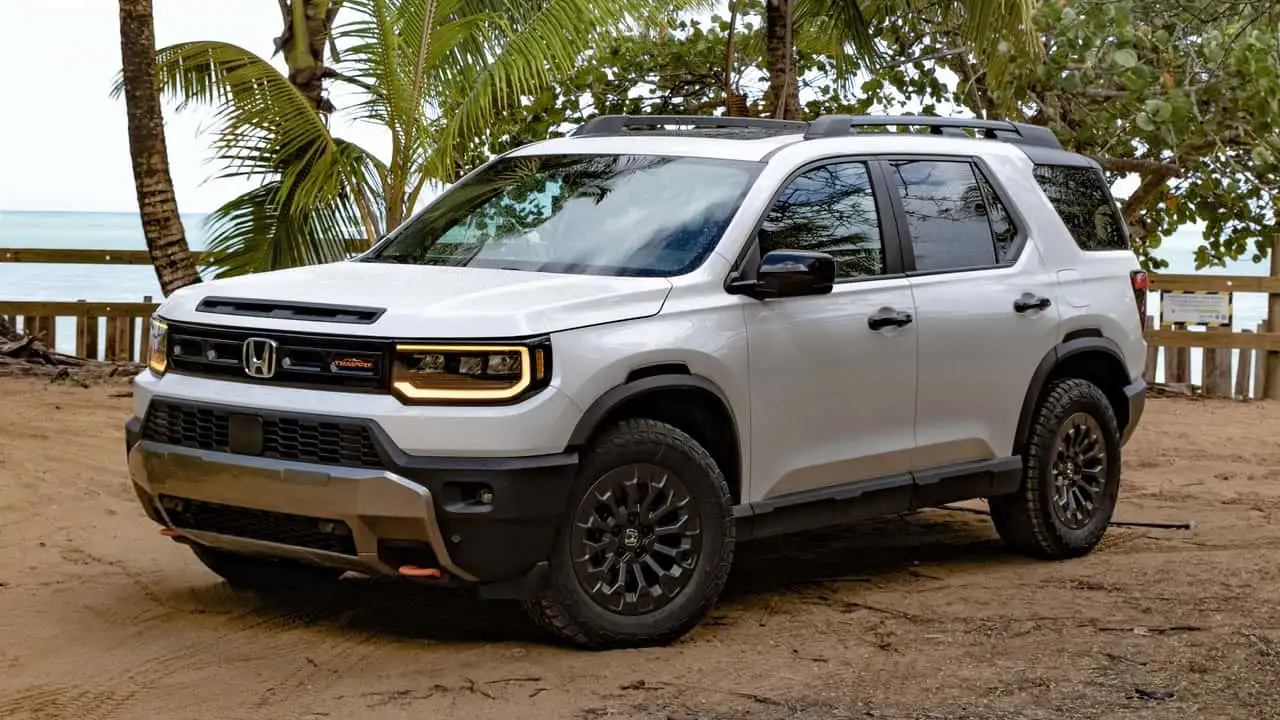
The Honda Passport has traditionally focused on a two-row SUV layout with an emphasis on personal space and outdoor-oriented use. Its design offers room for passengers and luggage without the additional seating arrangement found in the Pilot.
The Passport appeals to customers who enjoy road trips, camping, and recreational activities. Depending on the generation and trim, available features can include all-wheel drive, specialized terrain settings, and equipment designed for more demanding driving conditions.
Its larger cargo area behind the second row can also be useful for carrying luggage and outdoor equipment.
Comparative editorial ratings:
Honda Pilot: 9.1/10 for family transportation.
Honda Passport: 8.9/10 for two-row versatility and recreational use.
6. Toyota Tundra and Toyota Sequoia: Powerful Vehicles Built in Texas
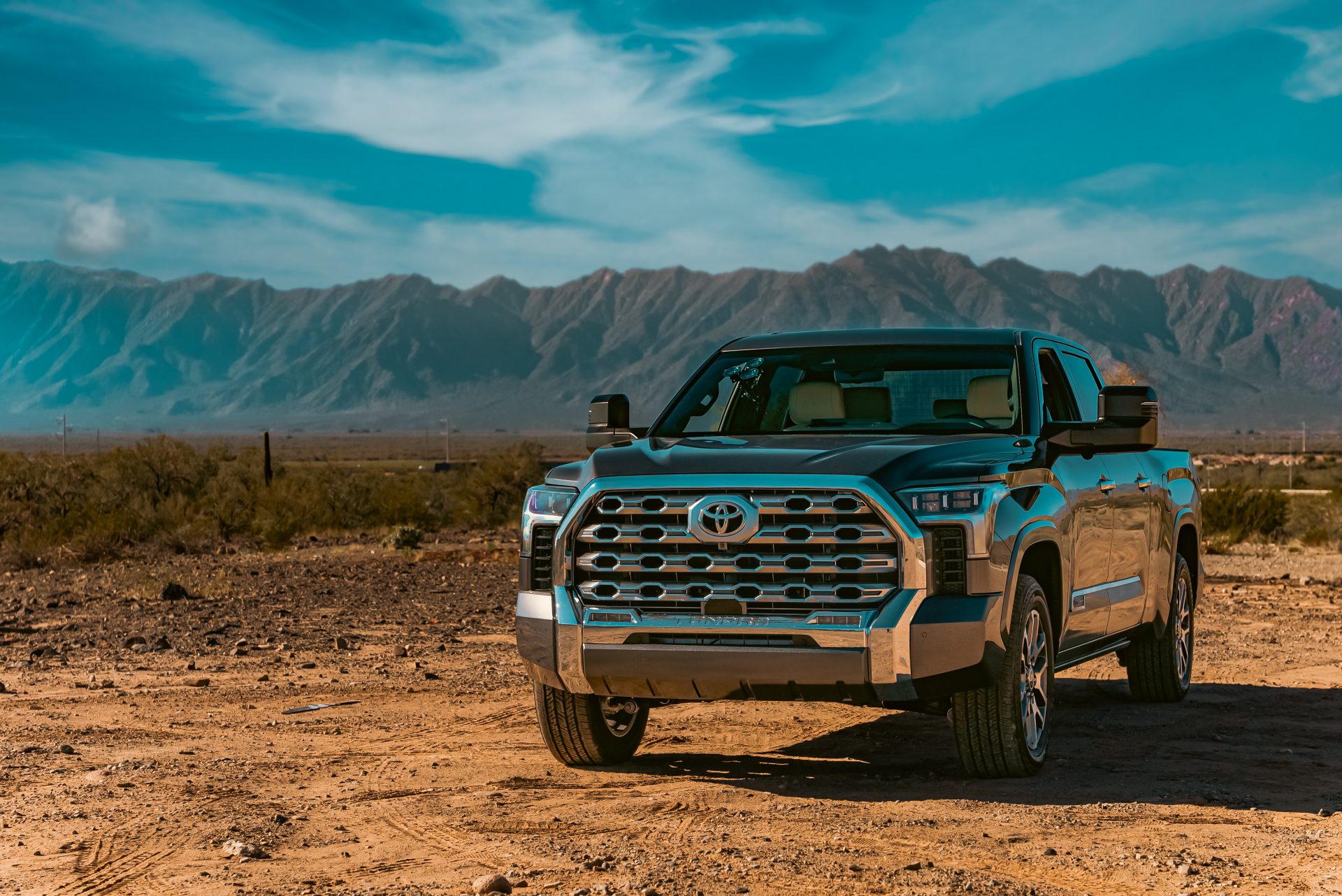
Toyota’s manufacturing facility in San Antonio, Texas, is responsible for producing the Tundra and Sequoia for the American market. These two vehicles occupy different categories, but they share an important manufacturing and engineering connection.
The Tundra is a full-size pickup truck developed for customers who need towing, hauling, and everyday truck capability. The Sequoia is a full-size SUV that uses a related platform to provide enclosed passenger accommodation and family-oriented practicality. Its production in Texas also reflects Toyota’s substantial investment in American vehicle manufacturing.
The Toyota Tundra is designed to compete in the demanding full-size pickup segment. Its main competitors include the Ford F-150, Chevrolet Silverado 1500, and Ram 1500. The Tundra offers a strong combination of engine performance, towing equipment, modern cabin technology, and useful cargo-bed features.
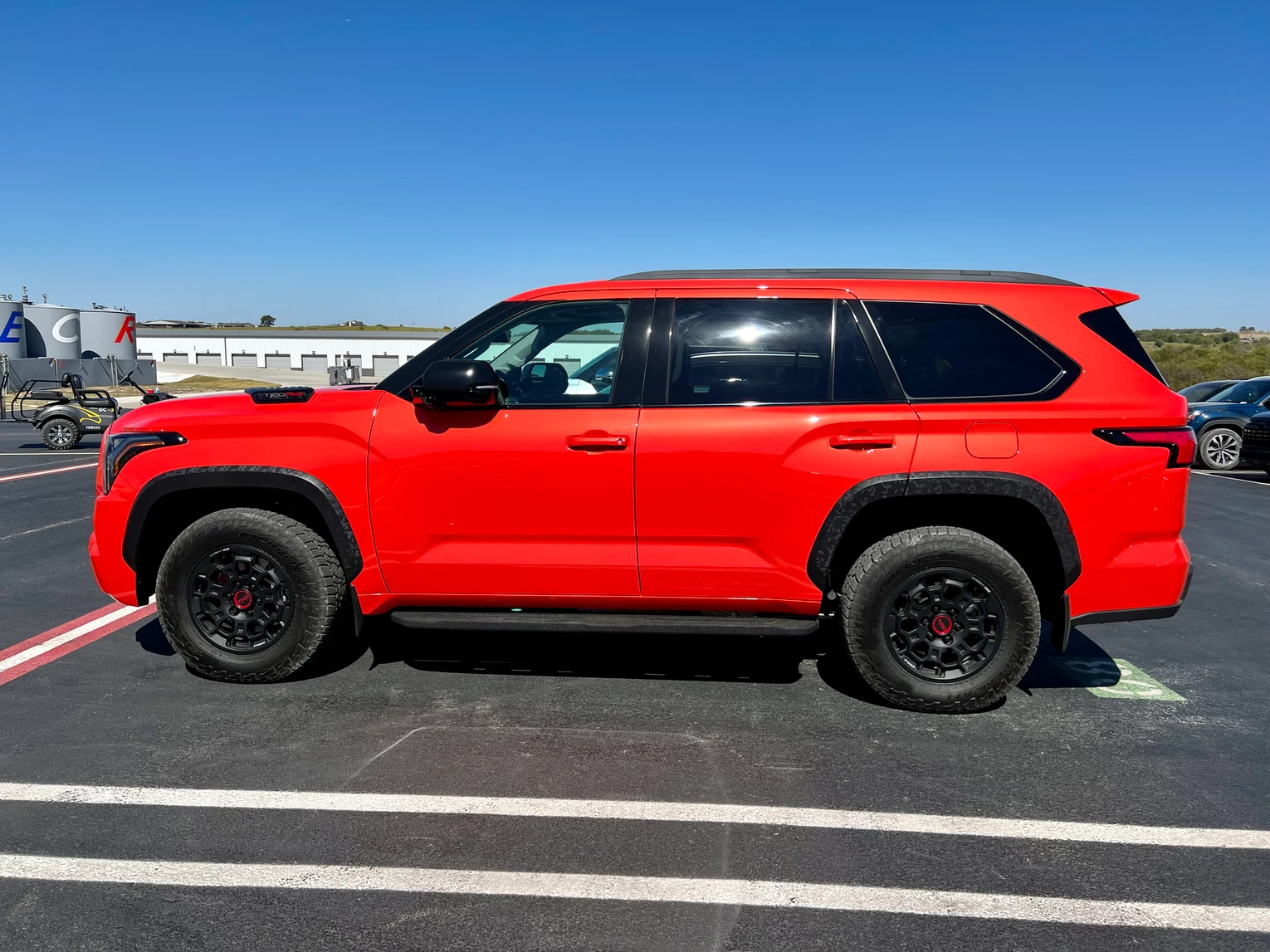
Recent generations have placed significant emphasis on turbocharged hybrid powertrain technology, depending on configuration. The truck is available in different trims, allowing buyers to choose between work-focused equipment and more luxurious versions. This flexibility makes it relevant to both commercial users and private owners.
The Toyota Sequoia uses the same general truck-based foundation but serves a different purpose. Its enclosed body and three-row seating arrangement make it suitable for families who need substantial passenger accommodation.
It also provides generous interior space and features designed for long-distance travel. Its hybrid powertrain gives it a distinctive position in the full-size SUV category. Available four-wheel-drive configurations and towing equipment add further flexibility.
However, its large dimensions and body-on-frame construction mean it is not as easy to maneuver in tight urban spaces as smaller crossovers.
Comparative editorial ratings:
Toyota Tundra: 9.0/10 for pickup capability and everyday utility.
Toyota Sequoia: 9.1/10 for full-size family transportation.
7. Mercedes-Benz GLE and GLS: German Luxury SUVs Built in Alabama
Mercedes-Benz operates a major American manufacturing facility near Tuscaloosa, Alabama. Known as Mercedes-Benz U.S. International, the plant produces several luxury SUVs for the company’s global customer base.
The GLE and GLS are two important models associated with this manufacturing operation. Both represent the company’s premium SUV philosophy, combining advanced technology, refined interiors, and powerful engine choices.
Their shared assembly location is particularly interesting because Mercedes-Benz has established a major luxury vehicle manufacturing presence in the United States rather than relying entirely on European production.
The Mercedes-Benz GLE is a midsize luxury SUV that focuses on combining comfort, performance, and everyday usability. It offers a premium cabin with sophisticated technology, quality materials, and a range of convenience features.
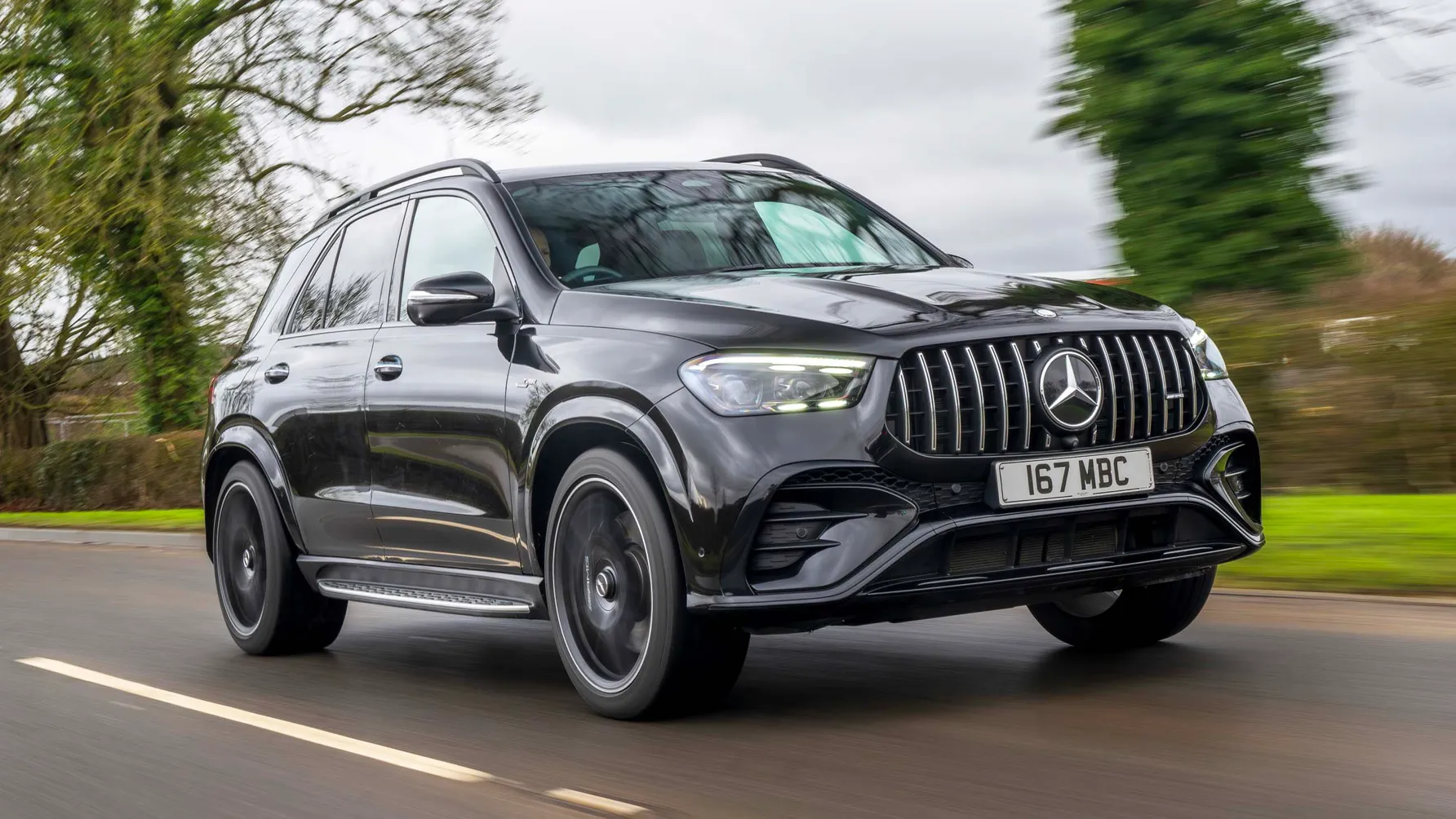
Depending on configuration, buyers can choose different gasoline and electrified powertrain options. The GLE is also available in different body styles and performance-oriented versions, providing a wide range of choices.
Its relatively manageable size compared with larger luxury SUVs makes it attractive to professionals and families who want premium transportation without moving into the largest vehicle category.
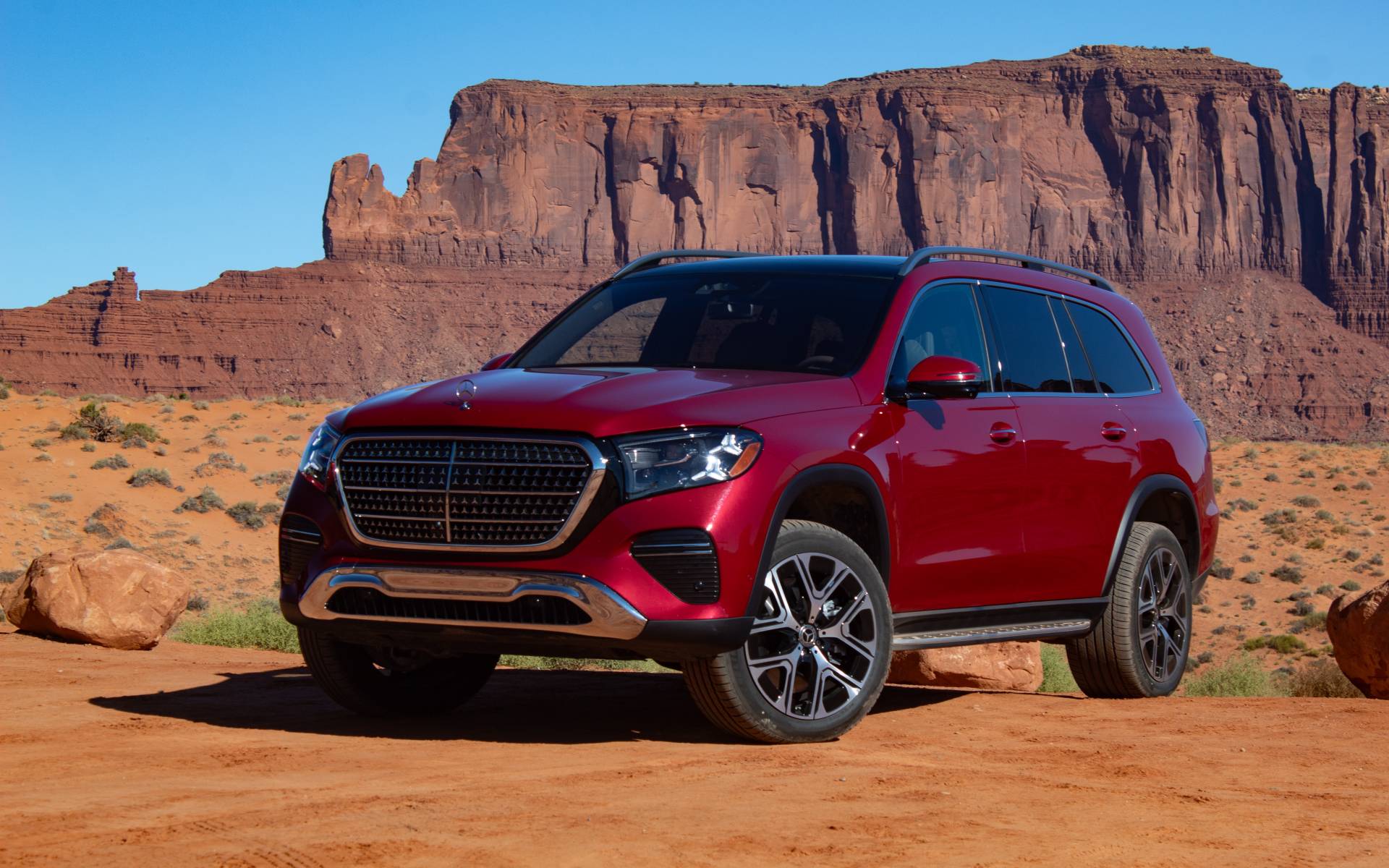
The Mercedes-Benz GLS occupies a larger position in the company’s SUV lineup. It is designed for customers who want a spacious luxury vehicle with three rows of seating. Its interior places strong emphasis on passenger comfort, advanced entertainment features, and premium materials.
The larger body provides additional room for families and passengers, while available engine configurations deliver the performance expected from a flagship luxury SUV. Its size and equipment make it particularly appealing to buyers who frequently travel with several passengers or require a more substantial premium vehicle.
Comparative editorial ratings:
Mercedes-Benz GLE: 9.0/10 for luxury and everyday usability.
Mercedes-Benz GLS: 9.2/10 for passenger comfort and premium space.
8. Honda Odyssey and Honda Pilot: Minivan and SUV Production Under One Roof
Honda’s manufacturing operations in Lincoln, Alabama, are particularly interesting because the company produces vehicles serving different family transportation needs at the same facility. The Honda Odyssey and Honda Pilot are associated with this American manufacturing operation.
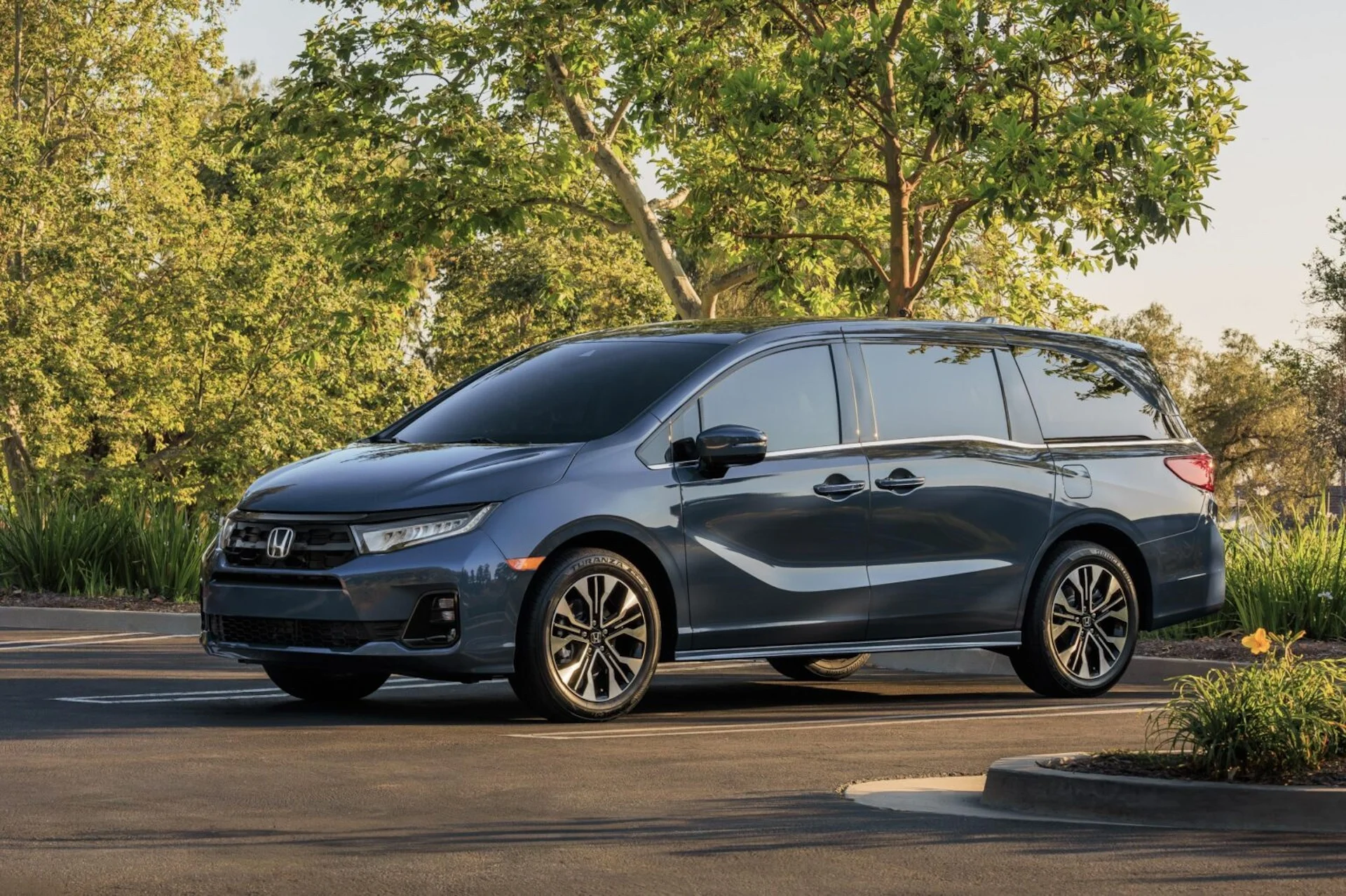
Although they compete in different vehicle categories, both target households looking for dependable transportation, comfortable seating, and useful interior space. The Odyssey represents Honda’s approach to the modern minivan, while the Pilot offers the traditional SUV experience.
Their manufacturing connection highlights how automakers can produce vehicles with different body styles and customer appeal through a common industrial operation.
The Honda Odyssey has maintained a strong reputation in the American minivan segment. Its design prioritizes passenger comfort, convenient access, and flexible interior arrangements. Sliding rear doors make it easier for passengers to enter and exit in crowded parking spaces.
Its three-row cabin offers seating for larger households, while the rear entertainment and convenience features available on selected versions make long family journeys more comfortable.
The Odyssey also provides useful cargo flexibility, making it suitable for shopping, school transportation, and holiday travel. For customers who regularly carry several passengers, its interior layout is a major selling point.
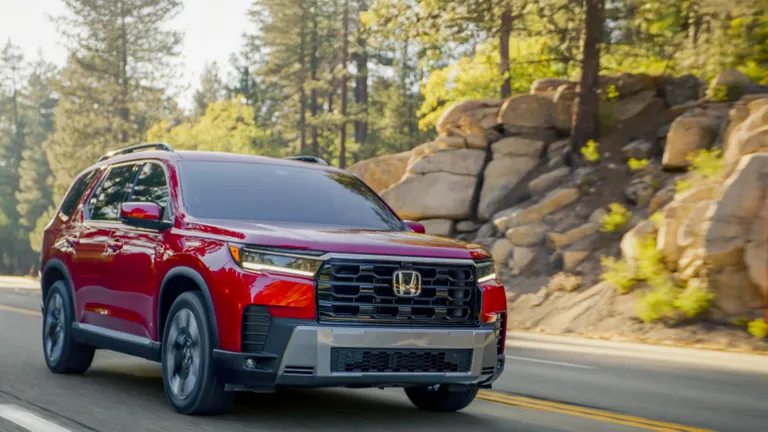
The Honda Pilot offers a different experience through its SUV body style. It provides three rows of seating, available all-wheel drive, and a higher driving position that appeals to many American buyers.
Its exterior styling is more rugged than the Odyssey’s, and its design offers flexibility for people who enjoy road trips and outdoor activities.
The Pilot also provides useful towing capability in appropriately equipped versions. However, its conventional rear doors and SUV seating arrangement do not provide the same passenger access convenience as the Odyssey’s sliding-door design. This distinction can matter considerably for families with young children.
Comparative editorial ratings:
Honda Odyssey: 9.3/10 for family convenience and interior flexibility.
Honda Pilot: 9.0/10 for SUV versatility and passenger accommodation.
9. BMW X3 and BMW X4: Compact Luxury SUVs With a Shared Manufacturing Connection
BMW’s Spartanburg facility in South Carolina is a major manufacturing center for its popular SUV lineup. The BMW X3 and BMW X4 have both been associated with production at this facility, giving them an interesting manufacturing connection.
These vehicles occupy the premium compact SUV category and appeal to customers who want luxury features without purchasing a larger vehicle. Their relationship is especially interesting because they share important engineering characteristics while presenting different exterior designs.
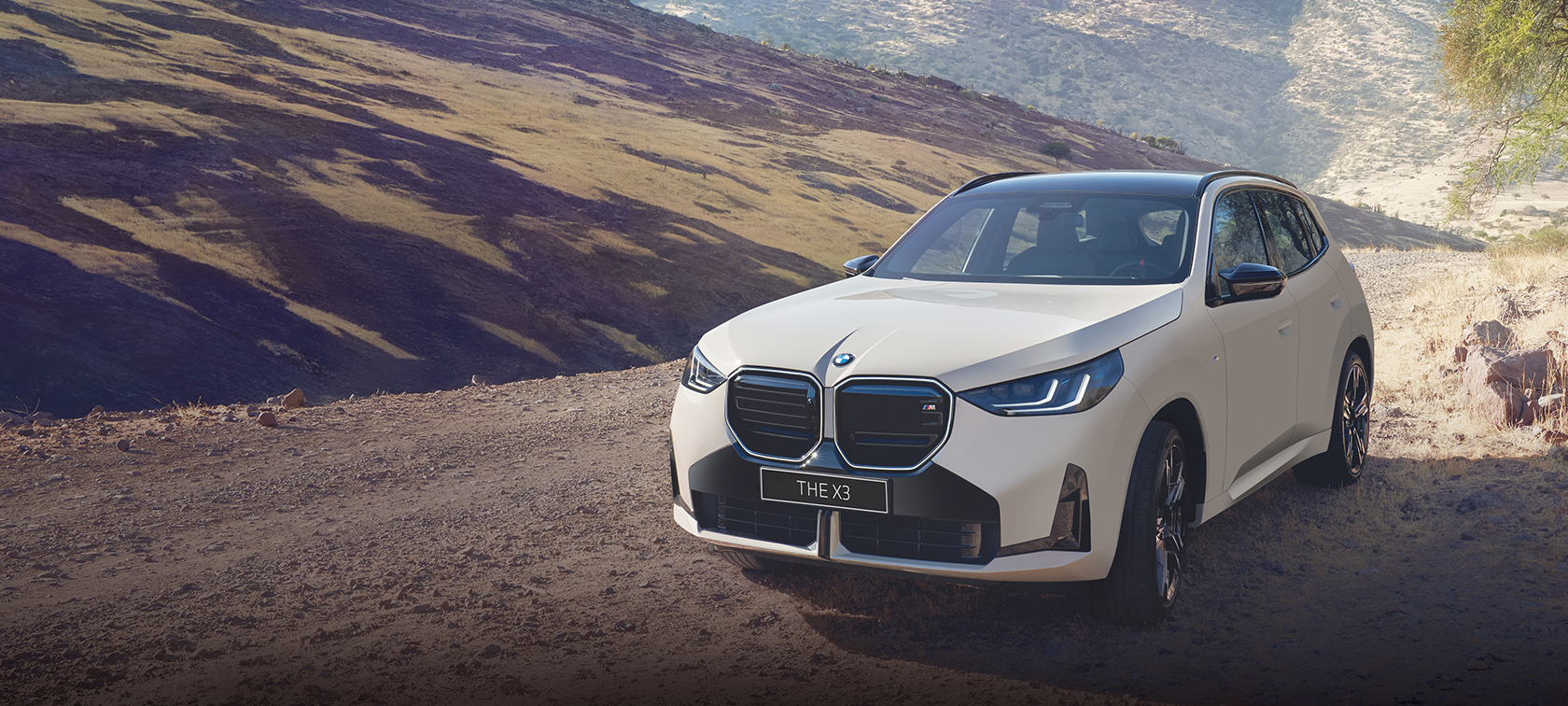
The X3 follows the conventional SUV formula, while the X4 adopts a coupe-inspired roofline that gives it a more distinctive appearance.
The BMW X3 is designed to provide a balance of passenger comfort, driving performance, and everyday practicality. Its upright roofline helps create useful cabin space, while its rear cargo area offers flexibility for shopping, luggage, and regular household transportation.
The interior includes BMW’s modern infotainment technology, premium materials, and driver assistance features, depending on the selected trim. Its engine lineup has included turbocharged gasoline options and electrified versions across different generations.
The X3 is popular among buyers who want the advantages of a premium European SUV without moving into a larger and more expensive vehicle category.
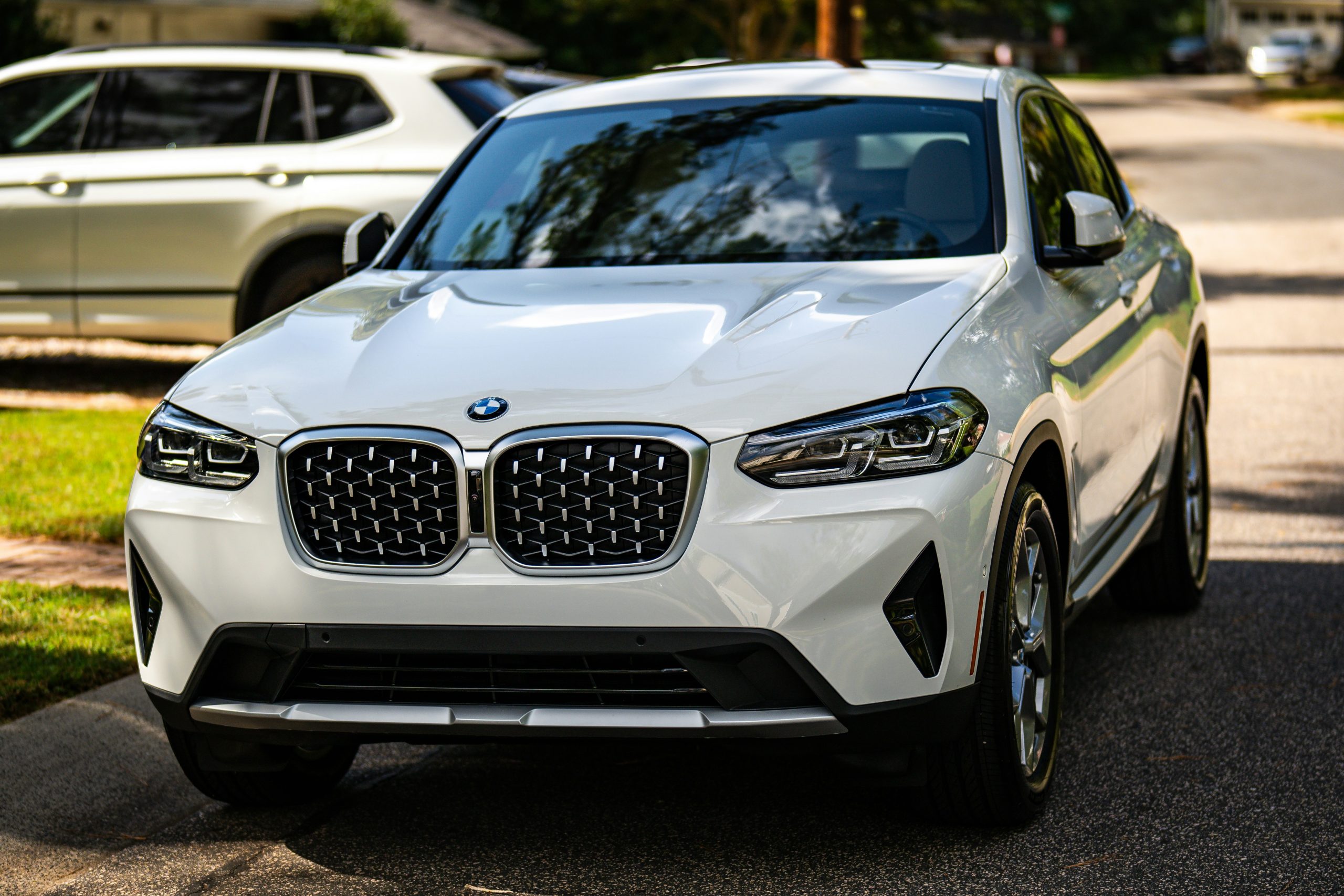
The BMW X4 takes the basic concept in a more expressive direction. Its sloping roofline gives it a coupe-like appearance that distinguishes it from the X3. This design is intended for buyers who prefer a sportier exterior and are willing to make some practical compromises.
Rear headroom and cargo flexibility can be affected by the roof shape, particularly when compared with the more conventional X3. However, the X4 retains many of the qualities associated with BMW’s premium compact SUV lineup, including available powerful engines, sophisticated interior technology, and responsive road manners.
Comparative editorial ratings:
BMW X3: 9.1/10 for practicality and premium comfort.
BMW X4: 8.8/10 for styling and sporty character.