A car does not need to suffer a collision to become a financial write-off. Sometimes a single mechanical or electrical failure can cost more to repair than the vehicle is worth.
This problem becomes especially serious with older electric vehicles and luxury models, where expensive components can outlive their original warranty but not their market value. The examples below focus on specific high-cost failures, not claims that every vehicle will experience them.
Repair estimates and used-car values are U.S.-based examples, and actual costs depend on mileage, condition, location, parts availability, and repair options.
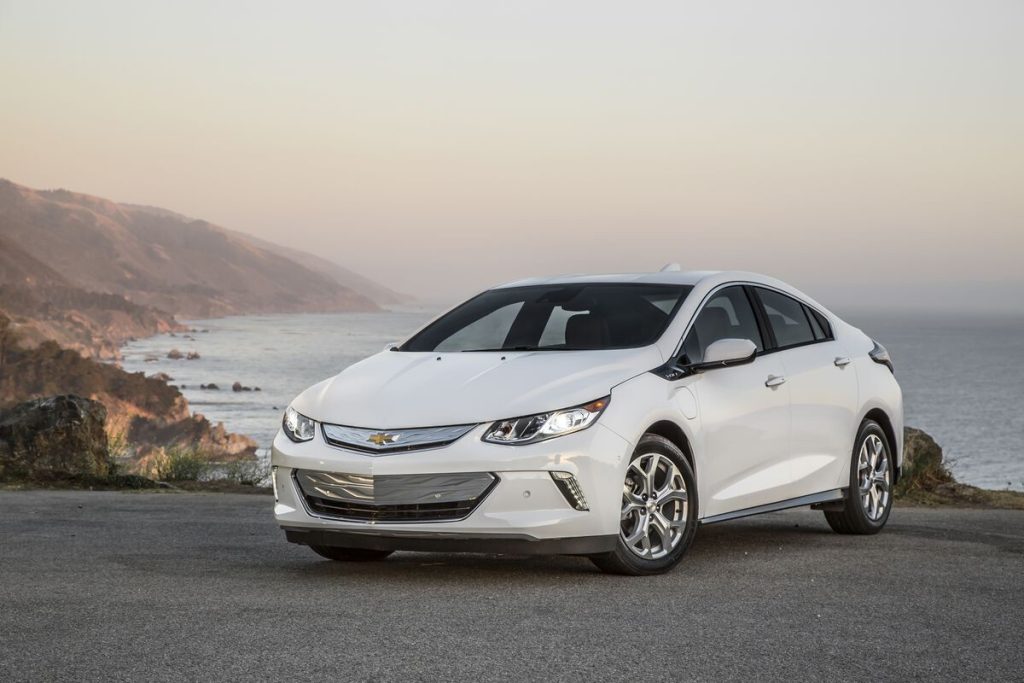
1. Chevrolet Volt: High-Voltage Battery Failure
The first-generation Chevrolet Volt illustrates how an advanced powertrain can become financially difficult to maintain as a car gets older.
Its high-voltage battery is central to the plug-in hybrid system. If the pack develops a serious internal fault that cannot be resolved through a more limited repair, replacement may become the deciding factor in whether the vehicle stays on the road.
RepairPal estimates a high-voltage battery replacement for a 2011 Volt at approximately $9,759 to $10,067, including estimated labor and parts. That figure is particularly significant when compared with the used value of the vehicle.
Edmunds’ appraisal estimates for a 2012 Volt range from approximately $826 to $4,332, depending on condition and transaction type. A replacement battery bill can therefore exceed the value of many surviving examples by a substantial margin.
A battery warning does not necessarily mean the entire pack needs replacement. A proper diagnosis is essential because the issue could stem from faulty sensors, cooling system problems, damaged wiring, or individual components within the battery system.
Some specialist suppliers also advertise remanufactured Volt packs at lower prices than a new dealer-supplied assembly, creating alternatives for owners willing to consider different warranties and parts sources.
The difficult decision comes after diagnosis. Spending several thousand dollars on a replacement may make sense for a clean, well-maintained Volt with a strong body and interior. But if the car also needs tires, suspension work, or other aging components, the battery failure can be the expense that finally makes continued ownership uneconomical.
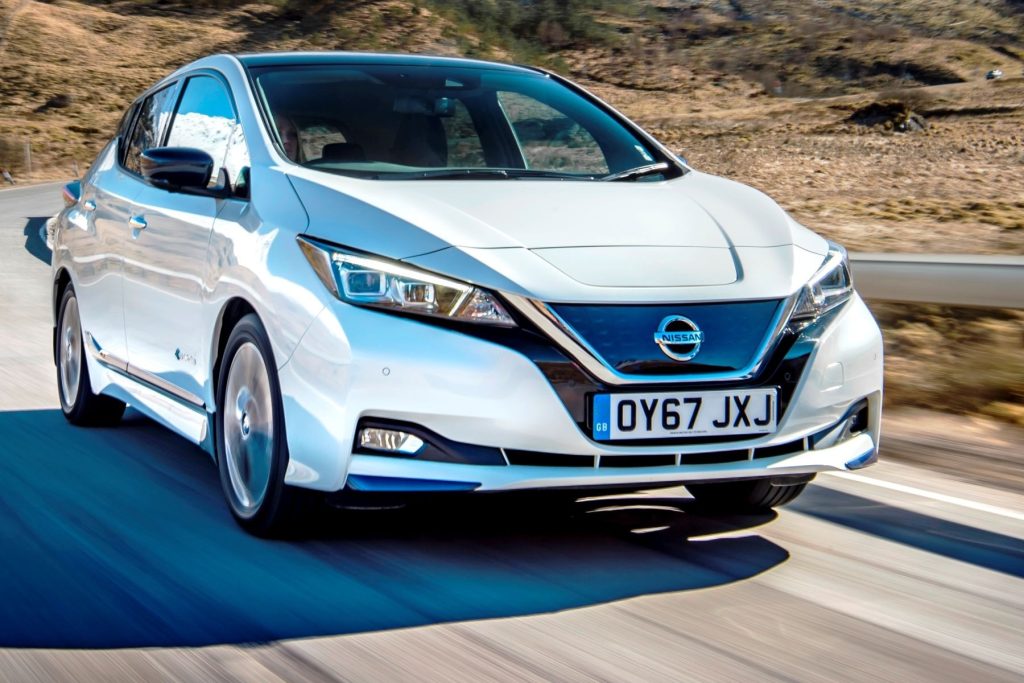
2. Nissan Leaf: Traction Battery Degradation
An older Nissan Leaf can remain useful for short commutes even after its driving range has declined. The financial problem begins when its traction battery deteriorates far enough that replacement becomes necessary.
Unlike a conventional 12-volt battery, this large lithium-ion pack stores the energy used to propel the vehicle. Replacing it is a major powertrain repair, not a routine maintenance job.
AAA’s U.S. guidance gives a broad estimate of $5,000 to $16,000 for a Nissan Leaf battery replacement. The actual quote depends on the pack, model year, parts availability, and whether the repair uses a new, remanufactured, or used battery.
That range can be difficult to justify on an older Leaf. For context, Edmunds estimates a 2015 Leaf’s used value at roughly $1,274 to $8,358, depending on trim and condition. A replacement at the higher end could cost several times the value of a typical example.
Battery health deserves particular attention because the Leaf’s early generations use passive air cooling rather than the liquid thermal-management system found in many other EVs. Heat exposure and repeated use can influence long-term battery degradation.
However, the condition of an individual pack matters more than a general assumption based on age. A battery-health report and a real-world range test are far more useful than relying on the dashboard’s remaining-range prediction alone.
A failing pack does not automatically condemn the car. Some specialist companies offer refurbished packs or module-level repair options, and those alternatives may change the financial calculation.
Still, when a high-mileage Leaf is worth only a few thousand dollars, even a discounted replacement can exceed what the vehicle is economically worth.
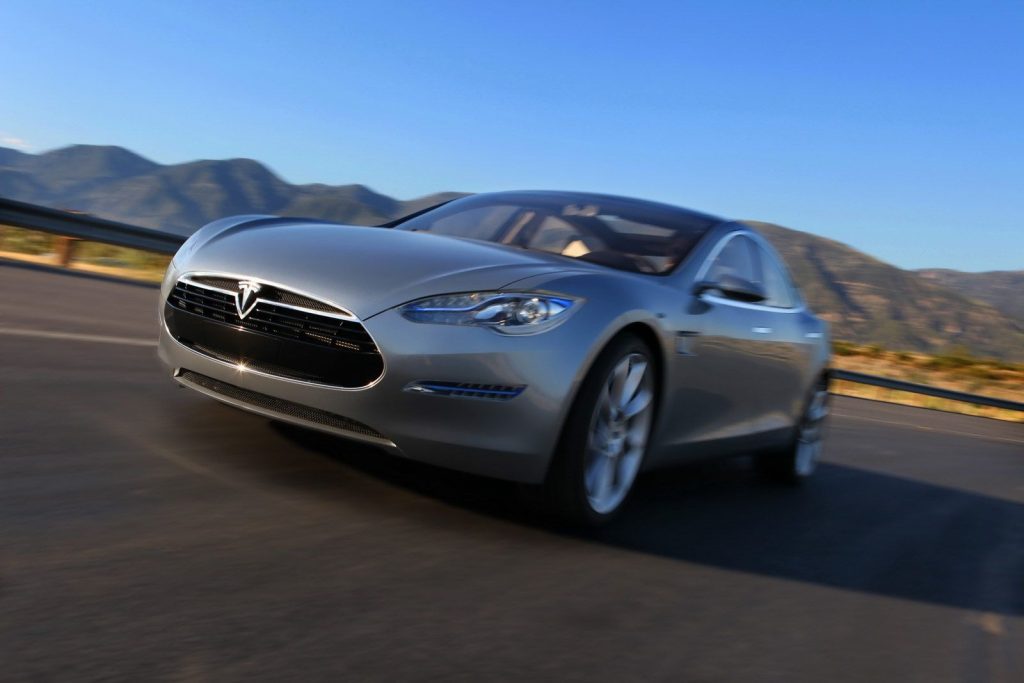
3. Tesla Model S: Complete Battery Pack Failure
The original Tesla Model S brought long-distance electric driving into the mainstream luxury market, but its age creates a serious financial risk. A complete failure of the high-voltage battery can turn an otherwise attractive used sedan into a repair project worth less than the cost of putting it right.
There is no single universal replacement price for every early Model S. The pack size, replacement type, labor, and availability of compatible components all affect the bill.
Recurrent’s review of reported U.S. replacement cases documented owners being quoted approximately $20,000 to $22,000 for out-of-warranty battery-pack replacement on early Model S vehicles. These are reported quotes, not a guaranteed current price for every car.
The resale comparison explains why the decision can be brutal. Edmunds places 2013 Model S trade-in values between approximately $2,320 and $9,056, depending on trim and condition.
Its estimated private-party values are also modest compared with a five-figure battery repair. A vehicle with a failed pack may be worth even less than a healthy example because buyers must account for the repair risk.
Before approving a replacement, owners should obtain a specialist diagnosis. Reduced range alone does not prove that the entire battery needs replacing.
A fault may involve battery management electronics, contactors, cooling components, or other repairable systems. Independent EV specialists may also offer refurbished packs or more limited repairs, although warranty terms and pack compatibility need careful checking.
For an older Model S with substantial mileage, a confirmed pack failure can be the moment when sentimental value and financial logic point in opposite directions.
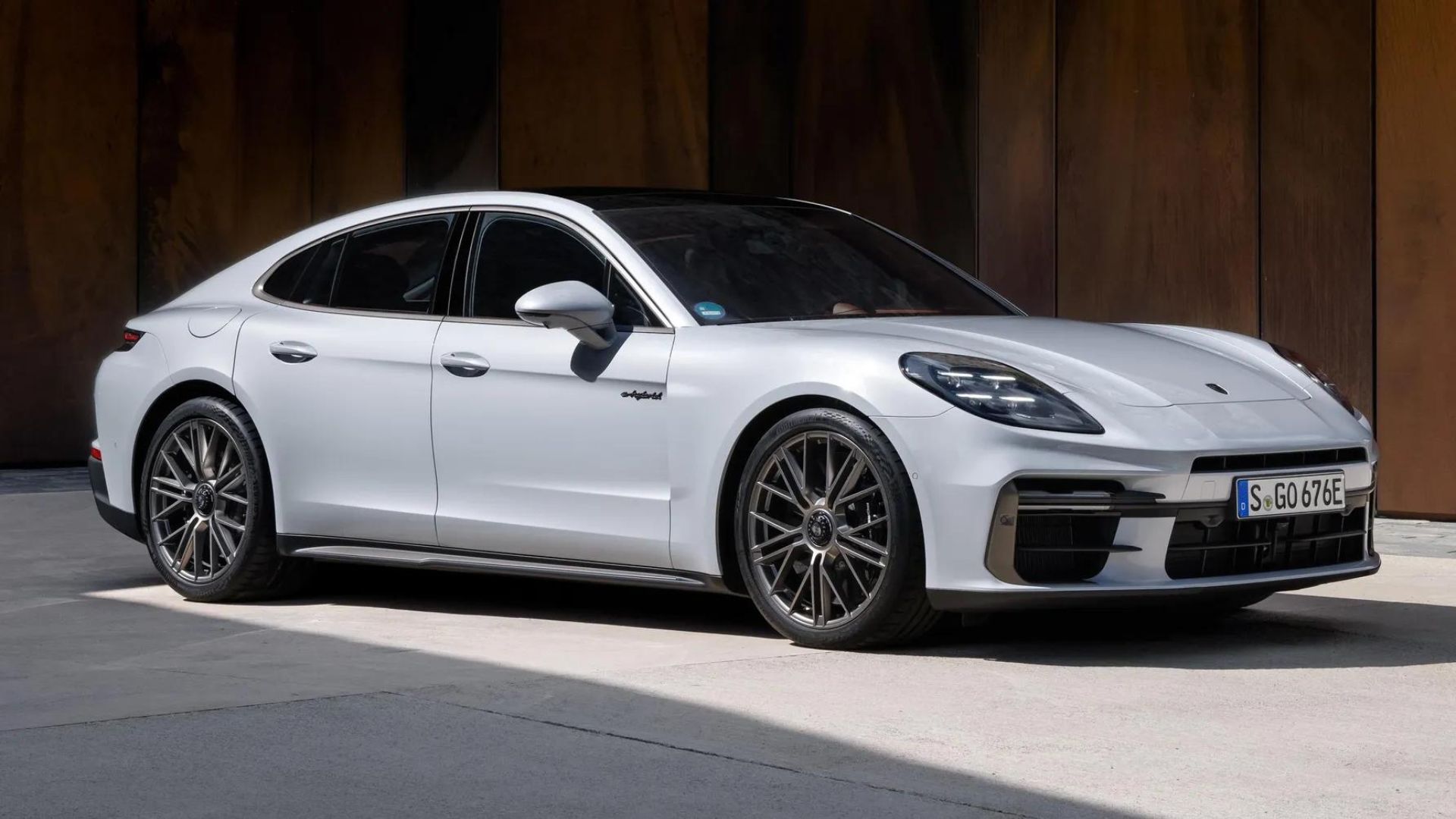
4. Porsche Panamera S E-Hybrid: High-Voltage Battery Failure
A used Porsche Panamera S E-Hybrid can look like an extraordinary bargain. It offers luxury-car comfort and plug-in hybrid technology at a fraction of its original price. The catch is that a major hybrid-system repair does not become inexpensive just because the vehicle has depreciated.
The high-voltage battery is one of the components that can change the ownership calculation. RepairPal’s U.S. estimate for a Porsche Panamera hybrid high-voltage battery replacement is approximately $10,564 to $10,901, including estimated parts and labor.
This is a broad model-level estimate, not a guaranteed quote for every model year or battery configuration. A Porsche specialist should confirm the exact failure and parts required before the owner makes a decision.
Consider the 2014 Panamera S E-Hybrid. Kelley Blue Book’s September 2026 estimates put its trade-in value at roughly $4,790 to $5,790, while estimated private-party values range from approximately $11,010 to $13,110, depending on condition.
A battery replacement can therefore exceed the likely trade-in value and consume a large share of what a private buyer might pay for the car.

That does not mean every hybrid warning requires a new battery. Charging faults, control electronics, wiring, and cooling-system issues can produce symptoms that need separate investigation. A detailed diagnostic report is essential.
The financial danger is the combination of depreciation and specialist labor. If the car also needs suspension, brake, or engine work, a battery failure may make continued ownership difficult to justify, even for someone who bought the Porsche at a seemingly attractive used price.
5. BMW 7 Series: Engine or Transmission Failure
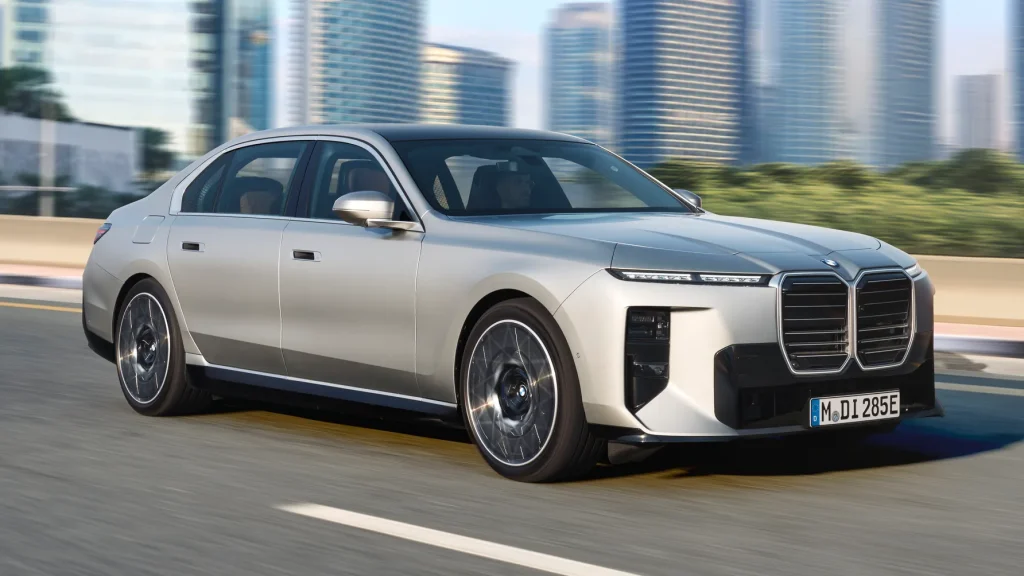
A used BMW 7 Series can lose its financial appeal very quickly when a major powertrain component fails. These cars combine powerful engines, sophisticated electronics, and complex packaging. That engineering delivers refinement when everything works, but it can make a major repair expensive once the vehicle is out of warranty.
The transmission is a particularly costly example. Kelley Blue Book estimates that replacing the transmission in a 2020 BMW 7 Series at a dealership in the Atlanta, Georgia, area costs approximately $9,899 to $10,543, including parts and labor.
The estimate is location-specific, not a nationwide fixed price. It nevertheless shows how quickly a single component can generate a five-figure bill on a modern luxury sedan.
Engine damage can be even more complicated. A serious internal failure may require extensive disassembly or a replacement assembly rather than a simple repair.
The final price depends on the engine variant, whether the shop uses a new or remanufactured unit, and how much surrounding hardware needs attention. It would be misleading to assign one replacement figure to every 7 Series generation.
The used-car value is the other half of the calculation. A high-mileage example may have depreciated substantially, while its replacement parts and labor remain priced for a flagship luxury vehicle. Owners should compare the written repair estimate with the car’s actual local market value, not its original sticker price.
There is also a difference between a diagnosed failure and a warning light. Transmission faults can sometimes originate in sensors, wiring, or control systems.
A proper diagnostic assessment should come before anyone authorizes a complete gearbox replacement. If the internal unit is genuinely damaged, however, the repair may be difficult to justify on an older example.
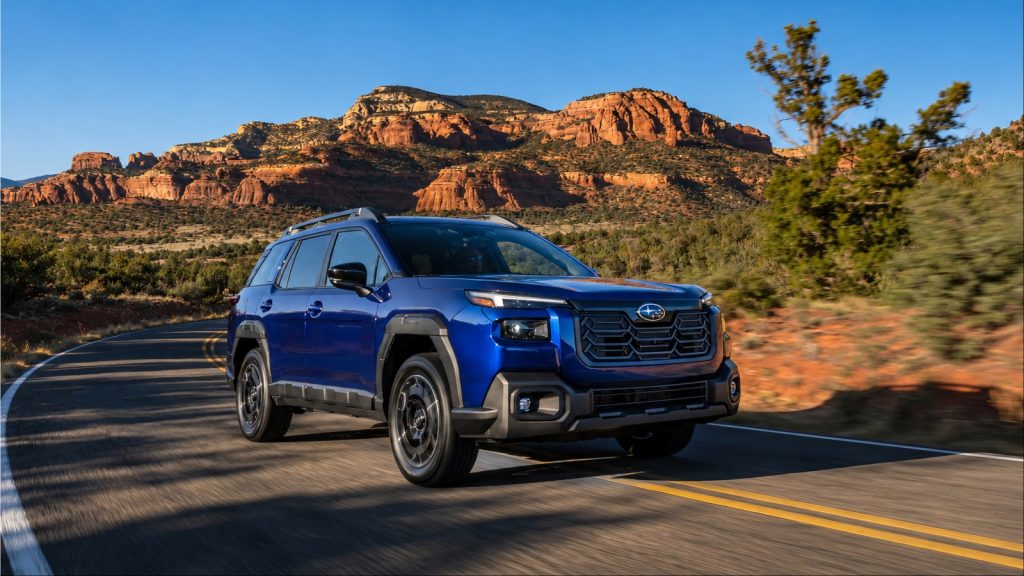
6. Subaru Outback: Complete Engine Failure
The Subaru Outback has a loyal following among American drivers, particularly those who want standard all-wheel drive and practical cargo space.
But an older example can become difficult to justify financially if its engine suffers severe internal damage. A cracked block, extensive bearing damage, or serious oil-starvation failure may leave replacement as the practical option.
Kelley Blue Book estimates that replacing the engine in a 2013 Outback at a dealership near Sunland, California, costs approximately $6,541 to $7,015, including parts and labor. That is a location-specific estimate, but it provides a useful indication of the expense.
Edmunds lists the trade-in value of a typical 2013 Outback 2.5i in clean condition at approximately $2,304, with a private-party value around $3,950. The engine repair could therefore cost substantially more than the vehicle is worth.
Not every engine problem requires replacement. A head-gasket repair, oil leak, or cooling-system fault may be considerably less expensive if diagnosed before further damage occurs.
The important distinction is whether the engine itself has suffered irreversible internal damage. A compression test, leak-down test, and inspection of the oil and coolant can help establish the extent of the problem.
Another possibility is installing a used replacement engine. It may cost less upfront than a new or remanufactured unit, but factors such as mileage, compatibility, labor expenses, and warranty coverage should be carefully considered. If an older Outback also has significant body damage or other costly problems, replacing the engine may still be an unwise financial decision.
7. BMW X3: Automatic Transmission Failure
A compact luxury SUV might seem easier to keep than a full-size flagship sedan, but the BMW X3 can deliver a painful financial surprise when its automatic transmission requires complete replacement.
The problem is not simply the price of the gearbox. Parts costs, specialist labor, and the vehicle’s depreciated market value can combine to make the repair difficult to justify.
ConsumerAffairs, using RepairPal data, lists an estimated transmission replacement cost of $12,523 to $15,722 for a 2015 BMW X3 in Austin, Texas. The estimate is based on that specific market and vehicle configuration.
Edmunds puts the average-condition trade-in value of a 2015 X3 xDrive28i in Austin at approximately $4,930, with an estimated private-party value of around $7,403. Even the lower end of the quoted transmission bill is considerably higher than either figure.
A slipping gearbox does not automatically mean the entire transmission has failed. Low fluid, electrical faults, sensors, or other components can cause shifting symptoms, so a proper diagnosis is essential.

If internal damage is confirmed, owners should compare quotes for a used, rebuilt, and remanufactured unit rather than accepting the first replacement recommendation.
The X3’s appeal as a used luxury SUV can disappear when a repair approaches twice its private-sale value. A vehicle with a healthy engine, clean interior, and excellent bodywork might justify a carefully priced replacement. One with several other overdue repairs may be better sold with full disclosure of the transmission problem.
8. Audi A8: Automatic Transmission Failure
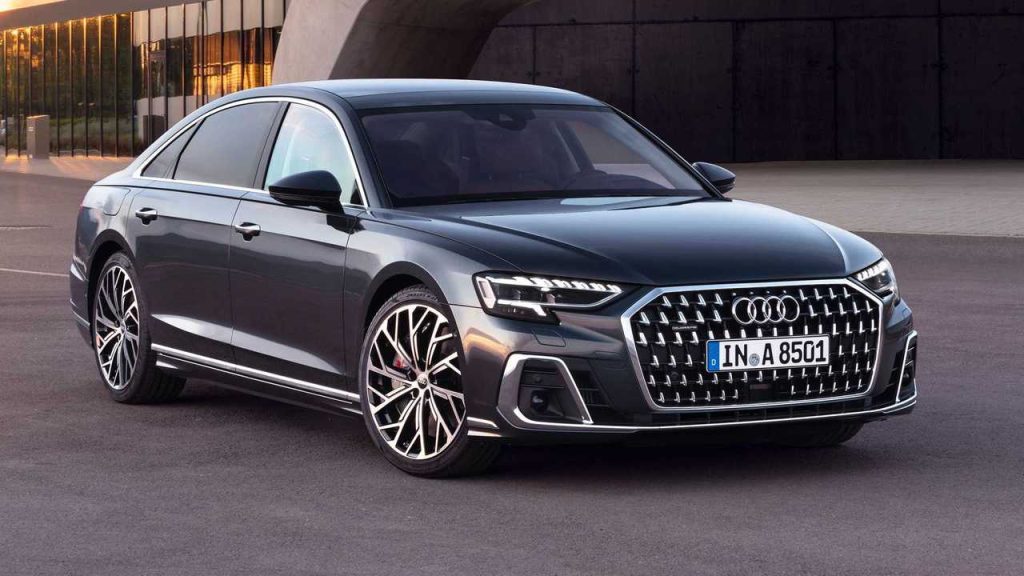
The Audi A8 is built to deliver a quiet, refined driving experience, but its sophisticated automatic transmission can become a major financial liability as the car ages.
A complete gearbox failure is particularly difficult to absorb because the vehicle’s used-market value may have fallen much faster than the cost of its replacement parts.
Kelley Blue Book estimates that replacing the transmission in a 2015 Audi A8 at a dealership near Hanover, Pennsylvania, costs approximately $10,005 to $10,677, including parts and labor. The estimate is specific to that location, but it demonstrates the potential expense of this repair.
Edmunds lists the average-condition private-party value of a 2015 A8 3.0T quattro at approximately $9,463. In this example, the transmission bill could exceed what the car might sell for privately.
There is a technical complication, too. The A8’s transmission is electronically integrated with the vehicle. Replacement is not necessarily a simple matter of installing another gearbox and driving away.
The correct transmission code, electronic configuration, and programming procedures must be verified. A replacement unit that is mechanically similar may still be unsuitable for a particular engine or drivetrain combination.
Owners should not confuse harsh shifting or a transmission warning with proof that the entire assembly is destroyed. A specialist should check fault codes, fluid condition, control electronics, and internal wear before recommending replacement.
If the gearbox has suffered extensive internal damage, the decision becomes a financial one. A used or rebuilt unit may reduce the bill, but warranty coverage and compatibility deserve attention. On an older A8, one major transmission failure can make an otherwise comfortable luxury sedan an uneconomical proposition.
9. Jaguar XJ: Complete Engine Replacement
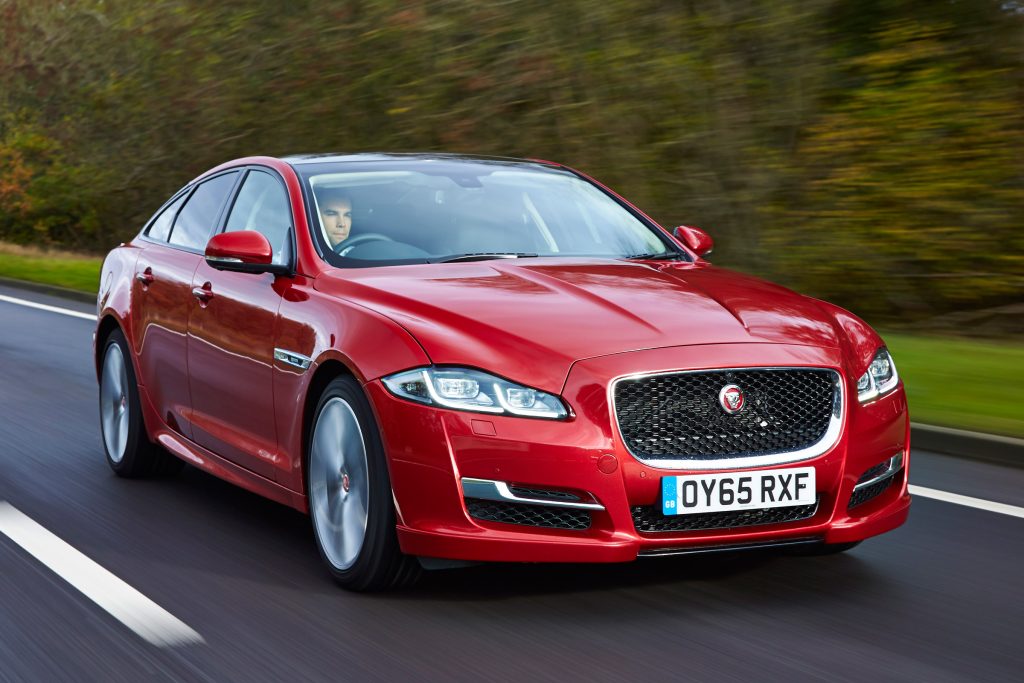
An engine failure can dramatically alter the cost of owning an older luxury sedan. The Jaguar XJ illustrates this challenge, as its powerful engines and premium engineering were originally built for a vehicle in a much higher price category.
Years later, the cost of sourcing and installing a replacement can be difficult to reconcile with the car’s resale value.
The 2013 XJ was offered in the United States with several engine configurations, including a 5.0-liter V8. Genuine replacement engine parts can be expensive. A Jaguar parts catalog lists a replacement engine for the naturally aspirated 5.0-liter application at approximately $20,124 before installation.
That is a parts listing, not a complete installed repair quote, and the exact engine must match the vehicle’s configuration.
Used engines offer another route, but their prices vary considerably. U.S. suppliers list 2013 XJ engine assemblies at different prices depending on engine type, mileage, and availability.
One supplier, for example, lists used assemblies from approximately $4,333 to $7,762 before local discounts. Installation, fluids, replacement hardware, and any additional repairs would add to that amount.
The real danger is buying a cheap replacement without investigating why the original engine failed. If overheating, oil starvation, or a cooling-system fault caused the damage, those underlying problems must be corrected before another engine is installed. Otherwise, the replacement could face the same threat.
For an XJ with a damaged engine, the sensible approach is to obtain a written quote for both a used assembly and a properly warranted alternative. When the total approaches or exceeds the car’s market value, walking away may be more rational than funding another expensive chapter of ownership.
10. Mercedes-Benz S-Class: Automatic Transmission Failure
The Mercedes-Benz S-Class is engineered to deliver a level of comfort and refinement that few mainstream sedans can match. However, buying one after years of depreciation does not mean its repair costs have become affordable. A major automatic transmission failure can still produce a bill that would be difficult to justify on an older example.
For a 2014 S-Class, Kelley Blue Book estimates a dealer transmission replacement at approximately $9,001 to $9,615 in the Dallas, Texas area.
The estimate includes parts and labor, with the transmission itself accounting for a substantial part of the expense. It is a local estimate rather than a nationwide fixed price, and the exact cost will depend on the vehicle’s engine, drivetrain, and the replacement unit selected.
The comparison with resale value is revealing. KBB’s September 2026 national estimates put a 2014 S 550 sedan’s private-party value at approximately $18,350 in good condition, while its trade-in estimate is around $13,100.
A transmission replacement would consume a large share of the car’s trade-in value, even before accounting for any other deferred maintenance.
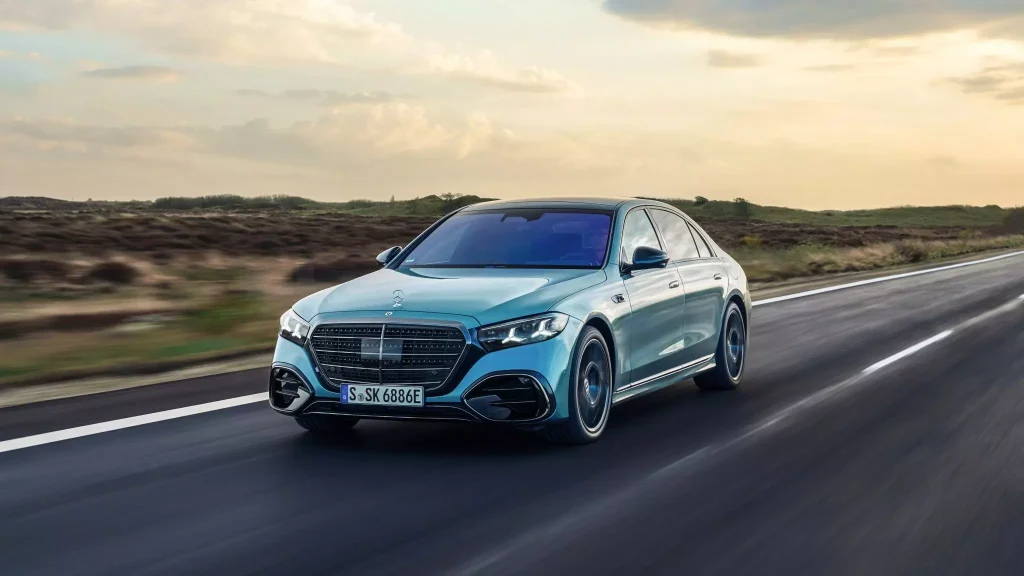
A transmission warning or rough shift does not prove that the complete gearbox has failed. Electronic control faults, solenoids, fluid leaks, and other issues can create similar symptoms. A Mercedes specialist should identify the actual fault and provide a written estimate before replacement is approved.
The financial risk becomes especially serious when the car also needs air-suspension work, tires, brakes, or electronic repairs. One major gearbox failure may be manageable on a well-kept S-Class, but on a neglected, high-mileage example it can be the expense that ends its useful ownership life.
11. Maserati Quattroporte: Complete Engine Failure
The Maserati Quattroporte can become an expensive proposition when its engine suffers catastrophic internal damage. The car’s original purchase price may have fallen dramatically on the used market, but replacing its sophisticated engine remains a specialist job involving expensive components, substantial labor, and careful compatibility checks.
For the 2014 to 2022 Quattroporte equipped with the 3.0-liter twin-turbocharged V6, U.S. replacement-engine estimates vary by supplier and engine condition.
Go-Parts lists used original-equipment engine assemblies at approximately $4,000 to $10,000, with installation labor estimated at $3,500 to $5,500. A new original-equipment engine can cost substantially more. These are supplier estimates, not a guaranteed dealer quote, and additional parts or repairs can increase the final bill.
The used-car comparison is what makes the situation difficult. Edmunds estimates the trade-in value of an average-condition 2016 Quattroporte S at approximately $8,937, with a private-party value near $10,060.
A used engine and installation could consume most or all of that amount, particularly if the vehicle needs additional work. Higher trims have different values, so the comparison must be made against the exact version.
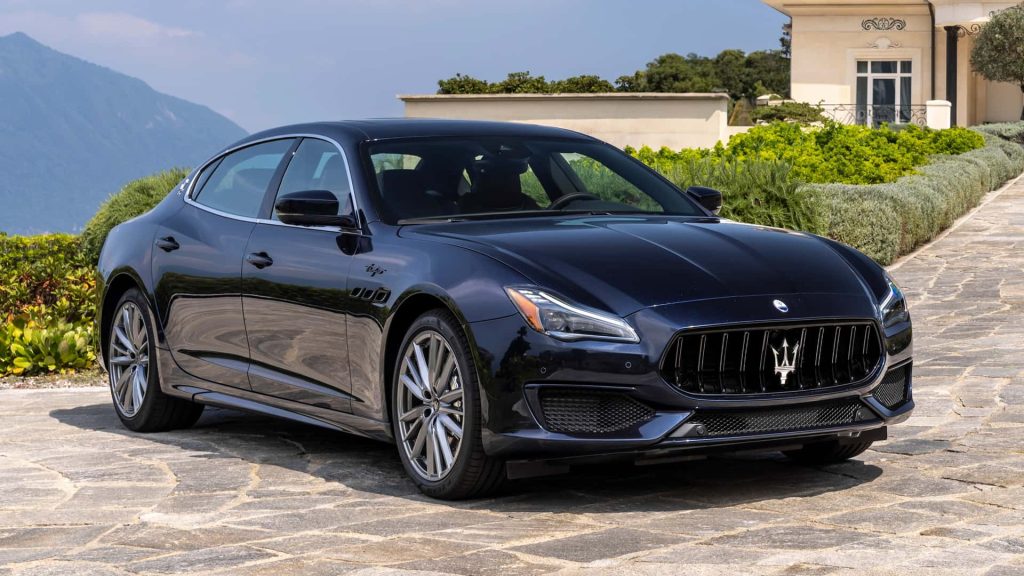
Not every engine noise means the engine is finished. Timing-chain components, cooling-system faults, and turbocharger problems may be repairable without replacing the complete assembly. However, severe oil starvation, a seized engine, or extensive internal damage can make a full replacement more realistic.
Before committing to an engine swap, owners should verify the engine code, drivetrain configuration, donor mileage, and warranty. A low-priced used engine is not automatically a good deal. If the Quattroporte has several other expensive faults, the combined bill may exceed its realistic resale value, making it the final repair many owners choose not to fund.