A vehicle’s reputation can follow it for years, even after the manufacturer makes improvements or the latest data tells a different story. Some models are judged by problems from older generations, negative owner experiences, or the reputation of their entire brand.
However, reliability surveys and repair records can reveal a more complicated picture. The models in this article are selected because their measured results challenge common assumptions.
That does not mean they are problem-free. It means buyers should examine model-specific evidence, including repair frequency, reported faults, and recent reliability scores, before dismissing a vehicle based on reputation alone.
1. Ford Maverick
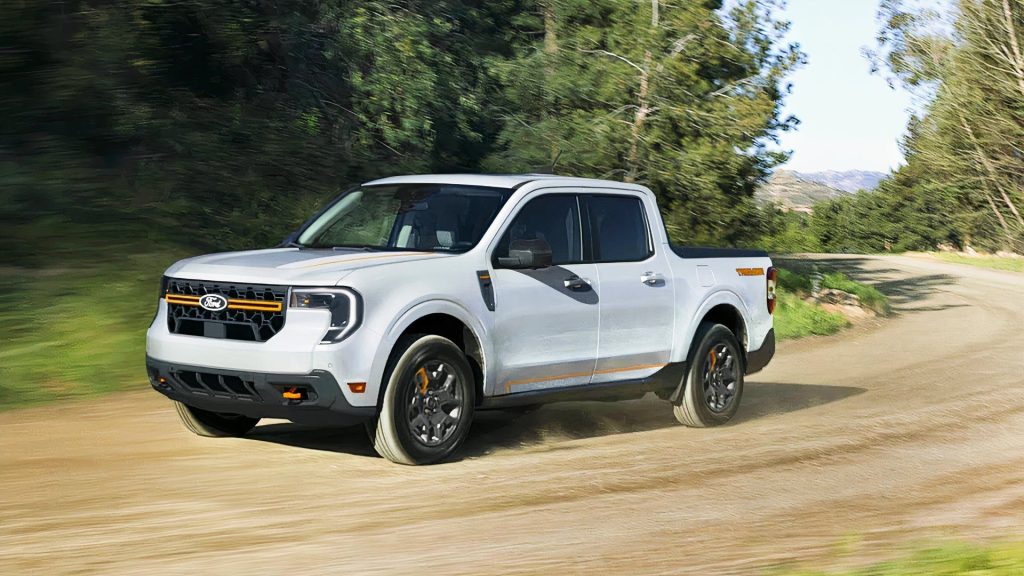
The Ford Maverick has had to overcome skepticism about compact pickups, particularly because it arrived with a relatively new platform and a hybrid powertrain. Early concerns about recalls and first-generation problems have contributed to questions about its long-term dependability.
Yet Consumer Reports’ December 2025 reliability analysis gives the Maverick a 70 out of 100 reliability score, placing it among Ford’s stronger performers. Consumer Reports also identifies it as one of the domestic models with above-average reliability.
That score is worth considering because the Maverick is not being judged solely on its reputation or its manufacturer’s history.
Consumer Reports bases its reliability analysis on owner-reported problems across 20 trouble areas, ranging from minor interior and infotainment faults to more serious engine, transmission, and electrical issues.
Its 2025 analysis drew on information covering approximately 380,000 vehicles from the 2000 through 2025 model years, with some early 2026 vehicles included.
However, the Maverick’s reliability record comes with some caveats. Consumer Reports lists 12 recalls for the 2025 model, highlighting the importance of looking beyond reliability ratings. A positive score does not eliminate recall concerns or guarantee consistent dependability across model years. Prospective buyers should check the vehicle’s VIN for outstanding recalls and consider differences between early and later production models.
The Maverick’s data therefore challenges a blanket assumption that a relatively new Ford pickup must be unreliable.
Its recent reliability results are encouraging, but a used buyer should still inspect the transmission, hybrid system where fitted, electrical equipment, and recall completion records. The particular model year matters more than a broad brand stereotype.
2. Tesla Model Y
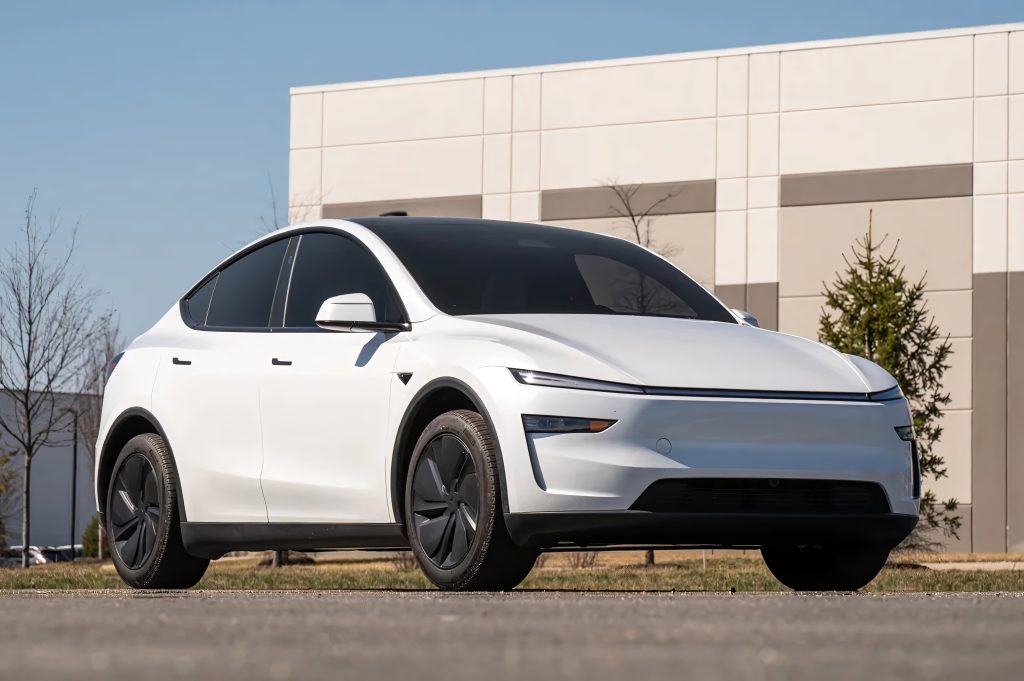
The Tesla Model Y has faced persistent criticism involving build quality, fit and finish, and software-related problems. Those concerns have shaped public perceptions of the electric SUV, but its recent reliability results tell a more nuanced story.
The December 2025 analysis gives the Model Y a reliability score of 81 out of 100, identifying it as well above average. It was also singled out as one of the strongest-performing U.S. models in the survey.
The score matters because Consumer Reports examines a broad range of owner-reported problems rather than relying on a single mechanical measure. Its survey covers 20 trouble areas, including body hardware, climate systems, electronics, electric motors, and high-voltage battery problems.
The organization considers both the frequency and seriousness of reported faults when developing its reliability predictions. That makes the Model Y’s result more meaningful than simply pointing to its electric powertrain, which has fewer conventional service requirements than a gasoline engine.
Still, an 81-point score should not be interpreted as proof that every Model Y is trouble-free. Tesla has changed the vehicle over time, and build quality, equipment, and software can vary by production period.
Buyers should pay attention to the condition of the suspension, tires, steering components, door and window hardware, and electronic features. A thorough inspection is especially important for a used example that has covered substantial mileage.
The data does not erase the Model Y’s past criticism. It shows that its recent reliability performance is stronger than its reputation might suggest. For shoppers, that is a reason to assess the specific model year and vehicle condition rather than reject the Model Y automatically because of older complaints.
3. Buick Envision
Buick does not always receive the same attention as Toyota or Honda when shoppers discuss dependable vehicles, but the Envision has produced results that challenge assumptions about the brand.
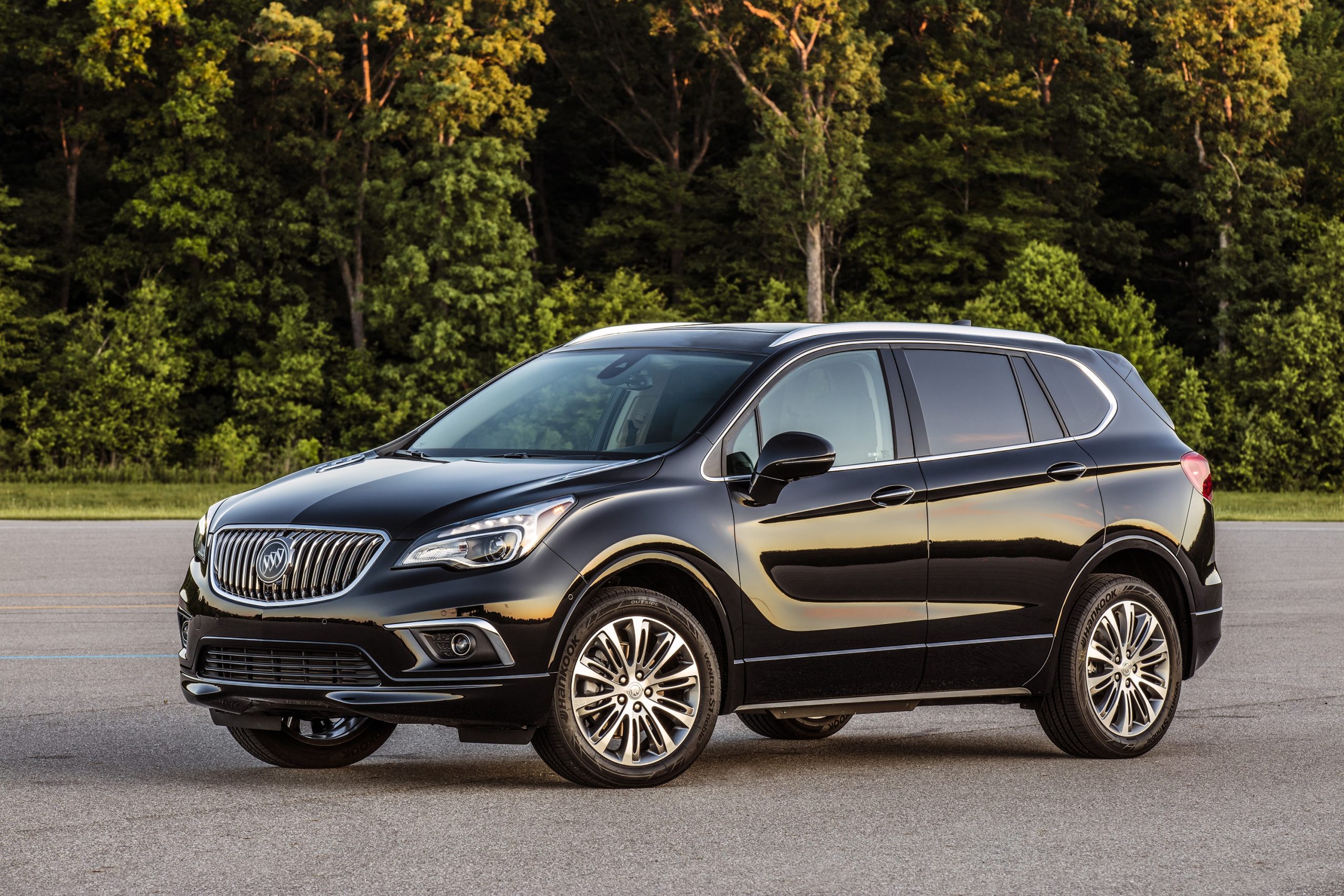
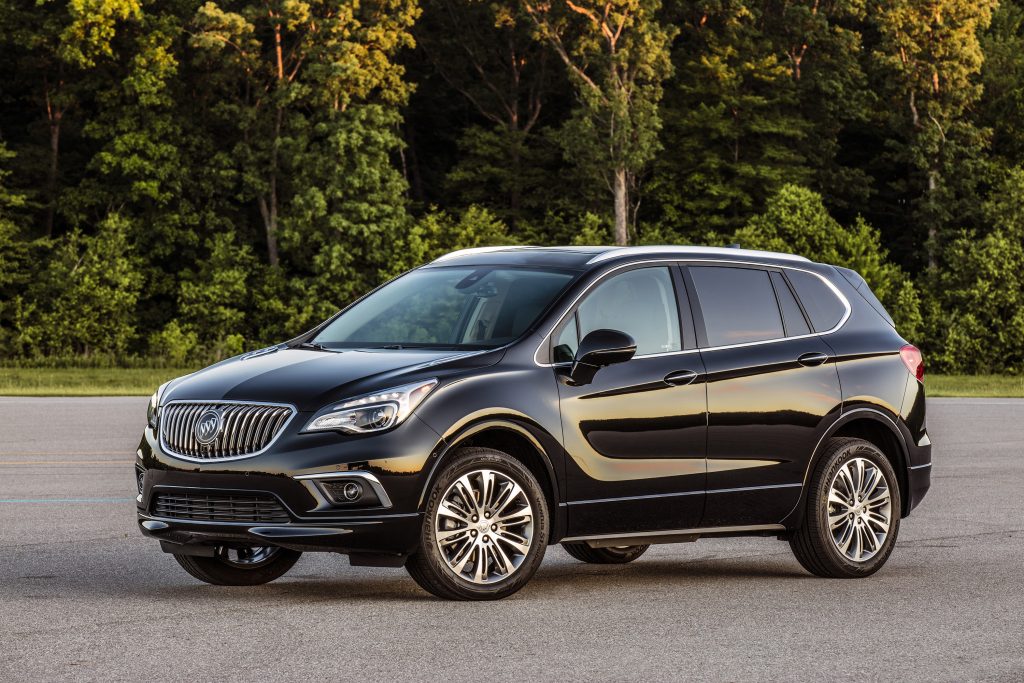
Consumer Reports’ 2026 reliability assessment predicts that the new Envision will be more reliable than the average new car. Its prediction draws on owner-reported information from the 2023, 2024, and 2025 model years. A separate analysis reports a Consumer Reports predicted reliability score of 61 out of 100 for the Envision.
That is encouraging for a compact luxury-oriented SUV. The Envision competes in a segment where buyers expect a comfortable cabin, modern technology, and a refined driving experience, but those features can sometimes bring additional electronic equipment and repair considerations.
Its reliability results suggest the vehicle’s reputation should be assessed on its own evidence rather than judged solely by assumptions about Buick or General Motors.
There are still reasons to be selective about the model year. Consumer Reports’ prediction is based on recent generations, and it does not mean every Envision has identical reliability. The 2026 model has also been listed with an NHTSA recall, so buyers should check the vehicle identification number and confirm that any applicable recall work has been completed.
For used-car shoppers, the Envision deserves a closer look rather than an automatic rejection. Check the infotainment system, electrical accessories, engine operation, transmission behavior, and service history during an inspection.
Its reliability data provides a stronger case than its sometimes-overlooked brand image might suggest, but an individual vehicle’s condition remains the deciding factor.
4. Chevrolet Trax
The Chevrolet Trax is another example of why a brand’s reputation should not determine how every model is judged. Chevrolet has had vehicles with uneven reliability records, and the Trax has sometimes been overshadowed by better-known compact SUVs.
However, Consumer Reports predicts that the 2026 Trax will be more reliable than the average new car, using reliability information from the 2024 and 2025 model years.
This is a meaningful result for an affordable crossover. The Trax is designed around practical daily transportation, with a compact footprint, useful passenger space, and a relatively straightforward gasoline powertrain.
It does not have the complexity of a plug-in hybrid system or an electric vehicle’s high-voltage propulsion equipment. That does not automatically make it more reliable, but it gives buyers a different set of components to consider when evaluating long-term ownership.
Consumer Reports bases its predictions on owner feedback across 20 trouble areas, including engine, transmission, electrical, climate-control, and infotainment problems.
The organization’s findings therefore consider more than whether a vehicle starts and drives. They also account for smaller faults that can affect the ownership experience.
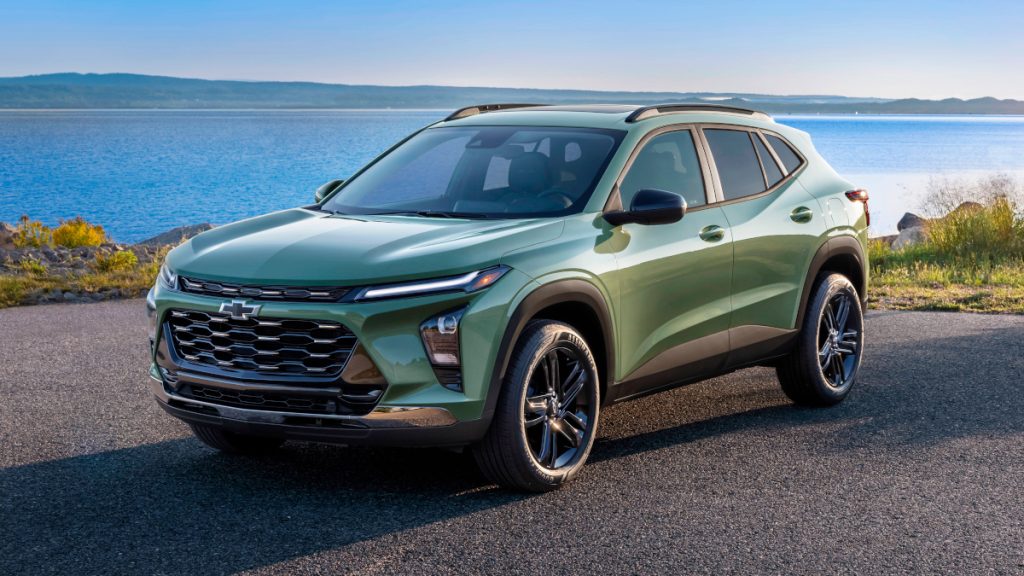
The Trax should not be confused with every Chevrolet crossover, nor should the 2026 prediction be applied to older generations without checking their individual records. The current model was substantially redesigned for 2024, making its recent reliability history more relevant than the reputation of earlier Trax models.
Buyers should still inspect transmission operation, electronics, brakes, and maintenance records. The available data gives the latest Trax a stronger reliability case than a broad criticism of Chevrolet might suggest.
5. Subaru Crosstrek
The Subaru Crosstrek is widely regarded as a practical crossover for outdoor enthusiasts. Its recent reliability survey results are also noteworthy, particularly given its standard all-wheel-drive system and association with more demanding driving conditions.
Consumer Reports predicts that the 2026 Crosstrek will be more reliable than the average new car, using owner-reported information from the 2024 and 2025 model years.
There is additional evidence from J.D. Power. Its 2026 Crosstrek evaluation gives the vehicle an 85 out of 100 quality and reliability score, classified as great. This rating measures owner-reported defects, malfunctions, and design flaws across the vehicle.
The two organizations use different methodologies, so their scores should not be compared directly, but both provide useful evidence that the Crosstrek’s reliability performance is stronger than a casual brand stereotype might suggest.
The Crosstrek’s appeal is partly down to its straightforward purpose. It offers standard all-wheel drive, useful ground clearance, and a compact footprint that suits city driving as well as occasional trips onto rougher roads.
However, owners should remember that all-wheel drive does not make the vehicle immune to wear. Tires, suspension components, brakes, and drivetrain fluids still require appropriate attention.
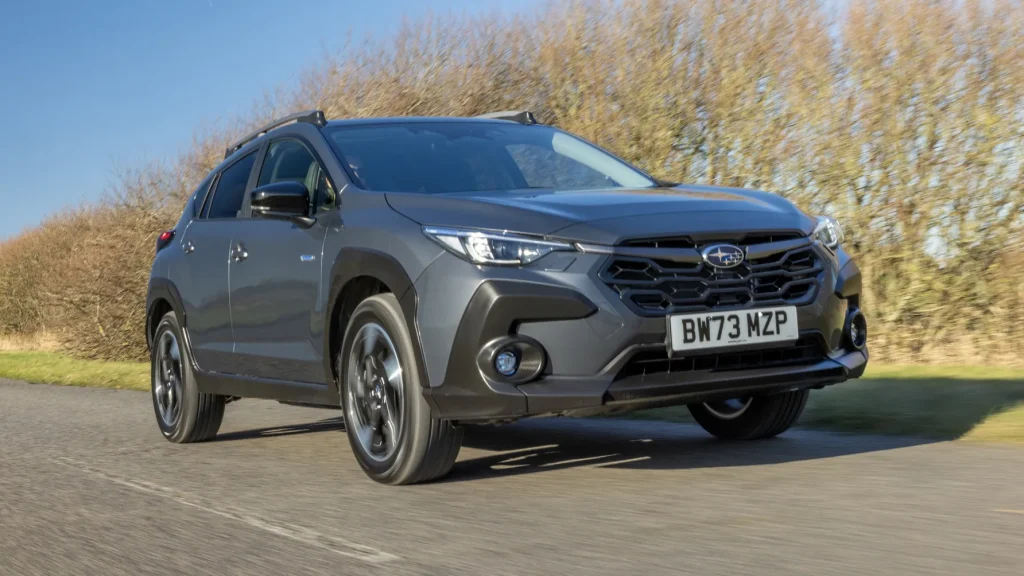
Used-car buyers should also be aware of a recall affecting certain 2026 models. The NHTSA campaign concerns the left-front lower control arm ball joint, and affected owners are advised to stop driving until the necessary repairs are completed. Checking a vehicle’s recall history using its VIN is an essential step before purchase.
The Crosstrek’s data makes it difficult to dismiss as an unreliable choice. Nevertheless, buyers should verify recall completion, inspect the suspension and drivetrain, and review maintenance records before purchasing a used example.
6. Toyota Corolla Cross
The Toyota Corolla Cross benefits from a nameplate associated with dependable transportation, but its recent reliability figures provide something more concrete than brand reputation.
In Consumer Reports’ 2026 vehicle rankings, the Corolla Cross receives a predicted reliability score of 79 out of 100, placing it among the stronger performers in the subcompact SUV category. That result is particularly relevant for shoppers who want a small crossover without automatically moving to a more expensive vehicle.
The Corolla Cross is based on Toyota’s compact-car engineering approach and is positioned below the larger RAV4. Its smaller dimensions make it easier to maneuver and park, while the SUV body provides a higher seating position and practical cargo space.
Toyota offers both gasoline and hybrid versions in the United States, so buyers should distinguish between them when researching reliability. Their powertrains and maintenance requirements are not identical.
J.D. Power provides another useful perspective on the gasoline model. Its 2026 Corolla Cross evaluation gives the vehicle an 82 out of 100 Quality and Reliability score, classified as Great.
This assessment reflects owner feedback about defects, malfunctions, and design-related problems. It is a separate rating system from Consumer Reports, but it adds support to the argument that the model’s reliability performance is backed by measurable results.
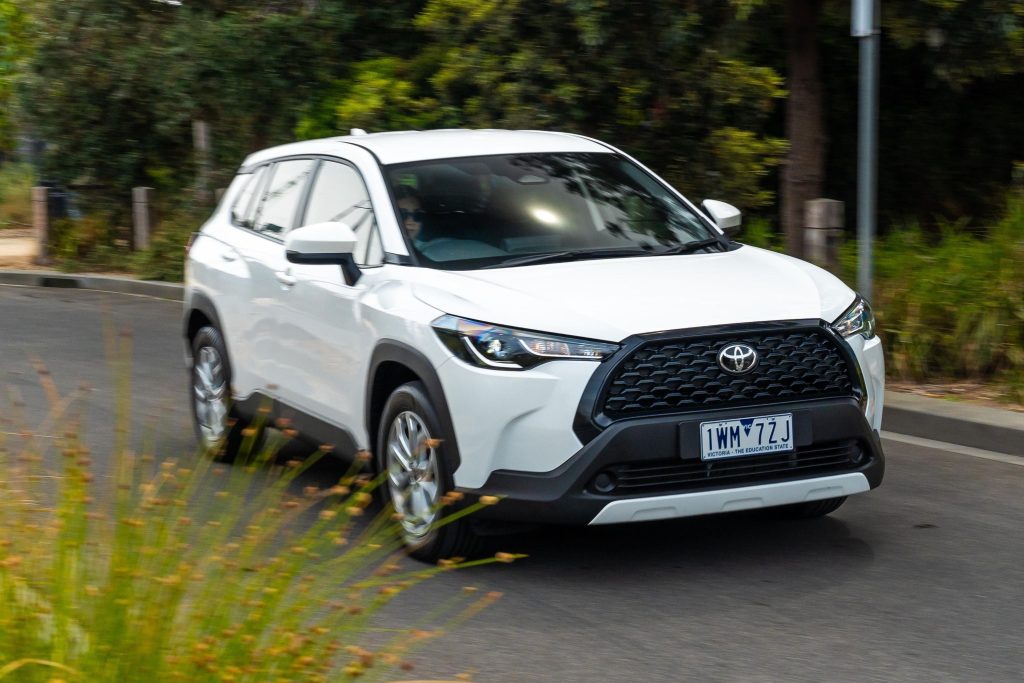
A favorable score does not make every Corolla Cross a guaranteed trouble-free purchase. Buyers should still inspect the transmission, brakes, suspension, electronics, and service history. Hybrid shoppers should also check the condition and warranty coverage of the hybrid components.
The Corolla Cross demonstrates why model-specific evidence matters. Rather than relying exclusively on Toyota’s reputation, buyers can examine its own reliability results, compare powertrain versions, and select a vehicle based on its actual condition.
7. Ford F-150
The Ford F-150 has spent decades at the center of debates about truck reliability. Its popularity means that problems receive considerable attention, and some recent model years have faced complaints involving electronics, transmission behavior, and other components.
However, the latest Consumer Reports assessment offers a more balanced picture of the current truck. For the 2026 F-150, Consumer Reports predicts reliability that is approximately average compared with other new vehicles, using data from the 2023, 2024, and 2025 model years.
That result is important because the F-150 has not simply been given a favorable rating based on its sales success. Consumer Reports collects owner feedback across numerous trouble areas, including engine, transmission, electrical systems, climate controls, and in-car electronics.
Its 2025 survey covered approximately 380,000 vehicles, providing a substantial body of owner-reported information for its reliability analysis.
Ford has also made progress in the broader brand rankings. Consumer Reports placed Ford 11th in its 2026 reliability rankings, its strongest position in 15 years. The organization specifically noted that the F-150, F-150 Hybrid, and F-150 Lightning had improved from below-average to average reliability.
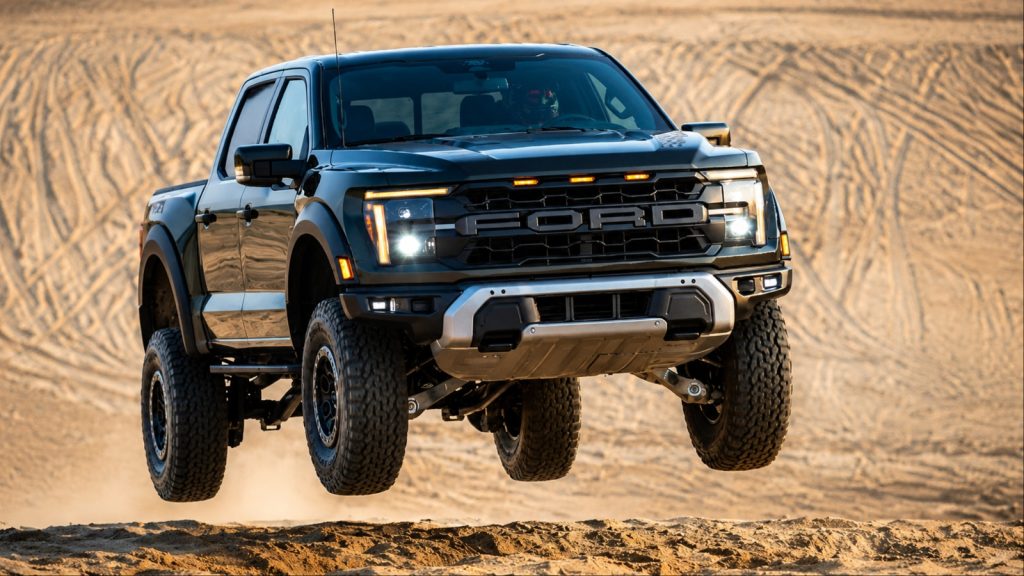
Average reliability is not the same as exceptional dependability, and the 2026 F-150 has had eight NHTSA recalls listed by Consumer Reports. Buyers should check the VIN for open campaigns and pay attention to the specific engine, transmission, and equipment fitted to the truck.
The F-150’s latest data does not justify calling every model year trouble-free. It does, however, challenge the idea that the current truck should automatically be dismissed because of older reliability complaints.
8. Buick Envista
Buick has a reputation that can be difficult to separate from assumptions about older American vehicles, but the Envista offers a useful example of why individual model assessments matter.
J.D. Power gives the 2026 Buick Envista an 81 out of 100 Quality and Reliability score, classifying that result as Great. The rating reflects owner experiences involving defects, malfunctions, and design-related problems across the vehicle, including its mechanical and electronic systems.
Consumer Reports provides a more cautious assessment. It predicts approximately average reliability for the 2026 Envista, using limited information from the 2024 and 2025 models alongside Buick’s brand score.
The two organizations offer different assessments of the Envista’s reliability. J.D. Power gives the model a positive rating, while Consumer Reports places it closer to the average for new vehicles rather than identifying it as a clear standout.
The Envista is a front-wheel-drive subcompact SUV with a design that gives it a more premium appearance than its price positioning might suggest.
It shares its mechanical foundation with the Chevrolet Trax, which helps explain why the two models are often compared. That shared engineering does not mean their equipment, ownership experiences, or reliability results are automatically identical.
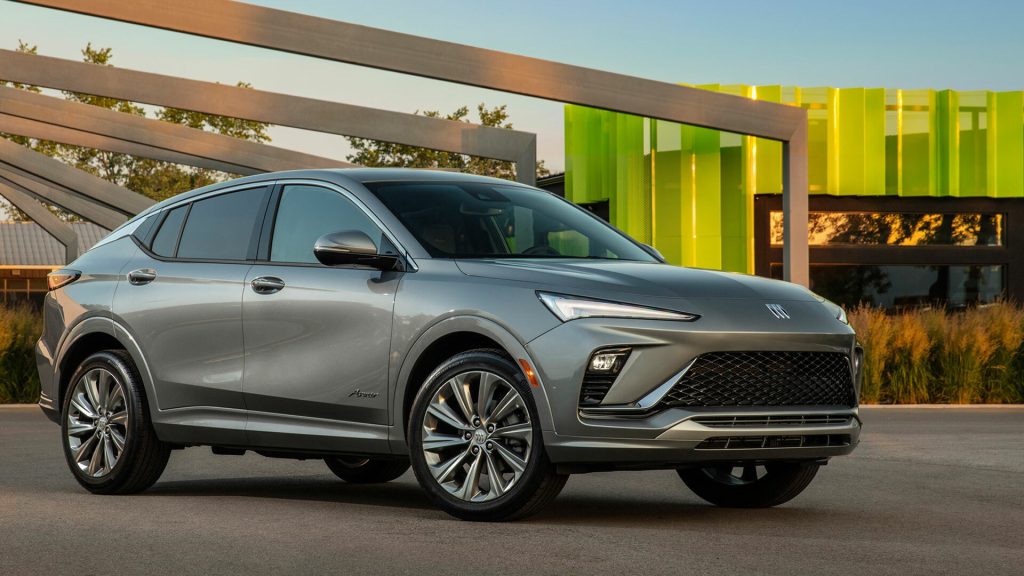
For shoppers, the useful takeaway is not that the Envista is guaranteed to be trouble-free. It is that its reputation should be tested against the available model-specific evidence. A used example still deserves an inspection of its engine, transmission, infotainment system, electrical accessories, and service history.
J.D. Power’s favorable score gives the Envista a stronger case than a blanket criticism of Buick might suggest, while Consumer Reports’ average prediction provides an important note of caution.
9. BMW 2 Series
BMW’s reputation for expensive repairs can make some buyers cautious, particularly those who associate German luxury cars with complicated mechanical systems and costly replacement parts.
However, the BMW 2 Series presents a more encouraging reliability picture than that broad assumption suggests.
Consumer Reports’ 2026 reliability analysis gives the 2 Series a predicted reliability score of 73 out of 100, making it one of BMW’s better-performing models in the survey. The analysis assigns the BMW brand a predicted reliability score of 58.
That distinction matters. A manufacturer’s reputation is built across its entire lineup, but individual models can perform quite differently.
The 2 Series is smaller and less complicated in some respects than larger BMW sedans and SUVs. Its compact dimensions and more focused model range also make it a different ownership proposition from a high-performance M car or a large luxury SUV.
Consumer Reports bases its predictions on owner-reported problems across 20 trouble areas. These include engine and transmission faults, electrical accessories, climate systems, suspension, and in-car electronics.
Its 2025 analysis used information from approximately 380,000 vehicles, covering model years 2000 through 2025, with a limited number of early 2026 vehicles included.
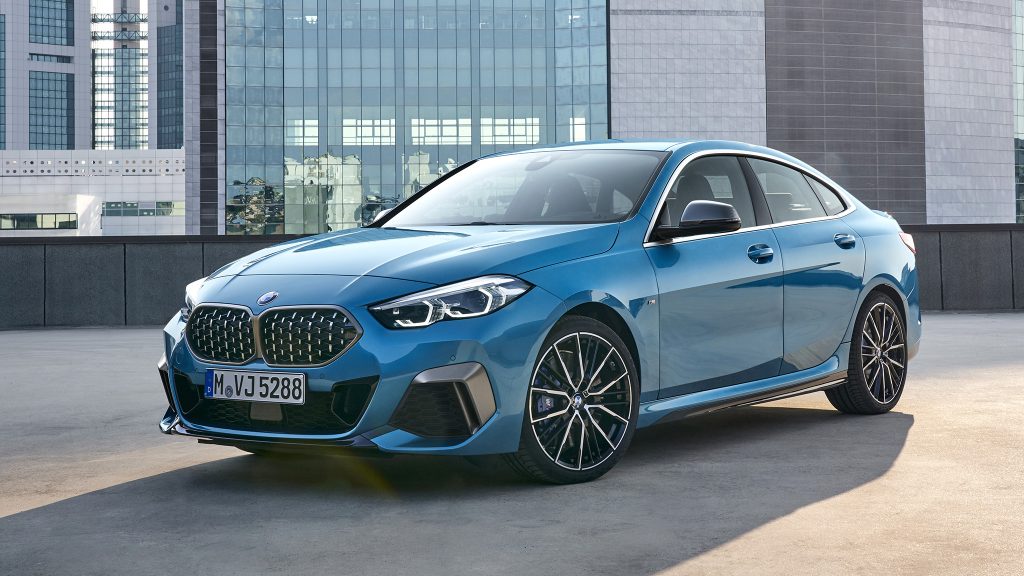
The 73-point result does not mean the 2 Series is inexpensive to repair. BMW parts, specialist labor, and scheduled servicing can still cost more than comparable mainstream vehicles. Buyers should also distinguish between the regular 2 Series models and higher-performance M variants.
For used-car shoppers, the important point is that the 2 Series should not automatically inherit every criticism directed at BMW. Its reliability score offers a more favorable model-specific picture, although a pre-purchase inspection and a complete service history remain essential.
10. Toyota Prius
The Toyota Prius has long been associated with hybrid technology, but some buyers remain concerned about the potential expense of maintaining a vehicle that combines a gasoline engine, electric motor, and high-voltage battery.
The latest Consumer Reports assessment provides reassuring evidence for the current generation. It predicts that the 2026 Prius will be more reliable than the average new car, using owner-reported information from the 2023, 2024, and 2025 model years.
The Prius is an interesting case because its hybrid system is more complex than a conventional gasoline powertrain, yet that complexity has not prevented it from producing strong reliability results.
Toyota has spent decades developing and refining its hybrid technology. Consumer Reports also identifies traditional hybrids as generally more dependable than plug-in hybrids and fully electric vehicles in its latest brand reliability analysis.
There are practical reasons why the Prius can make sense for long-term ownership. Its hybrid system can reduce fuel consumption, particularly in city driving, while regenerative braking can reduce wear on conventional brake components.
The gasoline engine still needs routine maintenance, including oil and filter changes, and the hybrid battery and cooling system require appropriate attention.
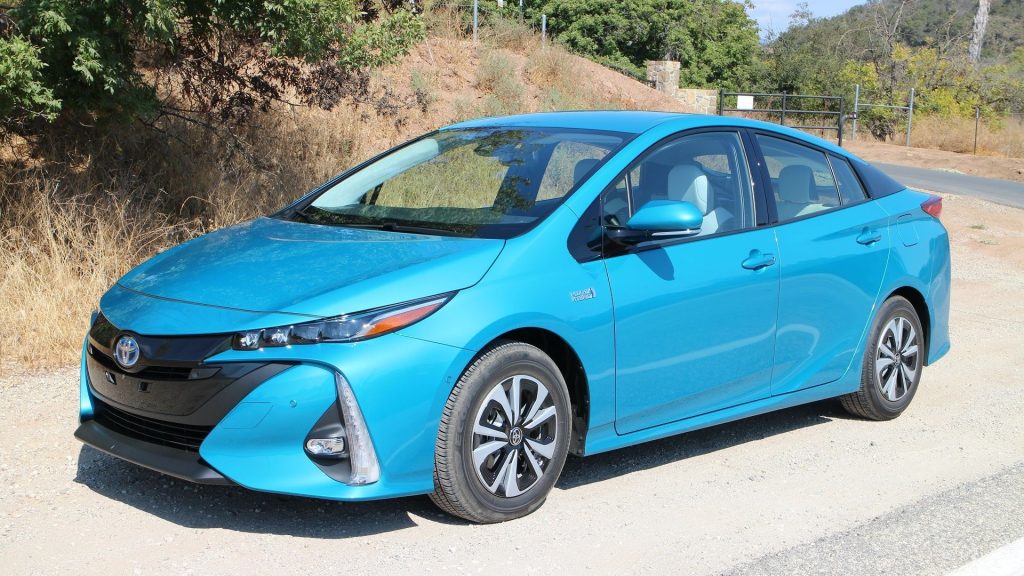
One important qualification is its recall history. Consumer Reports lists one NHTSA recall for the 2026 Prius involving a rear-door switch that could allow an unlocked door to open unexpectedly.
Toyota’s recall remedy involves modifying the switch circuits, free of charge. Buyers should verify that applicable recall work has been completed.
The Prius demonstrates why concerns about hybrid complexity should be weighed against actual reliability evidence. Its favorable prediction does not guarantee that every example will be trouble-free, but it gives buyers a stronger basis for considering the model than assumptions about hybrid repair costs alone.