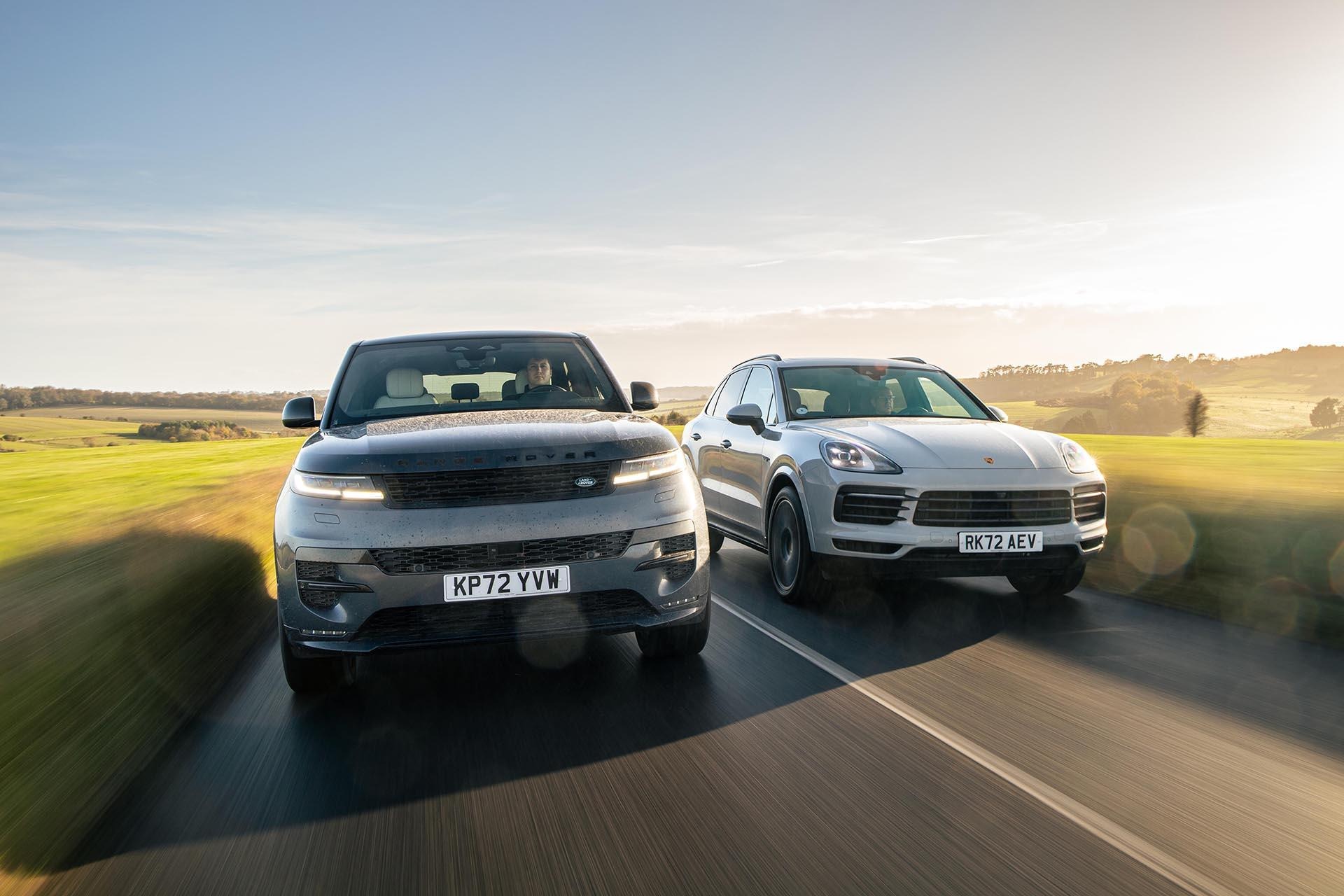
Cheap old cars used to be the answer to almost every budget problem. Find a clean one, fix it yourself on weekends, and drive it for years. That plan still works for some models, but not for all of them. Thinning dealer networks, orphaned platforms, and heavy electronics have turned certain bargains into money pits. Eight older vehicles stand out because they look affordable on a classified ad and then charge you dearly at the repair shop.
Some suffer from scarce parts, some from expensive computers, and some from one giant repair bill that can top the car’s value. If you are shopping for a cheap ride or wondering whether to keep one, read on. A little knowledge now could save you thousands later.
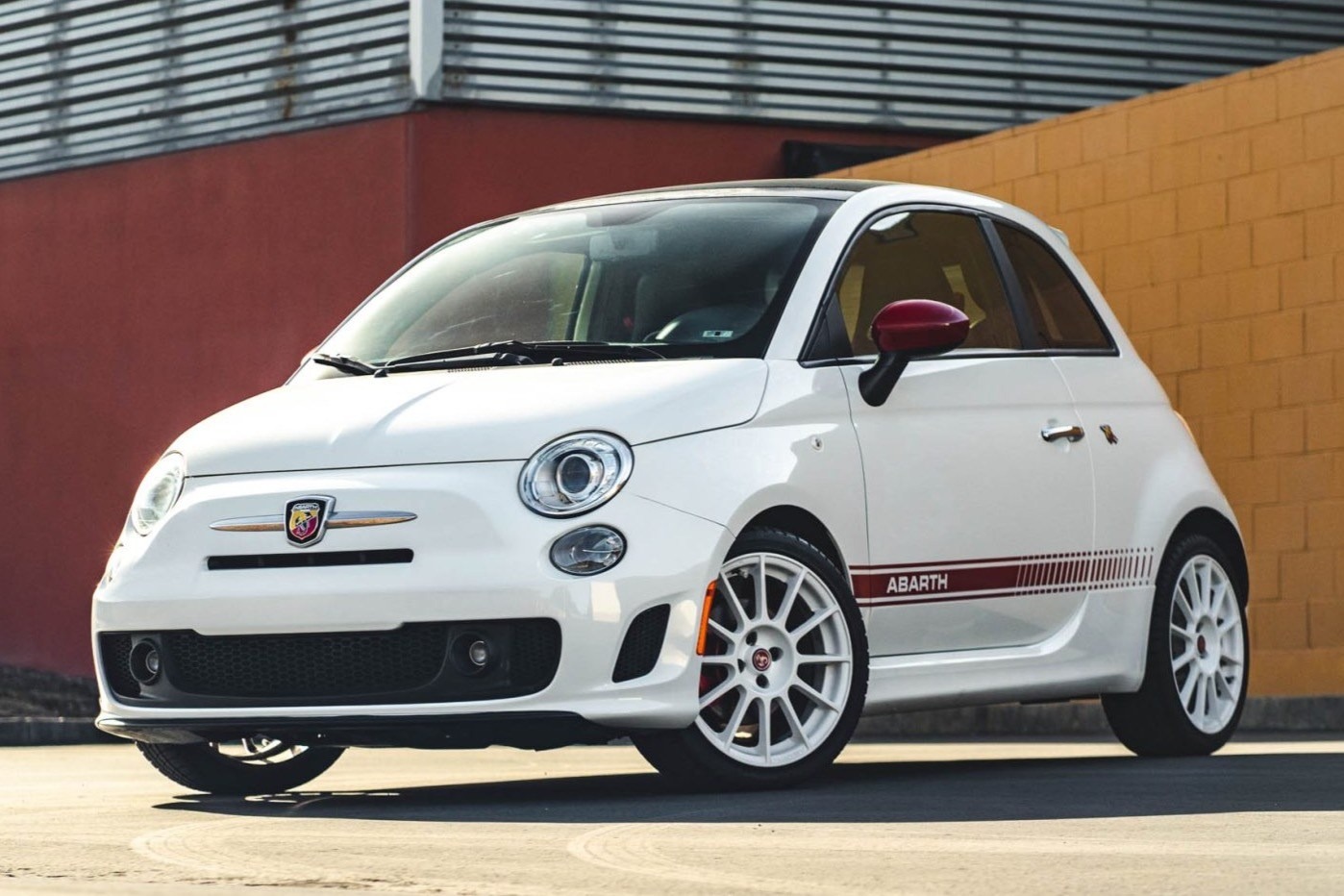
1. Late-Model Fiat 500 (2012-2019)
The Fiat 500 has plenty of personality packed into a small body. Its compact dimensions, distinctive styling, and city-friendly design once made it an appealing choice for drivers looking for inexpensive transportation.
However, finding affordable replacement parts and dependable repair support can be more difficult today, particularly in markets where Fiat has reduced its dealership presence.
The main concern is parts availability. Components that were once relatively easy to obtain may now require special orders, imports, or searches through specialist suppliers. This can increase both the purchase price of replacement parts and the time a vehicle spends waiting for repairs.
Even relatively ordinary maintenance jobs can become frustrating when a workshop cannot source the correct component locally. Owners may also face higher labor expenses when technicians have limited experience with the model.
Before purchasing one, check whether replacement parts for its engine, transmission, electrical systems, and suspension are readily available in your area. Ask independent repair shops whether they regularly service Fiat vehicles and can obtain suitable components.
The Fiat 500 can still be an enjoyable small car, but its low used-market price should not be your only consideration. A seemingly inexpensive purchase could become a costly ownership experience if essential parts are difficult to find.
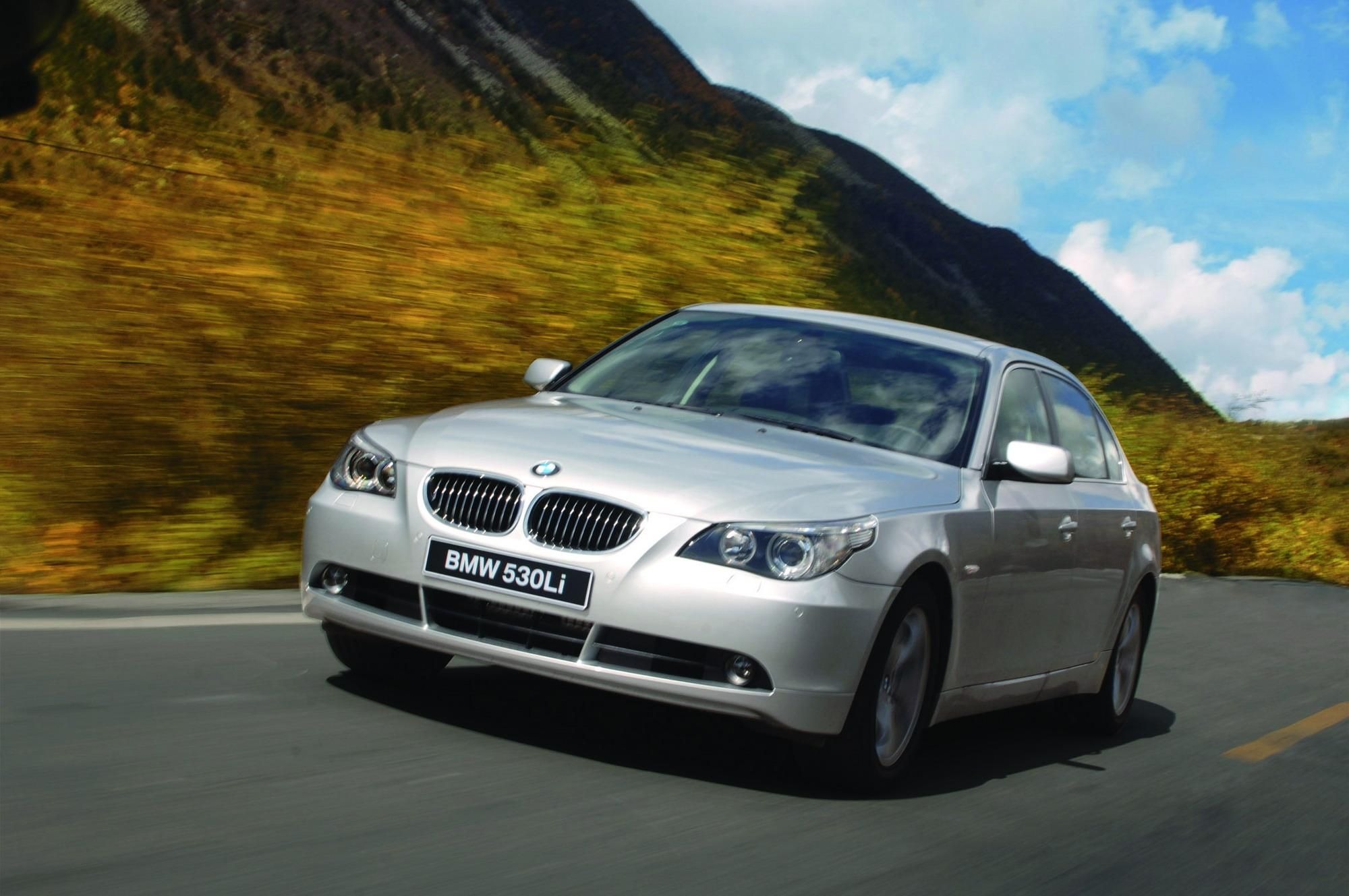
2. E60 BMW 5 Series (2004-2010)
Few older luxury sedans look as tempting as the E60-generation BMW 5 Series. Its sleek styling, comfortable cabin, engaging driving experience, and premium features can make it appear like an incredible bargain on the used market. Unfortunately, the purchase price tells only a small part of the ownership story.
This generation introduced plenty of sophisticated technology, including the iDrive infotainment system, electronic control modules, and numerous computerized functions.
These features were impressive when the cars were new, but age can make electrical faults expensive to diagnose and repair.
Cooling system components are another concern. Plastic parts can become brittle, while aging hoses, expansion tanks, and seals may develop leaks. Oil gasket failures can also create additional maintenance expenses.
A seemingly minor warning light may require specialized diagnostic equipment to identify its cause. Replacing a sensor or electronic module is not always a simple plug-and-play job, either. Some components require coding or programming after installation.
Before purchasing an E60, arrange a thorough inspection by a BMW specialist. Pay particular attention to the cooling system, oil leaks, transmission behavior, and electronic functions.
The E60 remains an attractive luxury car, but owning one cheaply requires preparation. Its affordable resale price should never be confused with inexpensive maintenance.
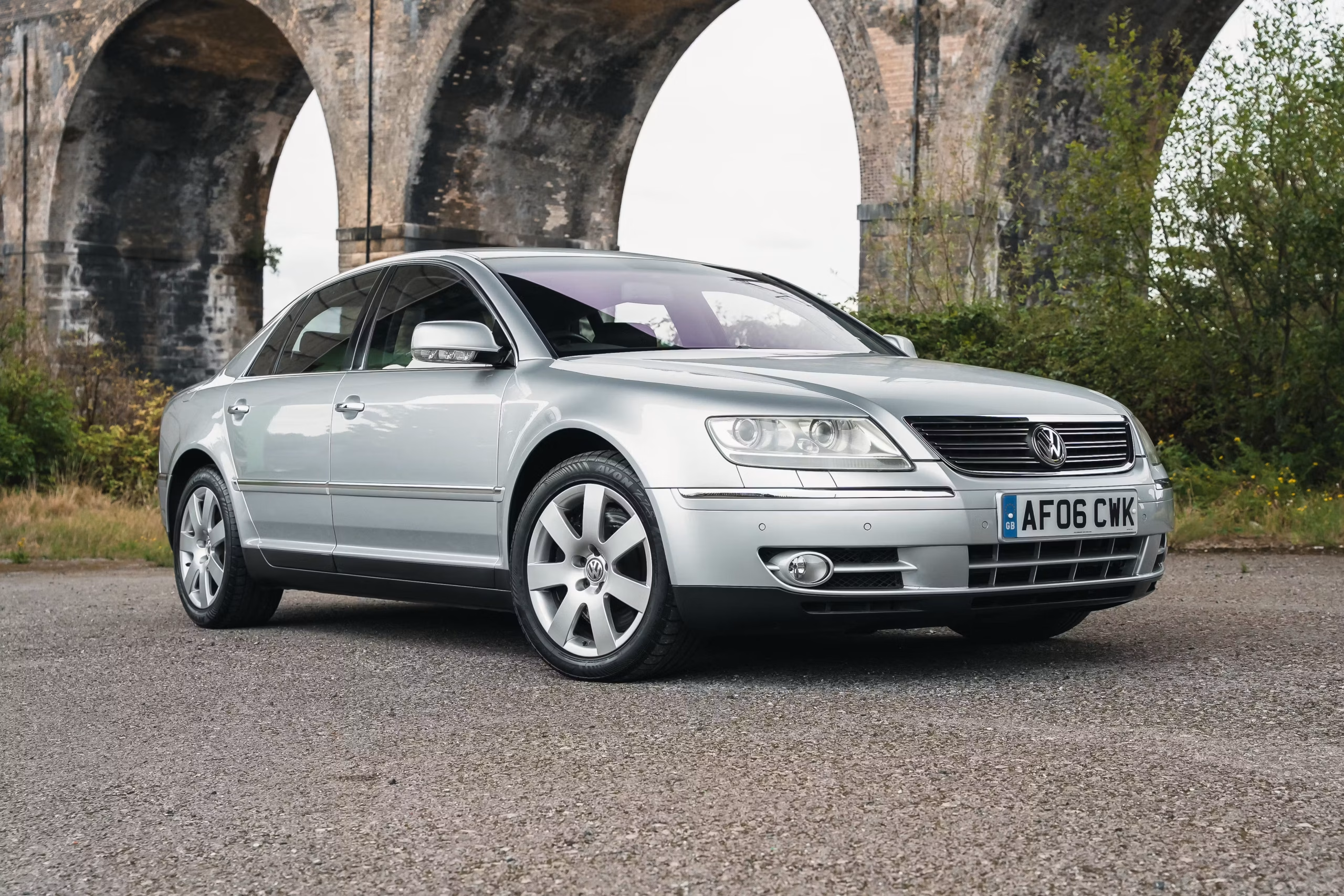
3. Volkswagen Phaeton (2002-2006)
At first glance, the Volkswagen Phaeton looks like a large, understated executive sedan. Its styling is restrained, and the familiar Volkswagen badge can make it appear less intimidating to maintain than an expensive luxury car. That impression can disappear quickly once repair bills start arriving.
The Phaeton was engineered to compete with high-end luxury sedans, and its equipment reflects that ambition. It shares elements of its engineering platform with vehicles from the Volkswagen Group’s luxury divisions, including Bentley models.
Its advanced electronics, sophisticated climate control, and air suspension system make it far more complicated than an ordinary family sedan.
One particular concern is the air suspension. The system relies on several components working together to maintain ride height and comfort.
When compressors, air springs, or related parts fail, repairs can become expensive. A compressor replacement alone may cost thousands of dollars, depending on parts availability and labor rates.
The car also uses numerous electronic control modules, which can make fault diagnosis time-consuming. Finding a workshop with the necessary experience is essential.
If you are considering a used Phaeton, request a complete diagnostic inspection before making an offer. Test the suspension, climate control, electrical equipment, and every major comfort feature.
Its original luxury credentials are impressive, but maintaining those features today can demand a budget that does not match its current market price.
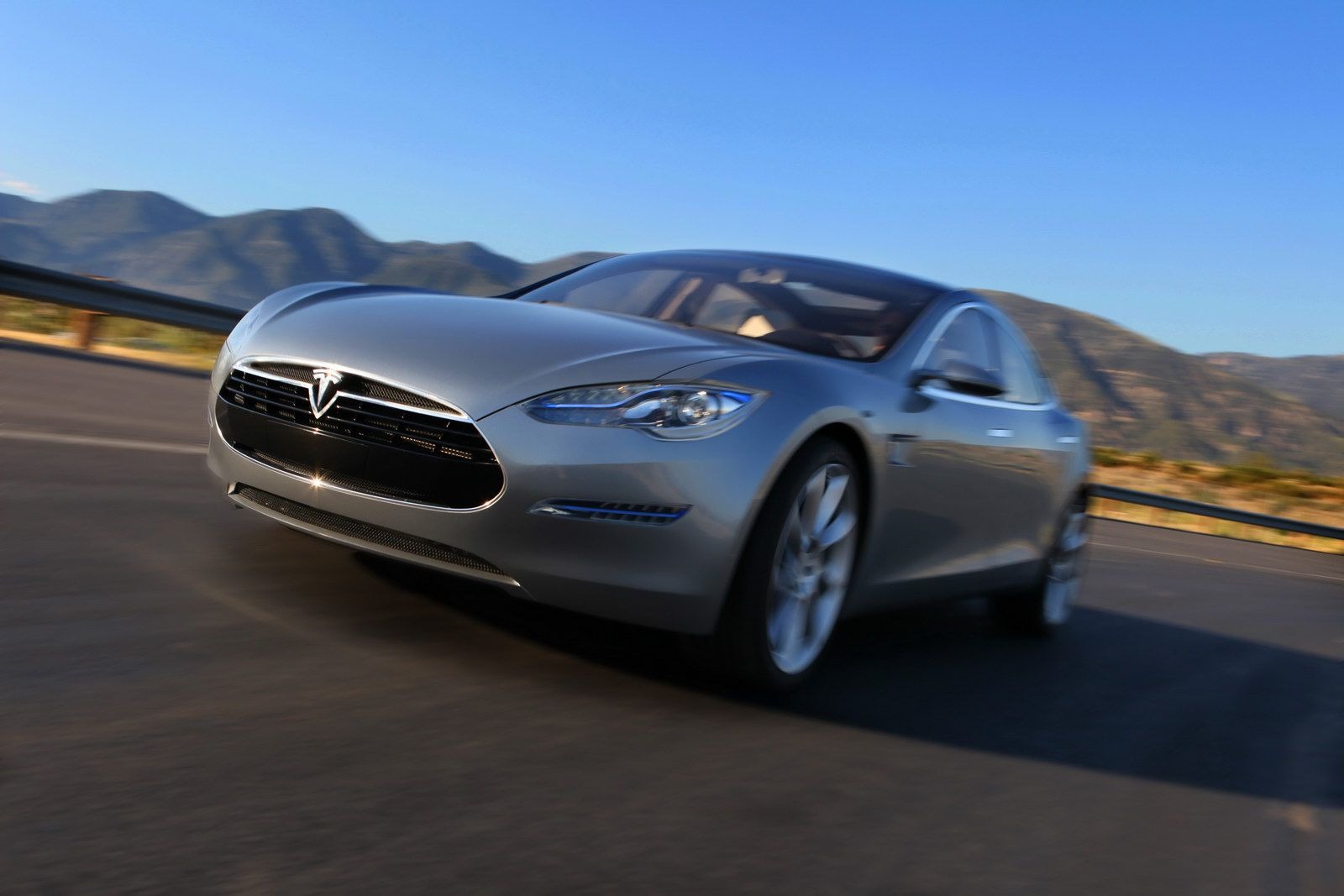
4. Tesla Model S (Early Generations, 2012-2015)
Used Model S prices have dropped, and that is exactly what makes early cars so tempting. Quiet, quick, and packed with tech, they look like a bargain. Out of warranty, however, they can become financial nightmares.
The reason is the closed ecosystem. Tesla operates a highly restrictive system with minimal independent repair options and little aftermarket parts availability.
A failed drive unit, a broken motorized door handle, or a degrading high-voltage battery pack cannot be fixed cheaply at a neighborhood garage.
Imagine a phone with a cracked screen that only the manufacturer is allowed to repair. Now imagine the repair bill is the size of a car payment.
So what should a cautious shopper do? Get the car’s service history and ask whether any major components have been replaced. Check the battery’s health with a proper test, not just the range number on the dash.
Look up the cost of the specific repair that worries you most before you sign anything, and decide whether you could afford it tomorrow. A seller who can show paperwork for recent work is a good sign.
Cheap to buy can still mean expensive to keep. With early Teslas, a low price is only the first line of the bill.
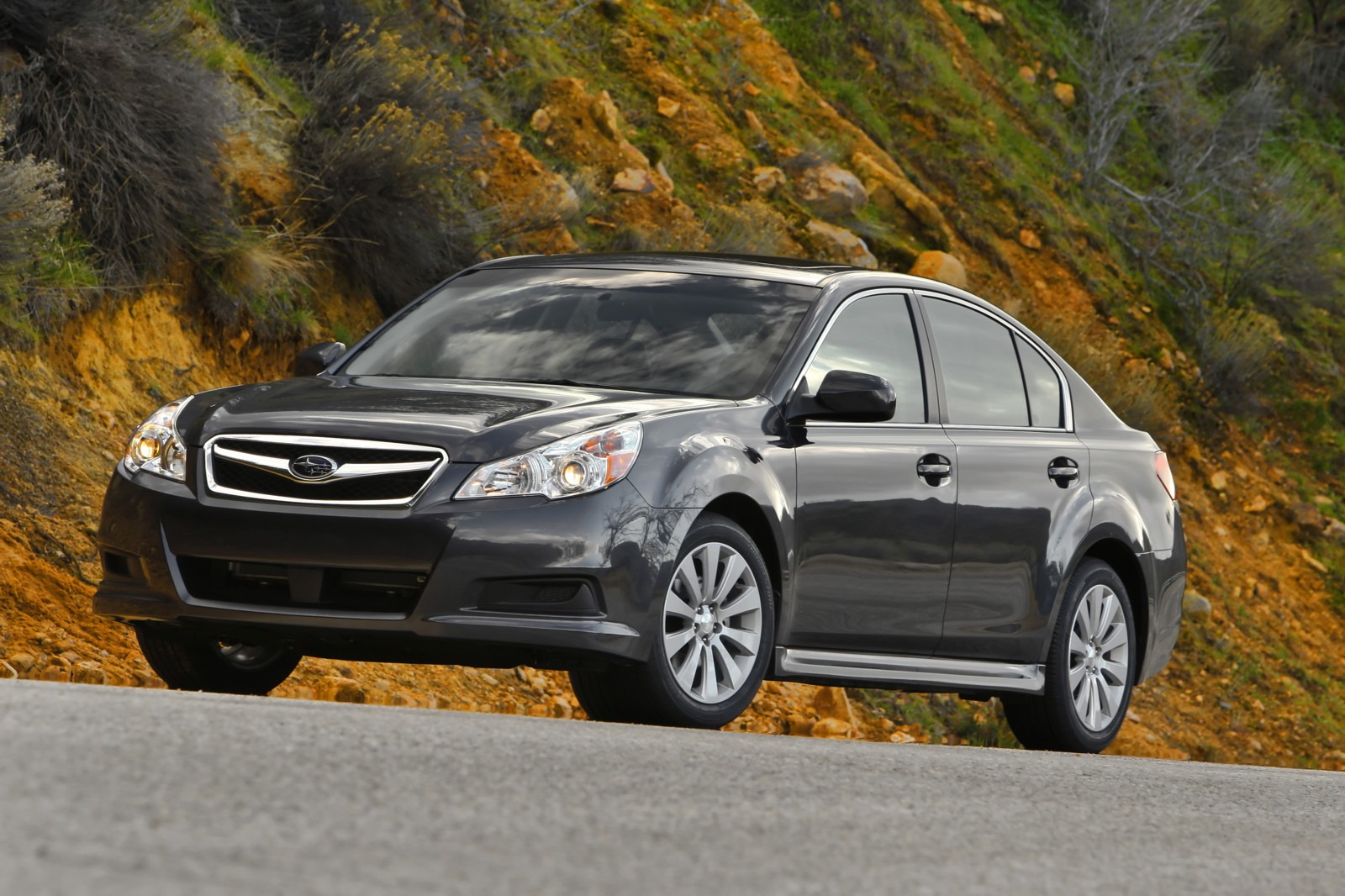
5. Subaru Outback / Legacy (2010-2015 CVT Models)
Older manual Subarus were the darlings of budget DIYers. The generation that heavily adopted Lineartronic Continuously Variable Transmissions, or CVTs, changed the math.
Mechanics on platforms like Reddit’s r/MechanicAdvice point out that a failing Subaru CVT can easily cost $7,000 to $9,000 to replace. That is a number that can end a car’s life right there.
The transmission is not the only worry. The horizontal Boxer engine layout makes head gasket and camcase reseals labor-intensive, which pushes repair bills higher still.
A friendly warning for shoppers. Mechanics talk, forums talk, and the message is consistent. These cars are no longer a safe bet for cheap upkeep.
What can you do? Ask for proof of regular transmission fluid service, and test drive the car on a long loop that includes stop-and-go traffic and a highway stretch. Pay attention to shuddering, hesitation, or whining. Have a Subaru specialist inspect the engine area for oil leaks. If the seller cannot answer questions about maintenance, walk away.
Remember too that the asking price should reflect the risk. A bargain that ignores a possible $7,000 to $9,000 repair is not a bargain at all.
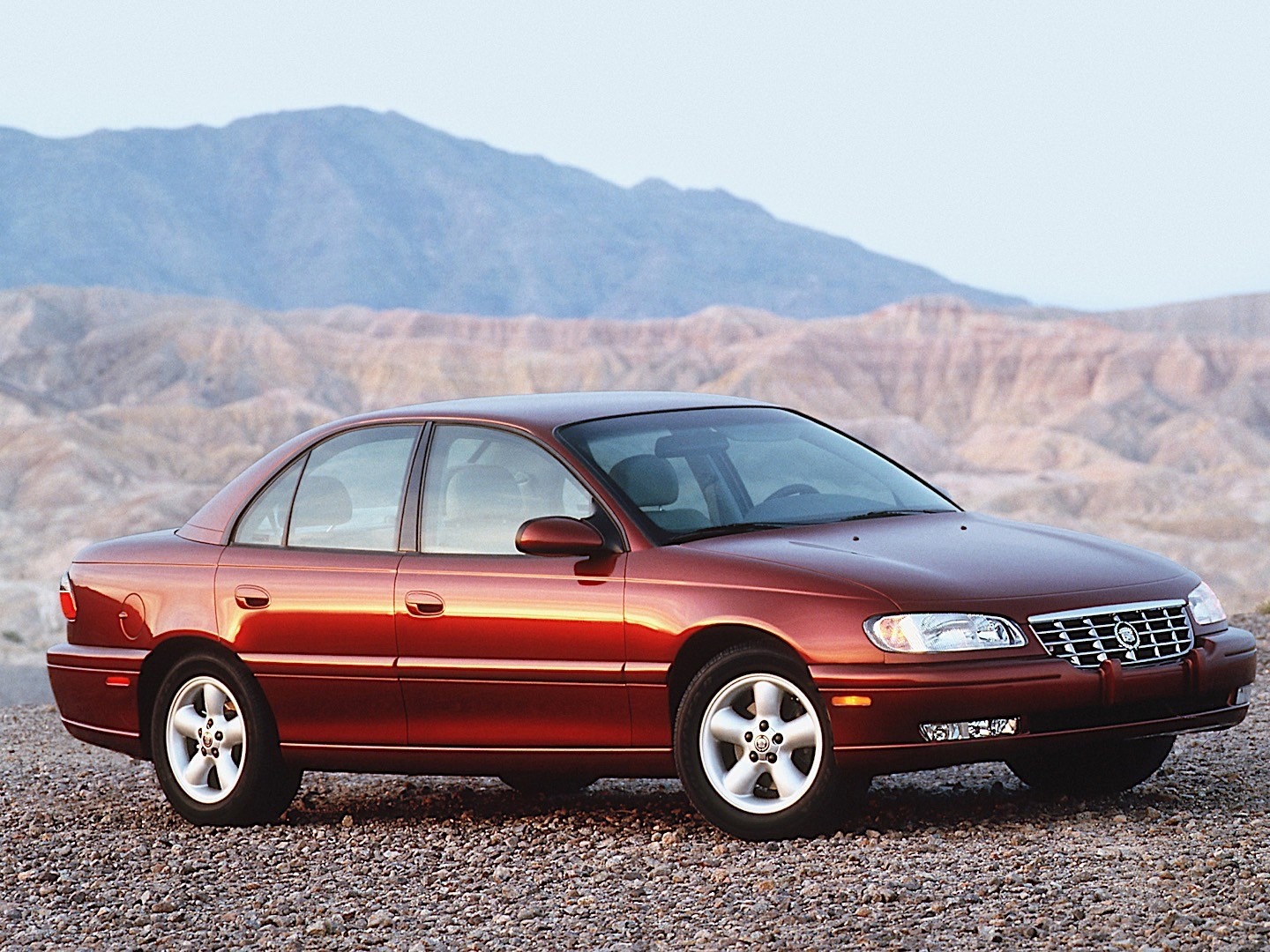
6. Cadillac Catera (1997-2001)
The Cadillac Catera once offered American buyers a European-inspired luxury sedan with understated styling and comfortable road manners.
Marketed with the memorable phrase “The Caddy That Zigs,” it was actually based on the Opel Omega, a German executive car. Today, that unusual background is part of what makes maintaining one a challenge.
Unlike more common Cadillac models, the Catera does not share many mechanical components with traditional domestic General Motors vehicles.
Its European engineering means that certain engine, suspension, electrical, and interior parts require more specialized sourcing. This becomes a problem when components wear out.
Older vehicles often have limited replacement-part availability, and the Catera faces an added challenge because relatively few examples are still in regular use.
Local salvage yards may not have the parts you need, forcing owners to search specialist suppliers or overseas sellers.
Even simple repairs can become expensive when a replacement component is difficult to locate. Shipping costs, long waiting periods, and limited workshop familiarity can add to the inconvenience.
If you are interested in owning one, research parts availability before purchasing. Check the condition of the engine, transmission, cooling system, and electrical equipment. Finding an experienced mechanic is just as important as finding a clean vehicle.
The Catera may appeal to someone who appreciates unusual older luxury sedans, but it is not an ideal choice for drivers who expect every repair to be quick and inexpensive.
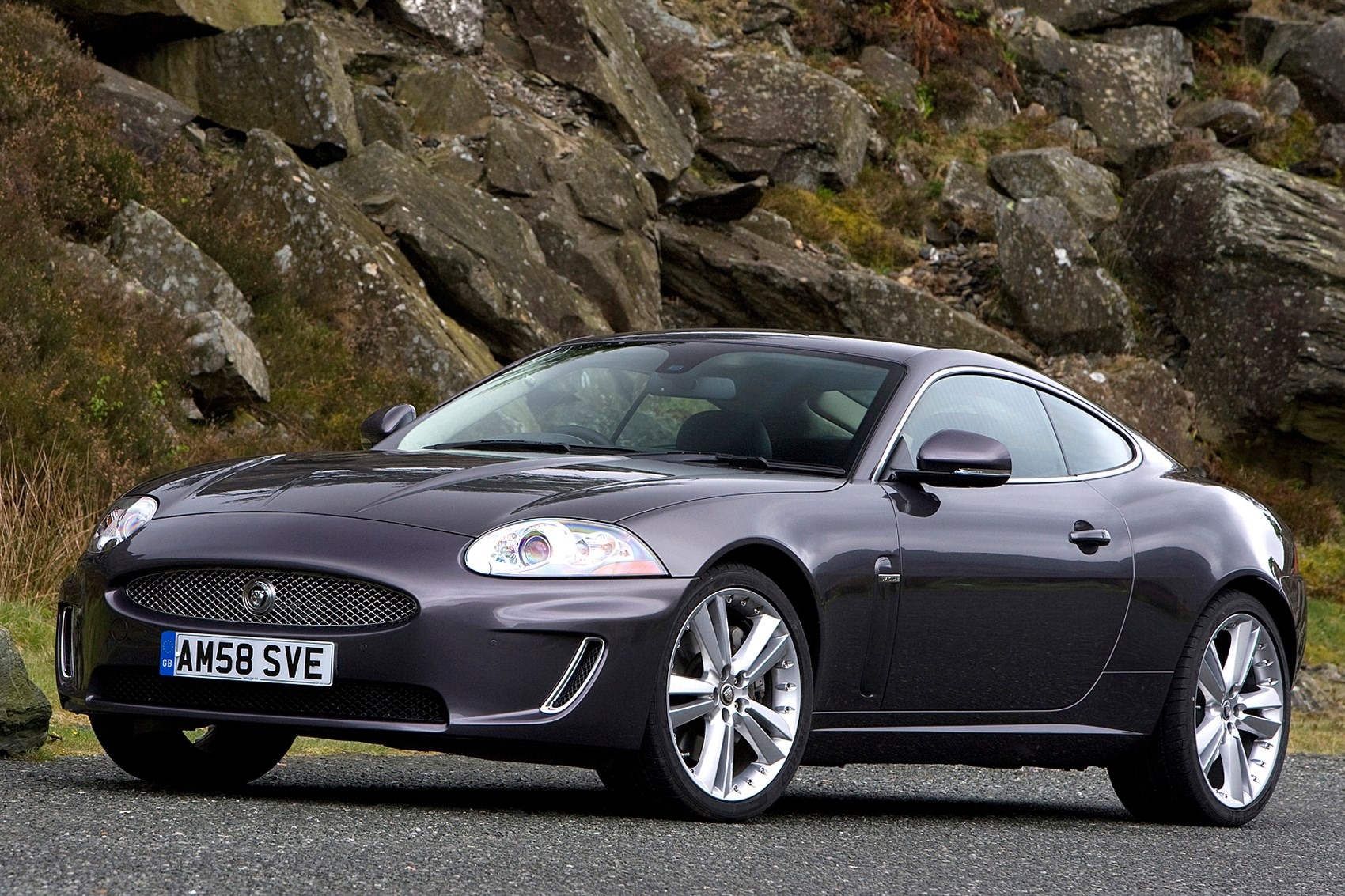
7. Jaguar XK (2006-2014)
The Jaguar XK is the sort of car that can make an older luxury vehicle look like a dream purchase. Its elegant bodywork, powerful engine options, comfortable interior, and refined driving experience give it an appeal that many newer vehicles struggle to match.
Unfortunately, maintaining one can be considerably more expensive than its used-market price suggests. Part of the challenge comes from its premium engineering.
The XK uses sophisticated electronic systems, specialized suspension components, and performance-oriented braking equipment.
These parts were designed for a luxury sports car, so replacement costs can be higher than those associated with an ordinary family sedan.
Suspension wear deserves attention, particularly around control arms, bushings, and shock absorbers. Aging electronic modules can also create diagnostic challenges, while brake-related repairs may require expensive components.
The interior deserves a close inspection, too. Test the infotainment system, climate controls, powered seats, windows, and other electronic features. A small electrical fault can become frustrating when the replacement component is difficult to source.
Before purchasing, arrange an inspection with a mechanic familiar with Jaguar vehicles. Request a scan of the electronic systems and review previous maintenance invoices.
The XK can deliver an enjoyable driving experience, but its purchase price should not determine your maintenance budget. Anyone considering one should have enough financial room for specialist servicing and unexpected repairs.
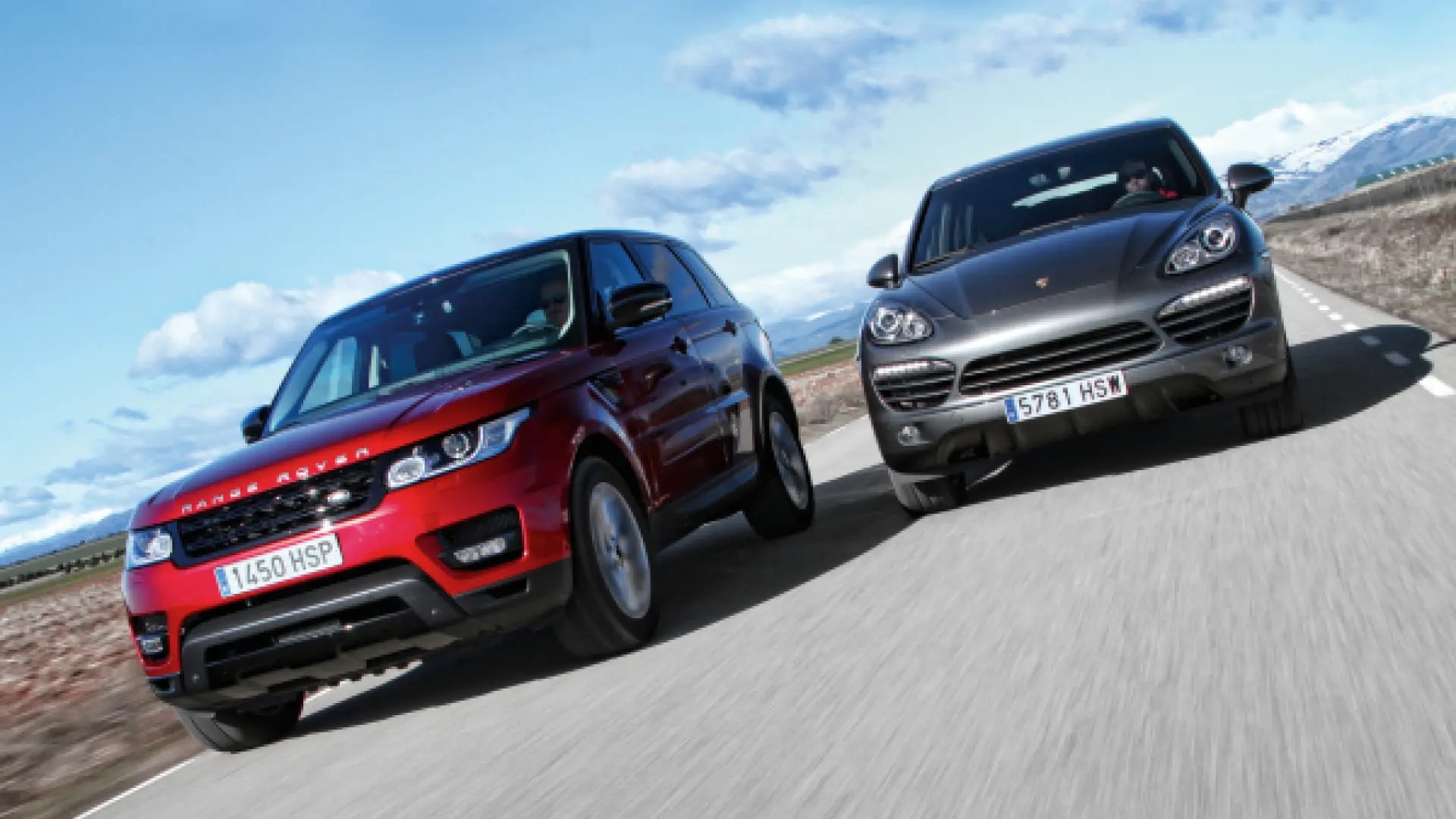
8. Early-Generation High-End SUVs (e.g., Porsche Cayenne / Range Rover, Mid-2000s)
An older Porsche Cayenne or mid-2000s Range Rover can look like an extraordinary bargain. These vehicles originally carried luxury price tags, offered powerful engines, and came equipped with features designed to make everyday driving comfortable.
Today, their low resale prices can attract people who want premium SUV ownership without paying for a new model. The problem is that their original engineering and equipment still require proper maintenance.
Air suspension systems, electronic control modules, advanced four-wheel-drive components, and sophisticated engine systems can become expensive to repair as the vehicles age.
Air suspension deserves particular attention. Worn air springs, leaking lines, and failing compressors can affect ride height and driving comfort. Replacing several components can quickly produce a large repair bill.
Electrical problems are another concern. Aging wiring, sensors, control modules, and battery systems can cause warning lights or features to stop working. Some faults require specialist diagnostic equipment rather than ordinary workshop tools.
Before purchasing either SUV, inspect the suspension, engine, transmission, cooling system, and electrical equipment. Ask for evidence of previous repairs and check whether important maintenance has been completed.
These vehicles can still provide comfort, performance, and useful space, but their original luxury status comes with ownership expenses. A cheap purchase price does not make a neglected premium SUV an affordable daily driver.