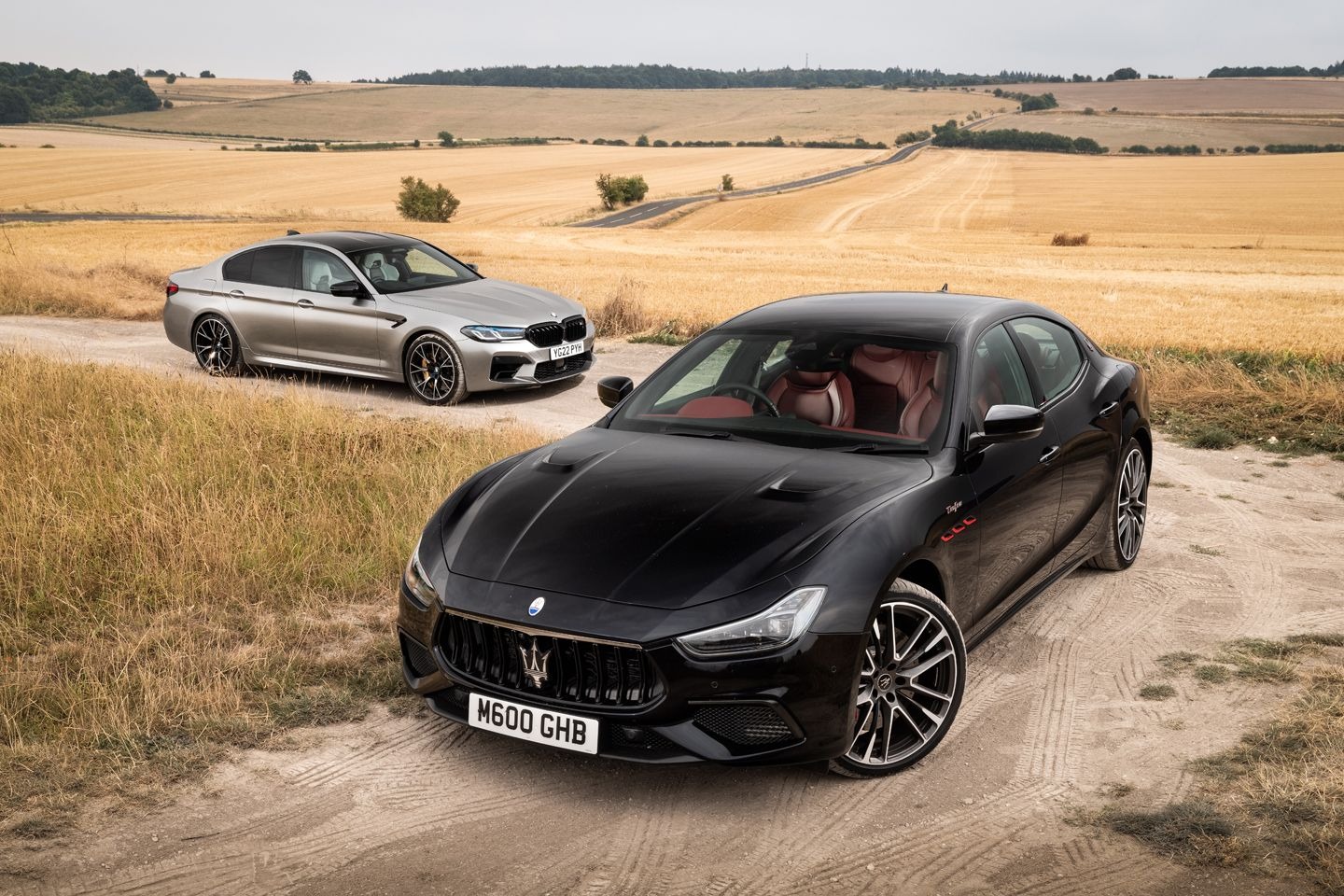
Holding on to a car for several more years can seem like the easiest way to get your money’s worth, but sometimes waiting comes with a price. Depreciation, expensive repairs, changing technology, and reduced buyer interest can make certain vehicles less attractive in the used-car market. As newer models arrive, some older cars lose the advantages that once made them desirable.
This does not mean every owner should rush to a dealership, but knowing when your vehicle’s resale value may be under pressure can help you make a smarter financial decision. If you own one of these seven models, getting a trade-in estimate now could be worth considering before maintenance expenses increase or buyer demand weakens.
1. Tesla Model 3 (2018-2021 models)
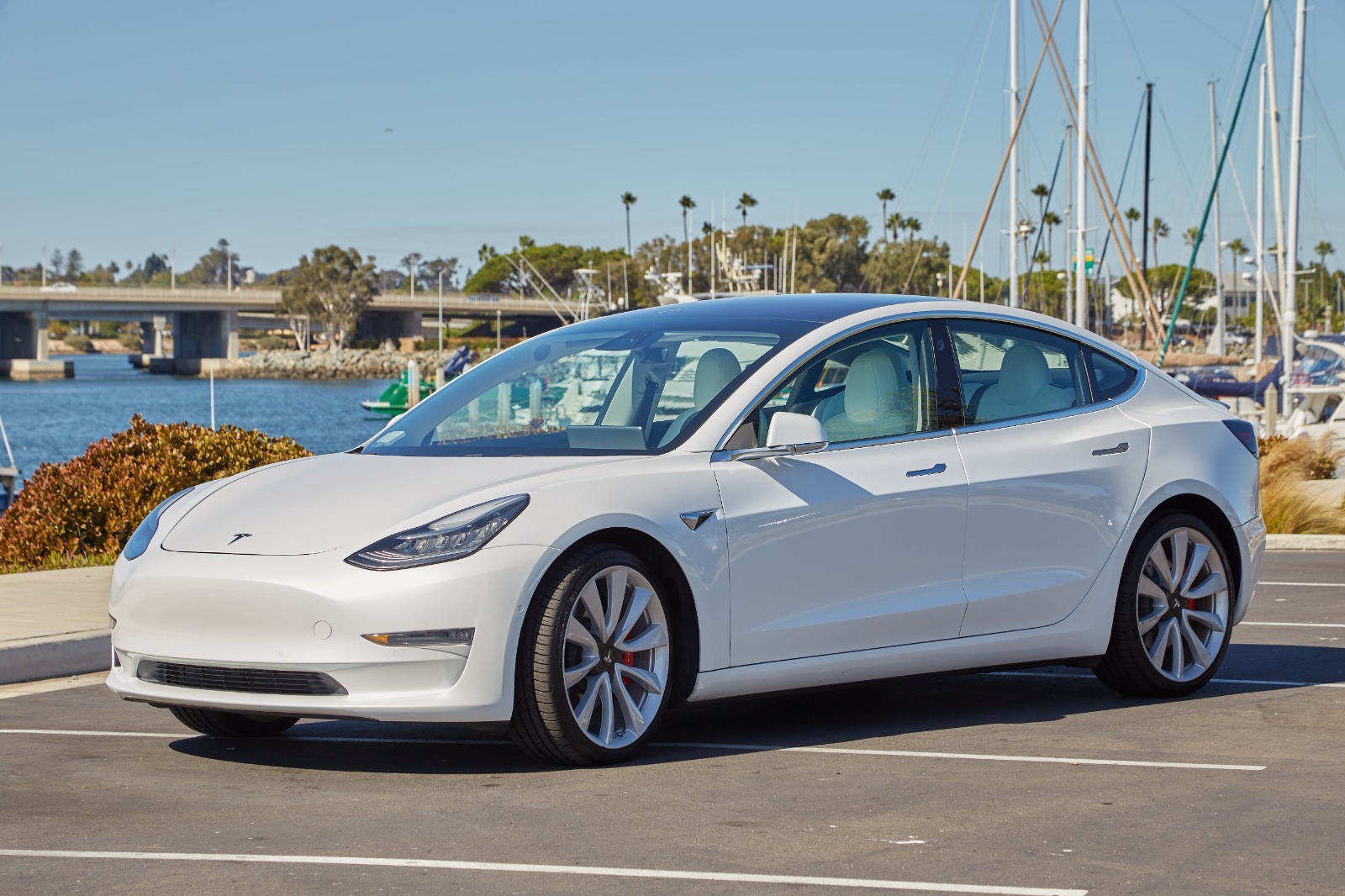
If you own an early Tesla Model 3, this may be a good time to review its trade-in value. These electric sedans introduced many drivers to practical EV ownership, offering impressive acceleration, useful driving range, and access to Tesla’s charging network.
However, newer electric vehicles and changes in manufacturer pricing have put pressure on the resale values of older examples. One major concern is depreciation.
When Tesla reduces the prices of new vehicles, used examples can lose value because shoppers compare the cost of a nearly new model with an older one.
Improvements in battery technology, software, driving range, and charging performance can also make earlier versions less appealing.
Battery condition is another consideration. Although many Model 3 batteries continue to perform well, potential buyers may worry about reduced range and expensive repairs as the vehicle ages. Remaining warranty coverage can influence the offers you receive.
If your Model 3 still has a healthy battery, clean bodywork, and a reasonable mileage reading, you may have an opportunity to secure a better trade-in offer before further depreciation affects its value.
Request estimates from several dealerships and compare them with private-sale prices. Trading in now may make financial sense if your replacement vehicle offers better technology, warranty protection, or ownership costs.
2. Ford F-150 Lightning (Early generations)
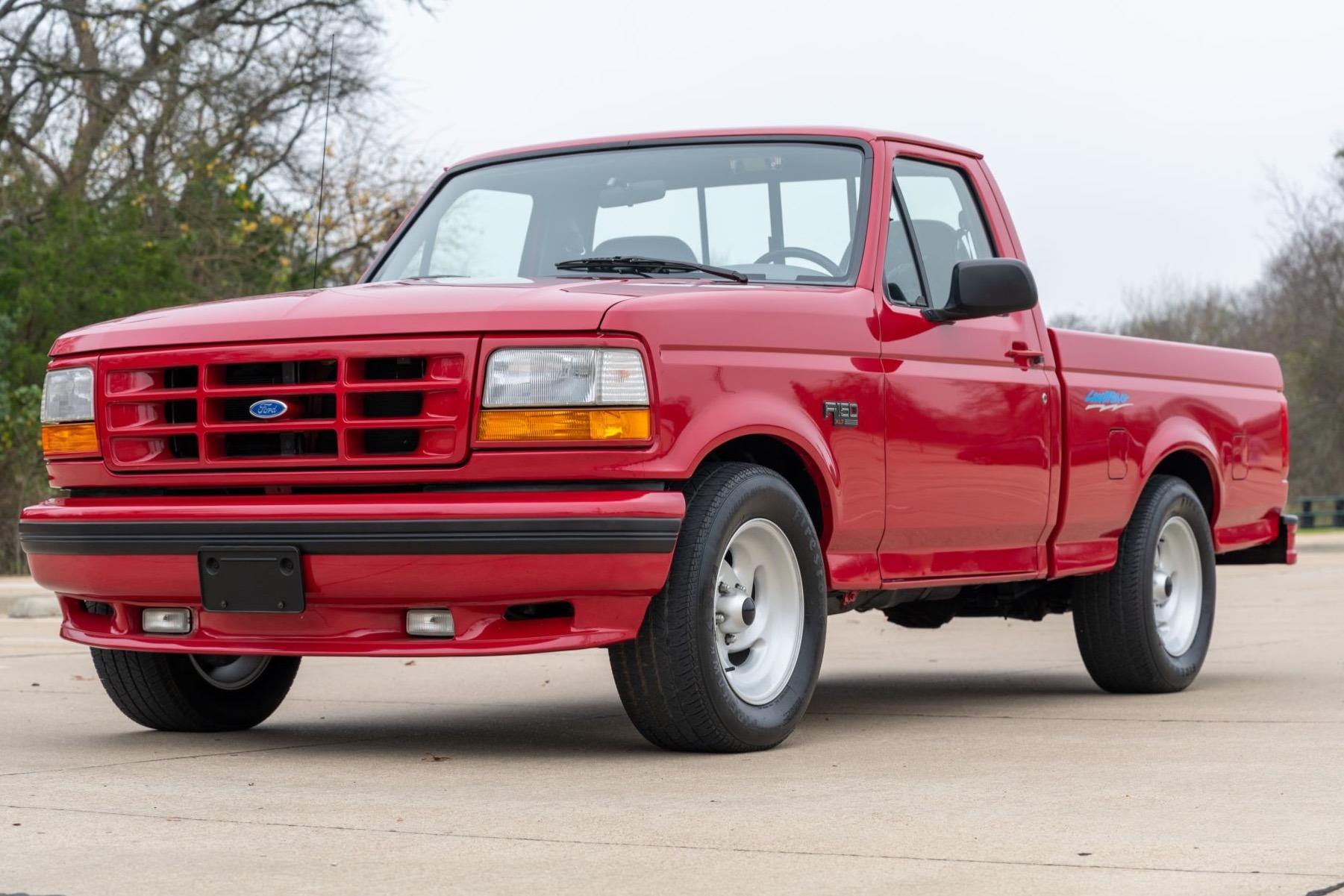
Electric trucks sound impressive on paper, offering quiet operation, instant torque, and batteries capable of powering your home during an outage.
So why are early Lightnings losing value faster than gas-powered F-150s? It comes down to confidence. Charging stations outside major cities remain spotty, and towing with an electric truck can cut range sharply.
Truck buyers want certainty, and many are simply not ready to gamble. Meanwhile, manufacturers are rolling out next-generation platforms with better range, faster charging, and improved efficiency.
That makes first-generation trucks look dated in a hurry. Used shoppers notice, and they negotiate hard. A gas truck with a long track record often looks like the safer pick, so demand for older Lightnings keeps softening.
If you own an early model and have been wondering when to act, the answer leans toward soon. Trade it while shoppers still see a cool, capable truck rather than a leftover from an earlier chapter.
3. Maserati Ghibli (Any recent year)
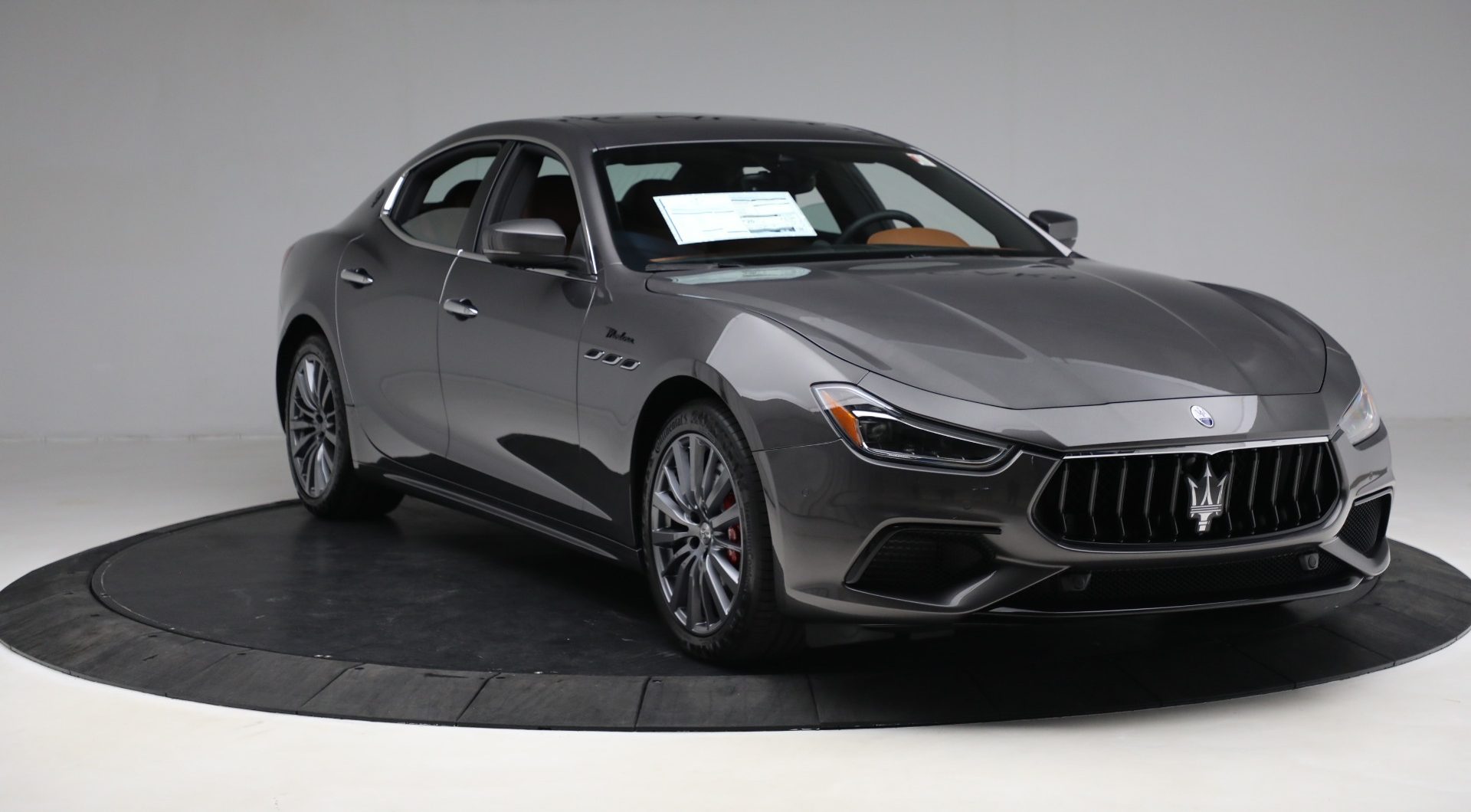
Italian style. A growl you can hear from two blocks away. And a depreciation curve that looks like a ski slope. The Ghibli has earned a reputation as one of the steepest value droppers among luxury sedans, and no recent model year gets a free pass.
The biggest concern is what happens when the warranty expires. Without coverage, repair bills can rise sharply, and used-car buyers are well aware of that risk. They factor potential expenses into their offers before even taking the vehicle for a test drive, sometimes reducing its value by thousands of dollars.
Holding on usually means two bills landing at once, a falling resale number and a rising service invoice. Trading early stops that double hit.
You keep whatever capital remains, and you avoid being the owner stuck holding the car when a big repair arrives. Love the car? Plenty of owners do.
But loving a car and protecting your money are two separate decisions. Make the call while the Ghibli still has value left to protect.
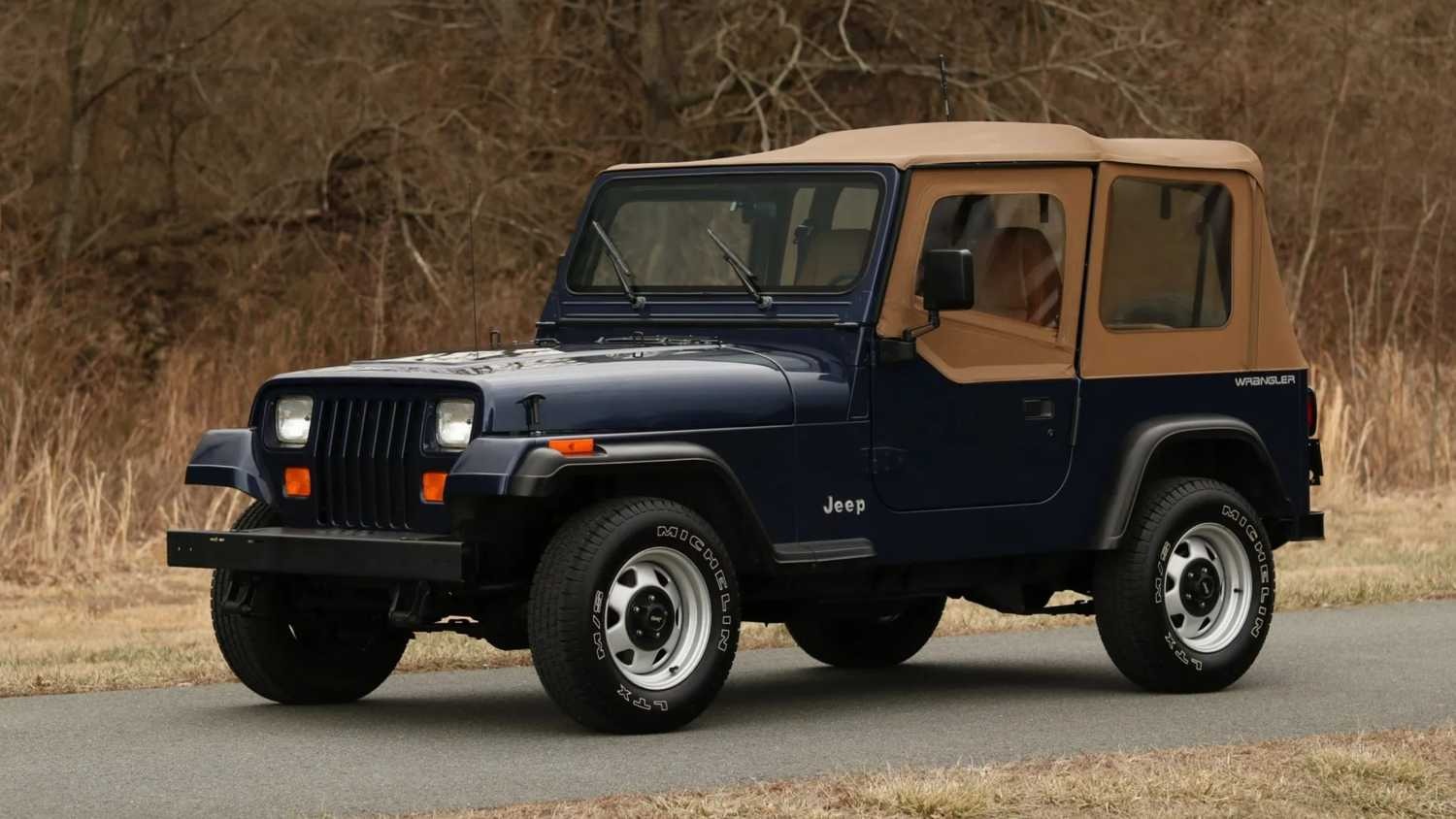
4. Jeep Wrangler (JL Generation, early years)
Jeep Wranglers have traditionally been popular because of their off-road abilities, removable roof panels, recognizable styling, and strong enthusiast following.
The JL generation continued that appeal, but early examples may face changing buyer preferences as newer versions and alternative off-road vehicles enter the market.
One factor worth watching is the growing availability of electrified Wrangler models, including the 4xe plug-in hybrid. These vehicles appeal to shoppers who want traditional Jeep styling with the option of electric driving for shorter trips.
Newer competitors also give used-car buyers more choices. Depending on the market, shoppers may compare older gas-powered Wranglers with newer SUVs offering updated safety technology, improved comfort, and more efficient powertrains.
That does not mean early JL models have suddenly become undesirable. Wranglers still benefit from strong brand recognition, removable body panels, and practical off-road equipment.
However, individual resale values depend on mileage, trim level, condition, and modifications. If you own an early JL, check current offers before investing heavily in upgrades or major repairs.
A clean, factory-standard example with a documented service history may attract buyers who prefer the traditional gasoline-powered version.
Trading in makes sense if your Wrangler no longer suits your daily needs or its maintenance expenses are increasing. If you regularly use its off-road capabilities and enjoy owning it, keeping it may still offer better value than replacing it.
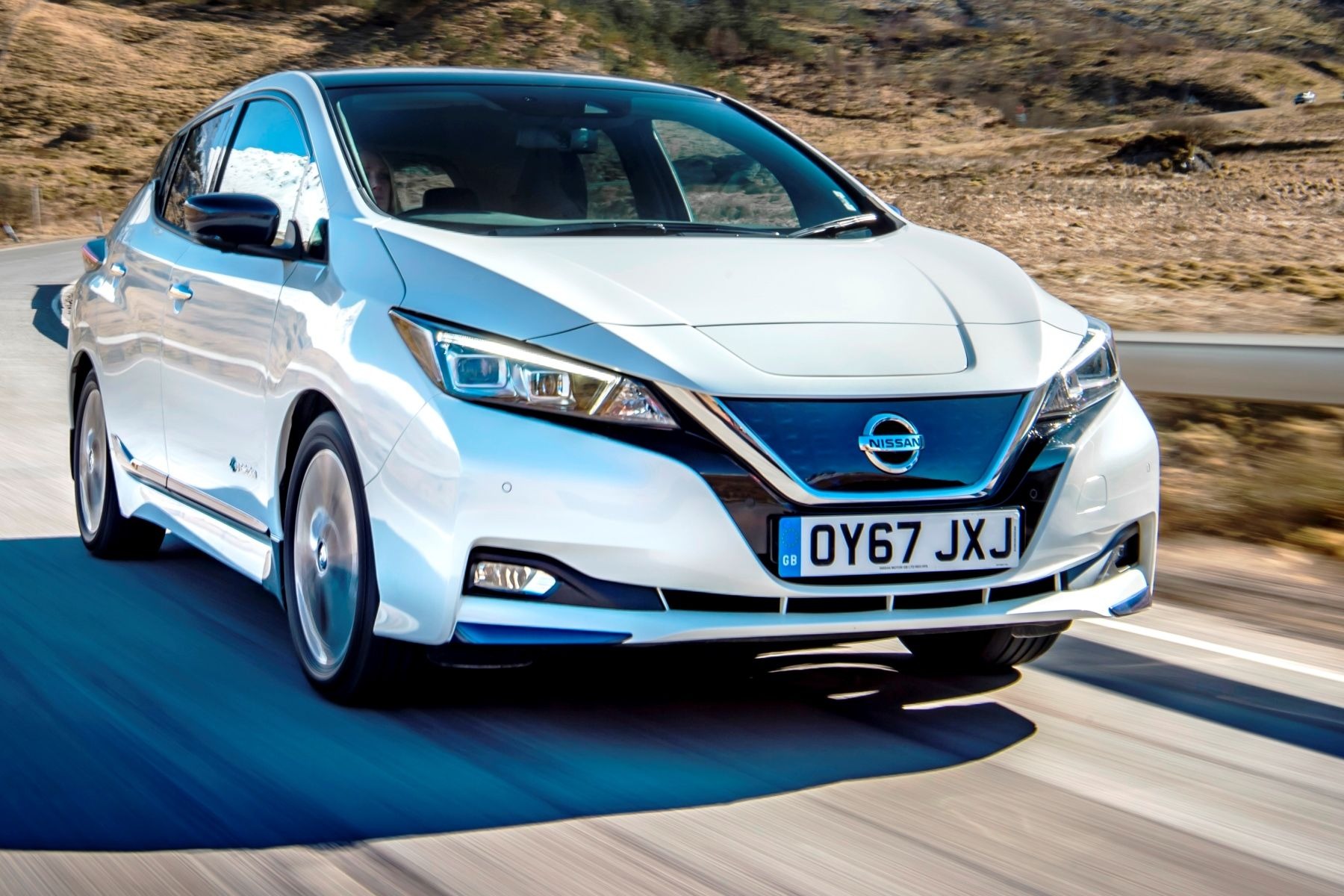
5. Nissan Leaf (Second generation)
The second-generation Nissan Leaf runs into a charging problem. It relies on the CHAdeMO standard for fast charging, and most new public stations have moved to other connectors.
As a result, finding a compatible fast charger gets harder each year, particularly on road trips. Owners can still charge at home, and that works well for short commutes. But people who shop for used EVs usually want flexibility, and a car that struggles at public stations is a tougher sell.
A smaller buyer pool means fewer bids, and fewer bids mean lower trade-in offers. Dealers also worry about how quickly they can resell the car, so they offer less to cover that risk.
As more stations drop CHAdeMO support, the problem only grows. If you drive a second-generation Leaf, a trade-in now puts you ahead of that squeeze.
Pair it with a newer EV that uses a widely supported plug, and your charging life gets simpler right away, whether you are at home or on the highway.
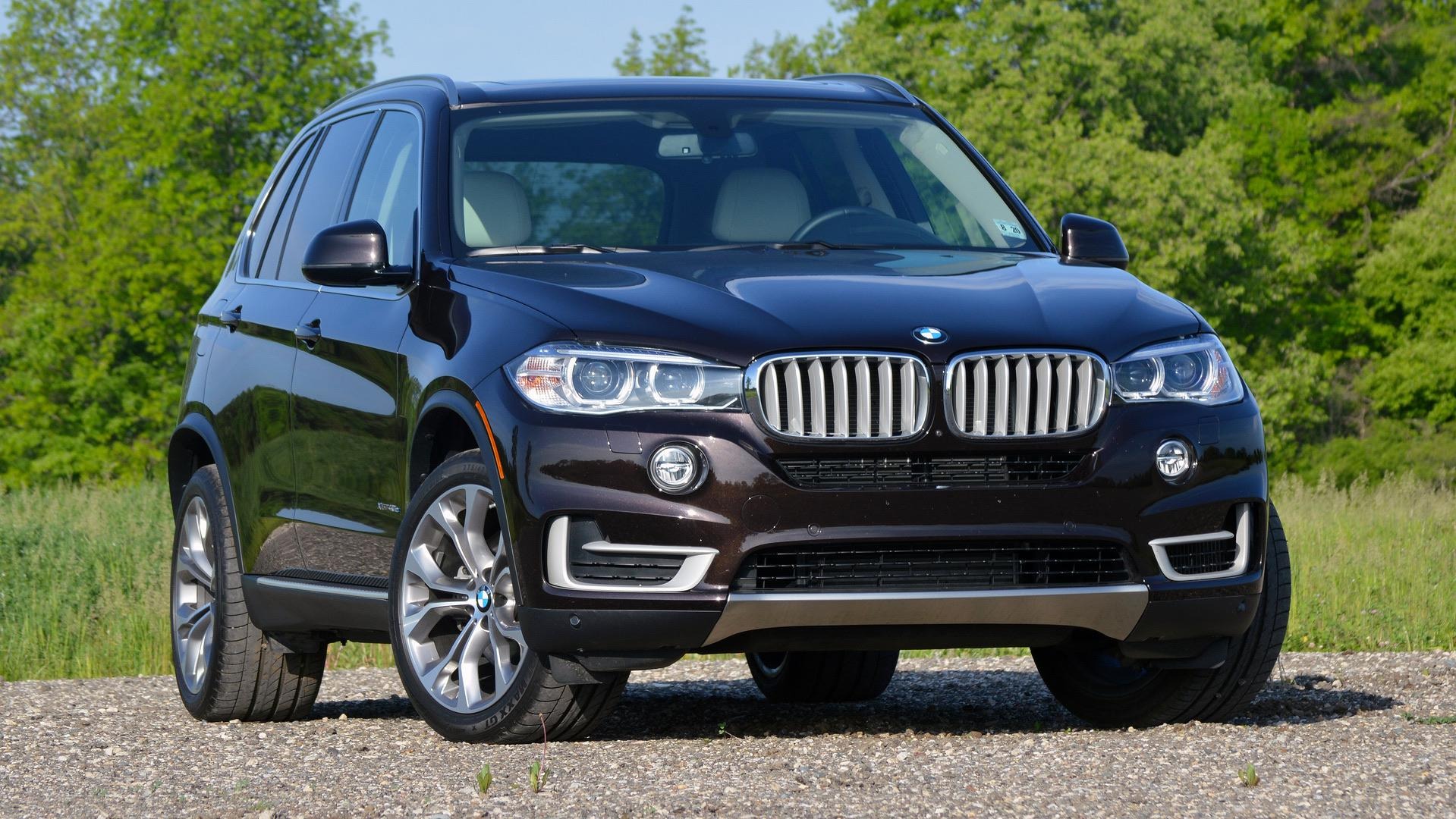
6. BMW X5 (Out-of-warranty models)
The BMW X5 combines a premium interior, strong engine performance, comfortable seating, and useful cargo space. It is easy to understand why these SUVs remain attractive to used-car shoppers.
Yet, once an older X5 moves beyond factory warranty coverage, the potential cost of repairs can influence its resale value. Luxury SUVs contain numerous electronic systems and mechanical components that require specialist attention.
Depending on the model year and engine, owners may encounter expensive repairs involving cooling systems, suspension components, oil leaks, sensors, and transmission-related parts.
The financial concern becomes greater as mileage increases. Buyers shopping for an older X5 often consider the possibility of unexpected repair bills when negotiating a purchase price. This can result in lower trade-in offers, particularly when the vehicle has incomplete service records.
If your X5 is still running well, has been regularly serviced, and has no outstanding warning lights, consider obtaining an appraisal before additional maintenance expenses arise.
Pay particular attention to warranty status. An extended warranty may provide some protection, but coverage varies, and certain components may be excluded. Review the actual terms before relying on it.
Trading in could be a practical choice if you want a newer SUV with warranty protection and more predictable maintenance expenses. However, compare the dealer’s offer with the cost of keeping your existing vehicle.
A properly maintained X5 does not automatically become a poor financial choice simply because its factory warranty has expired.
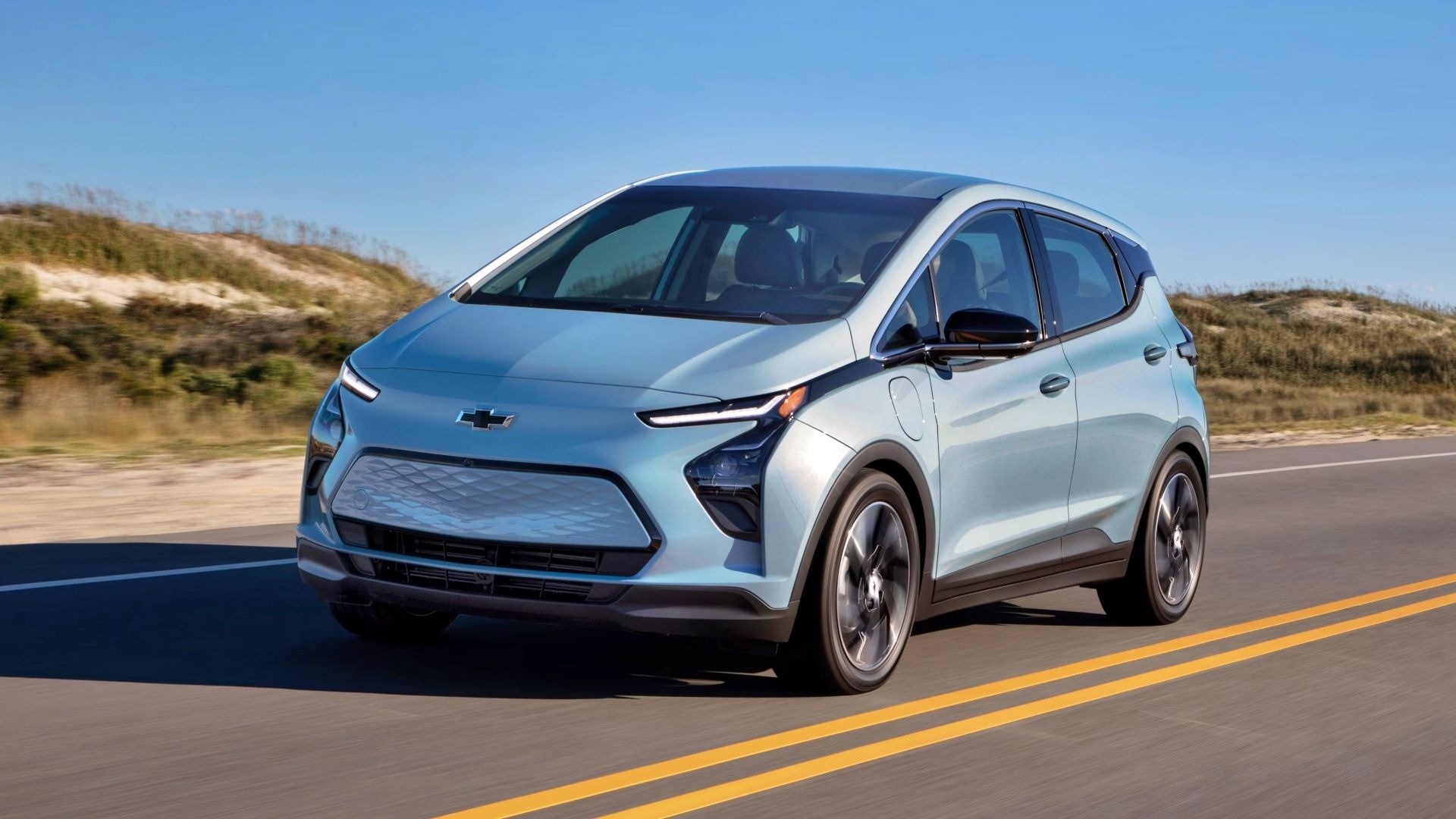
7. Chevrolet Bolt EV
The Bolt EV earned plenty of praise as an affordable electric hatchback, and many owners still love theirs. The trouble is that the market has moved ahead.
Newer Ultium-platform vehicles charge faster, offer more range choices, and feel more modern inside. Next to them, the Bolt’s slower charging architecture looks like a limitation, especially for drivers who take long trips.
Used buyers compare options side by side, and the Bolt often loses that matchup on charging speed. That weakens your trade-in leverage, and dealers have noticed.
The upside? A Bolt is still a practical, efficient city car, and you can currently get a fair price for it. Use that value as a down payment on a newer EV that charges in a fraction of the time.
Shop around, ask for written offers, and compare them line by line. A few phone calls today could add real dollars to your deal, and you will enjoy much shorter stops at the charger afterward.