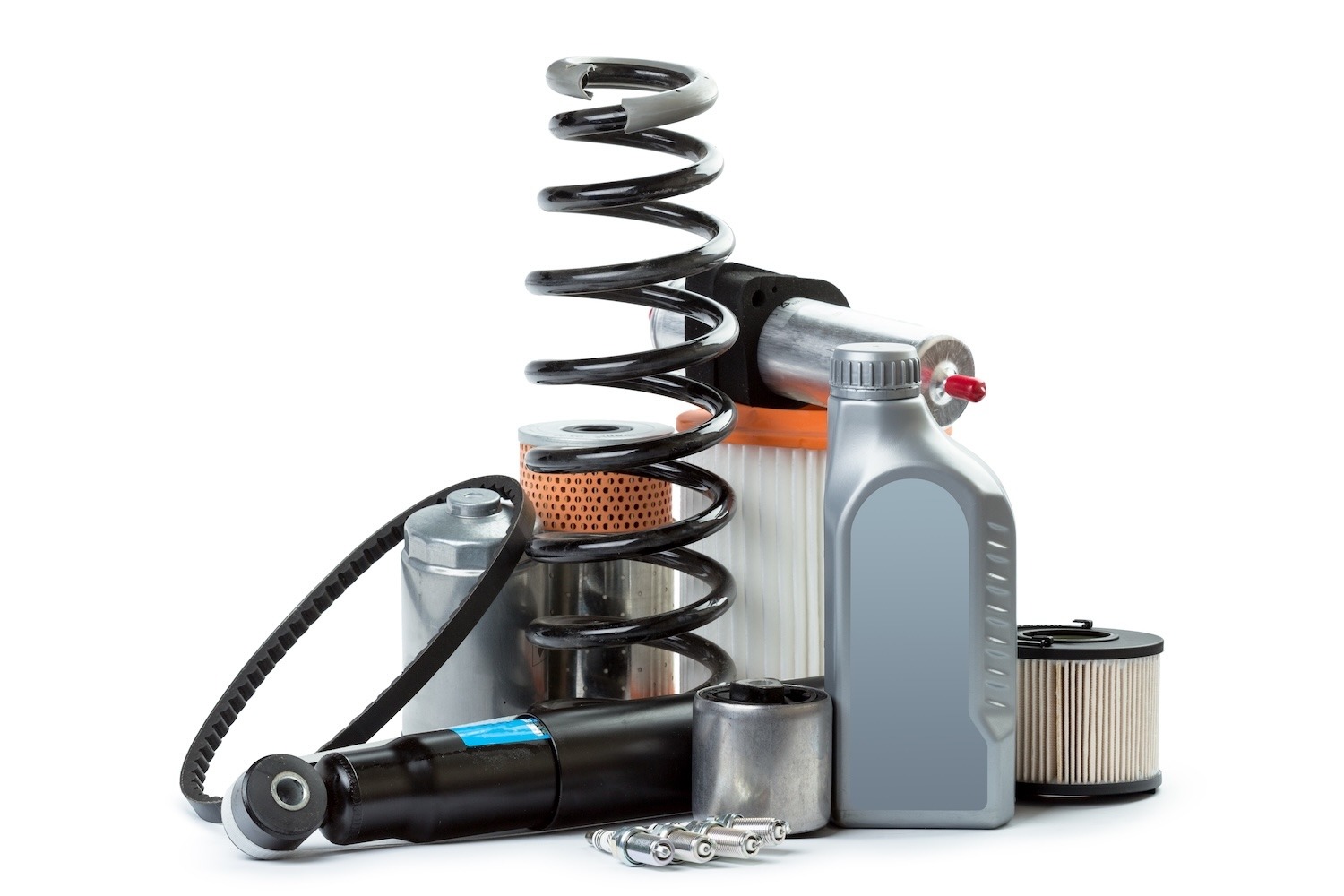
Have you noticed your repair estimates creeping upward lately? You are not imagining it. Trade duties on imported auto parts, steel, and aluminum are landing on the price tags of components you may need sooner or later. A 25% duty on auto parts, steel and aluminum tariffs ranging from 25% to 50%, and tight precious-metal supplies all push costs higher before a part ever reaches your mechanic’s shelf.
The good news is that knowing which parts feel the pinch gives you a real advantage. You can plan, compare quotes, and time your repairs wisely. Here are ten car parts that cost more because of tariffs, and what you can do about each one.
1. Catalytic Converters
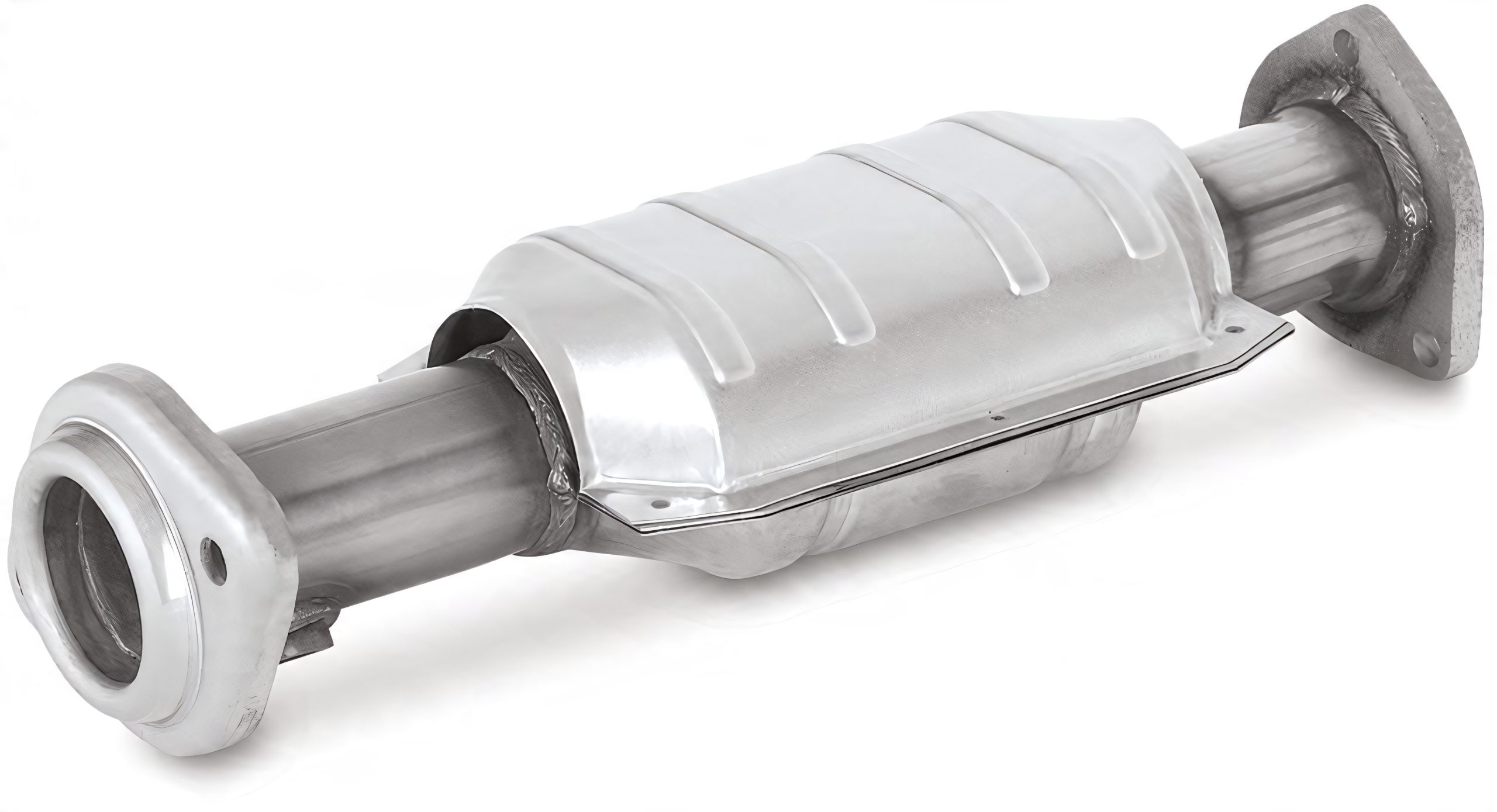
Catalytic converters are among the automotive components that can become more expensive when import duties and metal tariffs increase. These devices play an essential role in reducing harmful exhaust emissions, making them necessary parts of modern gasoline-powered vehicles.
Several materials contribute to their production costs. Their outer housings commonly use stainless steel, while the internal catalyst contains precious metals such as platinum, palladium, and rhodium.
Tariffs affecting imported automotive components and steel products can increase manufacturing and replacement expenses.
Some tariff structures include a 25% duty on covered imported auto parts, while certain steel and aluminum products may face duties as high as 50%. The actual rate depends on the product classification, country of origin, and applicable trade rules.
Precious metal supply restrictions can create another source of pressure. When manufacturers face higher costs for platinum or palladium, those expenses may influence replacement converter prices.
For vehicle owners, this can make an already expensive emissions repair even harder on the budget. Before purchasing a replacement, check whether your vehicle requires an original equipment manufacturer (OEM) converter or an approved aftermarket alternative.
Ask the repair shop to verify compatibility and emissions requirements. A cheaper converter that does not meet applicable standards may create inspection problems or require another repair.
2. Transmissions & Gear Boxes
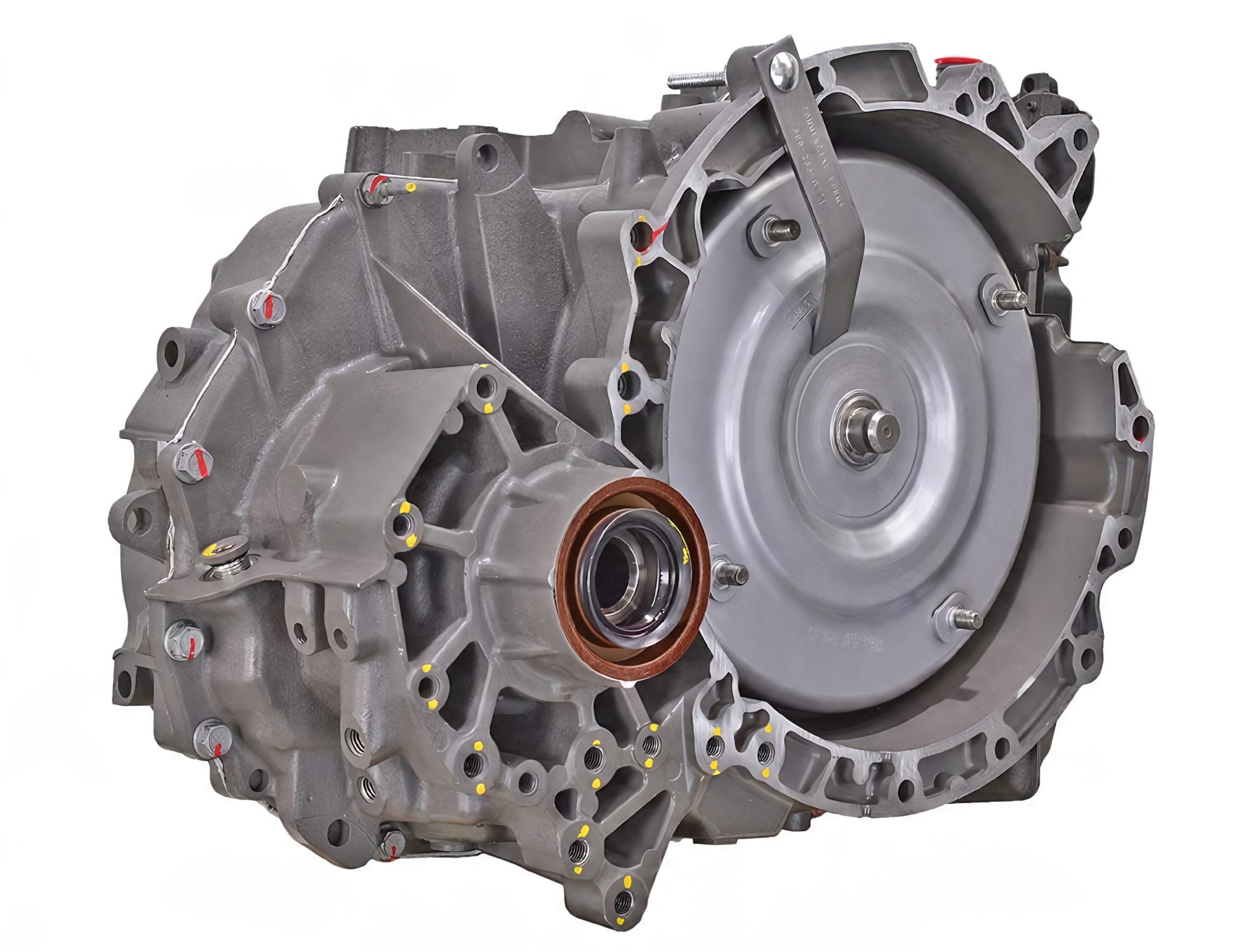
A transmission is one of the most expensive mechanical components in a vehicle, and tariffs on imported assemblies can add another layer of expense.
Whether your car uses an automatic, manual, or specialized transmission, manufacturing requires numerous precision-engineered components.
Steel plays a major role in transmission production. Gears, shafts, bearings, and other internal components depend on durable metals capable of handling considerable friction and mechanical stress. Import duties affecting steel and finished automotive assemblies can raise production expenses.
A reported 25% import duty on covered automotive parts can also affect imported gearboxes and transmission assemblies. Manufacturers may face higher expenses when sourcing components from overseas suppliers, particularly when several parts are subject to separate trade duties.
Drivers may feel the effects when replacing a damaged transmission or purchasing a remanufactured unit. Even independent repair shops can face higher wholesale prices when their suppliers pass along increased import costs.
Another cost to consider is the specialized labor often required for transmission repairs. As replacement assemblies become more expensive, repair bills can rise quickly.
If your transmission develops problems, request a proper diagnosis before agreeing to a complete replacement. Sometimes a faulty solenoid, sensor, or smaller internal component may be responsible.
Comparing quotes from reputable repair facilities can also help you find a reasonable price without sacrificing quality.
3. Engines & Internal Combustion Blocks
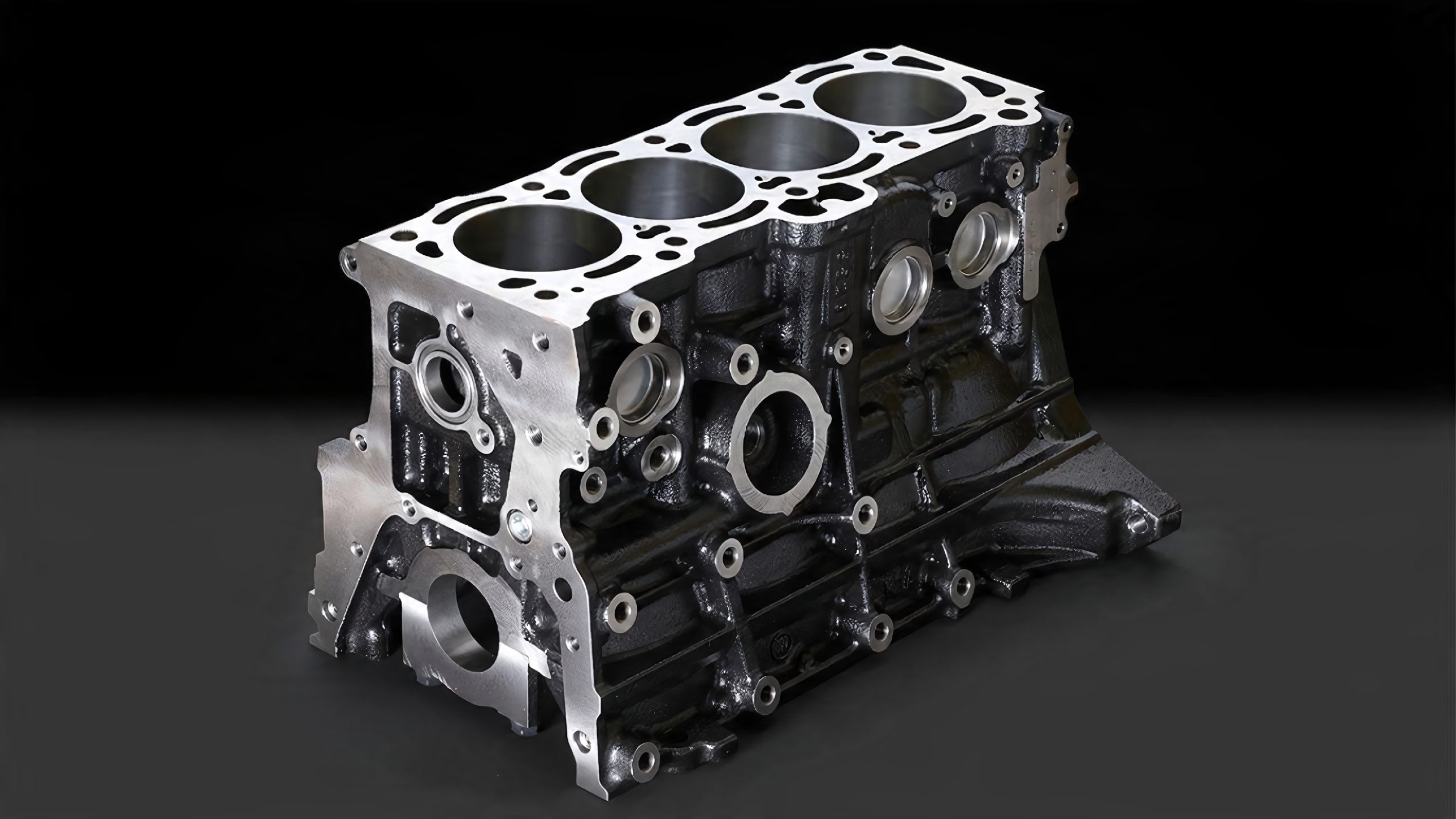
An engine contains hundreds of components, but the engine block is among its most important structural pieces. It houses essential internal parts and must withstand substantial heat, pressure, and mechanical stress during operation.
Manufacturing an engine block requires materials such as cast iron or aluminum. Both materials can become more expensive when tariffs affect imported raw materials, finished assemblies, and manufacturing supplies.
A reported 25% duty on covered imported engine assemblies can increase the cost of bringing complete engines into a country. Steel and aluminum duties may also affect supporting components, including brackets, housings, and other metal parts used during production.
The financial effect can reach repair shops and vehicle owners. Someone replacing a damaged engine may discover that the price of a replacement assembly has increased compared with an earlier estimate.
Rebuilding an existing engine can also become more expensive when imported machining components, bearings, pistons, and other replacement parts carry higher costs.
For owners facing major engine trouble, obtaining more than one repair estimate is a sensible approach. Ask whether rebuilding the existing engine is practical or whether a replacement assembly offers better value.
Also, check the warranty attached to the replacement. An inexpensive engine with limited coverage may become a costly decision if another failure occurs.
4. Turbochargers & Superchargers
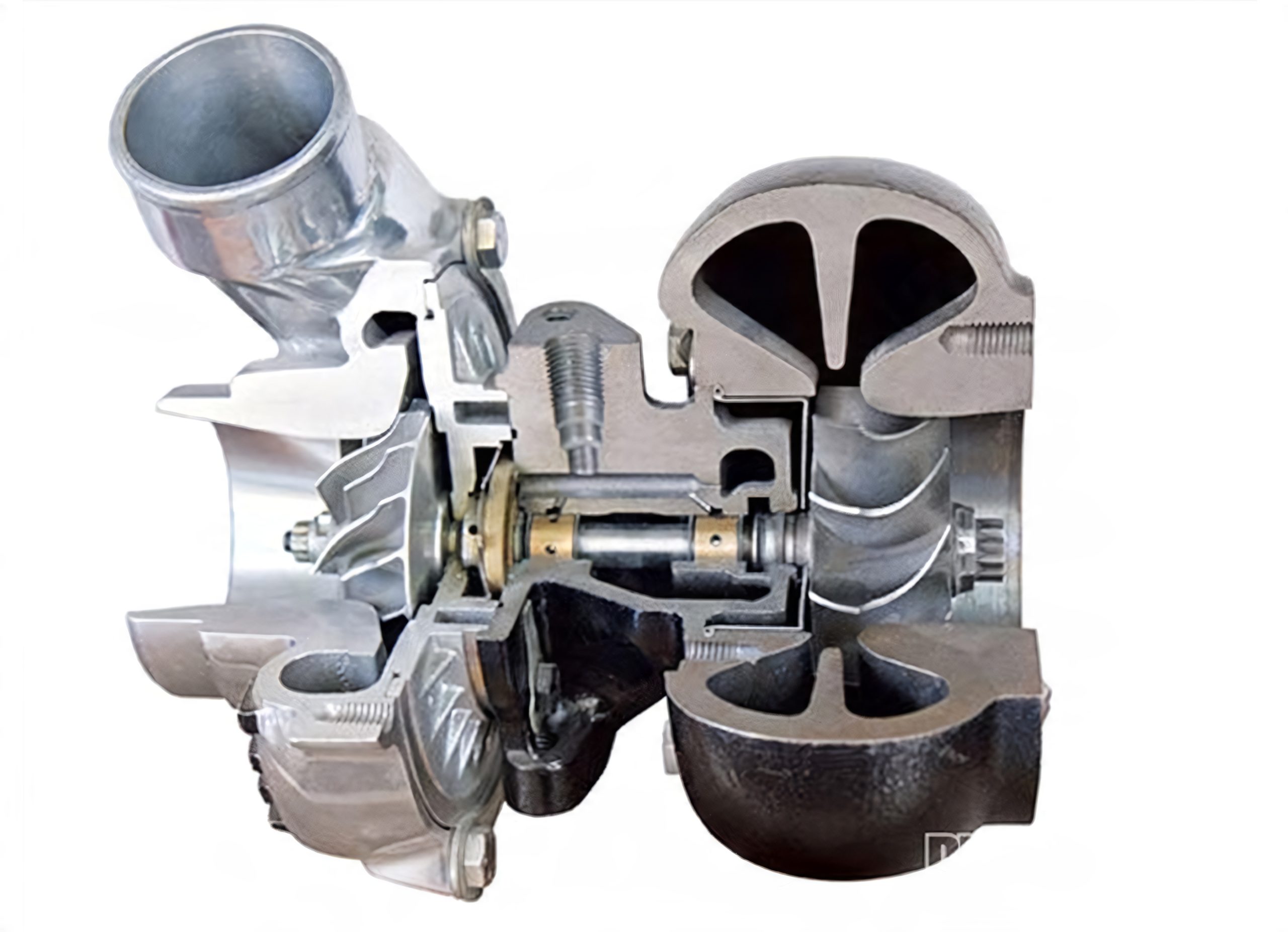
Turbochargers and superchargers help engines produce additional power by increasing the amount of air entering the combustion process. Although they serve a similar purpose, their designs and operating methods differ.
Turbochargers use exhaust gases to drive a turbine, while superchargers are powered mechanically by the engine or an electric motor. Both systems rely on precision-engineered components that must tolerate heat, pressure, and high operating speeds.
Manufacturing these parts requires specialized alloys, steel housings, aluminum components, and precision-machined internal pieces. Tariffs on imported automotive assemblies and metal products can raise the cost of sourcing these materials.
A 25% duty on covered automotive imports may affect certain turbocharger assemblies, while steel and aluminum tariffs can increase the price of their housings and supporting hardware.
The effect becomes particularly noticeable when a vehicle requires a complete replacement unit rather than a minor repair. Drivers of performance cars and turbocharged SUVs may face higher parts estimates if suppliers pass additional import expenses along to customers.
However, a damaged turbocharger does not always require complete replacement. Depending on the design and condition, certain repairs may involve seals, hoses, or other serviceable components.
Ask your mechanic to inspect the entire system before approving a new unit. Oil supply problems, damaged intercooler connections, and other engine faults can contribute to turbocharger failure.
5. Electric Motors & EV Components
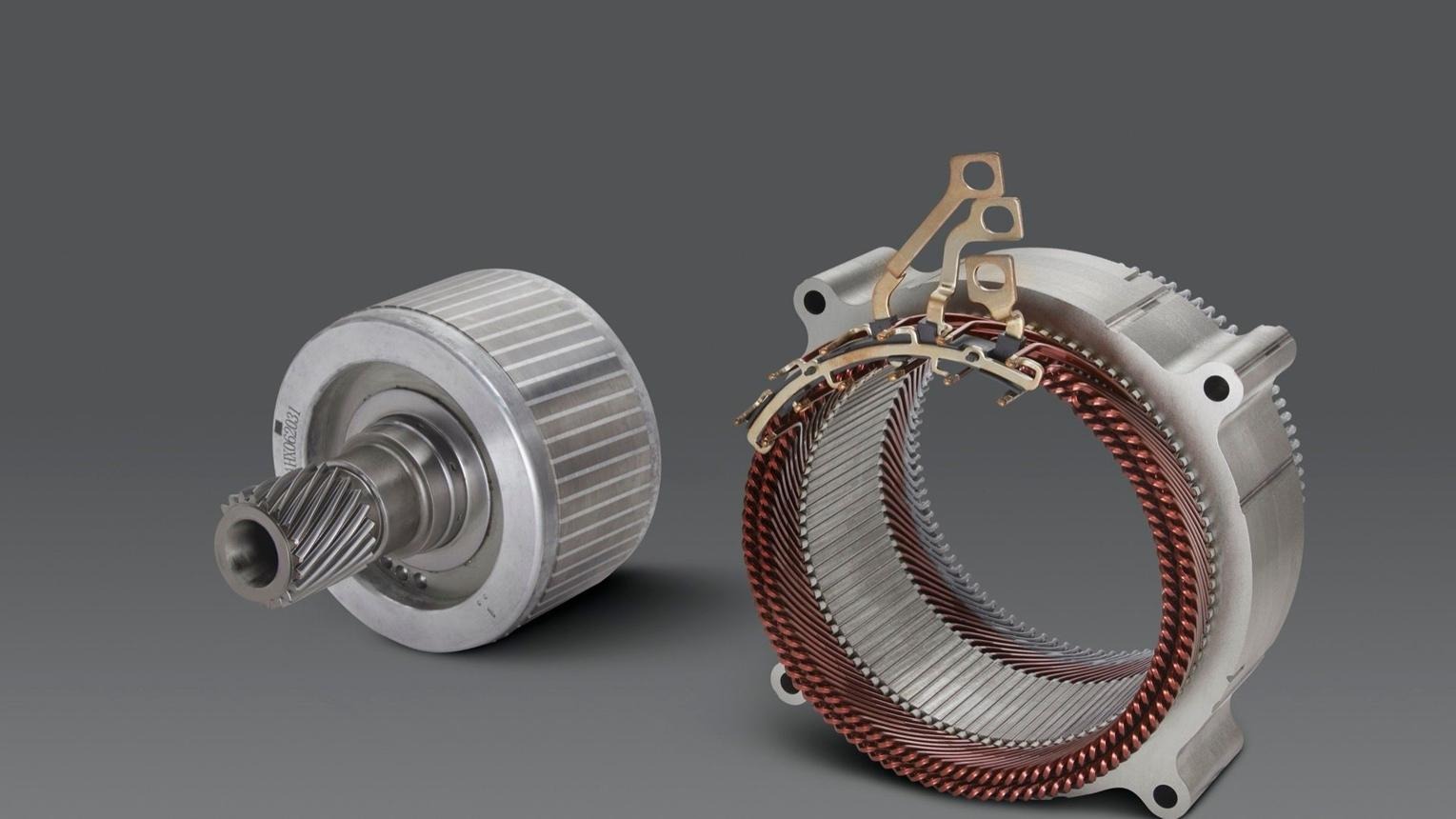
Electric vehicles depend on specialized motors and electronic components that are different from the conventional parts found in gasoline-powered cars. Their manufacturing also relies on materials that can be affected by international trade duties.
Copper is particularly important because electric motors use extensive copper wiring. Specialized magnets, electronic controls, and imported drive assemblies also contribute to manufacturing expenses.
Tariffs affecting copper products, imported magnets, and finished electric motor assemblies can increase the cost of producing replacement components. Manufacturers may also face higher expenses when sourcing specialized materials from overseas suppliers.
For electric vehicle owners, this can become a concern when a drive motor or another major component requires replacement. Unlike some conventional repairs, EV drivetrain work often requires specialized equipment and trained technicians.
The availability of compatible replacement parts can also influence the final bill. Some manufacturers use proprietary components, which may limit affordable alternatives.
There is no reason to assume every electric vehicle repair will become expensive because of tariffs, though. The actual cost depends on the vehicle, component supplier, applicable trade duties, and repair requirements.
Before approving a major repair, ask whether the manufacturer offers refurbished components or replacement assemblies with warranty coverage.
It is also worth checking whether the problem involves a smaller electronic component rather than the entire motor. A proper diagnosis can prevent an unnecessarily expensive replacement.
6. Tires & Road Wheels
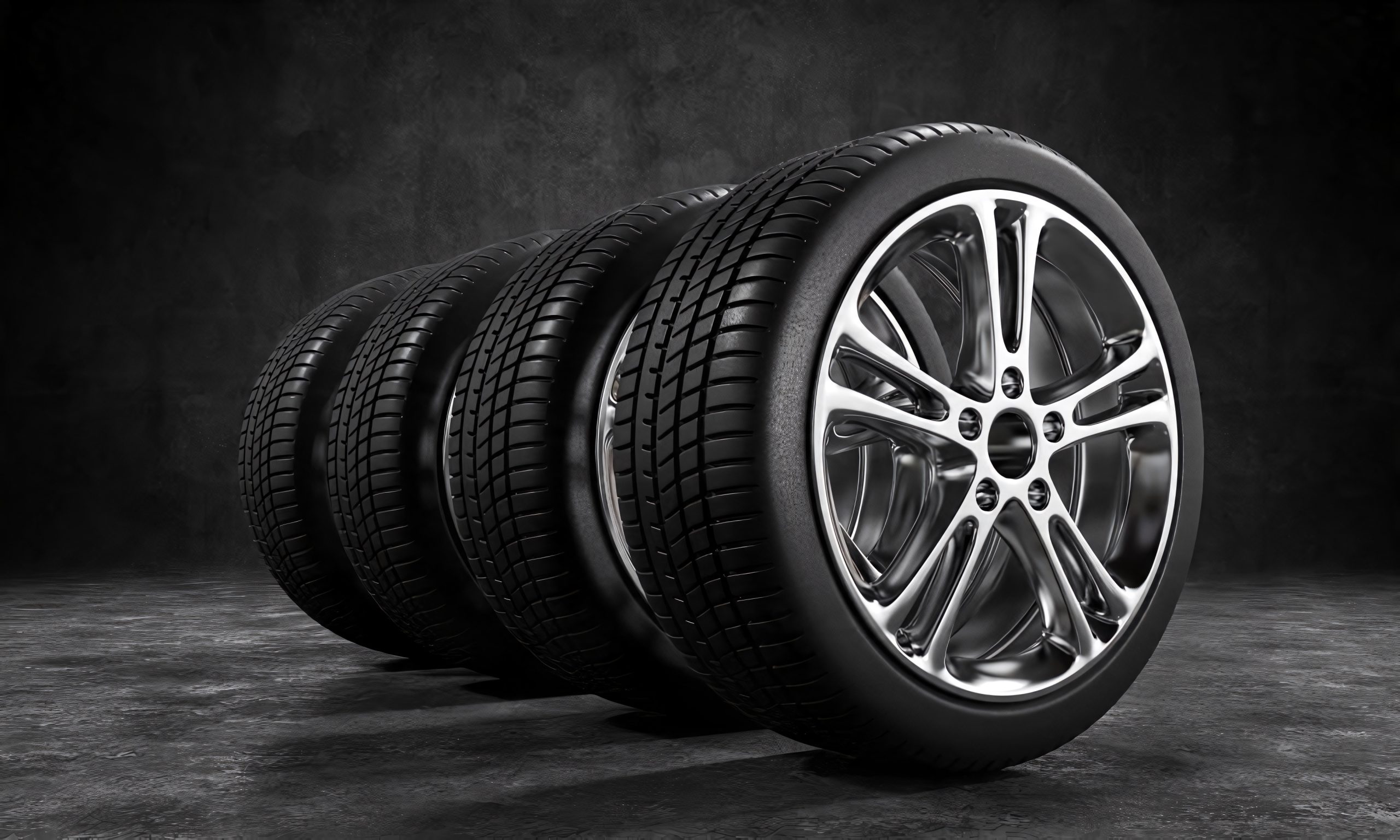
Tires and wheels are among the most frequently replaced vehicle components, which means even modest price increases can affect household transportation budgets.
Tire manufacturing relies on natural rubber, synthetic rubber, petroleum-based materials, steel reinforcement, and specialized chemical compounds. Imported materials and finished tire products may face trade duties depending on their origin and classification.
Aluminum and steel wheel rims have their own exposure to tariffs. Duties affecting imported metal products can increase the cost of manufacturing or sourcing replacement wheels.
These expenses may eventually appear in retail prices. Drivers replacing all four tires or purchasing a complete set of alloy wheels could notice a larger bill, particularly when buying imported products.
Different tire categories also have different manufacturing requirements. Performance tires, all-season models, winter tires, and heavy-duty truck tires use different materials and construction methods.
Wheel prices can vary just as widely depending on size, design, and material. Factory replacement wheels may cost more than generic alternatives, especially when the vehicle requires a particular fitment.
Before purchasing, compare prices from several reputable retailers and check the tire specifications recommended by your vehicle manufacturer.
Avoid choosing a tire based only on its lowest advertised price. Proper load ratings, speed ratings, dimensions, and road performance matter just as much as the purchase cost.
7. Shock Absorbers & Struts
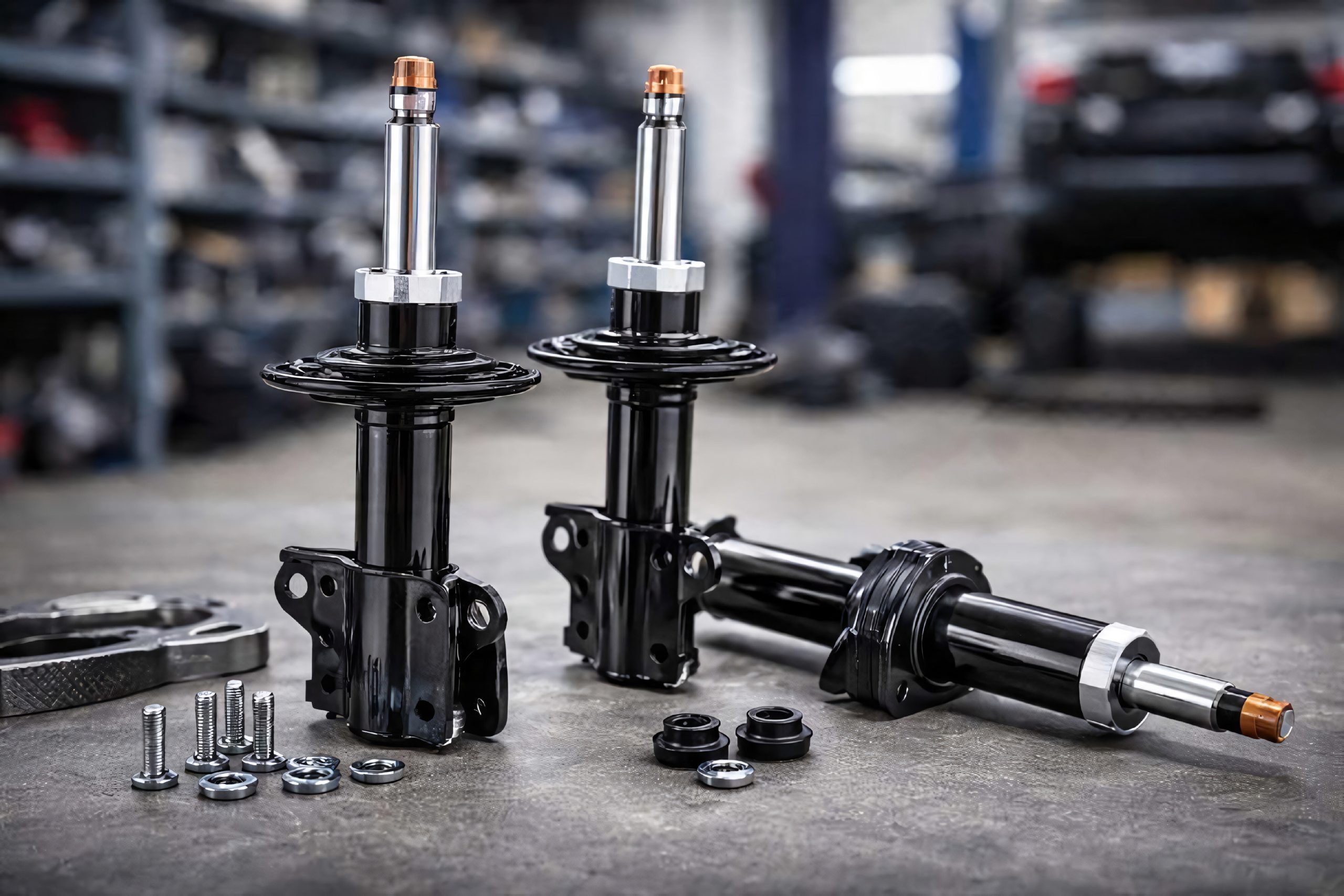
Your vehicle’s suspension system does much more than provide a comfortable ride. Shock absorbers and struts help control body movement, maintain tire contact with the road, and support predictable handling during braking and cornering.
These components rely on metal housings, precision-machined parts, internal valves, and specialized damping materials. Steel and metal tubing are particularly important in their construction.
When tariffs affect imported suspension hardware or the steel used to manufacture it, replacement prices can increase. A reported 25% duty on covered automotive parts may add to these expenses, while additional metal duties can raise production costs.
Drivers may notice higher repair estimates when replacing worn shocks or struts, especially if their vehicle requires specialized suspension assemblies.
Luxury vehicles and certain SUVs can be particularly expensive because their suspension systems may use electronically controlled dampers or other specialized components.
Fortunately, not every suspension problem requires replacing the entire system. A mechanic should inspect the affected parts and determine whether the issue involves worn shocks, damaged mounts, leaking components, or another fault.
Replacing suspension components in pairs is often recommended when appropriate, since uneven damping can affect handling.
Ask for an itemized estimate showing parts and labor separately. This makes it easier to compare replacement options and understand how much of the final price comes from imported components.
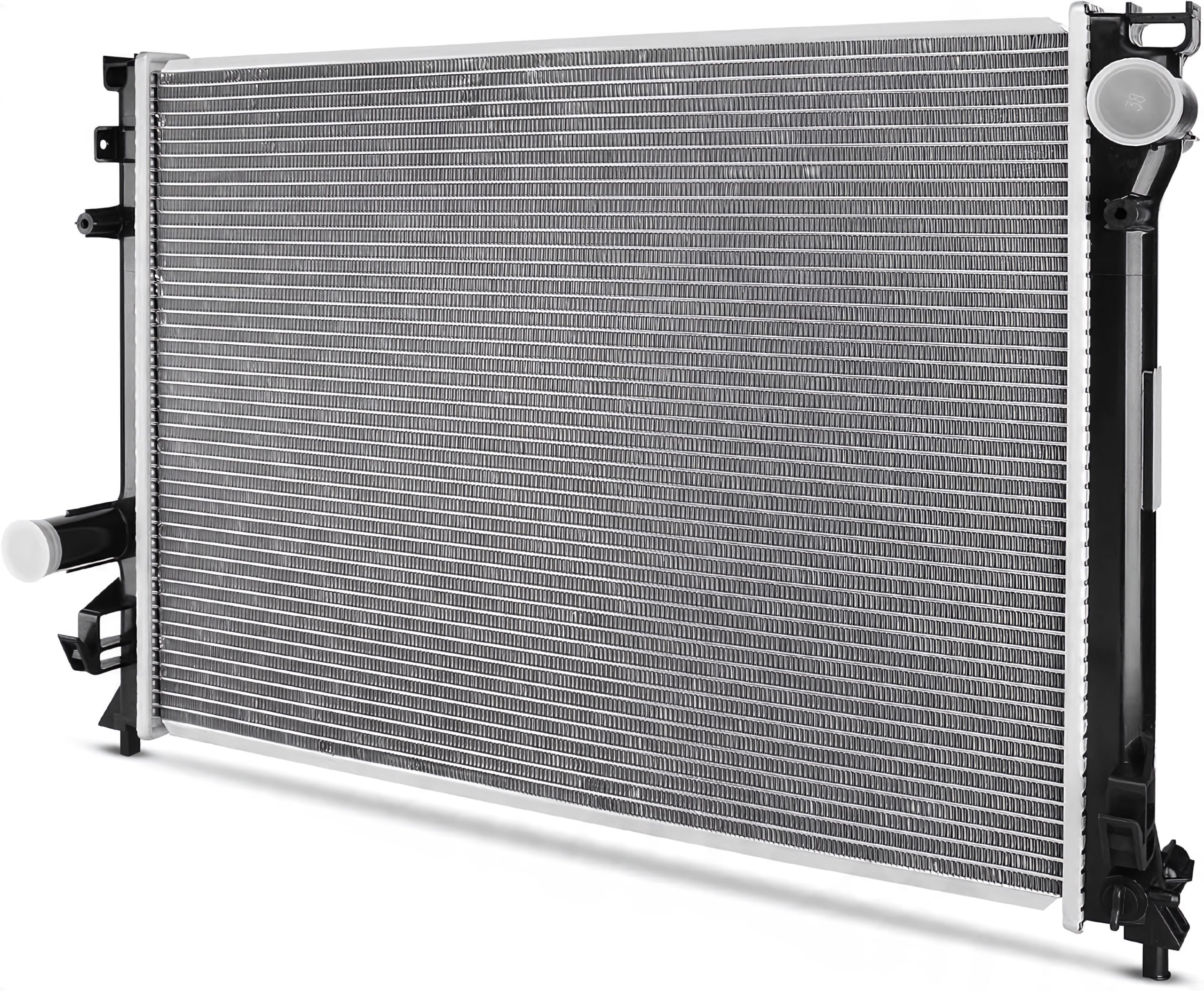
8. Radiators & Coolers
Heat is one of the biggest threats to an engine’s performance and longevity, making the radiator and cooling system essential components of every vehicle.
The radiator helps regulate engine temperature by transferring excess heat away from the engine and releasing it into the surrounding air. Without a properly functioning cooling system, an engine can quickly overheat, resulting in serious mechanical damage and expensive repairs.
Unfortunately, replacing damaged radiators and coolers may become more costly as import tariffs and rising manufacturing expenses affect the automotive parts industry.
Most radiators and coolers are manufactured using aluminum and copper, two metals that are heavily influenced by international trade costs. As these expenses increase, consumers may notice higher prices for replacement parts and professional installation.
To avoid unnecessary expenses, regular cooling system maintenance is extremely important. Follow the maintenance schedule in your vehicle owner’s manual and flush the cooling system at the recommended intervals.
Always use the correct coolant specified by the manufacturer, as mixing incompatible coolant types can cause chemical reactions, sludge buildup, and blockages within the cooling passages. You should also inspect radiator hoses, clamps, and connections regularly for cracks, leaks, swelling, or signs of deterioration.
Pay attention to your temperature gauge while driving, particularly during heavy traffic or long journeys. If the temperature rises above normal, pull over safely and allow the engine to cool before investigating the problem.
Never remove a hot radiator cap because pressurized coolant can cause serious burns. If replacement becomes necessary, compare dealer parts with reputable aftermarket alternatives.
Investing in preventive maintenance and addressing minor leaks early can help extend radiator life, protect your engine, and prevent expensive breakdowns.
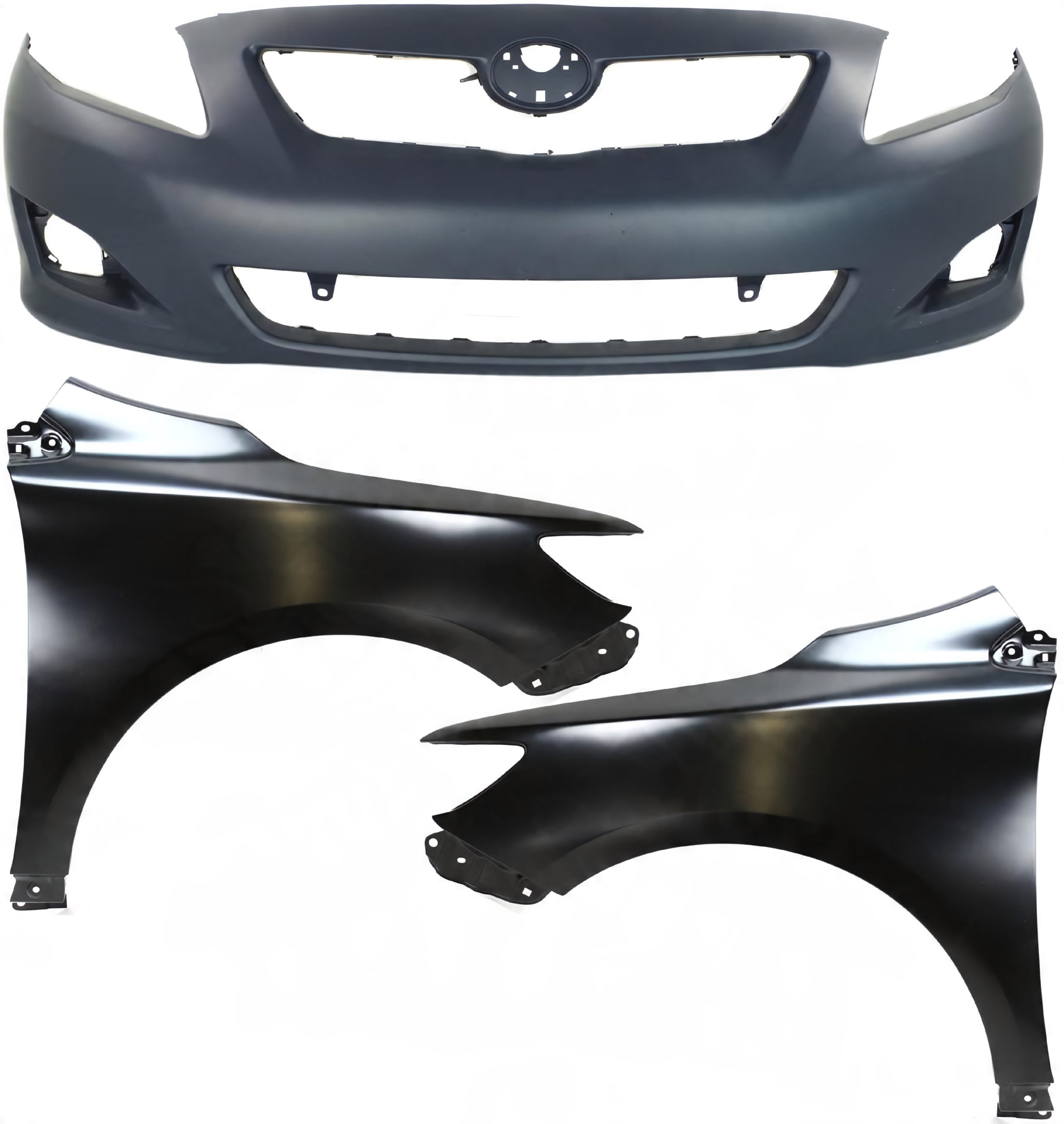
9. Bumpers & Fenders
Bumpers and fenders are among the most frequently damaged exterior components of a vehicle. Whether the damage comes from a minor parking lot collision, an accidental scrape, road debris, or a more serious accident, repairing these parts can become surprisingly expensive.
Rising manufacturing costs, import duties, and fluctuations in steel and aluminum prices can contribute to higher replacement costs for automotive body panels.
When manufacturers and suppliers face increased expenses, those costs can eventually appear in collision repair estimates, leaving vehicle owners with larger bills than they might have expected.
Modern bumpers can also contain sensors, cameras, parking assistance systems, and other electronic components, making certain repairs more complicated and expensive.
Before agreeing to replace a damaged bumper or fender, ask your collision repair specialist whether the existing component can be repaired.
Minor dents, scratches, surface damage, and certain cracks in plastic bumper covers can often be corrected without purchasing an entirely new part.
Repairing the original component may significantly reduce material costs and labor expenses while preserving the vehicle’s original fit. However, extensive structural damage or compromised safety components may require complete replacement.
If a replacement is unavoidable, consider reputable aftermarket panels, manufacturer-certified alternatives, or carefully inspected used parts from an authorized salvage yard. Make sure replacement panels meet appropriate safety and quality standards and fit your vehicle correctly.
It is also important to check whether your insurance policy covers aftermarket or recycled components, as coverage conditions can affect your out-of-pocket expenses.
Obtain written estimates from at least three reputable repair shops and request separate breakdowns for parts, labor, painting, and additional services.
Comparing these estimates will help you understand the actual repair costs, avoid unnecessary replacements, and make a more informed financial decision.
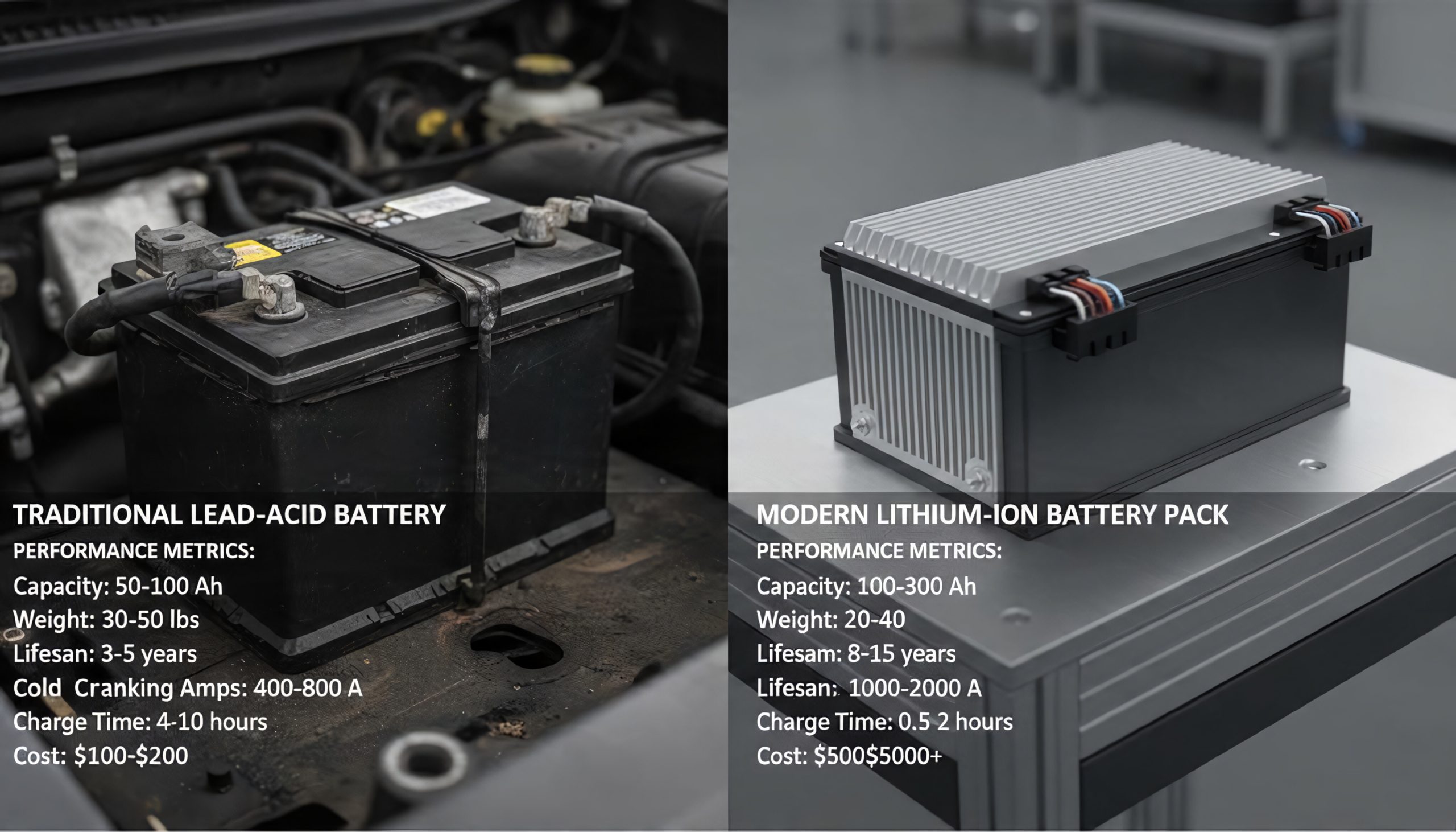
10. Lithium-Ion & Lead-Acid Batteries
Vehicle batteries are essential components, but import duties, raw material prices, and international supply conditions can affect their manufacturing costs.
Lithium-ion batteries are particularly important in electric vehicles and many modern hybrid cars. Their production requires materials such as lithium, graphite, nickel, and, depending on the battery chemistry, cobalt. Battery packs also contain electronic controls, cooling systems, wiring, and protective housings.
Tariffs affecting imported battery materials, cells, and finished assemblies can increase manufacturing expenses. Duties on copper and other supporting components may add to the cost.
Lead-acid batteries, commonly used in gasoline-powered vehicles, can also face price pressure. Their production relies on lead, plastic housings, separators, and other materials that may be affected by import costs and supply conditions.
For drivers, higher battery prices can make routine replacement more expensive. Electric vehicle owners may face particularly large bills when an entire battery pack requires replacement outside warranty coverage.
However, a weak battery does not always mean the entire system needs replacing. In conventional vehicles, testing can determine whether the battery, alternator, or charging system is responsible for starting problems.
EV owners should ask about warranty coverage, battery health reports, and manufacturer-approved repair options before agreeing to major work.
Comparing compatible products and checking installation requirements can also help control expenses.