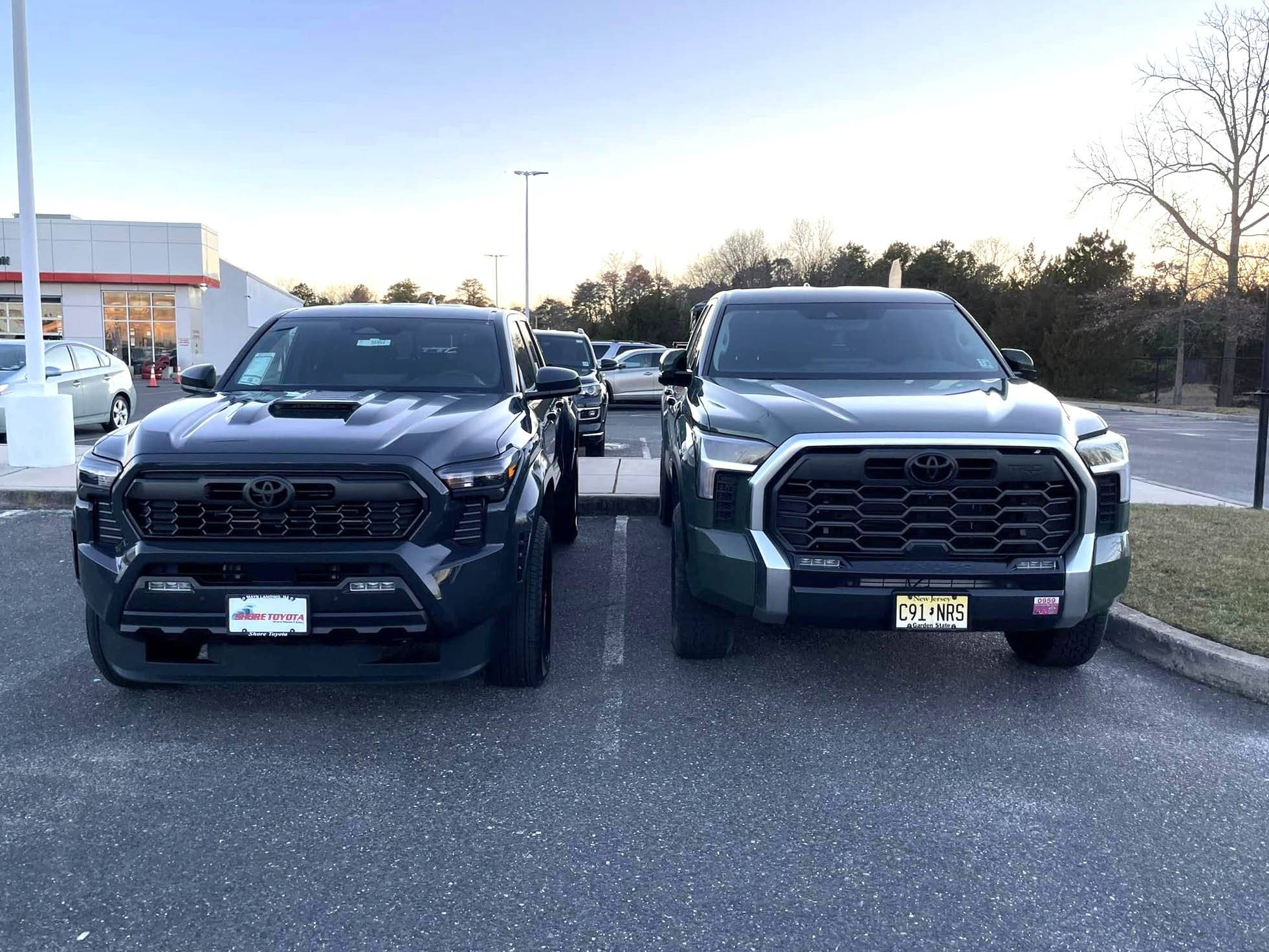
A car’s price tag tells only part of the story. Once sales taxes, registration charges, title fees, destination costs, and annual renewals enter the picture, owning a vehicle can cost more than many buyers expect. Interestingly, some vehicles hold their resale value so well that their owners may pay more in taxes and government fees than they lose through depreciation during the first five years.
Kelley Blue Book (KBB) resale figures help explain why this happens. Certain trucks, SUVs, and passenger cars retain a large portion of their original purchase price, leaving relatively little value to lose. Here are eight vehicles worth examining, along with the ownership expenses that can make their strong resale performance an unexpected financial consideration.
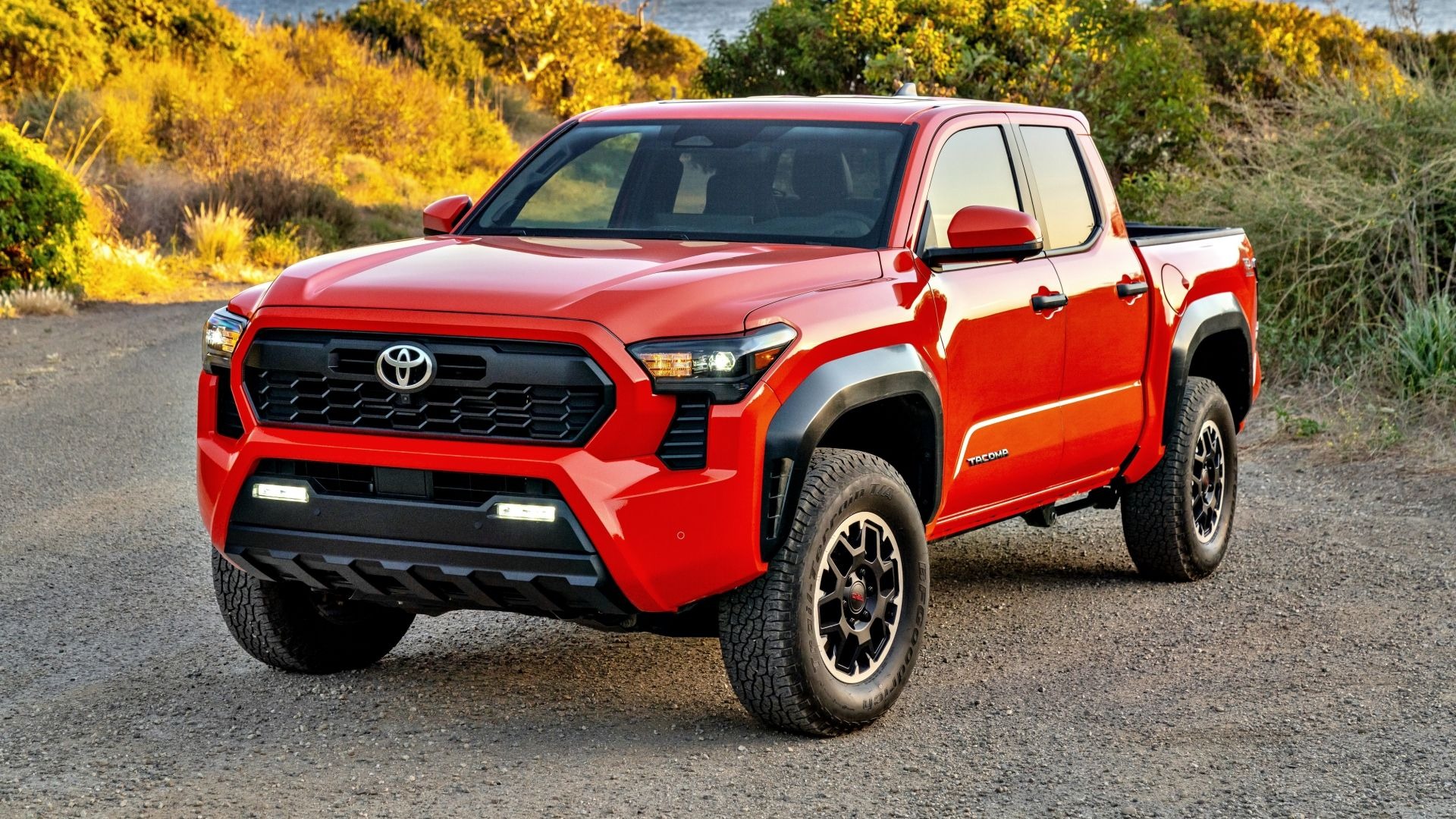
1. Toyota Tacoma
The Toyota Tacoma has earned a reputation for being tough, dependable, and easy to resell. Its popularity among pickup buyers has helped it secure repeated recognition in Kelley Blue Book’s Best Resale Value Awards for midsize trucks.
For owners, that strong resale performance can make a real difference when it is time to sell or trade in the vehicle.
According to the supplied KBB figures, the Tacoma retains between 63.0% and 64.1% of its original value after five years. In other words, owners lose a smaller portion of their purchase price through depreciation than they might with many competing pickups.
However, a strong resale value does not mean the truck is cheap to own. Buyers must still pay sales tax, title fees, registration charges, and dealer documentation costs.
Depending on the state, sales tax can range from 6% to 8%, adding a considerable amount to the initial purchase.
Registration expenses can continue piling up, too. States such as Colorado, Iowa, and Minnesota use fee structures that may consider a vehicle’s original value when determining annual registration costs.
For Tacoma owners, the benefit of retaining value is clear. Still, when several years of taxes and registration payments are added together, the total can exceed the money the truck loses through depreciation.
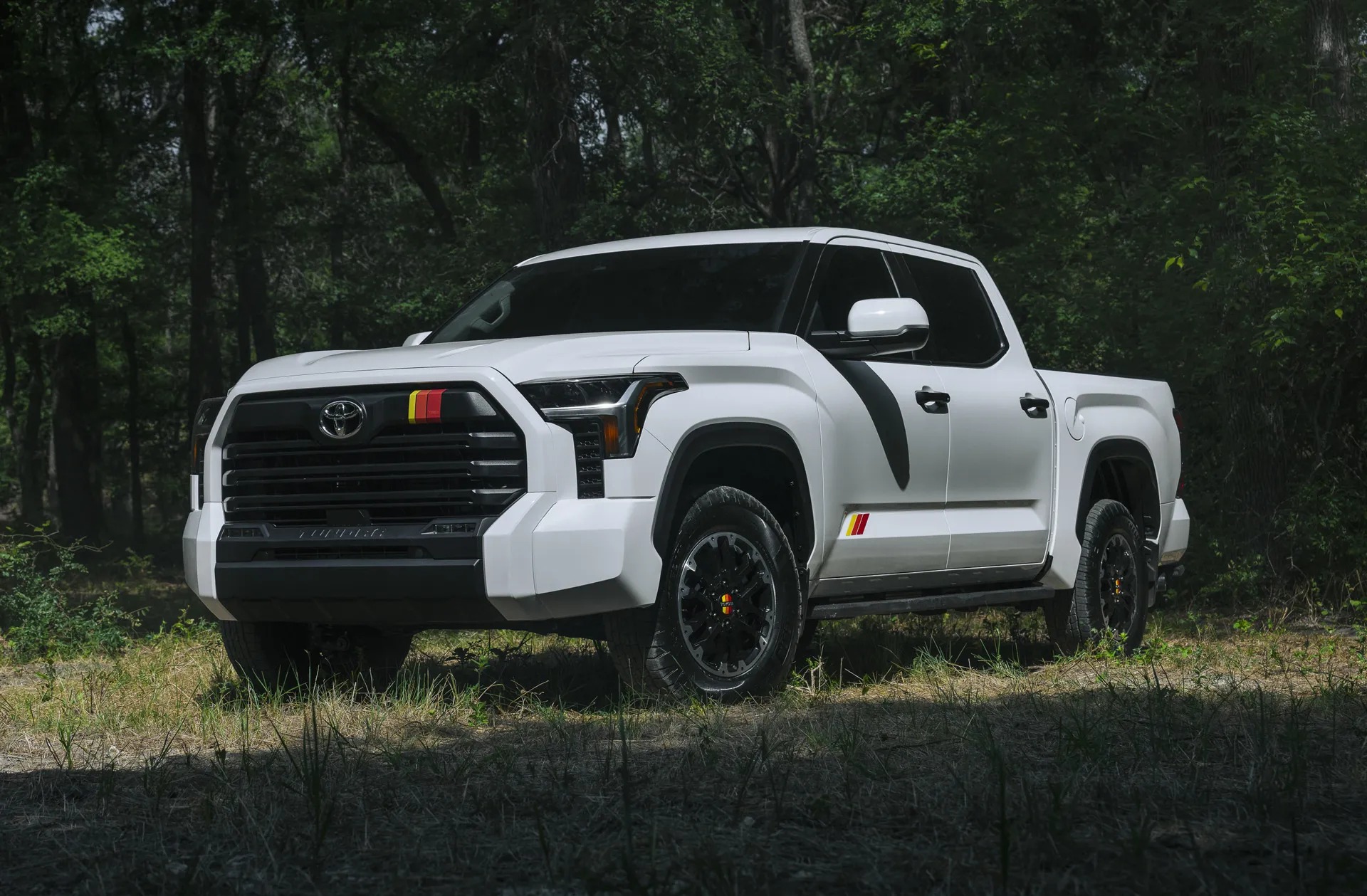
2. Toyota Tundra
The Toyota Tundra is a popular choice for drivers who need a capable full-size pickup without wanting to lose too much money when they eventually sell it.
Its strong resale performance makes it stand out in a segment where purchase prices and ownership expenses can be quite high.
According to the supplied Kelley Blue Book figures, the Tundra retains between 59.9% and 73.3% of its original value, depending on the model. This means some owners can recover a considerable portion of their initial investment after five years.
However, the purchase price is only part of the financial commitment. Buyers also need to account for sales tax, dealer documentation charges, title expenses, and factory destination fees. The supplied information puts some full-size truck destination charges as high as $2,795.
Registration costs can add even more to the bill. Depending on state regulations, owners may pay fees calculated using the truck’s weight or original purchase value.
These expenses continue to matter even when the Tundra maintains a healthy resale price. An owner who keeps the truck for five years may spend thousands on taxes and registration alone.
The Tundra shows why buyers should look beyond depreciation when estimating ownership costs. A vehicle can retain much of its value while the taxes and fees associated with owning it add up to an even larger expense.
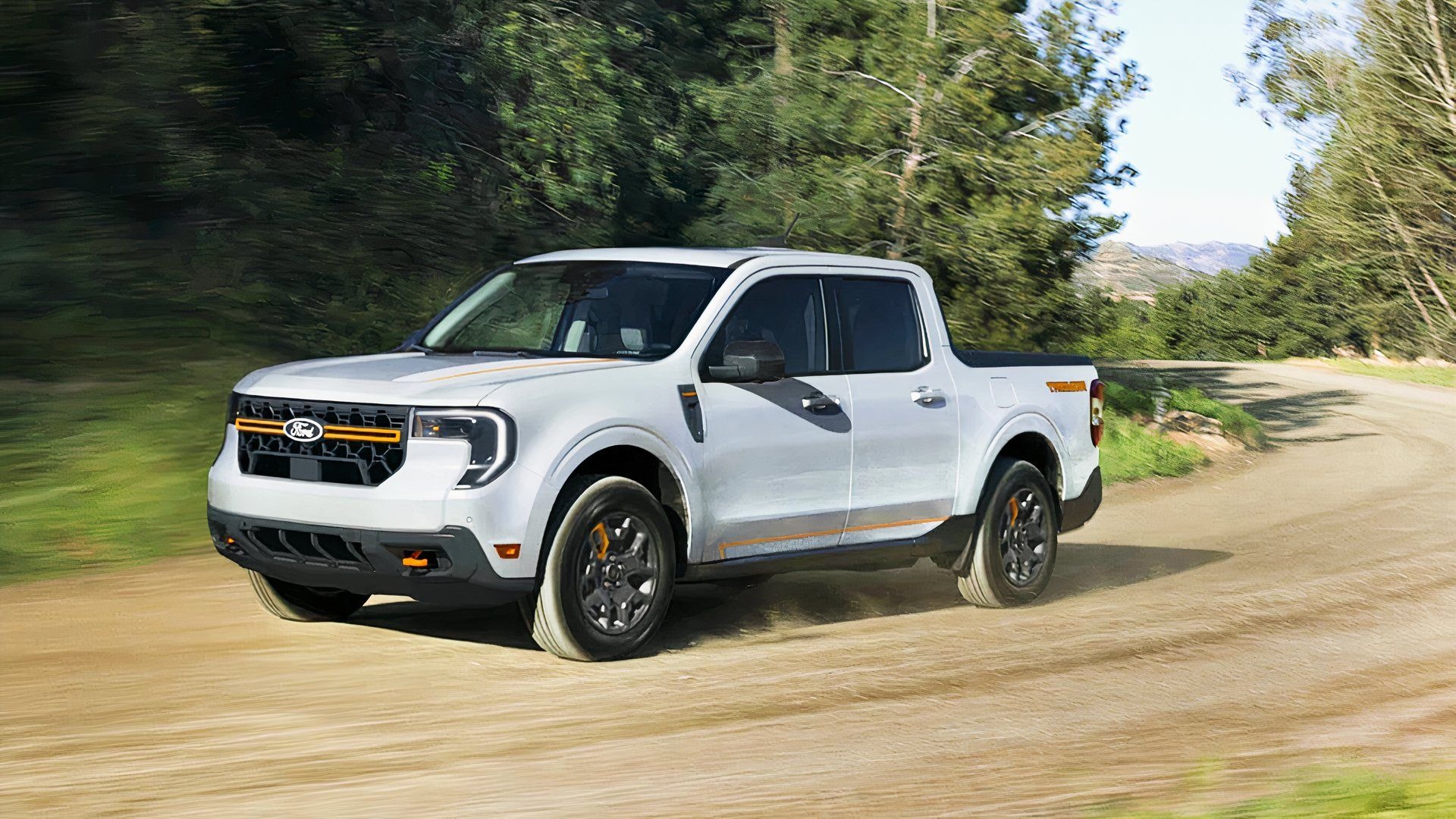
3. Ford Maverick
Affordable trucks are not always inexpensive to own, particularly when registration charges and taxes are included in the purchase calculation.
The Ford Maverick makes an interesting case because its accessible starting price combines with strong demand in the compact pickup segment.
The supplied Kelley Blue Book figures place its five-year residual value between 54.1% and 61.7%. Hybrid versions have also attracted attention from buyers seeking better fuel economy without giving up the usefulness of a pickup bed.
With a starting MSRP around $29,000 in the supplied example, the Maverick has a lower initial price than many full-size trucks. Its depreciation in actual dollars can therefore remain relatively modest.
Yet the expenses surrounding the purchase do not disappear simply because the vehicle costs less. Sales taxes are calculated according to local rules, while registration, title, license plate, and dealer documentation charges add to the initial bill.
Some states also calculate annual registration expenses using a vehicle’s original value. These payments can accumulate during a five-year ownership period.
For prospective Maverick buyers, the key takeaway is that an affordable truck can maintain a relatively strong resale value while still accumulating ownership expenses that may be higher than its depreciation costs.
4. Chevrolet Corvette
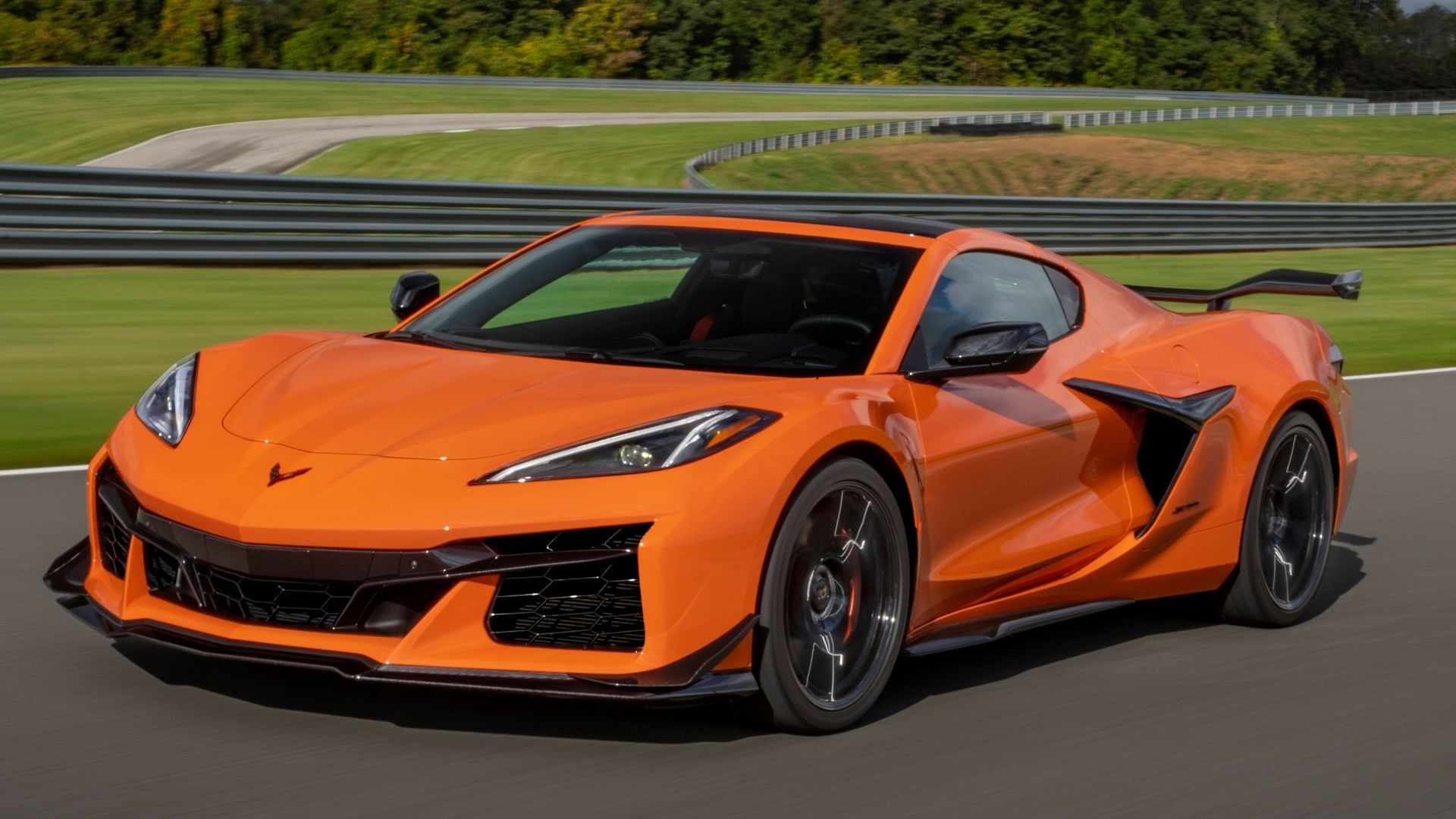
The Chevrolet Corvette is one of those sports cars that manages to hold its value surprisingly well. Its powerful performance, striking design, and long-standing reputation keep buyers interested, even in the used-car market.
For owners, this means they may recover a good portion of their original investment when it is time to sell.
According to the supplied Kelley Blue Book figures, the Corvette retains approximately 61.0% to 65.3% of its original value after five years.
That is an impressive result for a performance car, especially considering how quickly some sports cars lose their market value.
However, owning a Corvette can come with hefty upfront expenses. Higher-priced trims and optional features increase the purchase price, which can also raise the sales tax bill. Buyers may face additional registration charges, title fees, and other government costs.
Some states also collect annual vehicle property taxes or ad valorem taxes based on a car’s assessed value. For owners of expensive Corvette models, these payments can become quite costly.
When several years of taxes and fees are added together, the total may exceed the Corvette’s depreciation. Its ability to retain value is a major advantage, but buyers should remember that strong resale performance does not eliminate the cost of ownership.
5. Ford Bronco
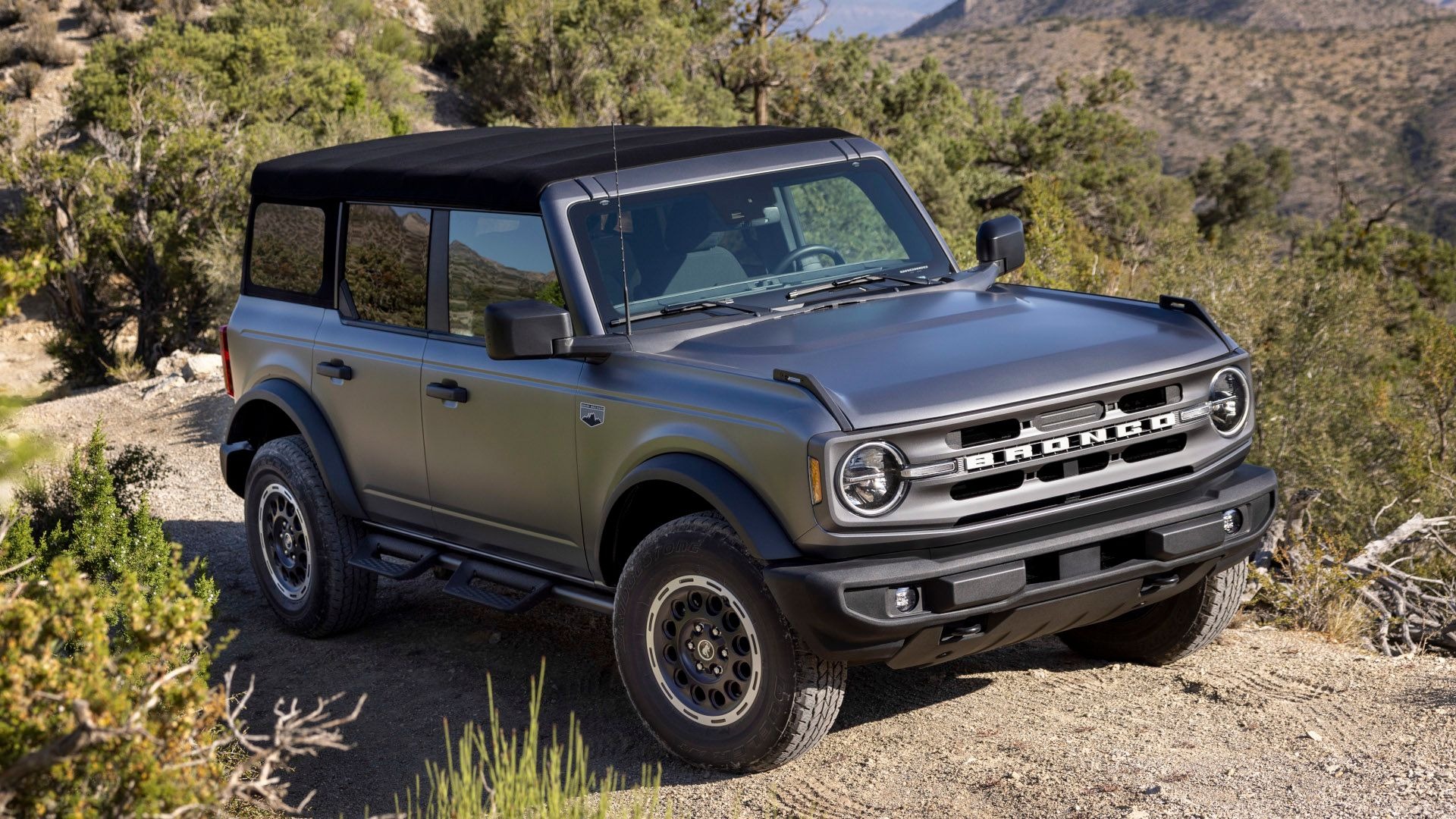
The Ford Bronco has become a popular choice among drivers who want a capable SUV with distinctive styling and practical off-road features.
Its strong demand has also helped support resale prices, making it an attractive option for buyers who care about long-term vehicle value.
According to the supplied Kelley Blue Book figures, the Bronco retains between 57.0% and 65.4% of its original value after five years. Actual resale prices depend on factors such as mileage, condition, trim level, optional equipment, and market demand.
The purchase price is another important part of the ownership equation. With examples ranging from approximately $40,000 to $60,000, buyers may face a considerable sales tax bill before they even begin driving their new SUV.
Registration expenses can add to that initial cost. Depending on the state, annual fees may be calculated using the vehicle’s purchase price, weight, or classification. Title charges and license plate fees also contribute to the total.
Although the Bronco holds its value well, owners generally cannot recover the taxes and registration payments when selling it.
This is why its ownership costs deserve a closer look. A Bronco may lose relatively little value through depreciation, yet the combined taxes and fees paid during five years can exceed that loss.
6. Toyota 4Runner
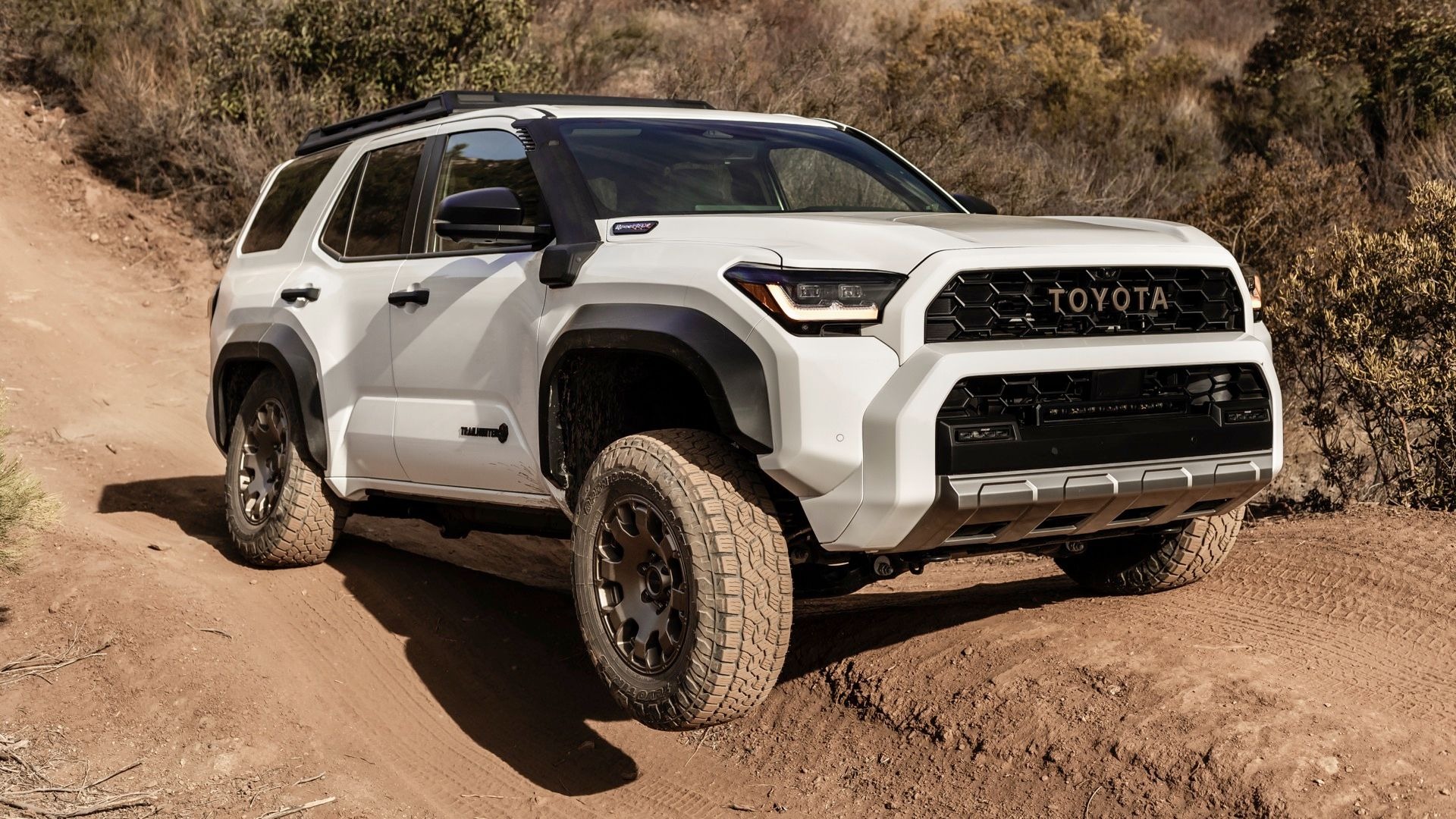
Reliability has always been one of the Toyota 4Runner’s biggest selling points. Drivers appreciate its rugged construction, practical interior, and ability to handle demanding road conditions.
Its reputation for durability has also helped it maintain strong demand among used-car buyers, making it a popular option for people who want an SUV that holds its value.
According to the supplied Kelley Blue Book figures, the 4Runner retains approximately 60.0% to 64.4% of its original value after five years.
This means owners can keep a substantial portion of their initial investment instead of losing a large amount through depreciation.
However, the money saved through strong resale performance does not mean ownership comes without expenses.
Buyers must pay sales tax when purchasing the SUV, along with title charges, license plate fees, destination costs, and registration expenses. Depending on the state, these charges can add a considerable amount to the initial purchase bill.
Annual registration renewals can make matters more expensive. Some states calculate registration fees using a vehicle’s original value, while others consider its weight, classification, or a fixed fee schedule. These payments can accumulate throughout the five-year ownership period.
The 4Runner’s ability to retain its market value is certainly appealing, especially for owners planning to sell or trade it later. Still, taxes and registration payments are expenses that generally cannot be recovered through resale.
For prospective buyers, looking beyond depreciation is essential. A reliable SUV can preserve its value while its ownership fees exceed the amount lost through depreciation.
7. Honda Civic
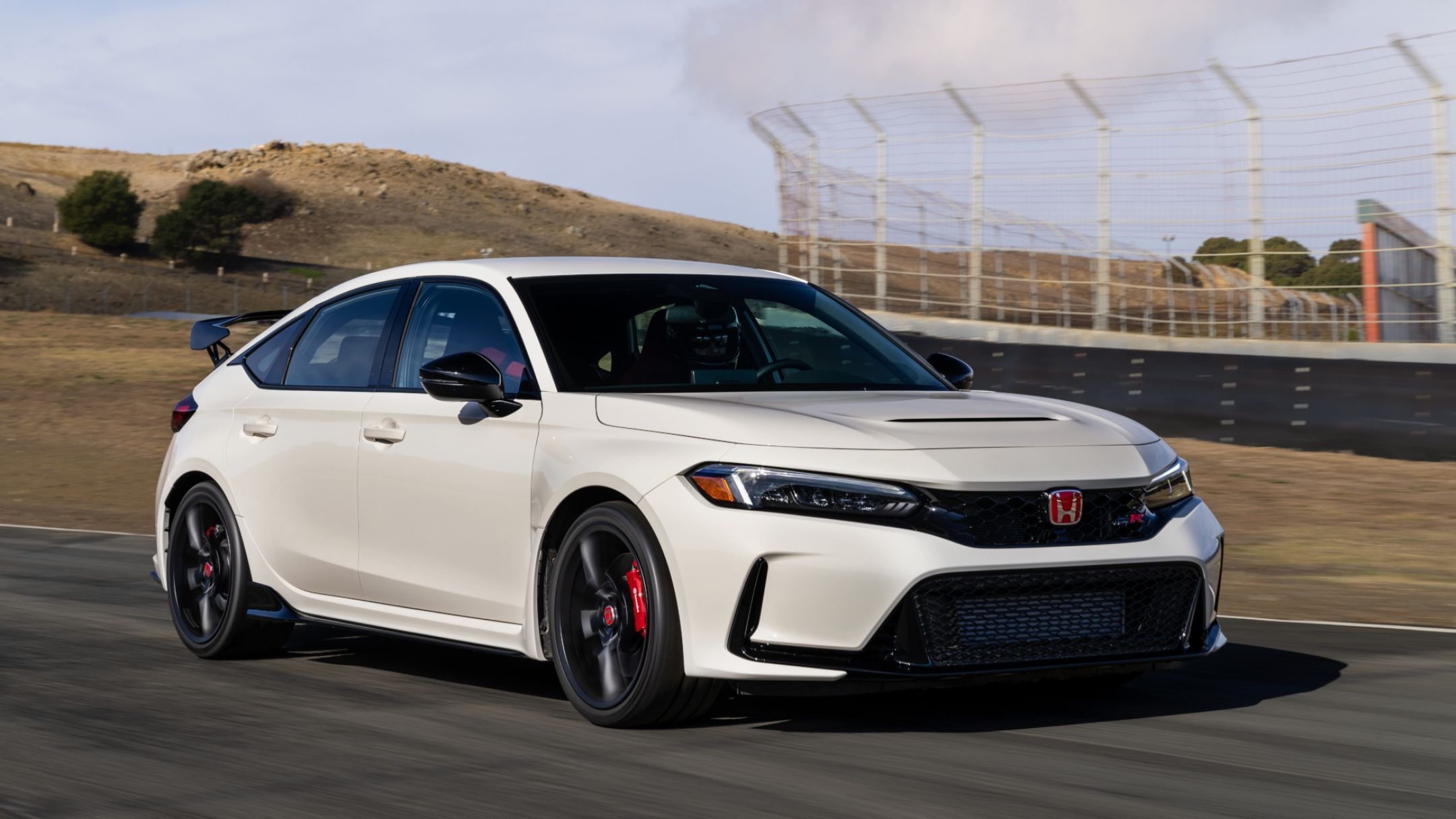
The Honda Civic proves that you do not have to spend a fortune on a new car to enjoy strong resale value. Known for its reliability, fuel efficiency, comfortable ride, and practical design, the Civic continues to attract buyers looking for an affordable car that can serve them well for years.
Its popularity in the used-car market also helps it retain much of its original value. According to the supplied Kelley Blue Book figures, the Civic keeps approximately 62.5% of its original value after five years.
That is an impressive result for a compact sedan and means owners may lose a relatively small amount of money through depreciation.
However, the purchase price is not the only expense worth considering. Buyers must also account for sales tax, title charges, license plate fees, and registration costs. In states with higher sales tax rates, the initial amount paid can be surprisingly large.
Annual registration renewals add to the bill, particularly in states where fees are calculated using the vehicle’s original value. These charges continue even when the Civic maintains a strong resale price.
For someone planning to keep the car for five years or longer, the expenses can add up quickly. In certain situations, cumulative taxes and registration fees may exceed the money lost through depreciation.
The Civic remains a sensible choice for budget-conscious drivers, but its strong resale value should not distract buyers from the other costs of ownership.
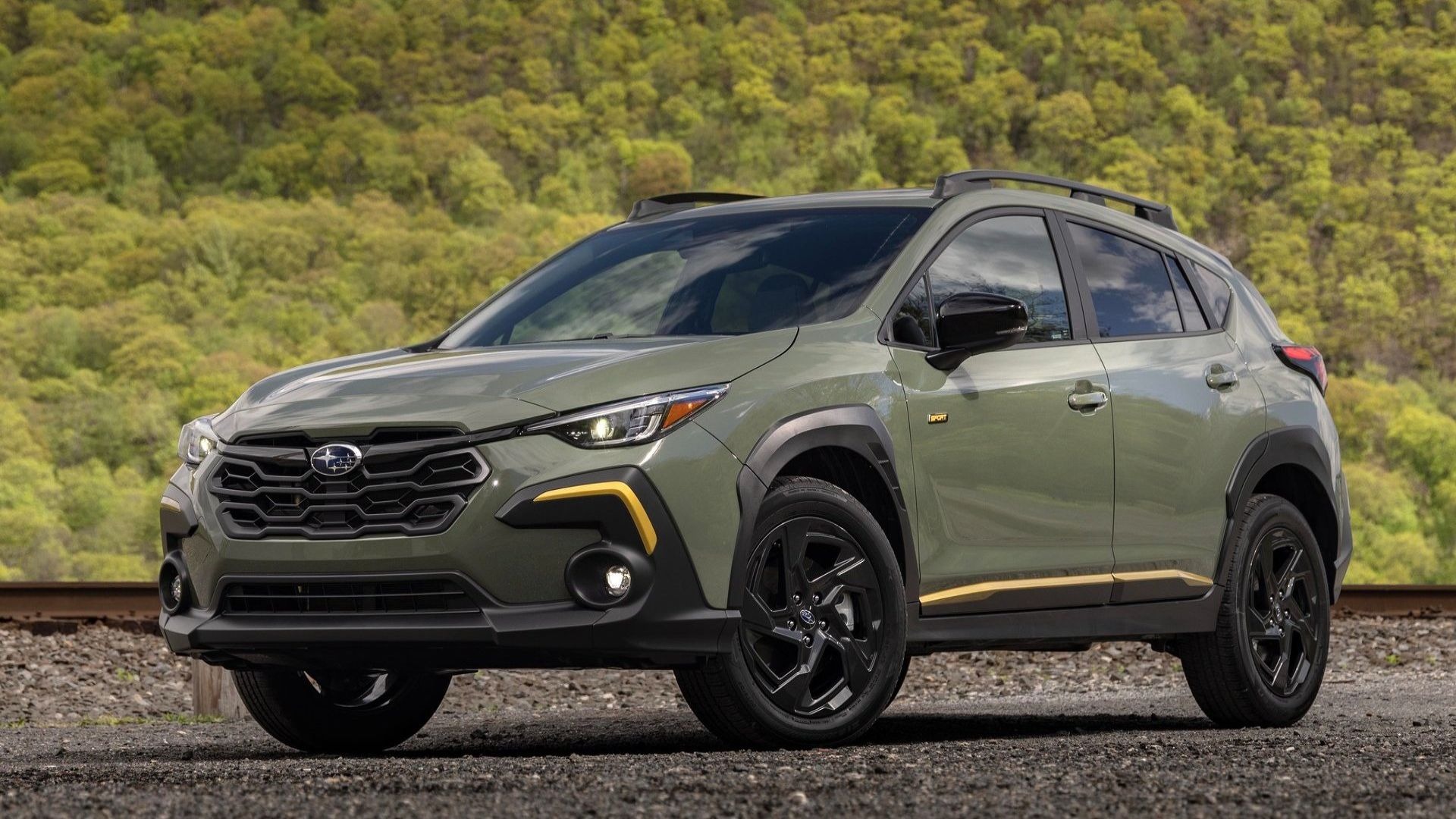
8. Subaru Crosstrek
The Subaru Crosstrek rounds out this list with a combination of compact dimensions, everyday practicality, and strong resale performance.
Its appeal among buyers seeking an adaptable small SUV has helped it maintain a healthy position in the used-car market.
The supplied Kelley Blue Book information places its five-year residual value at approximately 61.0%. That means the Crosstrek may retain around three-fifths of its initial value after five years, leaving a relatively modest depreciation loss.
Registration and tax schedules can make ownership more expensive than this resale figure suggests. Certain states calculate registration charges using vehicle weight, while others consider the original purchase price or assessed value.
Local county taxes can add further expenses, depending on where the owner lives. Sales tax, title fees, license plate charges, and annual renewals also contribute to the total amount paid during ownership.
For a Crosstrek owner, these expenses can accumulate even when the vehicle remains in excellent condition and commands a competitive resale price.
The distinction between depreciation and ownership fees is especially useful here. Depreciation represents the reduction in the vehicle’s market value, while taxes and registration payments are separate expenses that cannot usually be recovered when selling the car.
The Crosstrek’s ability to preserve value makes it attractive to cost-conscious buyers, but its complete ownership bill deserves careful attention.