A lower sticker price does not always mean a cheaper truck to own. Some entry-level pickups lose value faster because used-truck shoppers prefer better equipment, upgraded interiors, stronger engines, and popular appearance packages. In certain cases, spending more at the dealership can help owners recover much of that extra money when it is time to sell.
Fuel economy, purchase incentives, maintenance, insurance, and resale demand also influence five-year ownership expenses. Kelley Blue Book (KBB) considers several of these factors in its 5-Year Cost to Own estimates. Although KBB does not publish an official ranking of these exact 11 trim comparisons, its ownership-cost principles help explain why a better-equipped pickup can make more financial sense than a cheaper base model.
1. Toyota Tacoma
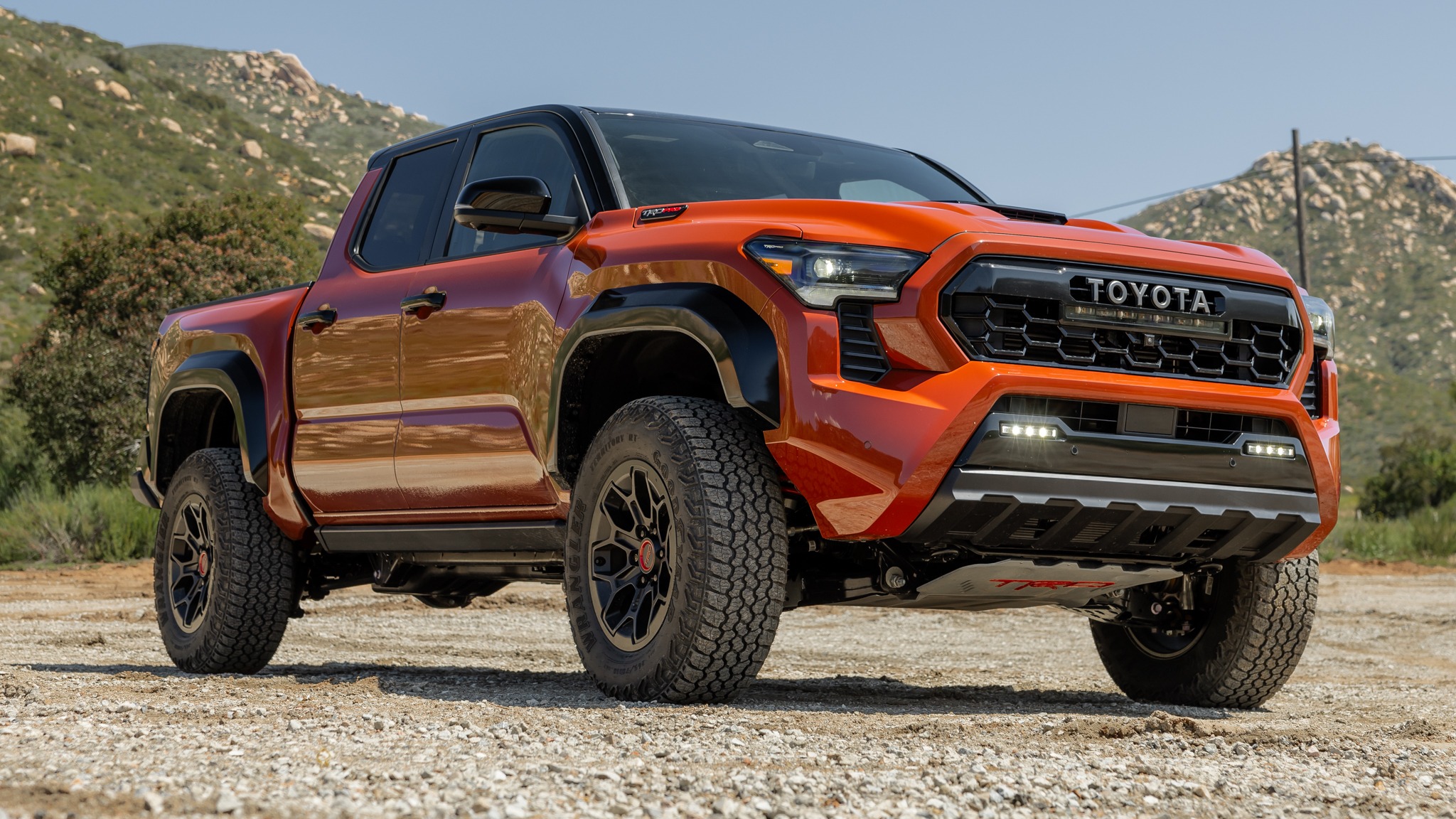
The Toyota Tacoma has a strong reputation for holding its resale value, making it an interesting choice for shoppers comparing entry-level and higher trims.
The base SR provides practical transportation, but some used-truck shoppers want additional comfort, technology, and convenience features. That preference can make the SR5 or TRD Sport more attractive when resale time arrives.
The SR5 adds equipment that appeals to private owners who want a truck for commuting, family duties, and weekend projects. The TRD Sport attracts buyers looking for a more distinctive appearance and a sportier driving experience.
Although these trims cost more initially, their stronger appeal may help reduce depreciation as a percentage of the purchase price. This does not guarantee lower five-year ownership costs, since the original transaction price, mileage, condition, and local resale demand still matter.
For Tacoma shoppers, the smartest approach is to compare actual purchase prices against expected resale values. A well-priced SR5 may prove more economical than an SR that requires expensive aftermarket additions to meet the owner’s needs.
2. Ford Maverick
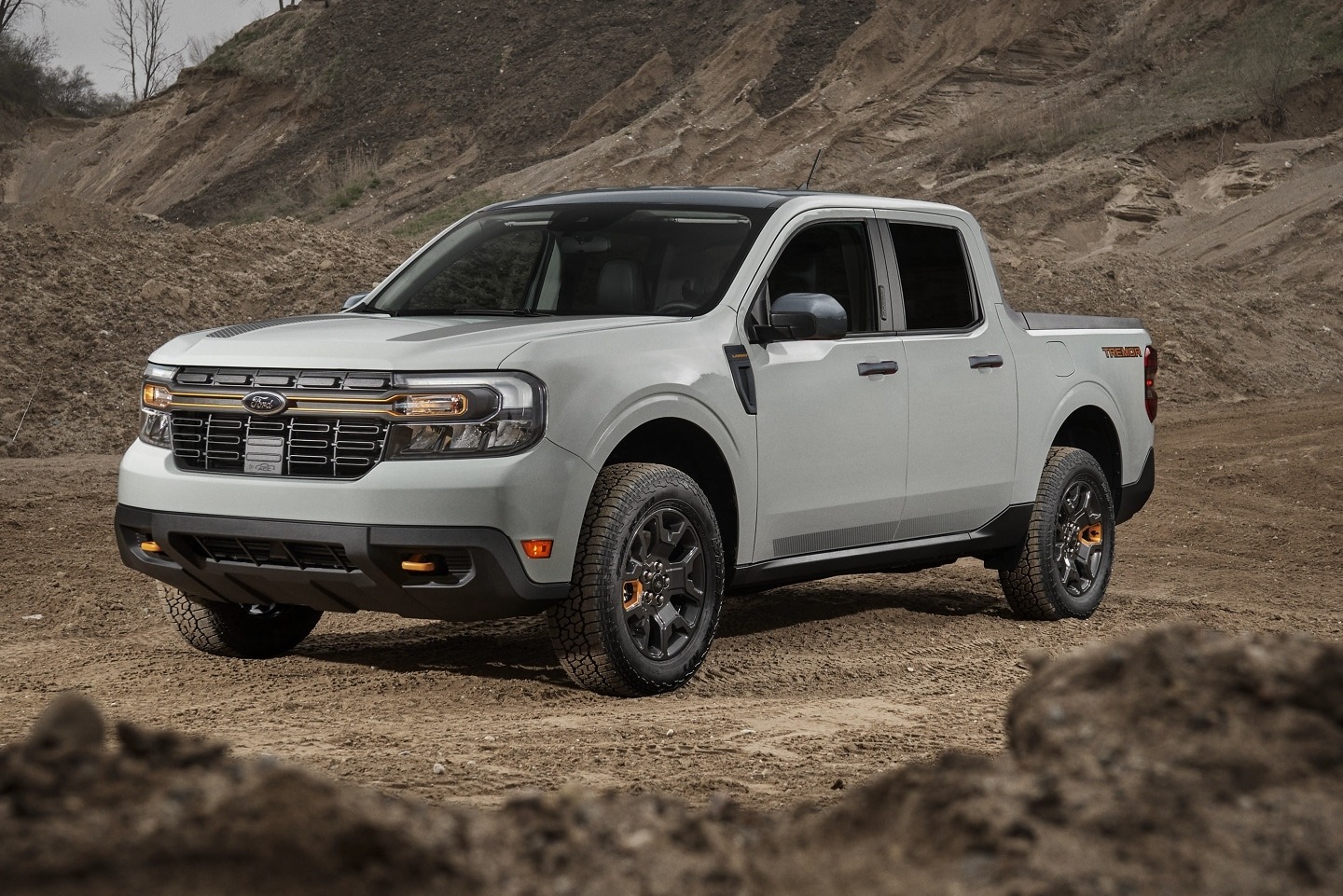
The Ford Maverick stands out as an appealing option for truck buyers looking to save money. Its hybrid powertrain can help offset the higher upfront cost of the more expensive model by reducing fuel expenses over time.
The base XL is appealing because of its accessible starting price, but the XLT and Lariat offer additional equipment that many private buyers appreciate.
Fuel expenses deserve special attention when comparing these versions. A Maverick equipped with the hybrid powertrain can consume considerably less fuel than its gasoline-only counterpart, depending on driving conditions and mileage.
For someone who drives regularly, those savings can help recover the higher purchase price. The XLT also brings convenience features that make daily use more enjoyable.
The Lariat adds a more upscale cabin experience, appealing to drivers who want pickup utility without sacrificing passenger comfort.
Here is where the financial calculation becomes interesting. An owner covering many miles annually may benefit from lower fuel consumption while retaining desirable equipment for resale.
Still, hybrid savings depend on fuel prices, annual mileage, and the actual price difference between configurations.
The Maverick demonstrates why a truck’s purchase price tells only part of its ownership-cost story.
3. Ford Ranger
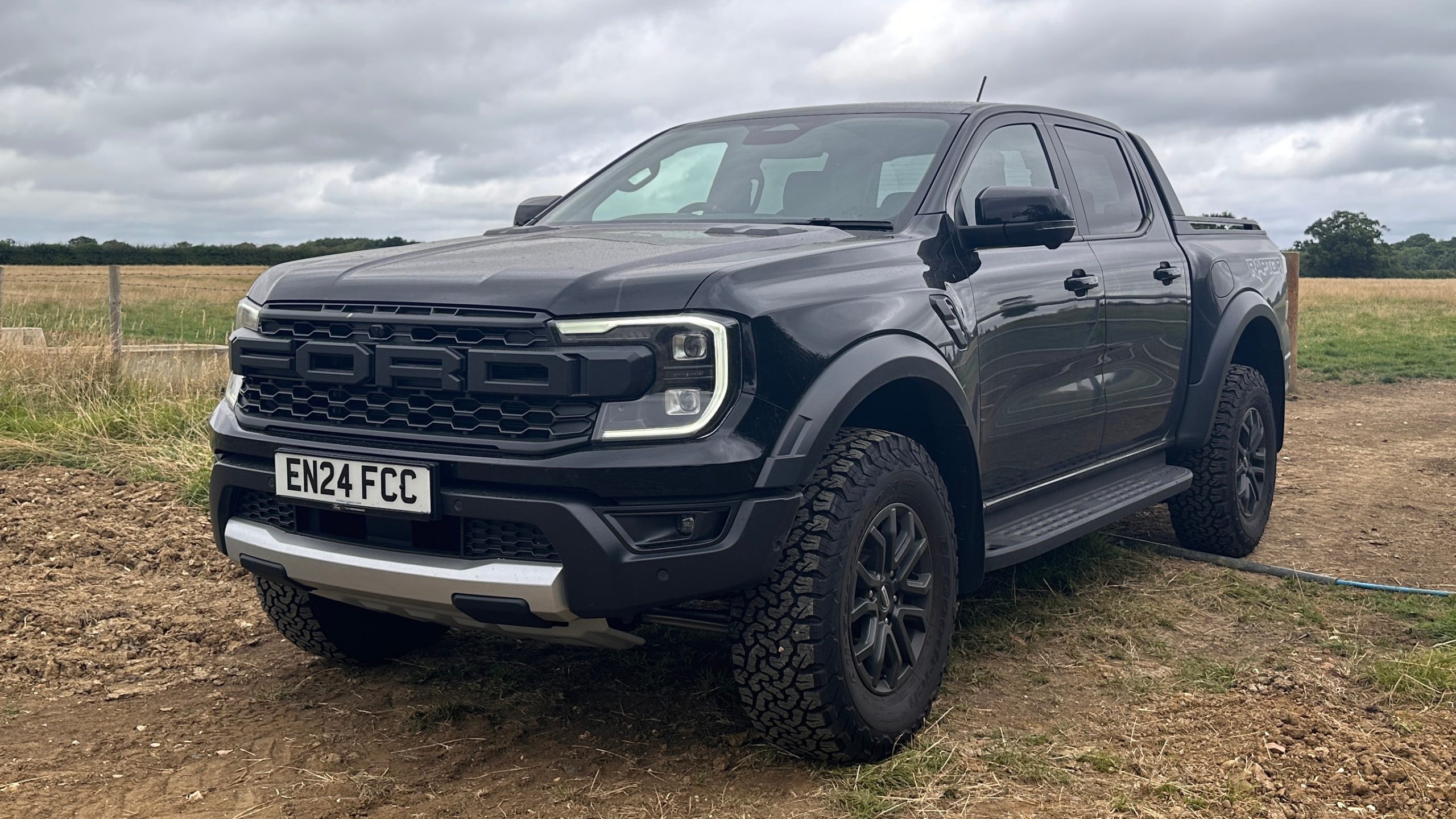
The Ford Ranger deserves attention from buyers who want a midsize pickup with practical capability and respectable resale prospects.
Its entry-level XL is designed to deliver straightforward truck functionality, making it attractive to commercial operators and shoppers who prioritize affordability.
However, private buyers frequently look for additional comfort and convenience. The XLT addresses those preferences with more equipment, while the available FX4 package adds off-road-oriented hardware and features for drivers who regularly leave paved roads.
A better-equipped Ranger can appeal to a wider group of used-truck shoppers. That broader demand may help protect its resale value compared with a basic work-oriented model.
Buyers searching for a personal vehicle may be more willing to pay extra for upgraded technology, interior amenities, and desirable packages.
The financial benefit depends on the initial discount and the equipment included. A heavily discounted XL could still be the better purchase if its resale value remains competitive.
For shoppers planning to keep their trucks for approximately five years, comparing the XLT’s purchase premium with its projected resale value is worthwhile.
The best deal is the configuration that delivers the lowest ownership expense without requiring unnecessary upgrades.
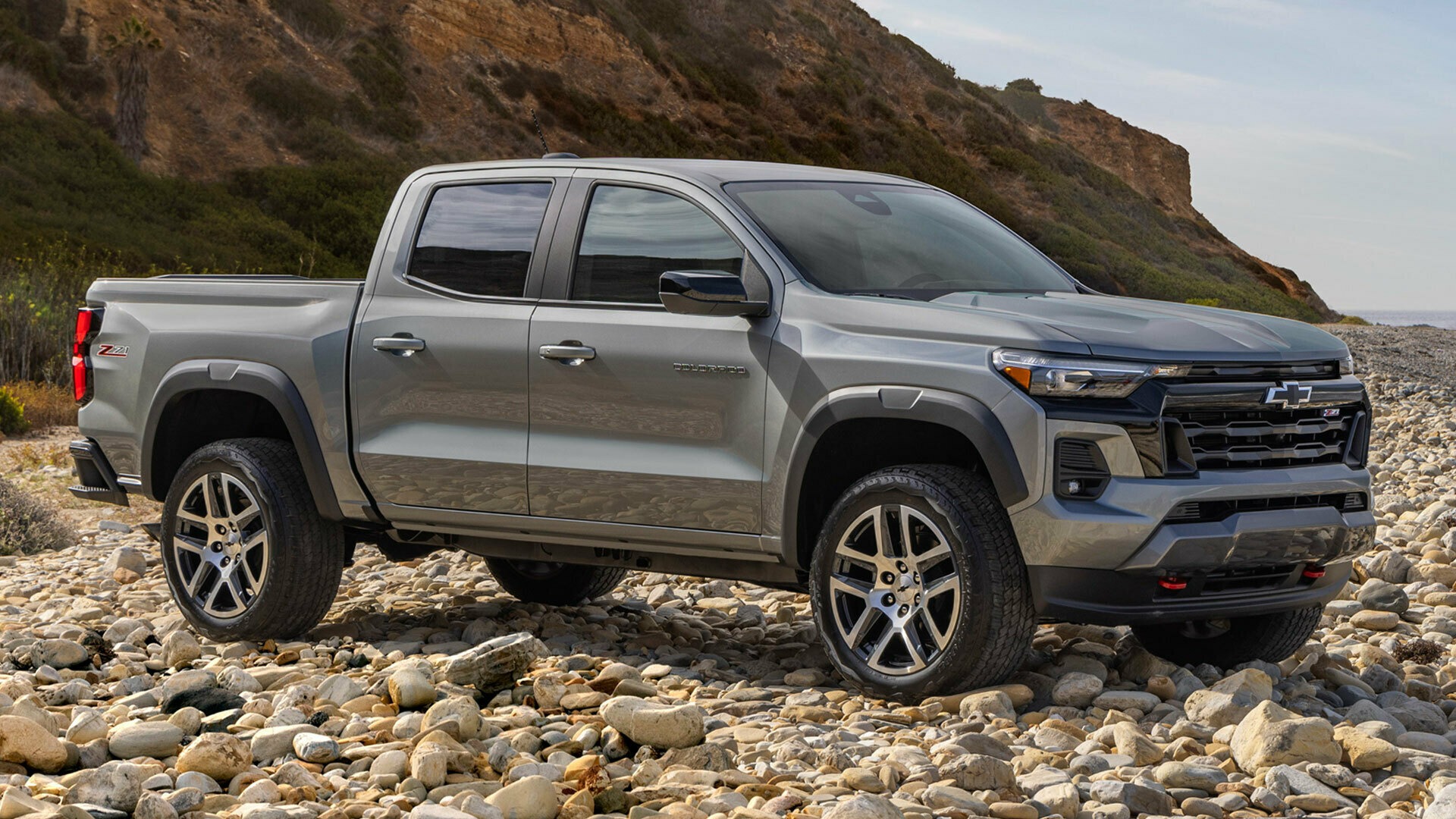
4. Chevrolet Colorado
Chevrolet’s Colorado provides another example of how equipment preferences can influence a pickup’s resale prospects. The WT, or Work Truck, focuses on practical functionality.
It suits businesses, contractors, and drivers who need a capable vehicle without paying for features they may never use.
Private owners, however, often prefer the LT or Z71. These versions offer additional comfort, technology, and styling features that can make the truck more appealing as a personal vehicle.
The Z71 is especially attractive to shoppers interested in recreational driving and occasional off-road use. Its equipment can give the pickup a more specialized identity, which may help it attract buyers seeking more than basic transportation.
The extra purchase expense deserves careful consideration. A higher trim does not automatically recover every dollar spent, and optional packages can increase the amount lost through depreciation.
Still, a Colorado LT or Z71 purchased at a competitive price may deliver better resale prospects than a stripped-down WT. The important calculation involves comparing the actual transaction price with the expected selling price after five years.
For drivers who value comfort and recreational capability, paying more initially may be a reasonable financial decision.
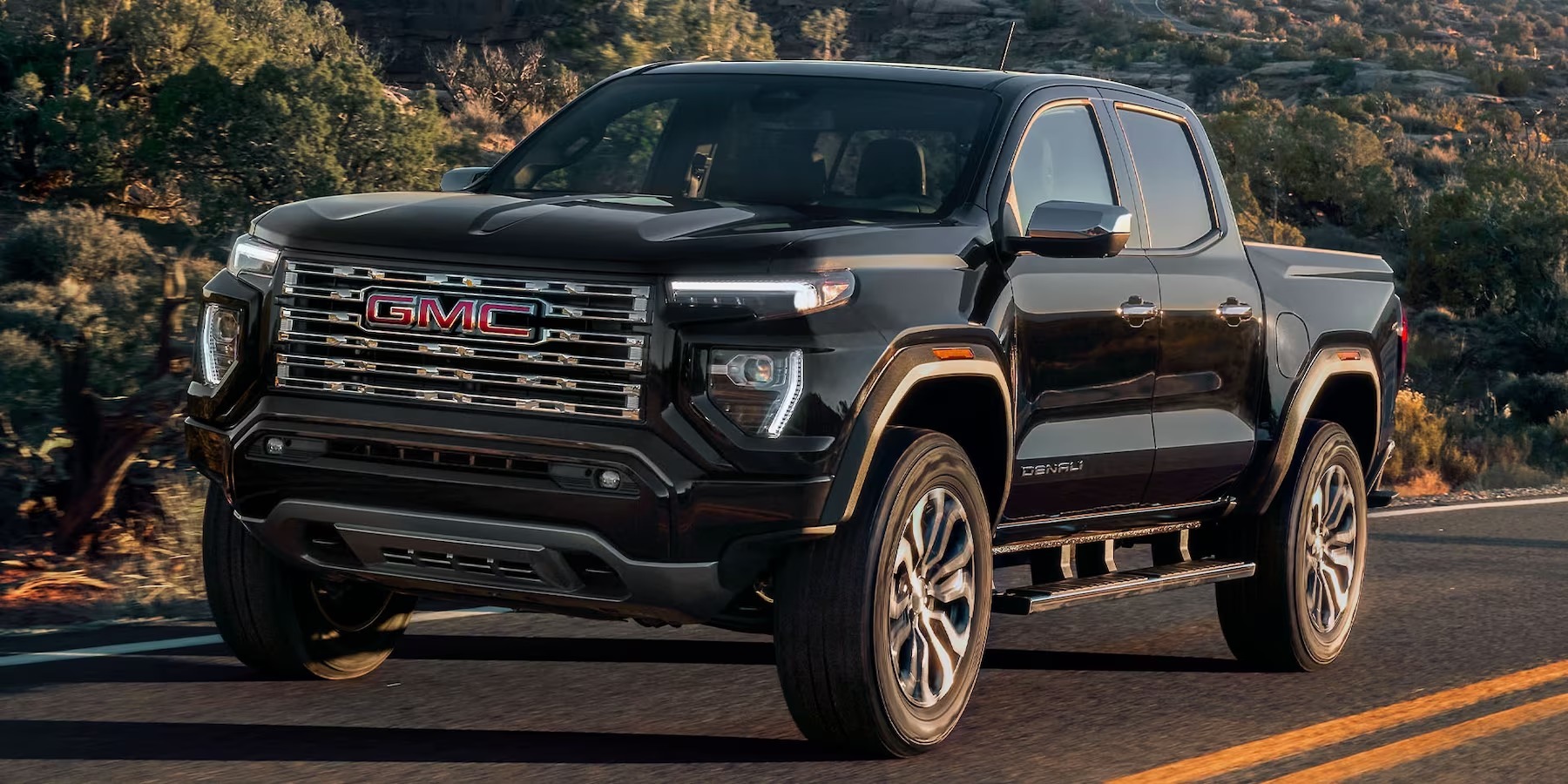
5. GMC Canyon
The GMC Canyon occupies a premium position among midsize pickups, attracting shoppers who want practical capability, modern technology, and a refined appearance.
Its Elevation trim provides a well-equipped starting point, while the AT4 caters to drivers who want additional off-road hardware and a more rugged design.
Although the AT4 carries a higher purchase price, its equipment and appeal may help it retain more value when it eventually enters the used-truck market.
One reason the AT4 deserves attention is its appeal to recreational drivers. Factory-installed off-road features, distinctive styling, and specialized equipment can attract shoppers who want a pickup ready for outdoor activities.
These buyers may prefer a properly equipped AT4 over an Elevation that has received aftermarket modifications. Factory equipment can also make it easier for prospective owners to understand exactly what they are getting.
There is a financial consideration beyond resale demand, too. Adding comparable accessories to a lower trim can become expensive, particularly when purchasing quality components and paying for professional installation.
Choosing the AT4 from the dealership may provide better value than attempting to recreate its equipment later. Still, the higher trim is not automatically the cheaper option.
Dealer markups, financing expenses, insurance premiums, and fuel consumption must all be considered. An Elevation purchased at a substantial discount could easily outperform an overpriced AT4.
For a five-year ownership plan, compare the actual purchase prices, expected resale values, maintenance expenses, and insurance costs. When the price difference is reasonable, the AT4 may offer a more rewarding combination of equipment and resale potential.
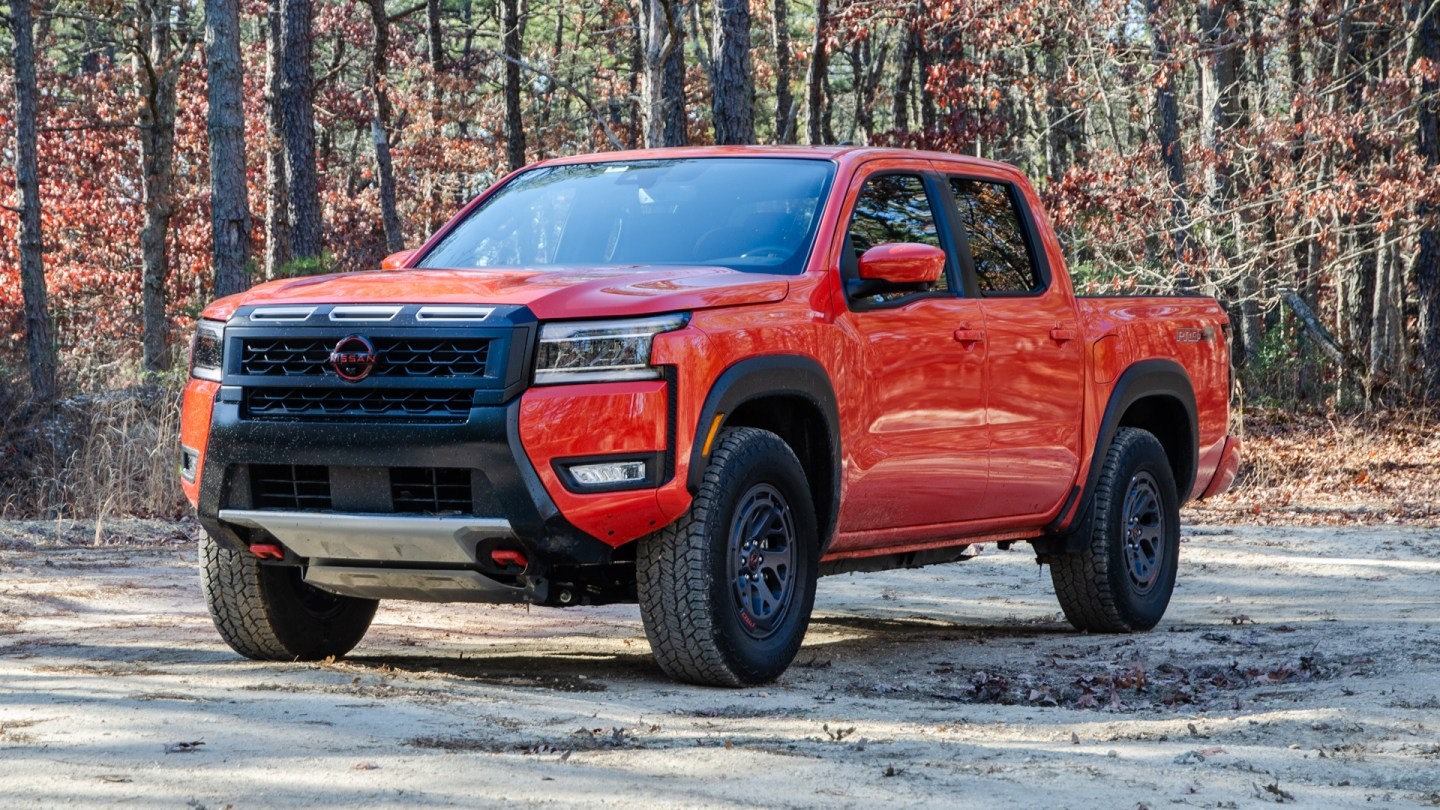
6. Nissan Frontier
The Nissan Frontier delivers traditional midsize pickup practicality, but choosing the right trim can influence its financial appeal. The entry-level S is designed for shoppers who want straightforward transportation and useful truck capability without paying for additional convenience features.
While its lower starting price is attractive, its basic equipment may limit its appeal to some private used-truck shoppers. The SV offers a more balanced package, providing additional comfort and convenience for everyday driving.
Drivers who want something more adventurous may prefer the PRO-4X, which brings distinctive styling and factory-installed off-road equipment. These features give the PRO-4X a clear identity among other Frontier configurations.
Resale demand is an important part of this comparison. Used-truck shoppers searching for an off-road-ready pickup may specifically look for the PRO-4X rather than purchasing an S and spending additional money on accessories.
Its factory equipment can make the truck more appealing to buyers who want a complete package without dealing with aftermarket installations.
However, paying more at the dealership requires careful consideration. If the PRO-4X costs considerably more than the S, its resale advantage may not recover the entire difference.
A discounted S could remain the better financial decision for someone who simply needs a dependable pickup. The SV may provide an attractive middle ground for buyers who want useful upgrades without paying for specialized off-road equipment.
Before choosing, compare used examples with similar model years, mileage, condition, and equipment. Check their actual selling prices rather than relying exclusively on advertised asking prices.
A reasonably priced SV or PRO-4X may deliver better five-year value when its resale potential and everyday usefulness justify the initial expense.
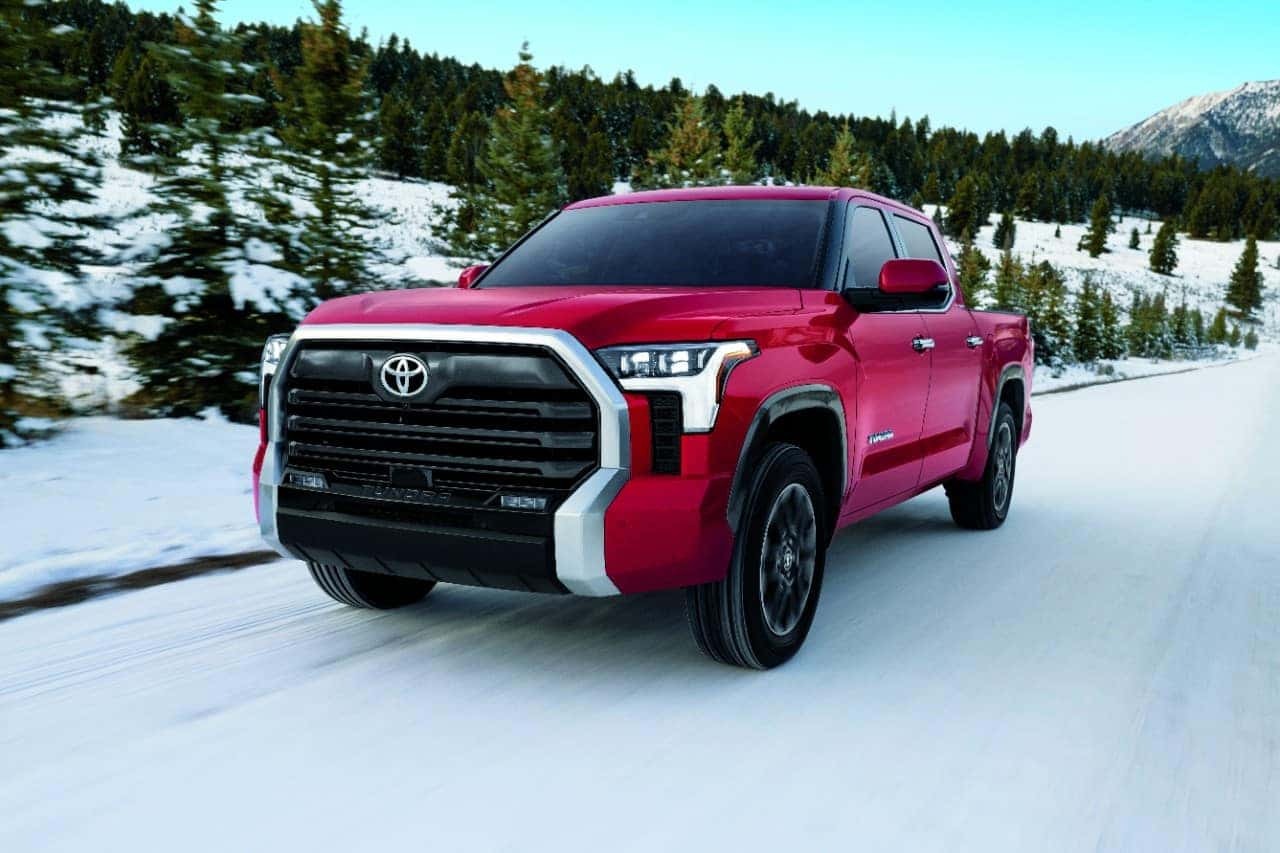
7. Toyota Tundra
The Toyota Tundra has earned a strong reputation among full-size pickup shoppers, partly because of its reputation for durability and resale value.
Its entry-level SR provides a practical starting point, but many private buyers gravitate toward the SR5 and Limited because they offer additional comfort, convenience, and technology.
This preference can make the higher trims worth considering when calculating five-year ownership expenses.
The SR5 is particularly appealing because it balances everyday usability with the capability expected from a full-size truck.
It offers an attractive combination for drivers who use their pickups for commuting, family transportation, hauling, and occasional recreational activities.
The Limited takes things further with a more refined cabin and additional amenities for people who spend many hours driving.
Powertrain selection also deserves attention. Toyota offers its i-FORCE MAX hybrid system on selected Tundra configurations.
It combines a gasoline engine with electric assistance to deliver impressive power and a different driving experience from the standard powertrain. Depending on the model and driving conditions, the hybrid system may also help manage fuel expenses.
However, a higher purchase price can reduce the financial benefit of improved fuel economy. Buyers should consider annual mileage, local fuel prices, financing, insurance, and maintenance before deciding whether the hybrid configuration makes financial sense.
The Tundra’s resale reputation can make a well-equipped version an appealing long-term purchase, especially when the dealership offers a competitive price.
For shoppers comparing the SR, SR5, and Limited, projected depreciation should receive serious attention. A higher trim that retains more of its purchase value may reduce the actual amount lost during ownership.
The best choice is the one that combines desirable equipment with a manageable purchase premium and realistic five-year running expenses.
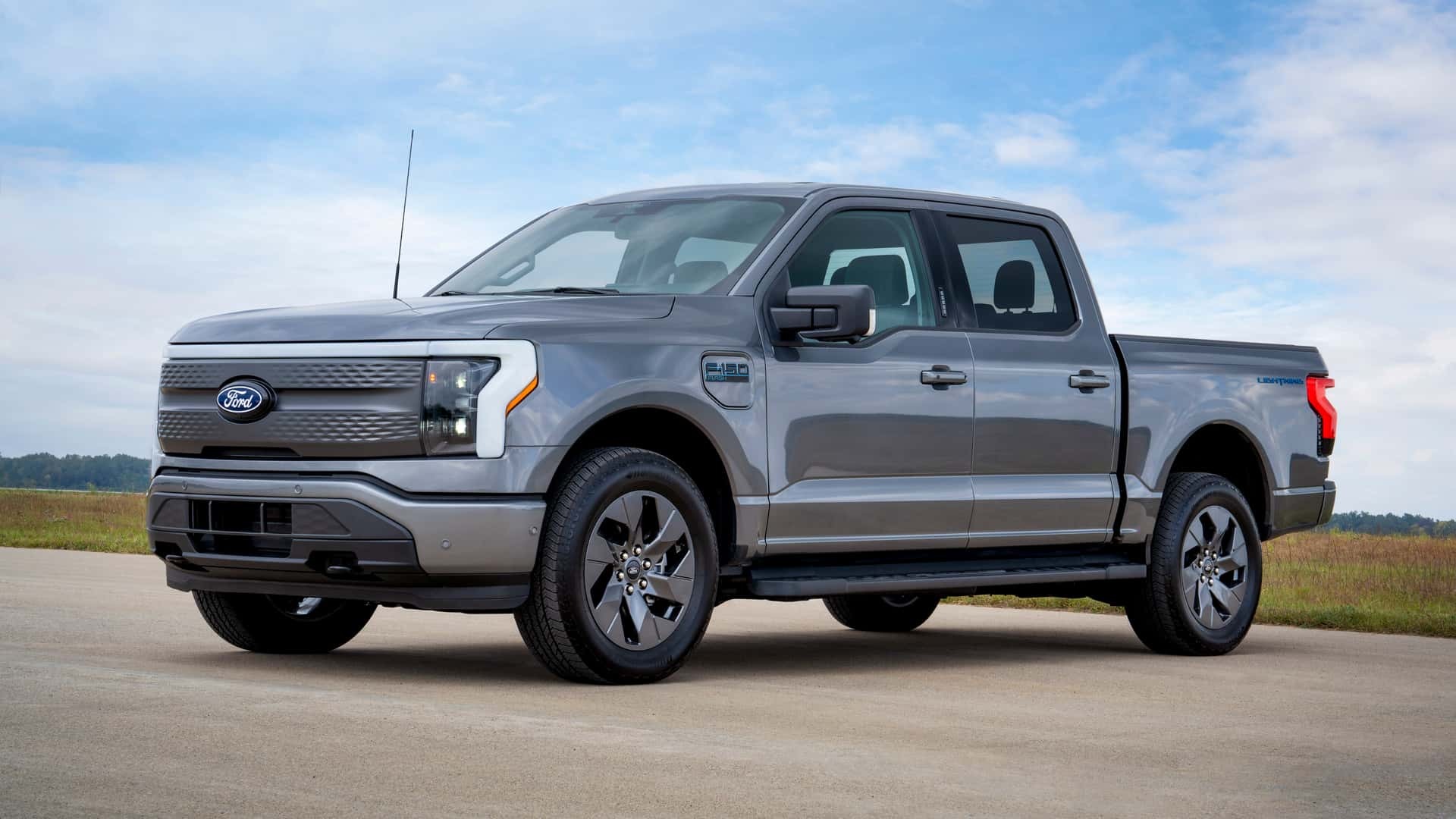
8. Ford F-150
The Ford F-150 serves many different purposes, from commercial transportation to family travel and recreational activities. Its broad lineup makes trim selection especially important for shoppers concerned about long-term expenses.
The XL is a practical work-oriented option, but its basic equipment may limit its appeal to private used-truck buyers. The XLT provides a more comfortable package, while appearance options such as STX and Chrome packages can make certain configurations more attractive.
Used buyers often look for convenient technology, comfortable seating, modern infotainment, and attractive exterior styling. An F-150 with these features may attract more interest than a comparable work-focused truck.
This creates an opportunity for owners who plan to sell after five years. If the XLT costs only moderately more than the XL, its additional resale appeal may help reduce the depreciation difference.
Buyers should also take manufacturer incentives into account when comparing different trim levels. A higher-end model with a more substantial discount may turn out to be a better deal than a base model offering only modest savings.
Shoppers should compare the actual amount paid, not just the manufacturer’s suggested retail price. That figure, combined with estimated resale value, fuel expenses, insurance, and maintenance, provides a more realistic picture of five-year ownership costs.
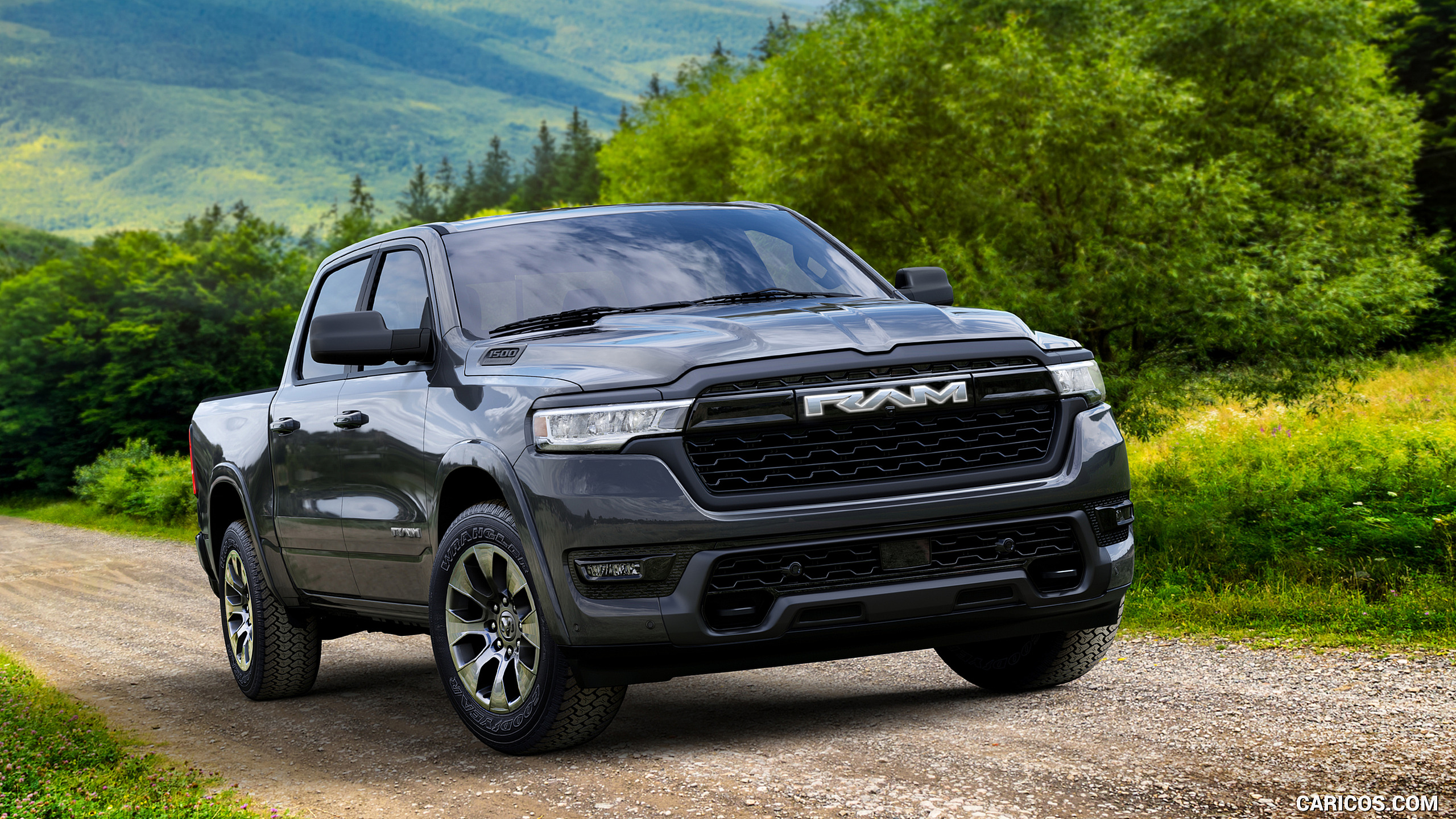
9. Ram 1500
The Ram 1500 has a lineup that ranges from basic work-oriented configurations to well-appointed luxury-style pickups. The Tradesman provides practical transportation, while the Big Horn and Laramie offer additional comfort, technology, and styling.
Manufacturer incentives can also make higher-trim Ram models more appealing to buyers. Special discounts, dealership promotions, and attractive financing deals may lower the final purchase price, making a better-equipped version more affordable than expected.
Consider a hypothetical situation in which a Laramie receives a $10,000 manufacturer incentive. If the discount brings its transaction price close to that of a Tradesman, the buyer may receive considerably more equipment without paying a comparable premium.
Depreciation is calculated against what the owner actually paid, not simply the original advertised MSRP. This distinction can make a discounted premium trim a financially attractive purchase.
The Big Horn may also offer a sensible middle ground for drivers who want additional convenience features without paying Laramie prices.
Shoppers should check incentive eligibility, financing conditions, dealer fees, and available inventory before committing. A discount that requires expensive financing may not deliver the expected savings.
When the numbers work, a better-equipped Ram 1500 can provide a lower net ownership expense than a cheaper configuration.
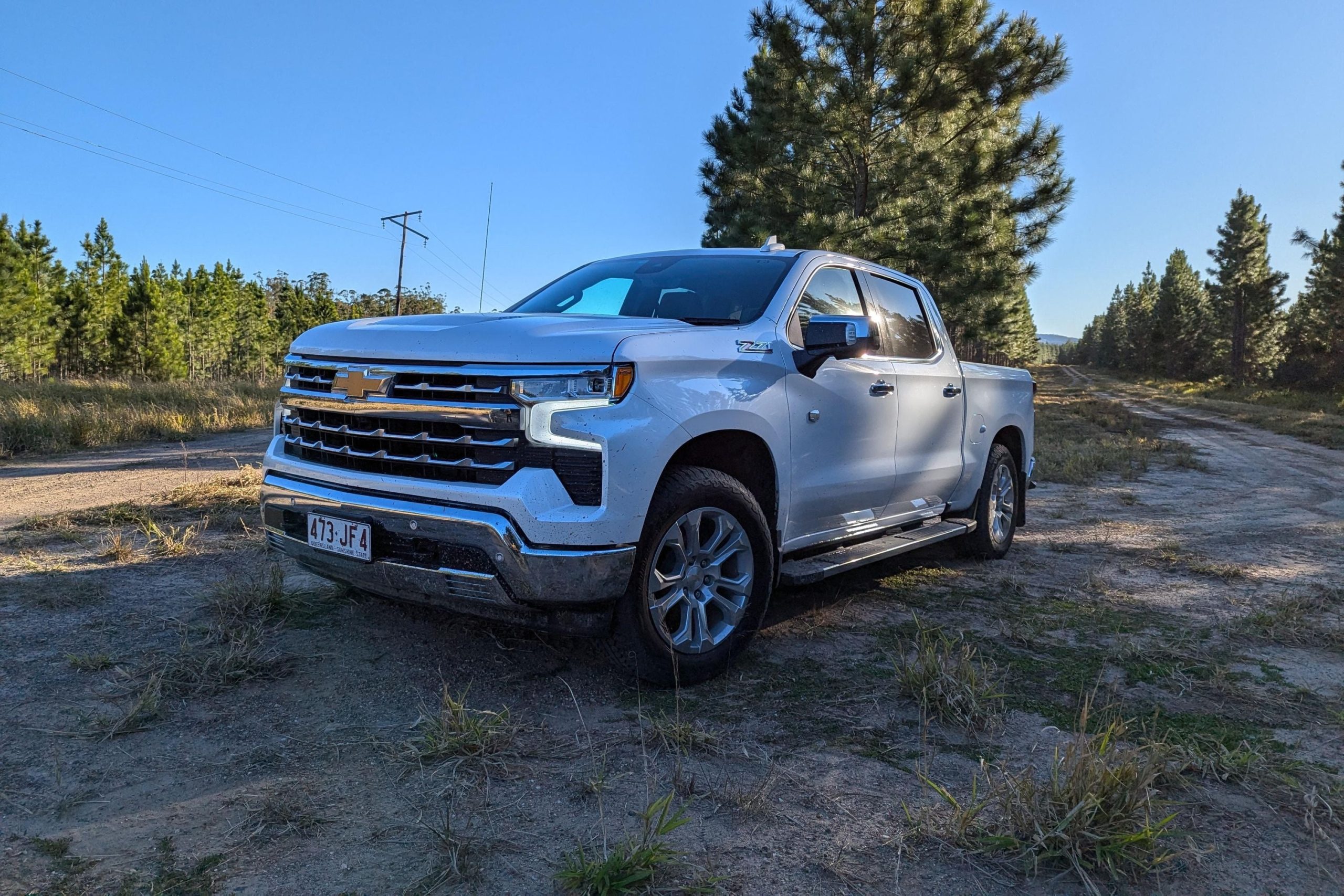
10. Chevrolet Silverado 1500
The Chevrolet Silverado 1500 gives shoppers several ways to balance capability, comfort, and long-term expenses. The WT is designed primarily for practical use, making it a natural choice for businesses and owners who need a dependable work truck.
The Custom, LT, and Custom Trail Boss offer additional styling and equipment. These configurations may appeal more strongly to private buyers who want a pickup that looks distinctive and feels comfortable during everyday driving.
The Custom Trail Boss is particularly attractive to shoppers who enjoy outdoor activities and want factory-installed off-road features. Its appearance and equipment can make it more desirable in the used market than a basic work-oriented configuration.
That added appeal may help support resale value, reducing the amount lost through depreciation. Still, buyers should account for the higher purchase price and any additional fuel or maintenance expenses associated with their chosen configuration.
The LT can be a sensible option for drivers who prioritize technology and everyday comfort. It offers an appealing middle ground without requiring the expense of a more specialized package.
A five-year comparison should focus on actual purchase prices and expected resale proceeds. If the higher trim’s resale advantage exceeds its initial price premium, the extra equipment may prove financially worthwhile.
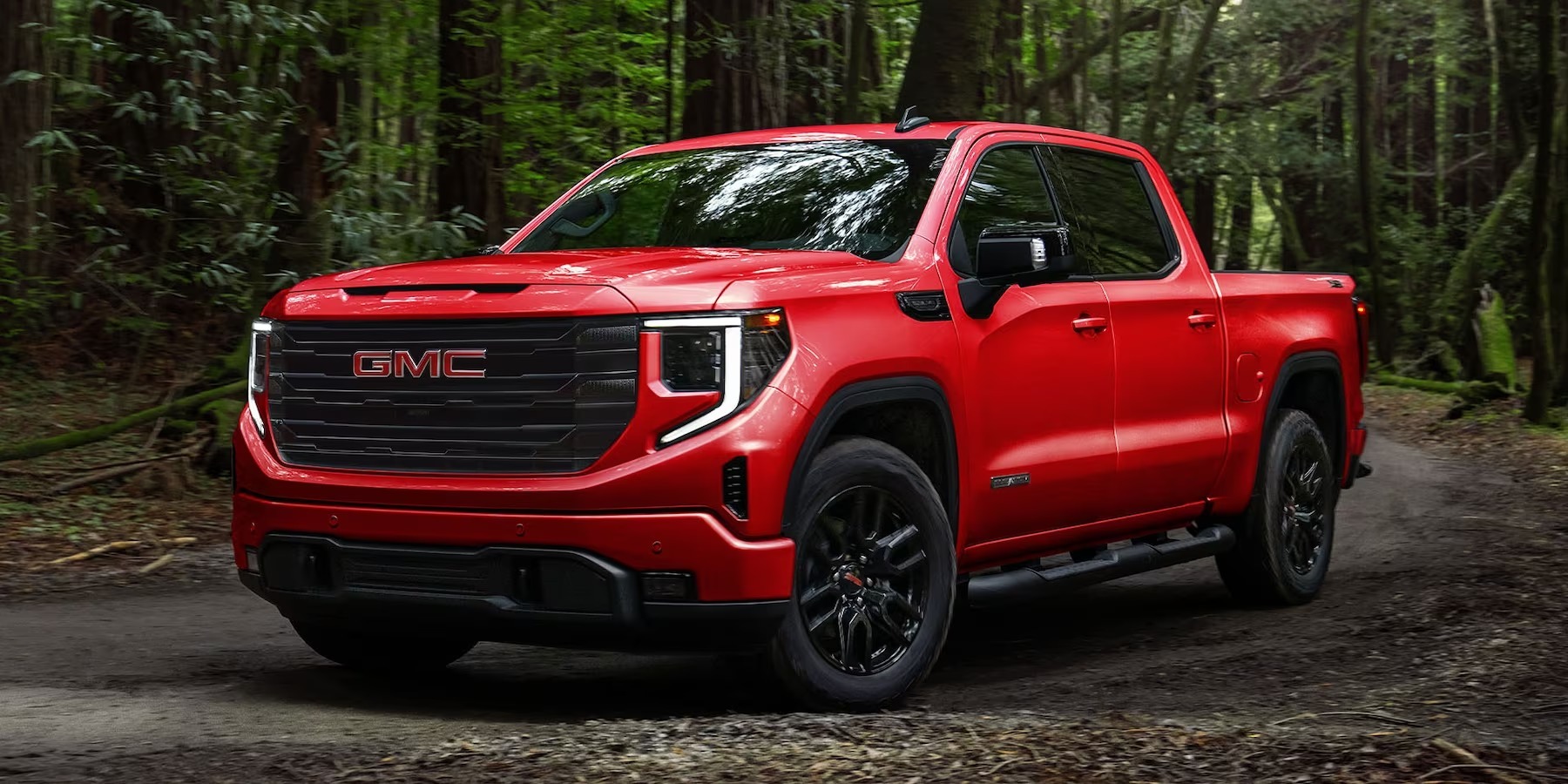
11. GMC Sierra 1500
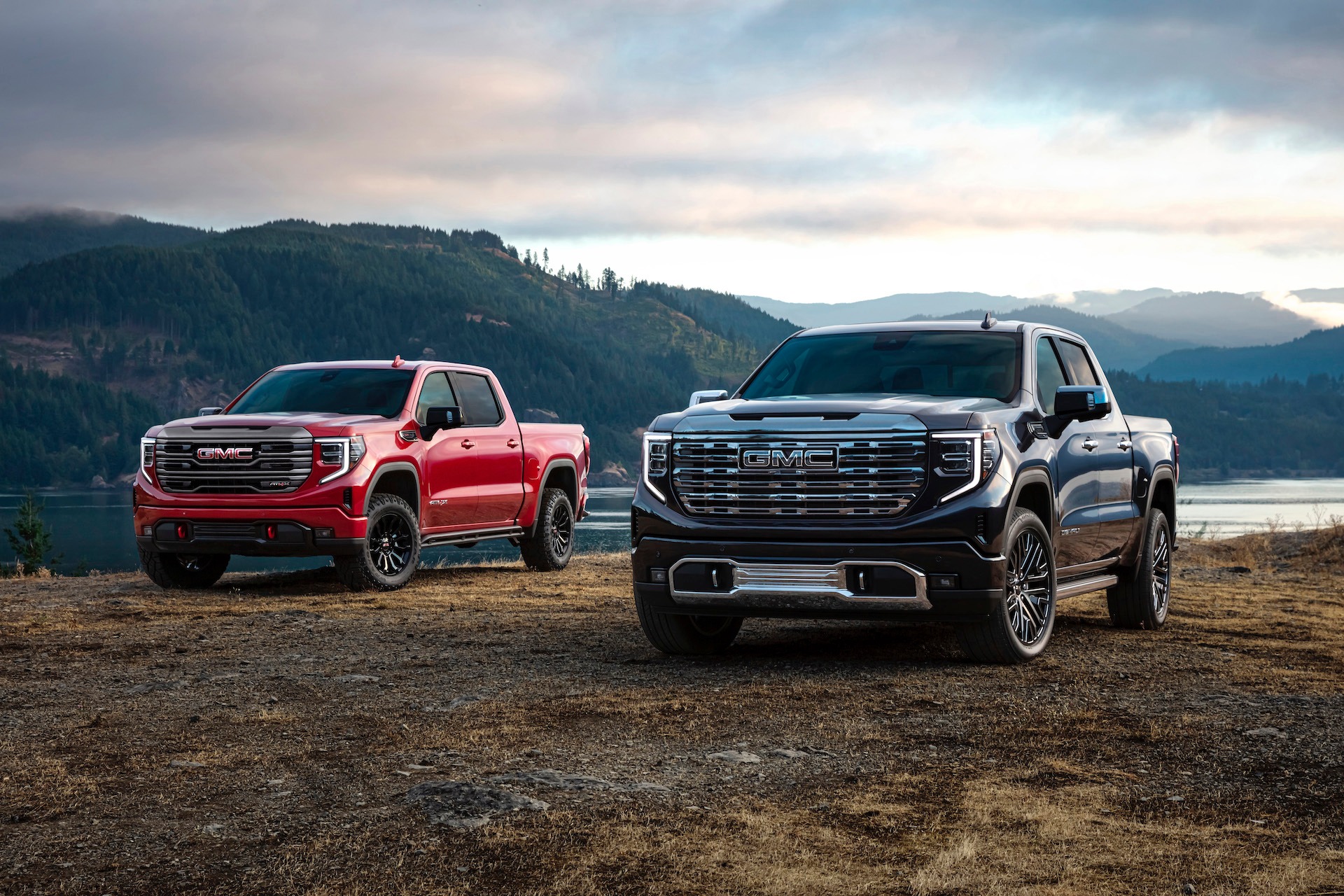
The GMC Sierra 1500 rounds out this list with a lineup that places considerable emphasis on comfort, appearance, and capability. The Pro serves as its entry-level configuration, while the Elevation and SLT provide additional equipment and a more upscale presentation.
The Elevation appeals to drivers who appreciate distinctive exterior styling and modern convenience features. The SLT takes the experience further with a more refined interior and additional amenities.
These characteristics can influence used-market demand. Some shoppers specifically seek a Sierra because they want a premium-feeling pickup rather than a basic work vehicle. A well-equipped example may therefore attract stronger interest than a comparable Pro.
The financial advantage depends heavily on the price difference at purchase. Paying a modest premium for an SLT may make sense if its resale value remains strong. Paying substantially more without a corresponding resale benefit is a different story.
Equipment, engine selection, mileage, vehicle condition, and regional demand all influence what a used Sierra can command.
For prospective owners, the smartest strategy is to compare the Pro, Elevation, and SLT using realistic five-year ownership estimates. A discounted higher trim with desirable equipment may deliver better value than the cheapest configuration.
The Sierra demonstrates why choosing a pickup should involve more than comparing starting prices. What matters is how much money leaves your pocket after accounting for the entire ownership period.