Hybrid vehicles offer an appealing way to spend less at the gas pump without giving up the convenience of a gasoline-powered car. Although their purchase prices can be higher than those of traditional gas models, the difference may not take long to recover. For many drivers, fuel savings can cover the additional cost within four years, making a hybrid a financially sensible choice.
From family SUVs and comfortable sedans to practical pickup trucks and luxury vehicles, several models deliver impressive fuel savings without requiring years of ownership to see the benefits. Here are seven vehicles worth considering, with estimated purchase premiums, annual fuel savings, and payback periods based on EPA fuel economy figures and estimated fuel costs.
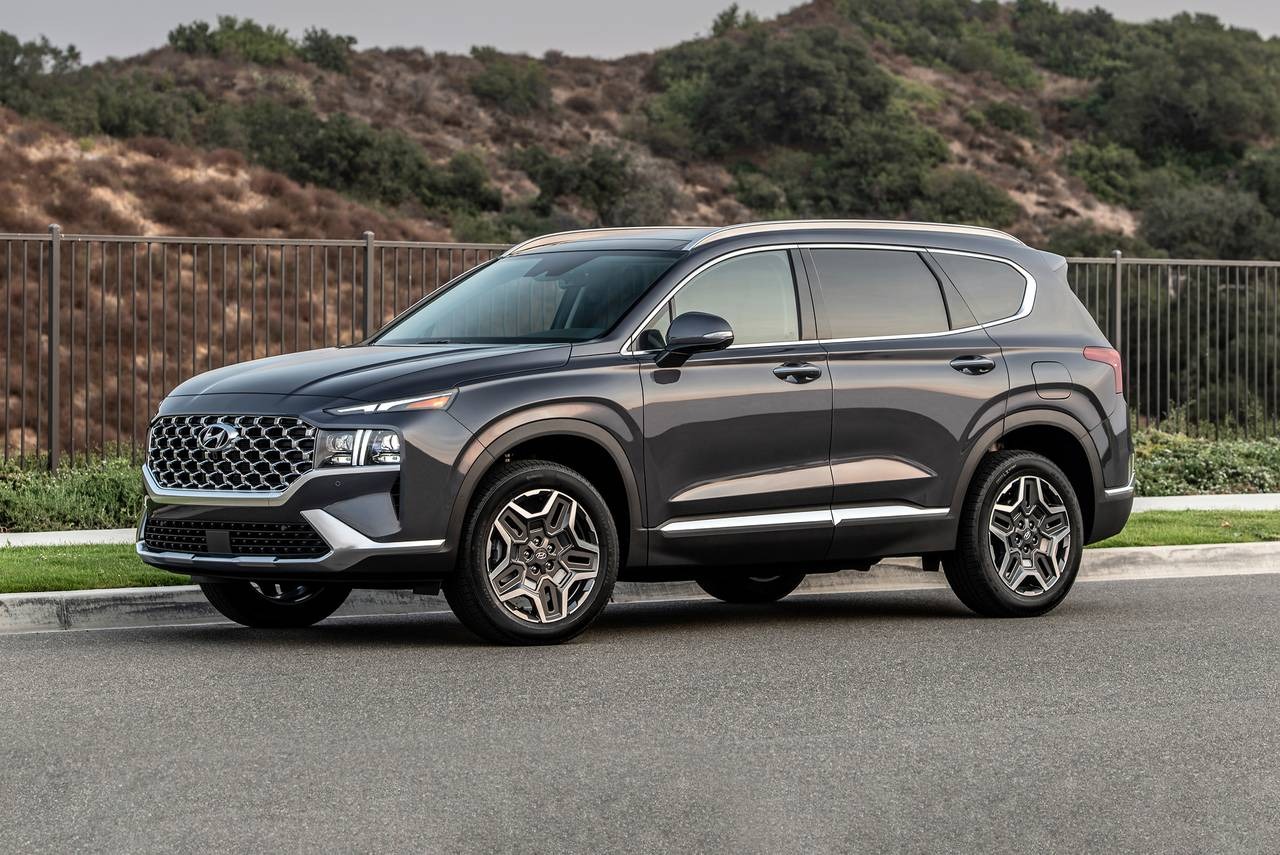
1. Hyundai Santa Fe Hybrid
The Hyundai Santa Fe Hybrid makes a strong financial case for drivers who need a spacious family SUV but would rather spend less on gasoline.
Its estimated price premium over the conventional gasoline version ranges from approximately $1,000 to $1,200. With annual fuel savings estimated at $500 to $600, owners could recover that additional expense in roughly one to two years.
That is an appealing proposition for households that regularly travel to work, school, grocery stores, and weekend destinations.
Instead of paying a much higher amount upfront for a vehicle with limited running-cost benefits, buyers get a practical SUV that can help reduce everyday transportation expenses.
The Santa Fe Hybrid also offers the flexibility many families expect from this vehicle category. Passengers have room to travel comfortably, while the cargo area provides space for luggage, shopping bags, and other household necessities.
Its quick payback period makes the financial argument particularly attractive. Even if fuel prices fluctuate, the estimated savings provide a useful starting point for comparing the hybrid with its gasoline counterpart. Drivers who cover substantial annual mileage may find the savings especially rewarding.
For families seeking SUV practicality without accepting unnecessarily high fuel expenses, the Santa Fe Hybrid deserves serious consideration.
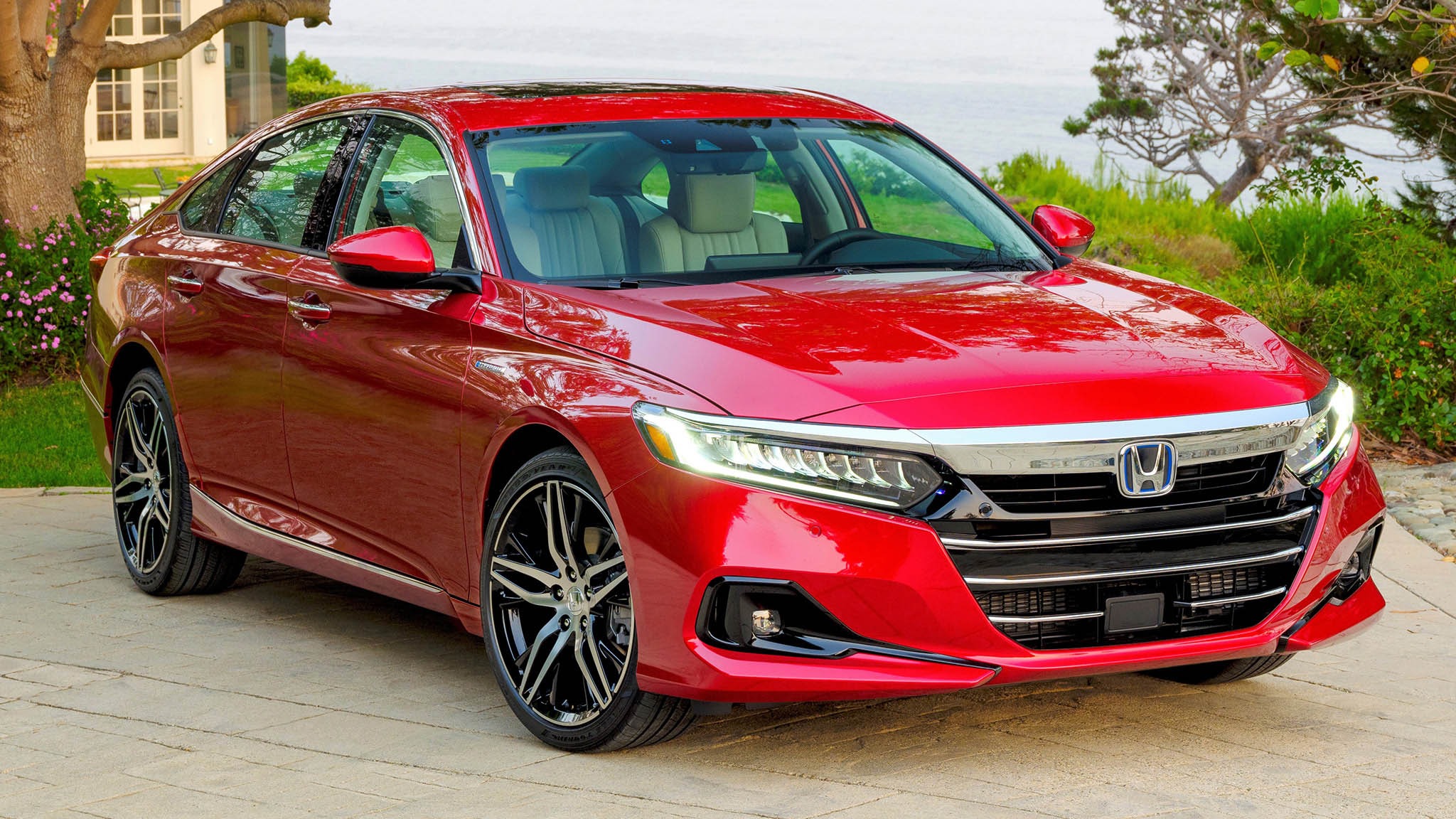
2. Honda Accord Hybrid
Comfort, efficiency, and predictable ownership expenses make the Honda Accord Hybrid an appealing choice for drivers who prefer midsize sedans.
Its estimated price premium is around $1,300 to $1,500 compared with the gasoline version. Annual fuel savings of approximately $450 to $500 put its estimated payback period at about three years.
Consider a driver who spends considerable time commuting during the working week. Frequent trips through busy streets can increase fuel consumption in conventional vehicles, particularly when traffic requires repeated acceleration and braking.
Hybrid technology helps address this problem by using electric assistance to reduce gasoline consumption.
The Accord Hybrid also suits drivers who appreciate a comfortable cabin and a refined driving experience. Its sedan design makes it easy to use for daily transportation, business appointments, and longer highway journeys.
There is another financial advantage worth considering. Recovering the initial price difference within approximately three years means the remaining ownership period can bring additional fuel savings without the original premium weighing as heavily on the purchase decision.
For someone planning to keep a vehicle for several years, that calculation deserves attention. The Accord Hybrid does not require an unusually long ownership commitment to make its higher purchase price worthwhile.
It is a sensible option for commuters who want a comfortable sedan while keeping their gasoline expenses under control.
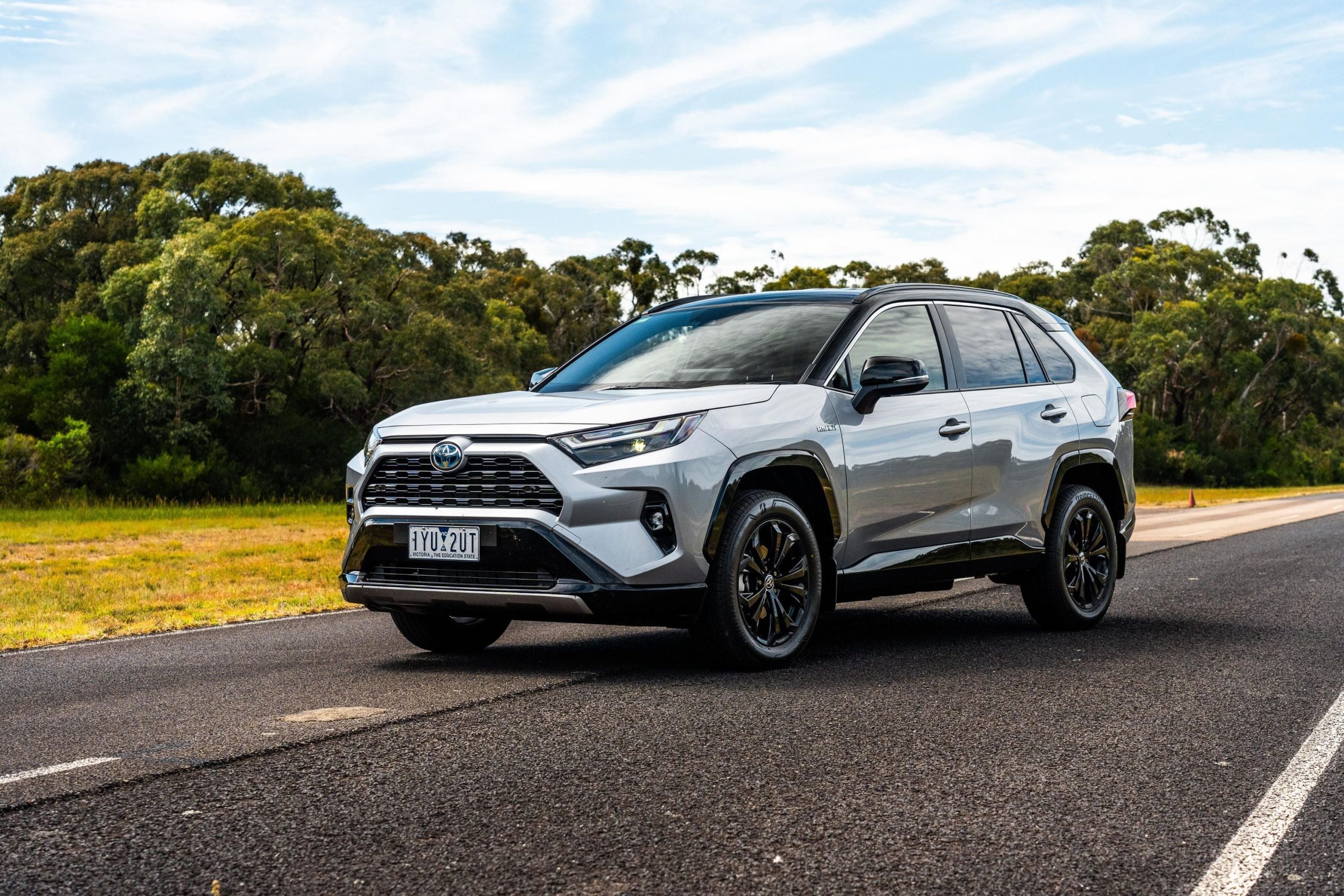
3. Toyota RAV4 Hybrid
Why is the RAV4 Hybrid on nearly every shopping list? Popularity is part of it, but the numbers help too. Depending on trim, the price premium ranges from roughly $1,650 to $3,250, while yearly fuel savings land around $450 to $461.
On the low end of that premium, you could break even in a bit over three years, and on the high end you will reach about four. Either way, the payback stays within the four-year mark that defines this list.
The wide range in premium is worth a closer look. Higher trims cost more, so picking the right version matters if you want to keep the break-even point short.
A smart approach is to compare the hybrid and gas versions of the exact trim you want, then divide the difference by the annual savings.
That simple step tells you how long you will wait. Beyond the math, the RAV4 offers the kind of compact SUV versatility that handles commutes, errands, and weekend adventures without fuss.
Cargo space is practical, the ride is comfortable, and Toyota’s reputation for long-term reliability adds a layer of confidence. Four years is not a long stretch for a vehicle many owners keep for a decade.
After that, the savings keep rolling in. Do your homework, choose the trim wisely, and enjoy the payoff.
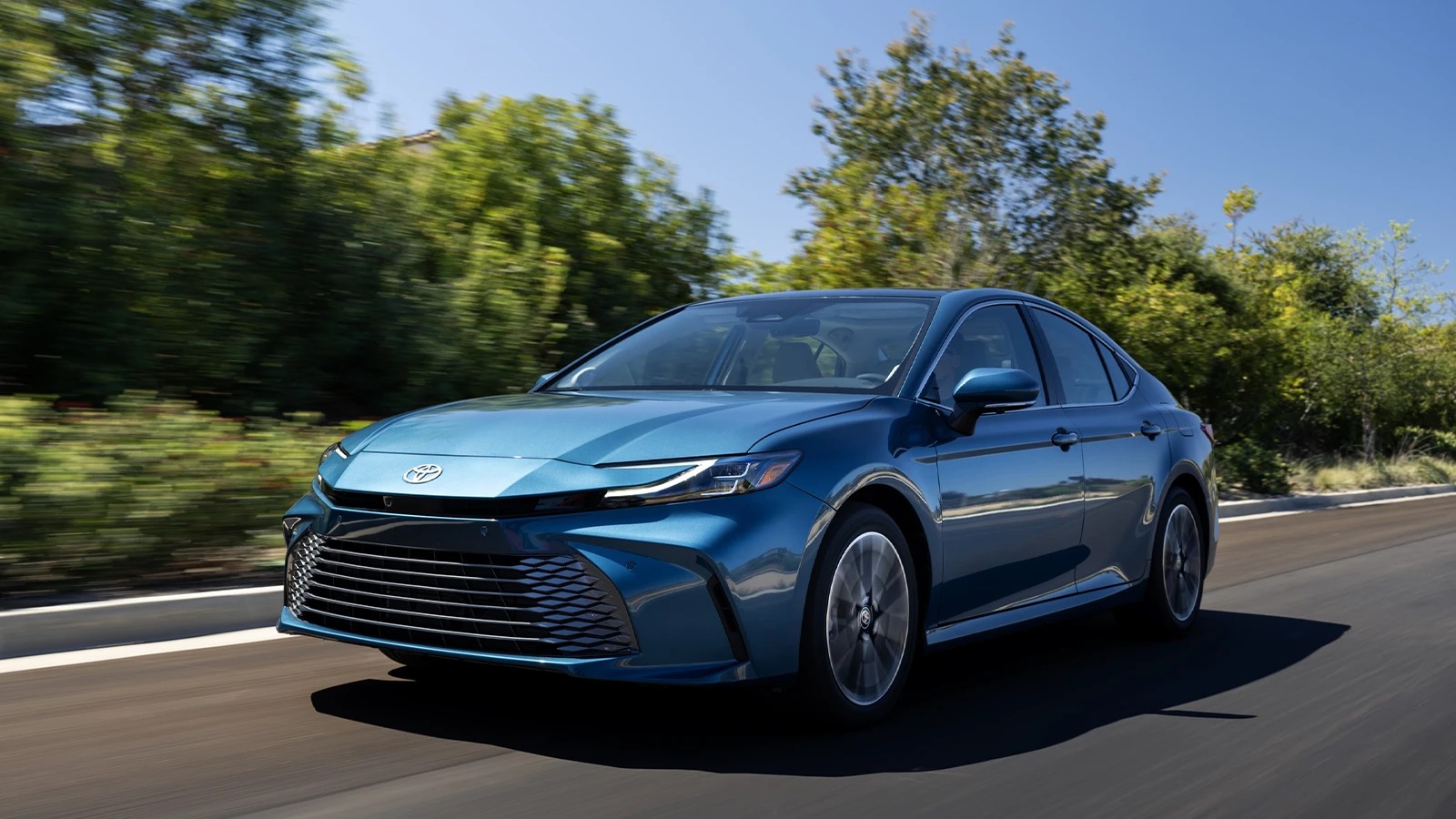
4. Toyota Camry Hybrid
Small premium, steady savings, quick payoff. That is the story of the Toyota Camry Hybrid. The price premium sits around $1,000 to $1,500, and annual fuel savings are about $450 to $500 when compared with the gas-powered model.
Those figures translate into a payback period of two to three years, which is impressive for a roomy midsize sedan. Perhaps the best part is how little you give up to gain it.
The Camry has long been known as a comfortable, easygoing family car, and the hybrid version keeps all of that while trimming your fuel bill. Daily drivers benefit most, especially those who spend a lot of time in traffic or on suburban roads where hybrids tend to be most efficient.
Imagine filling up less often and watching the monthly gas budget shrink. For a household that tracks every expense, that small change adds up.
It also helps that the premium is low enough to feel manageable at purchase time. You are not stretching your budget to chase savings, and the break-even point arrives before many people finish paying off their first year of car insurance renewals and maintenance.
If you want a proven sedan that rewards you quickly and keeps rewarding you for years afterward, the Camry Hybrid deserves a spot at the top of your list.
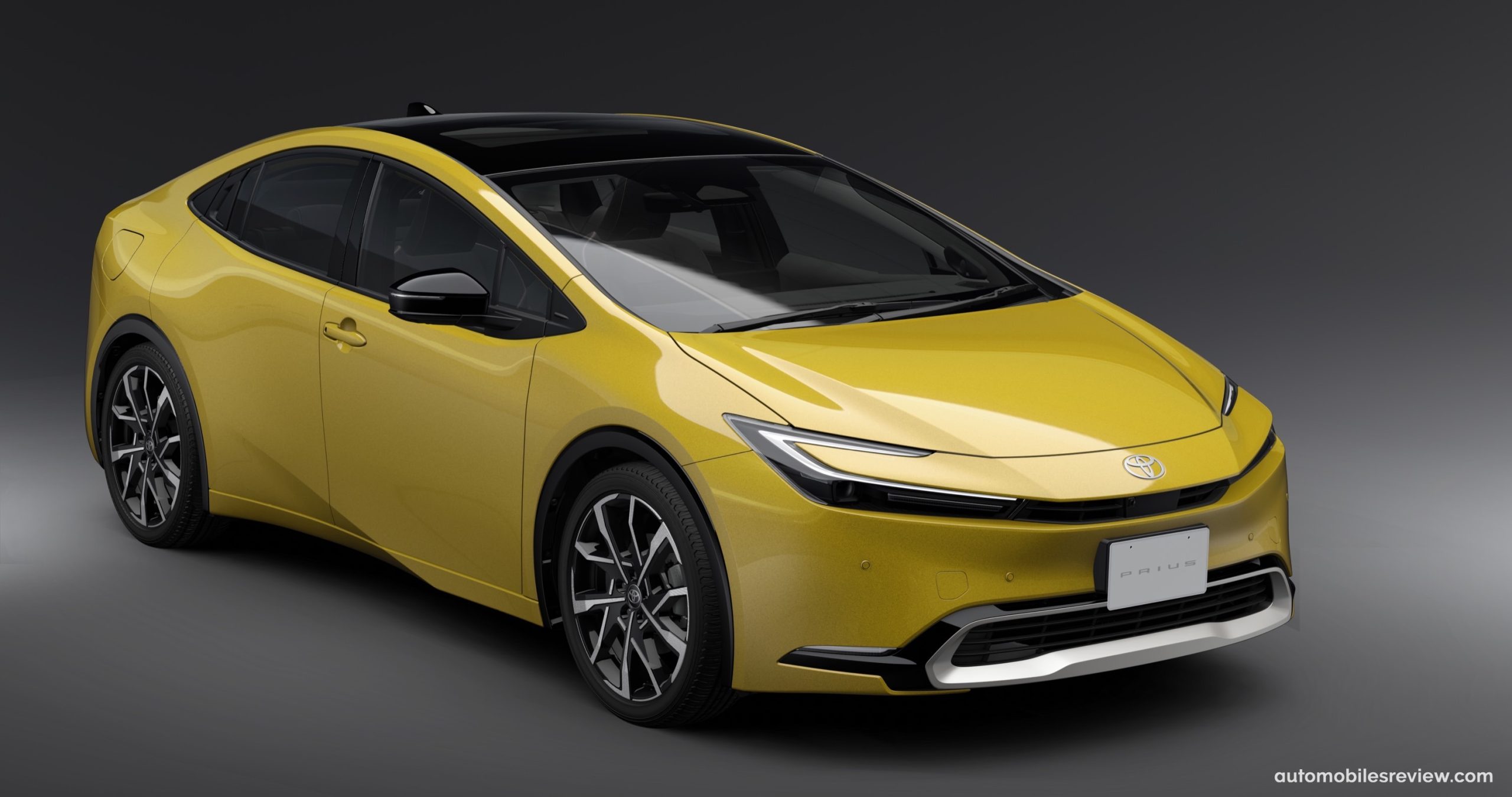
5. Toyota Prius
Few vehicles are as closely associated with hybrid technology as the Toyota Prius. Its reputation for fuel efficiency makes it a natural candidate for drivers who want to reduce gasoline spending without purchasing a large or expensive vehicle.
The estimated price premium is approximately $1,500 to $2,000 compared with a conventional gasoline alternative. Annual fuel savings of around $400 to $450 place its estimated payback period between three and four years.
The Prius is particularly appealing to people who spend much of their time commuting. Daily city driving, frequent errands, and regular short-distance trips can create plenty of opportunities to benefit from its hybrid powertrain.
Its compact hatchback design also provides useful everyday flexibility. Drivers can accommodate passengers, groceries, work equipment, and travel bags without moving into a larger SUV.
That combination makes it suitable for individuals, couples, and smaller households. The financial calculation becomes more appealing when a buyer expects to keep the vehicle beyond the initial four-year period.
Once the estimated purchase premium has been recovered through fuel savings, continued reductions in gasoline expenses can provide additional value.
Of course, individual results depend on annual mileage, driving habits, gasoline prices, and the purchase price difference. Someone who drives relatively few miles each year may need longer to recover the premium.
For efficiency-focused drivers seeking a practical passenger vehicle, the Prius remains a strong contender.
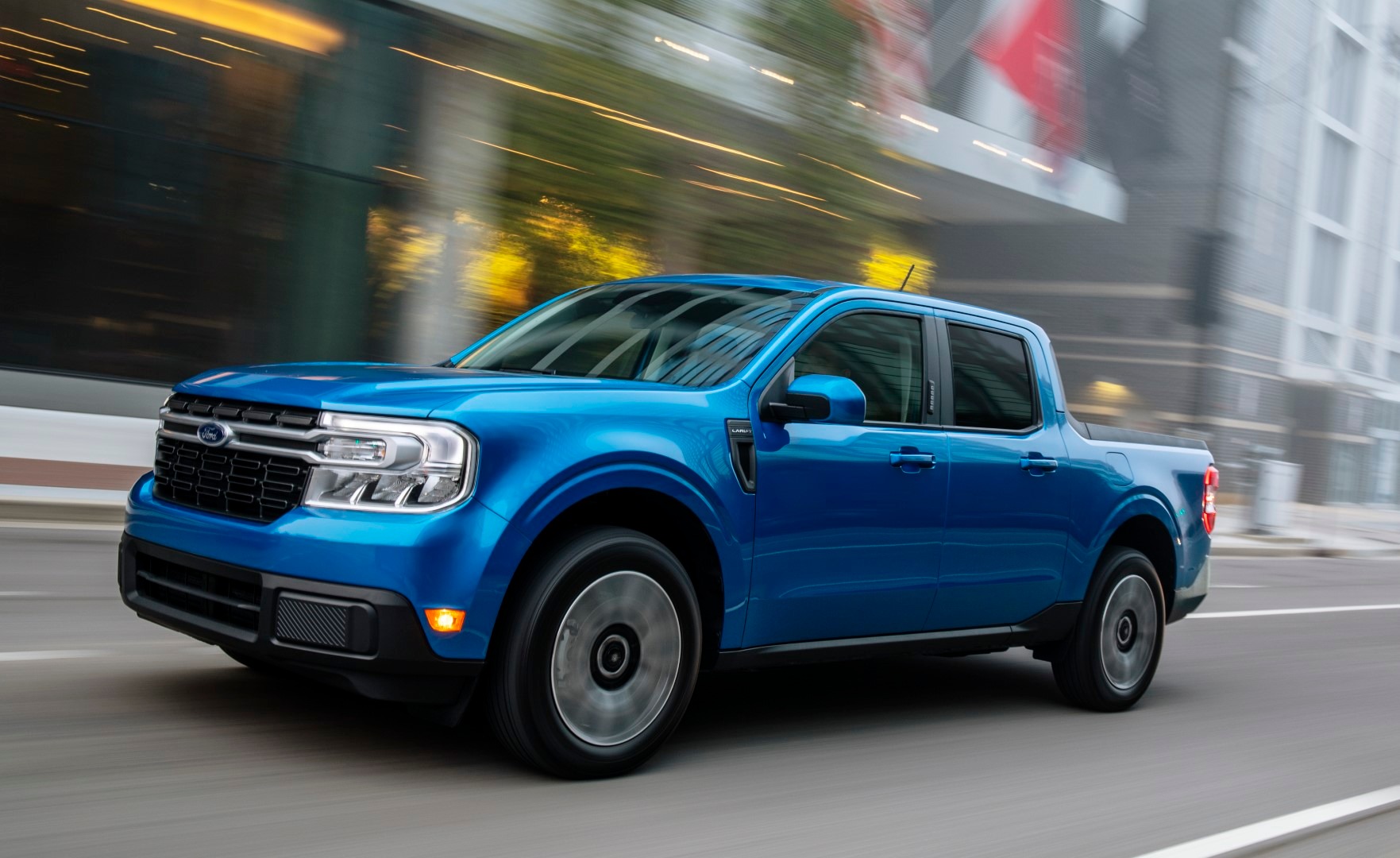
6. Ford Maverick Hybrid
Small truck, big savings. The Ford Maverick Hybrid asks for a price premium of only about $1,500, yet it can deliver annual fuel savings near $800 compared with the gas version.
Divide the two and the payback period comes out to roughly two years, which ranks among the quickest here. That is a remarkable result for a pickup, a vehicle type that usually carries a reputation for heavy fuel use. The Maverick bends that rule.
Its compact size makes it easy to park and drive in town, while the open bed still handles garden supplies, bikes, and weekend project hauls.
Think of someone who needs a truck for occasional chores but does not want to pay big-truck prices at the pump. This is the answer.
The savings figure is larger than most others on the list, which makes sense, since pickups often have more room for improvement when electrified.
For buyers who split time between city errands and light hauling, the hybrid powertrain turns daily driving into a money-saving habit. Remember that results vary with your driving style and local gas prices, so run your own numbers before committing.
Still, a two-year break-even on a vehicle this practical is hard to ignore. The Maverick Hybrid proves that utility and efficiency can share the same driveway without any drama.
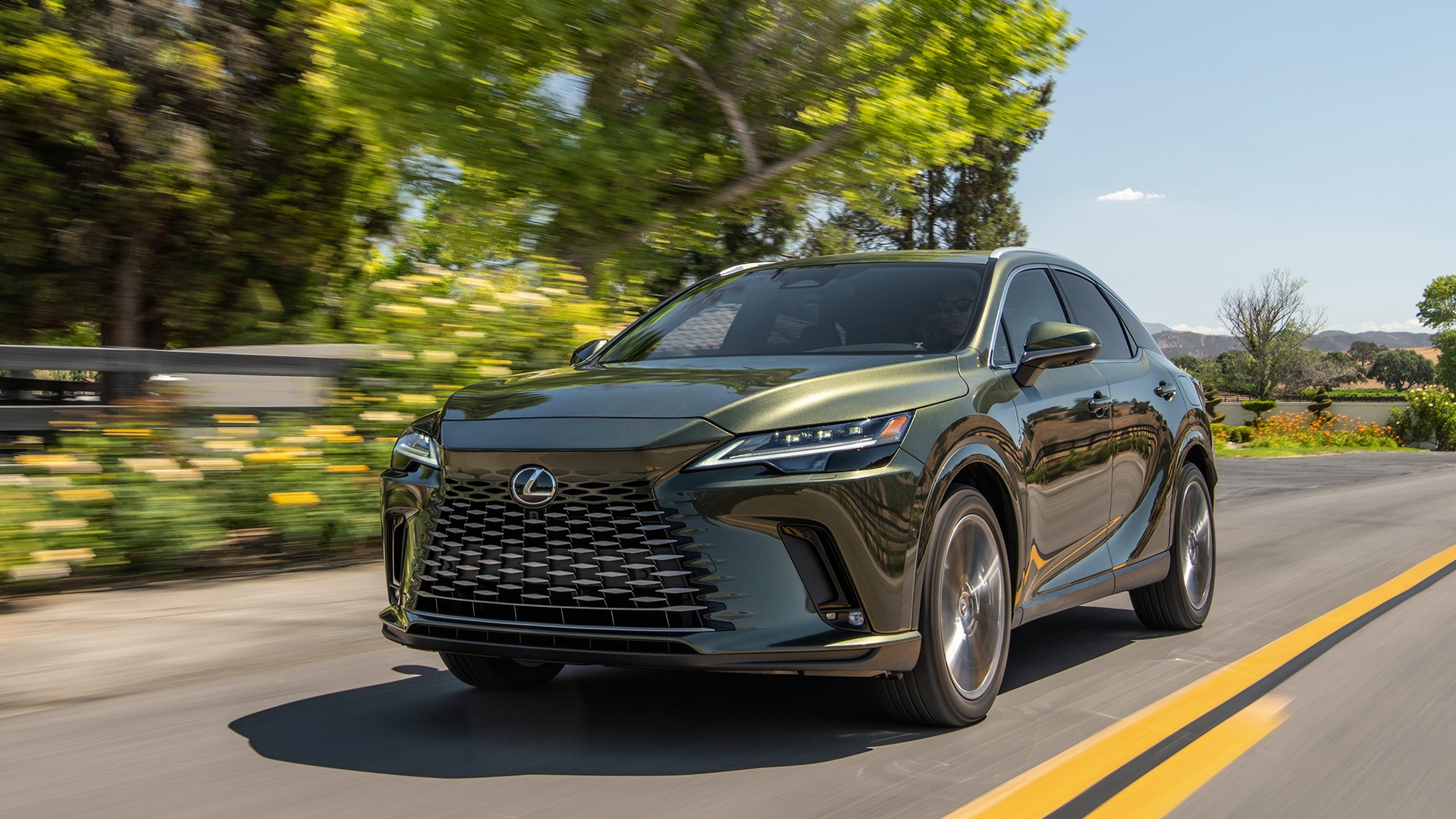
7. Lexus RX Hybrid
Luxury and thrift rarely appear in the same sentence, yet the Lexus RX Hybrid brings them together nicely. Its price premium is around $2,875, and annual fuel savings come in near $790 compared with the gas version.
Together, those numbers yield a payback period of about four years, which makes it the longest on this list but still inside our limit. Here the payoff feels a little different.
Because the RX already sits in the premium class, buyers are often focused on comfort, quiet, and craftsmanship first. The hybrid adds a financial bonus on top of that experience.
Larger savings per year help balance the higher premium, so the break-even point arrives sooner than the raw price difference might suggest.
Once you cross that four-year mark, you keep collecting the benefit for as long as you own the vehicle. That matters for people who tend to hold on to a luxury SUV for many years.
Before signing, compare trims, check current gas prices in your area, and estimate your yearly mileage, since all of these shape the final result.
Every hybrid on this list proves that a higher up-front cost can pay off quickly. Pick the one that fits your life, run the numbers, and enjoy driving a vehicle that saves you money mile after mile.