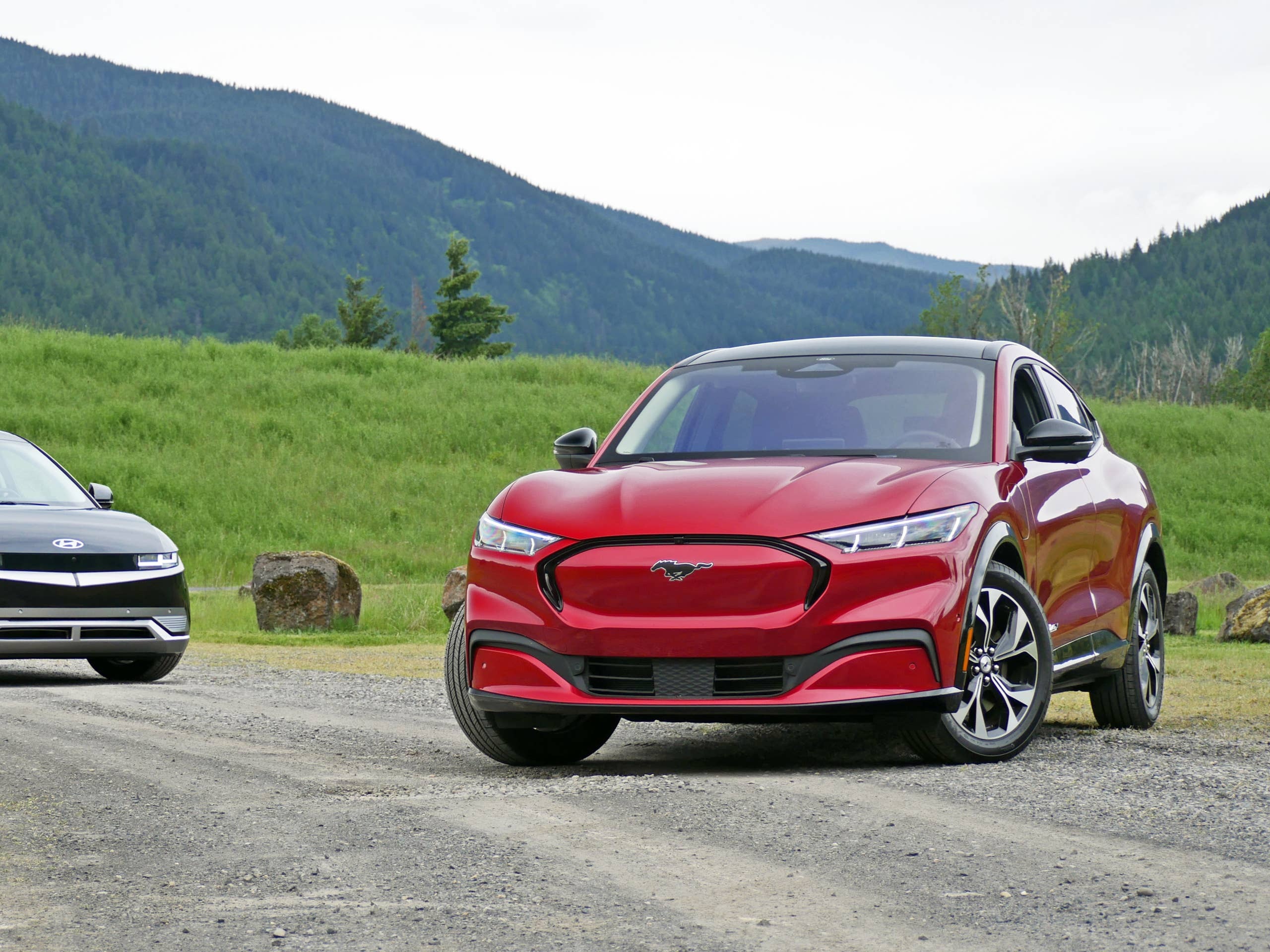
A vehicle can hold its resale value remarkably well and still cost a fortune to insure. That creates an interesting financial situation for owners who expect depreciation to be their largest ownership expense. While some cars lose thousands of dollars in value within a few years, others retain much of their original price but carry expensive insurance premiums because of theft exposure, repair costs, accident claims, or performance-related risks.
Data from iSeeCars and Insurify points to several vehicles that deserve closer attention when comparing these expenses. From popular sedans and reliable hybrids to luxury sports cars and electric vehicles, these 11 models illustrate why insurance deserves just as much attention as resale value when calculating the cost of owning a vehicle.
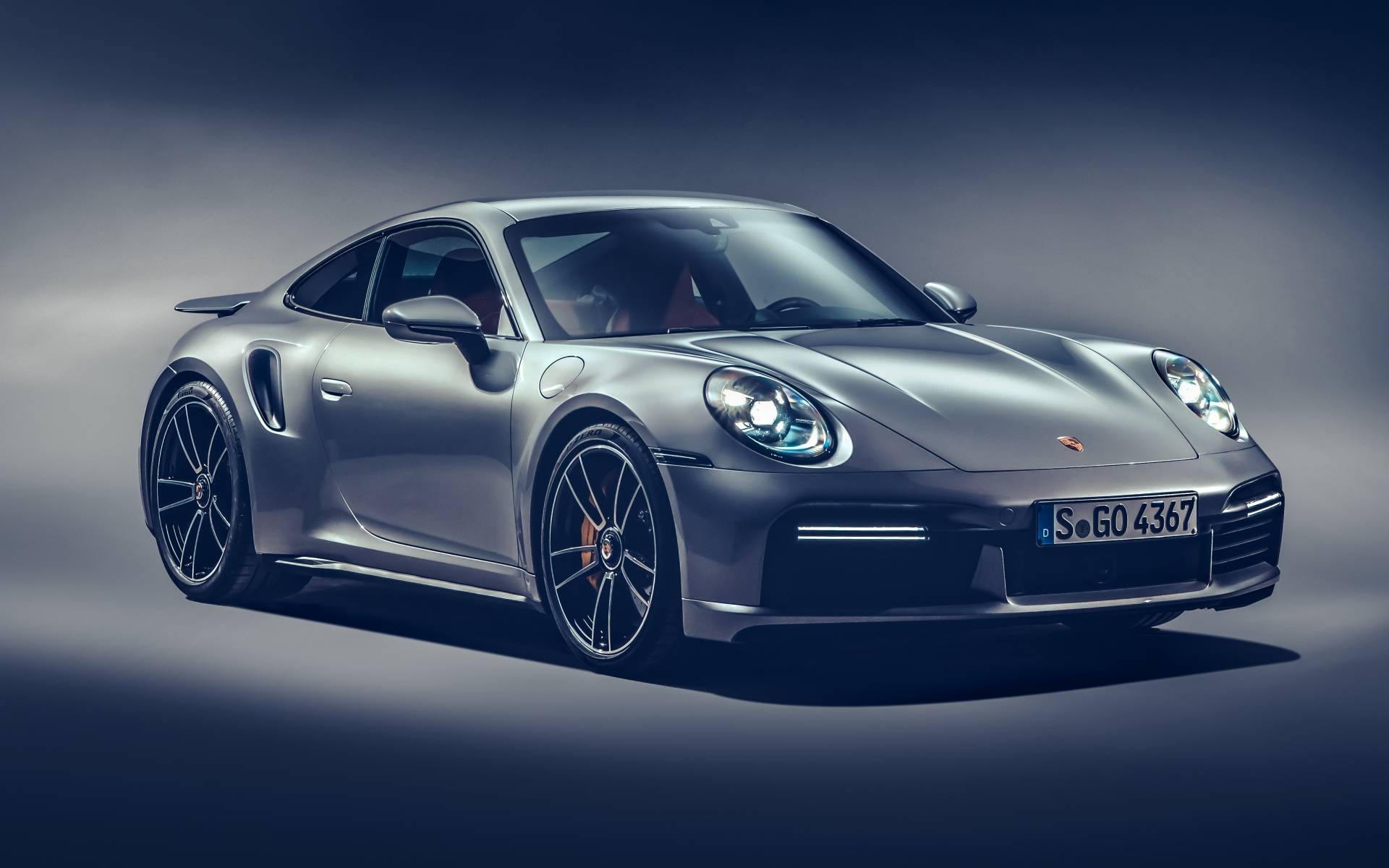
1. Porsche 911
The Porsche 911 presents an unusual ownership equation. While many luxury sports cars experience rapid depreciation, this model has consistently demonstrated excellent resale value.
According to the supplied iSeeCars data, the 911 ranks first among vehicles with the lowest five-year depreciation, meaning owners can retain a substantial portion of their original investment.
Insurance tells a different story. Insuring a Porsche 911 can be expensive because of its performance capabilities, specialized components, repair requirements, and higher replacement costs. Insurers also consider the potential financial consequences of accidents involving high-performance vehicles.
For an owner, this creates an interesting situation. The vehicle may lose relatively little market value each year, yet the insurance premium can remain a substantial recurring expense.
A driver paying thousands of dollars annually for full coverage may find that insurance takes a larger bite out of the ownership budget than expected.
The 911 also requires specialized servicing and replacement parts, which can influence insurance pricing. Its appeal among sports car enthusiasts does not remove the financial responsibilities associated with maintaining comprehensive protection.
For someone considering this Porsche, the purchase price should not be the only financial consideration. Requesting insurance quotes before signing a purchase agreement can provide a much clearer picture of expected ownership expenses.
Excellent resale value is attractive, but expensive coverage can reduce some of the financial benefits of holding onto the vehicle.
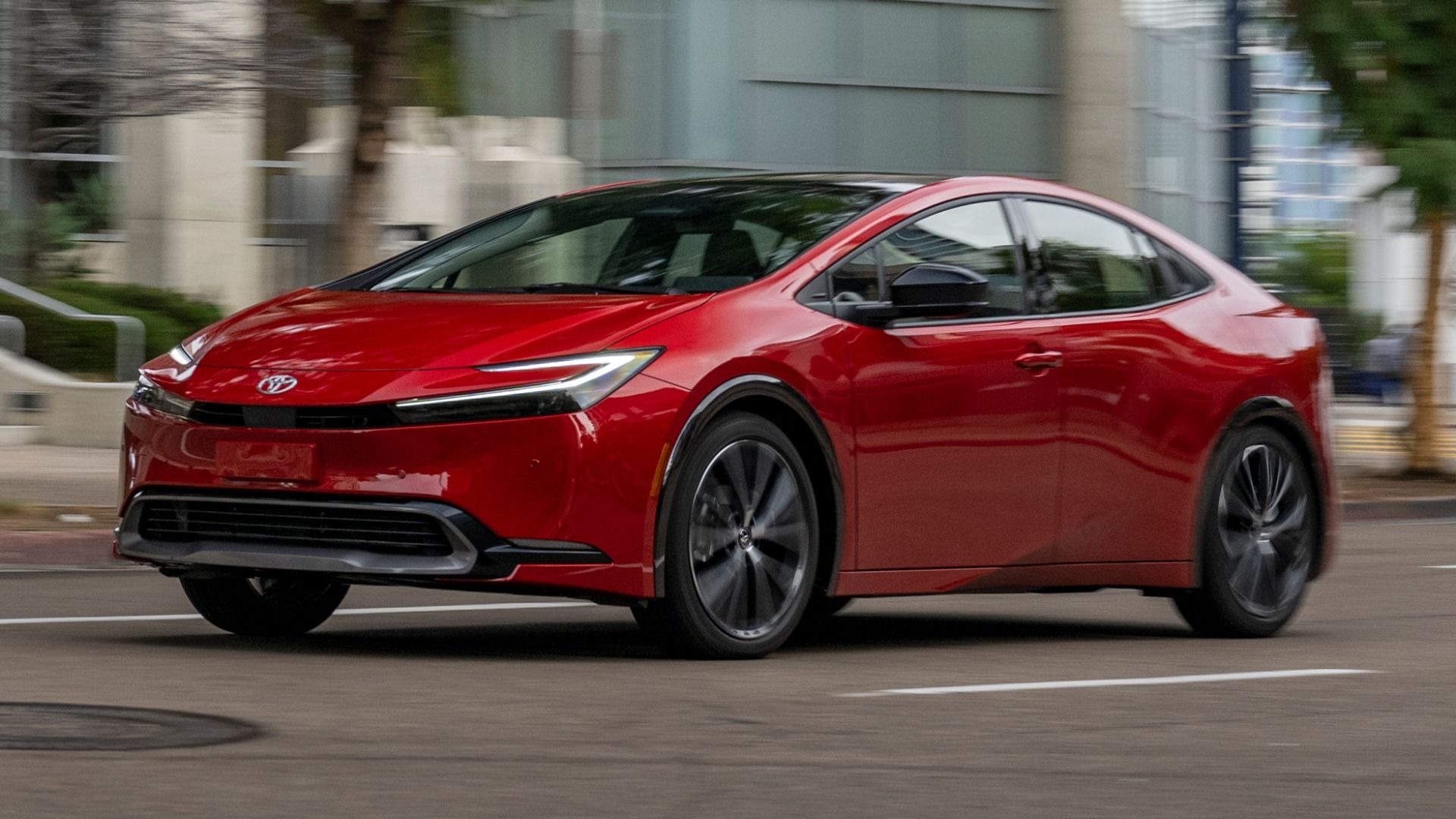
2. Toyota Prius
The Toyota Prius is widely recognized for fuel efficiency, dependable transportation, and strong resale value. However, affordable gasoline consumption does not always mean inexpensive insurance.
According to the supplied Insurify data, its average annual insurance premium reached approximately $2,151 between 2024 and 2025.
Several factors can contribute to these costs. Hybrid batteries, electronic systems, and specialized replacement parts can make certain repairs more expensive than those involving conventional gasoline vehicles.
Catalytic converter theft exposure can also influence comprehensive coverage premiums. The Prius performs well in resale-value assessments, with iSeeCars identifying it as a vehicle that retains its value effectively.
Consequently, some owners may spend more on annual insurance than they lose through depreciation. Your actual premium will depend on your age, location, driving record, deductible, and coverage limits. The $2,151 estimate is not a guaranteed rate for every owner.
Before purchasing a Prius, request quotes from multiple insurance providers and ask about available anti-theft discounts. Its fuel efficiency and resale appeal remain attractive, but insurance deserves equal attention when calculating ownership expenses.
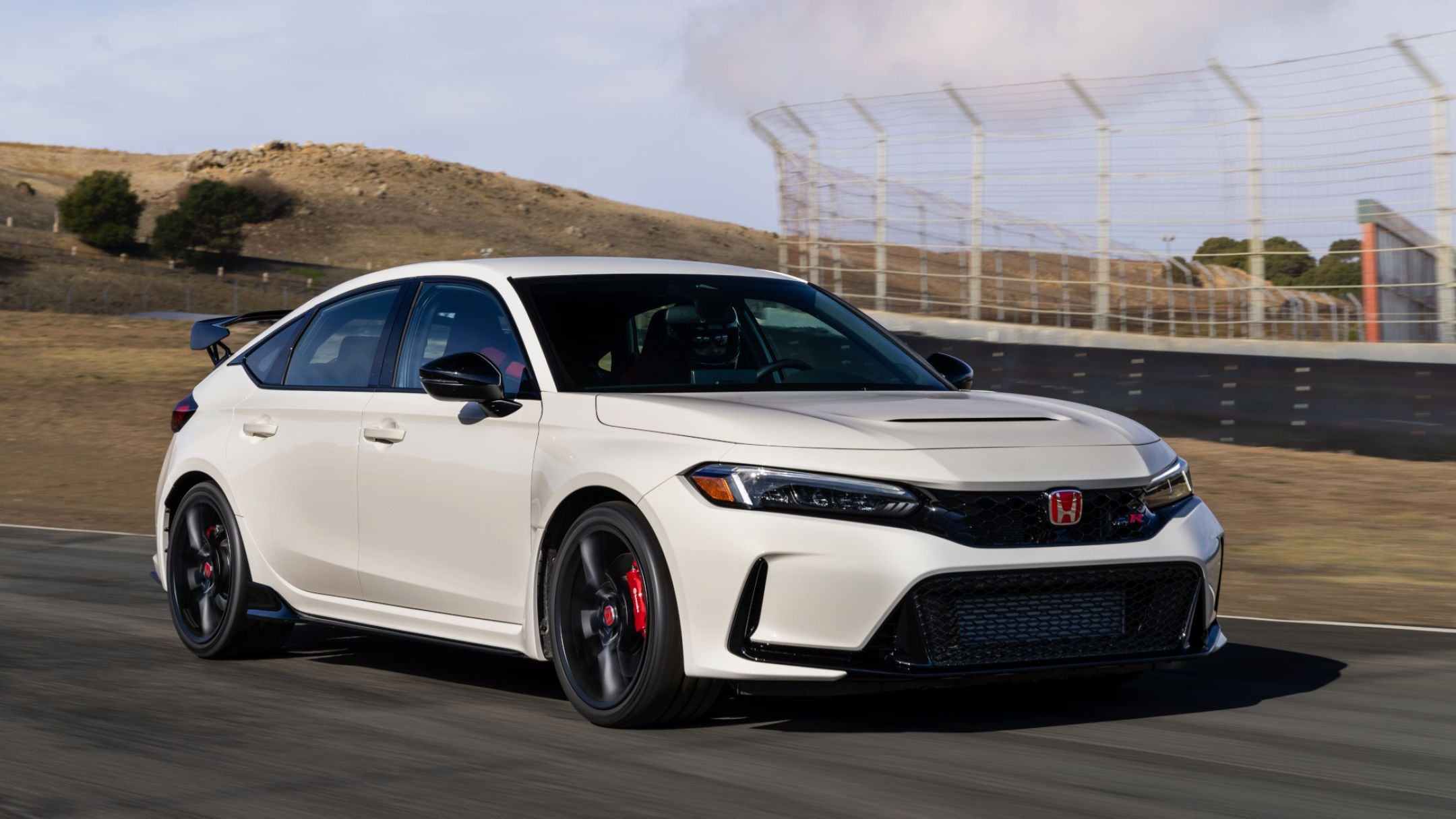
3. Honda Civic
The Honda Civic has a strong reputation for retaining its resale value. Its popularity among used-car shoppers helps support market prices, allowing owners to recover a reasonable portion of their original purchase price when selling. However, insurance expenses can complicate its affordability.
According to the supplied Insurify figures, average annual Civic insurance premiums approach $2,600. Theft exposure and frequent insurance claims can contribute to these rates. Since the Civic is widely driven, insurers have substantial claims data when assessing its risk profile.
This presents an unusual financial trade-off. Although the vehicle may experience minimal depreciation each year, its insurance costs can still be significantly higher than anticipated.
Fortunately, owners can look for ways to reduce coverage expenses. Request quotes from at least three insurers, ask about anti-theft discounts, and check whether bundling auto and home insurance provides savings.
A higher deductible may also reduce premiums if you have enough savings to cover it after an accident. The Civic remains a practical choice for everyday transportation.
However, its purchase price should not be the only consideration. Comparing insurance costs before committing can help prevent unexpected ownership expenses.
4. Tesla Model Y
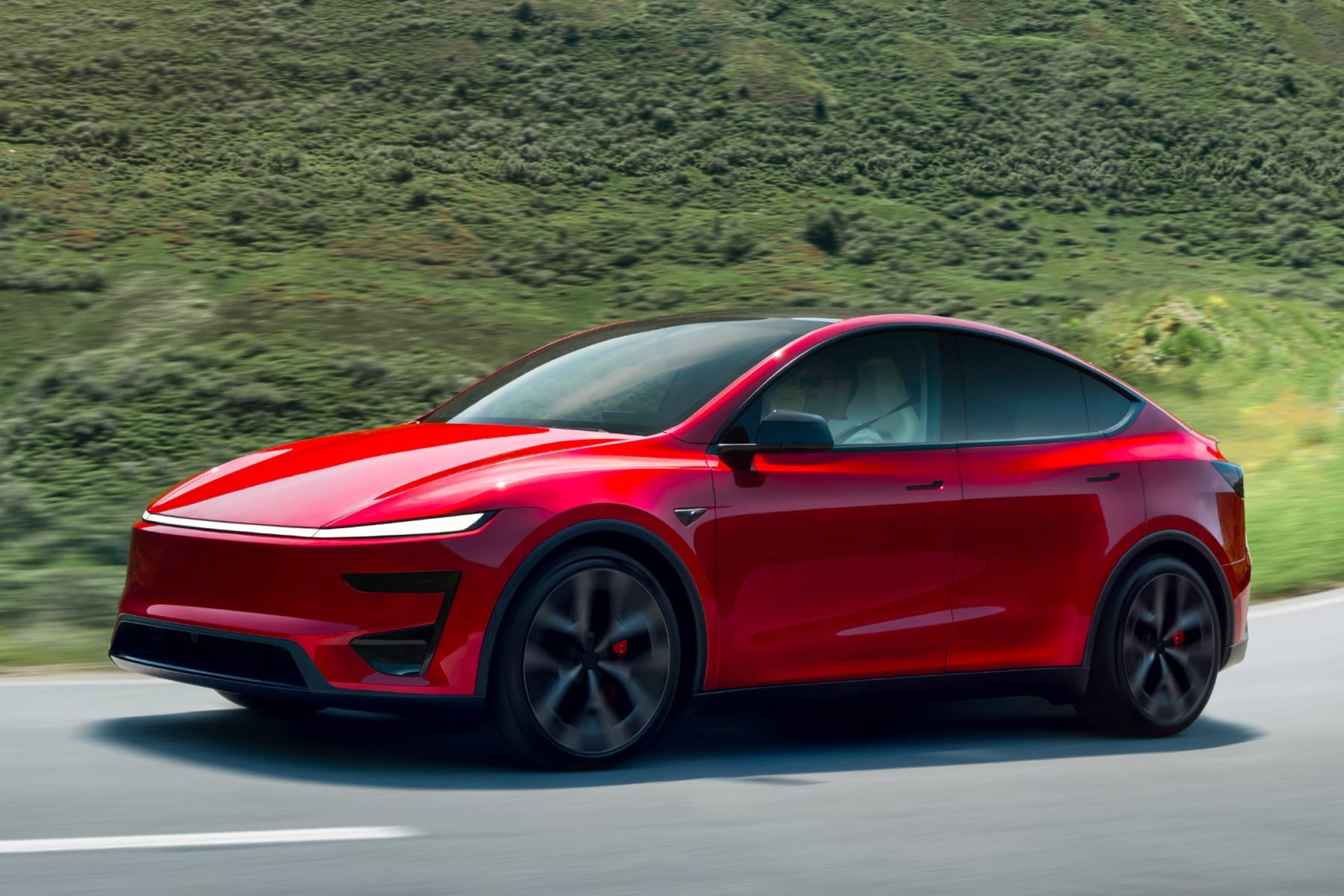
The Tesla Model Y combines electric performance, passenger space, and strong market demand, but its insurance expenses can be surprisingly high. According to the supplied Insurify figures, average annual premiums reach approximately $3,457.
Repair costs help explain this expense. The vehicle’s battery structure, electronic systems, sensors, and specialized body components can make accident repairs expensive.
In certain cases, damage involving the battery area may lead insurers to declare the vehicle a total loss rather than approve costly repairs.
Limited access to specialized repair facilities and replacement parts can add further pressure to insurance claims. These expenses influence how insurers calculate premiums, even for drivers with clean records.
The Model Y also has a relatively high original purchase price, meaning depreciation can involve substantial dollar amounts despite strong value retention.
Before purchasing, compare quotes from several insurance providers and ask whether they have established electric vehicle repair networks. Check available coverage options and understand how battery-related damage is handled under the policy.
The Model Y offers useful technology, electric efficiency, and everyday practicality. However, its insurance premium deserves careful budgeting alongside charging expenses, maintenance, and depreciation.
5. Jeep Wrangler
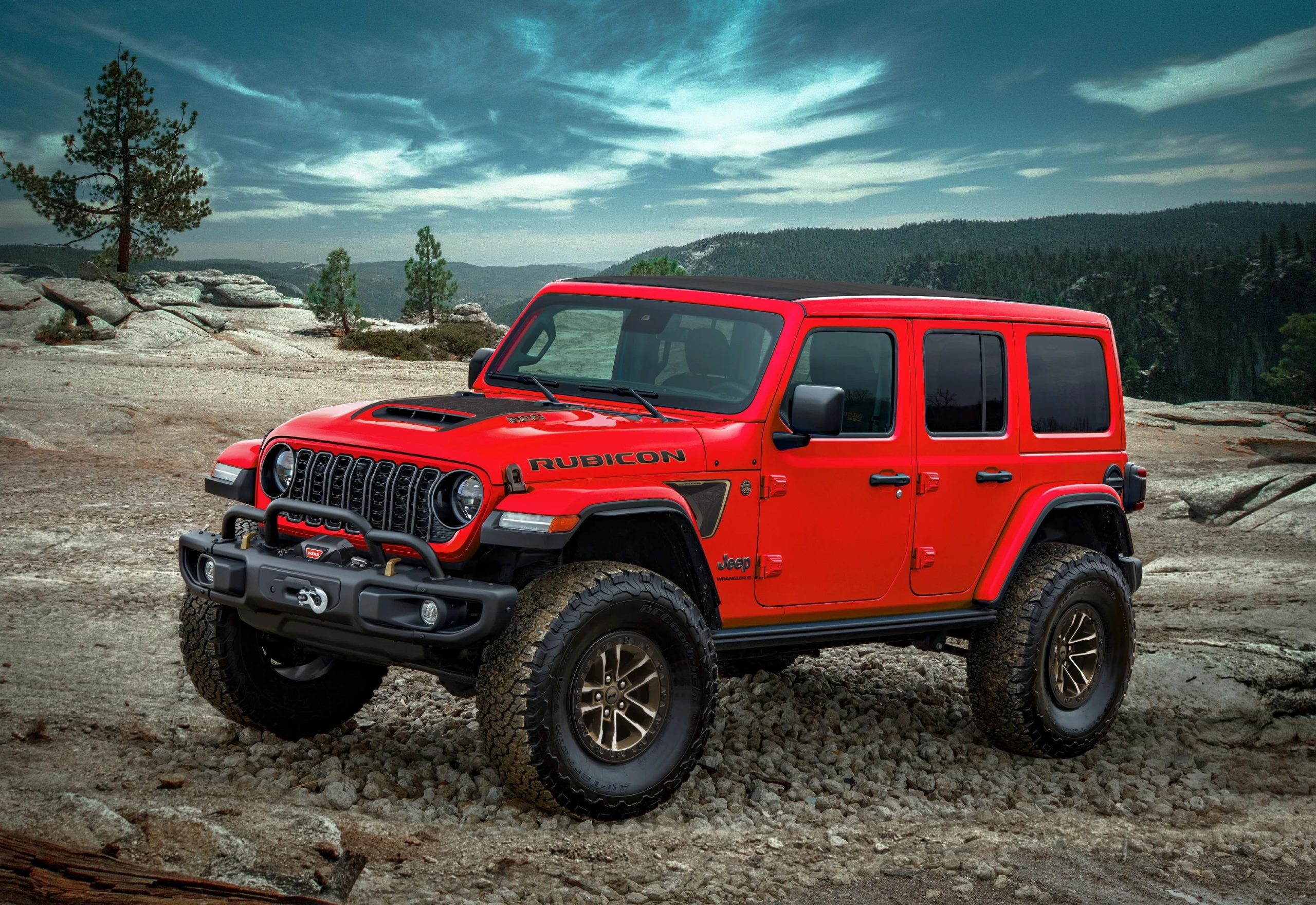
Mud on the tires, doors off, trail ahead. The Jeep Wrangler sells an attitude, and the used market pays for it. iSeeCars consistently ranks it in the top tier for minimal depreciation, which means owners lose very little value even after several years of hard use.
That is a major perk for anyone who plans to sell or trade later. Insurers see the same rugged lifestyle through a different lens. Off-road driving, modifications, and open-air designs raise the odds of claims, and liability risk climbs along with them.
The result is higher-than-average premiums that stay stable year after year. Notice the pattern. Depreciation is low and steady, and so is the insurance bill, except the insurance figure sits at a higher level.
When you compare the two, premiums can outweigh the quiet slide in resale value. Wrangler owners often add lift kits, bigger tires, lights, and racks, and those upgrades matter.
Tell your insurer about every modification, because unreported parts may not be covered if something goes wrong. Ask about agreed-value or custom parts coverage if you have invested heavily.
Keeping the vehicle in a locked garage can also provide added protection by reducing its exposure to theft and harsh weather conditions. Owning a Wrangler involves a financial trade-off. You may spend more on monthly insurance premiums, but in return, you get a vehicle that retains much of its value while offering plenty of opportunities for weekend adventures.
For many drivers, that deal feels fair. Just go in with eyes open and a few quotes in hand.
6. Hyundai Elantra
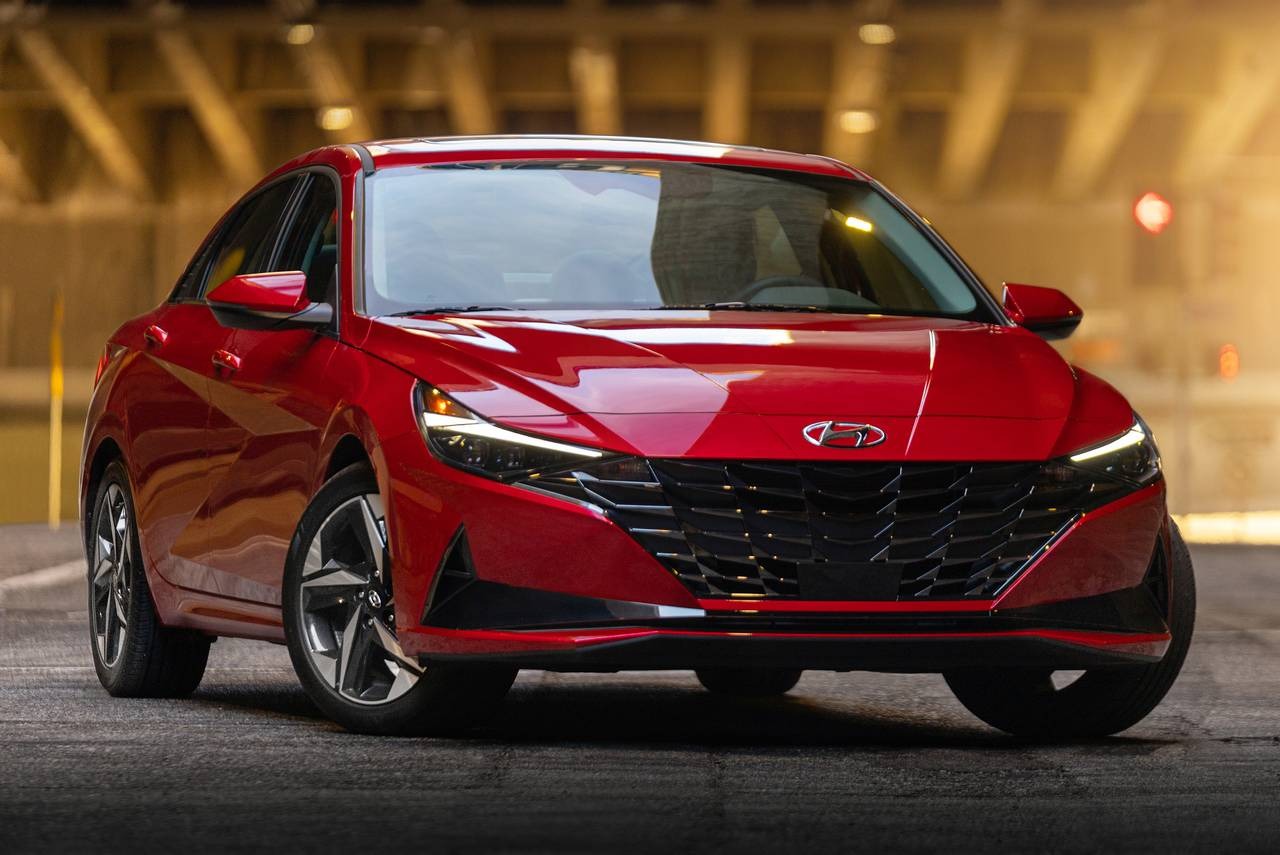
The Hyundai Elantra is a compact sedan designed to provide practical transportation without requiring the purchase price associated with larger or more luxurious vehicles.
Its manageable size, everyday comfort, and used-market demand make it attractive to commuters and households seeking a straightforward passenger car.
Unfortunately, insurance expenses can weaken its affordability advantage. The supplied Insurify figures place average full-coverage premiums at approximately $2,851 annually.
That is a considerable amount for a compact sedan and deserves attention from anyone comparing inexpensive vehicles.
One contributing factor is vehicle theft exposure. Certain Hyundai models have faced theft problems associated with security vulnerabilities, attracting attention from insurers and affecting coverage availability and pricing in some markets.
Insurance companies may respond to theft-related losses through higher comprehensive premiums, additional security requirements, or restrictions on coverage. The exact effect depends on the vehicle’s model year, security equipment, location, and insurer.
The Elantra’s depreciation is described in the supplied iSeeCars information as relatively predictable for a compact sedan. However, predictable depreciation does not guarantee low annual ownership expenses.
Imagine a driver who purchases an Elantra because of its accessible price and efficient gasoline consumption. If annual insurance premiums approach $2,851, the vehicle may cost considerably more to keep than its original purchase price suggests.
Shoppers should check whether their specific model year has received any relevant security updates or insurance-related restrictions. Getting several quotes is also advisable before completing a purchase.
The Elantra can remain a practical commuter, but its insurance history makes checking coverage costs an important part of responsible ownership planning.
7. Honda Accord
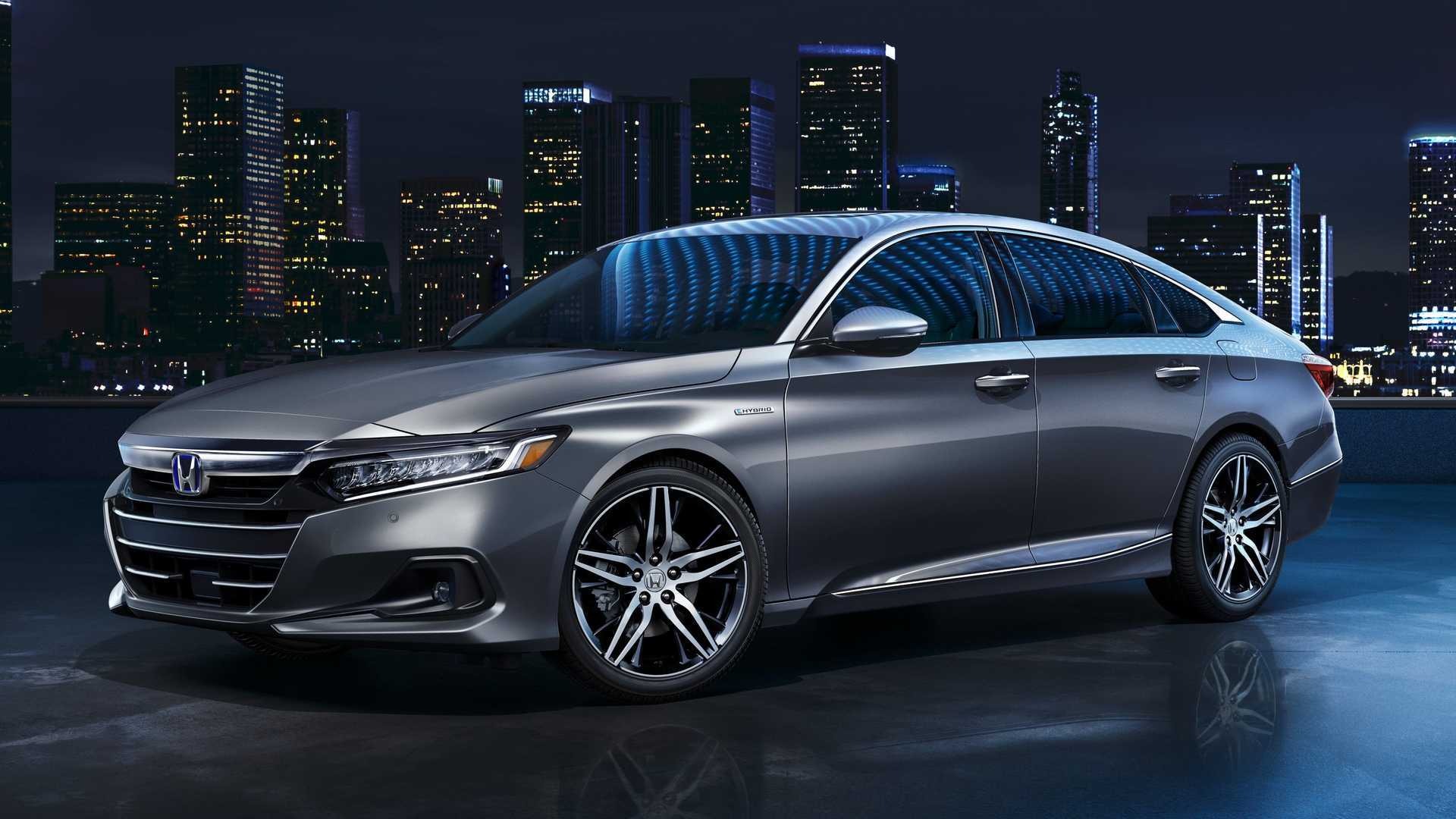
The Honda Accord has long appealed to drivers who want a spacious midsize sedan with comfortable seating, practical performance, and strong used-market demand.
Its reputation for holding resale value makes it an attractive option for people who plan to keep their vehicles for several years.
However, the supplied Insurify data places average full-coverage insurance premiums at approximately $2,623 annually. That figure shows why a vehicle’s reputation for affordability should never be used as a substitute for an actual insurance quote.
The Accord’s insurance expenses can be influenced by several factors, including accident frequency, repair costs, theft exposure, and the number of claims involving particular model years.
Its widespread availability also matters. A vehicle with a large number of owners may generate substantial claims data, giving insurers more information when calculating premiums. Regional accident patterns and repair expenses can contribute to the final rate.
On the depreciation side, the Accord benefits from established resale demand. Its reputation as a practical family sedan helps support its used-market value, although actual depreciation varies according to mileage, condition, trim, and model year.
For a household purchasing an Accord, the difference between its annual insurance expense and annual depreciation can be worth examining. If the vehicle loses relatively little value each year, the insurance premium may become a larger recurring financial burden.
The best approach is to compare insurance quotes for several Accord trims before deciding which version to purchase. A higher-performance configuration or a newer model with more expensive equipment may carry a different premium.
The Accord offers plenty of everyday practicality, but buyers should make room for insurance when calculating its true annual cost.
8. Toyota Tacoma
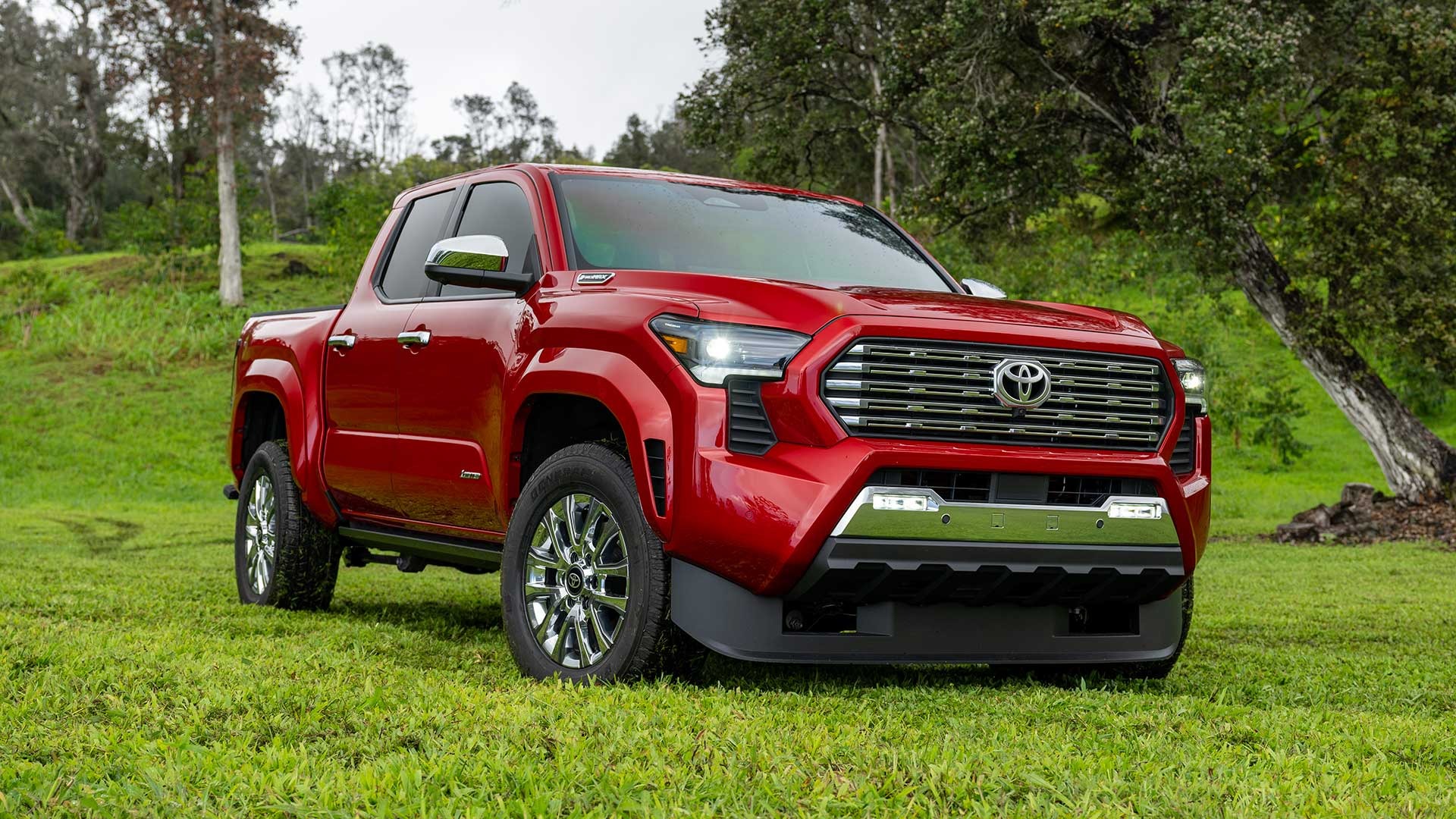
Ask any contractor which midsize truck keeps its money, and you will hear one name. iSeeCars routinely names the Toyota Tacoma the king of midsize truck value retention, meaning it loses very little cash value each year.
That is a huge advantage when trade-in day arrives. Insurance does not follow the same gentle curve. Insurify notes that commercial and utility use classifications inflate liability risk premiums for trucks like this one, since work trucks spend more time loaded, towing, and parked at job sites.
Collision coverage costs also stay rigid. Repair bills for bumpers, sensors, and bed damage do not shrink just because the truck holds its resale value.
So the annual cash lost to depreciation stays small, while the insurance premium keeps its firm place on the monthly budget. How should a truck owner respond? Start by being accurate about how you use the vehicle.
Personal use and business use are rated differently, and a mismatch can cause trouble during a claim. Next, compare coverage limits and deductibles with your actual risk, especially if you tow or haul heavy equipment.
Consider a commercial policy only if you truly need one. Then shop several carriers, because truck rates vary widely. The Tacoma is a fine investment, and its resale strength is real. But smart ownership means counting every recurring cost, and insurance belongs near the top of that list.
9. Tesla Model 3
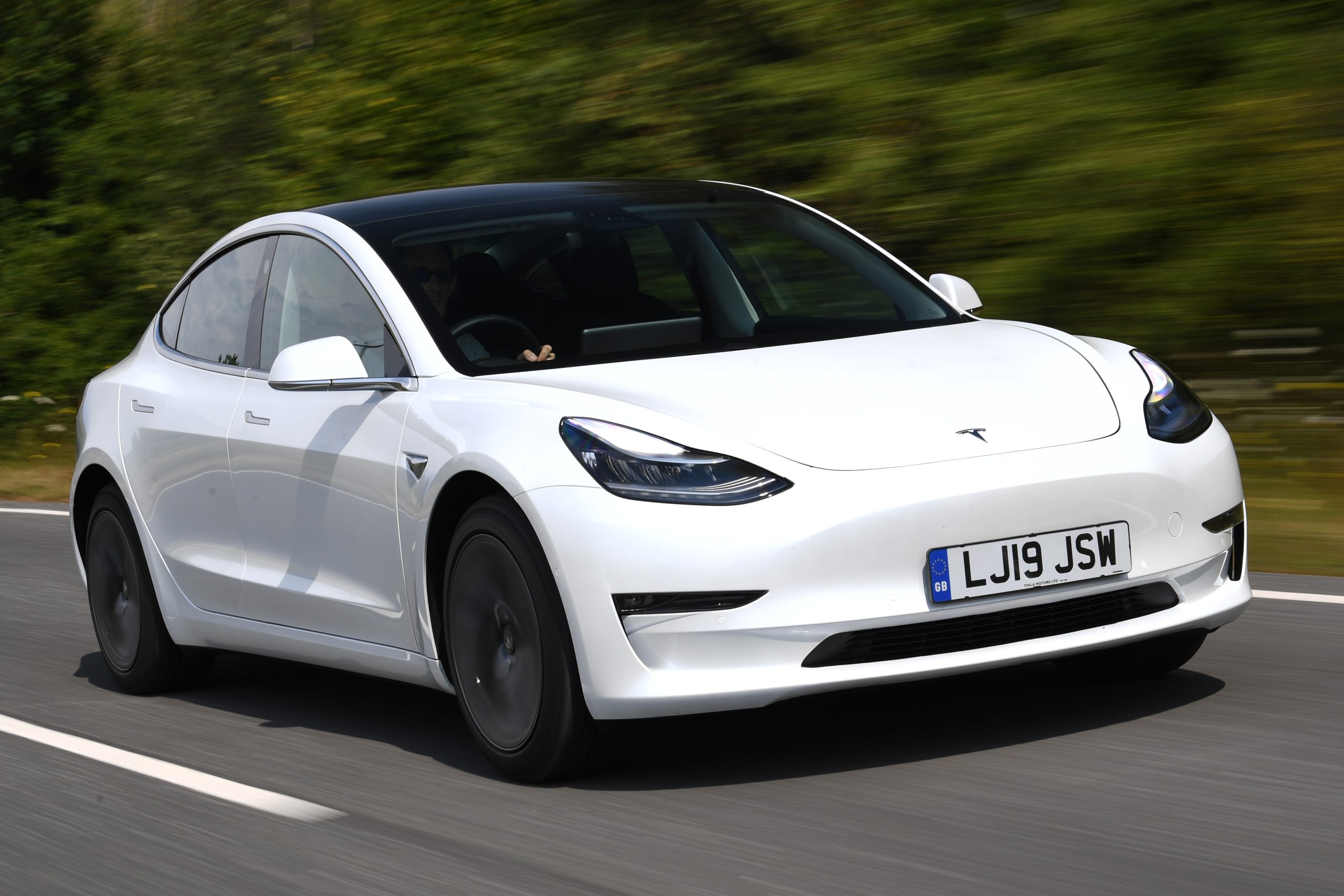
The Tesla Model 3 combines electric efficiency with strong appeal in the used-car market. According to the supplied Insurify figures, its average annual insurance premium reaches approximately $4,364, making it the highest estimate on this list.
Meanwhile, iSeeCars reports that it retains value better than the average electric vehicle, creating a situation where insurance can outweigh annual depreciation.
Repair expenses help explain the high premiums. Battery packs, sensors, glass, and specialized body components can be expensive to replace, even after relatively minor accidents. Limited repair options and the need for trained technicians can add to claim expenses.
Owners can take several steps to manage these costs. Request insurance quotes before purchasing, compare multiple providers, and ask about available safety discounts.
Choosing a higher deductible may reduce premiums, provided you can comfortably afford the out-of-pocket expense after a claim.
Your driving record, location, age, and coverage limits also influence the final rate. Reviewing your policy at renewal can reveal opportunities for savings.
The Model 3 offers convenient electric driving and potentially lower energy expenses, but affordable charging does not guarantee inexpensive ownership. Insurance deserves a place in your budget from the beginning.
10. Ford Mustang
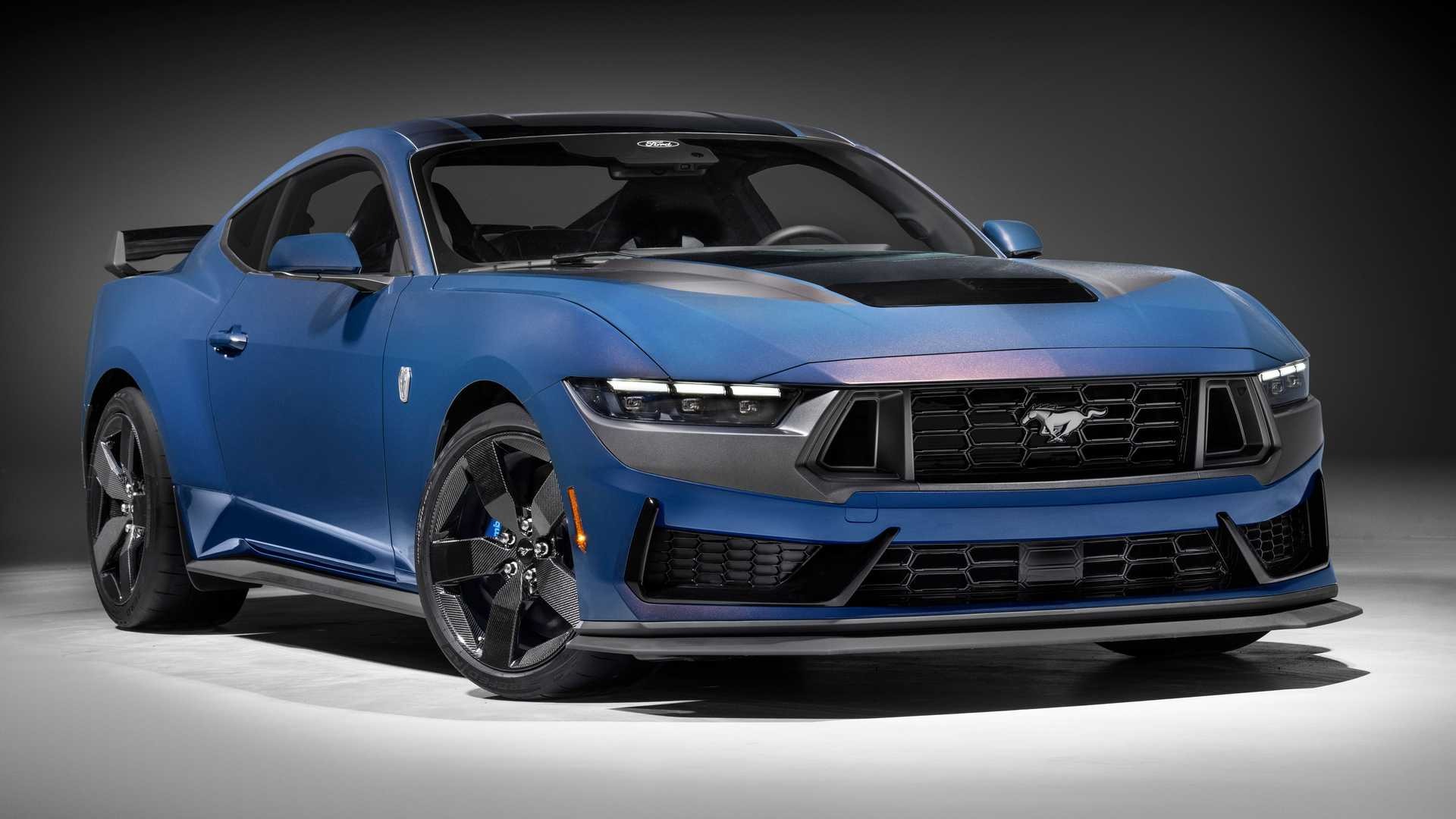
A Ford Mustang delivers the unmistakable appeal of a performance car, but its insurance renewal can be less exciting. Strong demand for sports and muscle cars helps certain Mustang versions retain their resale value, limiting depreciation.
Insurance companies, however, consider horsepower, accident statistics, repair expenses, and driver risk when setting premiums.
High-performance models can attract more expensive coverage because accidents involving powerful vehicles may generate costly claims.
Younger drivers and motorists with limited experience may also face higher premiums, although individual rates depend on several personal factors.
Fortunately, Mustang owners have ways to manage insurance expenses. Choosing a less powerful trim instead of a high-performance V8 can help reduce premiums.
Maintaining a clean driving record, completing an approved defensive driving course, and bundling home or renters insurance may also provide savings.
Weekend owners should ask insurers whether low-mileage policies are available. If the car spends most of its time parked, paying for coverage based on extensive annual driving may not make financial sense.
Before purchasing, compare quotes for different Mustang configurations. The vehicle’s resale value may be attractive, but insurance can become a larger annual expense than depreciation.
Careful planning helps preserve the enjoyment of ownership without allowing premiums to overwhelm the budget.
11. Hyundai Sonata
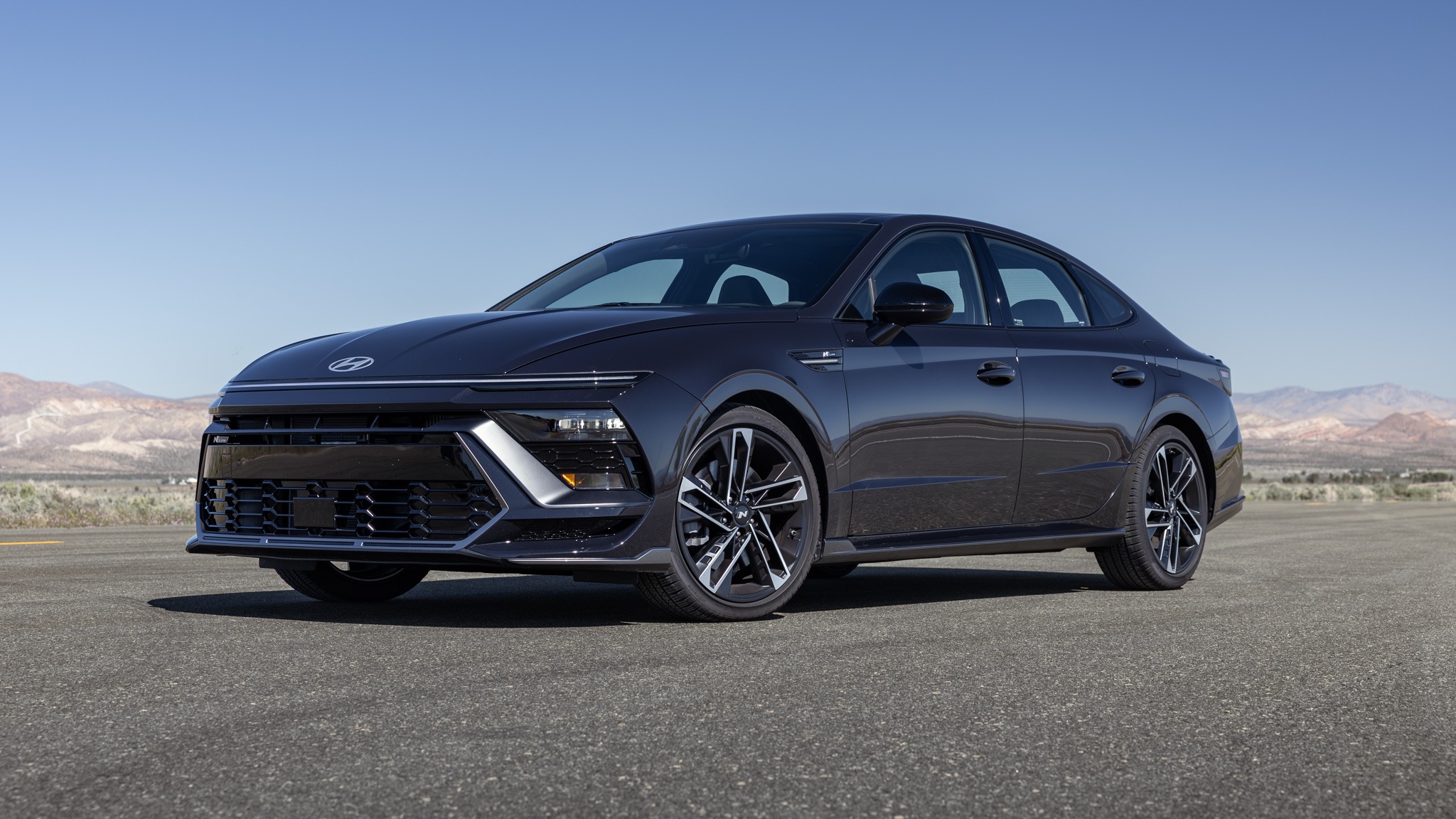
The Hyundai Sonata offers comfortable seating, practical features, and a spacious cabin suited to everyday commuting and family transportation. Its purchase price can appeal to budget-conscious shoppers, but insurance expenses deserve careful attention.
According to the supplied Insurify figures, average annual full-coverage premiums reach approximately $2,735. That is a considerable recurring expense for a midsize sedan.
Theft and vandalism exposure, accident claims, and repair costs can contribute to higher insurance rates, depending on the model year and location.
The Sonata follows a relatively moderate depreciation pattern for its vehicle category. This means some owners may lose less through declining resale value each year than they spend on insurance premiums.
Consider someone purchasing a Sonata for dependable daily transportation. Even if the car retains a reasonable portion of its original value, annual insurance payments can become a substantial part of the ownership budget.
The $2,735 figure is an estimate, not a guaranteed premium. Your actual rate will depend on your driving history, age, location, deductible, and selected coverage.
Before purchasing, request quotes from several insurers and check for model-specific theft restrictions. The Sonata can remain a practical sedan, but its affordability should be judged by insurance, depreciation, maintenance, and fuel expenses together.