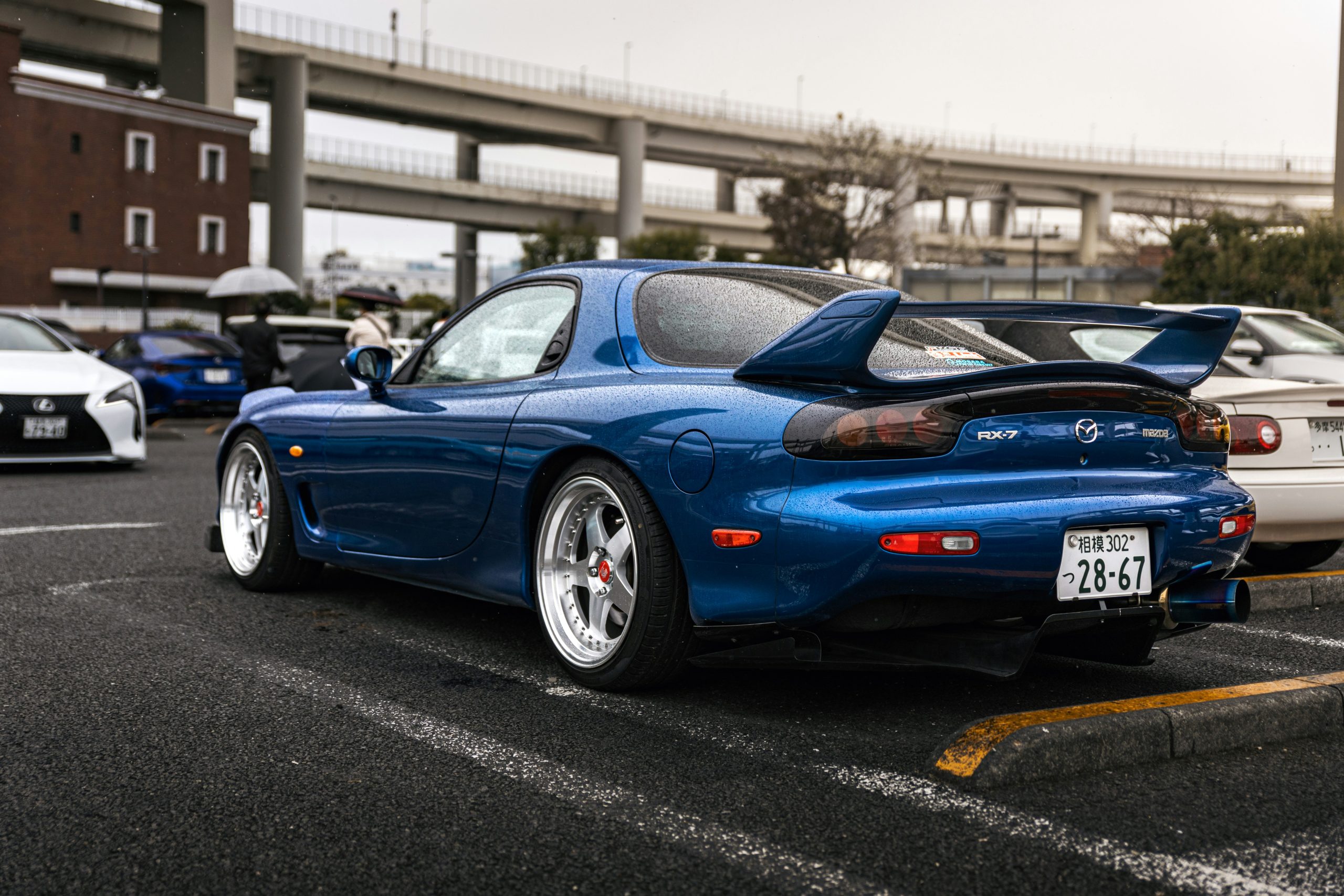
January 2027 brings exciting opportunities for American automotive enthusiasts interested in importing older Japanese and international vehicles. Under the United States’ 25-year import rule, certain foreign-market vehicles can qualify for exemption from federal motor vehicle safety standards once they reach the required age.
This creates opportunities to purchase rare sports cars, performance sedans, and enthusiast favorites that were previously difficult to register legally. From iconic Japanese turbocharged machines to European performance models, several vehicles deserve attention.
Understanding their production dates, import requirements, and market appeal can help buyers make informed decisions before arranging an international purchase.
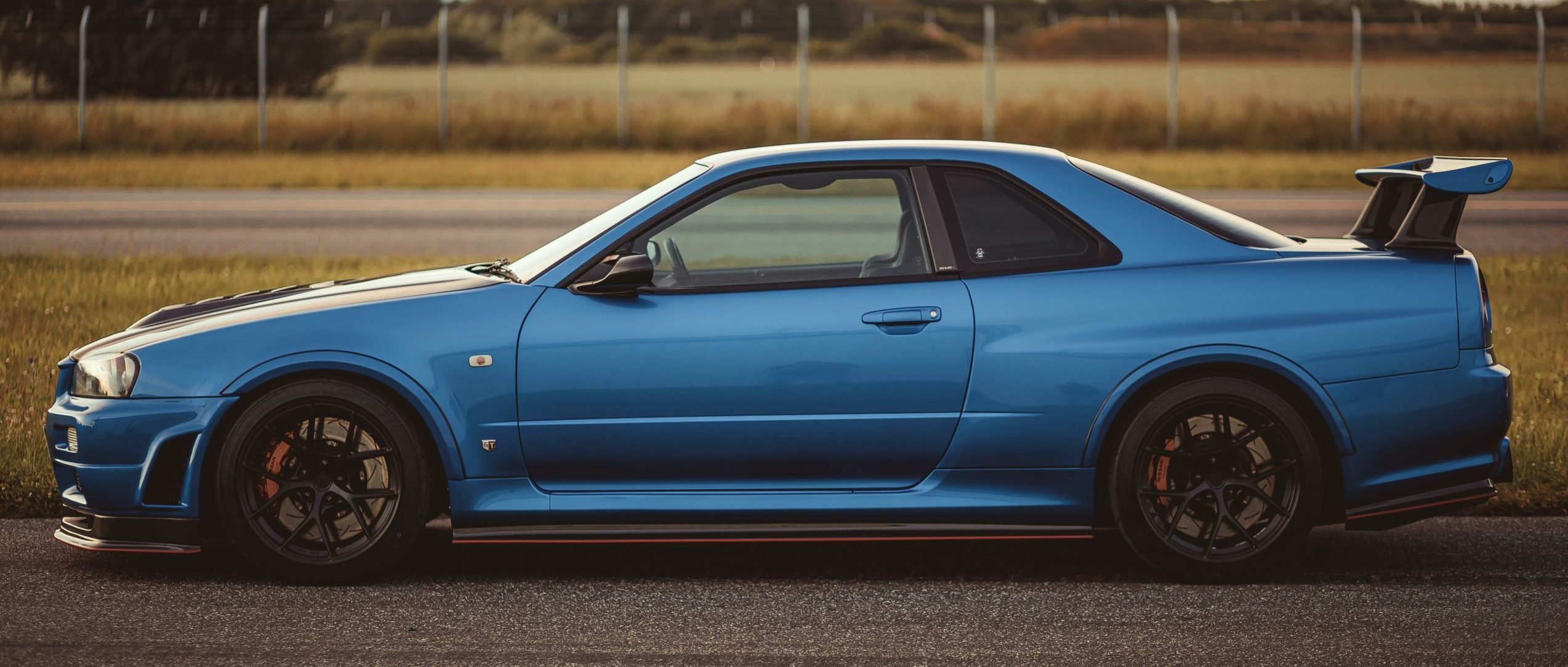
1. Nissan Skyline GT-R R34
The Nissan Skyline GT-R R34 remains a highly desirable Japanese performance car among American collectors. Introduced in 1999, this generation became famous for its advanced engineering, distinctive appearance, and legendary RB26DETT twin-turbocharged inline-six engine.
Early examples have already passed the federal 25-year threshold, while qualifying vehicles manufactured during January 2002 reach their 25th anniversary in January 2027. Buyers should check the exact production date rather than relying exclusively on the advertised model year.
The R34 GT-R features Nissan’s ATTESA E-TS all-wheel-drive system and Super-HICAS four-wheel steering on applicable versions. These technologies helped the vehicle maintain impressive stability during acceleration and cornering.
Its RB26 engine also developed a strong reputation within the tuning community because of its robust architecture and extensive aftermarket support. Factory specifications and equipment differ between trims, so buyers should research the exact version before purchasing an example overseas.
The R34 GT-R was available in several configurations, including the standard GT-R, V-Spec, and V-Spec II. Each version offered different equipment, suspension characteristics, and styling details. Higher-specification models can command substantial prices in the collector market.
Original condition, documented maintenance, accident history, and factory authenticity have a significant influence on value. Modified vehicles require additional inspection because engine changes and structural repairs can affect long-term ownership costs.
For American buyers, the most important consideration is the vehicle’s actual manufacturing date. A car manufactured in January 2002 generally reaches the 25-year threshold on its corresponding anniversary in January 2027.
Earlier production examples may already qualify. Importers must retain supporting documentation and complete the appropriate federal customs procedures. A vehicle’s eligibility under the age exemption does not automatically guarantee registration in every state.
The Skyline GT-R R34 represents a significant opportunity for enthusiasts who have followed Japanese performance engineering for years. Its motorsport reputation, distinctive styling, and advanced drivetrain continue to attract international attention.
However, high purchase prices and expensive replacement parts make financial planning essential. Buyers should arrange an independent inspection, verify chassis identification, and obtain reliable shipping estimates before committing to a transaction.
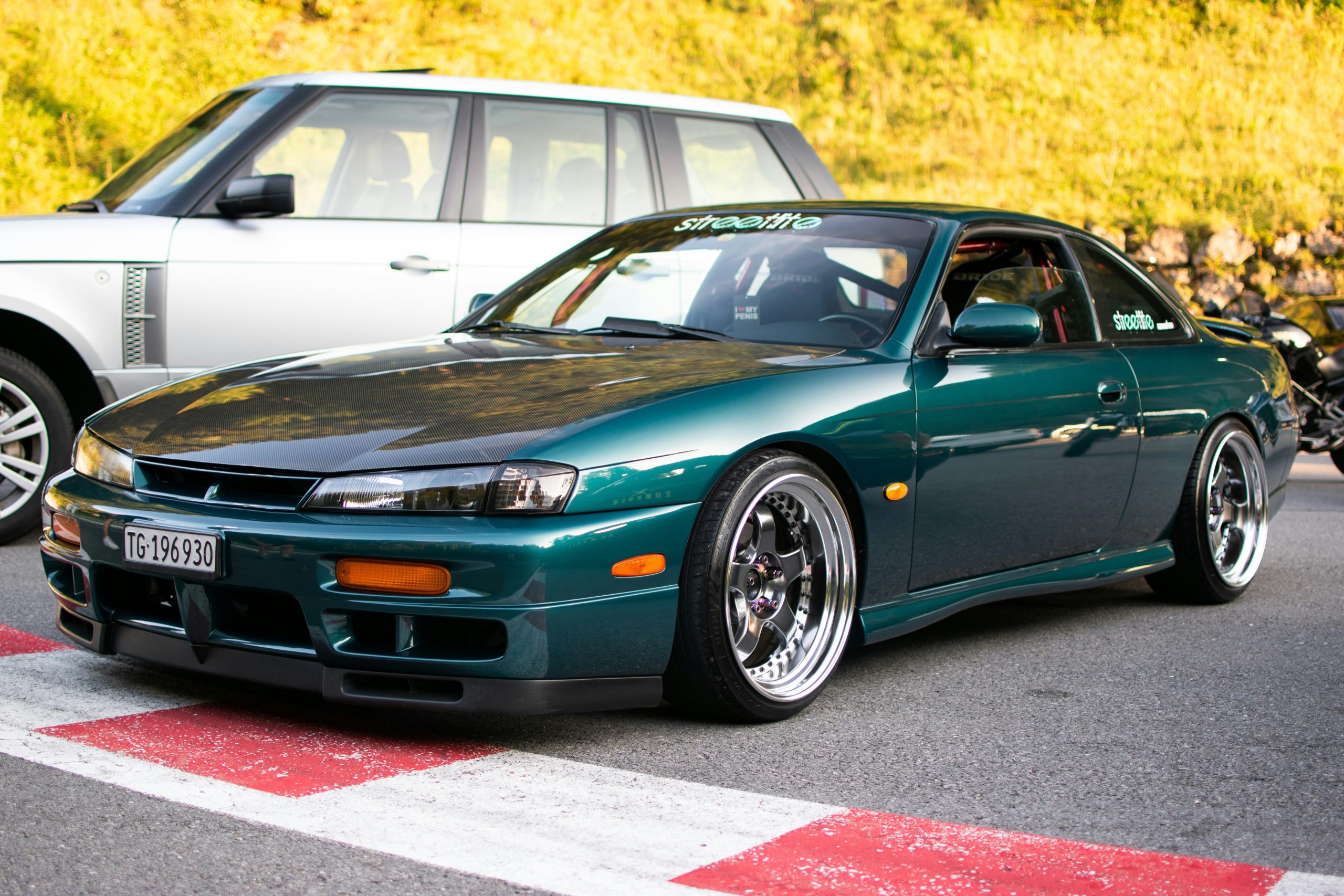
2. Nissan Silvia S15 Spec-R
The Nissan Silvia S15 Spec-R is another Japanese sports car attracting attention from American import enthusiasts. Produced between 1999 and 2002, the S15 became the final generation of Nissan’s traditional Silvia sports coupe.
Its compact dimensions, rear-wheel-drive layout, and turbocharged SR20DET engine established a strong reputation among drifting enthusiasts and performance drivers. Qualifying examples manufactured in January 2002 reach the federal 25-year age threshold in January 2027.
The Spec-R received a turbocharged 2.0-liter four-cylinder engine paired with either a six-speed manual transmission or an automatic option, depending on specification. Nissan also offered a more affordable Spec-S version with naturally aspirated power.
The Spec-R generally receives greater attention from collectors because of its performance equipment and turbocharged engine. Buyers should verify the factory specification because converted vehicles are relatively common in the international aftermarket.
The S15’s balanced chassis contributes significantly to its popularity. Its rear-wheel-drive configuration, relatively lightweight construction, and responsive steering create an engaging driving experience.
Enthusiasts also appreciate its clean exterior styling and relatively simple mechanical layout compared with newer performance vehicles. Suspension upgrades, aftermarket wheels, and engine modifications are common, making originality and modification quality important factors during a pre-purchase inspection.
American buyers should pay particular attention to chassis condition. Imported performance coupes may have experienced years of drifting, track use, or aggressive street driving.
Damaged subframes, worn suspension components, rust, and poorly repaired accident damage can create expensive problems. Checking service records and obtaining photographs of the underside can provide useful information before the vehicle reaches the United States.
The S15 Spec-R offers a compelling combination of Japanese engineering, rear-wheel-drive performance, and collector interest. Its eligibility under the federal age exemption depends on the individual vehicle’s manufacturing date.
Buyers should confirm that the selected example has completed its 25-year period before attempting importation under that exemption. Careful research can help prevent costly delays and legal complications.

3. Mitsubishi Lancer Evolution VII
The Mitsubishi Lancer Evolution VII introduced a new chapter in the company’s rally-inspired performance sedan history. Released in 2001, it brought significant chassis and drivetrain developments compared with the Evolution VI.
Its turbocharged 2.0-liter 4G63 engine, advanced all-wheel-drive system, and aggressive exterior design helped establish its position among Japan’s most recognizable performance cars. Individual examples manufactured in January 2002 become eligible for the federal 25-year age exemption in January 2027.
Mitsubishi equipped the Evolution VII with sophisticated traction and handling technologies. Its Super Active Yaw Control system helped distribute torque to improve cornering behavior, while the all-wheel-drive platform provided traction across different road surfaces.
These systems contributed to the car’s reputation for confident performance. Buyers should understand that equipment and calibration can differ between trim levels and special editions.
The 4G63 turbocharged engine is particularly familiar to performance enthusiasts. It became widely recognized for its tuning potential and strong aftermarket support. However, engine condition should never be taken for granted when purchasing an older performance sedan.
Excessive boost pressure, poor maintenance, overheating, and unsuitable modifications can reduce reliability. A professional compression test and inspection of the turbocharger system are sensible precautions.
The Evolution VII also offers practical advantages compared with many imported sports coupes. Its four-door body provides additional passenger access and everyday usability.
The interior combines a functional layout with performance-oriented features. Nevertheless, buyers should inspect the seats, dashboard, electronic equipment, suspension, and transmission carefully. Replacement components for specialized Japanese-market specifications may require international sourcing.
For collectors in the United States, the Evolution VII represents an important part of Mitsubishi’s performance history. Its rally-inspired engineering and distinctive styling make it attractive to enthusiasts who appreciate older Japanese sports sedans.
Confirming the manufacturing date, factory specification, and maintenance history is essential. A qualifying vehicle can be imported under the relevant age exemption once the required 25-year period has passed.
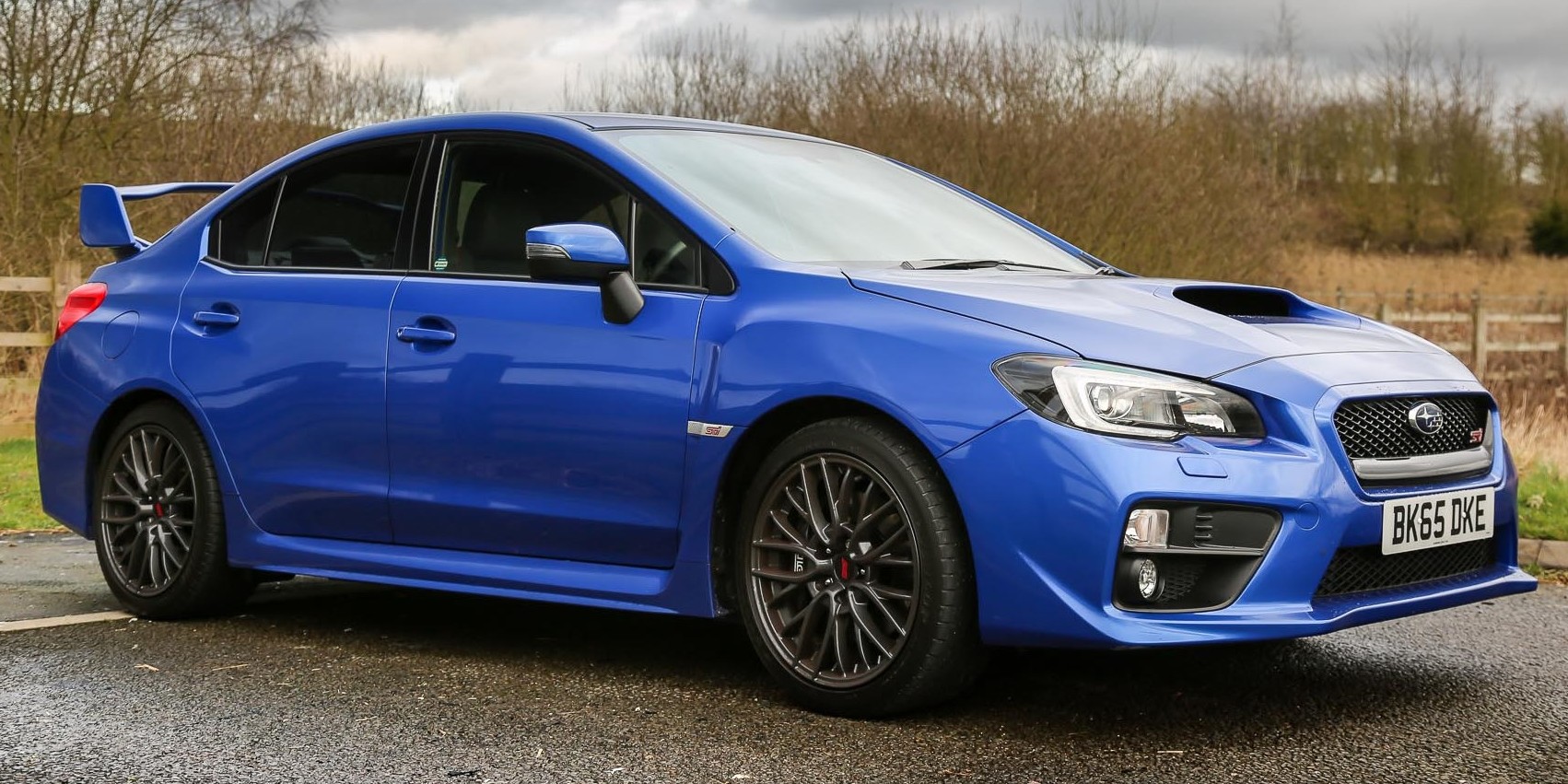
4. Subaru Impreza WRX STI
The 2002 Subaru Impreza WRX STI is another vehicle worth watching as January 2027 approaches. This generation marked an important stage in Subaru’s performance development, featuring the familiar turbocharged boxer engine and symmetrical all-wheel-drive architecture.
Japanese-market examples received distinctive performance equipment and styling details that differed from certain vehicles sold in other markets. Qualifying January 2002 production examples reach the 25-year threshold in January 2027.
The STI’s horizontally opposed engine layout contributes to its distinctive mechanical character. Its turbocharged power delivery, low center of gravity, and all-wheel-drive system helped make the model popular among rally enthusiasts.
Japanese-market versions may also feature different engine specifications, gearing, suspension components, and electronic equipment. Buyers should identify the exact chassis and engine configuration before comparing vehicles.
The WRX STI is particularly appealing to drivers who want a performance sedan with everyday practicality. Its four-door layout offers useful passenger space, while the performance-focused suspension and drivetrain provide an engaging driving experience.
The interior is generally functional rather than luxurious, reflecting the vehicle’s motorsport-inspired purpose. Factory condition can be difficult to find because many examples have received aftermarket modifications.
Inspection is particularly important when purchasing an older turbocharged Subaru. Buyers should check for engine overheating, oil leaks, abnormal exhaust smoke, transmission wear, and signs of previous engine rebuilding.
The condition of the turbocharger, intercooler, and cooling system also deserves attention. A documented maintenance history can make a substantial difference when evaluating two otherwise similar vehicles.
The 2002 WRX STI remains a recognizable name among Japanese automotive enthusiasts. Its performance heritage and practical body style make it an interesting addition to a collection of imported vehicles.
American importers must verify the production date and ensure that the car satisfies the federal age exemption. State registration requirements, insurance availability, and parts sourcing should also be considered before purchasing.
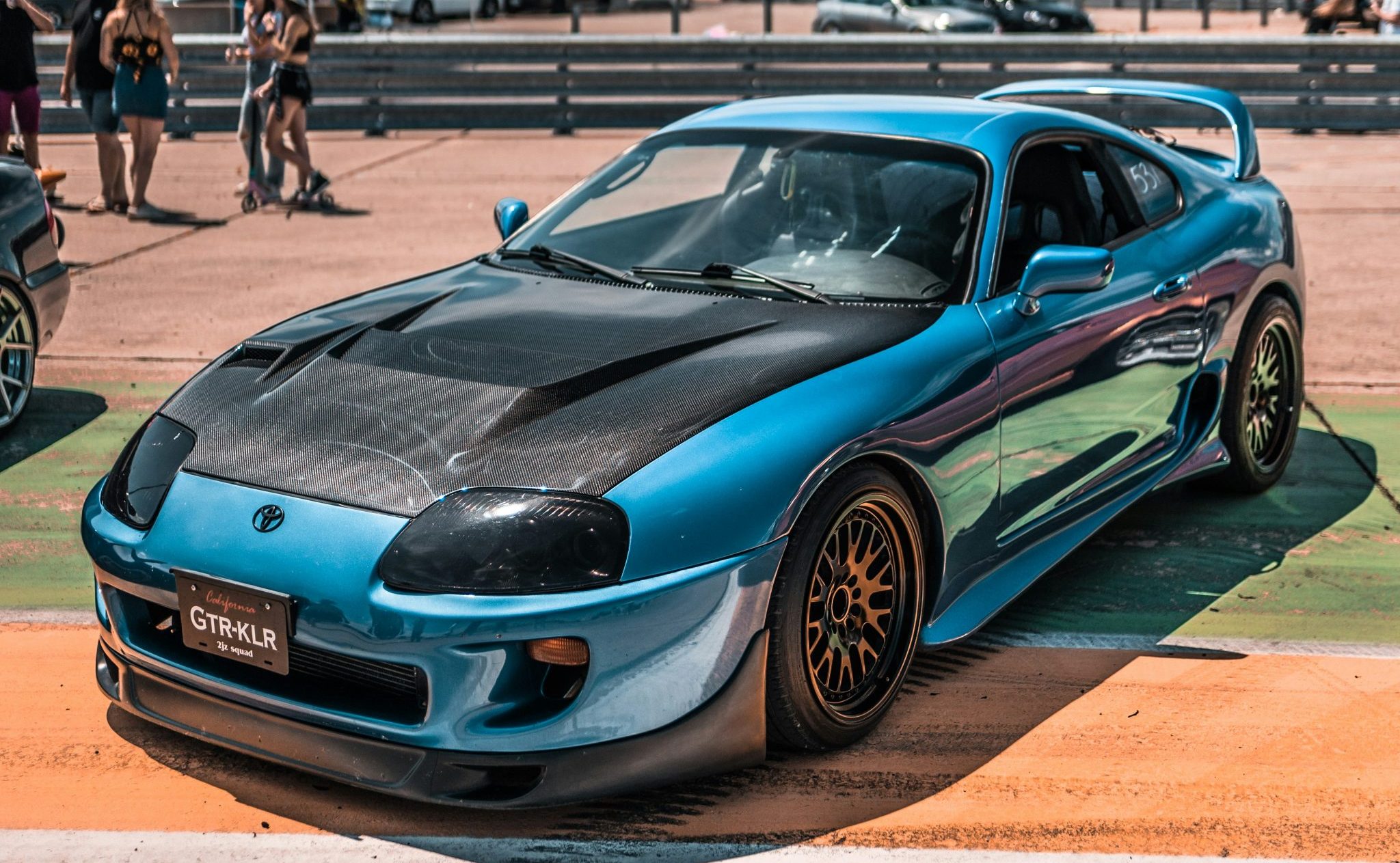
5. Toyota Supra JZA80
The fourth-generation Toyota Supra, known internally as the JZA80, is among the most recognizable Japanese sports cars ever produced. Its aerodynamic body, rear-wheel-drive platform, and available 2JZ-GTE twin-turbocharged engine helped establish its international reputation.
Production continued into 2002, meaning qualifying examples manufactured during January 2002 reach their 25th anniversary in January 2027. Exact production documentation is essential because model-year descriptions do not establish legal eligibility.
The 2JZ-GTE engine is a major part of the Supra’s appeal. Its inline-six architecture, twin-turbocharging system, and strong aftermarket support made it a popular choice among performance enthusiasts.
Japanese-market versions can differ from export-market models in power ratings, transmission options, and equipment. Buyers should carefully distinguish original factory specifications from vehicles that have received engine swaps or substantial performance modifications.
Toyota offered the Supra in different configurations, including naturally aspirated and turbocharged versions. Transmission availability also varied according to market and specification.
The turbocharged manual models generally attract considerable collector interest. However, condition, originality, mileage documentation, and maintenance records can influence a vehicle’s value more than its advertised performance figures.
The JZA80 deserves a thorough mechanical inspection before purchase. Common areas requiring attention include cooling components, aging rubber hoses, suspension bushings, turbocharger condition, and transmission performance.
Older examples may also have modified wiring, aftermarket engine management systems, or structural repairs. A qualified specialist familiar with Japanese-market Supras can help identify problems that may not be obvious during a brief inspection.
For American enthusiasts, a qualifying 2002-built Supra offers an opportunity to acquire an important Japanese sports car through the federal 25-year exemption.
Import costs can be considerable because desirable examples often carry strong international demand. Buyers should calculate the purchase price, shipping, customs charges, insurance, and registration expenses before completing an overseas transaction.
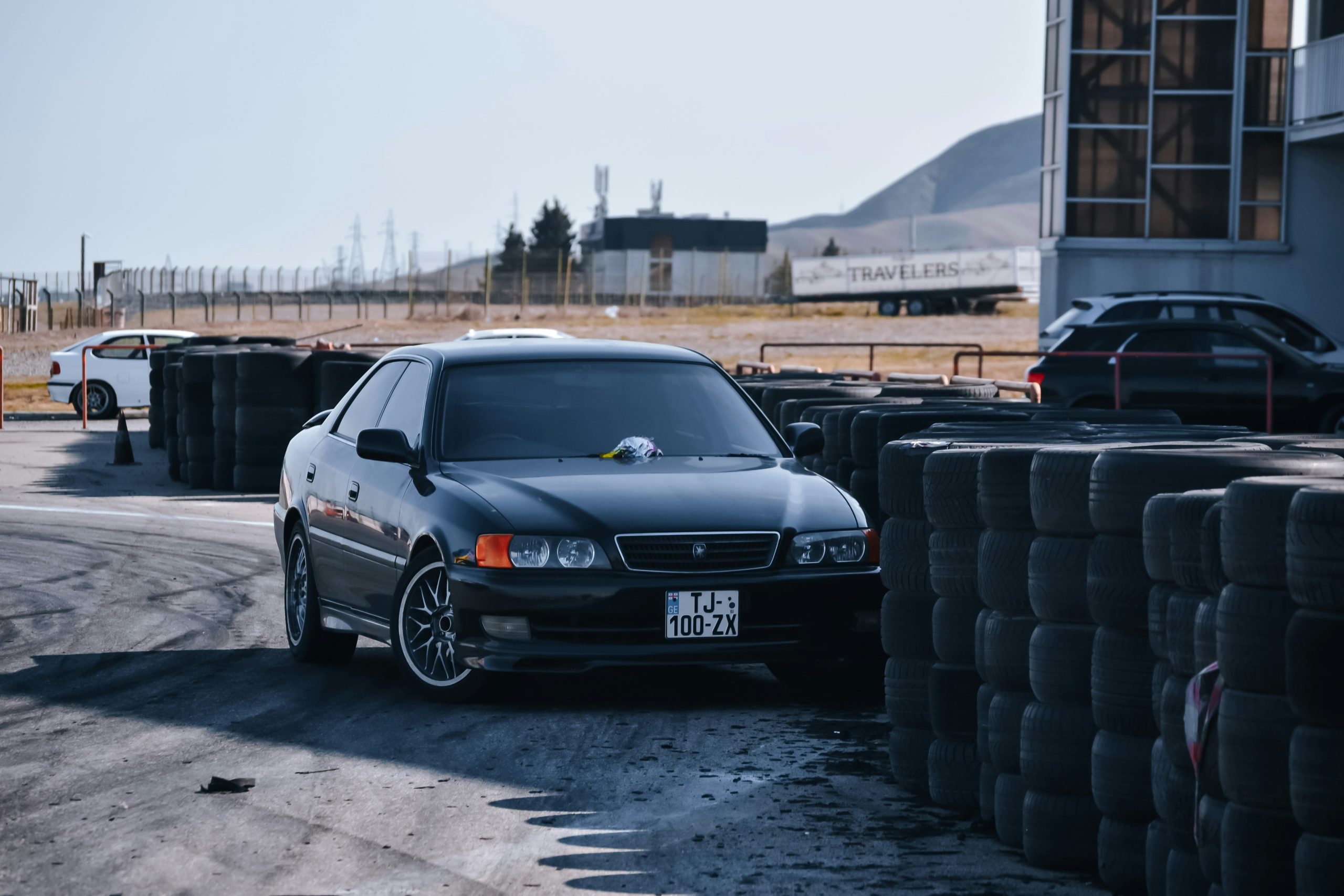
6. Toyota Altezza RS200
The Toyota Altezza RS200 offers a different approach to Japanese performance. Known in international markets for its relationship with the Lexus IS platform, the Altezza combines compact luxury-sedan proportions with a naturally aspirated high-revving engine.
The RS200 is particularly interesting because it uses Toyota’s 3S-GE BEAMS engine, which provides a distinctive alternative to the turbocharged engines found in many Japanese performance cars. Qualifying January 2002 examples reach the federal age threshold in January 2027.
The RS200’s 2.0-liter engine is recognized for its relatively high-revving character and advanced engineering. Depending on the version, the engine was paired with a six-speed manual or automatic transmission.
Its rear-wheel-drive layout also contributes to the vehicle’s appeal among drivers who enjoy balanced handling. Buyers should verify the engine designation, transmission, and original equipment because several Altezza configurations were available.
The exterior design remains relatively understated compared with more aggressive Japanese performance models. Its four-door body, compact dimensions, and functional cabin make it suitable for enthusiasts seeking a vehicle with everyday usability.
The interior combines a driver-focused instrument arrangement with practical passenger accommodation. As an older vehicle, however, its interior condition and availability of original trim components deserve careful attention.
Mechanical inspection should focus on the engine’s maintenance history, transmission condition, suspension, and electronic systems.
Naturally aspirated engines can still suffer from neglect, particularly when previous owners have extended oil-change intervals or used unsuitable replacement parts. Buyers should also inspect the vehicle for rust, accident repairs, and signs of extensive modifications.
The Altezza RS200 may appeal to American collectors who prefer a relatively understated Japanese sports sedan. Its combination of rear-wheel drive, naturally aspirated power, and distinctive engineering gives it a different character from turbocharged alternatives.
A vehicle manufactured in January 2002 reaches the age exemption threshold in January 2027, subject to proper documentation and completion of the import process.
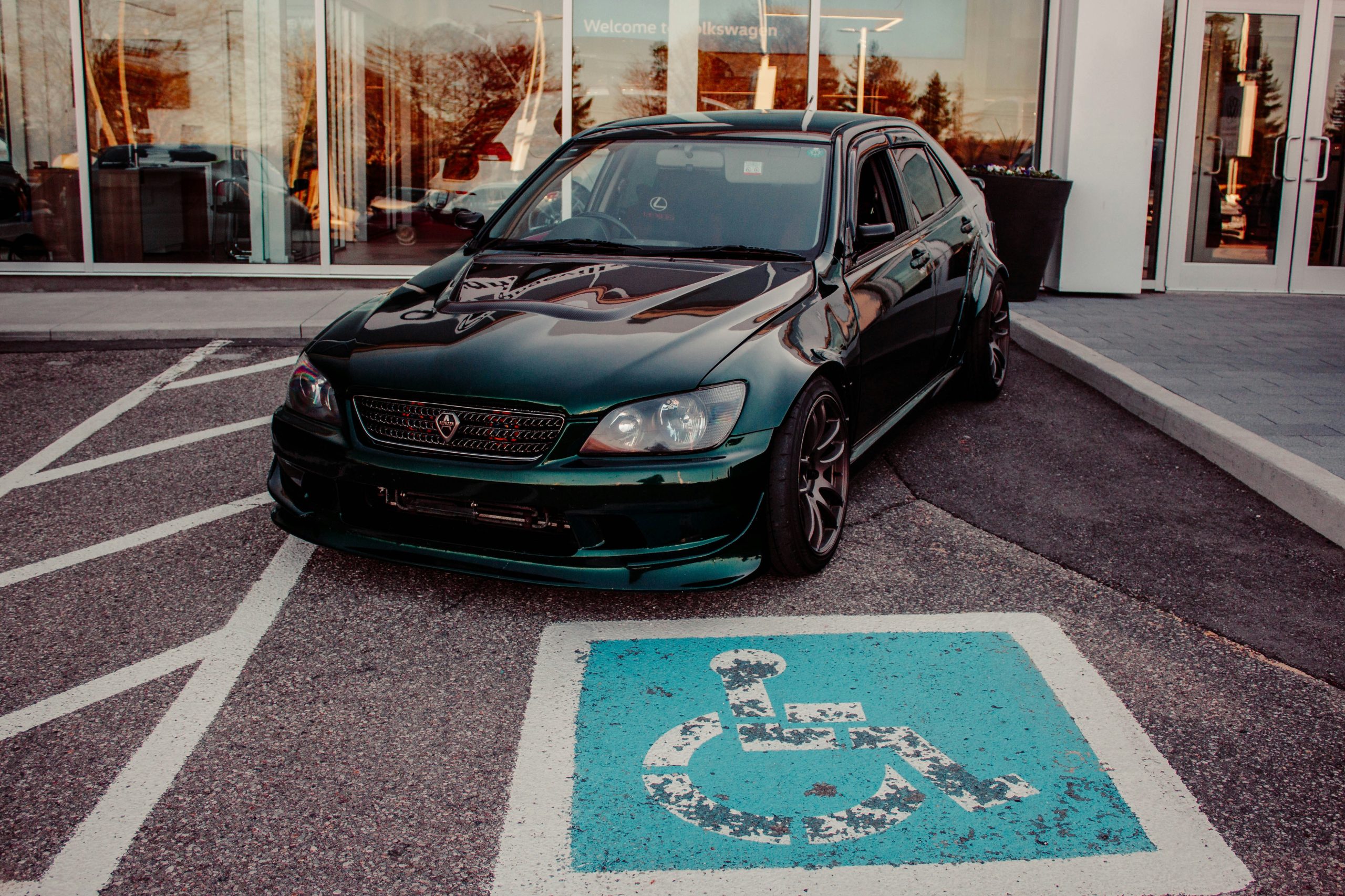
7. Toyota Aristo V300
The Toyota Aristo V300 is a Japanese-market luxury performance sedan that shares important mechanical foundations with the Lexus GS platform. It is particularly known for its twin-turbocharged 2JZ-GTE engine, which also powered certain versions of the Toyota Supra.
The Aristo combines executive-sedan comfort with substantial performance potential. Examples manufactured in January 2002 reach the federal 25-year import threshold in January 2027.
The V300’s engine provides strong acceleration and a familiar mechanical foundation for enthusiasts interested in Toyota’s performance engineering. Its twin-turbocharged inline-six configuration offers considerable aftermarket support.
However, engine specifications, transmission options, and electronic equipment can vary depending on the exact version. Buyers should confirm the vehicle’s factory identity before comparing advertised specifications.
Unlike smaller Japanese sports coupes, the Aristo provides a spacious cabin and a more comfortable driving environment. Its four-door body, generous passenger accommodation, and executive-oriented interior make it suitable for longer journeys.
This combination of comfort and performance contributes to its appeal among collectors who want something different from the usual Japanese sports-car choices.

8. Honda Integra Type R DC5
The Honda Integra Type R DC5 is a front-wheel-drive performance coupe with a strong reputation for precision engineering. Introduced in 2001, it represented a new generation of Honda’s performance-focused Integra lineup.
The Japanese-market model featured the K20A engine, a high-revving 2.0-liter four-cylinder powerplant known for its performance characteristics. Qualifying examples manufactured in January 2002 reach their 25-year import milestone in January 2027.
Honda developed the DC5 Type R around a lightweight performance concept. Its naturally aspirated engine, close-ratio manual transmission, and performance-oriented suspension create an engaging driving experience.
The K20A engine is particularly appreciated for its responsiveness and high-revving character. Factory specifications differ between markets, so buyers should not assume that every DC5 Type R has identical mechanical equipment.
The exterior features a distinctive coupe design with functional styling elements. Inside, the vehicle prioritizes the driver through supportive seating, a straightforward dashboard, and performance-focused controls.
Its compact dimensions make it relatively easy to maneuver compared with larger performance sedans. Original interior components and factory-specific parts can become difficult to source as these cars age.
Before purchasing a DC5, buyers should inspect the engine, gearbox, clutch, suspension, and braking system. High-revving performance cars may have experienced frequent spirited driving, making maintenance records particularly valuable.
Signs of previous track use, accident repairs, and poorly installed aftermarket components should also be investigated. A specialist inspection can help establish whether the car remains mechanically sound.
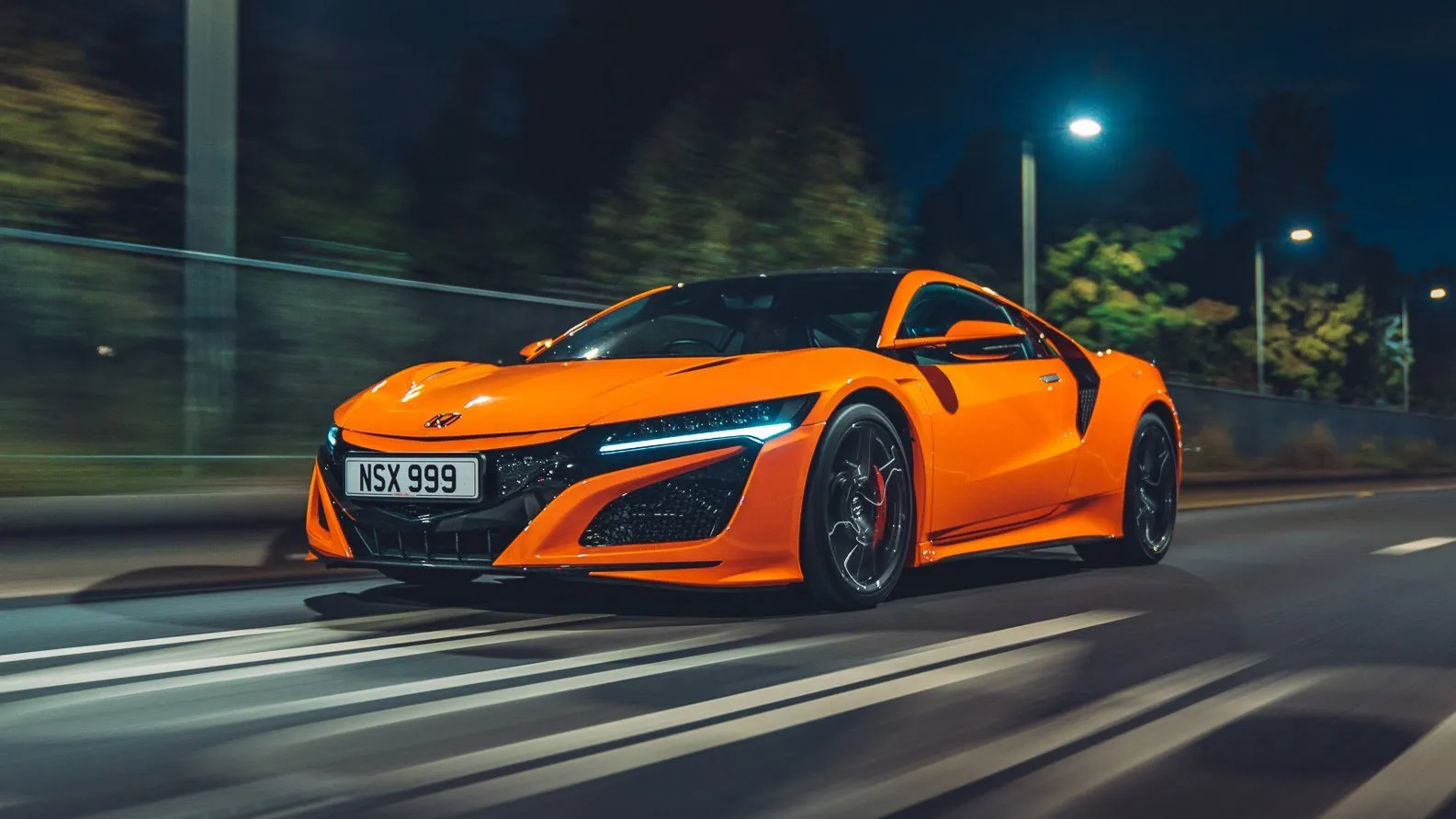
9. Honda NSX
The Honda NSX is a significant achievement in Japanese sports-car engineering. Its aluminum-intensive construction, mid-engine layout, and naturally aspirated V6 engine helped distinguish it from contemporary performance vehicles.
The second-generation styling updates introduced for the 2002 model year gave the original NSX a revised appearance while retaining its established mechanical philosophy. Qualifying vehicles manufactured in January 2002 reach their federal 25-year age milestone in January 2027.
The NSX uses a mid-mounted V6 engine, creating a balanced layout that contributes to its handling characteristics. Certain versions feature Honda’s VTEC technology, while transmission options vary according to production specifications.
The car was developed with a strong emphasis on predictable handling and everyday usability. Its engineering makes it particularly interesting to collectors who appreciate Japanese sports cars beyond traditional turbocharged performance models.
The 2002 facelift introduced revised exterior styling, including fixed headlights that replaced the earlier pop-up design. These changes created a more modern appearance while preserving the NSX’s recognizable proportions.
The cabin combines a relatively straightforward layout with a low driving position and clear visibility for a mid-engine sports car. Original body panels and interior components can be expensive to replace.
Maintenance history is especially important when purchasing an older NSX. Buyers should investigate timing-belt service, cooling-system condition, engine leaks, transmission performance, and suspension wear.
The age of rubber components and other mechanical parts can influence reliability even when a vehicle has relatively low mileage. Because specialized NSX parts may carry substantial costs, an inspection by an experienced technician is strongly recommended.
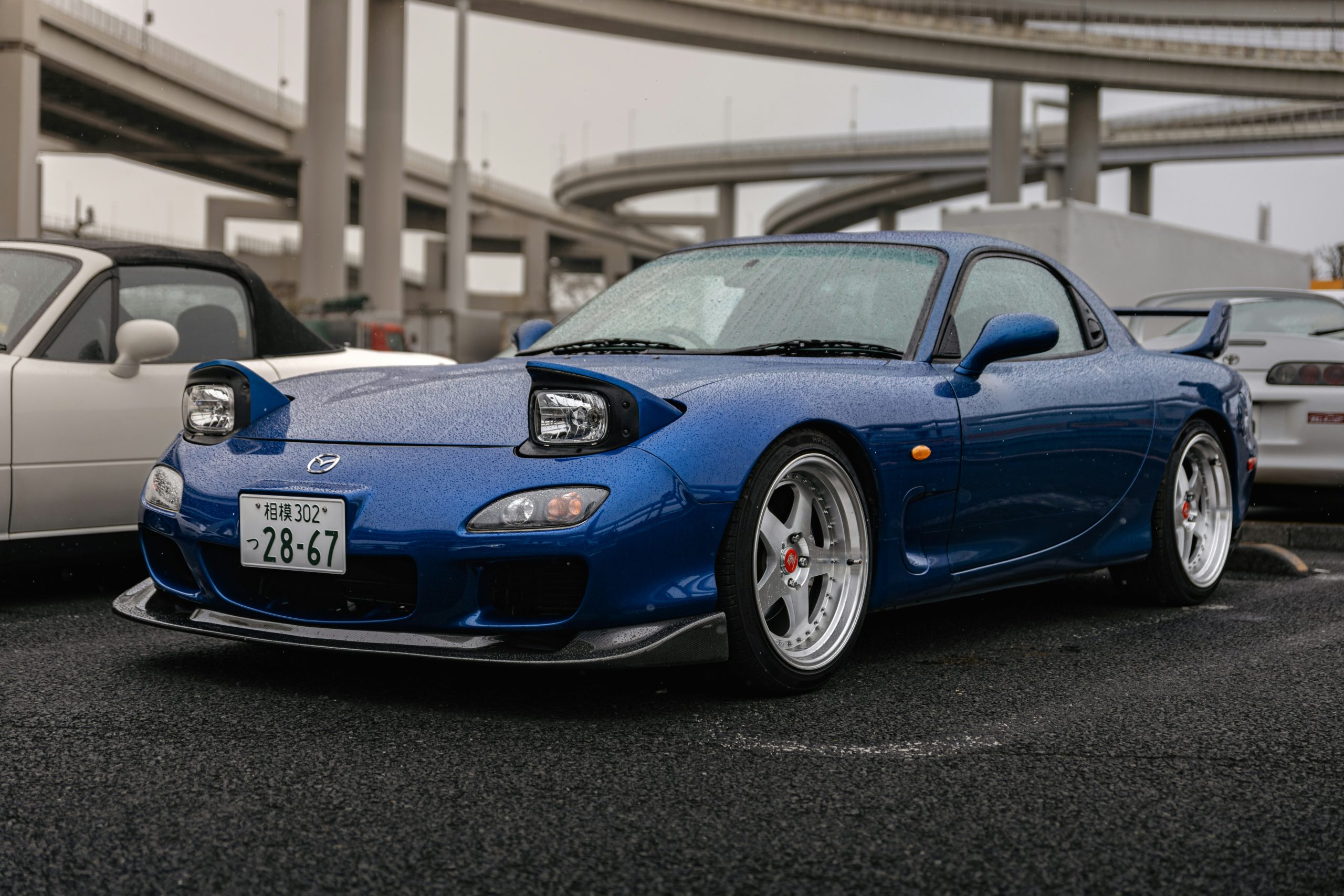
10. Mazda RX-7 FD3S
The Mazda RX-7 FD3S remains a distinctive Japanese sports car because of its rotary engine and lightweight rear-wheel-drive platform. The third-generation RX-7 was produced until 2002, making certain late-production examples relevant to January 2027 import eligibility.
Cars manufactured in January 2002 reach the 25-year threshold during January 2027. Buyers must confirm the exact build date because production continued into the year.
The RX-7’s 13B-REW twin-turbocharged rotary engine gives it a mechanical identity that differs considerably from conventional piston-engine sports cars. Its compact dimensions and lightweight construction contribute to its responsive handling.
The sequential turbocharging arrangement was designed to provide a broad power delivery, while the rear-wheel-drive layout supports an engaging driving experience.
Mazda produced several RX-7 versions during the FD3S production period. Japanese-market examples included different grades and special editions, with variations in equipment, suspension, and appearance.
Late-production models can attract additional collector interest, particularly when they retain original factory components. Buyers should verify the exact edition and avoid relying solely on aftermarket badges or seller descriptions.
Rotary engine condition deserves particular attention during an inspection. Compression testing should be performed using equipment appropriate for rotary engines. Buyers should also examine the cooling system, turbochargers, oiling system, and evidence of previous engine rebuilding.
Poor maintenance, overheating, and unsuitable modifications can lead to expensive repairs. Specialist knowledge is particularly valuable when evaluating a vehicle with an unfamiliar service history.