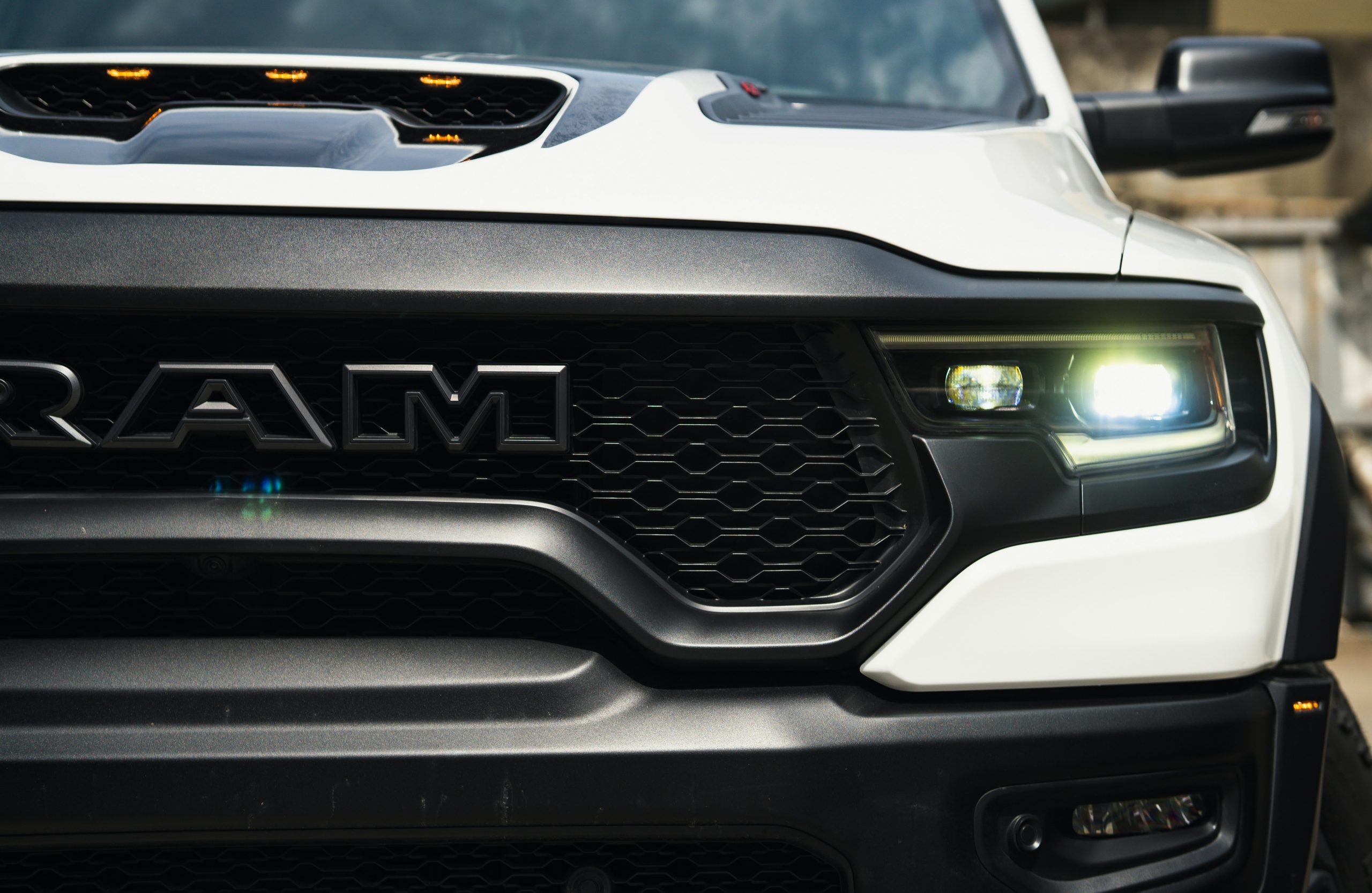
Range-extender electric vehicles are gaining attention as automakers search for practical ways to combine electric driving with long-distance convenience. These vehicles use electric motors to power the wheels, while a small gasoline engine generates electricity when the battery needs additional energy.
This setup offers many advantages for drivers who want quieter journeys, reduced fuel consumption, and fewer charging stops. American buyers may soon have more choices in this growing category, including rugged pickups and family-friendly SUVs.
Several manufacturers are developing new models that could reshape the electric vehicle market across the United States in coming years.
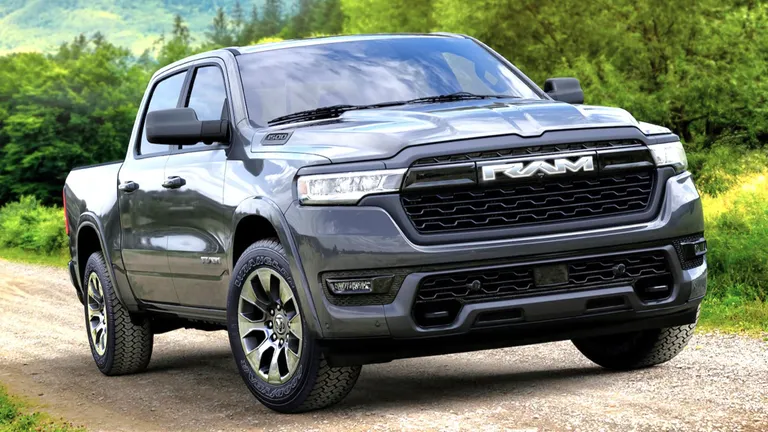
1. Ram 1500 Ramcharger: An Electric Pickup Built for Long Distances
The Ram 1500 Ramcharger is among the most interesting range-extender pickups announced for the American market. Developed by Ram, this truck combines battery-powered driving with a gasoline-powered generator.
The Ramcharger is designed to address one of the biggest concerns among electric truck buyers, which is maintaining sufficient driving range while towing heavy loads or traveling through areas with limited charging stations. Instead of depending solely on external charging, it uses an onboard gasoline engine to generate electricity whenever additional power is needed.
The truck’s powertrain works differently from a traditional hybrid system. Electric motors provide propulsion, while the gasoline engine operates as a generator instead of directly driving the wheels. This arrangement allows the vehicle to deliver the immediate torque associated with electric power.
Drivers can experience smooth acceleration, quiet operation, and controlled power delivery during everyday journeys. It also offers a practical solution for people who regularly travel long distances for work or recreation.
Another important feature is its pickup configuration. American truck owners frequently use their vehicles for transporting equipment, towing trailers, and carrying recreational gear. These activities can increase energy consumption significantly.
A range-extender system offers additional flexibility because the gasoline generator can supply electricity when battery energy becomes insufficient. The actual range will depend on driving conditions, payload, towing weight, temperature, and operating habits.
Inside the cabin, the Ramcharger is expected to offer the technology and comfort associated with modern Ram pickups. Large digital displays, connected vehicle services, advanced driver assistance features, and practical storage solutions are important parts of the truck’s appeal.
Its interior is designed to serve both everyday commuters and people who need a comfortable vehicle for demanding working conditions.
The Ram 1500 Ramcharger represents an important development in the American pickup market. Its combination of electric propulsion and gasoline-generated electricity could appeal to buyers who are interested in electric driving but are not ready to depend entirely on public charging networks.
Its final market success will depend on production timing, pricing, reliability, and real-world performance.
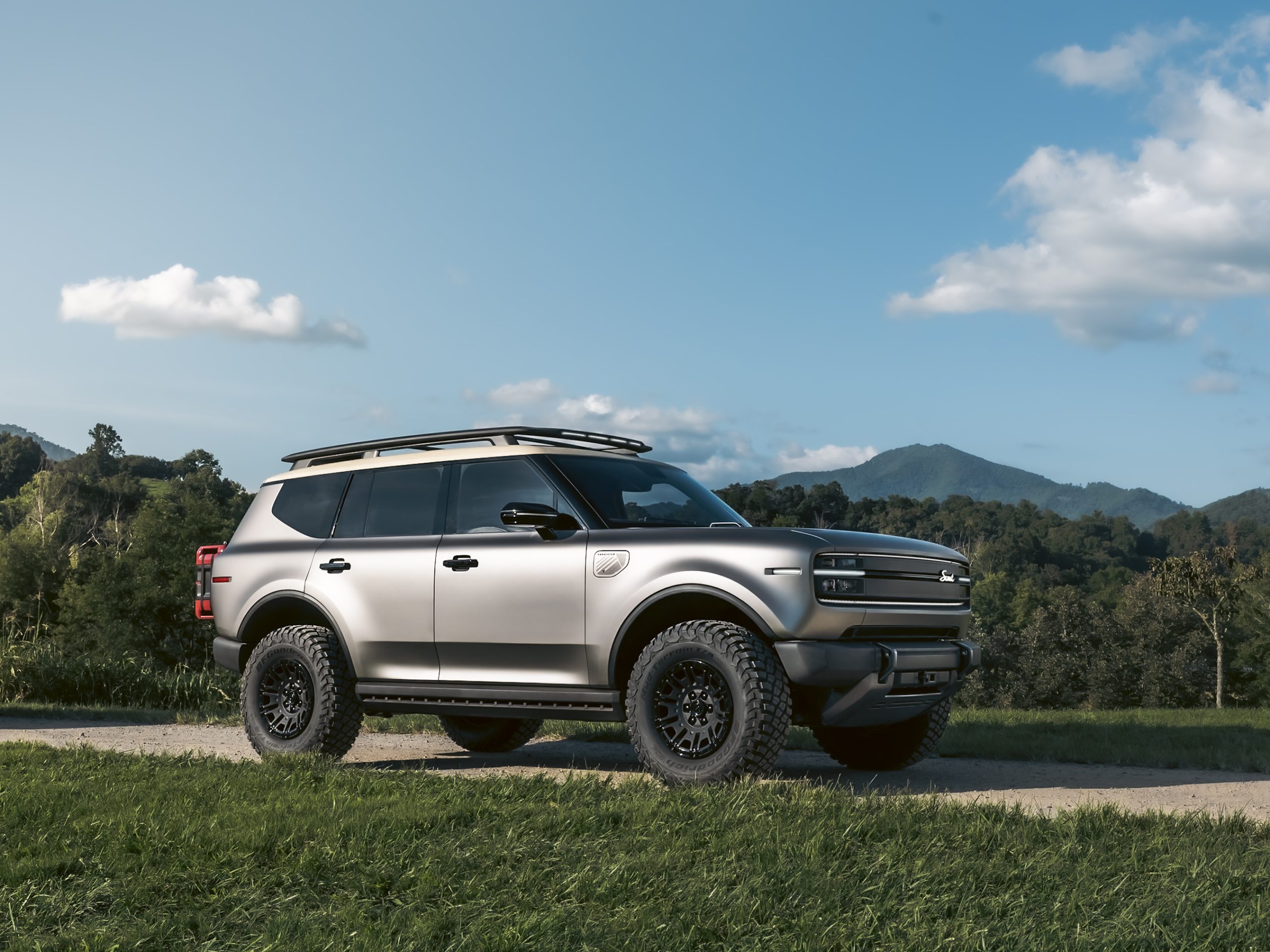
2. Scout Traveler: A Range-Extended SUV for Adventure Lovers
The Scout Traveler is an upcoming SUV designed for American drivers who want a combination of modern electric technology and traditional off-road capability.
Scout Motors has introduced the Traveler as part of its return to the American automotive market. The company is developing vehicles that draw inspiration from classic International Harvester Scout models while incorporating contemporary engineering, safety equipment, and electric powertrains.
The Traveler is particularly interesting because Scout plans to offer an optional range-extender system called Harvester. In its range-extended configuration, the SUV uses electric motors to move the vehicle, while a gasoline engine generates electricity when additional energy is required.
This approach gives customers an alternative to a battery-only configuration and makes longer journeys more practical in regions where charging infrastructure remains limited.
Its exterior design emphasizes durability and functionality. The upright body, generous ground clearance, and traditional SUV proportions give it a purposeful appearance.
These characteristics are important for drivers who enjoy camping, outdoor activities, and trips through challenging terrain. A practical body design also helps accommodate passengers and luggage, making the Traveler suitable for family transportation.
Scout has also highlighted the importance of interior practicality. Buyers in this category generally expect comfortable seating, useful storage, modern infotainment, and technology that supports outdoor activities.
The Traveler’s development focuses on balancing these expectations with the requirements of an electric vehicle. Its cabin and equipment will play an important role in determining whether it can compete with established SUVs from major American manufacturers.
The Scout Traveler could become a significant option for buyers seeking an electric SUV with extended-distance flexibility. Its success will depend on the production version meeting expectations for range, charging performance, off-road capability, and pricing.
Scout’s ability to establish a reliable service and dealership network will also influence customer confidence when the vehicle reaches the American market.
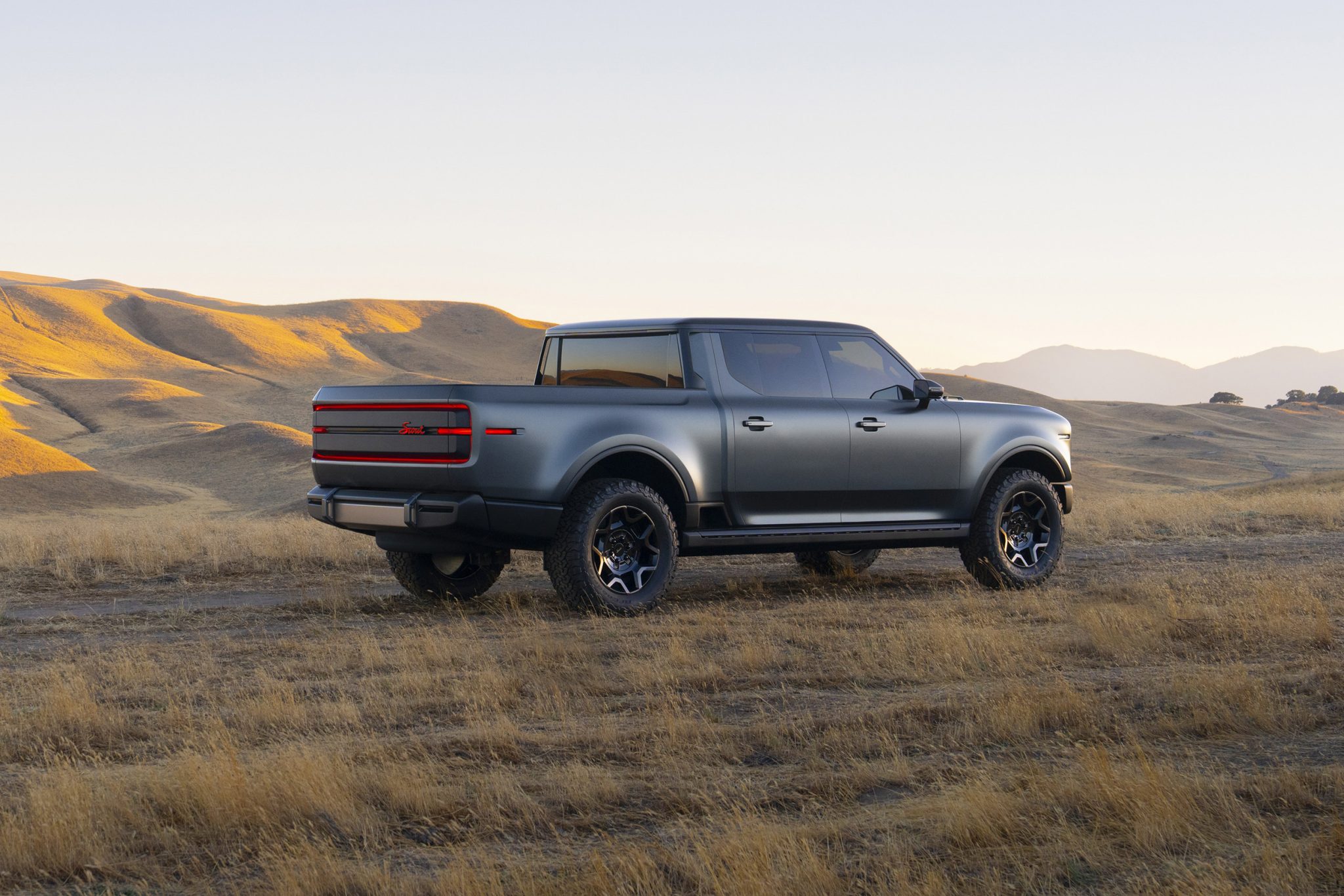
3. Scout Terra: An Electric Pickup With Range-Extender Technology
The Scout Terra is the pickup companion to the Traveler SUV. It is being developed for customers who want electric power without sacrificing the practical qualities expected from a traditional American truck.
Scout Motors plans to offer a range-extender configuration, making the Terra particularly relevant to drivers who regularly travel outside major cities or work in locations where charging stations are difficult to find.
The Terra follows an electric-first approach. Its electric motors provide the driving power, while the optional Harvester system uses a gasoline engine to generate electricity.
This design can provide consistent electric propulsion while reducing dependence on external charging facilities during extended trips. It also creates a different driving experience compared with conventional gasoline pickups and traditional parallel hybrid trucks.
Pickup practicality is central to the Terra’s development. Buyers expect a useful cargo bed, strong towing capability, durable construction, and sufficient passenger space.
These requirements are particularly important for contractors, outdoor enthusiasts, farmers, and families who use their trucks for several purposes. Scout will need to demonstrate that its electric architecture can handle demanding work without compromising everyday usability.
The vehicle’s styling combines modern proportions with design references from older Scout trucks. Its rugged appearance is intended to appeal to customers who appreciate traditional American pickups.
Modern lighting, contemporary cabin technology, and updated safety equipment help distinguish it from vintage models. The production version will determine how successfully Scout translates its original design into a competitive modern vehicle.
The Scout Terra could provide an interesting alternative to conventional full-size pickups and battery-electric trucks. Its range-extender option may be particularly attractive to people who want electric driving but frequently tow equipment or travel through rural areas.
Pricing, payload figures, towing performance, and production availability will determine how strongly it competes in the United States.
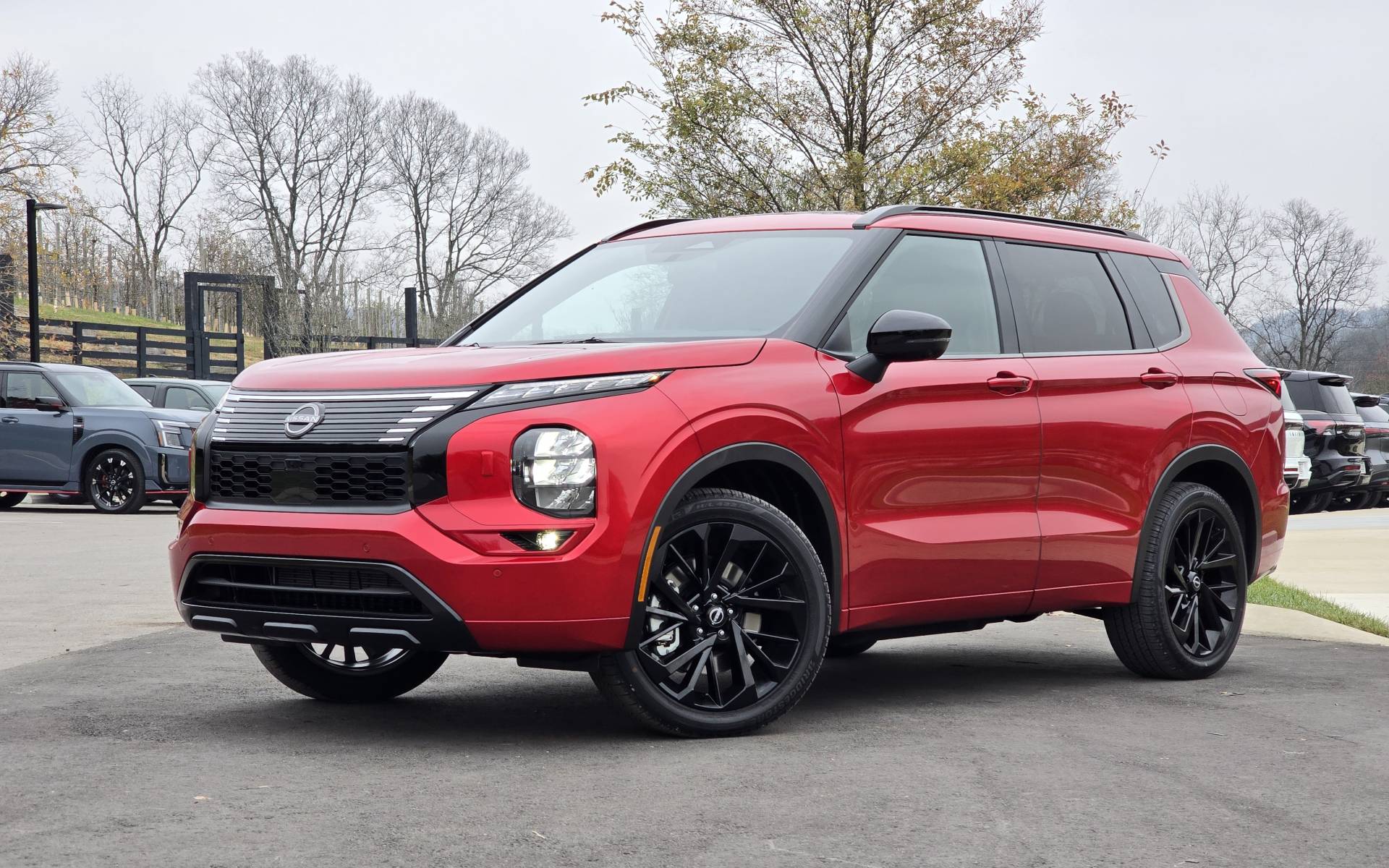
4. Nissan Rogue e-POWER: A Different Approach to Electric Driving
The Nissan Rogue is an important name in Nissan’s global SUV lineup. Nissan’s e-POWER technology offers a different approach to electrification by using an electric motor to drive the wheels and a gasoline engine to generate electricity.
This architecture is related to range-extender technology, though it differs from a plug-in extended-range vehicle because the system does not depend on a large externally rechargeable traction battery.
The driving experience is designed to feel closer to that of an electric vehicle. Electric motors provide smooth acceleration and immediate torque, while the gasoline engine generates electricity as required.
The driver does not need to manage charging sessions in the same way as a conventional battery-electric vehicle owner. This arrangement can make electrified driving easier for households that lack access to home charging.
For American buyers, the Rogue would be a natural candidate for this technology because compact SUVs remain popular with families and commuters.
The vehicle offers the type of passenger accommodation, cargo flexibility, and everyday convenience that many households expect. Adding an electrified powertrain could help Nissan appeal to customers interested in reducing fuel consumption without making a complete transition to battery-electric transportation.
Nissan’s e-POWER system has already been used in several international markets, demonstrating the company’s experience with this type of drivetrain. Its American introduction would depend on product strategy, regulatory requirements, manufacturing decisions, and market demand.
It is important to distinguish the technology’s global availability from a confirmed American-market launch of a particular Rogue configuration.
If Nissan brings an e-POWER Rogue to the United States, it could provide an accessible introduction to electric-style driving. Buyers would gain the benefits of electric-motor propulsion without needing to rely on public charging infrastructure.
However, fuel economy, purchase price, maintenance requirements, and long-term reliability would remain important considerations for potential customers.
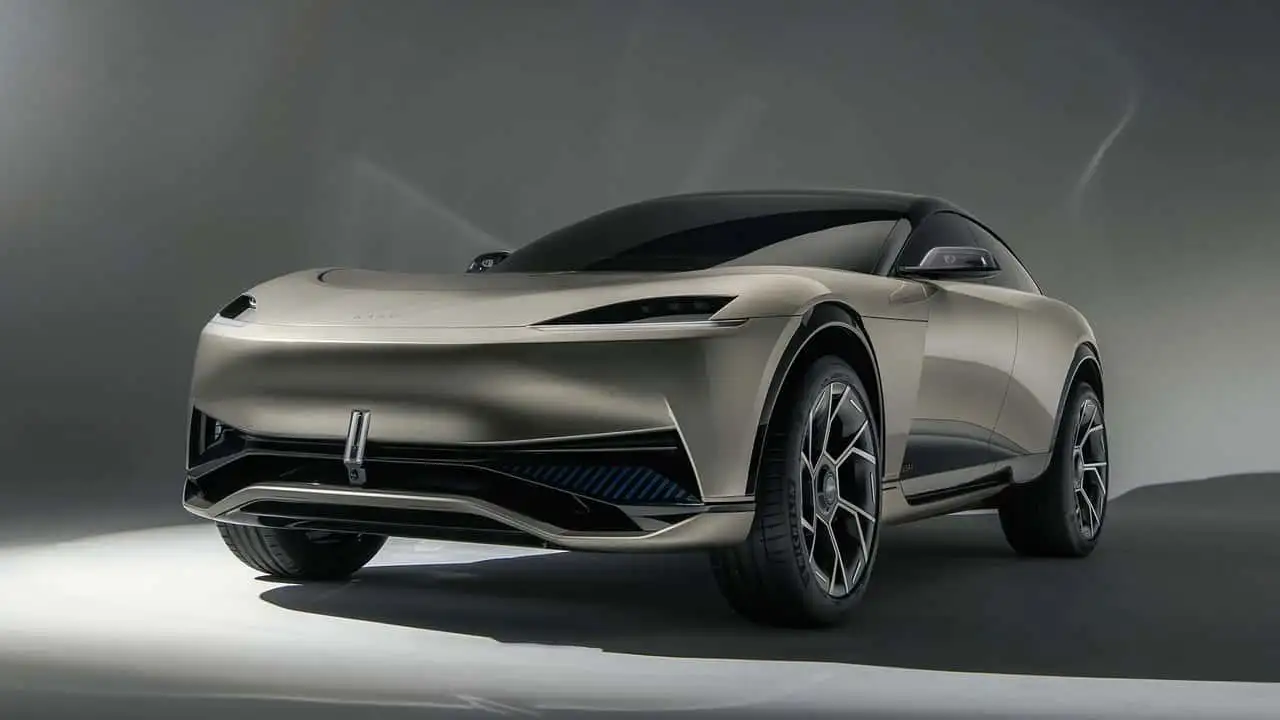
5. Karma Ivara: A Luxury SUV With Extended-Range Ambitions
The Karma Ivara represents the premium end of the emerging extended-range vehicle discussion. Karma Automotive has been developing new electrified products aimed at customers who expect distinctive styling, advanced technology, and strong performance.
The Ivara has been presented as part of the company’s future product direction, with an electrified approach intended to appeal to buyers looking beyond conventional luxury SUVs.
Karma has experience with extended-range electric vehicle engineering through its earlier Revero models. This background gives the company a foundation for developing vehicles that combine electric propulsion with additional energy supplied by a combustion engine.
The concept is particularly relevant to luxury buyers who may appreciate electric driving but also expect flexibility during long journeys.
The Ivara’s design direction emphasizes a modern luxury appearance. Its proportions, exterior surfaces, and interior presentation are intended to distinguish it from more familiar premium SUVs.
Buyers in this segment often look for a combination of comfort, sophisticated materials, digital interfaces, and advanced convenience features. A successful production model would need to deliver these qualities while maintaining a practical driving range.
The luxury SUV category also places considerable importance on performance. Customers expect responsive acceleration, composed handling, and a comfortable ride across different road conditions.
Electric motors can provide immediate torque, which makes them suitable for performance-focused vehicles. An extended-range system could help maintain usability during long trips without requiring frequent charging stops.
The Ivara is an interesting vehicle to watch, but its exact American production specifications, availability, and final powertrain details should not be treated as established facts without confirmation.
Its development demonstrates how premium manufacturers are considering alternatives to conventional battery-electric platforms. If Karma successfully brings the model to production, it could add variety to the American luxury SUV market.
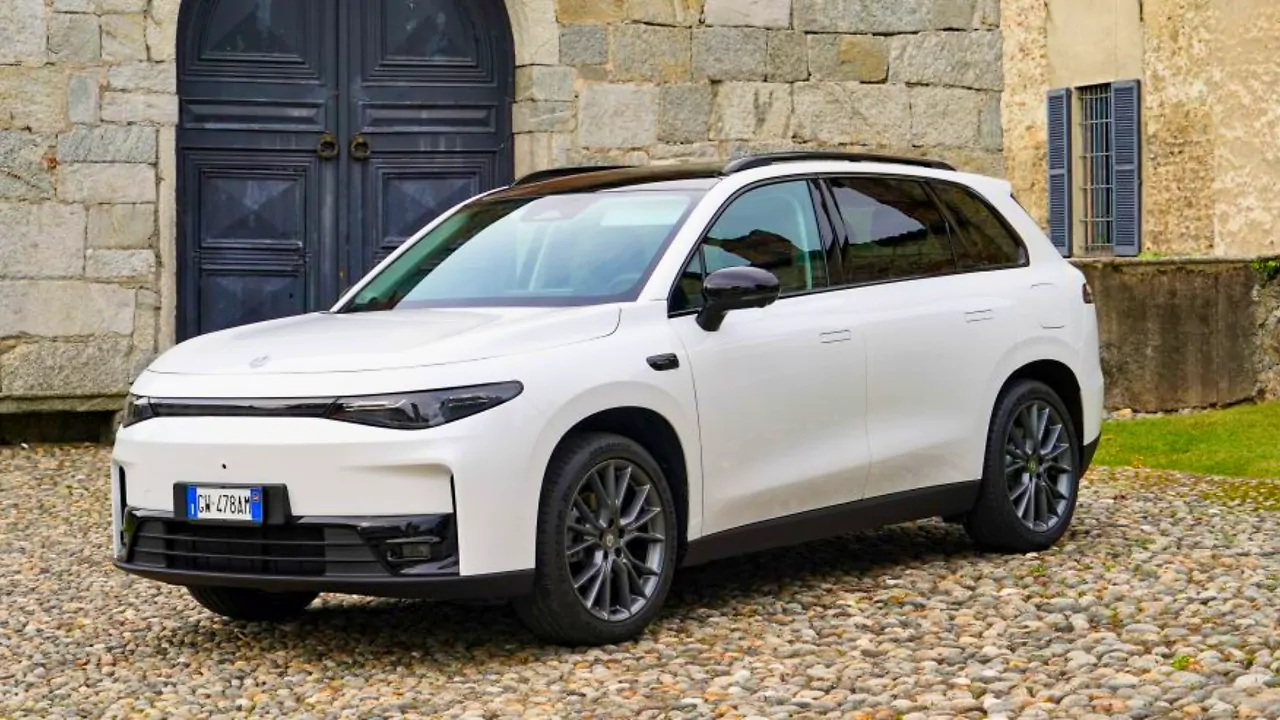
6. Leapmotor C10 REEV: An International SUV Worth Watching
The Leapmotor C10 is an international SUV that demonstrates the growing interest in range-extended powertrains. Leapmotor has developed both battery-electric and range-extended versions of the C10 for selected international markets.
The REEV configuration uses an electric motor for propulsion and a gasoline engine to generate additional electricity when required.
This setup gives the C10 an advantage in markets where electric vehicle adoption is increasing but charging networks are not equally developed everywhere.
Drivers can benefit from electric-motor performance during regular journeys while retaining additional energy flexibility for longer trips. The arrangement may be particularly useful for families who frequently travel between cities.
The C10 has a contemporary SUV design, with an emphasis on cabin space and modern technology. Its interior focuses on digital displays, connected features, and a clean dashboard layout.
These characteristics reflect changing customer expectations in the global automotive industry, where infotainment and digital convenience are becoming increasingly important purchasing factors.
Its range-extended powertrain also illustrates how manufacturers are experimenting with different ways to reduce dependence on conventional engines. Instead of using a gasoline engine as the main source of propulsion, the system prioritizes electric driving. This can provide a different acceleration and operating experience compared with traditional gasoline-powered SUVs.
However, American availability should not be assumed. Leapmotor’s international expansion does not automatically mean that the C10 REEV will be sold in the United States.
Import regulations, tariffs, distribution agreements, certification requirements, and business decisions all influence whether a vehicle can enter the American market. The C10 remains a useful example of the technology’s international development rather than a confirmed US launch.
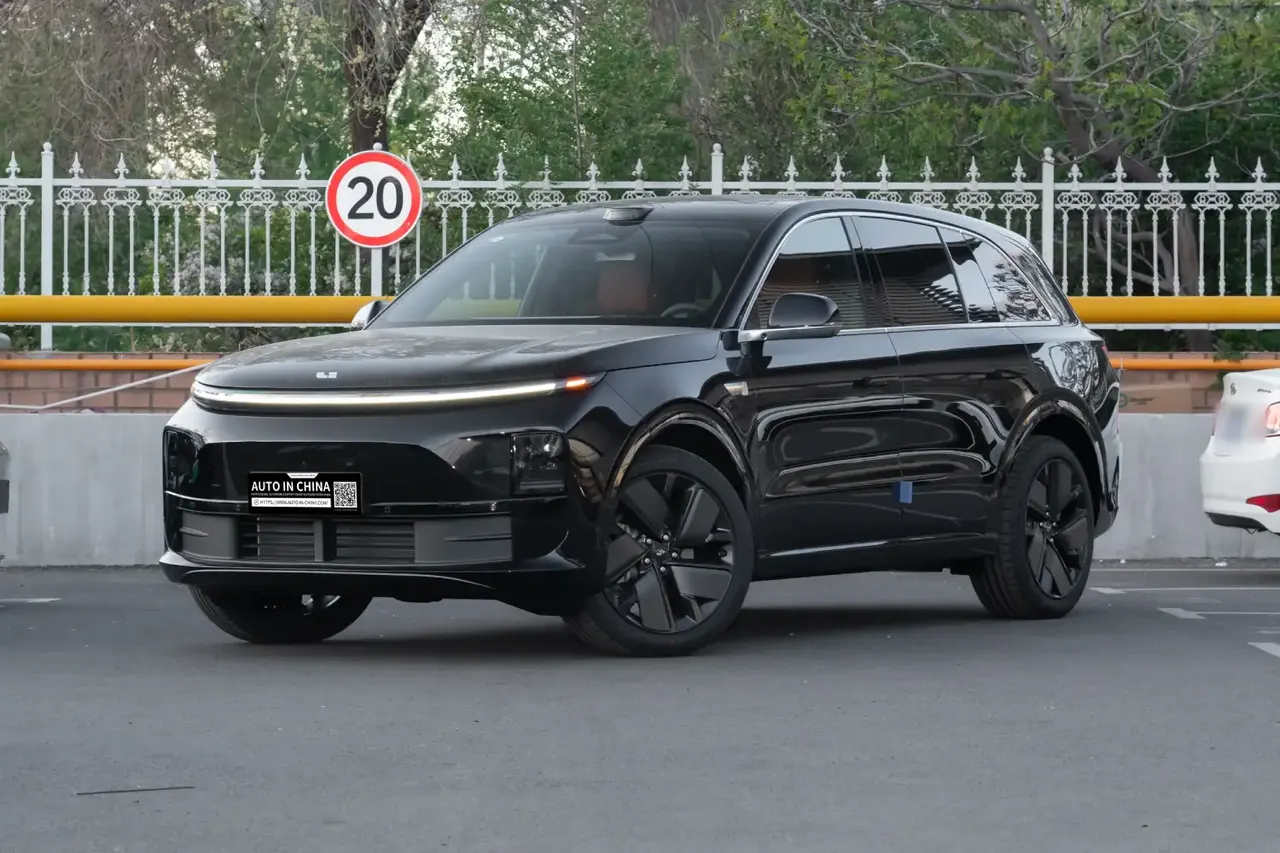
7. Li Auto L6: A Family SUV With Extended-Range Technology
The Li Auto L6 is another example of how extended-range technology has developed outside the United States. Li Auto has established its reputation around family-focused SUVs that combine electric propulsion with gasoline-powered electricity generation.
The L6 follows this approach, offering a drivetrain intended to provide electric-style driving with additional flexibility for longer journeys.
Its range-extended architecture allows electric motors to deliver power to the wheels. A gasoline engine works as an onboard generator, supplying electricity when needed.
This system can be attractive to drivers who want a smooth and quiet driving experience without making frequent stops at public charging stations. It also provides a practical option for households that regularly travel beyond urban areas.
Family comfort is an important part of the L6’s appeal. The vehicle focuses on passenger accommodation, modern infotainment, and useful everyday features.
Families shopping for midsize and large SUVs often prioritize interior space, safety technology, storage capacity, and convenient access to vehicle functions. These qualities help explain the popularity of extended-range family SUVs in several international markets.
The L6 also demonstrates the growing role of software in modern vehicles. Digital interfaces, connected services, driver assistance systems, and cabin entertainment features have become important parts of the ownership experience.
Manufacturers are increasingly treating the vehicle as a connected technology platform rather than simply a means of transportation.
For American customers, the L6 is better viewed as an international technology example than a confirmed upcoming US model. Li Auto’s business strategy and regulatory considerations would need to support an American introduction before the vehicle could be considered a genuine local-market arrival.
Its engineering nevertheless provides useful insight into the direction of extended-range family transportation.
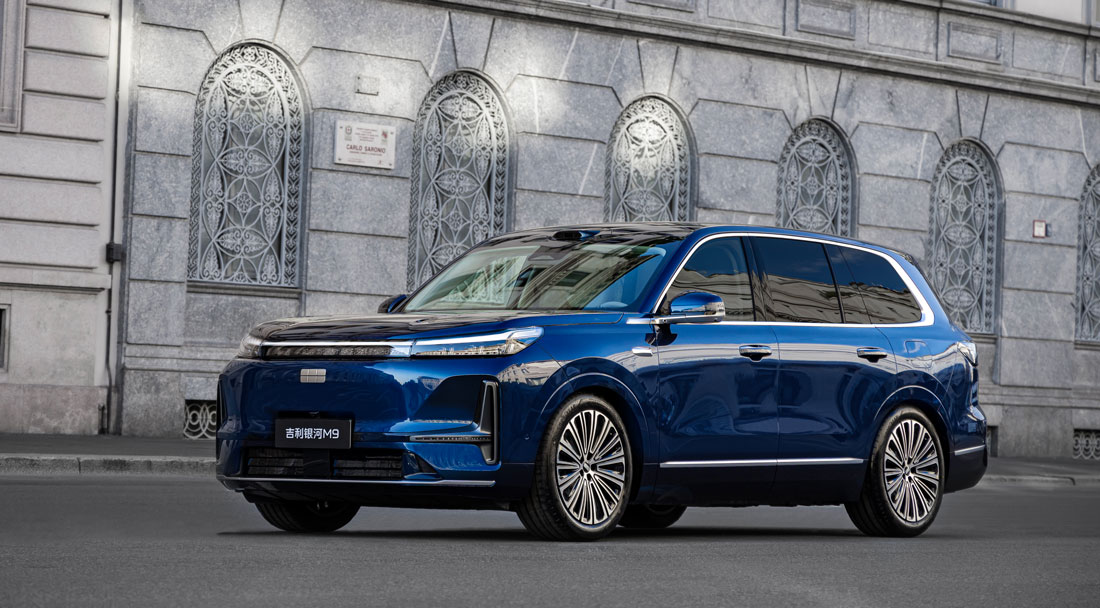
8. Geely Galaxy M9: A Large SUV With Electrified Potential
The Geely Galaxy M9 represents the expanding range of large electrified SUVs developed by Chinese automotive manufacturers. Geely has invested heavily in electrification, developing vehicles and platforms intended to serve different customer groups.
The Galaxy M9 is part of this broader product direction and demonstrates the increasing competition in the premium family SUV category.
The model’s electrified technology is relevant to the wider discussion about extended-range transportation. Large SUVs can require substantial energy because of their size, weight, and passenger capacity.
Manufacturers therefore have strong reasons to develop efficient powertrains that combine electric motors, battery technology, and combustion-engine assistance where appropriate. The exact powertrain configuration and market specification must be checked separately before describing the M9 as a conventional range-extender vehicle.
The SUV’s market positioning emphasizes family transportation and modern equipment. Buyers in this category generally want generous interior space, comfortable seating, useful cargo capacity, and advanced technology. A well-equipped cabin can make a significant difference during long journeys, especially for families who regularly travel with several passengers.
Geely’s international ambitions also make its future product strategy worth watching. The company has developed relationships and manufacturing operations across different automotive markets.
However, entering the United States requires additional regulatory approval, distribution arrangements, service support, and compliance with applicable trade policies. A vehicle’s presence in another international market does not guarantee American availability.
The Galaxy M9 illustrates the increasing variety of electrified SUVs being developed globally. Its relevance to the American market remains speculative unless a formal launch is announced.
Nevertheless, its development highlights the growing competition that established American, European, Japanese, and Korean manufacturers may face as electrified vehicle technology continues to advance.
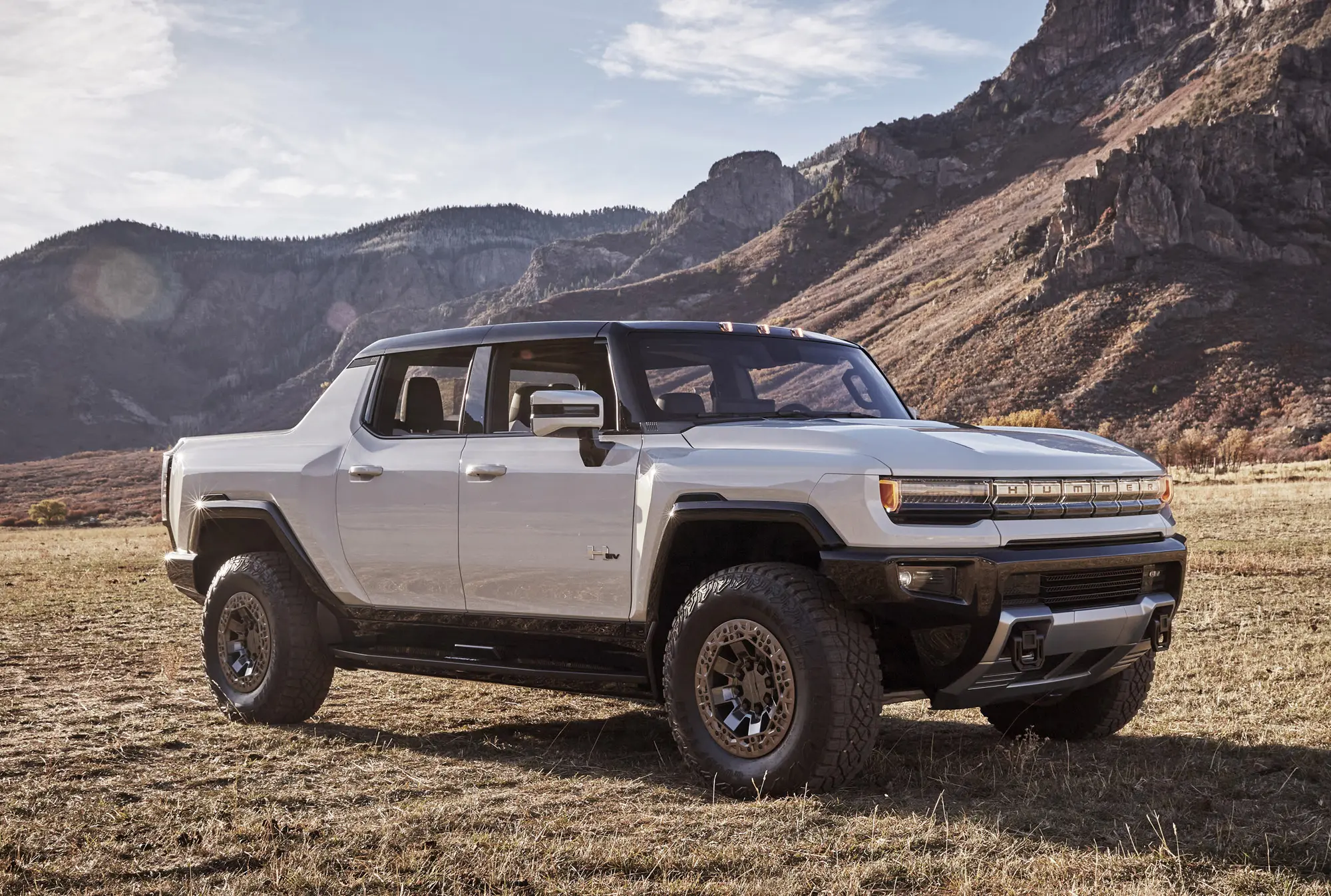
9. Future Extended-Range SUVs and Pickups From Established Automakers
The extended-range vehicle market is likely to attract more manufacturers as automakers search for practical alternatives to conventional gasoline vehicles and battery-only electric models.
Companies such as Ford, General Motors, Toyota, Hyundai, and other major brands have considerable experience with hybrid technology, electric platforms, and advanced powertrain engineering. These capabilities could support additional range-extender products in the coming years.
Pickup trucks are particularly interesting candidates because many American customers depend on them for work and recreation. Long-distance travel, towing, and heavy payloads can create challenges for battery-electric vehicles.
An extended-range powertrain could provide additional flexibility by allowing electric motors to handle propulsion while a generator supplies electricity during demanding journeys.
SUVs also offer considerable opportunities. Family vehicles are expected to provide comfortable seating, sufficient cargo space, and dependable performance across different driving conditions.
A range-extender system could make electric propulsion more practical for households that do not have convenient access to charging facilities. This could be especially valuable in suburban and rural communities.
Manufacturers will also need to consider affordability. Extended-range vehicles generally require more components than conventional electric vehicles because they include both a battery-electric drivetrain and an additional combustion-engine generator system.
This can increase manufacturing complexity, weight, and maintenance requirements. Companies must balance these costs against the convenience and flexibility offered to customers.
Future launches will depend on customer demand, battery prices, government regulations, manufacturing capacity, and charging infrastructure. Not every manufacturer will choose the same solution. Some may prioritize plug-in hybrids, while others could focus on fully electric platforms or traditional hybrids.
The range-extender approach is likely to remain an important option for companies seeking to serve customers who want electric driving without depending entirely on charging networks.