
The 2027 model year is bringing some significant performance improvements to the American automotive market. Several manufacturers are introducing redesigned engines, revised turbocharging systems, hybrid powertrains, and upgraded engine components to deliver more horsepower than their predecessors.
Some of the biggest changes involve luxury SUVs and sports cars, while General Motors is applying substantial power increases across its pickup truck lineup.
This ranking compares U.S.-market 2027 specifications with the closest preceding model-year configurations, focusing on actual horsepower gains rather than simply listing the most powerful vehicles. All figures are manufacturer-rated unless otherwise identified.
1. Audi Q7: Gains 94 Horsepower
The redesigned 2027 Audi Q7 delivers the largest horsepower increase among the vehicles in this comparison. Its new 2.9-liter turbocharged V6 produces 429 horsepower and 442 lb-ft of torque, replacing the outgoing 2026 Q7 55 TFSI’s 3.0-liter V6, which generated 335 horsepower and 369 lb-ft.
That represents a 94-hp improvement, a substantial change for a three-row luxury SUV primarily designed to transport families in comfort.
The difference becomes particularly interesting when considering that Audi has reduced engine displacement while increasing output considerably. The new turbocharged V6 is paired with an eight-speed Tiptronic automatic transmission and standard quattro all-wheel drive.
Audi estimates acceleration from zero to 60 mph in 4.8 seconds, giving the redesigned SUV performance that would have been associated with considerably sportier vehicles not long ago.
The additional power should make everyday driving more effortless. Carrying seven occupants, loading the cargo area, and merging onto busy American highways can place greater demands on an SUV’s engine.
The stronger torque output should help the Q7 respond more confidently in these situations. Audi also advertises a maximum towing capacity of 7,700 pounds when properly equipped with the required towing accessories.
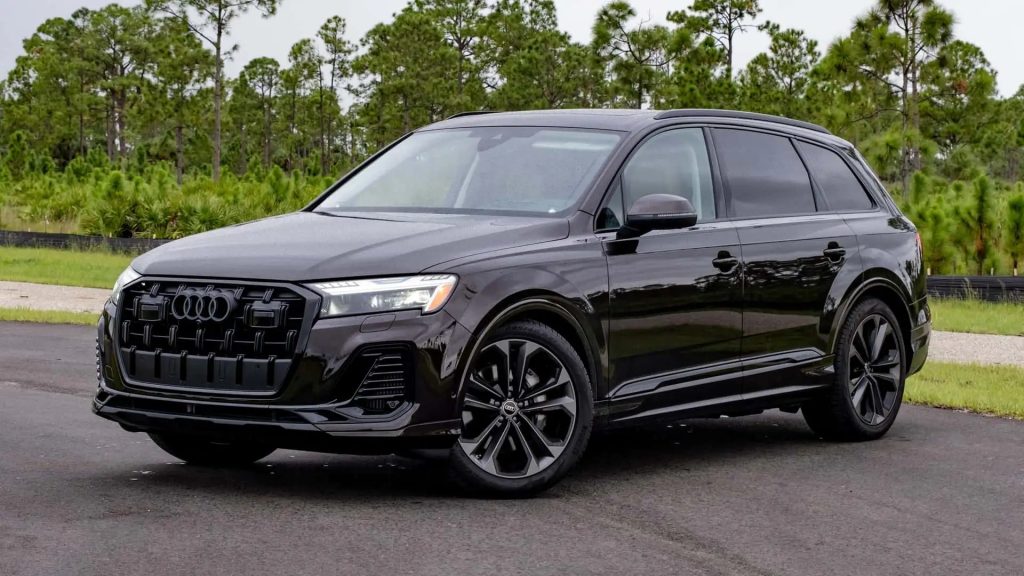
The redesigned cabin brings a modernized dashboard, updated digital displays, and improved lighting technology. Audi also offers a six-passenger configuration with second-row captain’s chairs for customers who prefer easier access to the third row.
It is worth noting that the previous 2026 Q7 offered two engine options, a 261-hp four-cylinder and a 335-hp V6. The reported 94-hp increase is based on comparing the outgoing V6 with the new standard V6, making this the most accurate comparison between equivalent engine configurations.
For buyers considering a premium family SUV, the new Q7’s substantial output increase makes the redesign particularly significant.
2. Audi SQ7: Gains 91 Horsepower
Audi has not limited its engine improvements to the standard Q7. The performance-focused 2027 SQ7 receives an impressive 91-horsepower increase, taking its output from 500 horsepower in the previous generation to 591 horsepower in the redesigned model.
Both generations use a 4.0-liter twin-turbocharged V8, making this a particularly interesting comparison because Audi has retained the same basic engine configuration while extracting considerably more performance.
The new SQ7 produces 590 lb-ft of torque, compared with 568 lb-ft in the 2026 version. Its eight-speed Tiptronic automatic transmission and quattro all-wheel-drive system help transfer the additional output to the road.
Audi quotes a zero-to-60-mph acceleration time of approximately 3.7 seconds for the redesigned SUV, putting it firmly in high-performance territory despite its substantial size.
There is more to this upgrade than a larger horsepower figure. The SQ7 is equipped with sport-focused suspension technology, distinctive exterior detailing, and a chassis engineered to handle stronger acceleration and cornering demands.
Available wheels reach 23 inches, while the cabin retains the three-row seating arrangement that makes the vehicle useful beyond weekend performance driving.
Its towing ability also remains relevant to buyers who need a luxury SUV for more demanding activities. Audi advertises a maximum towing capacity of 7,700 pounds when properly equipped.

The difference between the Q7 and SQ7 is important. The standard Q7 emphasizes a combination of comfort, space, and performance, whereas the SQ7 uses its V8 powertrain to appeal to drivers who want substantially stronger acceleration.
The additional 91 horsepower makes the redesigned SQ7 an especially compelling choice for enthusiasts who need room for passengers without giving up serious engine performance.
This is one of the more substantial improvements in the 2027 luxury SUV segment, particularly because the new output comes from a traditional twin-turbo V8 rather than an entirely electric powertrain.
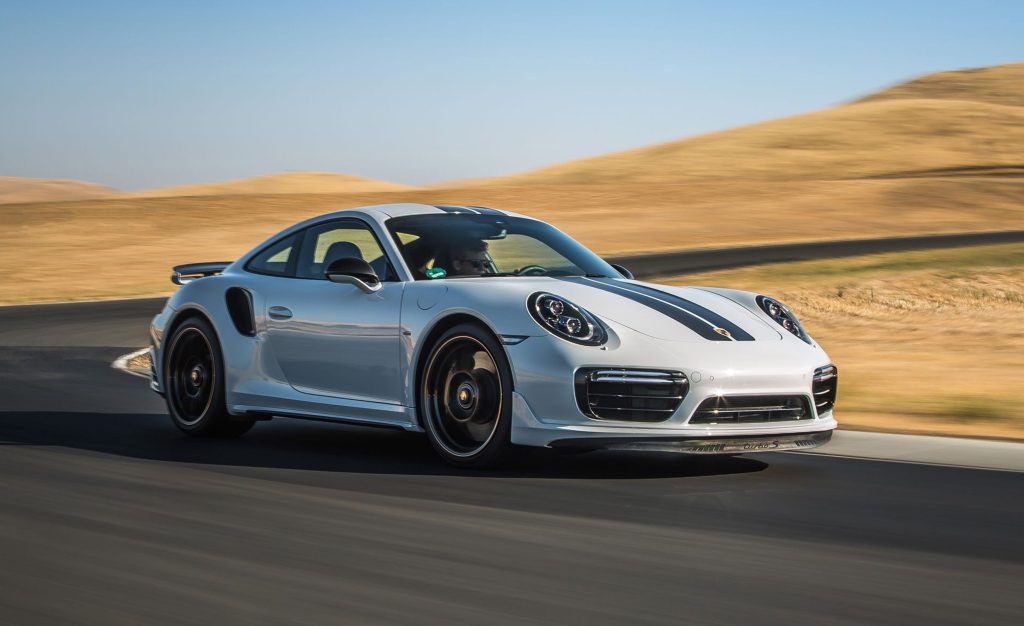
3. Porsche 911 Turbo S: Gains 61 Horsepower
Porsche has taken its flagship 911 performance model into hybrid territory, and the result is a substantial increase in combined output. The 2027 911 Turbo S produces 701 horsepower, compared with 640 horsepower in its predecessor.
That is a gain of 61 horsepower, making it one of the most significant power increases in the sports car segment. Unlike conventional hybrid systems designed primarily to reduce fuel consumption, Porsche’s T-Hybrid technology is engineered to improve performance while maintaining the character expected from a 911.
The new powertrain combines a 3.6-liter twin-turbocharged flat-six engine with an electric motor integrated into the eight-speed PDK transmission. Porsche also uses two electrically assisted exhaust turbochargers, helping the engine build boost pressure more quickly.
The combined system produces up to 701 horsepower and 590 lb-ft of torque. Power is delivered through Porsche’s all-wheel-drive system, providing additional traction during hard acceleration.
Performance figures underline the importance of the upgrade. Porsche estimates that the new Turbo S accelerates from zero to 60 mph in approximately 2.4 seconds when equipped with the Sport Chrono Package.
Its manufacturer-quoted top track speed is 200 mph with summer tires. These figures place it among the fastest road-going sports cars available from the German manufacturer.
The hybrid system is also different from a conventional plug-in arrangement. Owners do not need to connect the vehicle to an external charging station.
Instead, the battery receives energy through the vehicle’s regenerative braking and exhaust-energy recovery systems. The electric assistance works alongside the gasoline engine to improve responsiveness and power delivery.
The additional 61 horsepower is not simply the result of installing a larger combustion engine. Porsche has developed an integrated performance system involving electrification, turbocharging, and transmission technology.
For enthusiasts, the 2027 Turbo S demonstrates how hybrid engineering can increase performance without abandoning the traditional six-cylinder 911 formula.
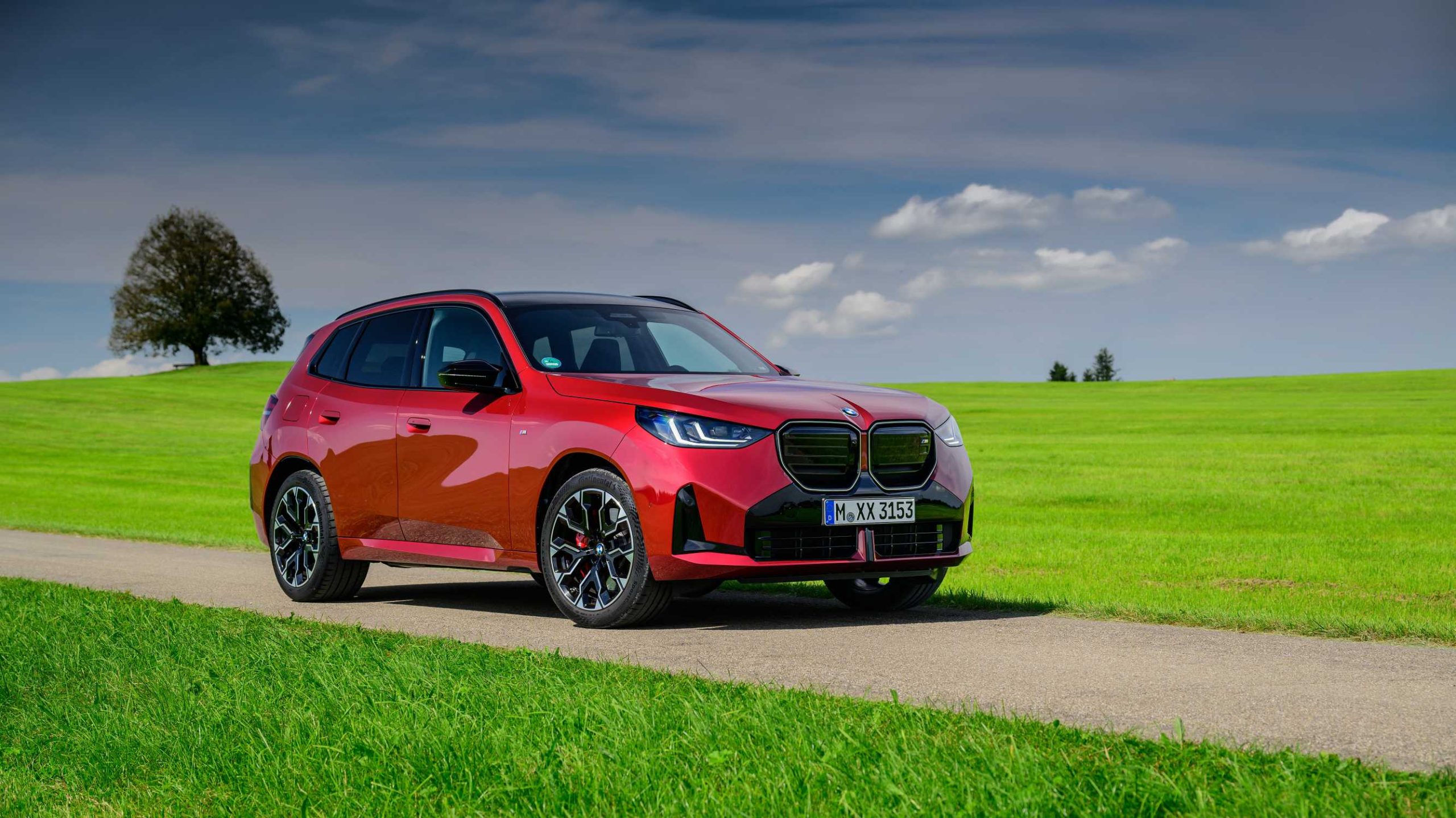
4. BMW X3 M50 xDrive: Gains 44 Horsepower
BMW is making a notable improvement to its performance-oriented compact SUV for 2027. The X3 M50 xDrive increases its engine output from 393 horsepower to 437 horsepower, delivering an additional 44 horsepower without requiring an entirely new engine architecture.
The upgrade comes from the familiar 3.0-liter TwinPower Turbo inline-six, supported by 48-volt mild-hybrid technology.
The revised engine also receives an enhanced exhaust system intended to produce a deeper, more resonant sound. BMW has concentrated on improving the powertrain while retaining the vehicle’s existing performance-oriented identity.
The updated output applies to every 2027 X3 M50 xDrive, rather than being restricted to a special appearance package.
Acceleration remains a major strength. BMW estimates that the updated SUV can travel from zero to 60 mph in 4.3 seconds. With the one-foot rollout measurement, the figure drops to 4.0 seconds.
The vehicle combines its turbocharged six-cylinder engine with an eight-speed automatic transmission and xDrive all-wheel drive, allowing it to deliver power effectively under different driving conditions.
Another interesting development is the introduction of the optional Black Package. This adds exclusive 22-inch Jet Black alloy wheels, black M Sport brake calipers, additional Alcantara surfaces, and distinctive interior detailing.
However, buyers should understand that this package does not create the horsepower increase. The 44-hp improvement is standard across the 2027 M50 range.
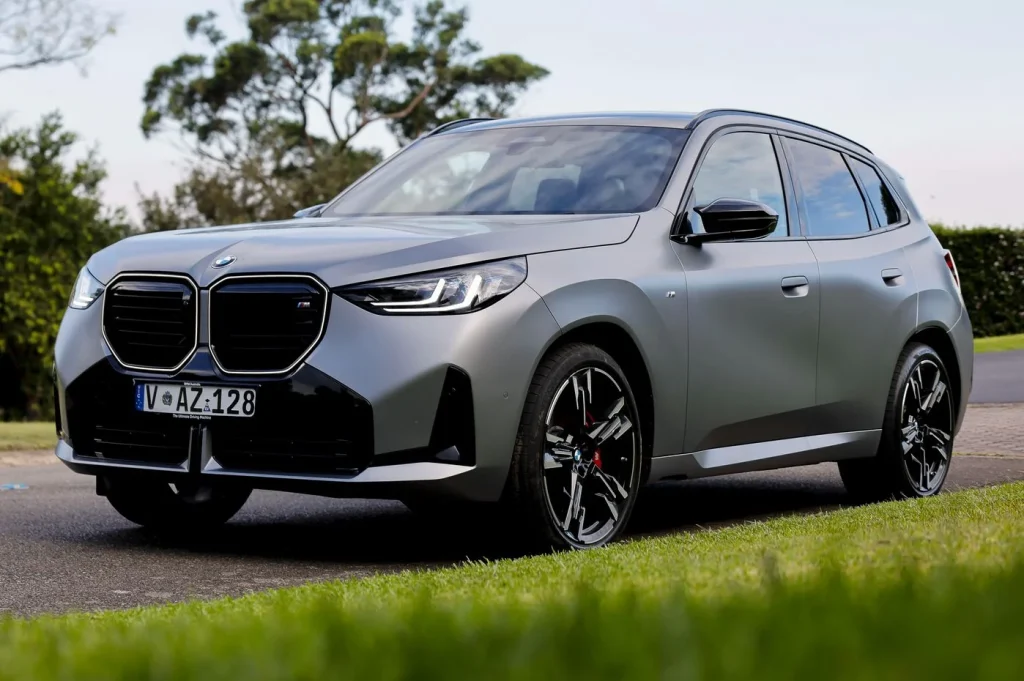
BMW has also announced interior refinements across the wider X3 lineup, including additional ambient lighting and revised dashboard materials. The M50 starts at $67,500 in the United States, before the $1,350 destination and handling charge.
For drivers who want an SUV that remains practical during the week but delivers sports-car-like acceleration when required, the 2027 X3 M50 offers a meaningful improvement. Its 44 additional horsepower strengthens an already capable six-cylinder package without changing the vehicle’s fundamental character.
5. Chevrolet Silverado 1500: Gains 40 Horsepower
Chevrolet is strengthening the entry-level gasoline powertrain of its redesigned full-size pickup for 2027. The Silverado 1500’s enhanced 2.7-liter TurboMax four-cylinder engine now produces 350 horsepower and 455 lb-ft of torque, compared with 310 horsepower and 430 lb-ft in the previous configuration.
That represents an increase of 40 horsepower and 25 lb-ft of torque, giving the smaller-displacement engine a more competitive position in the full-size pickup segment.
This improvement is supported by several mechanical revisions rather than an increase in engine displacement. Chevrolet has introduced a new turbocharger, upgraded fuel injection equipment, improved active thermal management, and redesigned pistons.
These changes are intended to improve engine performance and durability while maintaining the advantages of a turbocharged four-cylinder configuration.
The updated TurboMax is paired with a 10-speed automatic transmission. This is an important change for the full-size Silverado because the previous TurboMax configuration used an eight-speed automatic. The additional gear ratios provide more flexibility when accelerating, cruising, or carrying loads.
Towing remains a major consideration for truck buyers. Chevrolet advertises a maximum towing capacity of 9,400 pounds for the enhanced TurboMax configuration, although that rating requires a specific properly equipped Regular Cab Long Bed 2WD version. It should not be assumed that every Silverado equipped with this engine can tow the same amount.
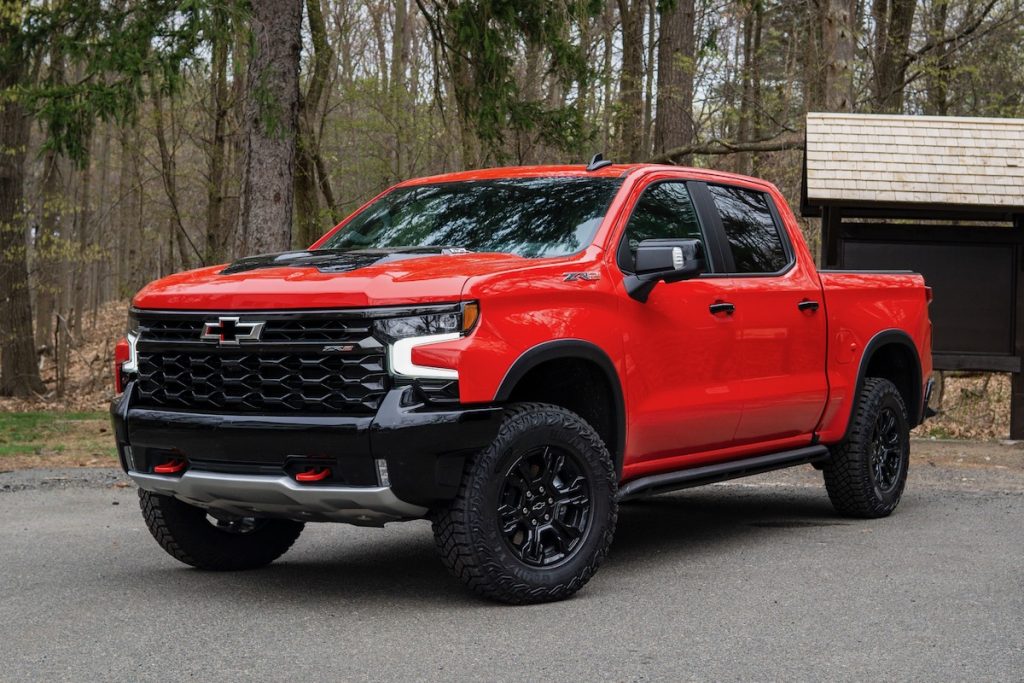
The 2027 Silverado also introduces new sixth-generation V8 options. The 5.7-liter V8 generates 402 horsepower and 428 lb-ft of torque, while the 6.6-liter V8 produces 481 horsepower and 501 lb-ft. Buyers therefore have more choices depending on whether they prioritize affordability, traditional V8 performance, or towing capability.
The TurboMax’s 40-hp improvement is particularly important for customers who prefer a smaller gasoline engine but still expect substantial output from a full-size truck. Chevrolet has strengthened that proposition without making a V8 mandatory.
6. GMC Sierra 1500: Gains 40 Horsepower
GMC is introducing the same major TurboMax powertrain improvement in its redesigned 2027 Sierra 1500. The updated 2.7-liter turbocharged four-cylinder now delivers 350 horsepower and 455 lb-ft of torque, up from the previous 310 horsepower and 430 lb-ft.
This gives the Sierra an additional 40 horsepower and 25 lb-ft of torque, making the entry-level gasoline engine considerably stronger on paper.
The changes are not limited to engine calibration. GMC has confirmed a new turbocharger, upgraded fuel injection, improved active thermal management, and redesigned pistons. These revisions are intended to improve power delivery and operating characteristics while retaining the engine’s relatively compact dimensions.
Unlike the midsize Canyon, the full-size Sierra pairs its enhanced TurboMax with a 10-speed automatic transmission. This transmission is included across the 2027 engine lineup. The result is a more extensive powertrain selection for customers who need a truck for commuting, hauling, or recreational towing.
GMC has also introduced two new sixth-generation Small Block V8 engines. The 5.7-liter unit generates 402 horsepower and 428 lb-ft of torque, while the 6.6-liter engine produces 481 horsepower and 501 lb-ft. The latter becomes GMC’s most powerful half-ton V8, providing a traditional naturally aspirated alternative to the turbocharged four-cylinder.
For customers who regularly tow heavy trailers, engine output must be considered alongside the truck’s configuration. GMC advertises a maximum available towing capacity of 13,500 pounds for properly equipped Sierra models, but that maximum is associated with a specific 5.7-liter V8 configuration, not the TurboMax.
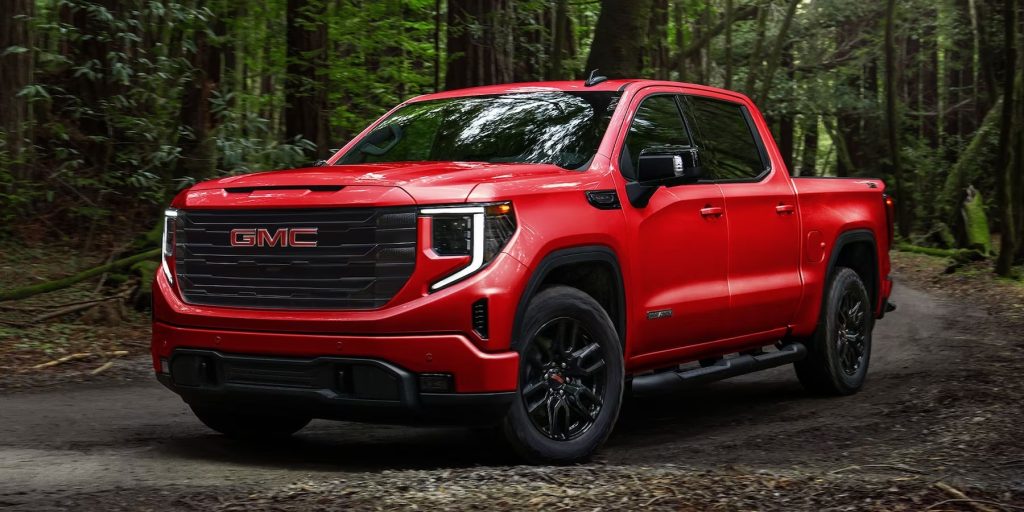
The Sierra also receives a redesigned cabin, updated exterior styling, and an improved MultiPro center console. Premium versions continue to offer equipment aimed at buyers who want more than a conventional work truck.
Although the engine upgrade is shared with Chevrolet, GMC positions the Sierra differently through its premium trim offerings. The 40-hp improvement makes the 2027 model a more powerful starting point for customers entering the full-size pickup market.
7. Chevrolet Colorado: Gains 40 Horsepower
Chevrolet is bringing a meaningful performance improvement to its midsize pickup, giving the 2027 Colorado a stronger version of the TurboMax engine. The revised 2.7-liter turbocharged four-cylinder produces 350 horsepower and 450 lb-ft of torque.
Its predecessor generated 310 horsepower and 430 lb-ft, meaning the new configuration gains 40 horsepower and 20 lb-ft of torque.
The updated engine carries the L4B designation, replacing the previous L3B configuration. Chevrolet has introduced a new turbocharger, upgraded fuel injection components, improved active thermal management, and redesigned pistons.
These changes are designed to increase output while improving the engine’s operating characteristics. The result is a stronger powertrain without requiring the Colorado to adopt a larger six-cylinder engine.
An eight-speed automatic transmission continues to handle gear changes. Unlike the full-size Silverado, which receives a 10-speed automatic with its enhanced TurboMax, the Colorado retains its existing transmission arrangement.
This distinction is important because the two trucks use related engines but have different transmission configurations.
The extra horsepower should make the Colorado more responsive during highway acceleration and when carrying equipment. Its 450 lb-ft torque rating is particularly useful for a midsize truck because it provides substantial pulling force from a relatively compact engine.
Chevrolet advertises a maximum towing capacity of 7,700 pounds for properly equipped Colorado models. However, certain specialized off-road versions have lower ratings. The ZR2, for example, has a maximum towing capacity of 6,000 pounds, so buyers should check the specifications of their selected trim.
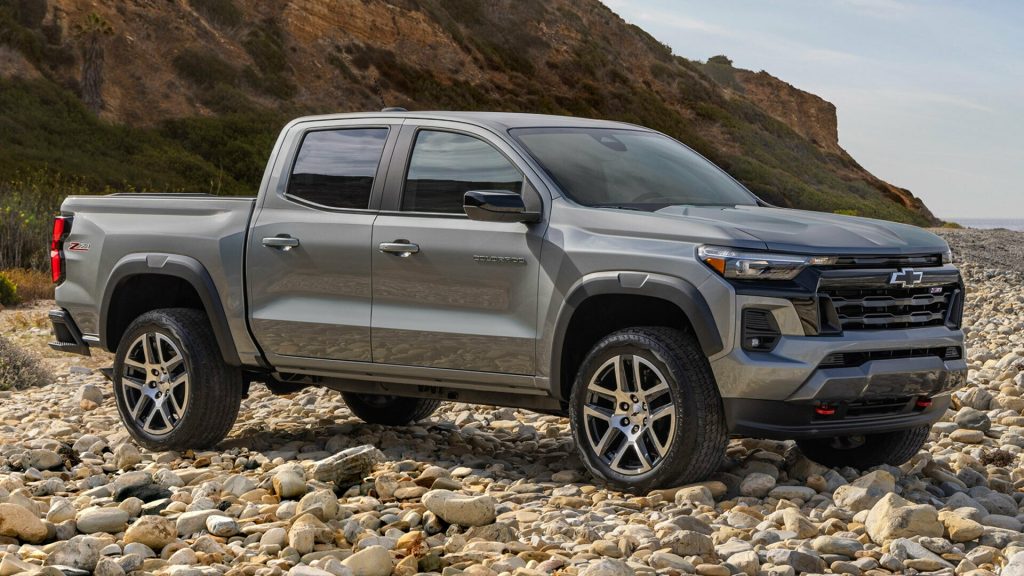
The Colorado’s dimensions also make it attractive to customers who do not need the size of a full-size pickup. Its combination of maneuverability, useful cargo capacity, and stronger engine output provides a practical alternative for everyday transportation and recreational activities.
The 40-hp improvement makes the 2027 Colorado a particularly interesting update in the midsize pickup category.
8. GMC Canyon: Gains 40 Horsepower
The GMC Canyon is receiving a powertrain improvement that brings it closer to the performance level of considerably larger pickups. For 2027, its revised 2.7-liter TurboMax engine produces 350 horsepower and 450 lb-ft of torque.
This compares with 310 horsepower and 430 lb-ft in the 2026 model, representing a 40-hp gain and an additional 20 lb-ft of torque.
The new engine carries GM’s L4B designation and incorporates several mechanical improvements. These include a revised turbocharger, upgraded fuel injection equipment, improved thermal management, and redesigned pistons. The objective is to produce more power while maintaining the practical characteristics expected from a midsize truck.
GMC retains an eight-speed automatic transmission for the Canyon. This differentiates it from the 2027 Sierra 1500, which uses a 10-speed automatic with its enhanced TurboMax.
The Canyon’s transmission arrangement reflects its different size and positioning, even though both vehicles benefit from developments within GM’s TurboMax engine family.
The additional output is particularly useful when the truck is carrying equipment or accelerating with a trailer attached. GMC’s previous Canyon already offered 430 lb-ft of torque, so the new 450-lb-ft rating provides an additional margin of pulling force.
Maximum towing capacity remains dependent on configuration, with the standard lineup offering up to 7,700 pounds on appropriately equipped versions. The AT4X has a lower 6,000-pound maximum.
Off-road equipment continues to distinguish the Canyon from more conventional midsize pickups. Its AT4X configuration includes specialized suspension components and locking differentials, while the Denali focuses more heavily on premium cabin appointments.
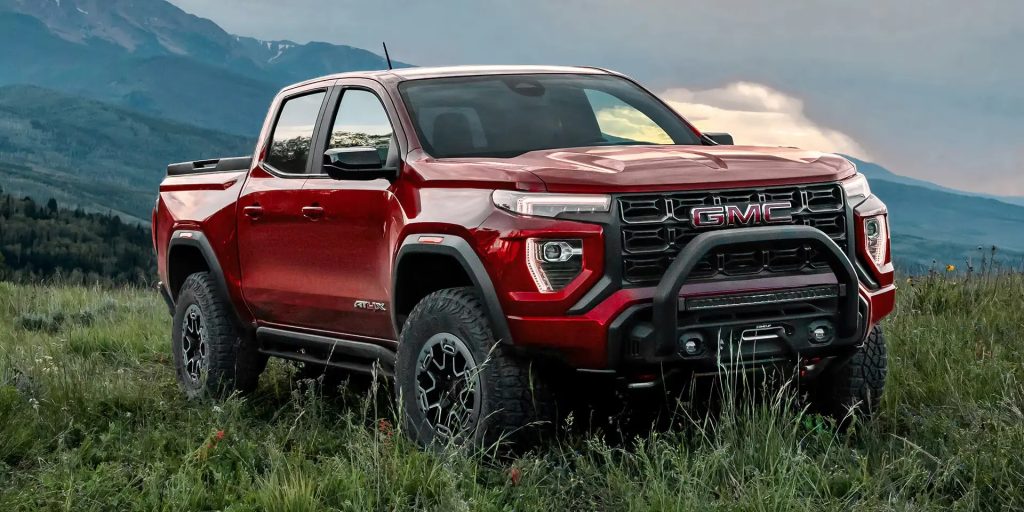
One important point is that the additional horsepower does not automatically translate into a higher towing rating. GMC’s revised engine makes the truck more powerful, but its published towing limitations still depend on the selected configuration.
For customers who want a midsize pickup with a premium interior and stronger engine performance, the 2027 Canyon’s 40-hp improvement is a welcome development.
9. Chevrolet Corvette Stingray: Gains 40 Horsepower
Chevrolet is making one of its most important engine changes in years by introducing the next-generation LS6 V8 in the 2027 Corvette Stingray. The new 6.7-liter naturally aspirated engine produces 535 horsepower and 520 lb-ft of torque.
The previous 2026 Stingray generated a maximum of 495 horsepower and 470 lb-ft with its optional performance exhaust. Using that highest available previous output, the new engine delivers 40 additional horsepower.
There is an important distinction when comparing standard configurations. The 2026 Stingray produced 490 horsepower without the optional performance exhaust, so the increase over that version is actually 45 horsepower.
Both comparisons are accurate, but the 40-hp figure provides a comparison against the previous model’s maximum available output.
The LS6 uses a 13.0:1 compression ratio and a larger 6.7-liter displacement. Chevrolet has also introduced forged pistons and connecting rods, revised exhaust manifolds, and a new lubrication system. A 95-mm throttle body and updated intake design help improve airflow into the engine.
Torque is another major part of the upgrade. The new V8 produces 520 lb-ft, compared with 470 lb-ft in the previous Stingray equipped with performance exhaust. This additional pulling force should help the vehicle accelerate more strongly, particularly when exiting corners and building speed through the higher rev range.
The engine continues to work with an eight-speed dual-clutch automatic transmission. Chevrolet has also revised the available Magnetic Ride Control suspension calibration and improved the Z51 Performance Package with a shorter final-drive ratio and updated tire equipment.
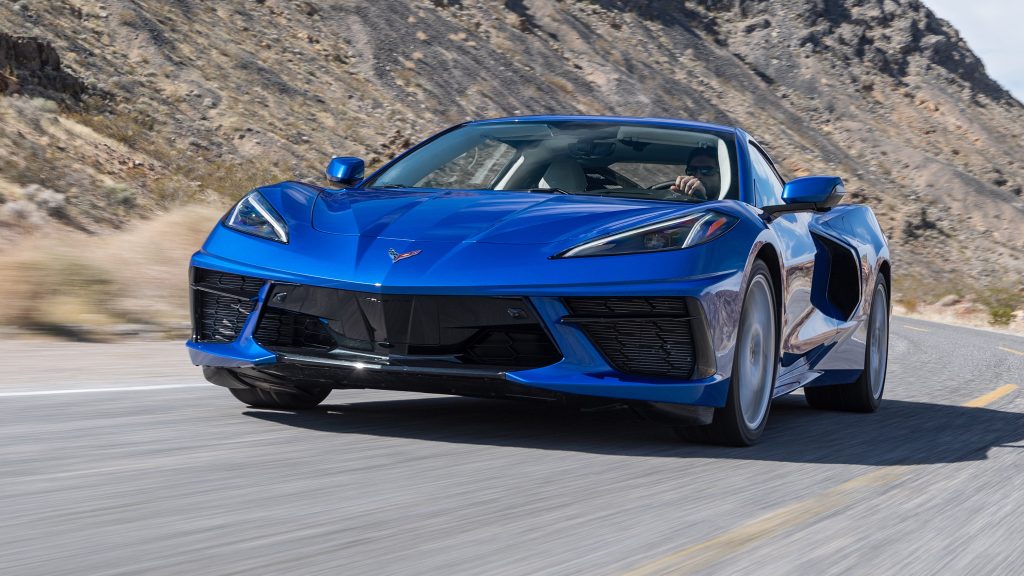
For enthusiasts, the most interesting aspect is the decision to retain naturally aspirated V8 power. At a time when many manufacturers are relying on turbocharging and electrification to increase output, Chevrolet is extracting additional performance through greater displacement and revised engine engineering.
The 2027 Stingray therefore offers a substantial improvement while preserving its traditional American sports-car character.
10. Volkswagen Atlas: Gains 13 Horsepower
Not every worthwhile horsepower improvement needs to be a dramatic performance upgrade. Volkswagen’s redesigned 2027 Atlas demonstrates this with a revised 2.0-liter turbocharged four-cylinder engine that produces 282 horsepower, compared with 269 horsepower in the outgoing configuration.
The increase of 13 horsepower is smaller than the gains achieved by the performance vehicles and pickups earlier in this list, but it is meaningful for a family-oriented three-row SUV.
The updated engine belongs to Volkswagen’s EA888 family and incorporates revised internal specifications. Its compression ratio increases from 9.6:1 to 10.5:1, while the manufacturer has adjusted the turbocharging setup and engine calibration.
Maximum torque is rated at 258 lb-ft, which is actually 15 lb-ft lower than the previous engine’s 273 lb-ft. Consequently, the revised powertrain should not be described as stronger in every operating condition.
The Atlas uses an eight-speed automatic transmission, with front-wheel drive standard and 4MOTION all-wheel drive available. Volkswagen has also improved the vehicle’s fuel economy.
Front-wheel-drive versions receive EPA estimates of 22 MPG in the city, 29 MPG on the highway, and 25 MPG combined. All-wheel-drive versions are rated at 20 MPG city, 27 MPG highway, and 23 MPG combined.
The redesigned exterior is accompanied by a substantially updated interior. Volkswagen introduces a new dashboard layout, an available 15-inch infotainment touchscreen, updated ambient lighting, and additional comfort equipment.
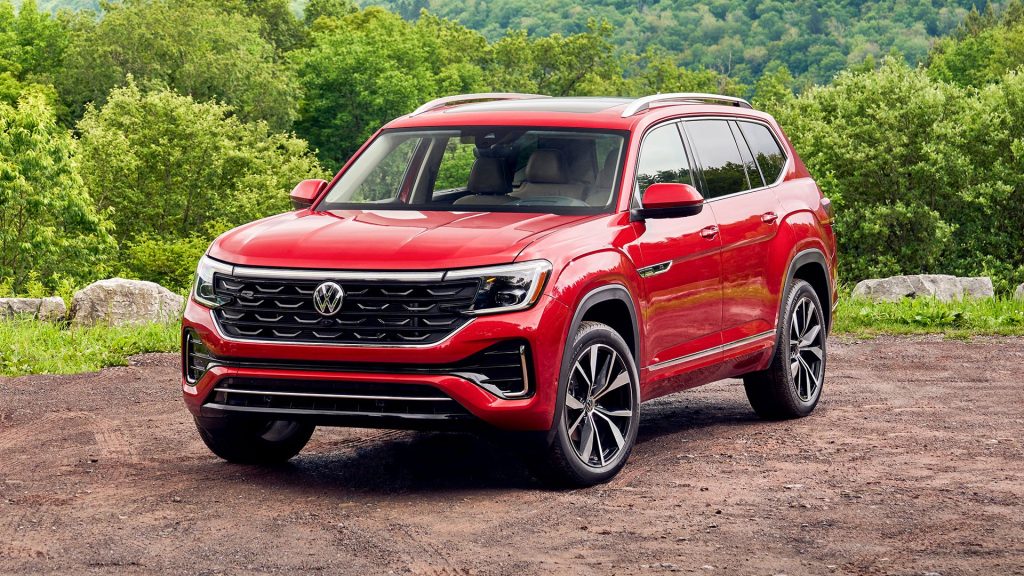
The three-row seating arrangement remains central to the Atlas’s appeal, accommodating families who need more passenger space than a conventional two-row crossover provides.
The maximum available towing capacity remains 5,000 pounds when properly equipped. That figure makes the Atlas useful for smaller trailers and recreational equipment, although it is not intended to replace a dedicated full-size towing vehicle.
The 13-hp improvement may not attract performance enthusiasts, but the combination of increased output, revised engine technology, and improved fuel economy makes the redesigned Atlas an important 2027 update.
