
The 2027 model year is bringing an interesting mix of new vehicles to American showrooms, from affordable compact SUVs to long-range electric crossovers and premium electric models.
Automakers are placing greater emphasis on electrification, improved cabin technology, additional passenger space, and more efficient powertrains. However, the biggest attraction for buyers will be how much these vehicles cost before options, taxes, and dealership fees are added.
This list examines ten notable 2027 arrivals, arranged by their advertised starting prices, with attention to their specifications, equipment, performance, and expected appeal to American buyers.
1. Kia Seltos: Starting at $24,990
The most affordable vehicle on this list is also one of the more significant redesigns for Kia. The second-generation 2027 Seltos arrives with a larger body, revised styling, improved passenger accommodation, and a more sophisticated equipment package.
Its starting MSRP of $24,990 makes it an appealing option for buyers who want an SUV without moving into the $30,000 price bracket. Kia charges an additional $1,495 for destination and handling, bringing the entry-level advertised price to $26,485 before taxes and other fees.
Unlike some competitors that offer only one engine across their entry-level SUV ranges, Kia provides two gasoline powertrains. The standard 2.0-liter four-cylinder produces 147 horsepower and 132 lb-ft of torque, while the more expensive 1.6-liter turbocharged engine generates 190 horsepower and 195 lb-ft.
The standard engine uses an intelligent variable transmission, whereas the turbocharged X-Line SX pairs its engine with an eight-speed automatic transmission. Front-wheel drive is available on the lower trims, with all-wheel drive offered across much of the lineup.
Space is another important part of the redesign. Kia estimates 27.8 cubic feet of cargo capacity behind the second row, increasing to 64.2 cubic feet when the rear seats are folded.
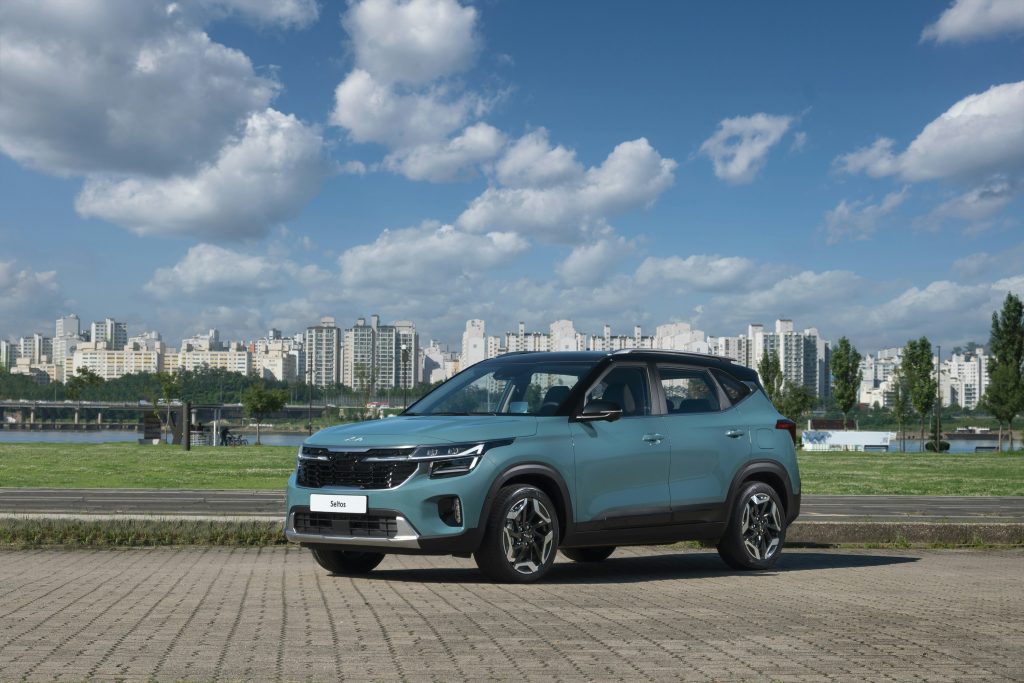
These figures give the vehicle practical flexibility for grocery shopping, luggage, and everyday family transportation. Its longer wheelbase and wider stance also contribute to improved cabin accommodation.
The five-trim lineup includes LX, S, EX, X-Line S, and X-Line SX. Buyers can therefore choose between a straightforward budget configuration and a more powerful, better-equipped version. For American shoppers prioritizing affordability and utility, the redesigned Seltos deserves attention.
2. Kia EV3: Starting at $29,890
Electric vehicles do not necessarily need to cost more than $40,000, and Kia is making that point with the 2027 EV3. This all-new electric crossover enters the American market with a starting MSRP of $29,890, excluding its $1,495 destination charge.
That puts its advertised entry price at $31,385 before taxes, registration, and additional dealer charges. It also becomes Kia’s most affordable electric vehicle, opening the door to buyers who want an electric daily driver without committing to a luxury-priced model.
The EV3’s biggest selling point is its driving range. Kia estimates up to 321 miles on a full charge for the Wind and Land front-wheel-drive versions. The entry-level Light has a smaller battery and a lower estimated range of 221 miles.
Consequently, shoppers should compare battery configurations rather than assuming every trim delivers the maximum advertised distance. Available dual-motor all-wheel drive provides additional traction and increases output, while the performance-focused GT produces 288 horsepower.
Charging convenience has also received attention. The EV3 comes with a North American Charging Standard port, allowing compatible vehicles to use Tesla Supercharger locations without requiring a separate adapter.
Kia estimates a 10-to-80-percent charging time of approximately 31 minutes when connected to a suitable 350-kW DC fast charger. Actual charging speeds depend on battery temperature, charger output, and operating conditions.
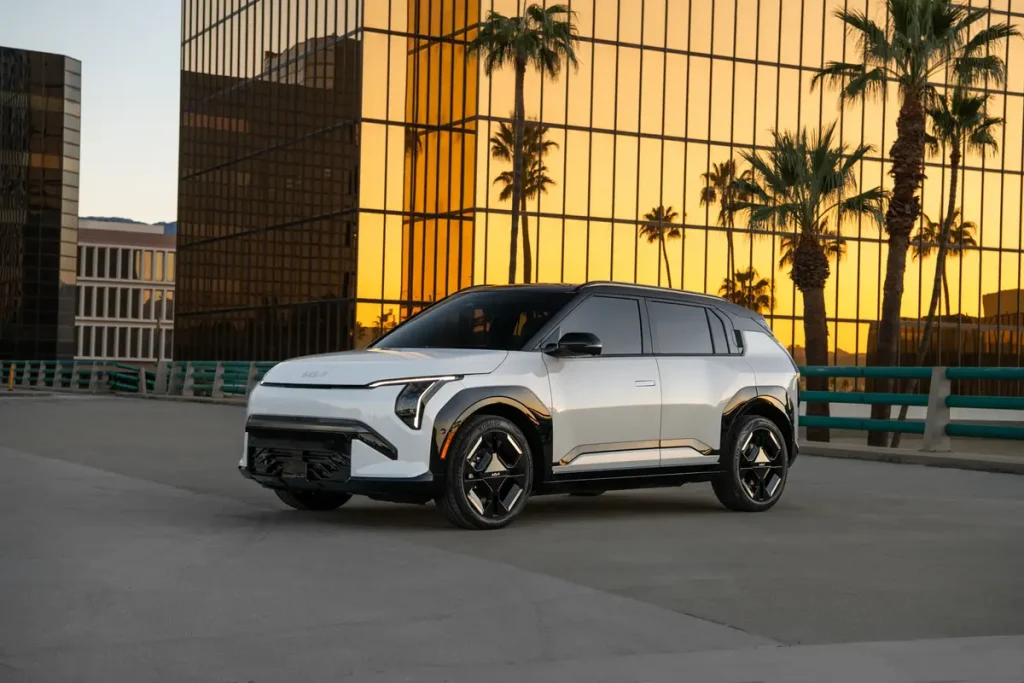
Inside, the compact crossover offers a technology-focused dashboard with nearly 30 inches of combined digital displays, wireless smartphone connectivity, and available premium equipment. Its available surround-view camera and blind-spot monitoring systems add useful assistance in crowded parking areas and heavy traffic.
With seven configurations, including front-wheel-drive, all-wheel-drive, and GT versions, the EV3 offers several ways to enter electric ownership. Its real attraction is the combination of a relatively accessible starting price and genuinely useful long-distance range.
3. Toyota BZ: Starting at $34,980
Toyota is making its electric SUV lineup more competitive for 2027 by offering the bZ with revised equipment and a more accessible entry price. The starting MSRP is $34,980 for the XLE grade, while the Limited starts at $43,380.
These prices exclude applicable destination charges, taxes, and registration expenses. Although this is not a completely new generation, the 2027 version represents an important development in Toyota’s effort to make its electric vehicles more attractive to mainstream American buyers.
Battery configuration makes a considerable difference to the vehicle’s capabilities. Toyota advertises an estimated maximum driving range of 314 miles across the lineup, but the entry-level XLE is rated at 236 miles.
Buyers selecting the Limited receive a larger-range configuration with an estimated 299 miles. These distinctions matter because the advertised maximum should not be mistaken for the range available on the least expensive version.
The bZ uses an all-electric powertrain, eliminating the need for gasoline and conventional engine maintenance. Its driving experience is designed around quiet operation, immediate electric torque, and straightforward daily transportation.
Toyota also includes its Safety Sense 3.0 driver-assistance package, which incorporates features such as lane tracing assistance, automatic high beams, and pre-collision assistance with pedestrian detection.
The interior places considerable emphasis on connectivity and convenience. A modern multimedia interface, smartphone integration, and available premium equipment help position the vehicle against established electric crossovers.
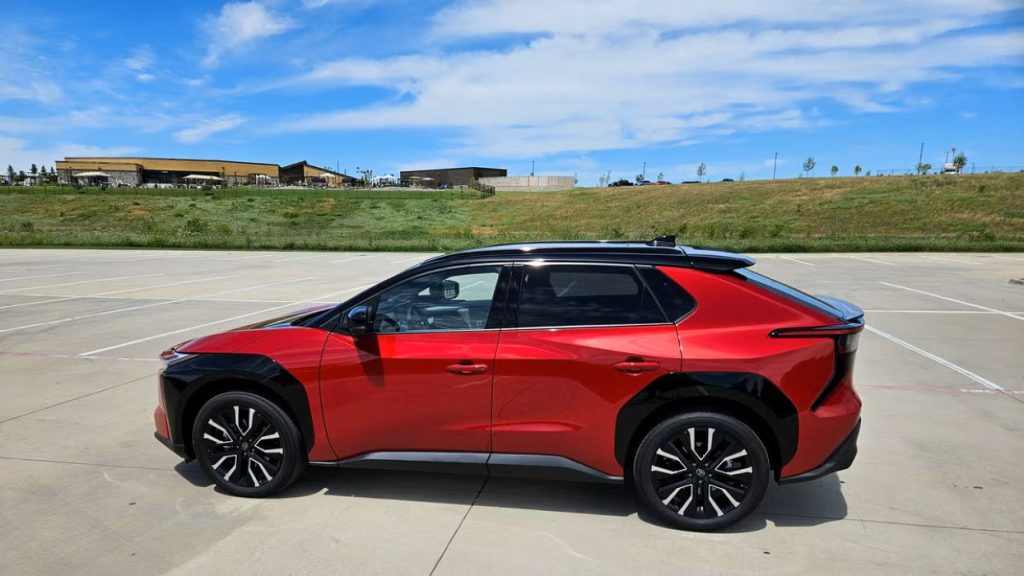
Its five-passenger layout also makes it suitable for smaller families who need everyday versatility without moving into a three-row SUV.
The pricing strategy is particularly interesting. At $34,980, the bZ gives Toyota a more accessible electric entry point than several premium competitors. However, shoppers should compare the XLE’s shorter range against the more expensive configurations before deciding which version provides the strongest value.
4. Subaru Uncharted: Starting at $34,995
Subaru’s electric strategy takes a different direction with the Uncharted, a compact crossover that combines a relatively accessible purchase price with the brand’s familiar emphasis on all-weather usability.
Its 2027 range starts at $34,995 for the premium front-wheel-drive version. The Sport begins at $39,795, while the GT carries a $43,795 starting MSRP. Destination and delivery charges are additional, so buyers should account for those expenses when comparing dealership quotations.
The powertrain choices separate the three trims quite clearly. The premium uses a single electric motor producing 221 horsepower, driving the front wheels. Sport and GT models receive a dual-motor configuration with 338 horsepower and Subaru Symmetrical All-Wheel Drive.
This gives customers a choice between prioritizing efficiency and range or paying more for additional performance and traction.
Subaru advertises up to 308 miles of driving range, although that maximum belongs to the front-wheel-drive configuration. The all-wheel-drive versions have lower range estimates, reflecting their additional motor and different equipment.
The company also provides access to more than 25,000 compatible Tesla Supercharger locations through its North American Charging Standard charging arrangement. Under suitable conditions, the battery can charge from 10 to 80 percent in approximately 28 minutes.
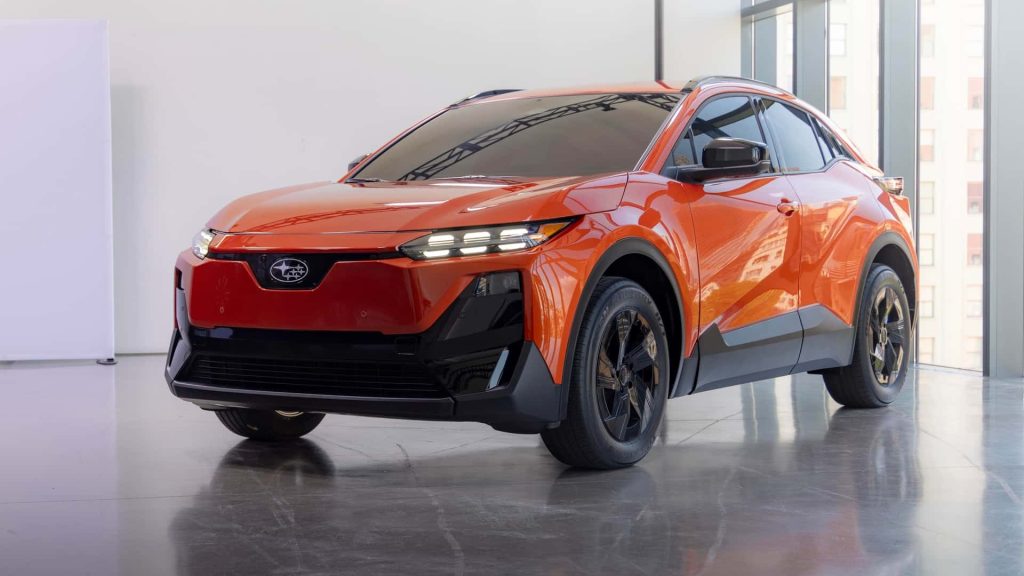
Ground clearance is another notable specification. At 8.2 inches, the crossover offers more clearance than many conventional compact electric vehicles, making it better suited to rougher roads and occasional light-trail use. A 14-inch multimedia touchscreen brings modern connectivity into the cabin.
There is an important model-year distinction here: the Uncharted debuted for 2026 and carries into 2027 without a major redesign. Its inclusion reflects its availability in the 2027 U.S. lineup, rather than a completely new 2027 generation.
For buyers comparing electric crossovers, its combination of pricing, available AWD, and practical ground clearance remains worth considering.
5. Nissan Rogue Hybrid: Starting at $35,490
Nissan is introducing a particularly interesting addition to its American SUV lineup with the 2027 Rogue Hybrid. Rather than adopting the conventional arrangement found in many hybrid crossovers, this model uses the company’s e-POWER technology.
Its 1.5-liter turbocharged gasoline engine generates electricity, while electric motors provide the driving force to the wheels. The result is an unusual combination of electric-style acceleration and gasoline-powered convenience without requiring owners to connect the vehicle to a charging station.
The entry-level SV AWD carries a starting MSRP of $35,490, excluding the $1,575 destination and handling charge.
The SR AWD increases the price to $37,490, while the Platinum AWD reaches $43,490. Every version receives dual-motor all-wheel drive, meaning buyers do not need to purchase an expensive upper trim simply to obtain additional traction.
Fuel efficiency is one of the most important figures attached to this introduction. Nissan advertises up to 41 MPG in city driving for the SR AWD configuration.
That figure makes the hybrid particularly relevant to American commuters who spend considerable time in congested urban traffic. Unlike plug-in hybrids, the Rogue does not require home charging infrastructure or regular visits to public charging stations.
Technology also receives considerable attention. Available equipment includes dual 14.3-inch displays, Google built-in connectivity, an enhanced surround-view camera system, and upgraded driver-assistance functions.
The e-Pedal system with Smooth Stop technology is designed to make repeated acceleration and deceleration more comfortable during stop-and-go journeys.
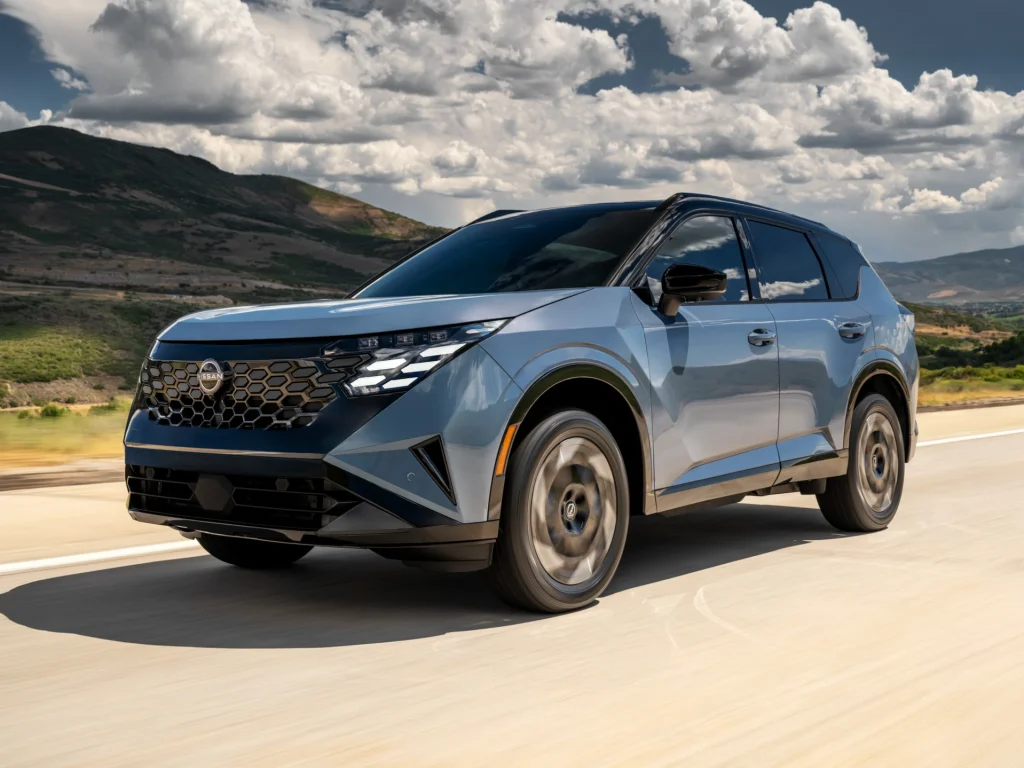
Nissan expects limited SR Technology Package availability beginning in November 2026, with additional versions arriving in January 2027. That staggered rollout is worth remembering when checking dealership inventory.
The Rogue Hybrid is not simply another fuel-saving variation of an existing SUV. Its unusual powertrain gives Nissan a distinct alternative in a competitive segment, particularly for drivers interested in electric-motor responsiveness without the charging requirements of a battery-powered vehicle.
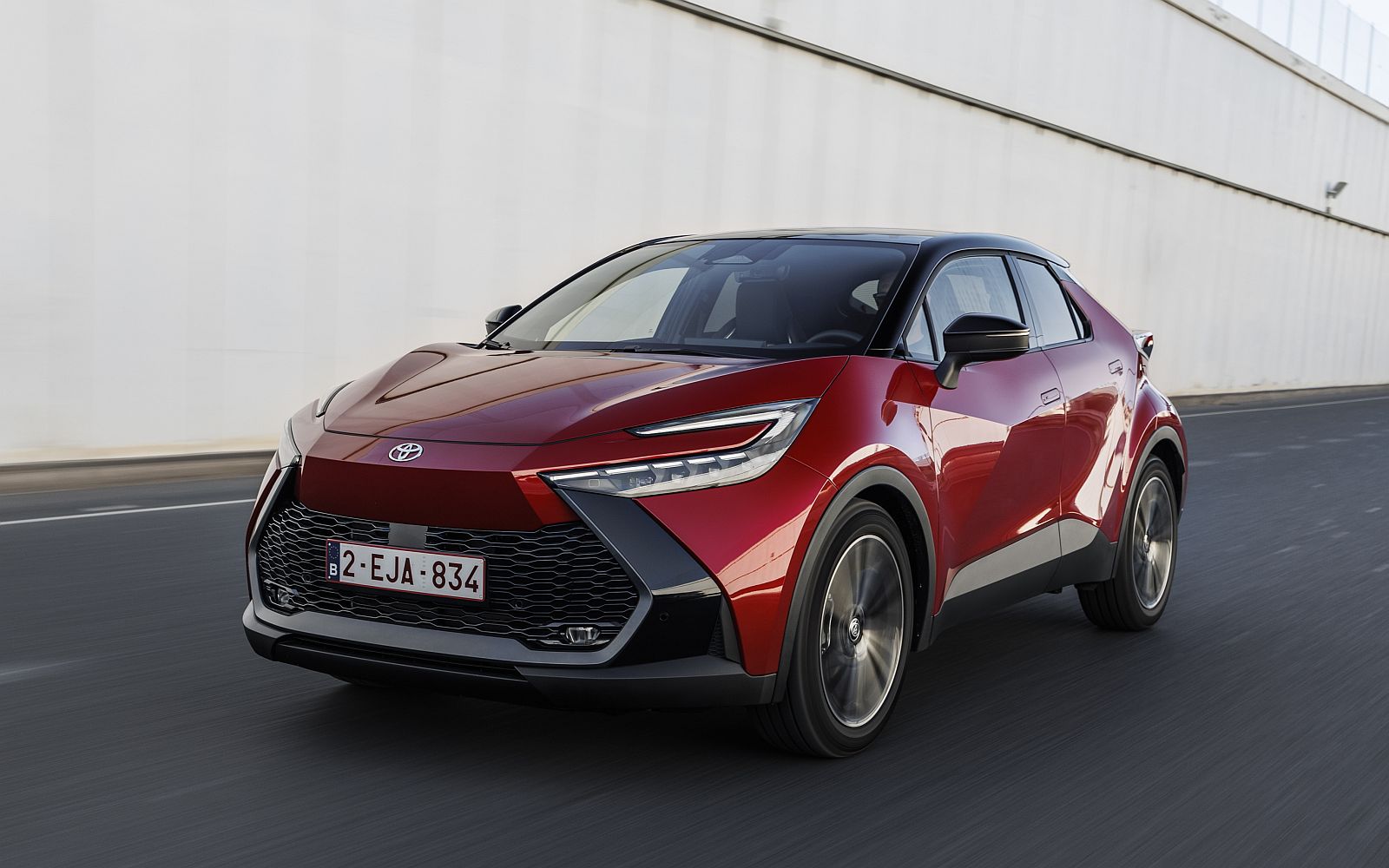
6. Toyota C-HR: Starting at $37,080
Toyota is bringing back the C-HR nameplate in a completely different form for the American market. The 2027 version is an all-electric compact SUV, replacing the previous U.S. gasoline-powered approach with a dual-motor electric drivetrain and standard all-wheel drive.
Its SE trim starts at $37,080, while the more expensive XSE begins at $39,080, before destination charges and other expenses.
Performance is a major part of its appeal. Toyota quotes a combined output of 338 horsepower and a manufacturer-estimated acceleration time of 4.9 seconds from zero to 60 mph.
Those numbers give this relatively compact crossover considerably more performance than many traditional entry-level SUVs. The standard electric all-wheel-drive arrangement also provides additional traction when driving on wet roads or through challenging weather conditions.
Range varies according to the selected trim. The SE receives a manufacturer-estimated 287-mile range, while the XSE is rated at 273 miles. Both use a 74.7-kWh battery. Toyota also incorporates a North American Charging Standard port, providing compatibility with suitable Tesla Supercharger stations.
Under ideal conditions, the company estimates that charging from 10 to 80 percent takes approximately 30 minutes using a compatible DC fast charger.
Practicality has not been ignored in the pursuit of performance. The cabin accommodates five occupants, and Toyota estimates up to 59.5 cubic feet of cargo capacity with the rear seats folded. A 14-inch multimedia touchscreen, wireless Apple CarPlay, and Android Auto compatibility help modernize the interior.
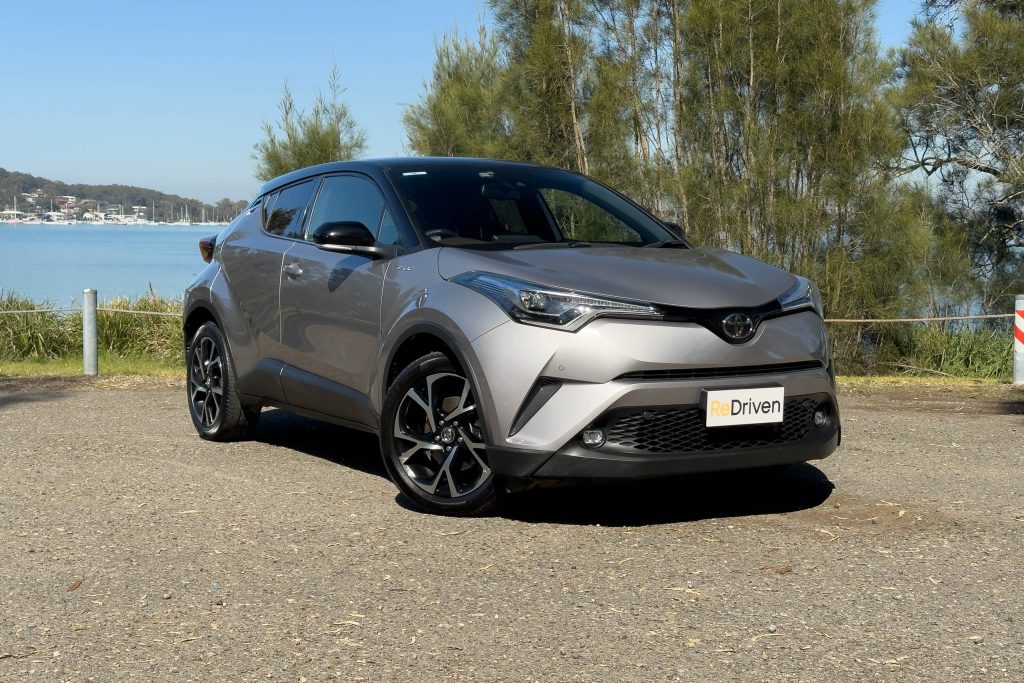
The styling is another reason this vehicle stands apart. Its coupe-like roofline and relatively wide stance give it a sportier appearance than Toyota’s more conventional utility vehicles.
For buyers seeking an electric SUV that combines substantial horsepower, standard AWD, and a recognizable Toyota badge, the C-HR presents an interesting proposition. The main purchasing consideration will be whether its range and interior packaging suit the intended driving routine.
7. Kia Telluride: Starting at $39,190
Kia has given its popular three-row SUV a complete redesign for 2027, and the changes extend well beyond its exterior appearance. The new Telluride receives a more powerful standard turbocharged engine, a larger body, improved interior accommodation, and additional off-road equipment.
Its LX front-wheel-drive version starts at $39,190, excluding the $1,545 destination charge. This places it in a competitive position among American family SUVs, particularly for households that need three rows without immediately moving into a luxury-brand price category.
The gasoline-powered lineup uses a 2.5-liter turbocharged four-cylinder engine producing 274 horsepower and 311 lb-ft of torque. An eight-speed automatic transmission sends power to the front wheels or available all-wheel-drive system, depending on configuration.
Kia also advertises a maximum towing capacity of 5,000 pounds when properly equipped. That capability gives the vehicle useful flexibility for owners transporting small recreational boats, trailers, and other equipment.
Its physical dimensions help explain the emphasis on family transportation. The SUV measures 199.2 inches long and 78.3 inches wide, with a 116.9-inch wheelbase.
Cargo capacity reaches 22.3 cubic feet behind the third row, 48.7 cubic feet behind the second row, and 89.3 cubic feet with both rear seating rows folded. The cabin accommodates up to eight occupants, depending on seating configuration.
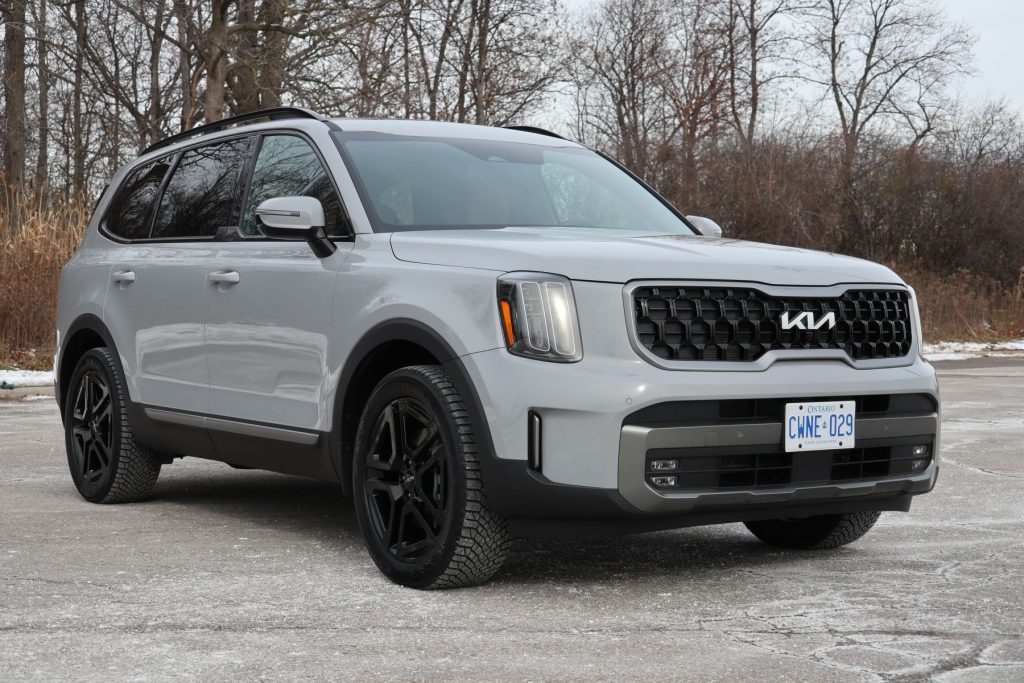
Buyers can select from LX, S, EX, SX, SX-Prestige, X-Line, and X-Pro configurations. The X-Pro deserves particular attention because it adds equipment intended for more demanding terrain, including 9.1 inches of ground clearance, all-terrain tires, and an electronic limited-slip differential.
Kia has also introduced a turbo-hybrid version, beginning at $46,490 for the EX FWD. It produces 329 horsepower and offers an EPA-estimated 35 MPG combined. This gives buyers two distinct approaches to the same family-SUV formula, depending on whether towing capability or fuel economy takes priority.
8. Subaru Trailseeker: Starting at $39,995
Subaru is extending its electric vehicle range with a model that takes inspiration from the brand’s adventure-focused identity. The 2027 Trailseeker is a new electric SUV positioned for buyers who want more than an ordinary city crossover.
Its Premium trim starts at $39,995, followed by the Limited at $43,995, Touring at $46,555, and Touring Leather at $46,855. These prices exclude the $1,475 destination and delivery charge.
Unlike electric SUVs that offer front-wheel drive on their entry versions, the Trailseeker comes with standard Subaru Symmetrical All-Wheel Drive. Two electric motors produce a combined 375 horsepower, providing substantial power for highway acceleration and challenging road conditions.
Subaru estimates a maximum driving range of 281 miles, although wheel and equipment selection can influence the final figure. The manufacturer also quotes an estimated 3.9-second acceleration time from zero to 60 mph.
Its 8.5 inches of ground clearance make the Trailseeker particularly interesting for drivers who regularly encounter unpaved roads, snow-covered routes, or uneven surfaces. This is not a dedicated rock-crawling vehicle, but its traction system and raised stance give it a more outdoors-oriented character than many urban electric crossovers.
Inside, the five-passenger cabin includes a 14-inch multimedia touchscreen and standard EyeSight driver-assistance technologies.
Higher trims add equipment such as a Harman Kardon audio system, heated and ventilated front seats, a panoramic glass roof, and additional comfort features. The Touring Leather version brings leather-trimmed upholstery for shoppers seeking a more upscale finish.
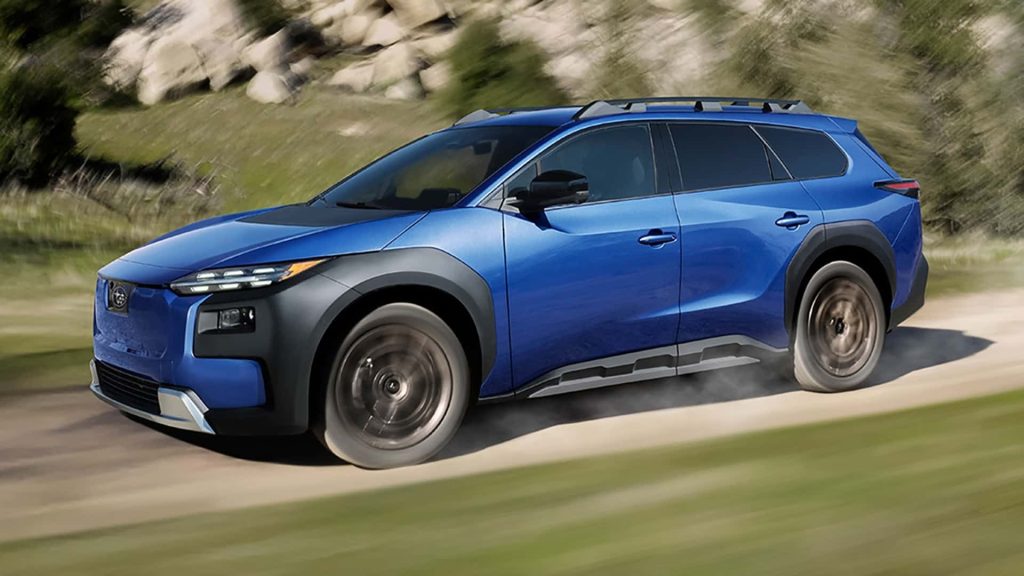
Charging access is another practical advantage. The Trailseeker supports the North American Charging Standard and compatible Tesla Supercharger locations, while its fast-charging capability helps reduce longer charging stops.
For American buyers comparing electric SUVs around $40,000, the Trailseeker offers a distinctive combination of standard AWD, substantial horsepower, and ground clearance. Its biggest compromise is the 281-mile maximum range, which requires careful consideration for frequent long-distance travel.
9. Toyota bZ Woodland: Starting at $45,380
Toyota is taking its electric SUV formula in a more adventurous direction with the bZ Woodland. Unlike the standard bZ, which emphasizes everyday commuting, this version receives a longer, more rugged body and equipment intended to make it more useful for outdoor activities.
The 2027 model starts at $45,380, with the Premium version increasing the price to $47,480. These figures exclude applicable destination, processing, and handling charges.
Power comes from a dual-motor electric setup producing 375 horsepower. All-wheel drive is standard, and Toyota includes X-MODE and Grip Control to help manage traction on slippery or uneven surfaces.
The additional power makes the vehicle considerably more interesting for drivers who want an electric SUV that feels responsive rather than simply prioritizing efficiency.
Toyota estimates a maximum driving range of 281 miles when the vehicle is equipped with standard all-season tires. Selecting available all-terrain tires reduces the estimate to approximately 260 miles.
This distinction is important because buyers choosing more adventurous equipment should understand that tire selection can affect how far the vehicle travels between charging stops.
The bZ Woodland accommodates five passengers and features a practical cabin designed around everyday convenience.
A 14-inch Toyota Audio Multimedia touchscreen provides access to the infotainment system, while the Premium configuration adds a panoramic moonroof with a power sunshade, ventilated front seats, and a nine-speaker JBL audio system.
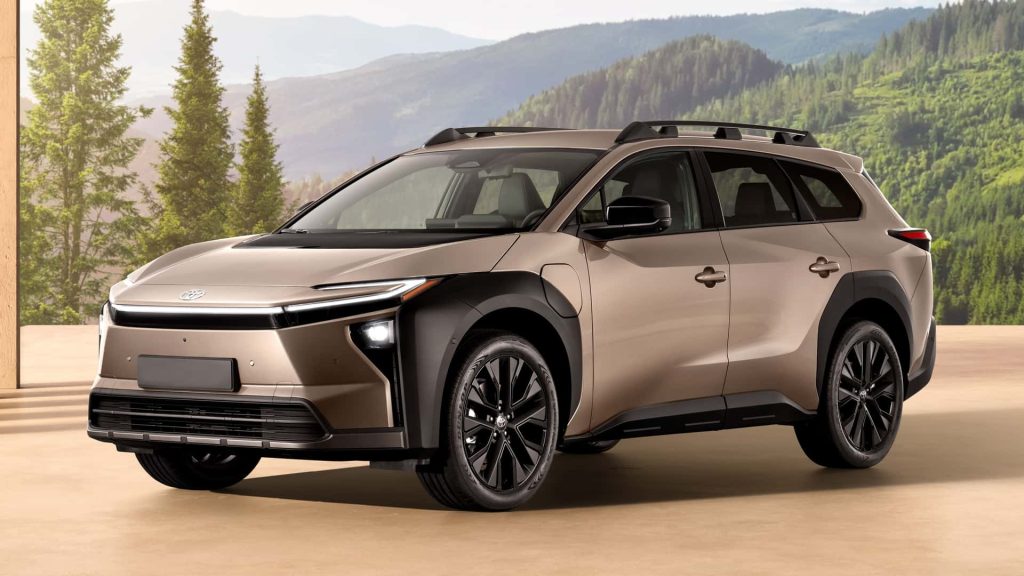
Its exterior treatment also distinguishes it from Toyota’s more conventional electric offerings. The increased utility-focused design makes it a better fit for buyers who regularly travel beyond paved urban roads, although its 281-mile maximum range is not particularly exceptional among newer electric SUVs.
The pricing places the Woodland above mainstream compact EVs, but its standard all-wheel drive and 375-horsepower output help justify the additional expense for buyers who value performance and versatility.
10. BMW iX3 50 xDrive: Starting at $61,500
At the premium end of this list, BMW is introducing a vehicle that represents a significant change in its electric vehicle development strategy. The 2027 iX3 50 xDrive is the first series-production model based on the company’s Neue Klasse architecture.
Its U.S. starting MSRP is $61,500, with another $1,350 required for destination and handling. That places the advertised starting price at $62,850 before taxes, registration, and optional equipment.
Range is one of the strongest arguments in its favor. BMW advertises an official EPA-estimated maximum of 434 miles when equipped with the available 20-inch summer tires. However, the standard 20-inch all-season tire configuration is rated at 383 miles.
Buyers should pay attention to this distinction rather than assuming the maximum figure applies to every vehicle leaving the dealership.
The iX3 uses BMW’s sixth-generation eDrive technology, incorporating new electric motors, cylindrical battery cells, and an 800-volt electrical architecture. Its charging capability is particularly impressive, with a maximum DC charging rate of 400 kW.
Under suitable conditions, BMW estimates that a compatible charging station can take the battery from 10 to 80 percent in approximately 21 minutes. The company also estimates that ten minutes of charging can add up to 185 miles of driving range.
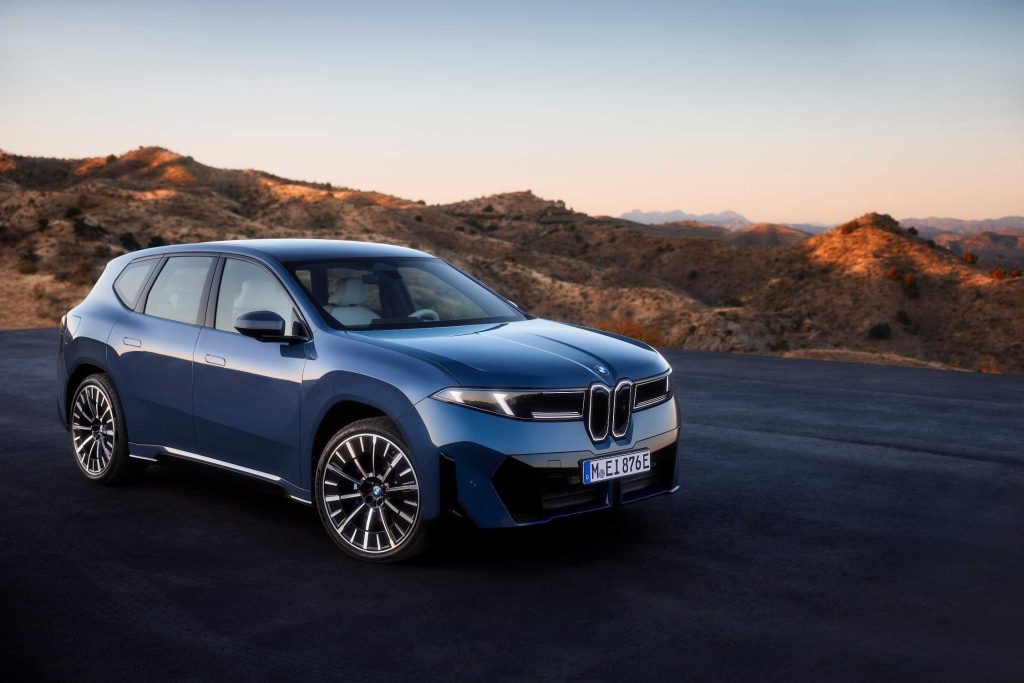
Inside, BMW introduces its Panoramic Vision display concept, a free-cut central touchscreen, and a multifunction steering wheel. Apple CarPlay and Android Auto compatibility are included, alongside driver-assistance equipment such as active blind-spot detection and lane-keeping assistance.
The premium positioning becomes more apparent when optional packages are considered. Buyers can add upgraded assistance technology, a panoramic glass roof, premium audio, and additional comfort equipment, increasing the final transaction price considerably.
For shoppers considering an expensive electric SUV, the iX3 offers an appealing combination of range, charging speed, and next-generation technology. Its real challenge will be convincing buyers that these improvements justify its substantially higher entry price.
