
An engine failure can turn an otherwise dependable vehicle into an expensive ownership decision. However, rebuilding an engine is not always the best solution, and installing a replacement assembly is not automatically a waste of money.
Some engines have durable cast-iron blocks, widely available internal components, and straightforward designs that make rebuilding financially attractive. Others have complicated construction, extensive internal damage, or specialized repair requirements that make replacement a more practical option.
This guide examines ten engine families, explaining where rebuilding makes sense, when replacement deserves priority, and what owners should consider before authorizing expensive work.
5 Engines Worth Rebuilding
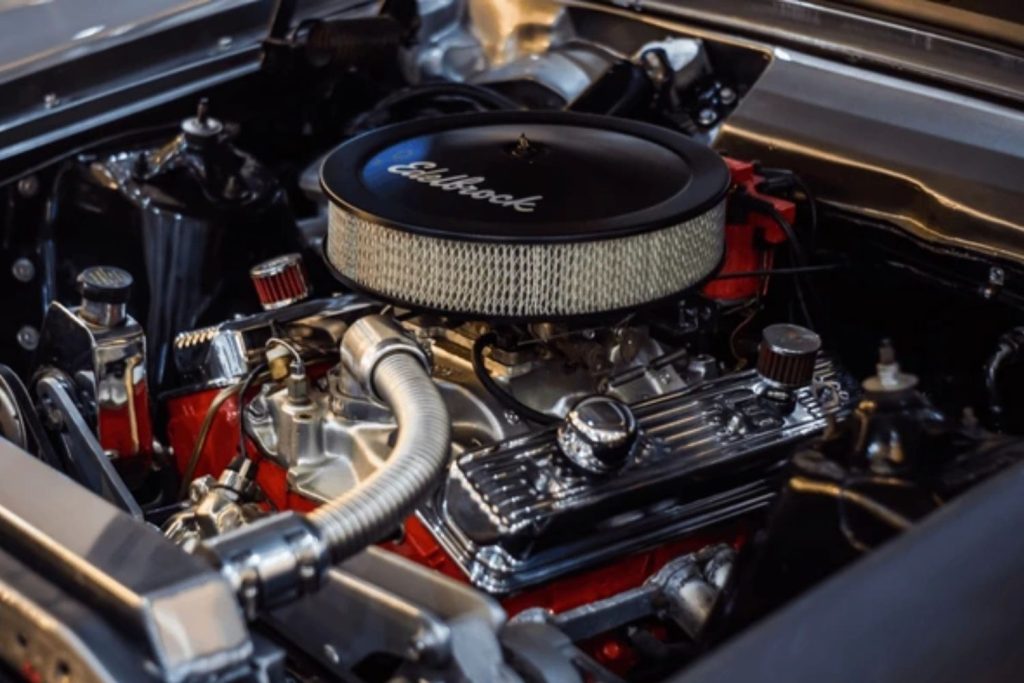
1. Chevrolet Small-Block 350: A Classic V8 Designed With Rebuilding in Mind
The Chevrolet Small-Block 350 is one of the strongest examples of an engine that makes financial and mechanical sense to rebuild. Its cast-iron construction, conventional pushrod layout, and extensive aftermarket support make it considerably easier to restore than many modern engines.
Introduced in 1967, the 350 became one of General Motors’ most widely used V8 configurations, appearing in numerous passenger vehicles, trucks, and performance applications.
One of its biggest advantages is parts availability. Replacement pistons, crankshafts, connecting rods, camshafts, cylinder heads, bearings, and gasket sets are widely available. Chevrolet Performance continues to offer 350-based crate and short-block products, demonstrating the continuing support for this engine family.
A rebuild can address worn cylinder walls, damaged bearings, valve problems, and excessive oil consumption, provided the block and crankshaft remain within repairable limits. Machine shops can inspect the block, measure cylinder bores, check crankshaft journals, and determine whether machining is required.
The engine’s relatively straightforward construction also makes it attractive for enthusiasts who want to maintain a traditional V8 rather than introduce a different powertrain.
There are limitations. A severely cracked block, extensive corrosion, or major damage to the main-bearing areas can make rebuilding uneconomical. Original casting compatibility and accessory arrangements also matter when sourcing replacement components.
Why it deserves rebuilding: The Small-Block 350 has extensive parts support, established machining procedures, and a straightforward design. When the block is structurally sound, rebuilding can restore performance and provide years of additional service without requiring an entirely different engine assembly.
2. GM 5.3-Liter LS-Based V8: Modern Performance With Excellent Rebuild Support
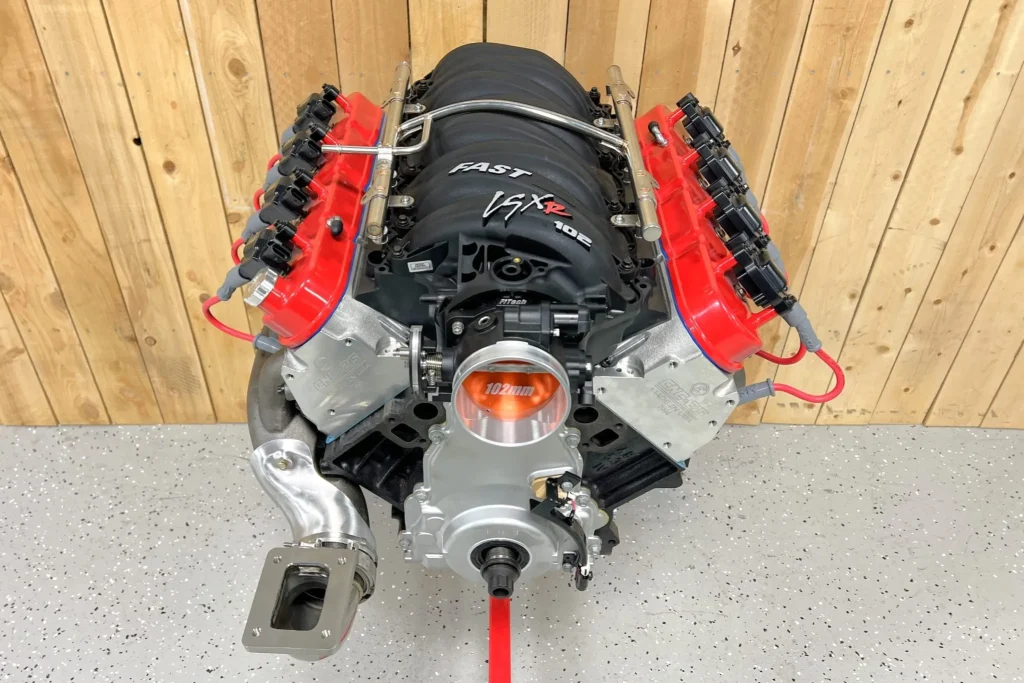
The GM 5.3-liter LS-based truck V8 is another engine family that deserves serious consideration when deciding whether to rebuild or replace a damaged powertrain. Its widespread use in General Motors trucks and SUVs has created a substantial supply of replacement components, machine-shop knowledge, and specialist rebuilding services.
The LM7 and related 5.3-liter variants are particularly familiar to independent engine builders. Their conventional pushrod architecture, compact dimensions, and established internal design make them attractive candidates for restoration.
Replacement pistons, rings, bearings, timing components, oil pumps, cylinder heads, and performance upgrades are widely available.
Another advantage is that the 5.3-liter family has several related configurations. This provides owners with options when sourcing compatible components, although engine codes, block generations, crankshaft specifications, and sensor arrangements must be checked carefully.
There are some important weaknesses to investigate before beginning a rebuild. Certain later 5.3-liter engines use Active Fuel Management, which can introduce additional valvetrain concerns. Worn lifters, camshaft damage, oil-pressure problems, and cylinder-wall wear need proper inspection rather than simply replacing the most visibly damaged component.
A machine shop should also examine the block for cracks, main-bearing damage, and cylinder-wall condition. Excessive machining or an unsuitable casting can make a replacement assembly more economical.
Why it deserves rebuilding: Its widespread production and strong aftermarket support make the 5.3-liter LS family a practical rebuilding candidate. When the block and crankshaft are reusable, owners can restore a powerful, familiar V8 without abandoning the original drivetrain configuration.
3. Ford 4.6-Liter Modular V8: A Strong Candidate for a Complete Overhaul
Ford’s 4.6-liter Modular V8 deserves attention because it combines a long production history with relatively established rebuilding procedures. Used across several Ford and Lincoln applications, this engine family is familiar to many independent repair facilities and engine specialists.
The two-valve versions are particularly interesting for owners considering a rebuild. Their comparatively straightforward cylinder-head arrangement makes them less complicated than some later high-performance configurations.
Replacement pistons, connecting rods, bearings, timing components, oil pumps, and cylinder-head parts are available through established suppliers.
Ford has also continued to support the engine family through replacement assemblies. Its official parts catalogue lists a remanufactured 4.6-liter complete long-block assembly, demonstrating that replacement support remains available for certain applications.
A proper rebuild can address worn piston rings, cylinder-wall deterioration, bearing damage, leaking seals, and cylinder-head problems. The engine’s condition should determine how extensive the work needs to be. Some examples may require little more than cylinder-head restoration and fresh internal components, while others need complete machining.
However, not every 4.6-liter version is identical. Two-valve, three-valve, and four-valve engines have different components and requirements. Timing-system condition, spark-plug thread integrity on applicable versions, and cylinder-head condition deserve attention.
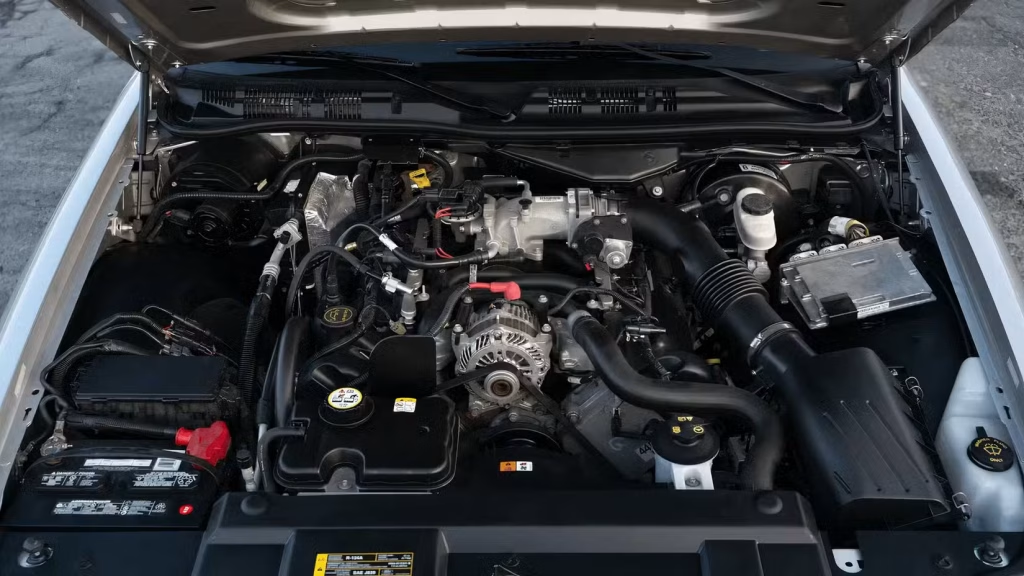
Owners should also consider the cost of replacing supporting components such as the alternator, water pump, fuel system, and cooling system hardware while the engine is removed.
Why it deserves rebuilding: The 4.6-liter Modular V8 has established repair procedures, available replacement components, and a long history of professional engine rebuilding. A structurally sound block can provide a solid foundation for restoration, particularly when the vehicle itself remains in good condition.
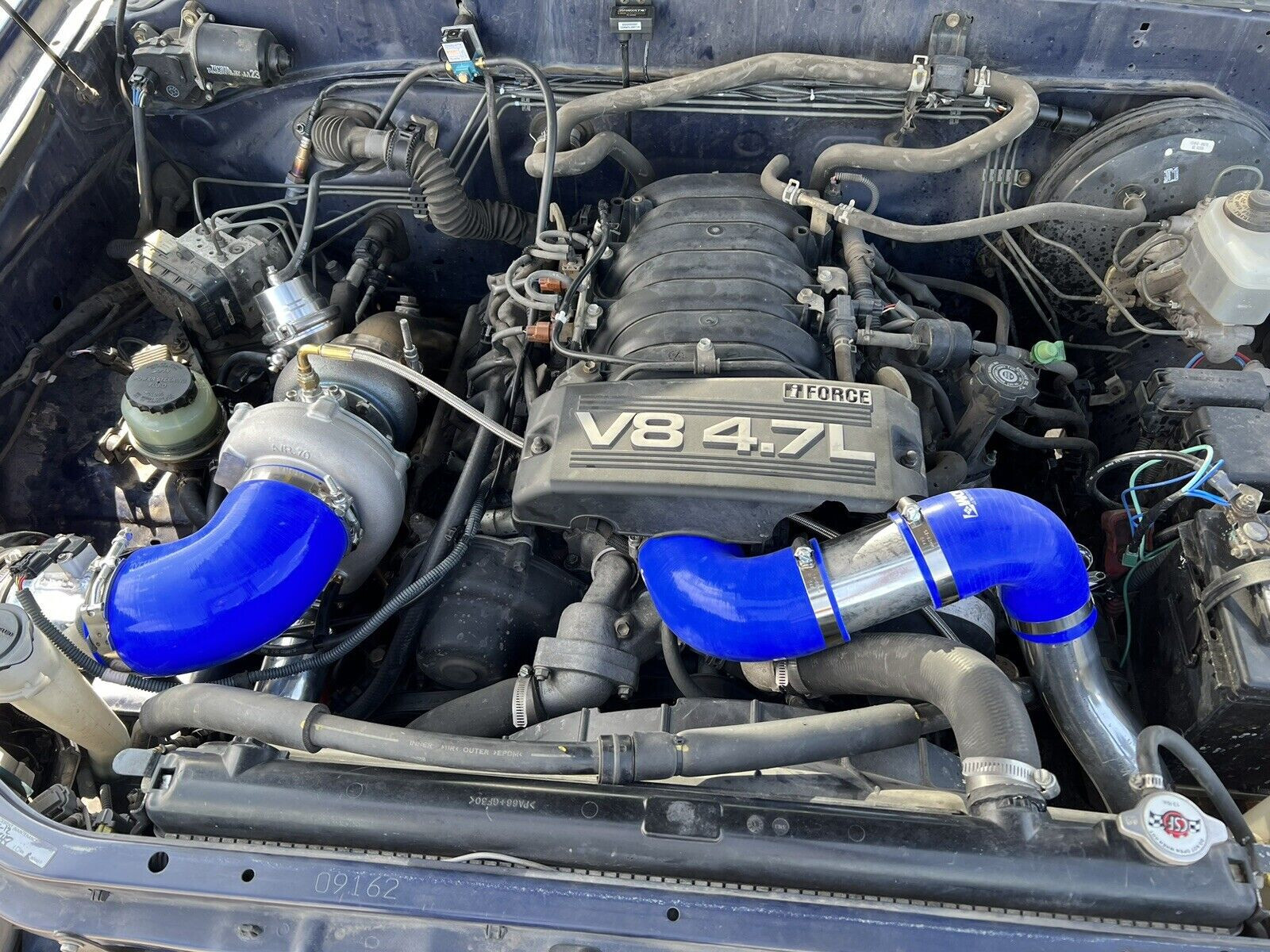
4. Toyota 2UZ-FE 4.7-Liter V8: A Durable Engine Worth Restoring
Toyota’s 2UZ-FE 4.7-liter V8 is an excellent candidate for rebuilding when its internal components have experienced normal wear rather than catastrophic structural damage. Developed for larger Toyota and Lexus applications, it uses a cast-iron cylinder block and an aluminum cylinder-head arrangement.
The cast-iron construction is an important consideration because it provides a substantial foundation for professional machining and restoration. Its naturally aspirated configuration also avoids the additional complications associated with turbocharger systems.
One advantage for rebuilders is the availability of detailed factory service information. Toyota’s engine repair documentation covers disassembly, cylinder-head work, crankshaft removal, piston-related procedures, and reassembly.
It also specifies the importance of replacing gaskets, O-rings, and oil seals during the appropriate stages of an overhaul.
At high mileage, common areas requiring inspection include valve seals, timing-belt components, water pumps, oil leaks, bearings, and cylinder-wall condition. Because this engine uses a timing belt, the condition and service history of the belt system deserve particular attention.
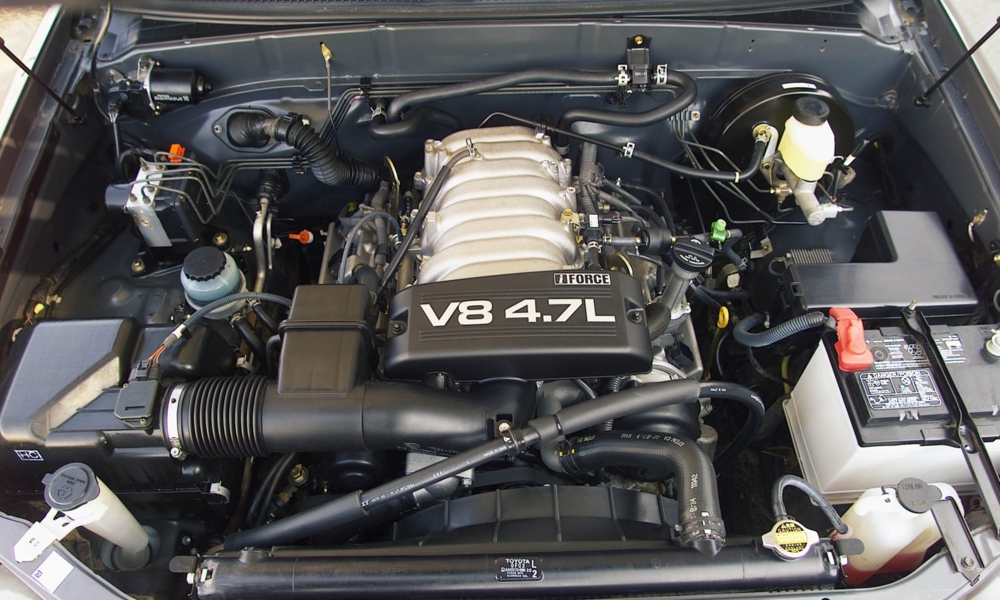
A rebuild should include proper measurements of the cylinder bores, crankshaft journals, and connecting rods. Simply installing new piston rings without checking the cylinder surfaces can produce disappointing results.
Another important factor is the engine’s intended use. A vehicle regularly used for towing or carrying heavy loads may have experienced greater mechanical stress than one primarily driven on highways.
Why it deserves rebuilding: Its cast-iron block, conventional naturally aspirated design, and established factory overhaul procedures make the 2UZ-FE a strong restoration candidate. If the block and major rotating components remain serviceable, rebuilding can preserve a capable V8 rather than replacing an otherwise valuable powertrain.
5. Honda K24 2.4-Liter Four-Cylinder: A Practical Engine for Long-Term Restoration
The Honda K24 family is particularly attractive to owners who want to retain a compact, naturally aspirated four-cylinder engine. Used in several Honda applications, it combines an established aluminium-block design, dual overhead camshafts, and widespread aftermarket support.
Its popularity among enthusiasts has created a substantial supply of replacement pistons, connecting rods, bearings, timing components, gaskets, and cylinder-head parts. There is also considerable specialist knowledge surrounding the engine’s internal construction and performance modifications.
Unlike an older pushrod V8, the K24 has a more sophisticated cylinder-head arrangement. Its rebuilding process requires accurate attention to camshaft timing, valve clearances, cylinder-head condition, and the relevant engine-code specifications.
Oil consumption, overheating, timing-chain wear, and excessive bearing clearance are among the areas that deserve investigation before a rebuild begins. Some K24 variants also have different compression ratios, cylinder-head designs, and internal components, so parts should never be selected simply because they carry the same engine-family name.
The engine’s aluminium construction makes machining expertise particularly important. Cylinder-wall damage, excessive bore wear, or a cracked block may require specialist assessment and could make a replacement assembly more sensible.
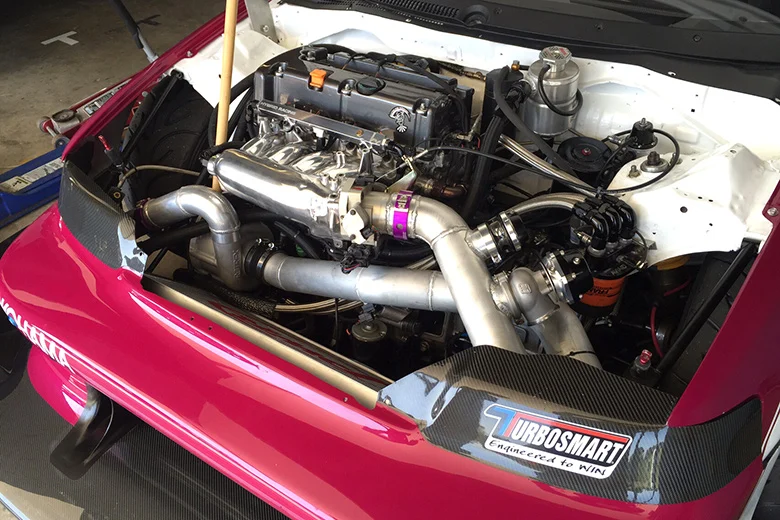
For owners who intend to keep the vehicle, a properly completed rebuild can preserve the original engine configuration while restoring compression and addressing internal wear.
Why it deserves rebuilding: The K24 combines widespread parts availability, a large specialist knowledge base, and a well-established engine architecture. When the block is reusable and the rebuild is performed to factory specifications, it can be a sensible alternative to purchasing an unknown used engine.
5 Engines Worth Replacing Instead of Rebuilding
1. Hyundai Theta II 2.4-Liter GDI: Bearing Damage Can Make Replacement the Safer Choice
The Hyundai Theta II 2.4-liter GDI engine deserves particular attention because certain versions experienced serious connecting-rod bearing problems. These failures can progress from abnormal engine knocking to complete engine seizure, potentially damaging the crankshaft, connecting rods, and cylinder block.
The issue was significant enough to result in multiple safety recalls and warranty-related programmes in the United States.
NHTSA documentation describes how manufacturing-related metal debris could restrict oil flow to connecting-rod bearings, contributing to premature wear. If the bearing fails, the connecting rod can damage the engine block.
This type of failure creates a difficult rebuilding decision. If the crankshaft journals are damaged and the connecting rod has fractured, the original block may no longer be suitable for economical restoration. Even when the block remains intact, rebuilding requires careful inspection of the lubrication system and other internal components.
A replacement long block can provide a more predictable solution, particularly when an updated manufacturer-approved assembly is available. However, owners should first check whether their particular vehicle qualifies for an engine replacement programme or outstanding recall remedy.
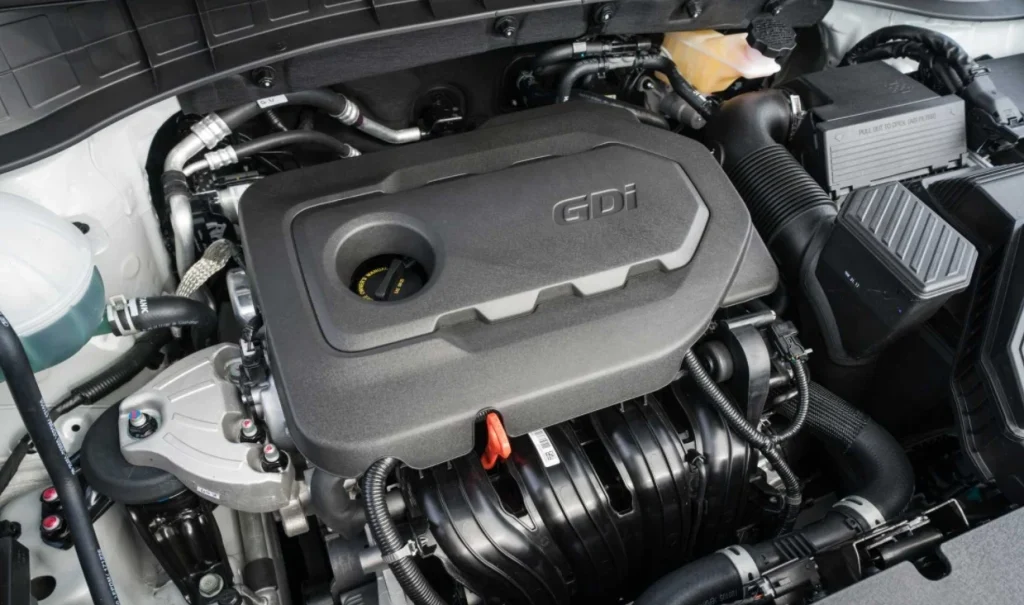
The history of previous repairs also matters. An engine that has already received an authorised replacement may not have the same risk profile as an untouched original assembly.
Why replacement deserves priority: When bearing failure has progressed to crankshaft, connecting-rod, or block damage, a complete replacement engine can be more practical than rebuilding the damaged assembly. The critical point is to establish the extent of the damage before authorising either option.
2. Ford 1.0-Liter EcoBoost: Oil Pump Belt Failure Can Require a New Long Block
Ford’s 1.0-liter EcoBoost is an example of a modern engine where a specific lubrication-system failure can make extensive rebuilding difficult to justify. The engine uses a belt-in-oil arrangement for its oil pump drive in applicable configurations, making belt condition particularly important.
When the belt deteriorates, or the oil-pump drive system fails, engine oil pressure can be lost. Without sufficient lubrication, bearings, crankshaft journals, turbocharger components, and other internal surfaces may suffer severe damage.
The problem is documented in Ford’s Safety Recall 23S64. The recall covers certain 2018-2021 EcoSport, 2016-2018 Focus, and 2017-2021 Fiesta vehicles equipped with the 1.0-liter engine and automatic transmission.
Ford’s technical instructions specifically direct technicians to install a new long-block engine and turbocharger when the inspection confirms the relevant oil-pump belt failure and associated engine damage.
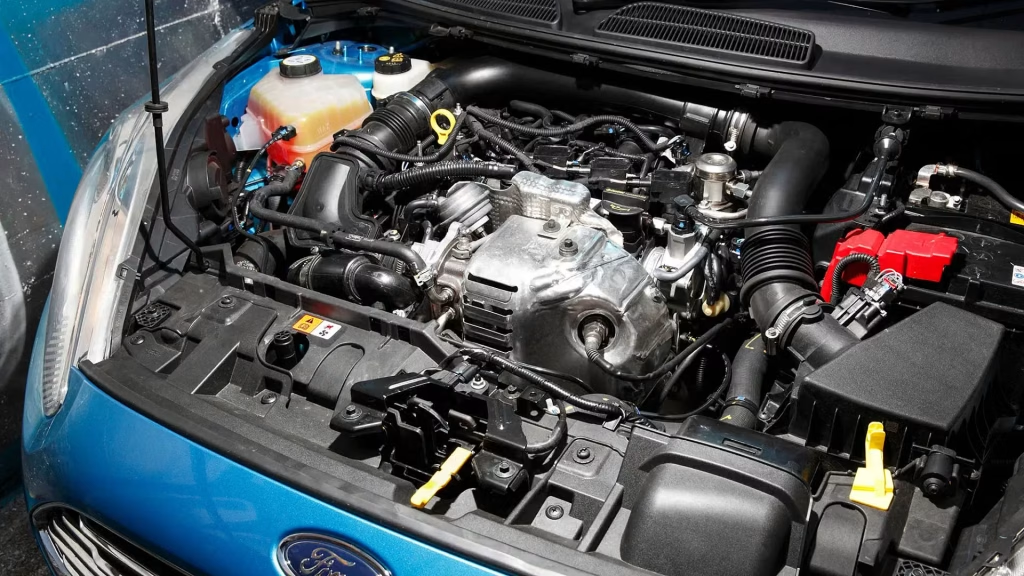
This is an important distinction. Not every vehicle equipped with this engine requires replacement, and an affected vehicle should first receive the appropriate recall inspection. A belt problem caught before oil starvation can have a very different repair outcome from an engine that has already lost lubrication.
Once metallic debris circulates through the oil system or the engine becomes seized, rebuilding may require extensive machining and replacement of multiple components.
Why replacement deserves priority: If oil starvation has damaged the crankshaft, bearings, turbocharger, and other internal components, a replacement long block may offer a more dependable repair than attempting to restore a severely contaminated assembly.
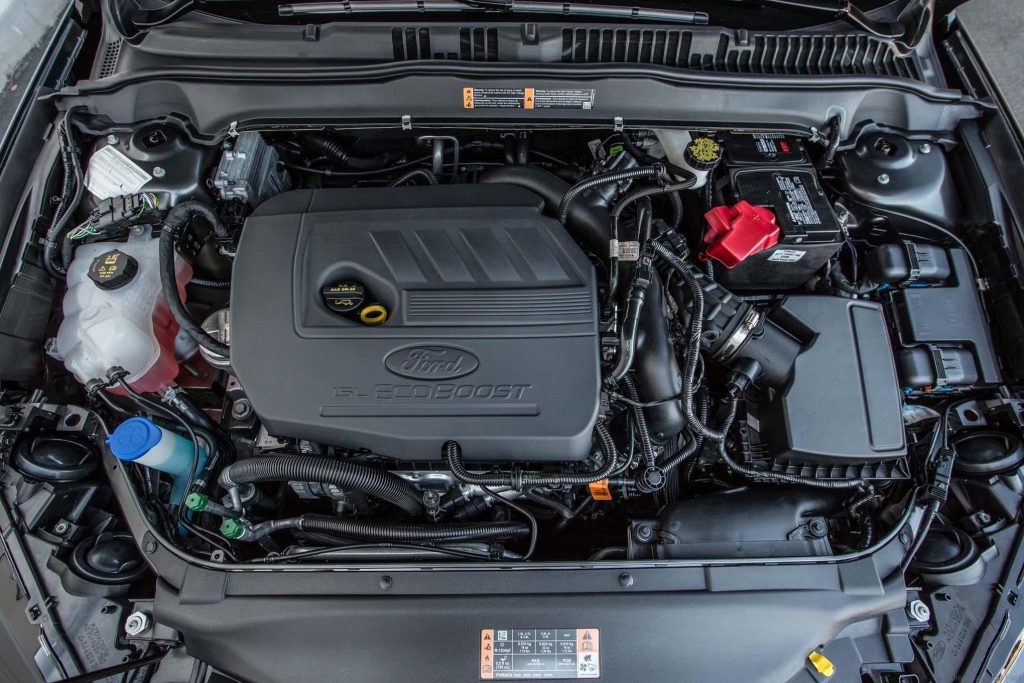
8. Ford 1.5-Liter EcoBoost: Coolant Intrusion Can Justify Short-Block Replacement
The Ford 1.5-liter EcoBoost engine used in certain applications provides another example where replacement can make more financial sense than rebuilding the original assembly. The concern involves coolant intrusion into the cylinder bores, which can produce symptoms such as coolant loss, excessive exhaust smoke, rough running, and engine misfires.
Ford documented the problem through Customer Satisfaction Programs 19B37 and 21N12 for certain 2017-2019 vehicles equipped with the 1.5-liter GTDI engine. Its service documentation explains that coolant entering the cylinder bores can eventually cause engine damage requiring short-block replacement.
This matters because a damaged cylinder bore is not always a straightforward machining job. Depending on the extent of corrosion, scoring, overheating, and internal damage, restoring the original block may be uneconomical or unsuitable.
Ford’s repair programme specified a one-time short-block replacement for qualifying vehicles, subject to the programme’s original eligibility and coverage terms. Those historical coverage periods have expired, so owners should not assume that the repair is currently free.
A technician should investigate coolant loss, cylinder misfires, compression differences, and evidence of coolant entering the combustion chamber. Simply replacing the head gasket without identifying the actual cause may not solve the problem.
Why replacement deserves priority: When coolant intrusion has damaged the cylinder bores and the original short block is no longer suitable for reliable machining, installing a replacement short block is a more appropriate solution than attempting an extensive repair of compromised internal surfaces.
4. BMW N63 4.4-Liter Twin-Turbo V8: Complex Repairs Can Make a Replacement Assembly More Practical
BMW’s N63 4.4-liter twin-turbocharged V8 delivers strong performance, but its complex construction and documented oil-consumption concerns can create an expensive repair situation.
The engine’s hot-V configuration places the turbochargers inside the cylinder banks, making packaging efficient but creating demanding thermal conditions for surrounding components.
BMW issued multiple technical service bulletins addressing oil consumption, crankcase ventilation, turbocharger inspection, and valve-stem seal problems. Its N63 oil-consumption procedures require technicians to inspect components, measure oil consumption, and document findings before authorising certain repairs.
The manufacturer also published replacement procedures under its N63 oil-consumption class-action settlement programme. In qualifying cases, an engine replacement could be required after the prescribed diagnostic checks.
This engine is not impossible to rebuild. Experienced BMW specialists can perform extensive internal repairs, and individual problems such as valve-stem seal deterioration do not automatically justify replacing the entire assembly.
The calculation changes when an engine has suffered extensive internal wear, serious oil starvation, damaged cylinder surfaces, or several simultaneous mechanical failures. Rebuilding may involve expensive specialised labour and substantial component replacement.
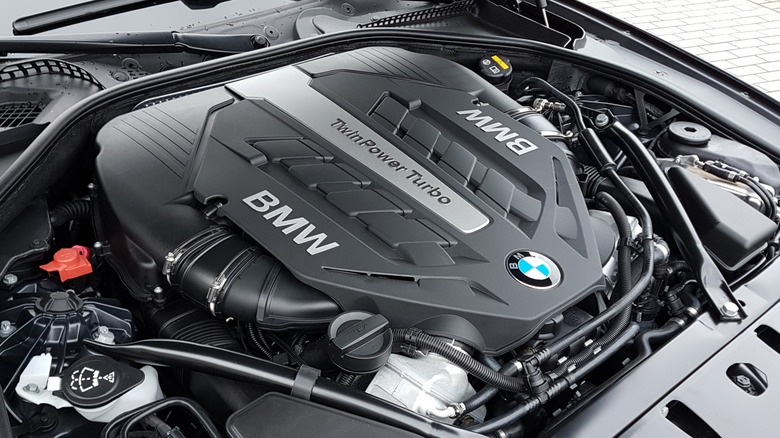
A quality remanufactured engine may offer a more predictable route when the original assembly is severely compromised. However, compatibility, updated components, warranty coverage, and installation expenses must be evaluated.
Why replacement deserves priority: When multiple major internal problems have developed simultaneously, replacing the complete engine can be more practical than rebuilding a heavily damaged assembly. The decision should follow BMW’s diagnostic procedures and a detailed specialist estimate, not the engine’s reputation alone.
5. Subaru FB25 2.5-Liter Boxer: A Replacement Short Block Can Be the Better Route
Subaru’s FB25 2.5-liter boxer engine is an interesting example because its repair history demonstrates why a replacement short block can sometimes be preferable to rebuilding individual internal components.
Certain earlier FB-series engines were associated with excessive oil consumption. Subaru issued Service Bulletin 02-157-14R, covering specified model years and engine configurations, and introduced an extended powertrain warranty programme for eligible vehicles.
The documentation identifies excessive oil consumption as the concern and provides updated short-block part numbers.
A replacement short block can be attractive because it supplies a prepared lower engine assembly rather than requiring the original block to undergo extensive individual machining and component restoration.
This does not mean every FB25 needs replacement. Some vehicles may simply require a diagnosis of oil consumption, inspection of external leaks, or another targeted repair. The manufacturer’s procedure requires the problem to be verified rather than assuming that oil use automatically indicates internal engine failure.
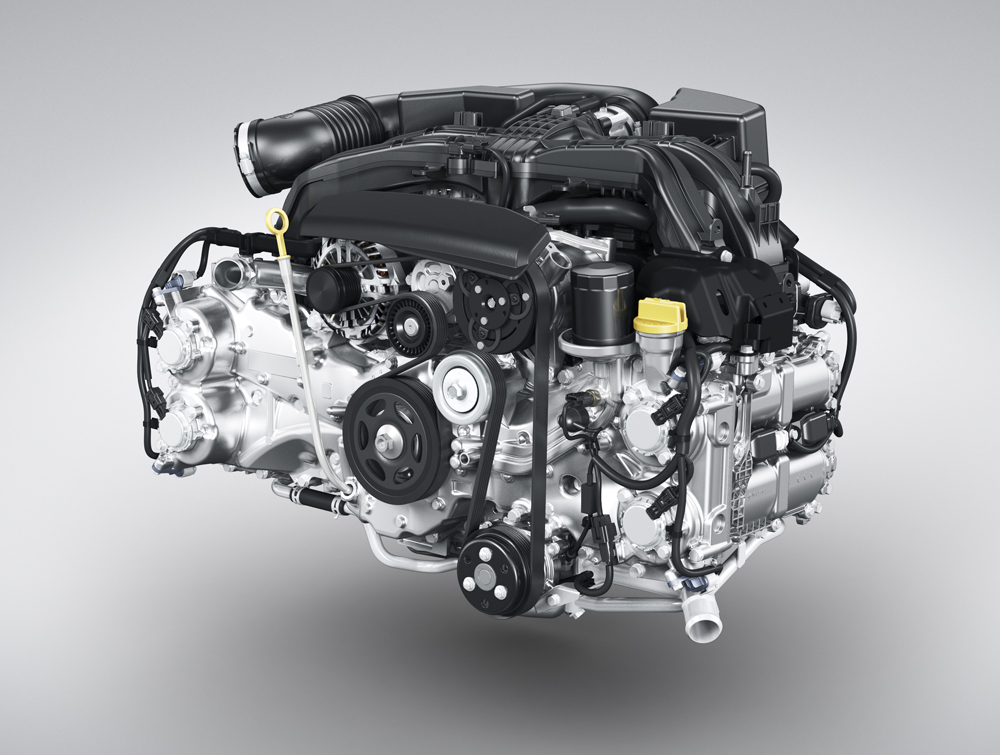
However, when cylinder-wall wear, piston damage, or other lower-end problems are confirmed, a replacement short block can simplify the repair process.
Owners must also account for the labour involved in removing and reinstalling the engine, transferring cylinder heads and external components, and replacing associated seals and gaskets. A replacement assembly should be matched to the exact engine and transmission configuration.
Why replacement deserves priority: When the original lower engine assembly has suffered significant wear and a suitable updated or remanufactured short block is available, replacement can provide a more controlled repair than rebuilding every damaged internal component individually.
