
Reaching 180,000 miles does not automatically mean a vehicle has reached the end of its useful life. Some cars can continue running reliably for years with sensible repairs, while others become financial liabilities when expensive mechanical problems appear.
The difference often comes down to engine durability, transmission design, replacement-part costs, vehicle condition, and current market value. For owners approaching this mileage milestone, deciding whether to repair or replace a vehicle can save thousands of dollars.
This guide examines five cars worth keeping on the road and five where investing in major repairs deserves considerably more caution.
1. Toyota Camry: A High-Mileage Sedan With a Strong Mechanical Foundation
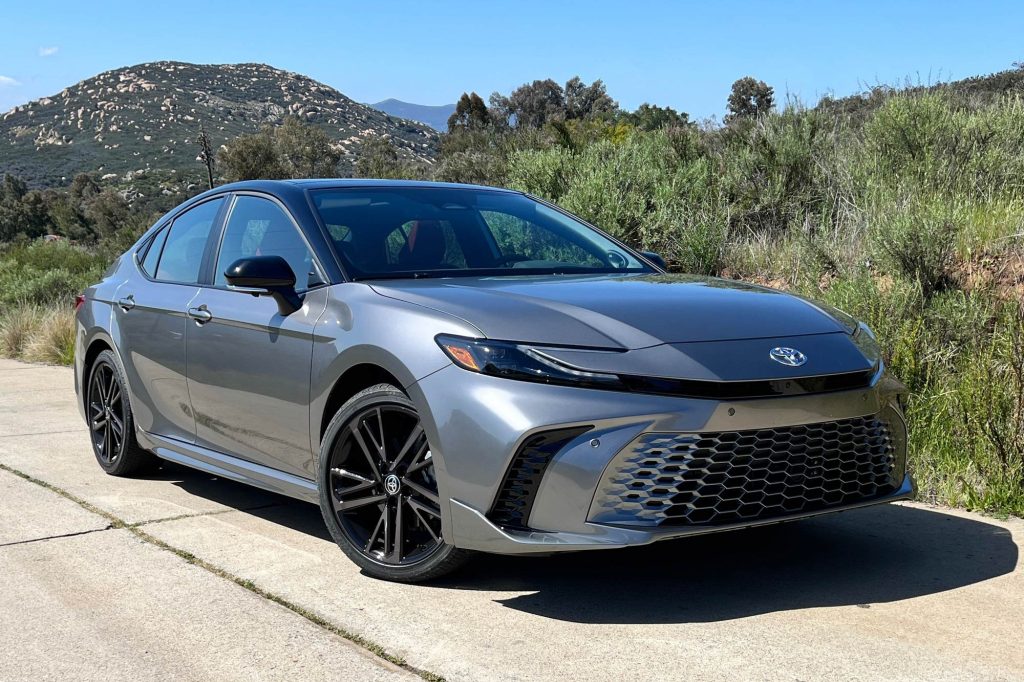
The Toyota Camry is one of the more convincing candidates for continued ownership at 180,000 miles, particularly when equipped with the 2.5-liter four-cylinder engine. This powertrain has a long production history, widespread parts availability, and a relatively straightforward maintenance routine.
The 2012-2014 generation is particularly interesting for buyers considering a substantial repair rather than replacing an otherwise healthy vehicle.
Consumer Reports rates the 2012 and 2013 examples as more reliable than other vehicles from their respective model years. That is useful evidence when evaluating an older car, although it does not guarantee that every high-mileage example will remain trouble-free.
At this mileage, suspension bushings, engine mounts, water pumps, wheel bearings, and seals may require attention. These are normal age-related considerations, and their replacement does not necessarily mean the engine or transmission is approaching failure.
The financial argument becomes particularly strong when the vehicle has a healthy automatic transmission, no structural rust, and a documented oil-change history. Spending money on suspension restoration or cooling-system repairs can make sense when the major mechanical components remain sound.
A thorough inspection should focus on identifying oil leaks, unusual engine sounds, coolant loss, or any signs of overheating. The transmission should also be checked for delayed shifting or slipping during operation.
Why it deserves fixing: A sound four-cylinder example can provide considerable additional service after 180,000 miles. If the required work involves manageable mechanical repairs rather than an engine or transmission replacement, keeping it may be substantially cheaper than buying another used sedan.
2. Honda Accord: A Family Sedan That Can Justify Major Preventive Repairs
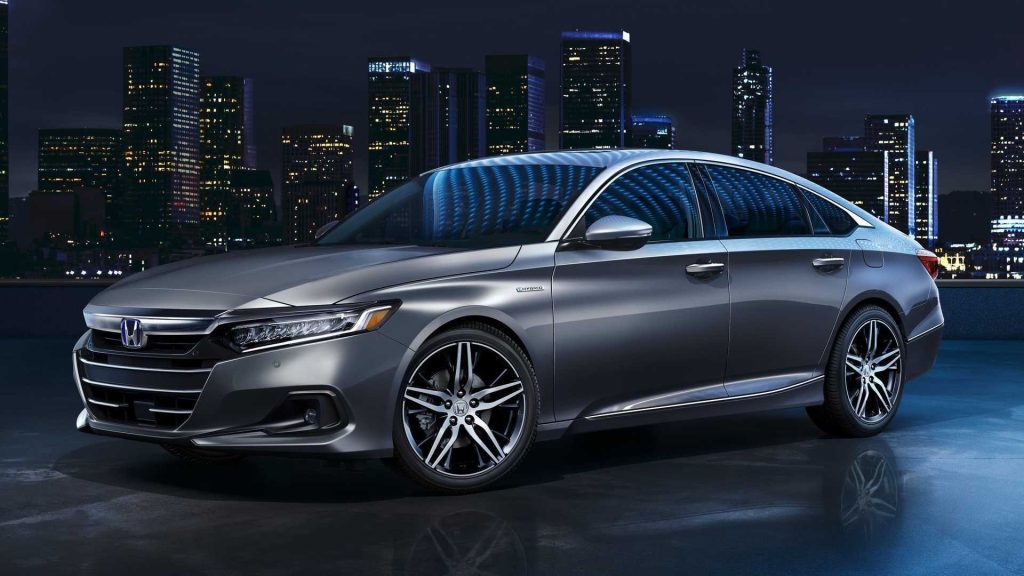
The Honda Accord deserves consideration because its four-cylinder powertrain offers a useful combination of performance, mechanical familiarity, and parts availability. The 2013-2014 models equipped with the 2.4-liter naturally aspirated engine are particularly interesting for buyers looking at high-mileage ownership.
The 2013 model received a better-than-average reliability assessment from Consumer Reports. Its owner-reported trouble spots include starter and alternator issues, brake components, and smaller electrical problems.
These concerns should not automatically condemn an otherwise healthy vehicle, especially when the repairs are relatively straightforward.
At 180,000 miles, an owner may encounter worn suspension components, engine mounts, deteriorating seals, air-conditioning problems, and steering-related wear. These repairs can accumulate, but they are not necessarily evidence of fundamental engine failure.
The four-cylinder version is particularly appealing because it avoids the additional timing-belt maintenance associated with the V6 engine. However, buyers should still check oil consumption, transmission behavior, and the service history carefully. Certain CVT-equipped versions require particular attention to fluid servicing.
A useful approach is to separate essential mechanical work from cosmetic deterioration. A worn seat, faded paint, or aging infotainment system should not determine whether the car remains worth maintaining if its engine, transmission, and structure are healthy.
Why it deserves fixing: This sedan makes financial sense when its major powertrain components remain dependable. Replacing a starter, suspension parts, or a leaking gasket can be justified if the total repair bill remains comfortably below the cost of purchasing another vehicle.
3. Honda Civic: A Compact Car That Can Keep Delivering After 180,000 Miles
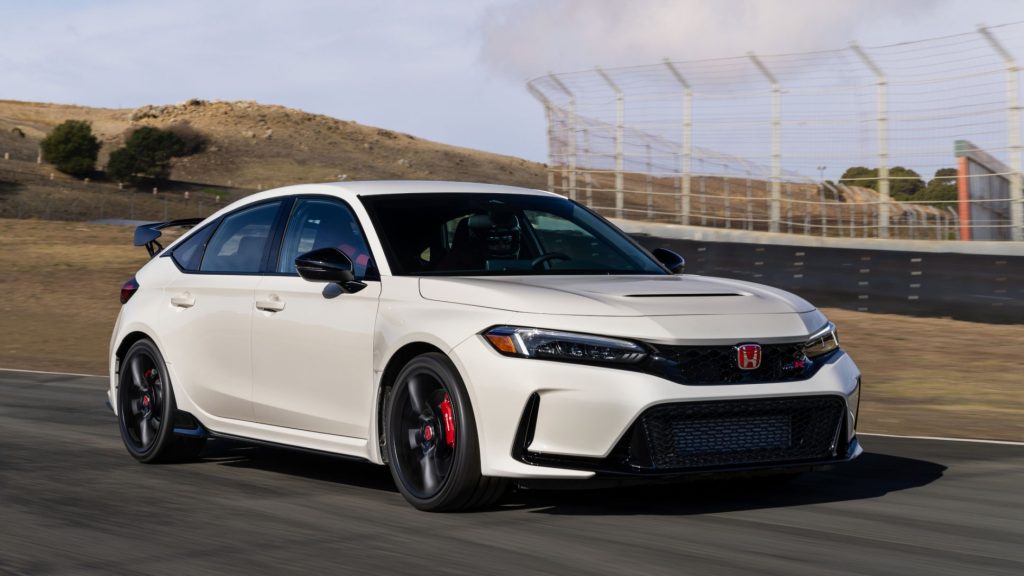
The Honda Civic is an interesting high-mileage purchase because it combines relatively simple mechanical architecture with affordable routine maintenance. The 2012-2015 generation, particularly versions equipped with the 1.8-liter naturally aspirated four-cylinder engine, offers a sensible foundation for continued ownership.
Consumer Reports describes the 2014 model as more reliable than other vehicles from the same model year. Its owner-reported concerns include starter problems, suspension wear, minor engine electrical issues, and some body-related complaints.
These findings demonstrate that even a well-regarded compact car can need attention as it ages.
At 180,000 miles, the condition of the suspension becomes especially important. Worn struts, bushings, engine mounts, wheel bearings, and brake components can affect the driving experience considerably. Fortunately, these are identifiable repairs that do not automatically require replacing the vehicle.
The 1.8-liter engine is a sensible choice for someone who values predictable daily transportation rather than high performance. It also benefits from widespread parts availability and a large independent repair network.
Before approving expensive work, owners should check for oil leaks, cooling-system deterioration, transmission problems, and signs of previous accident damage. Air-conditioning operation also deserves attention because compressor or condenser repairs can add to the bill.
The purchase-price comparison matters here. A high-mileage compact car may have relatively modest resale value, but that does not mean it has little remaining usefulness.
Why it deserves fixing: If the engine and transmission are healthy, spending money on suspension, brakes, mounts, and routine mechanical repairs can extend its useful life at a fraction of the expense of purchasing a replacement vehicle.
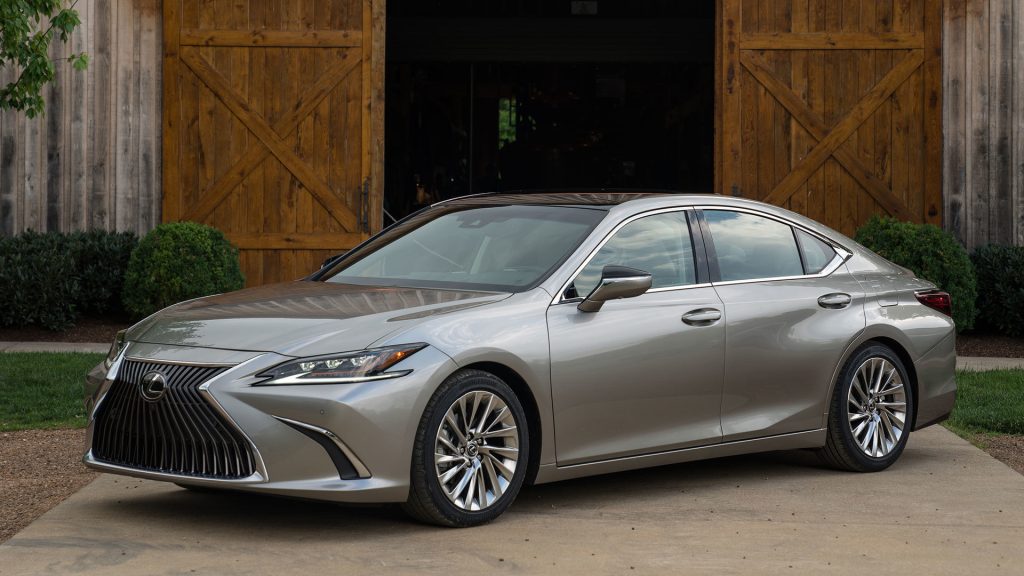
4. Lexus ES 350: Luxury Comfort That Can Still Make Financial Sense
The Lexus ES 350 presents a slightly different case. Unlike an ordinary compact sedan, it offers a more refined cabin, a powerful V6 engine, and additional comfort equipment. These features make it more expensive to maintain in certain areas, but its mechanical foundation can justify continued investment when the vehicle has been properly serviced.
The 2010-2015 generation deserves consideration, particularly examples equipped with the 3.5-liter naturally aspirated V6. This engine has been used across several Toyota and Lexus applications, giving independent repair facilities considerable familiarity with its design.
The 2014 model received a 90-out-of-100 quality and reliability score from J.D. Power. Consumer Reports also describes that year’s reliability as better than that of other vehicles from the same model year. These assessments provide useful support for considering a well-maintained example at higher mileage.
Nevertheless, a luxury vehicle does not become inexpensive to repair simply because its engine is durable. At 180,000 miles, owners should inspect the water pump, suspension, engine mounts, cooling system, transmission, and electronic equipment.
Comfort features can create their own expenses. Power seats, electronic controls, climate systems, and aging interior components may require attention even when the main mechanical systems remain healthy.
A particularly important consideration is the vehicle’s previous maintenance history. A neglected luxury sedan can become considerably more expensive than a well-maintained mainstream alternative.
Why it deserves fixing: If the V6 engine and transmission remain healthy, repairing worn suspension components, cooling-system parts, and smaller electrical faults can preserve a comfortable vehicle that would be expensive to replace with something of comparable quality.
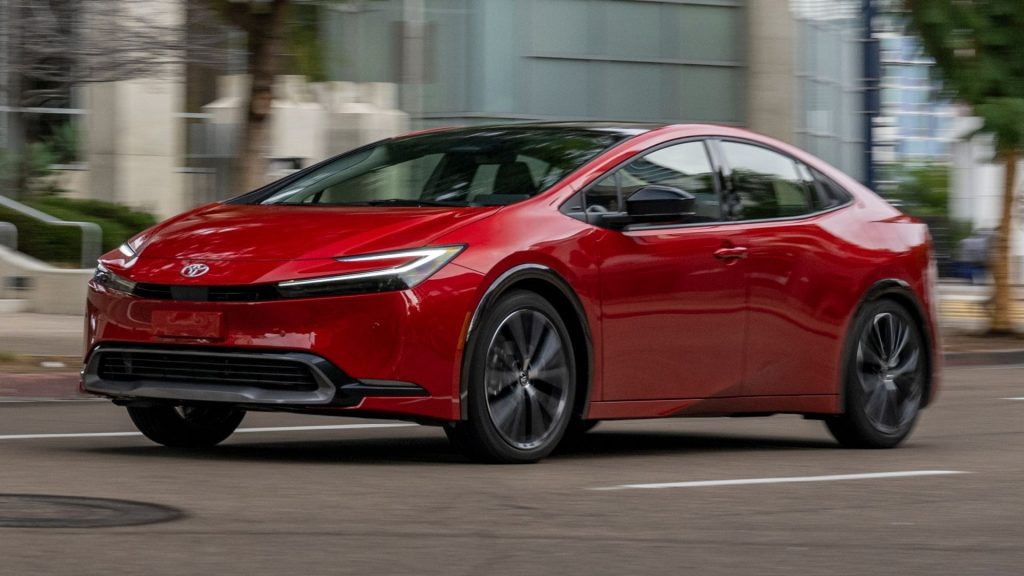
5. Toyota Prius: Hybrid Technology That Can Reward Careful Ownership
The Toyota Prius deserves a place on this list because its hybrid powertrain can remain useful at high mileage when its major components have been properly maintained. The 2010-2015 generation is particularly relevant to used buyers, although individual battery condition and engine health matter considerably at 180,000 miles.
The 2014 example received a better-than-average reliability assessment from Consumer Reports. Its owner-reported problems include 12-volt battery issues, oil consumption, cooling-system concerns, and occasional head gasket complaints.
These are important reminders that hybrid technology does not make a vehicle immune to conventional engine problems.
The biggest financial question is the high-voltage hybrid battery. Battery condition should be assessed through a suitable diagnostic test rather than guessing from the odometer. A replacement pack can be expensive, but refurbished and independent repair options may make the vehicle worth retaining, depending on the diagnosis and local availability.
The inverter cooling system, engine cooling components, brake system, and hybrid battery cooling fan also deserve inspection. Neglecting these areas can contribute to problems that become more expensive later.
One reason this model remains interesting is its fuel economy. A healthy example can continue providing economical transportation, particularly for owners who cover considerable distances in urban traffic.
However, a major engine failure combined with a failing hybrid battery could change the financial calculation dramatically.
Why it deserves fixing: When the battery remains healthy and the engine is mechanically sound, targeted repairs can preserve an efficient vehicle for years. Even a battery replacement may make sense when the rest of the car is in good condition and the repair cost is substantially below replacement.
5 Cars That May Not Be Worth Fixing at 180,000 Miles
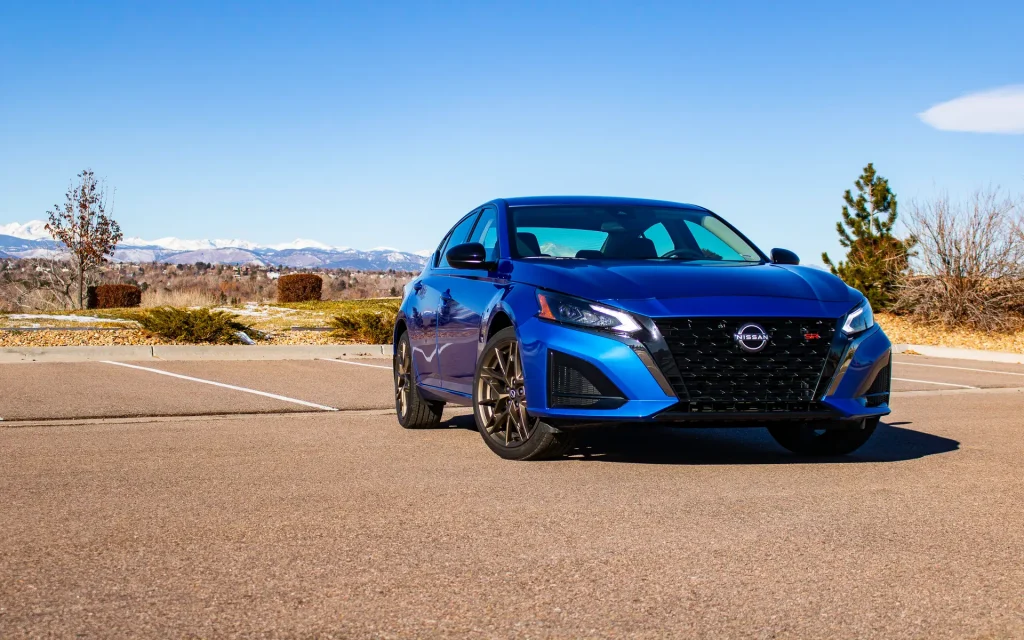
1. Nissan Altima: CVT Problems Can Turn a Small Repair Into a Major Expense
The Nissan Altima is widely available in the used market, and its comfortable cabin and fuel economy make it attractive to budget-conscious buyers. However, certain older four-cylinder models deserve considerable caution when approaching 180,000 miles because of their continuously variable transmission.
The 2013-2016 generation is particularly important to examine. Nissan issued service campaigns addressing CVT software and durability concerns in selected vehicles. Under certain driving conditions, hydraulic pressure could decrease, allowing the transmission belt to slip and potentially causing poor acceleration.
The company also extended CVT warranty coverage on several affected model ranges. The extension itself does not mean every vehicle will fail, but it demonstrates why buyers should investigate the transmission’s service history rather than treating it as an ordinary automatic gearbox.
At 180,000 miles, a transmission that already produces whining noises, shuddering, hesitation, or inconsistent acceleration deserves professional diagnosis. Replacing a failing CVT can represent a substantial proportion of the vehicle’s market value.
There are other age-related expenses to consider, including suspension components, wheel bearings, engine mounts, and cooling-system parts. Combining these repairs with major transmission work can make continued ownership financially difficult.
Why it may not deserve a major repair: If the transmission needs replacement and the vehicle also has significant engine or suspension problems, investing thousands of dollars may be difficult to justify. A clean, properly maintained example with a healthy CVT is a different situation, but an already failing unit changes the economics considerably.
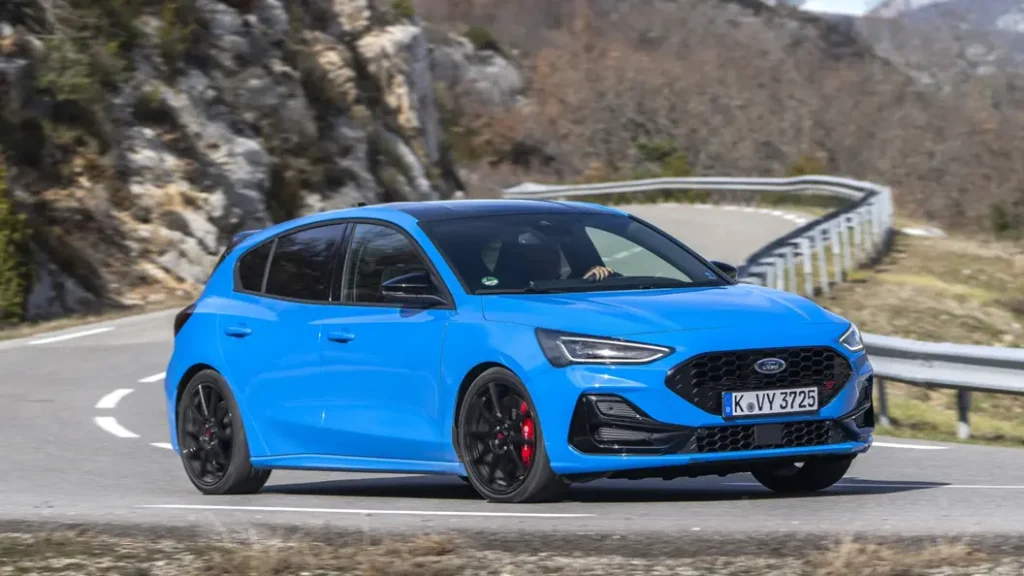
2. Ford Focus: The PowerShift Automatic Can Make High-Mileage Ownership Difficult
The Ford Focus is a useful example of why engine durability and transmission reliability must be evaluated separately. Its compact dimensions, efficient engines, and relatively affordable purchase prices can make it an appealing used vehicle.
However, certain automatic-equipped examples have a documented history that makes major repairs particularly difficult to justify at 180,000 miles.
The main concern involves the DPS6 PowerShift dual-clutch transmission fitted to selected 2012-2016 models. Ford issued technical service bulletins addressing problems that included clutch shudder, fluid leakage, loss of transmission engagement, intermittent no-start conditions, and loss of power.
These were not merely isolated workshop observations. Ford’s documentation specifically identified the affected vehicles and outlined diagnostic and repair procedures. The company also provided extended coverage for certain transmission control module problems, subject to eligibility conditions.
A class-action settlement also addressed allegations involving the PowerShift transmission. Ford denied wrongdoing, and the settlement resolved the litigation without a court determination that the allegations were proven.
The important distinction is between manual and automatic versions. The manual-transmission cars do not use the DPS6 system and should not automatically receive the same reliability judgment.
At 180,000 miles, an automatic example with recurring clutch or transmission problems can become an expensive ownership proposition. Other ageing components may also need replacement.
Why it may not deserve a major repair: When a failing DPS6 transmission requires expensive replacement alongside other high-mileage repairs, the total bill can exceed the vehicle’s practical value. A manual version with a healthy engine and transmission deserves a separate assessment.
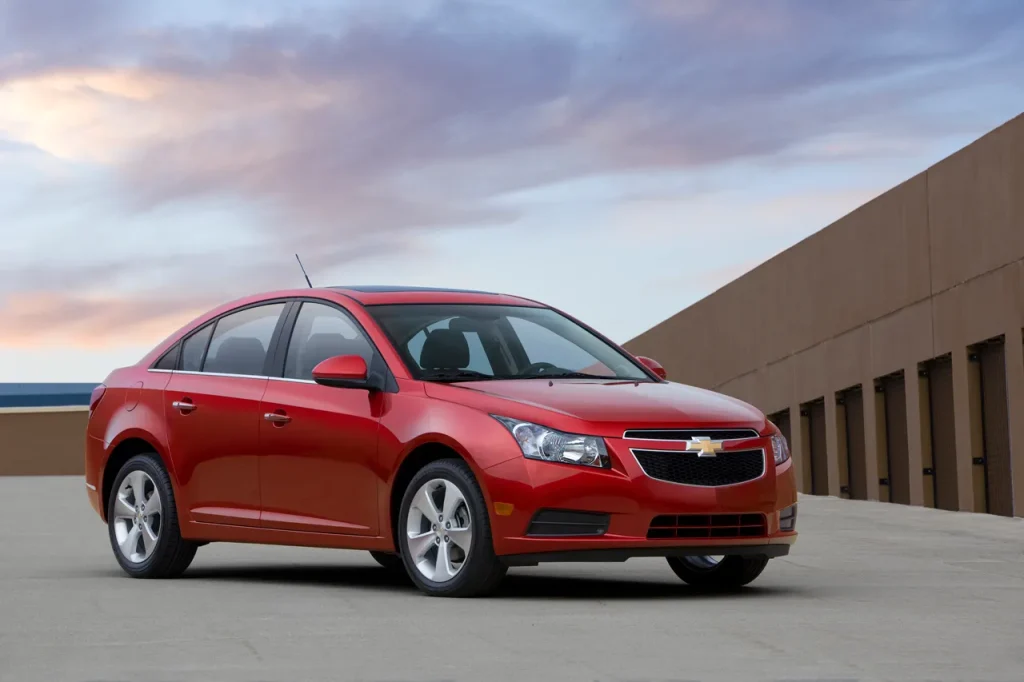
3. Chevrolet Cruze: Cooling-System and Turbocharger Repairs Can Add Up
The Chevrolet Cruze became popular among buyers looking for an affordable compact car with reasonable fuel economy. Its turbocharged four-cylinder engine provides useful performance, but the ownership calculation becomes less attractive when multiple cooling-system and engine-related problems develop at high mileage.
The 2011-2016 1.4-liter turbocharged versions deserve particular attention. One documented concern involves the positive crankcase ventilation system.
General Motors issued special coverage for certain 2015-2016 examples because cracks could develop in the PCV pressure regulator diaphragm inside the camshaft cover. This could introduce excess air into the intake, produce rough idling, and illuminate the check-engine light.
Cooling-system components are another area worth investigating. Owner reports for the 2015 model include water-pump failures, coolant leaks, radiator problems, and oil-filter housing leaks. Consumer Reports describes that model year as less reliable than other vehicles from the same year.
None of these problems means every example will experience the same failures. However, a vehicle that has already required repeated cooling-system repairs may be particularly risky when it reaches 180,000 miles.
The turbocharger, hoses, seals, sensors, and ageing plastic components also deserve inspection. A combination of engine overheating, oil leakage, and transmission problems can quickly create a repair bill that is disproportionate to the car’s resale value.
Why it may not deserve a major repair: If the vehicle requires a turbocharger, extensive cooling-system work, and additional engine repairs simultaneously, replacement may be more financially sensible. A single inexpensive PCV repair is not a reason to abandon an otherwise healthy car.
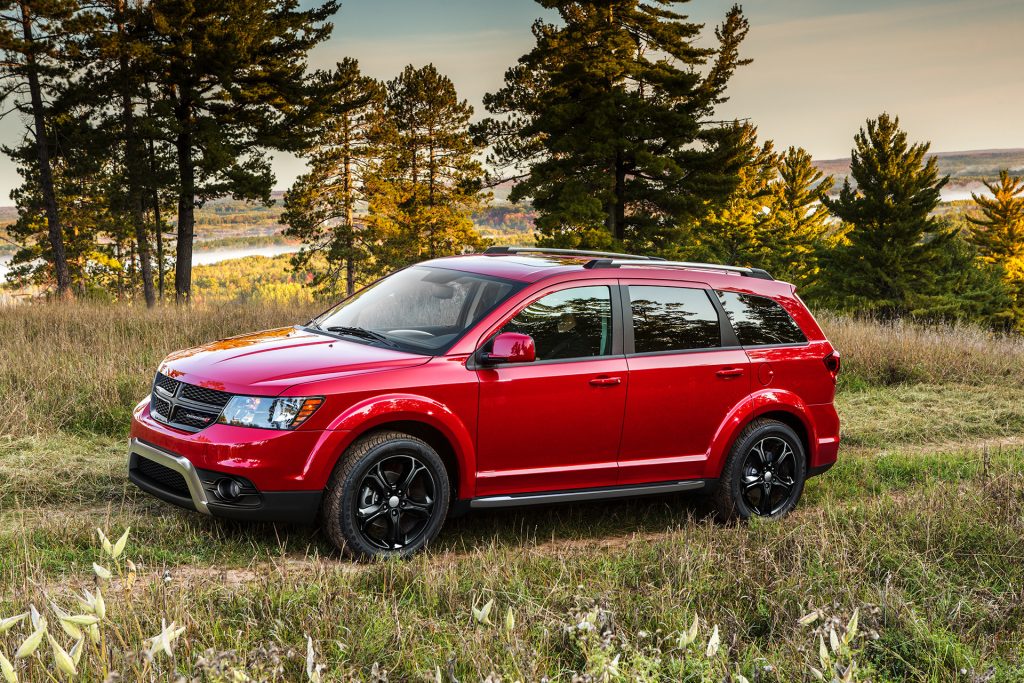
4. Dodge Journey: An Ageing SUV With Several Expensive Systems to Consider
The Dodge Journey attracted buyers with its available third-row seating, relatively accessible purchase price, and family-oriented layout. Unfortunately, its ageing mechanical package and relatively modest used-market value can make major repairs difficult to justify when the odometer reaches 180,000 miles.
The 2015 model provides a useful example. Consumer Reports describes it as less reliable than other vehicles from its model year. Its road-test assessment also identifies weaknesses involving driving dynamics, fuel economy, and transmission behaviour.
The available 2.4-liter four-cylinder and 3.6-liter V6 engines create different ownership considerations. The four-cylinder is less powerful, particularly when the vehicle is carrying passengers or luggage. The V6 provides stronger performance but can bring additional maintenance and repair expenses.
There are also documented safety-related recalls worth checking. NHTSA records include campaigns involving potential ABS and electronic stability control problems, steering-assist hose failures, and airbag wiring concerns in selected model years. These recalls should be checked by VIN and completed where applicable.
At high mileage, suspension wear, electrical problems, cooling-system deterioration, transmission condition, and air-conditioning repairs can become additional financial concerns.
The biggest issue is not one isolated component. It is the possibility of several ageing systems requiring attention at the same time.
Why it may not deserve a major repair: A substantial transmission or engine repair becomes difficult to justify when the vehicle also needs suspension work, electrical repairs, and other expensive maintenance. Owners should compare the complete estimate with the cost of purchasing a more dependable replacement.
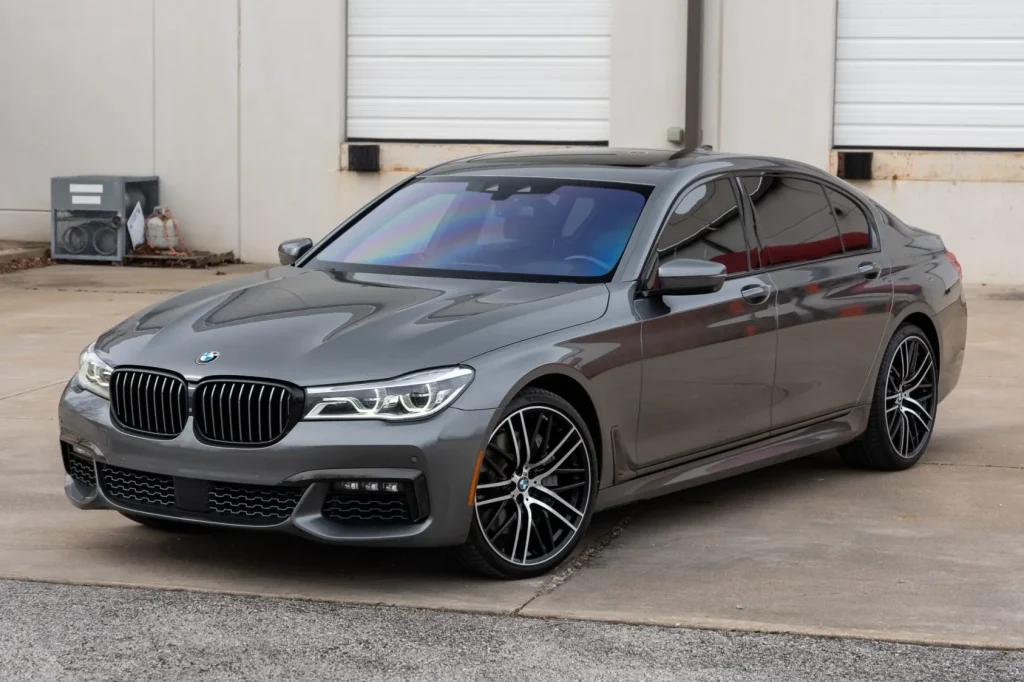
5. BMW 750i: Luxury Engineering Can Become Extremely Expensive at High Mileage
The BMW 750i offers an entirely different ownership proposition. It was designed to deliver premium comfort, strong acceleration, and sophisticated engineering. However, the 2009-2014 generation equipped with the N63 twin-turbocharged V8 deserves particular caution when approaching 180,000 miles.
The N63 places its turbochargers inside the engine’s V configuration, creating a hot operating environment. While the arrangement supports performance and packaging, heat can accelerate deterioration in certain surrounding components.
BMW introduced an N63 Customer Care Package addressing a range of concerns, including excessive oil consumption and premature battery problems. The programme covered inspections and replacement of selected components, depending on the vehicle’s condition and eligibility.
Potential high-mileage concerns include valve-stem seals, oil consumption, turbocharger-related coolant leaks, crankcase ventilation components, fuel-system parts, and timing-chain-related problems. Specialist repair guidance also highlights the importance of checking whether the relevant customer-care work was completed.
A vehicle that has received extensive preventative maintenance may still have considerable value to an enthusiast who understands the running costs. However, the same vehicle can become a serious financial burden for someone expecting ordinary family-sedan repair expenses.
The problem is the combination of complicated engineering, specialised labour, expensive replacement components, and a sharply depreciated purchase price.
Why it may not deserve a major repair: If the engine requires extensive work involving turbochargers, oil leaks, valve seals, and timing components, the bill can become greater than the vehicle’s realistic market value.
Unless the owner has a strong reason to retain it and a substantial repair budget, replacement is often the more sensible financial decision.
